The Art of the Anchor: Designing a Living Room That Feels Complete
There is a distinct, wordless shift in the air when you walk into a room that is truly finished. It isn’t merely about the presence of furniture or the absence of clutter; it is a sense of arrival. The eyes stop searching and begin to rest. In the world of fine interiors, we often speak of soul- that intangible layer where heritage meets the personal, and where every object feels as though it has always belonged.
Designing a living room that feels complete is a slow collaboration between architecture and emotion. It requires moving beyond the transactional nature of buying furniture and toward the intentionality of curation. Here is how to bridge that gap and create a sanctuary that feels whole.

The foundation: grounding the narrative
A common misstep in design is treating the floor as an afterthought. In reality, the floor is your fifth wall and the literal foundation of your room’s energy. A space often feels floaty or disjointed when the furniture lacks a common ground.
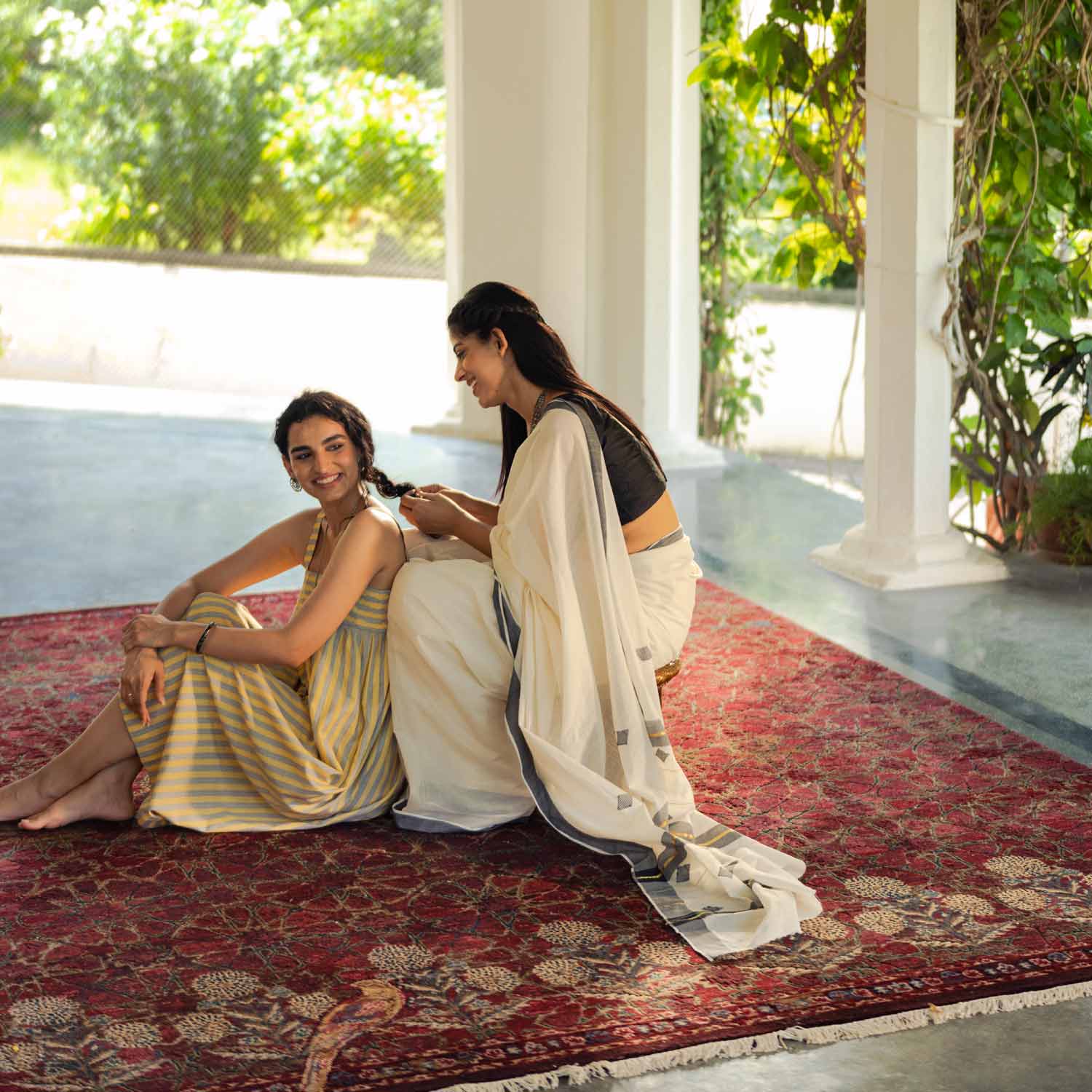
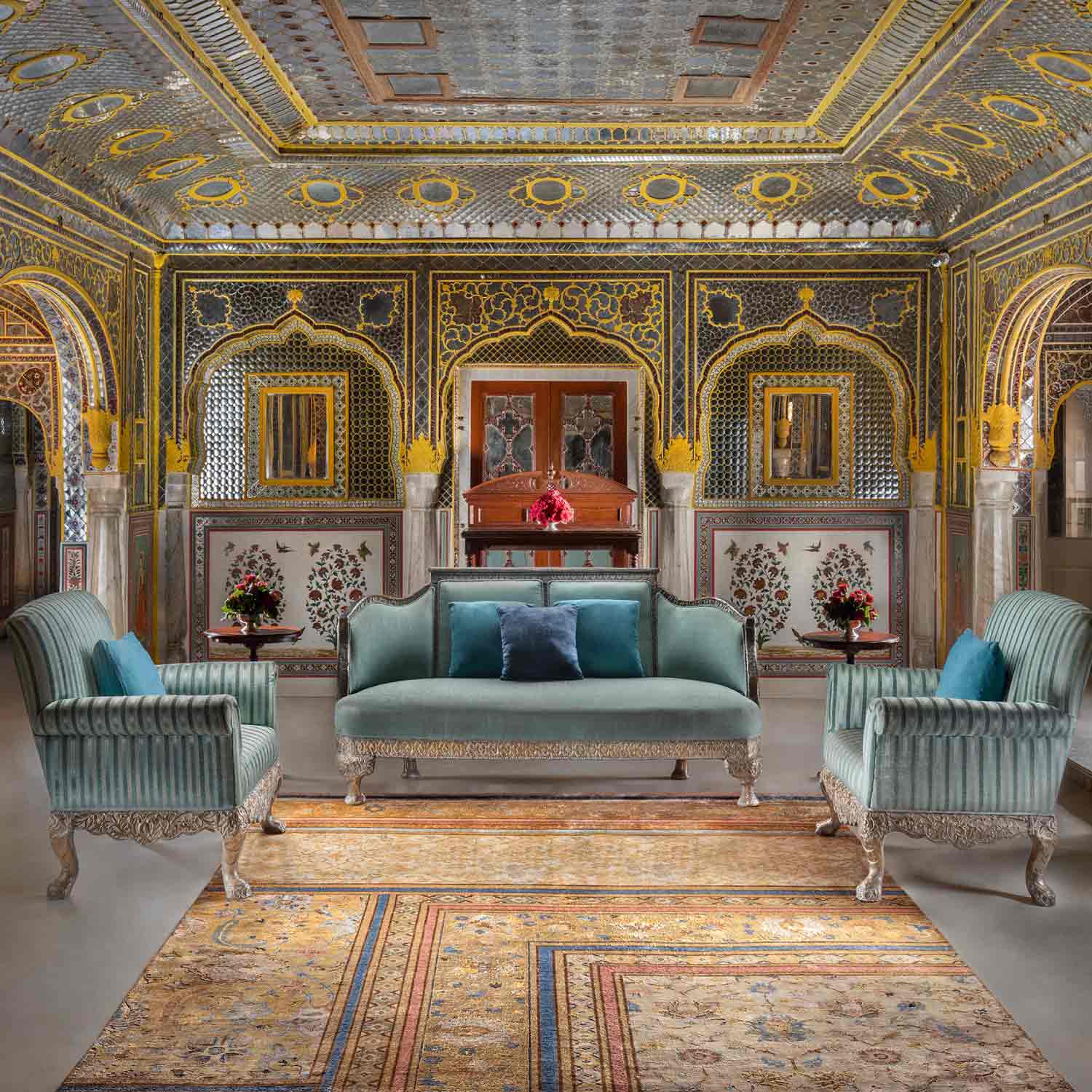
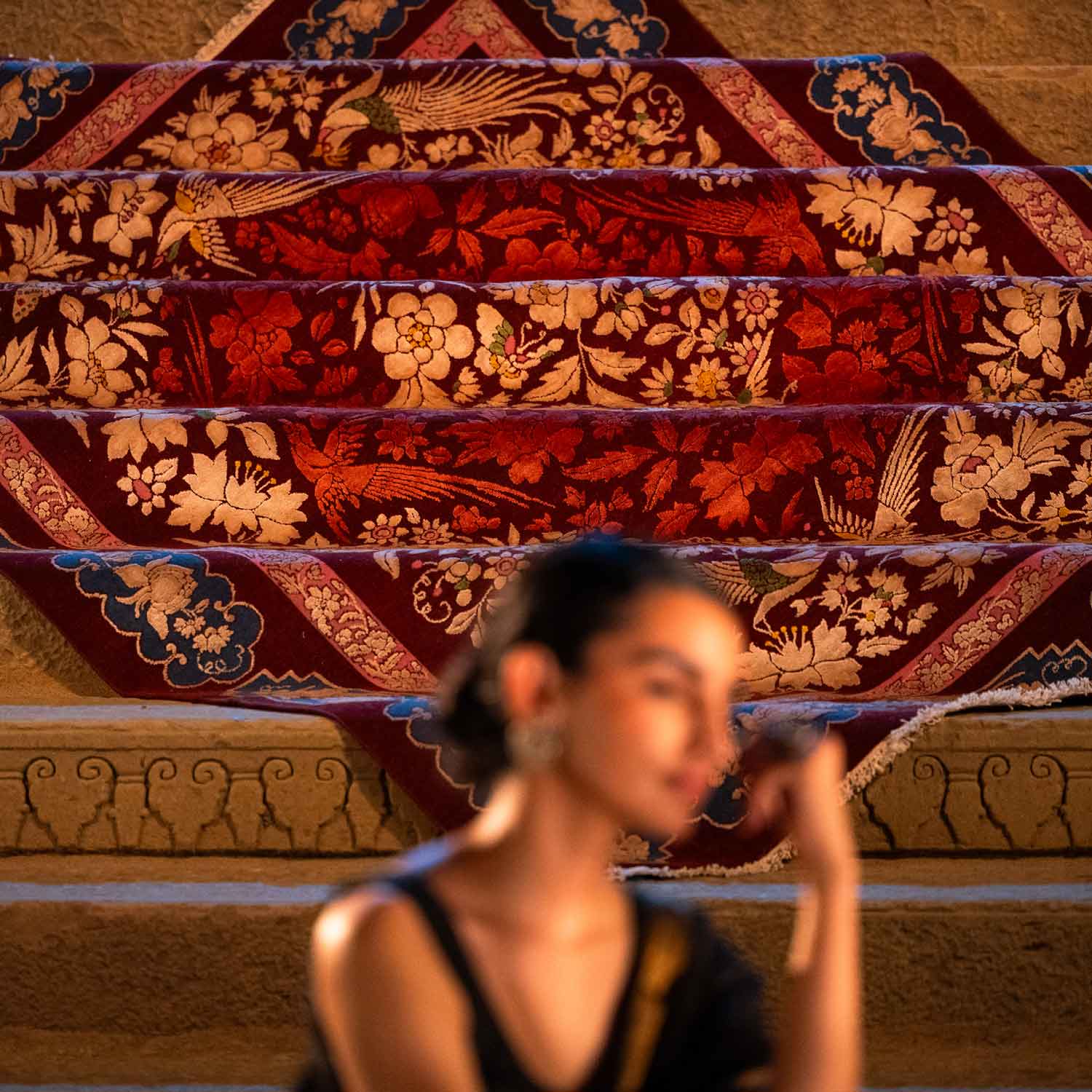
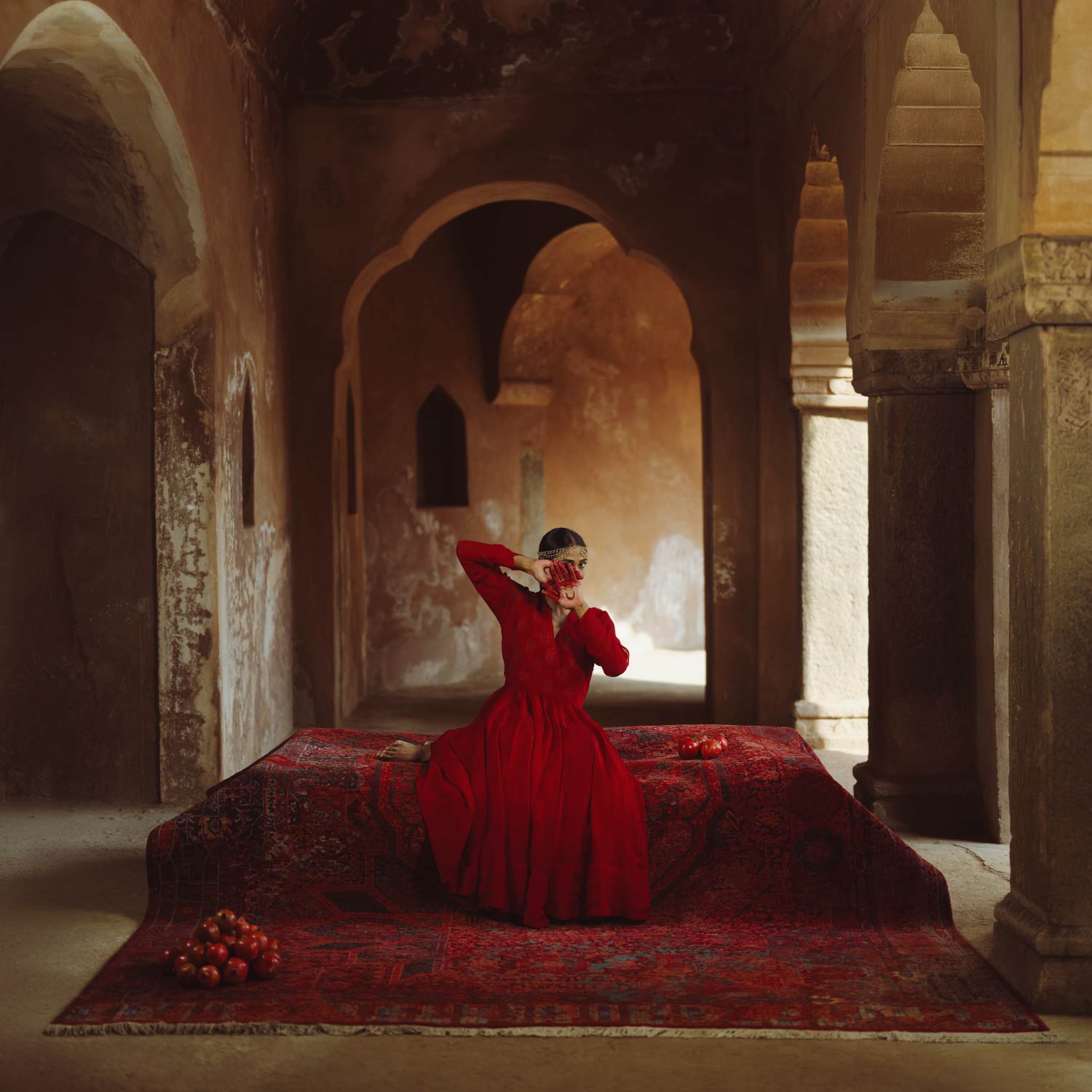
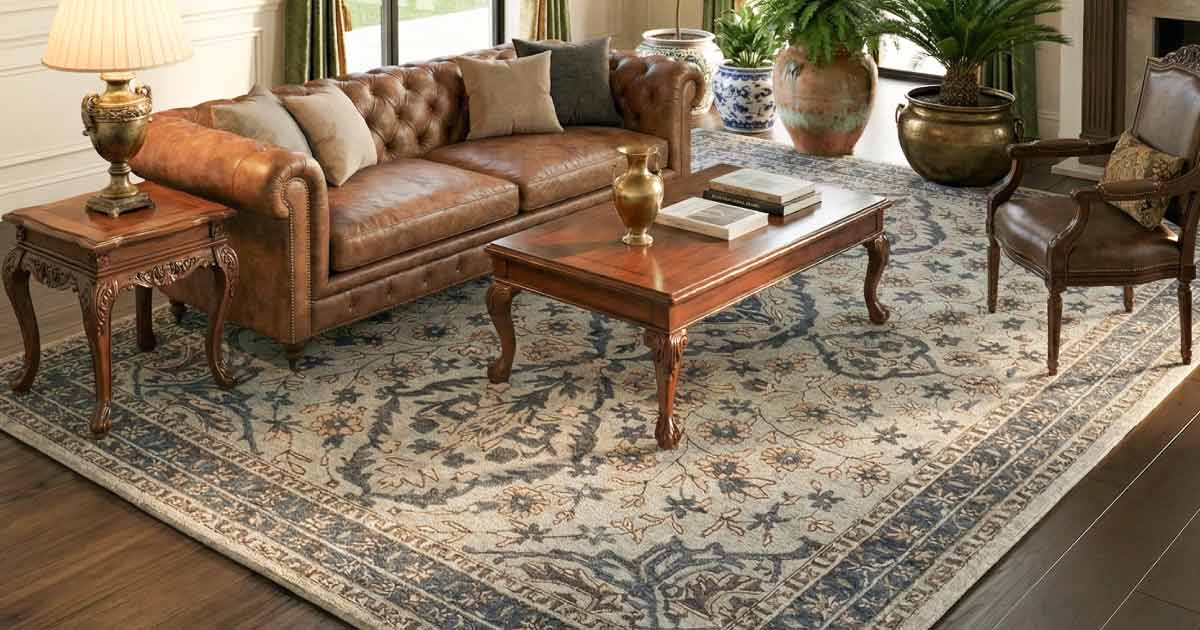
To anchor a room, one must look for a centrepiece that possesses what we call presence. This isn’t about loudness; it’s about depth. A hand-knotted piece, perhaps from a lineage of craft like the Revisiting Classics, offers more than just a pattern- it offers a history of knots. When you place a sofa atop the intricate, low-sheared Persian motifs of an Ardibil Hand Knotted Woollen rug, you aren't just decorating; you are establishing a coordinate. The maroon and gold tones act as a silent conductor, pulling the disparate colours of your upholstery and art into a single, cohesive symphony.
The architecture of texture
Completeness is rarely achieved through a single material. A room with all smooth surfaces feels clinical; one with all soft surfaces feels formless. The secret to a lived-in sophistication lies in the friction between textures.
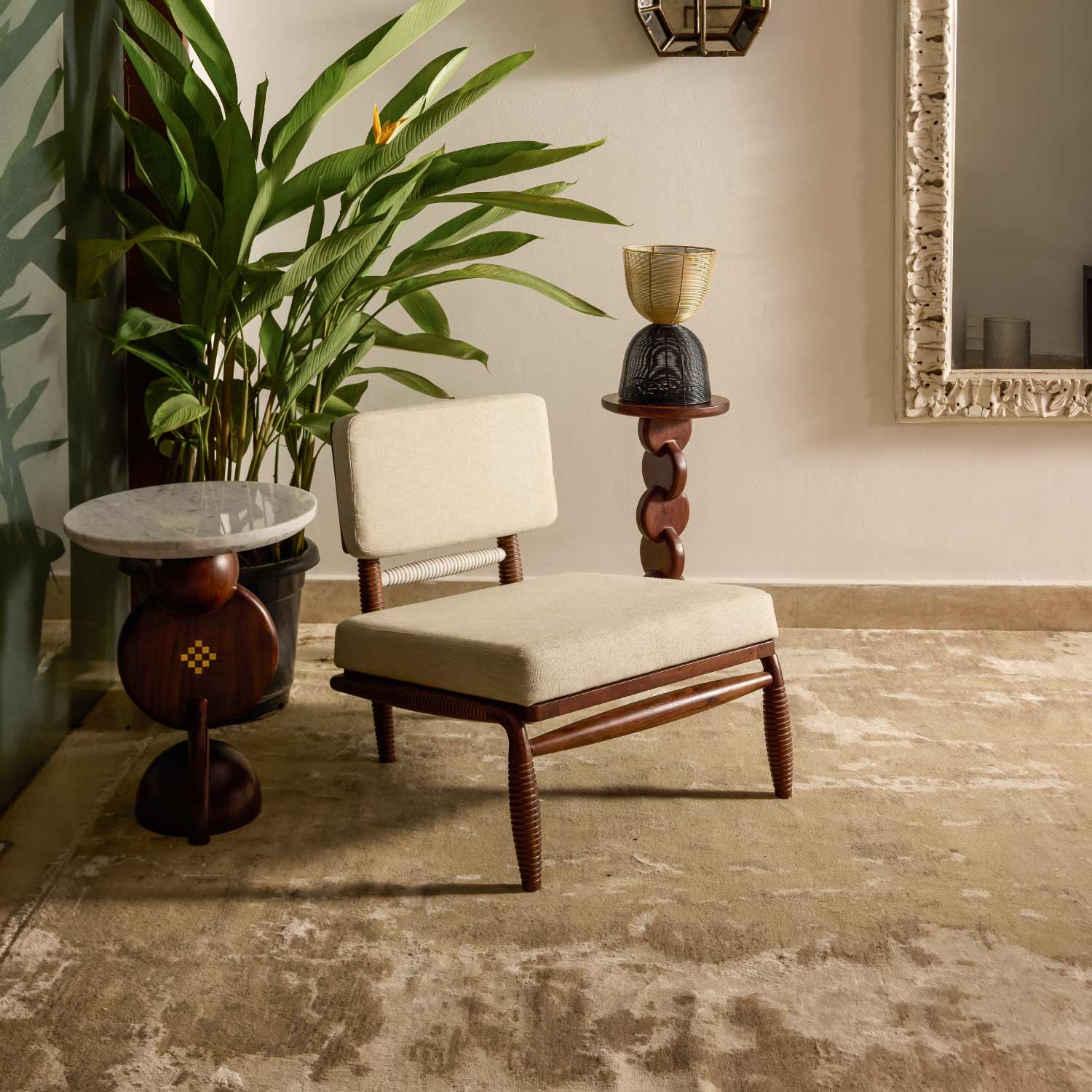
Consider the interplay of light and touch. If your seating is a structured linen or a deep velvet, the floor should offer a counter-narrative. The Elemental collection, for instance, utilises hand-spun wool to create organic, mineral-inspired shapes that mimic the raw beauty of the earth. These pieces don’t just sit in a room; they breathe with it. The subtle contour effects and worn-out elegance provide a tactile maturity that makes a new house feel like an ancestral home.
Layering the silent details
Once the foundation is laid, the completeness of a room is found in the layers that follow. Interior designers often use the Rule of Three to create visual balance, but we prefer the Rule of Intention.
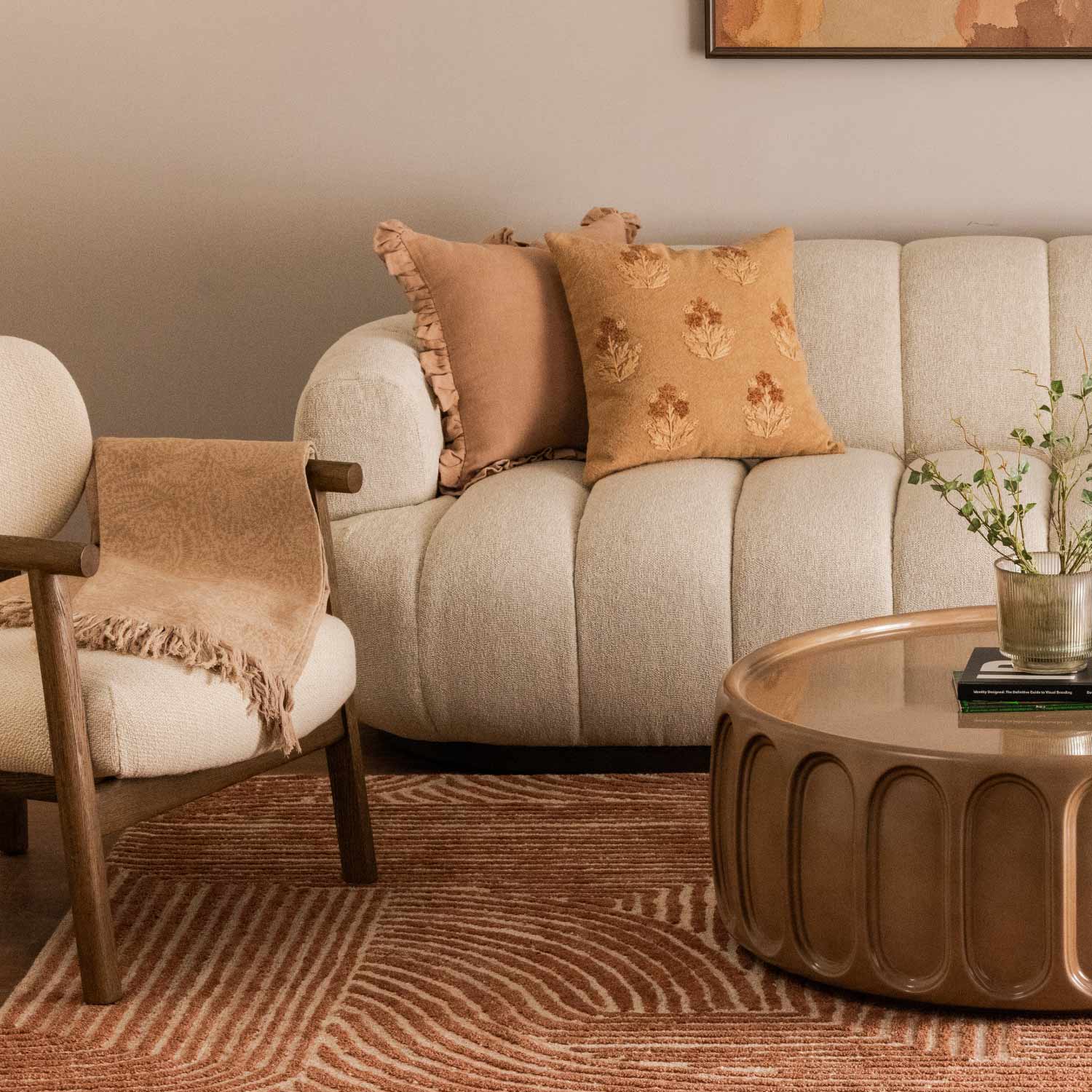
• The Mid-Level: Your coffee table and side seating should speak to the rug beneath them. A glass table allows the artistry of a hand-knotted weave to remain visible. In contrast, a dark wood table can ground a lighter, airier palette.
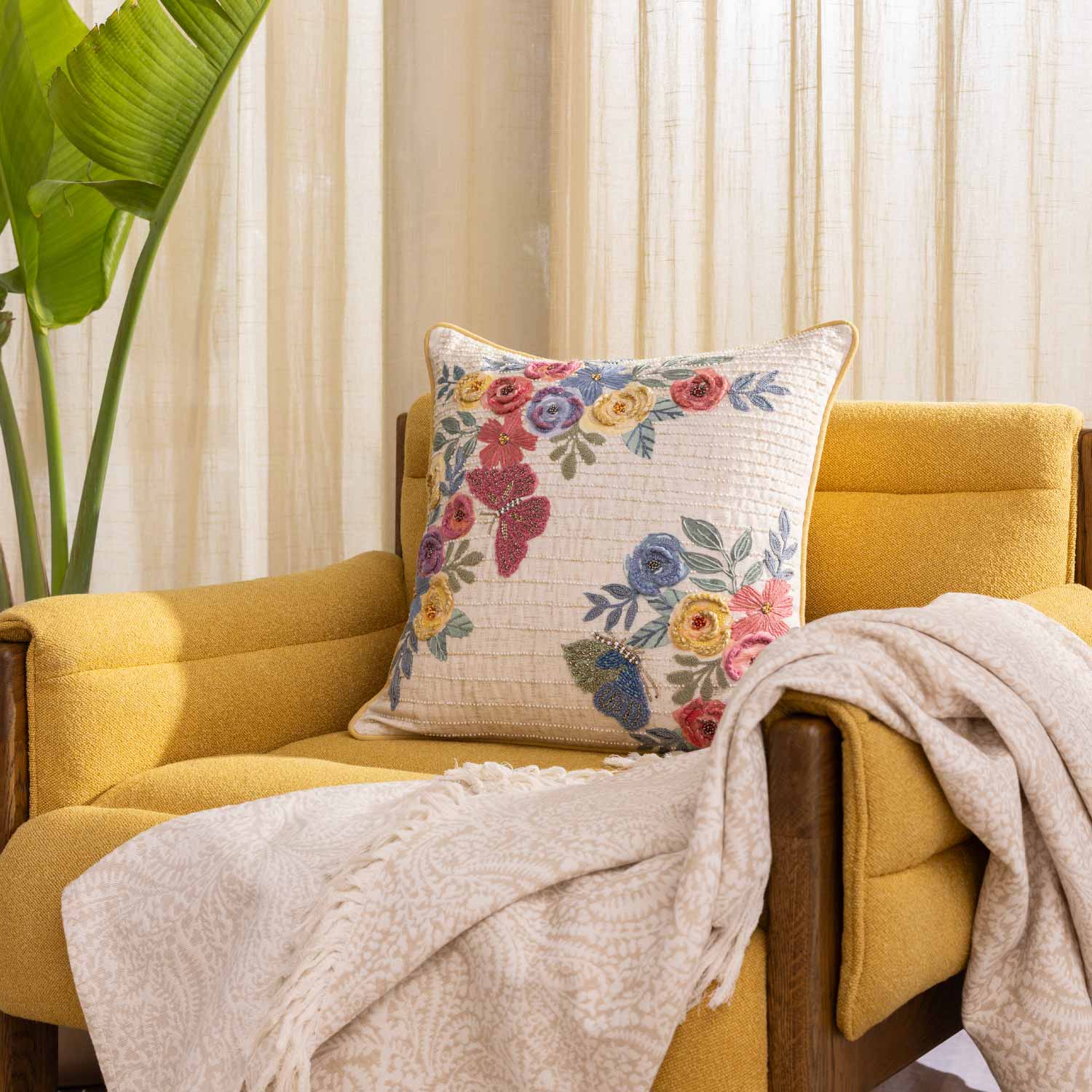
• The Soft Accents: Cushions are the punctuation marks of a room. Rather than matching them perfectly to your sofa, look for pieces that echo the craftsmanship of your floor. A Butah Block printed Chennille Cotton Cushion Cover or an intricately embroidered piece can pull a secondary colour from your rug and lift it to eye level, creating a vertical harmony that feels effortless.
• The Light: Avoid the interrogation of a single overhead light. Layer your lighting- a floor lamp for reading, a table lamp for warmth, and perhaps the way sunlight hits the high-lustre wash of a hand-knotted rug in the afternoon.
The power of the Patina
A room feels complete when it acknowledges the passage of time. This is why we are drawn to transitional design- the space where the old world and the new shake hands.
A truly complete room isn't a museum; it’s a witness. It’s the way a hand-knotted woollen canvas, built with the precision of a sculptor, grows more distinguished as it settles into your daily rituals. Whether it’s the earthy, Turkish-inspired warmth of an Alima gold piece or the modern geometry of a hand-woven dhurrie, these elements act as the memory seats of the home. They absorb the laughter of movie nights and the quiet of Sunday mornings until the room no longer feels like a project, but like a part of you.
Final reflections
Designing a space that feels complete is an exercise in patience. It’s about choosing one forever piece over five for now pieces. When you prioritise materials that have a story—wool that has been hand-spun, silk that catches the light like a memory, and patterns that have survived centuries—the room stops being a collection of objects and starts being a sanctuary.
After all, we don't just inhabit our living rooms. We live in them, we grow in them, and eventually, we become them.
How do you want your home's story to begin?