

What Earth Day reminds us we’ve always known: the quiet heritage of Indian sustainability
In the modern lexicon, sustainability often feels like a shiny discovery- a buzzword born out of necessity, packaged in recycled cardboard and marketed as a lifestyle shift. But for those who have grown up within the rhythmic pulse of Indian craftsmanship, sustainability isn’t a trend; it is an inheritance. It is a philosophy woven into the very fabric of our lives, long before it ever needed a label. Earth Day serves as a gentle, annual nudge to look backwards rather than forward, reminding us that the most responsible choices are often the quietest ones we’ve been making for centuries. In the context of the Indian home, beauty has never been divorced from responsibility. We have always understood that a product is only as beautiful as the process behind it.
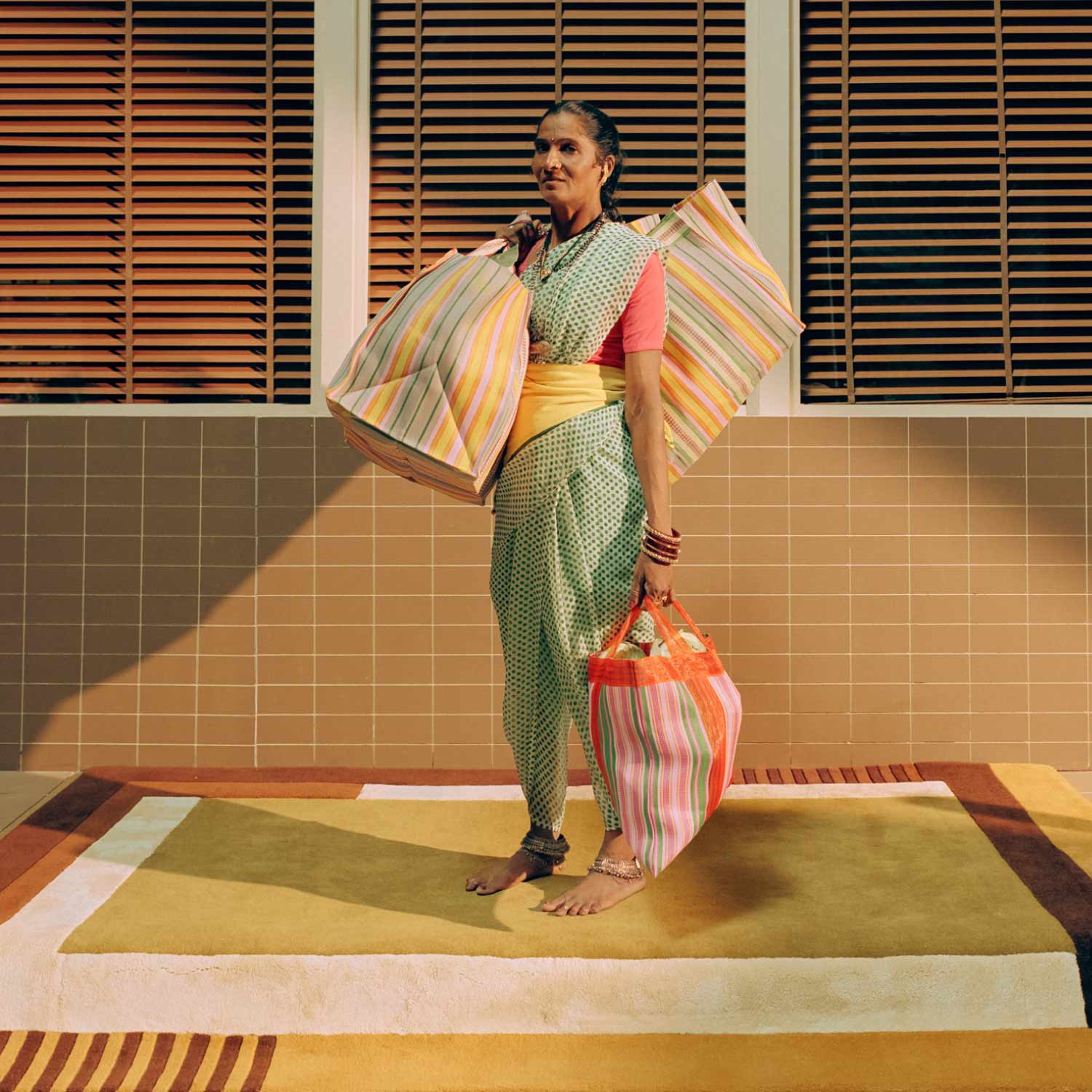
At the heart of this enduring legacy is the Indian artisan—the weaver at a loom, the designer sketching Indian Modern motifs, or the master dyer working with deep, jewel-toned pigments. Indian craftsmanship has always been an exercise in mindful living. Our traditional methods of creation do not view nature as a resource to be exploited, but as a partner to be respected. The raw materials- high-quality wool, organic cotton, and silk- are drawn from the earth and, eventually, designed to return to it without leaving a scar. This intrinsic bond between the maker and the environment ensures that every object produced is imbued with a sense of Dharma- a duty to the world around us. In an era of planned obsolescence, the hand-knotted rug stands as a defiant testament to longevity. It celebrates the beauty of things that age gracefully, pieces that aren’t meant to be replaced by next season’s collection but are intended to be passed down through generations. This is the soul of true sustainability: the understanding that a home doesn’t need constant change; it needs pieces that stay, adapt, and endure.

The wisdom in the everyday
When we look back at the traditional Indian household, we find a masterclass in eco-conscious living. Our ancestors didn't wait for global summits to tell them how to reduce their footprint; they simply lived in harmony with the materials available to them.
• The Earthen Pot and Brass Utensils: Long before the hum of the refrigerator or the disposal of plastic containers, the humble matka and brass vessels reigned supreme. These objects were chosen for their utility and their permanence. A brass pitcher doesn't end up in a landfill; it is polished, cherished, and eventually repurposed.
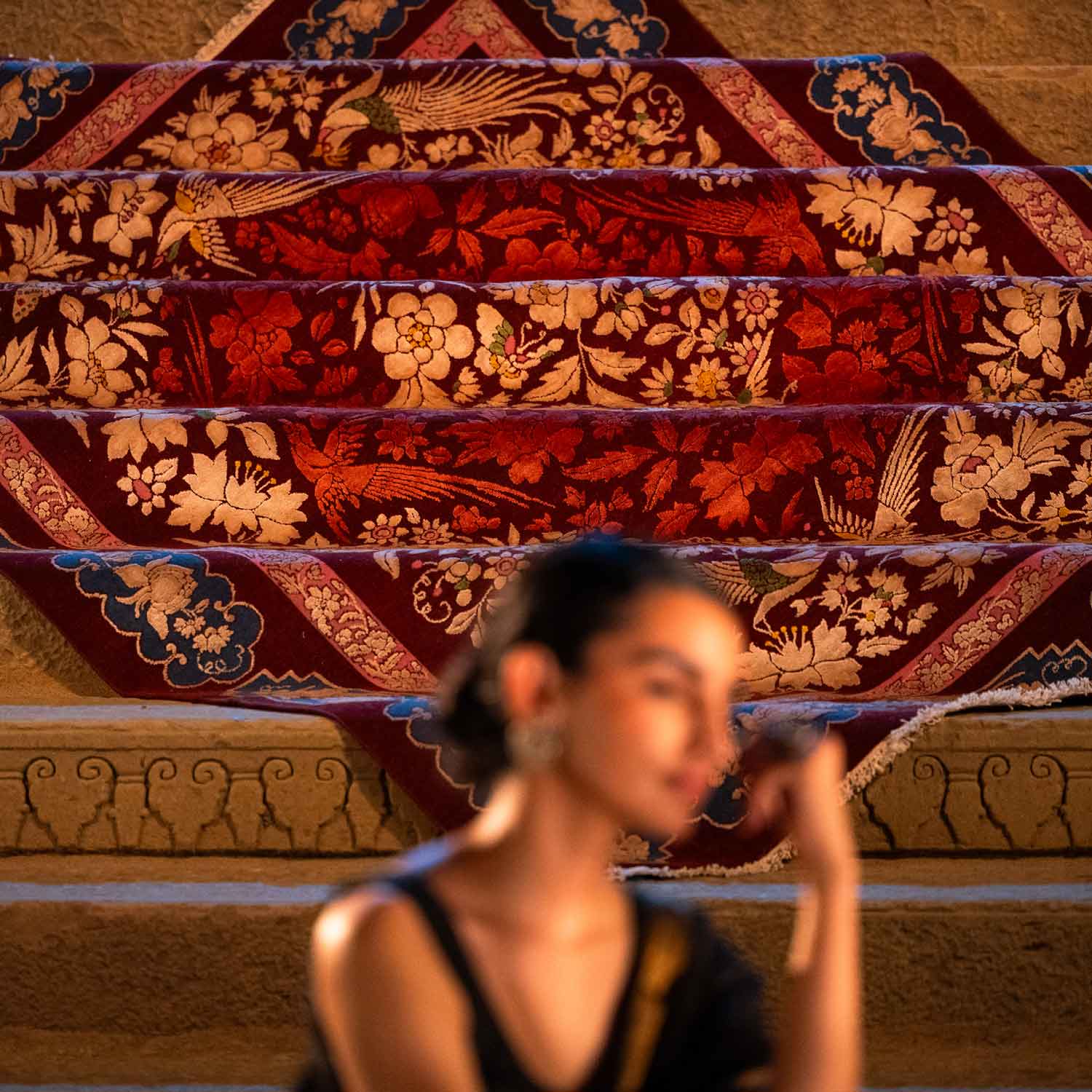
• Natural fibres and the Loom: Whether it is the intricate Mughal-inspired patterns of a hand-knotted wool rug or the soft touch of embroidered voile bed covers, the use of natural fibres is a cornerstone of our heritage. These materials breathe with the environment, offering tactile luxury that synthetic fibres simply cannot replicate.
• The circularity of craft: In the workshops of master weavers, nothing is wasted. Leftover yarn becomes the soul of a new texture; traditional motifs are reimagined for contemporary spaces. This is the essence of a brand that is Indian in essence but international in appeal - taking the sustainable practices of the past and making them relevant for the modern interior.
The luxury of longevity
Earth Day reminds us that the most radical thing we can do in a consumer-driven world is to choose things that last. We have been conditioned to believe that new is synonymous with better, but there is a profound luxury in objects that have witnessed the passage of time.
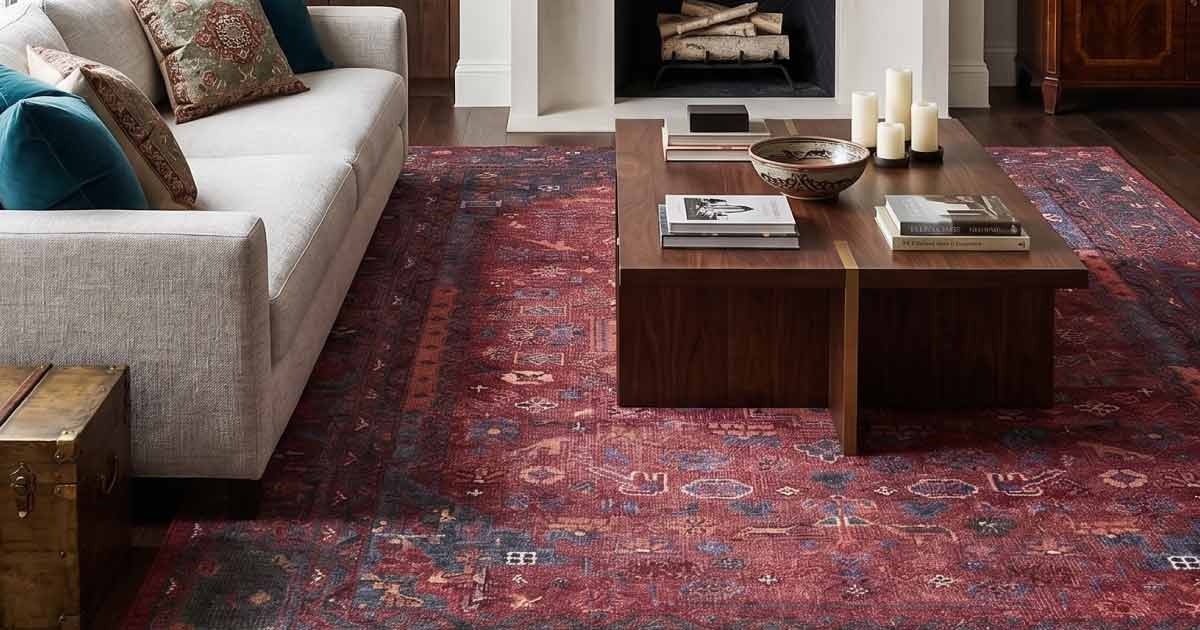
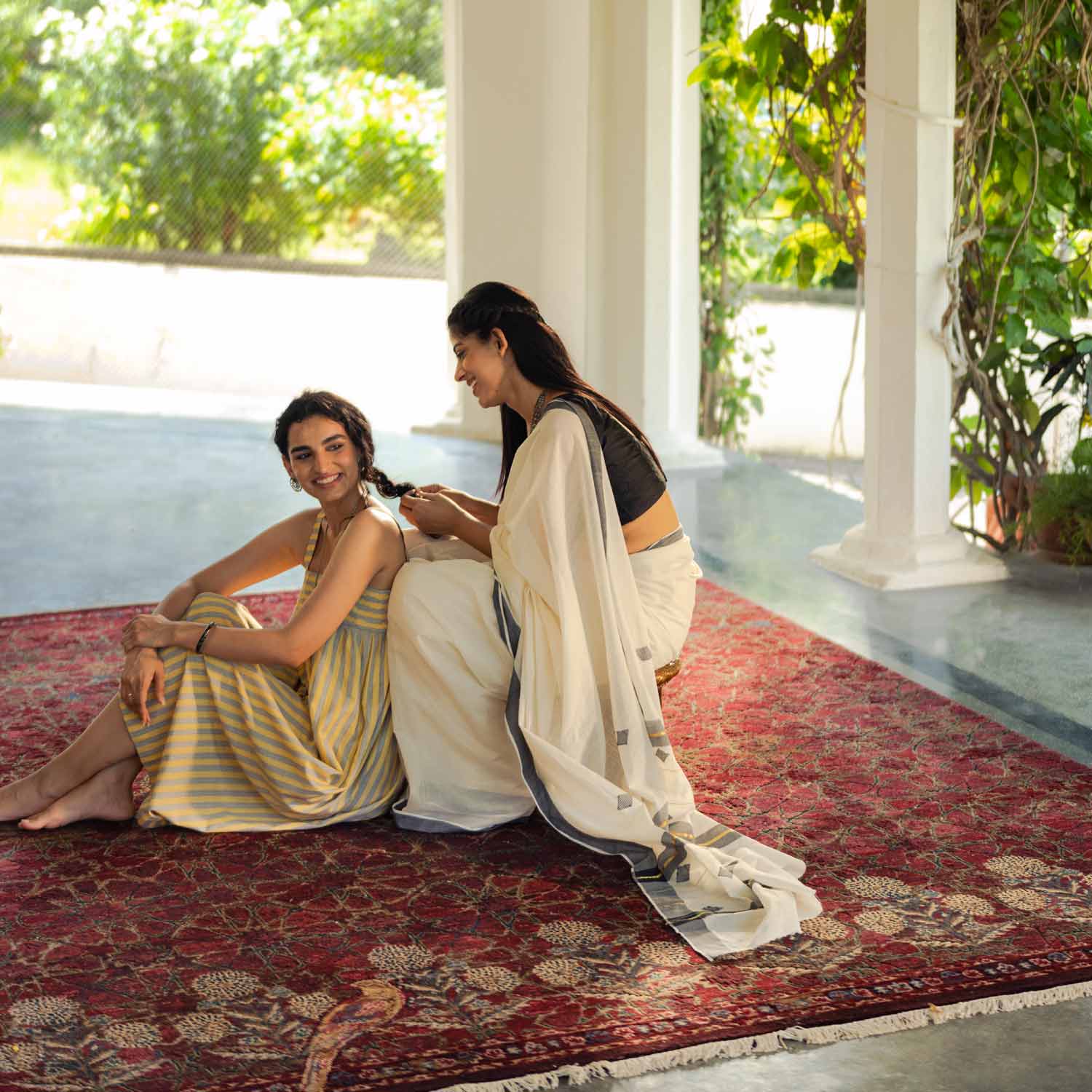
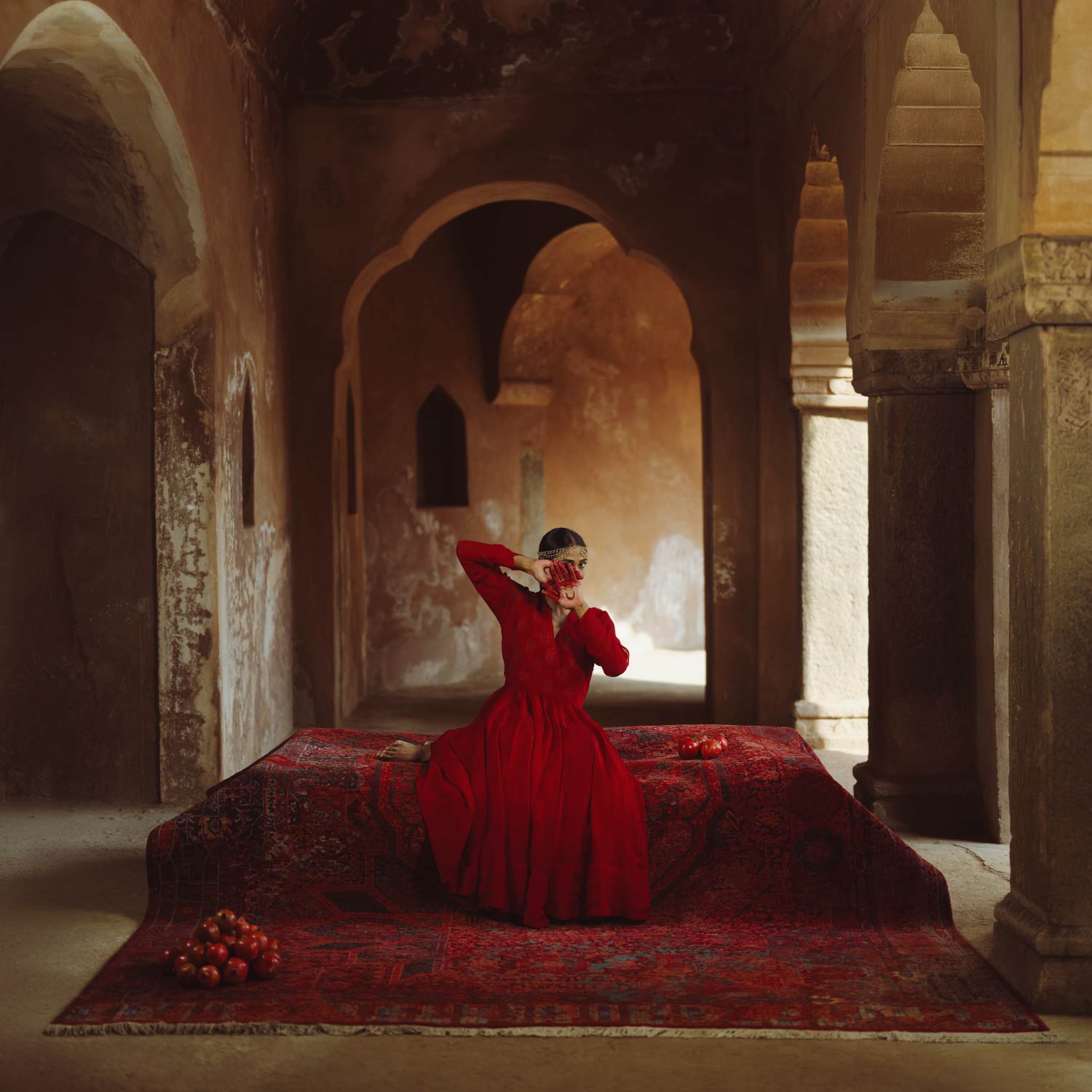
Consider a hand-knotted carpet. It is more than just a floor covering; it is a repository of memory. Unlike mass-produced alternatives that wear thin within a few years, a hand-knotted piece actually gains character with age. The wool becomes softer, the colours more settled. When we invest in such craftsmanship, we are investing in a story of social accountability and artisan empowerment. We are choosing to live with pieces that have been touched by human hands rather than churned out by a machine. This connection to the maker creates a sense of stewardship. We take better care of things when we know they were made with intention, and in doing so, we break the cycle of waste.
A return to the choices
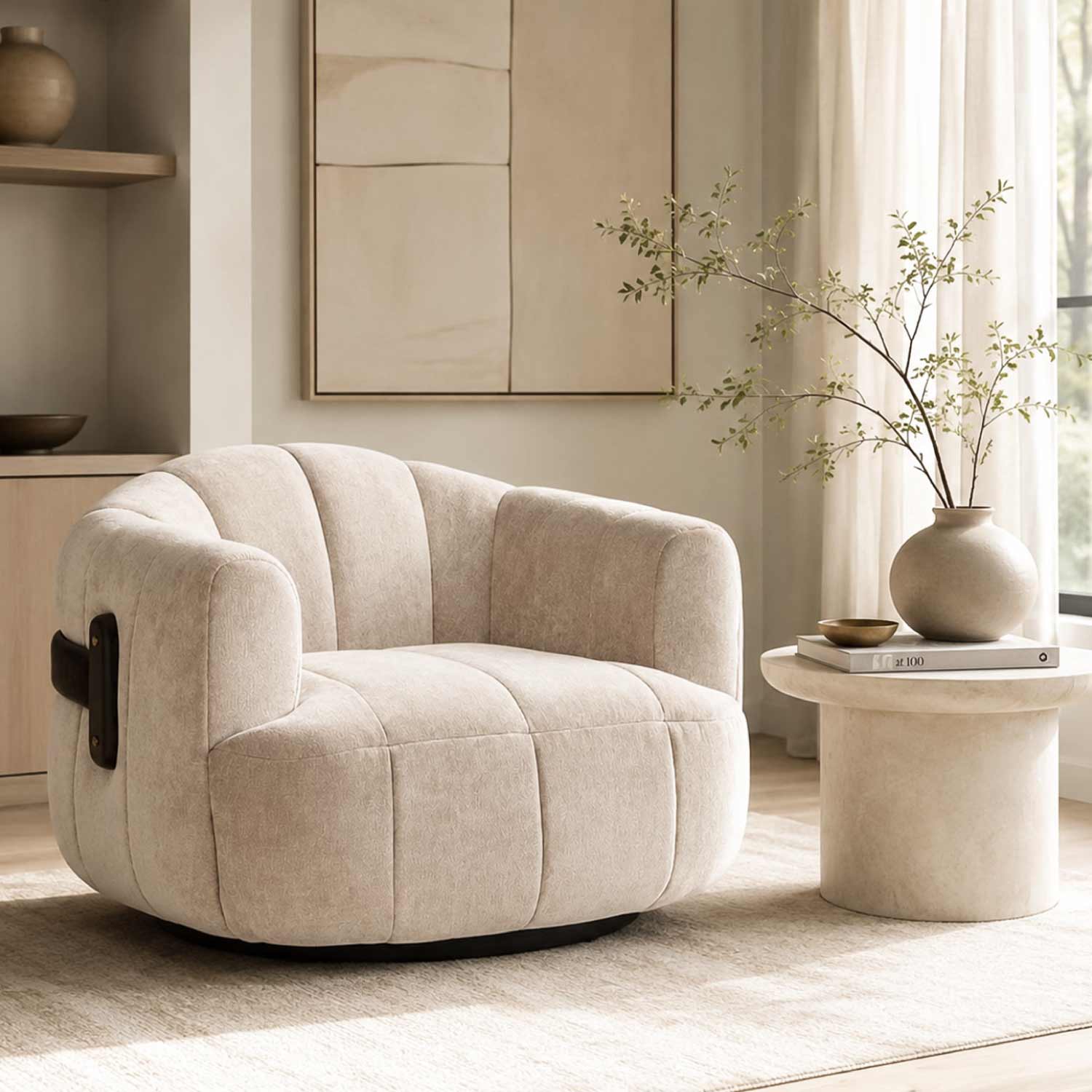
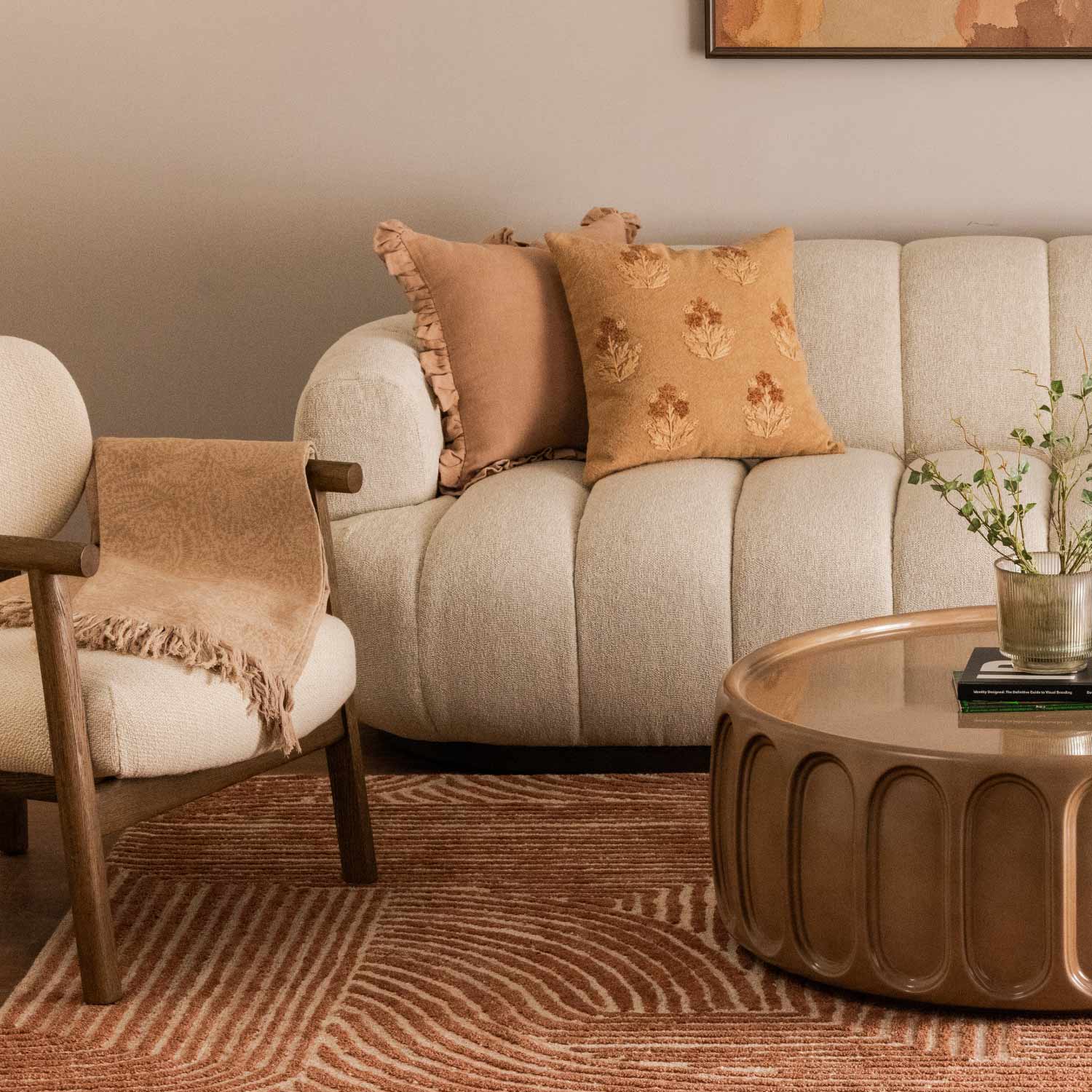
As we navigate the complexities of the 21st century, the path forward might actually be a path back. Embracing sustainability doesn't necessarily require us to reinvent our lives; it requires us to remember them. It’s about opting for the swivel armchair that becomes a permanent fixture in your library, or the digital-printed cotton cushion that adds a layer of art without compromising the earth.
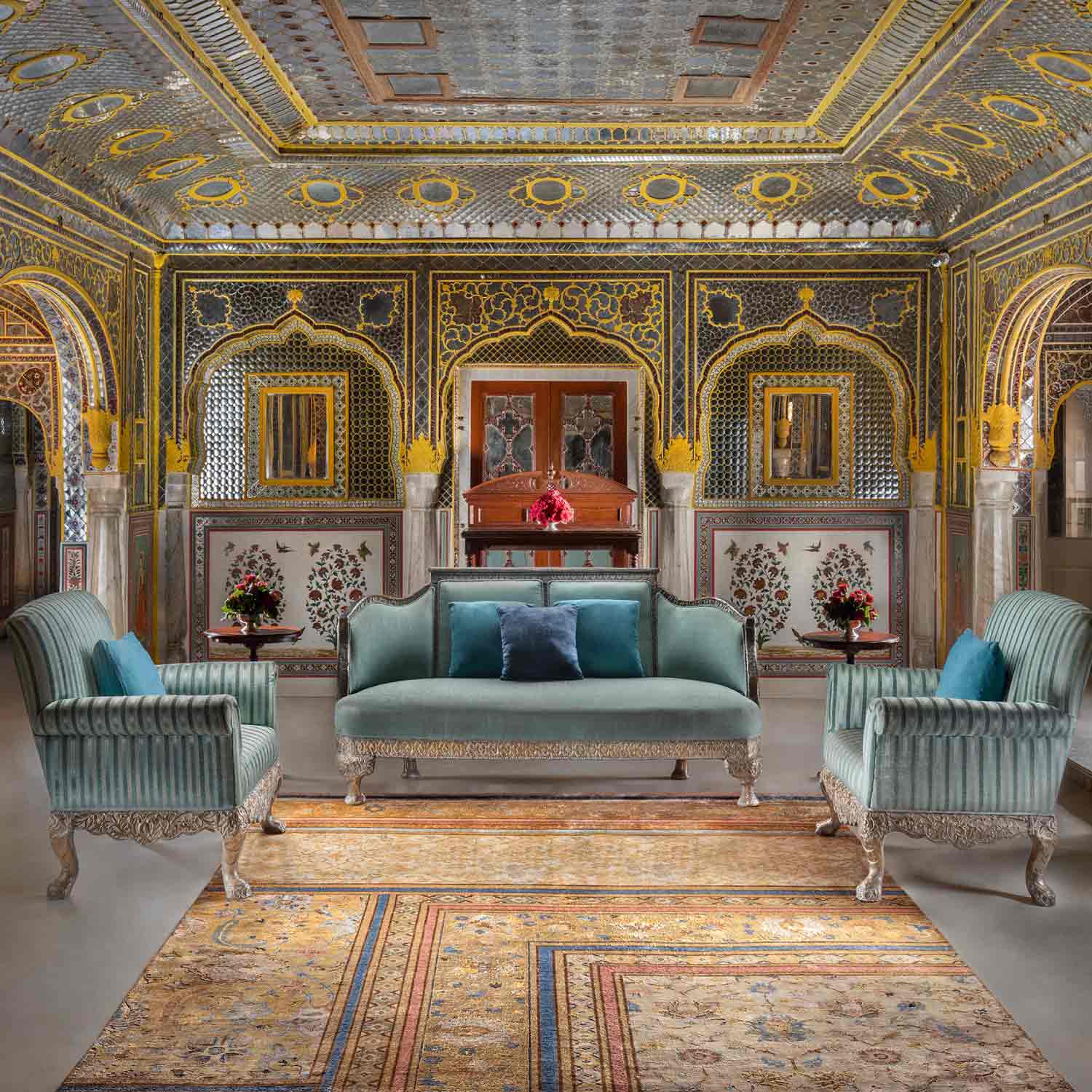
The Indian ethos has always understood that what we choose to live with, over time, is what truly matters. Our homes are reflections of our values. By choosing pieces that endure- from a centuries-old weaving tradition to a modern console- we honour the earth and the artisans who protect its traditions. This Earth Day, let us celebrate the quiet, steady wisdom of our heritage. True luxury is not found in the fleeting, but in the pieces that remain long after the trends have faded.