

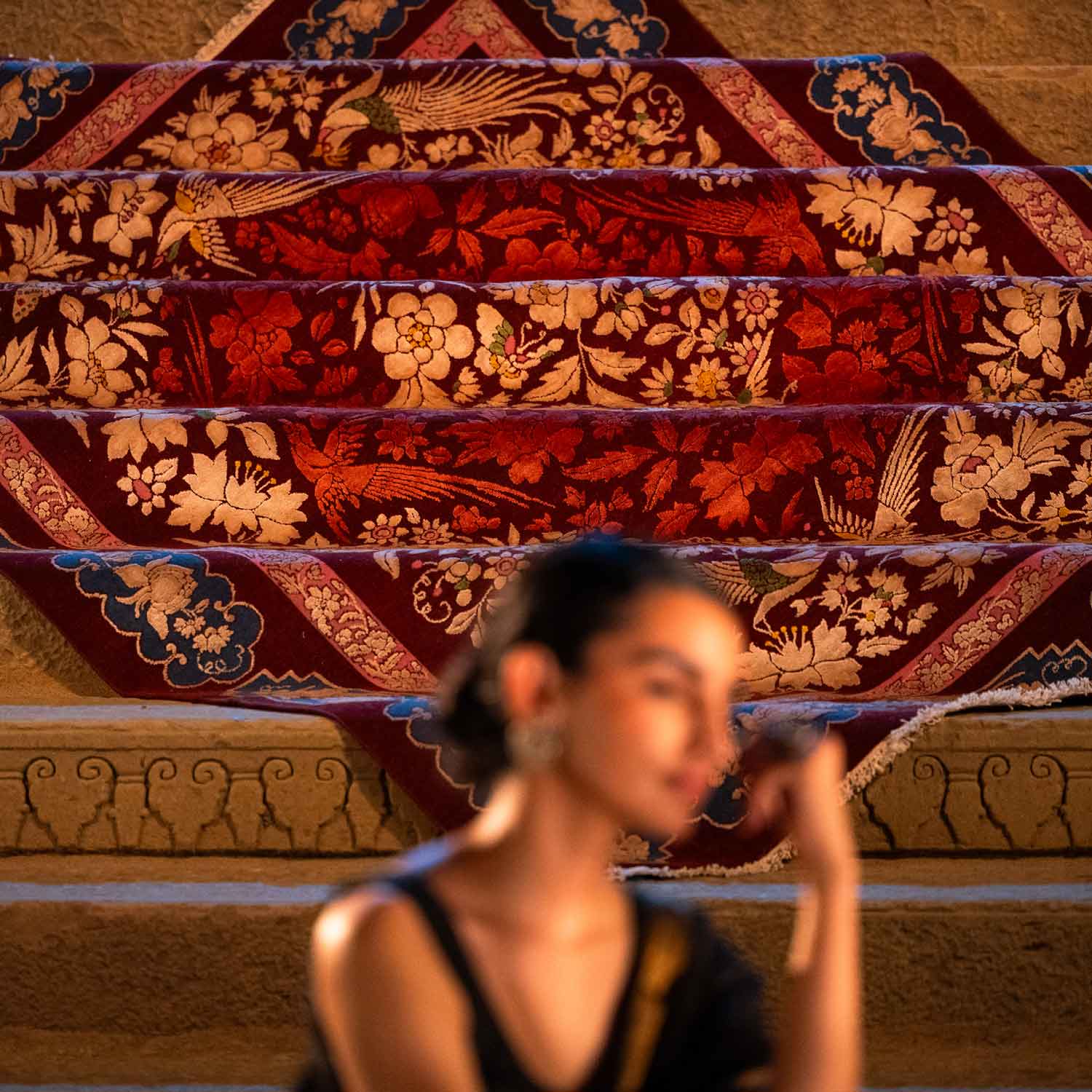
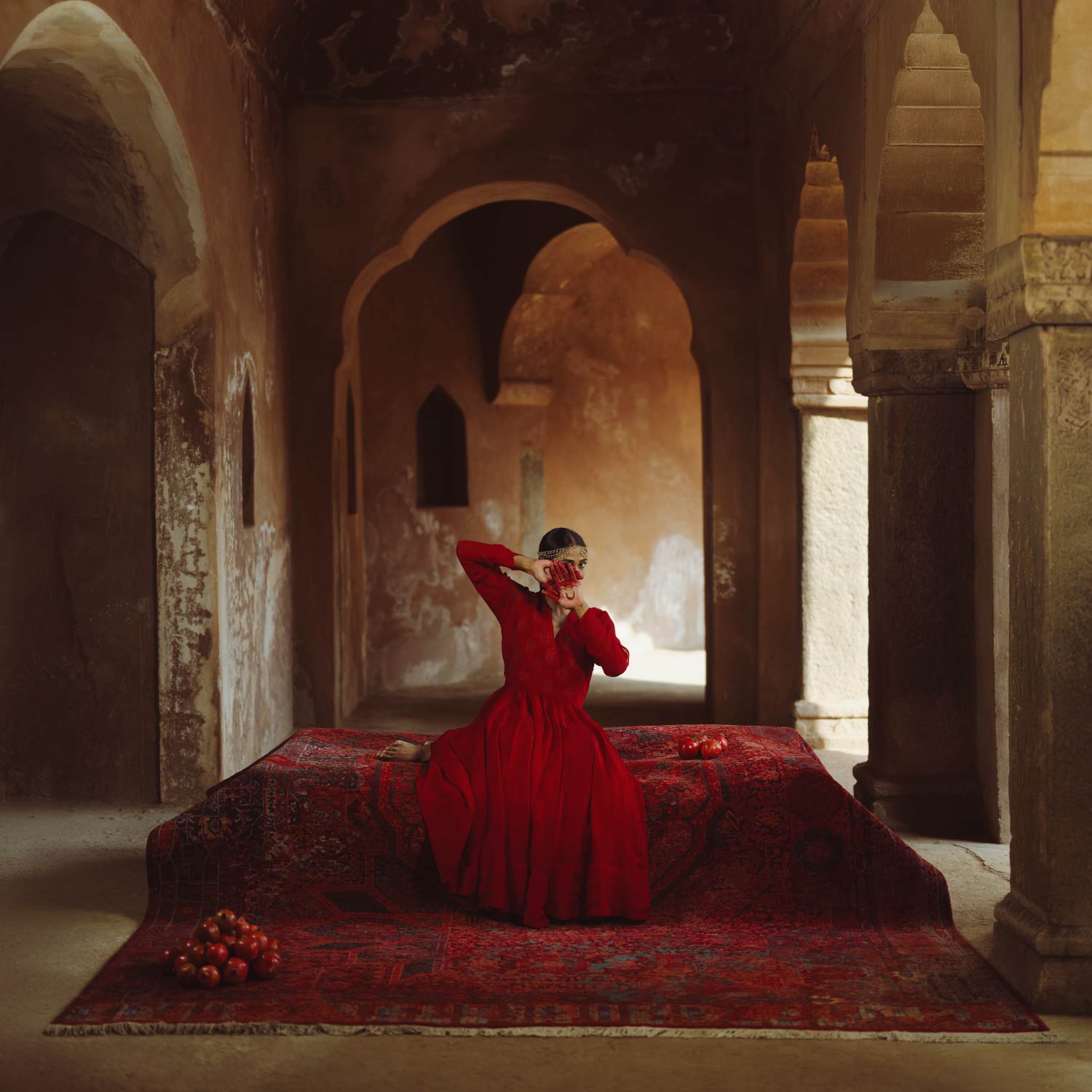

The Festive Edit
Where Celebration Comes Home.
Rich colours, beautiful textures and a home ready to welcome everyone.
Bring Diwali to life with Obeetee.

woven for a season of togetherness.
SET THE FESTIVE SCENE
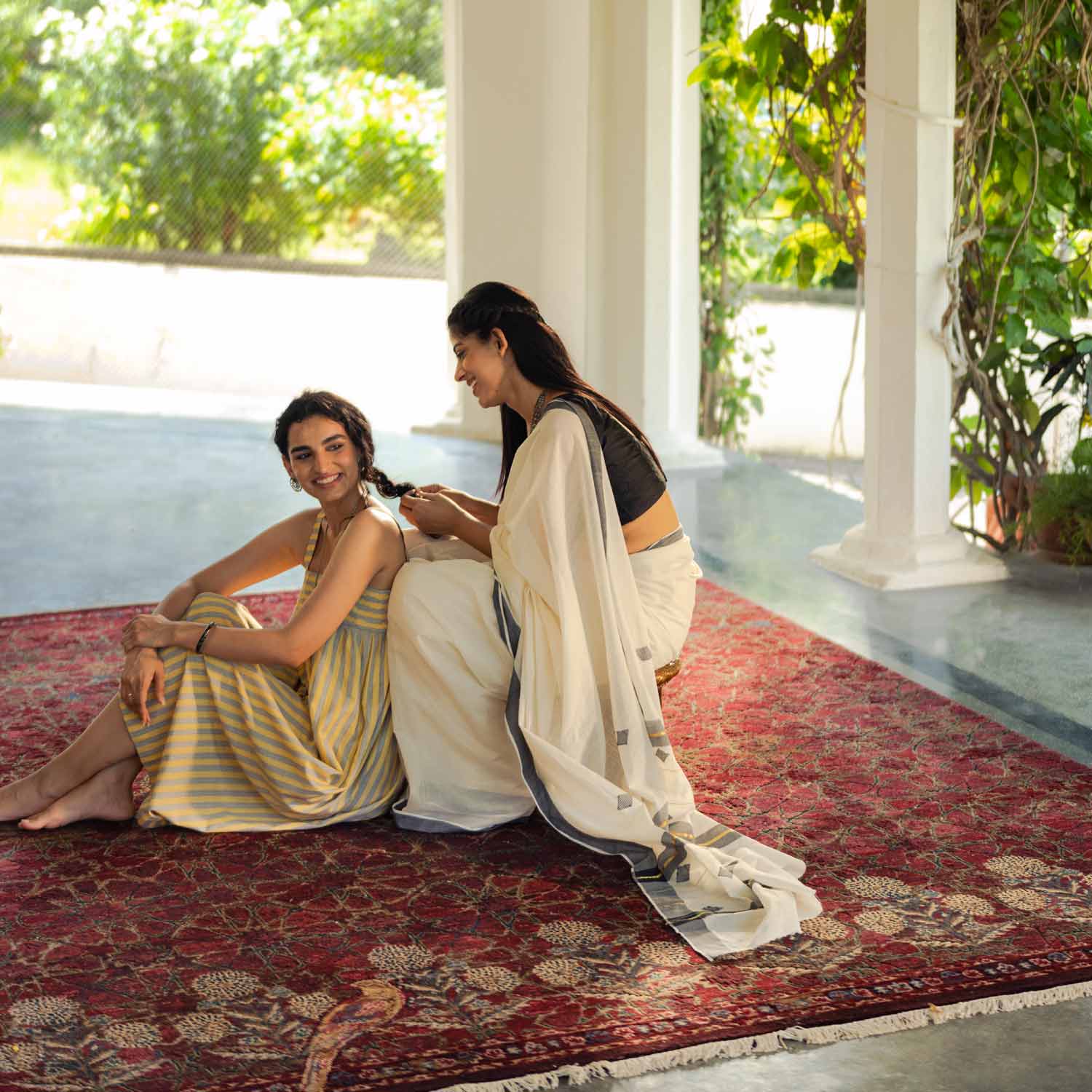
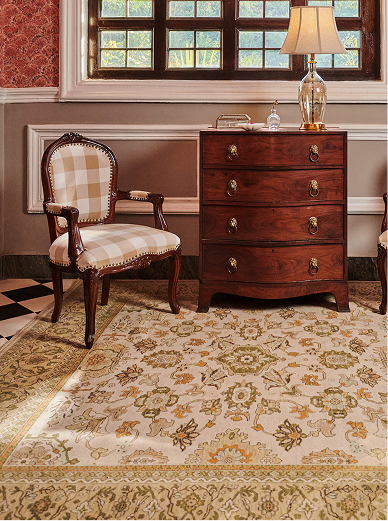
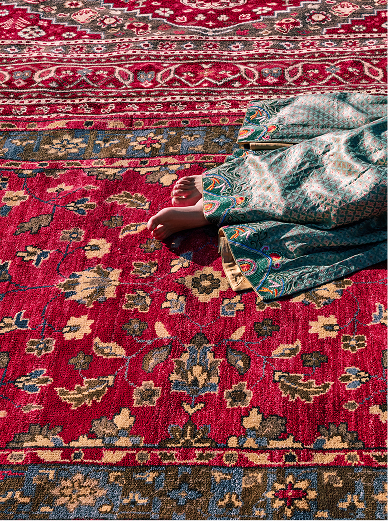
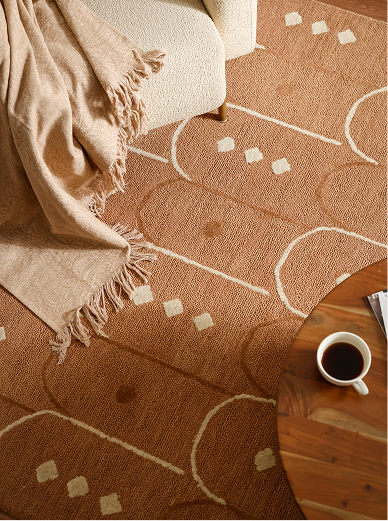
Carpets that bring colour to celebration
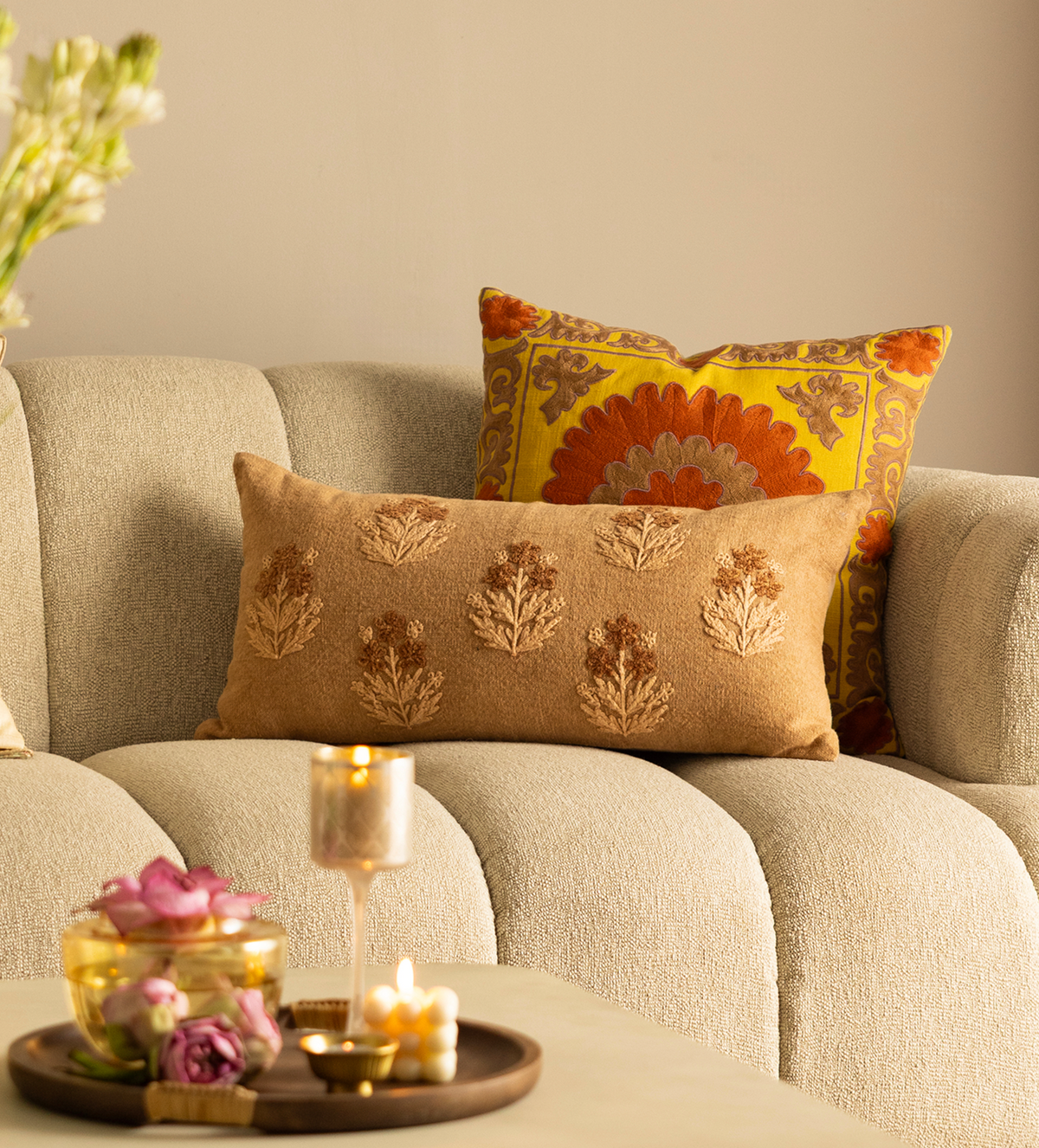
LAYERS OF FESTIVE WARMTH
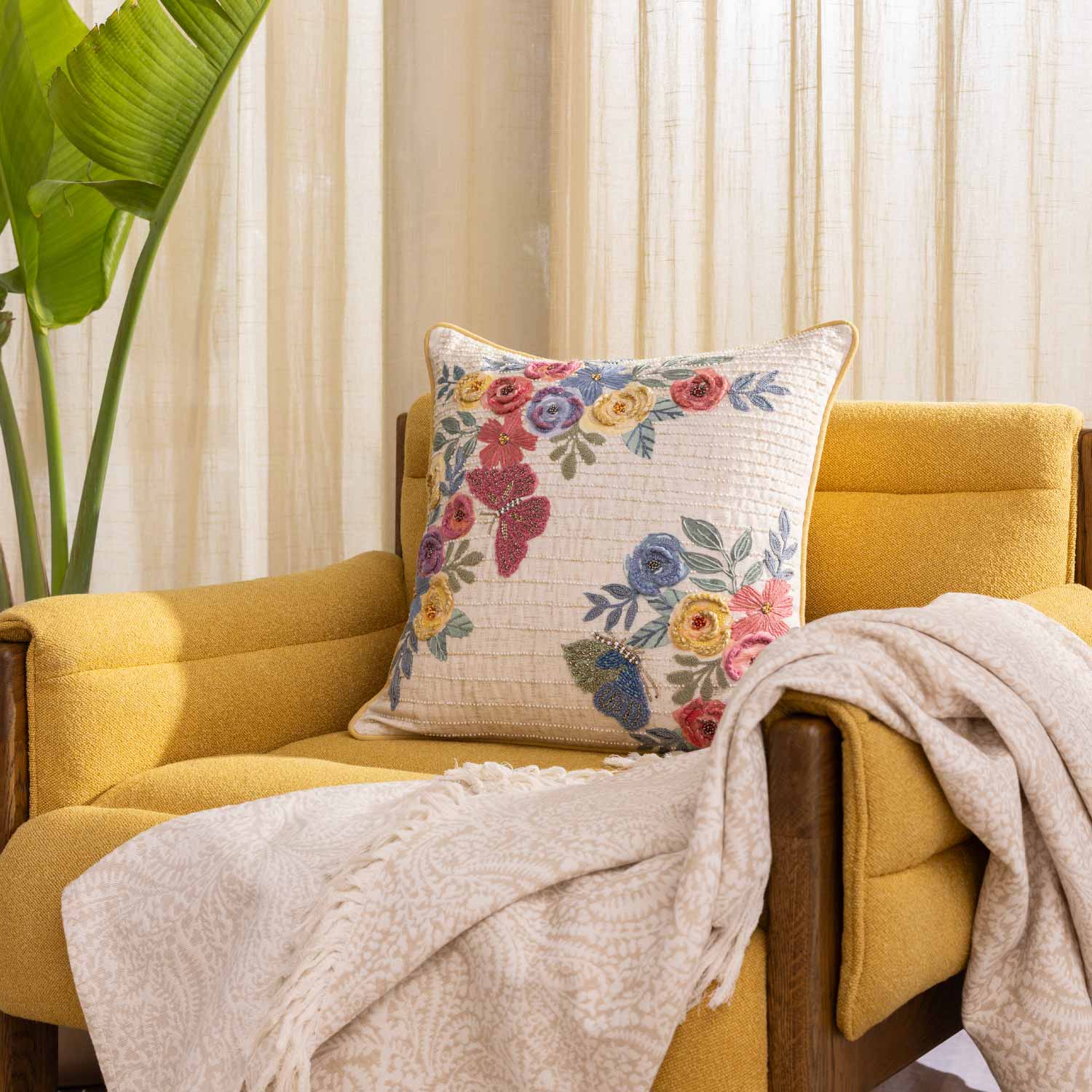
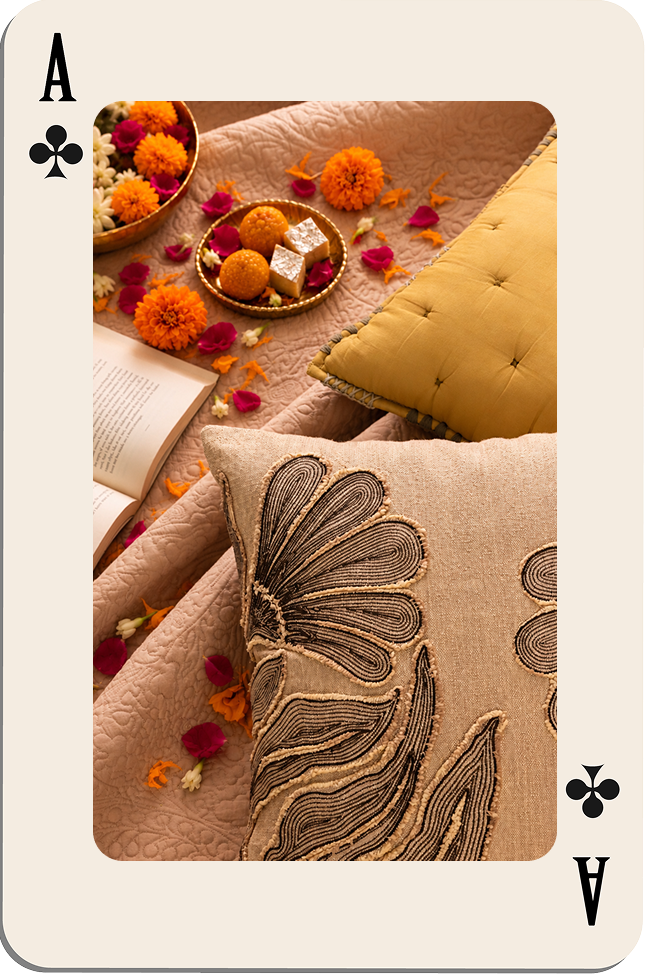
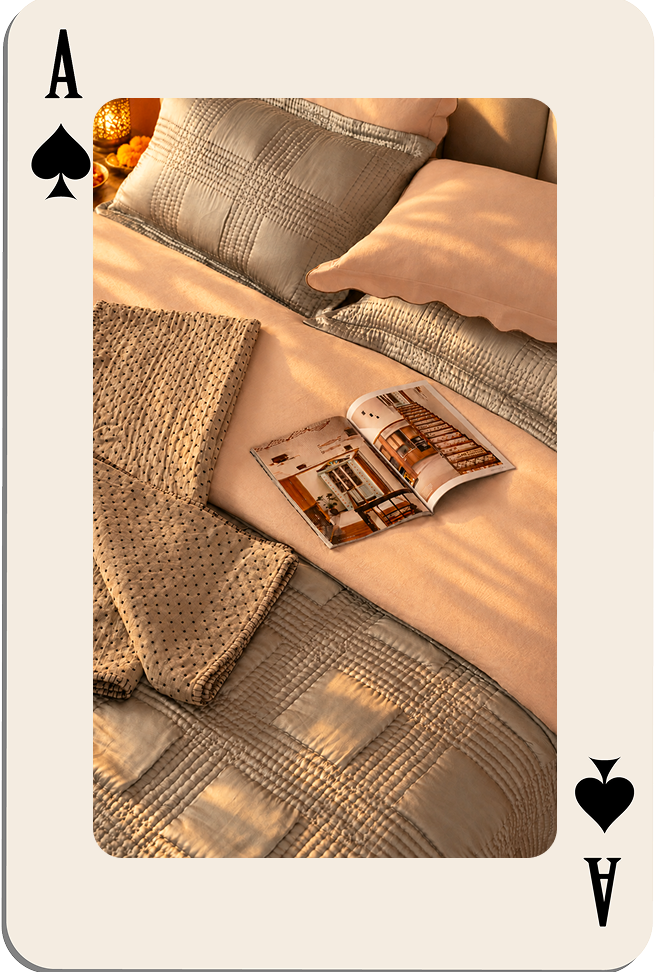
Cushions, throws & bedding for an inviting home
MAKE ROOM FOR EVERYONE
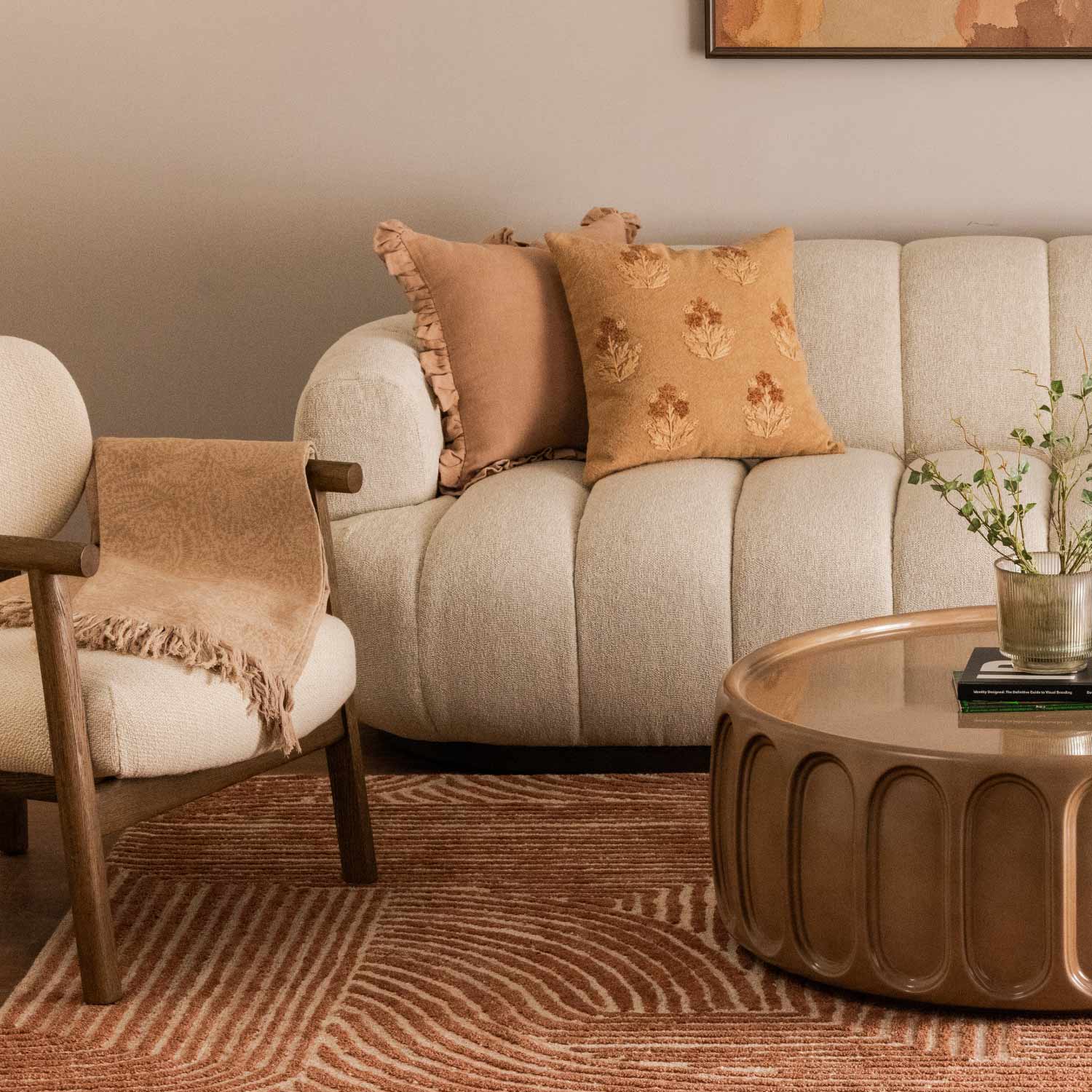
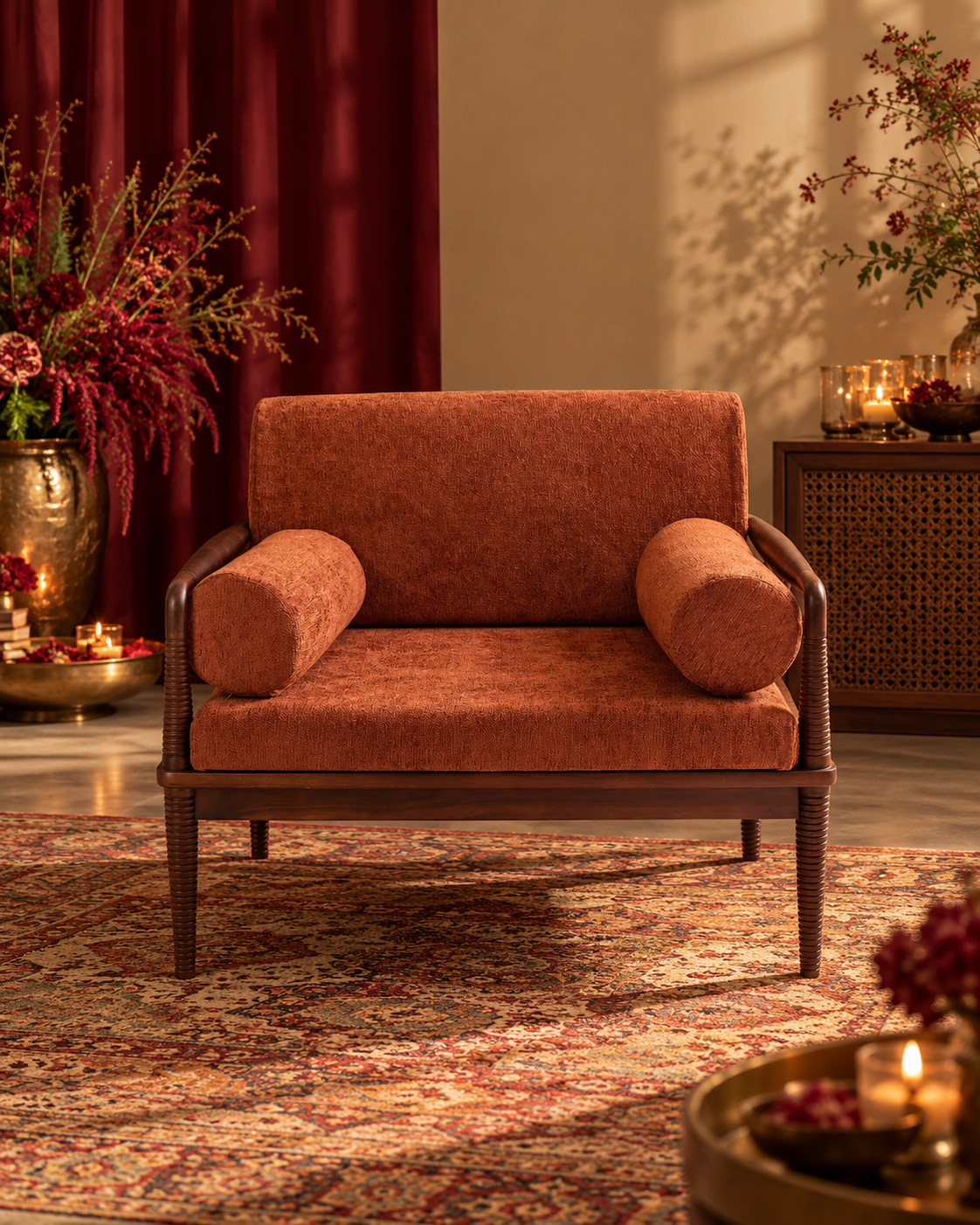
Furniture for celebrations & conversations
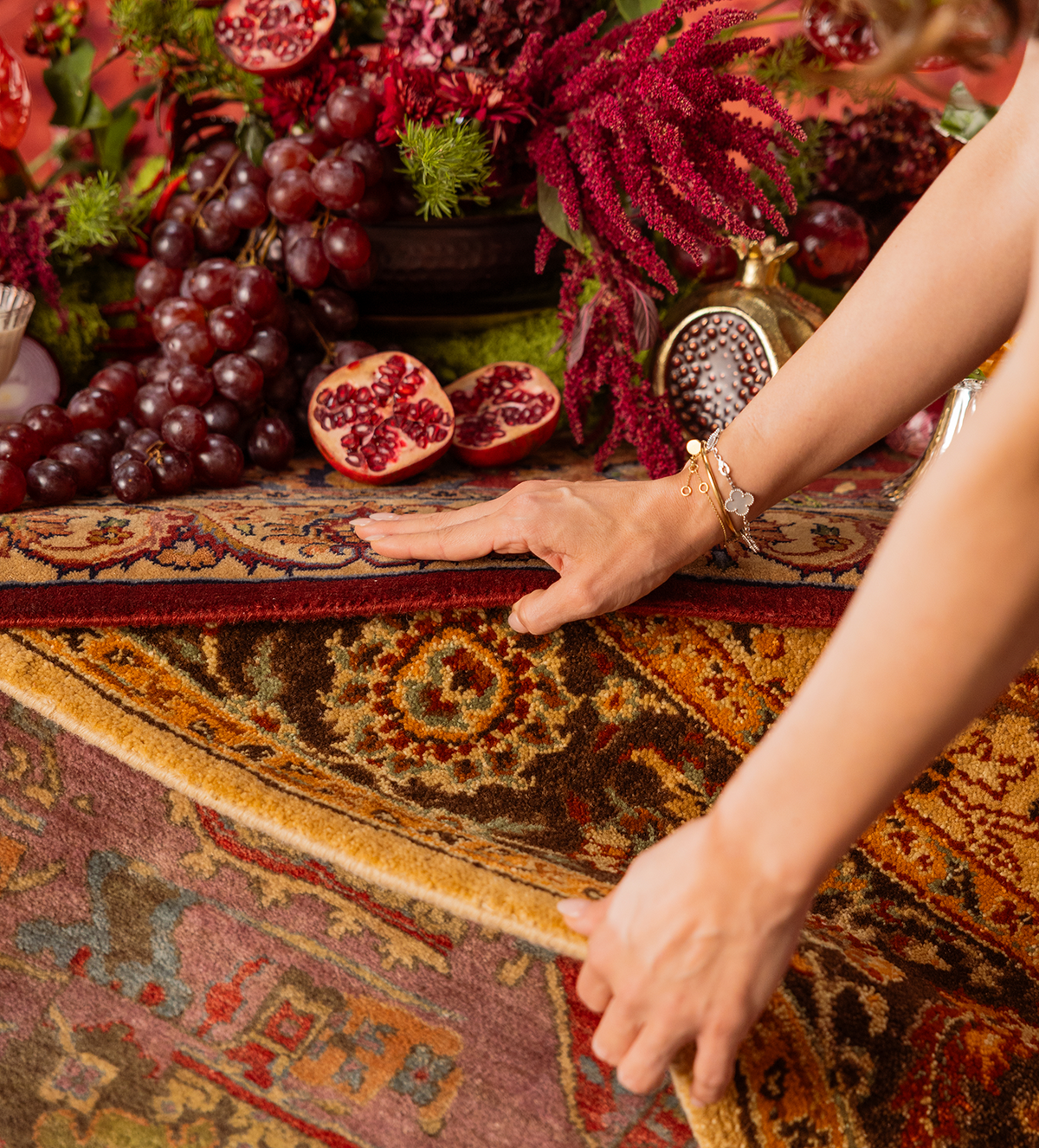

The Art of Festive Hosting
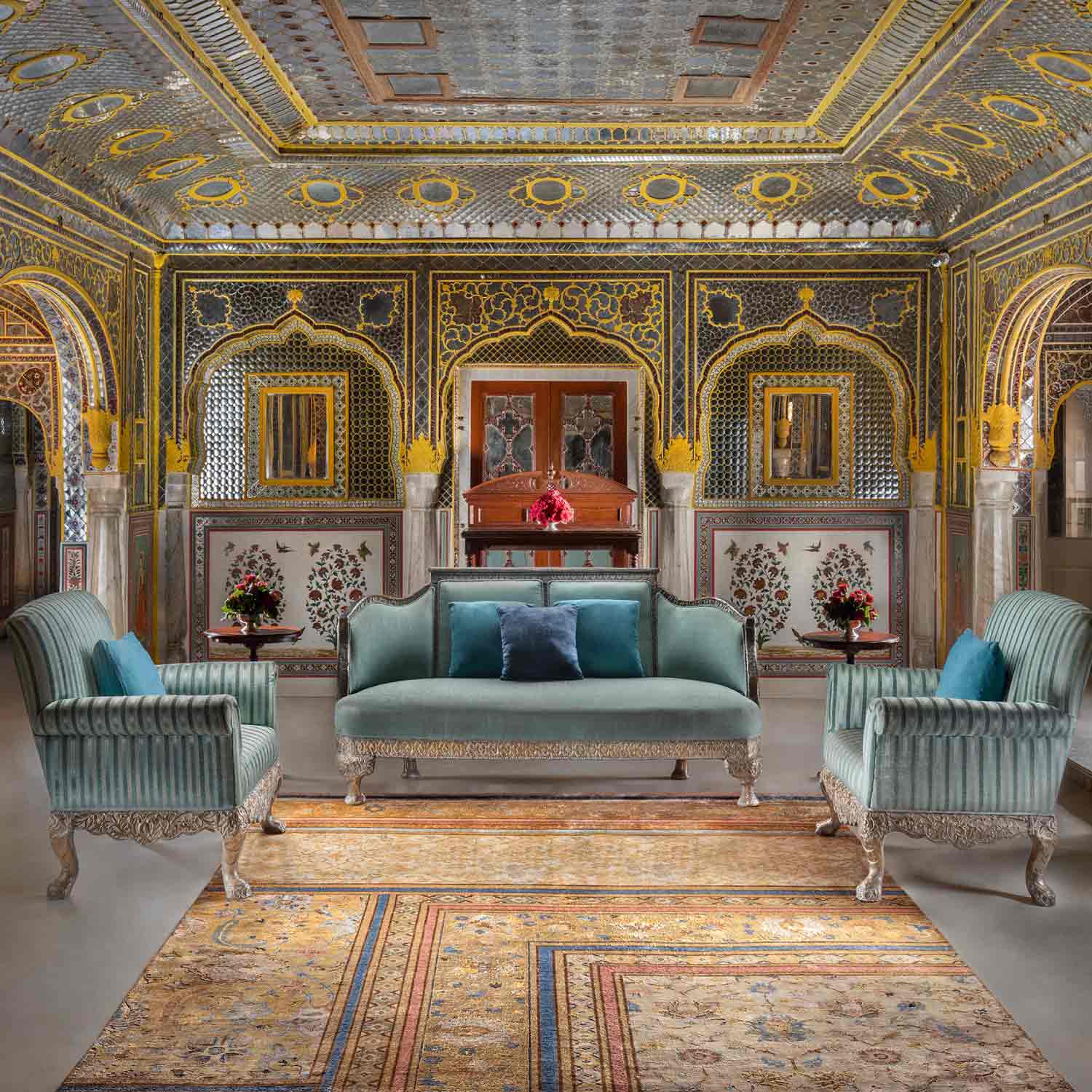
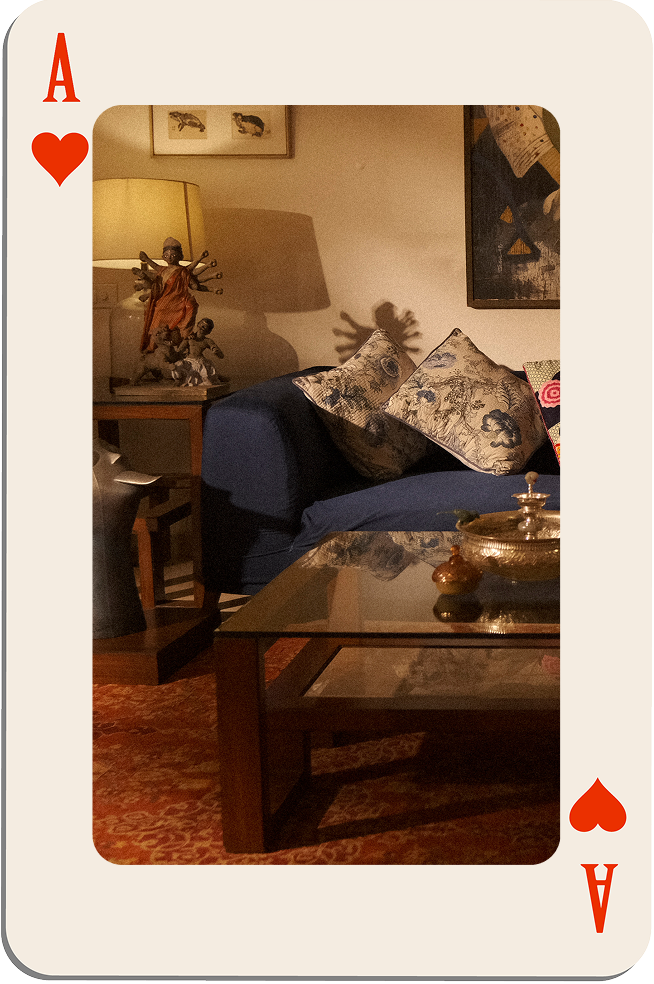
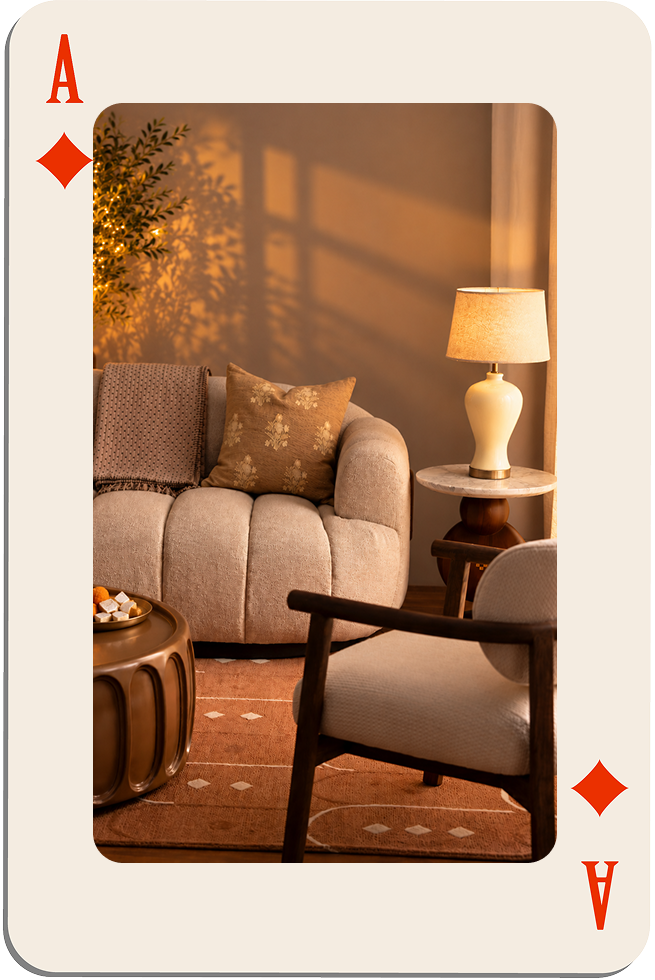
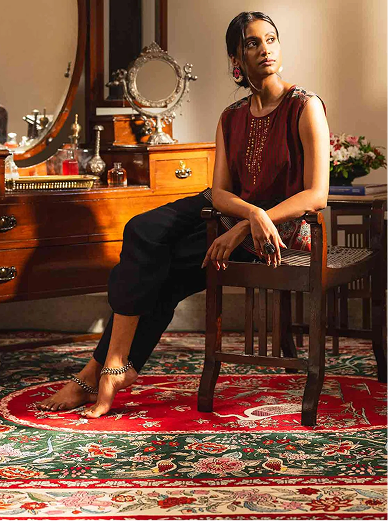
From card nights to guests staying over, discover four curated looks for welcoming friends and family this Diwali.
6 Premium services
Crafted Around You
-
PREMIUM GIFTING
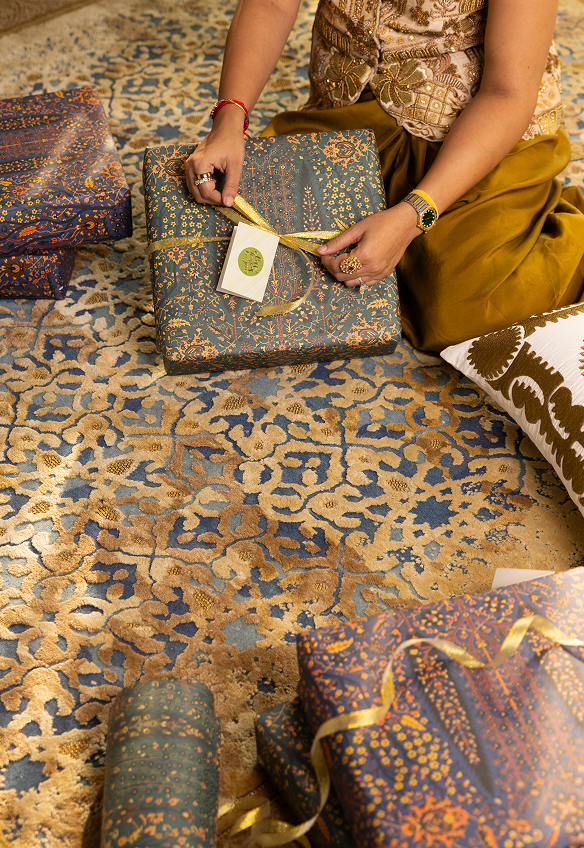
Gifts That Become Part of Home
Mark a special relationship with something they’ll live with and love. Let us help you choose rugs, cushions and bedding that feel personal to the people receiving them.
-
FOR ARCHITECTS &
INTERIOR DESIGNERSYour Vision, Our Craft
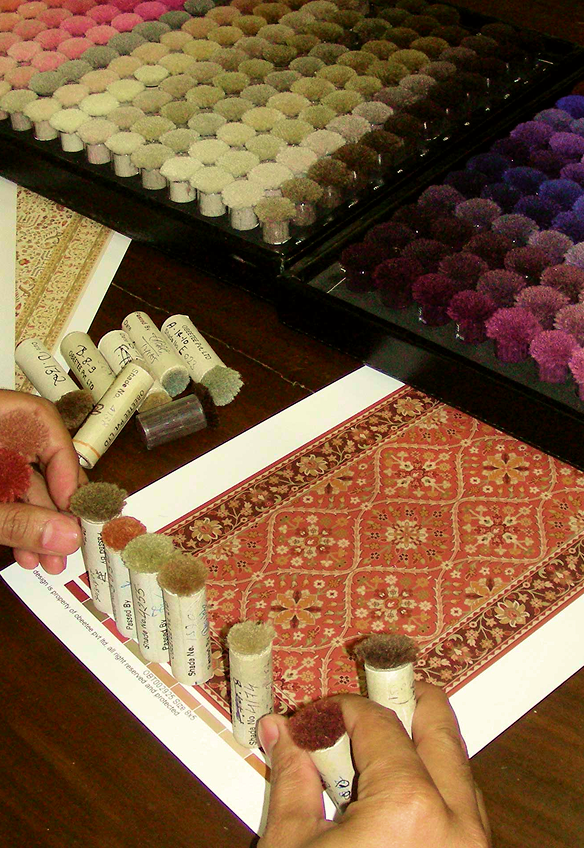
Bring your project’s design language into every detail. Work with us to create custom rugs around your palette, patterns and proportions, crafted to belong in the spaces you imagine.
Since 1920
The art and craft of handmade rugs
For centuries, handmade rugs have been more than decorative objects. They are expressions of craft, culture and design that have evolved across regions and generations. The traditions of carpet weaving travelled from Persia to India during the Mughal era, where artisans refined the craft into one of the most sophisticated textile traditions in the world. Today, handmade rugs continue to combine artistic expression with everyday living, bringing colour, texture and character into the spaces we inhabit.
At Obeetee, this heritage forms the foundation of our work. Each rug reflects a commitment to craftsmanship, thoughtful design and the enduring traditions of Indian carpet weaving.
Understanding Handmade Rugs
Handmade rugs are carpets created entirely through manual weaving techniques on a loom. Unlike machine-made carpets, which are produced rapidly using automated systems, handmade rugs are constructed knot by knot or tuft by tuft by skilled artisans. This process gives the rug its durability, depth of texture and subtle variations that reveal the human hand behind its making.
The craft of rug weaving has historically been associated with artistic expression as much as utility. Many traditional rugs incorporate motifs, borders and colour arrangements that reflect cultural influences and regional design traditions.
Hand-Knotted and Hand-Tufted Rugs
Two of the most widely practiced techniques in handmade carpet production are hand-knotting and hand-tufting.
Hand-knotted rugs are created by tying individual knots onto vertical threads stretched across a loom. This process can take several months depending on the size and complexity of the design. The density of knots determines the detail and durability of the rug.
Hand-tufted rugs are produced using a handheld tufting tool that inserts yarn into a stretched backing fabric. While the technique allows for faster production, it still relies on skilled artisans to shape the design and ensure consistency across the surface.
Both methods reflect the craftsmanship that defines handmade carpets and allow designers to create rugs suited to different interiors and lifestyles.
Rugs as Elements of Interior Design
In interior spaces, rugs serve as visual anchors that bring together furniture, colour and texture. Designers often begin planning a room around the rug because its pattern and palette influence the overall atmosphere of the space.
A carefully chosen rug can define seating areas, introduce warmth to minimalist interiors or add richness to traditional settings. Beyond function, rugs contribute to the aesthetic character of a room, shaping how a space feels and is experienced.
The Materials Behind Fine Rugs
The quality of a handmade rug begins with its materials. Natural fibres such as wool, silk and cotton have long been preferred for their durability and texture.
Wool is valued for its resilience and softness underfoot, making it one of the most widely used fibres in handmade rugs. Silk introduces luminosity and intricate detailing, allowing designers to create delicate patterns and subtle colour transitions. Cotton is commonly used for the structural foundation of the rug, providing strength and stability to the weave.
The choice of fibre, dyeing technique and weaving method together determine the character and longevity of the finished piece.
India’s Legacy in Carpet Weaving
India has played a significant role in the global history of carpet weaving for more than four centuries. The craft flourished during the Mughal period when Persian weaving traditions were introduced and adapted by Indian artisans. Over time, regions such as Bhadohi and Mirzapur developed into centres of carpet production known for their technical skill and artistic refinement.
Today, these weaving traditions continue through generations of artisans who carry forward the knowledge and discipline of handmade carpet making.
Obeetee’s Commitment to Craft and Design
Founded in 1920, Obeetee has worked closely with artisan communities to sustain and evolve the traditions of Indian carpet weaving. The brand’s collections draw inspiration from historic motifs, architectural forms and contemporary design influences, creating rugs that are both rooted in tradition and suited to modern living.
By combining heritage craftsmanship with thoughtful design, Obeetee continues to explore how handmade rugs can remain relevant in contemporary homes while preserving the cultural legacy of the craft.

