


A Connoisseur’s Note on Boudoirism by Smitha Zachariah
Boudoirism is grounded in a quiet confidence. This quality reveals itself not immediately but over time. It isn’t a collection that aims to captivate at first glance; instead, it unfolds gradually, rewarding a slower and more thoughtful engagement. In a world defined by visual excess, Smitha Zachariah’s work shows a rare discipline. It understands that real luxury often lies in what is withheld just as much as in what is shown.
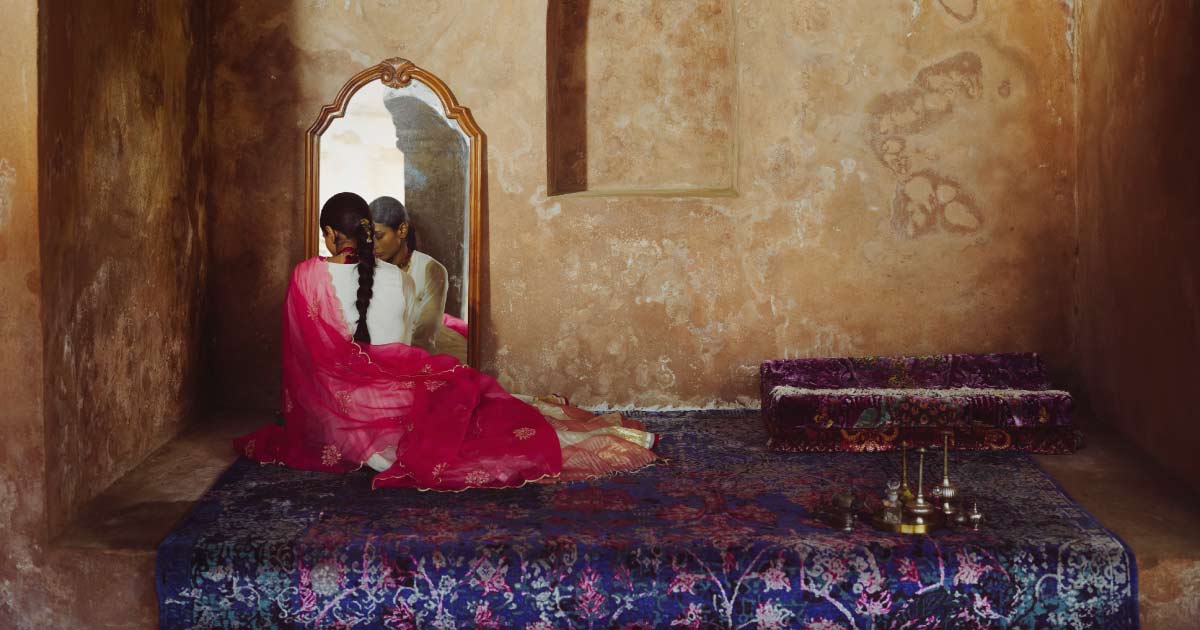
At its core, Boudoirism draws from the idea of the boudoir, not as a physical space, but as a psychological one. It serves as a transitional site for self-construction and private ritual. Zachariah handles this idea with care, translating it into works that feel more like emotional landscapes than designed objects. These surfaces suggest presence, seeming to have absorbed gestures, moments, and memories.

On Colour, Tone, and the Construction of Atmosphere
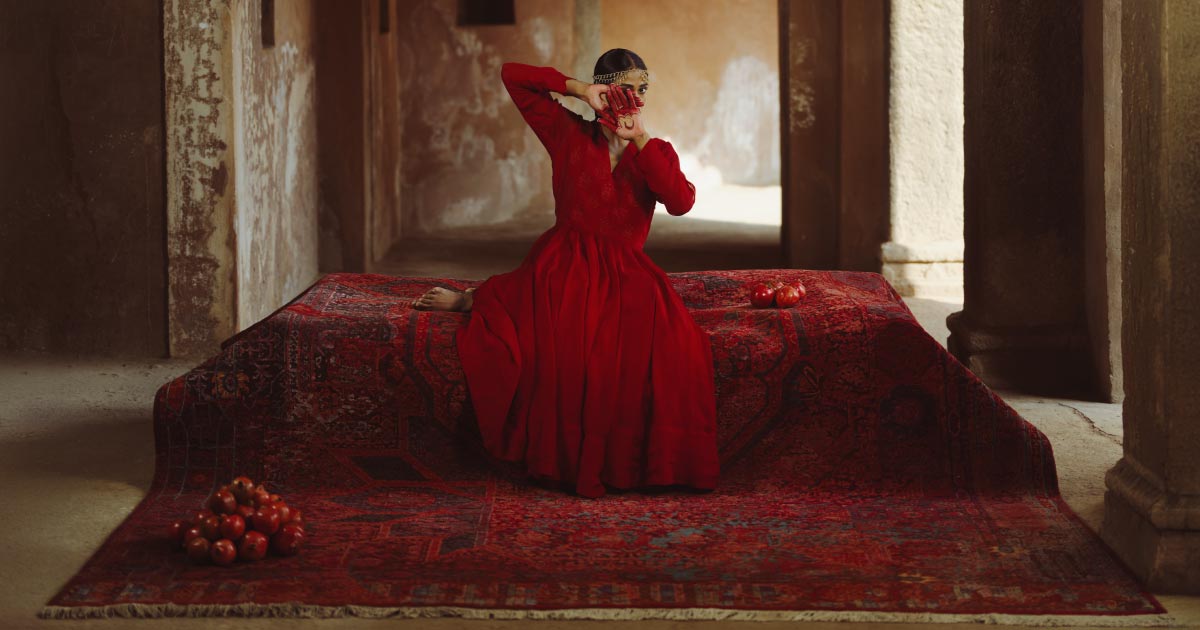
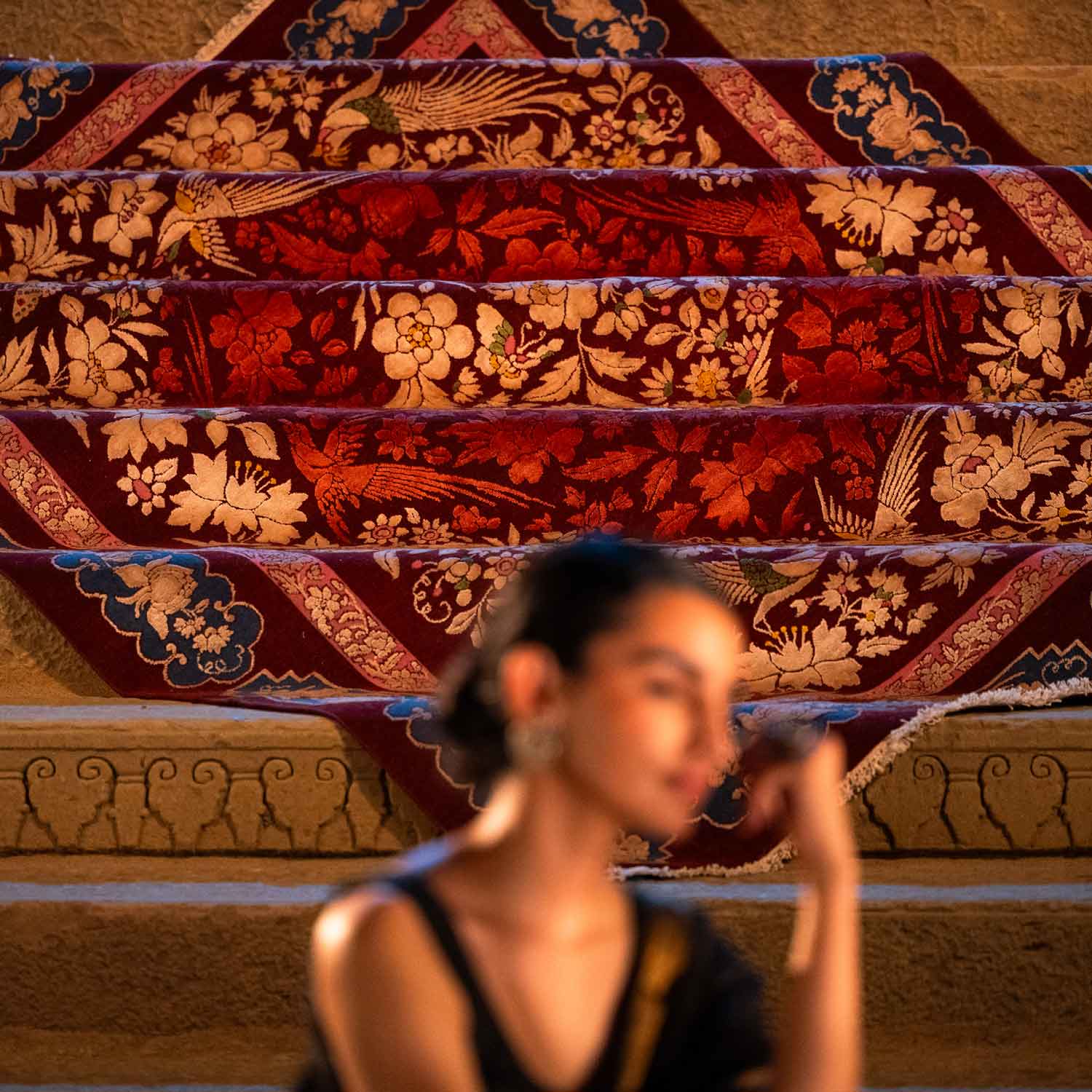
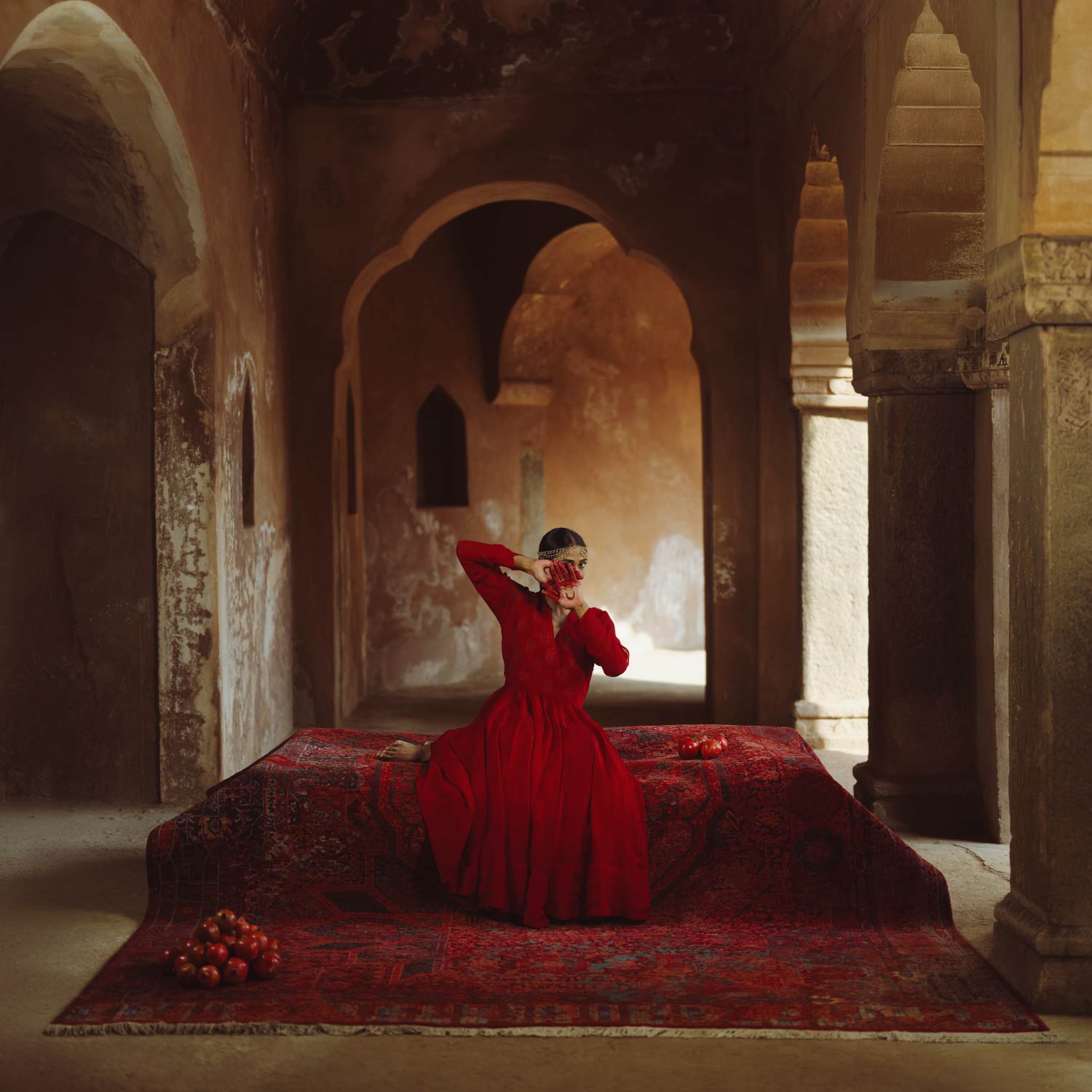
The collection’s colour palette is central to its expression. Jewel tones like amethyst, citrine, and ruby are used not as mere decoration but as mood carriers. Their application is restrained; colours are layered, softened, and often allowed to recede instead of dominating. This variation creates an atmosphere that shifts subtly across each piece. Amethyst leans inward, evoking reflection and calm. Citrine brings a diffused glow, like light settling into a room. Ruby, on the other hand, has a certain heaviness. It grounds the composition without overwhelming it.
What stands out is the way these tonal choices avoid flatness. There is depth to the color fields, achieved through careful gradation and textural interplay, inviting extended viewing. One starts to notice how hues emerge and fade, how they interact with surrounding motifs, and how they contribute to an overall sense of time. The rugs seem to exist within a continuum of light instead of a fixed state.
On Pattern, Memory, and Material Presence
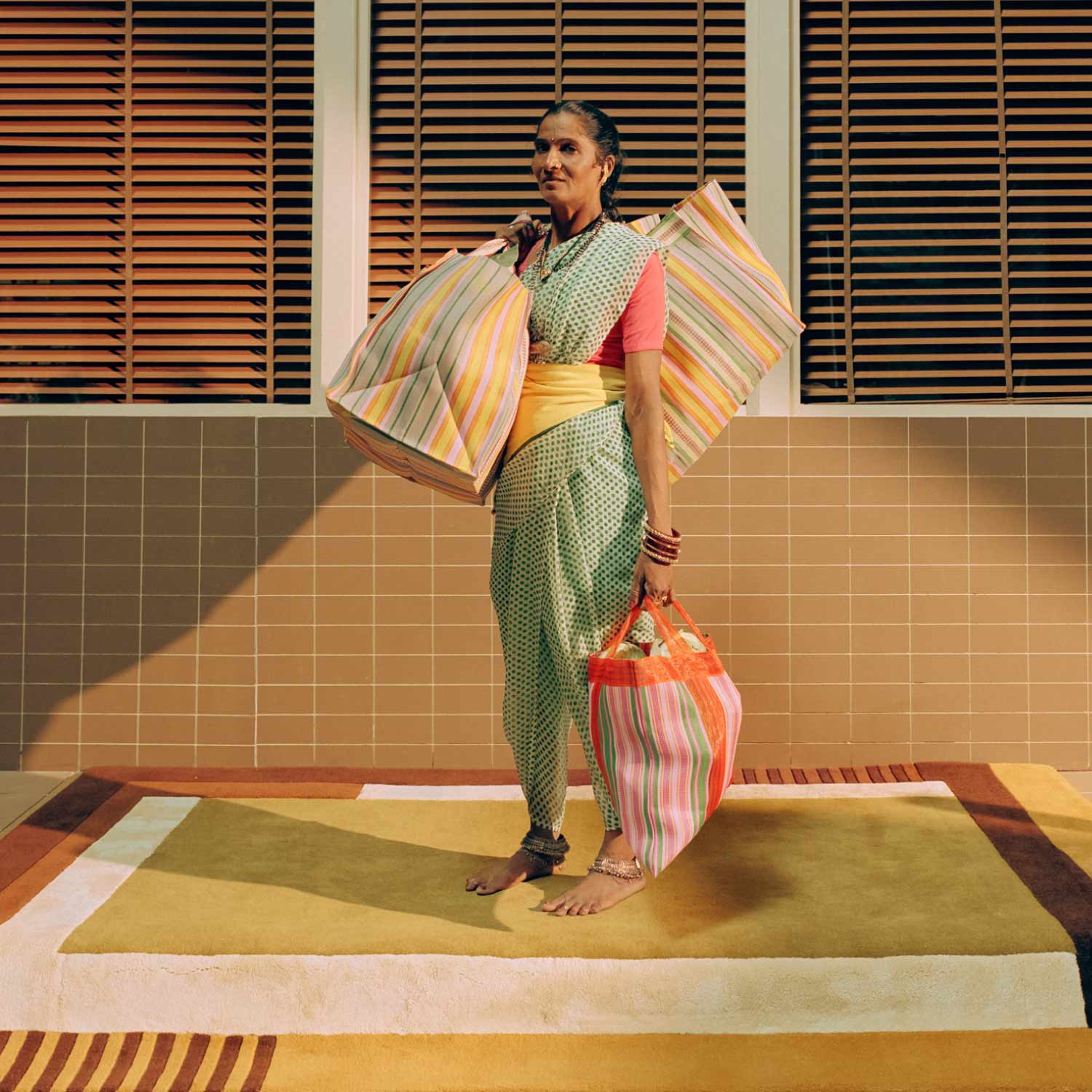
Pattern is treated with a similar level of nuance. Zachariah moves away from strict compositional rules, embracing a more fluid, layered approach. Motifs like floral shapes, filigree details, and architectural fragments are spread across the surface in an organic manner. They overlap, dissolve, and reappear, creating a visual language that reflects memory’s fragmentation.
This avoidance of strict symmetry allows the compositions to breathe, maintaining a sense of motion and impermanence. There is no single focal point demanding attention. Instead, the eye is encouraged to wander, to trace connections, and to discover relationships over time. In this sense, each piece unfolds almost like a film, revealing itself in layers rather than as a single, resolved image.
Materiality supports this approach. The surfaces are richly tactile, marked by variations that resist uniformity. This textural depth is crucial; it contributes to the collection’s conceptual foundation. By introducing subtle irregularities, Zachariah gives each piece a sense of having been lived with, carrying the traces of interaction. The rugs do not feel pristine or untouched; they feel inhabited.
On Identity and the Interior Condition
Beneath these formal aspects lies a deep exploration of identity, especially the feminine. However, Zachariah avoids simple interpretations. There is no clear symbolism and no reliance on familiar themes. Instead, femininity is approached as a fluid and evolving condition. Each rug represents a distinct emotional note, a moment within a larger journey of selfhood.
This complexity adds depth to Boudoirism. It acknowledges that identity is layered, often contradictory, and shaped over time. The works do not aim to define this condition; they allow it to remain open, ambiguous, and deeply personal.
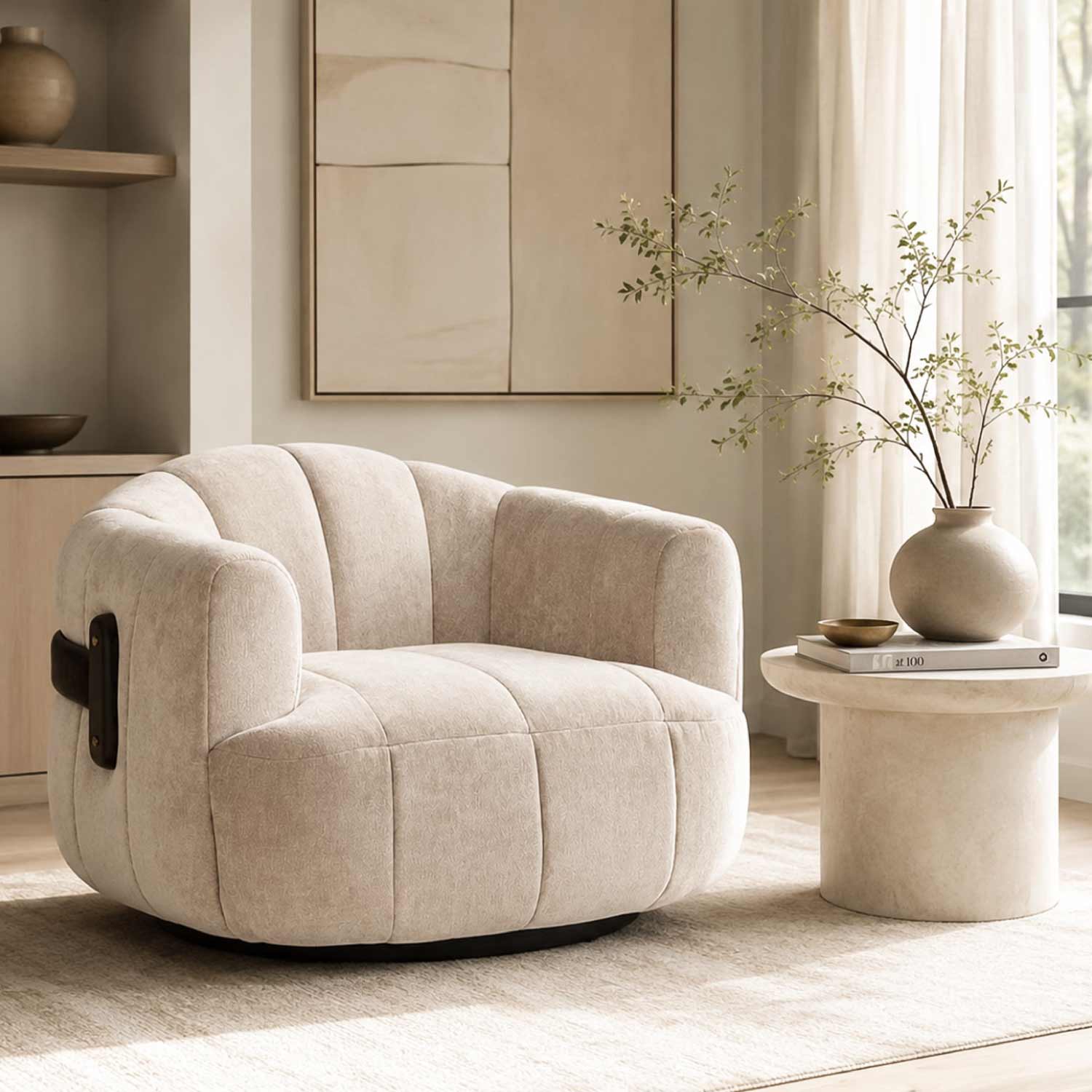
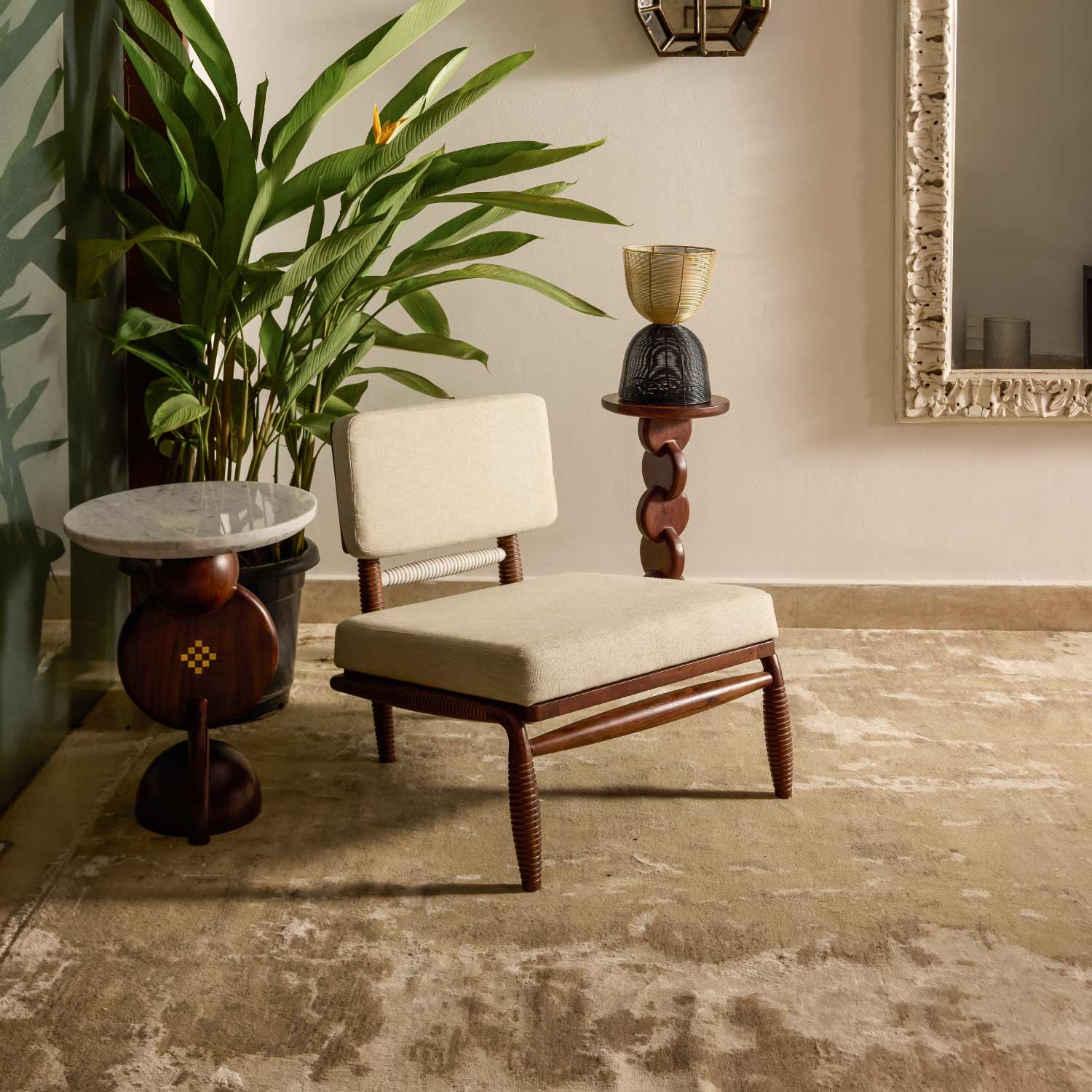
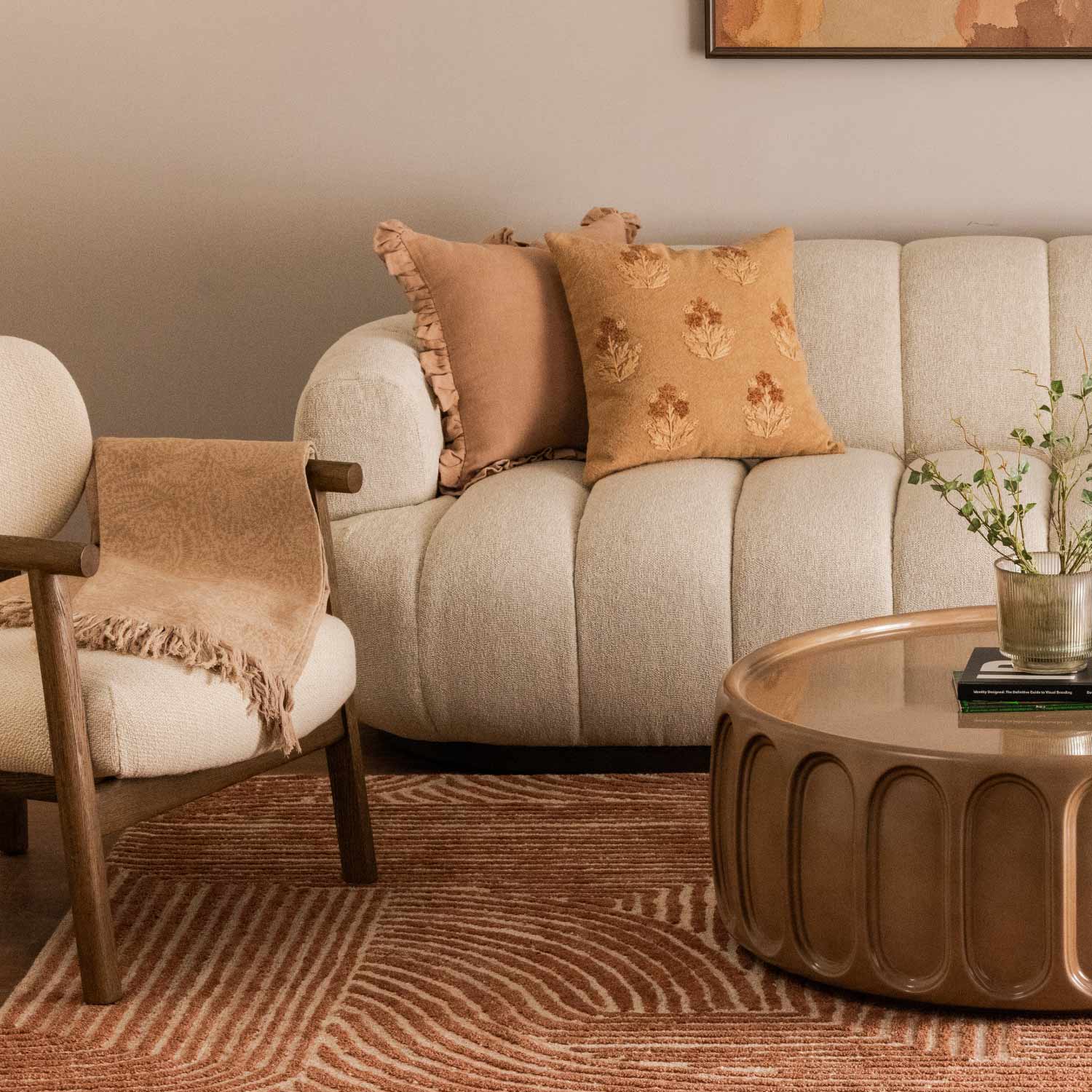
Placed within an interior, these pieces do not force themselves upon the space. They subtly adjust how light is perceived, how objects relate, and how the room is experienced. They engage in quiet dialogue rather than making bold statements, reinforcing the idea that the most powerful design choices are often the least noticeable.
A Closing Reflection
For the discerning collector, Boudoirism provides a study in restraint, nuance, and emotional depth. It encourages an engagement that is increasingly rare, one that values patience, attentiveness, and reflection over instant gratification.
In the end, the collection occupies a compelling space between art and design, between object and experience. It resists easy classification, instead presenting itself as something to be lived with, revisited, and understood gradually over time.
It does not demand attention.
It earns it.