The Quiet Art of the Imperfect Home
We have all been in homes that look perfect in photographs. The cushions are arranged with precision, the coffee-table books are stacked neatly, and every surface shines. Yet, standing in the middle of the room, you may feel an odd urge to hold your breath. These spaces are lovely to look at, but they can feel hard to live in.
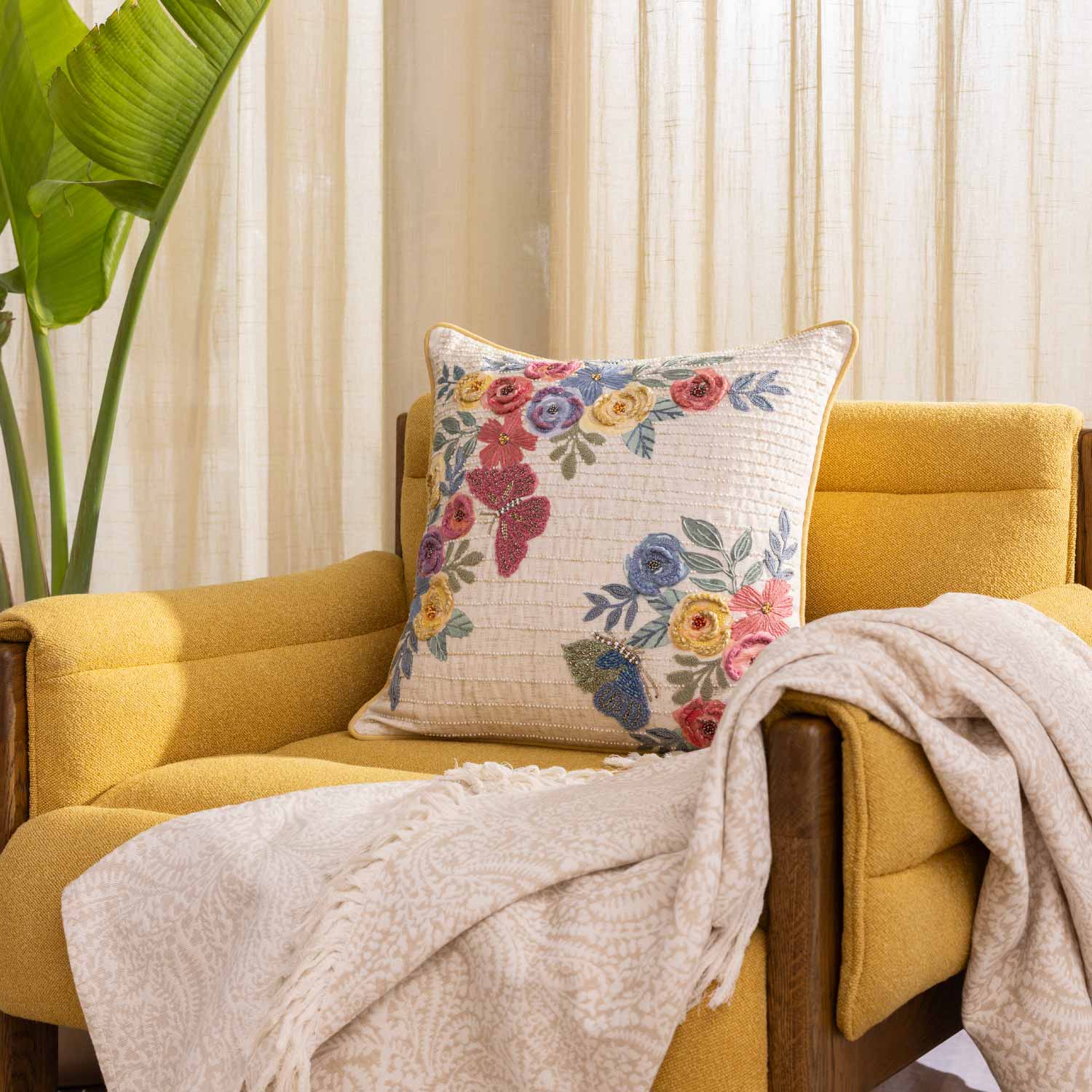
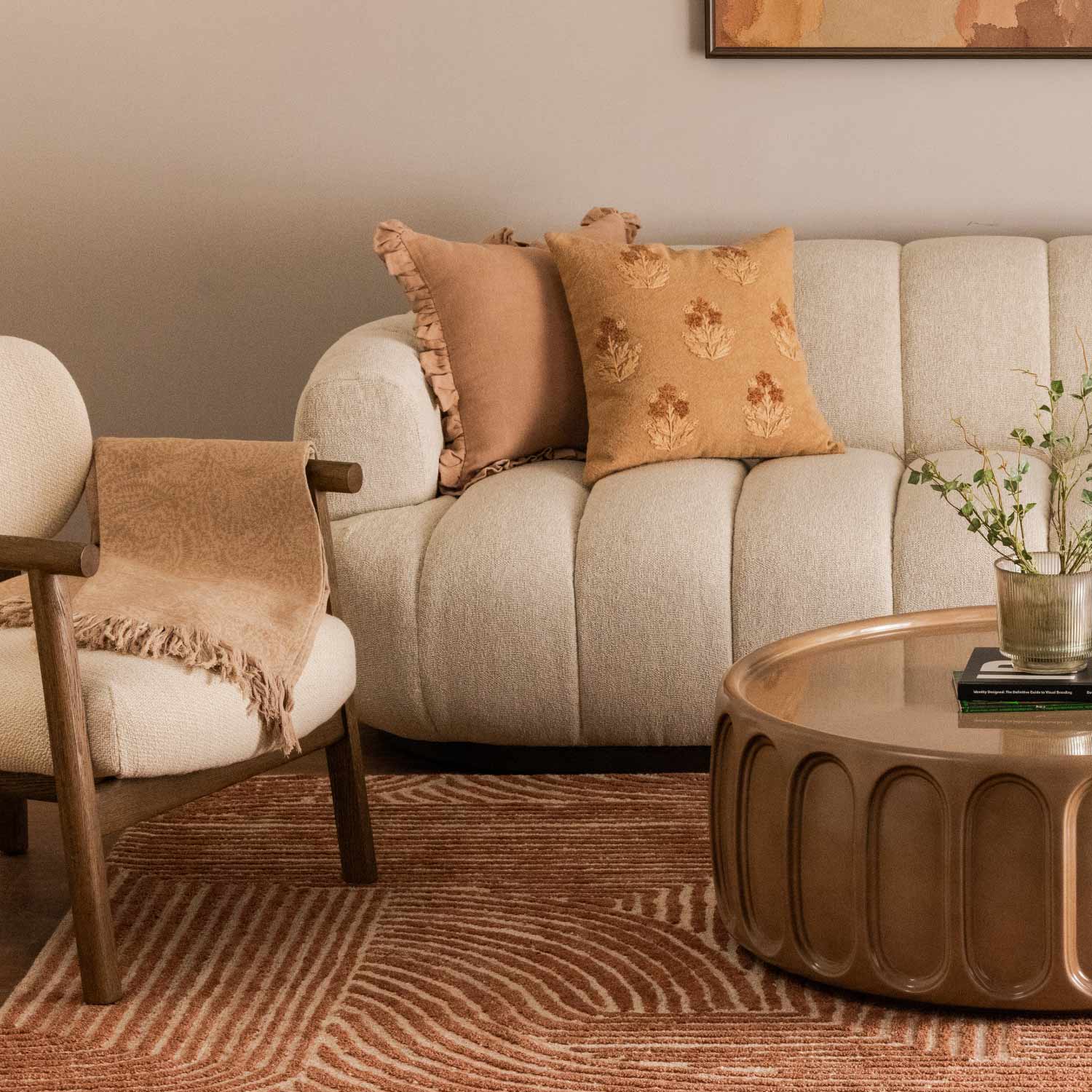
Then, there is the other type of home. It has a woven shawl draped casually over the arm of a reading chair. A stack of paperbacks leans dangerously on a nightstand because someone meant to put them away but never did. The rug under the dining table has softened from years of walking, dancing, and lingering footsteps.
These spaces don’t demand your admiration. They invite you to relax. Perhaps that is what we truly seek when we come home at the end of the day: not perfection but comfort.

The Myth of the Finished Space
For decades, we have been sold the idea of the finished home as the ultimate goal. Design magazines and curated social media feeds suggest a room must reach a final, flawless state to be successful.
However, a home is not a museum. The most memorable spaces rarely feel stuck in time. They breathe. They change with the seasons, adjust to new routines, and grow with the people who live in them.
A home feels right the moment it stops performing and starts living.
In our noisy, overstimulating world, our homes have a heavy emotional duty. We no longer just need places that impress our guests; we need havens that calm us. Soothing spaces are rarely rigid. They allow for human imperfections.
Textiles as Silent Witnesses
Often, it is the tactile details that create this grounding feeling. Textiles hold emotional significance in a room and quietly preserve our memories.
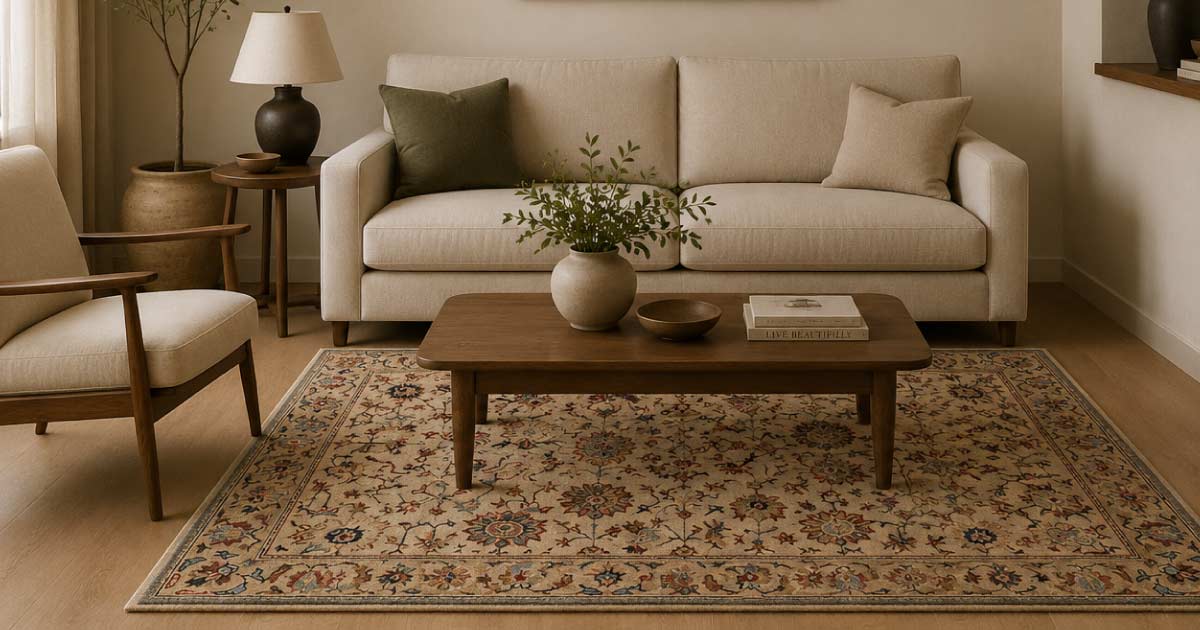
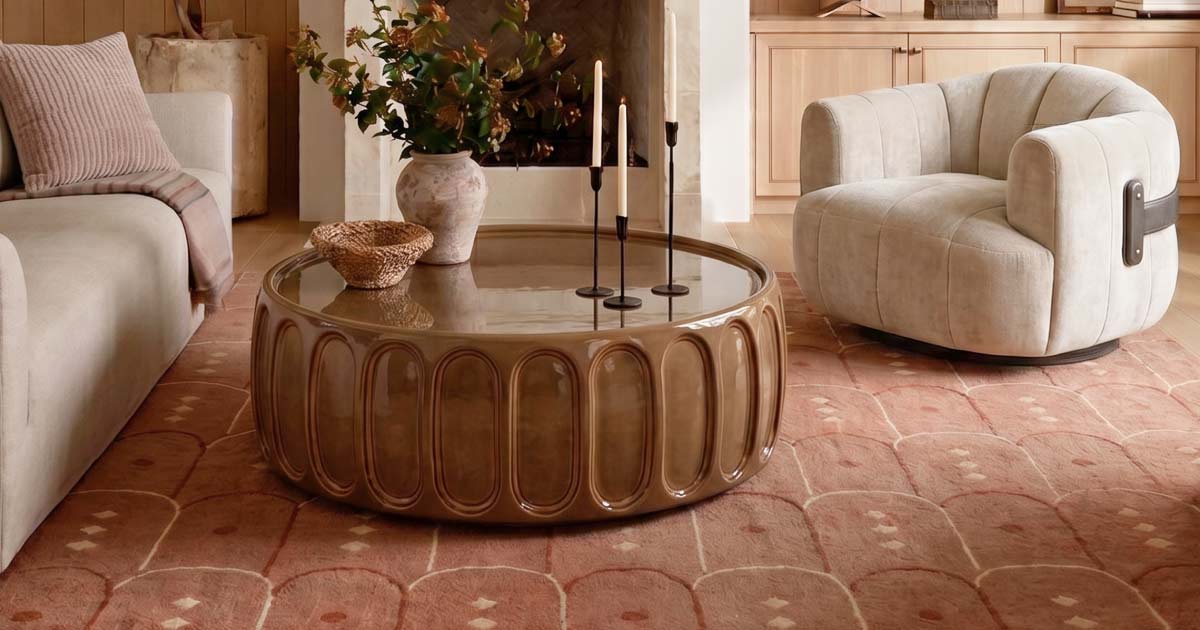
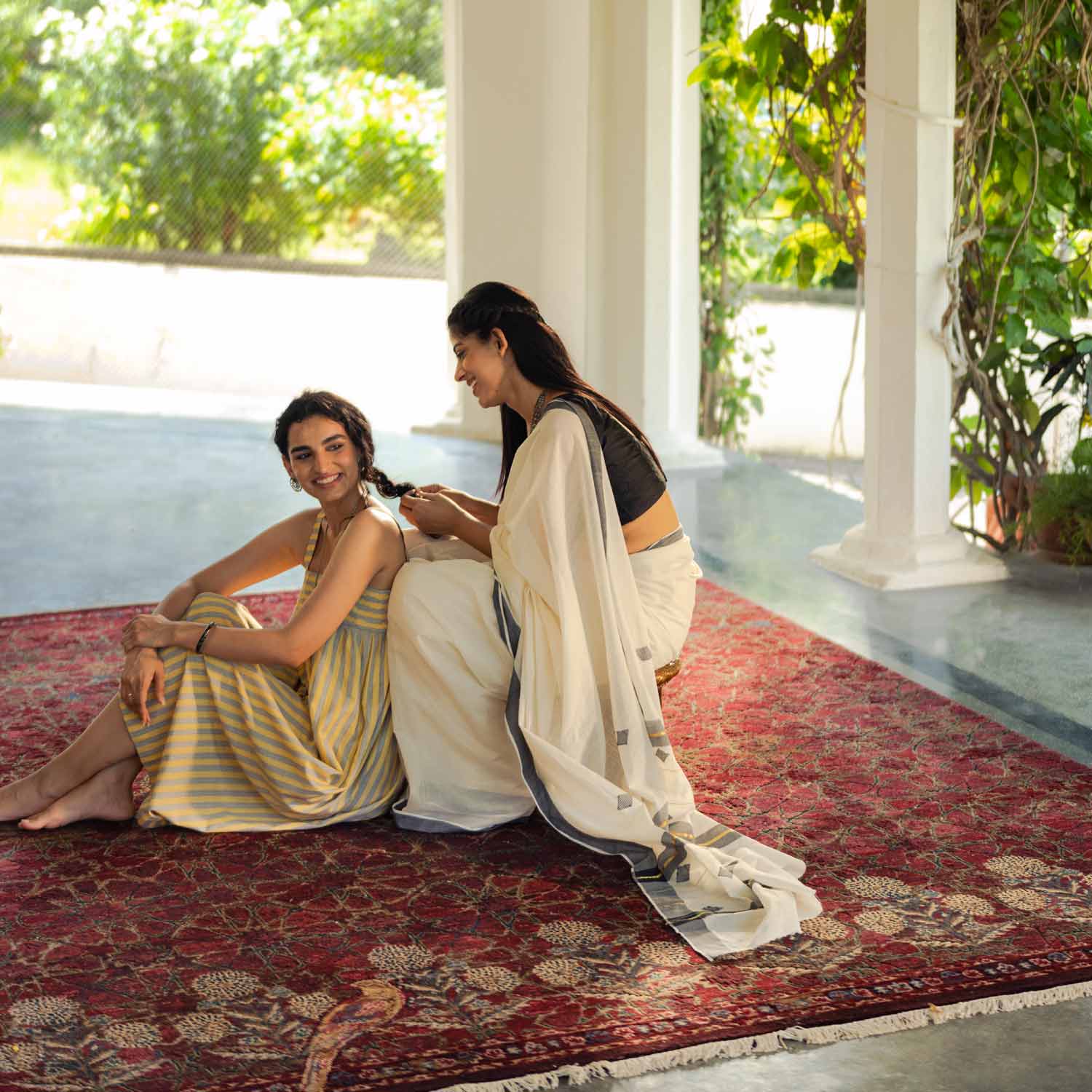
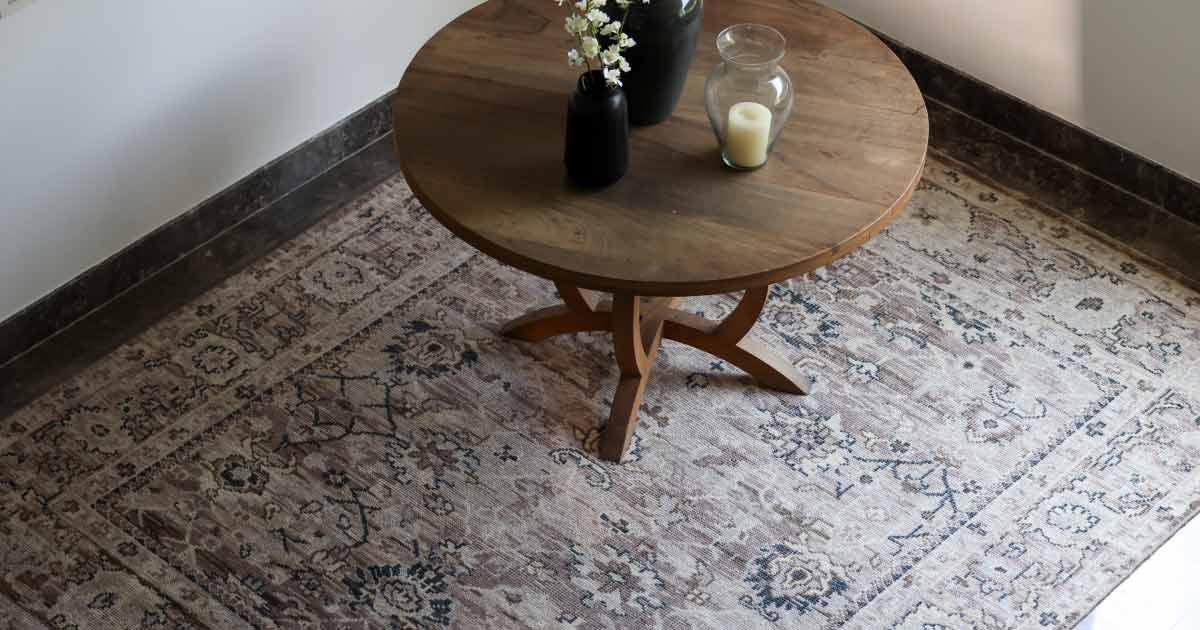
A rug, for example, is not just something to walk on. It witnesses our daily rituals. It absorbs the hurried steps of a Tuesday morning, the late-night conversations, the quiet cups of tea, and the energetic chaos of children playing on the floor.
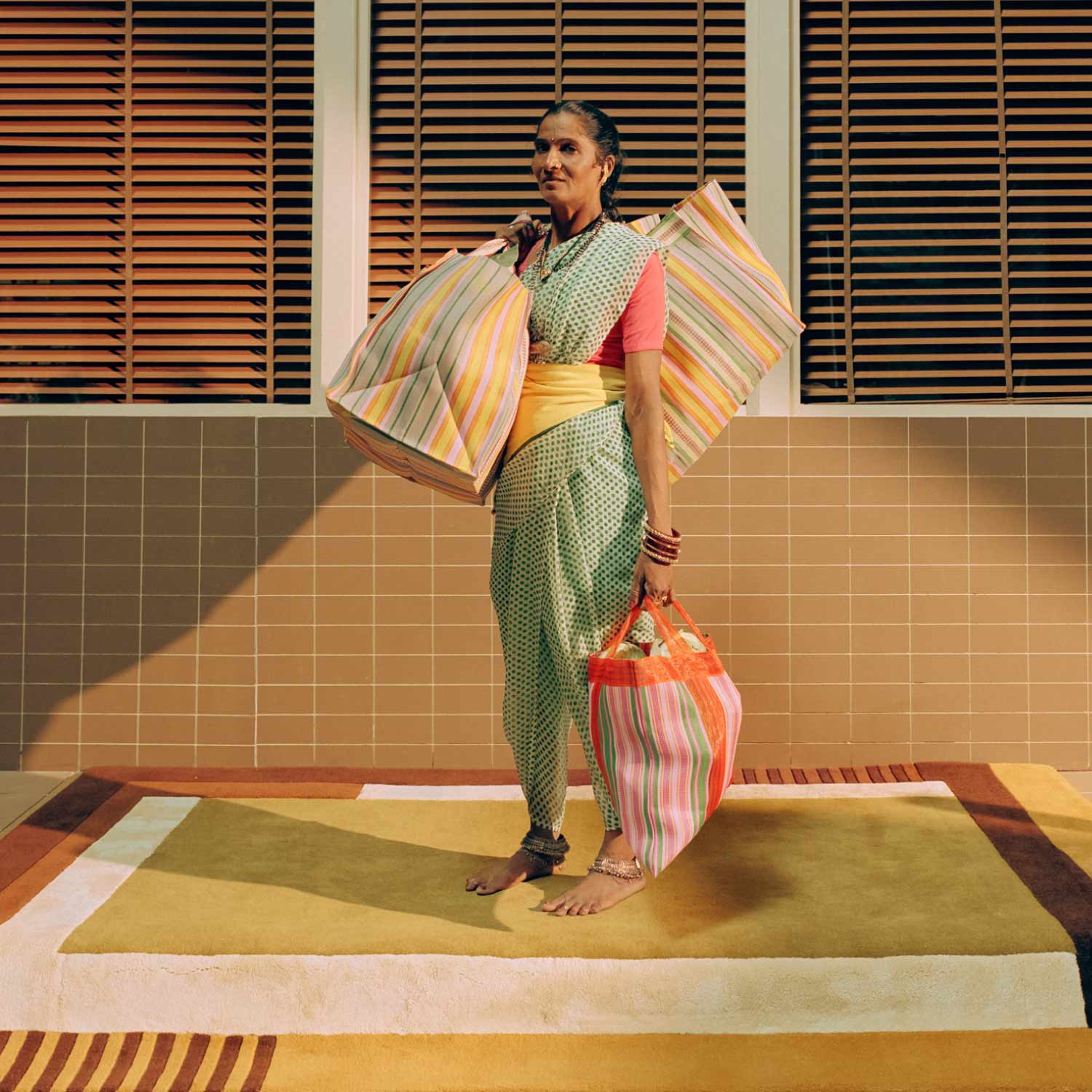
At OBEETEE, knowing a textile’s life cycle is essential to the craft. A handwoven rug is not made just to complete a room; it is created to live with you. Its true beauty emerges in how it settles into a space over time, not in its untouched perfection.
The warmth of a lived-in home is evident in these subtle, tactile changes:
The mark of the maker: The small, natural differences in a hand-knotted weave that show a human hand, not a machine, created it.
The grace of natural aging: Materials like wool, linen, and cotton that do not wear out but become softer and more inviting with use.
The pathways of routine: The slight flattening of fibers in the places you walk most, mapping your daily movements.
The Luxury of Slow Evolution
There is great comfort in a space that changes gradually. The pressure to buy an entire set of matching furniture at once strips a house of its character. The most beautiful rooms are layered over time, based on emotional connections rather than instant gratification.
A rug from a far-off place, a brass lamp passed down from a grandparent, or a much-loved chair that was reupholstered instead of thrown away. These items tell a story. They create a space that feels personal and curated rather than simply put together.
Design, at its best, quietly supports your life. The most successful rooms are those we hardly notice anymore because they accommodate us so seamlessly. Nothing stands out. Nothing fights for your attention.
In the end, walking into a room and feeling at ease has little to do with symmetry or matching colors. It relates to emotional impact. It is the sensation of your shoulders dropping when you close the front door. It is a space that embraces the beautifully imperfect, deeply lived-in reality of life—and that is the most lasting beauty there is.