The Geometry Behind What Feels Right: How Proportion, Symmetry, and Repetition Shape the Perfect Rug
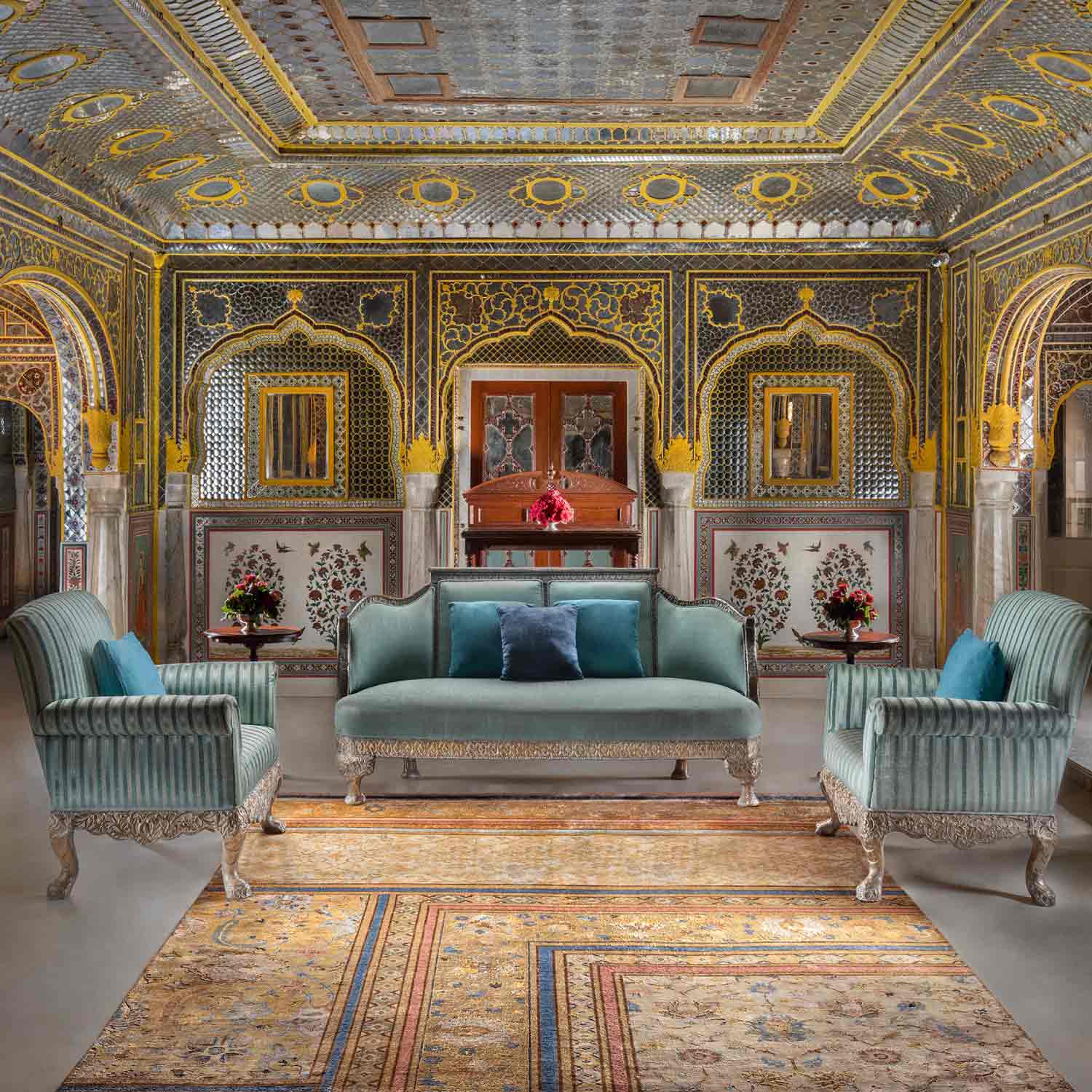
Have you ever walked into a room and immediately felt calm? There’s a subtle harmony where everything seems to come together. We often think it's the colors, the lighting, or the softness of the fabrics. But underneath those visual aspects is something more important: geometry.
For over a century, Obeetee has been perfecting this hidden structure, telling intricate stories through every hand-knotted and hand-tufted rug. When we examine traditional and Persian-inspired carpets, which are treasured parts of weaving history, we see more than just decoration. We see a complex system of proportion, symmetry, and repetition. These mathematical concepts quietly influence why certain rugs feel balanced and centered, grounding both a space and our thoughts.

Let’s delve into the structural beauty of the geometry that makes things feel right.
Symmetry: The Visual Anchor
The human brain is wired to look for symmetry. In nature, symmetry stands for order, health, and stability. In interior design, it serves as a visual anchor. Take the classic Persian medallion design, a hallmark of historic weaving from cities like Isfahan and Tabriz. Obeetee’s skilled artisans frequently celebrate and reinterpret this design.
In these traditional rugs, the central medallion acts as the core of the entire piece. It historically symbolizes the universe or the intricate dome of a mosque, creating a focal point. From this center, the design radiates outward in perfect harmony, using either bilateral or radial symmetry.
When a Persian-inspired medallion rug is placed in a room, this central point establishes the layout. It directs the eye to where it should rest. Even if your surrounding furniture is varied or slightly uneven, a well-placed symmetrical rug brings everything together. It introduces a calming presence that transforms visual chaos into order. It provides quiet reassurance that everything is as it should be.
Proportion: The Hierarchy of Space
Symmetry alone isn't enough; the design elements need to relate to one another. This is where proportion matters. Traditional rugs are examples of spatial organization, often following ancient principles like the Golden Ratio and Euclidean geometry. A well-designed rug is like a walled garden, a carefully controlled space.
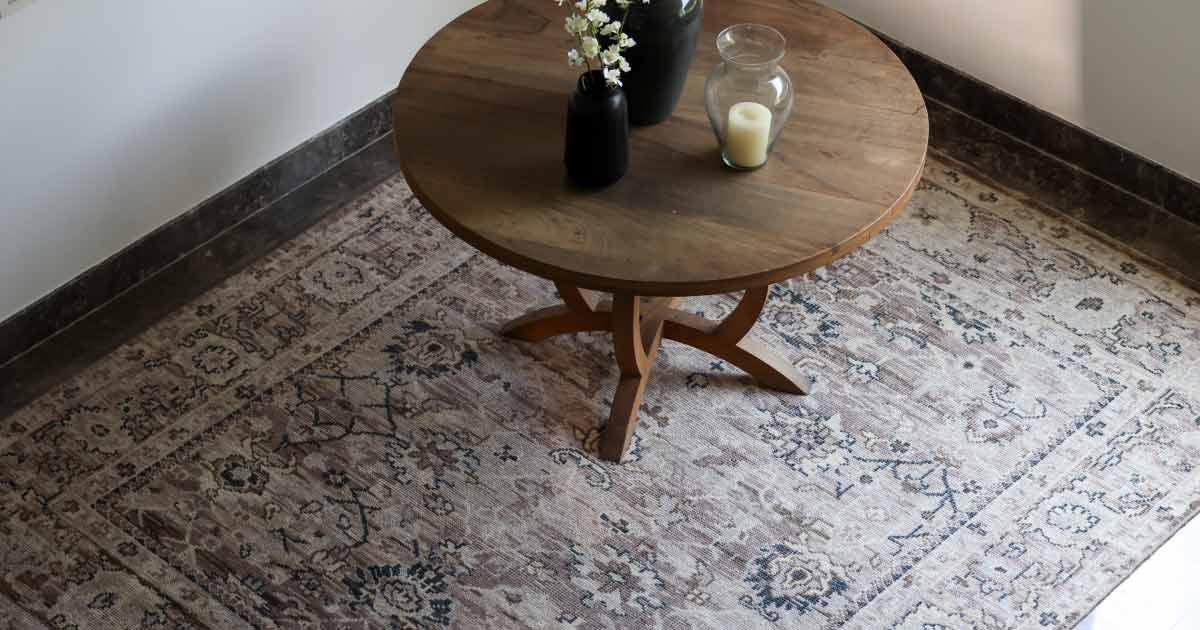
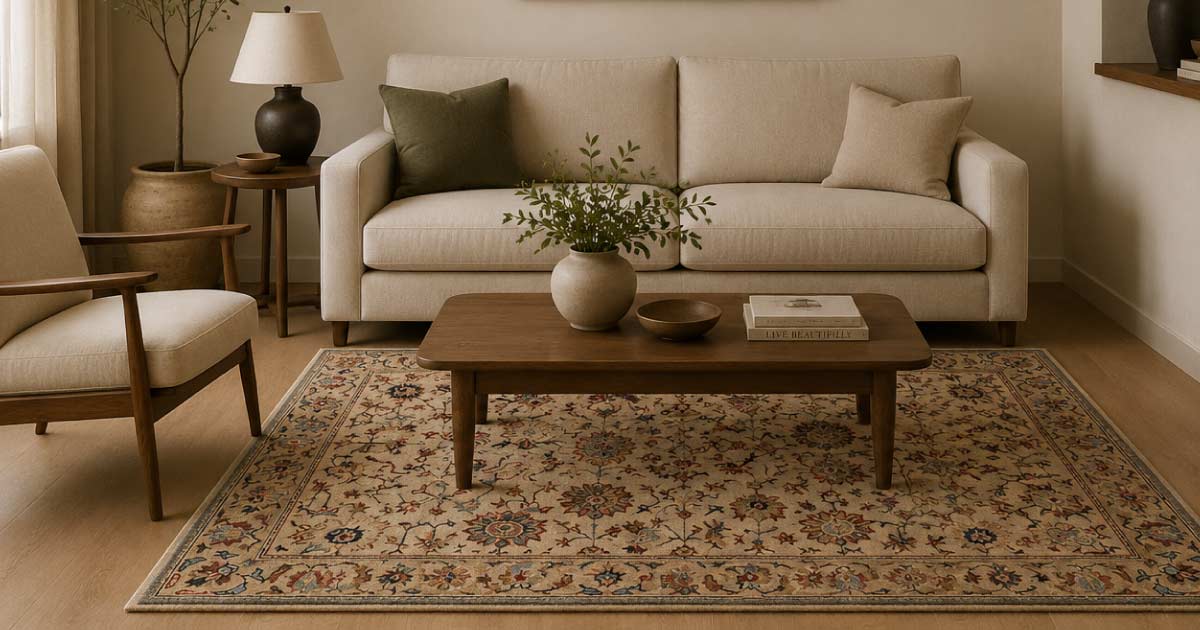
Borders are key to this organization. Usually made up of different bands—a wide main border with narrower ones on the sides—they define the limits of the composition. They create a precise relationship between the central area and the room around it. They act as a literal and metaphorical picture frame, directing the eye inward and balancing the intricate designs within.
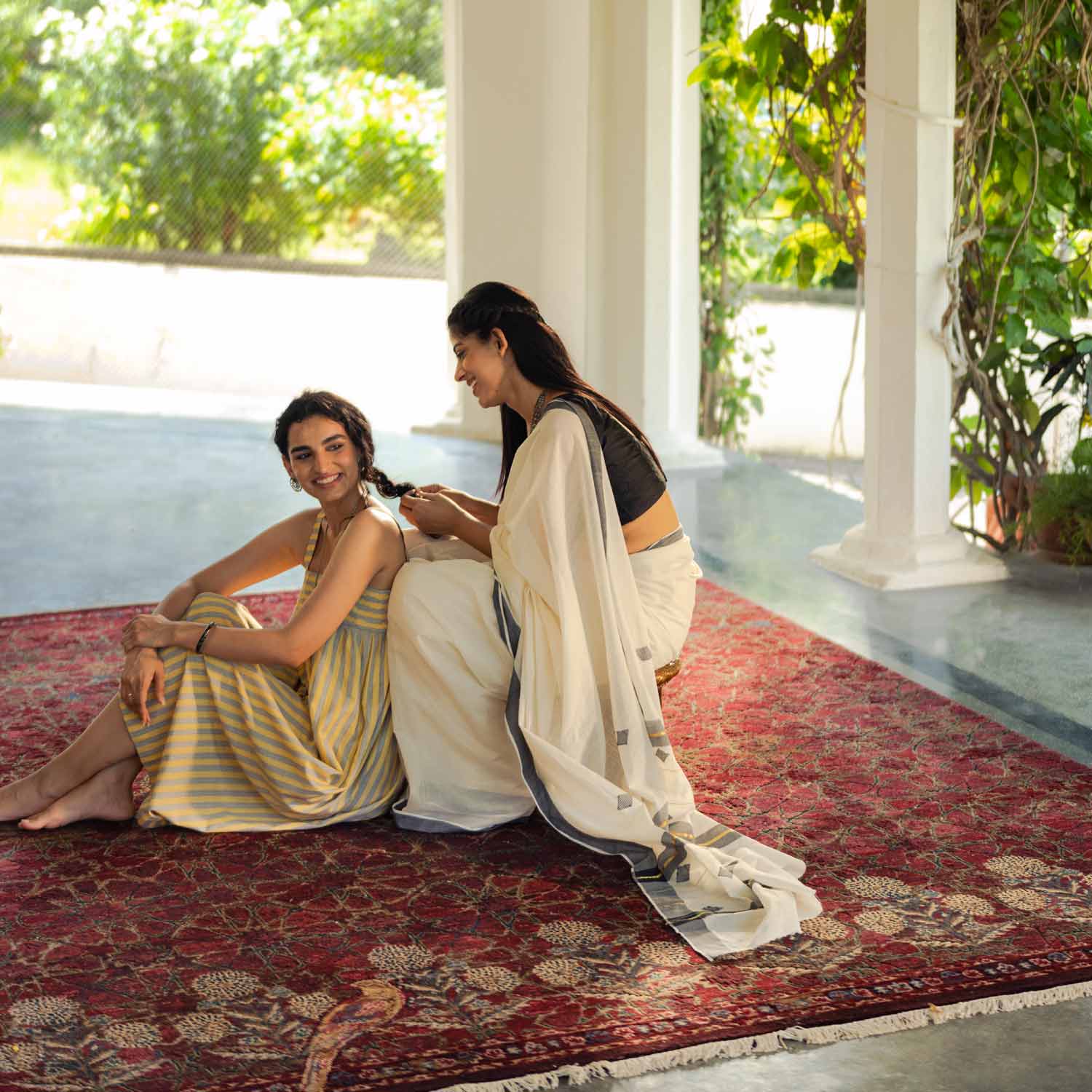
Within the central area, proportion dictates the size of the motifs. A large lotus or palmette never floats alone; it is balanced by smaller rosettes, vines, and leaves. There’s a constant conversation between positive and negative space. In Obeetee's Persian-influenced collections, each motif is supported by a background of shapes and sizes that fit well together, ensuring no awkward spaces are left. This careful scaling prevents a detailed traditional rug from feeling heavy, making it airy and well-composed.
Repetition: The Rhythm of the Loom
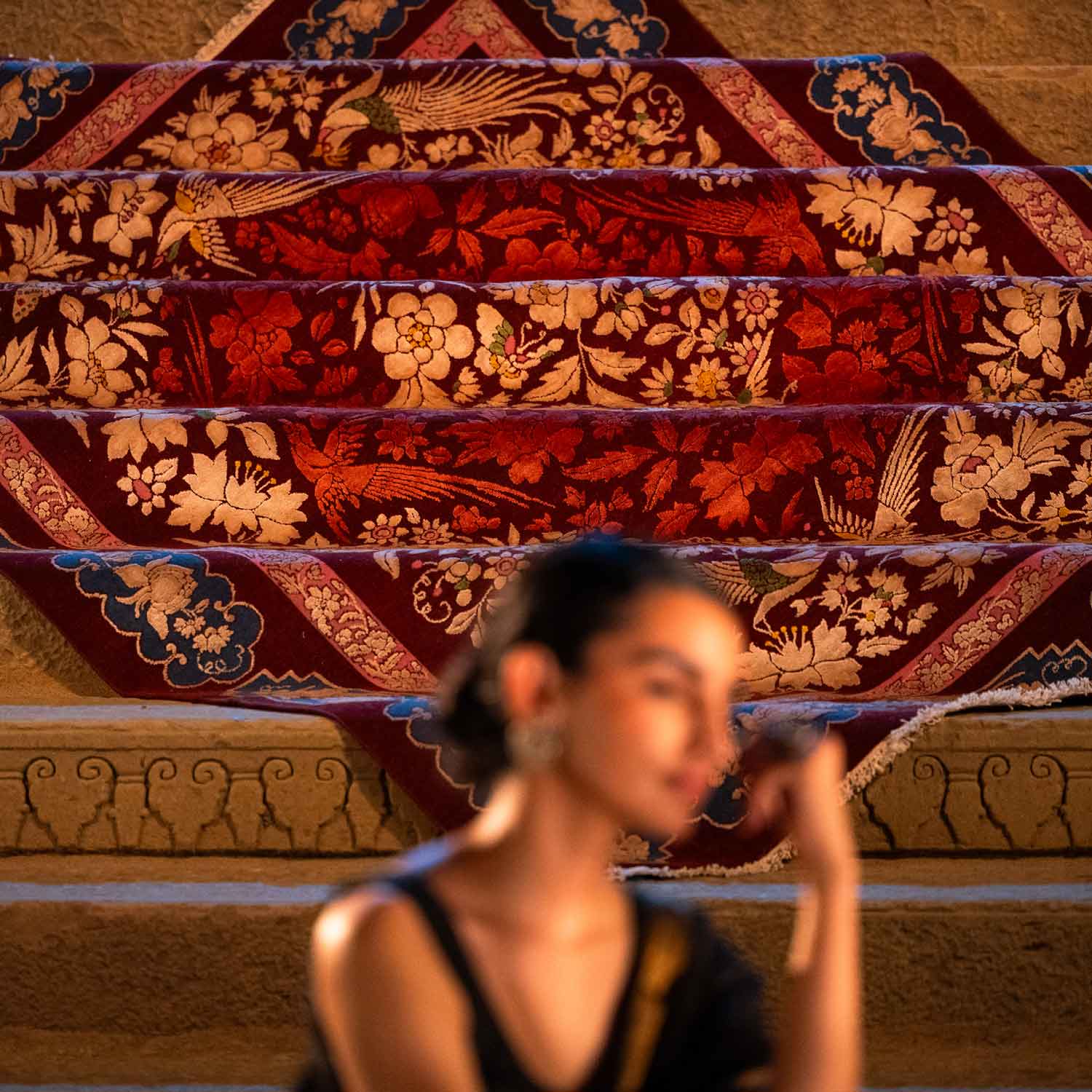
If symmetry is the anchor and proportion is the framework, repetition is the rhythm. In traditional designs, like tribal kilims or expansive Persian floral patterns, repetition drives the composition. Repeating shapes or scrolling vines creates a sense of ongoing movement.
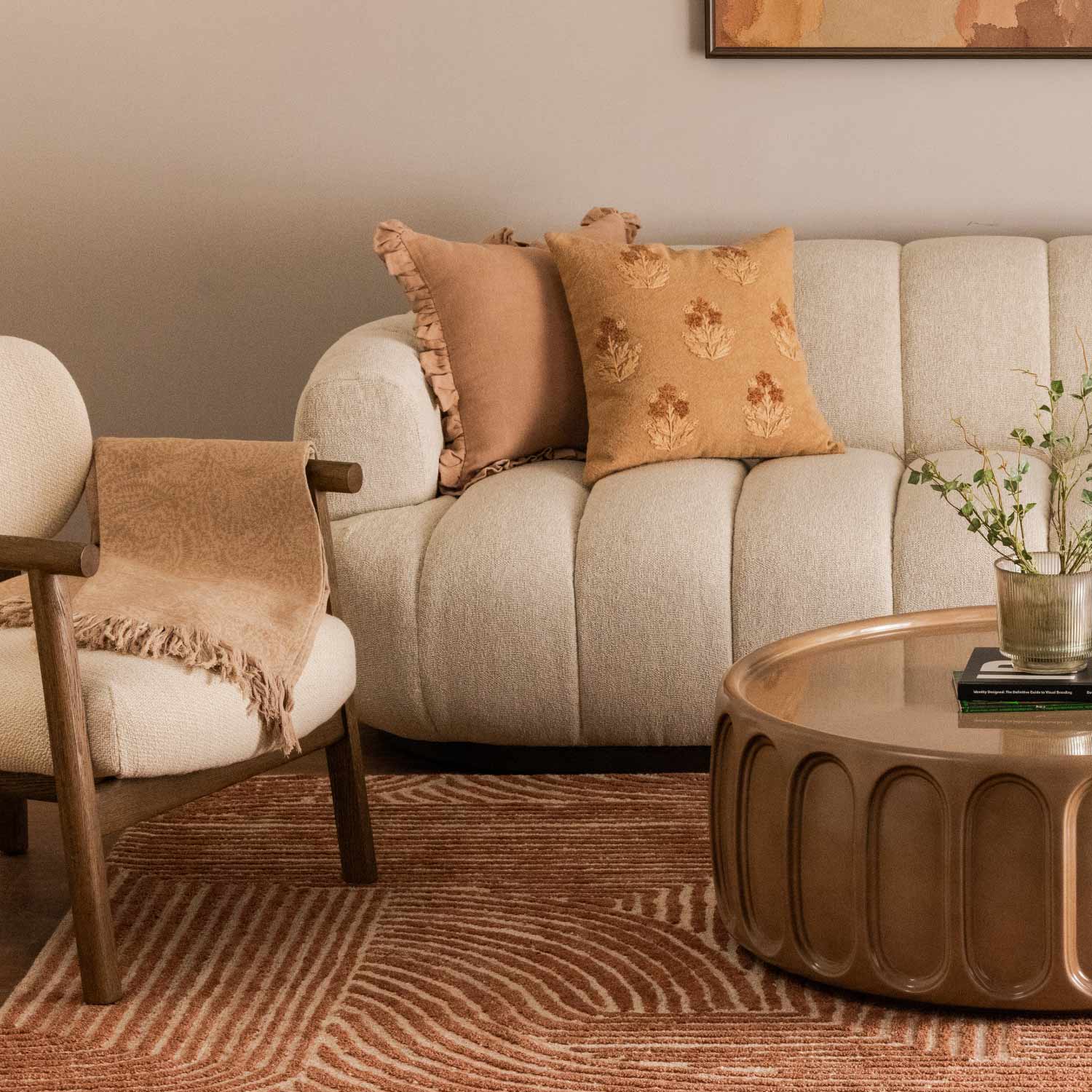
Our minds find comfort in predictability. When a floral or geometric pattern repeats across a rug, it sets up a visual flow. The eye effortlessly follows the connected vines, tracing a path that is smooth and continuous. This all-over approach spreads visual energy evenly across the floor, unlike the medallion design that focuses attention in one spot. This uniform distribution creates a balanced space, especially in larger, open living areas.
In Obeetee’s traditional collections, repetition is more than just copying patterns. It’s a carefully arranged rhythm of alternating colors and tensions. A geometric pattern in blue might be mirrored by one in warm red. This contrast creates lively energy, yet the underlying pattern ensures everything remains calm.
Our perspective
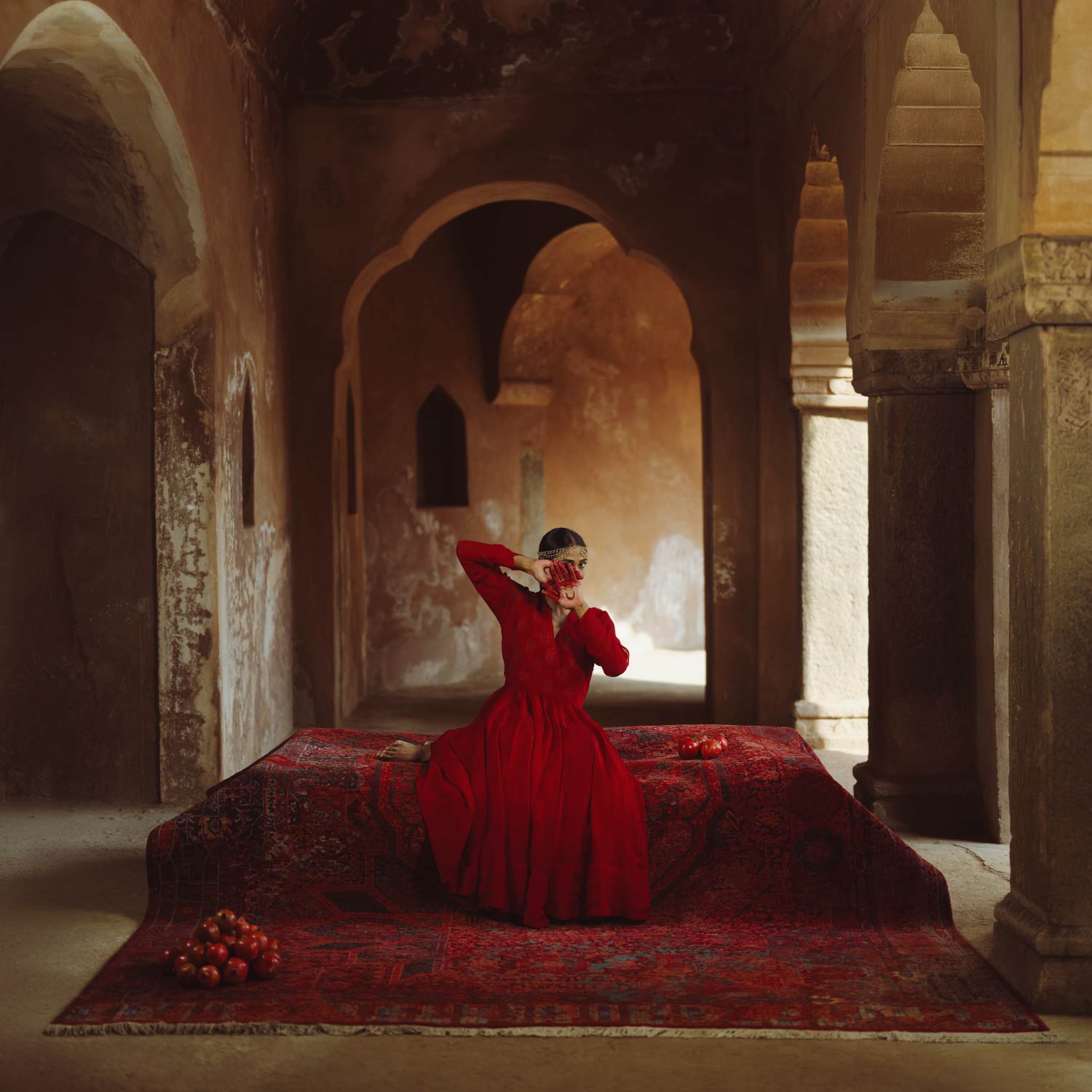
The real beauty of traditional rugs is that their geometry is not cold or rigid. Hand-weaving is a natural, human process. Slight, nearly imperceptible variations introduced by artisans who tie thousands of knots on a loom over months soften the strict geometric lines. This blend of precise geometry and organic crafting gives a handmade rug its lively feel.
At Obeetee, they preserve the legacy of Indian and Persian rug-making by not just copying old patterns but by understanding their foundational structure. Whether adjusting the size of a classic Oushak for a modern loft or refining a Mughal floral design to suit current tastes, the underlying geometry stays intact. The brand knows that while colours change and trends come and go, the math behind beauty remains constant.
Conclusion
A rug is seldom just a floor covering; at its best, it is a mathematical work of art made from wool and silk. The next time you unroll a traditional rug and feel that immediate sense of rightness, remember it’s not magic. It's centuries of wisdom. It’s the language of spatial geometry, connecting directly with your subconscious.
By mastering proportion, symmetry, and repetition, Obeetee creates not just rugs, but essential pieces of peace, balance, and resolution for the modern home.