

At Obeetee, we believe a rug is never just a decorative object. It is a silent storyteller, capturing the hands that made it and the heritage it carries. Studying the art of the hand-knotted carpet reveals a global map of trade, royal patronage, and the rhythmic life of the loom. For our heritage brand, founded in the heart of Mirzapur in 1920, this history is central to our identity. Our philosophy of "Indian essence and international appeal" fosters a living dialogue with the world’s great weaving traditions. This places our century-long legacy within a much older narrative of craftsmanship, geography, and culture.
When you look at a hand-knotted rug, you see more than just wool and silk. You witness a portable archive of regional identity. The rugs of Persia, Turkey, India, and Tibet represent distinct styles shaped by local materials, religious symbols, and social uses. This diversity makes them relevant today. Obeetee, grounded in traditional carpet-making skills yet focused on modern design, sees understanding these origins as essential to creating pieces that feel scholarly in their history and contemporary in their use.

The Persian Garden: A Lyric in Silk and Wool
The Persian rug, especially those from the Safavid period, represents a peak of compositional fluidity and courtly luxury. These carpets, historically defined by the delicate asymmetrical knot known as the Senneh knot, allow for graceful lines that almost appear painted instead of woven. This technical skill enabled the intricate drawing characteristic of Persian art, featuring vines that curve freely and blossoms that seem to float across the surface.
The visual logic of a Persian rug showcases a cultivated abundance—a "woven garden." Classical examples feature a sophisticated layering of motifs: central medallions that anchor the piece, surrounded by scrolling floral designs, palmettes, and celestial bands. Sometimes, a mix of real and imagined animals weaves through the design, creating a dynamic relationship between the center and the borders. In modern homes, a Persian-style rug serves as a poetic focal point, offering a sense of movement and an air of timeless sophistication that has made it the gold standard in textile art for centuries.
The Turkish Temperament: Architectural Boldness
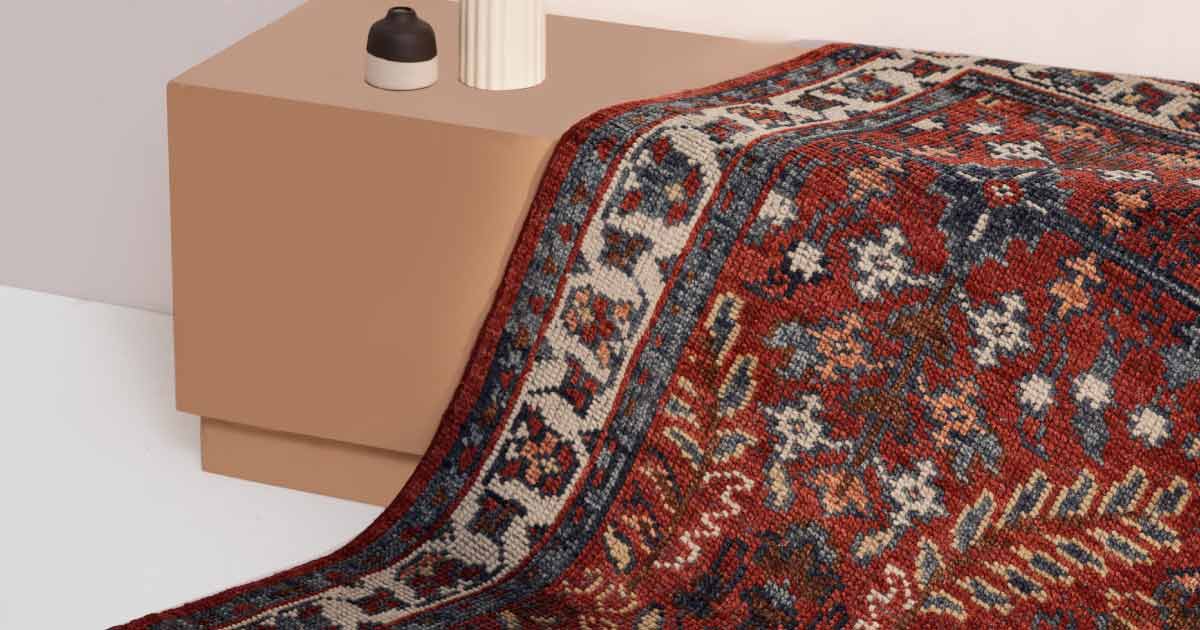
In sharp contrast to the fluid motion of Persian designs, Turkish and Anatolian rugs display a distinct architectural quality. These rugs typically use the symmetrical knot, also known as the Ghiordes knot, which grants a sturdy feel and lasting strength. While Persian carpets emphasize nuance and subtlety, Turkish rugs highlight bold, clear patterns that command attention.
This tradition features rich, harmonious colors—deep madder reds, bright golds, and rich lapis blues—arranged with striking clarity. Whether displaying the iconic star medallions of Uşak carpets or the geometric designs of Anatolian village rugs, the Turkish aesthetic conveys grounded strength. These pieces exhibit a clear spatial order and bold outlines that reflect the rugged landscapes and nomadic roots of their makers. In modern interiors, they provide an anchor, connecting the past with a visually striking presence.
The Indian Synthesis: A Mughal Masterpiece
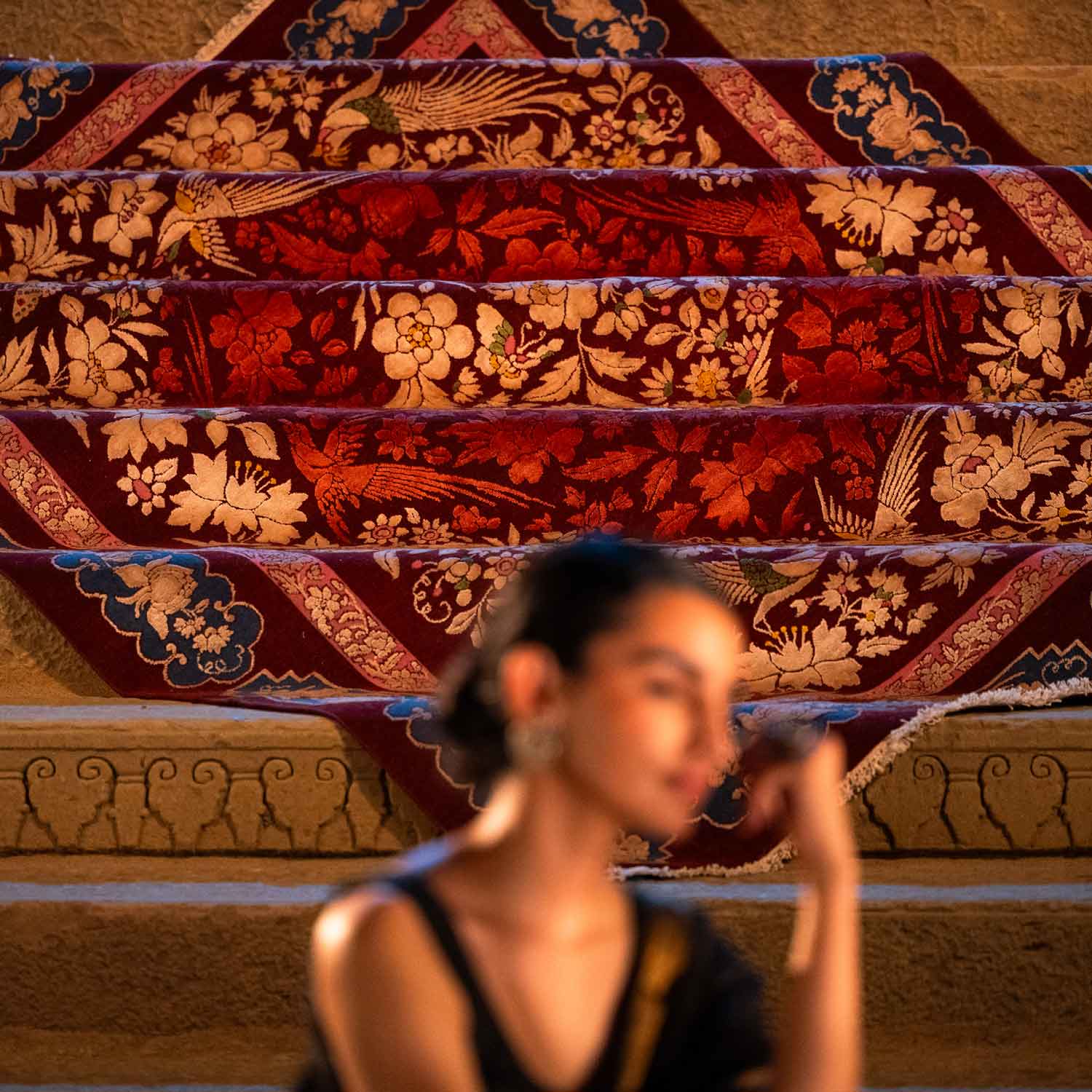
Indian hand-knotted rugs hold a unique place as both inheritors and innovators of the craft. The story of the Indian rug is one of sophisticated blending, starting under the Mughal emperors. Beginning with Akbar the Great's reign, Persian weavers were invited to the Indian subcontinent, where local artisans learned their methods and infused them with vibrant, indigenous designs. This resulted in more than just imitation of Persian style; it led to a lyrical evolution that redefined weaving possibilities.
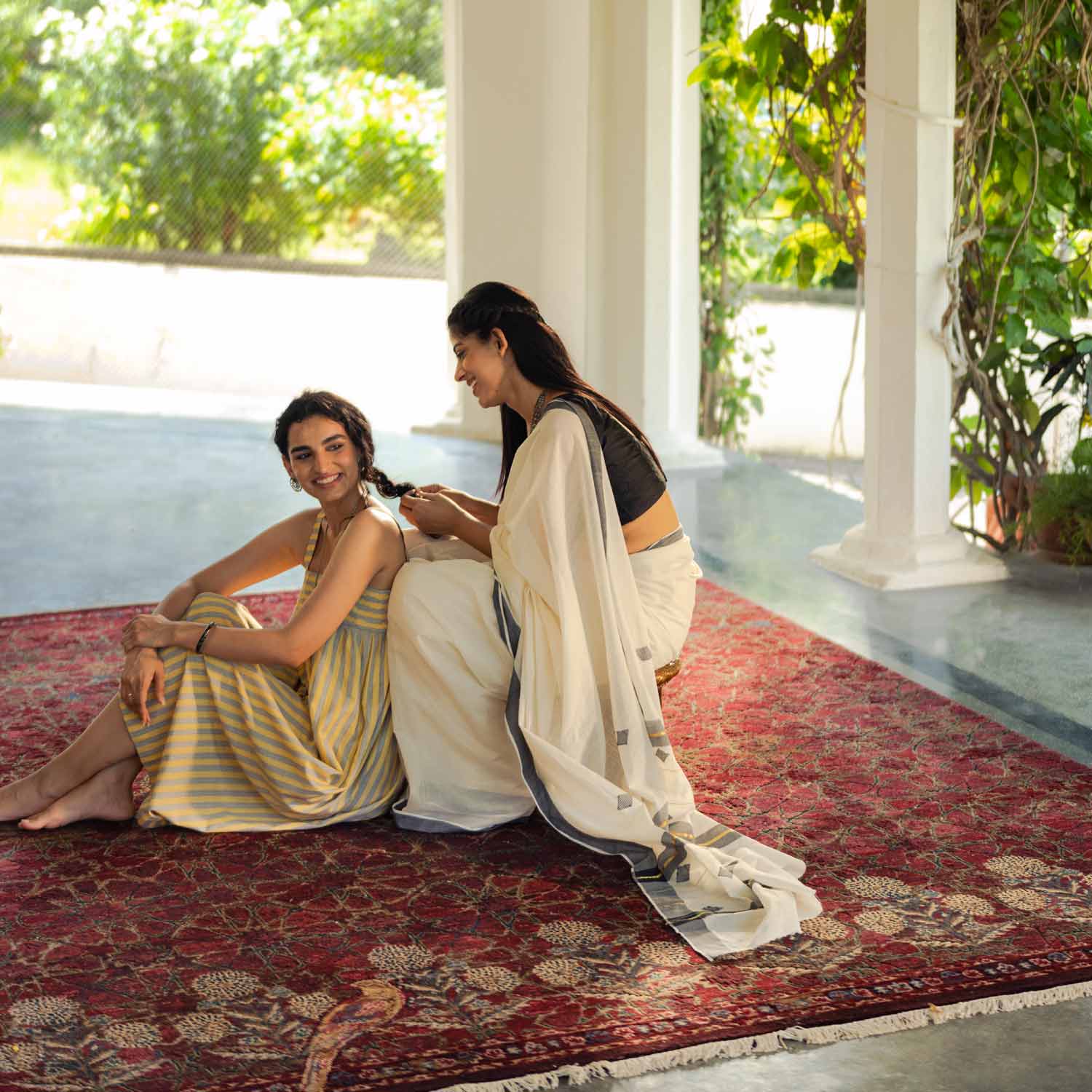
Under the Mughals, rugs transformed into scenic depictions, animal hunts, and the iconic "millefleur" patterns. Persian refinement adapted to Indian materials and a softer, more naturalistic approach to floral motifs, featuring trailing blossoms, grape-like clusters, and designs that mirrored the Taj Mahal's intricate stone carvings. At Obeetee, we view this era as the heart of our craft. Our "Proud to be Indian" series echoes this synthesis, reimagining the technical skill of the past through modern Indian artistry. We show that tradition is not a static relic but a vibrant force.
The Tibetan Texture: Himalayan Minimalism
Tibetan rugs offer a unique perspective, distinct from the typical styles of the Middle East and South Asia. They feature a tactile density and spiritual clarity that are instantly recognizable. Made on vertical looms with a unique loop-knotting method, these rugs have a plush, heavy pile that is both soft and durable. Visually, Tibetan tradition connects to the Himalayan landscape and cosmology, showing motifs like the endless knot, the snow lion, the tiger, and the lotus.
Scholars and admirers recognize that Tibetan rugs often resemble soulful folk art rather than strict iconography. They prefer bold color blocks and simple forms, creating a sense of "sacred calm" that aligns with contemporary minimalist styles. Historically dyed with vegetable or modern pigments, the Tibetan palette is vibrant and meaningful. These rugs add warmth and honesty to a space, reflecting a deep connection to ritual life and the shared memories of the mountains.
The Grammar of the Knot: A Legacy Continued
The differences among these four great traditions go beyond patterns; they relate to the "grammar" of the knot itself. At Obeetee, technique is not just structural; it shapes the very flow of the design. The symmetrical knot provides the crisp, stable geometry of a tribal motif, while the asymmetrical knot allows for the delicate, curvilinear grace of a floral vine. The dense weaving of the Mughal tradition and the thick loop of the Tibetan loom each create a different feel underfoot.
This global view explains why Obeetee remains an important voice in the world of luxury rugs. We do not exist outside this history; we work within its richest threads. By combining the skill of the Mughal era with modern design sensibilities and a commitment to our artisan communities, we bring these ancient traditions into objects for everyday use. Every Obeetee rug celebrates this enduring craft- a bridge between the heritage of the past and the beauty found in modern homes.

