TERRA: The Colour of Memory
Some things are so woven into Indian life that we hardly think of them as design.
The terracotta matka sits quietly in a corner of the house. The courtyard floor basks in the afternoon sun. The earthen diya shines during festivals. The scent of clay rises from the ground at the first hint of rain. The red-brown traces of geru adorn thresholds and verandas. The soothing touch of a mud-plastered wall offers relief in the peak of summer.
These are not just objects or materials. They are pieces of memory.
For generations, the earth has held a special place in the Indian imagination. It has been both sacred and ordinary, useful and symbolic. It has influenced the homes we built, the rituals we observed, and the colours that have come to define our daily lives.
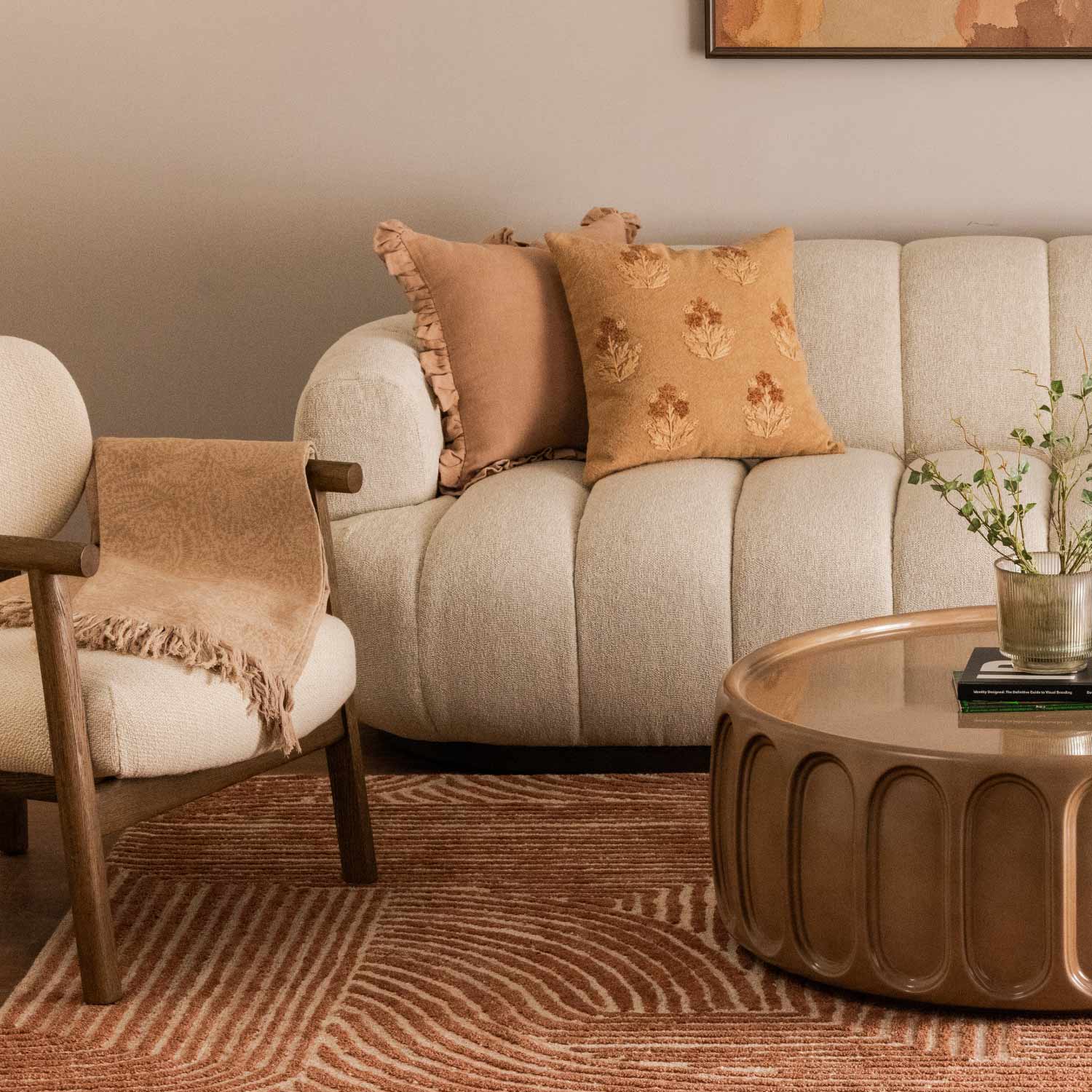
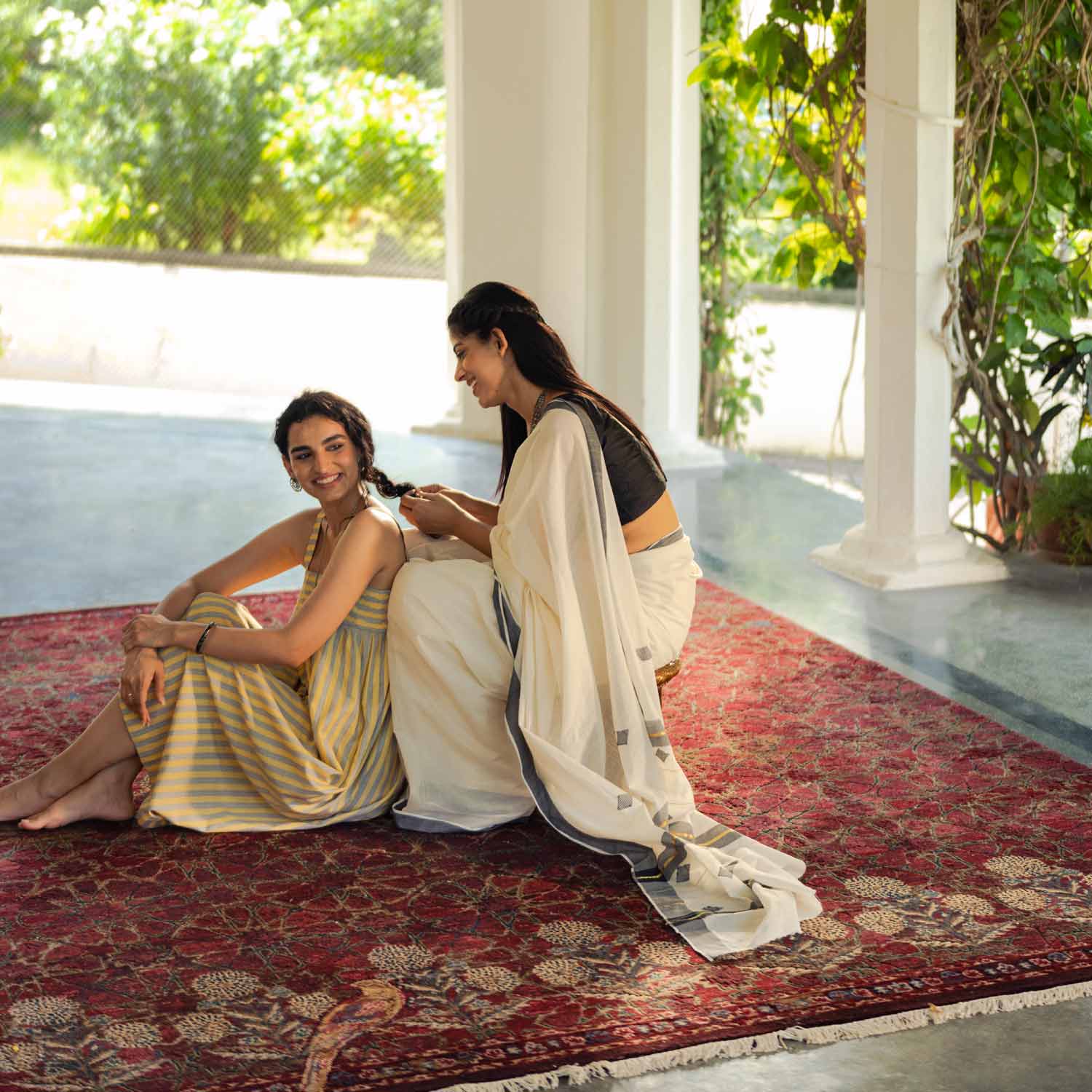
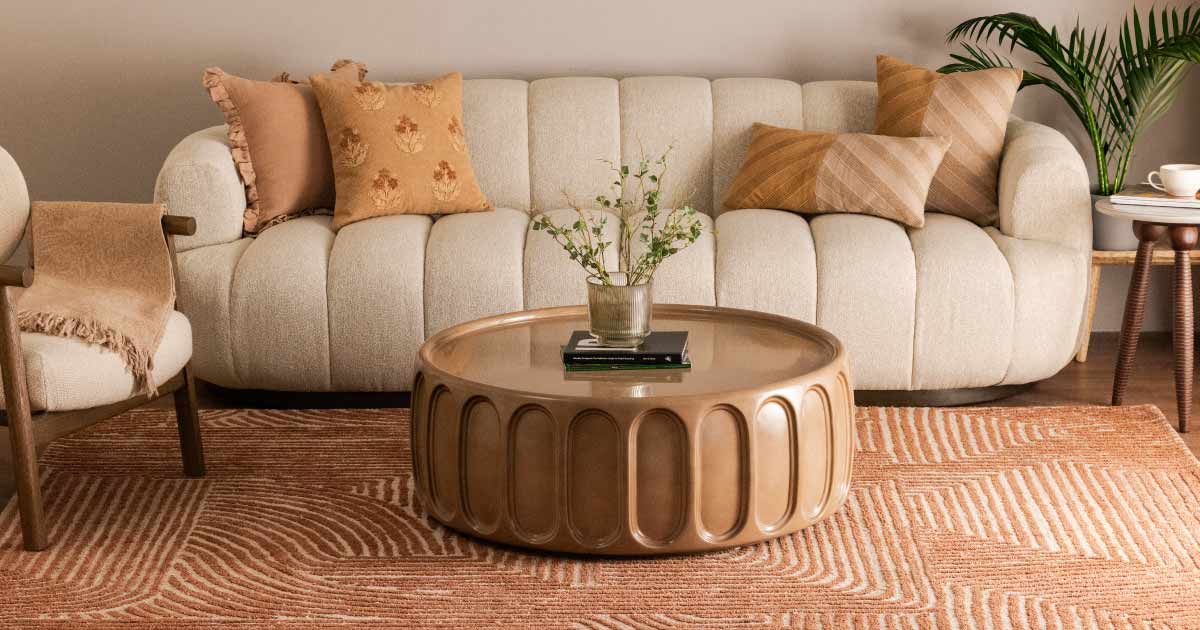
TERRA by OBEETEE starts with this connection.
Not with the earth as a landscape, but with the earth as memory.

A Culture Built Close to the Ground
Across India, traditions have emerged from a deep relationship with the land.
Before industrial materials became widely available, homes were built from what was readily available. Clay, lime, stone, wood, and natural fibers formed the basis of daily life. Entire architectural styles developed around local soil and climate. In Kutch, homes were made from mud to withstand extreme heat. In Bengal, terracotta became a key artistic style. In Rajasthan, earthen pigments painted walls and courtyards in colours that reflected the surrounding environment.
This created a culture where the lines between home and nature were quite fluid.
The colours inside often mirrored those outside. The materials underfoot came from the same land that supported communities. Even everyday objects carried traces of the earth from which they originated.
Long before sustainability became a popular topic, this relationship existed naturally.
The Rituals of Summer
Across generations, Indian homes developed quiet rituals to cope with the heat. Water cooled in clay vessels. Cotton fabrics replaced heavier textiles. Courtyards became gathering spots in the early morning and late evening. Verandas provided shade. Thick walls protected interiors from the intense afternoon sun.
Summer turned homes into havens.
Many of these practices feel familiar. The sight of a matka wrapped in a damp cloth. Drawing cool water from an earthen pot. The distinct stillness that fills a house during the hottest hours of the day. The scent of dust, stone, and clay wafting through open windows before a storm.
These experiences are part of a shared cultural memory.
They may vary by region, yet they remain easily recognizable across generations.
TERRA draws inspiration from this world.
Its colours feel shaped by long summers and sunny afternoons, by materials that have absorbed heat and held stories within them.
The language of terracotta
Few materials convey India’s story as clearly as terracotta.
From the ancient settlements of the Indus Valley to the terracotta temples of Bishnupur, clay has been molded into vessels, sculptures, architecture, and art for thousands of years. It has carried water, stored grain, brightened celebrations, and played a role in daily domestic life.
Yet beyond its practical uses lies something deeper.
Terracotta has an emotional familiarity. It is one of those materials that transcends geography, class, and region. Whether found in a village courtyard or an urban balcony, it evokes a sense of home.
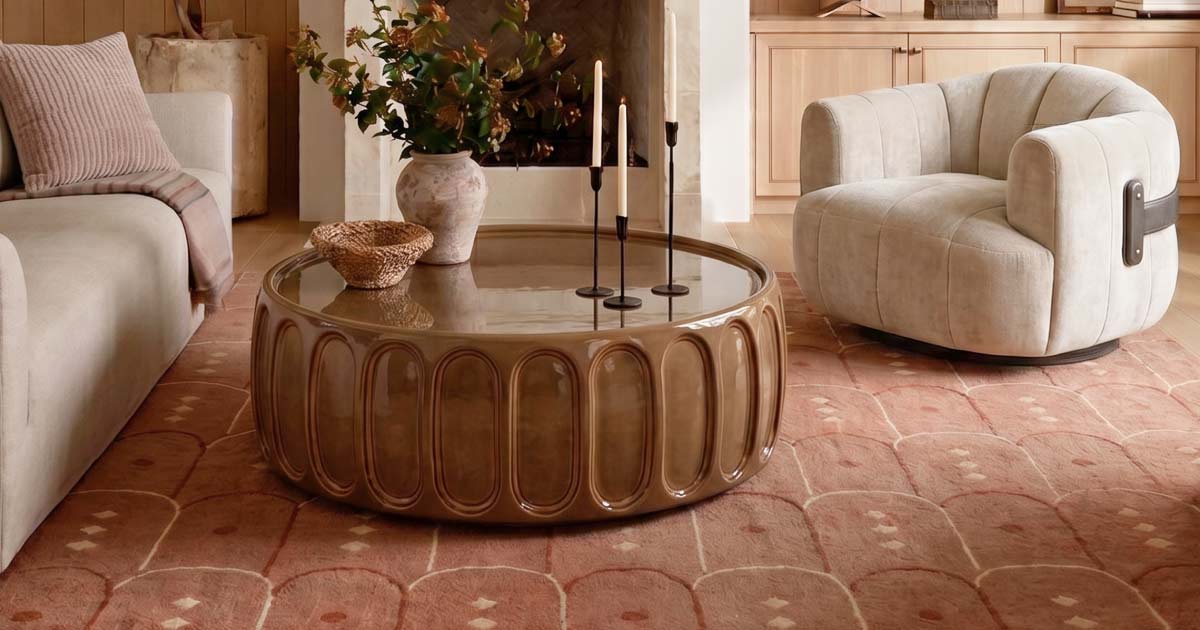
Its colour has a similar place in the Indian visual landscape. Warm, weathered, and distinctly earthy, it appears throughout the country—in architecture, pottery, textiles, and craft traditions.
These colours have never needed reinventing because they have never vanished.
Objects that hold stories
Indian homes have always been filled with stories.
A brass vessel passed down through generations. A carved wooden chest that followed a family through different cities. A clay pot bought from a local artisan every summer. Objects often remain long after the moments they witnessed are gone.
In many ways, memory itself becomes material.
Design historian M.G. Ranjan noted that Indian craft traditions persist not only through their usefulness but through emotional continuity. Objects endure because they become part of family histories, rituals, and everyday habits.
The most meaningful spaces are often shaped by these layers rather than by a single design choice.
TERRA captures this understanding. Its inspiration comes not from one place or time but from countless small moments woven into Indian domestic life.
A return to what lasts
We live in a time fascinated by the new.
New technologies, new styles, new ways of living.
Yet alongside this constant search for innovation, there is a strong desire to reconnect with what feels enduring. Materials that age well. Craft traditions that carry human stories. Colours that stay relevant because they have always belonged.
This is what makes earth appealing.
It reminds us of stability in a world increasingly defined by change.
At its core, TERRA reflects on that stability. It looks to the rituals, materials, and memories that have shaped Indian homes for centuries and finds within them a timeless sense of comfort.
This is not nostalgia for the past, but an acknowledgment of its ongoing presence.
Because some things never truly leave us.
The cool water drawn from a clay pot. The warmth of a sunlit courtyard. The colour of terracotta after years exposed to the sky. The feeling of home deeply rooted in the earth.
TERRA is a tribute to those memories and to the cultural landscape that continues to shape them.