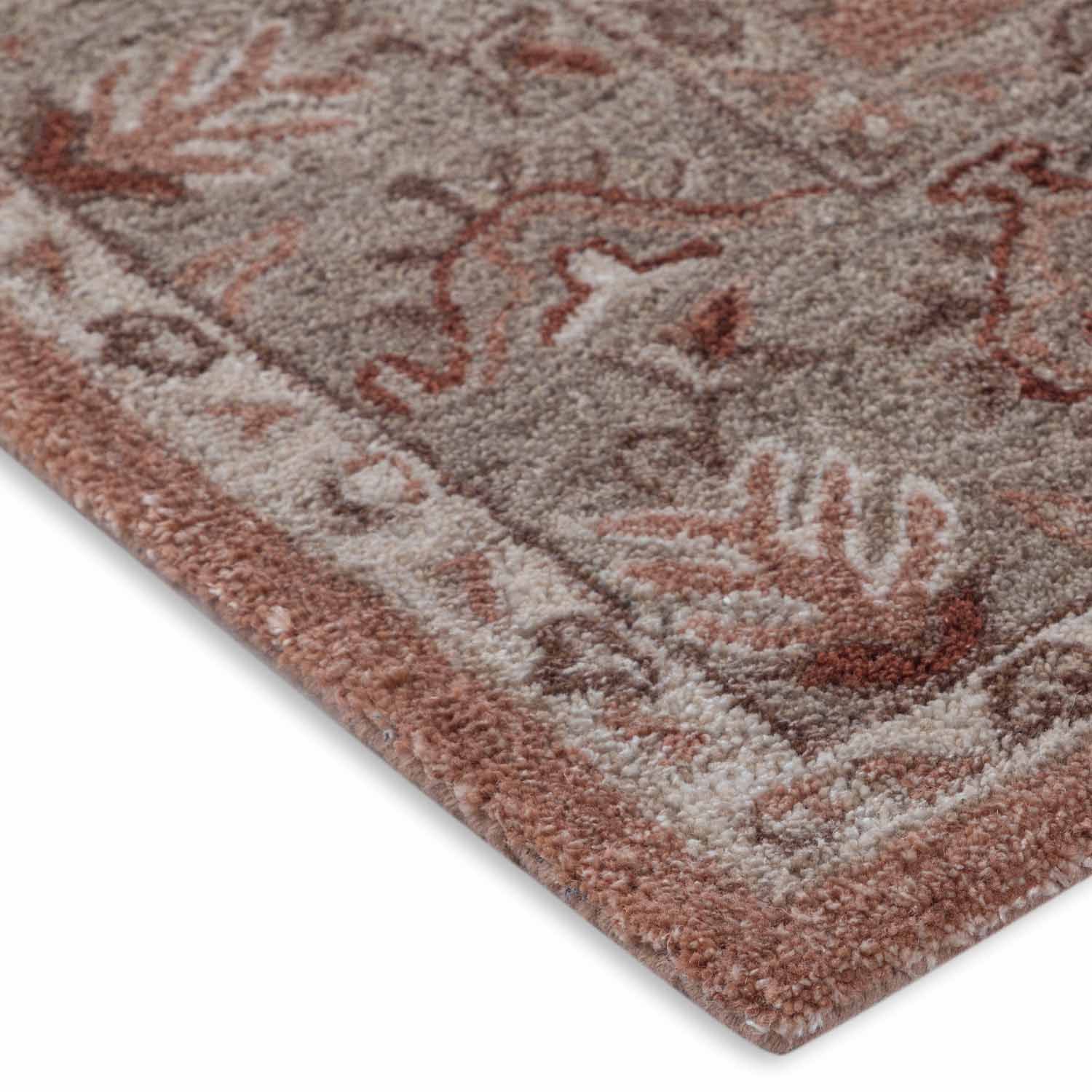
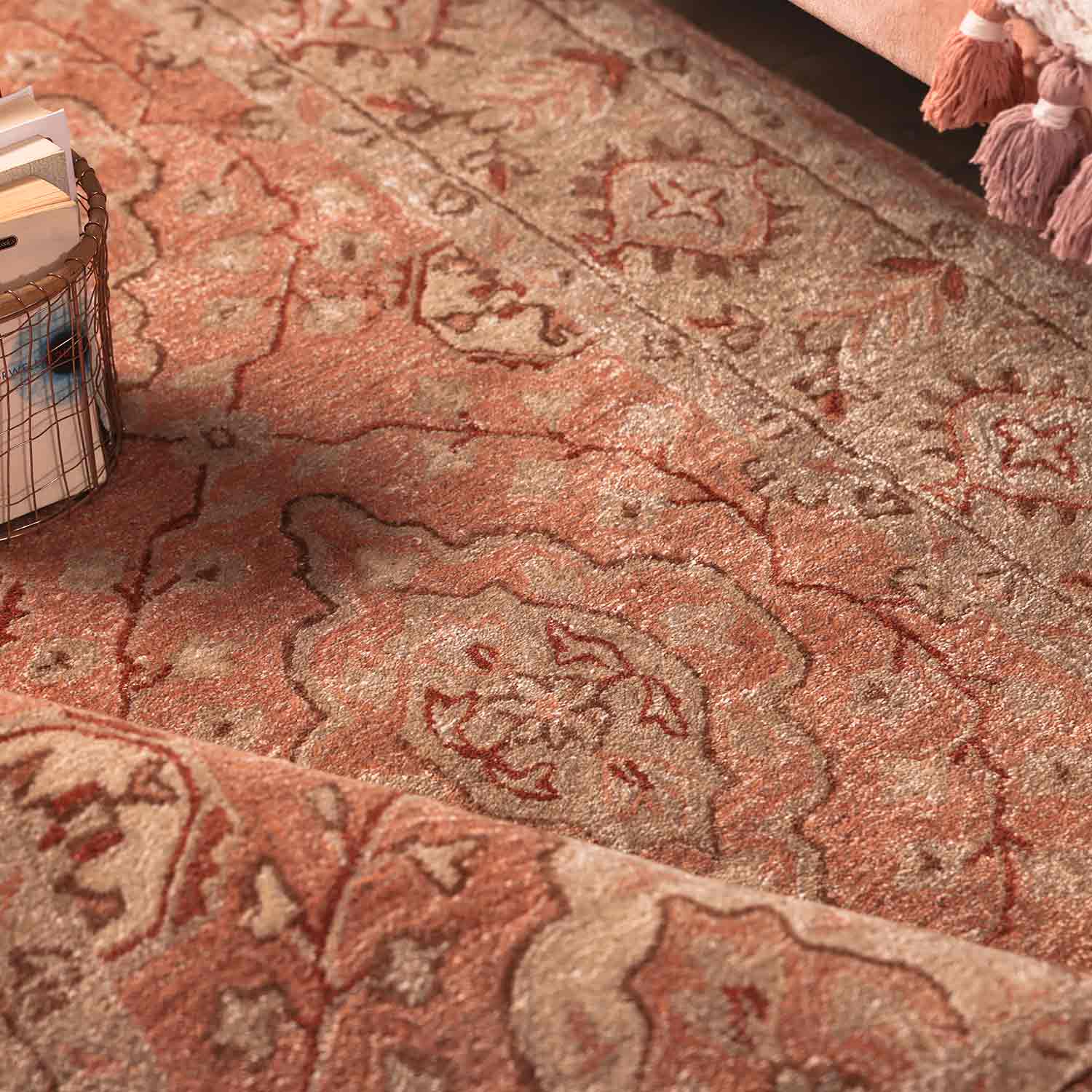
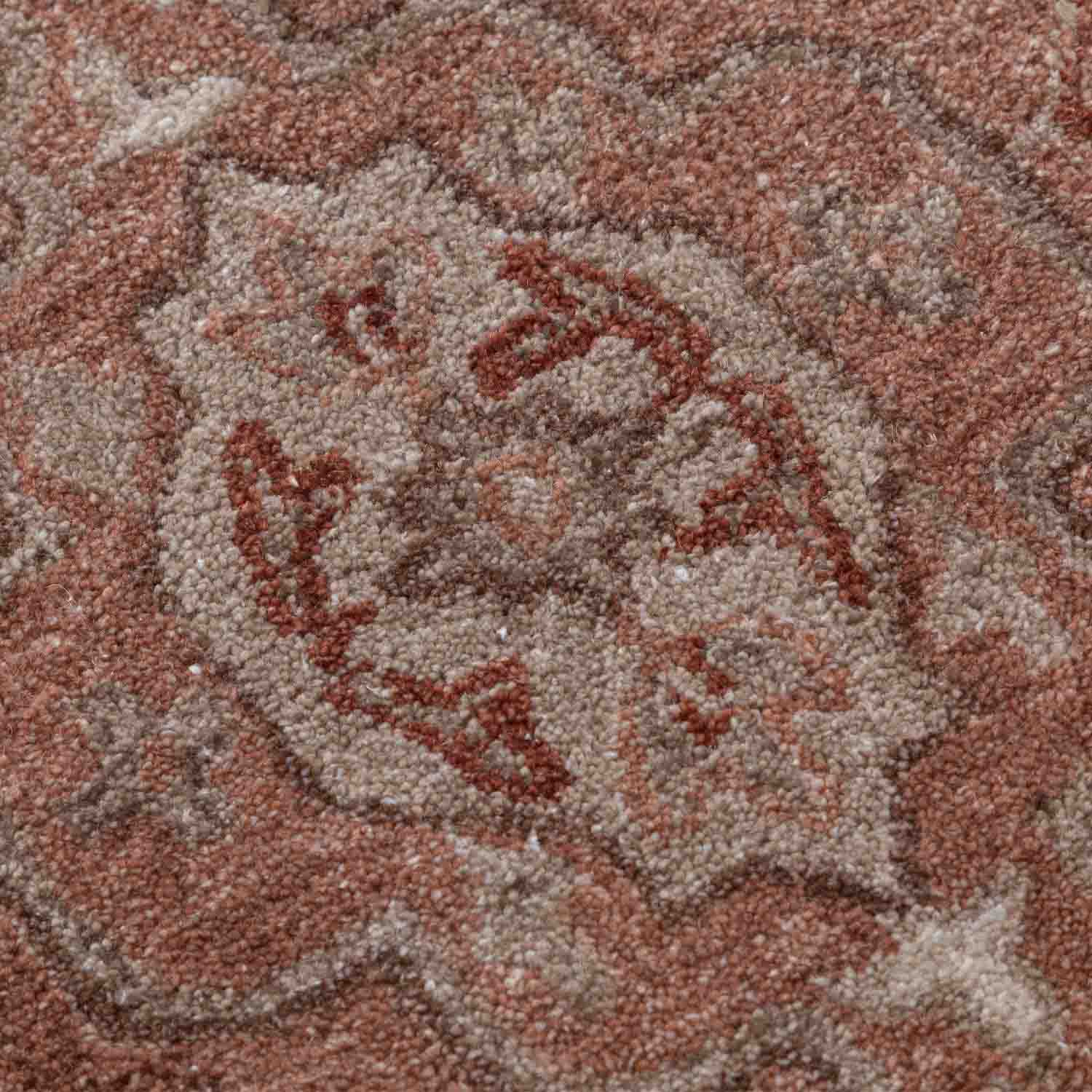
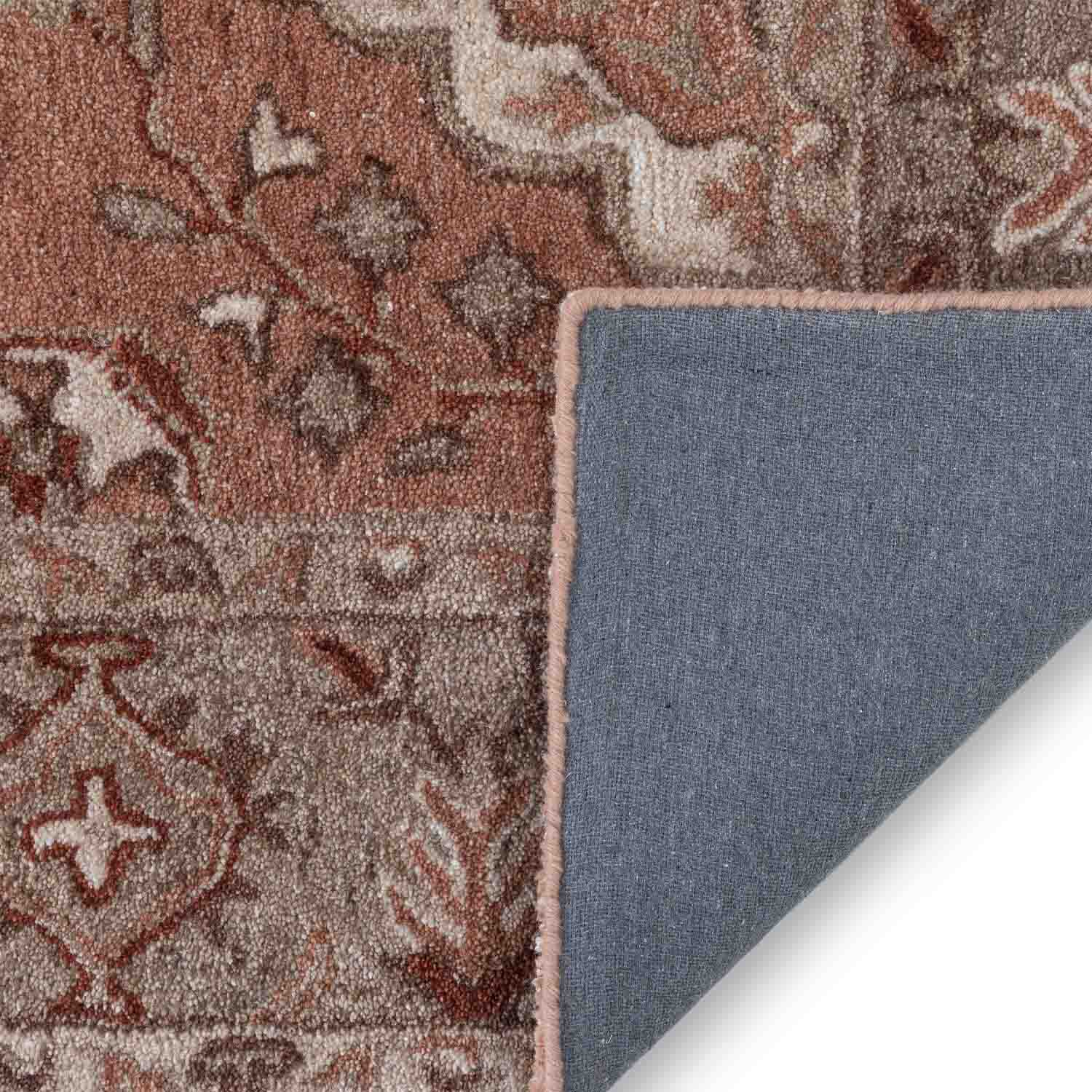
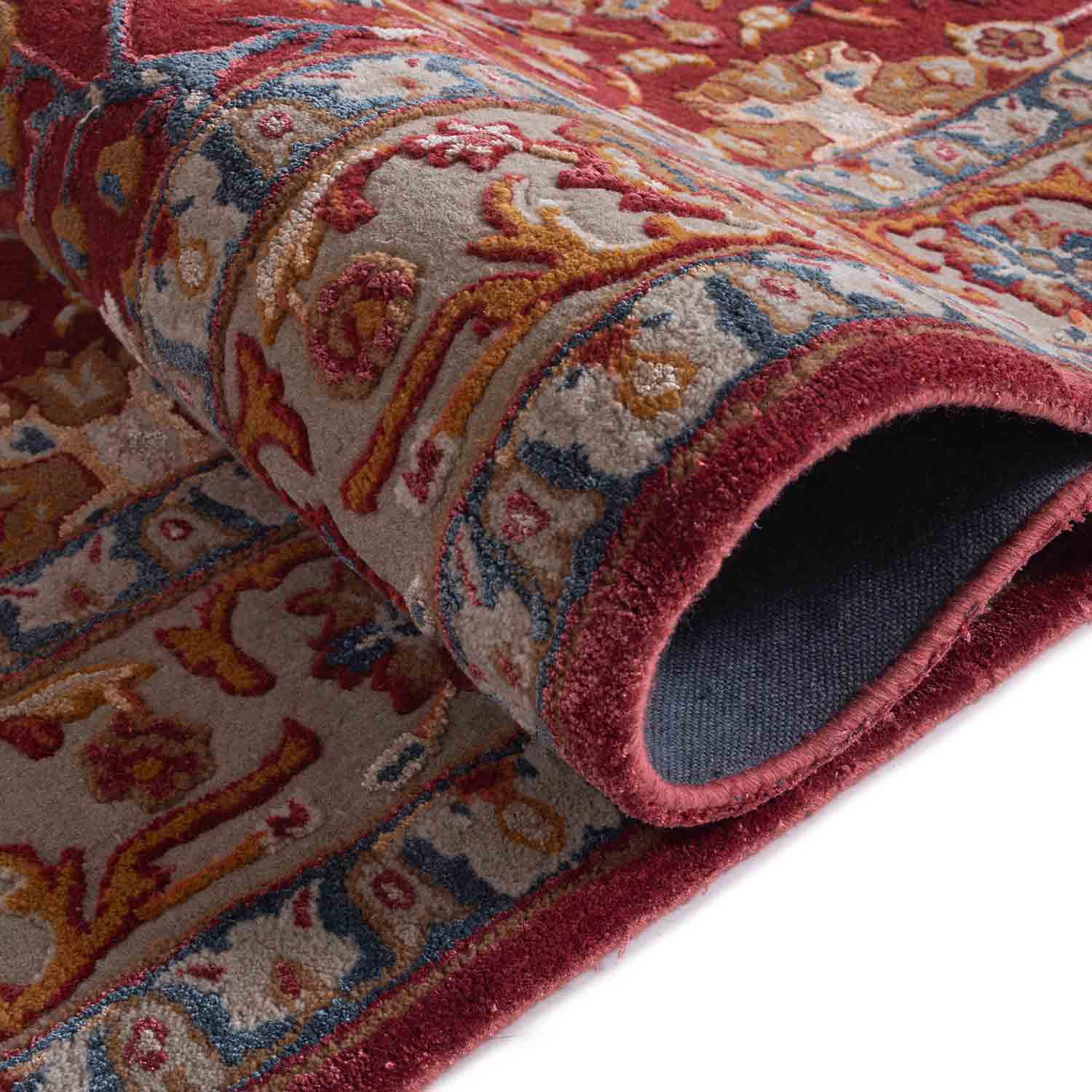
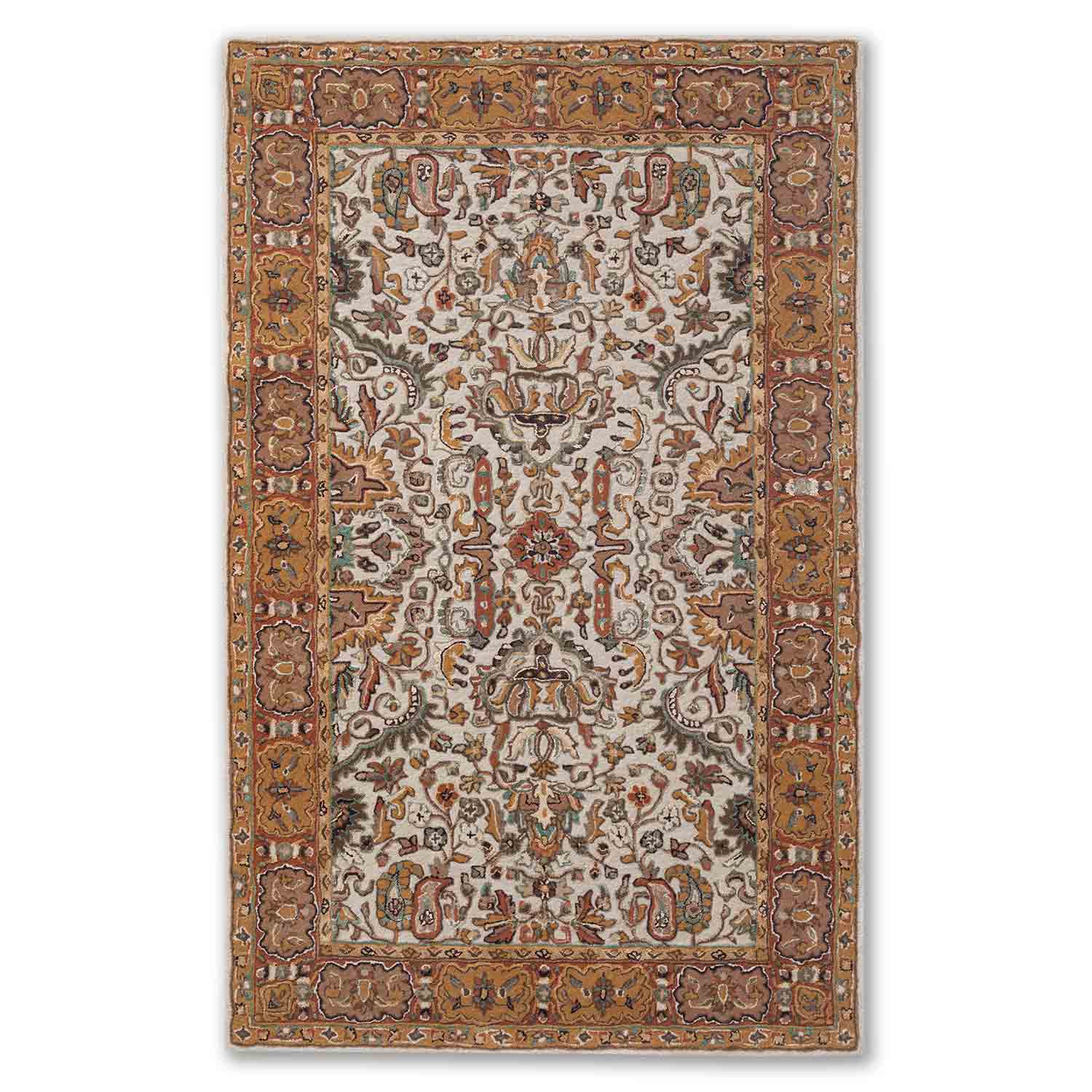
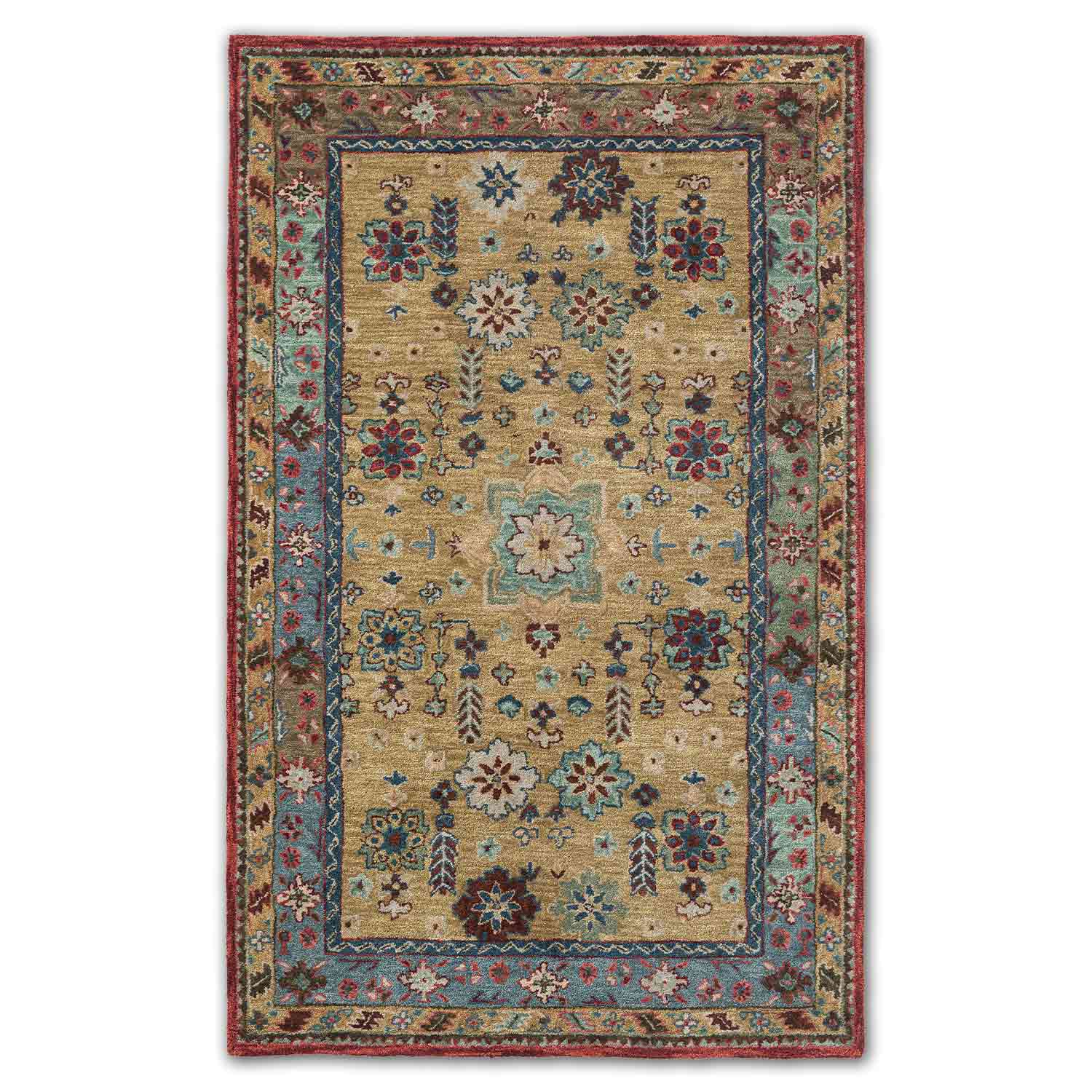
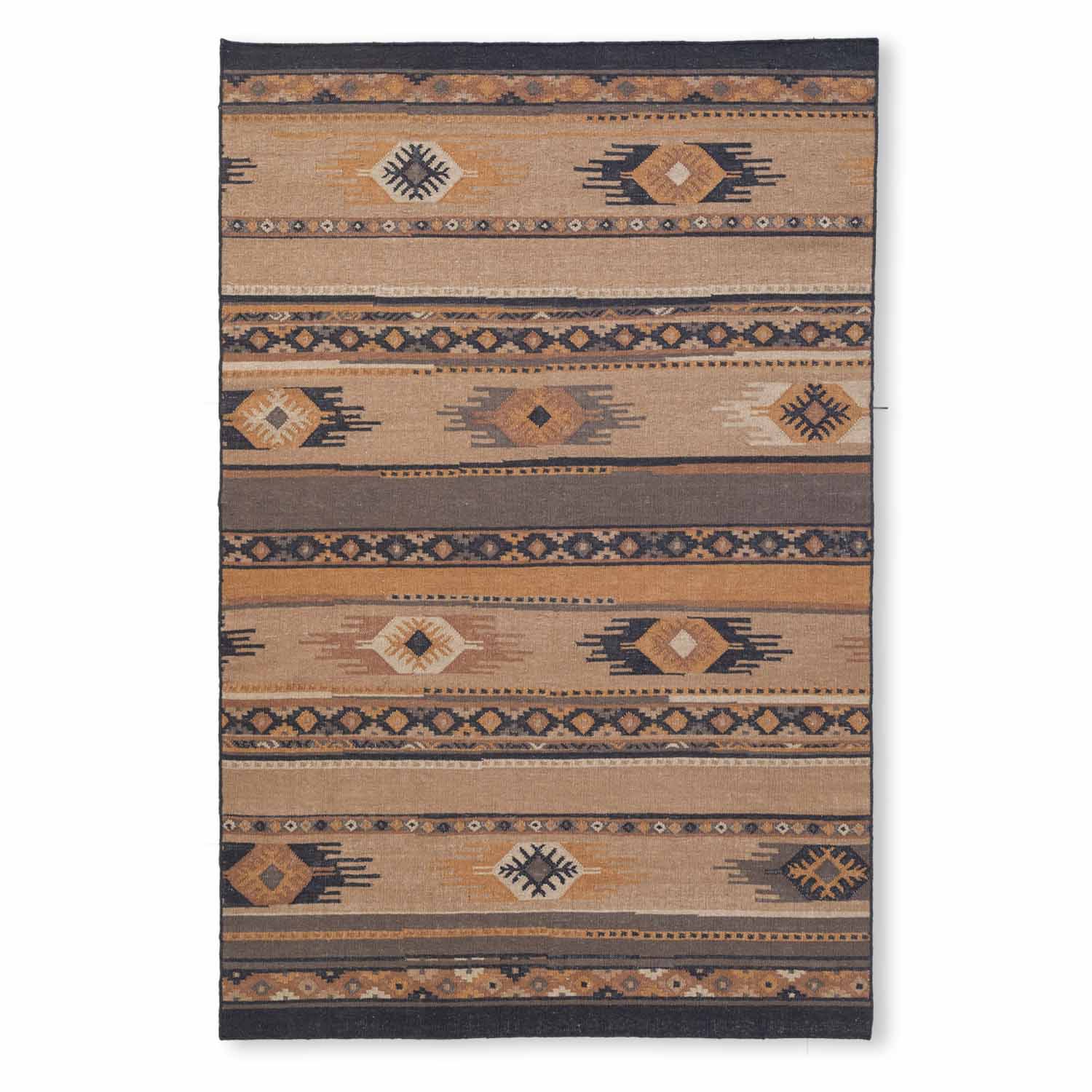
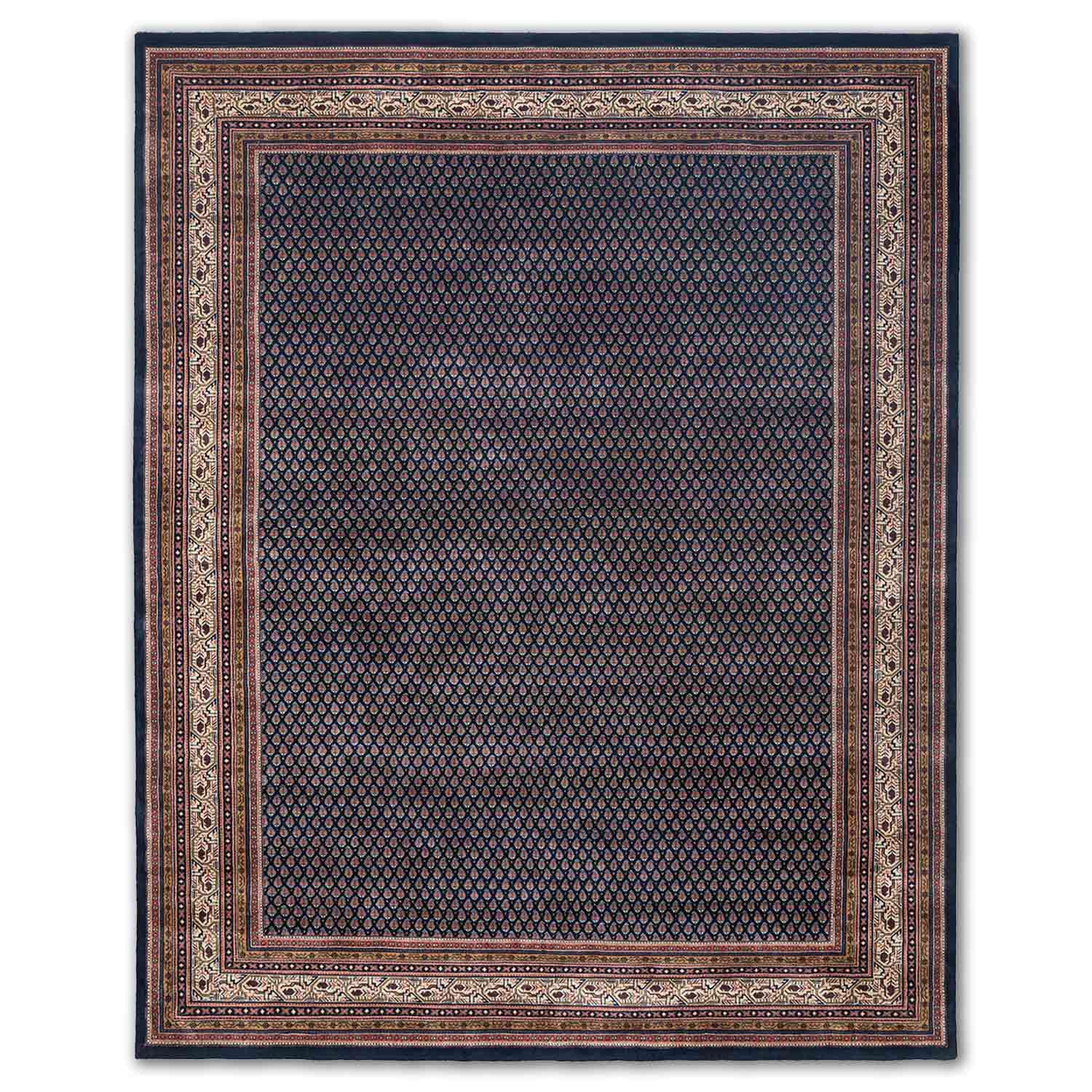
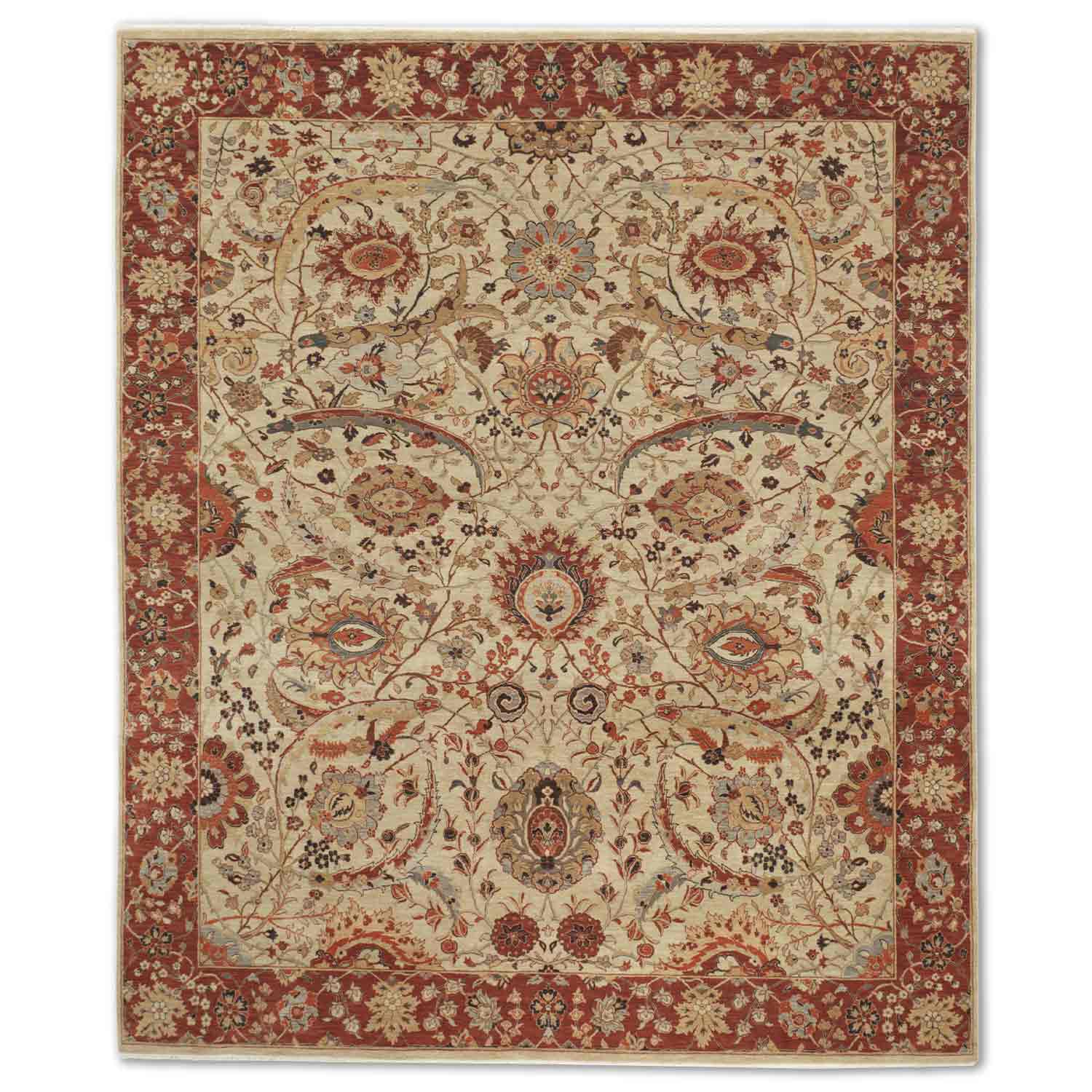
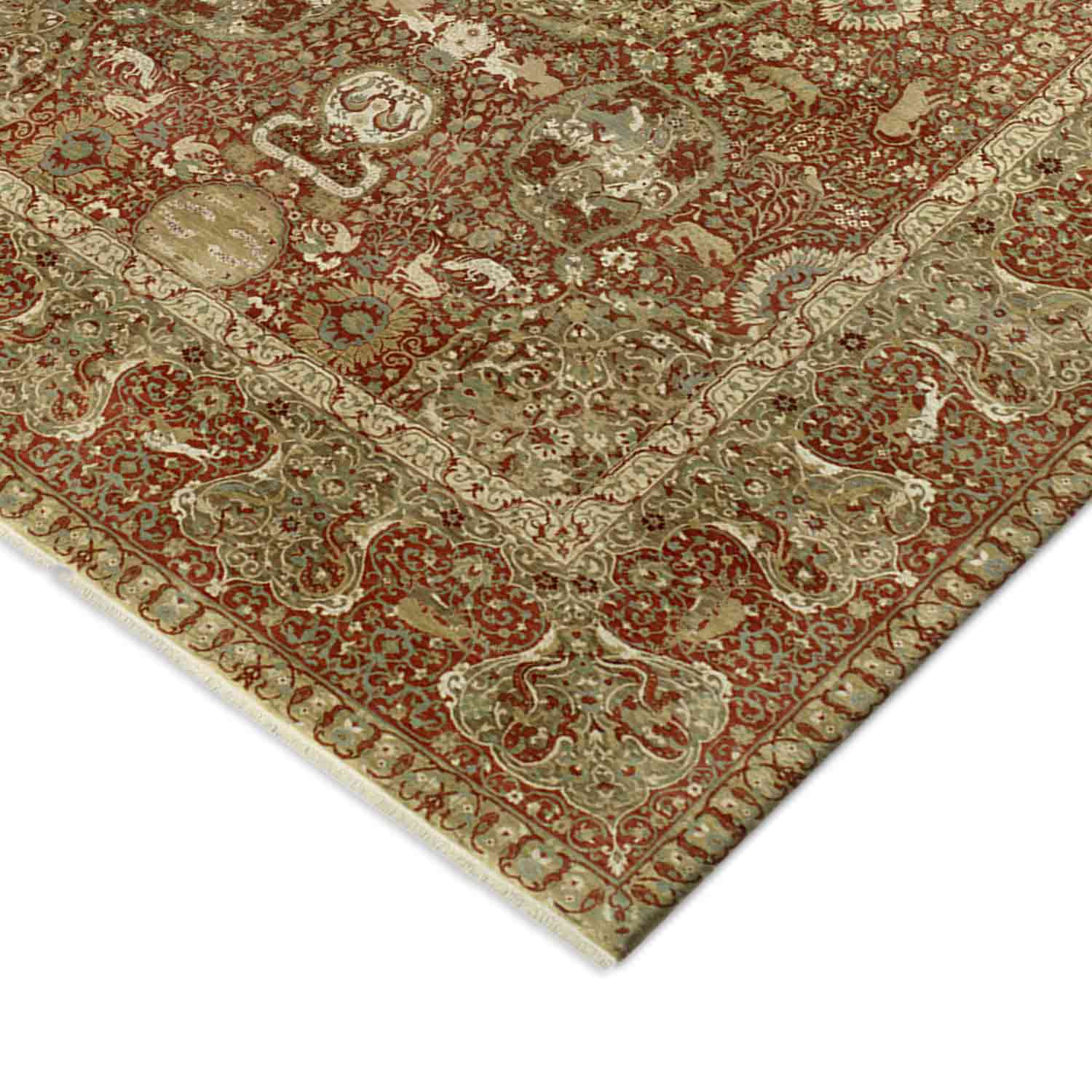
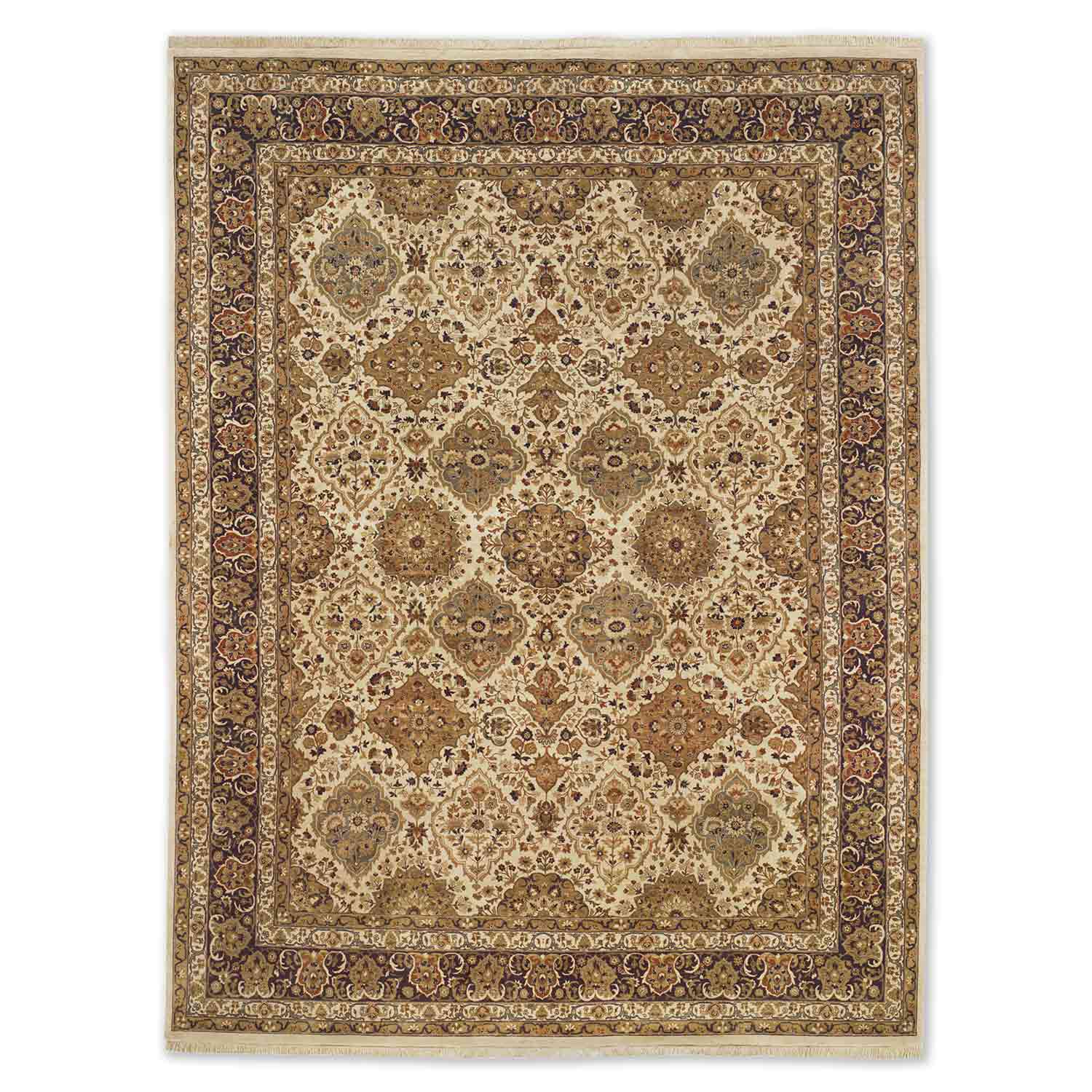
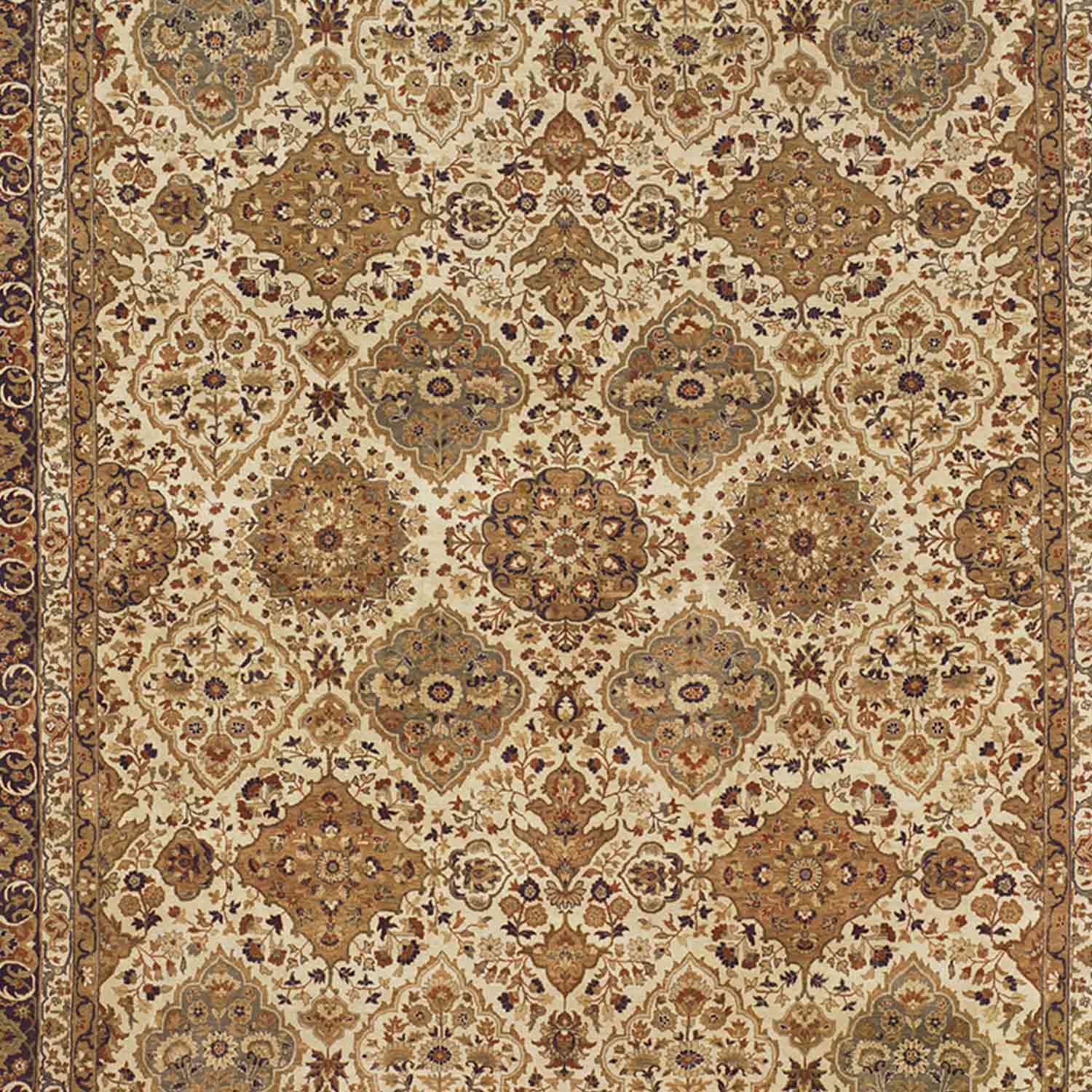
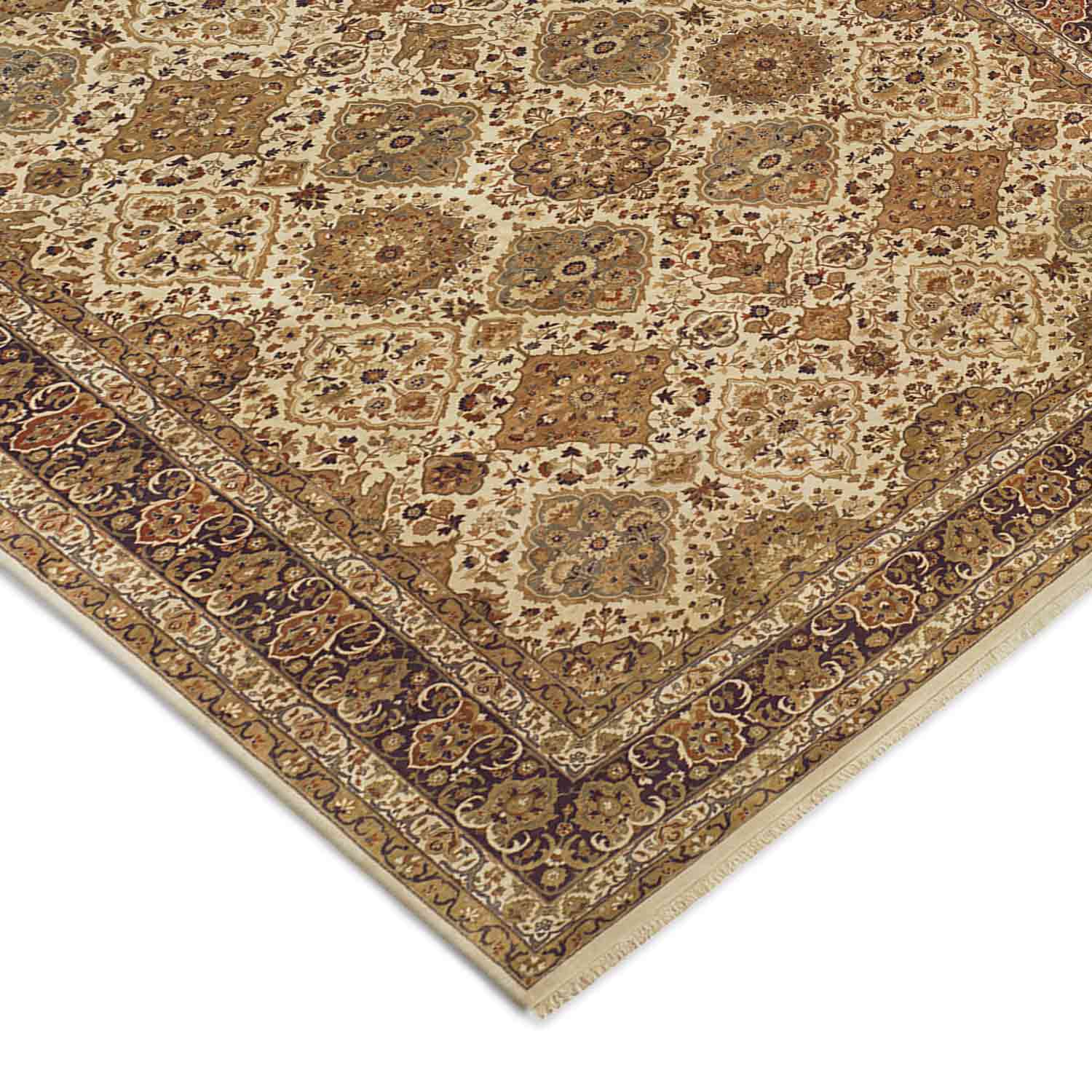
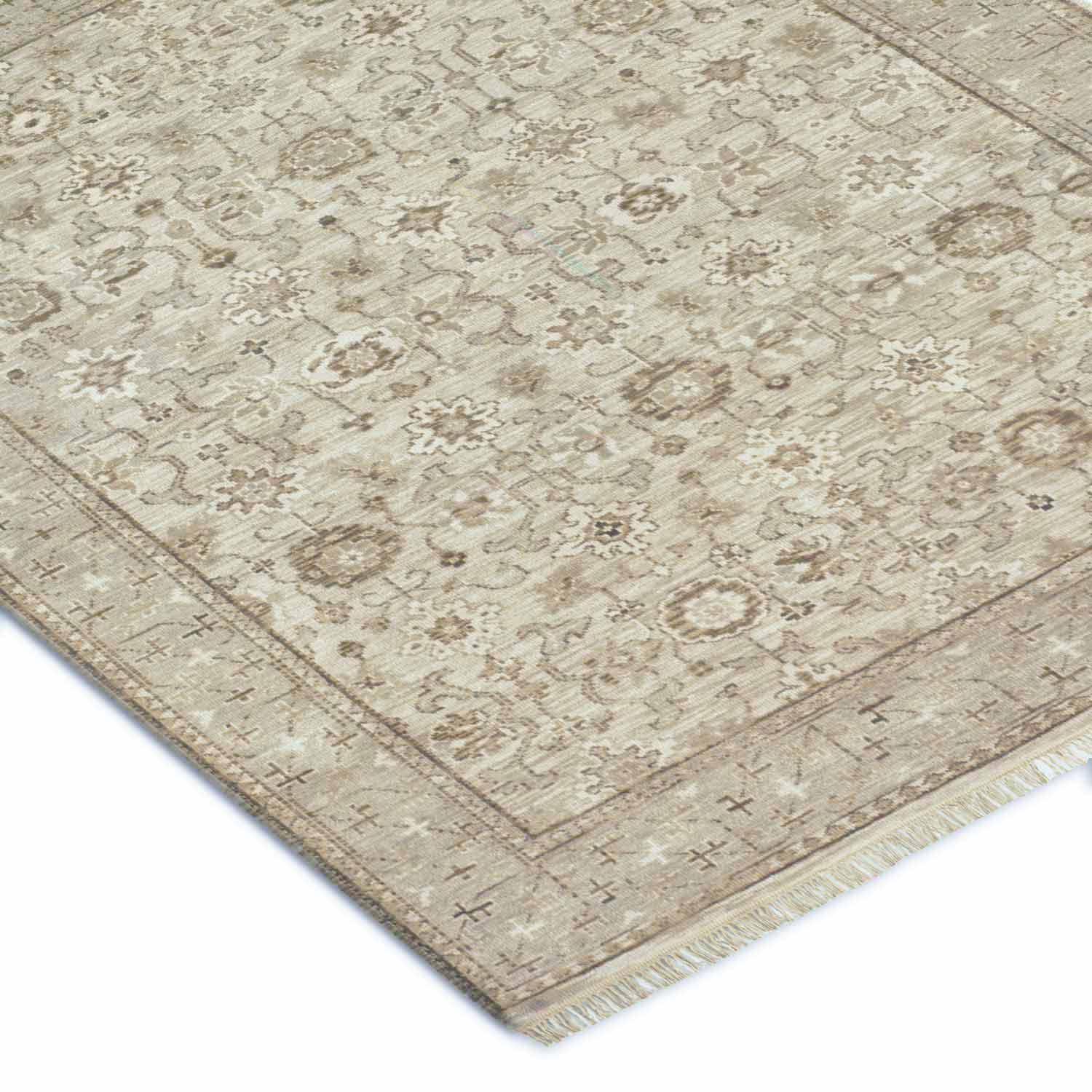
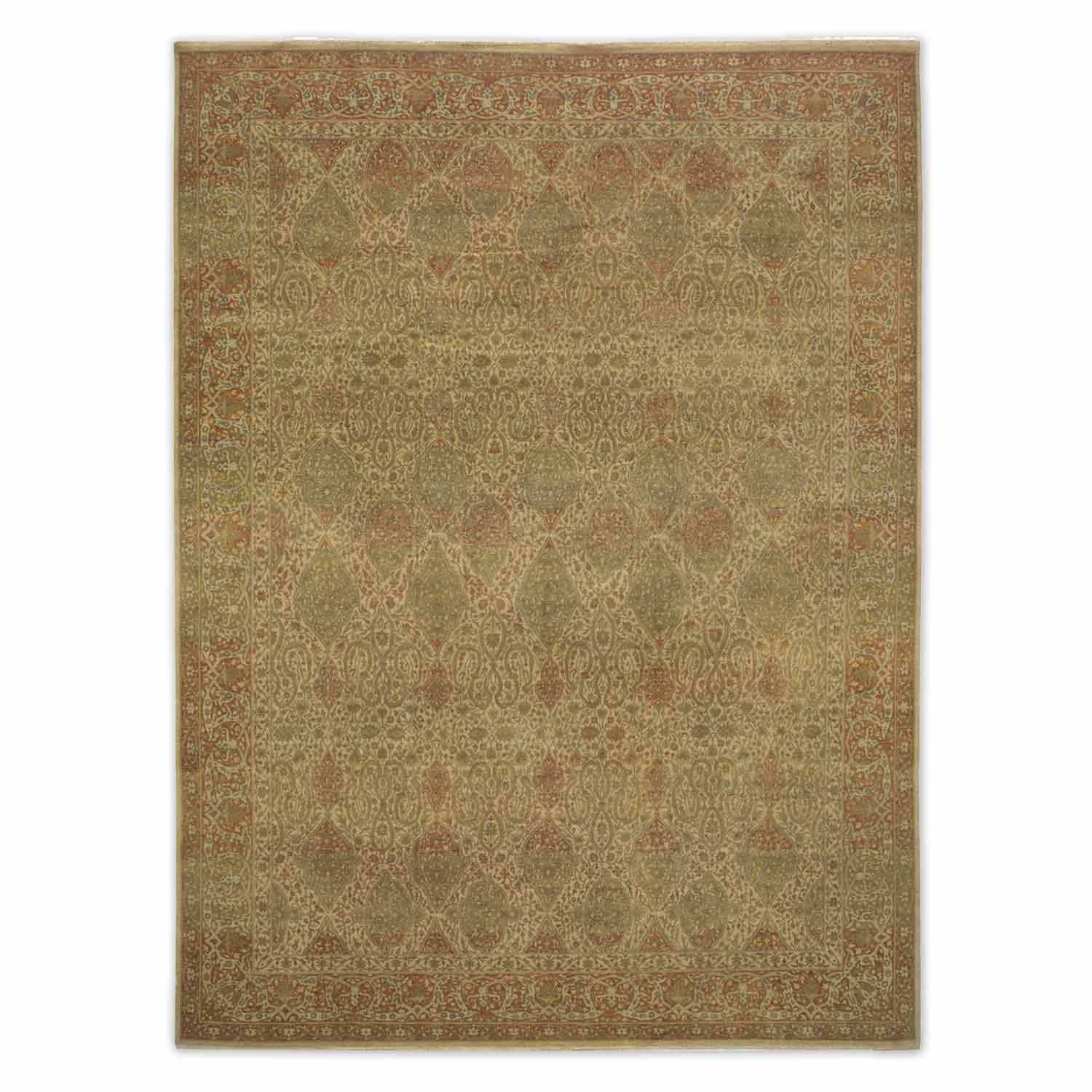
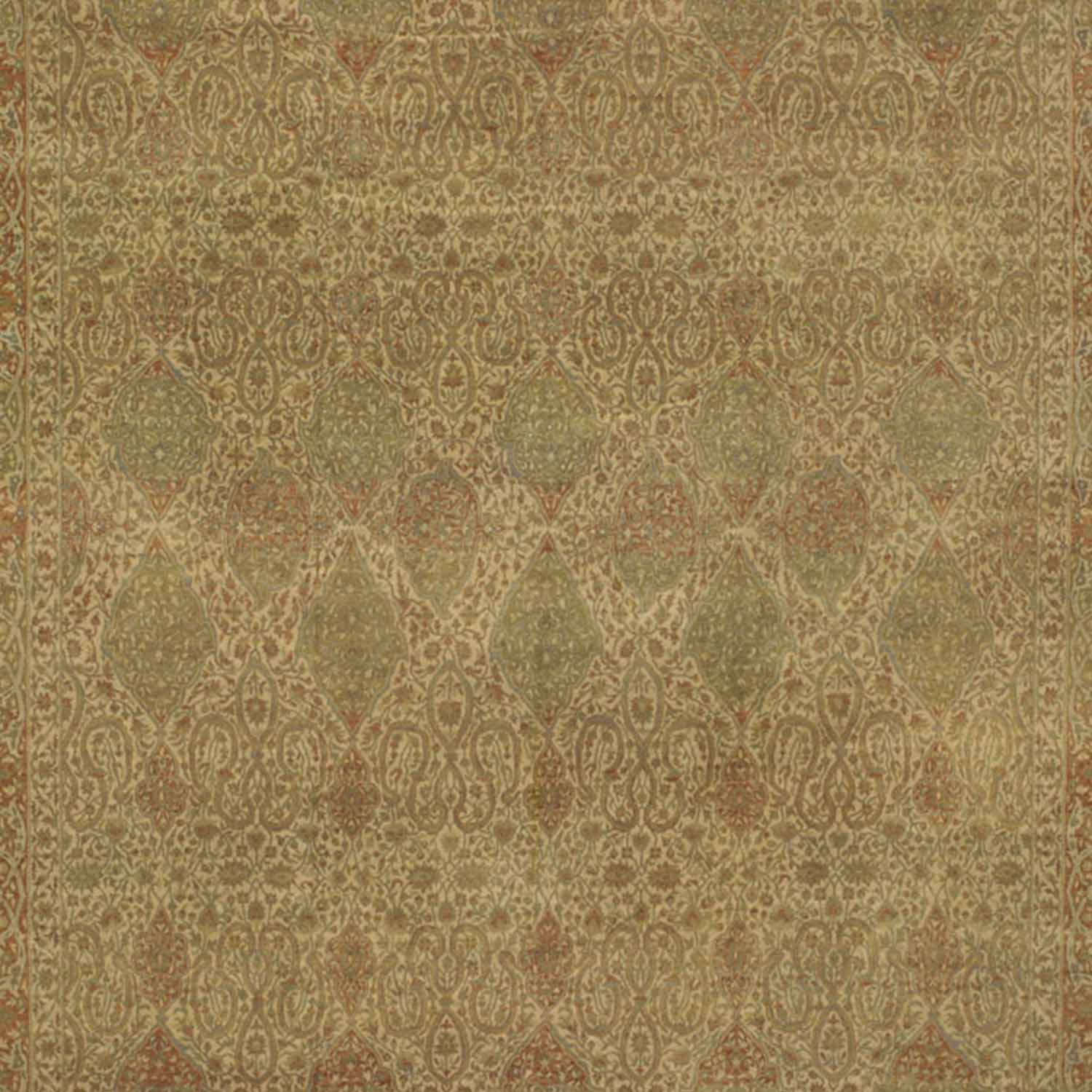
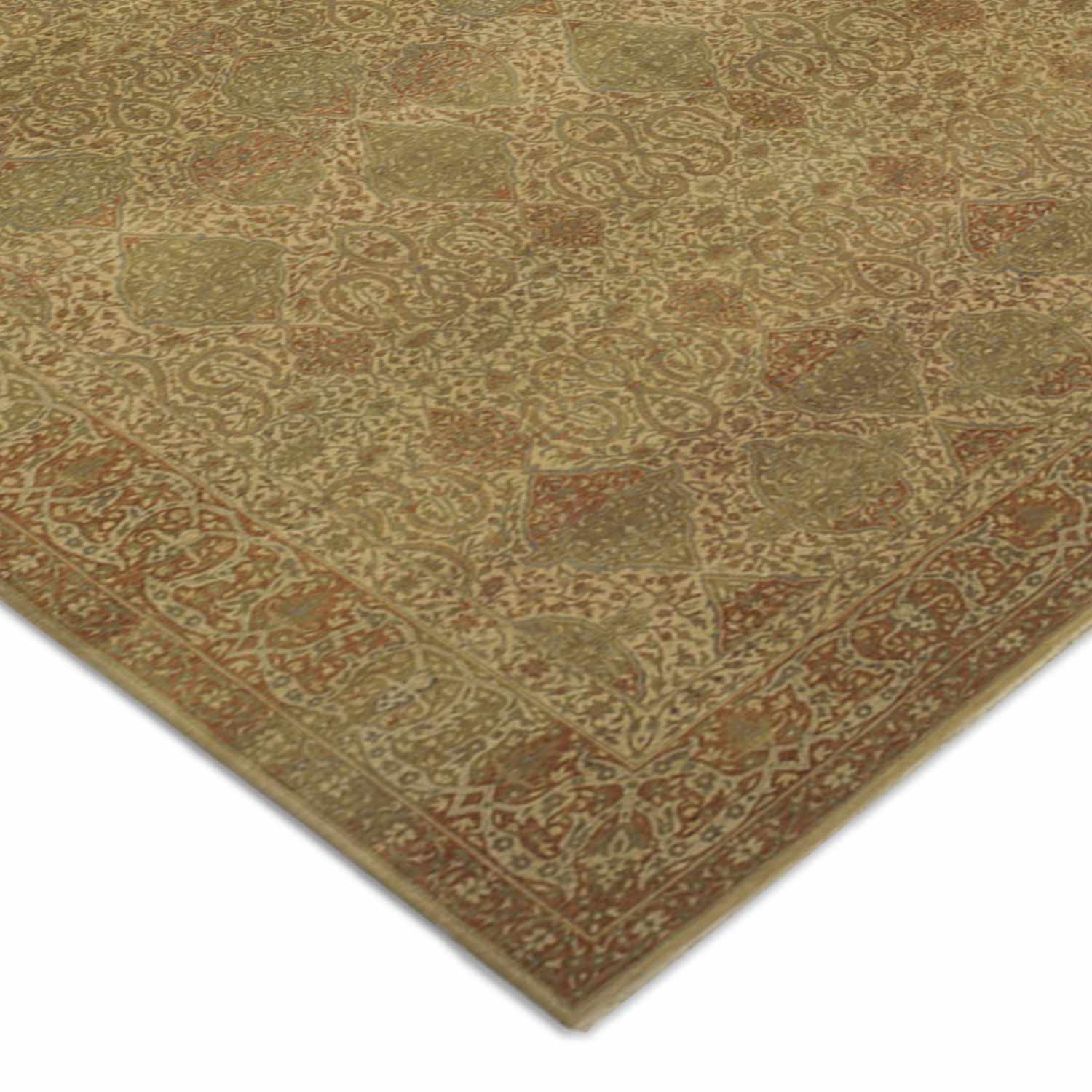
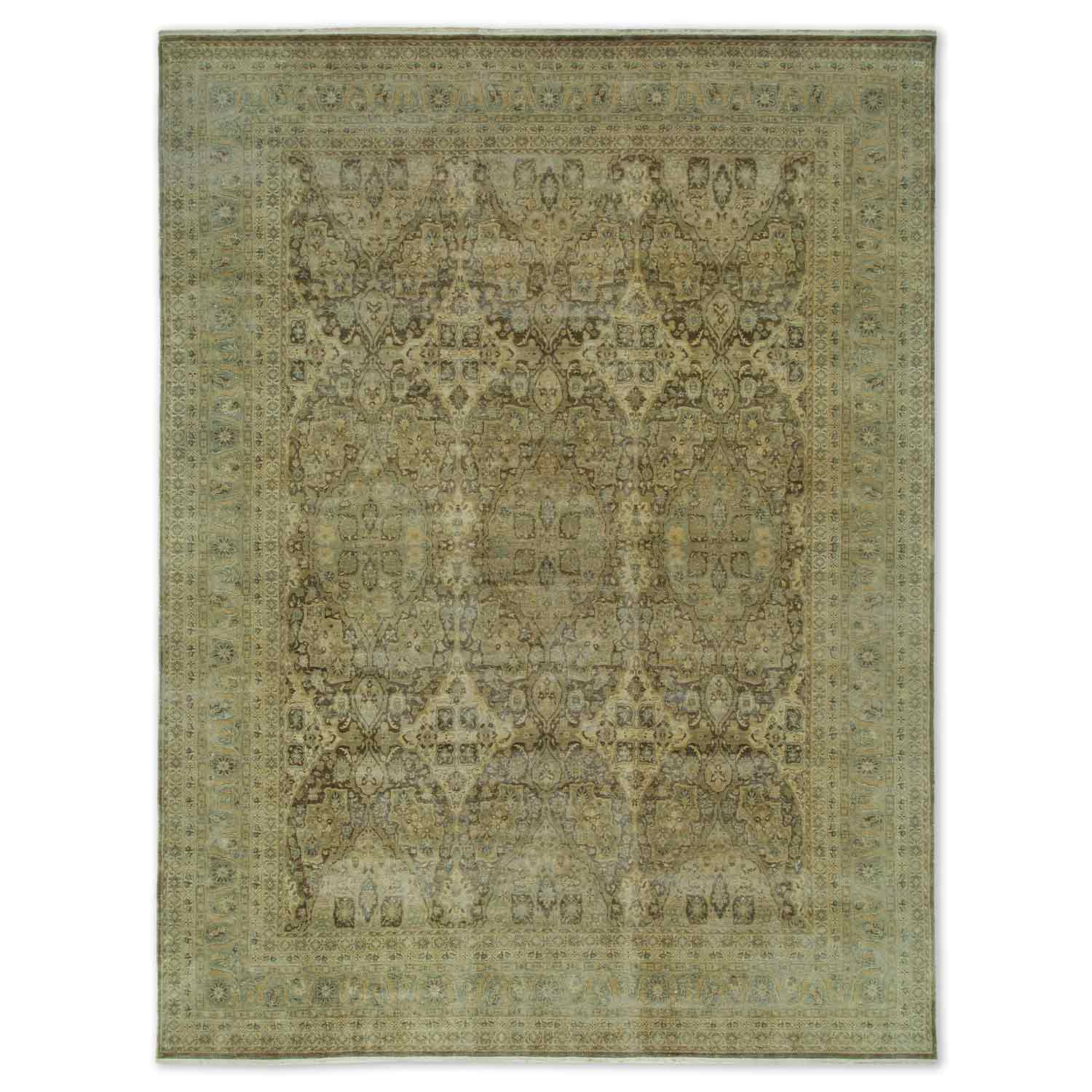
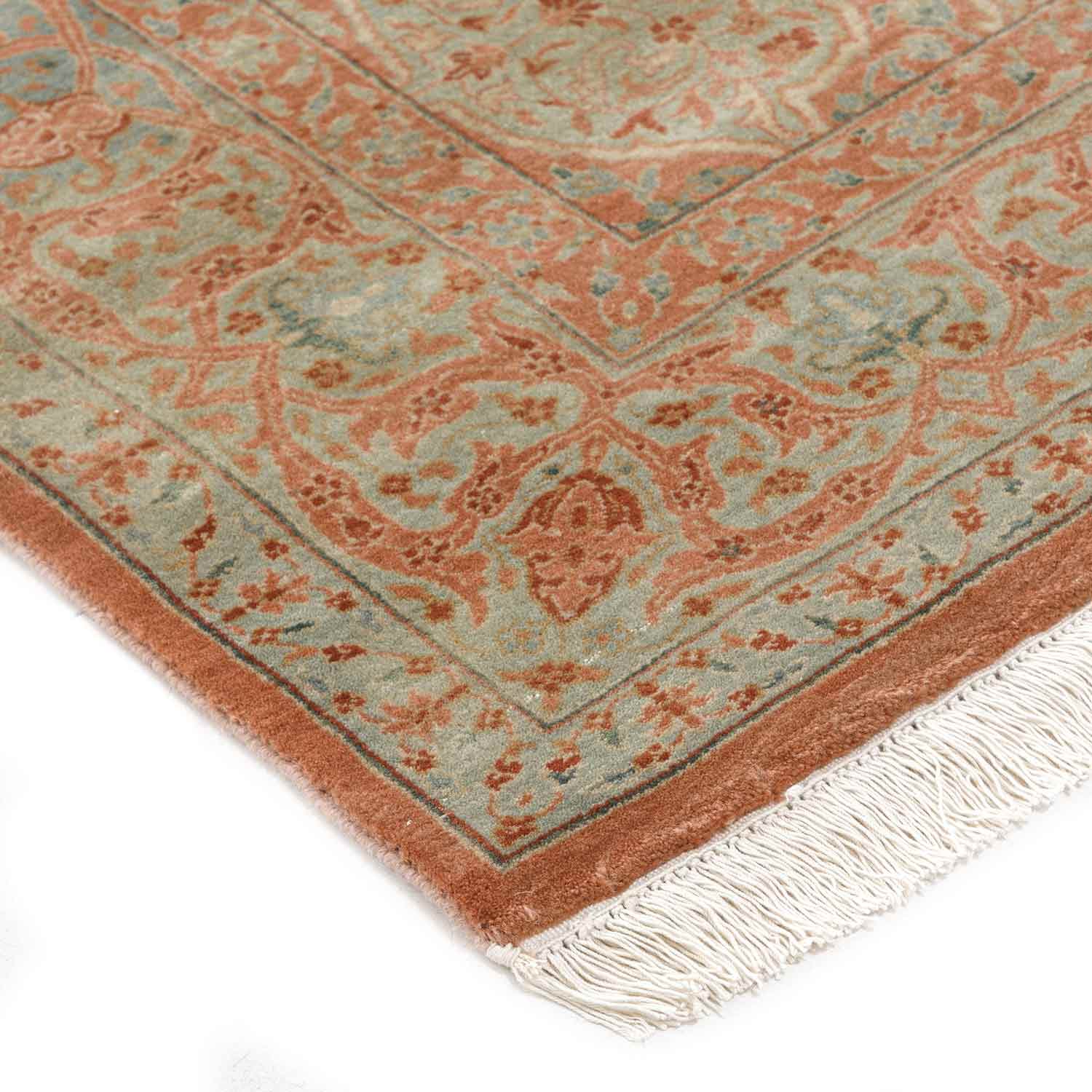
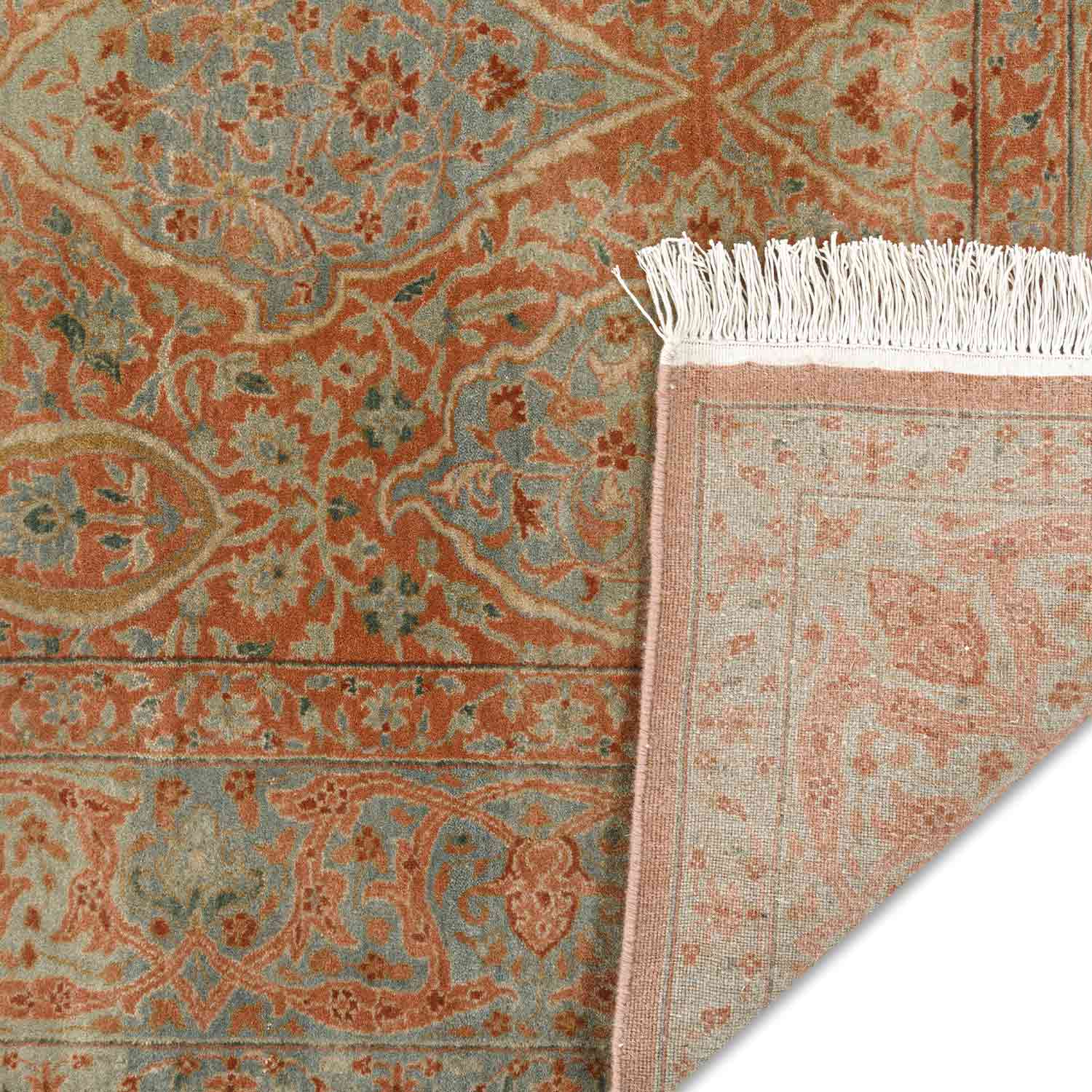
Traditional Carpets
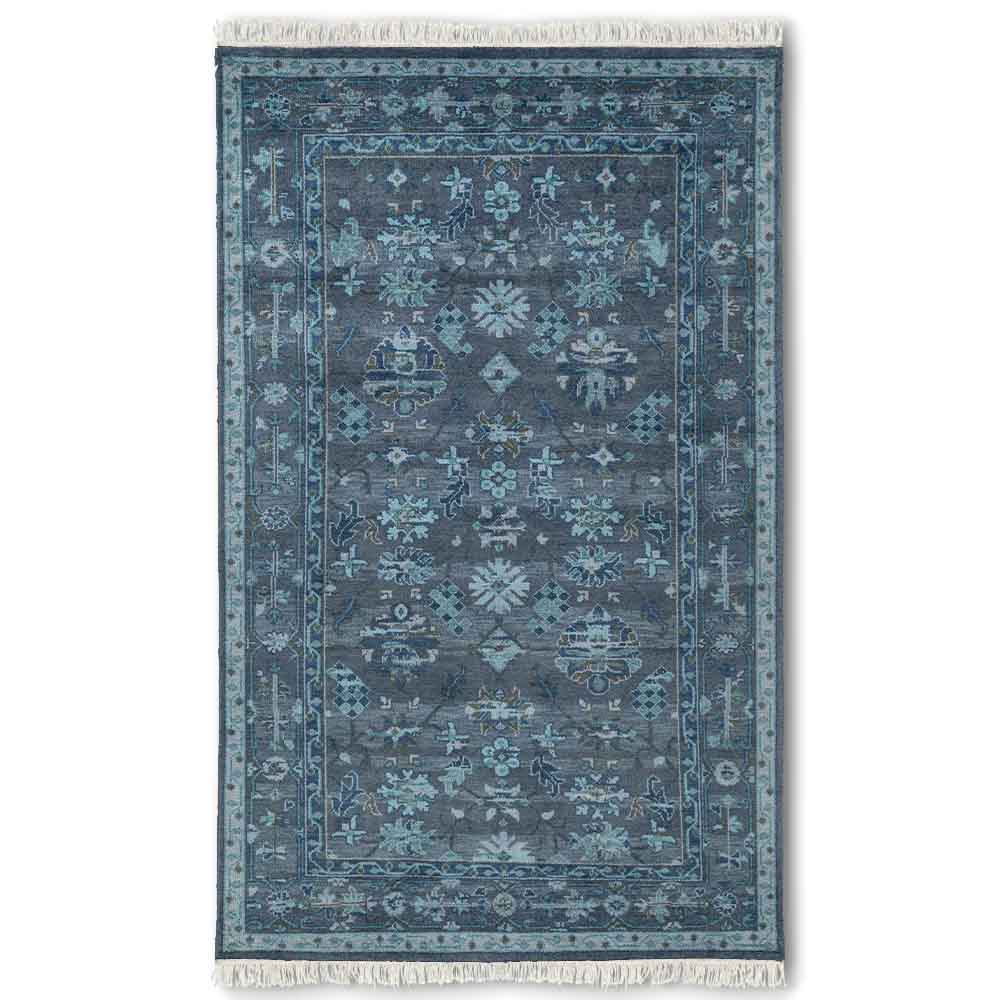
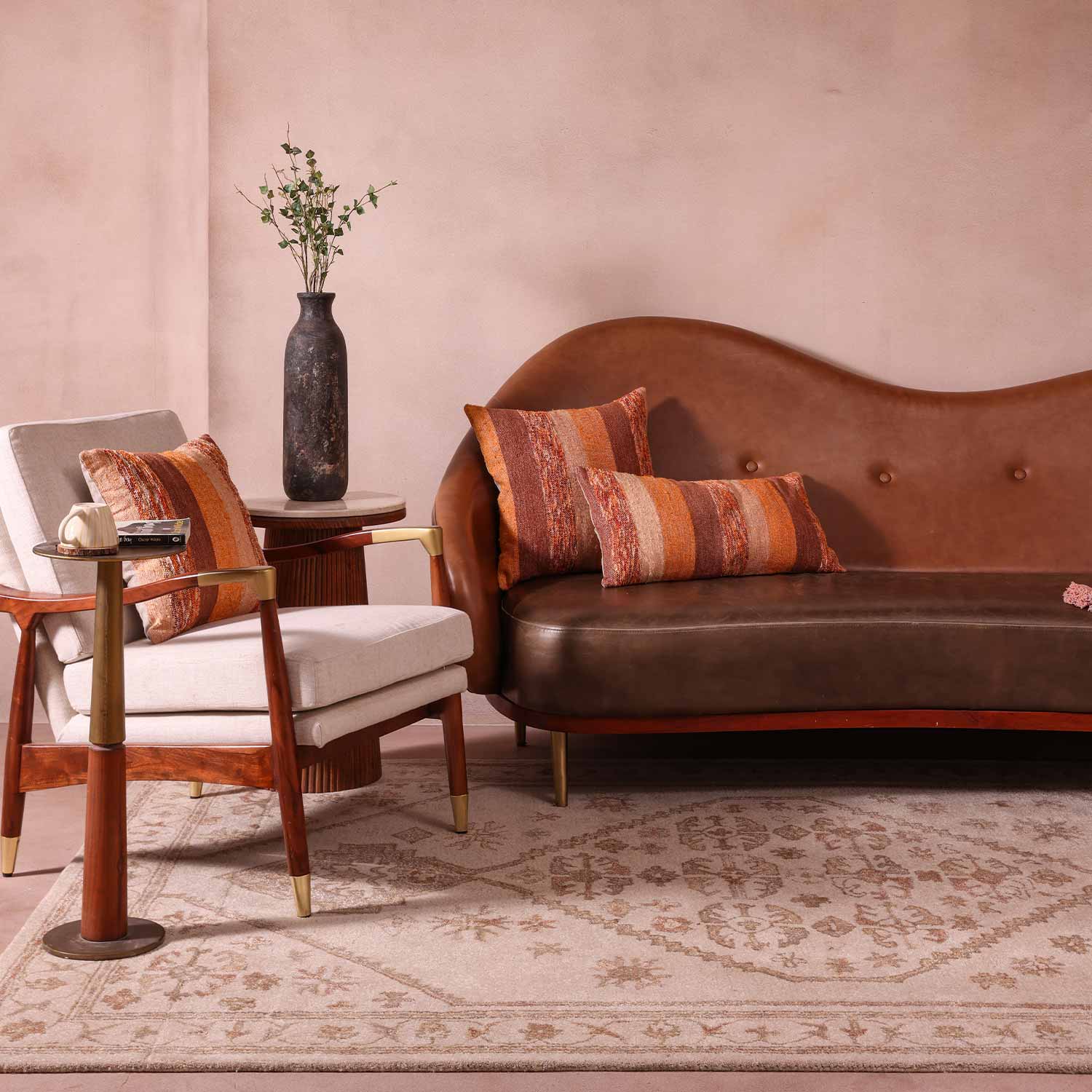
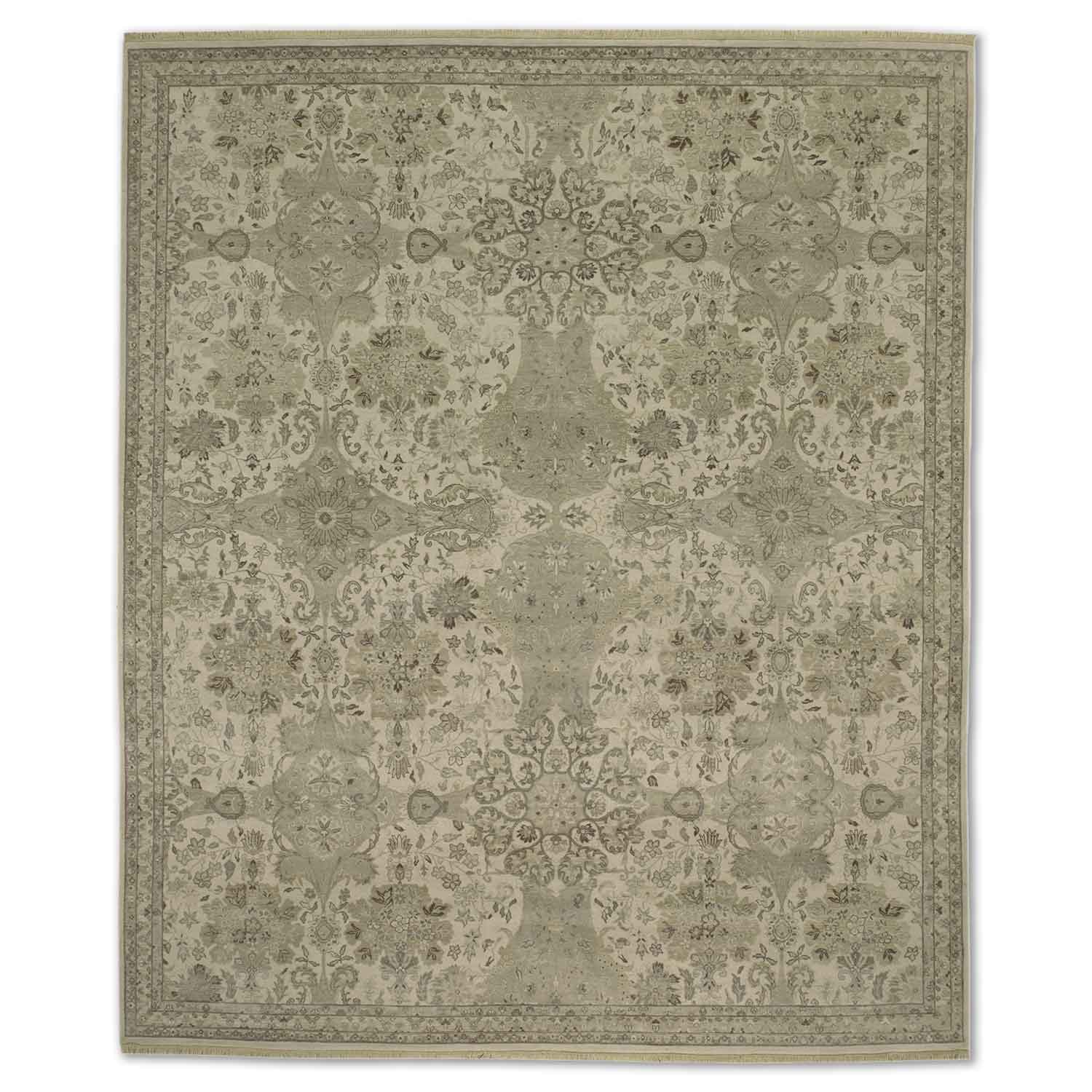
Traditional spaces are not defined by ornament alone, but by balance—between structure and softness, detail and restraint.
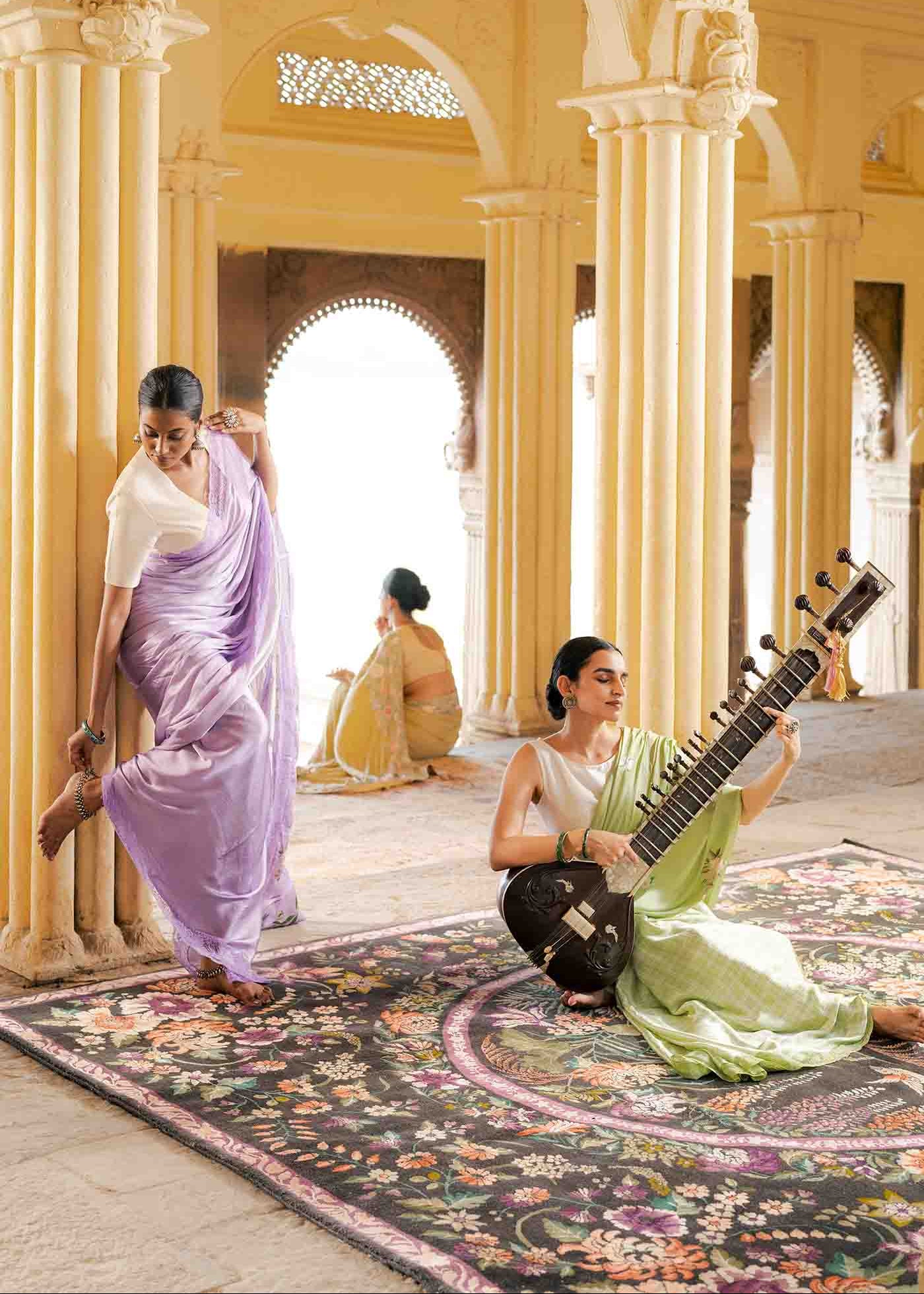
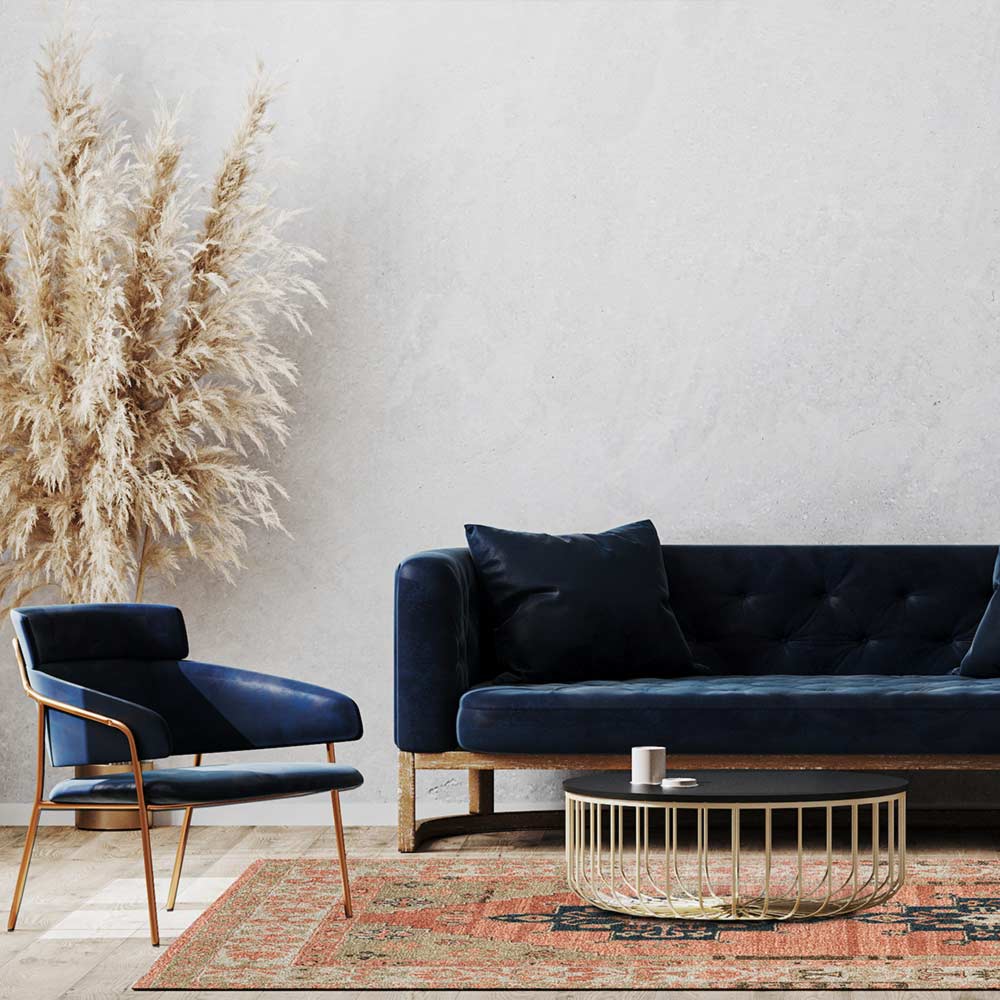
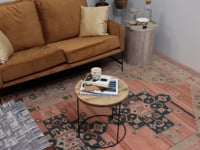
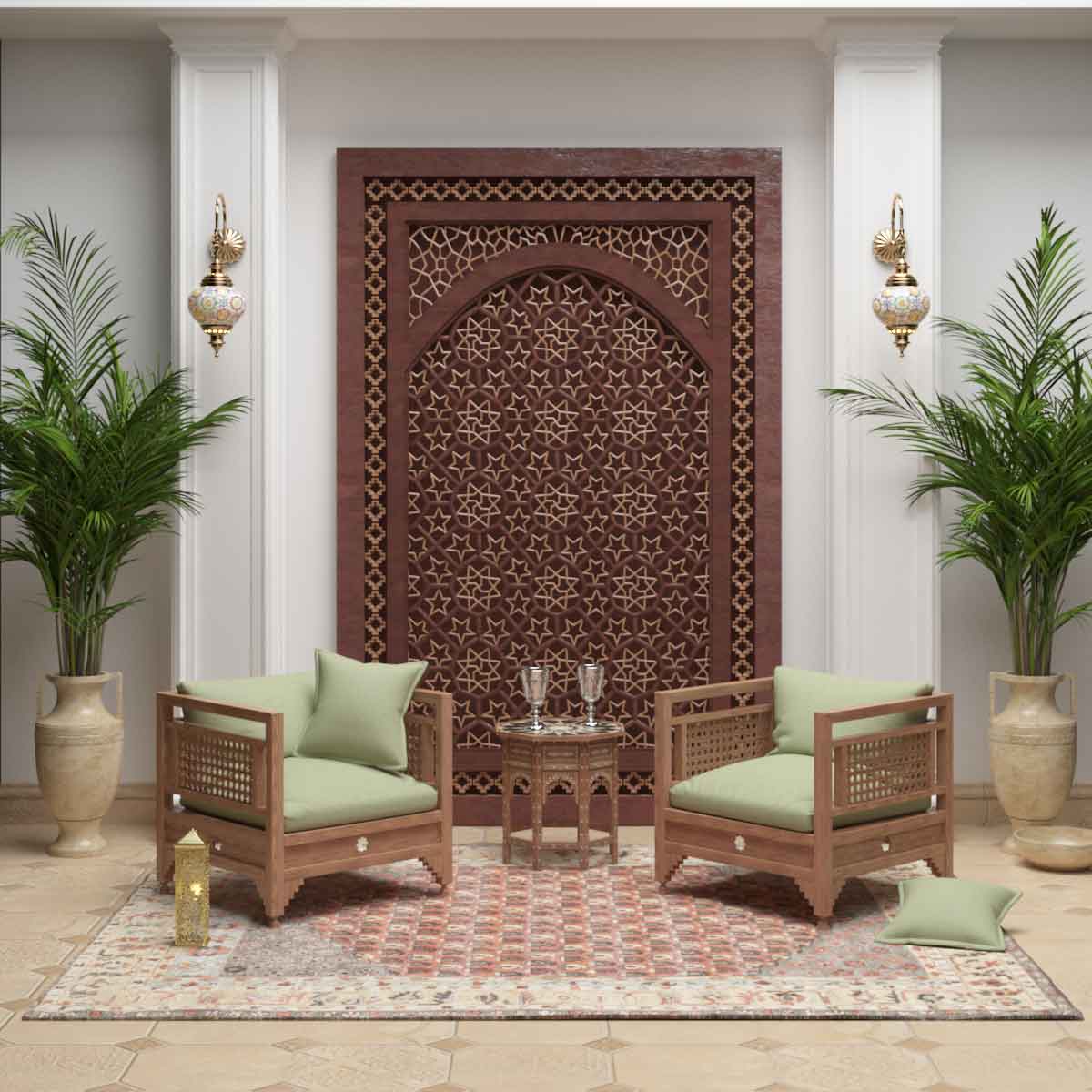
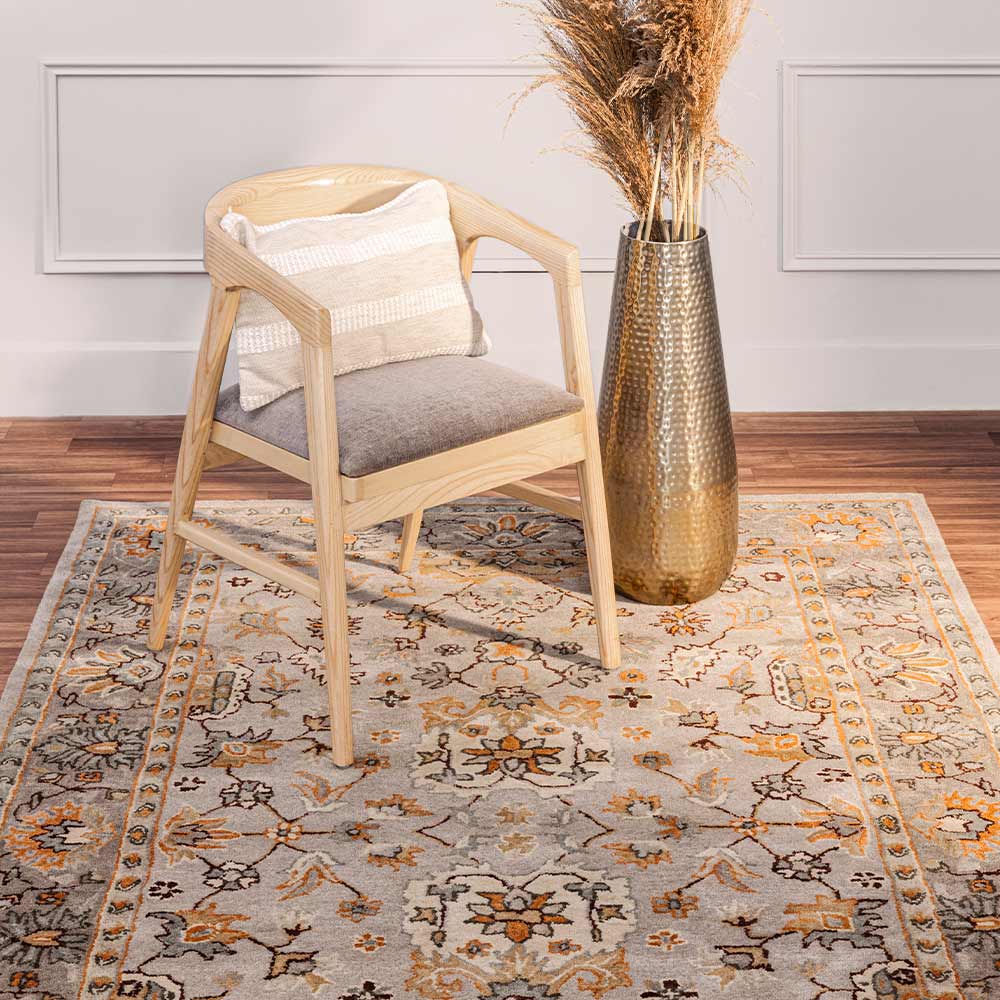
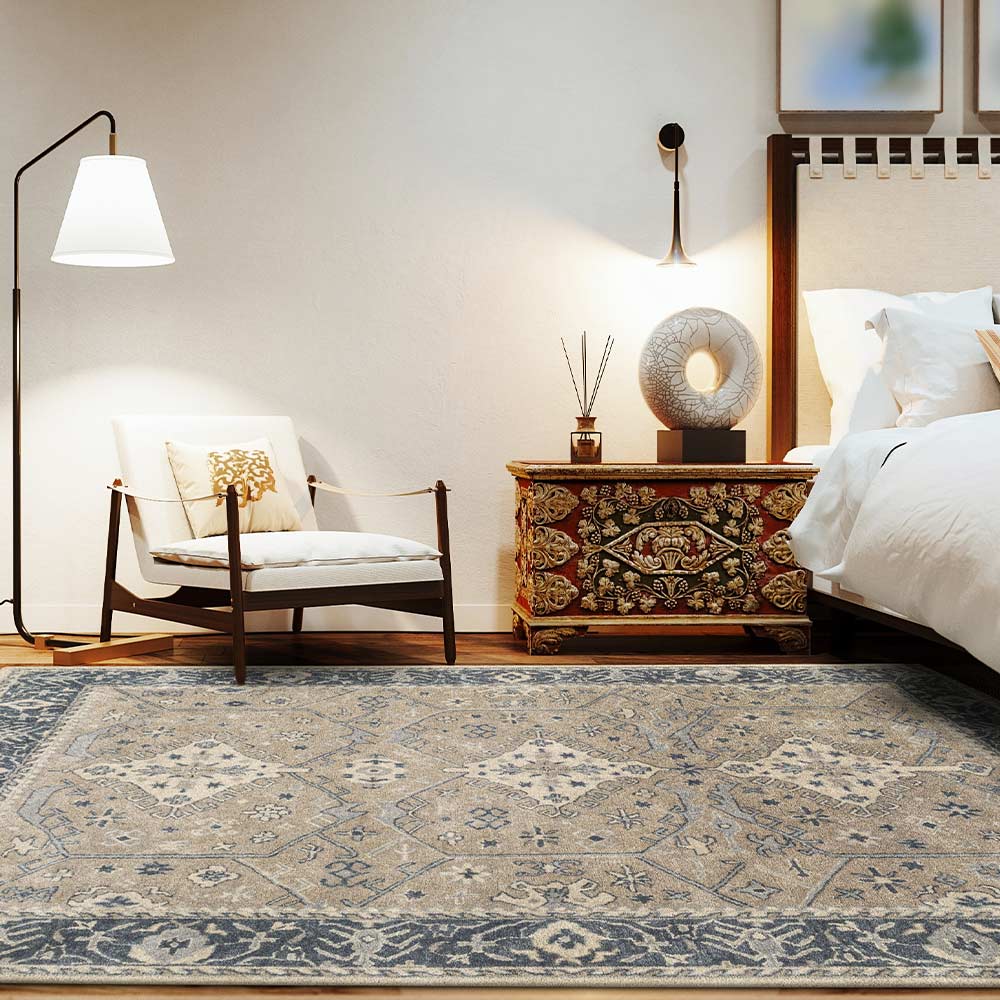
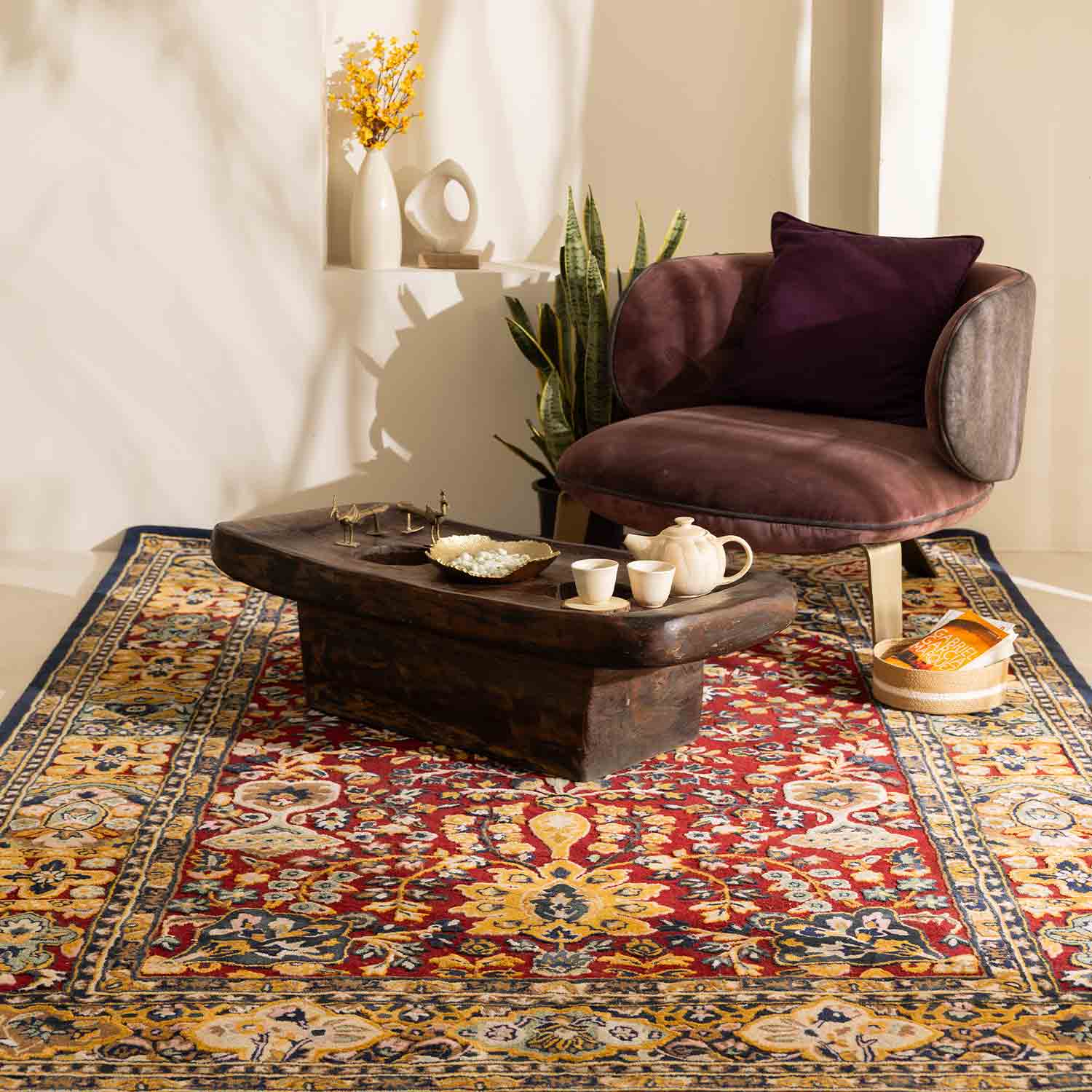
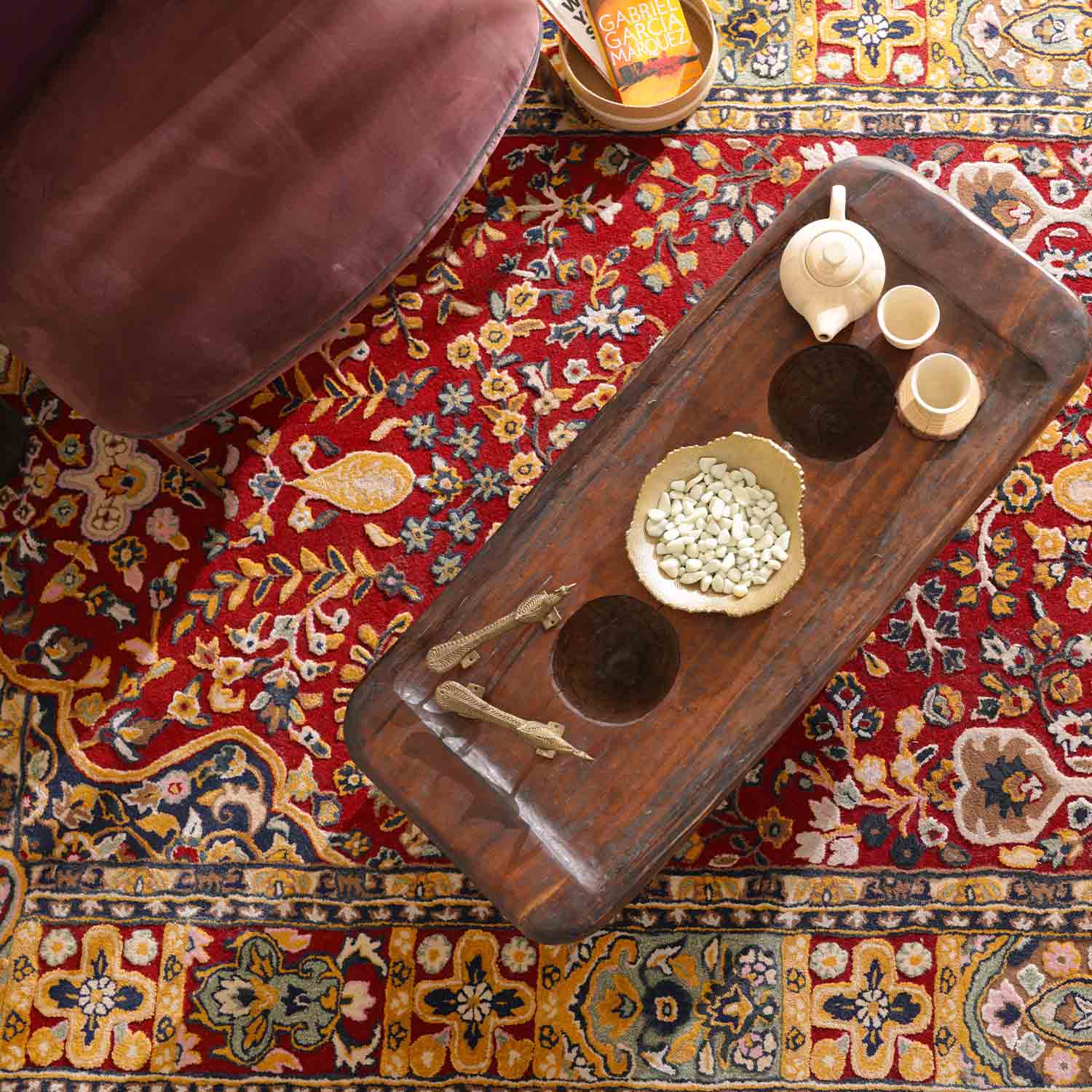
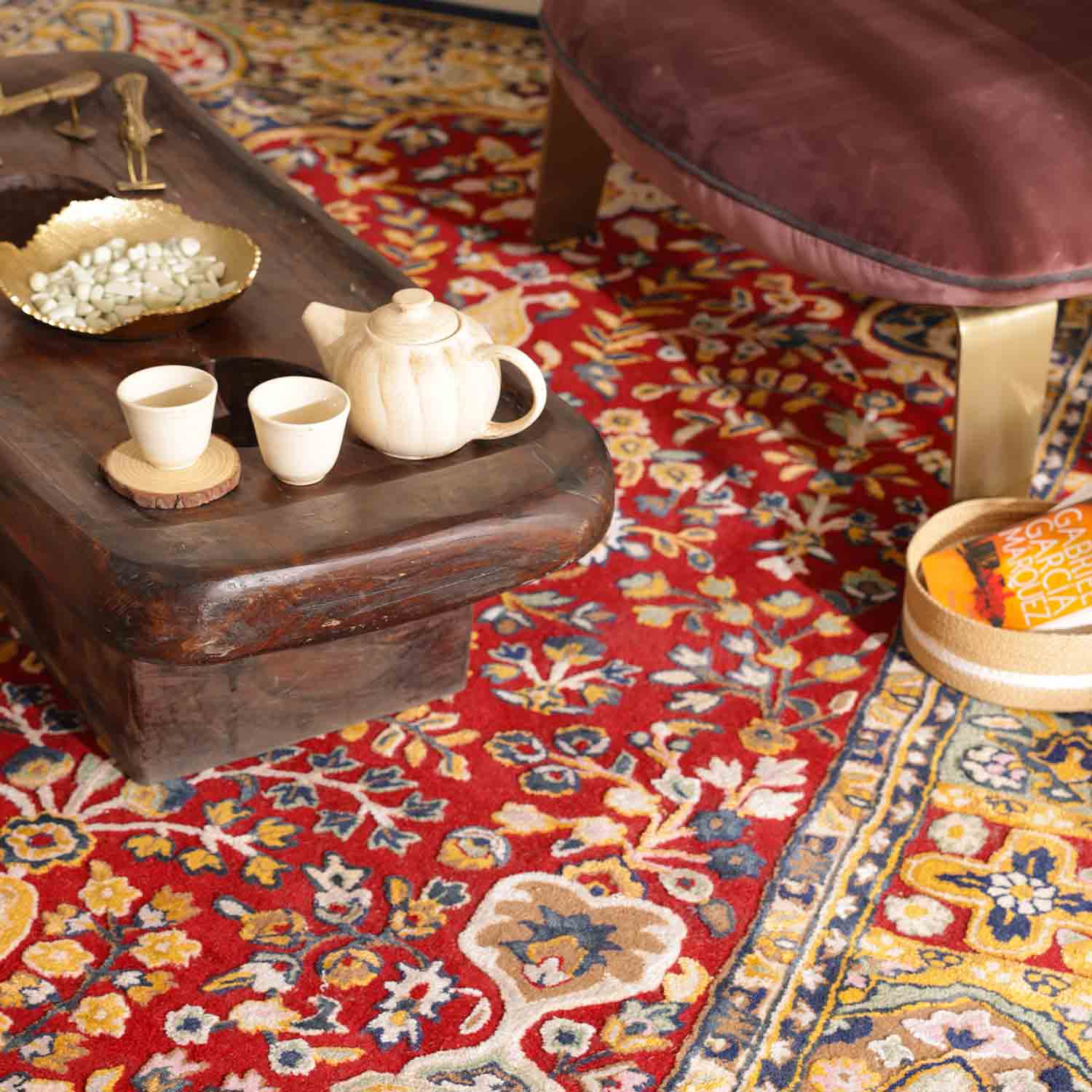
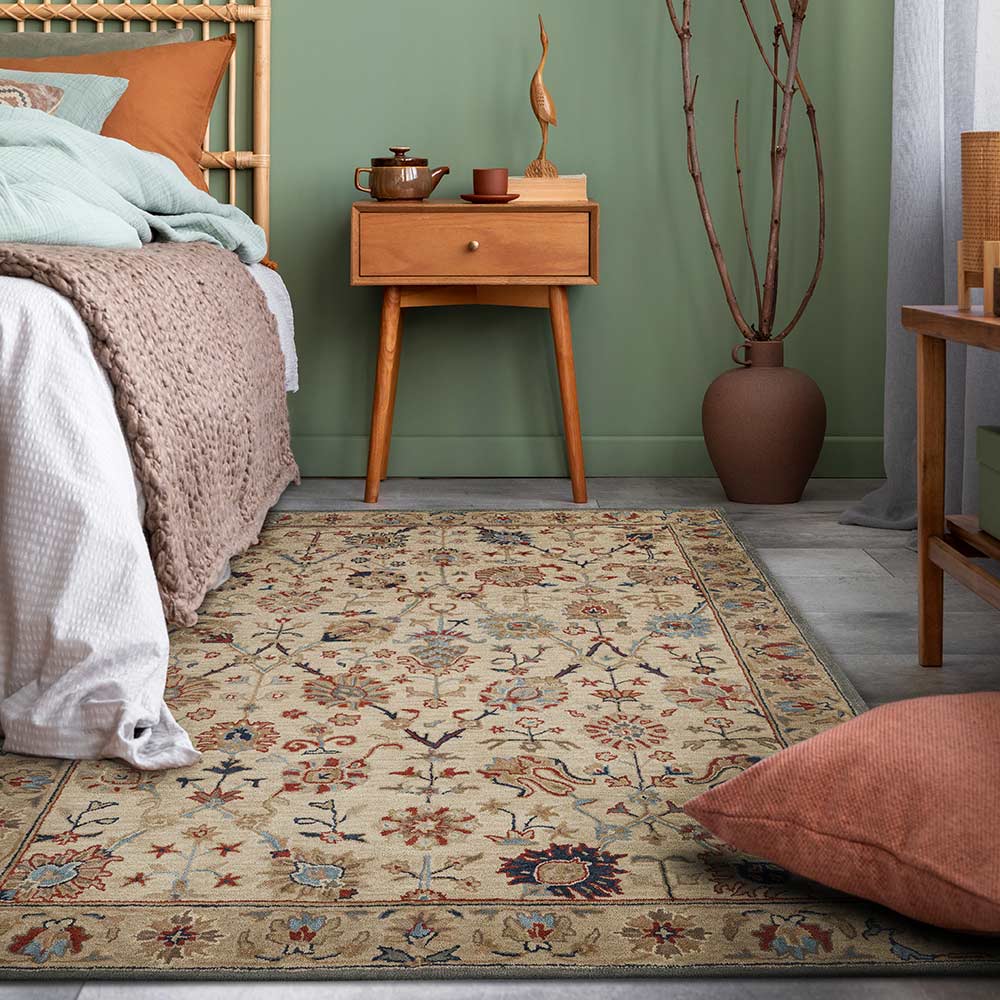
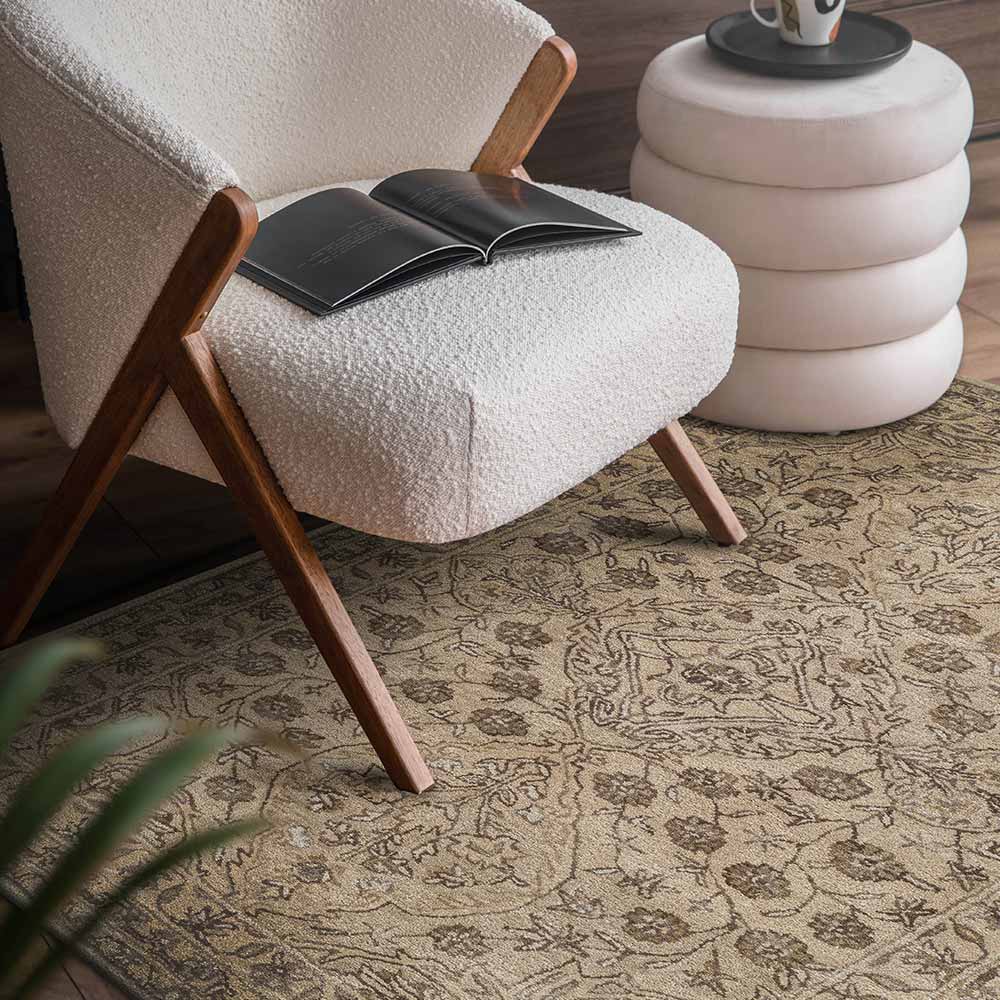
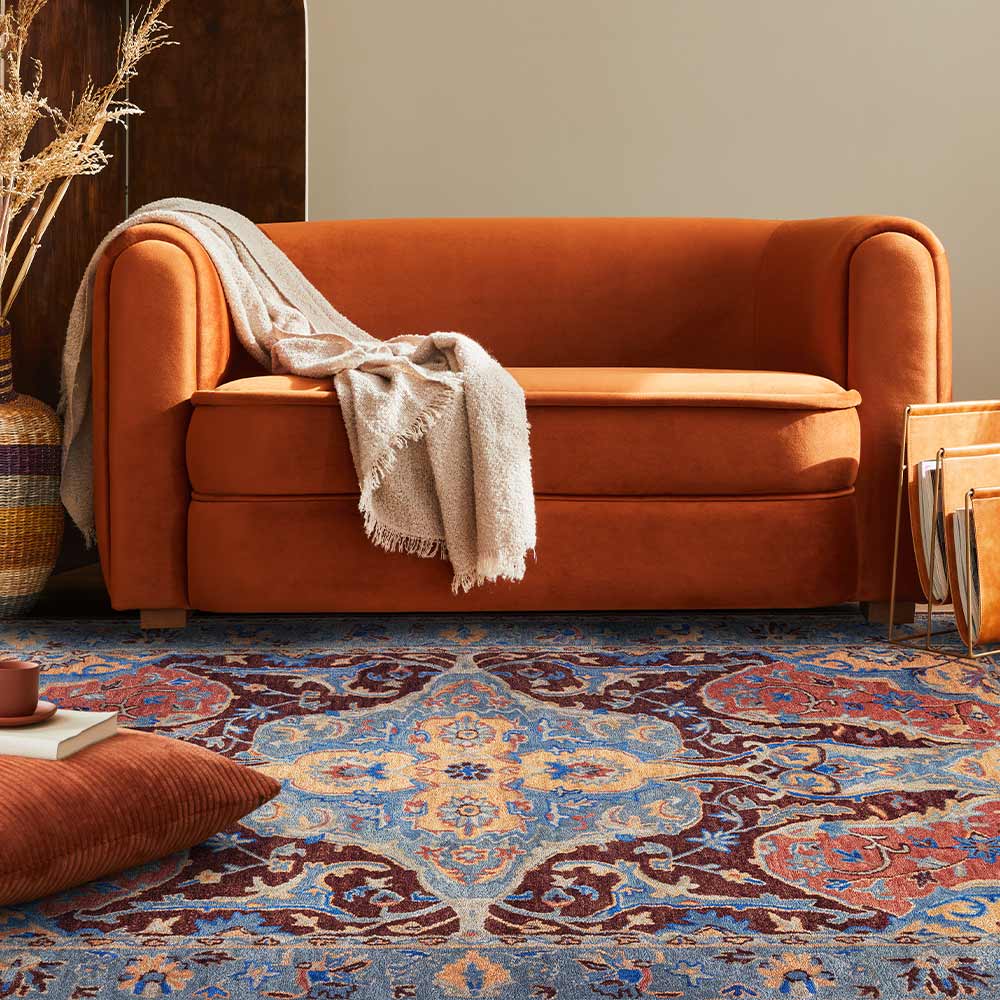
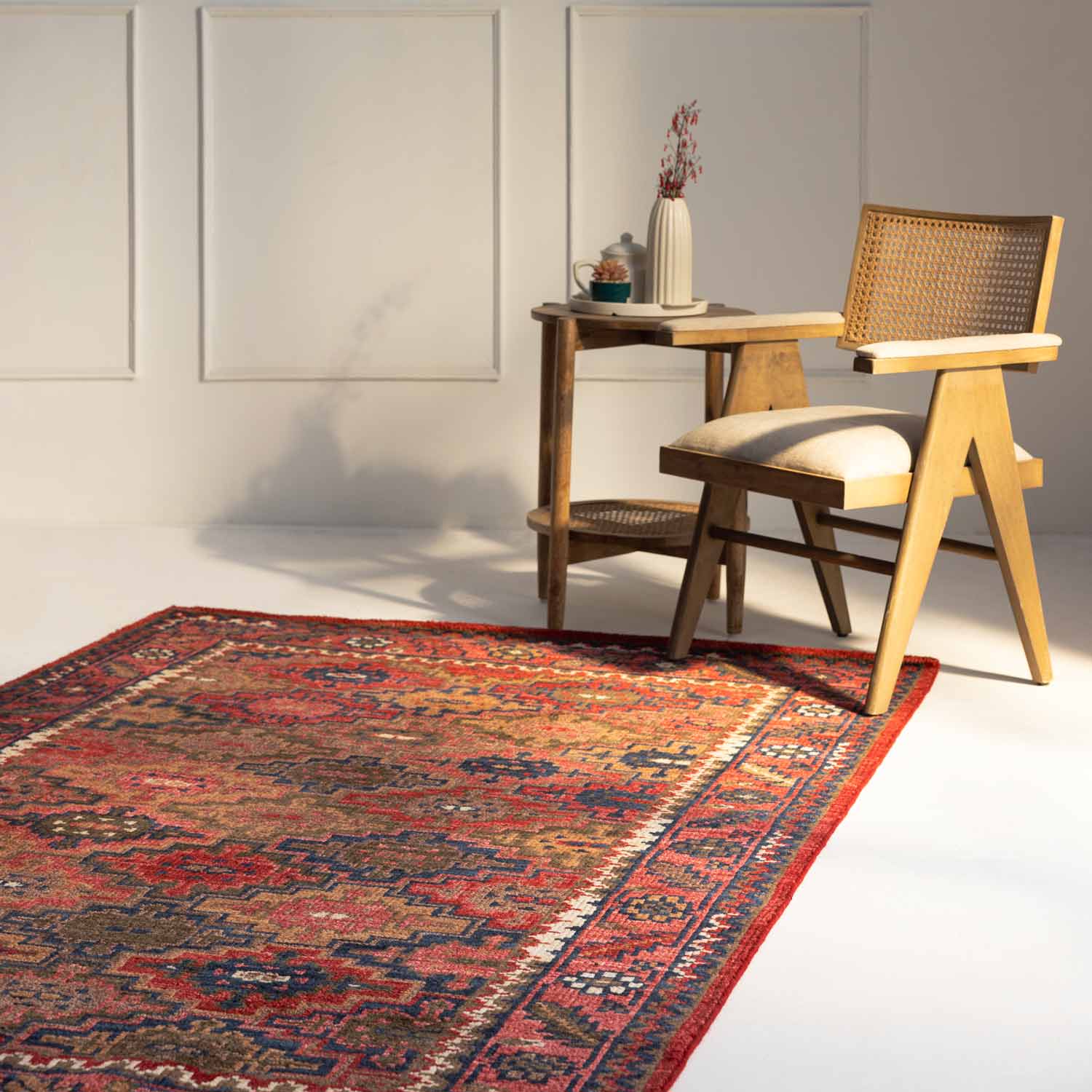
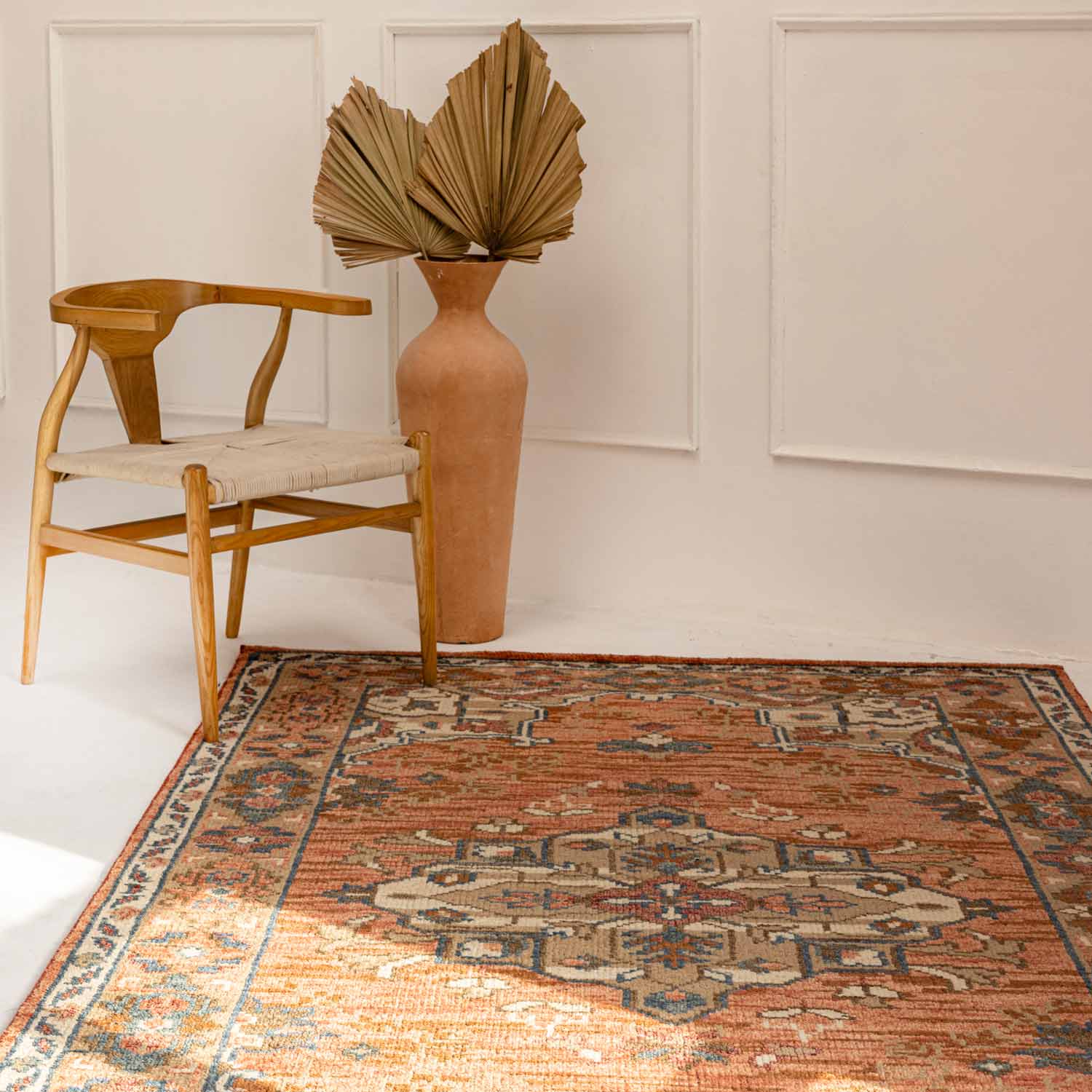
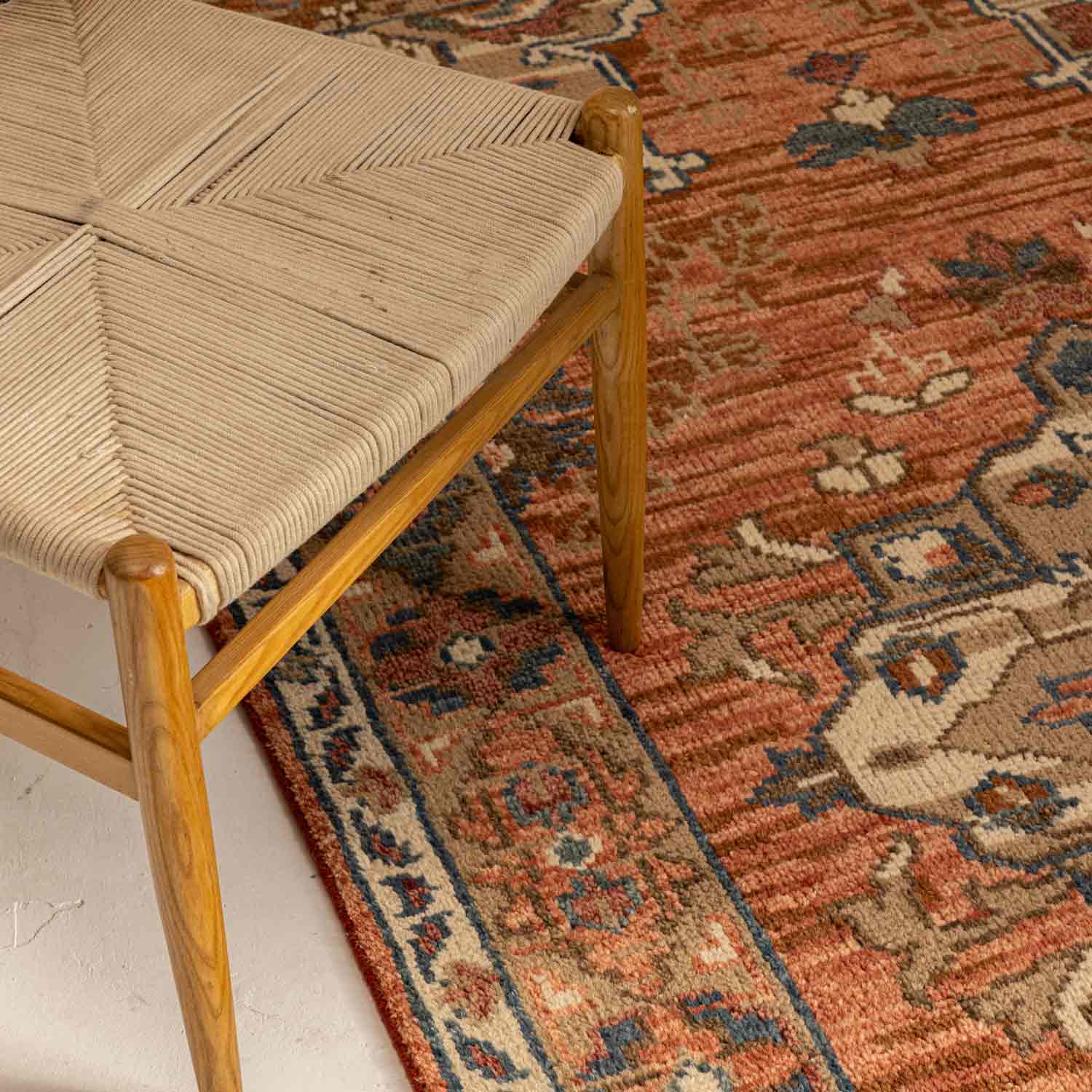
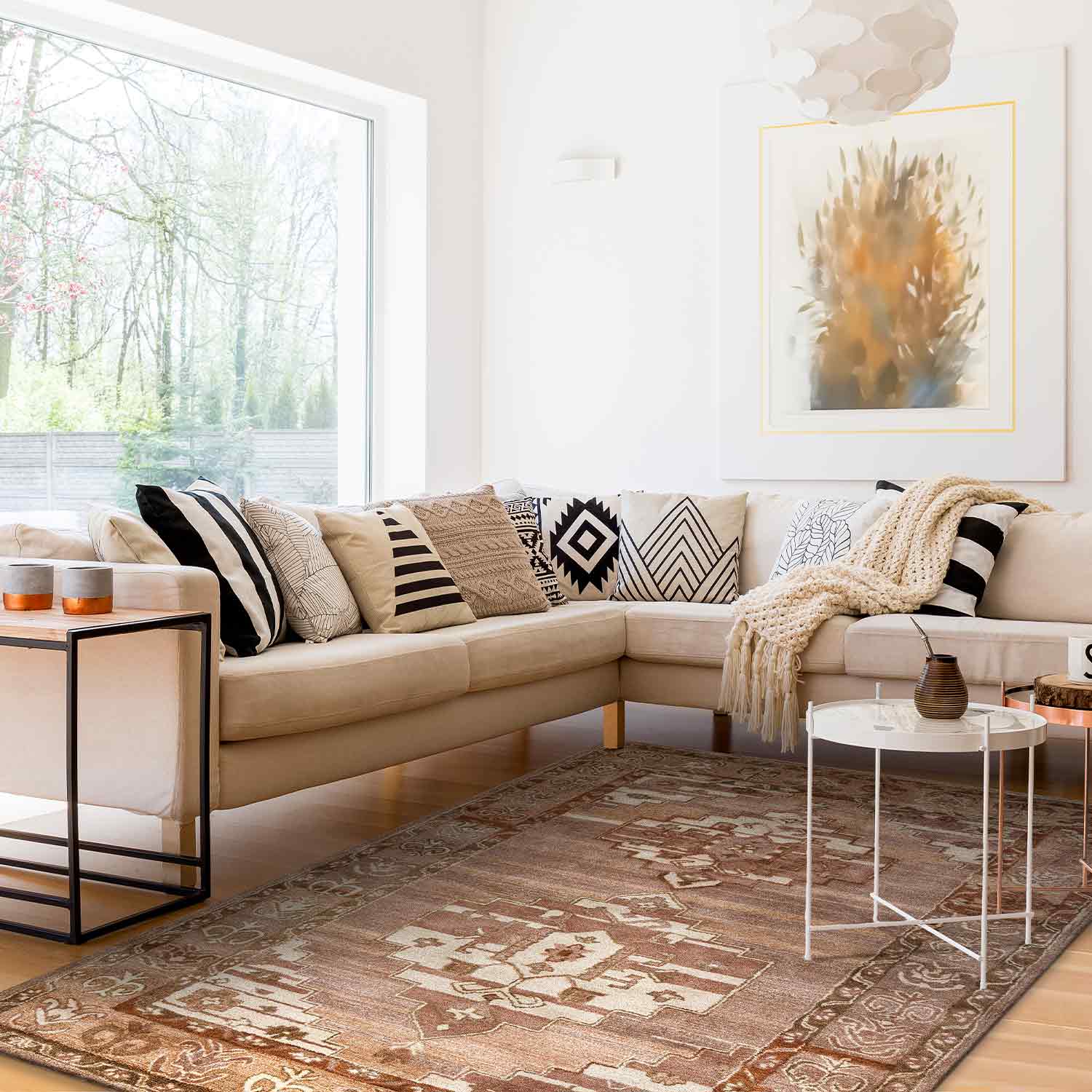
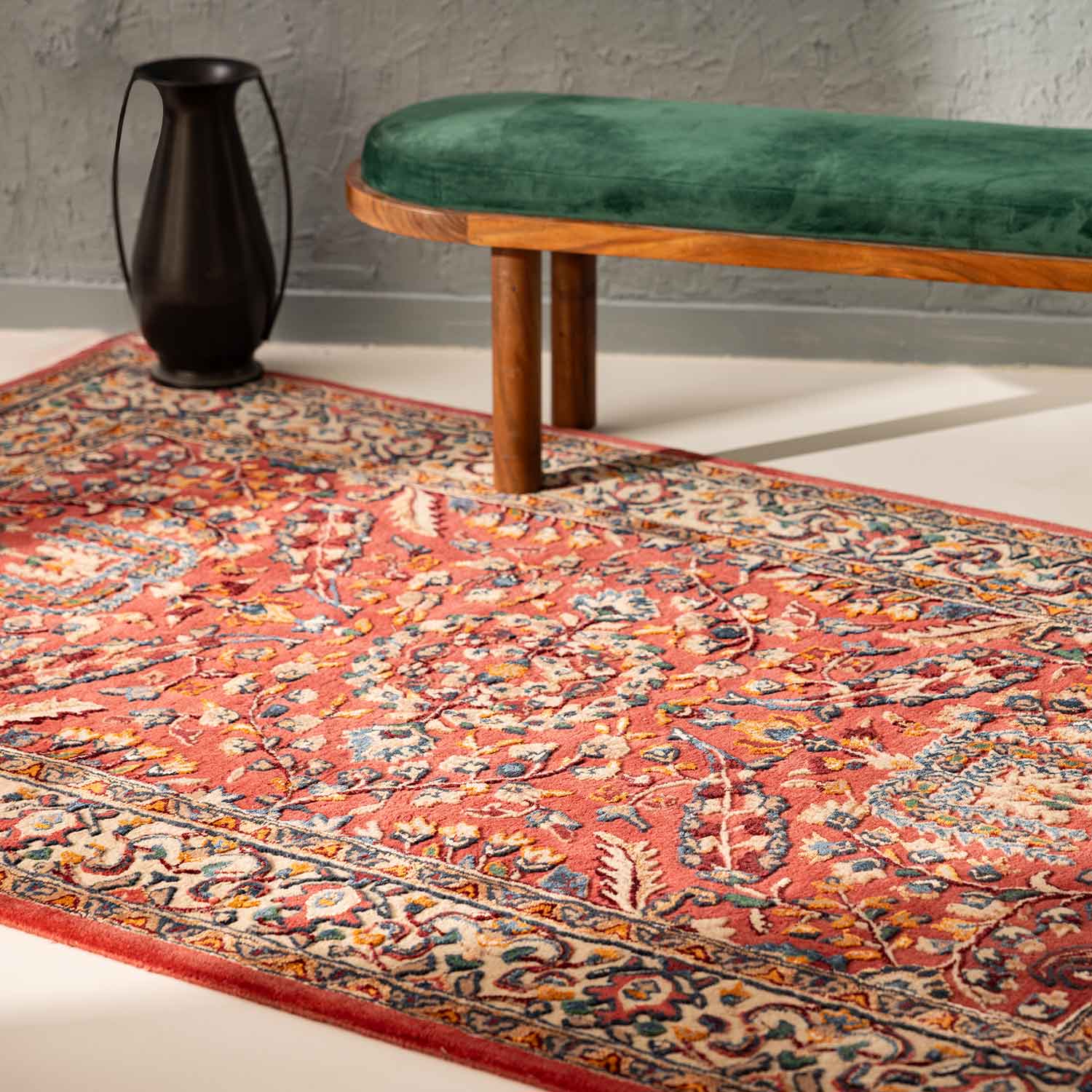
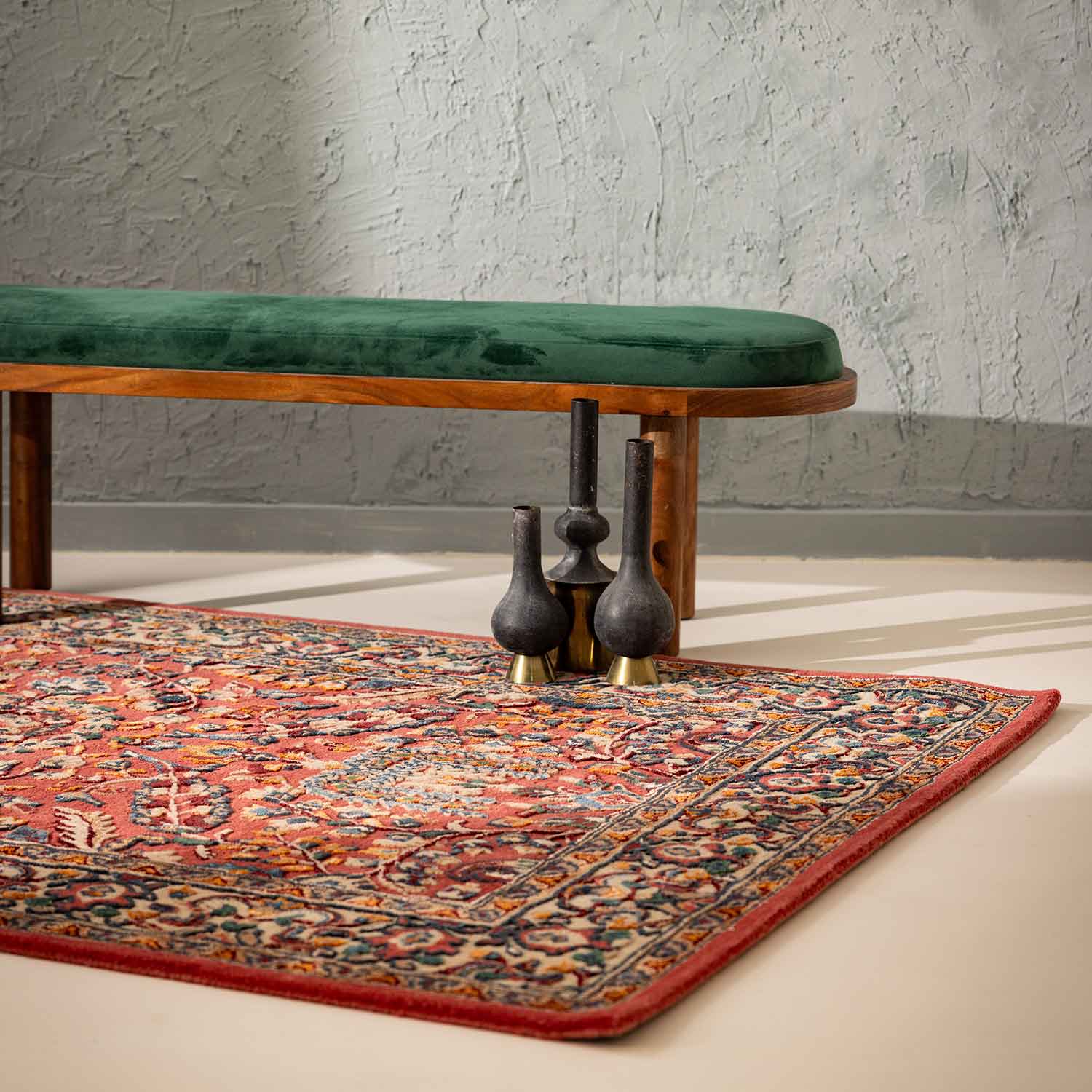
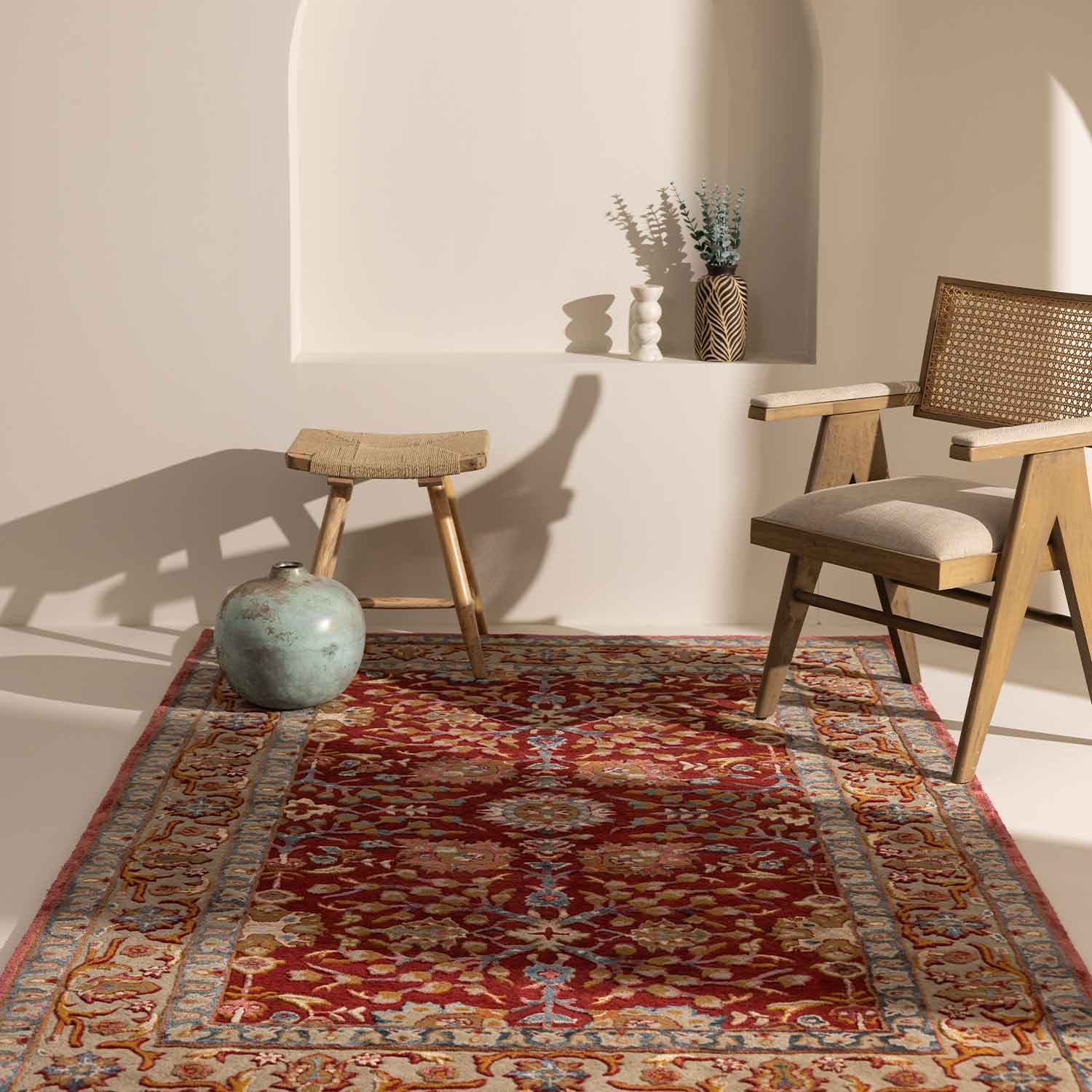
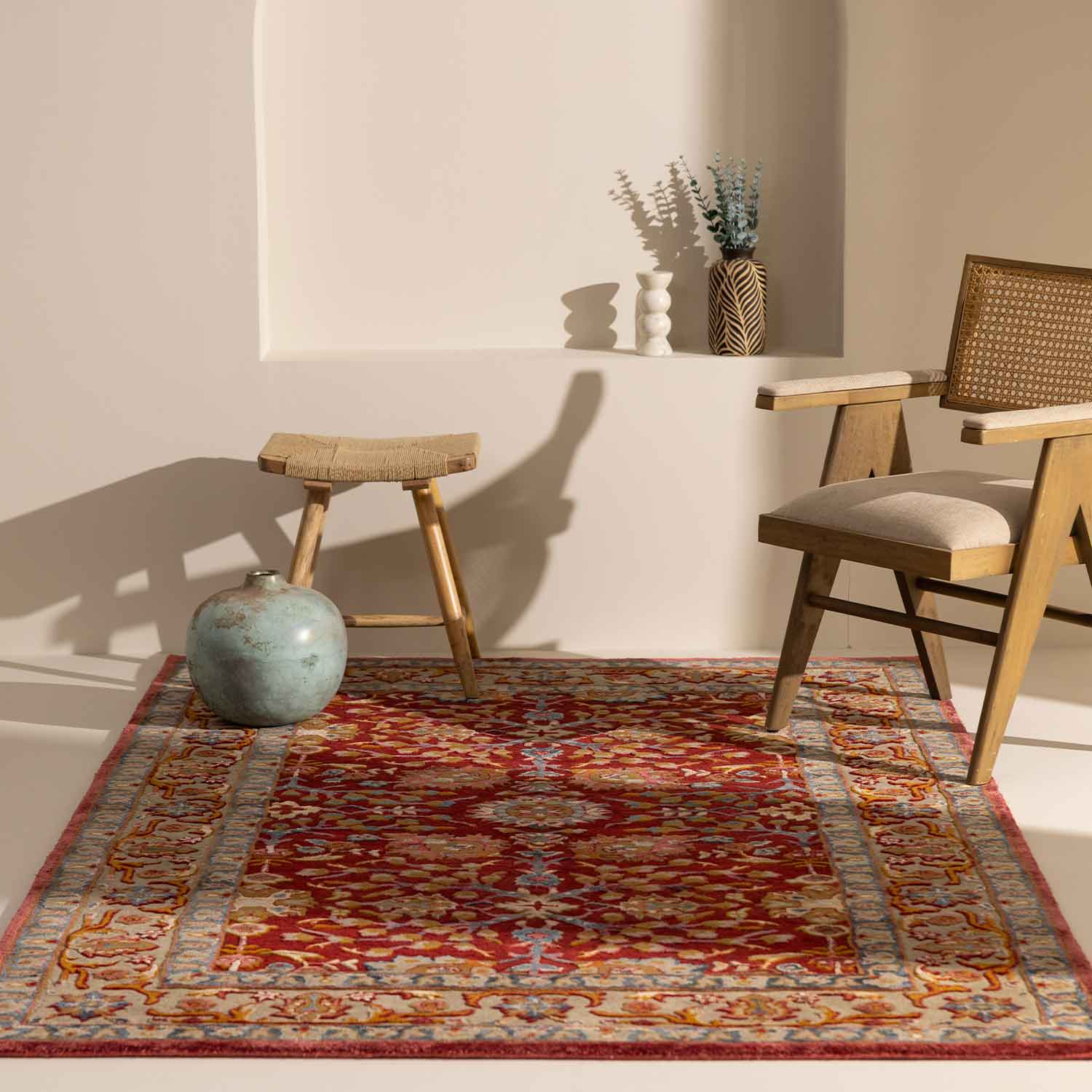
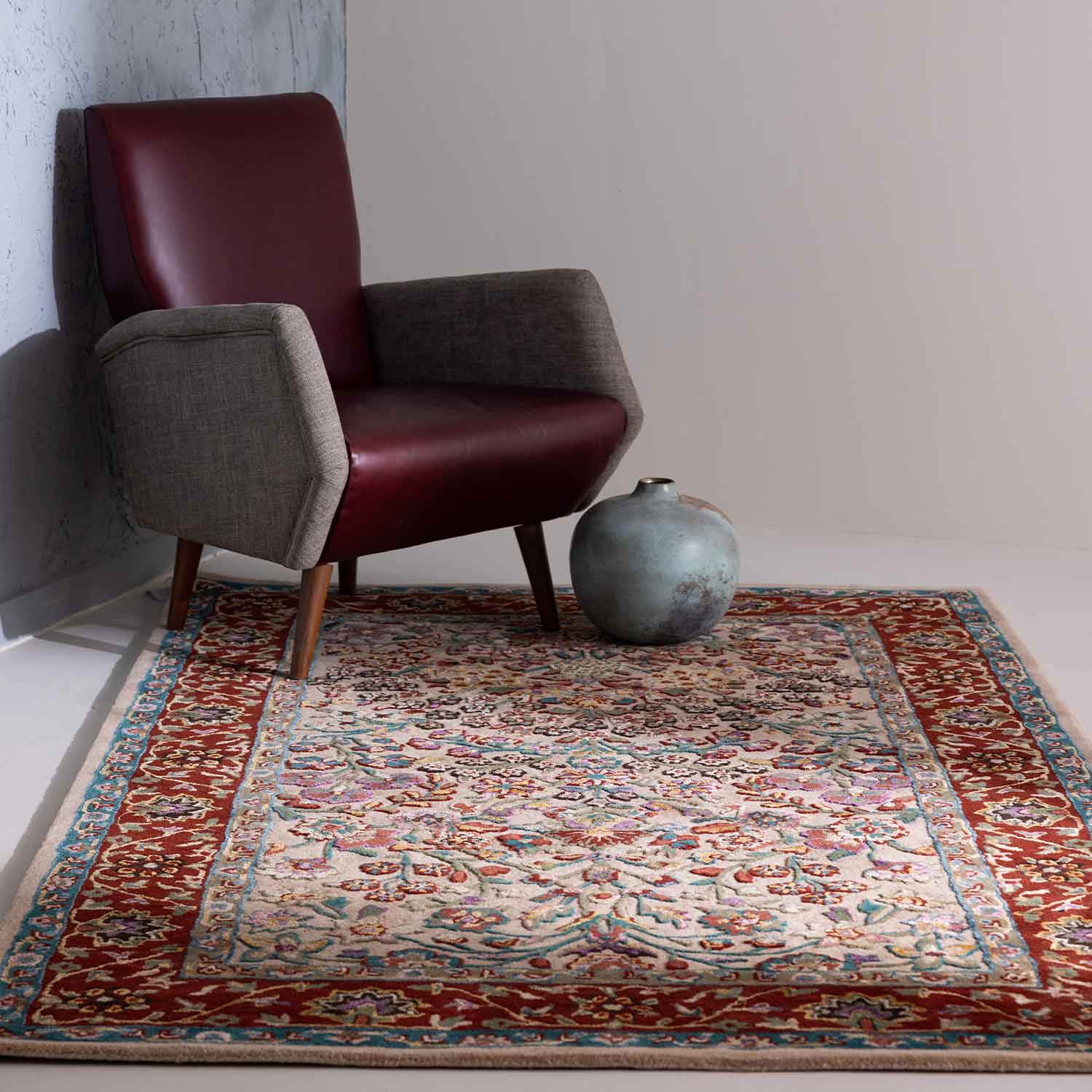
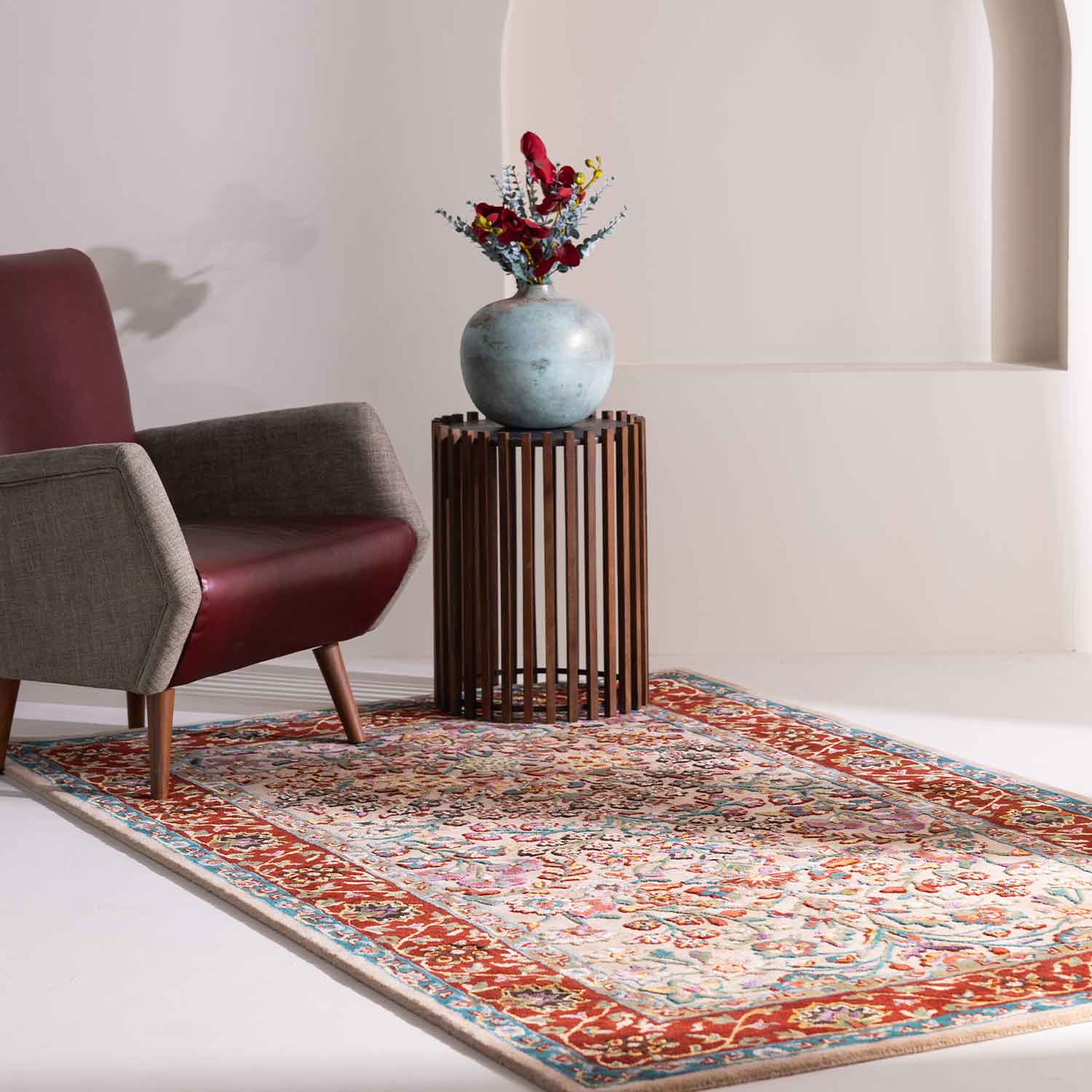
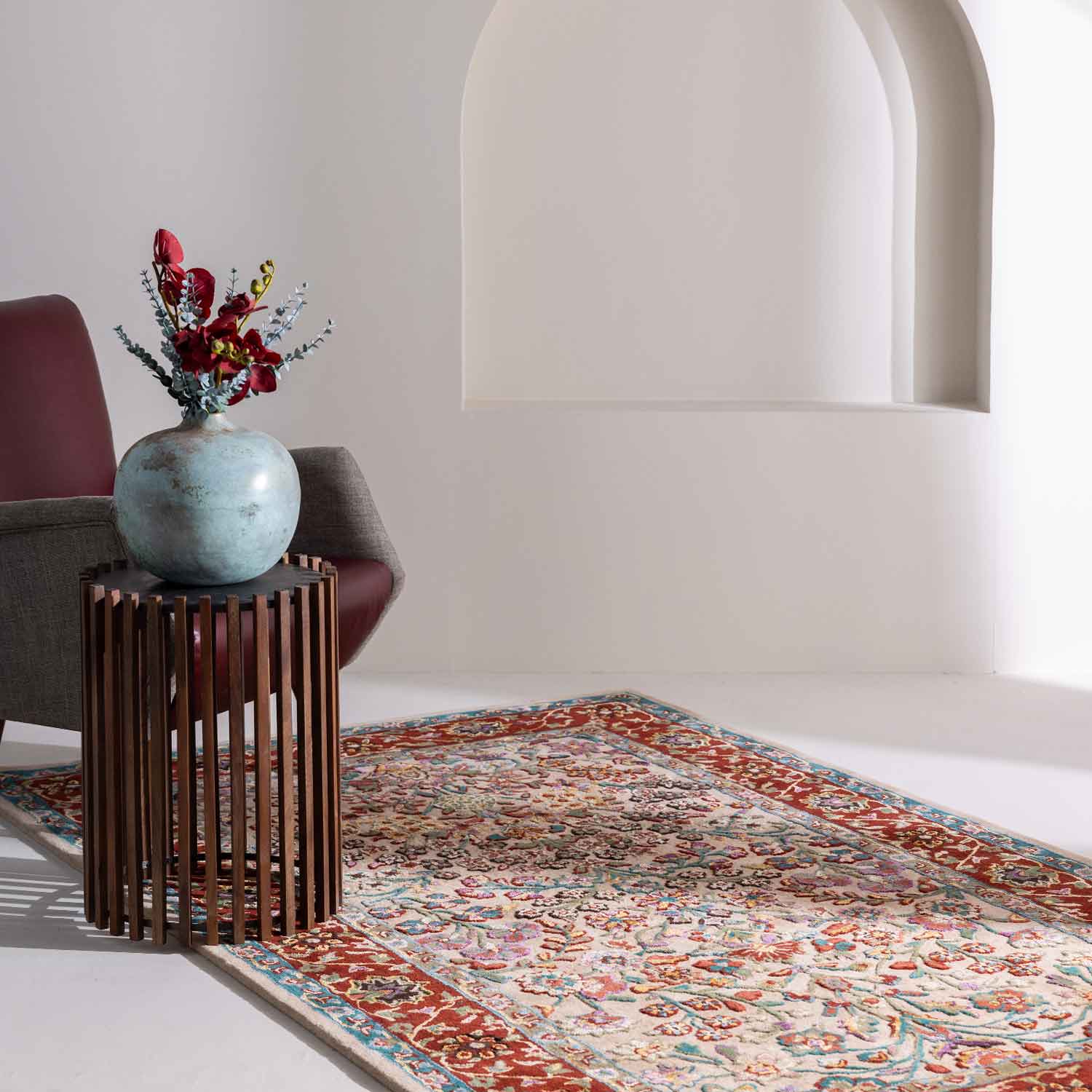
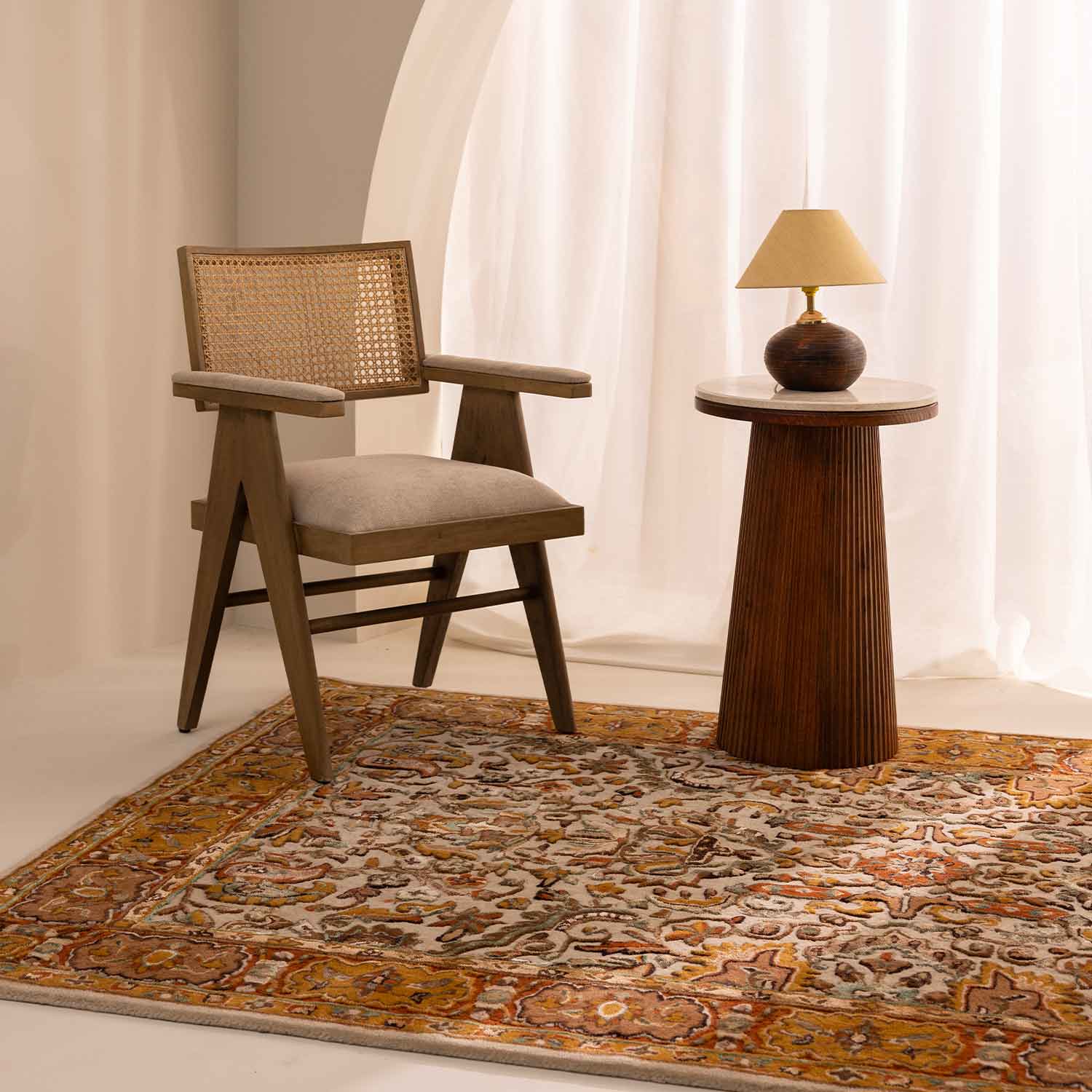
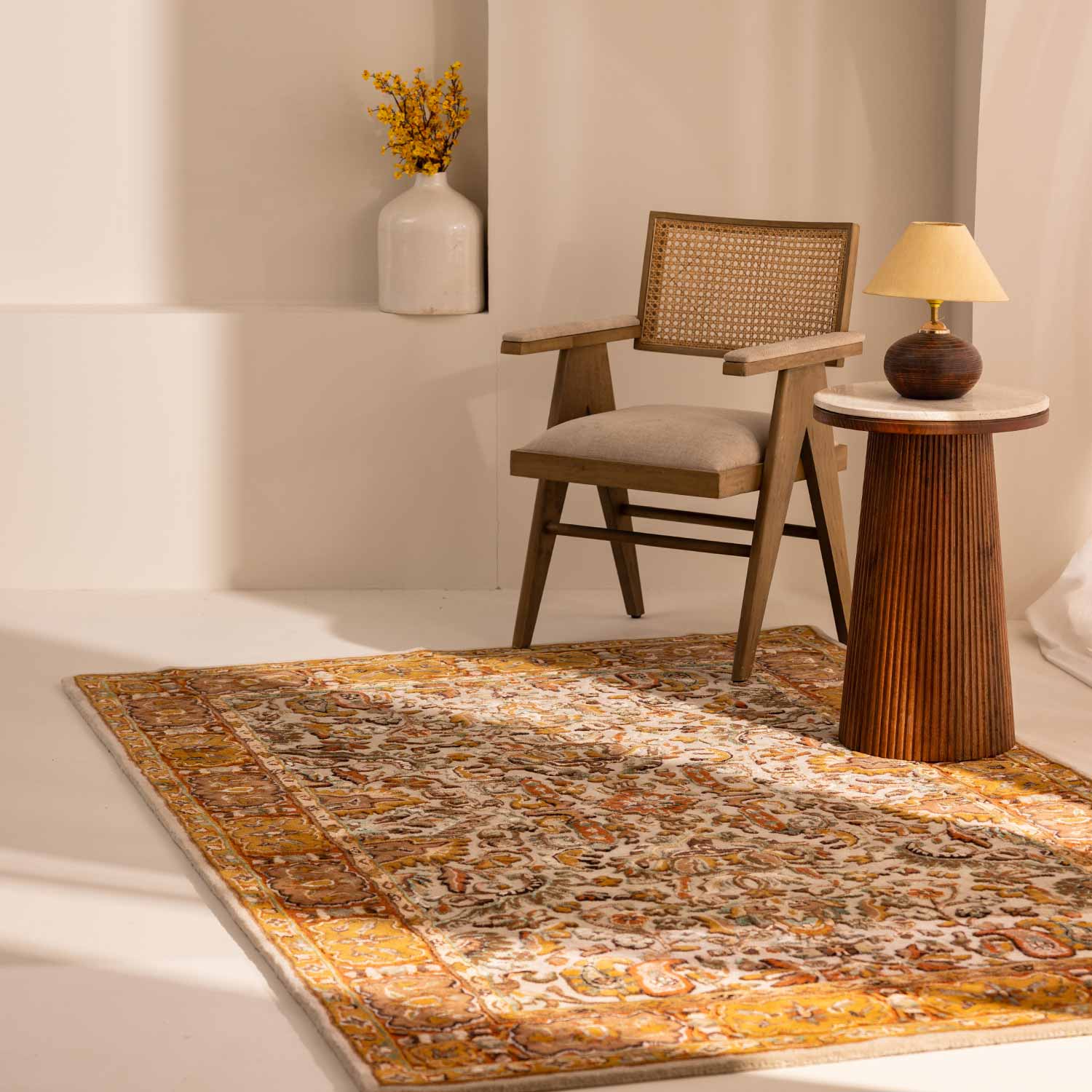
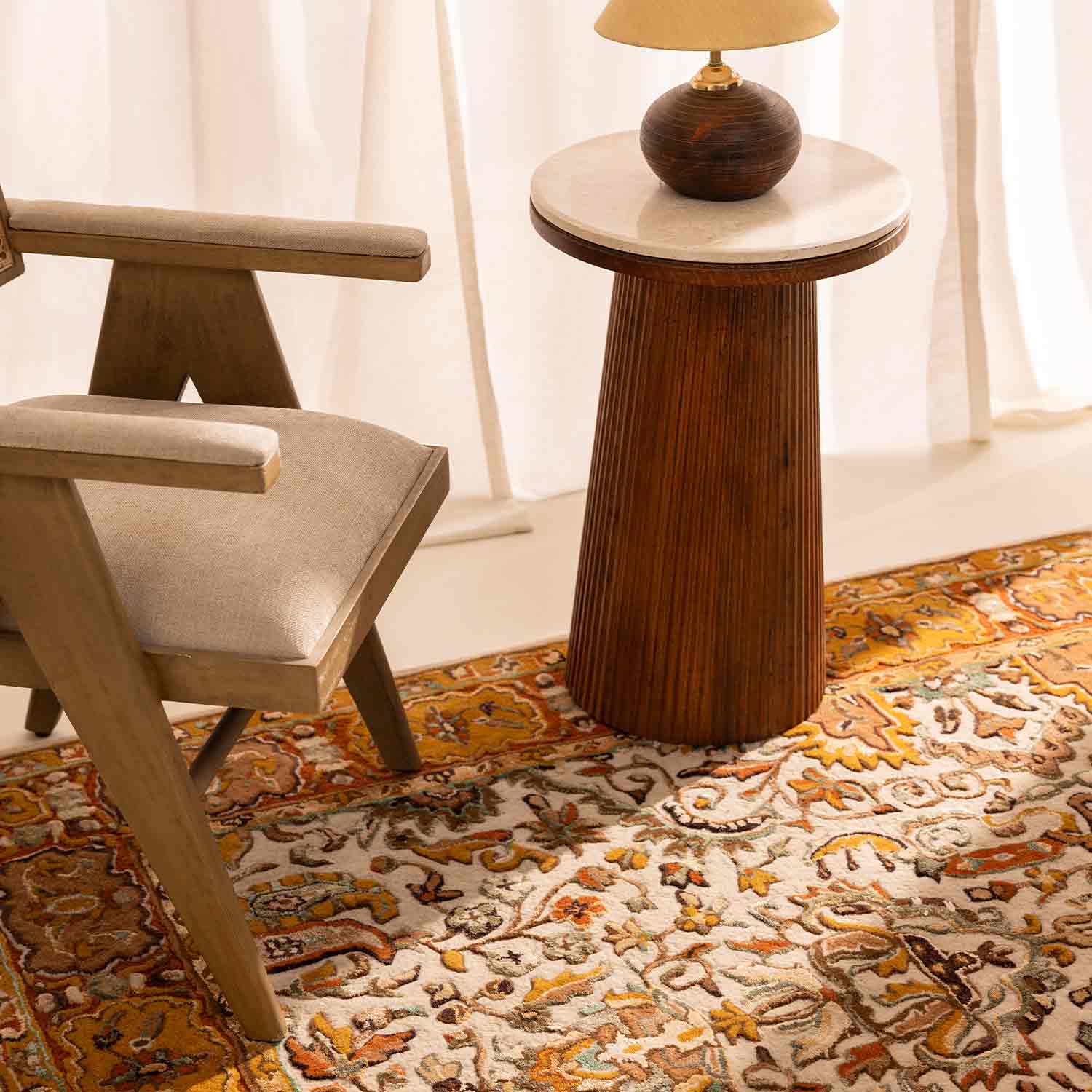
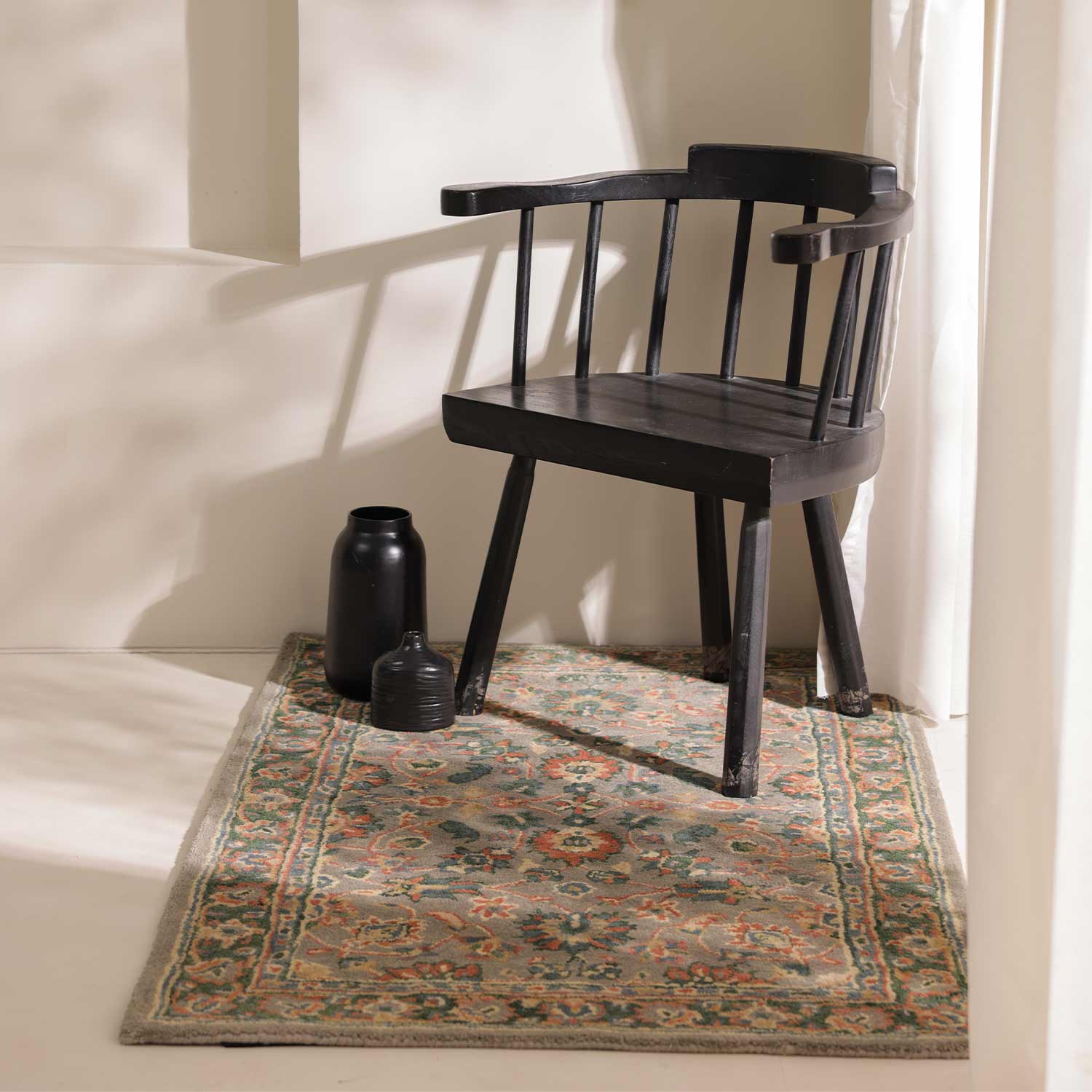
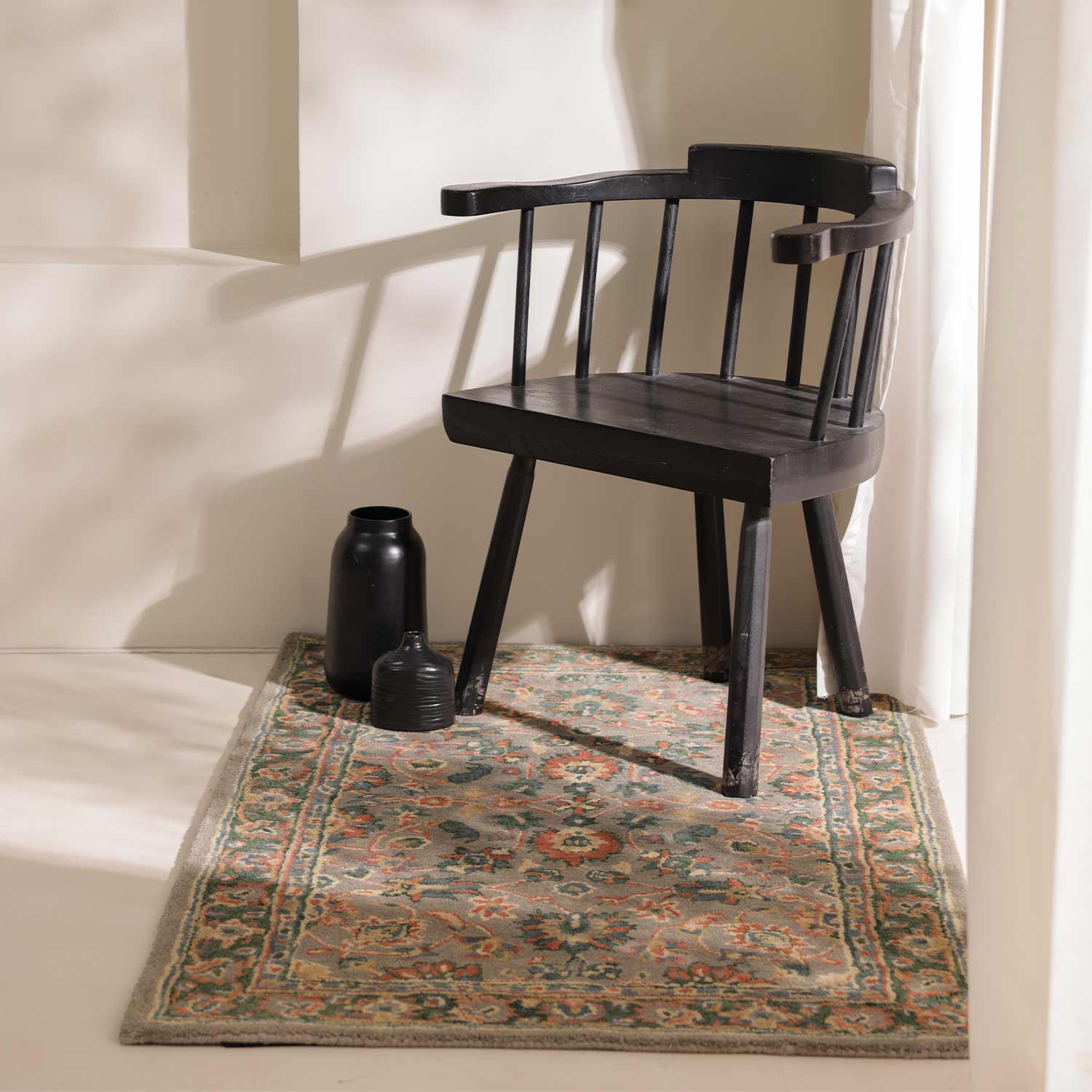
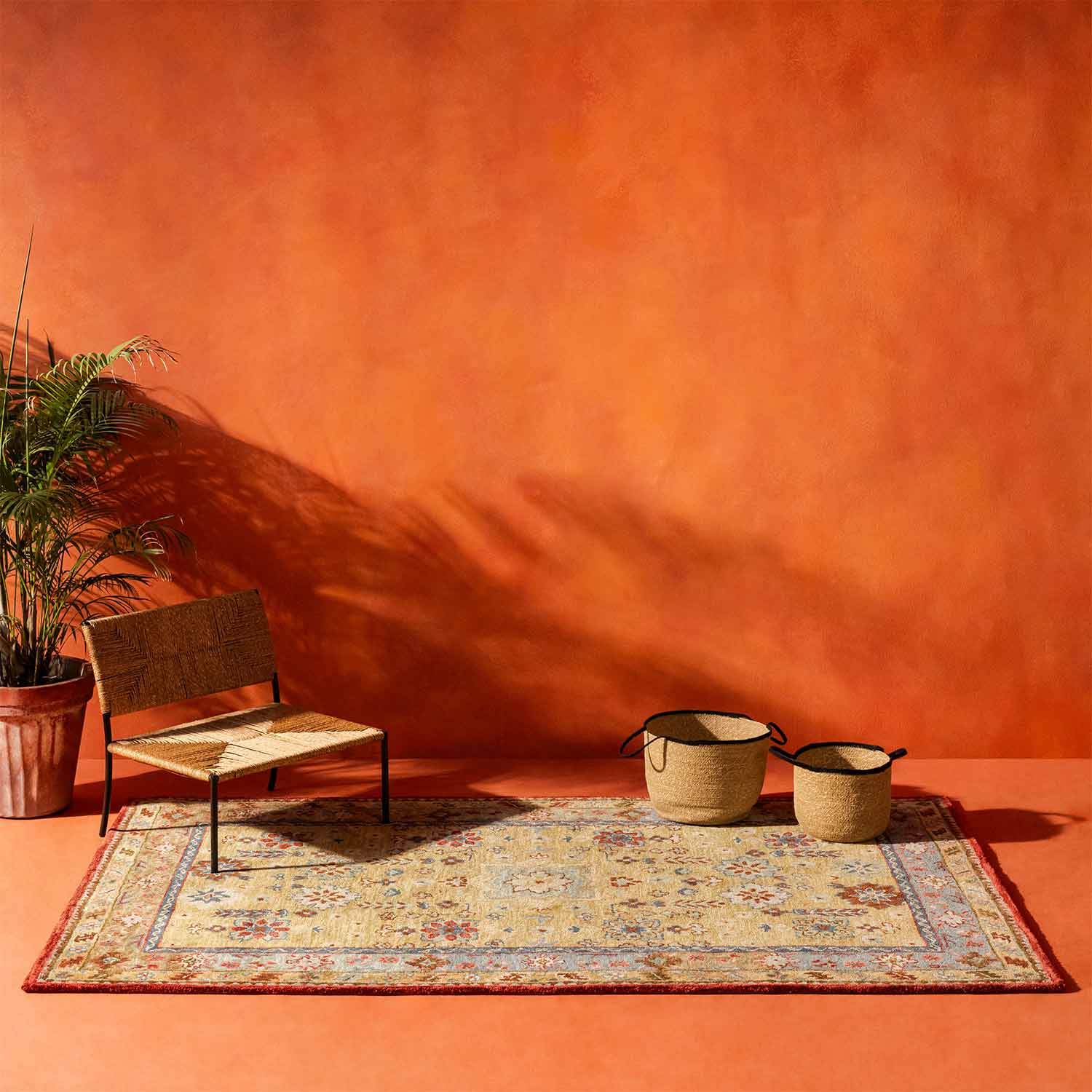
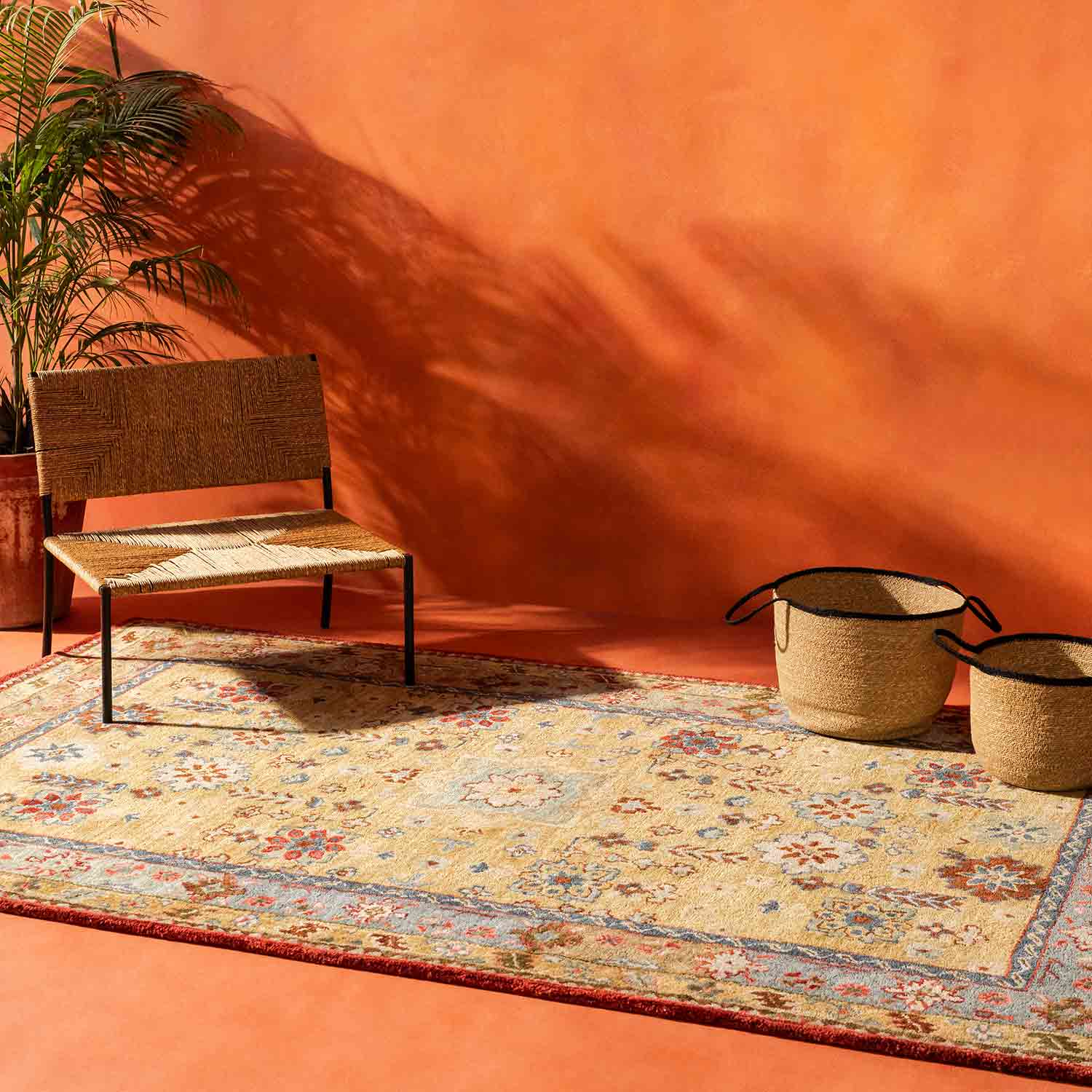
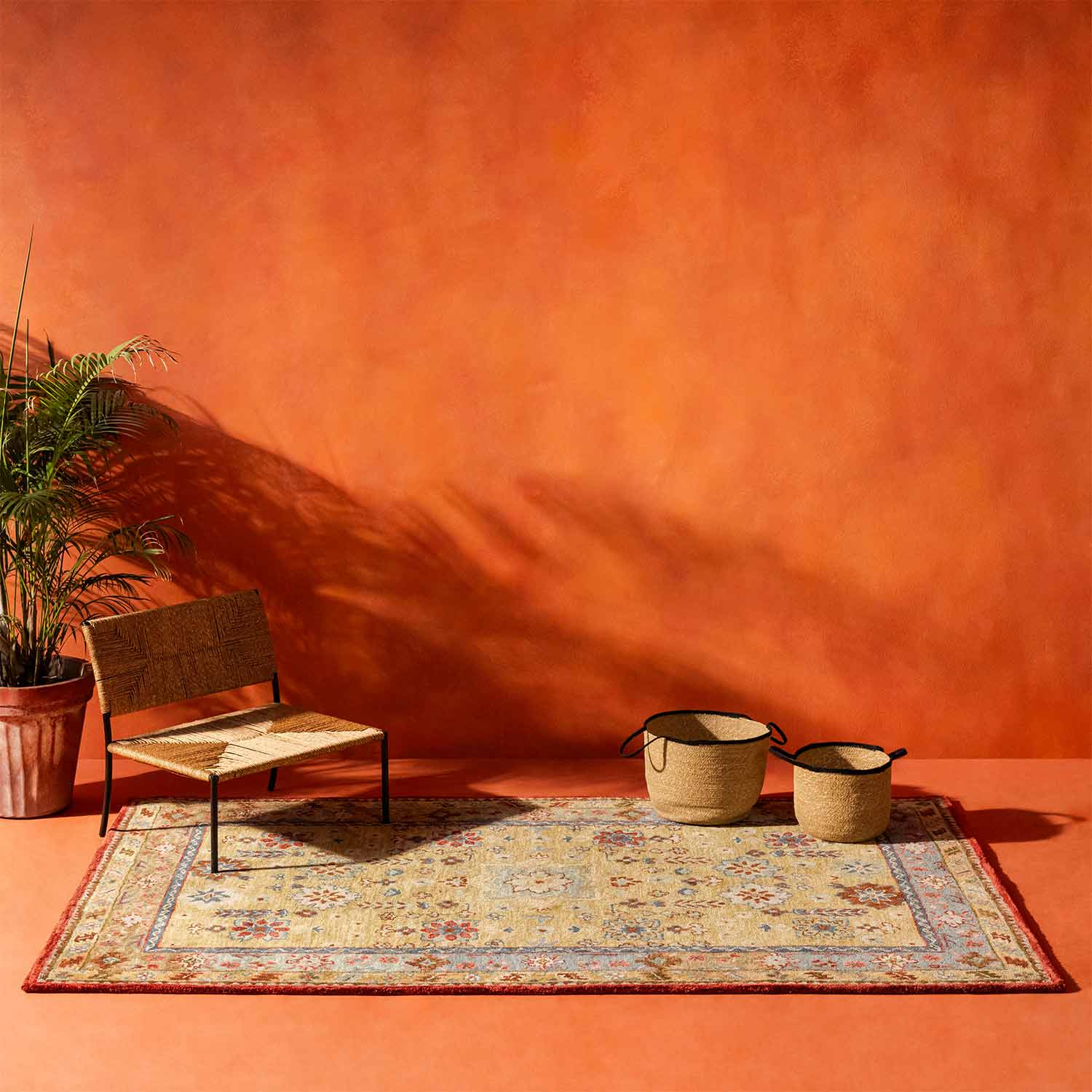
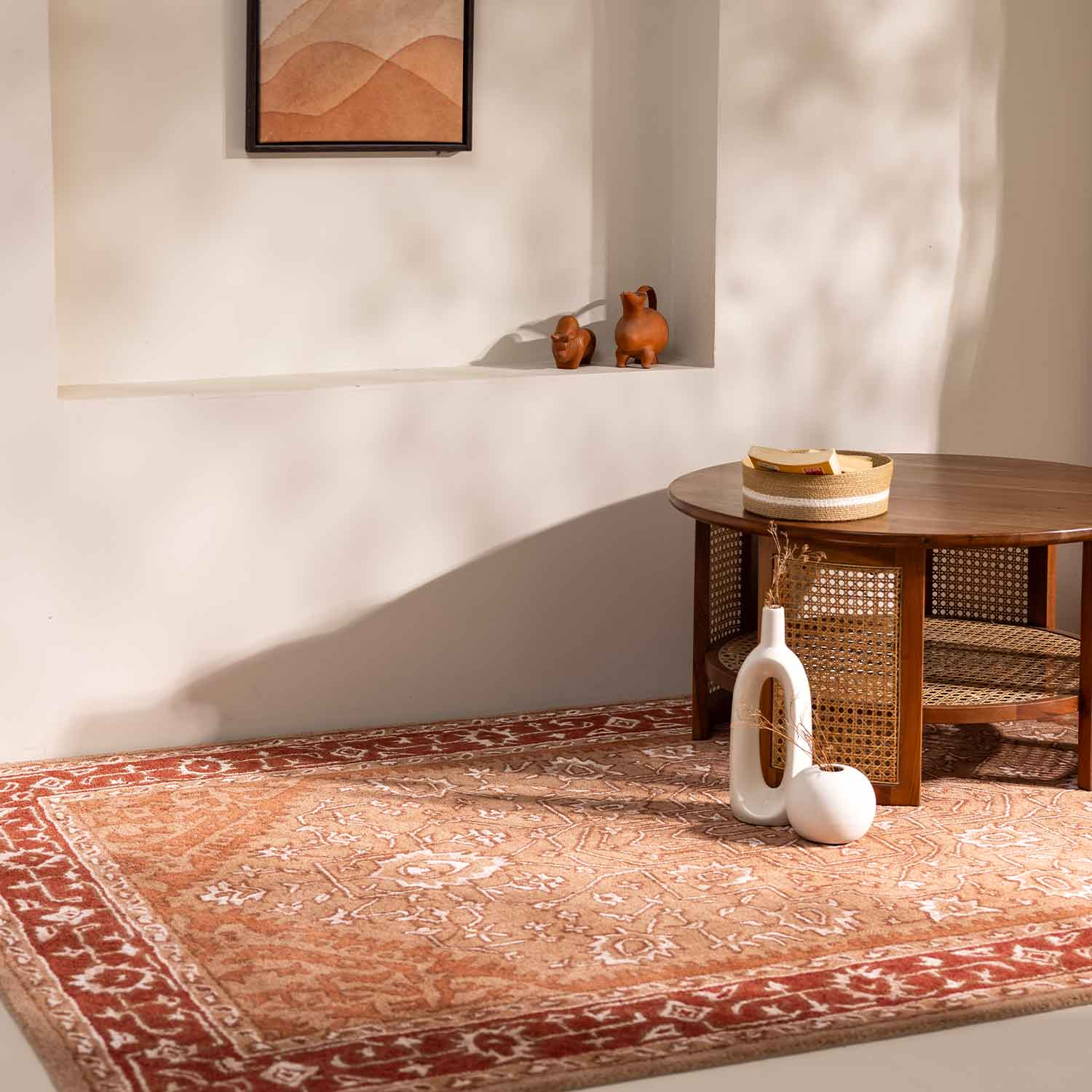
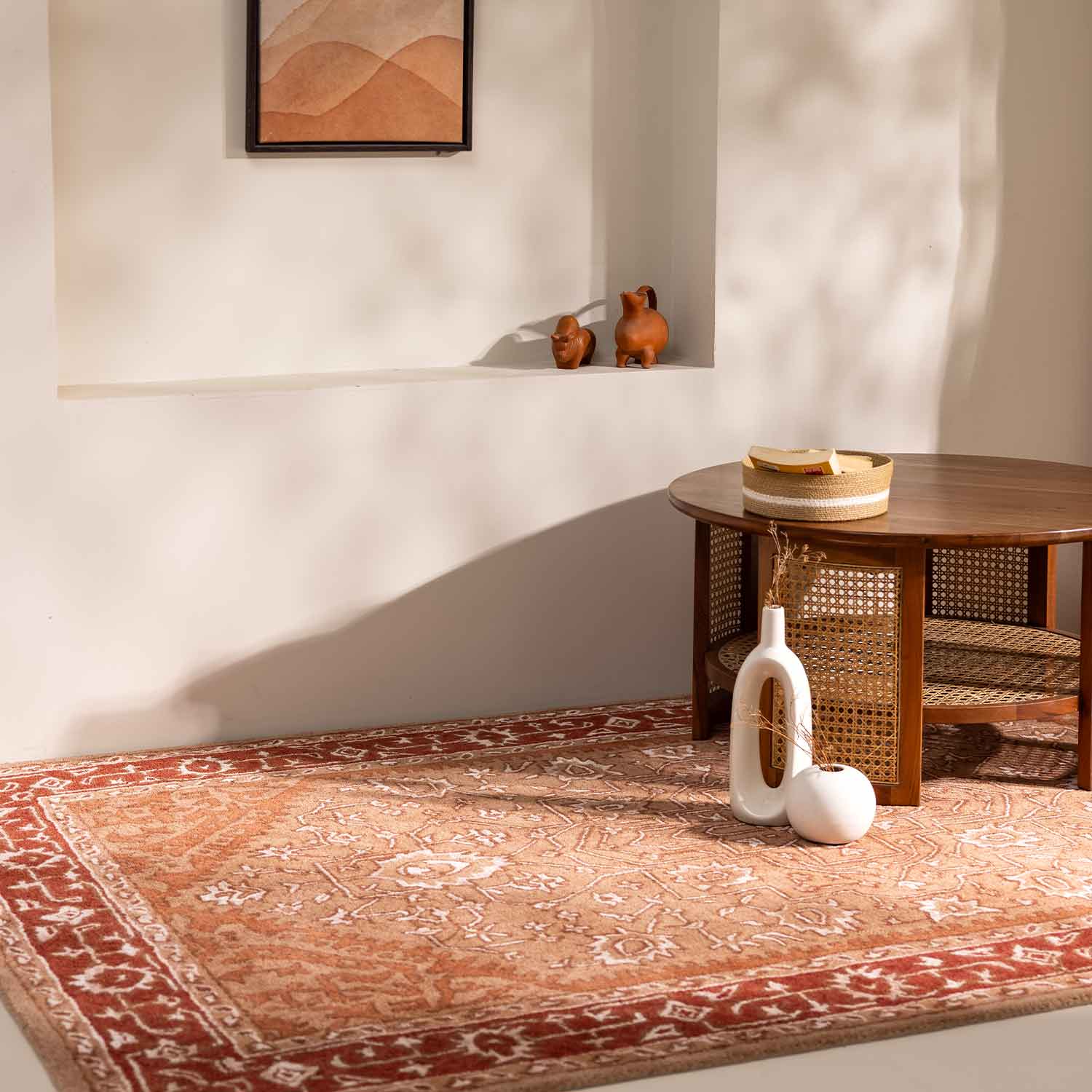
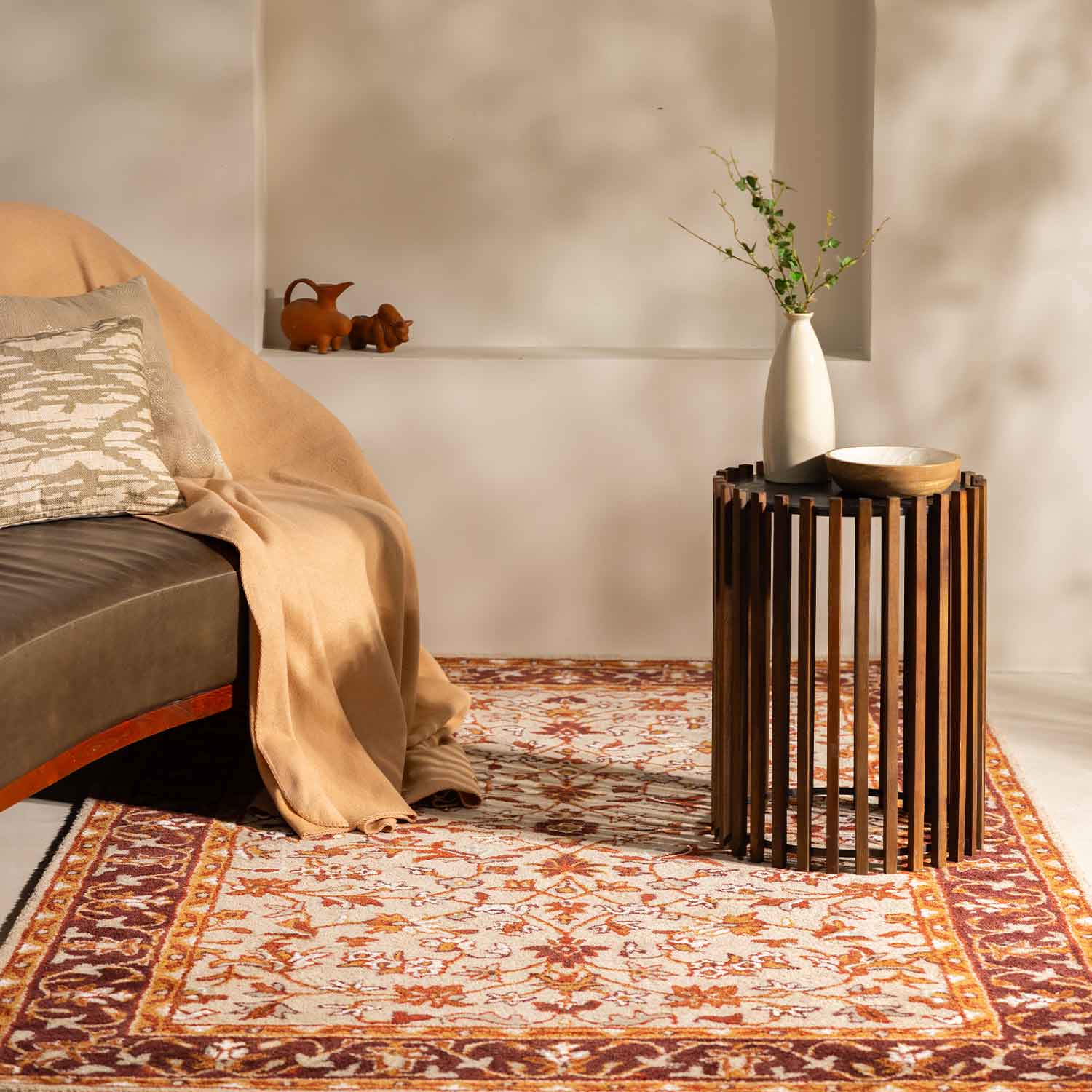
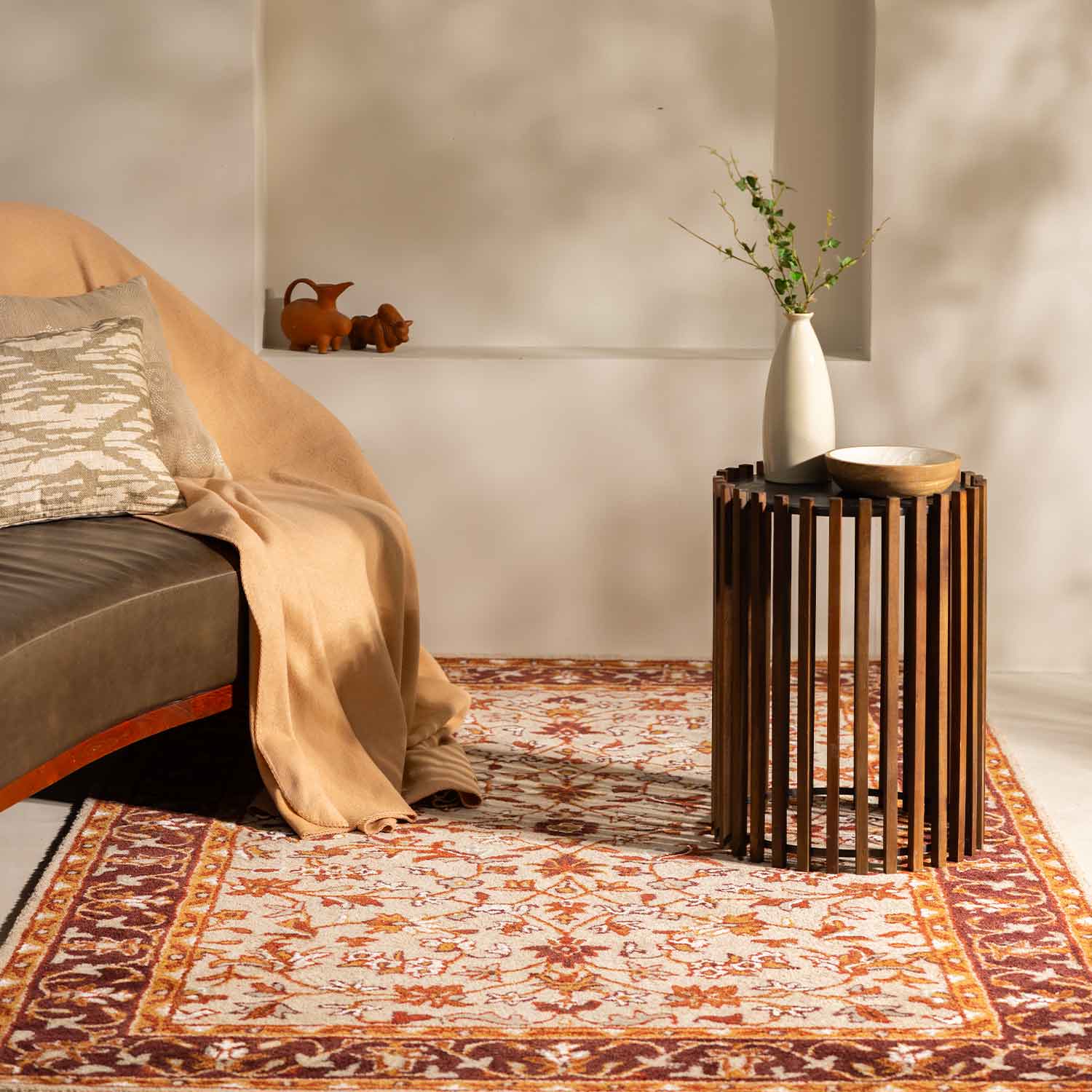
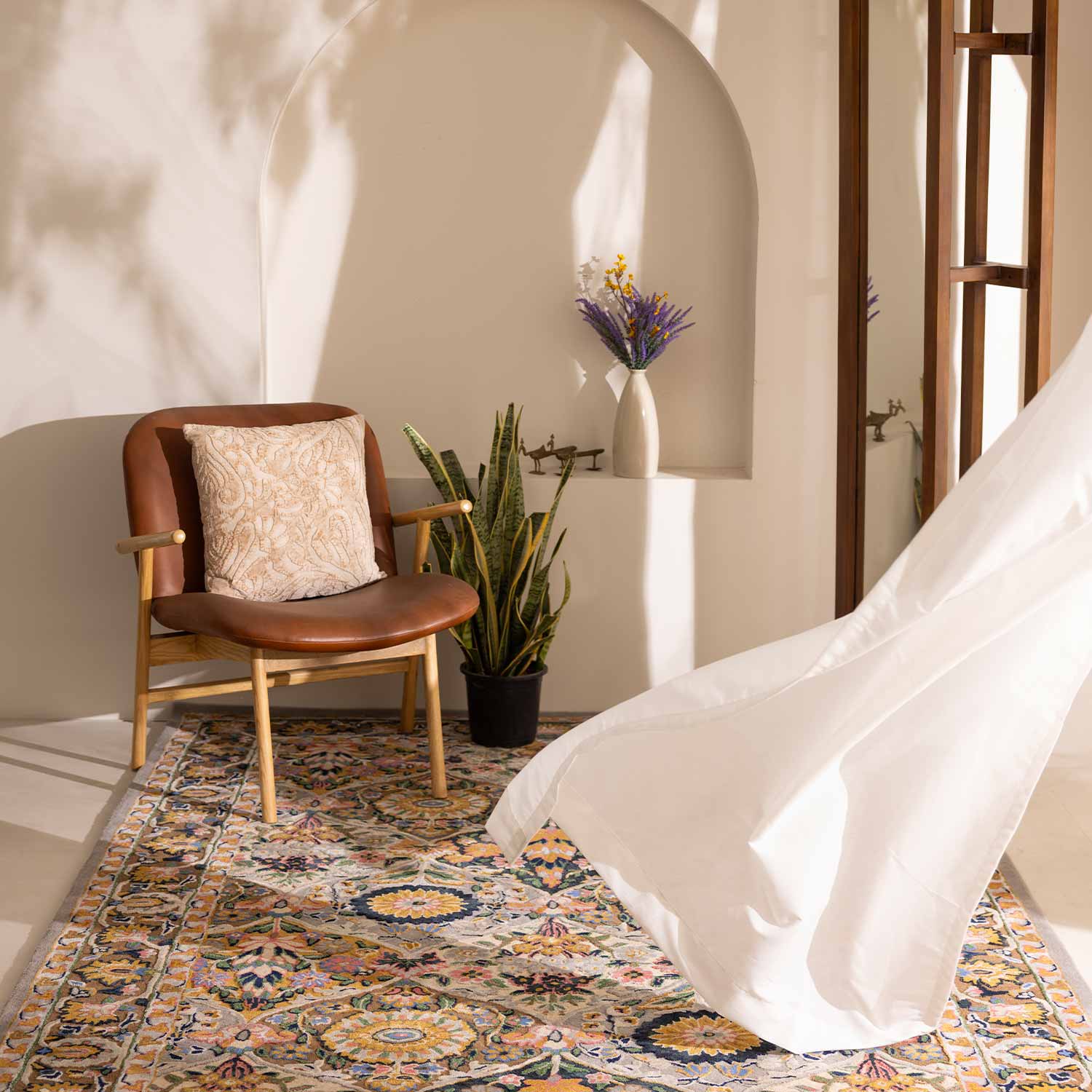
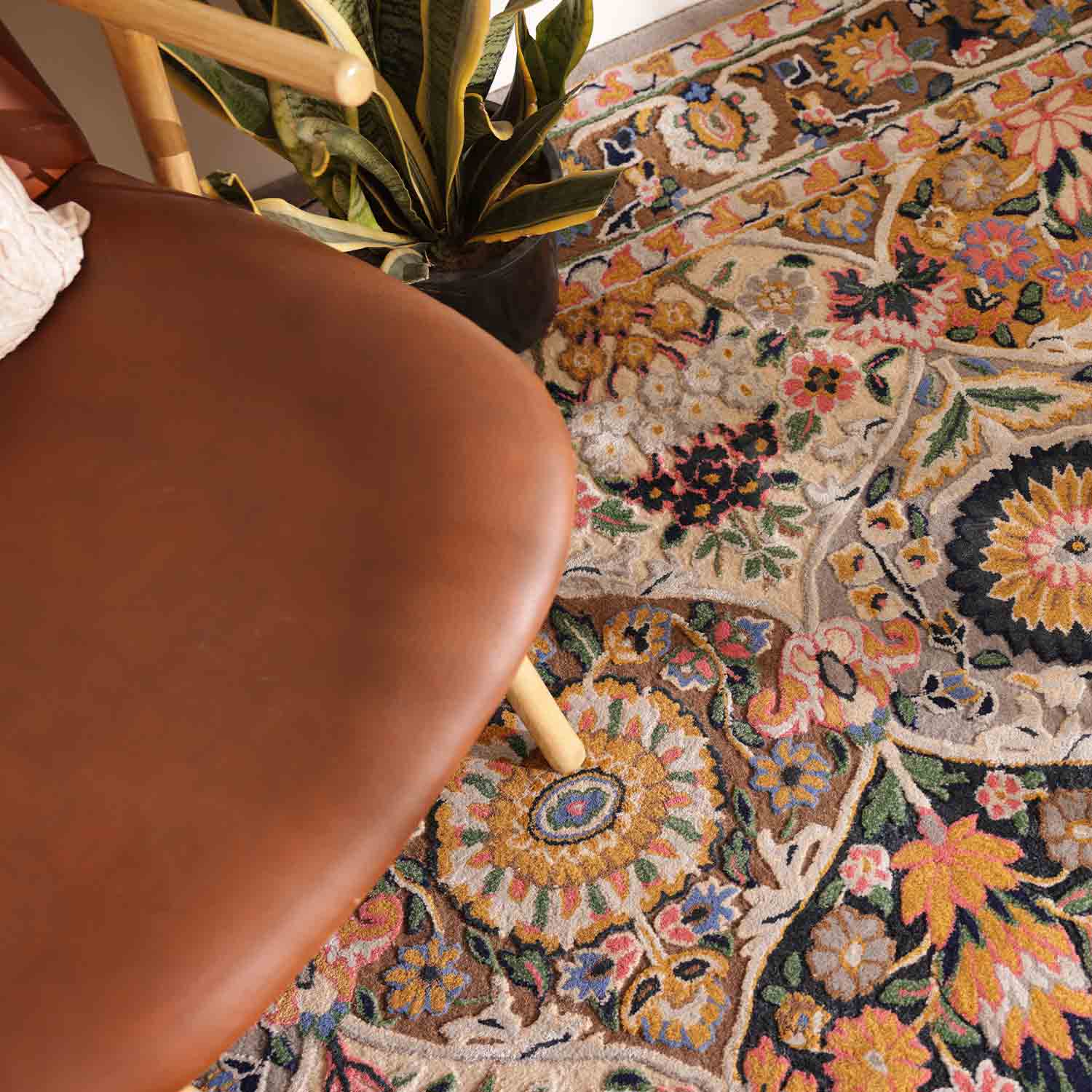
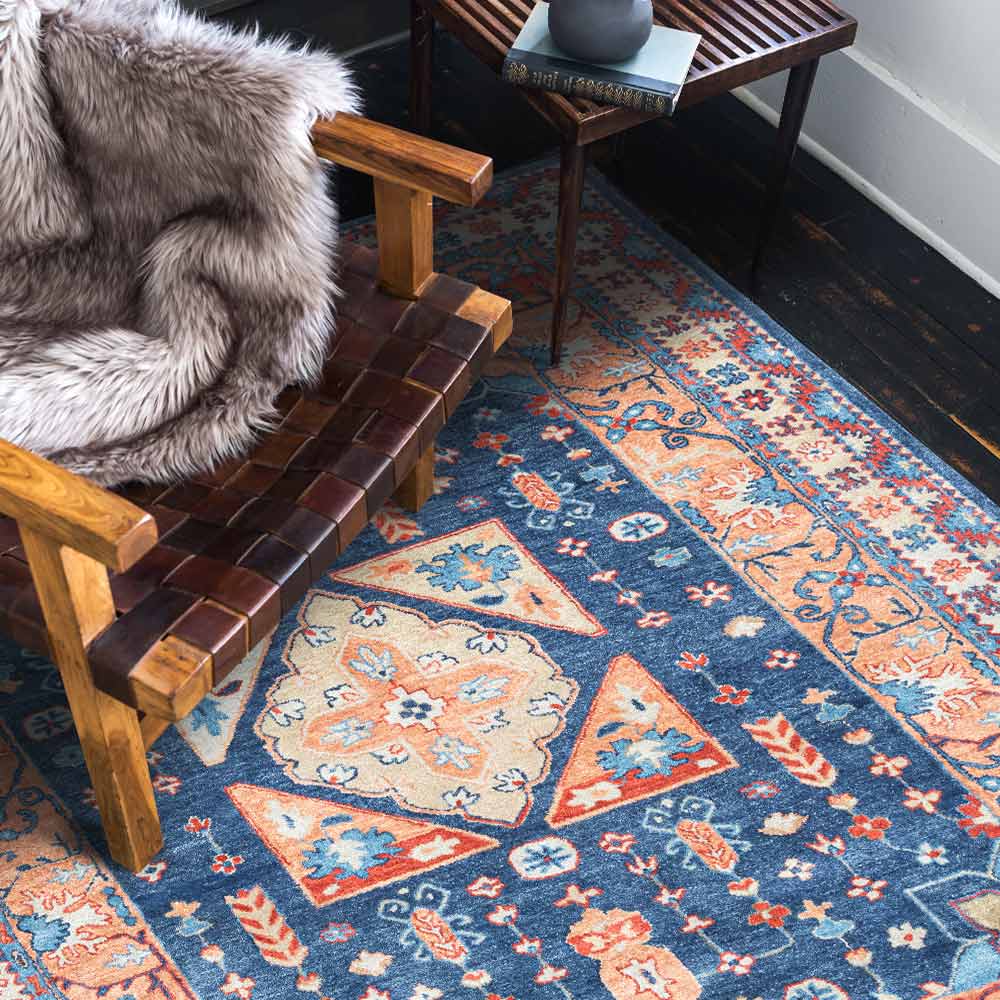
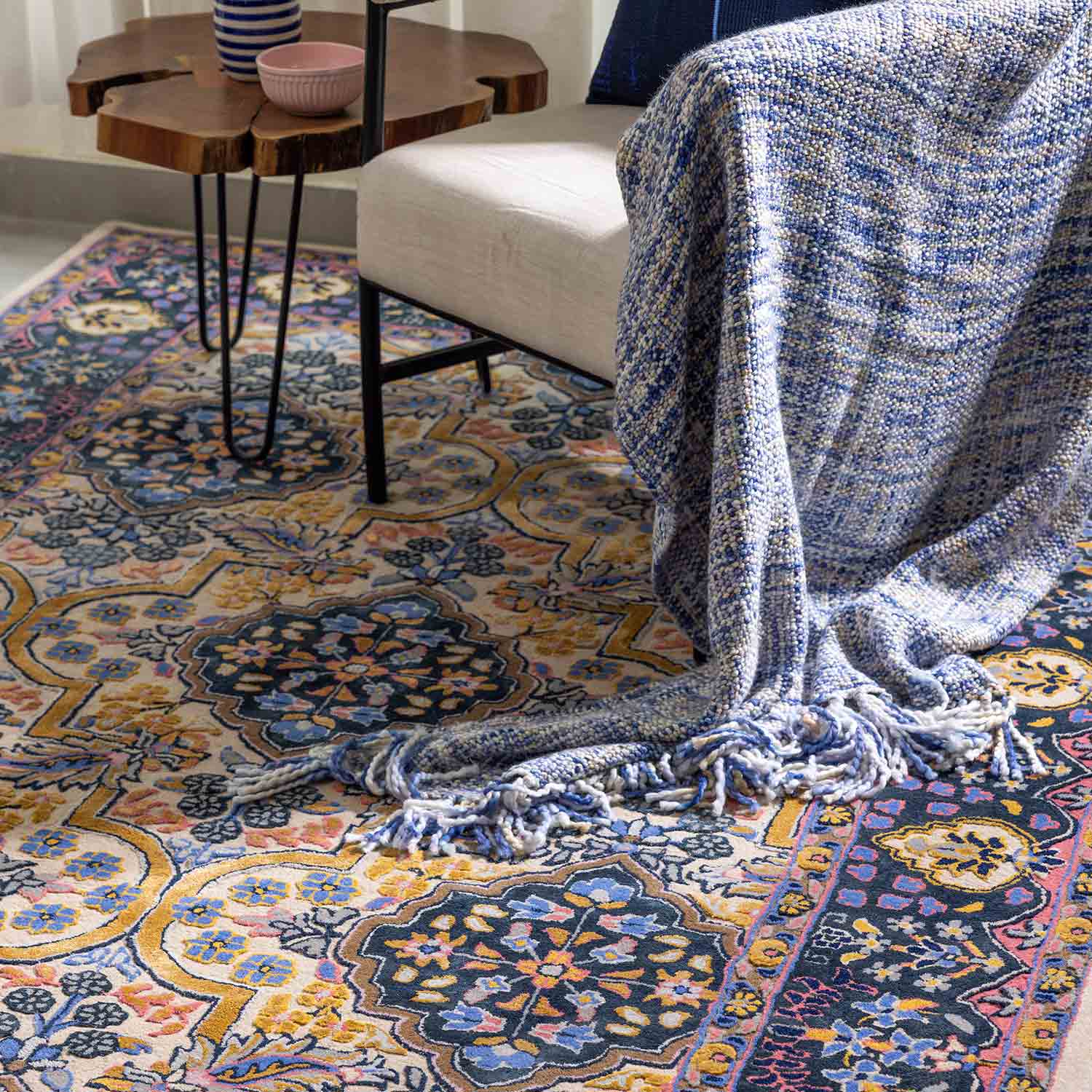
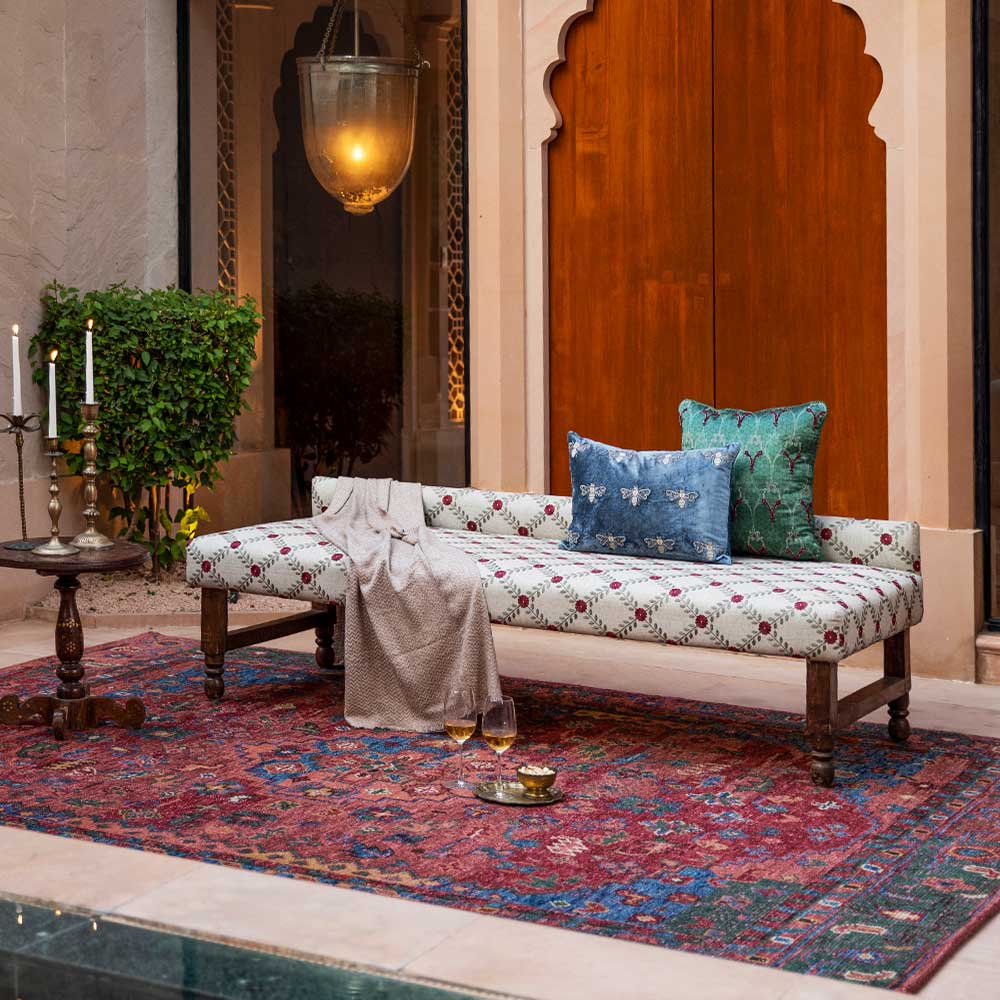
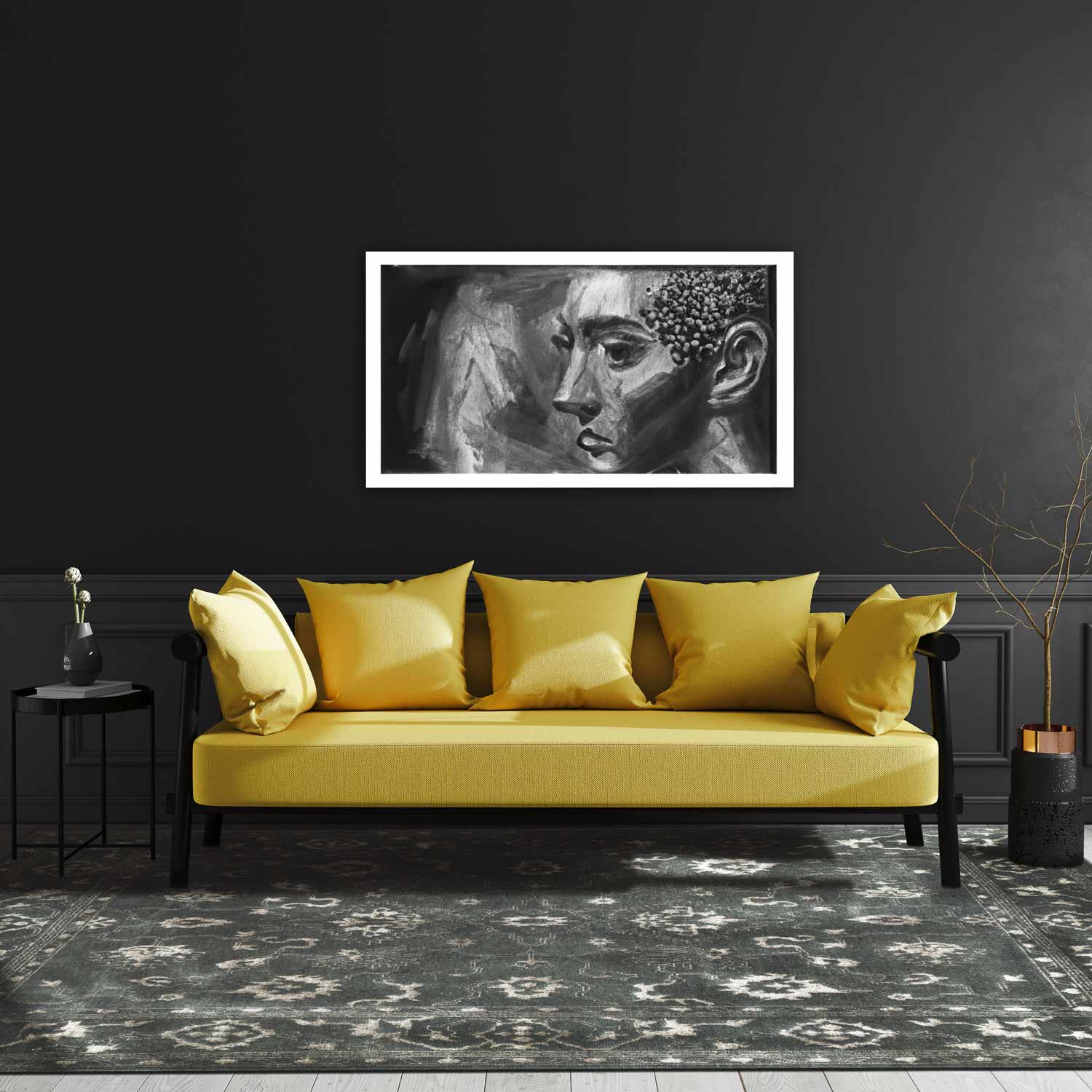
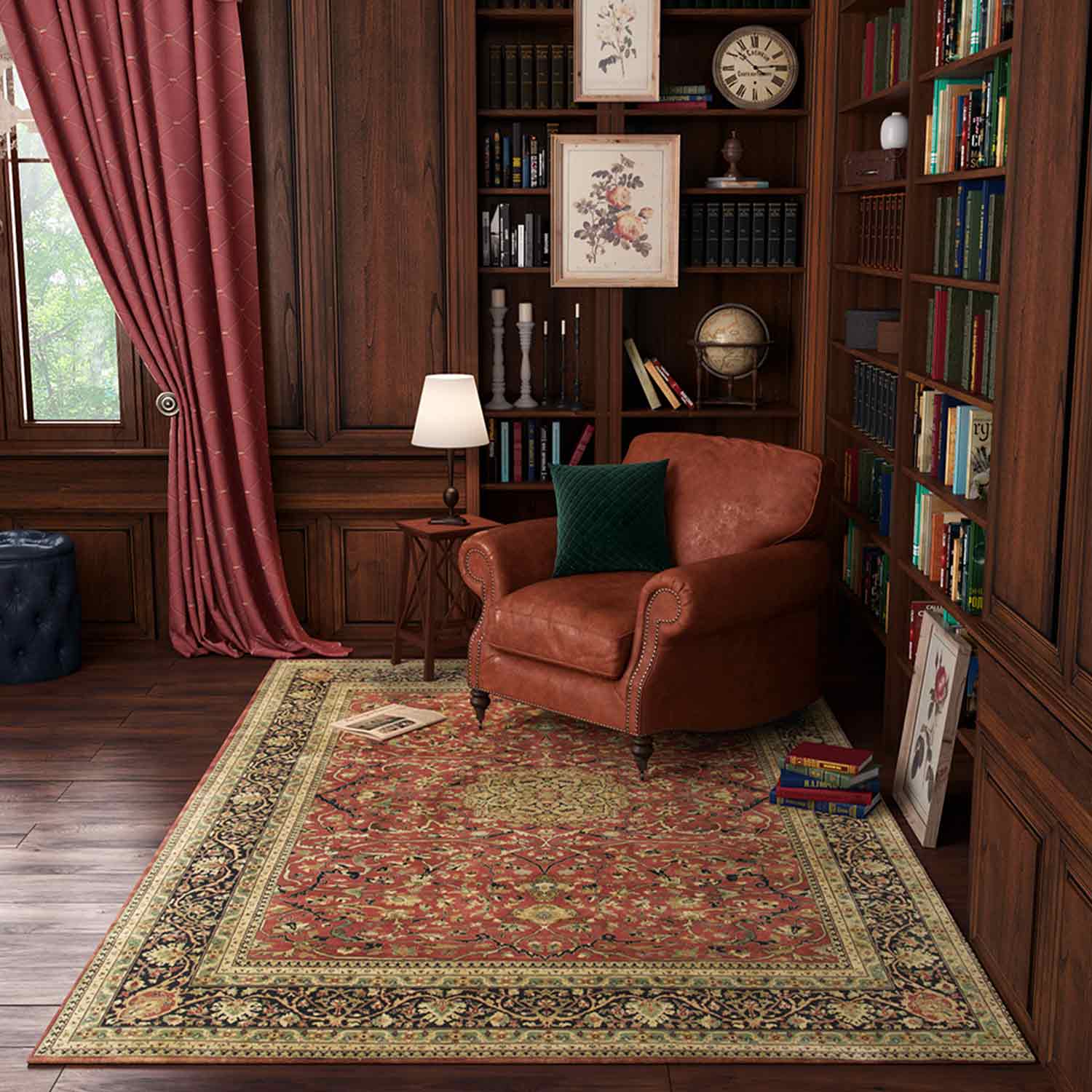
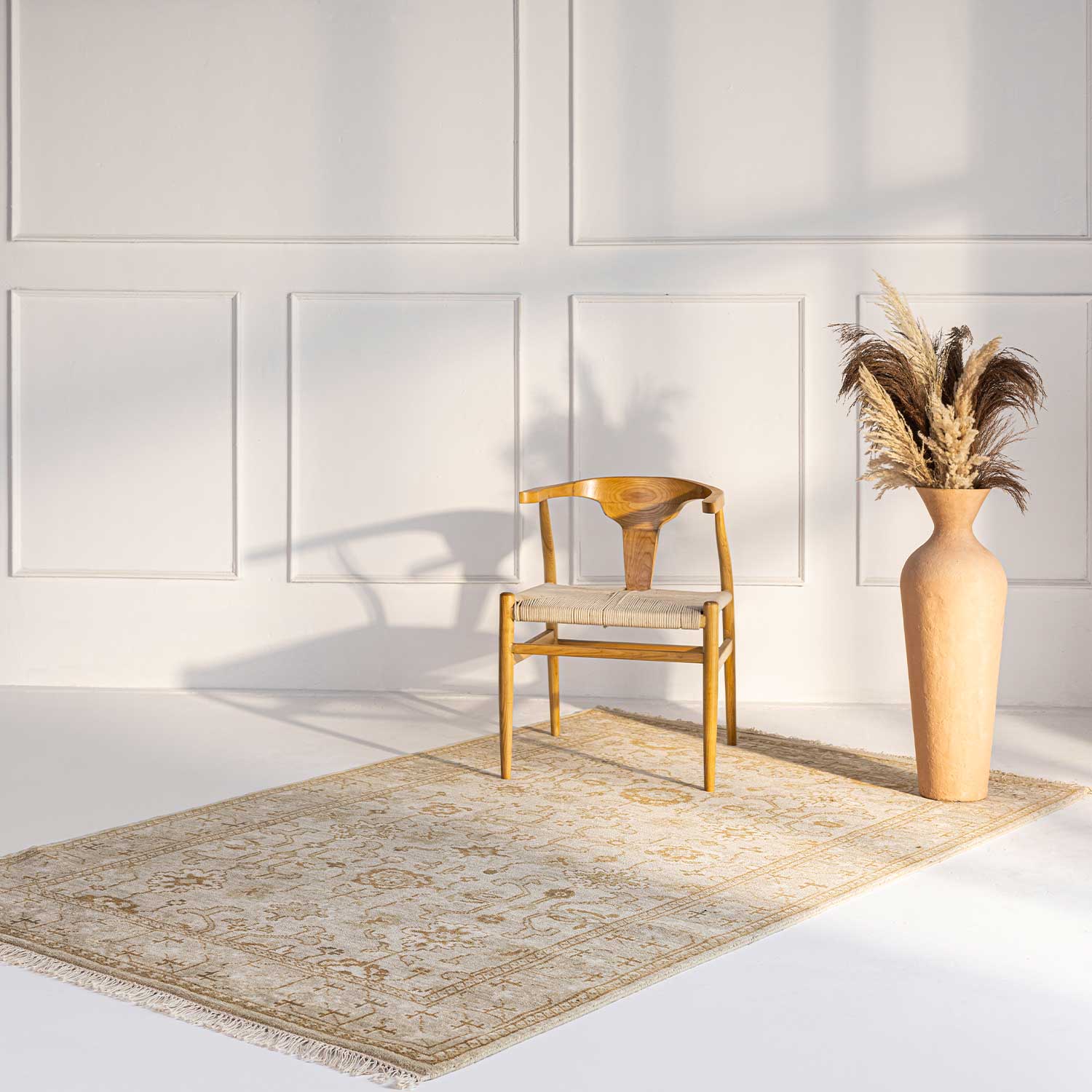
In a living room, the rug often holds this balance. It brings together carved wood, layered textiles, and quiet architectural elements into a single visual field. Patterns carry history, but it is their placement, scale, and colour that determine how the space feels today.
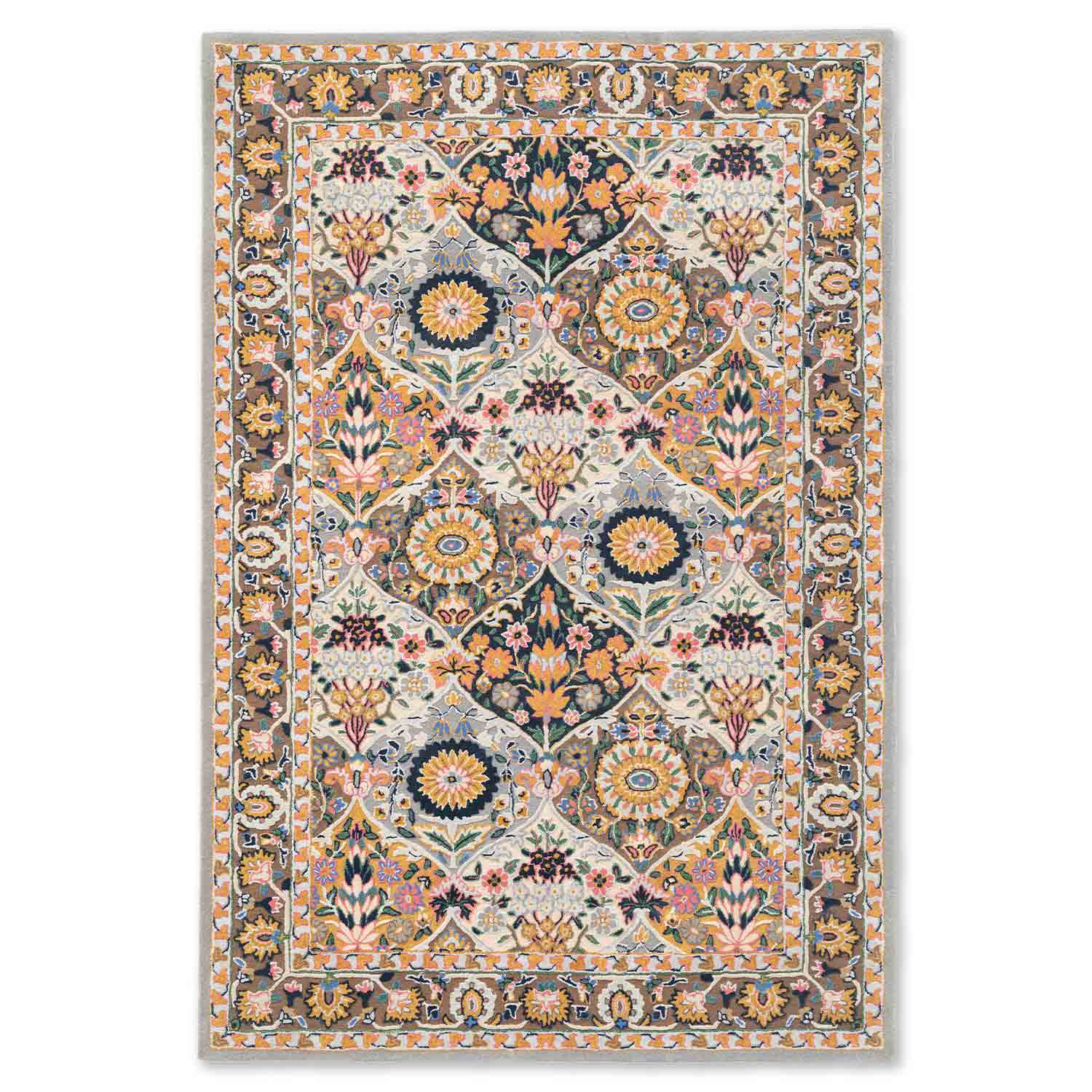
At Obeetee, traditional rugs are approached not as relics, but as living design elements. Motifs are refined, palettes are controlled, and compositions are scaled for contemporary homes. The result is a space that feels grounded and complete—rooted in tradition, yet entirely present.
The Obeetee Perspective
Traditional design, when done well, is not heavy—it is composed.
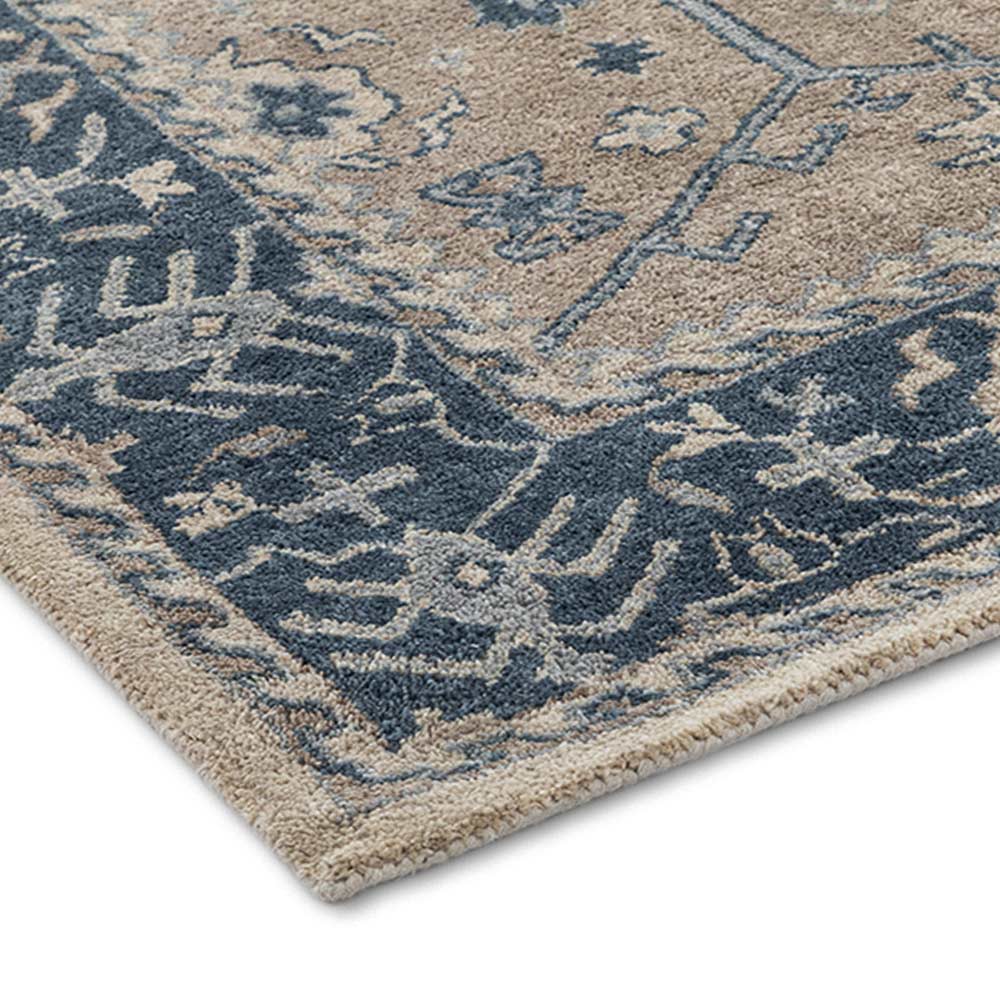
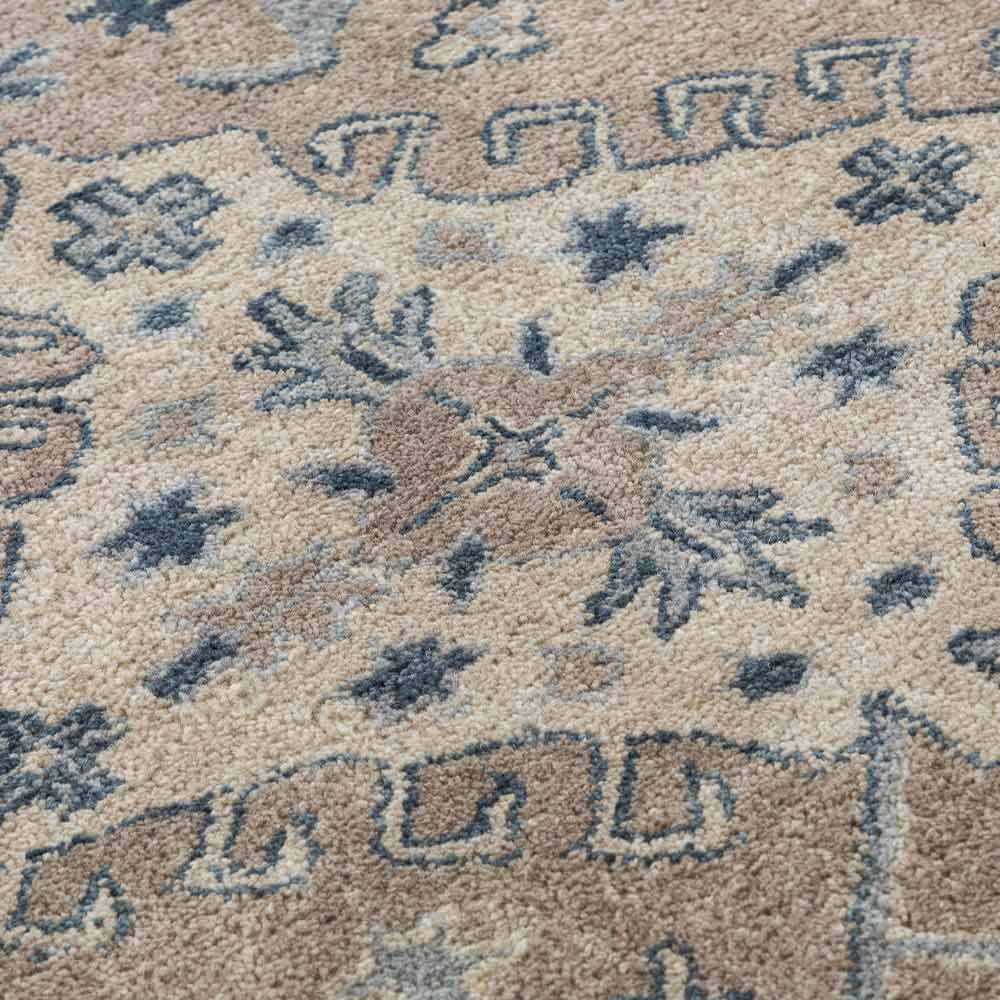
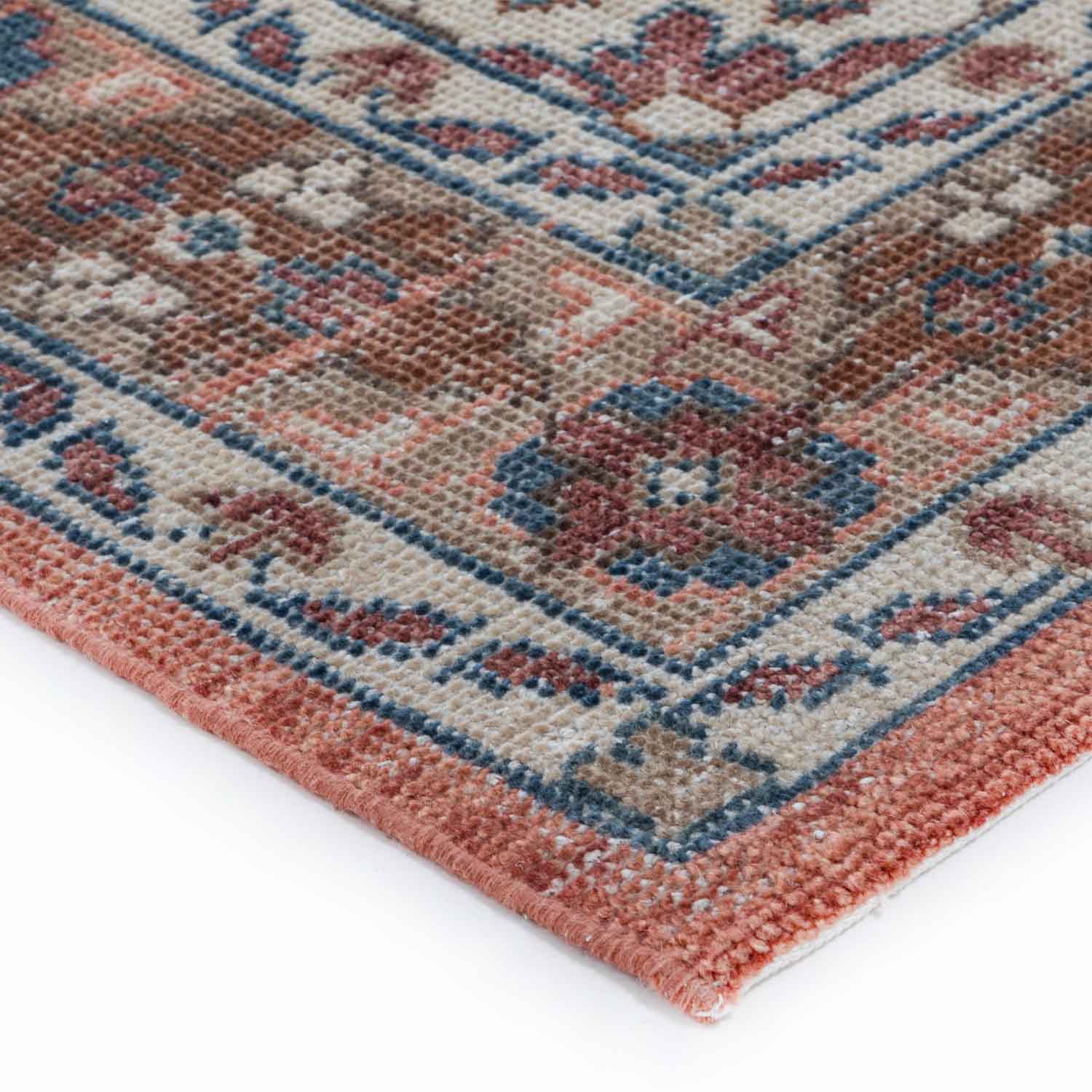
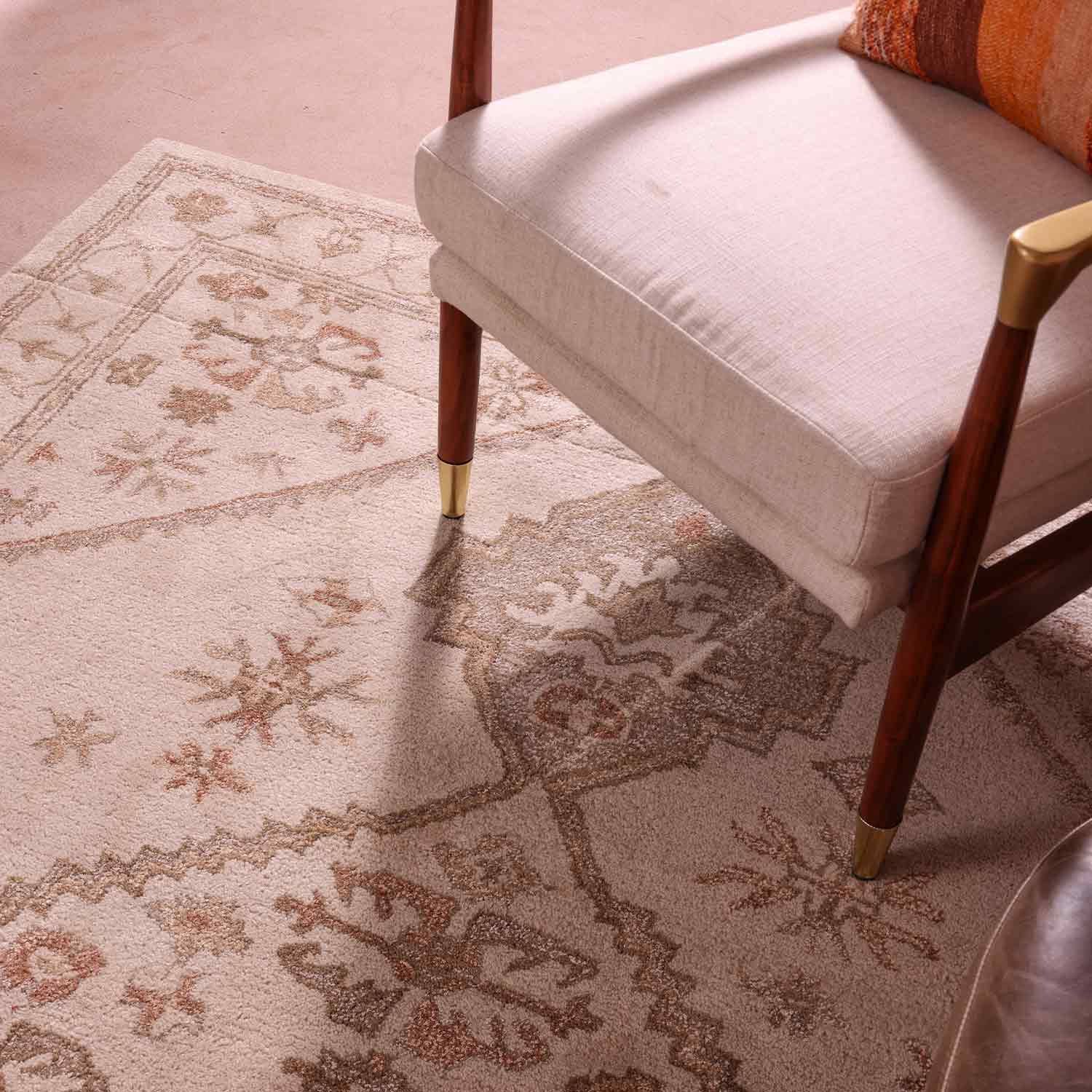
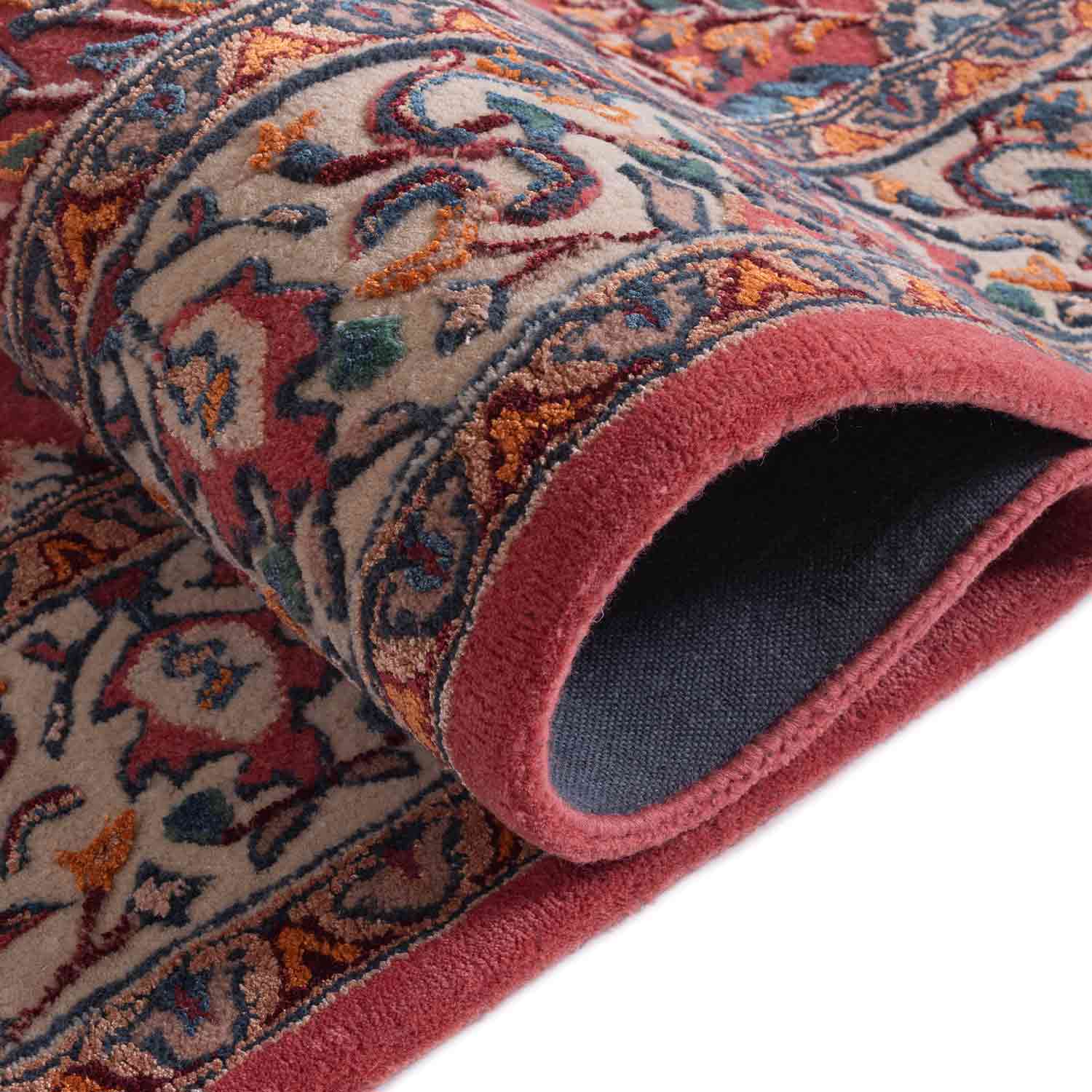
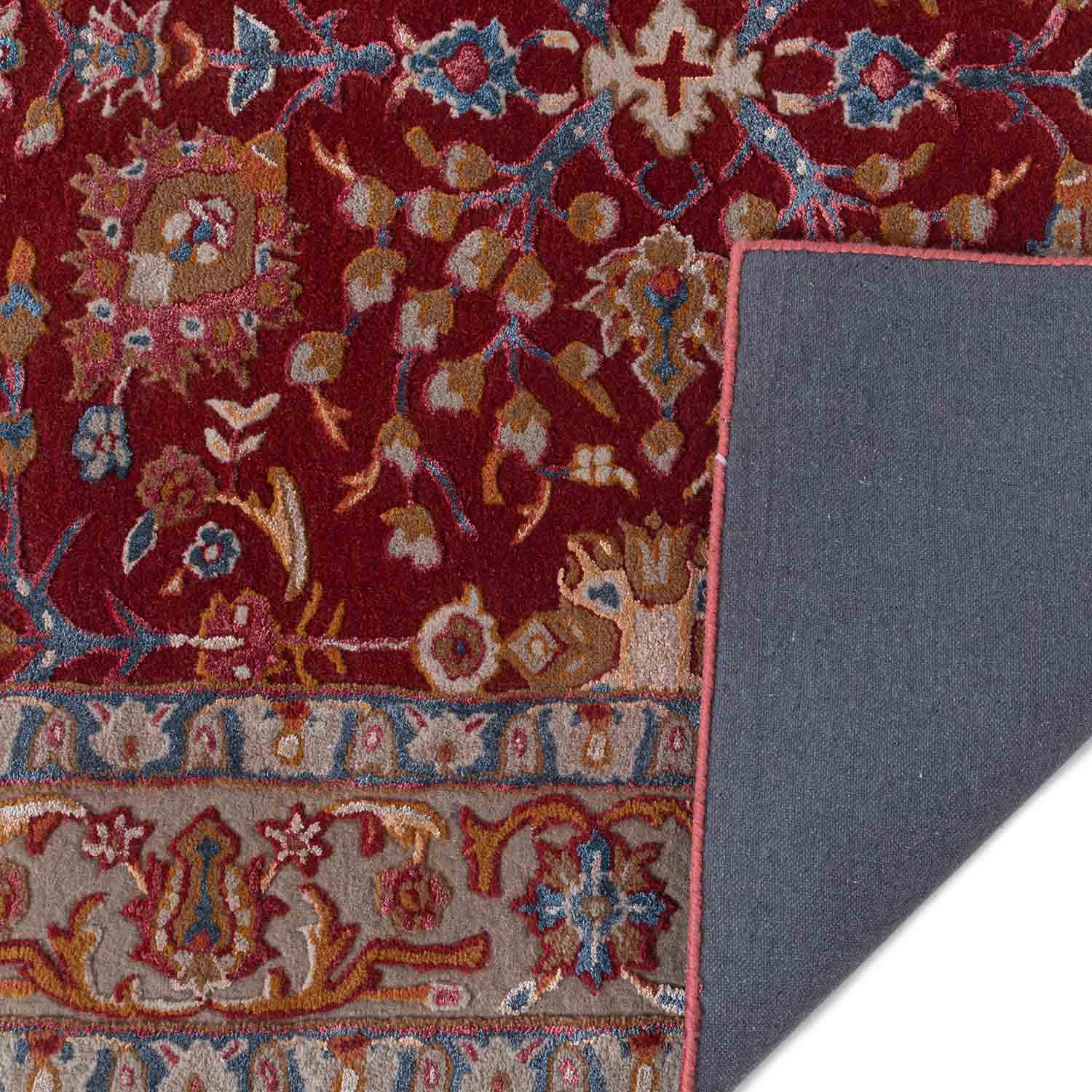
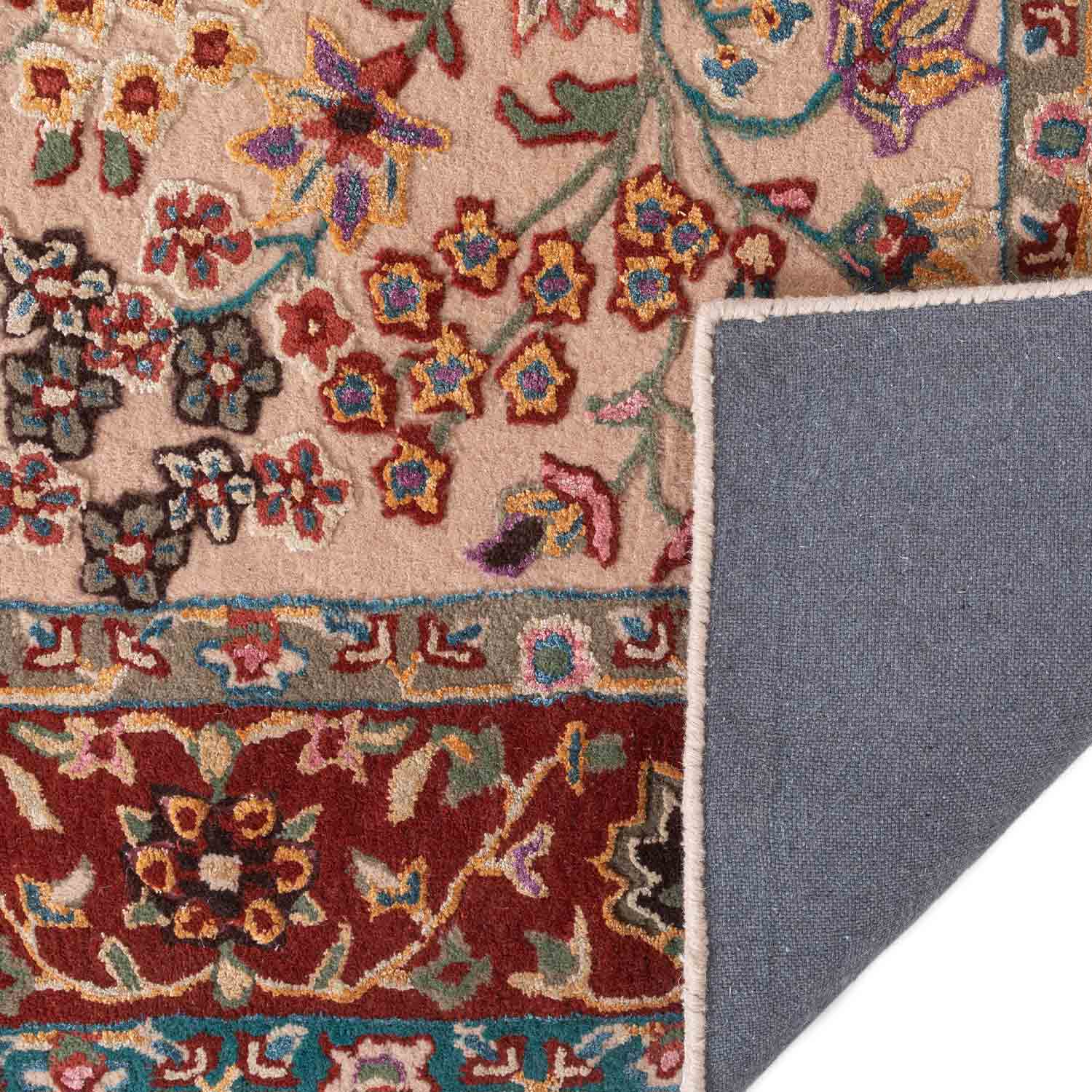
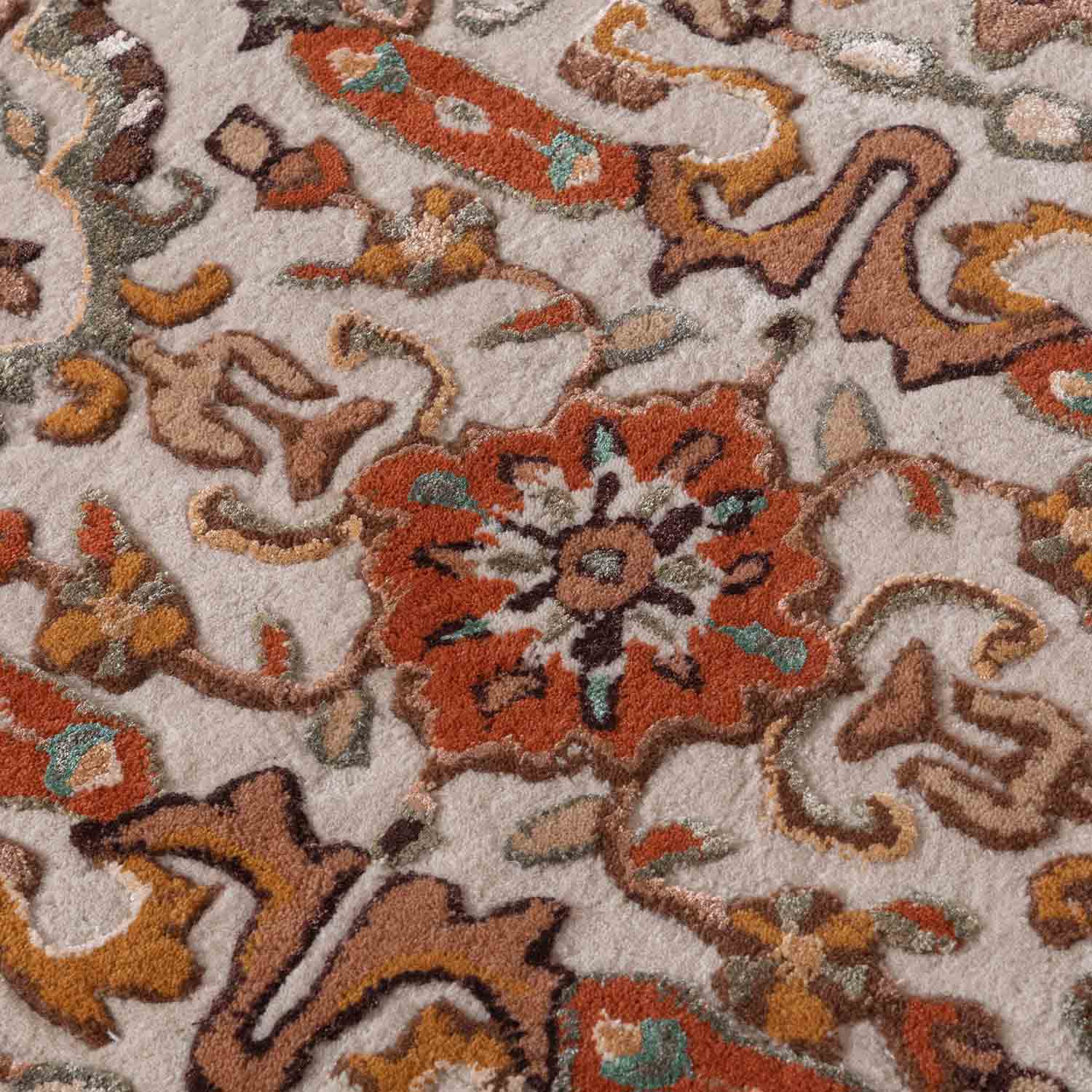
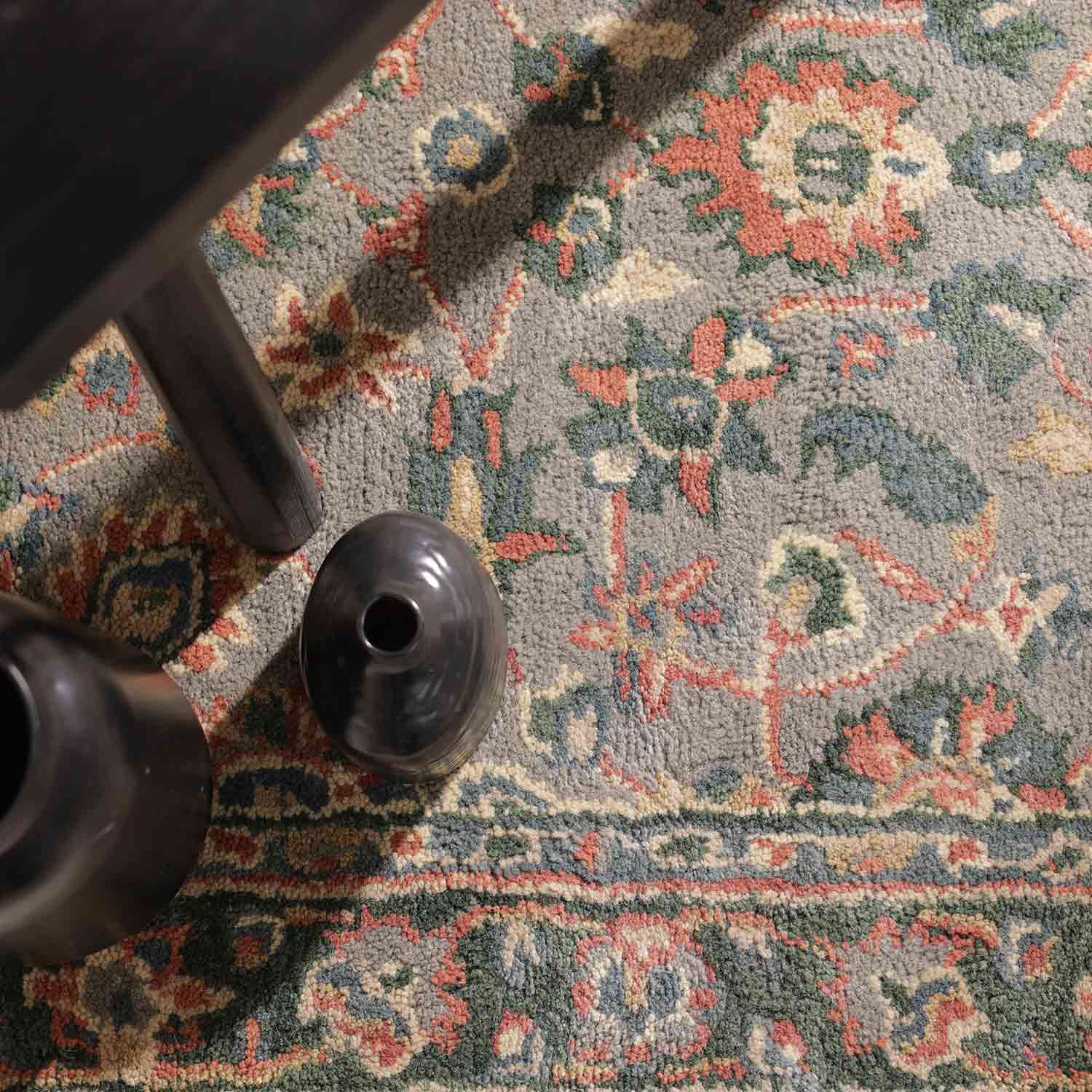
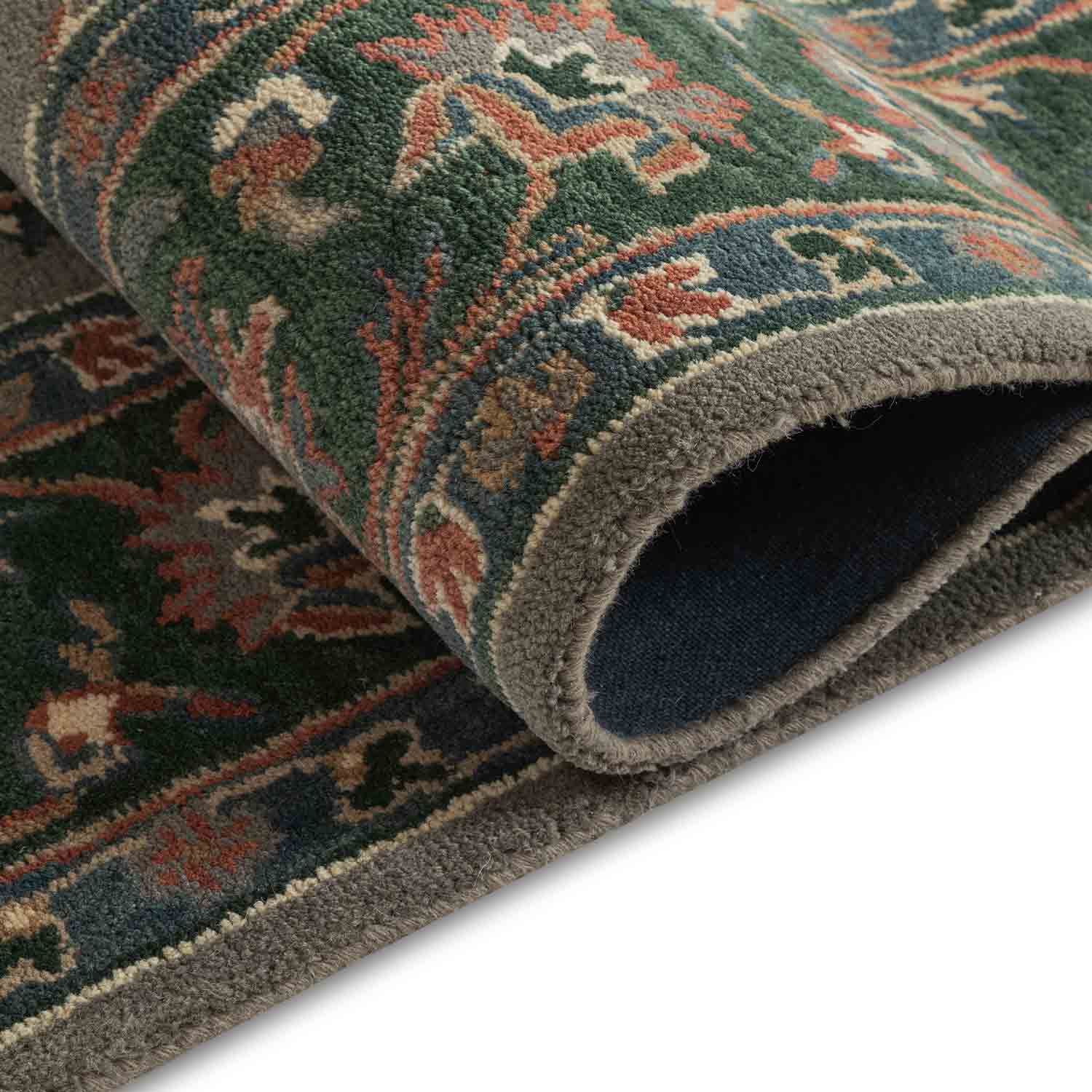
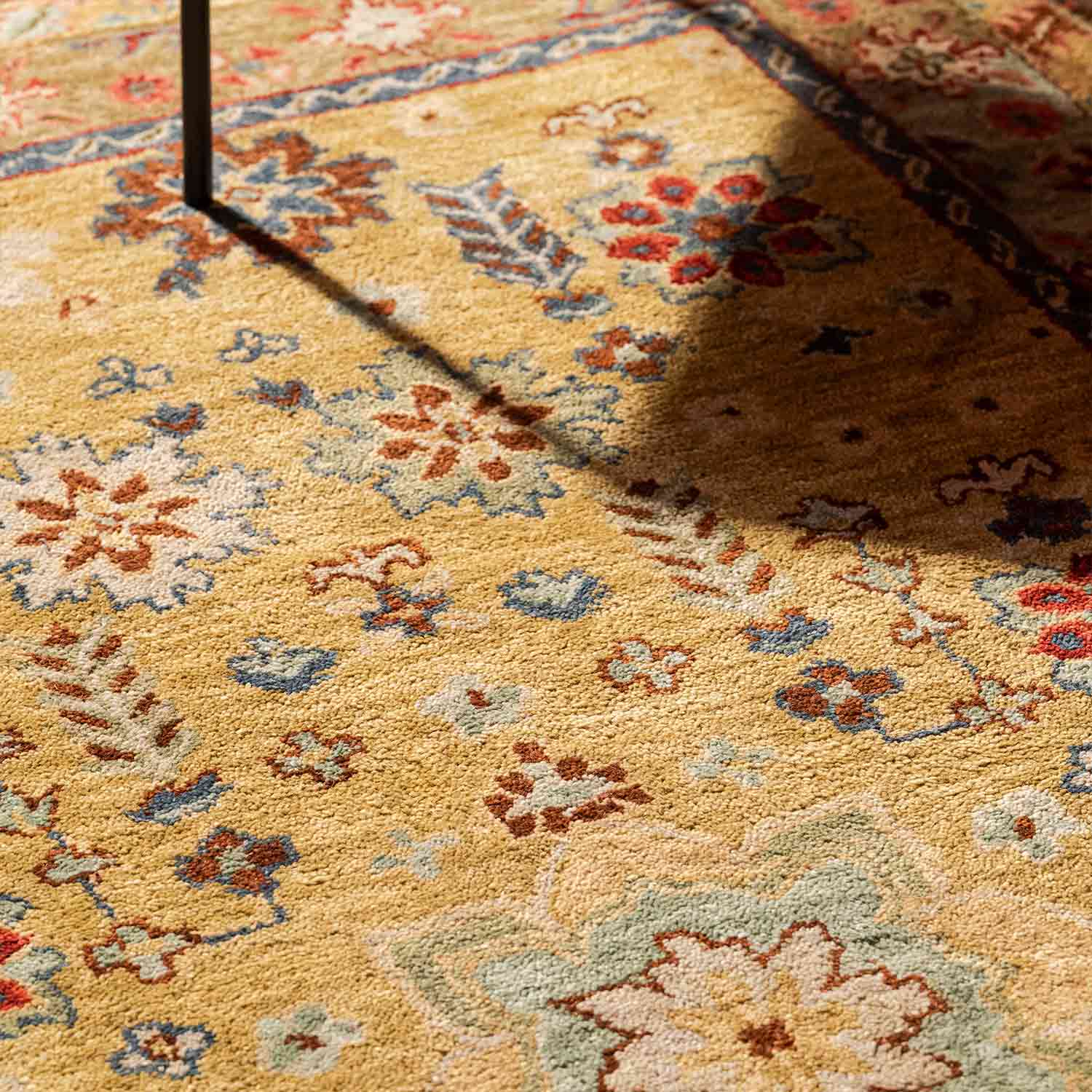
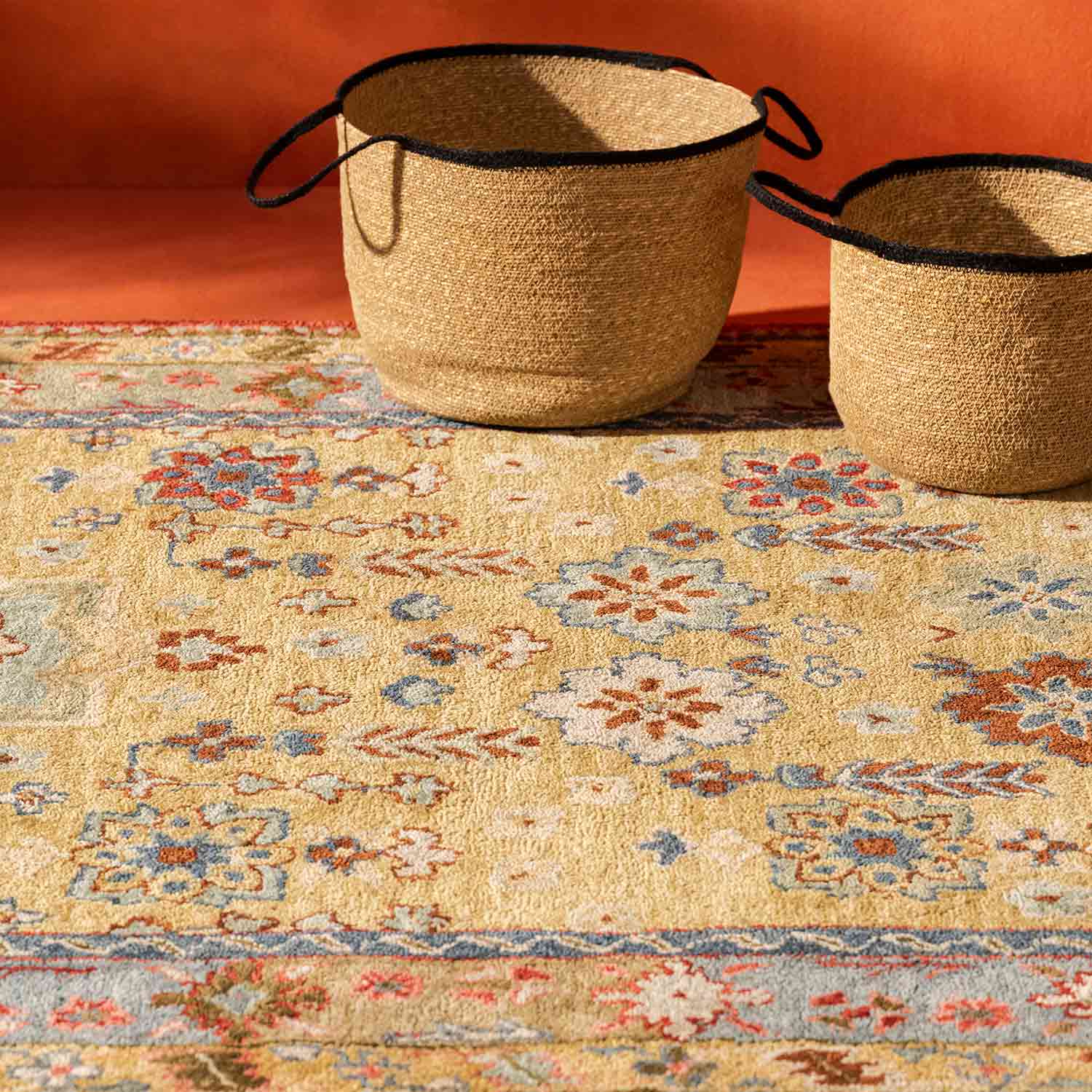
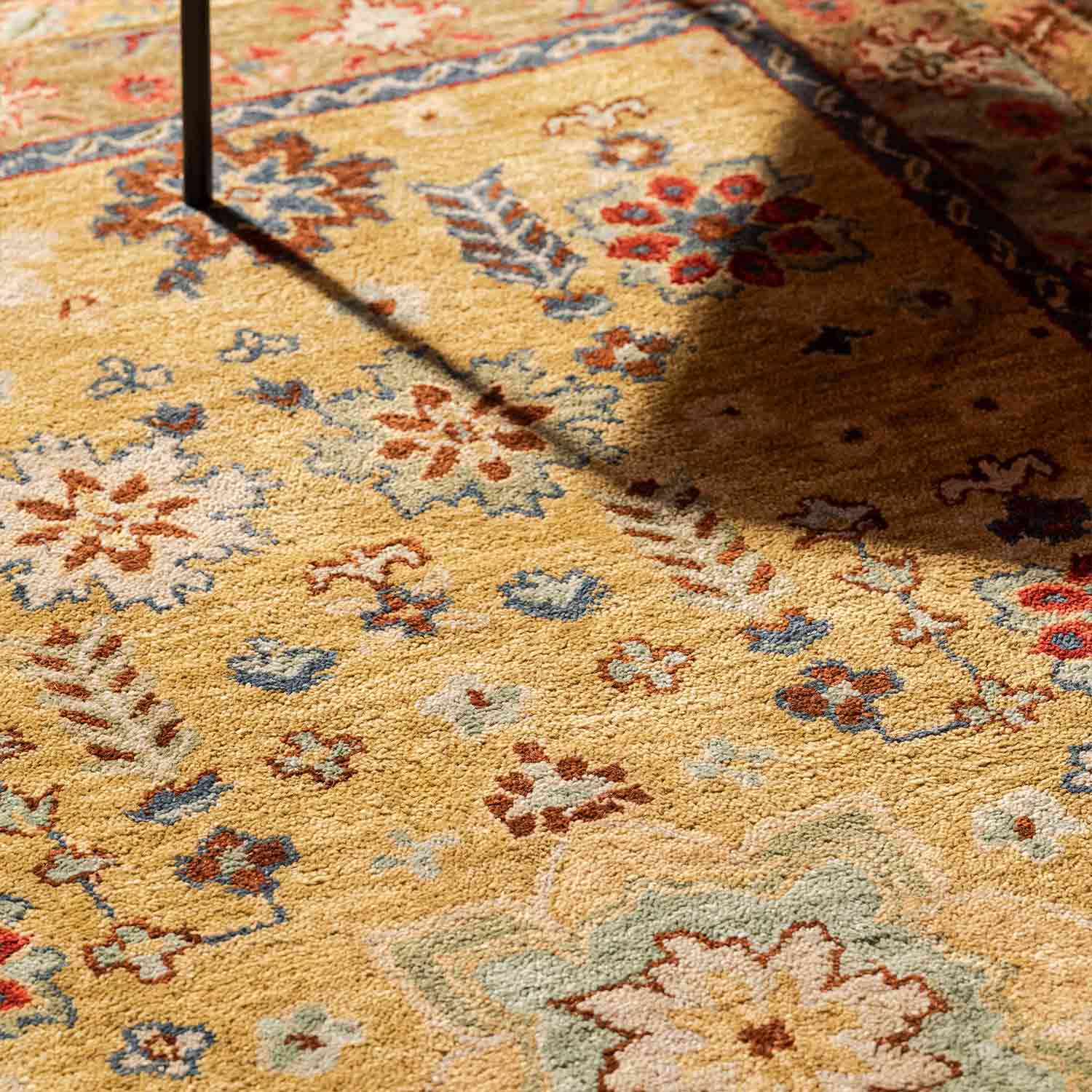
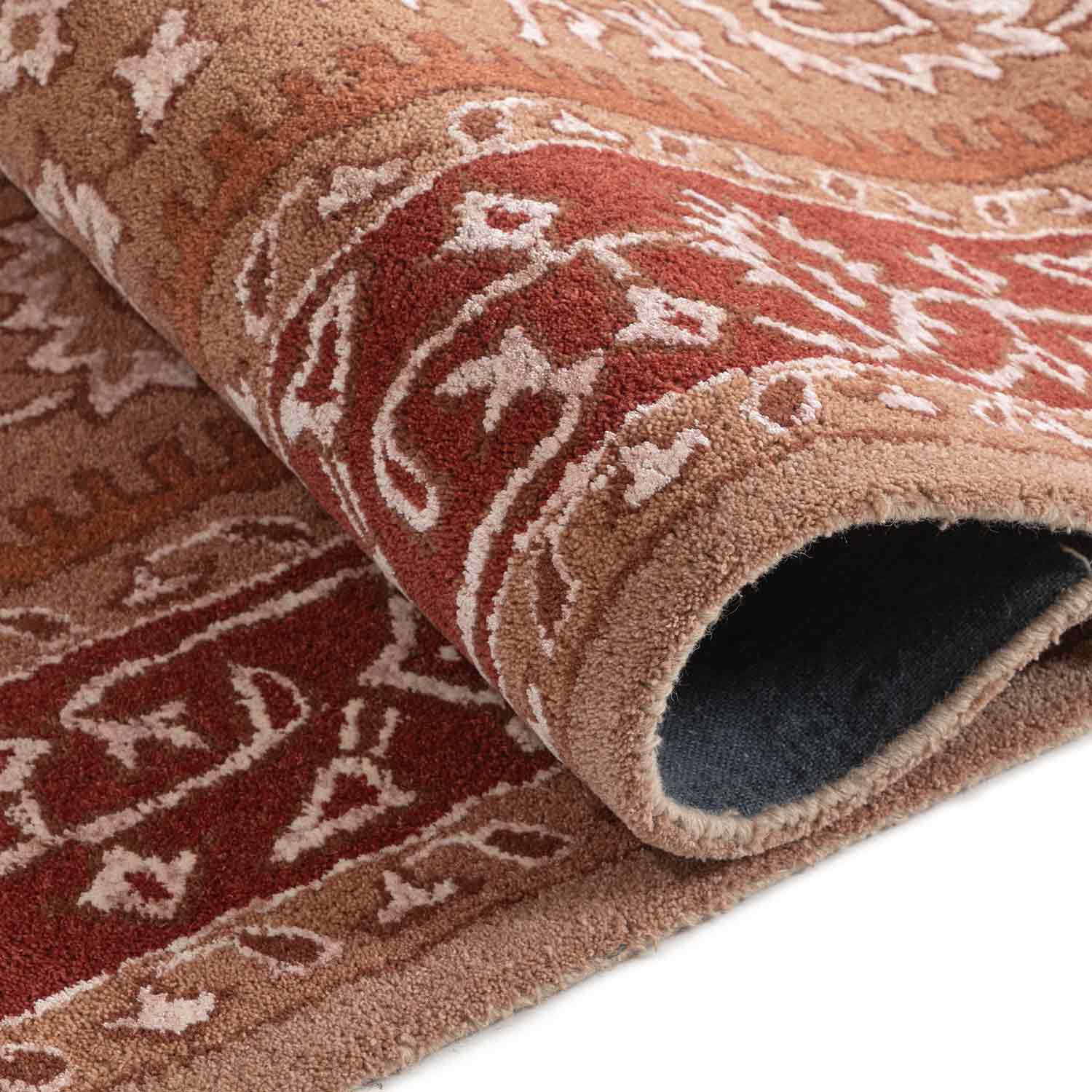
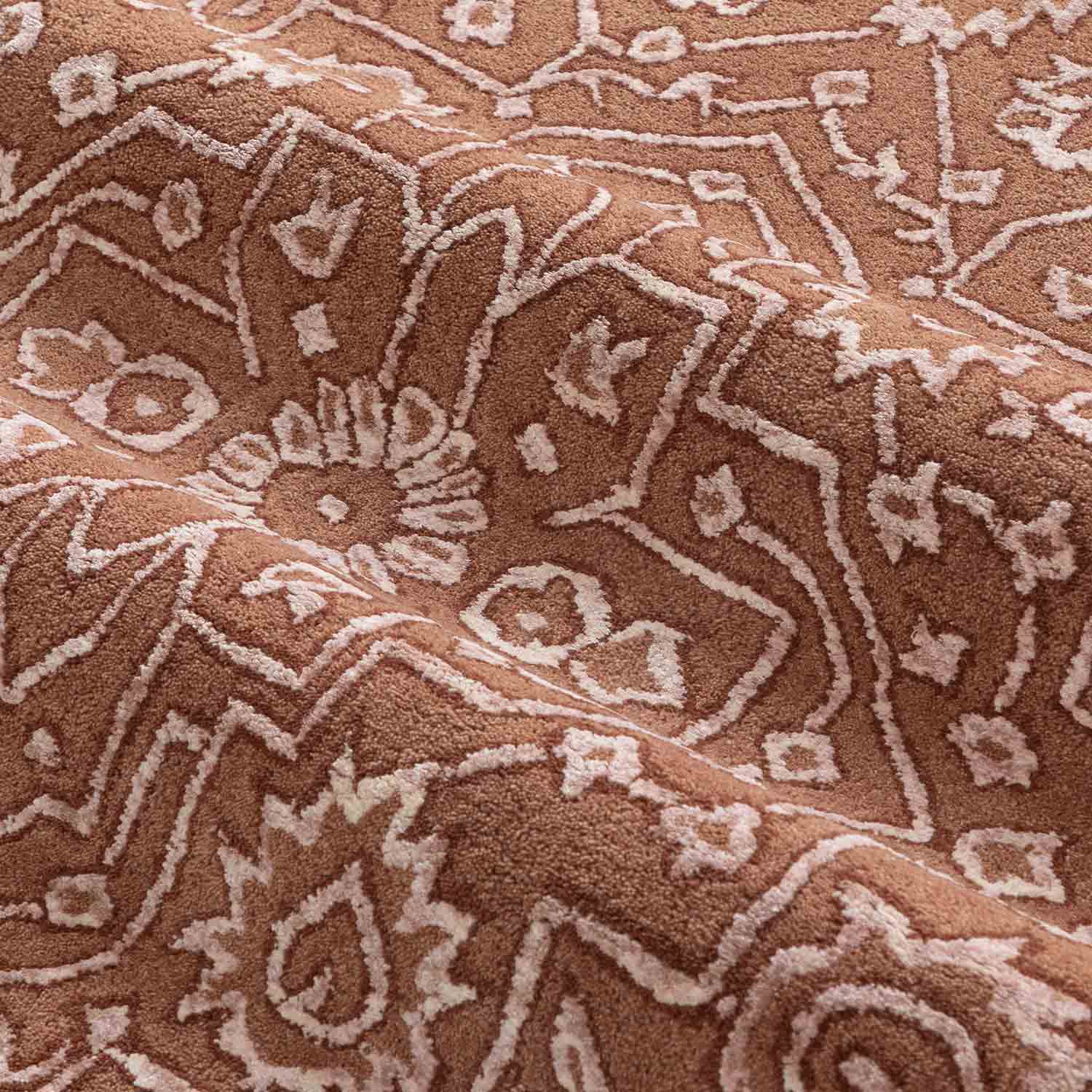
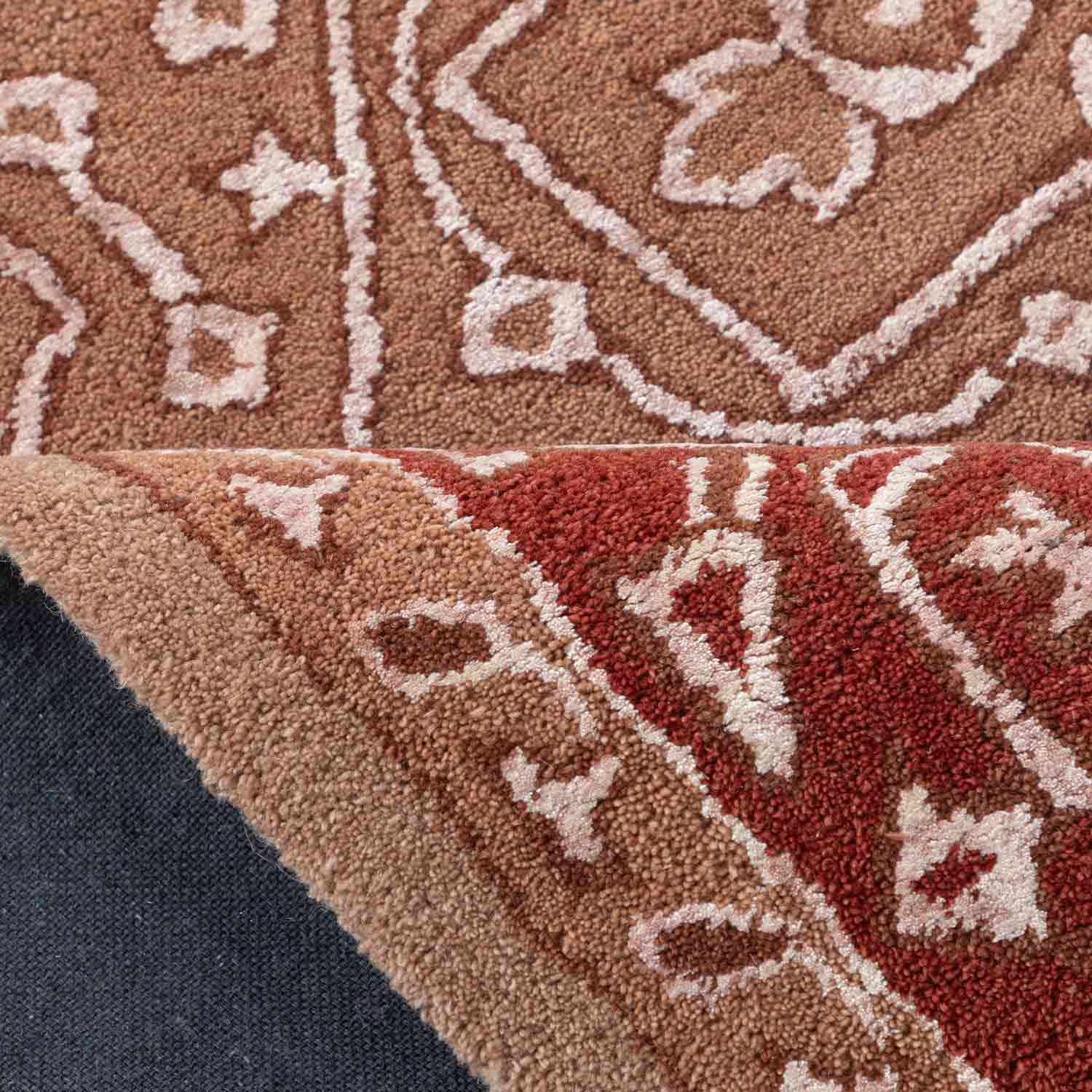
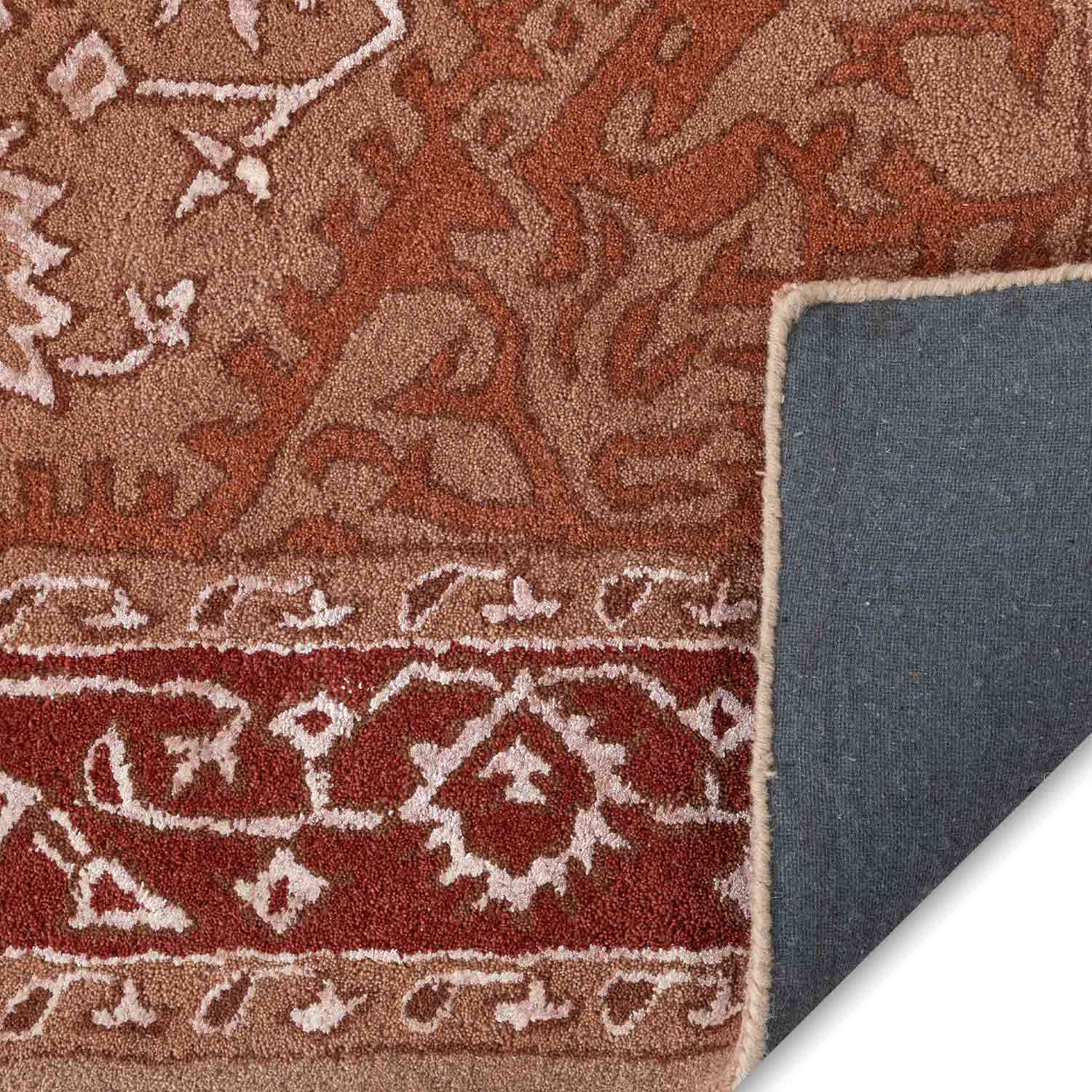
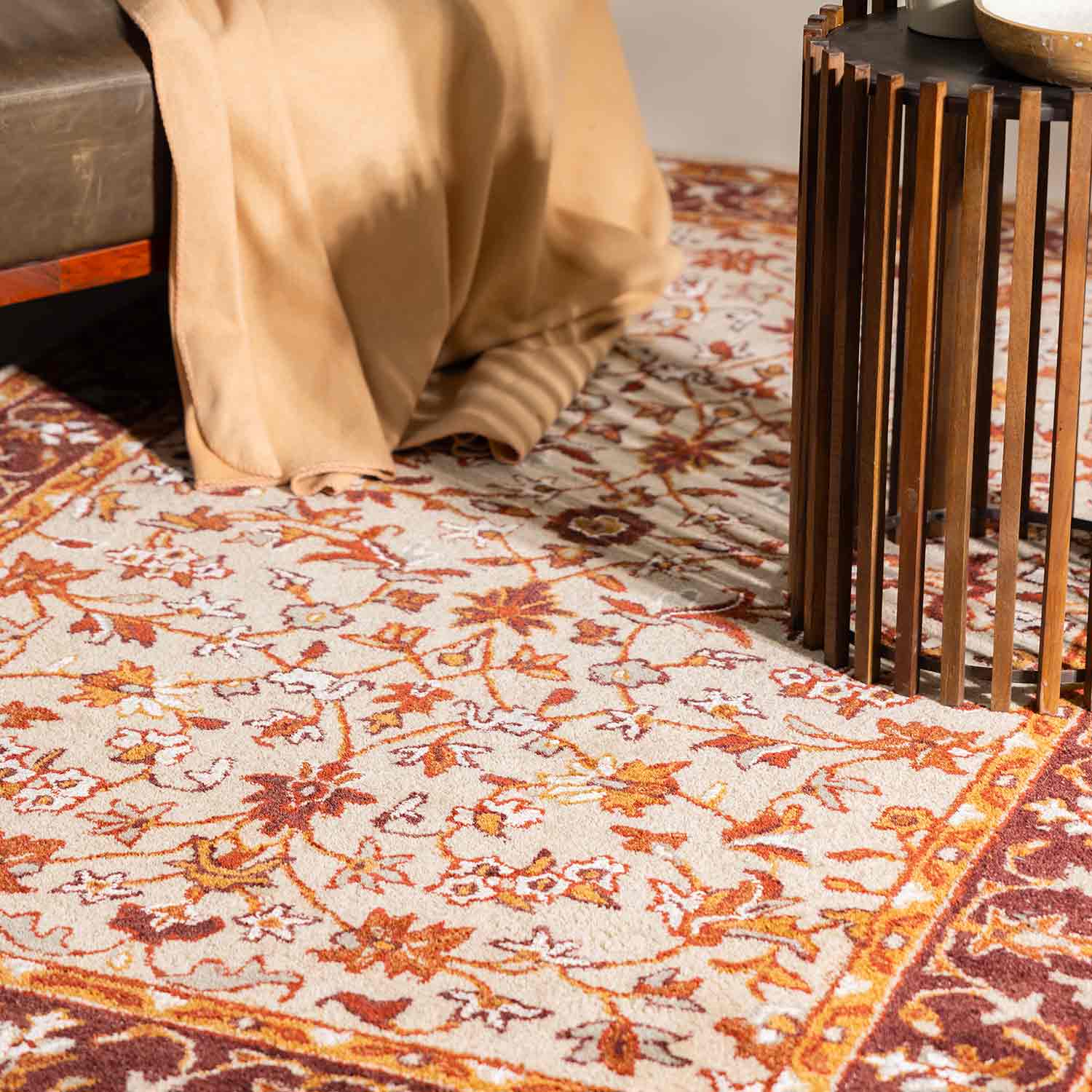
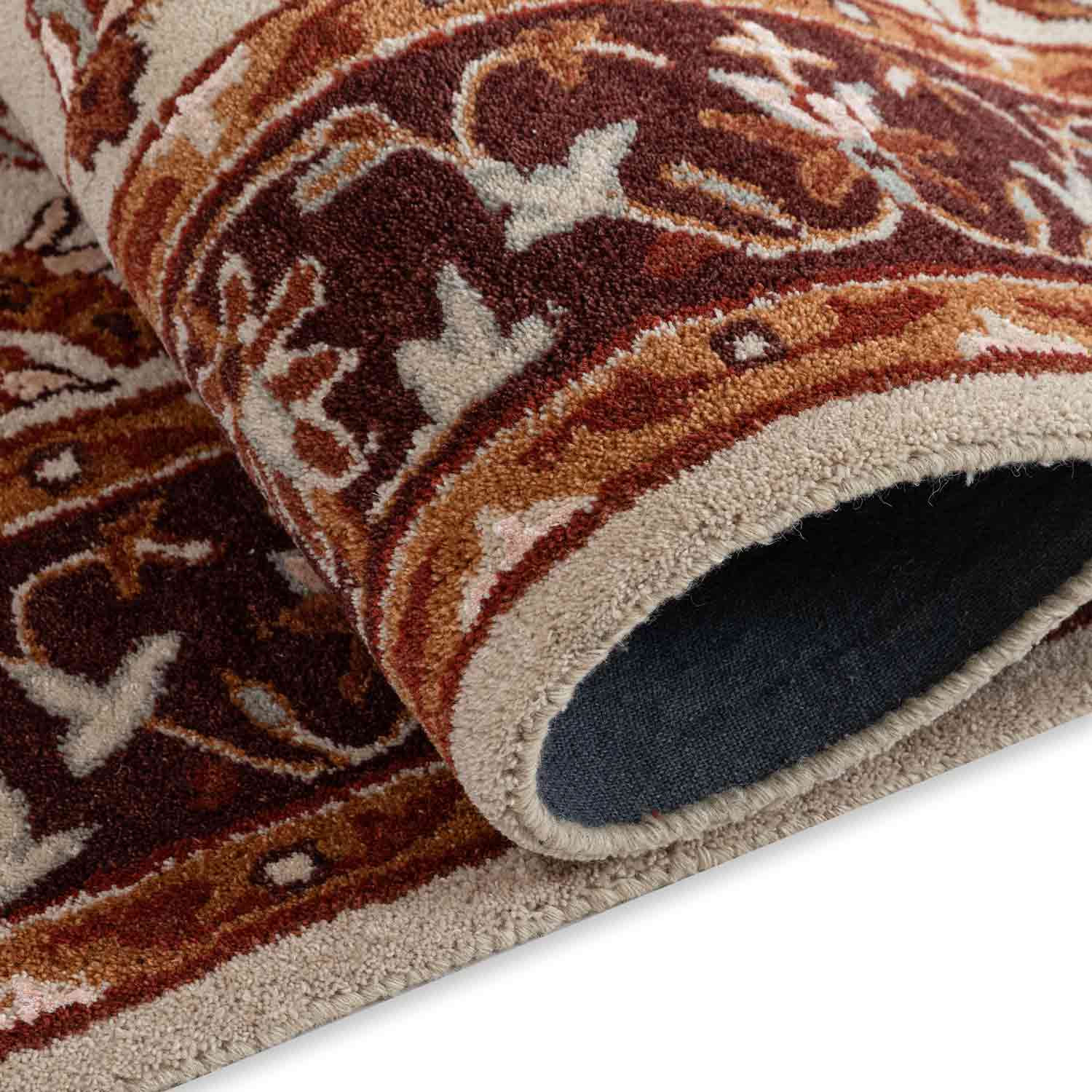
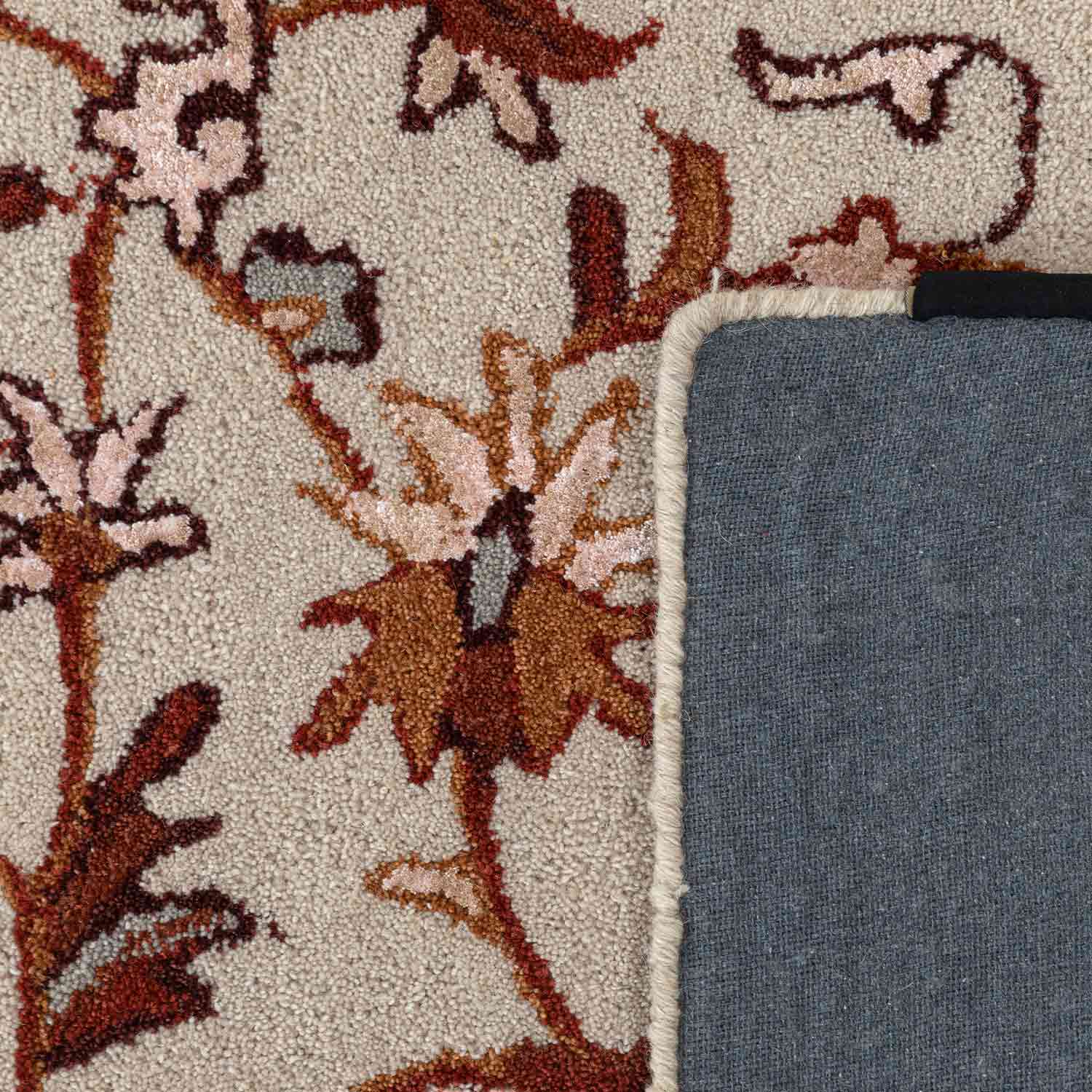
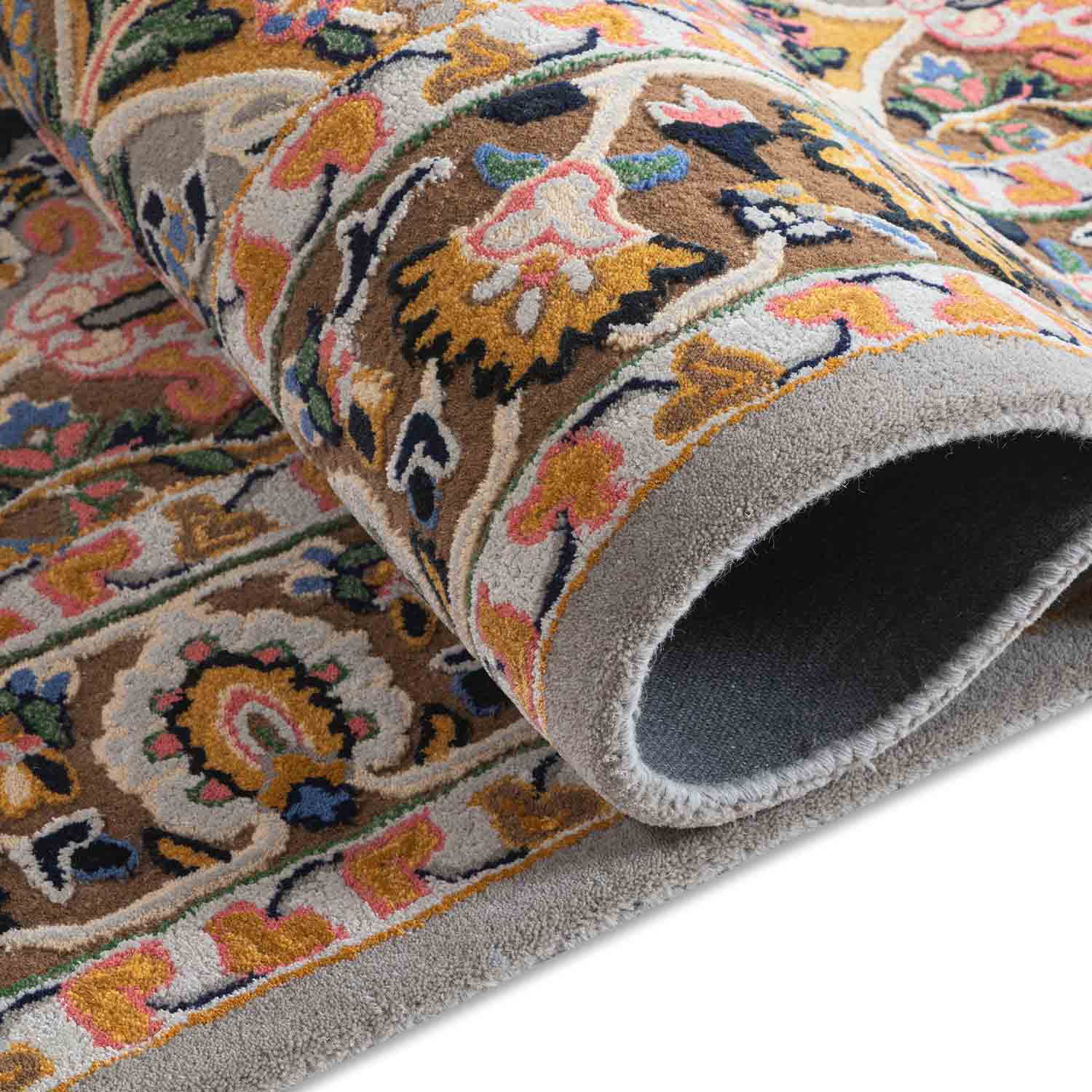
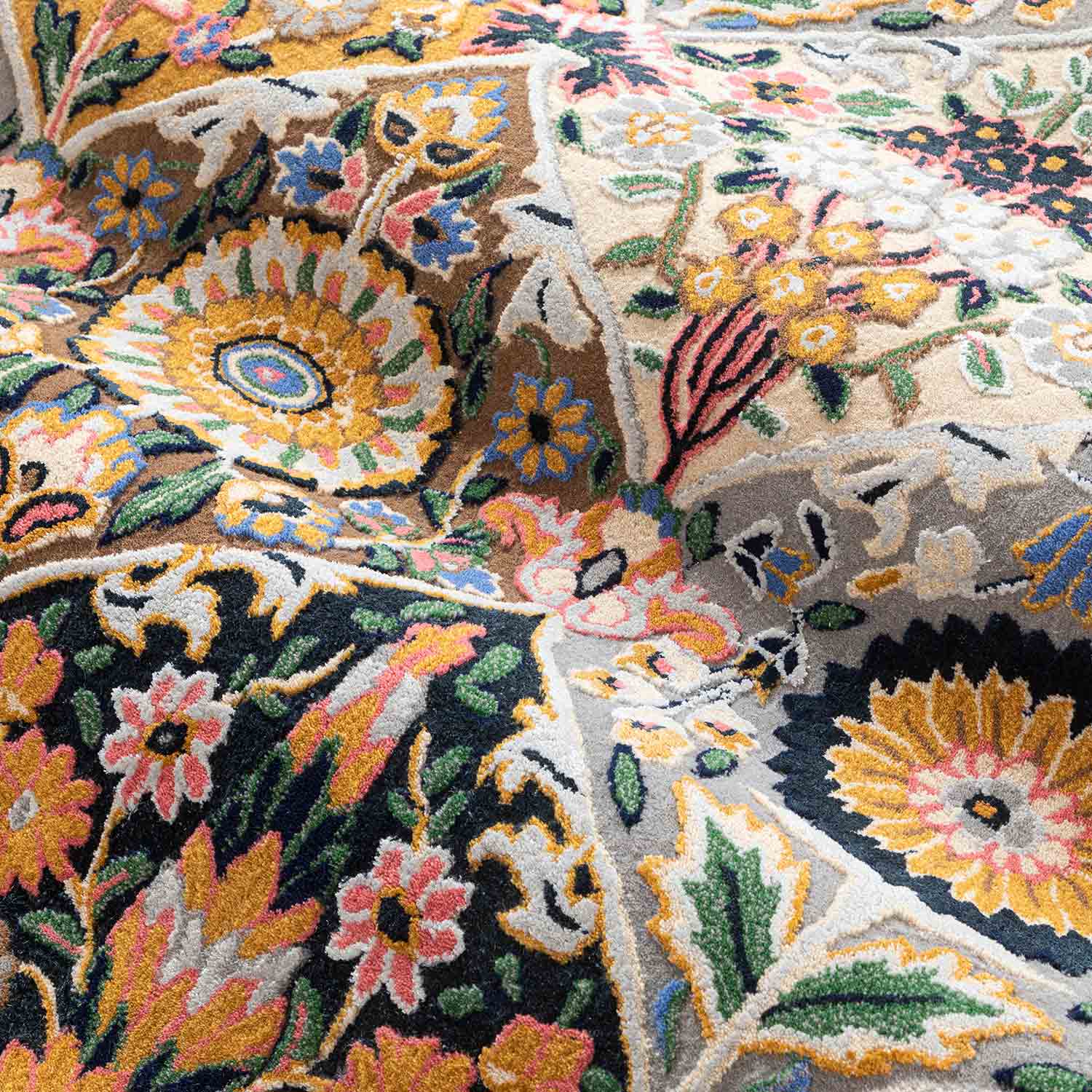
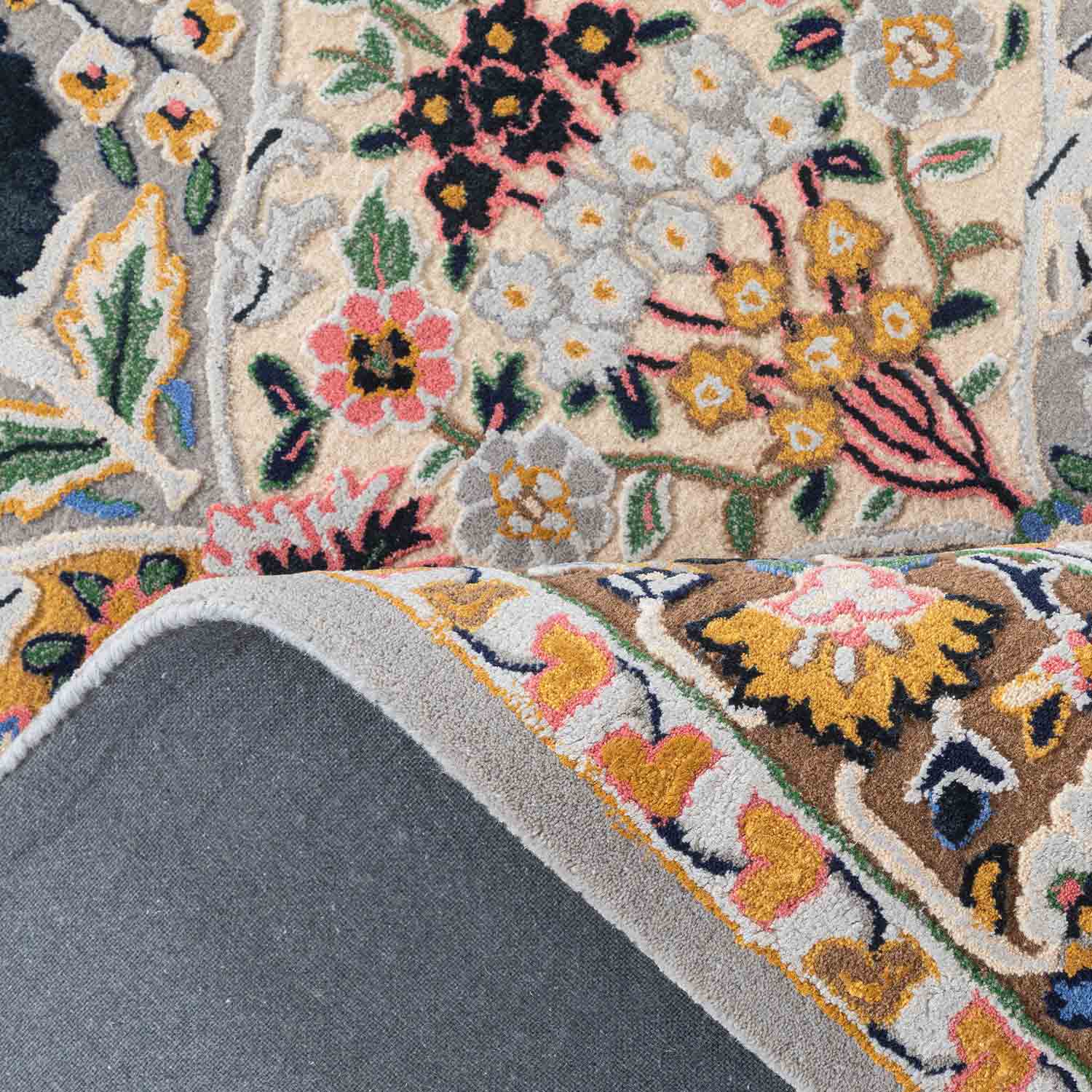
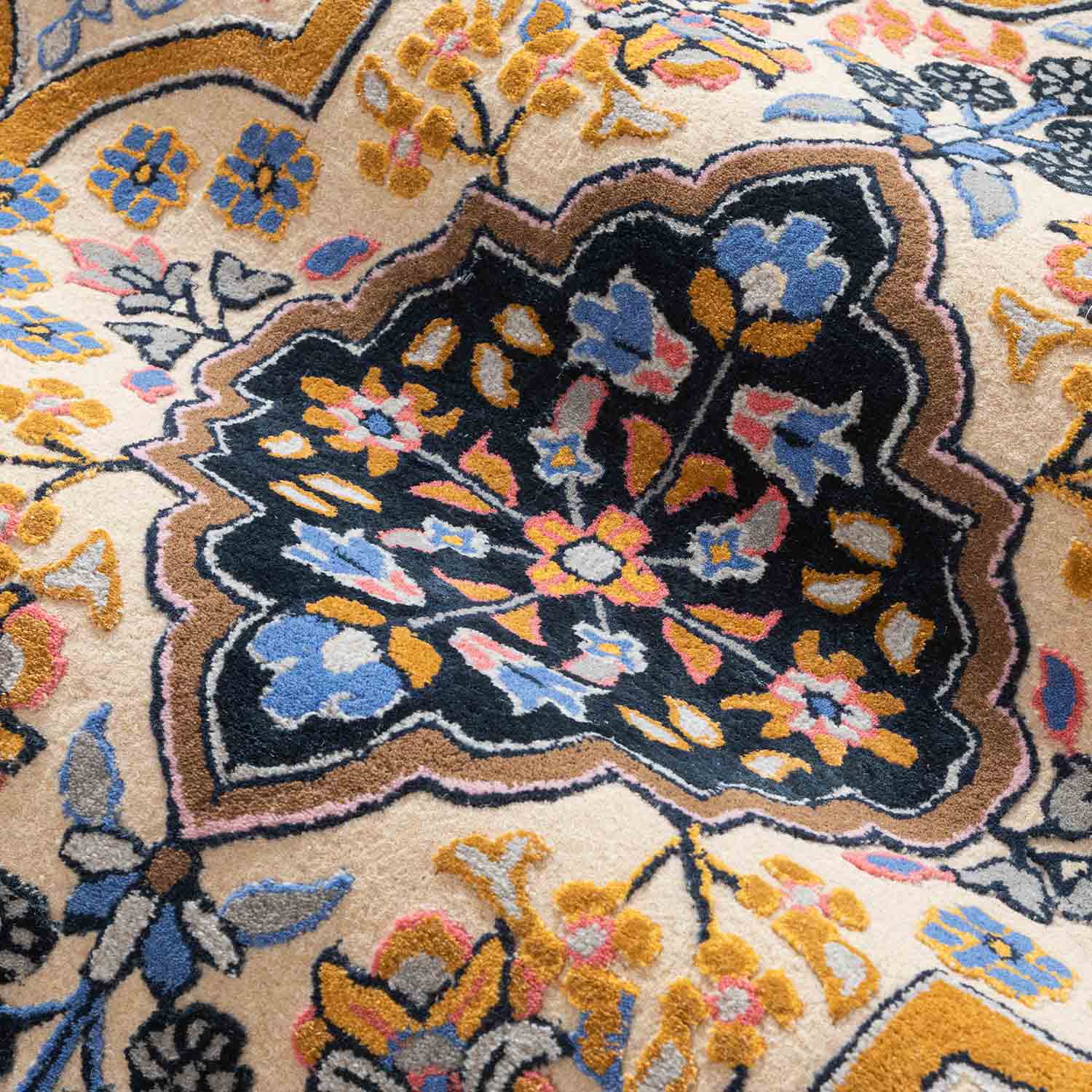
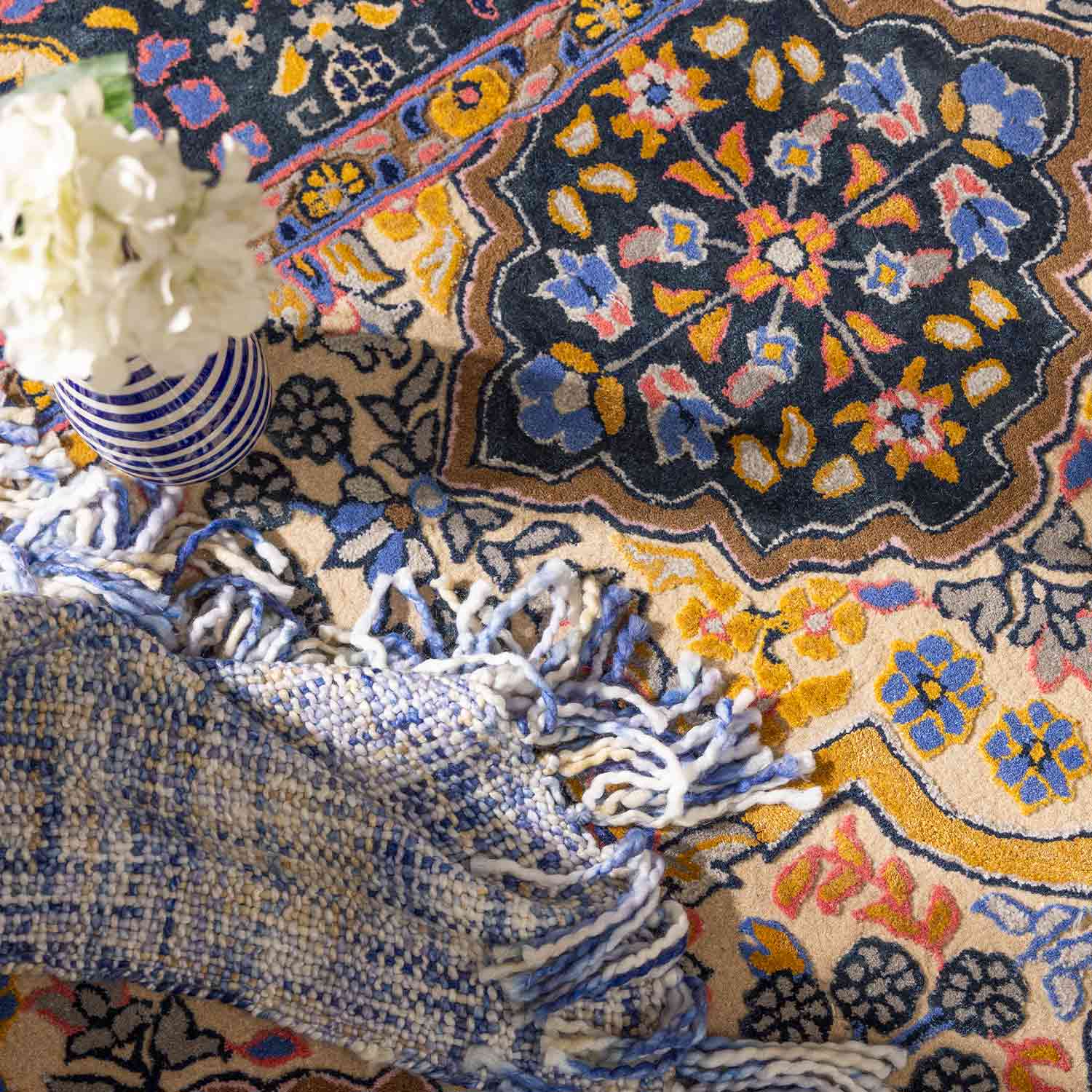
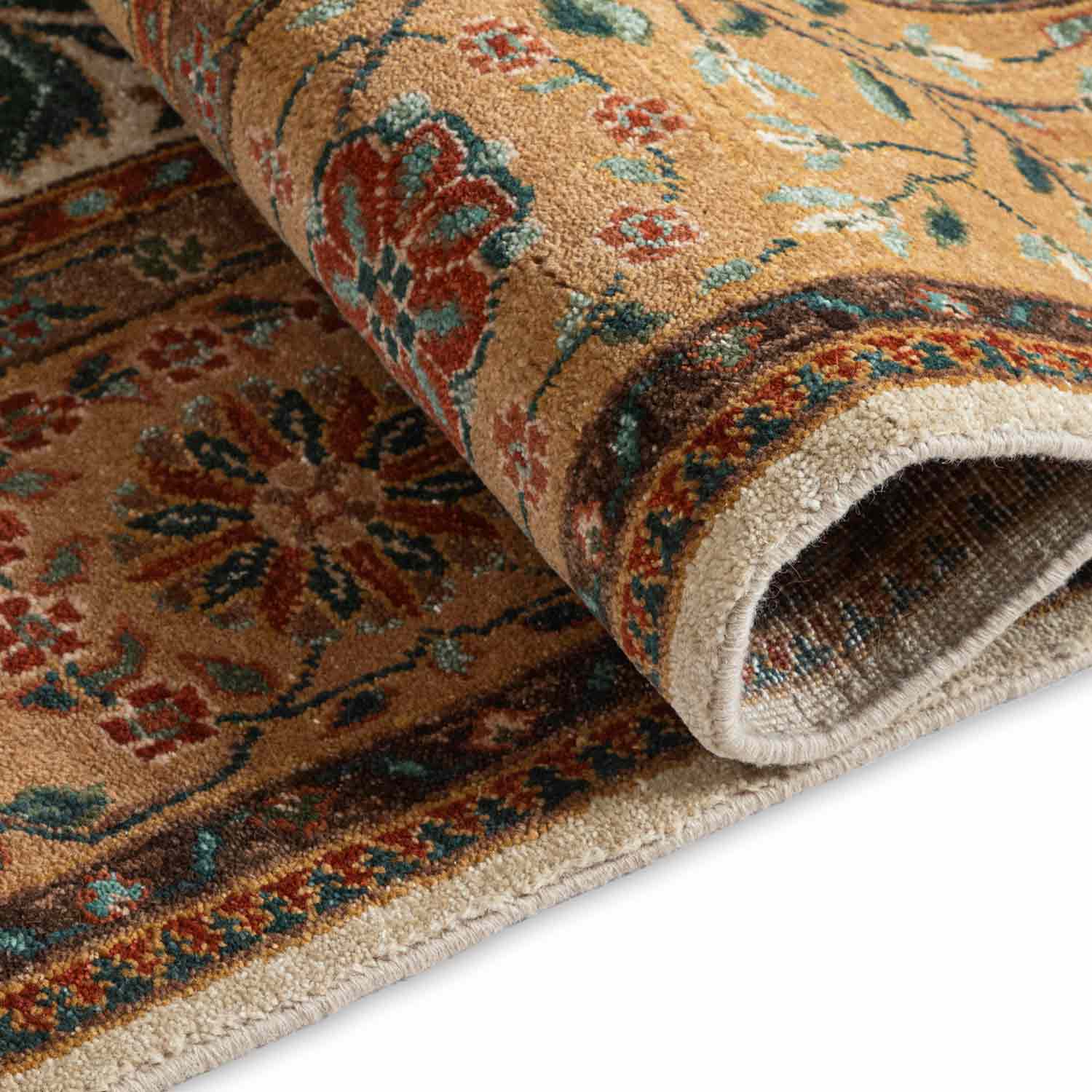
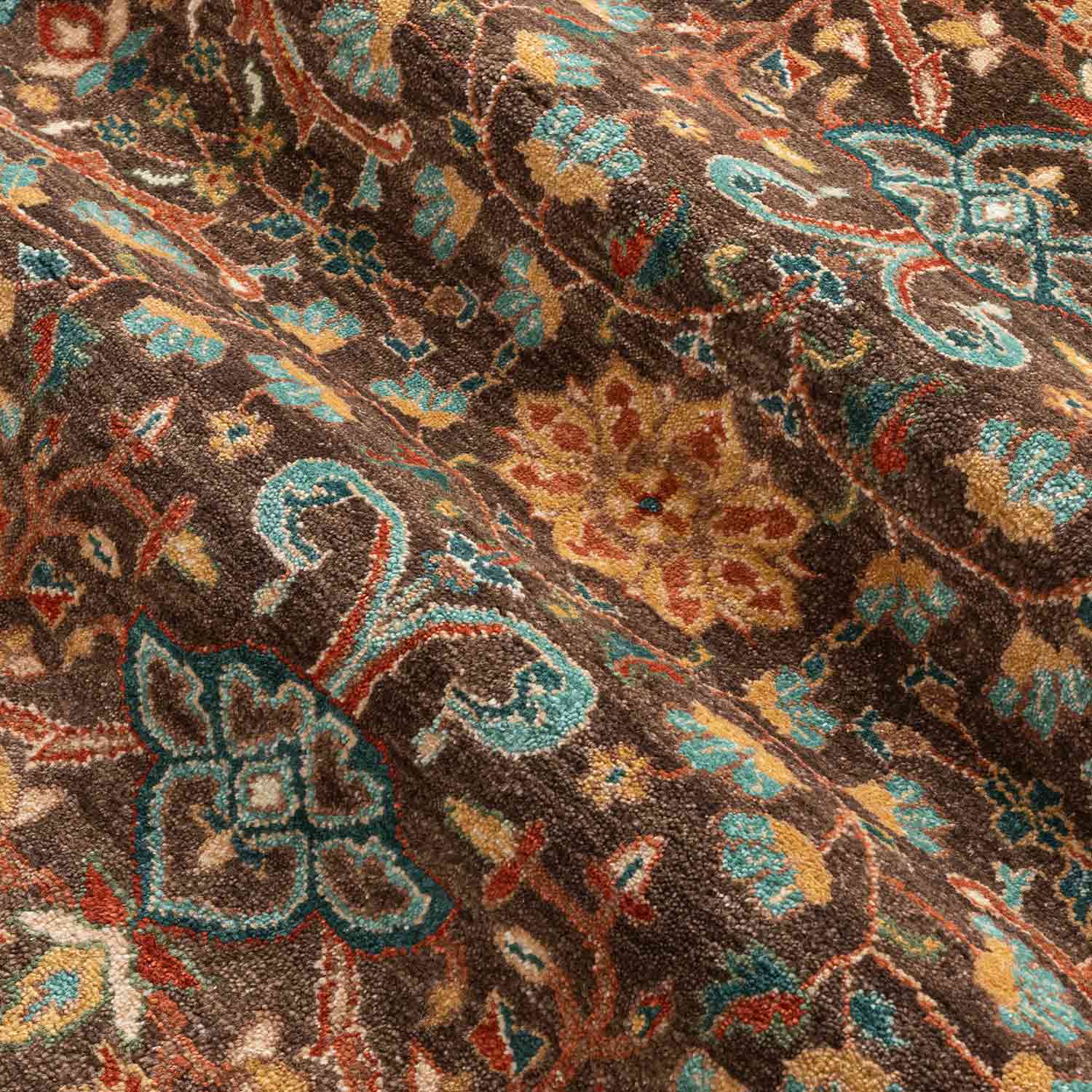
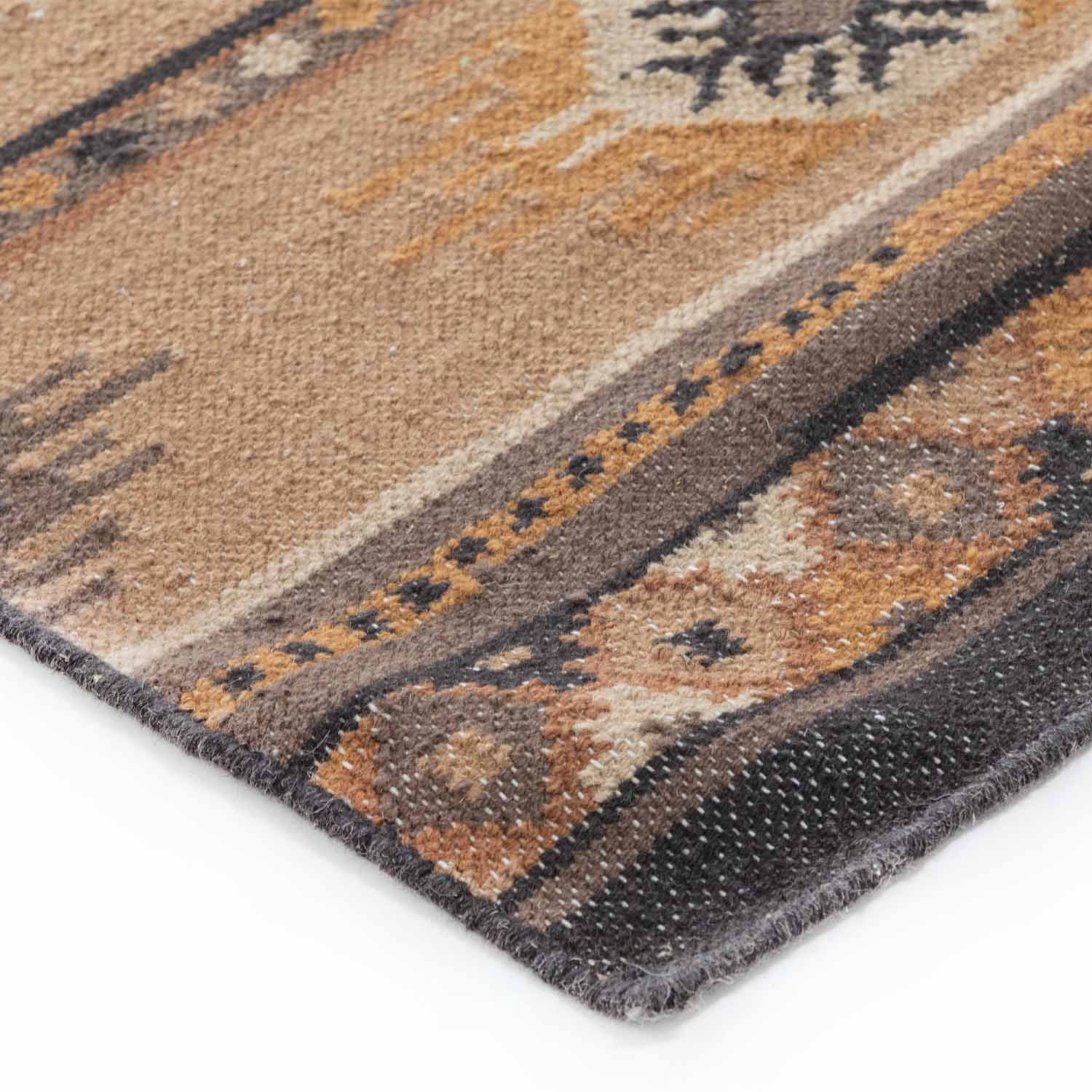
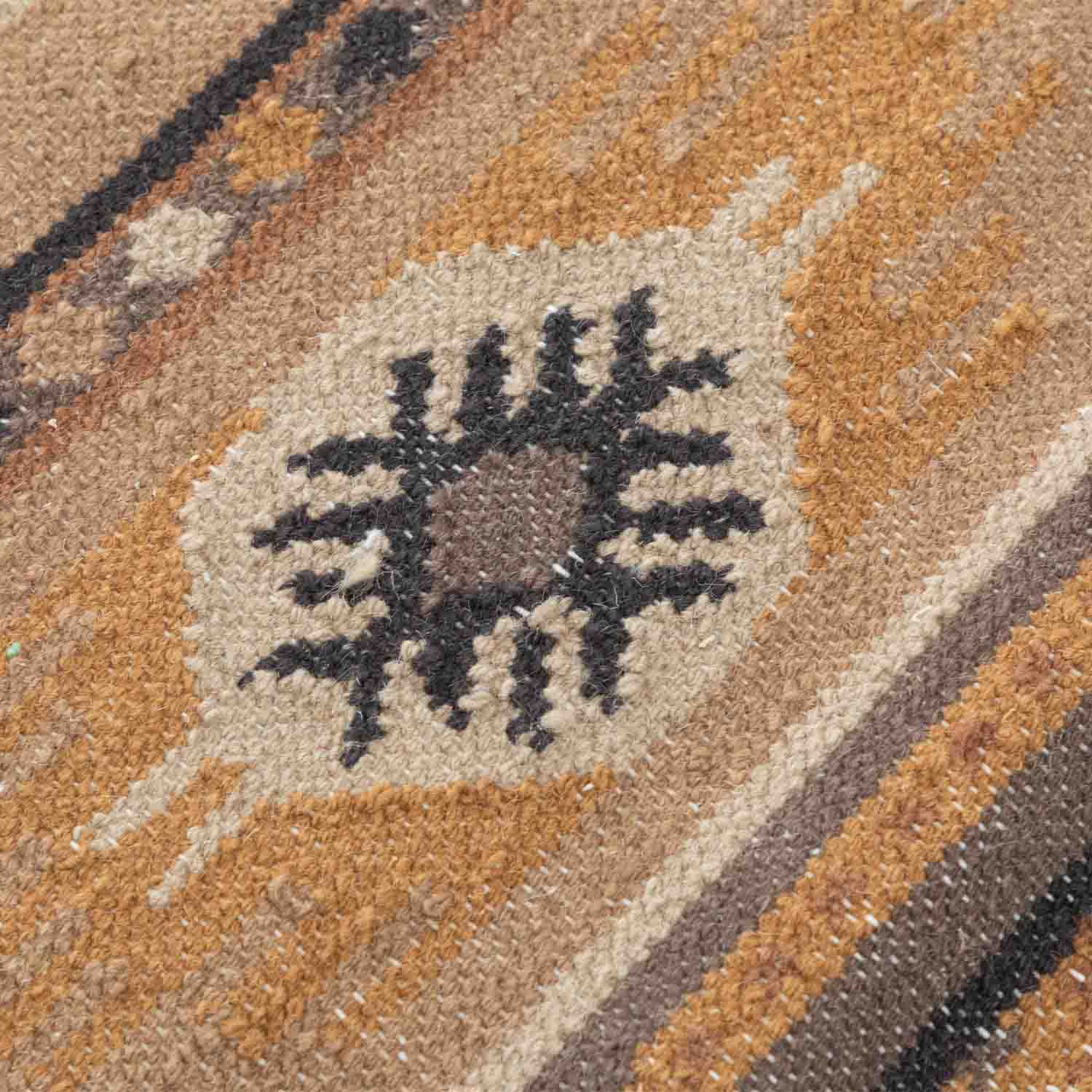
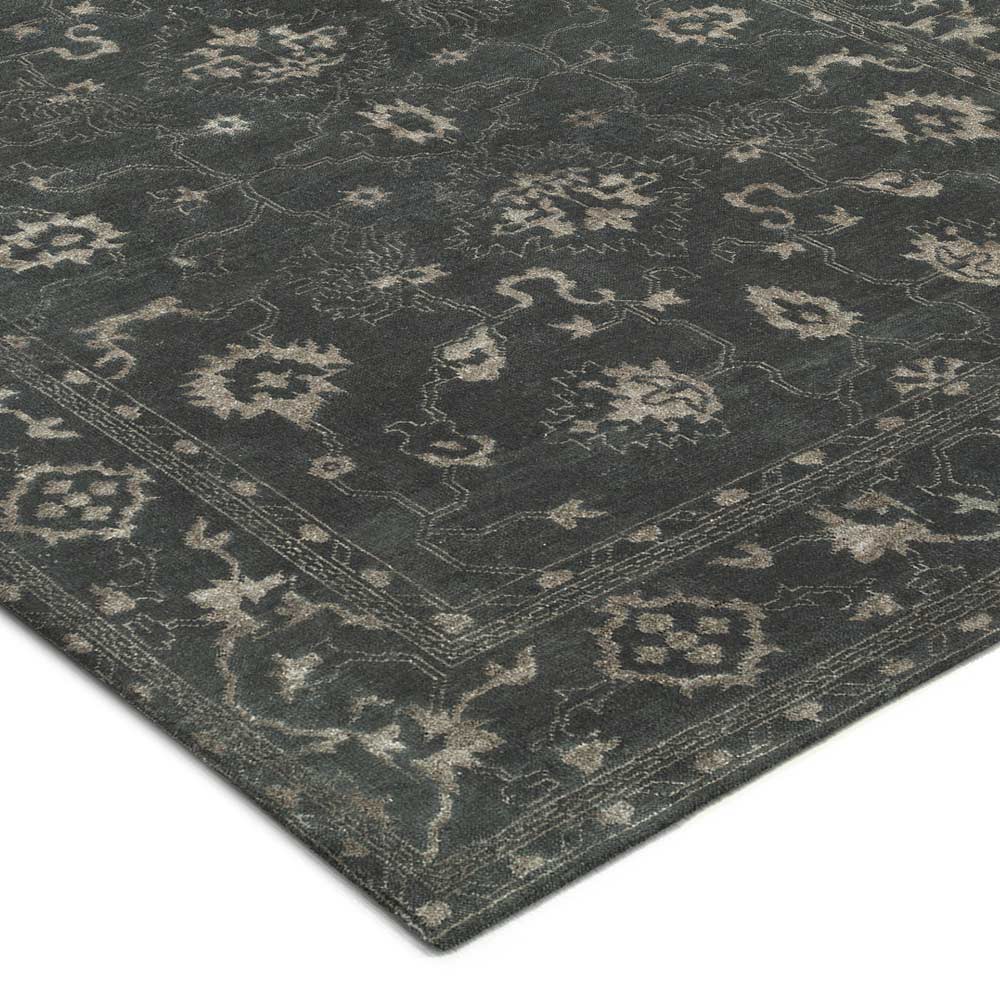
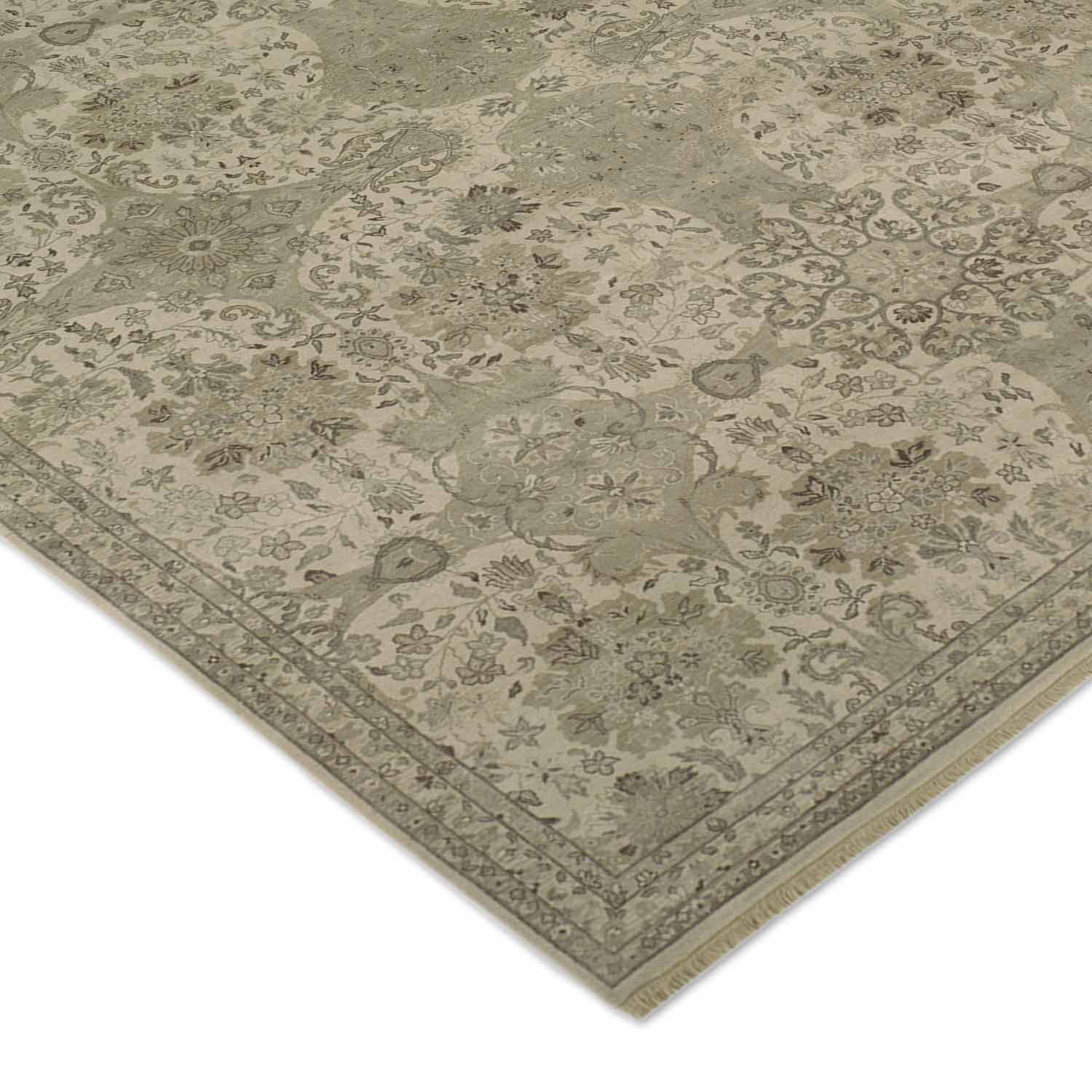
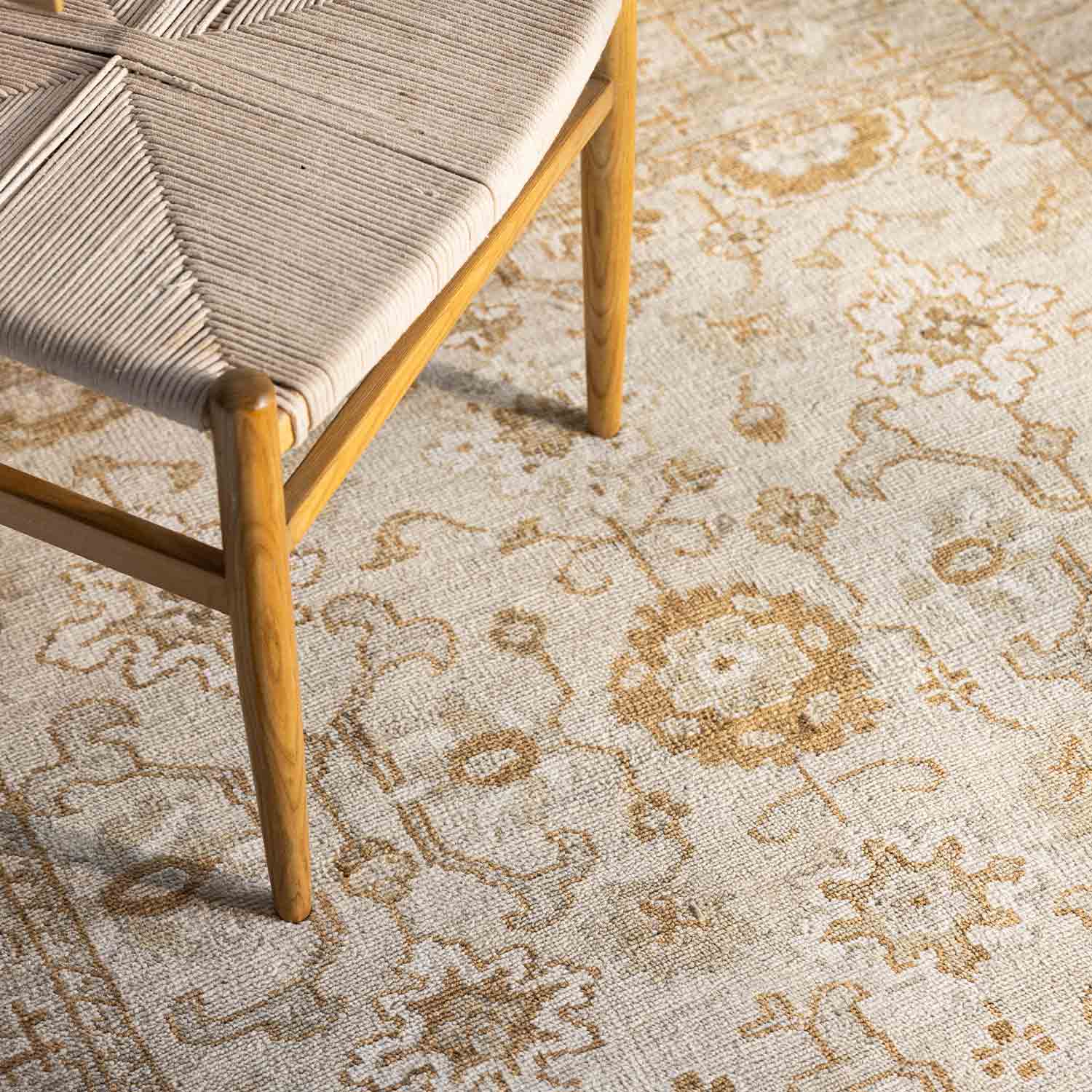
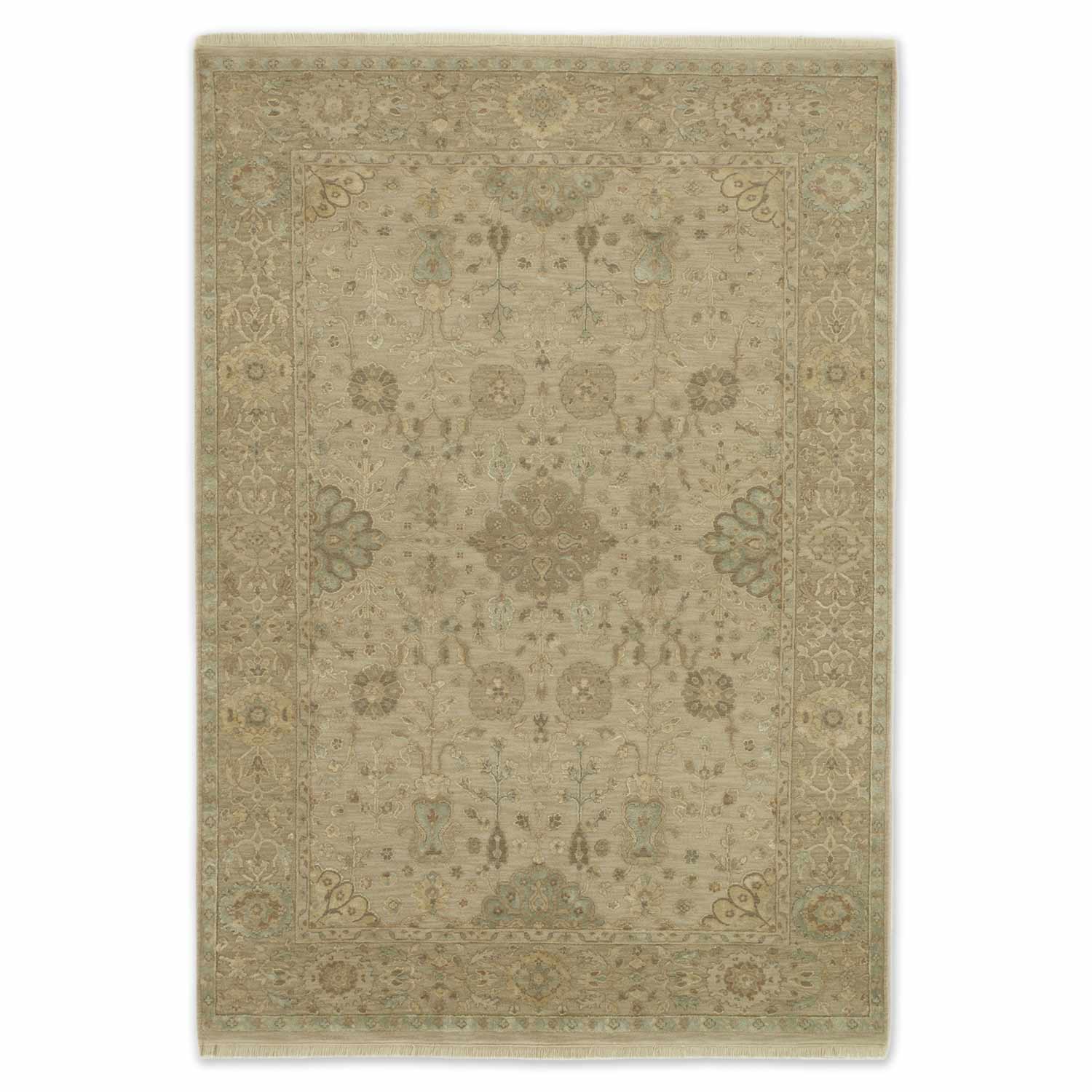
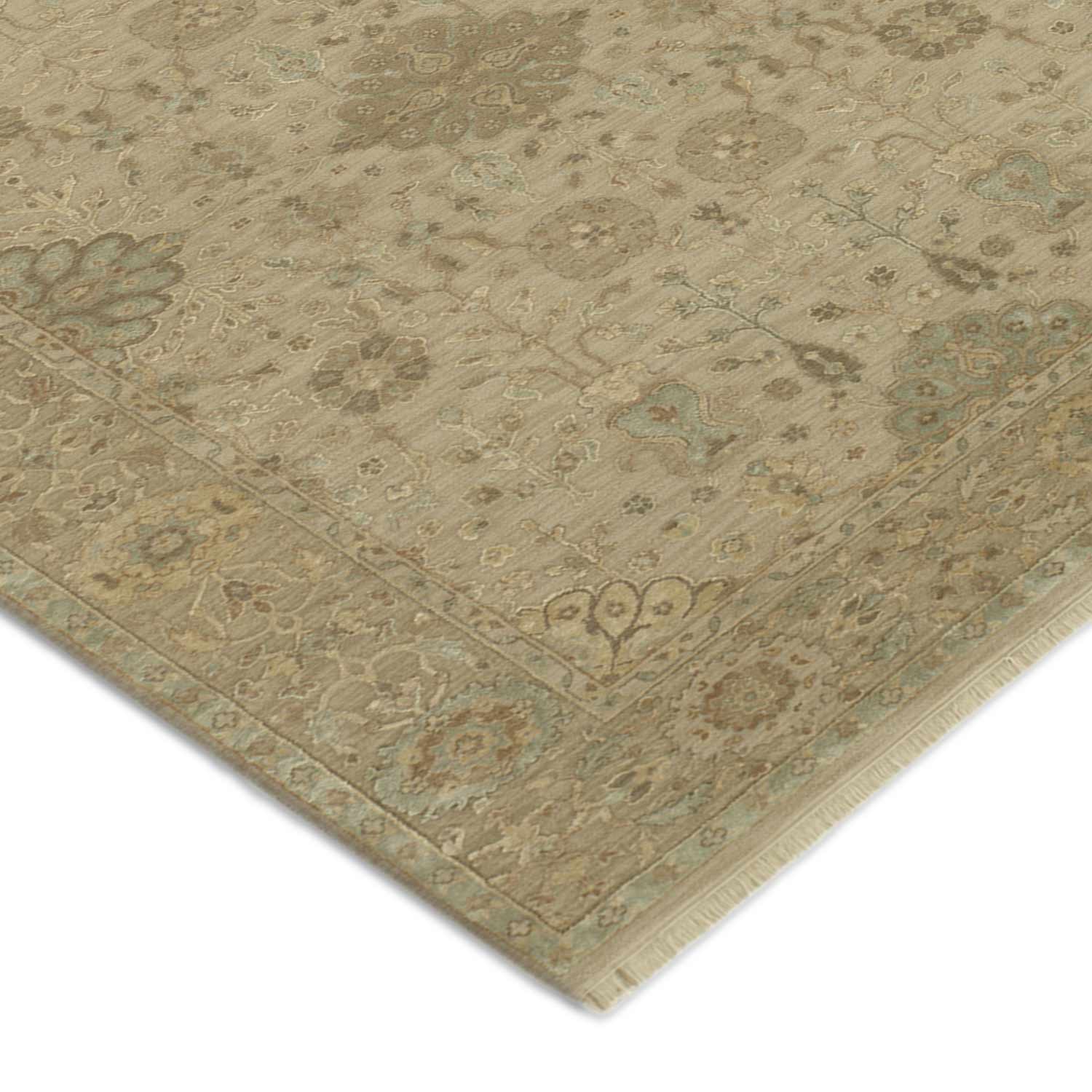
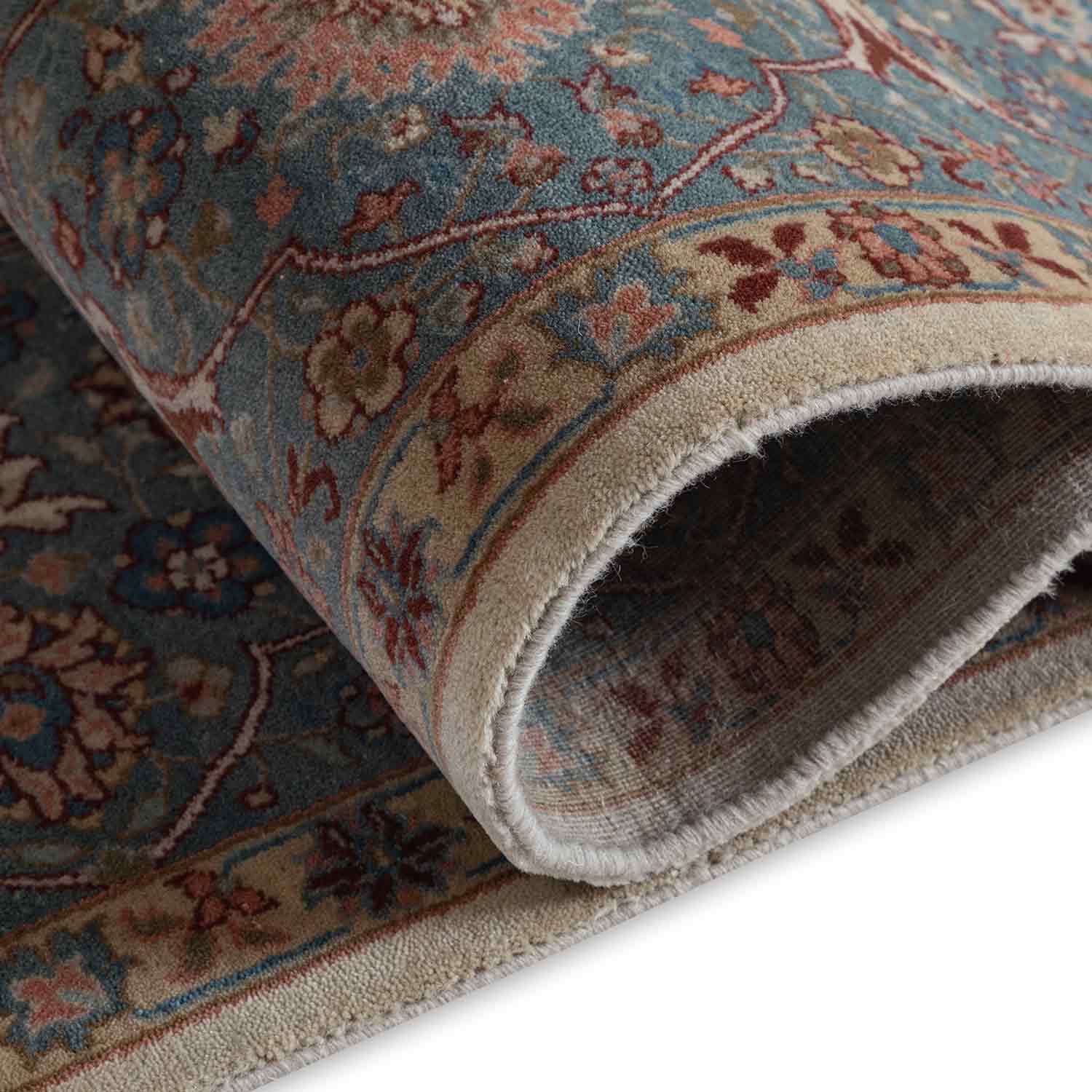
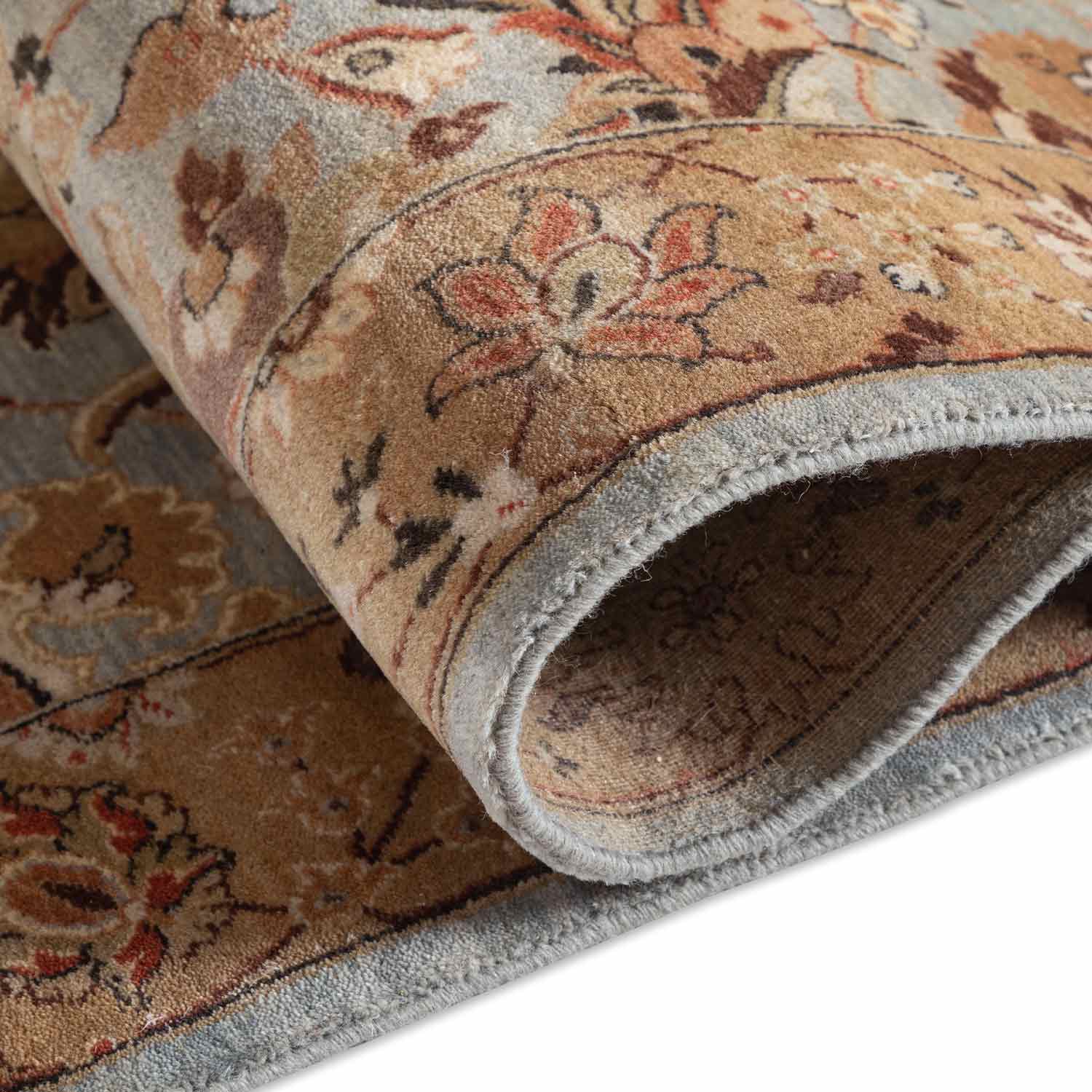
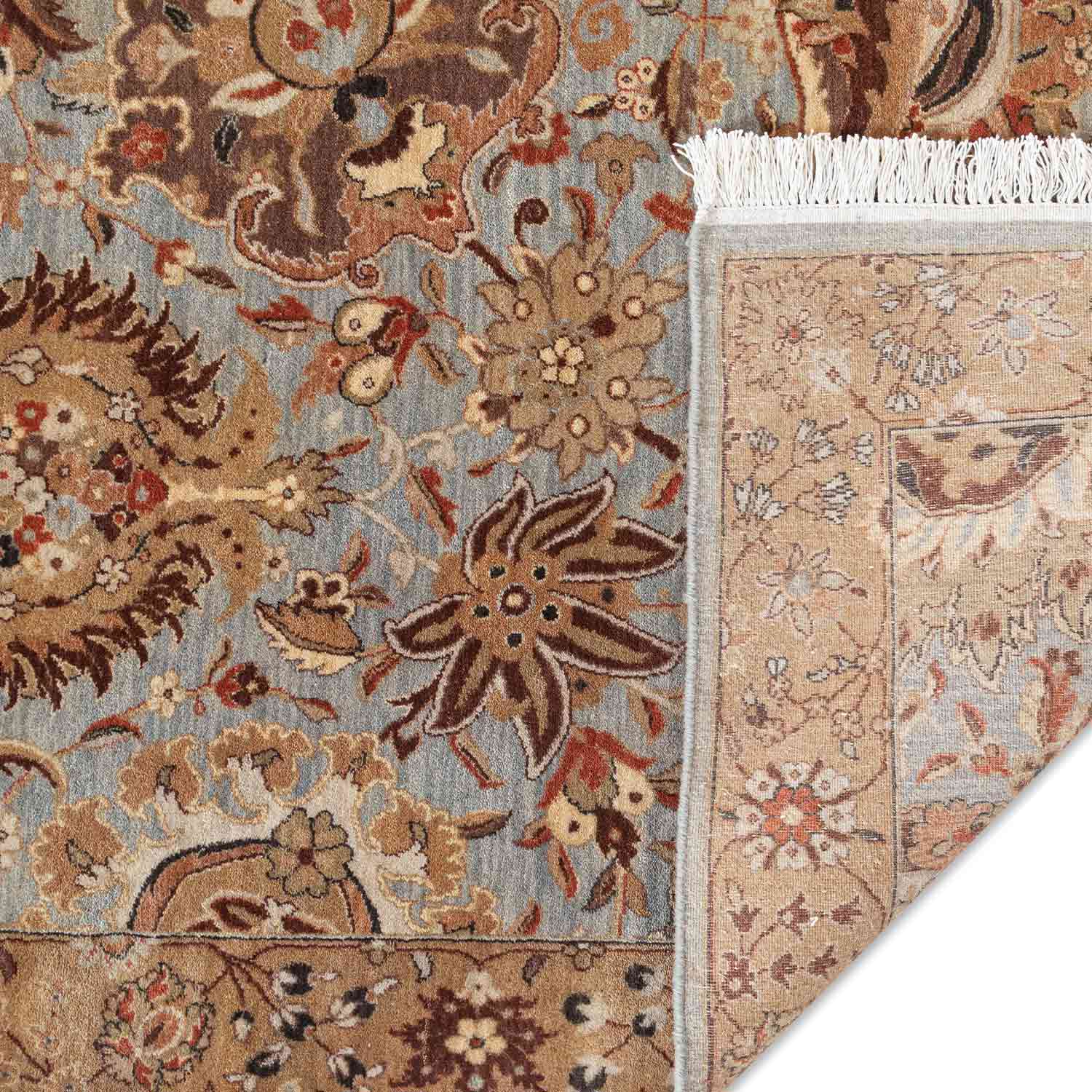
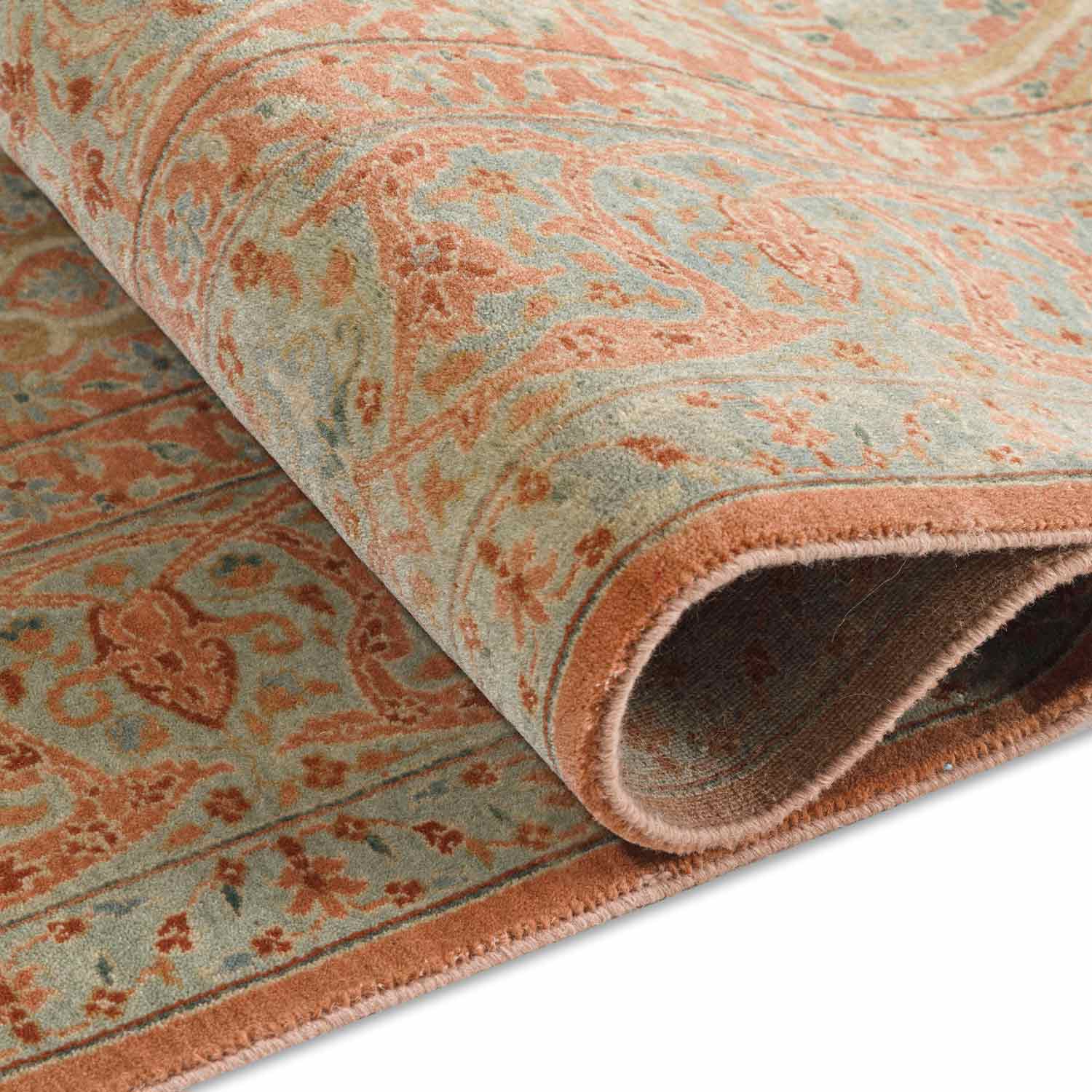
Patterns are used with intent, guiding the eye across the surface rather than overwhelming it. Colour is layered, not contrasted sharply, allowing tones to settle into the space. Compositions are scaled to suit modern layouts, ensuring that the rug integrates naturally within the room. Materials such as wool and silk add depth, enabling subtle shifts in tone and texture as light moves across the surface.
The objective is not to recreate the past, but to reinterpret its underlying principles for contemporary living.
Understanding Traditional Rug Motifs
What do motifs in traditional rugs represent?
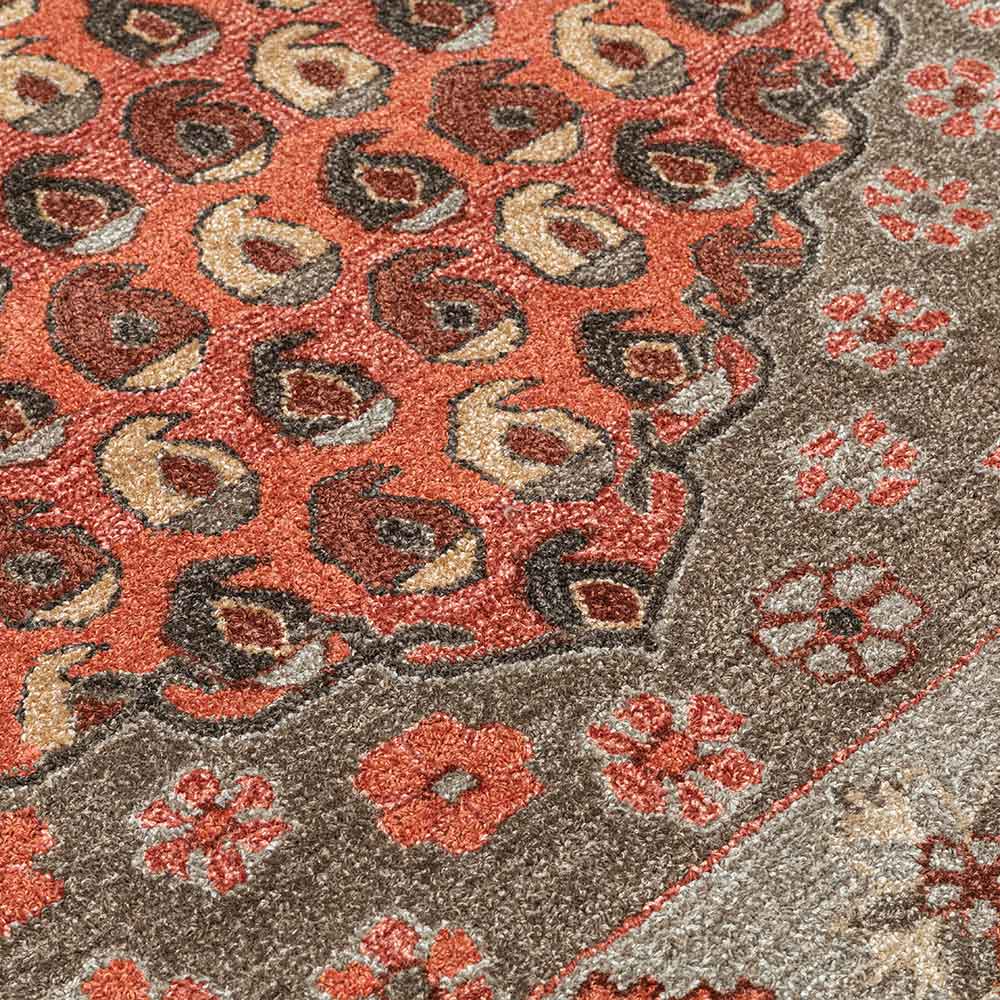
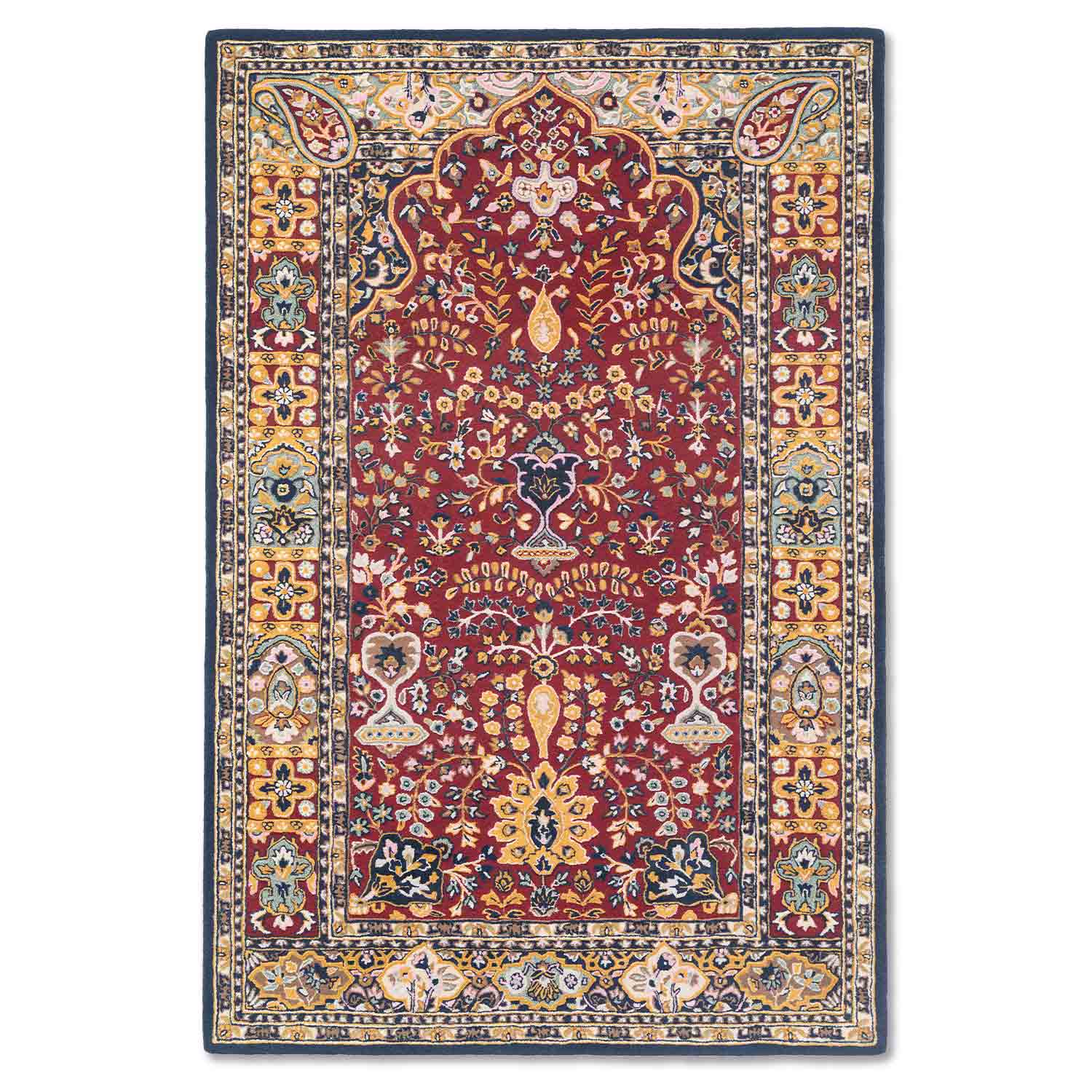
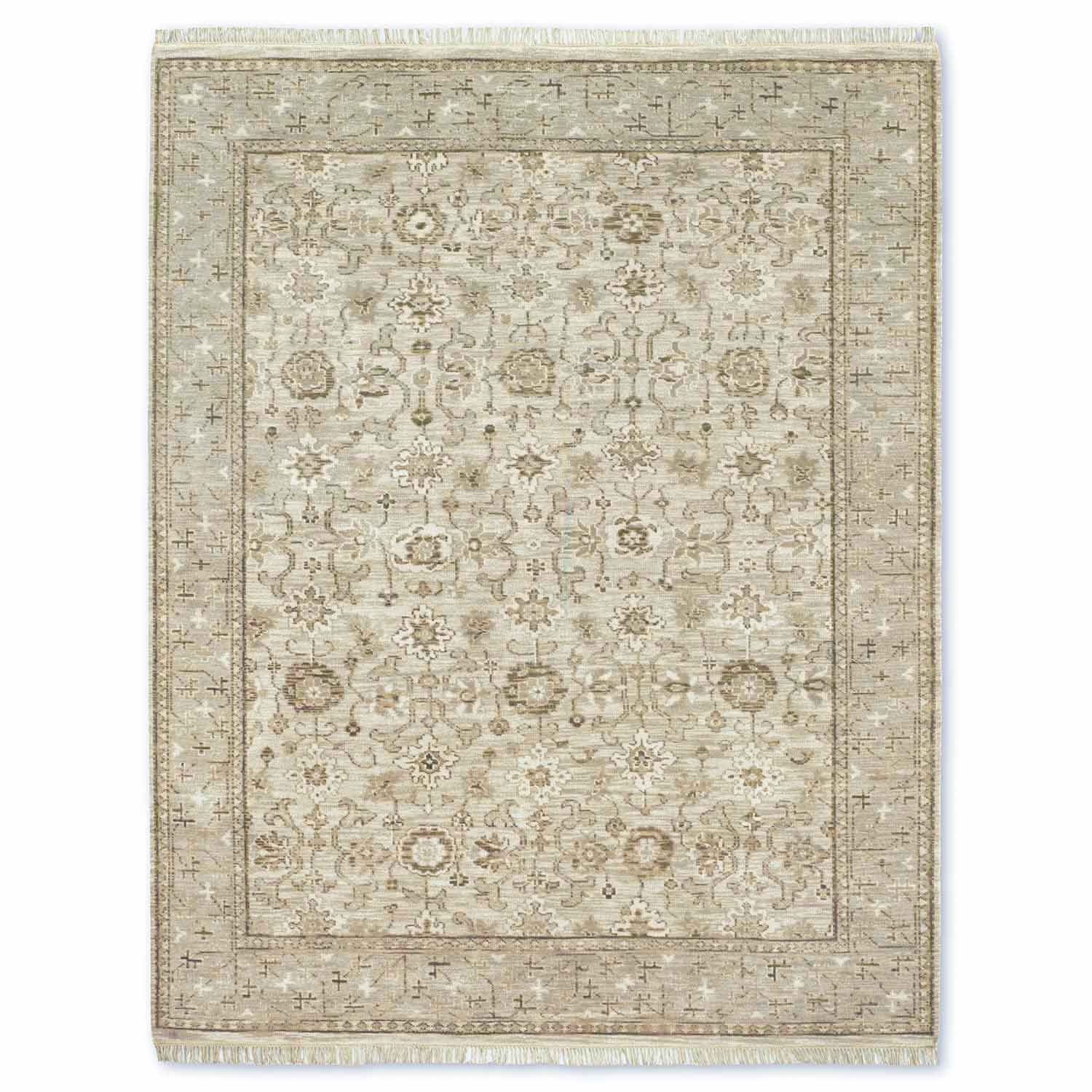
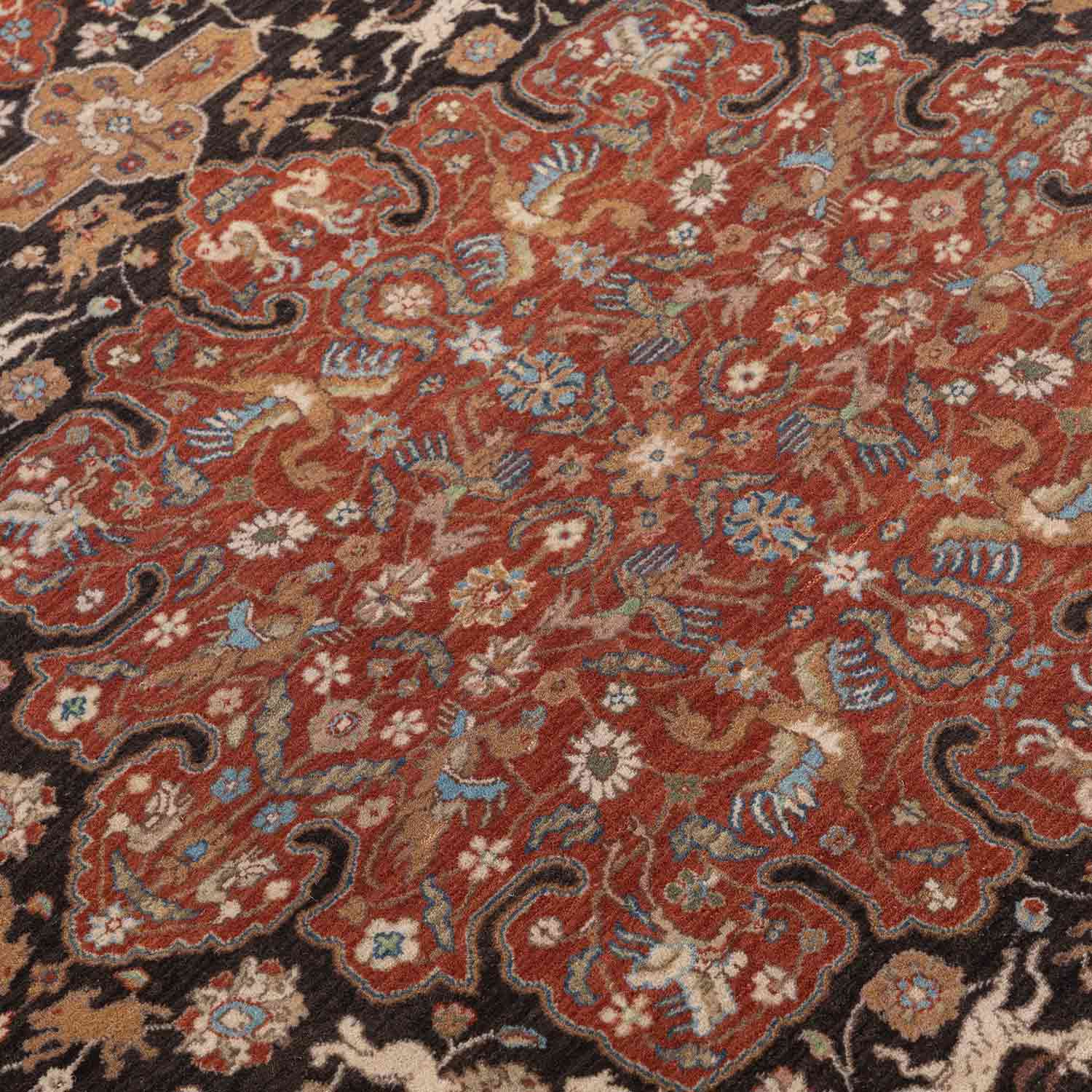
Traditional rug motifs operate within established design systems rather than as isolated decorative elements. Their origins lie in a combination of natural observation, architectural translation, and symbolic abstraction across regions such as Persia, Central Asia, and the Indian subcontinent.
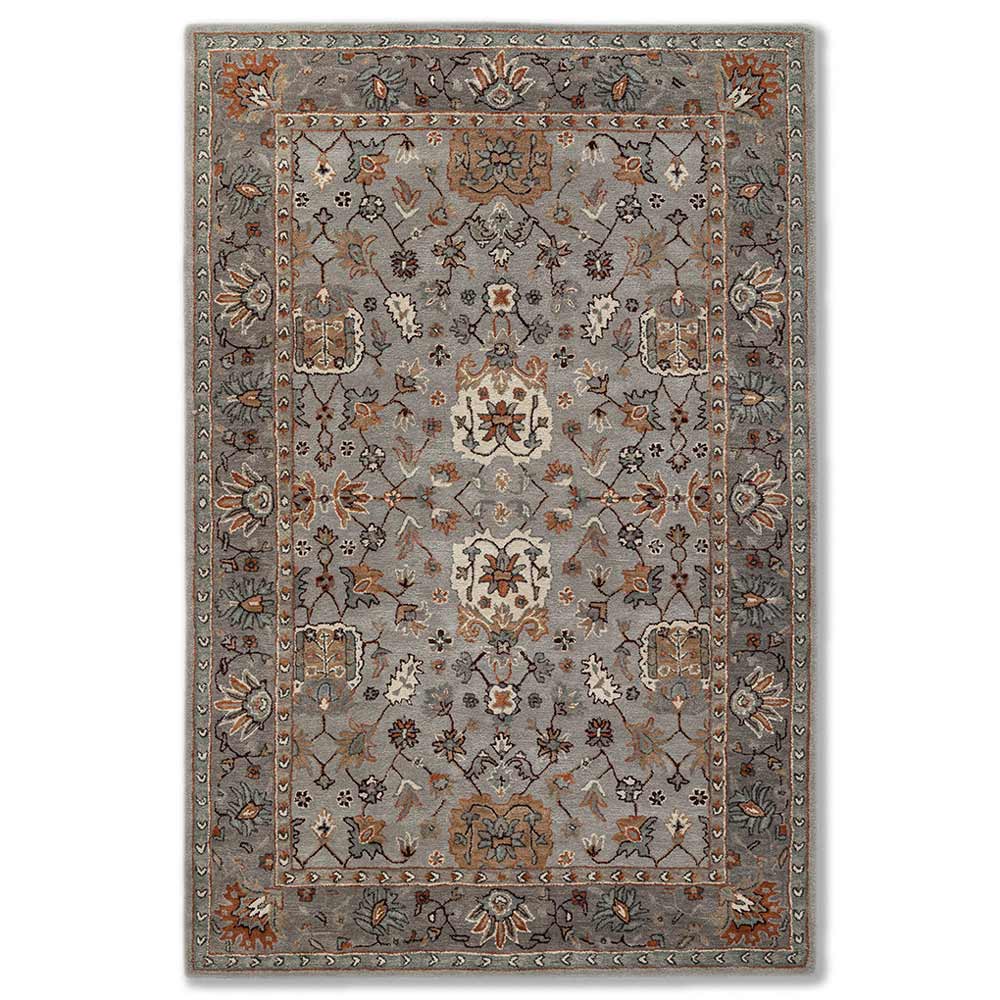
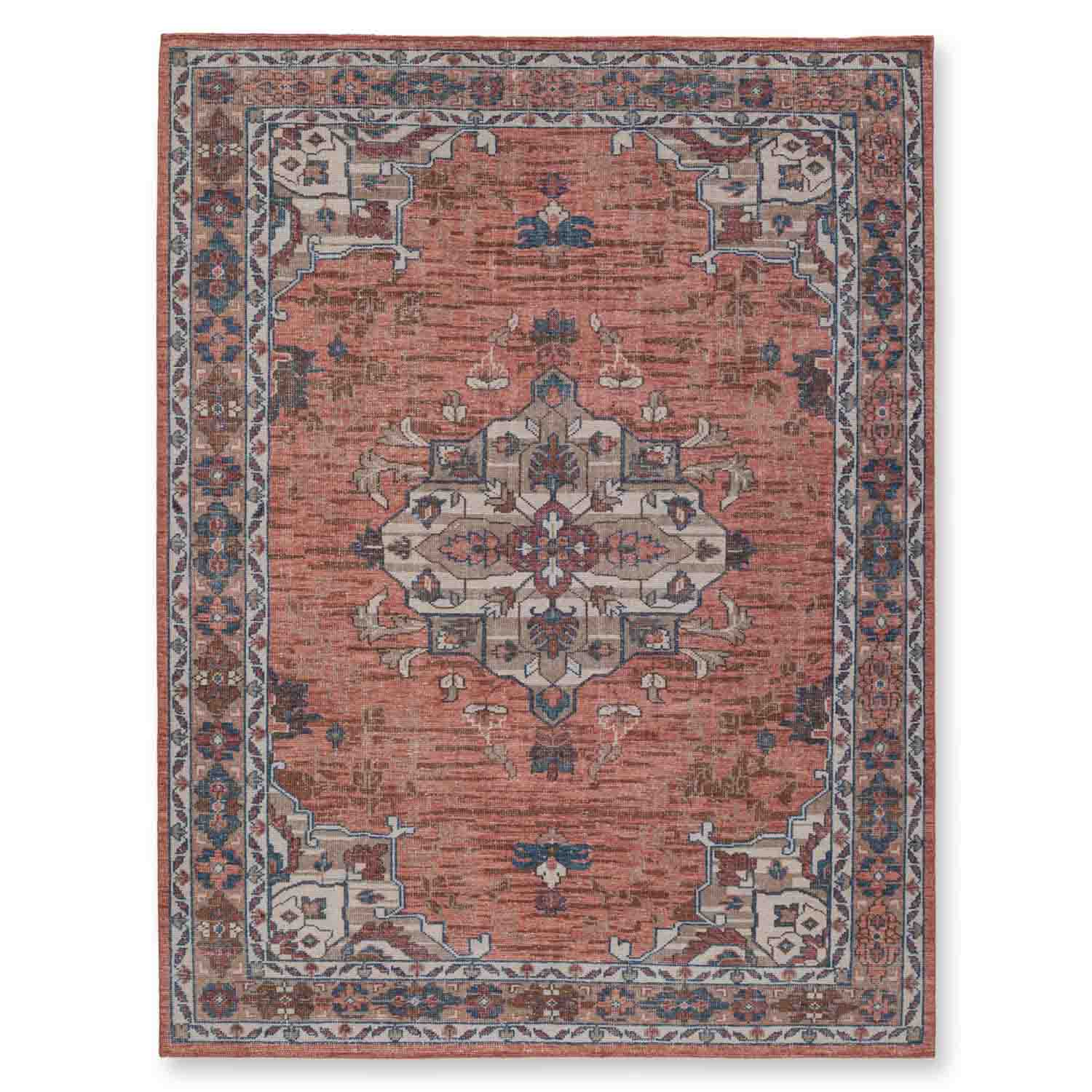
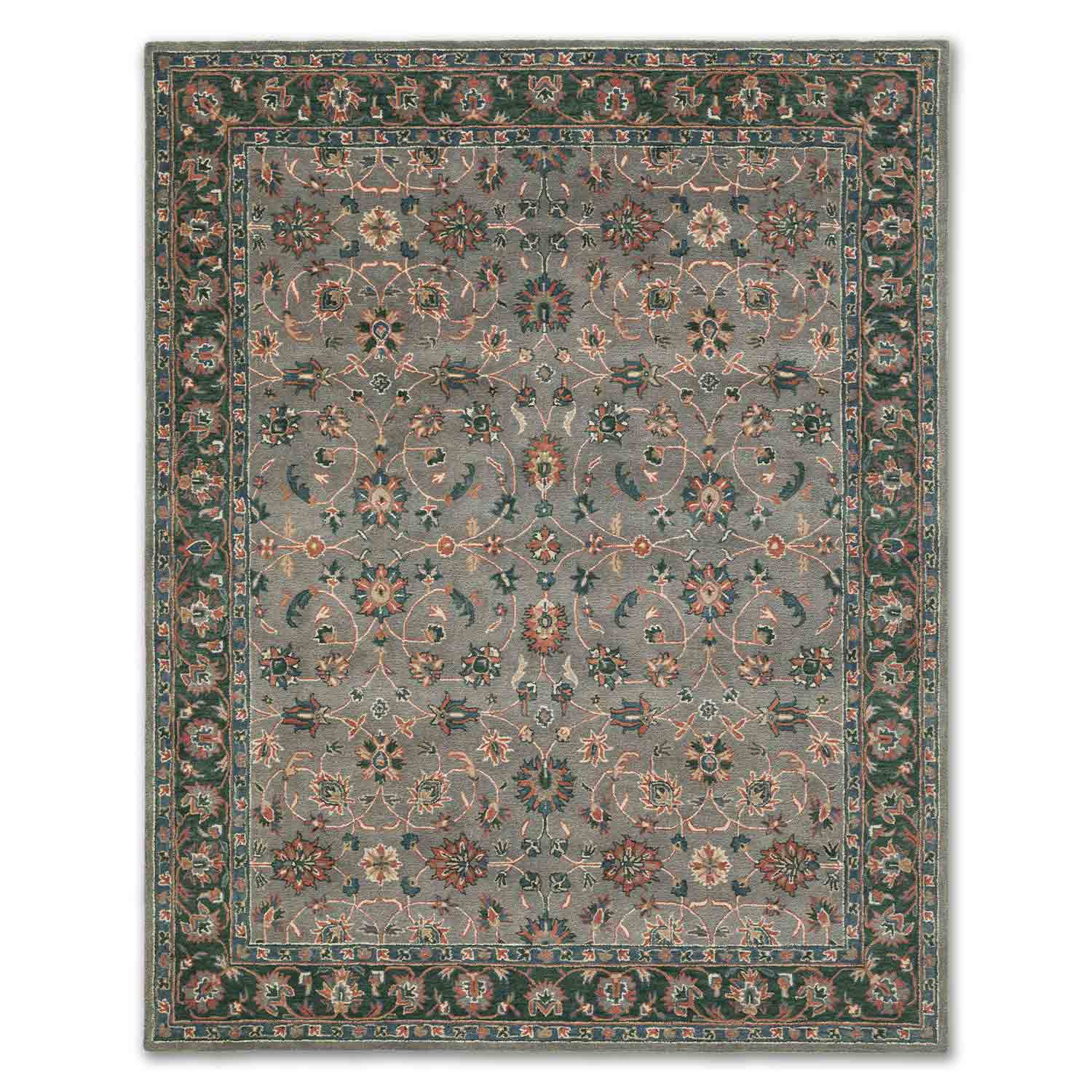
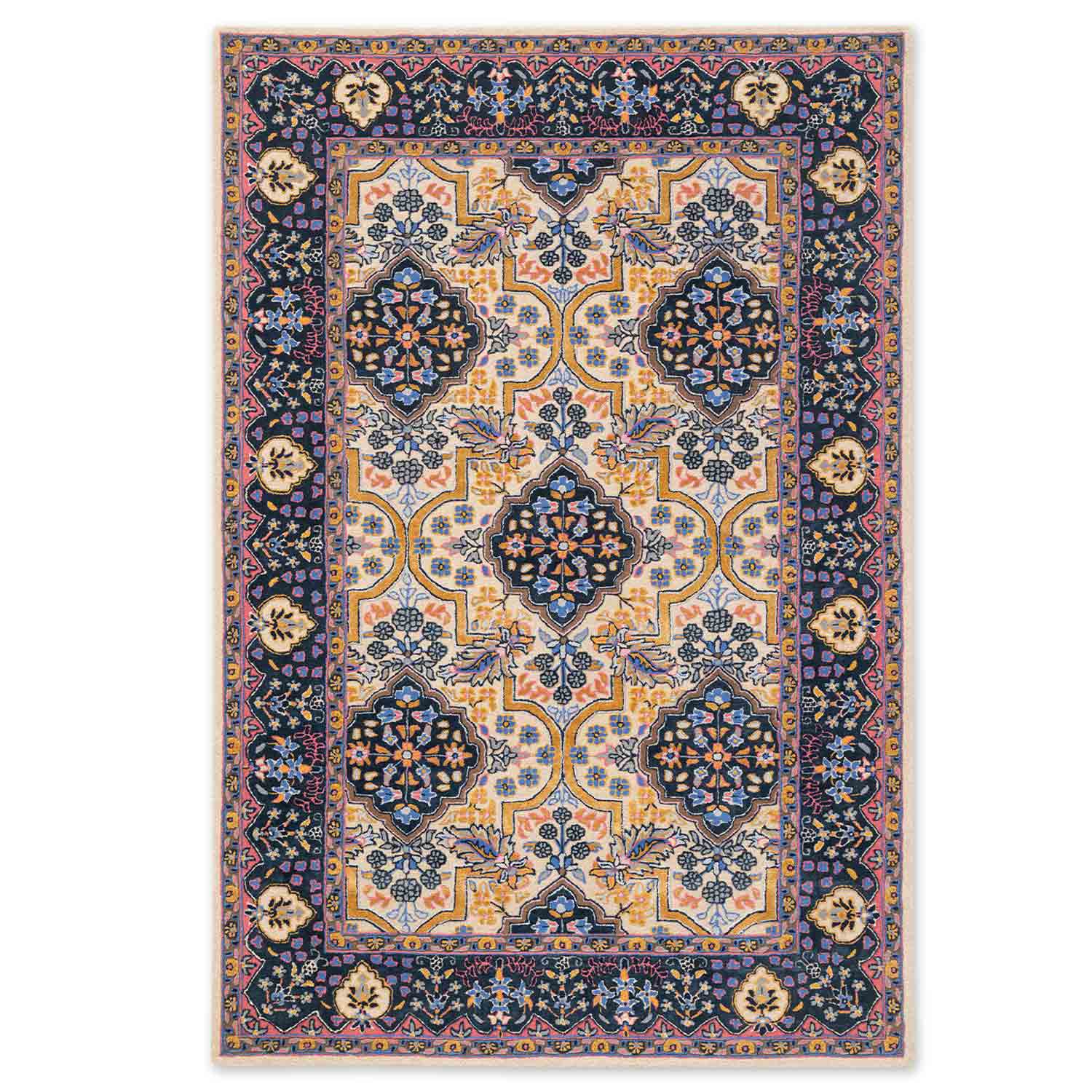
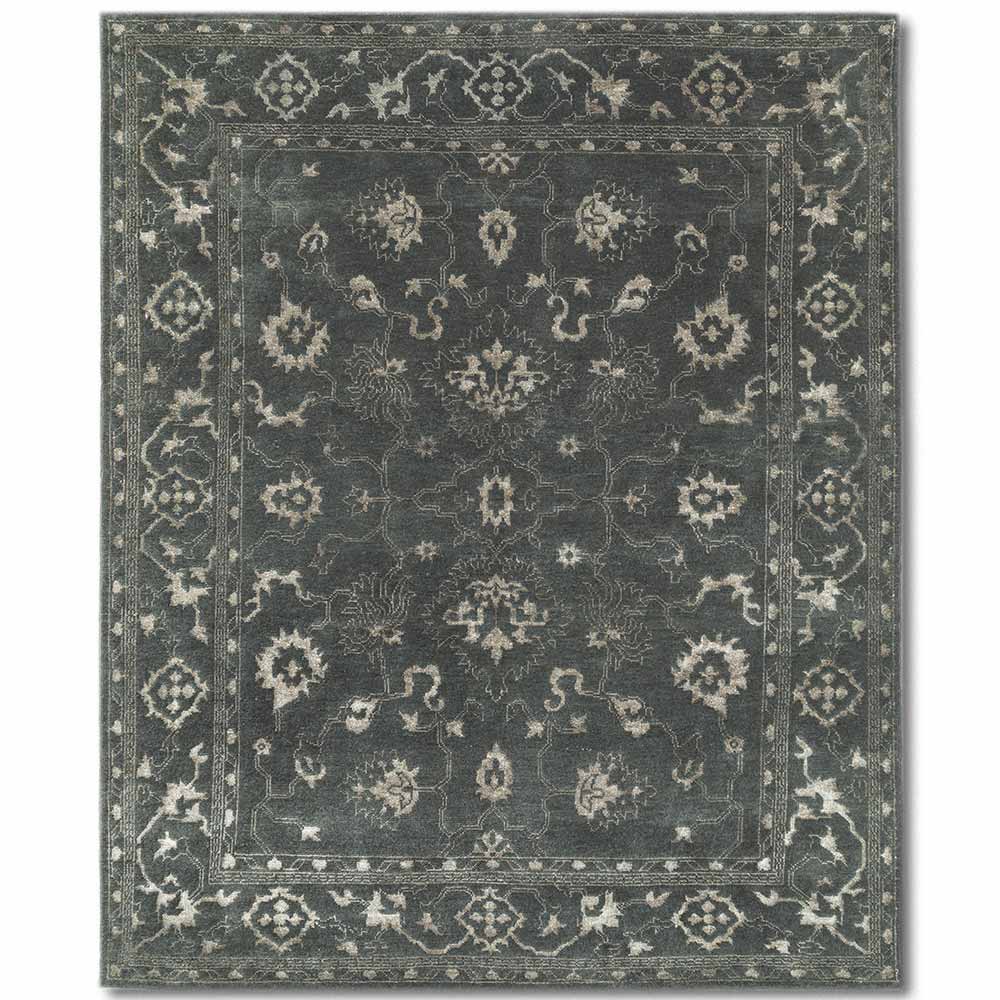
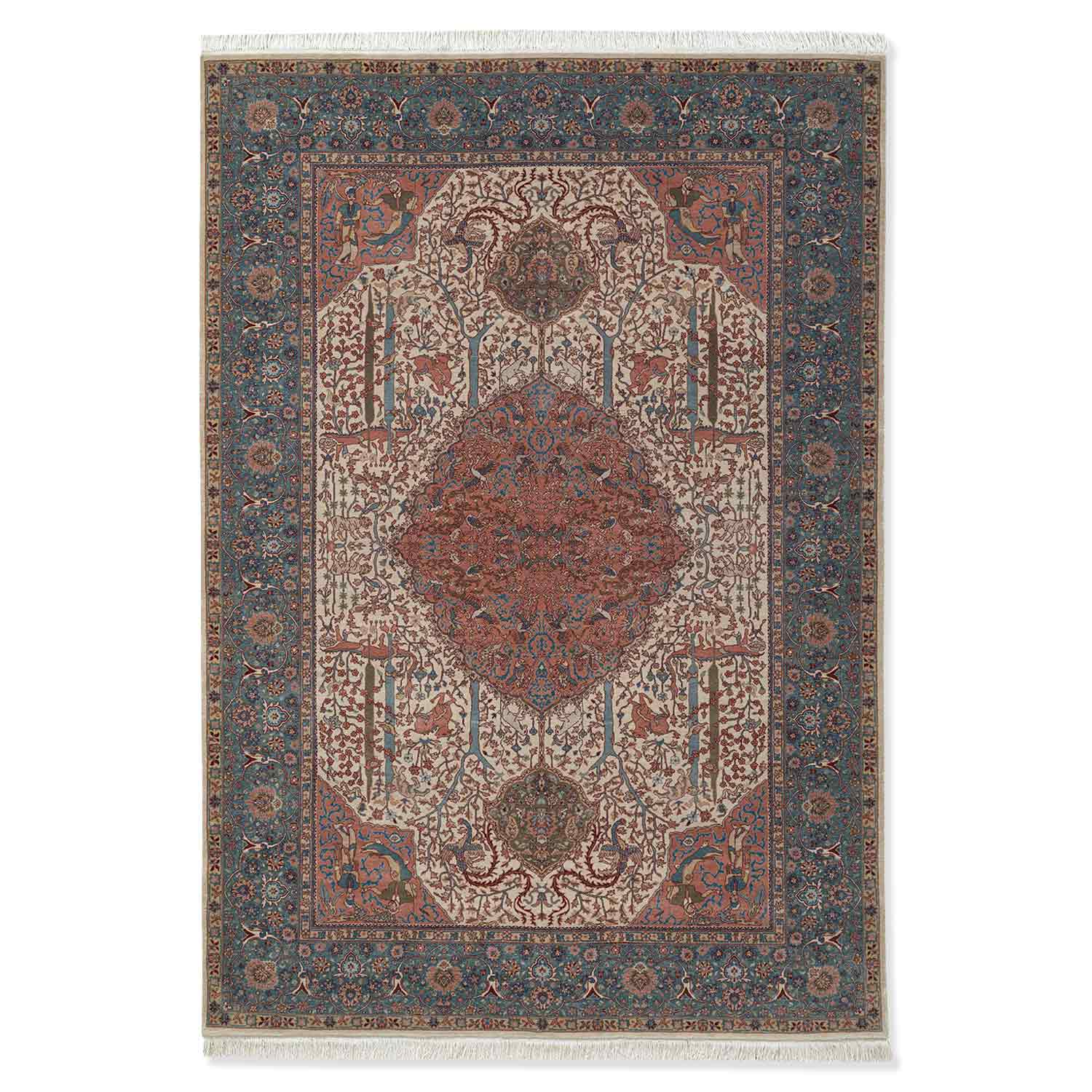
What distinguishes these motifs is not simply their visual form, but their function within the composition. They organise the surface, guide visual movement, and establish a hierarchy between centre, field, and border. Even when adapted across geographies and time periods, their structural logic remains intact.
Floral Systems: The Garden as Structure
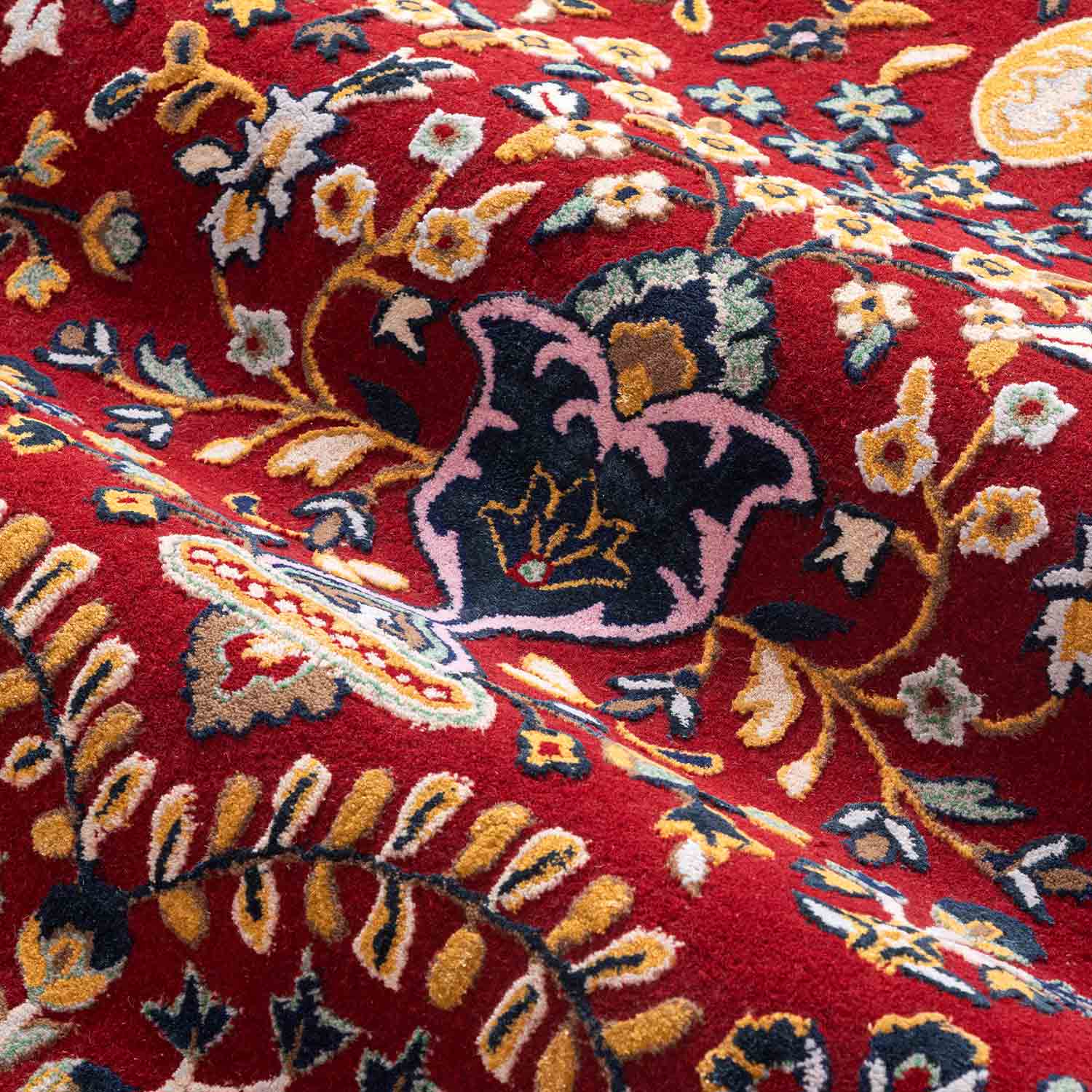
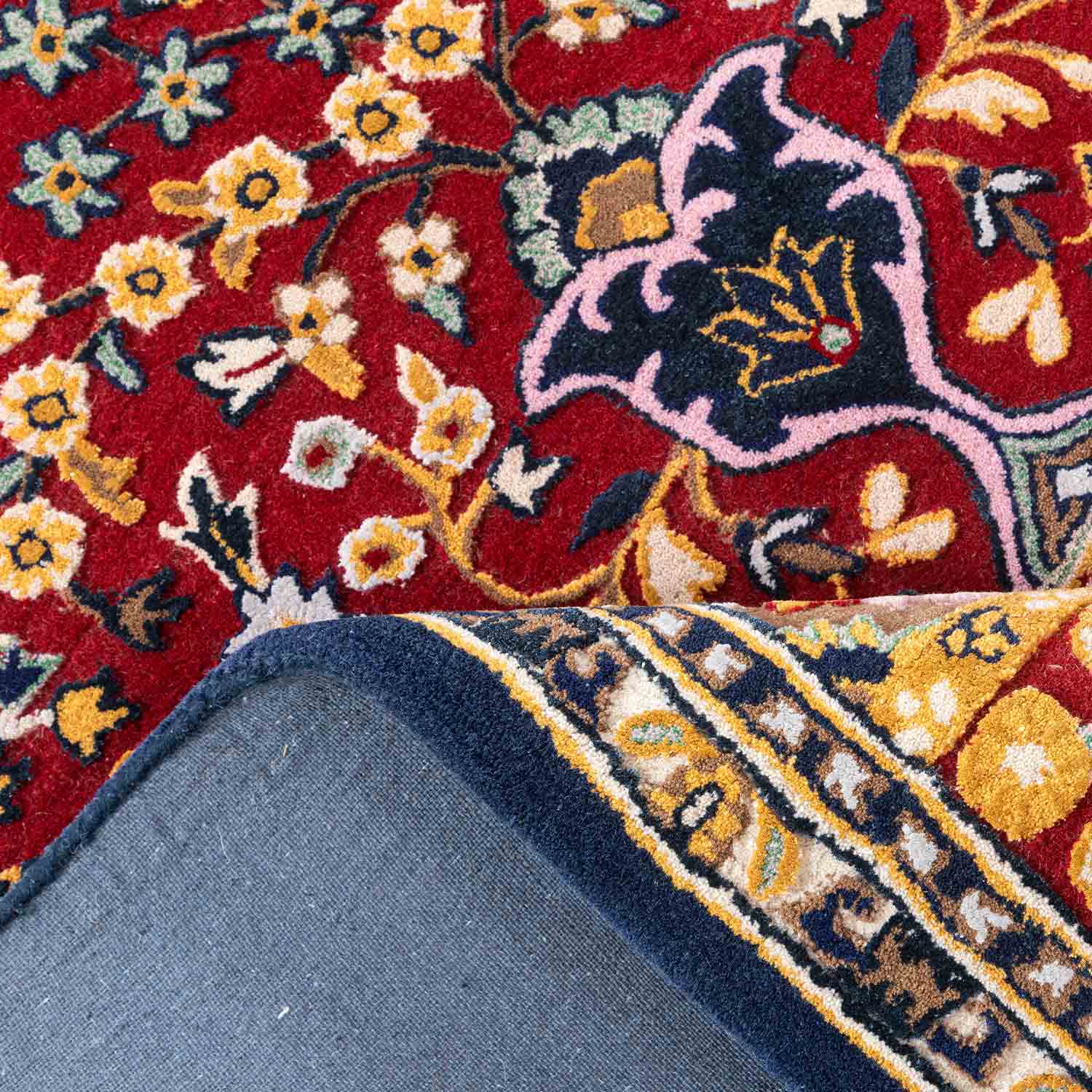
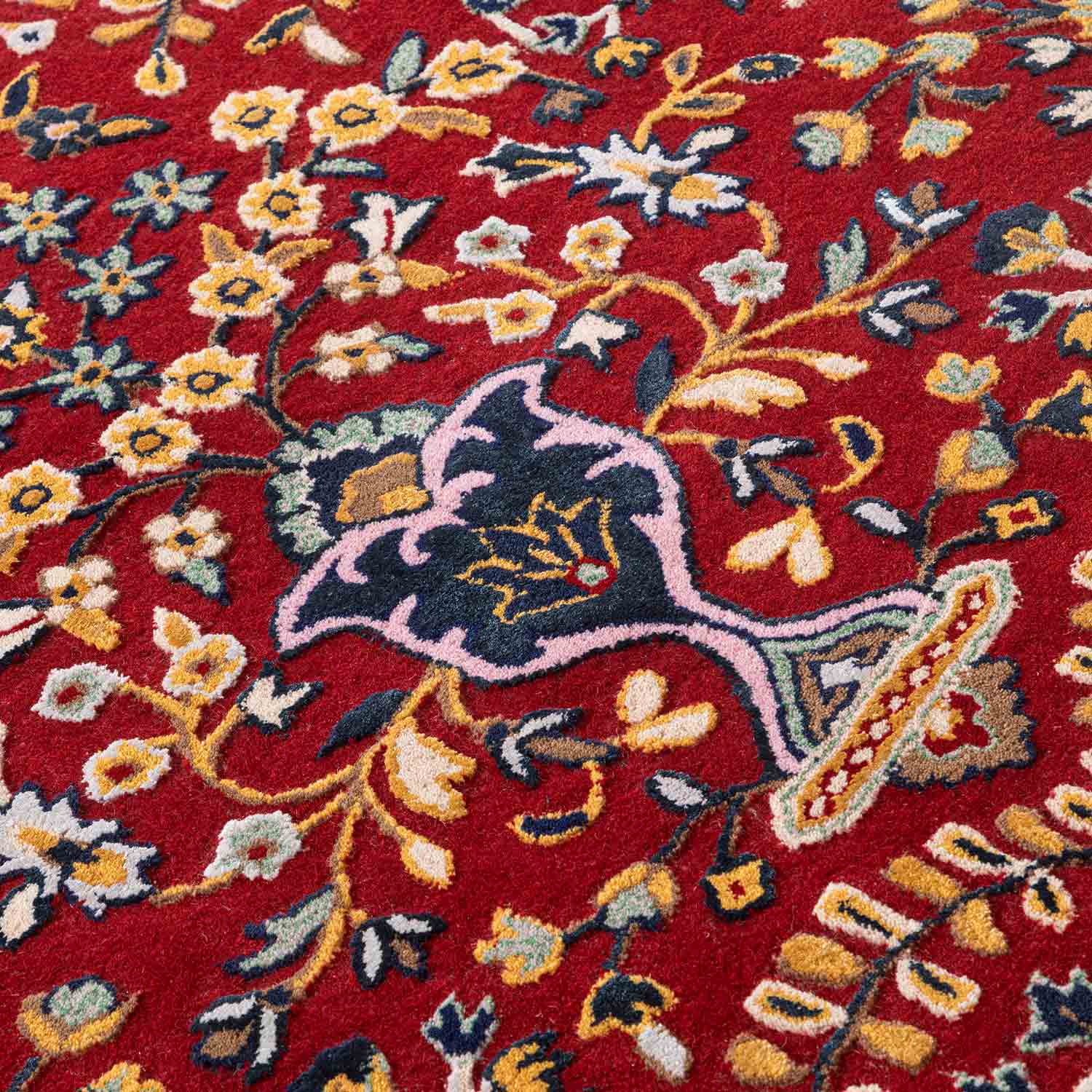
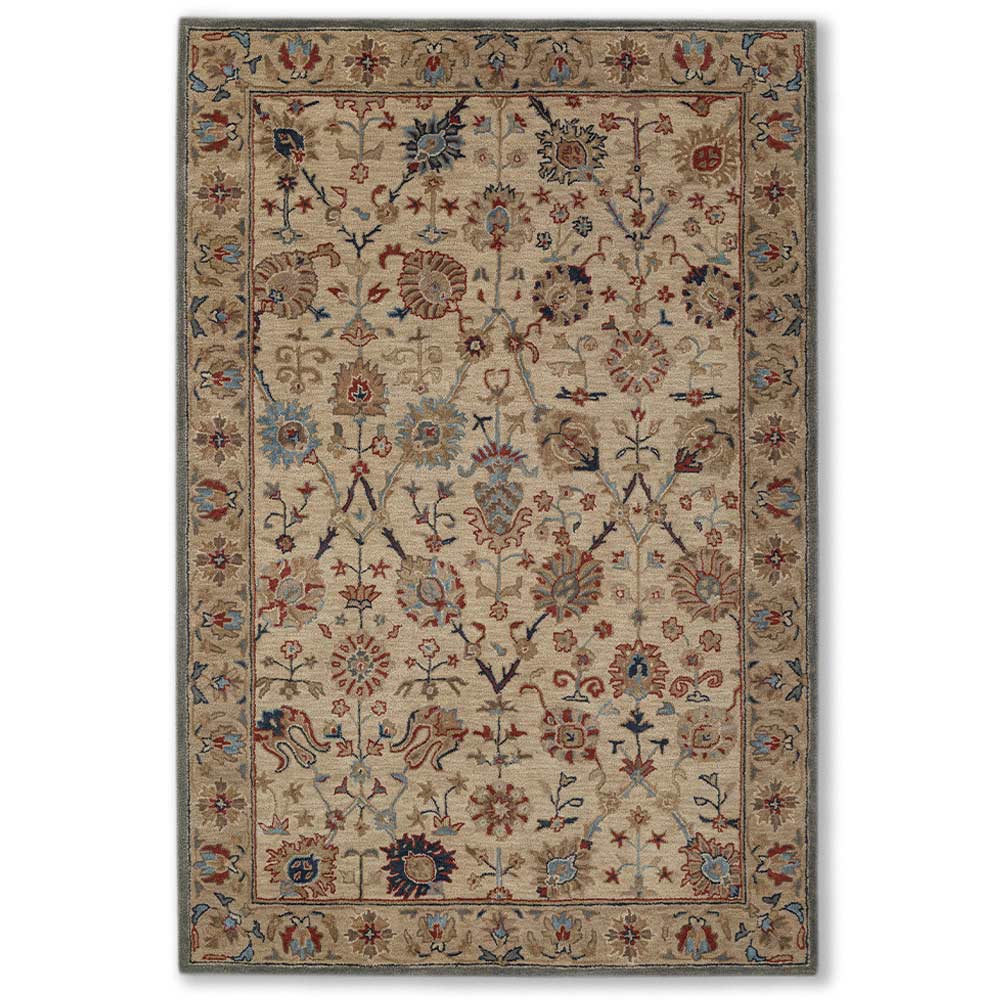
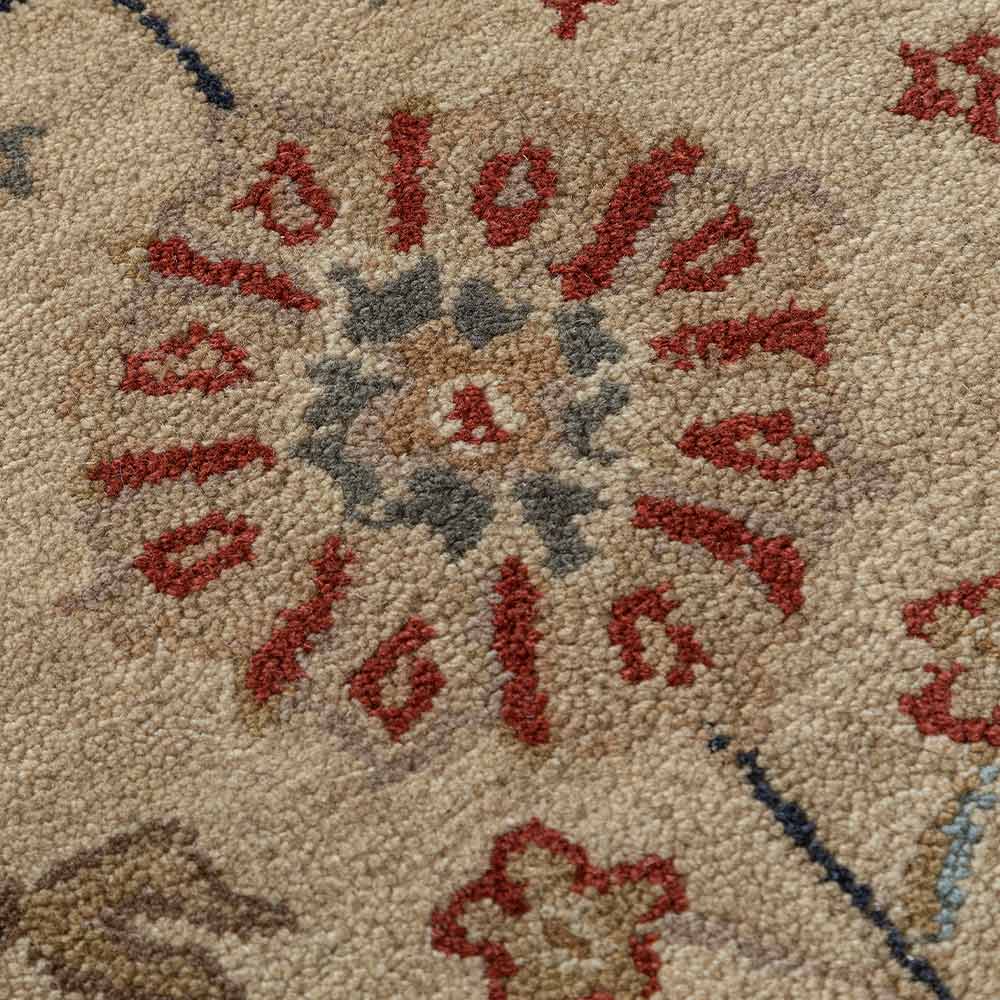
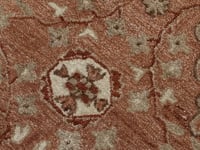
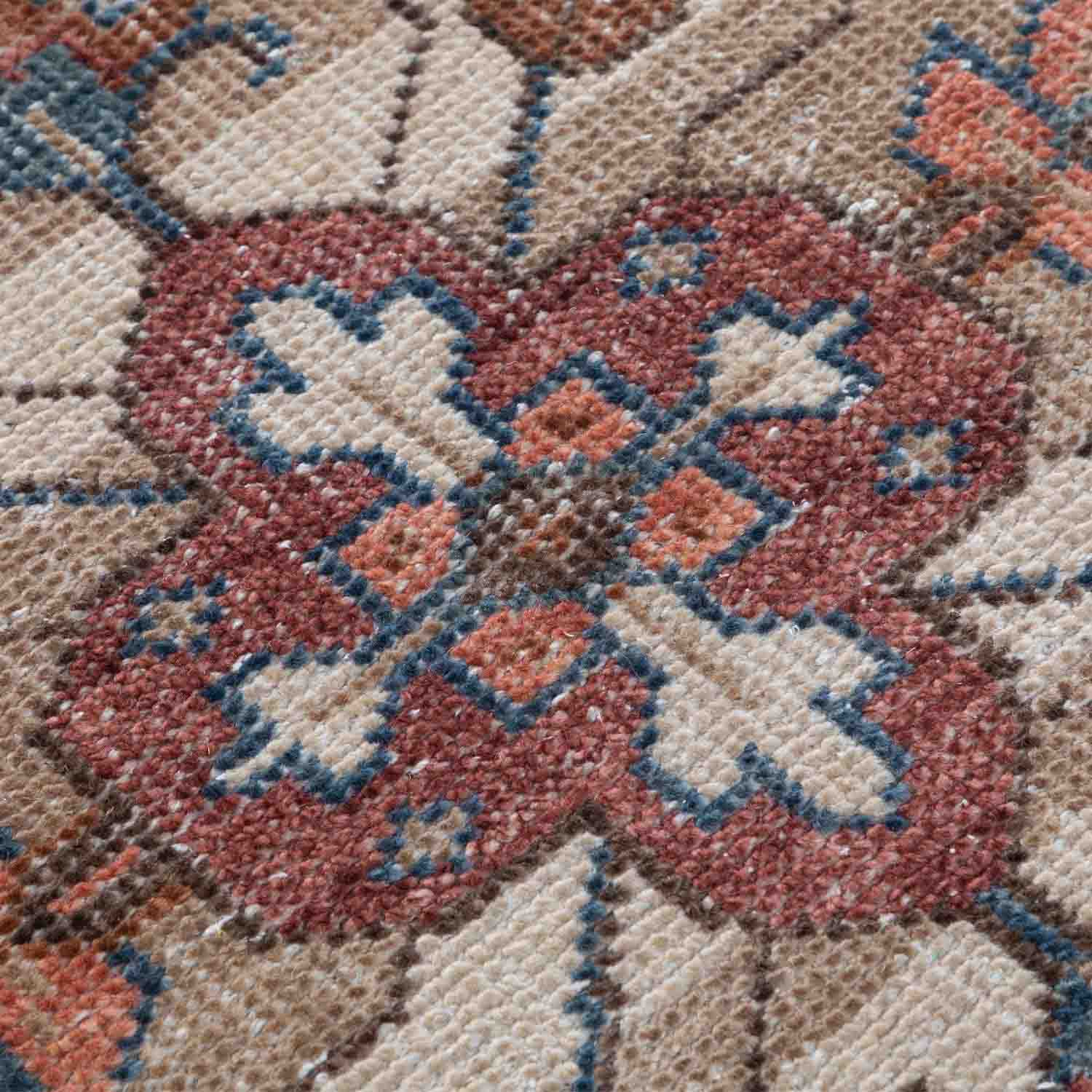
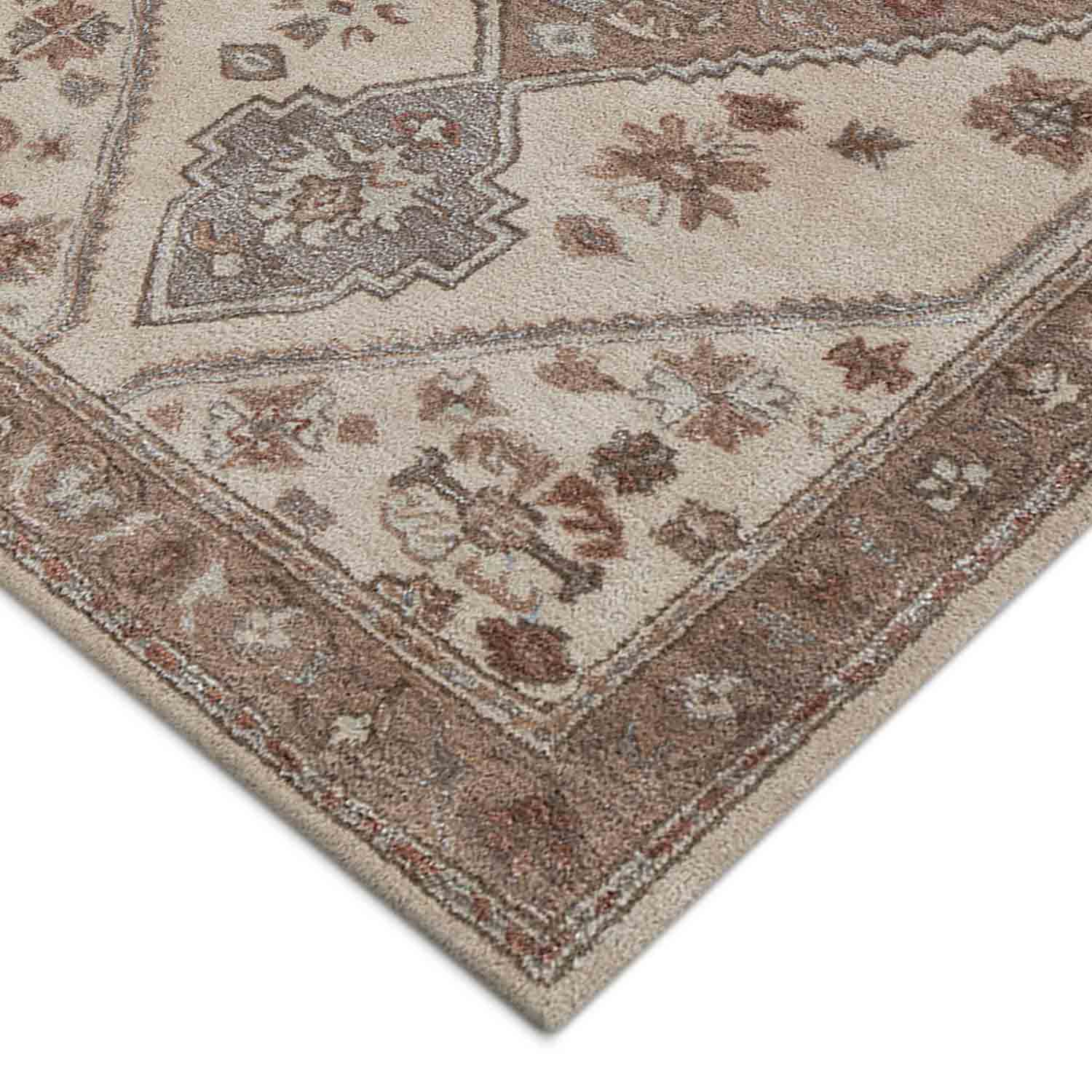
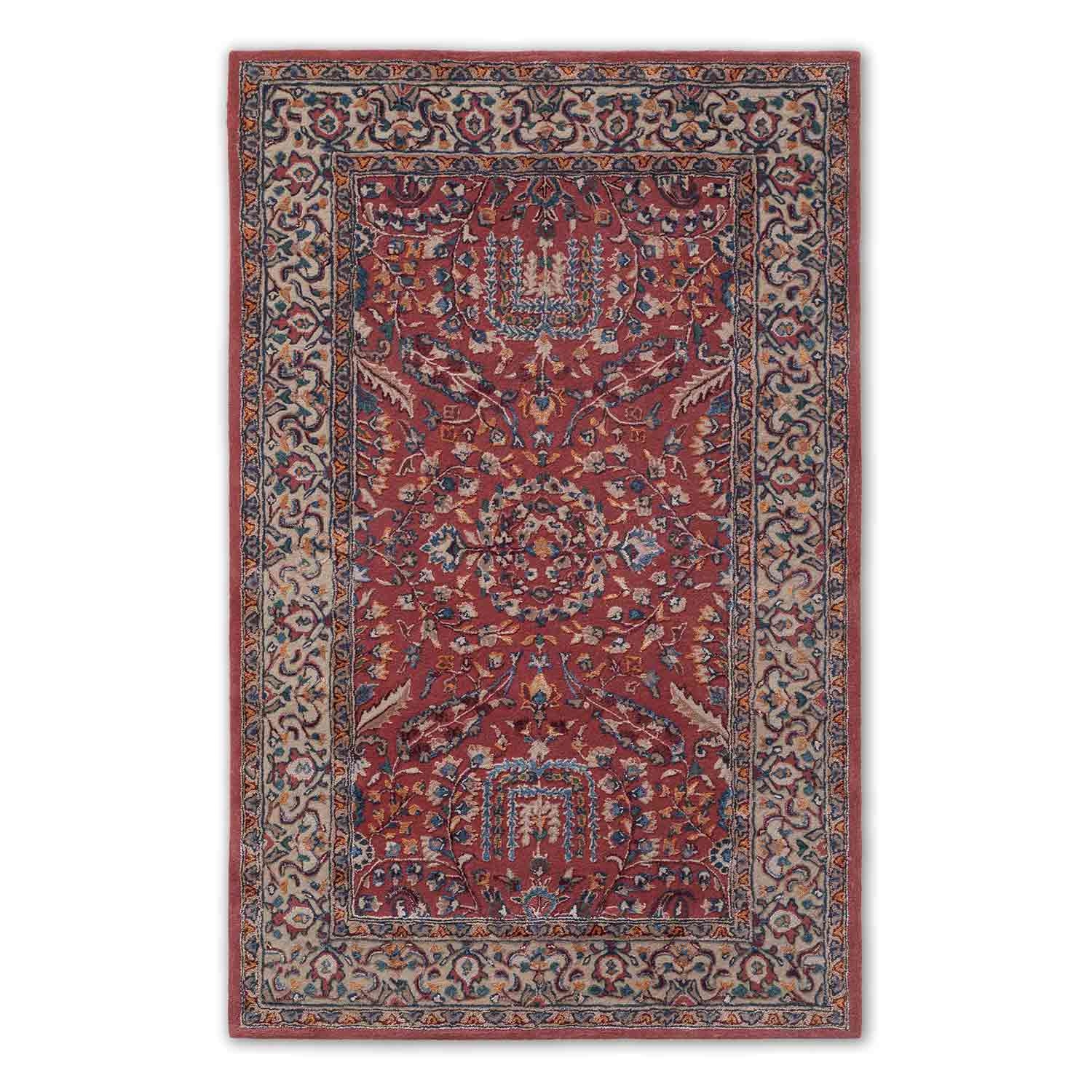
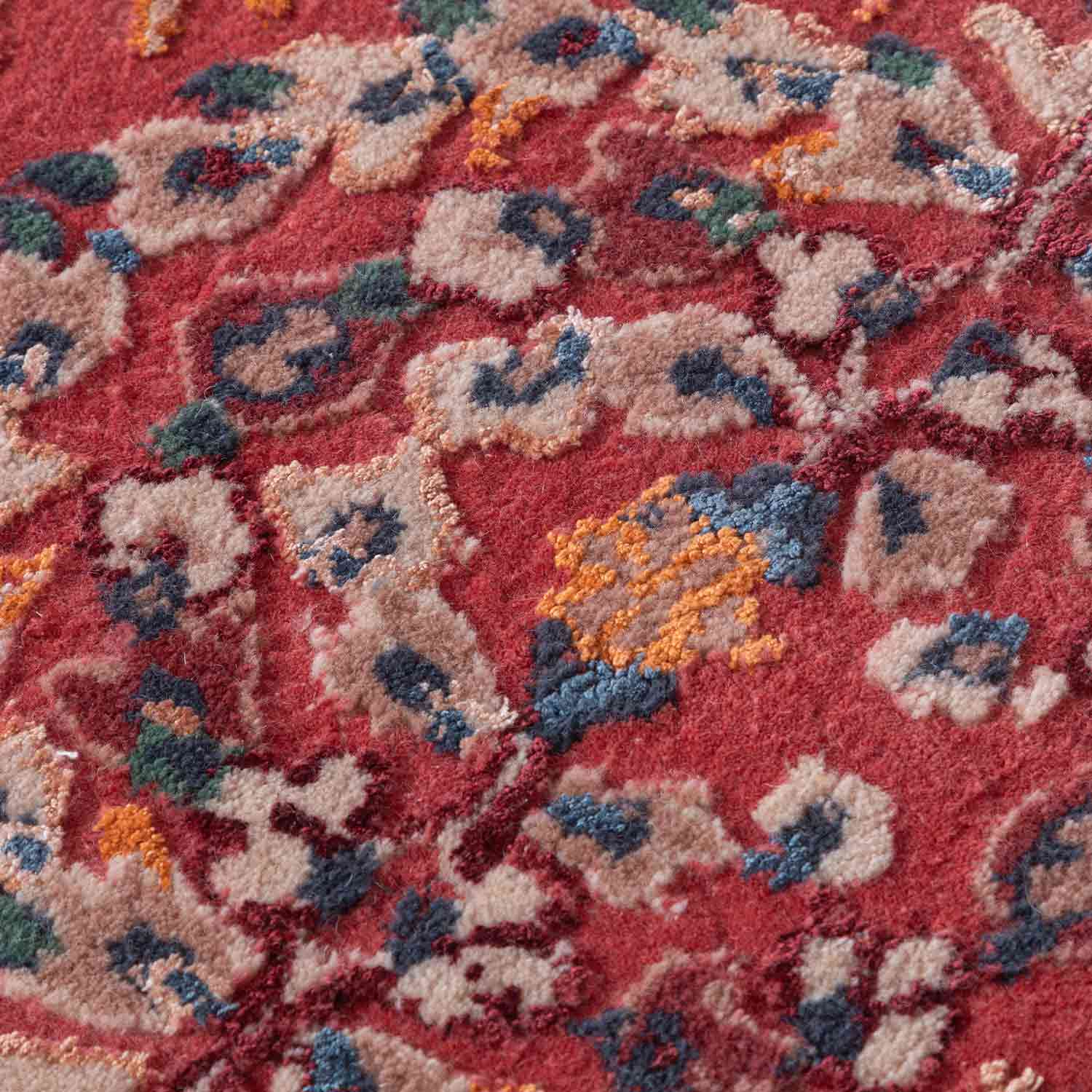
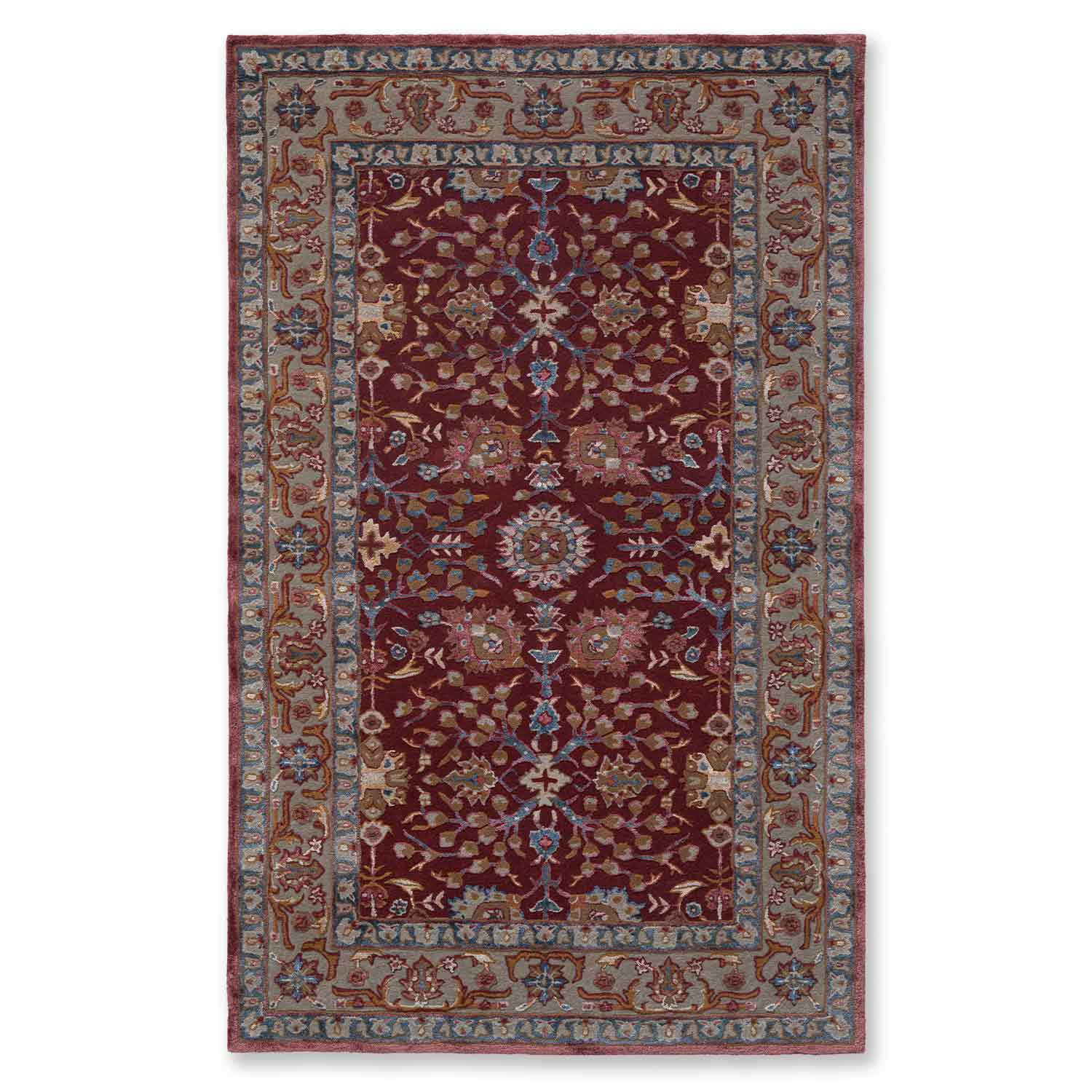
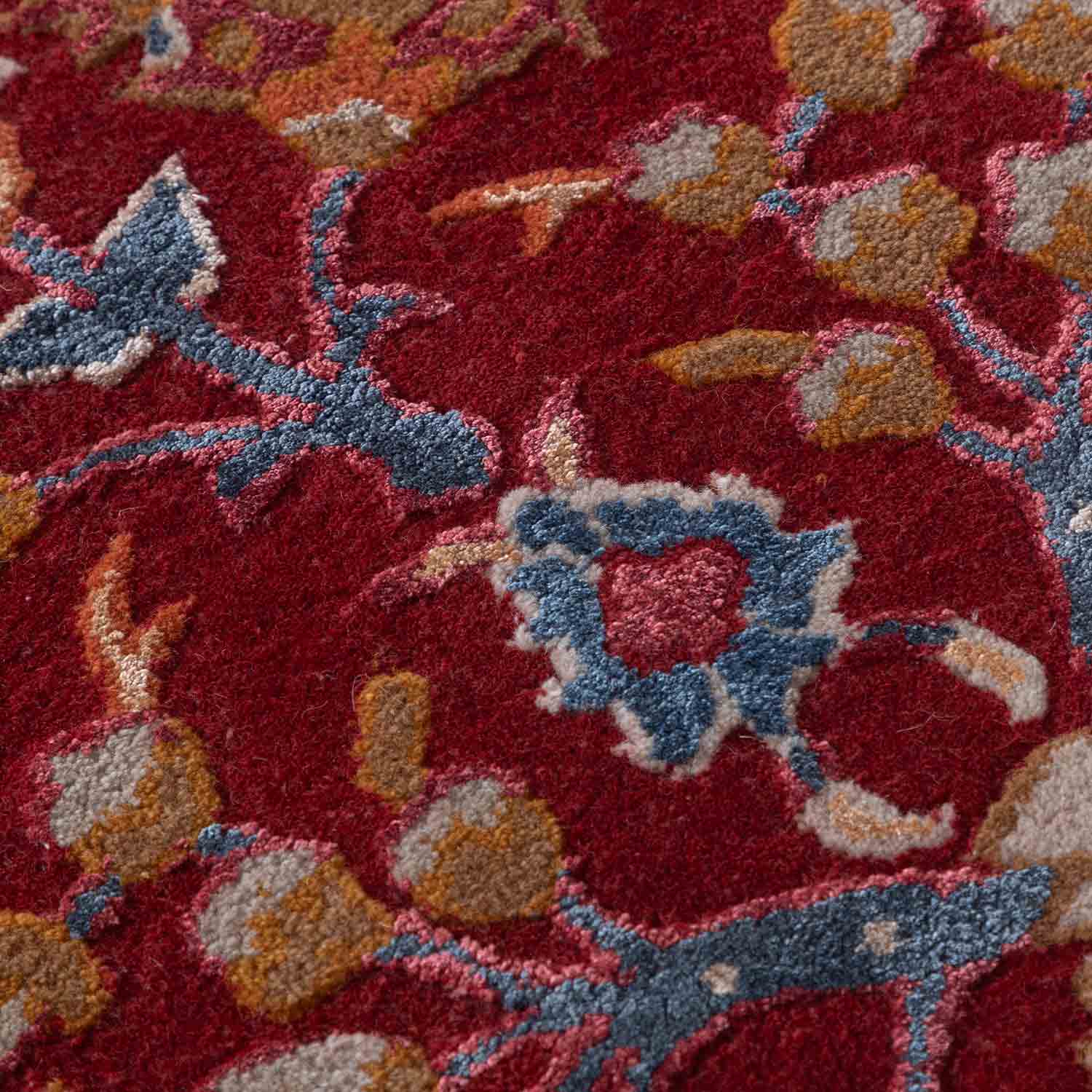
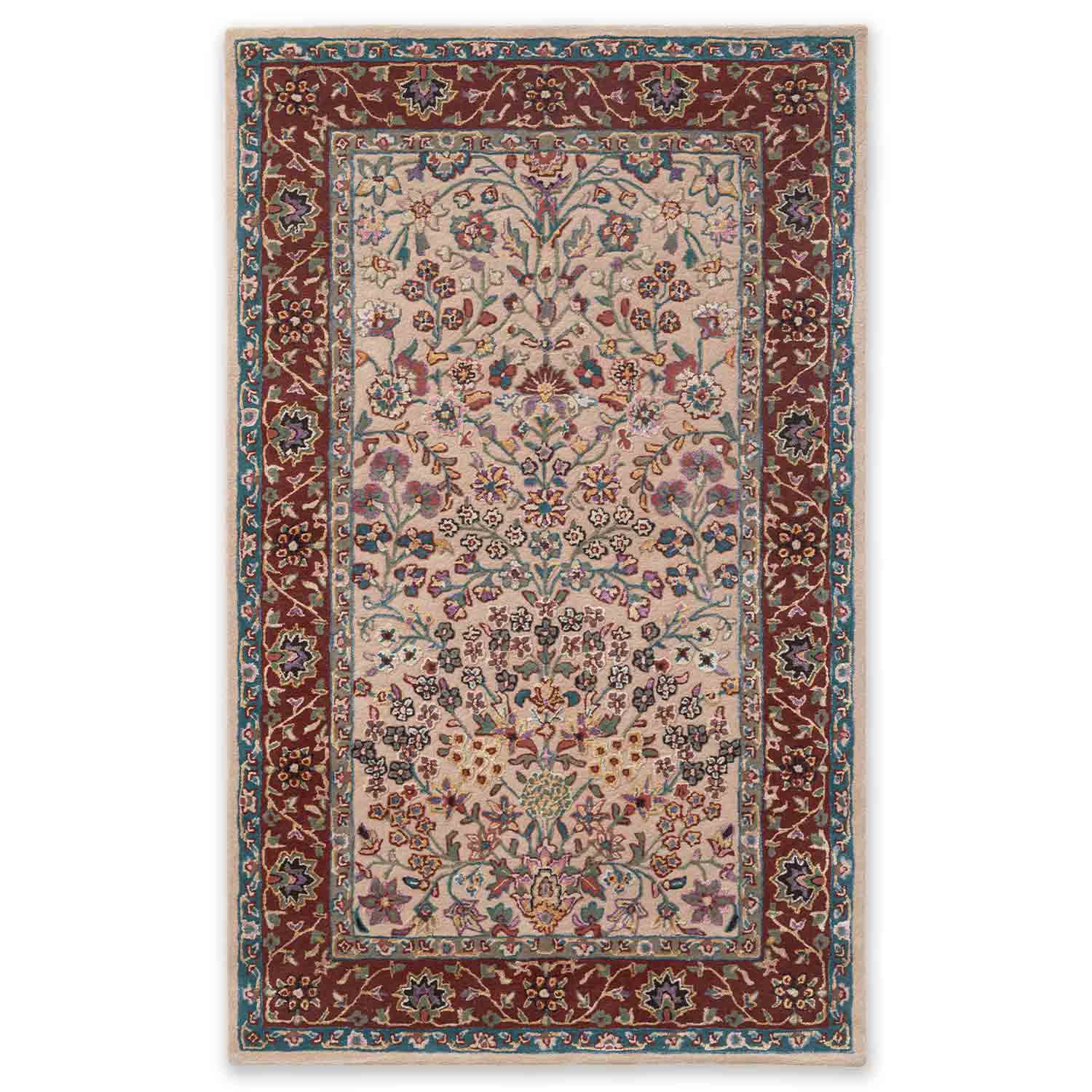
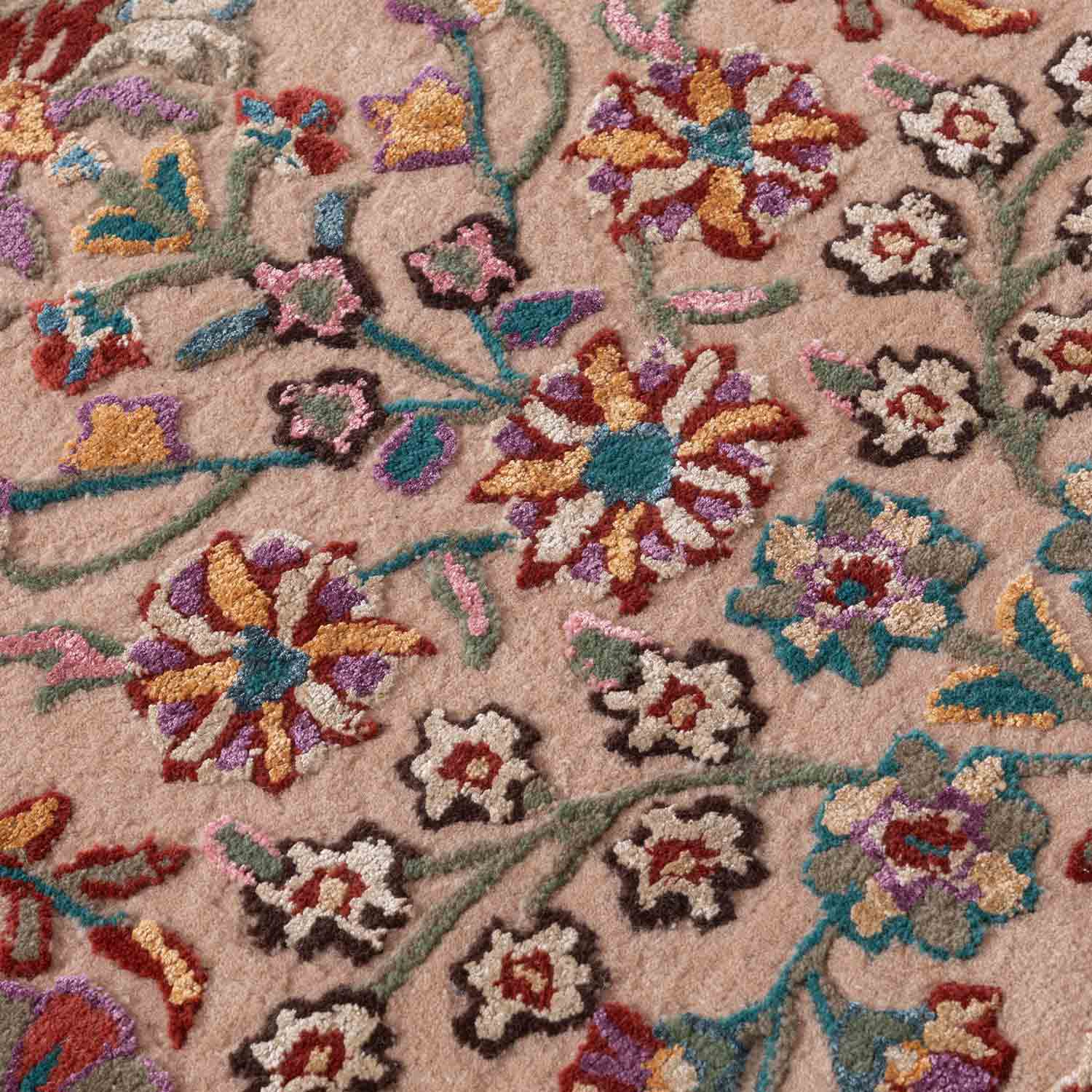
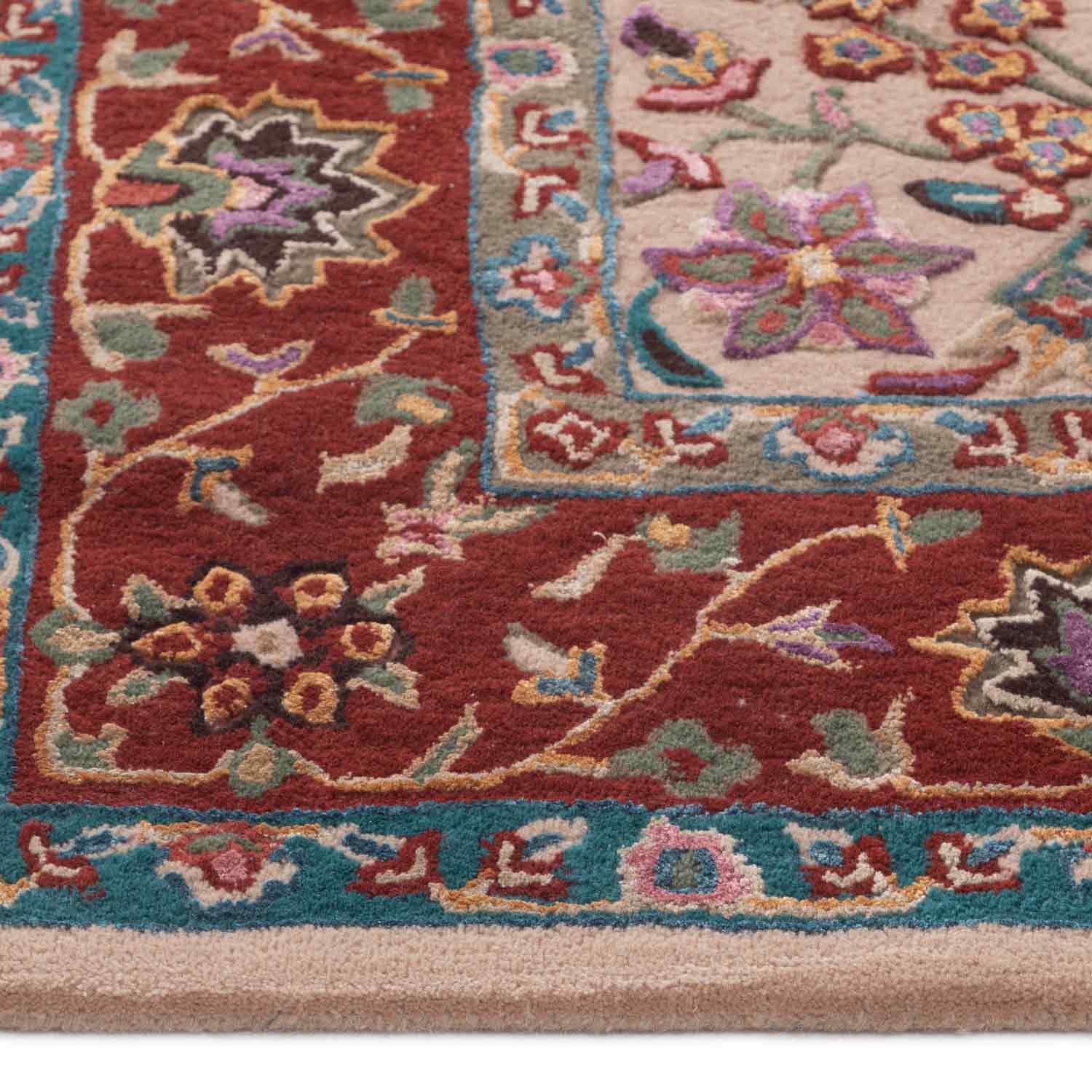
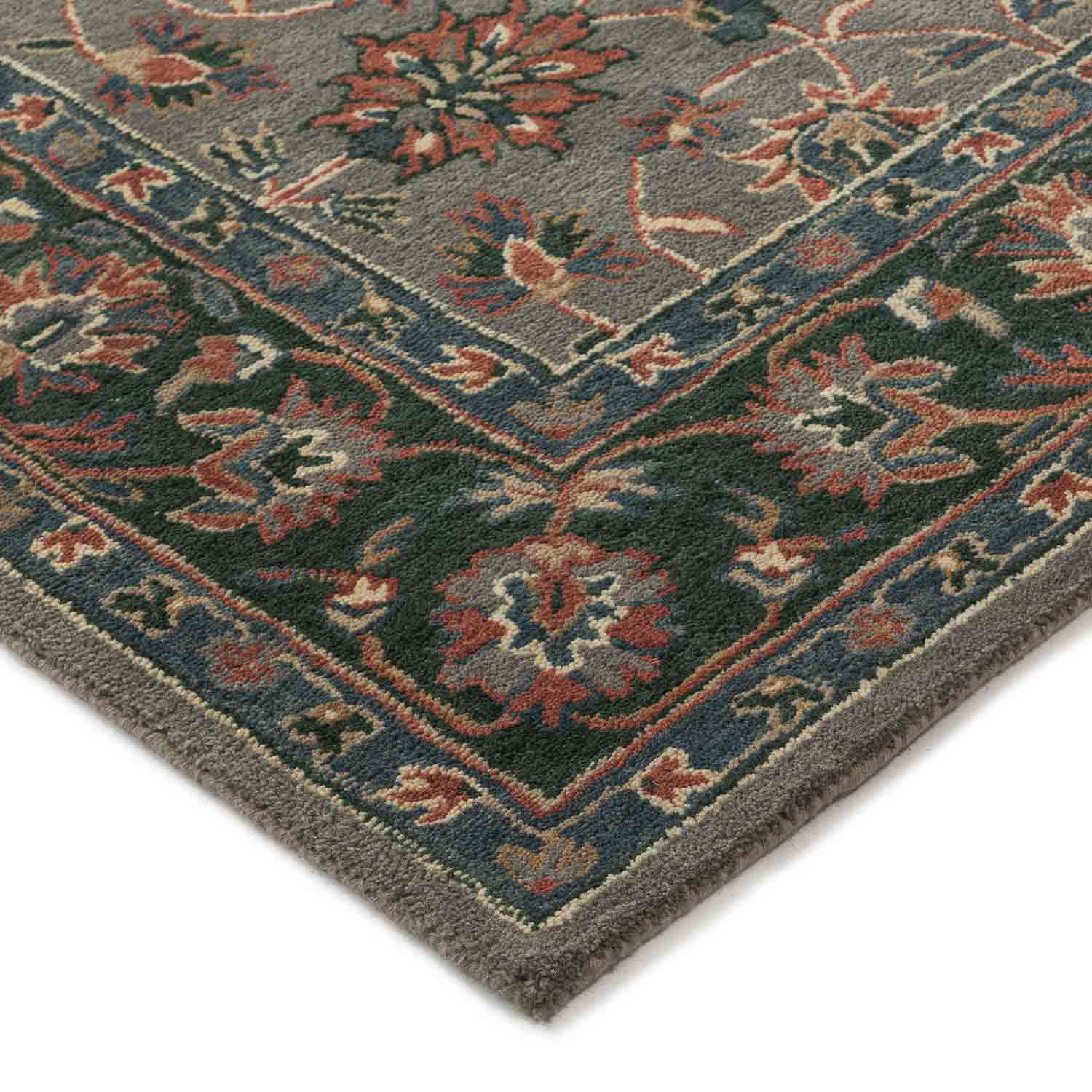
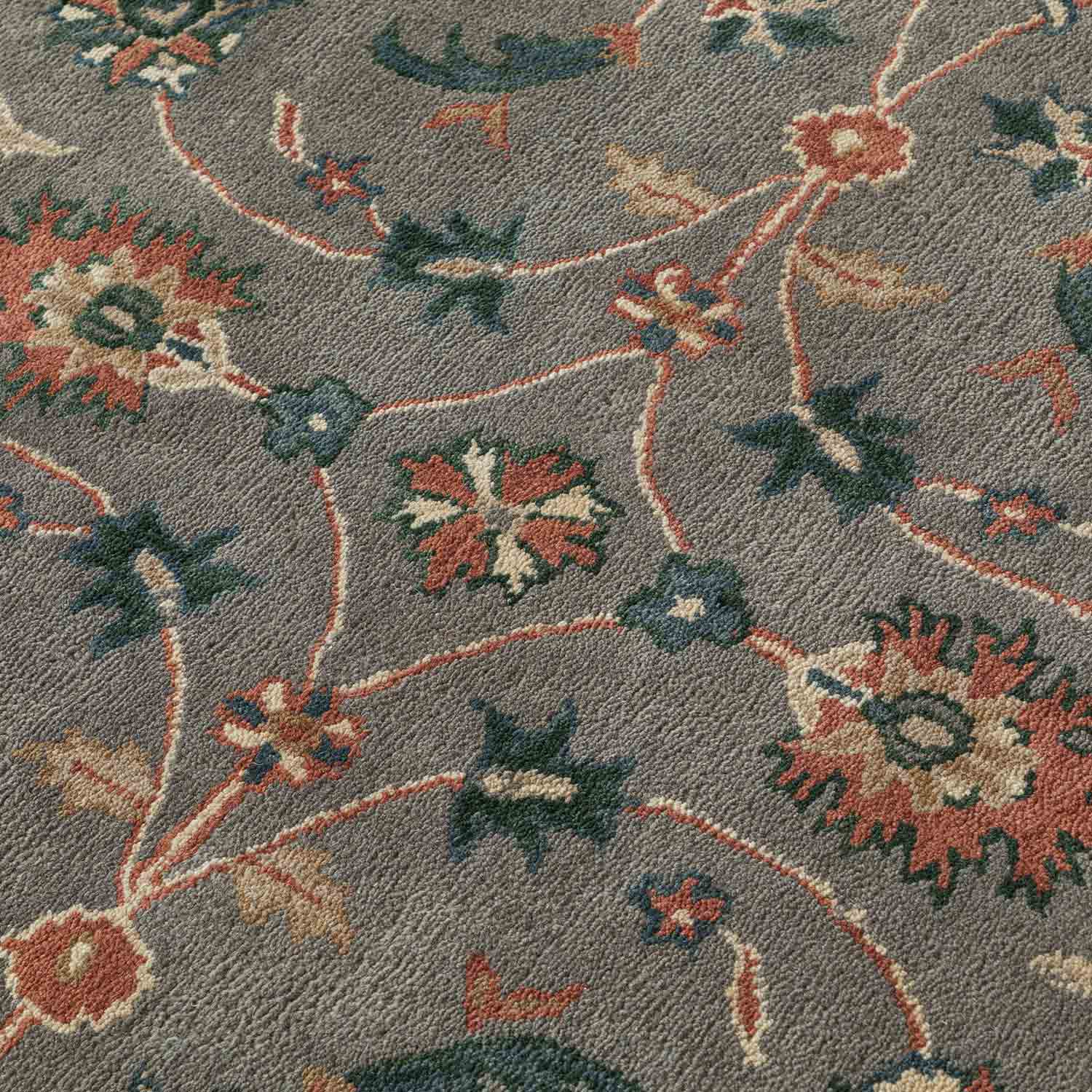
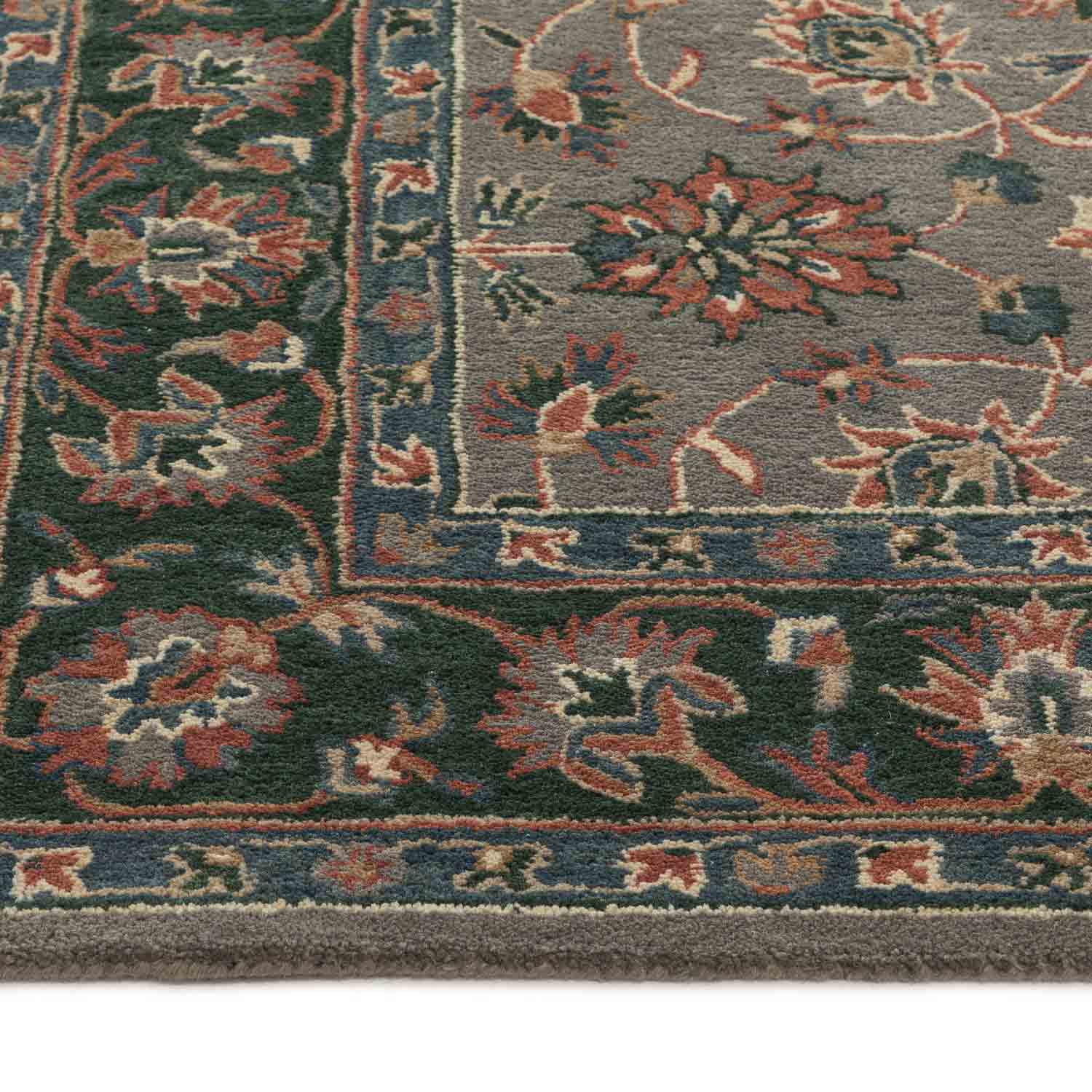
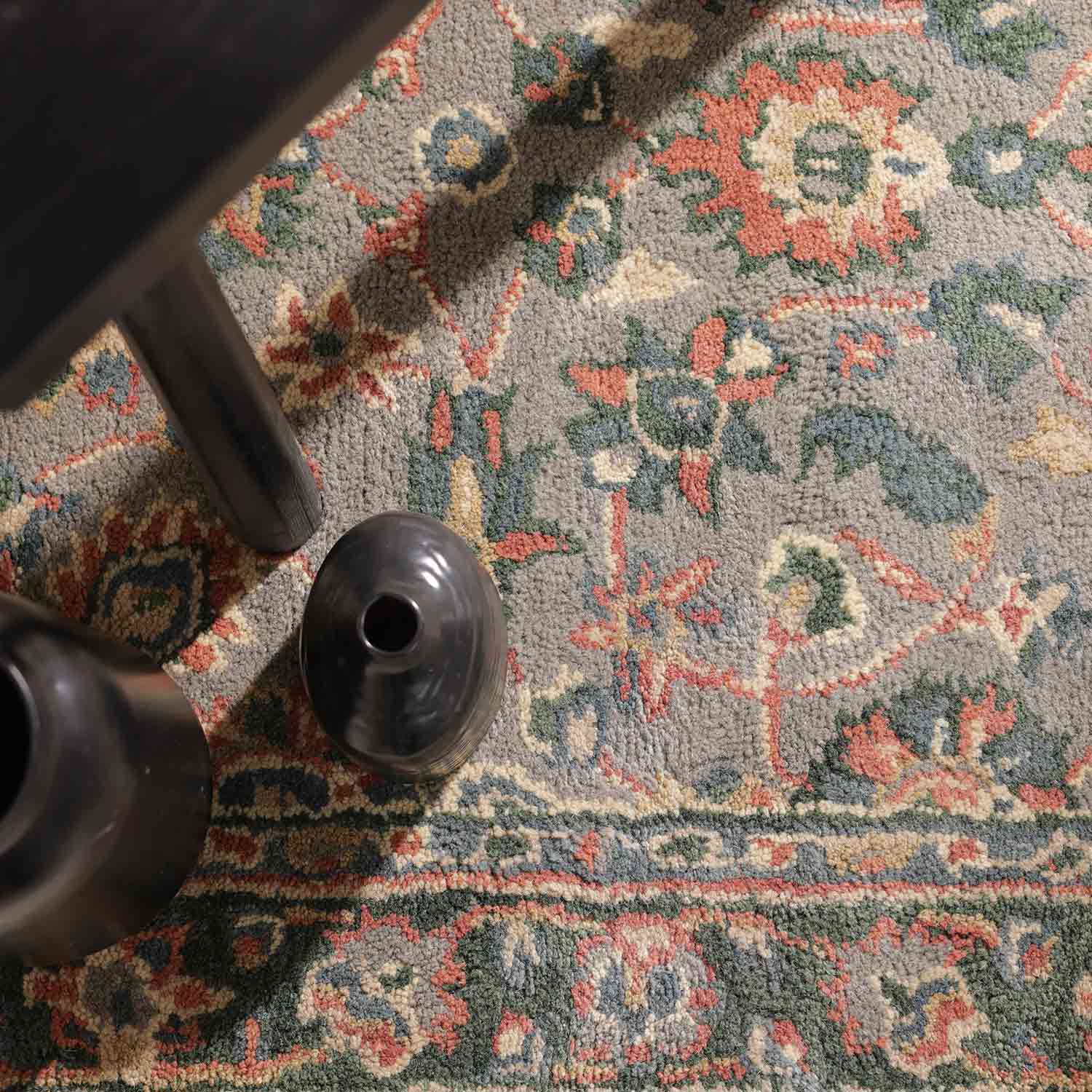
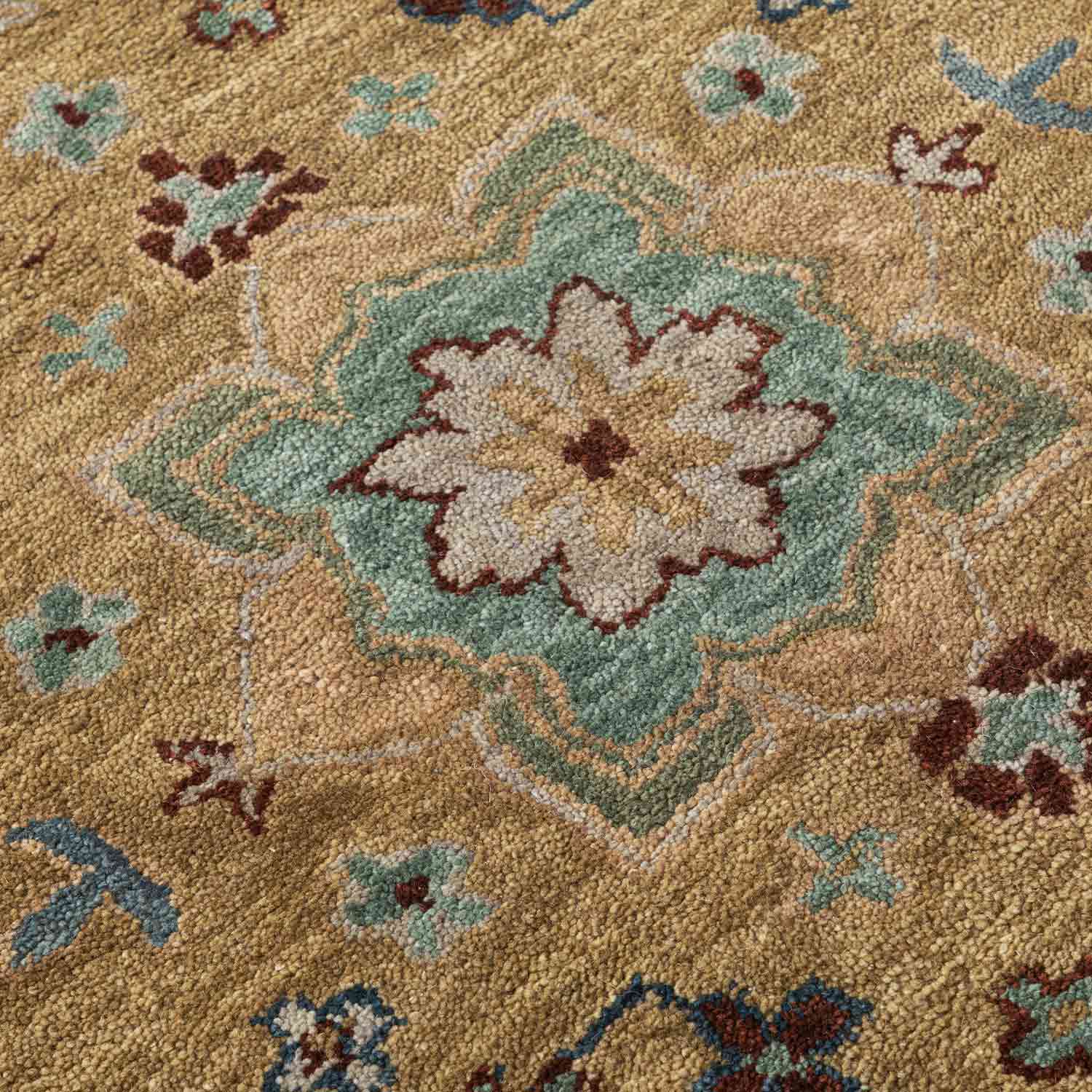
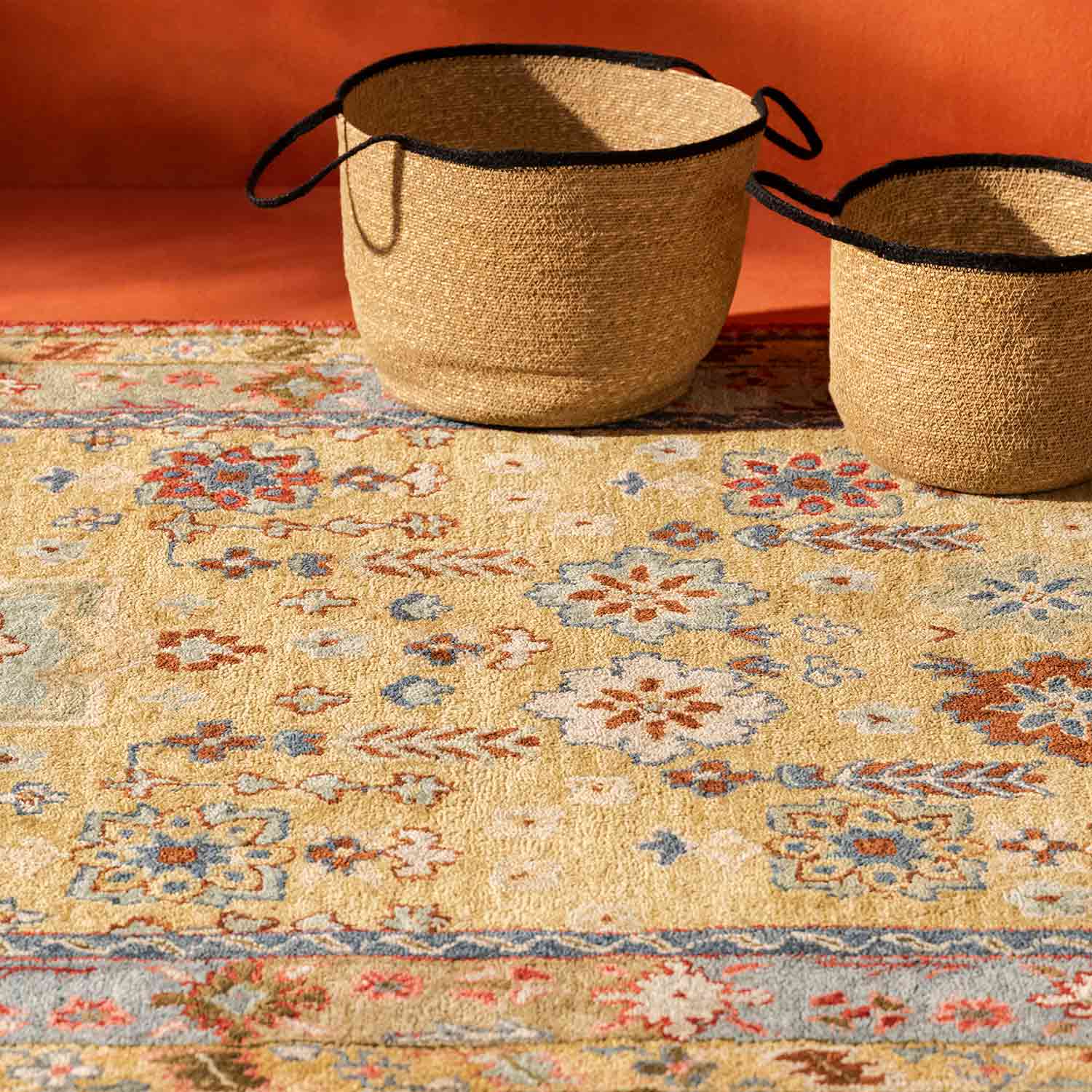
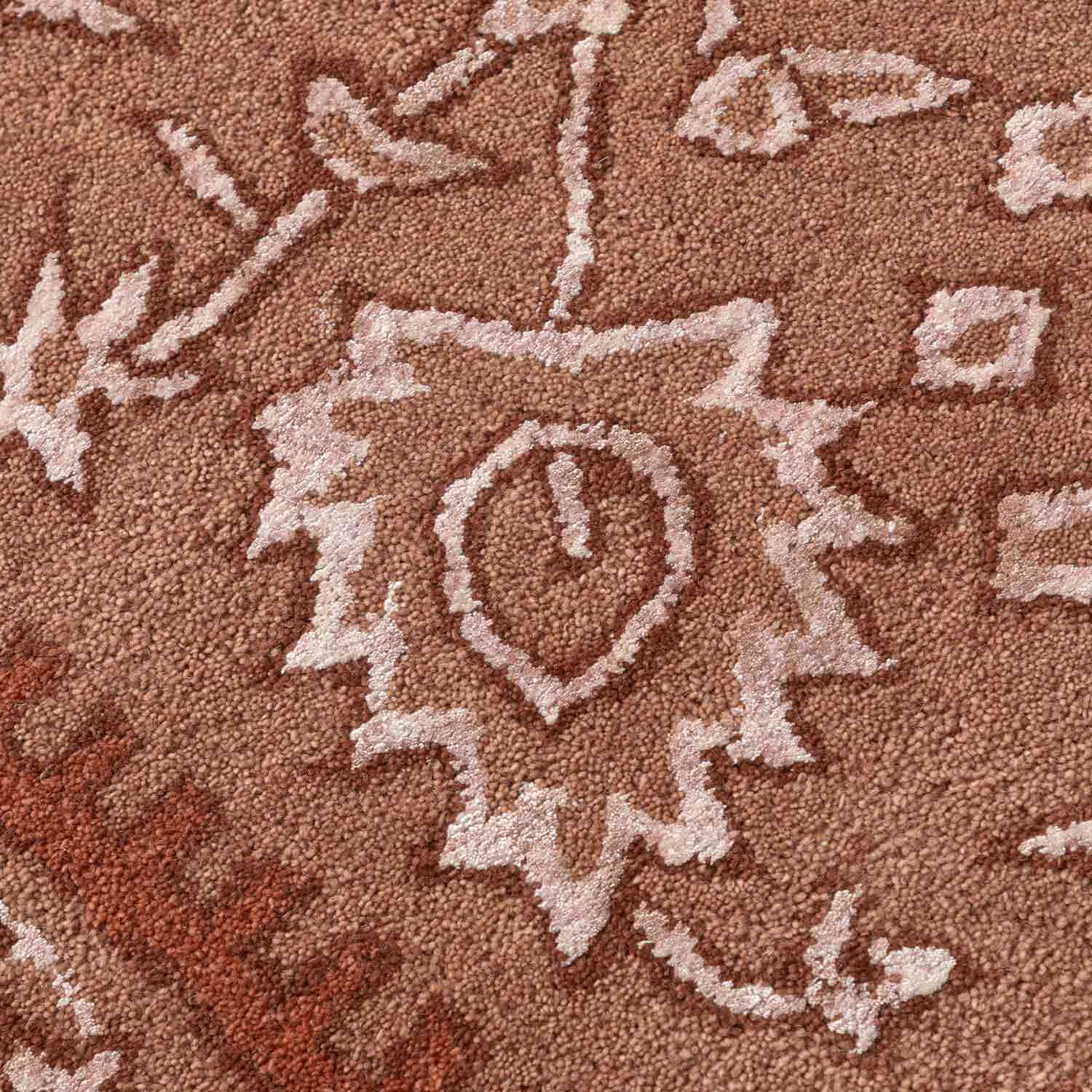
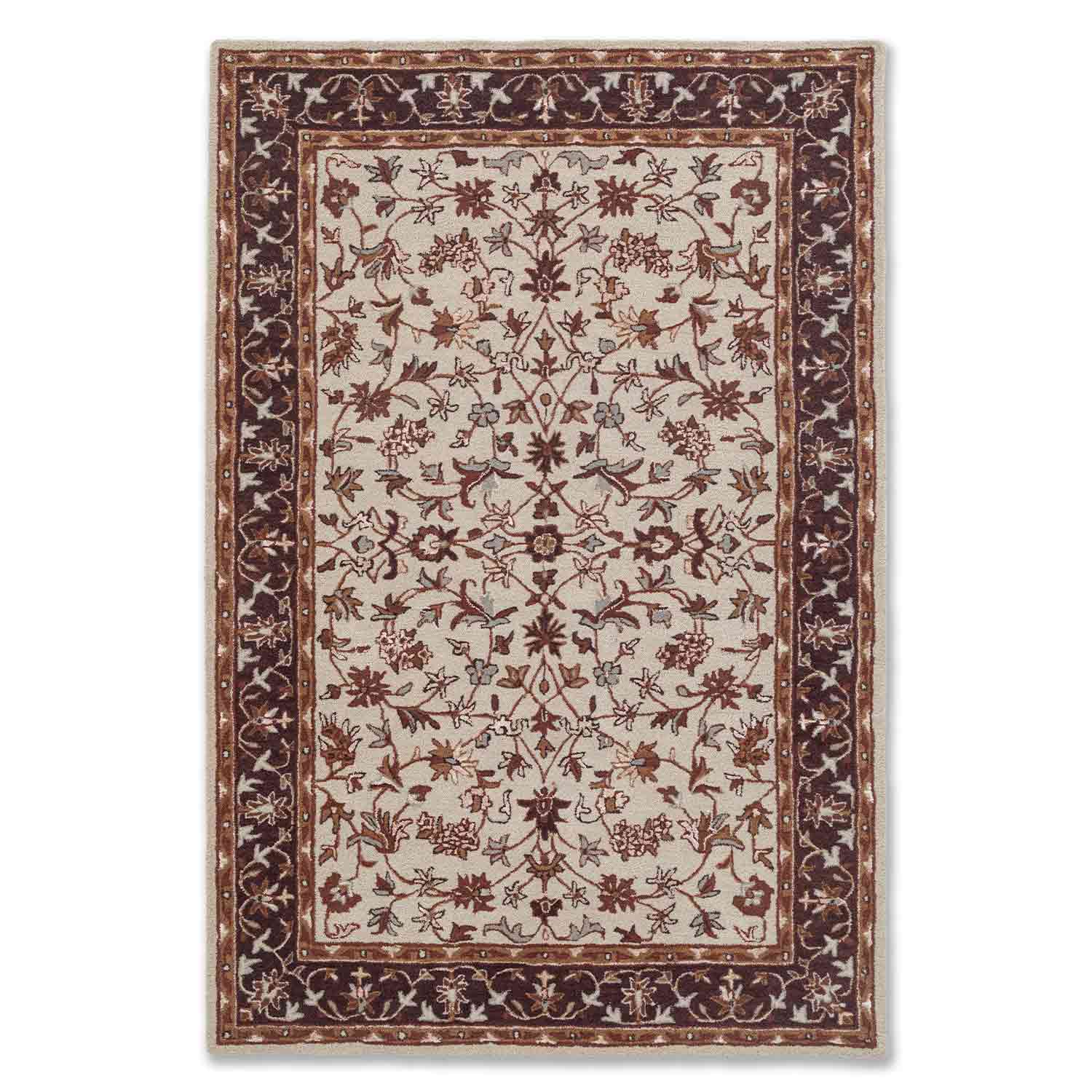
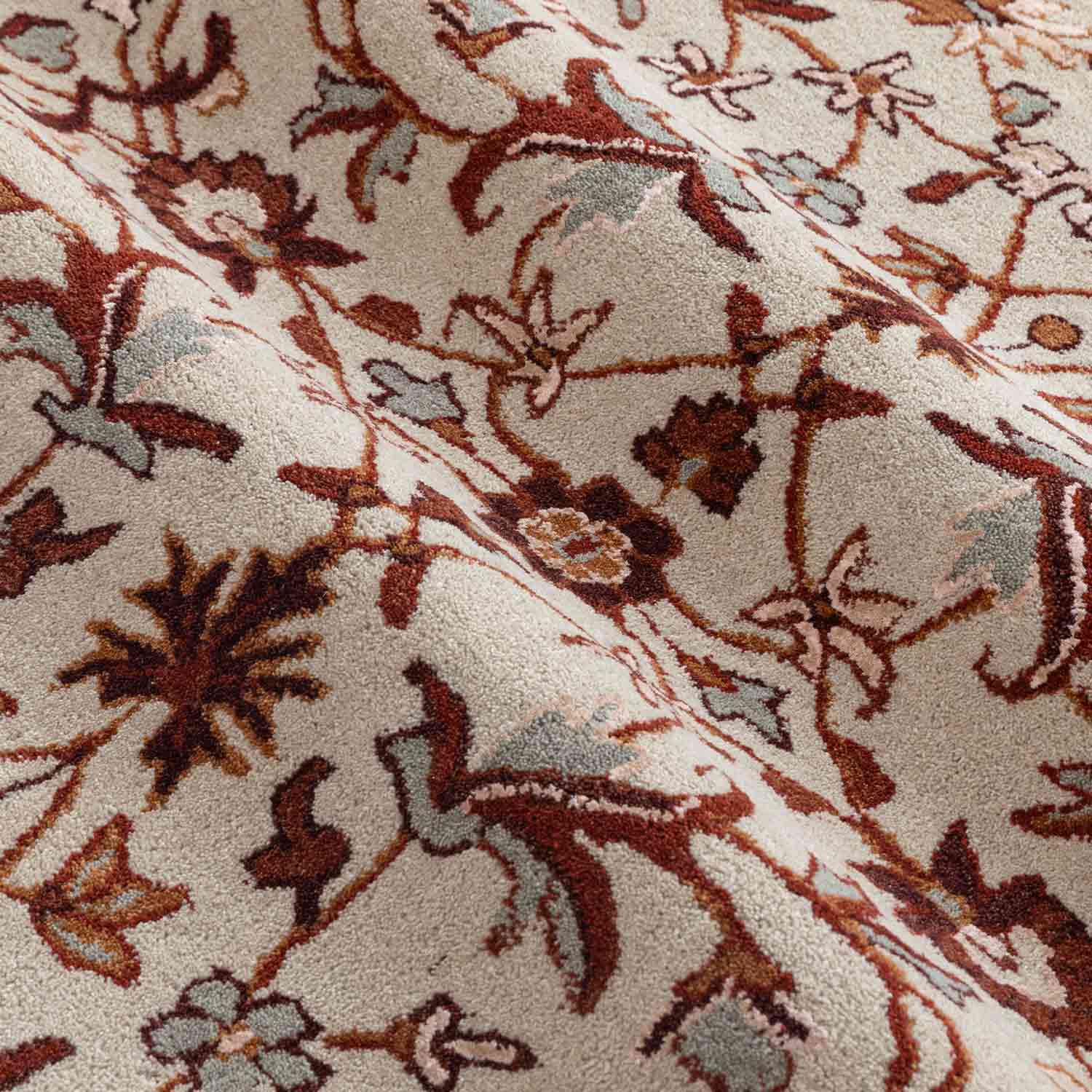
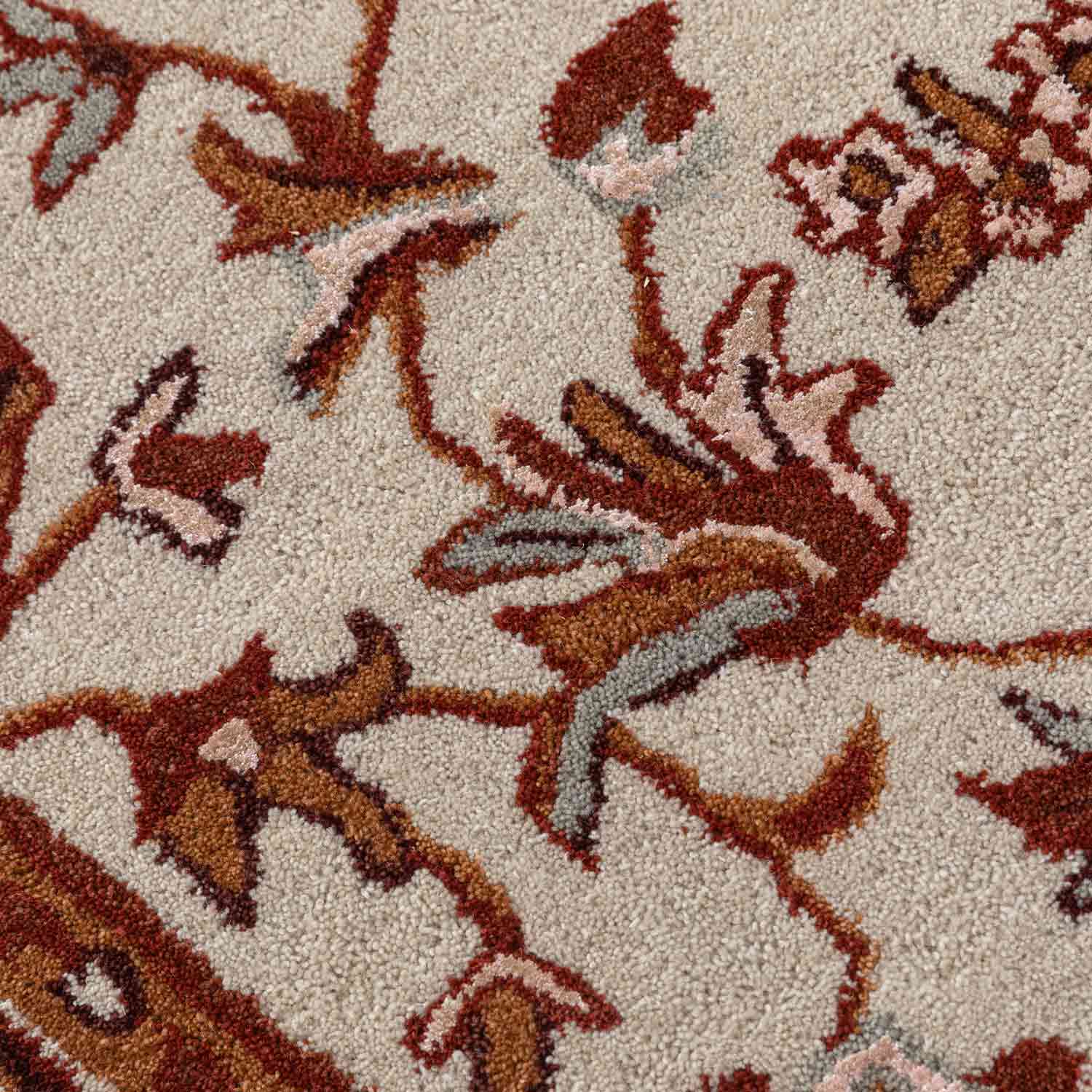
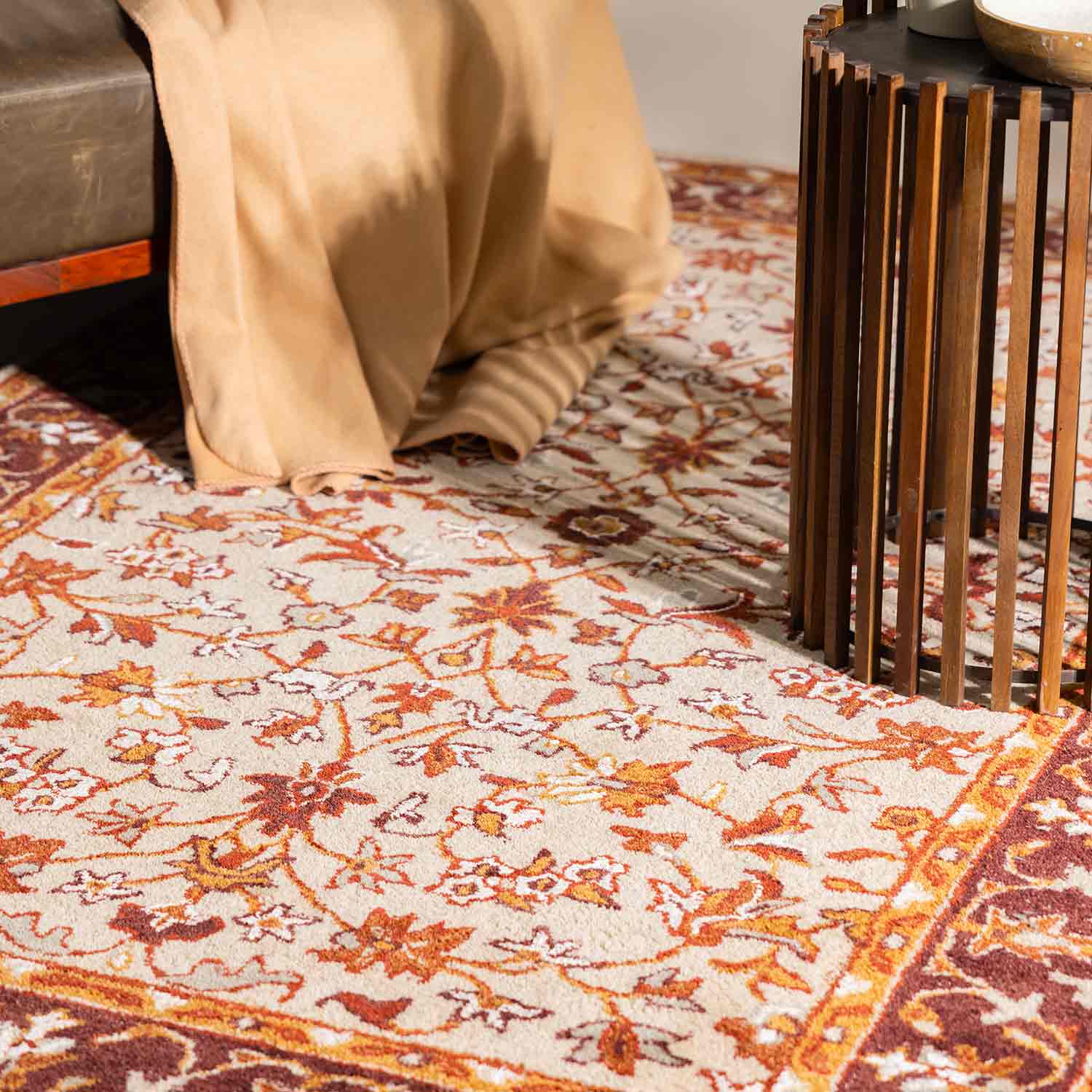
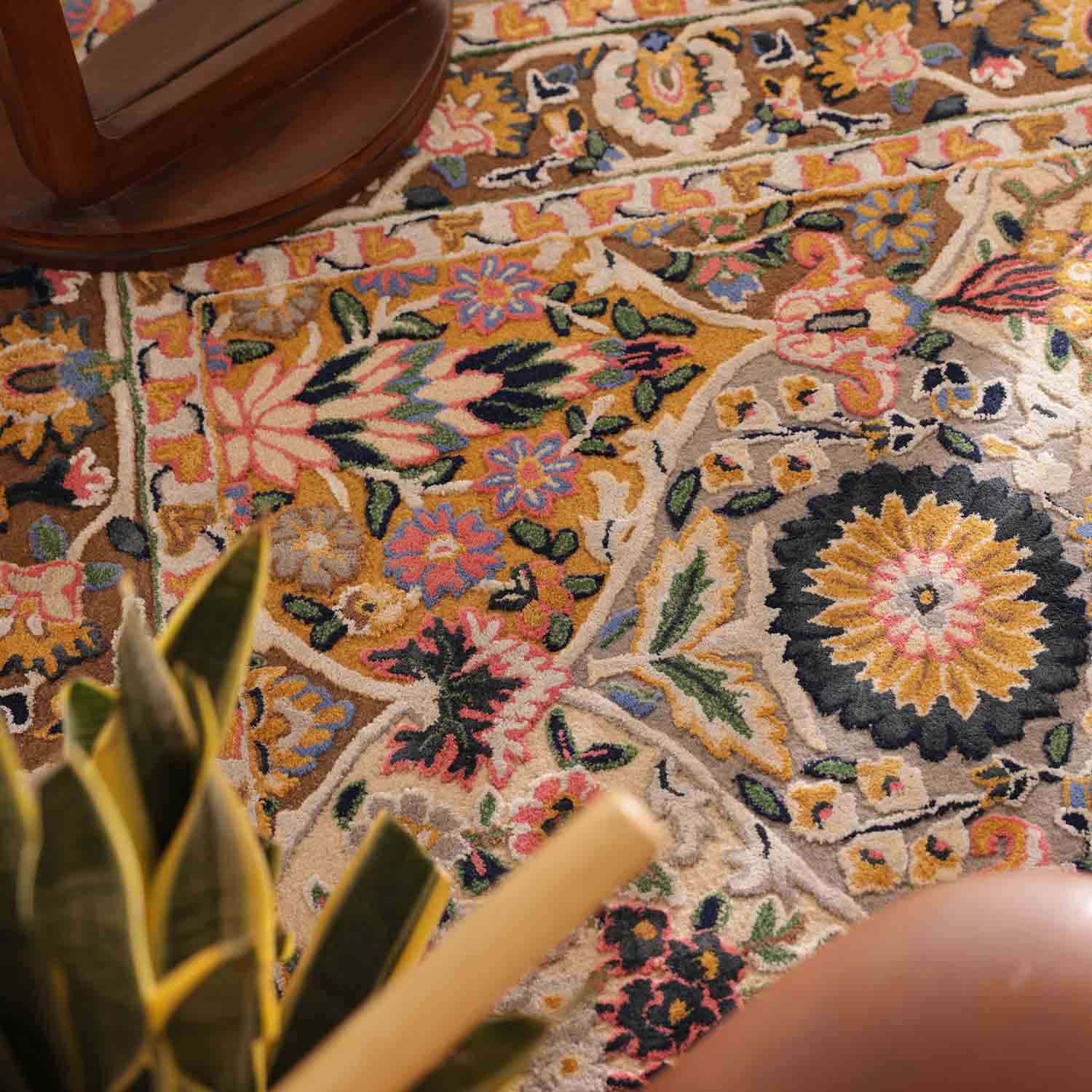
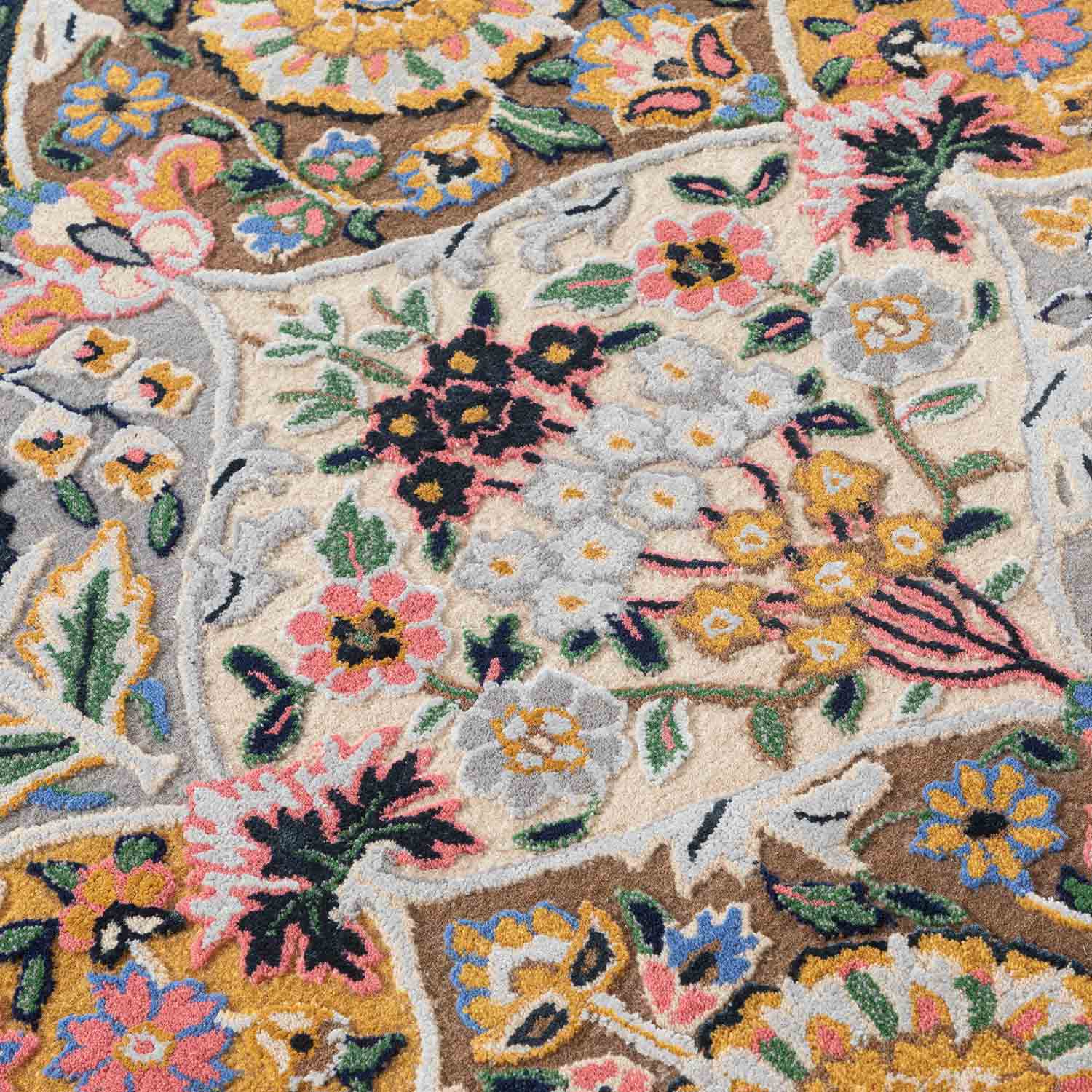
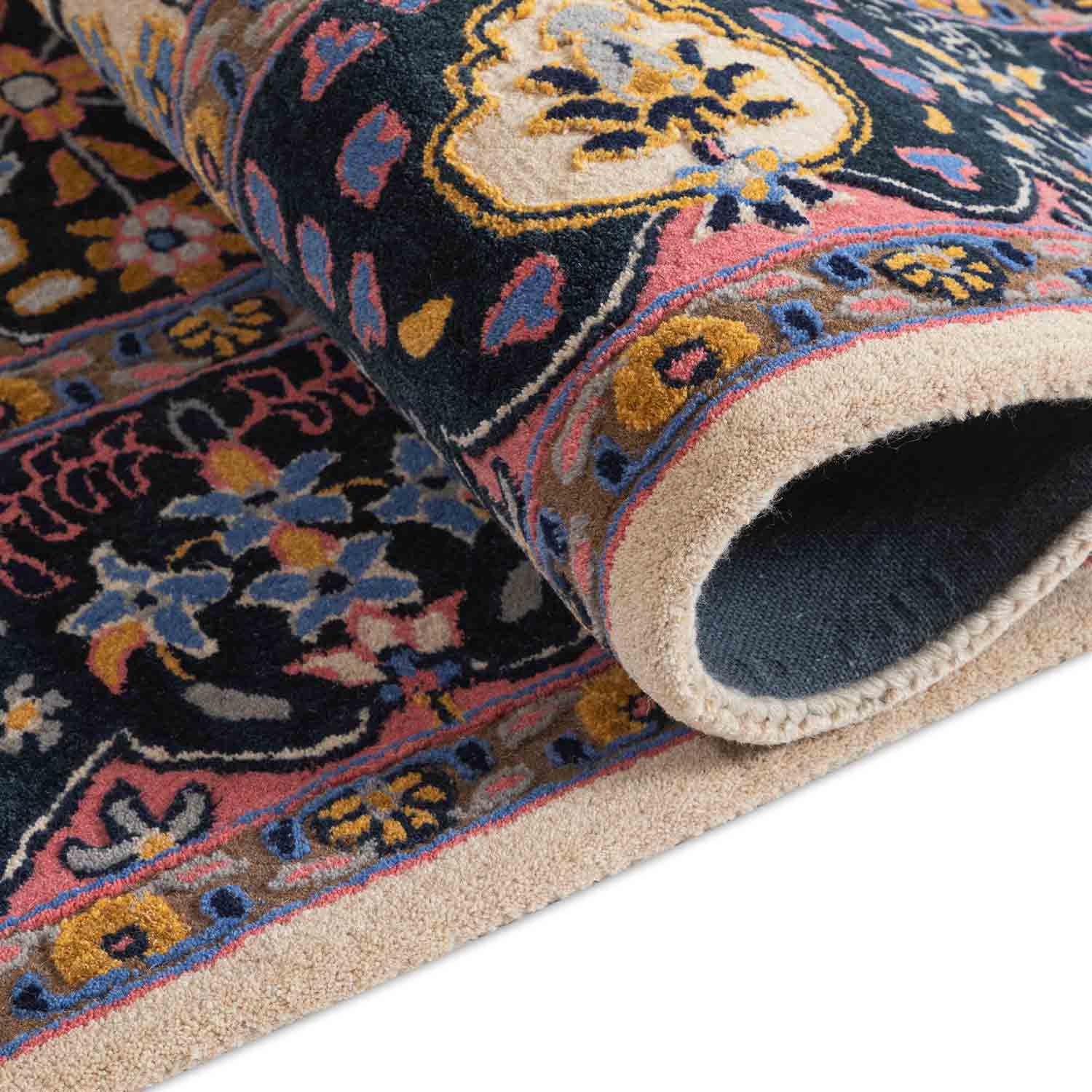
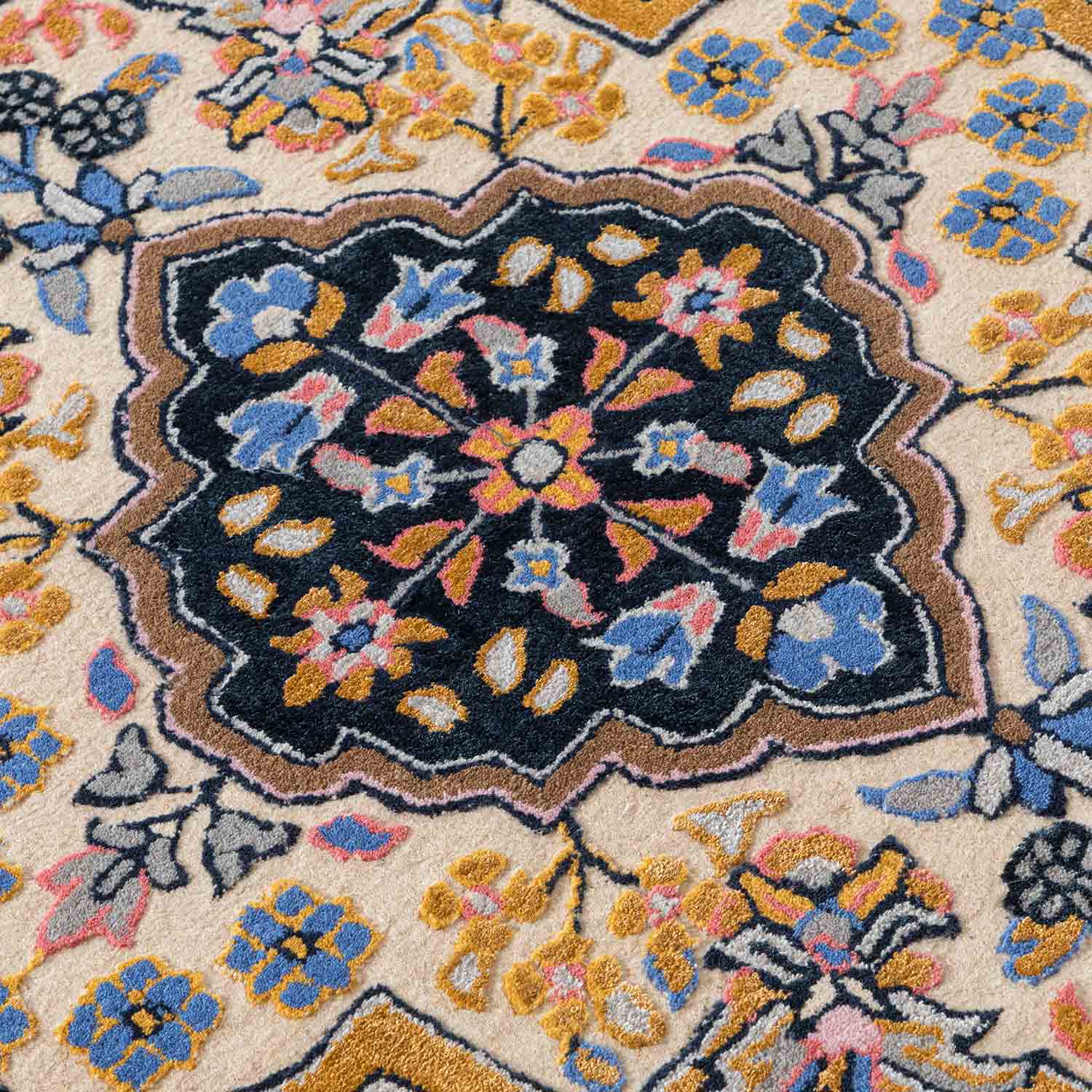
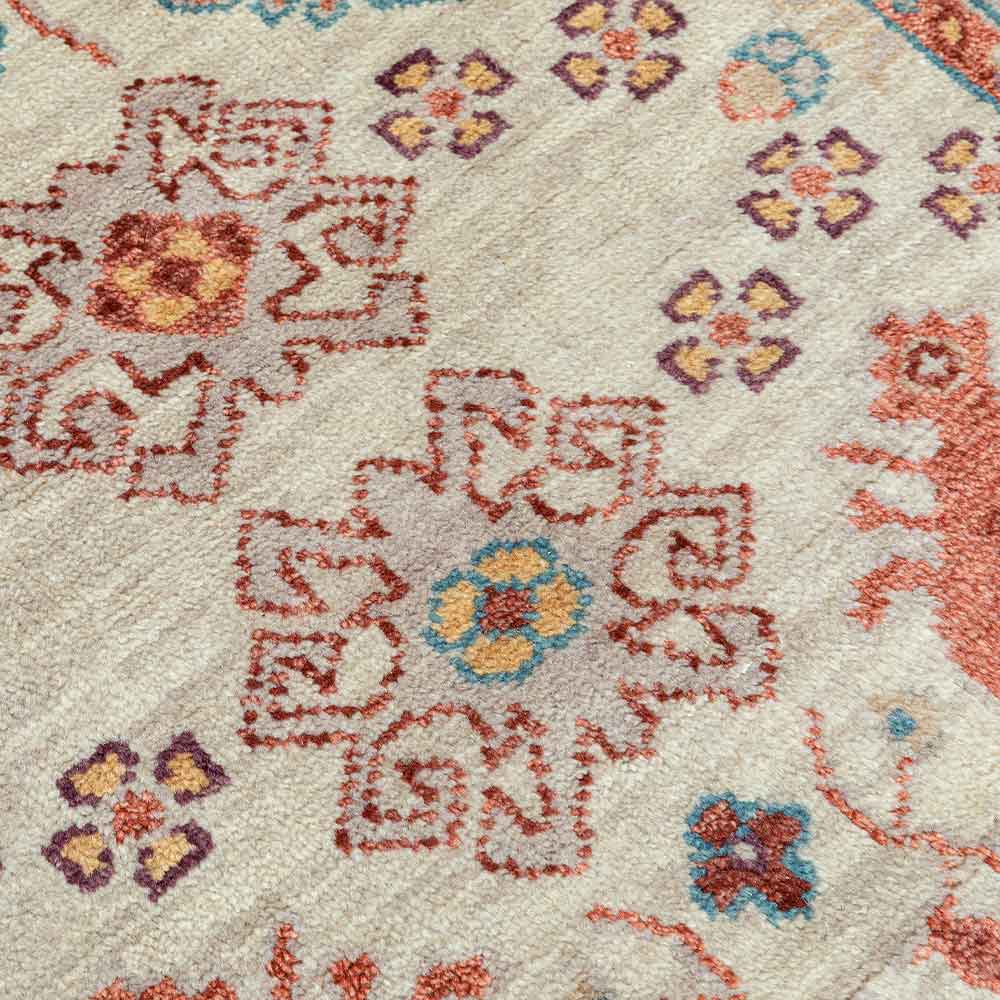
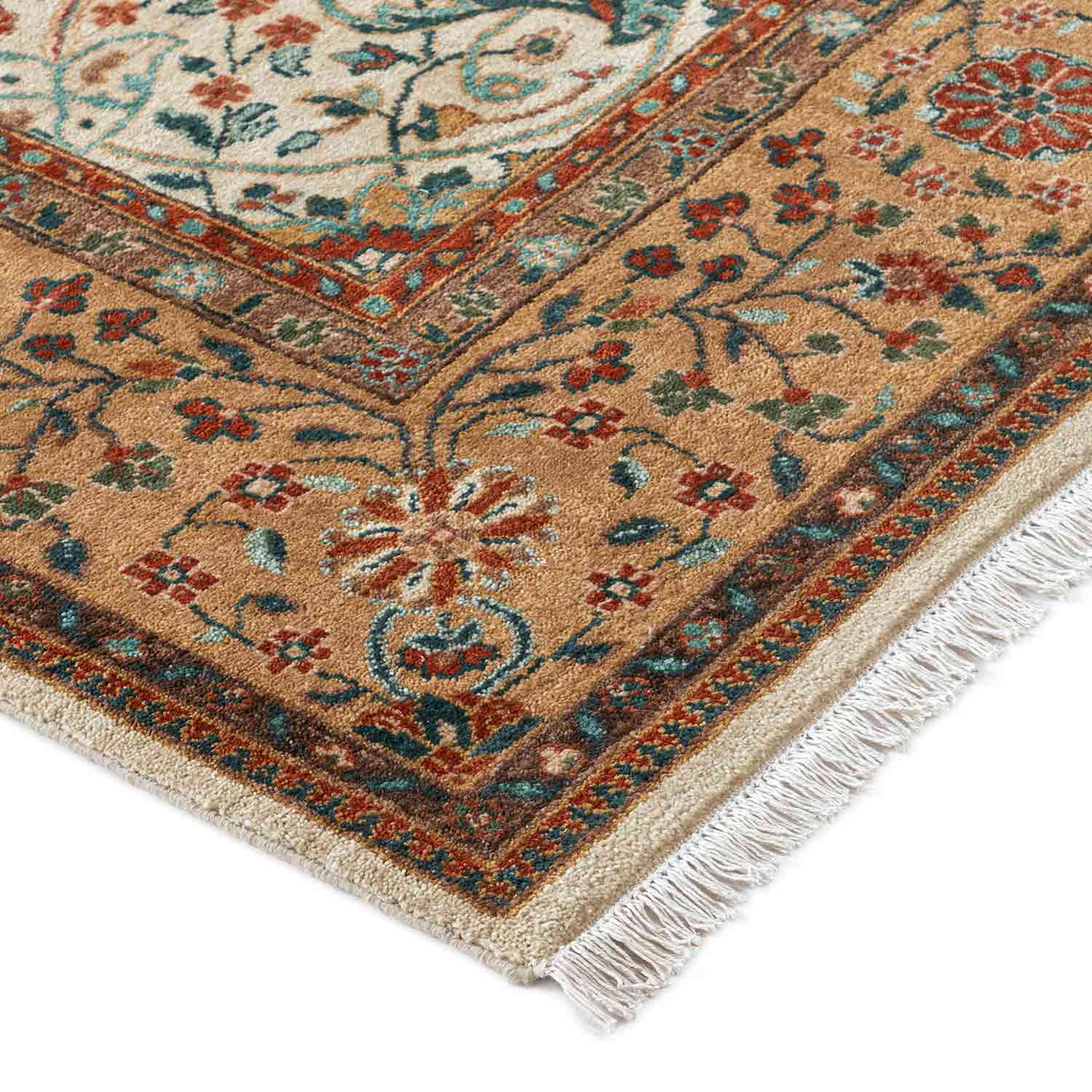
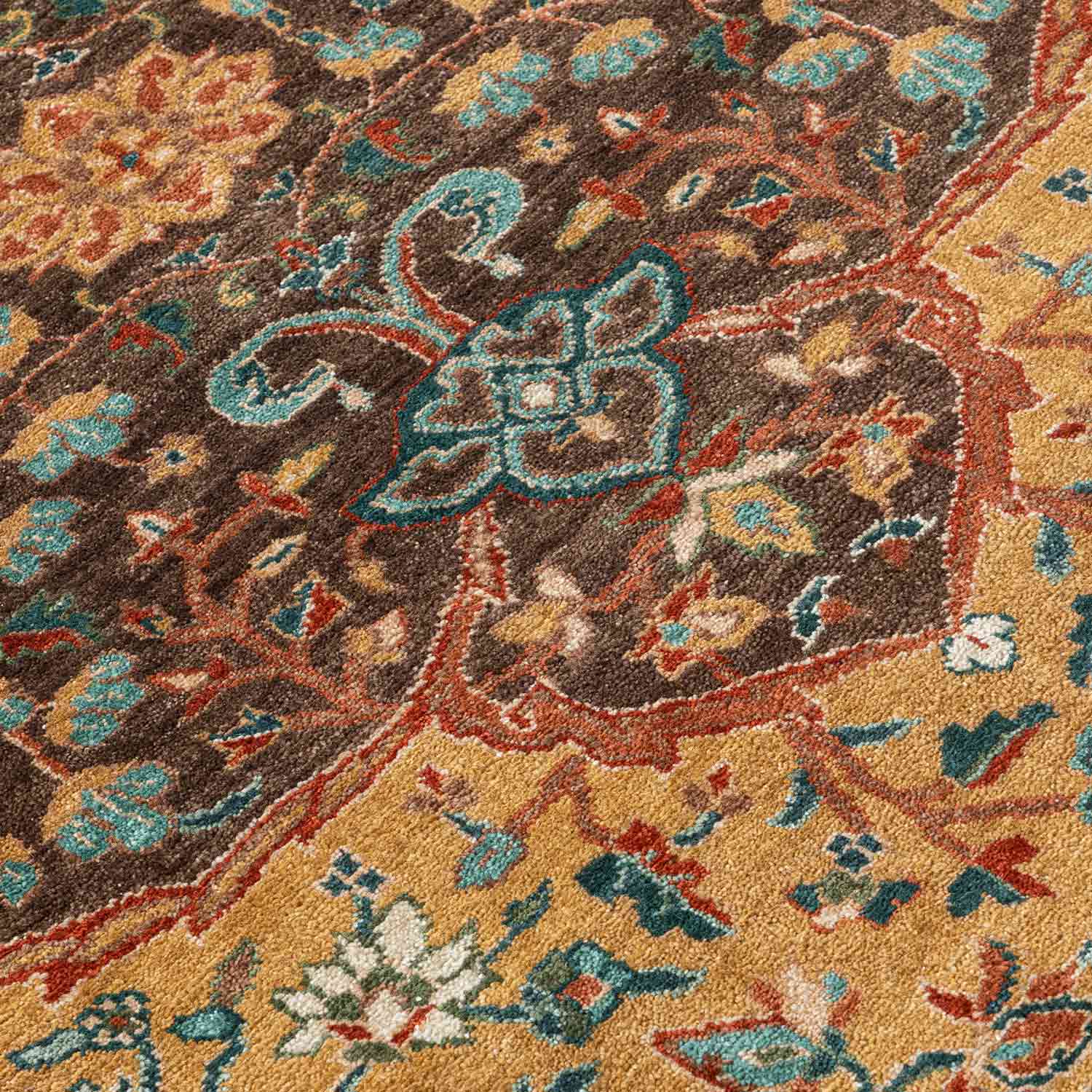
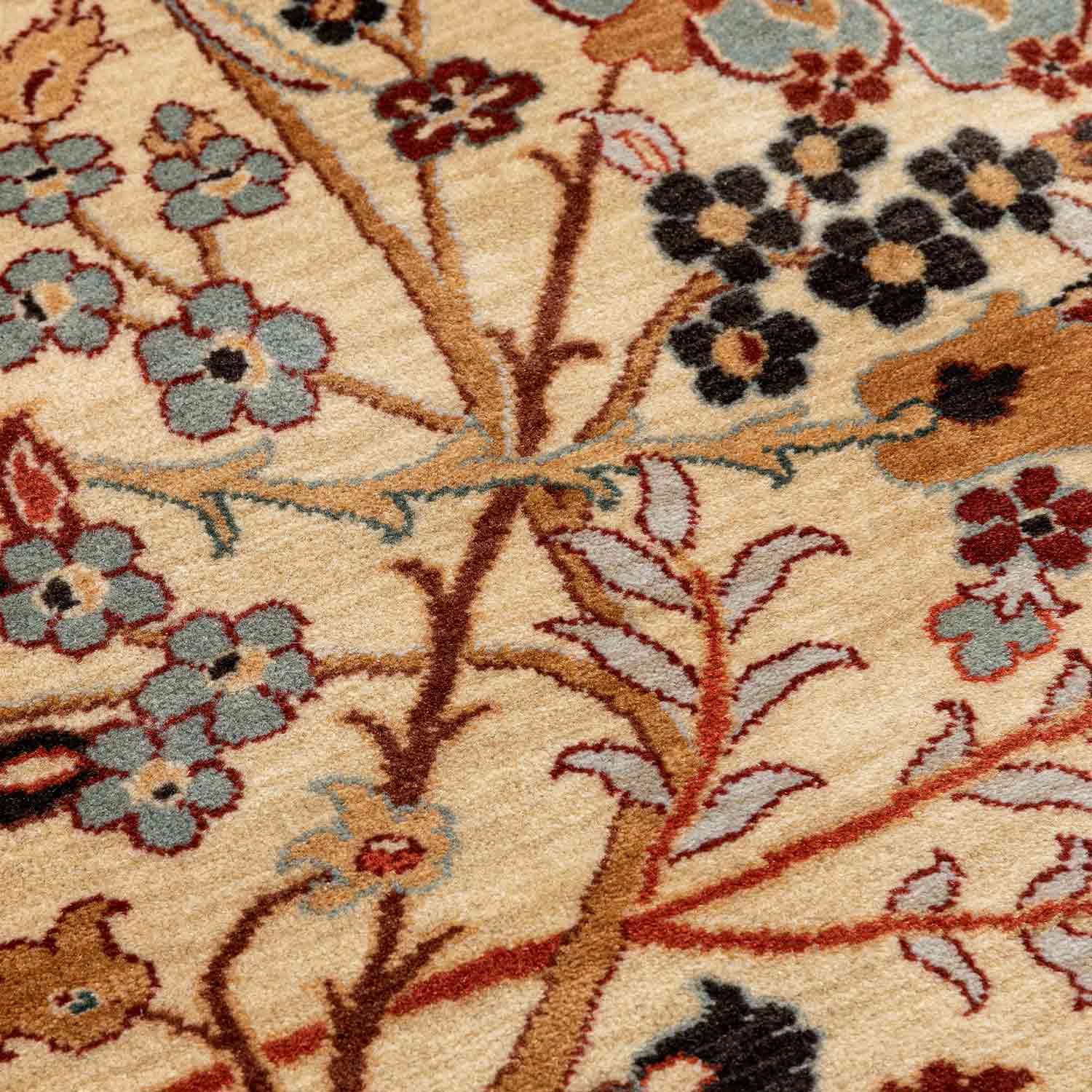
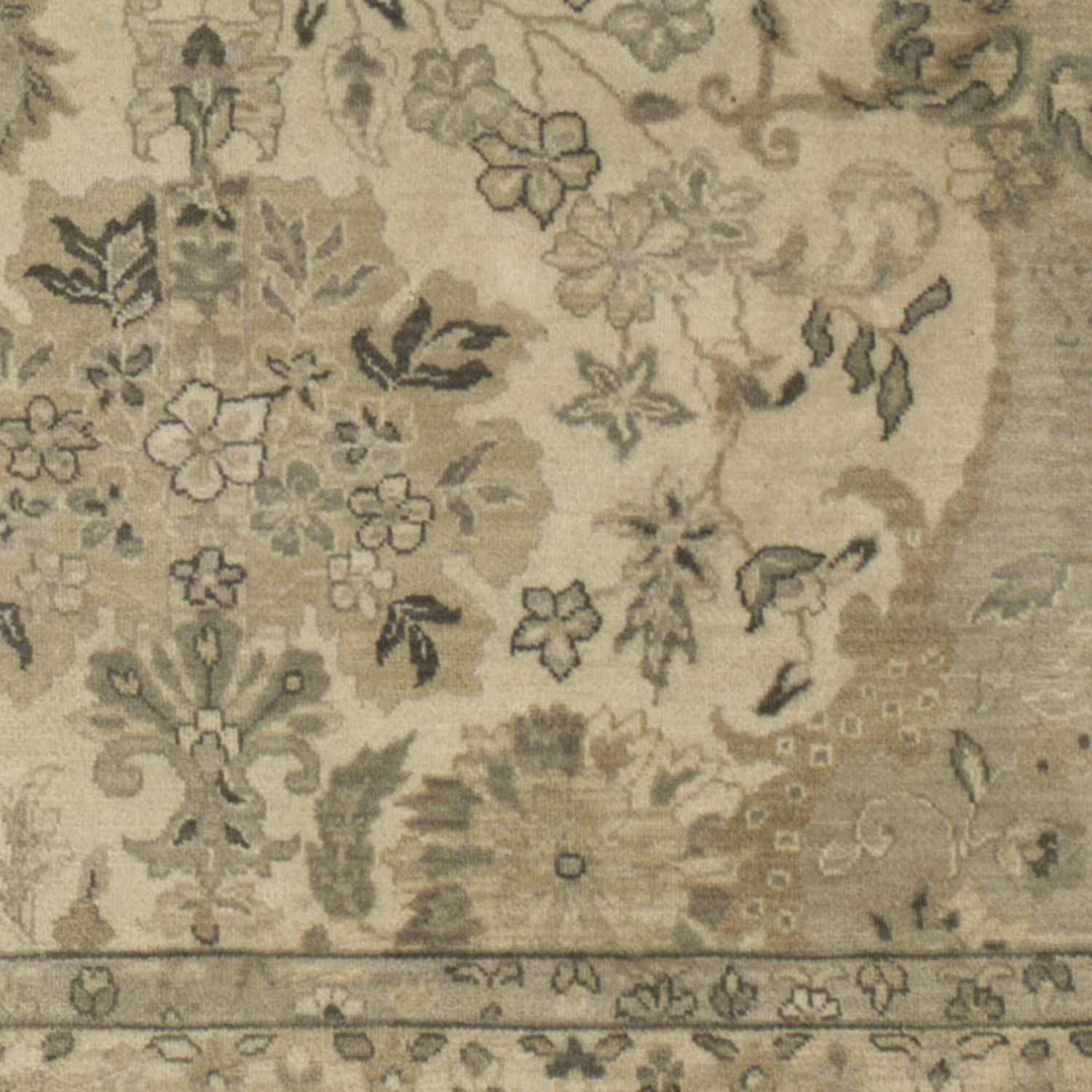
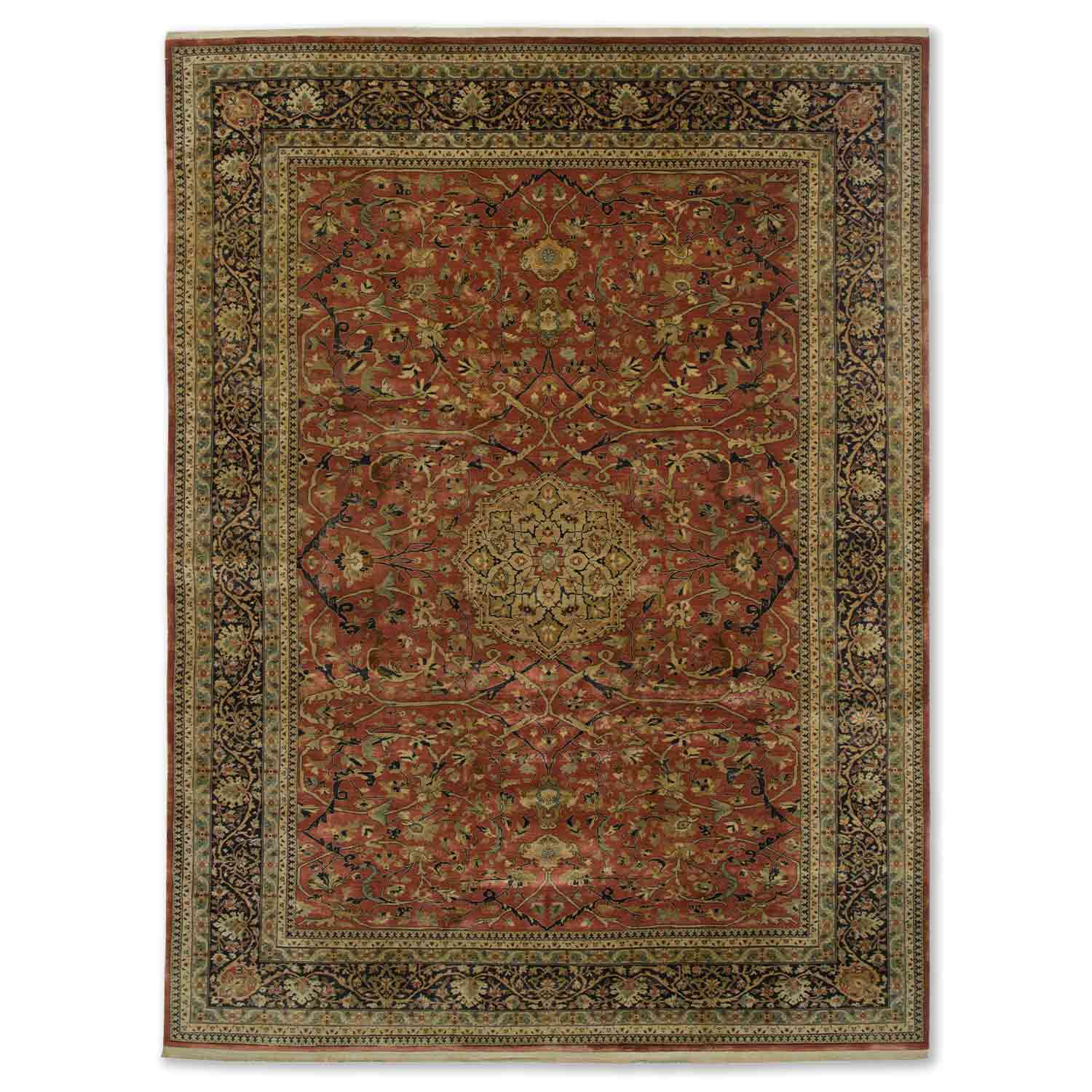
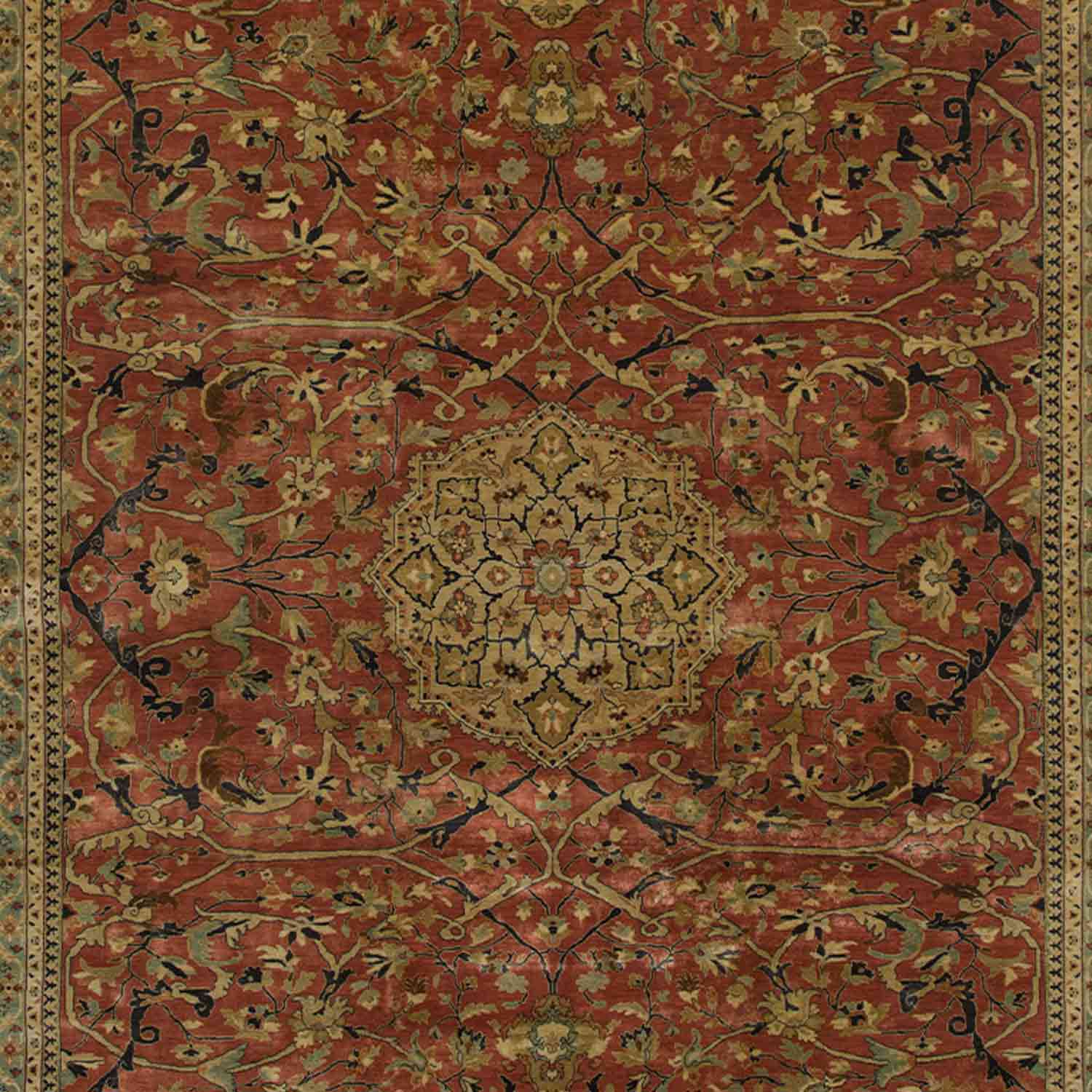
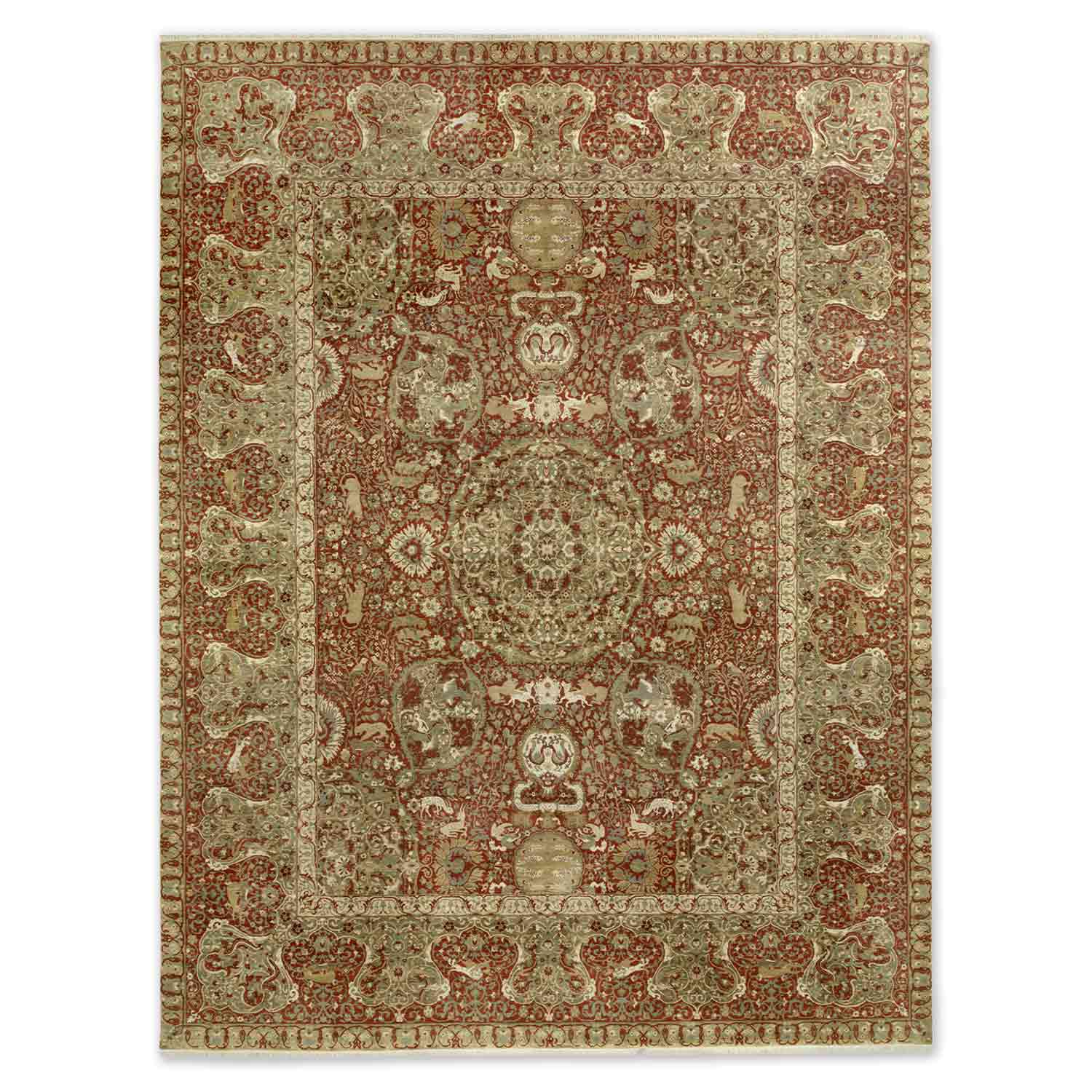
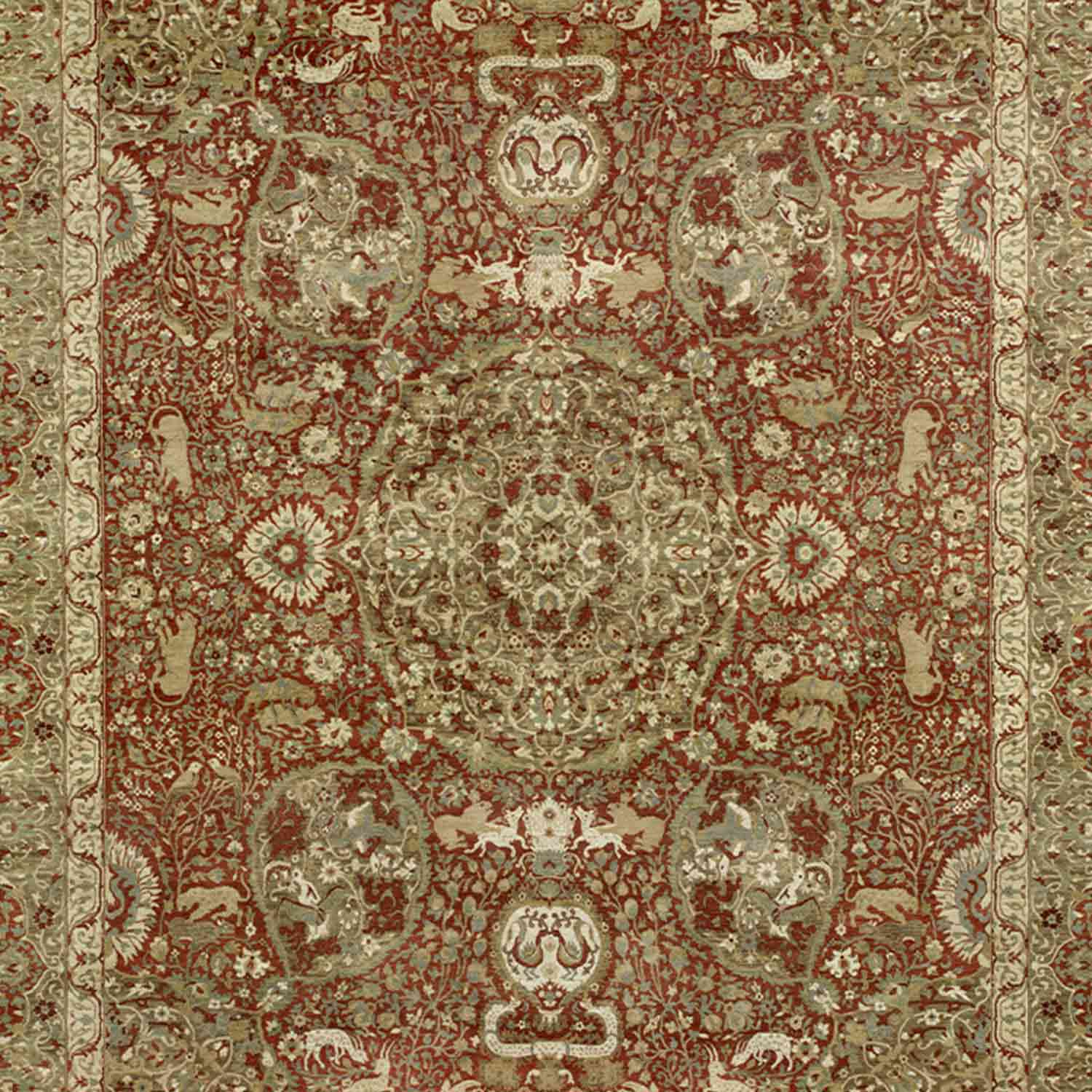
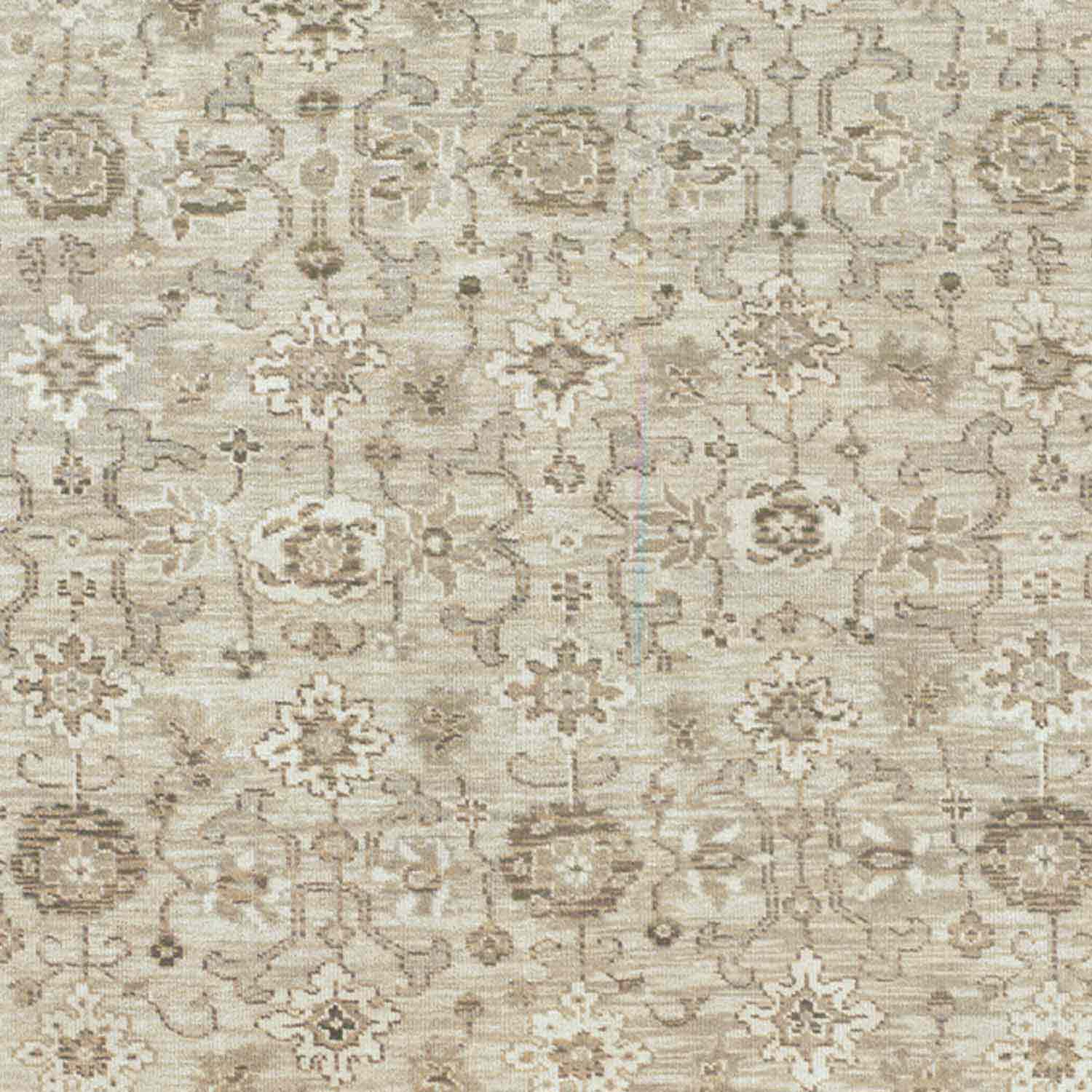
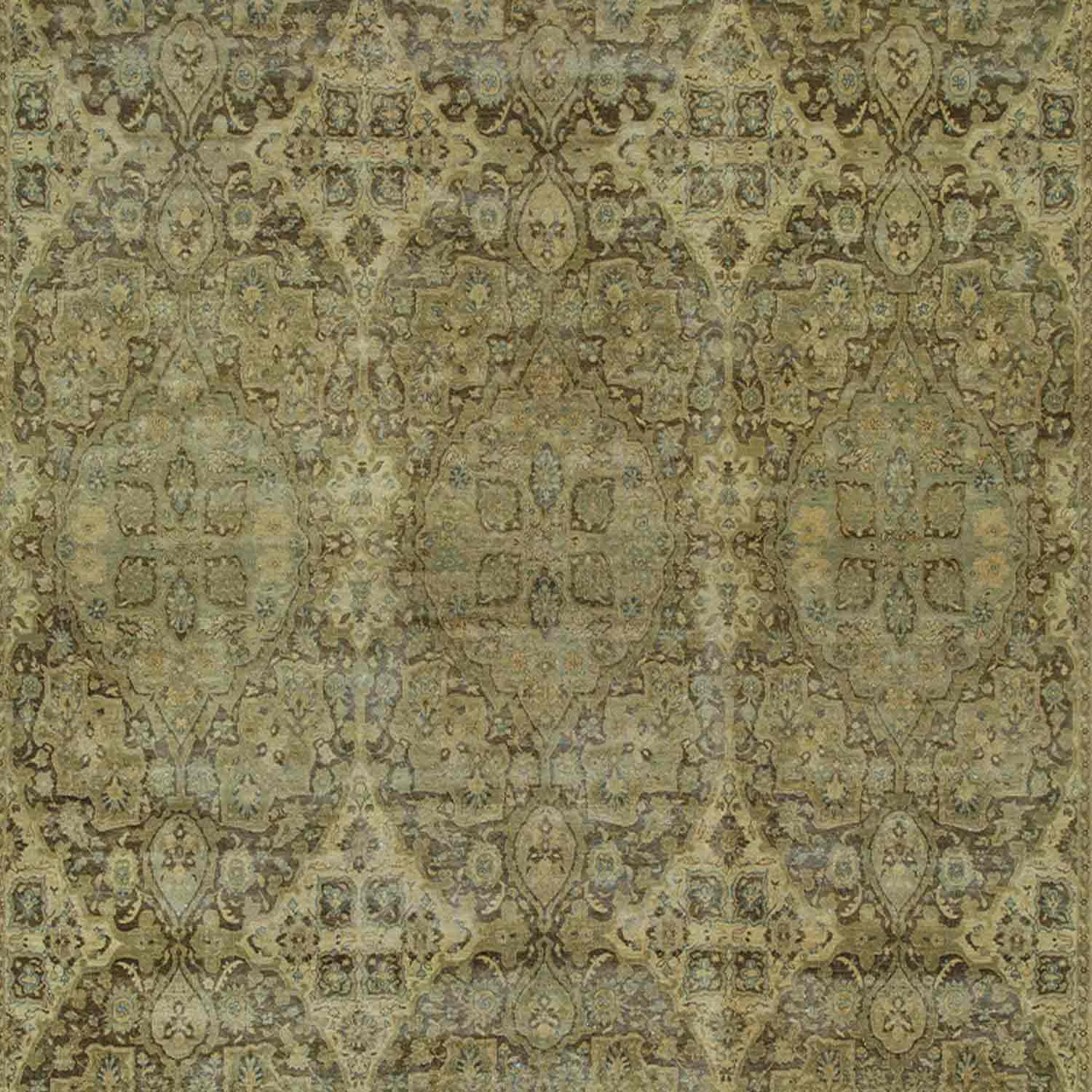
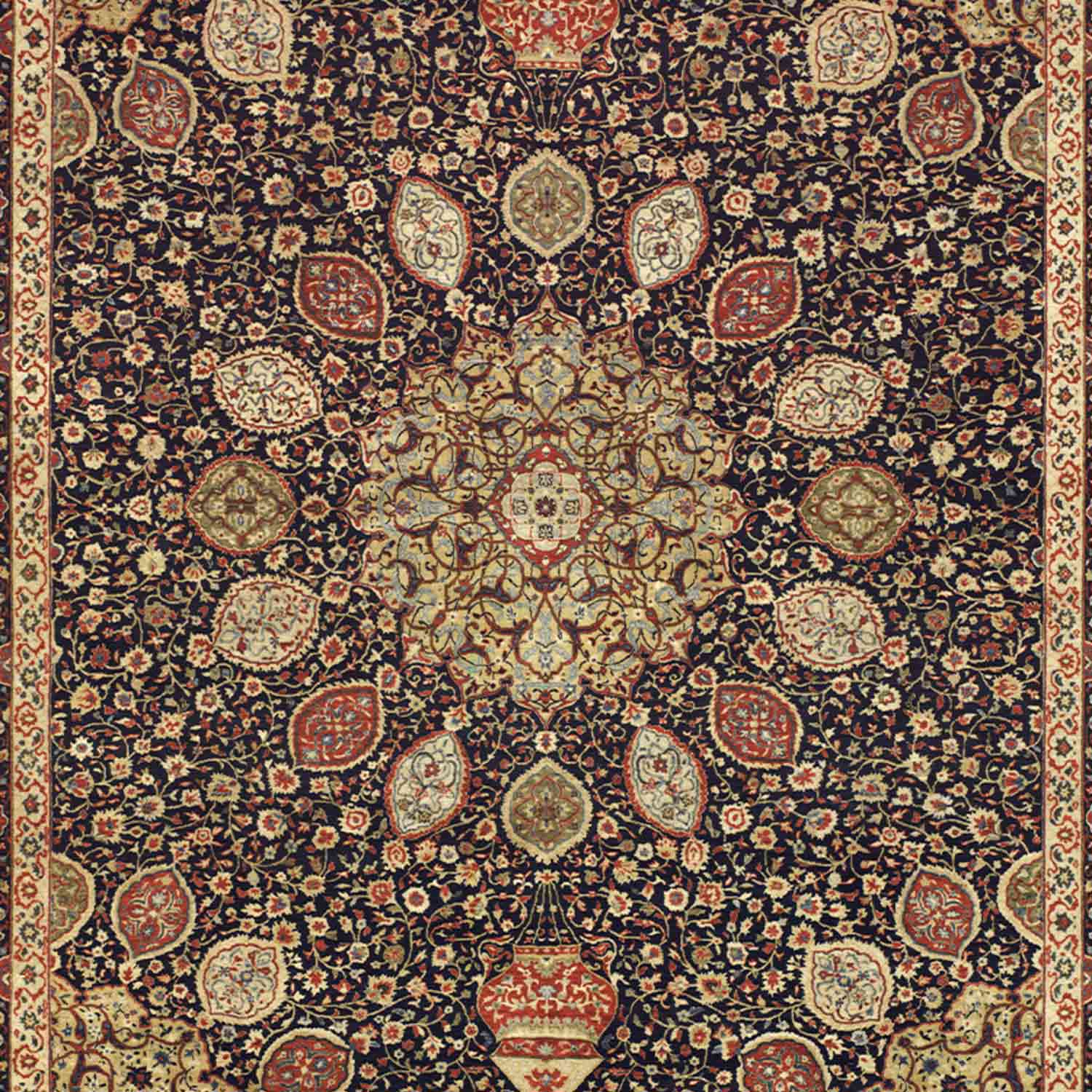
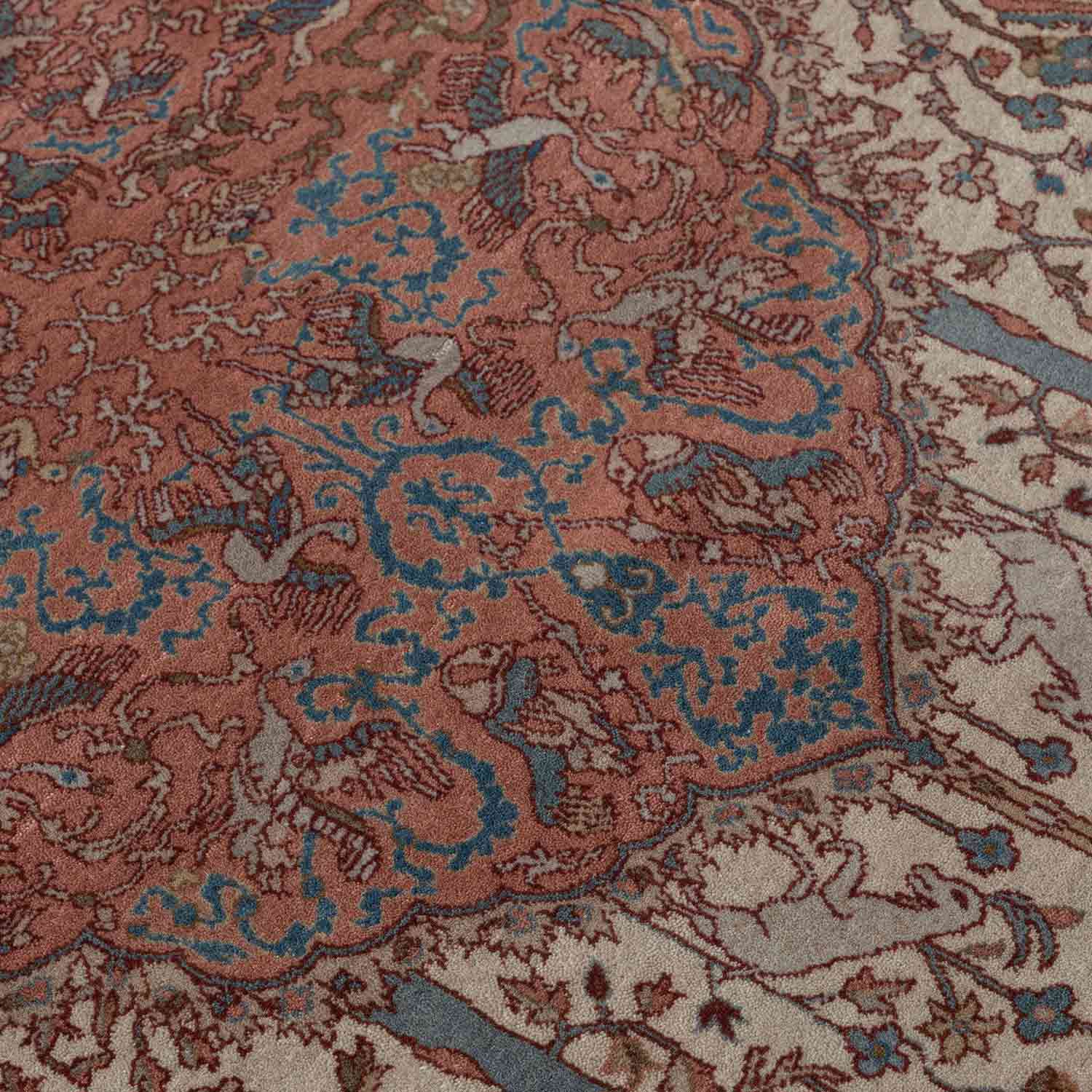
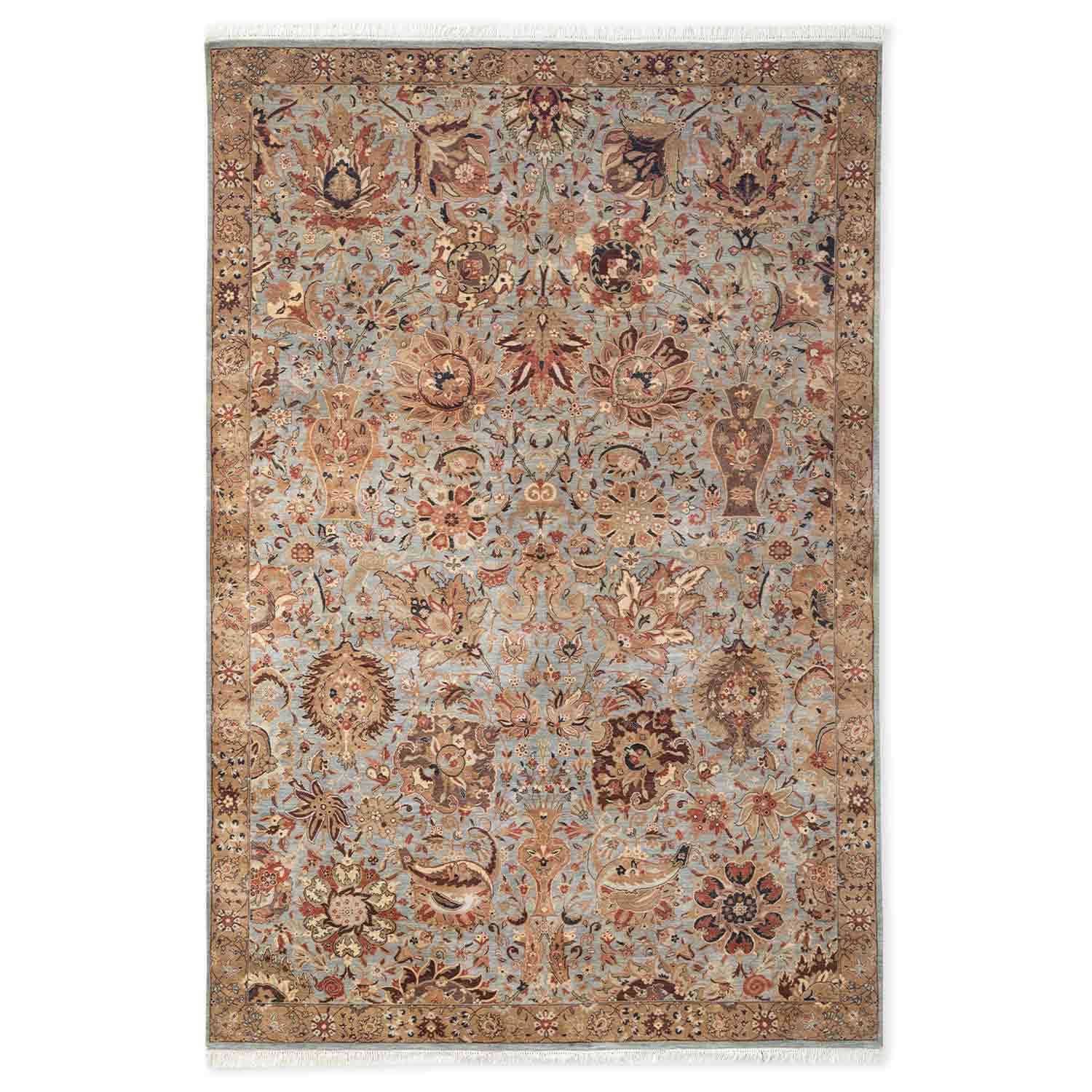
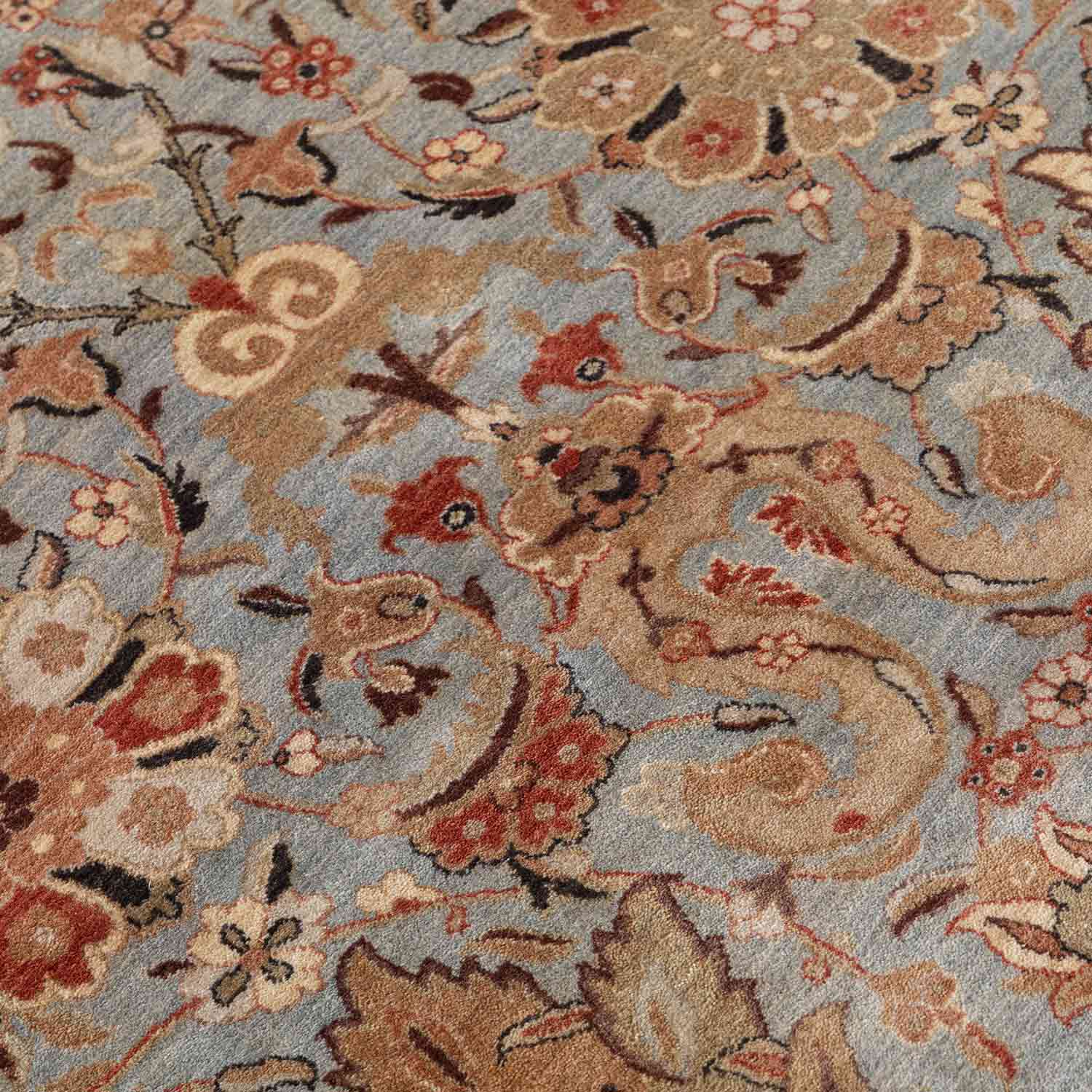
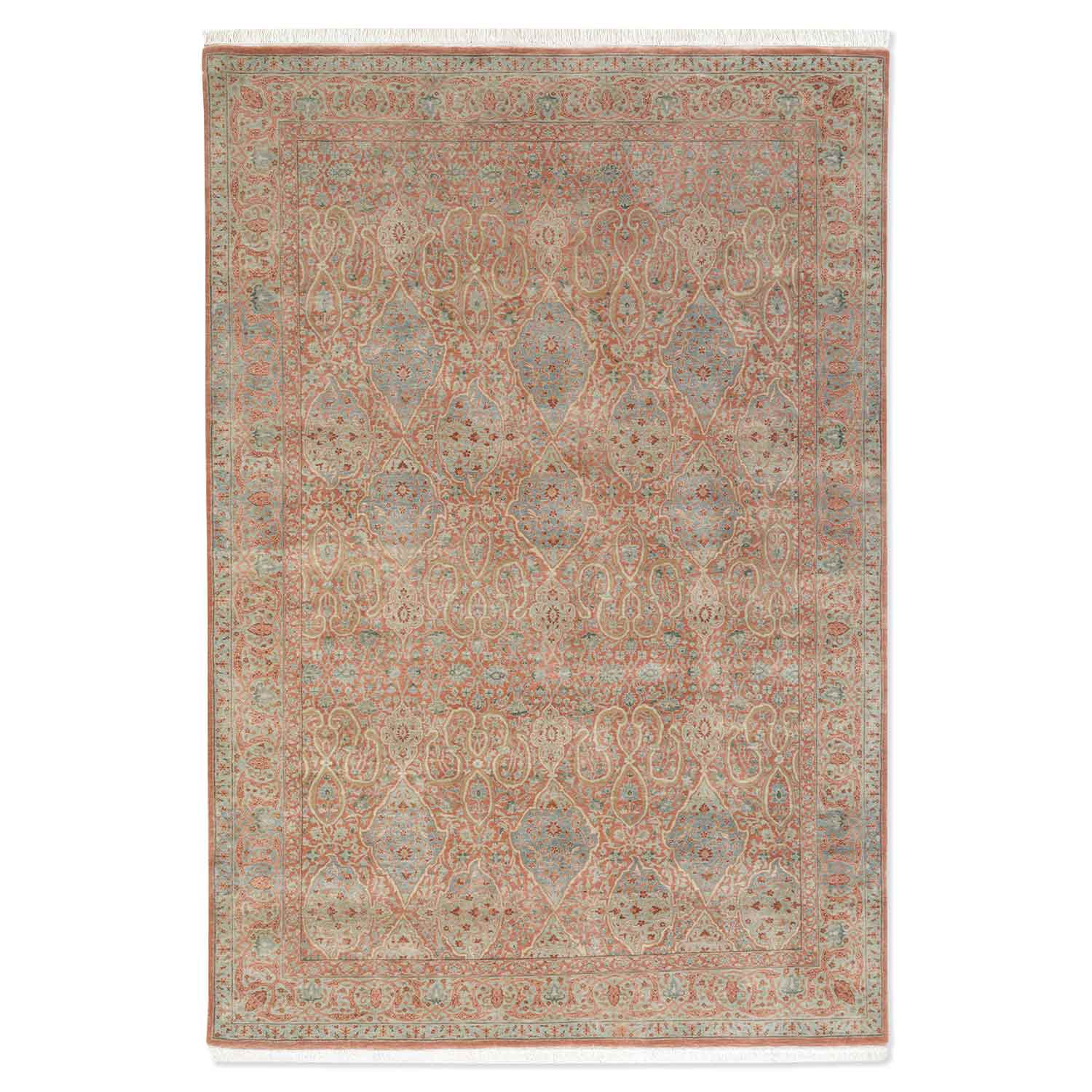
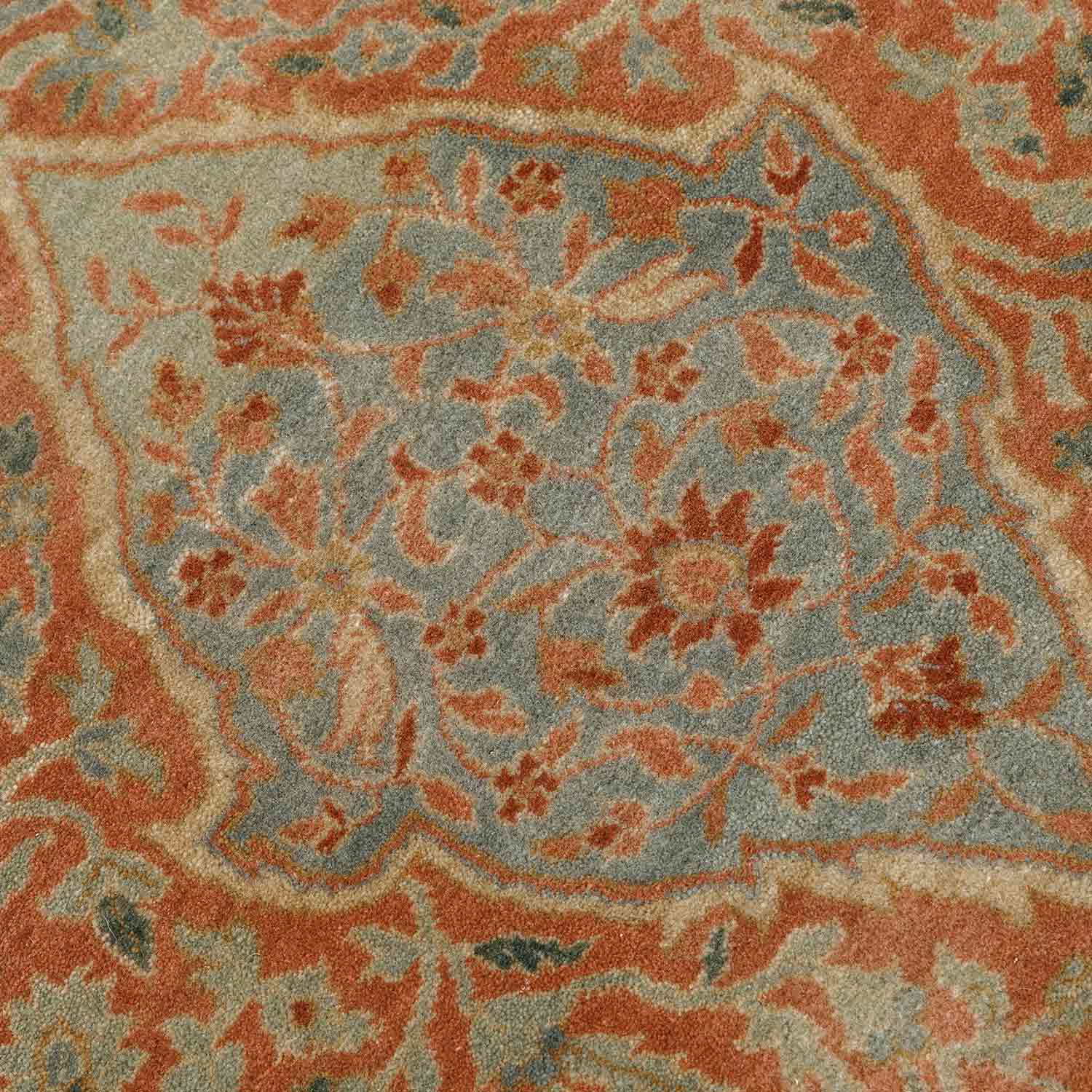
Floral motifs—such as lotus forms, palmettes, rosettes, and scrolling vines—are derived from the idea of the garden as an ordered and enclosed space. In Persian and later Mughal design traditions, the garden represented a controlled environment where symmetry and repetition created harmony.
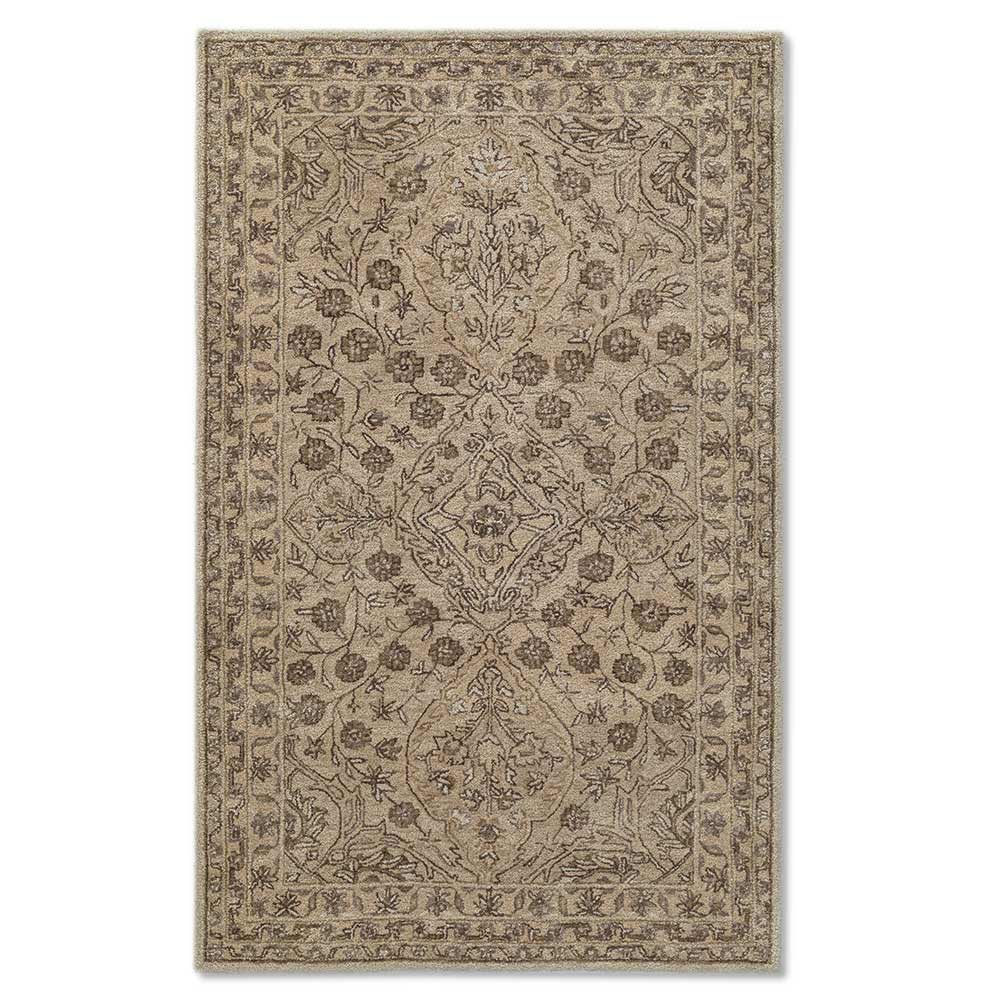
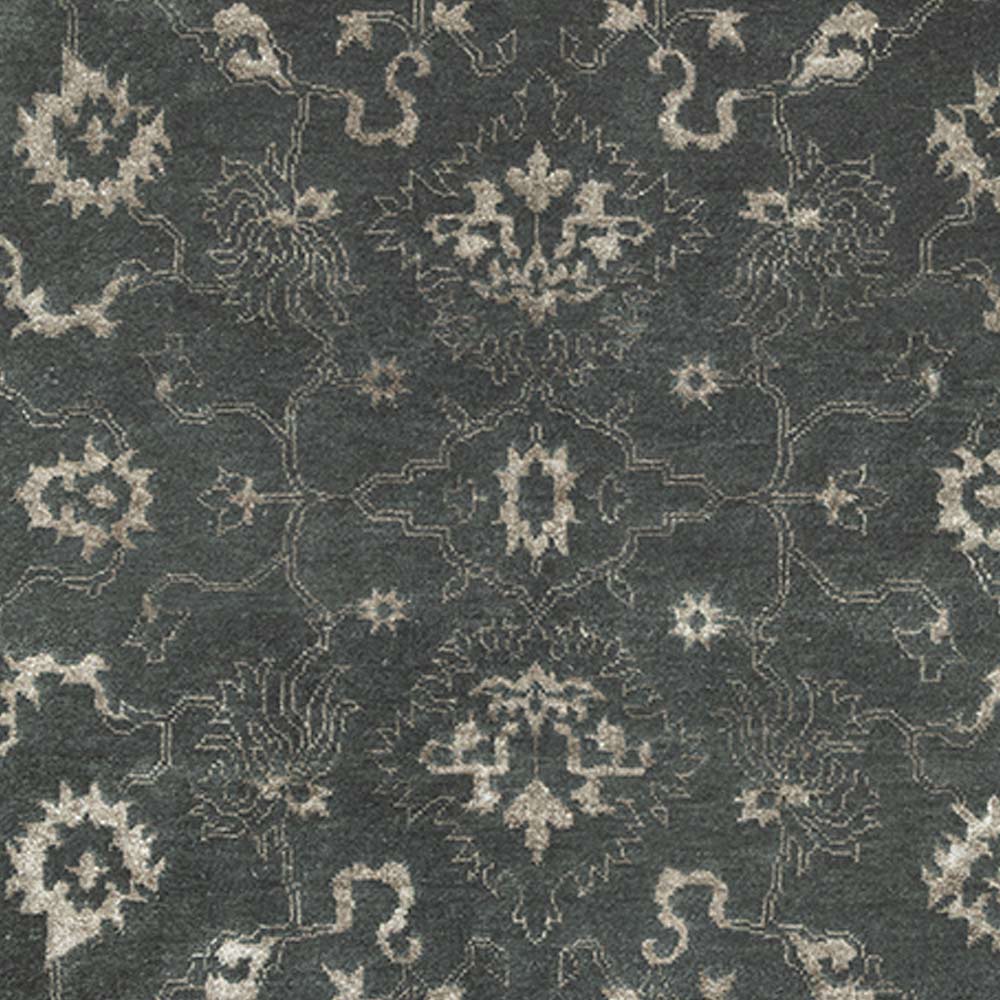
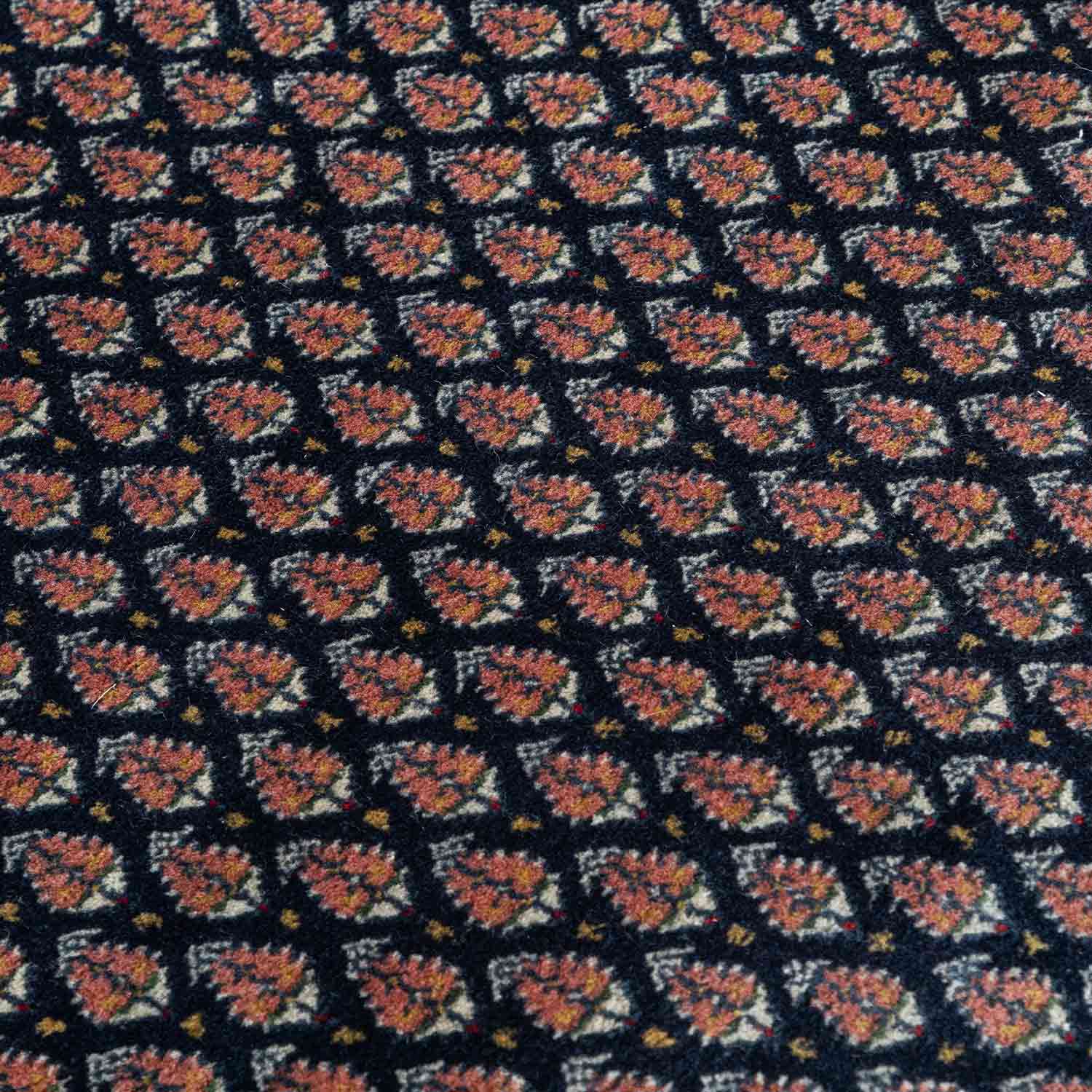
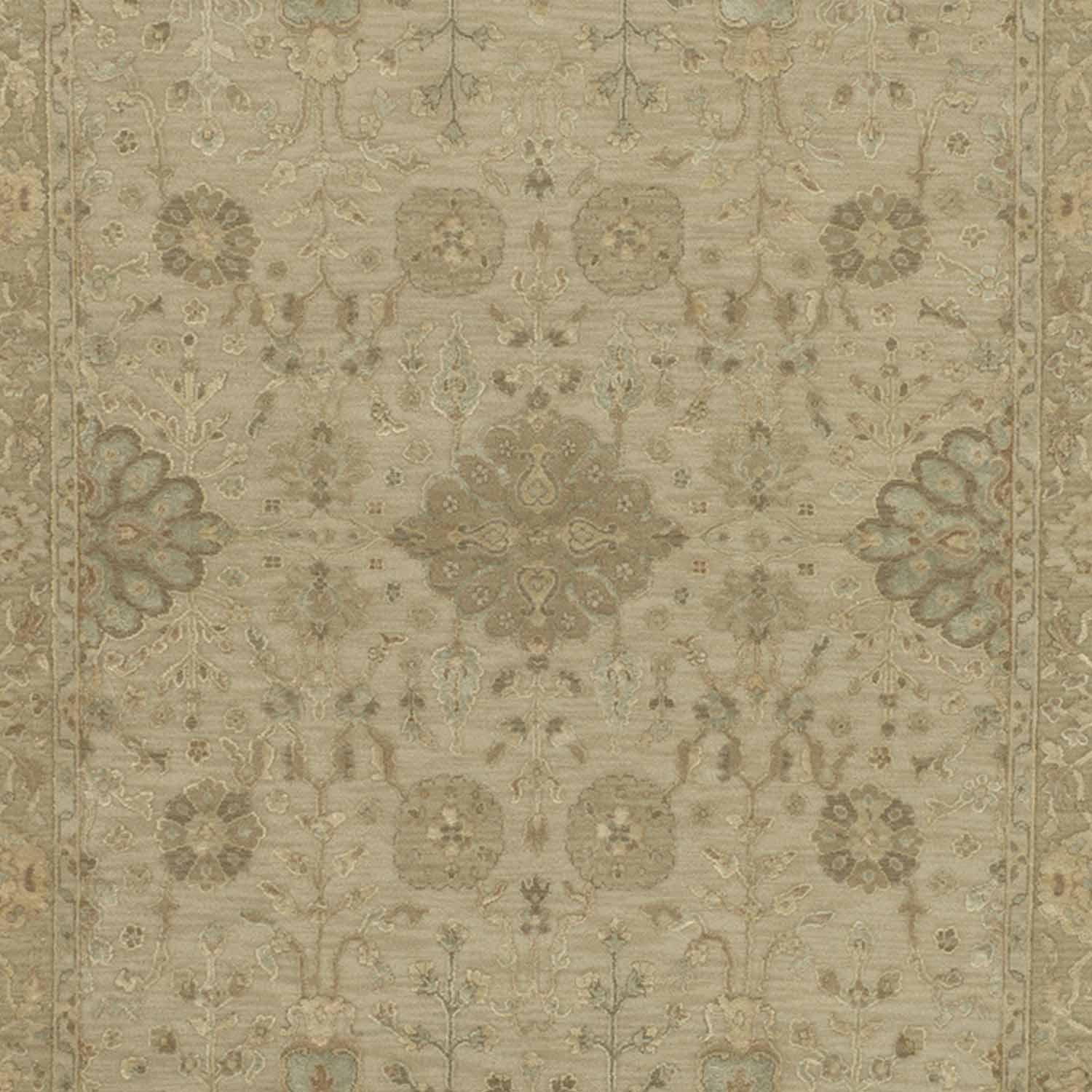
Within a rug, these motifs form a continuous network. The vine establishes movement across the field, while repeating florals create rhythm and balance. Rather than depicting nature literally, they construct a system that allows the eye to move fluidly without disruption.
The Medallion: Translating Architecture to Surface
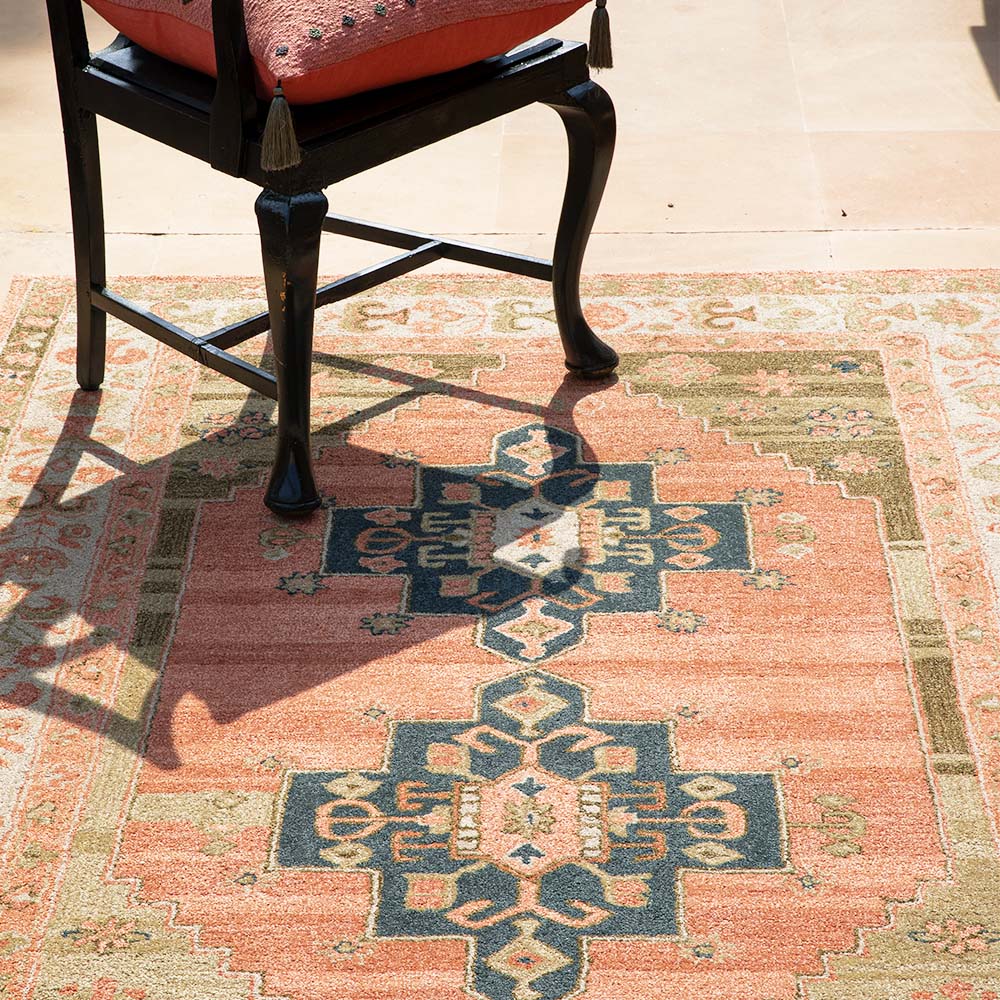
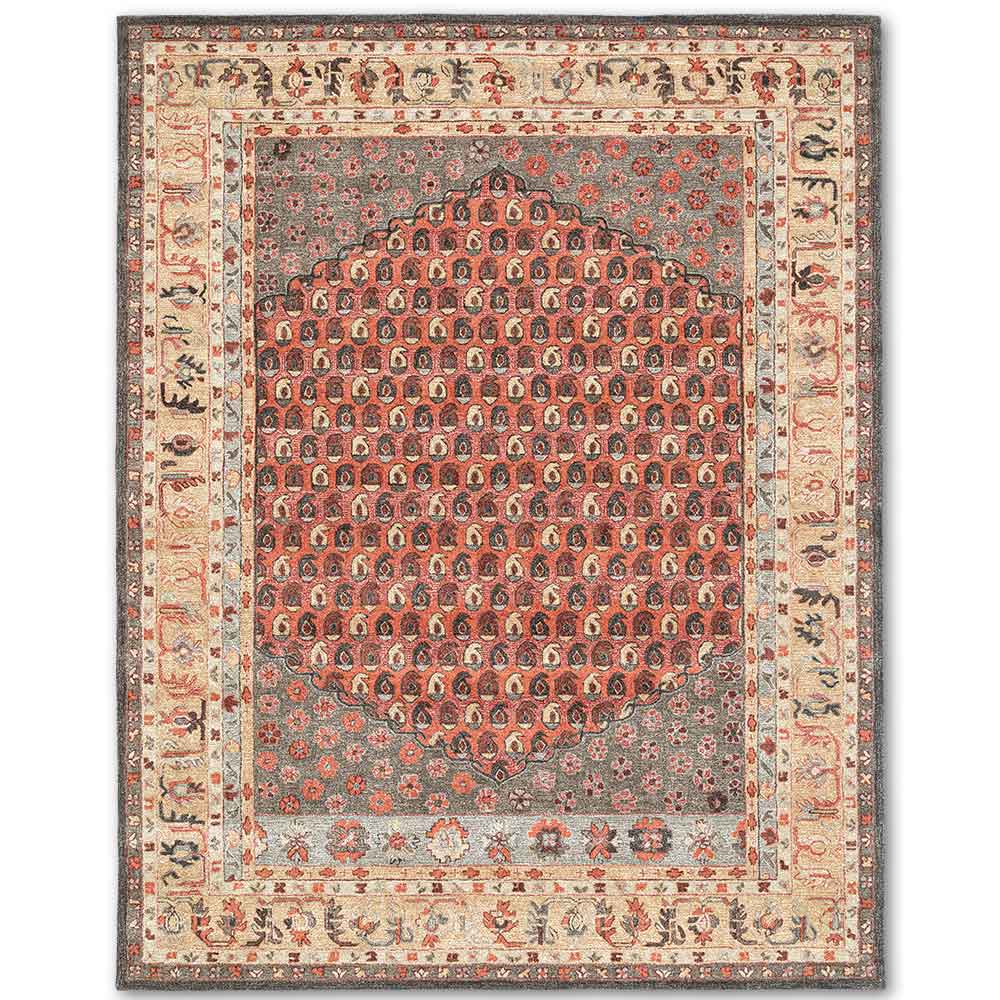
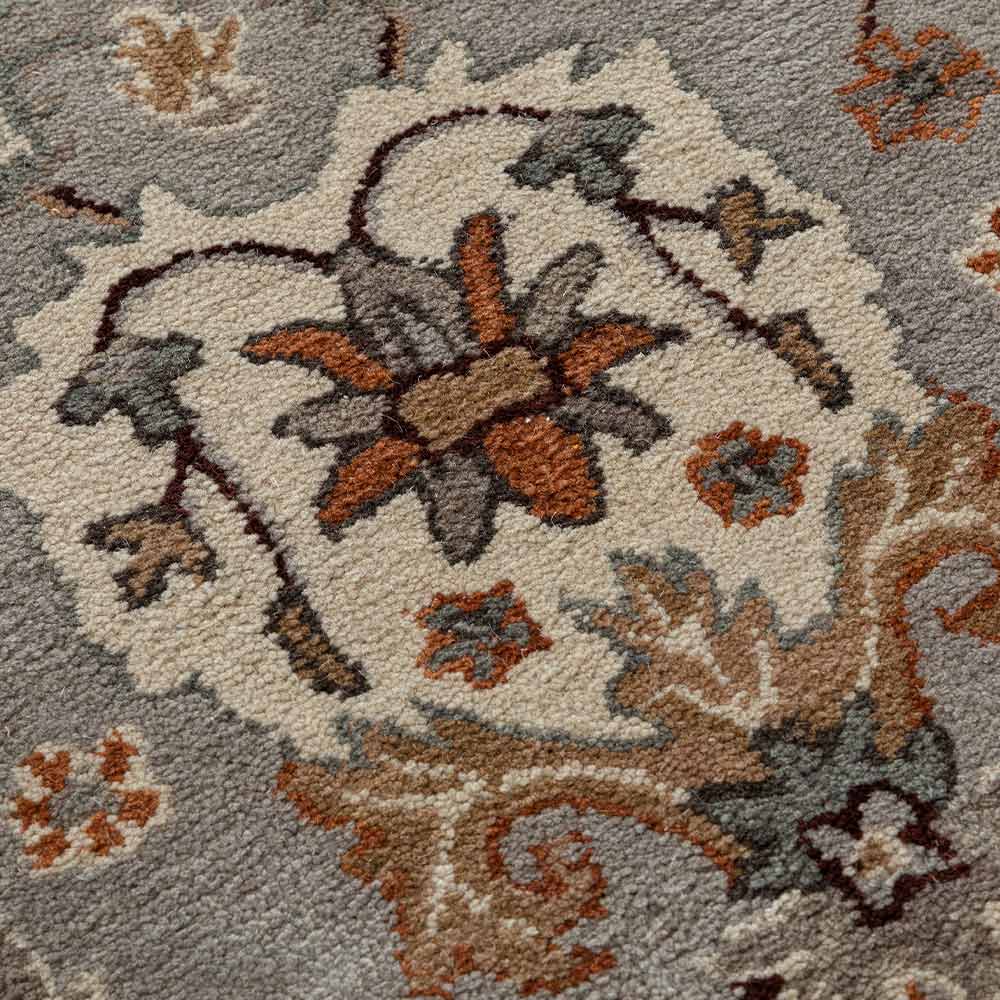
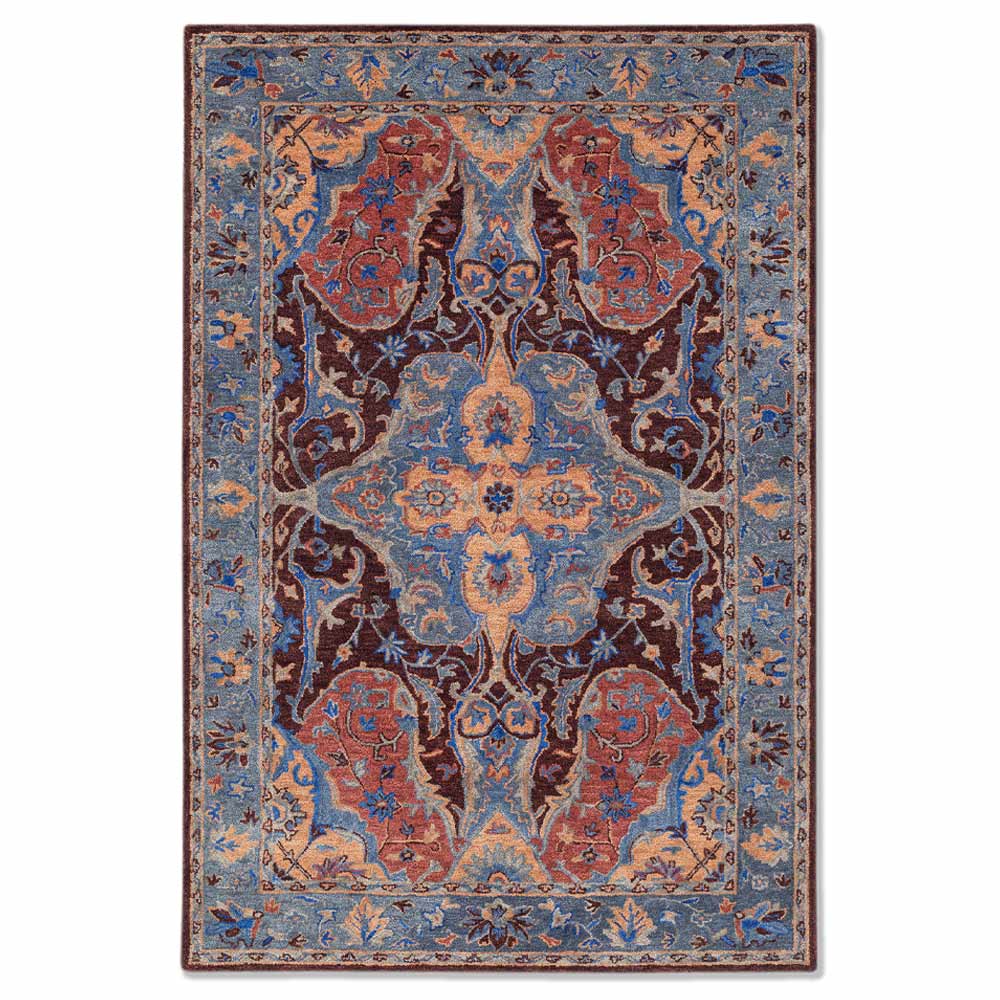
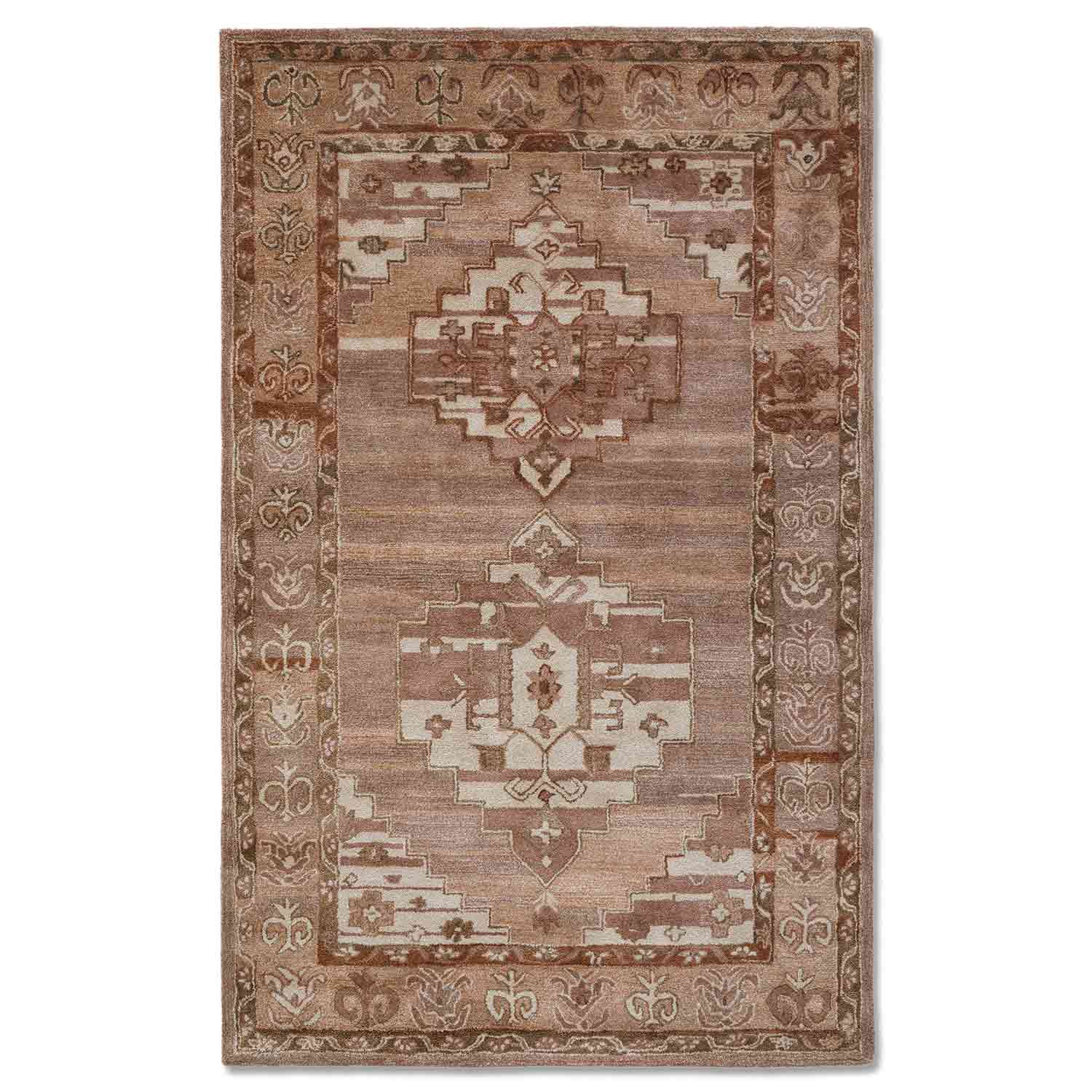
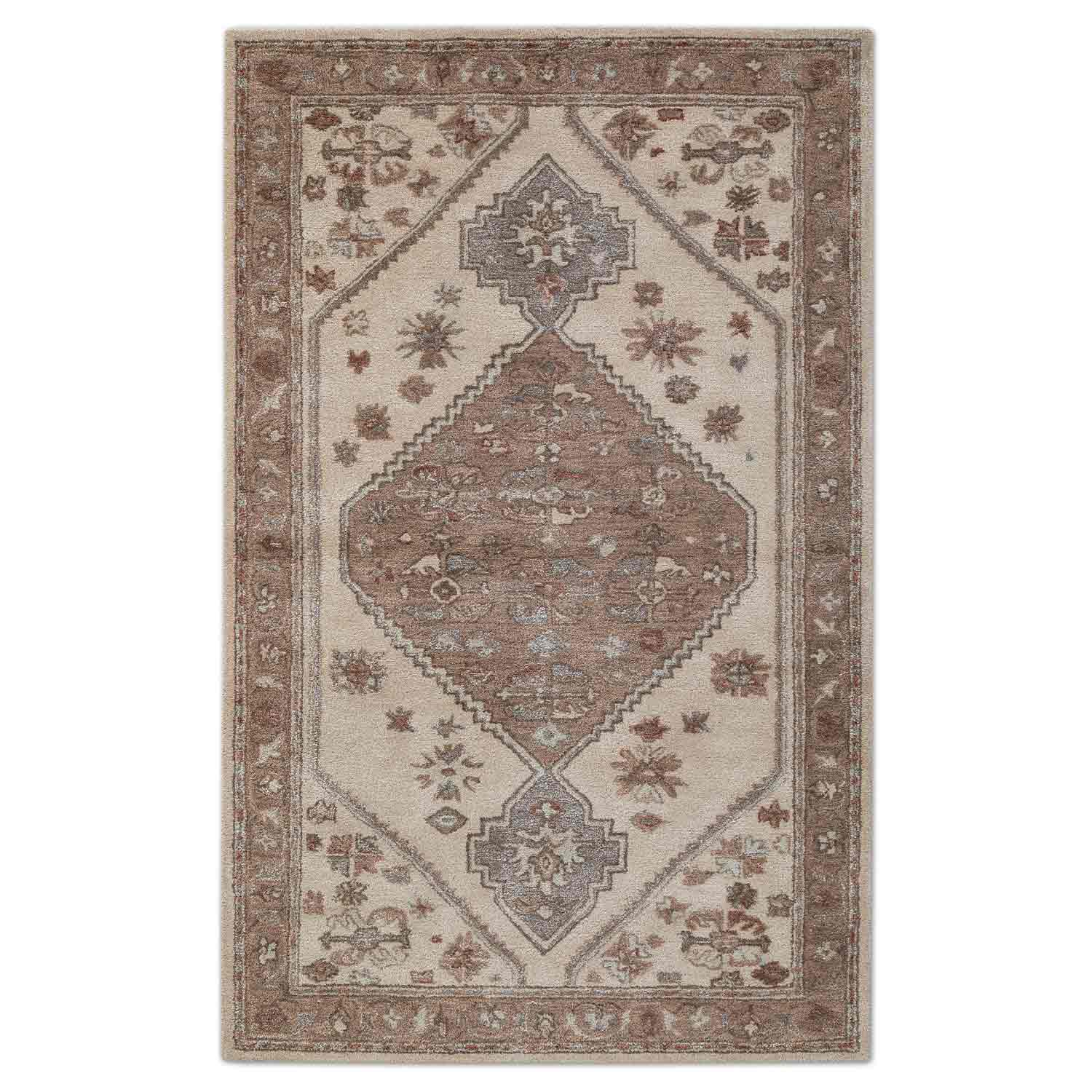
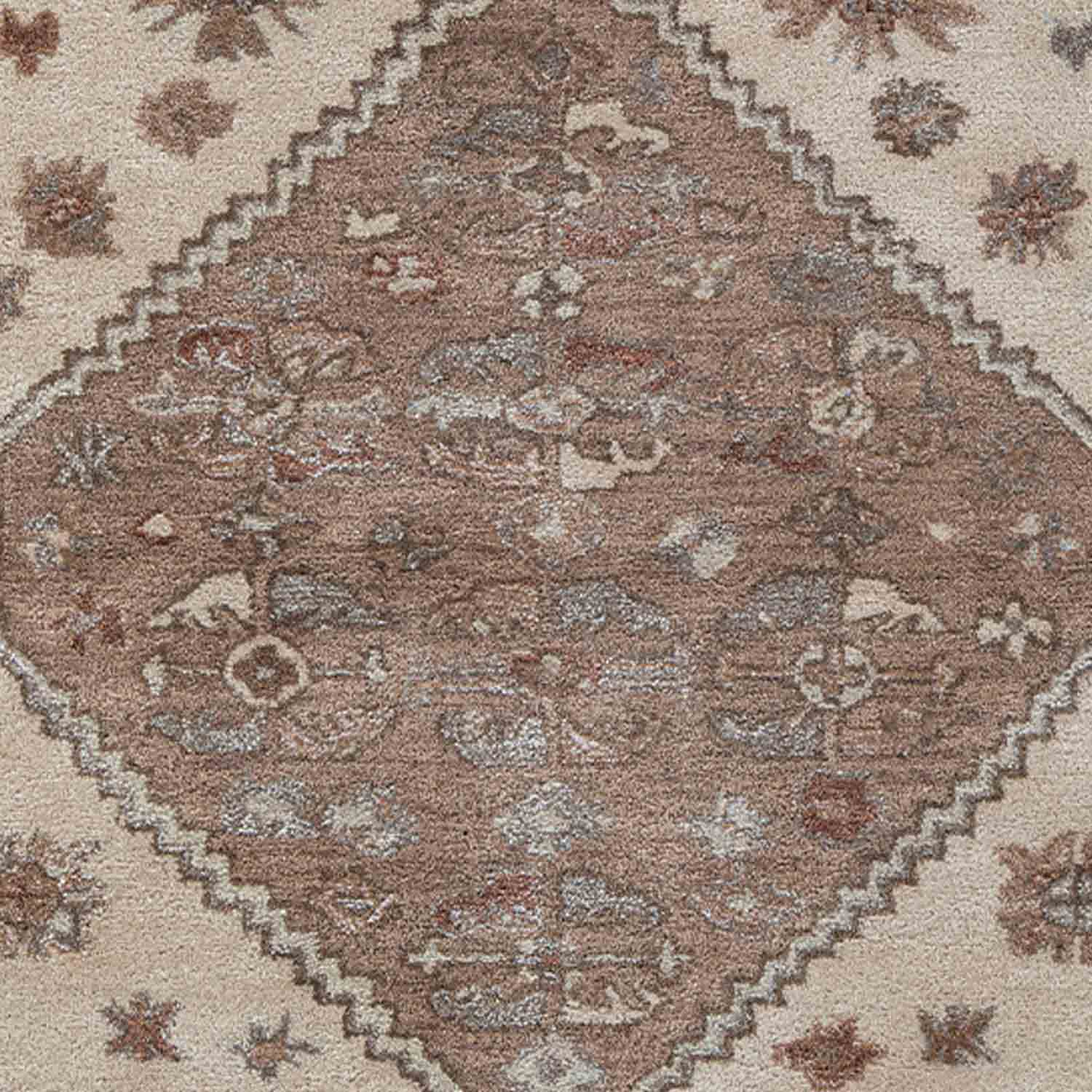
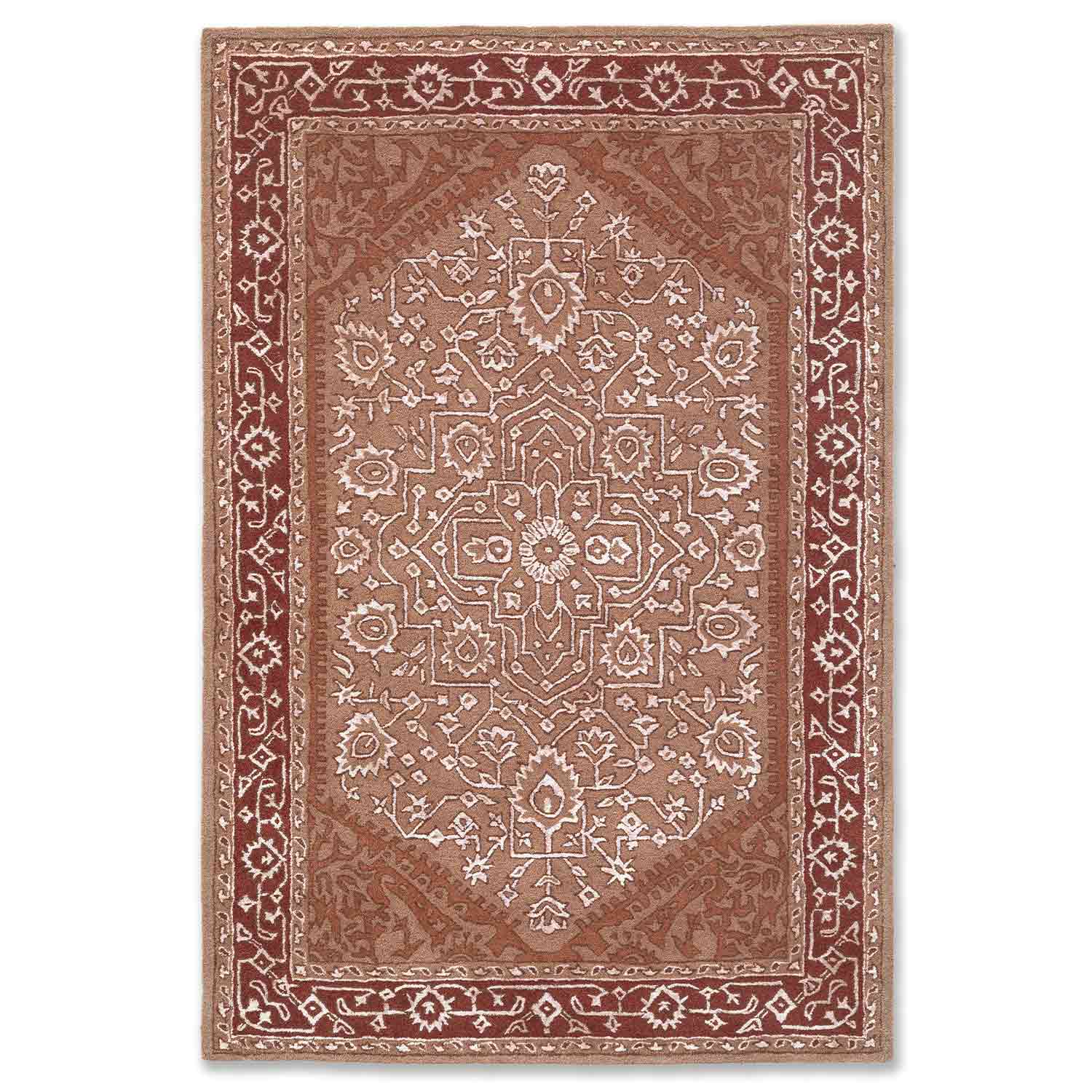
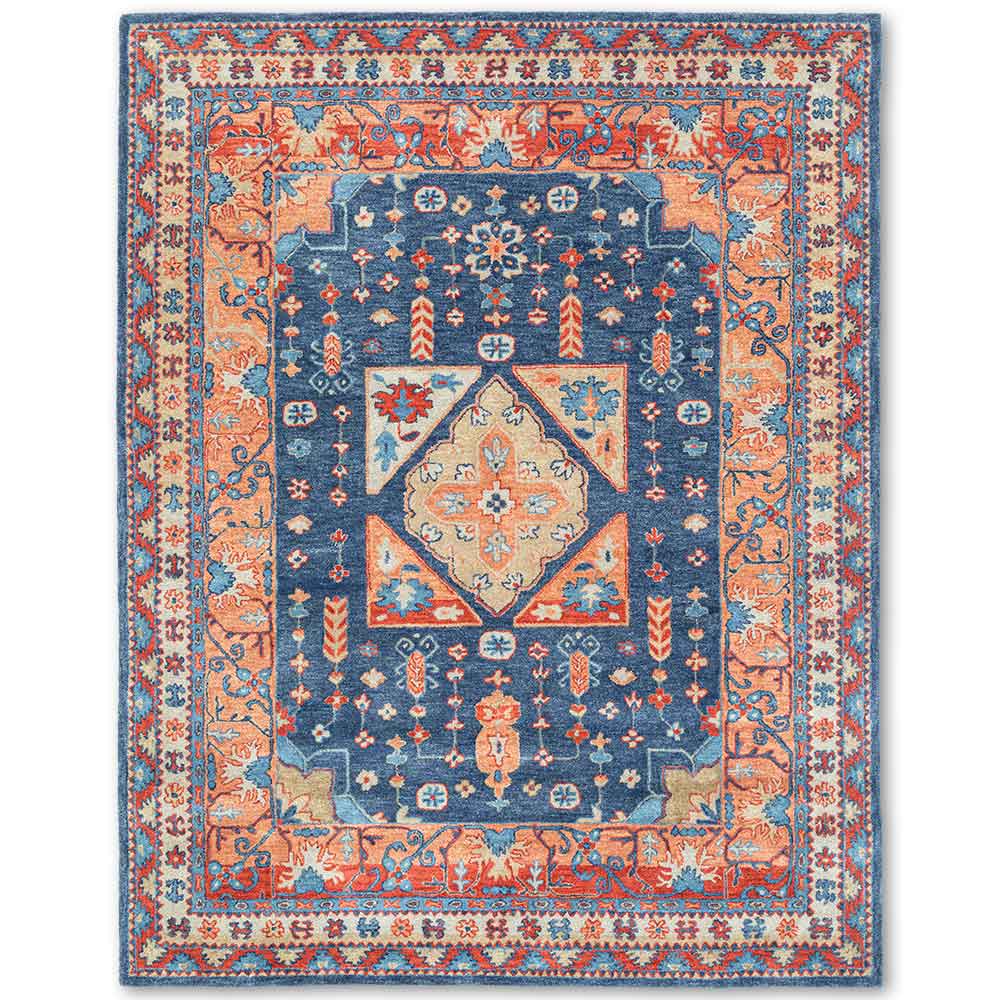
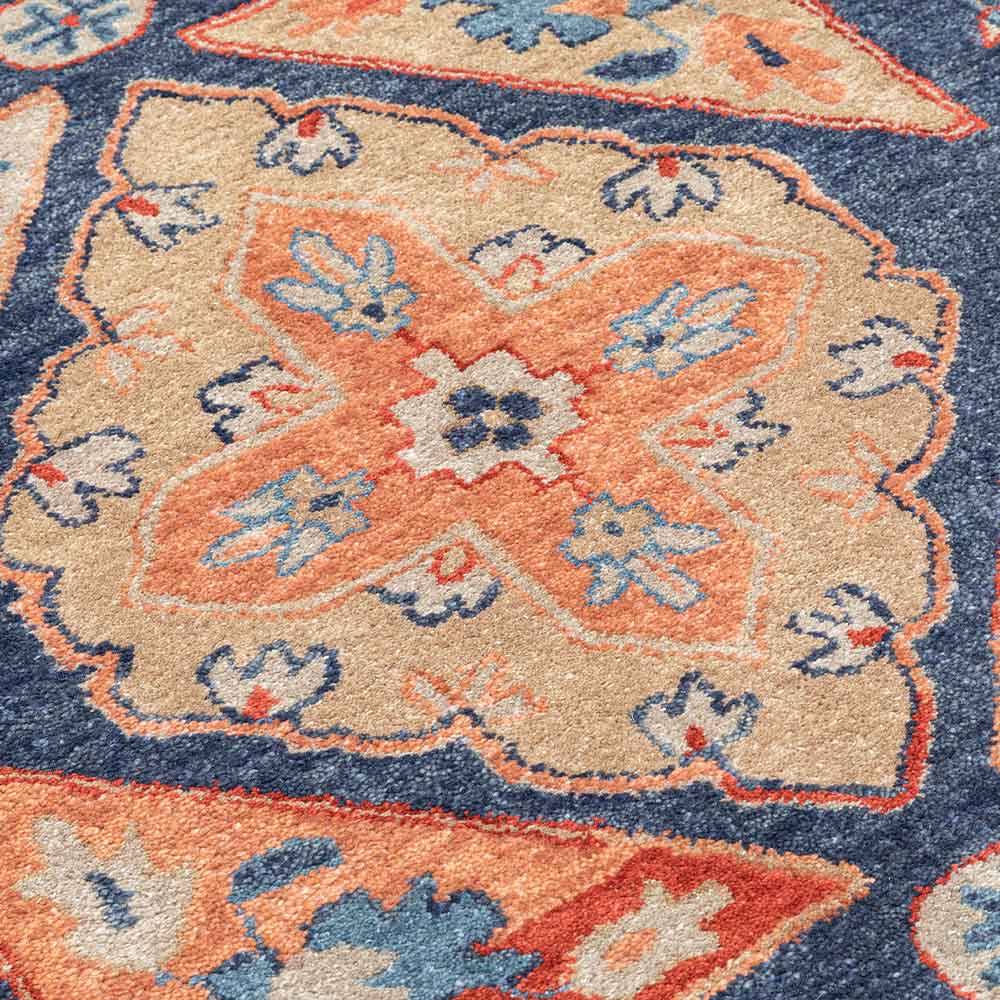
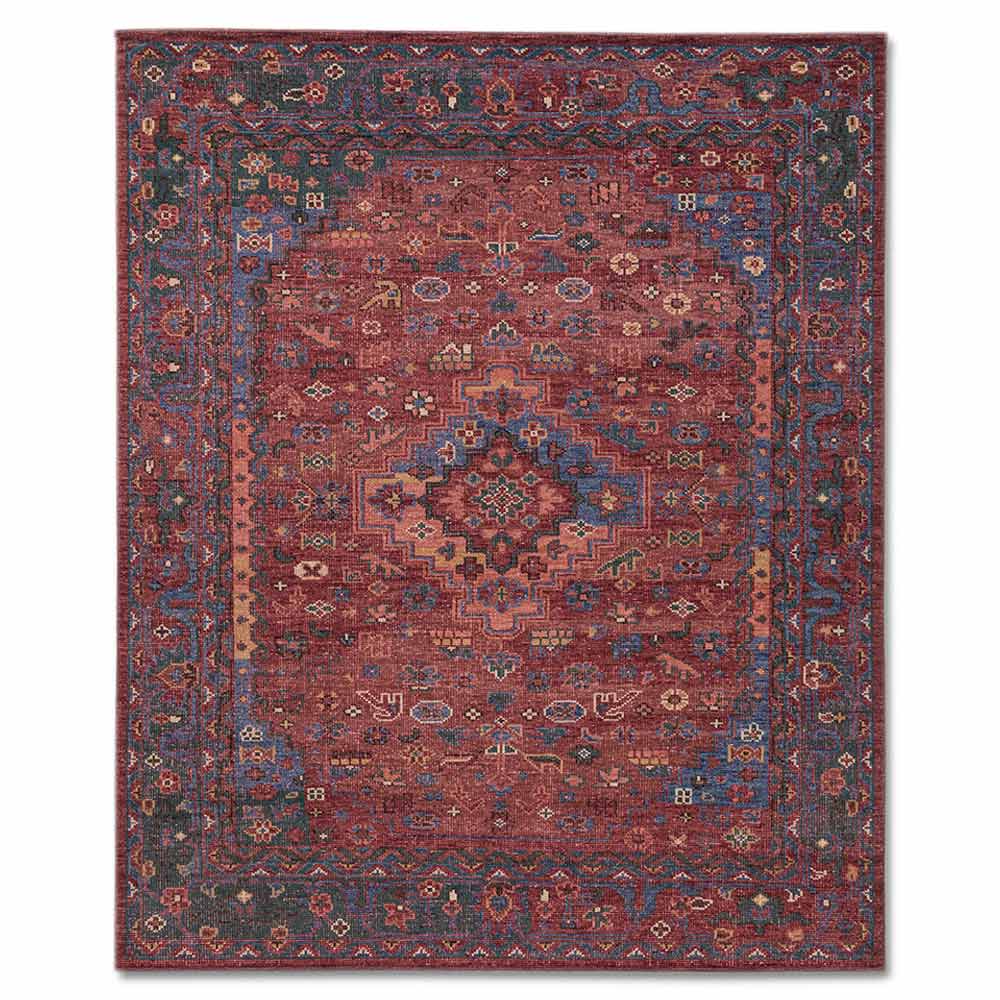
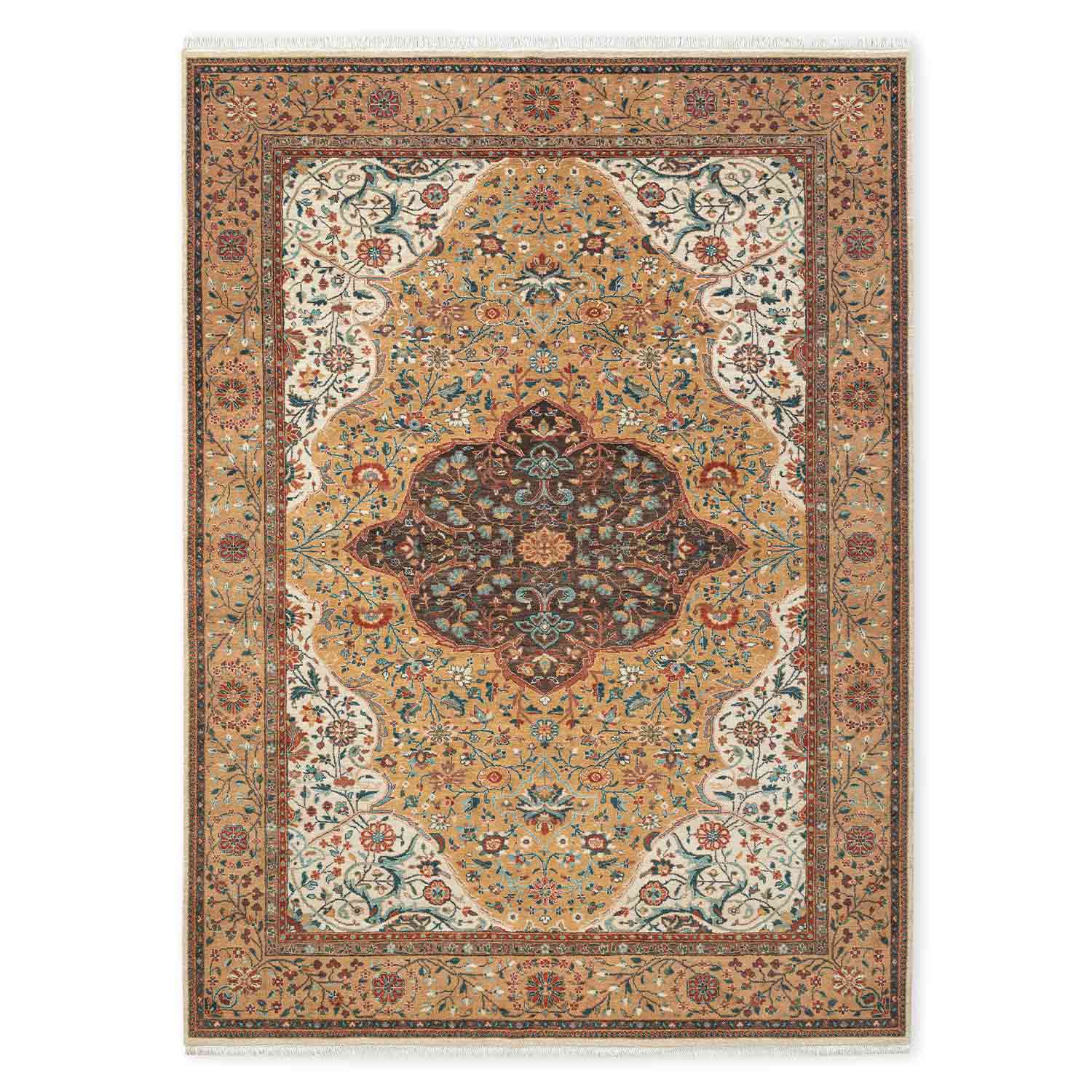
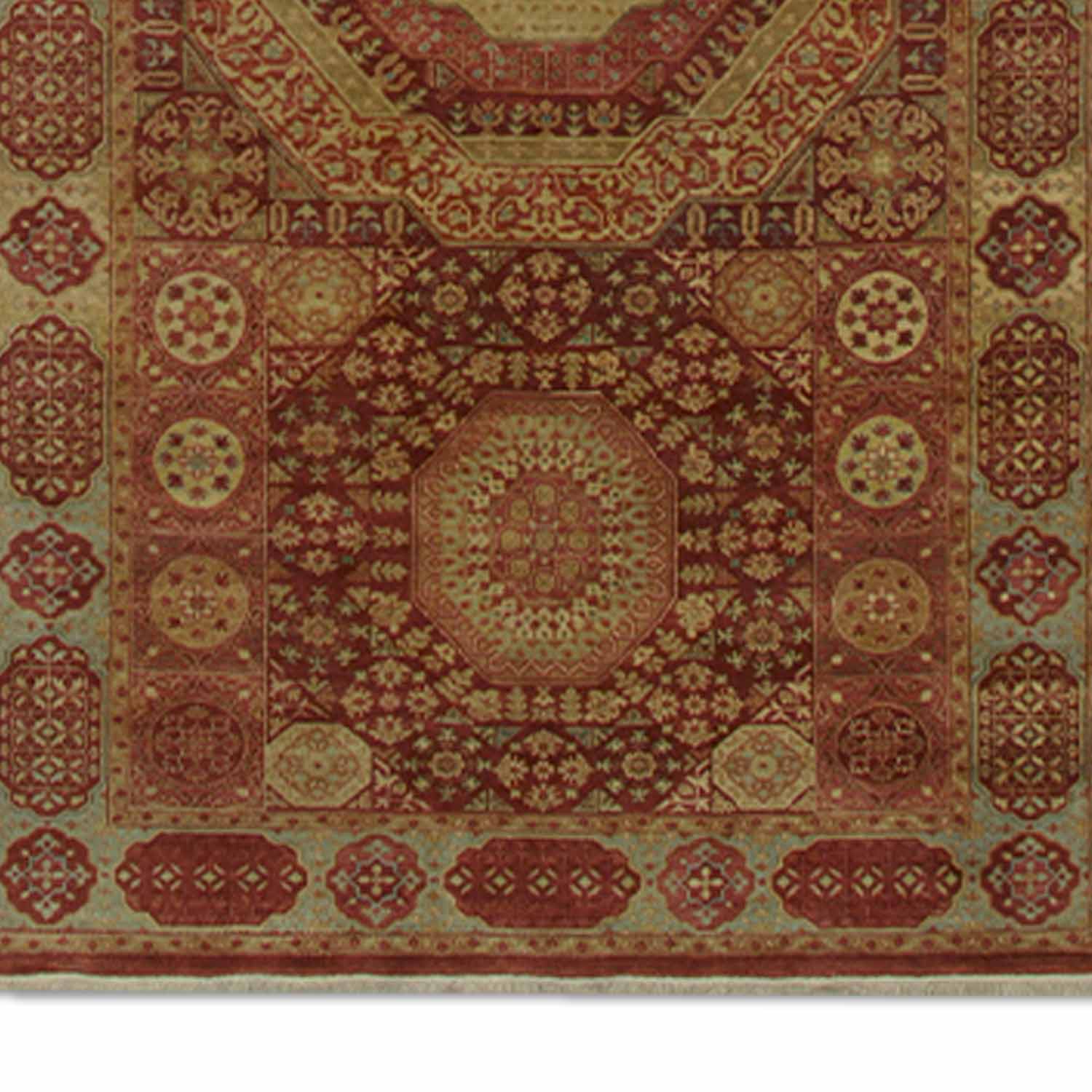
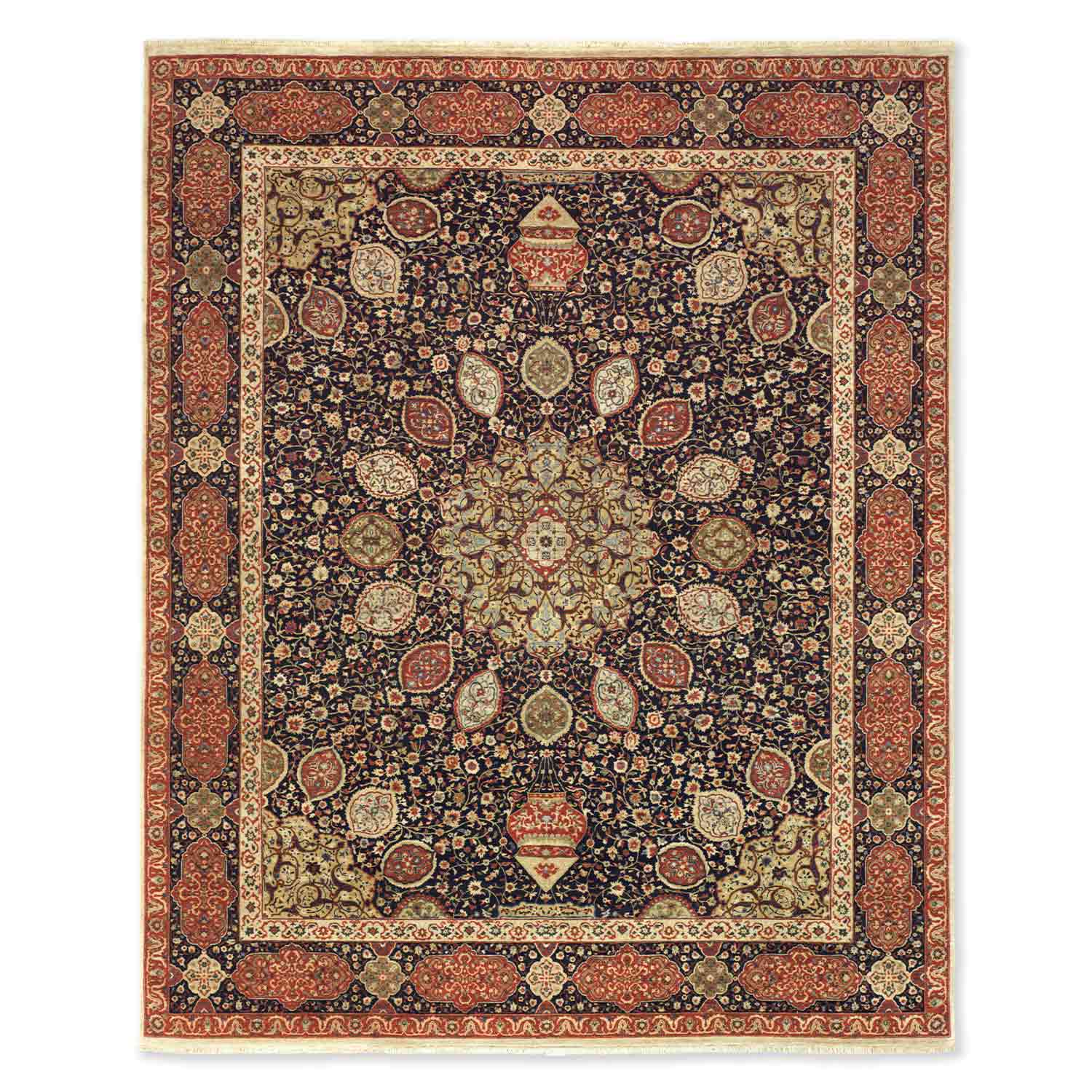
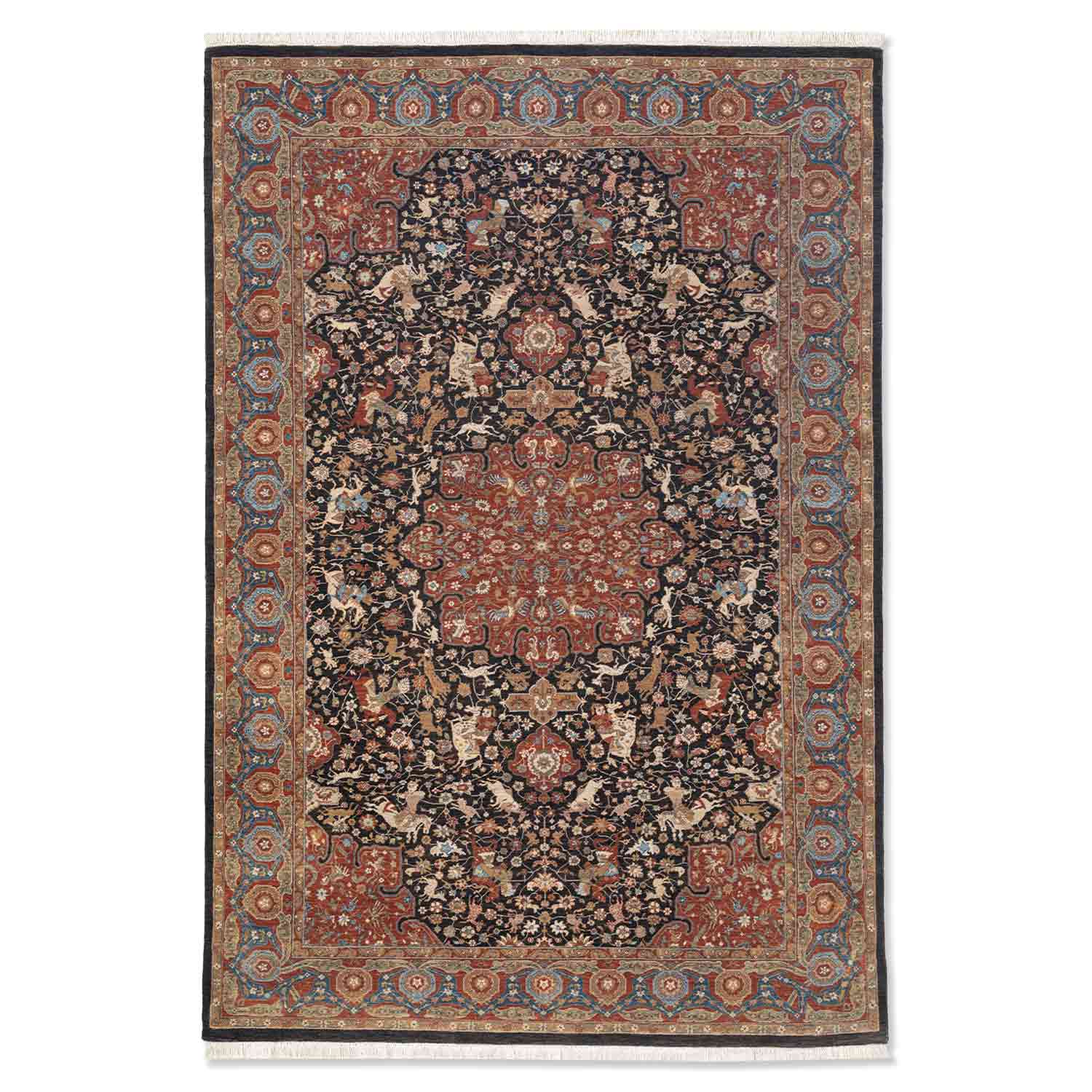
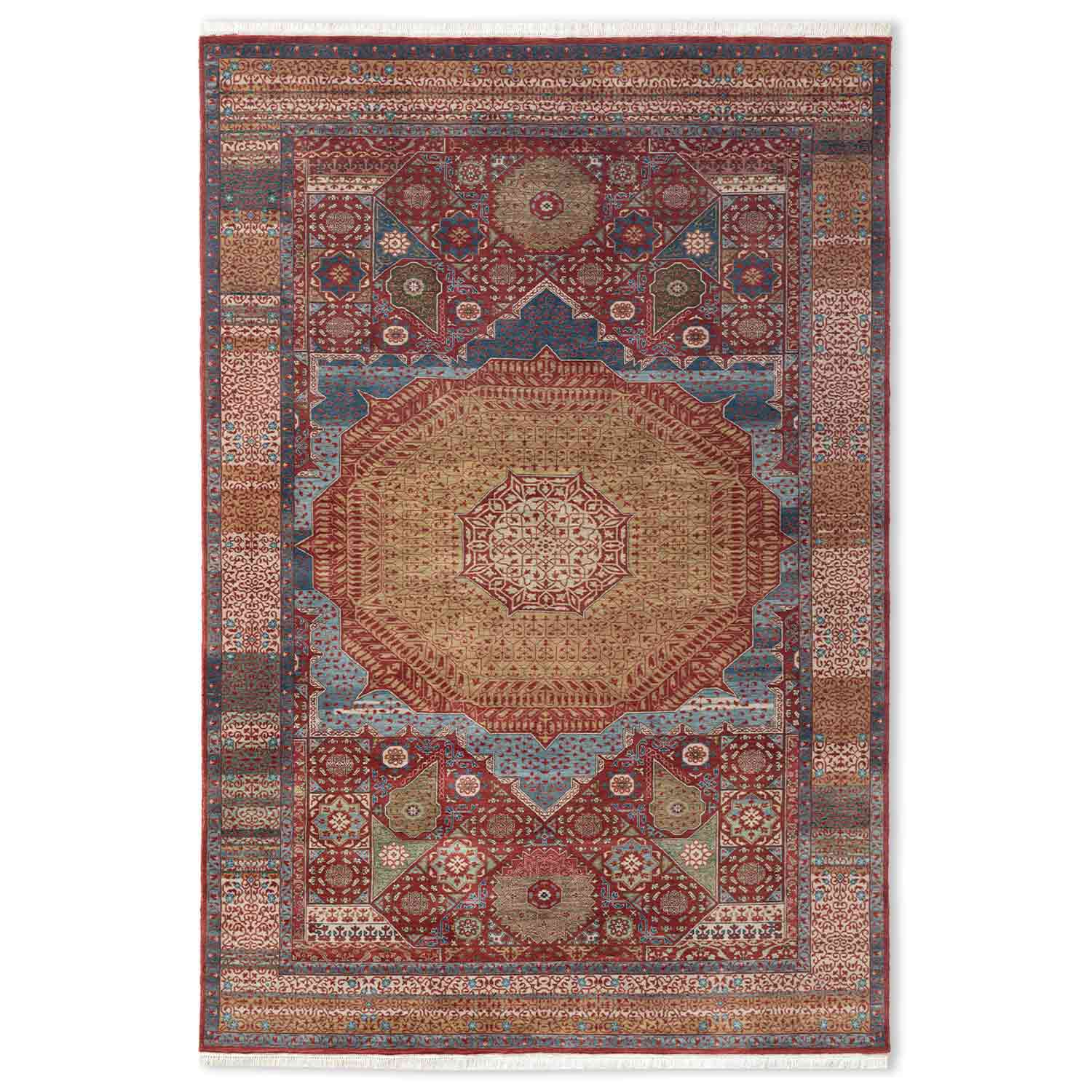
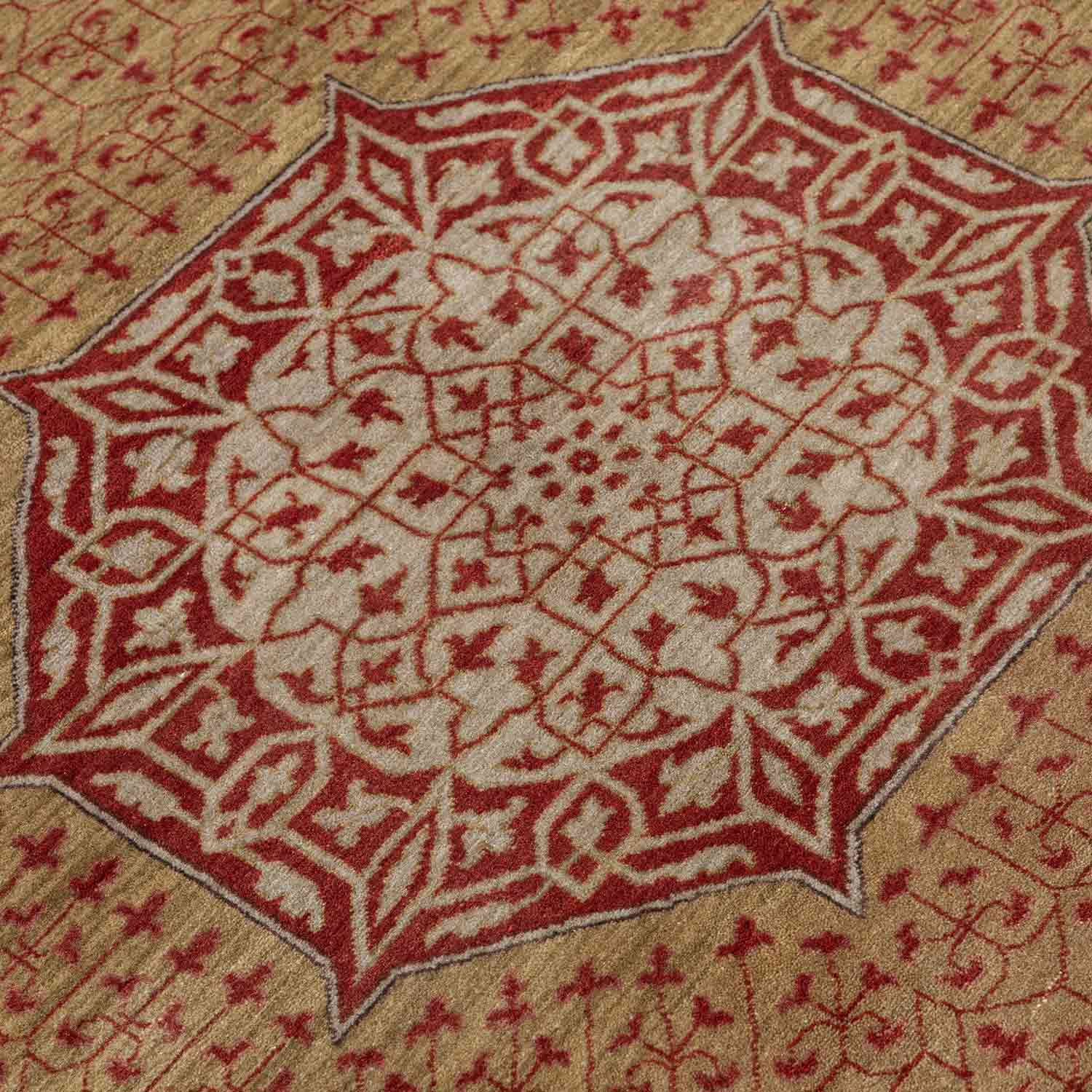
The central medallion is one of the most structurally significant elements in traditional rug design. Its origins can be traced to architectural ceiling and dome compositions, where it functioned as a focal point within a vertical space.
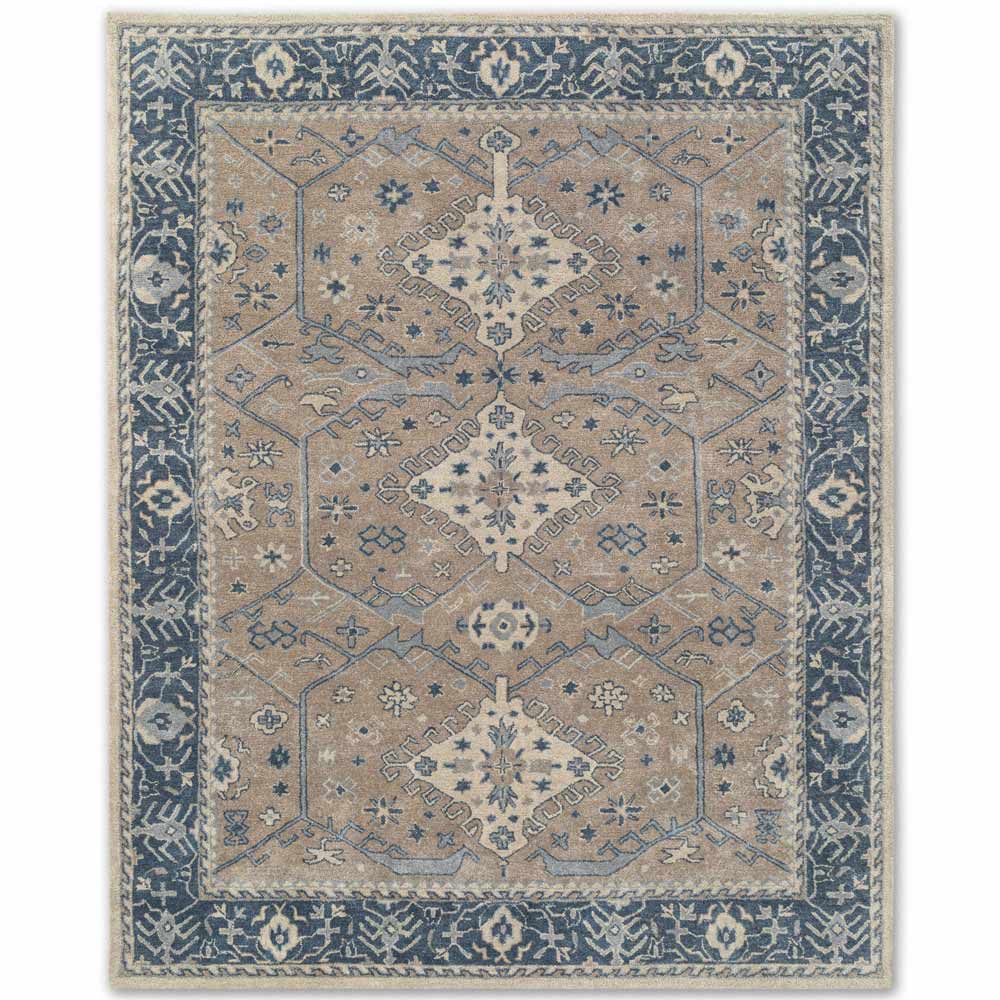
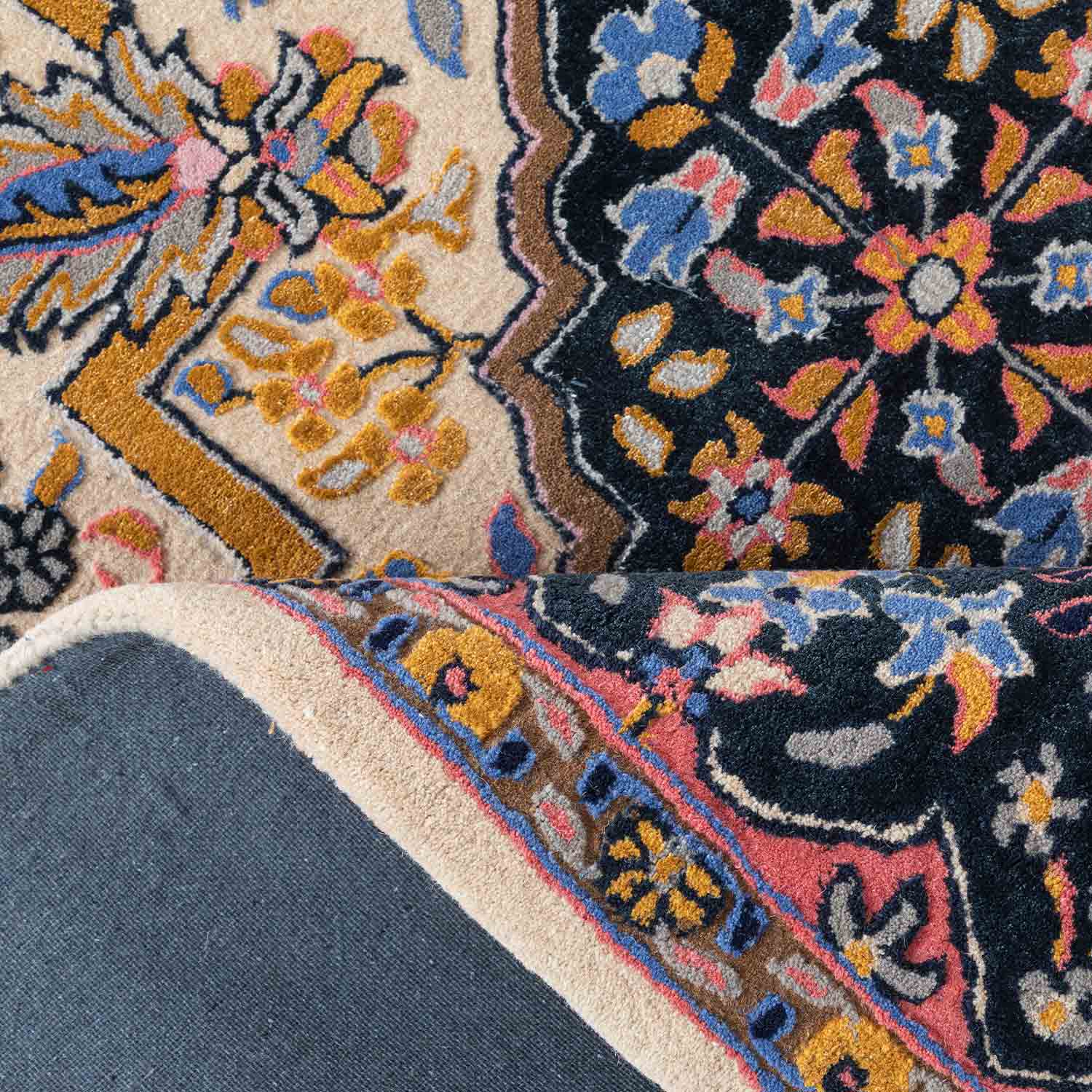
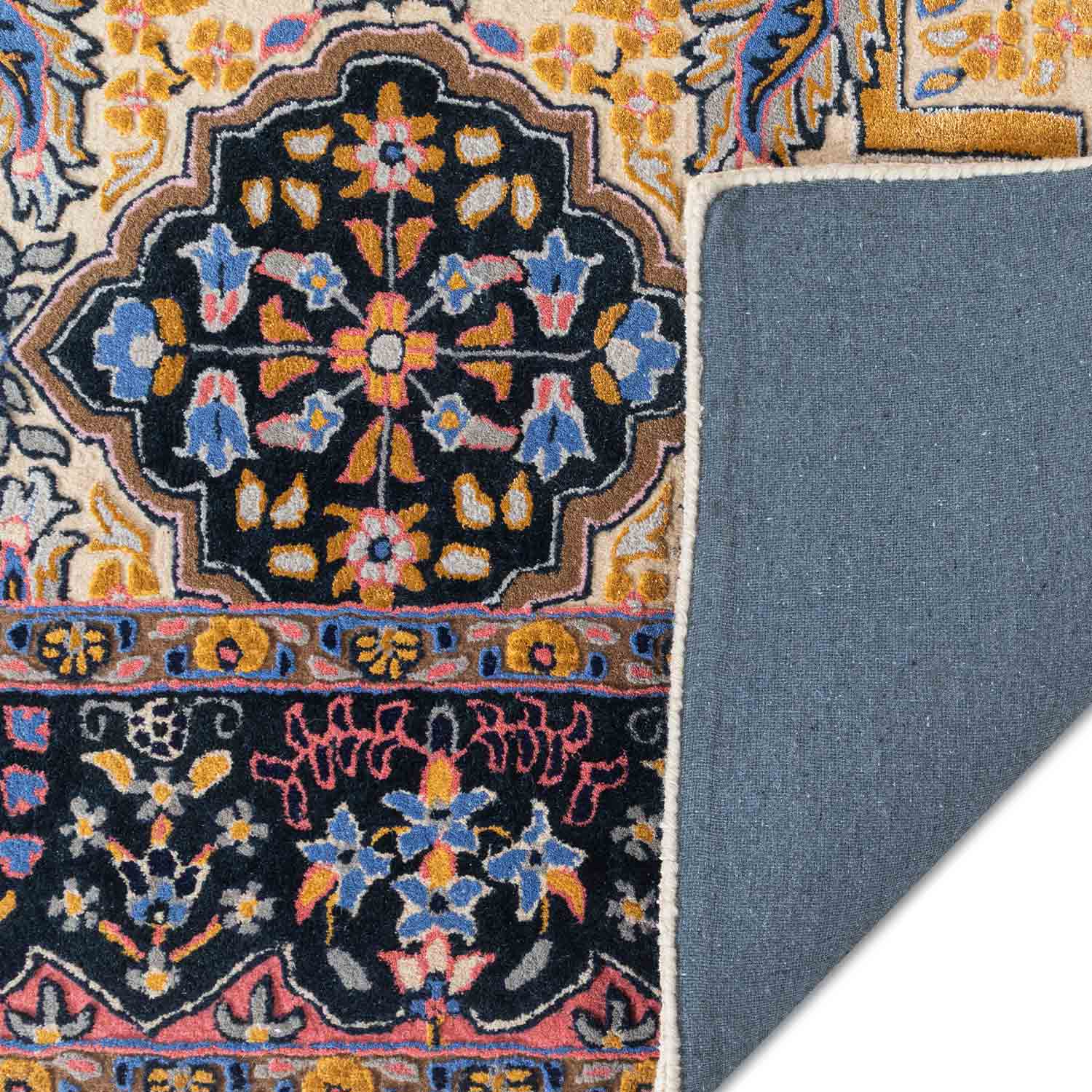
When translated onto a rug, the medallion becomes the organising centre of the composition. It establishes a visual anchor, around which surrounding motifs are arranged. This creates a sense of symmetry, containment, and balance across the surface.
Geometric Systems: Structure Through Repetition
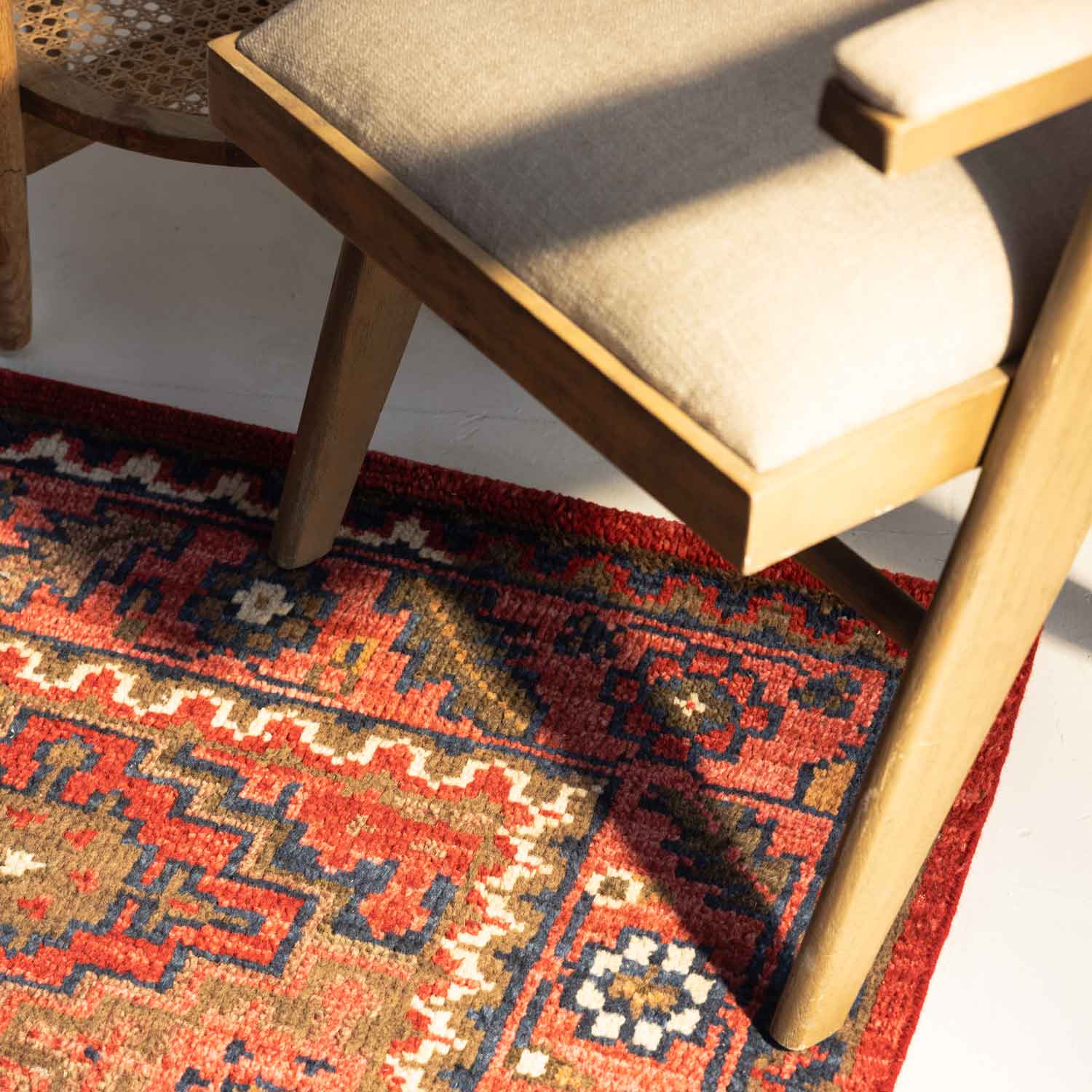
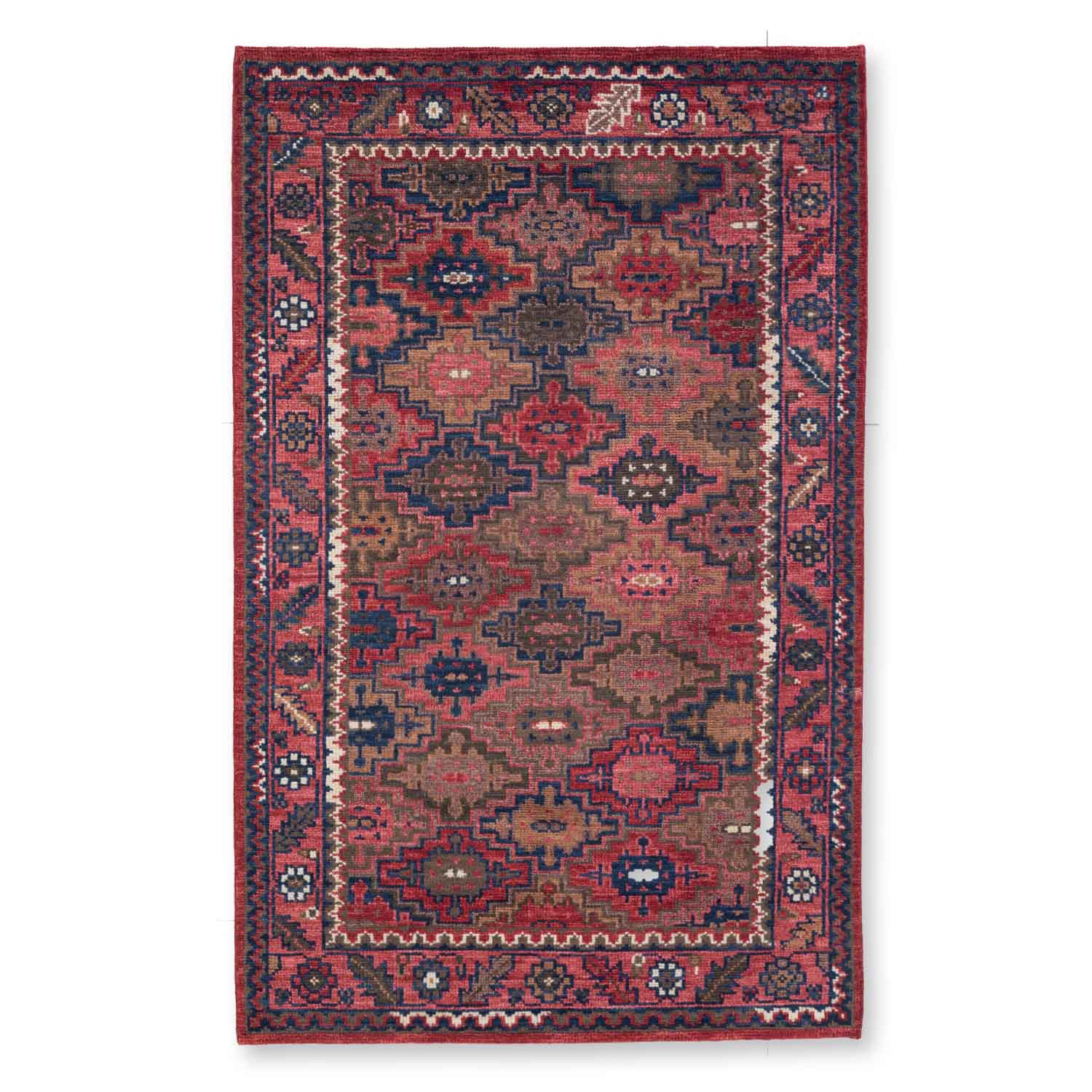
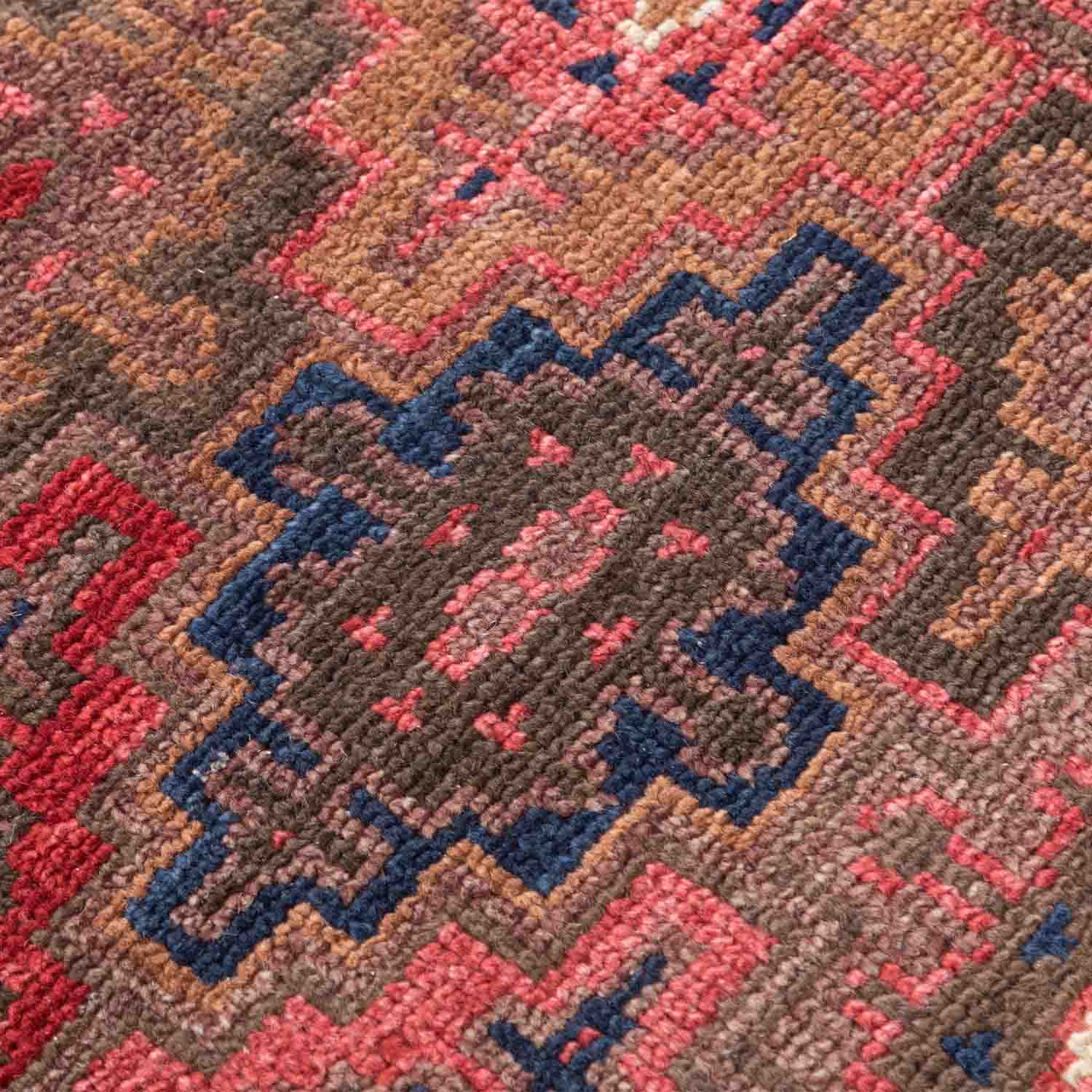
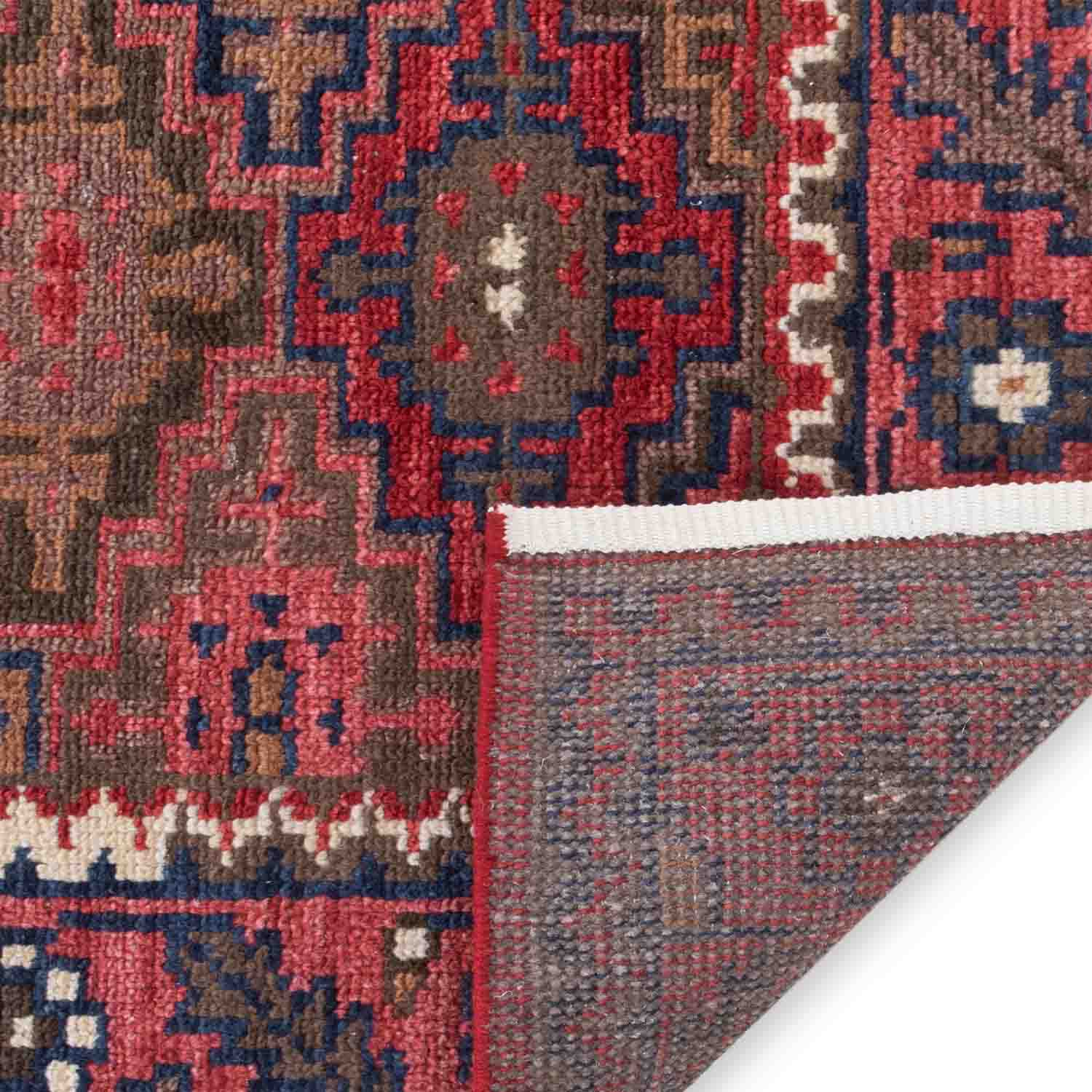
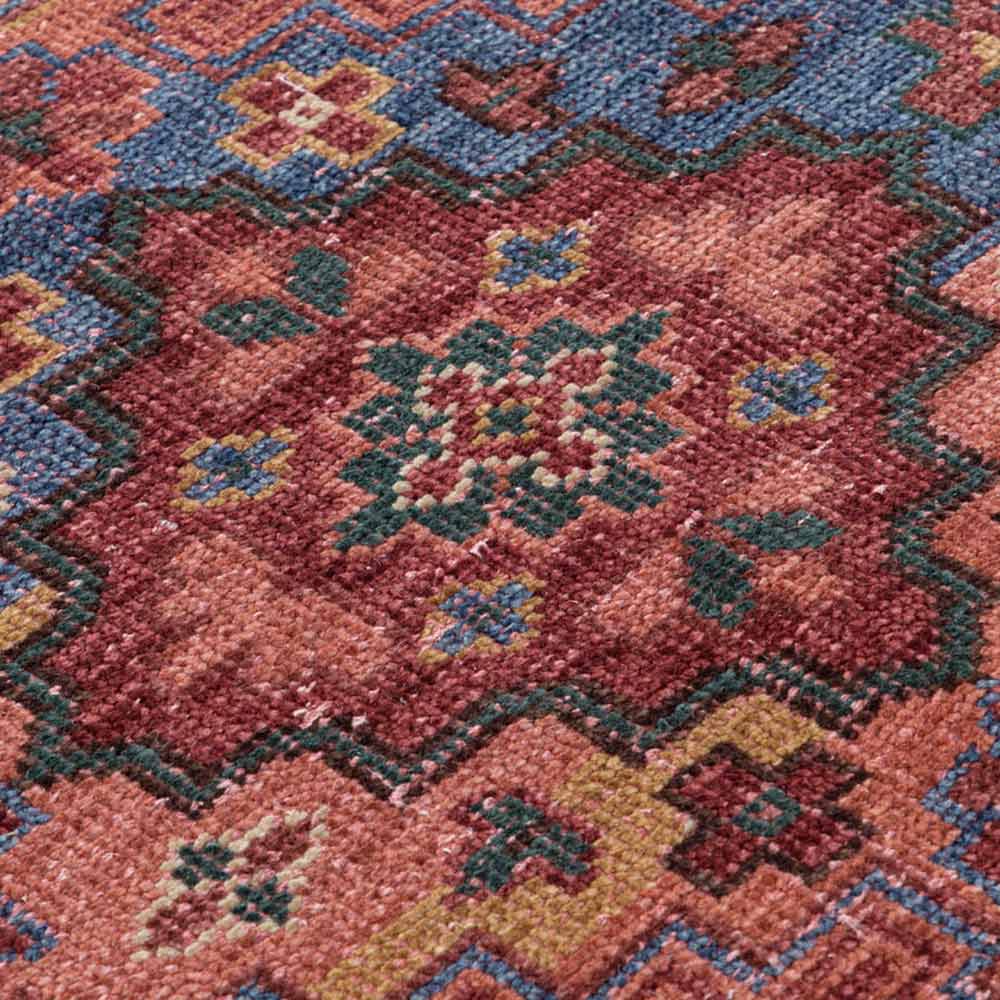
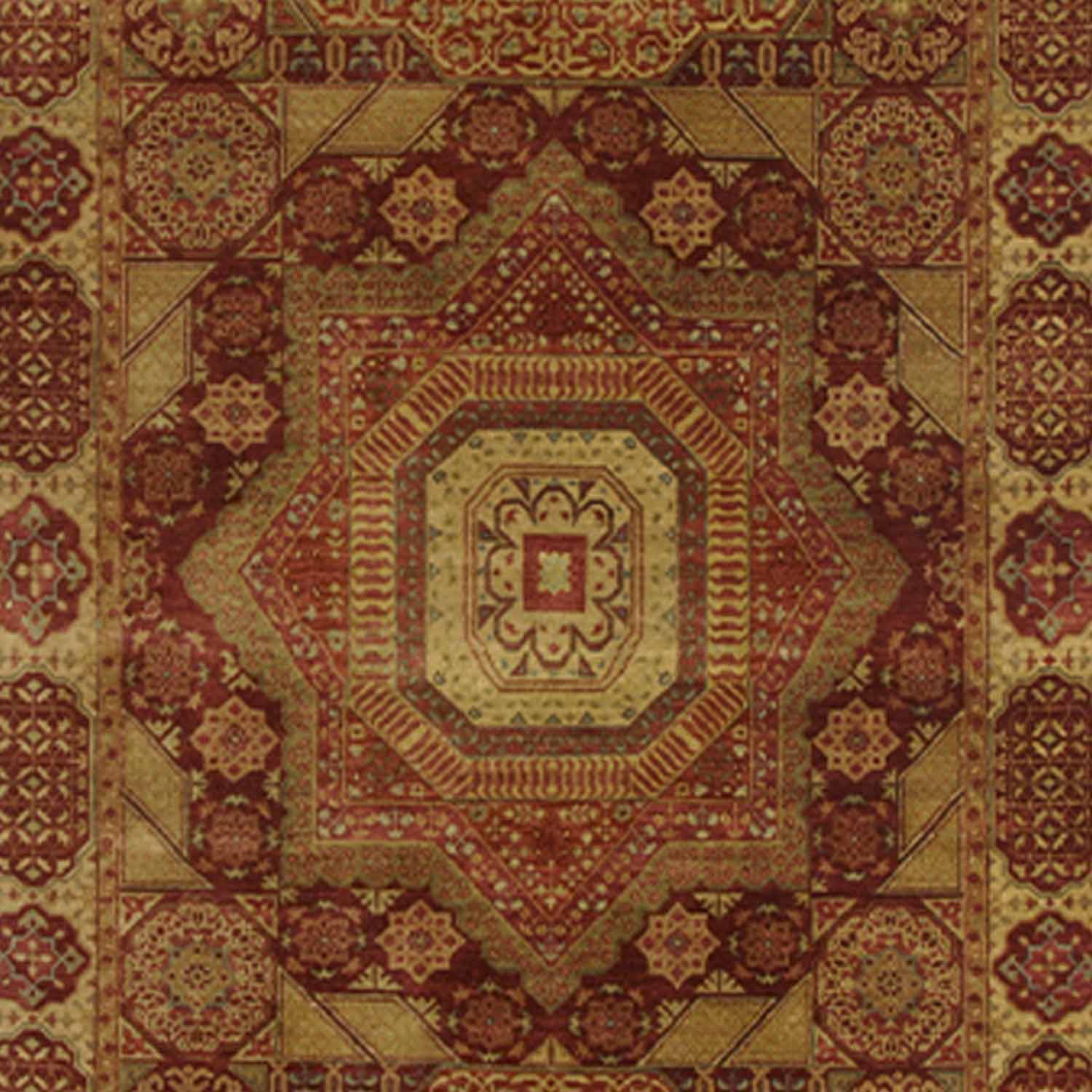
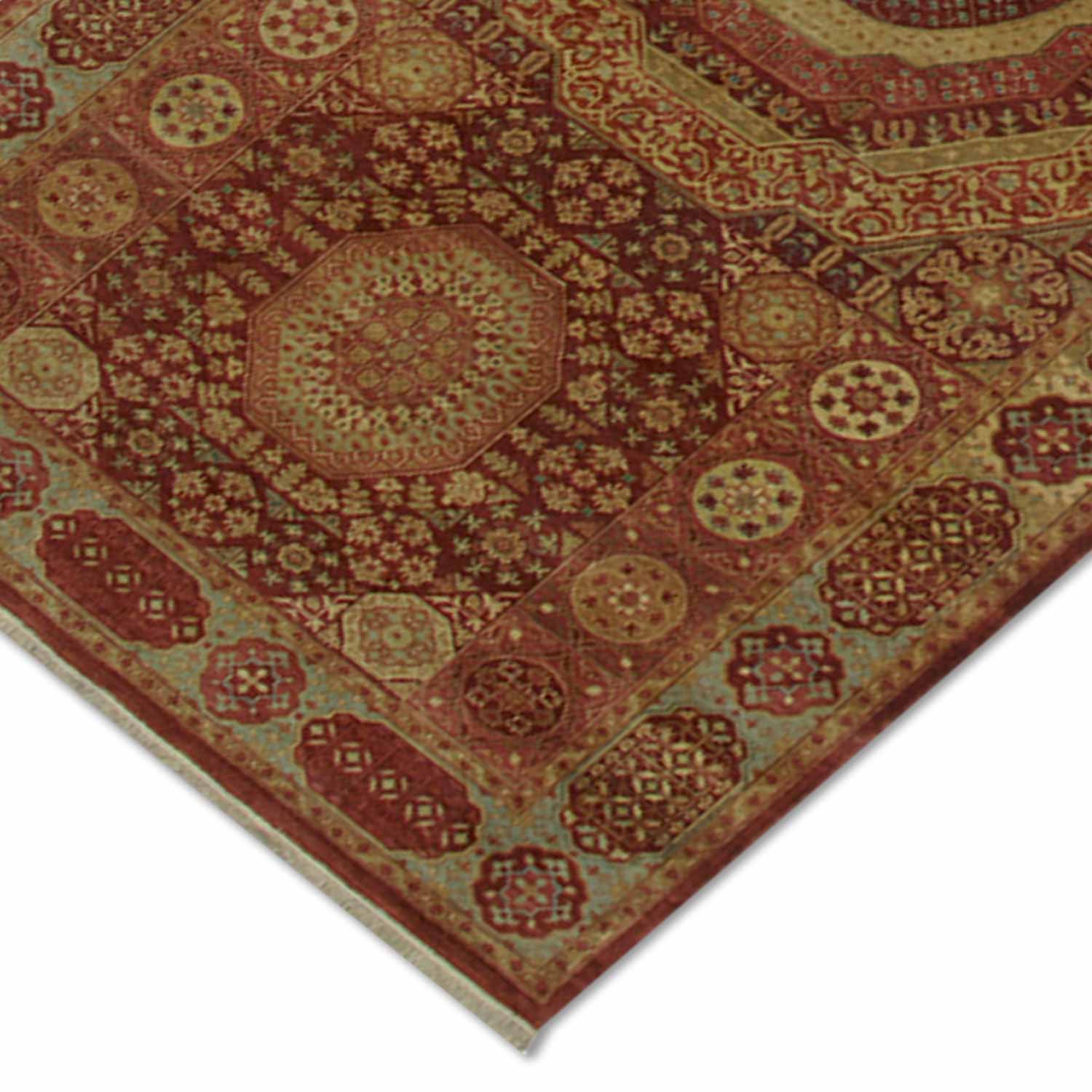
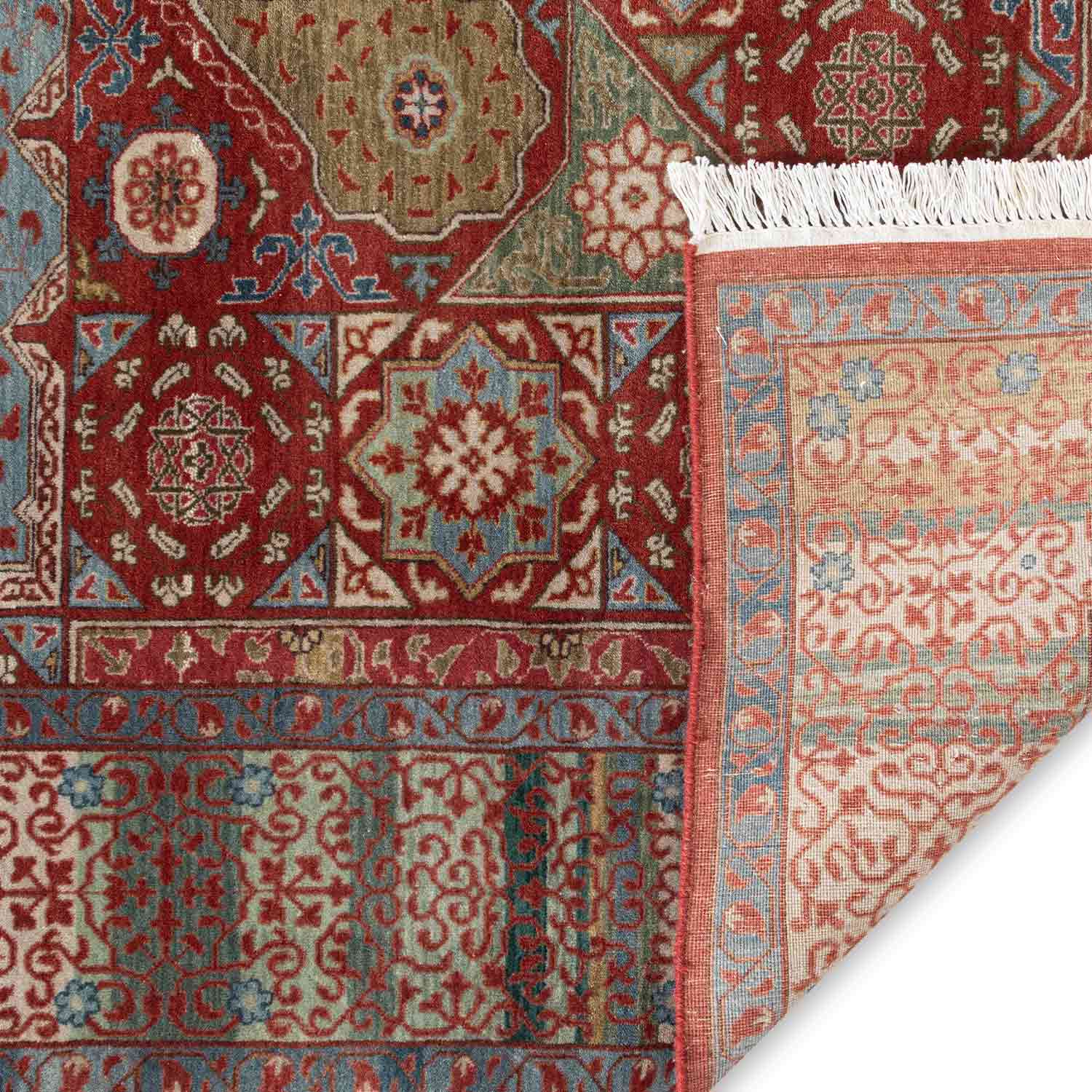
Geometric motifs, including diamonds, polygons, and stepped forms, are more closely associated with tribal and nomadic weaving traditions across Central Asia and Anatolia.
These patterns rely on repetition and modularity to create structure. Their sharper transitions and clearly defined edges result in a more direct visual language, often bringing clarity and contrast to a space. Unlike floral systems, which emphasise flow, geometric designs prioritise order and rhythm.
Borders: Framing as a Design Device
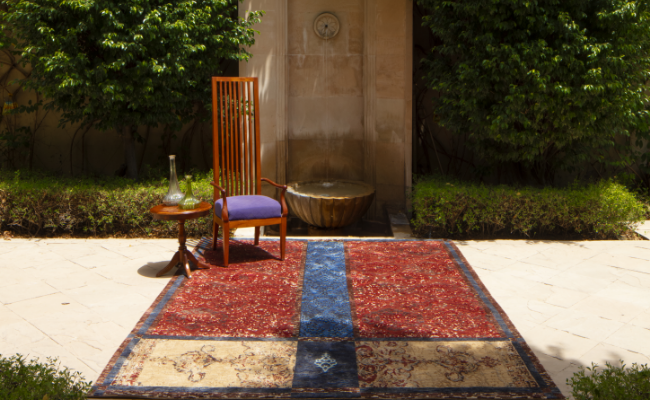
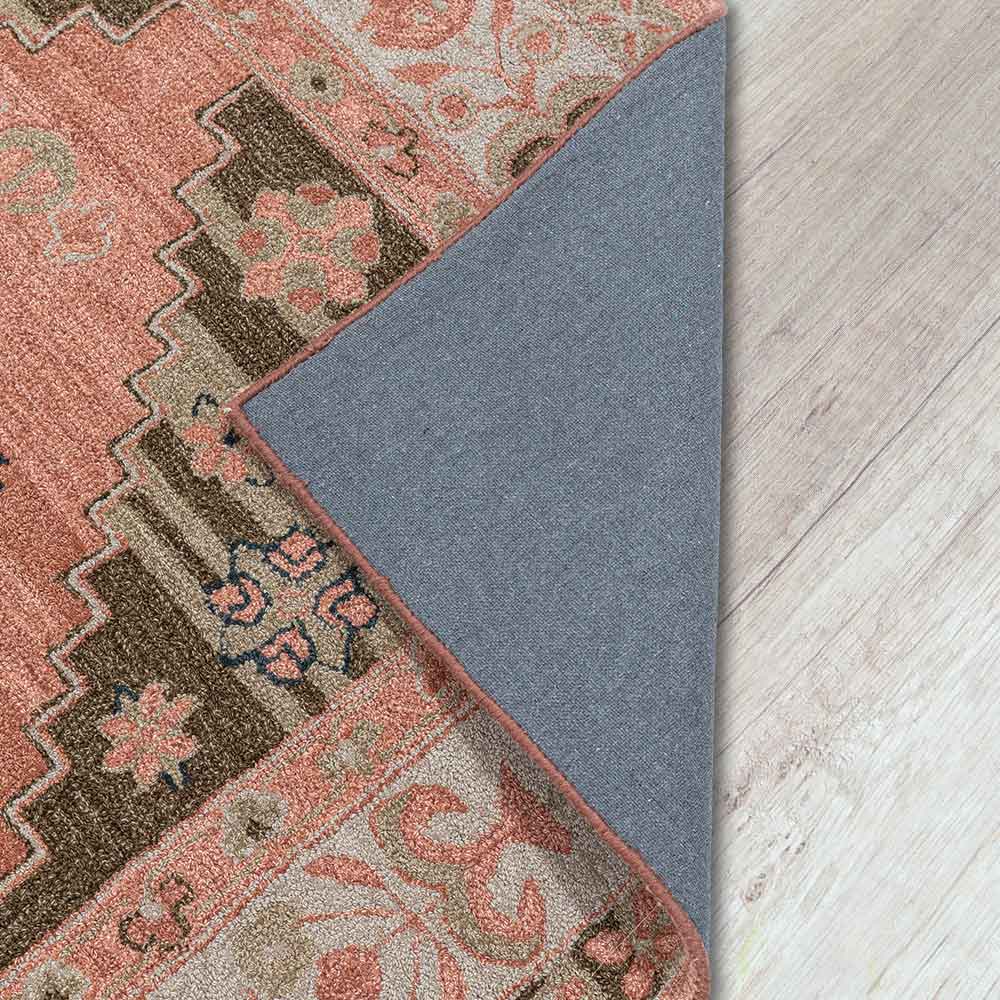
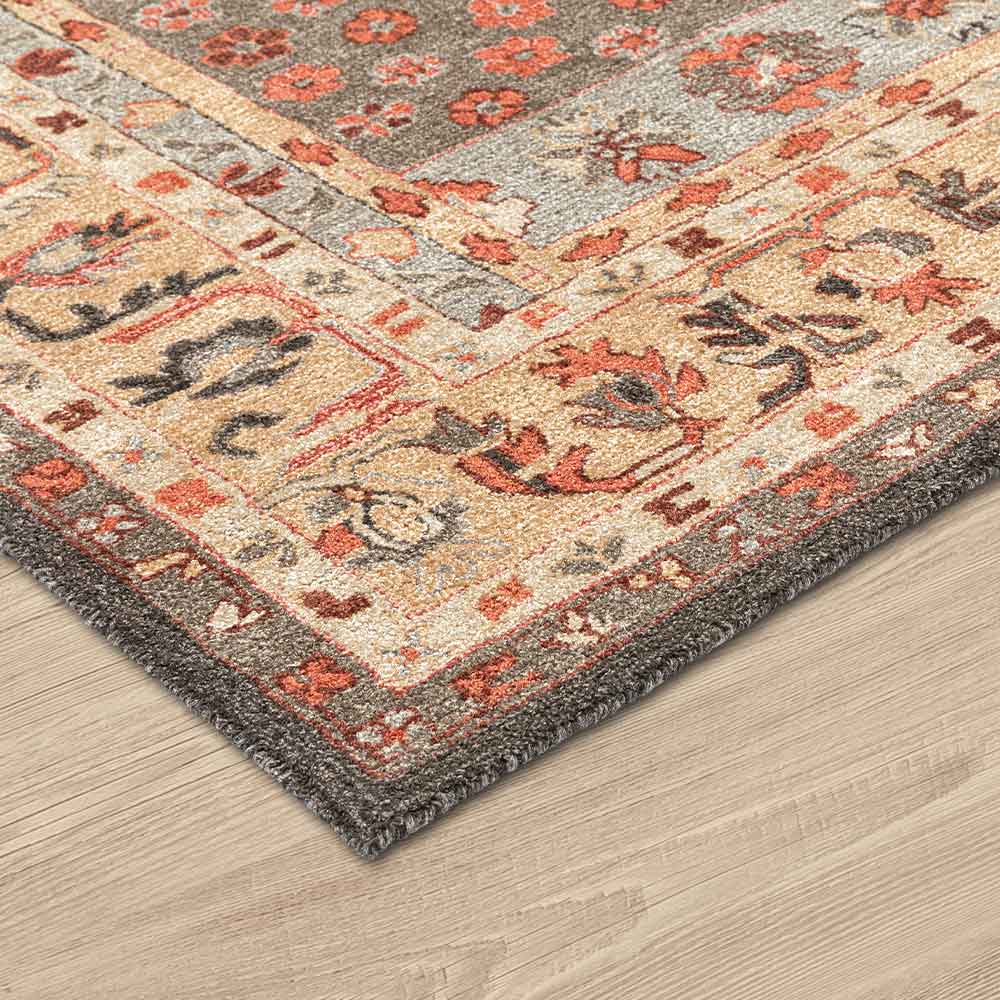
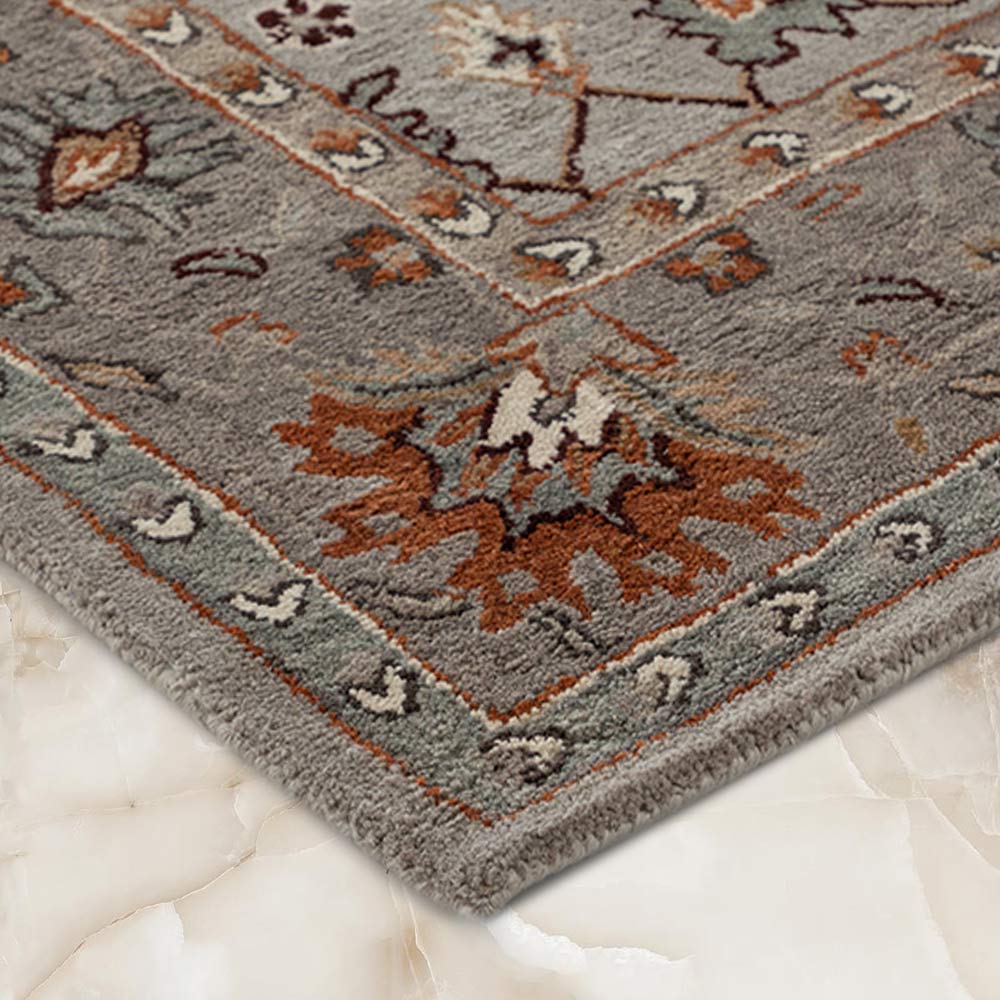
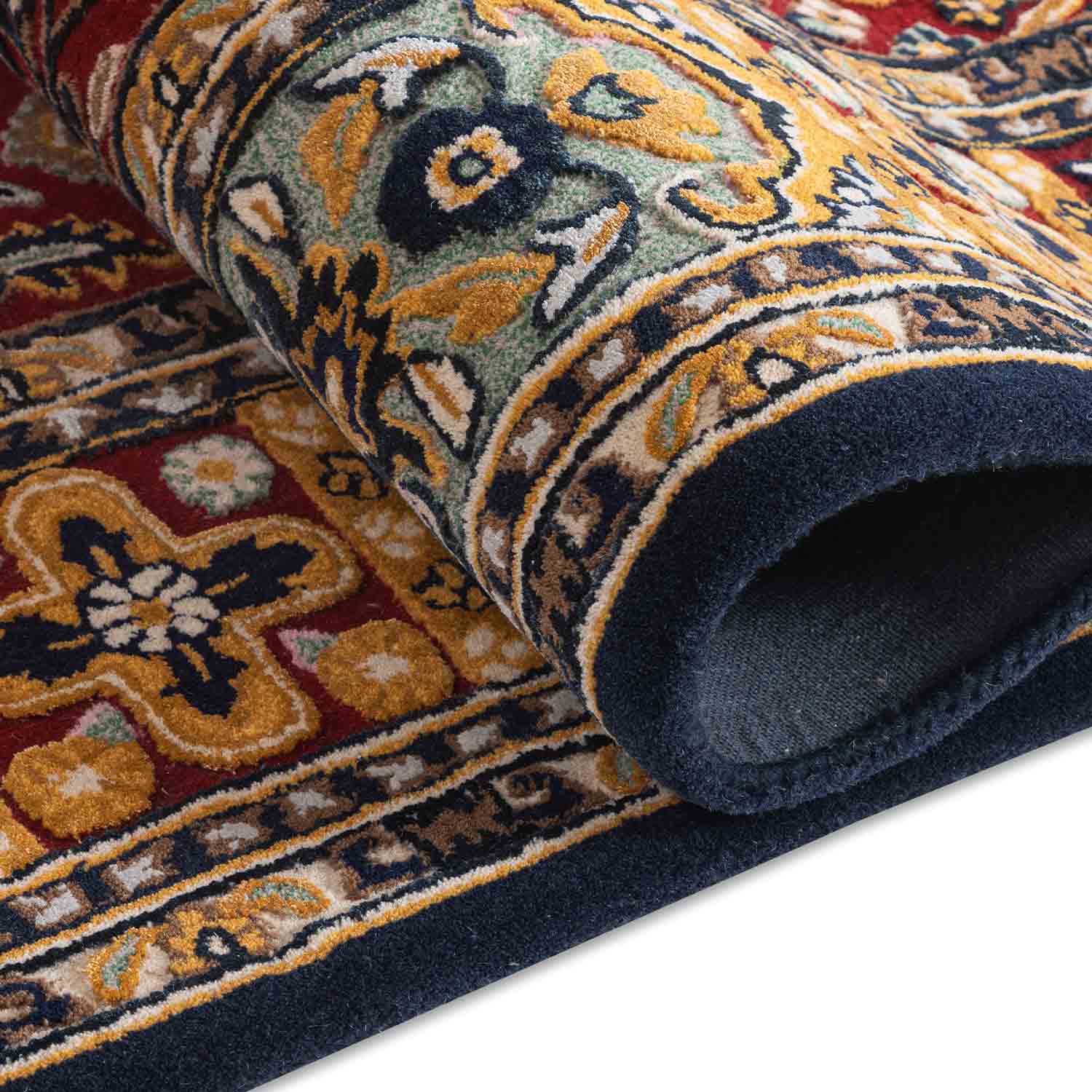
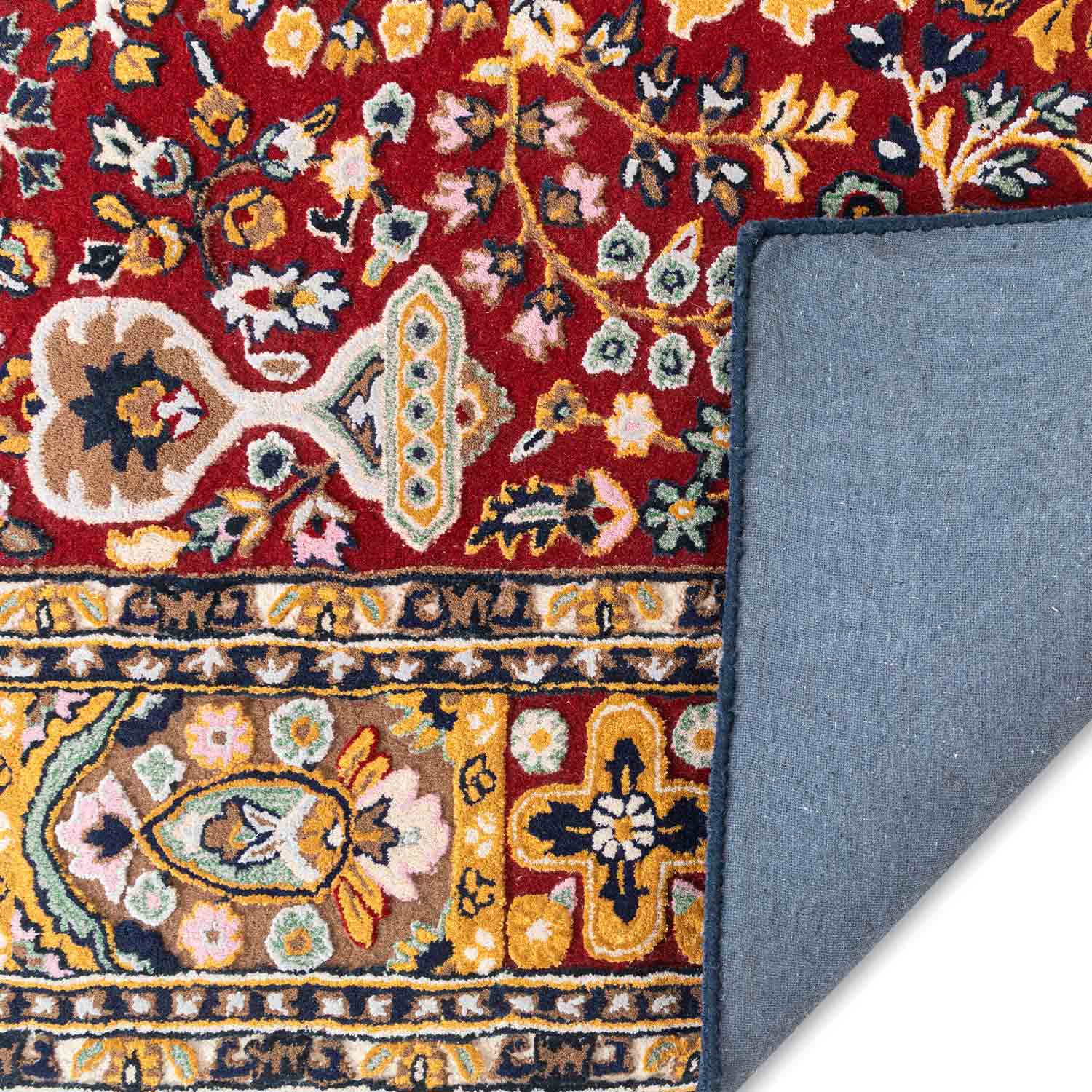
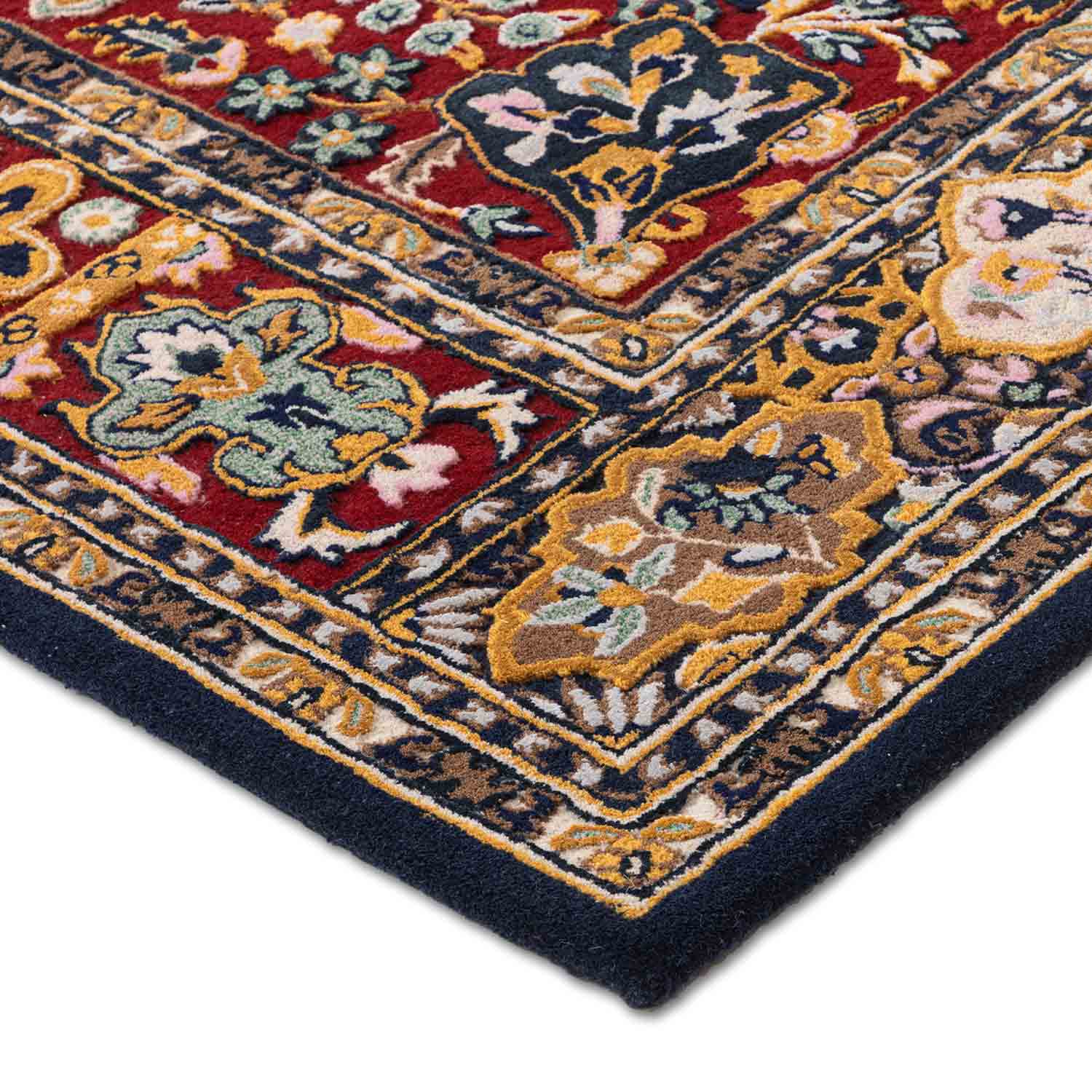
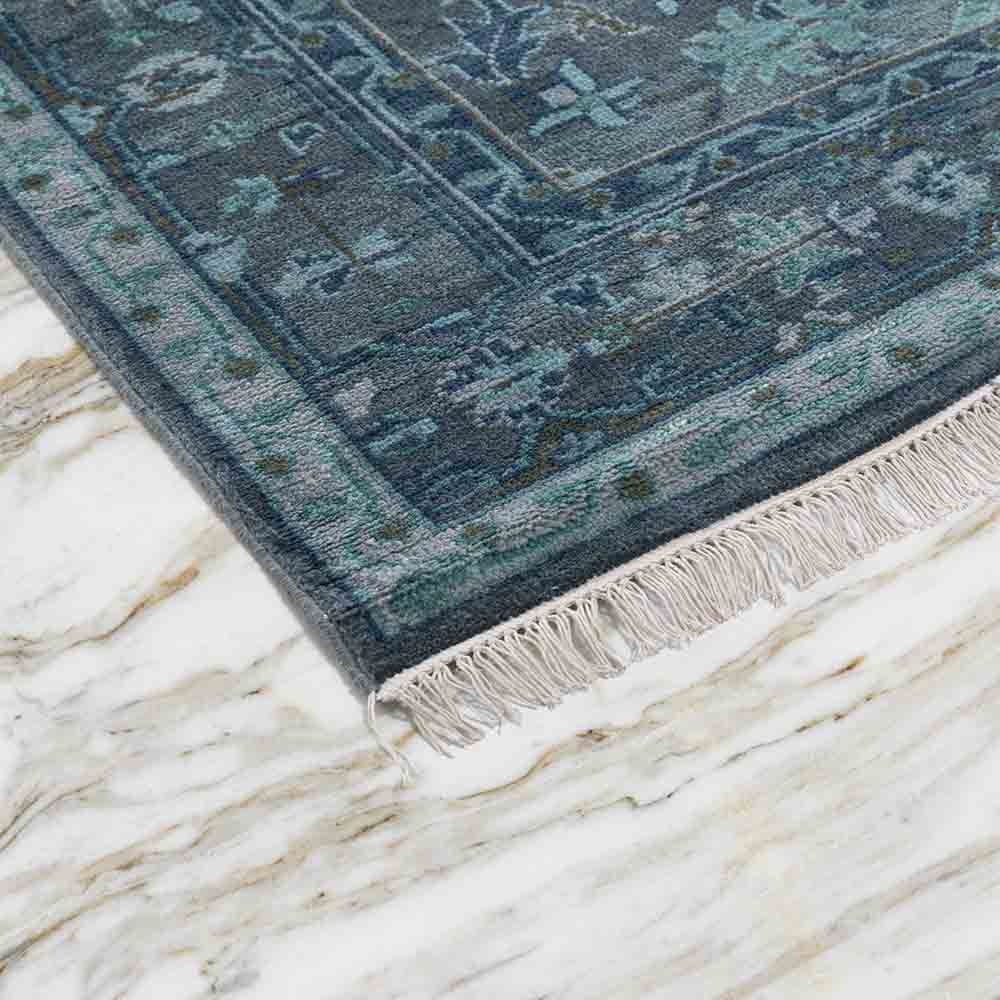
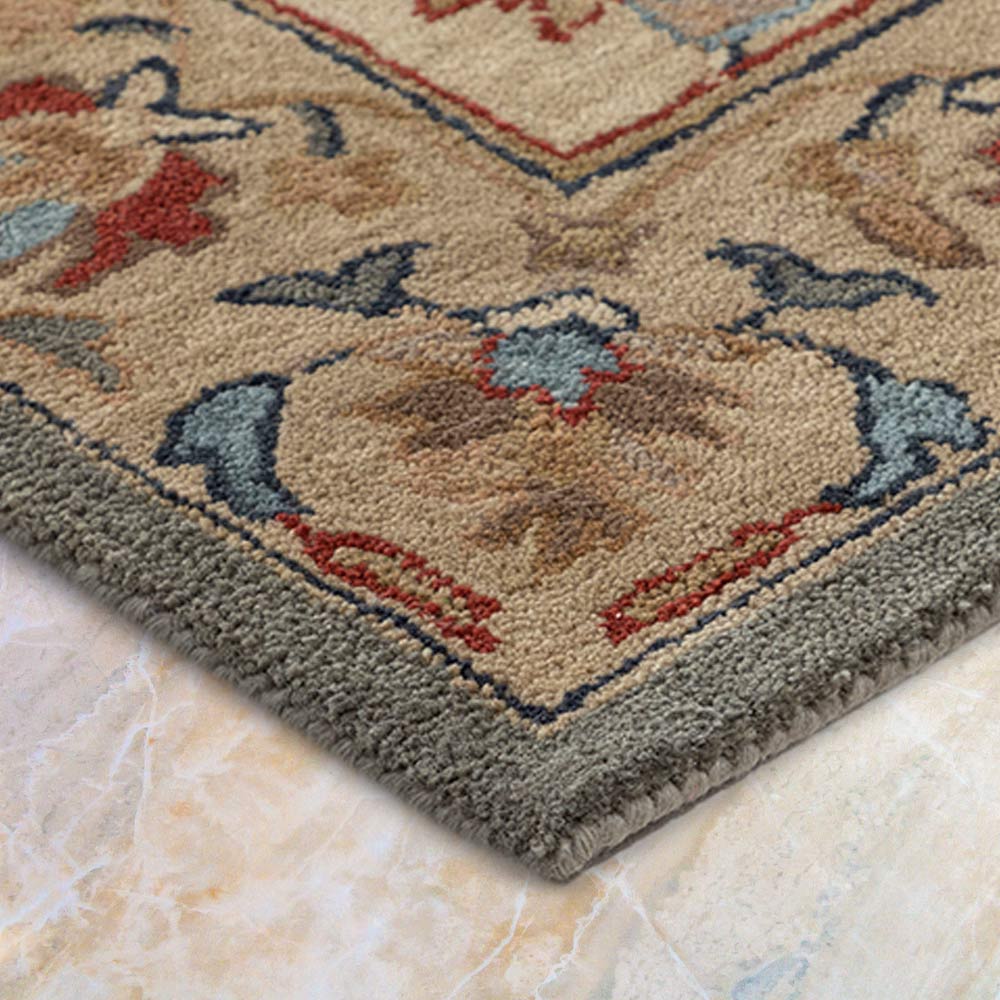
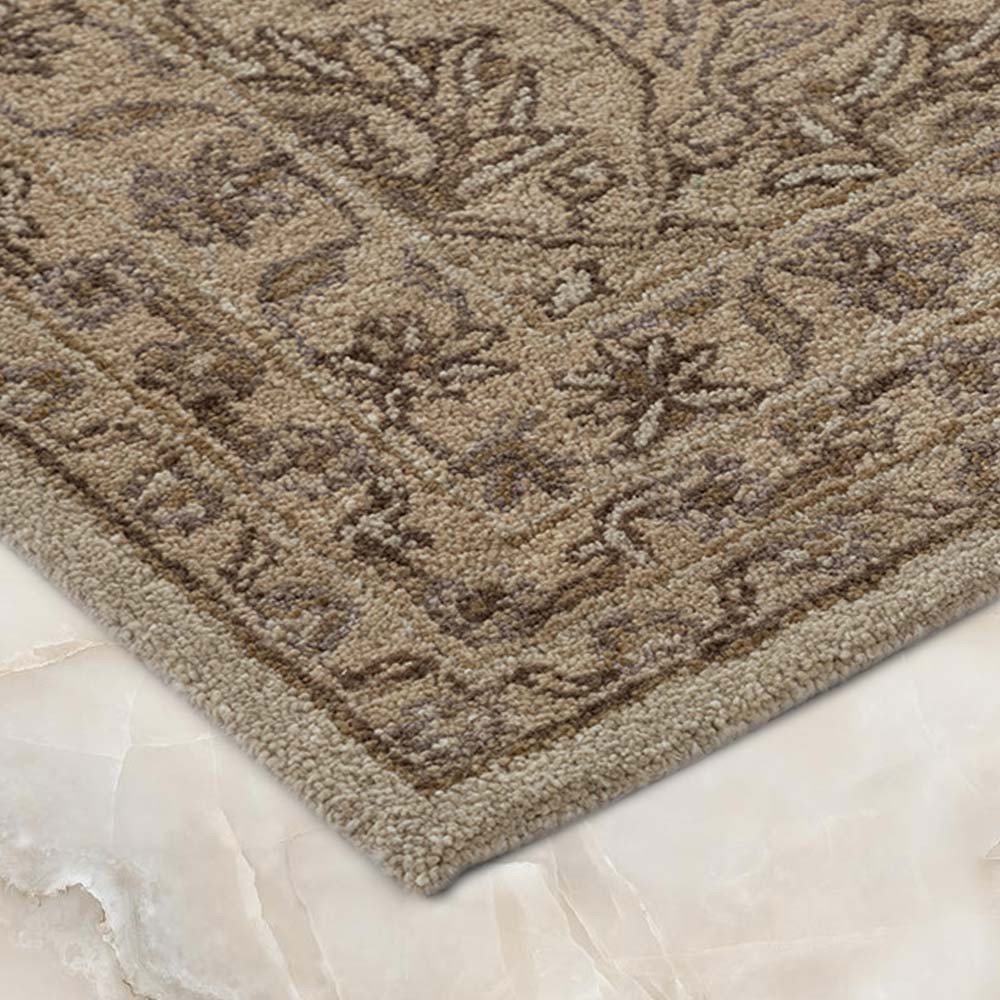
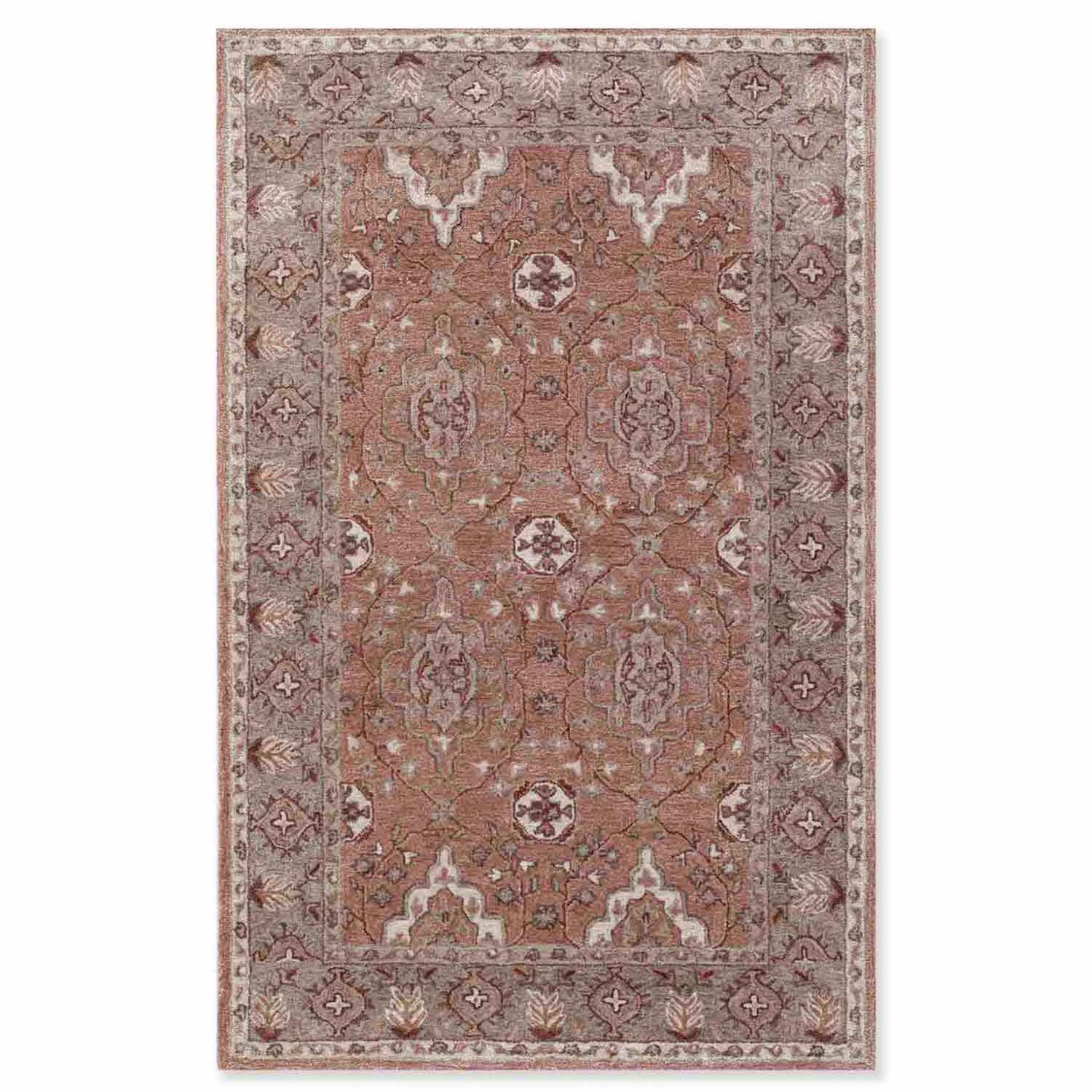
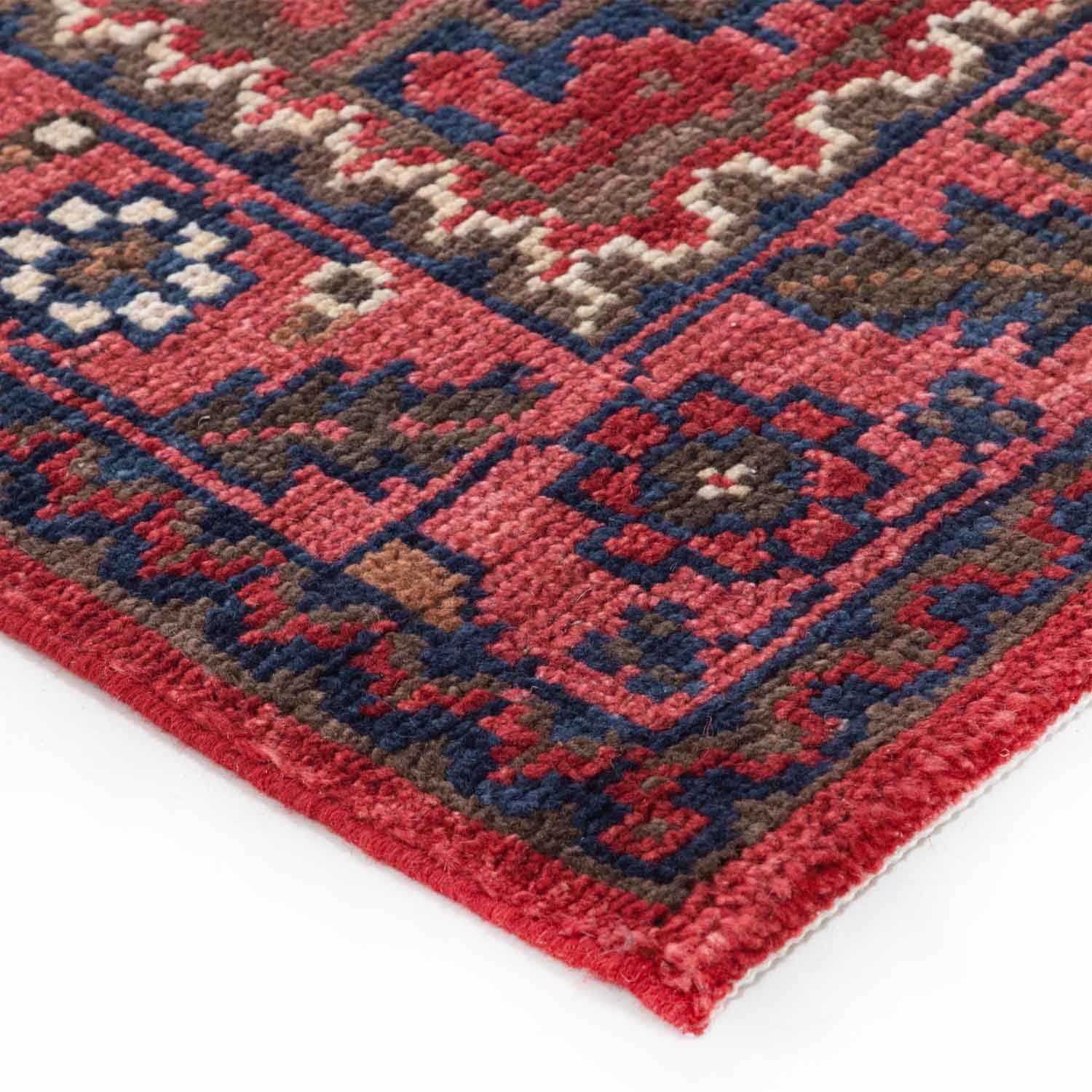
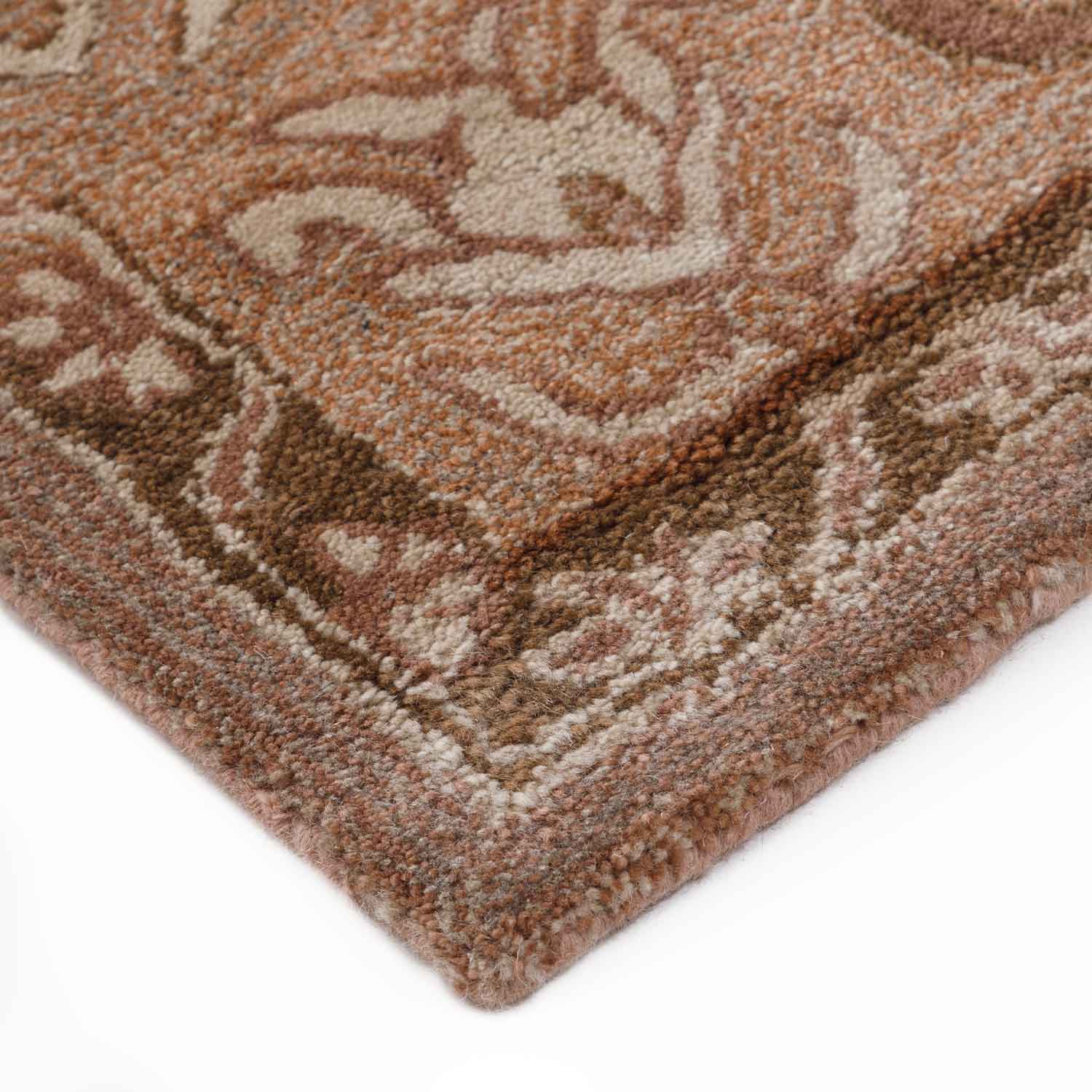
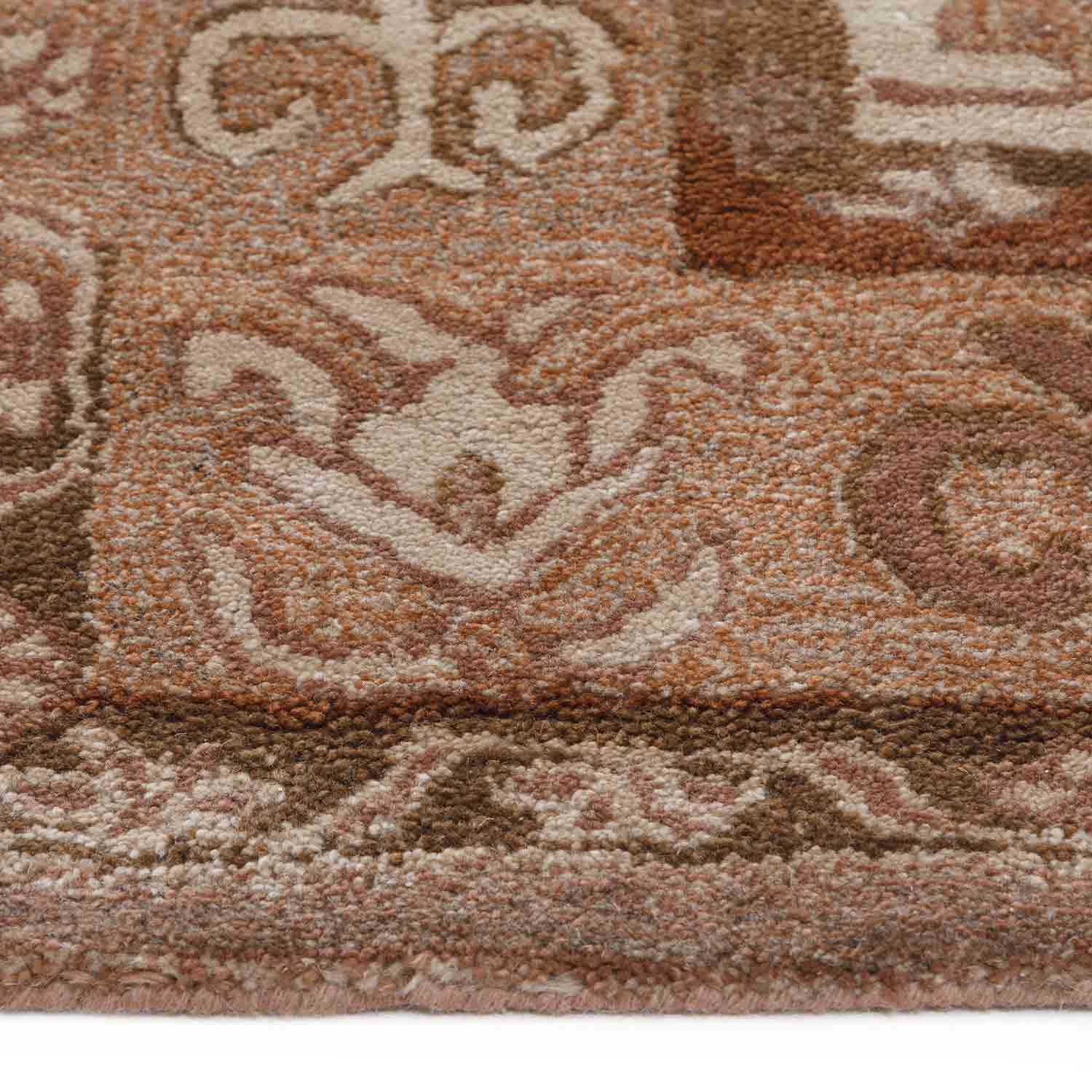
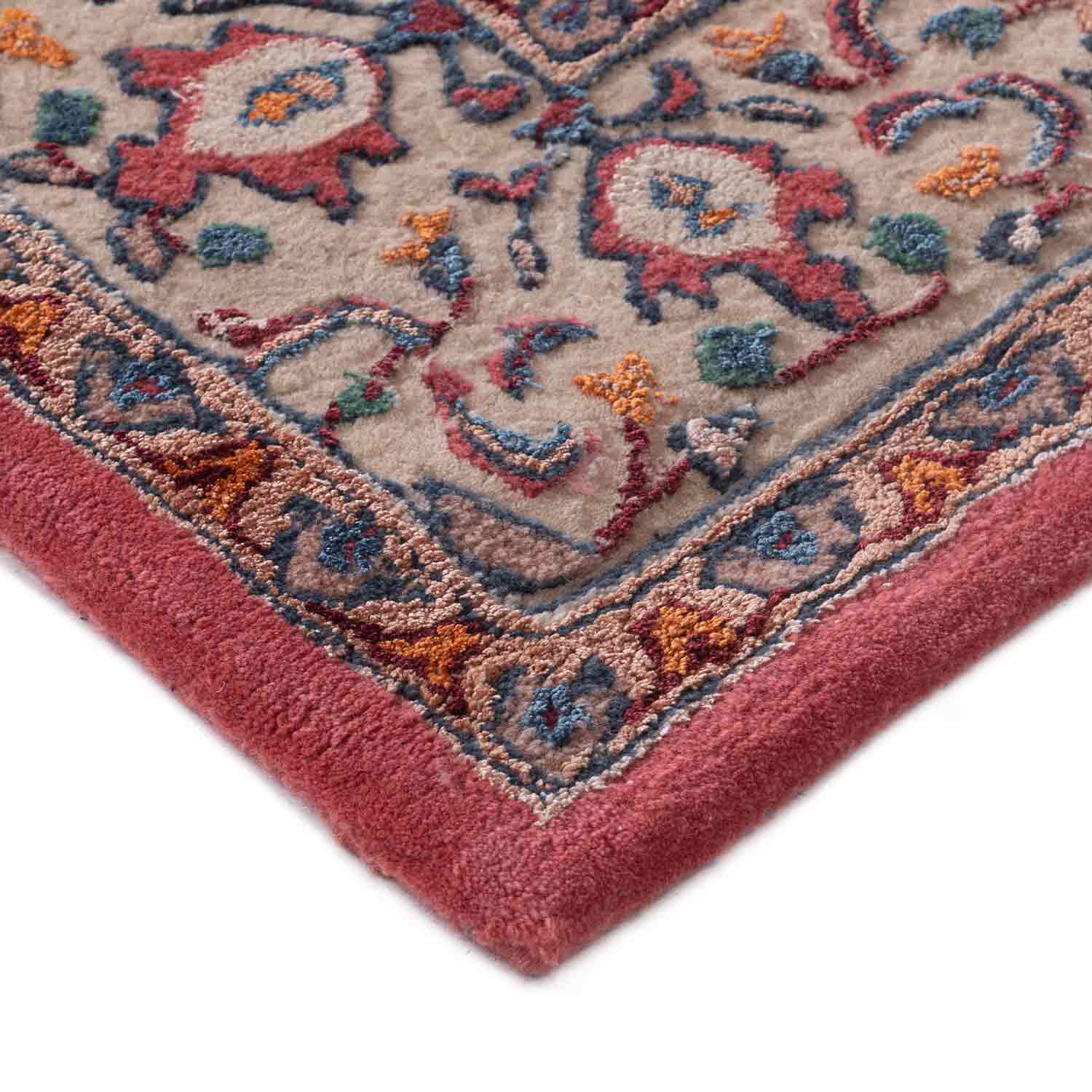
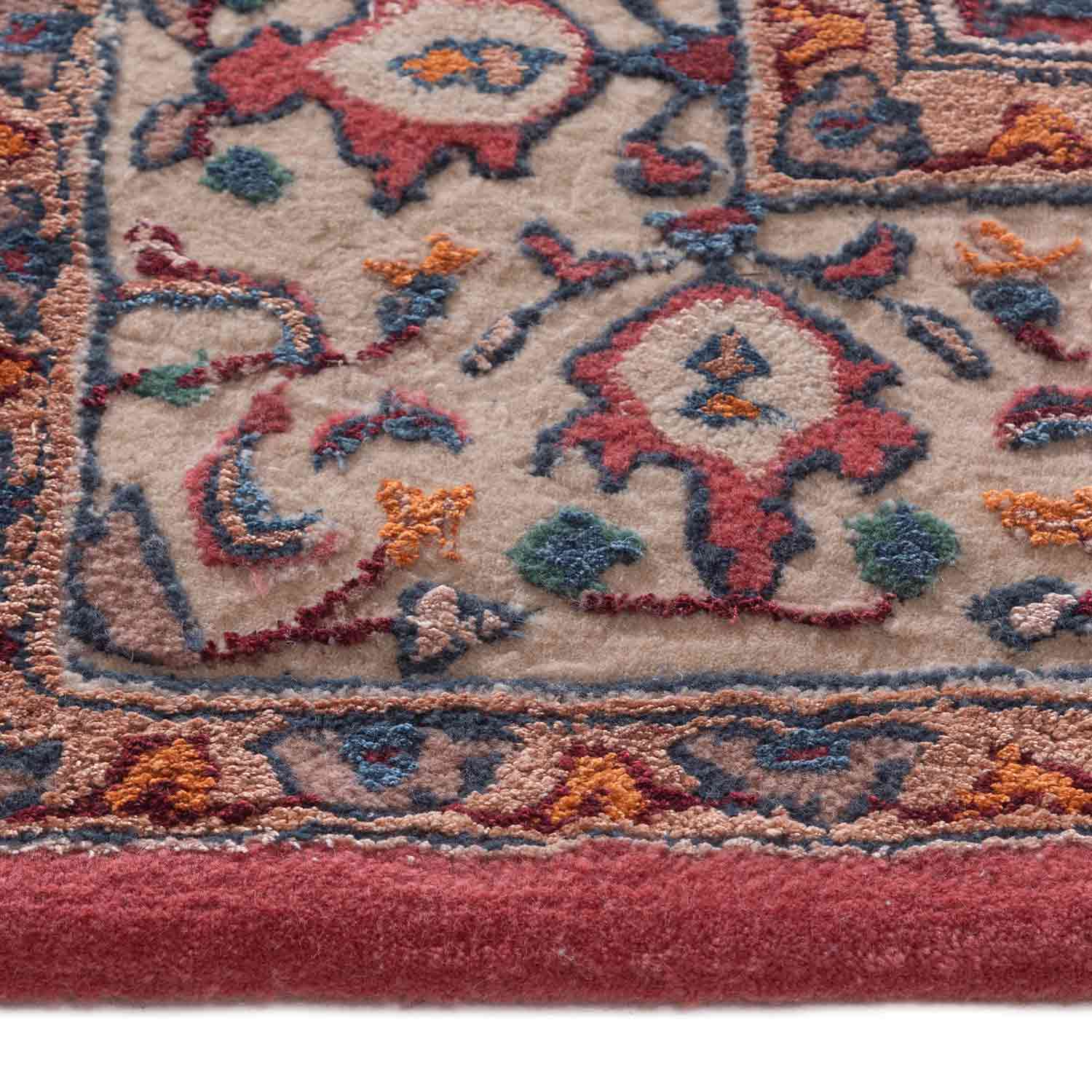
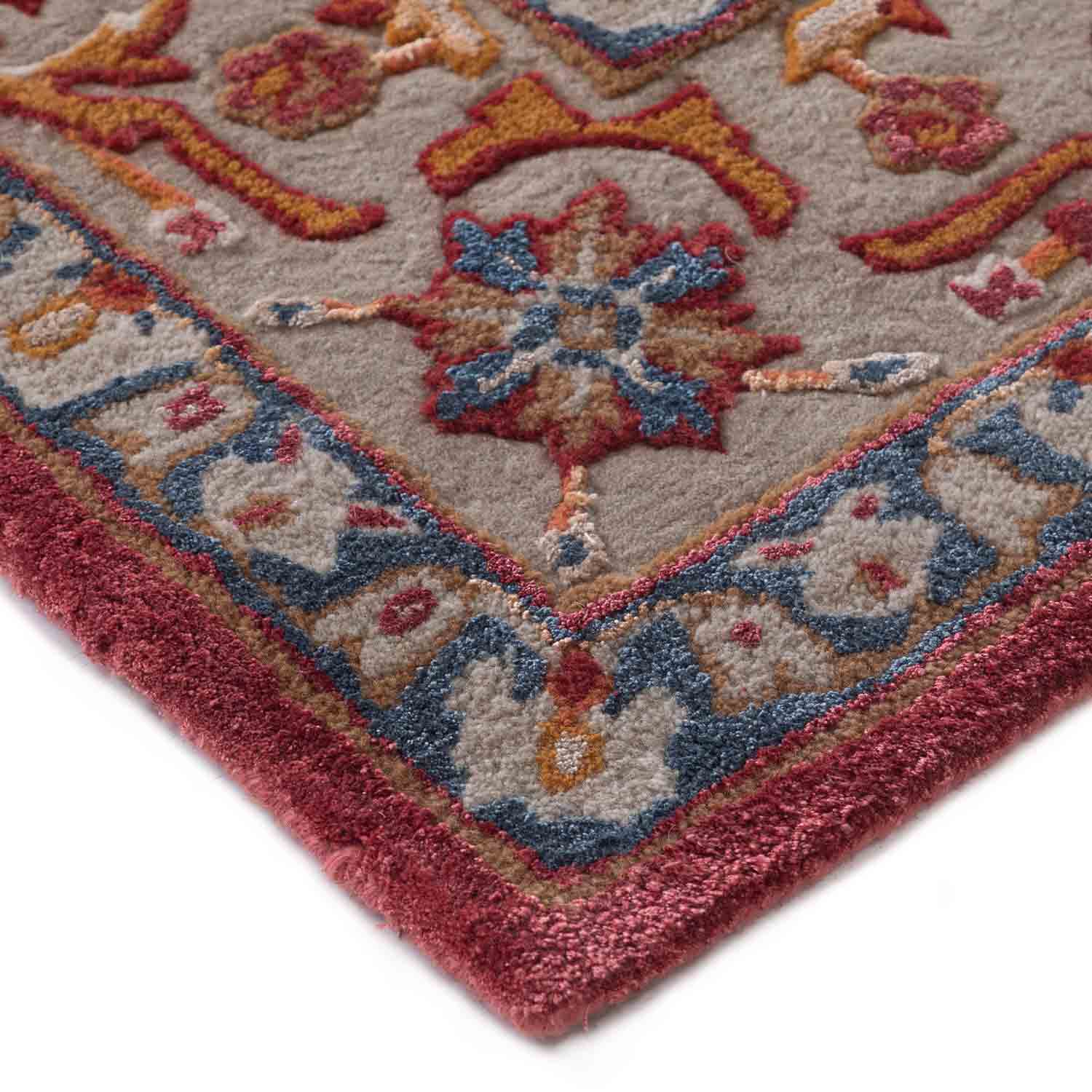
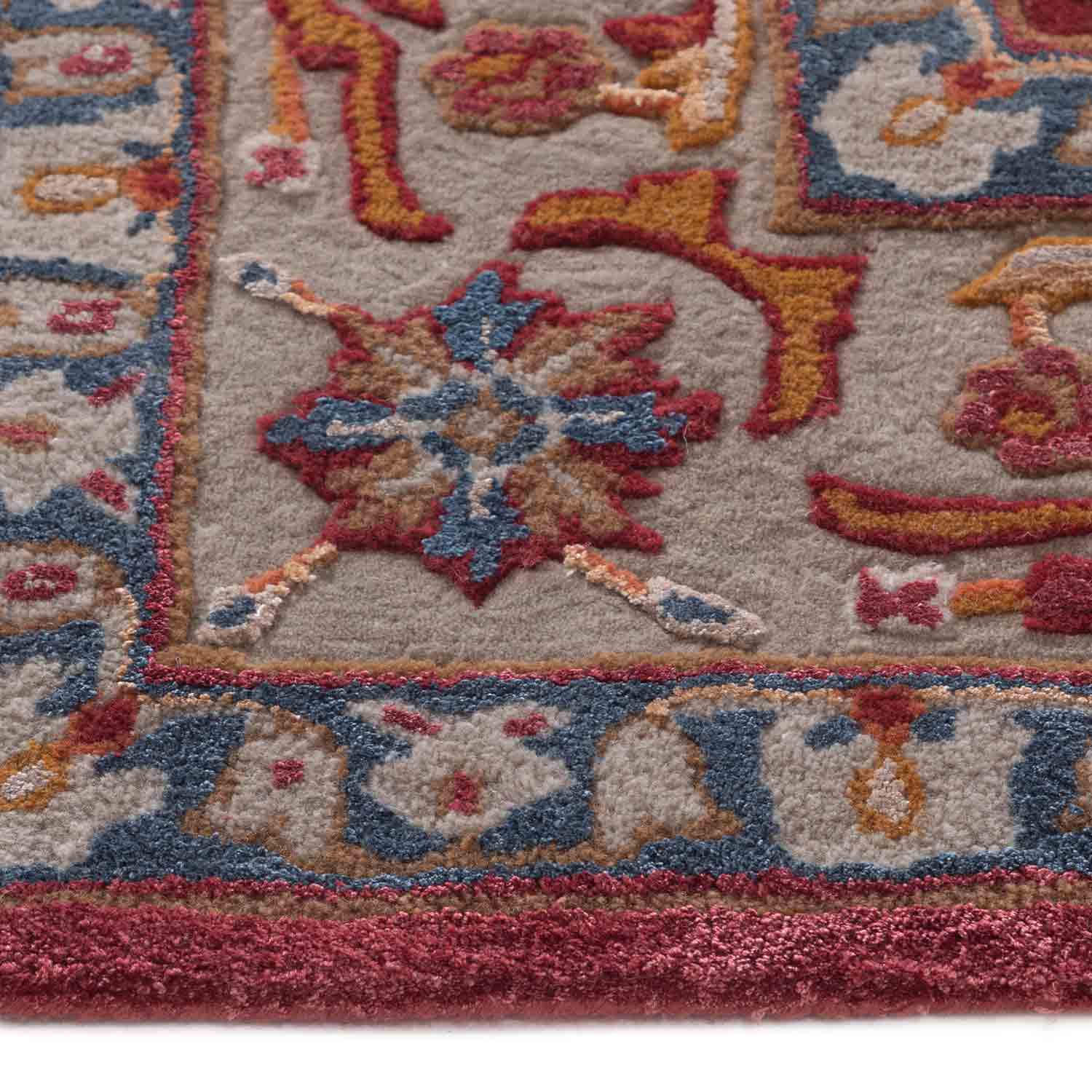
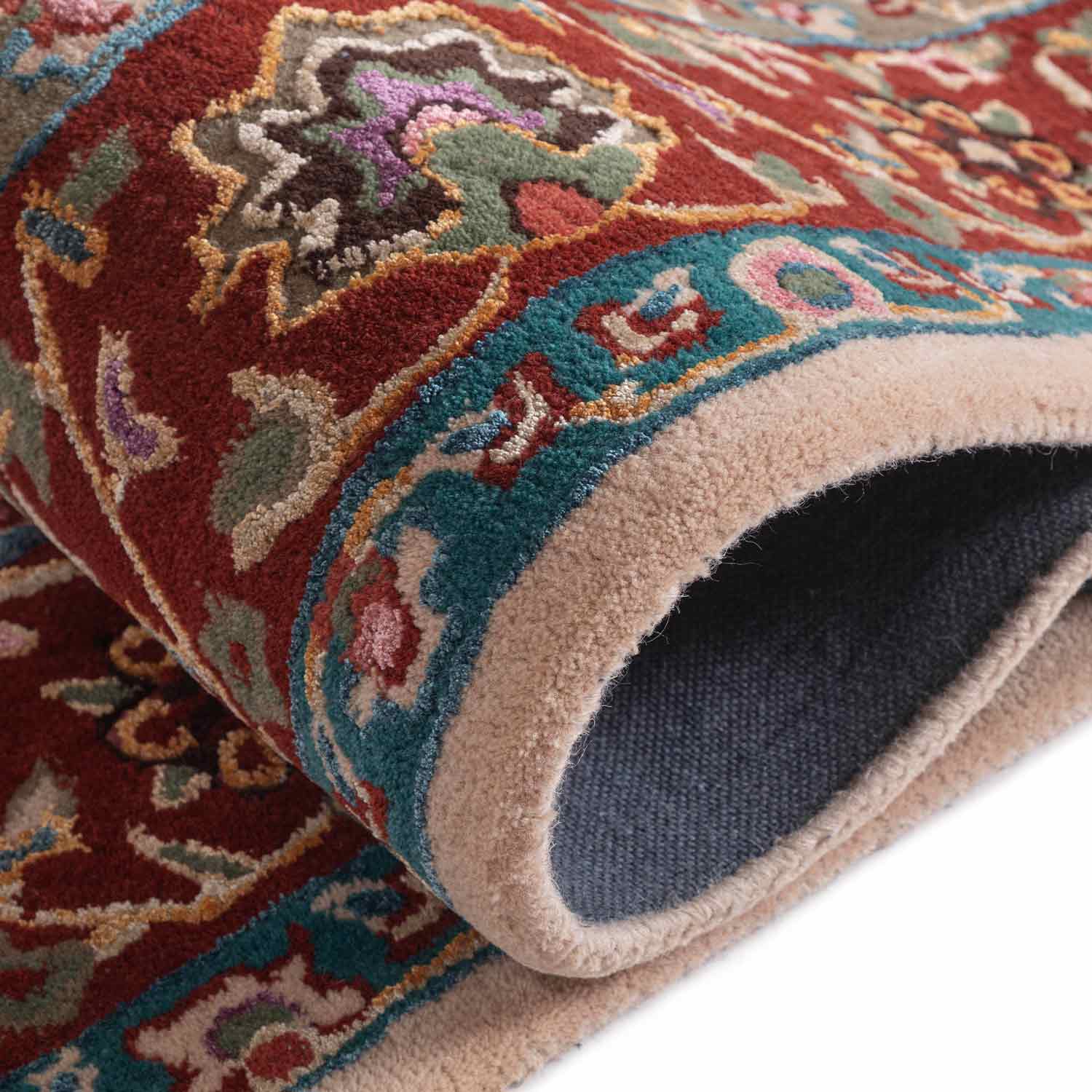
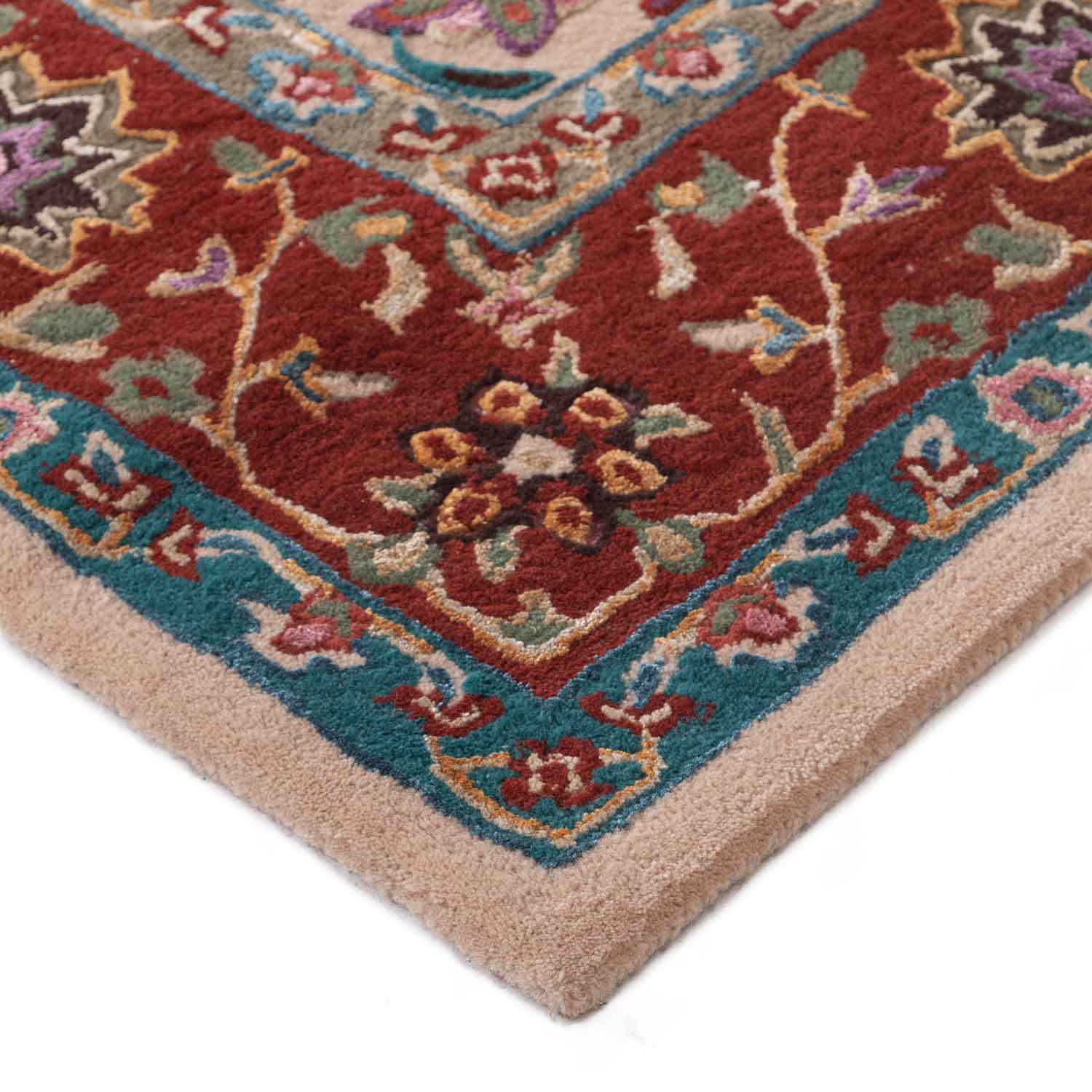
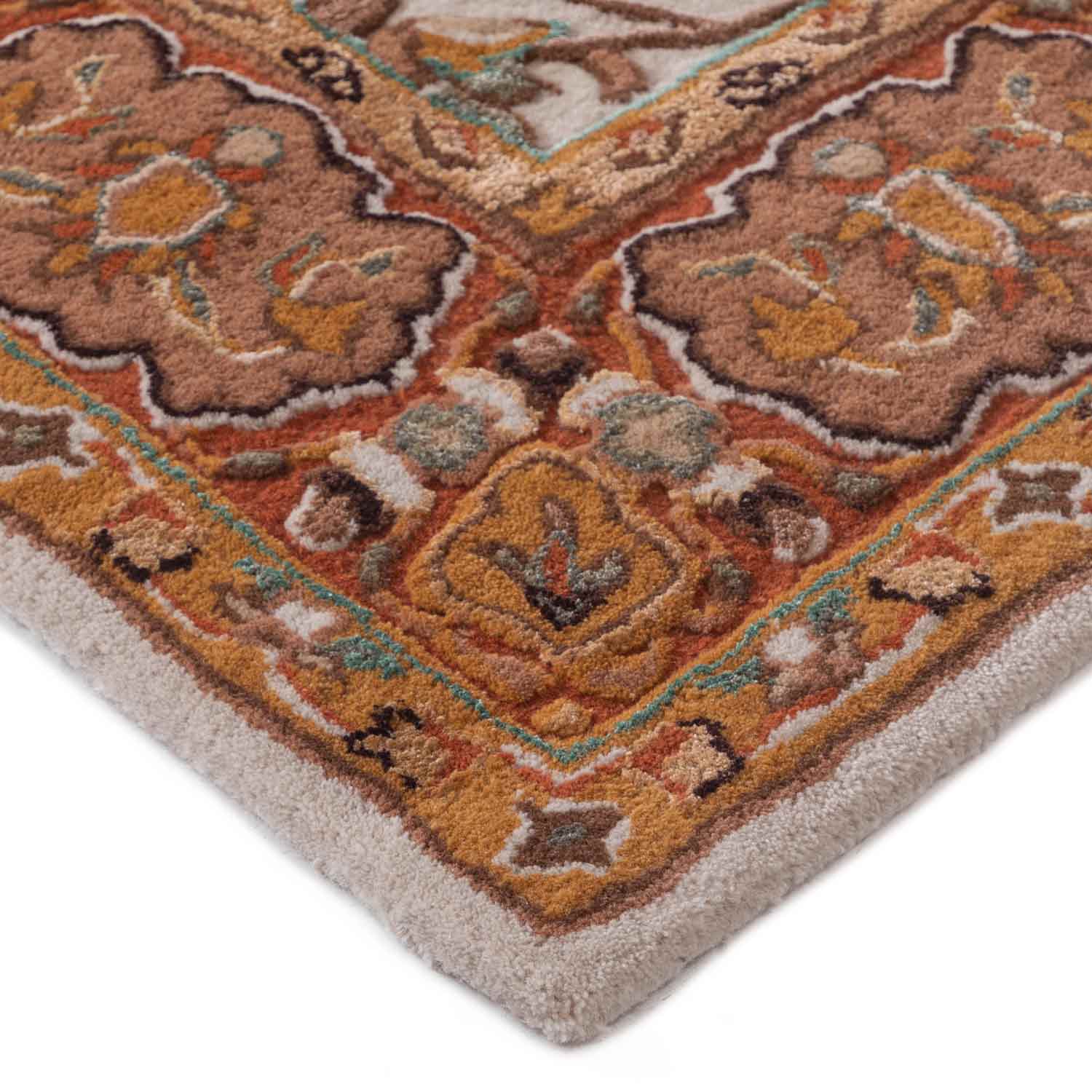
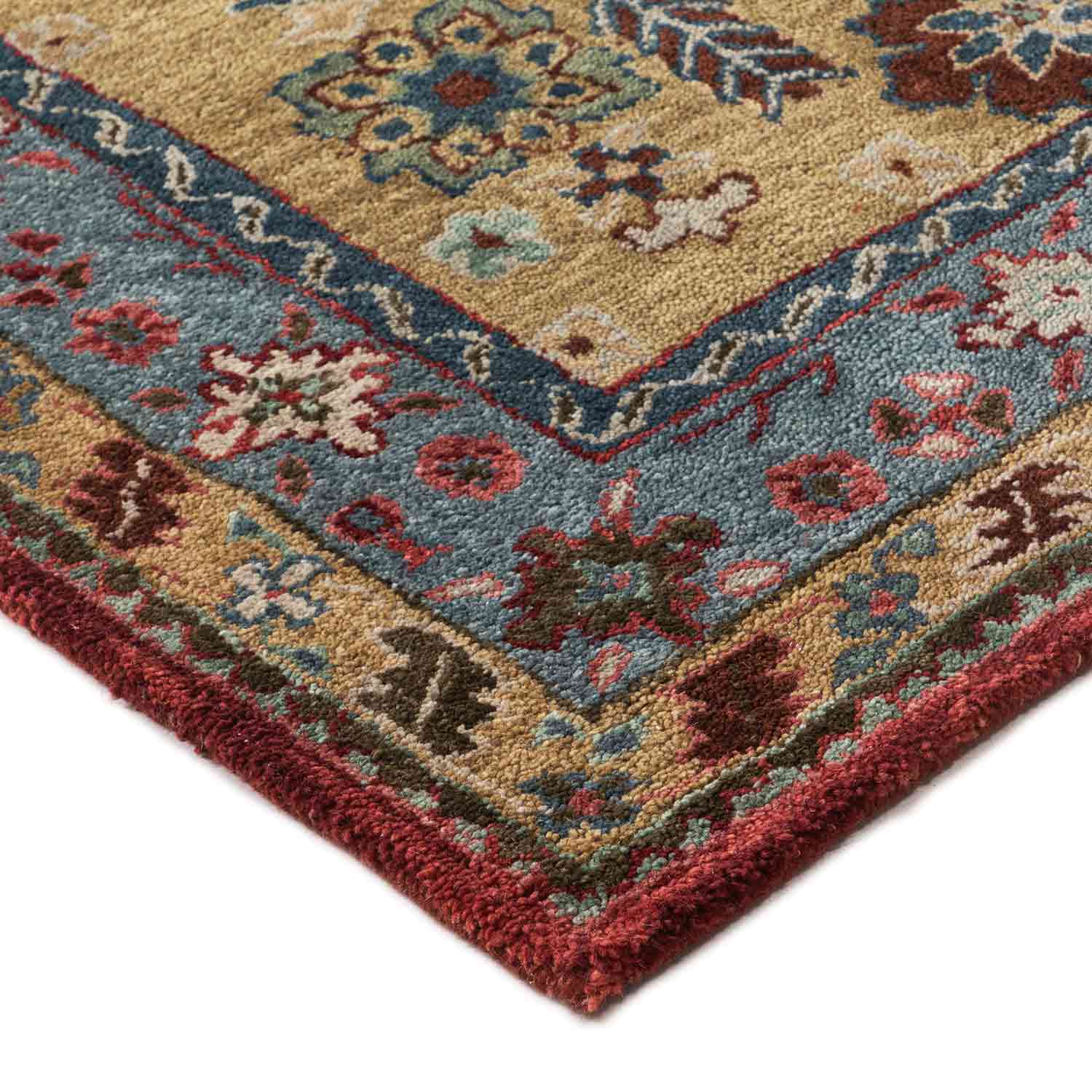
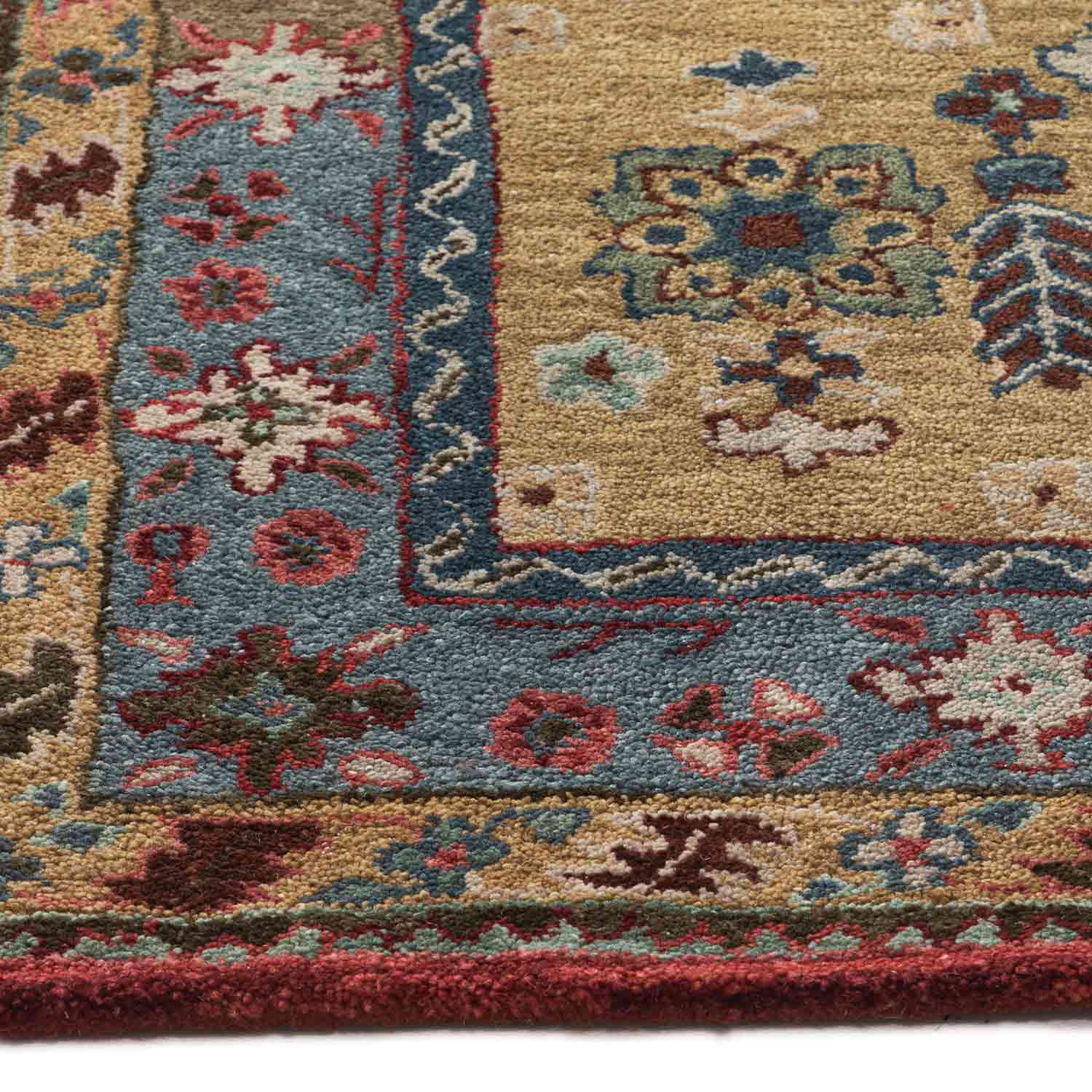
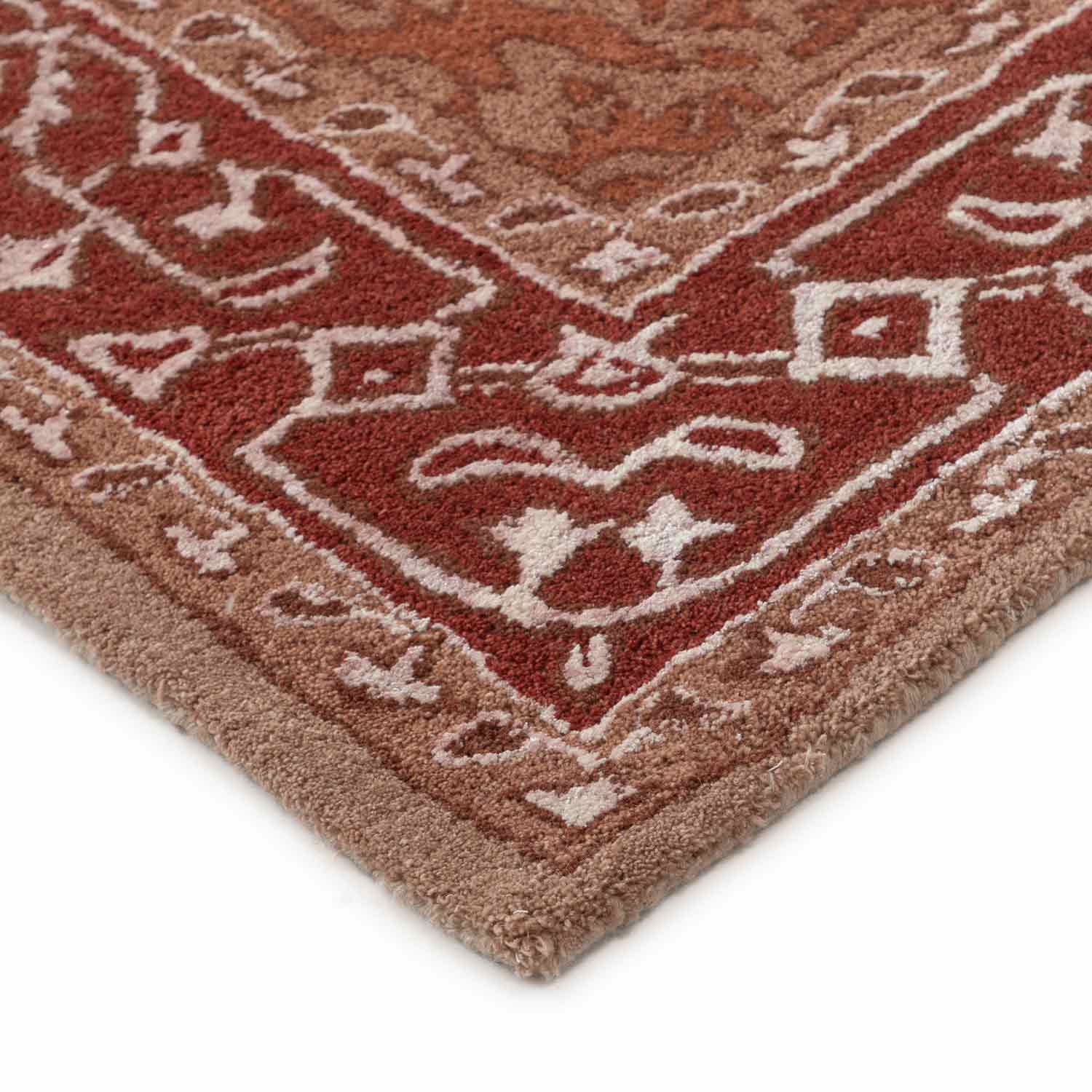
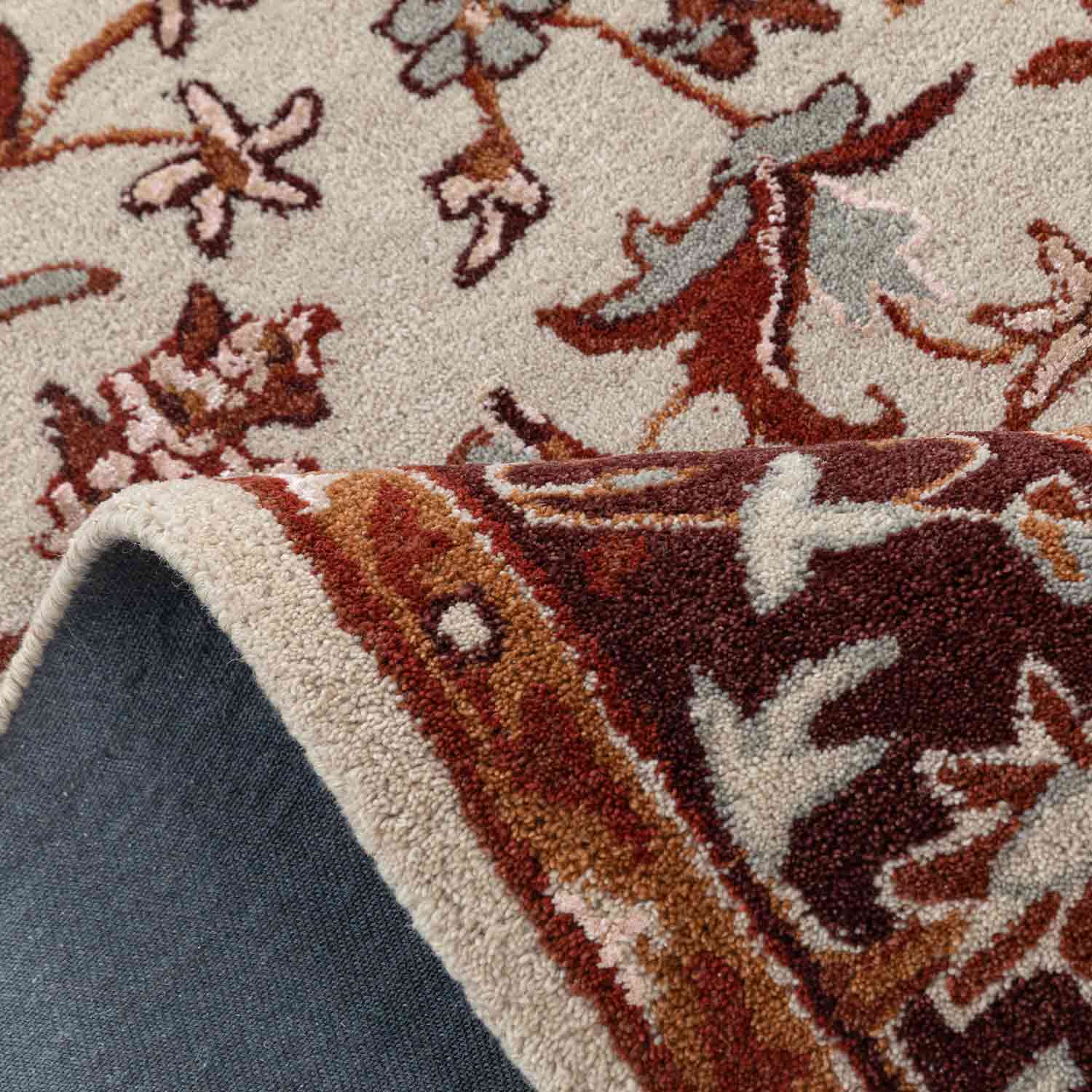
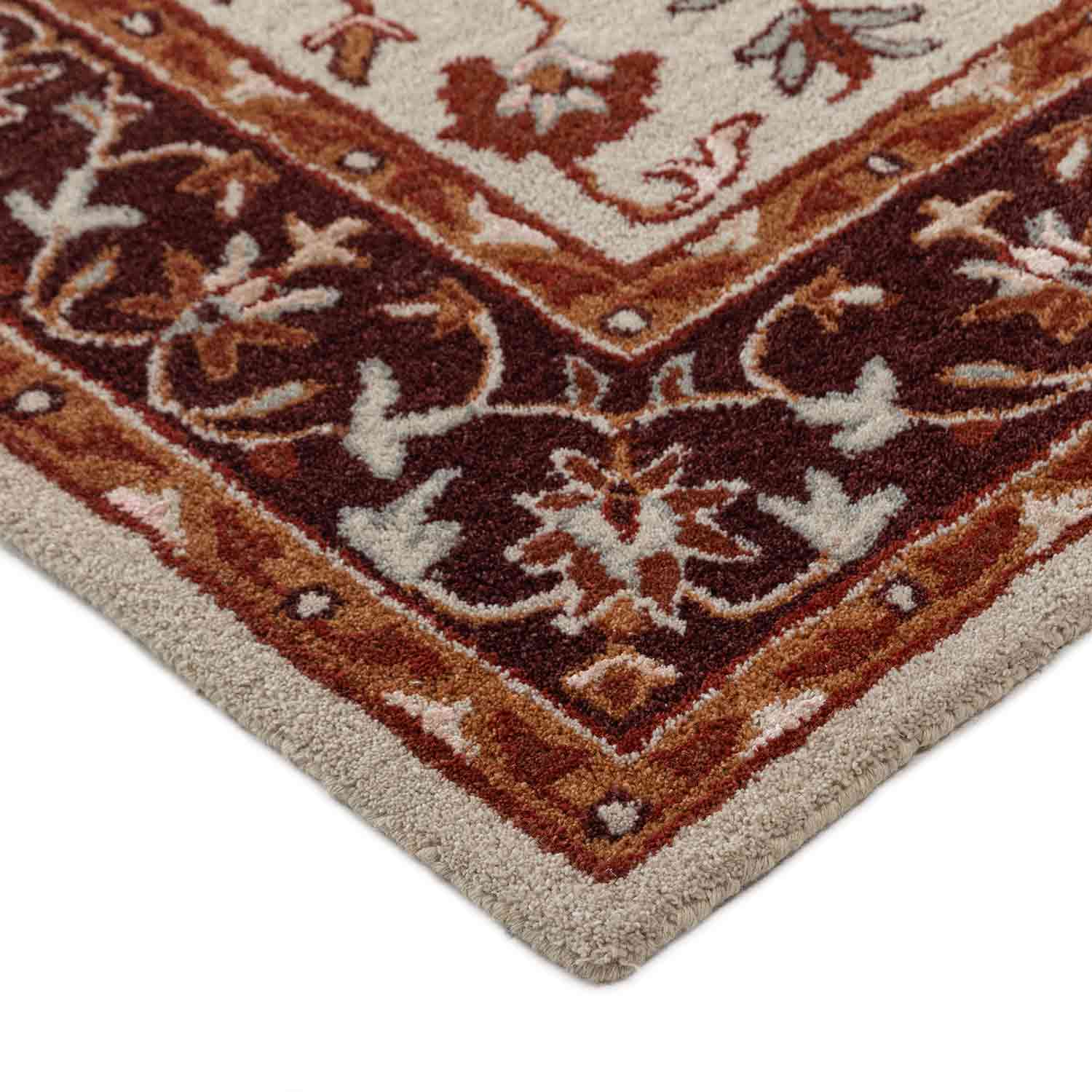
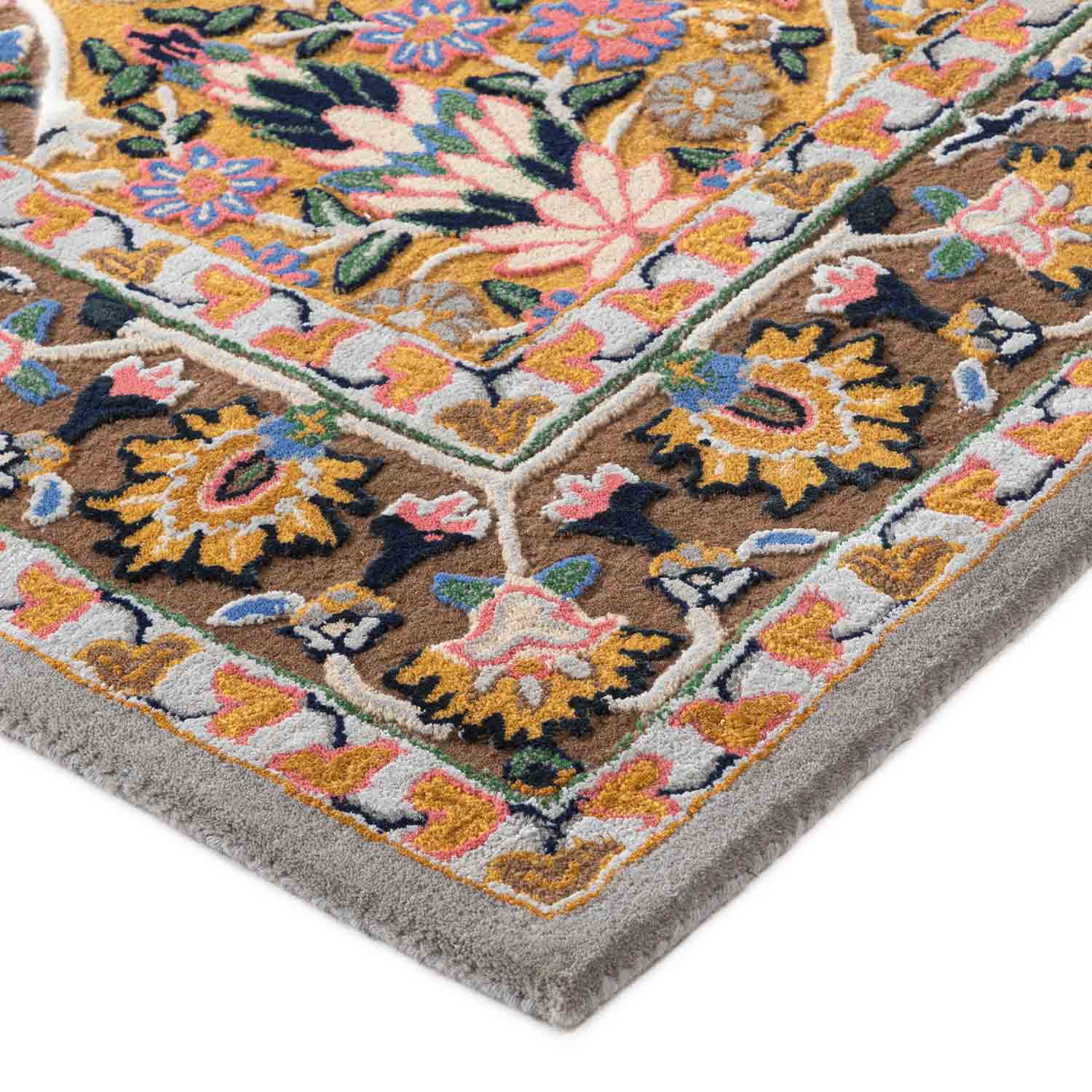
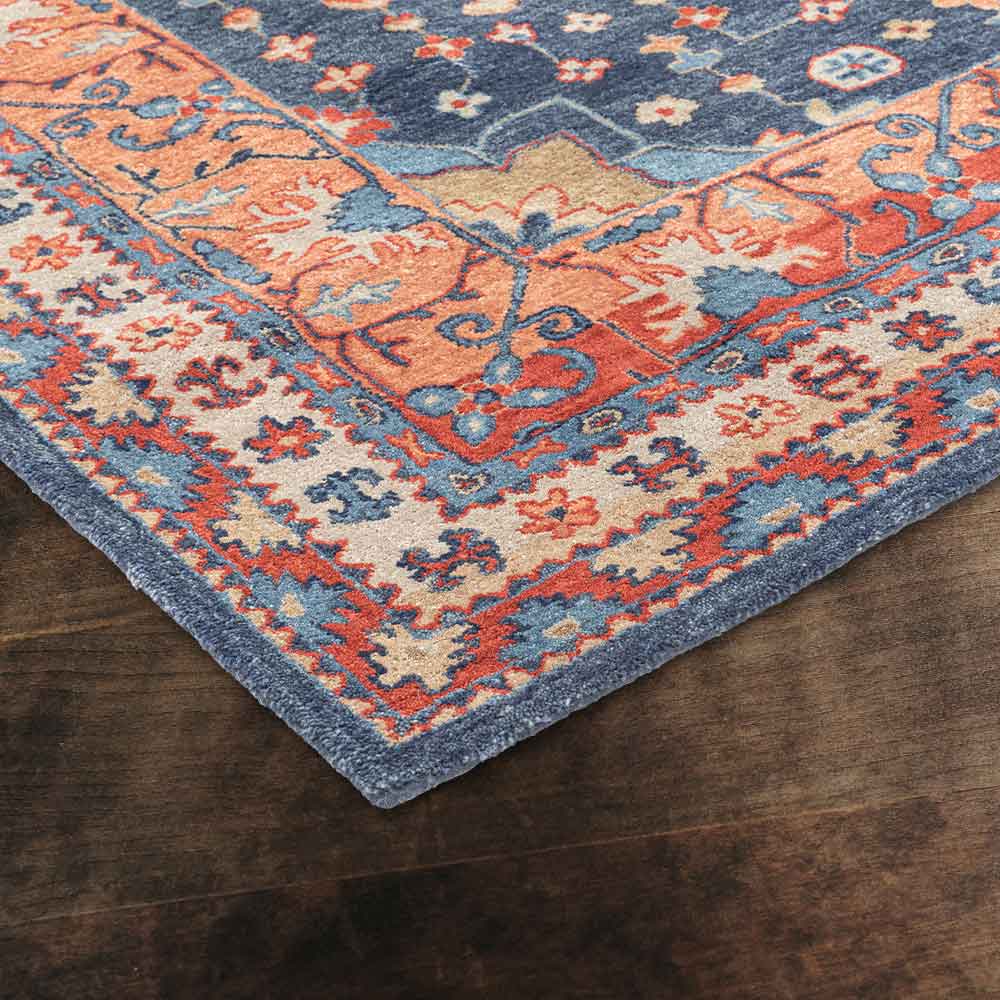
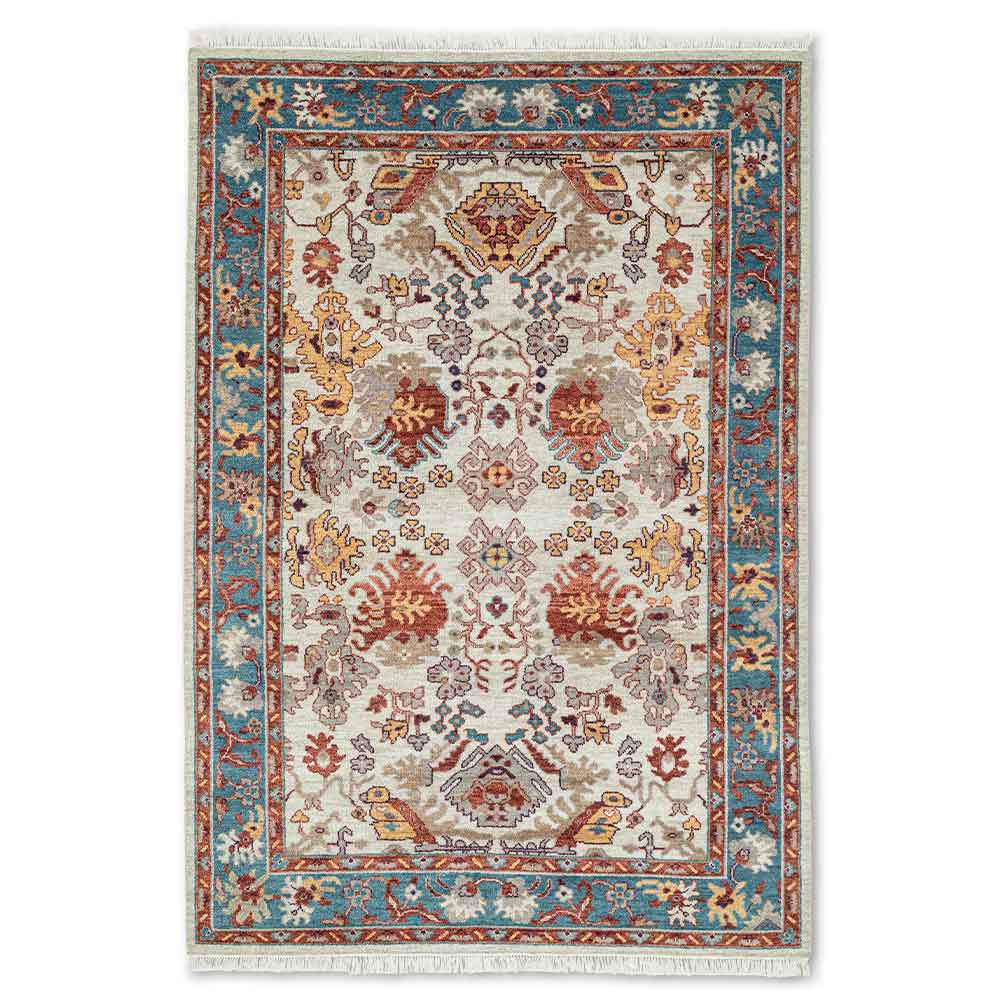
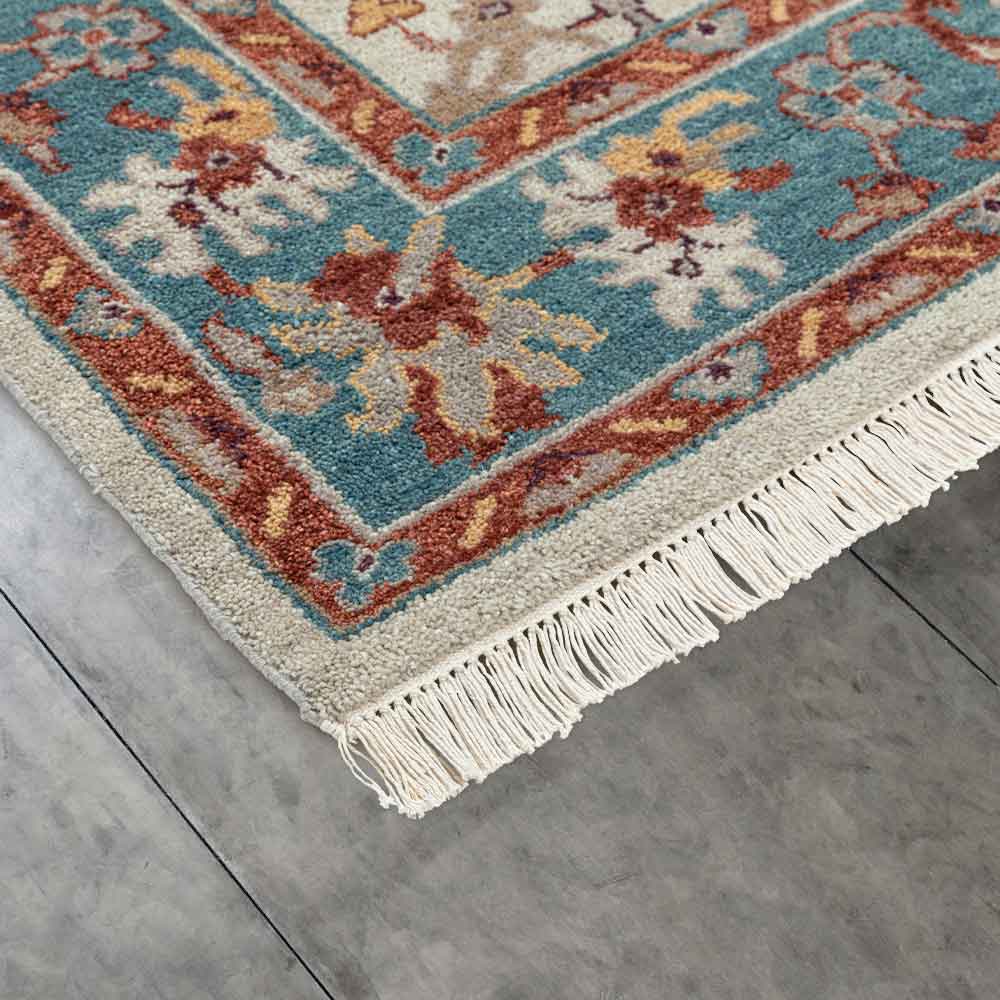
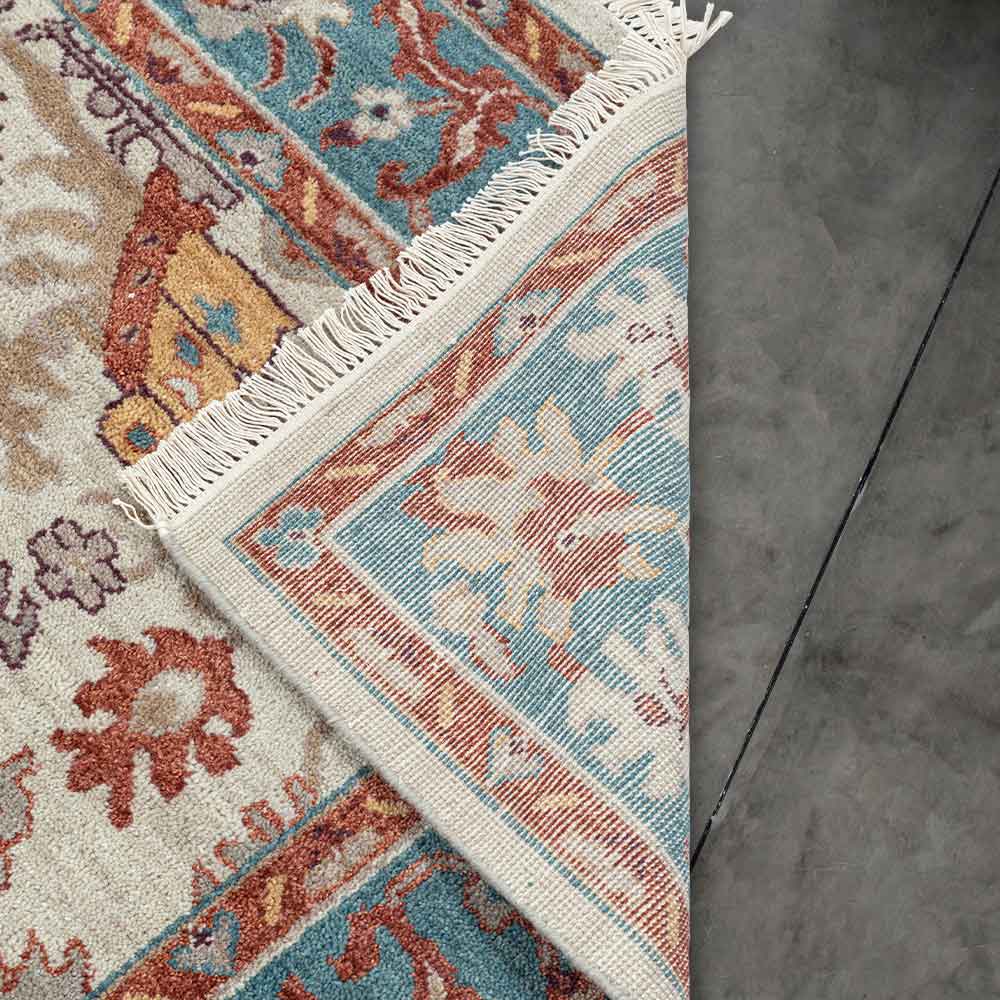
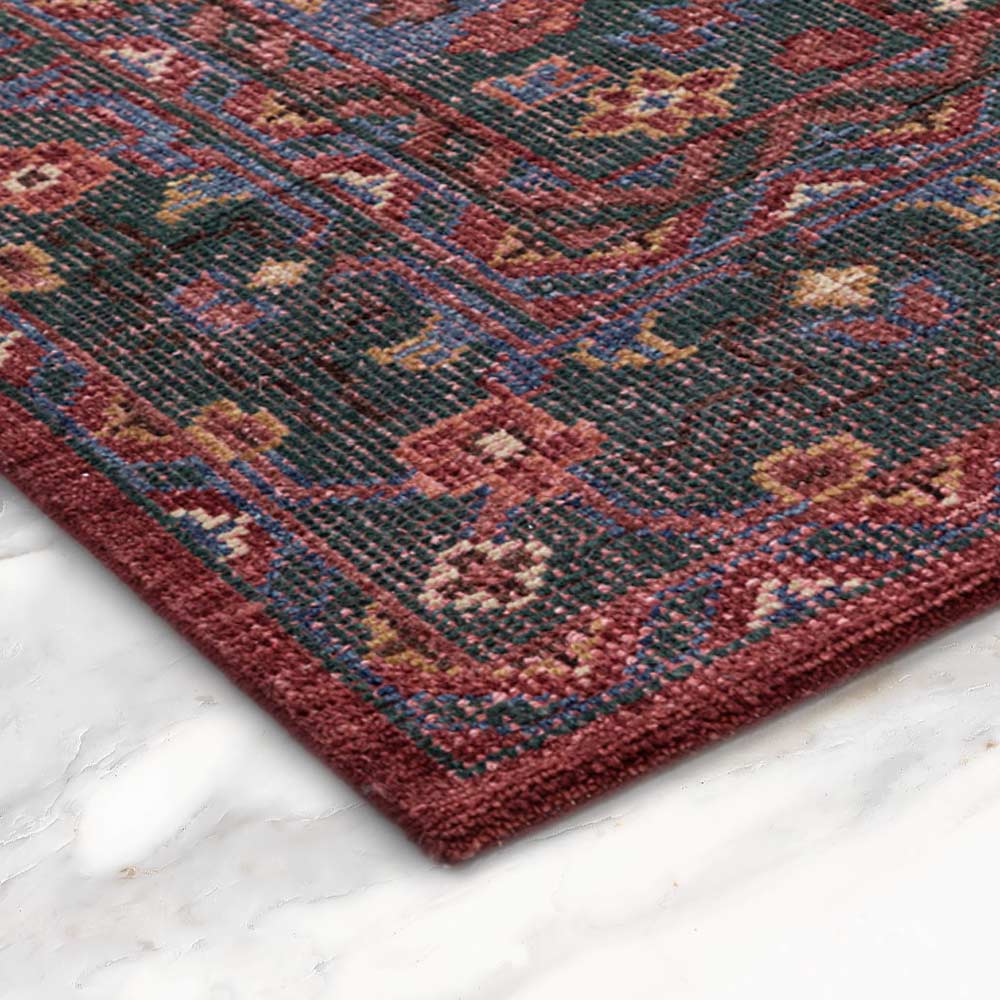
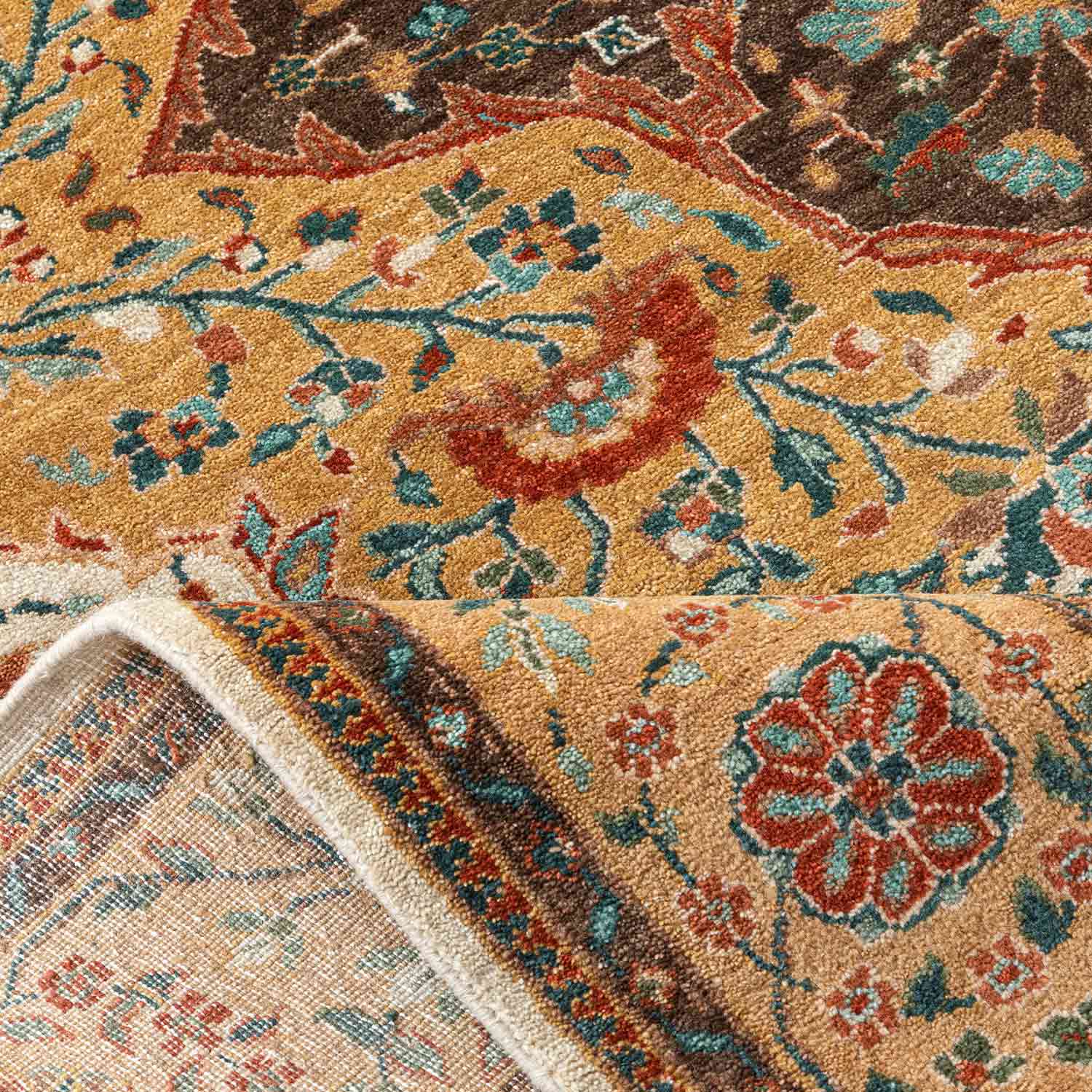
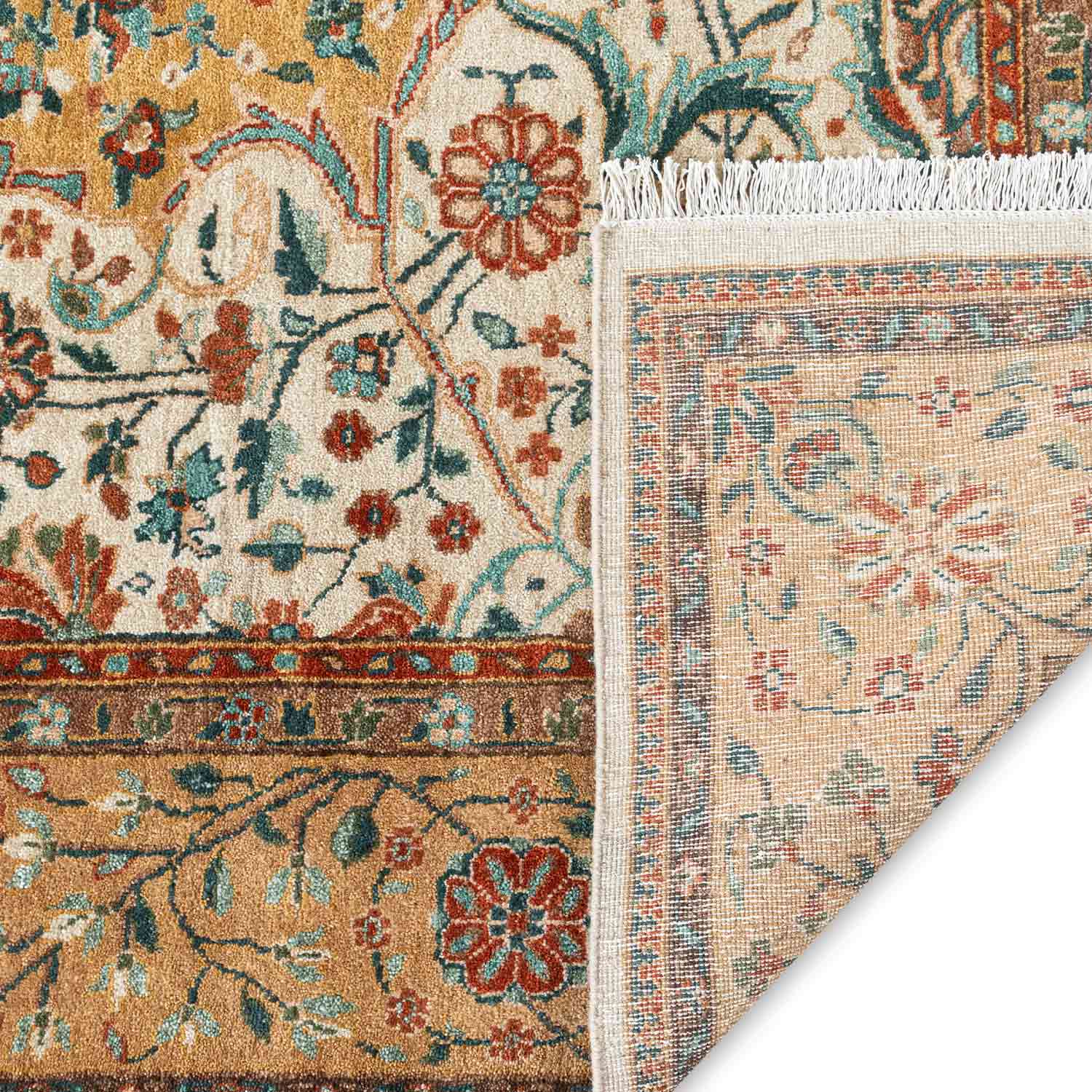
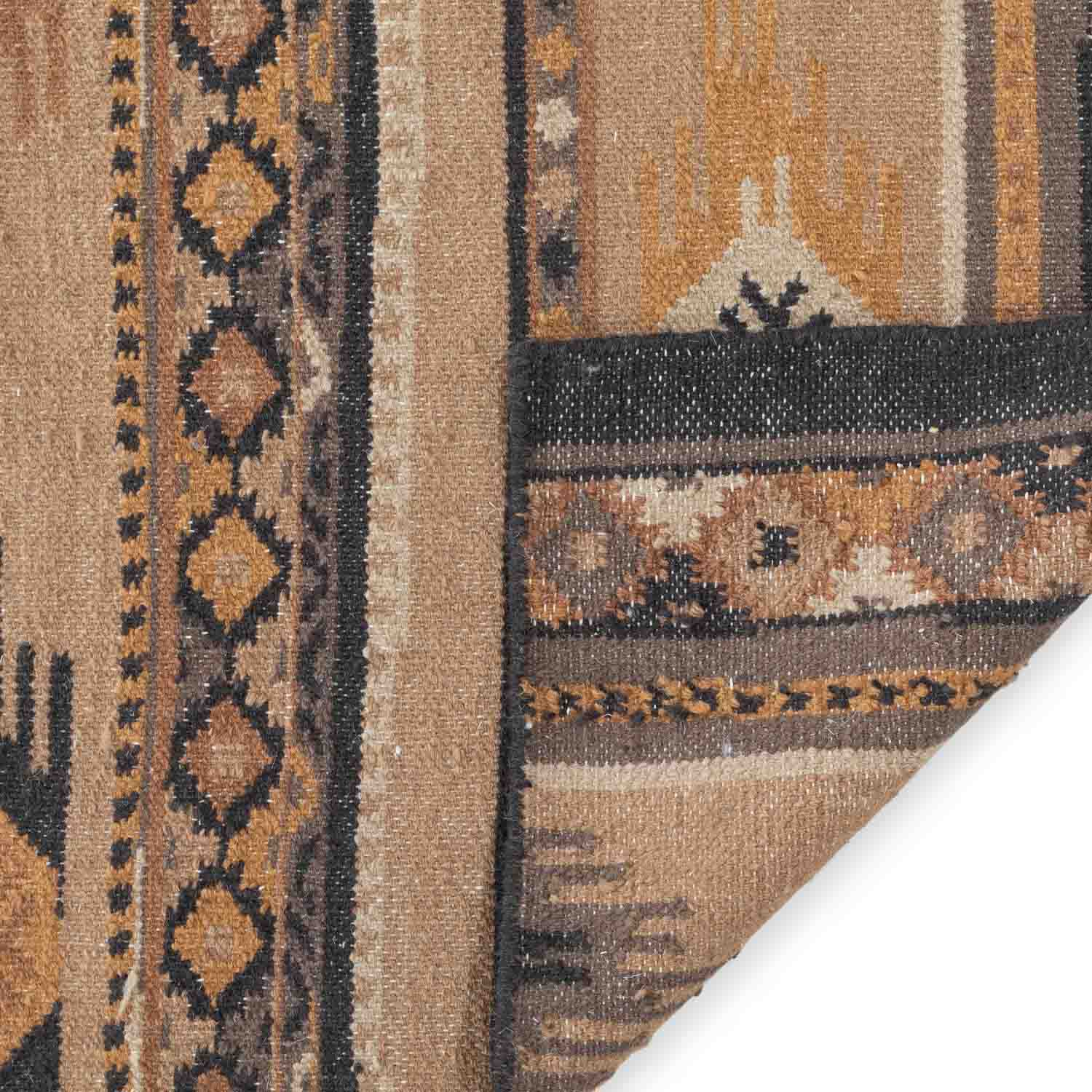
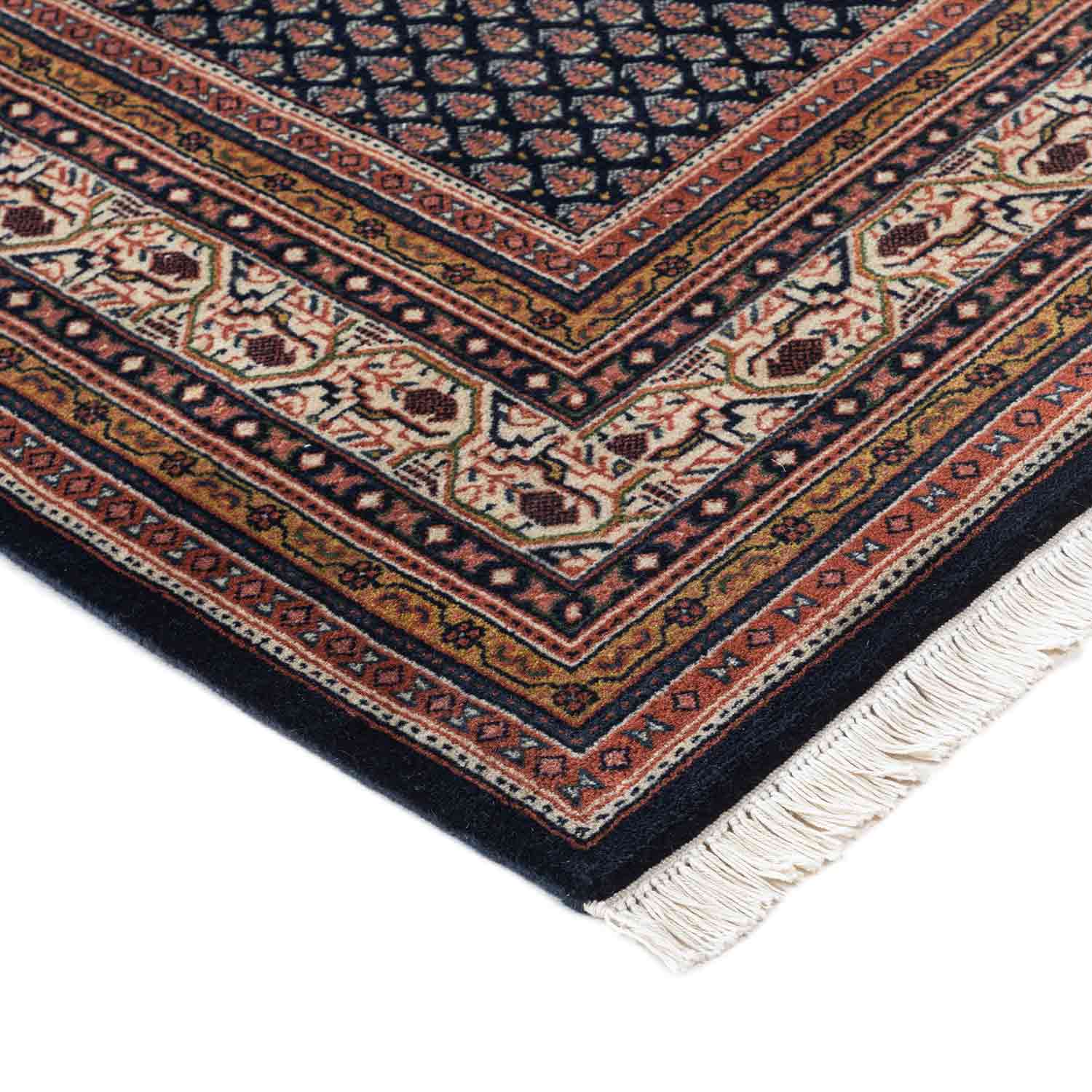
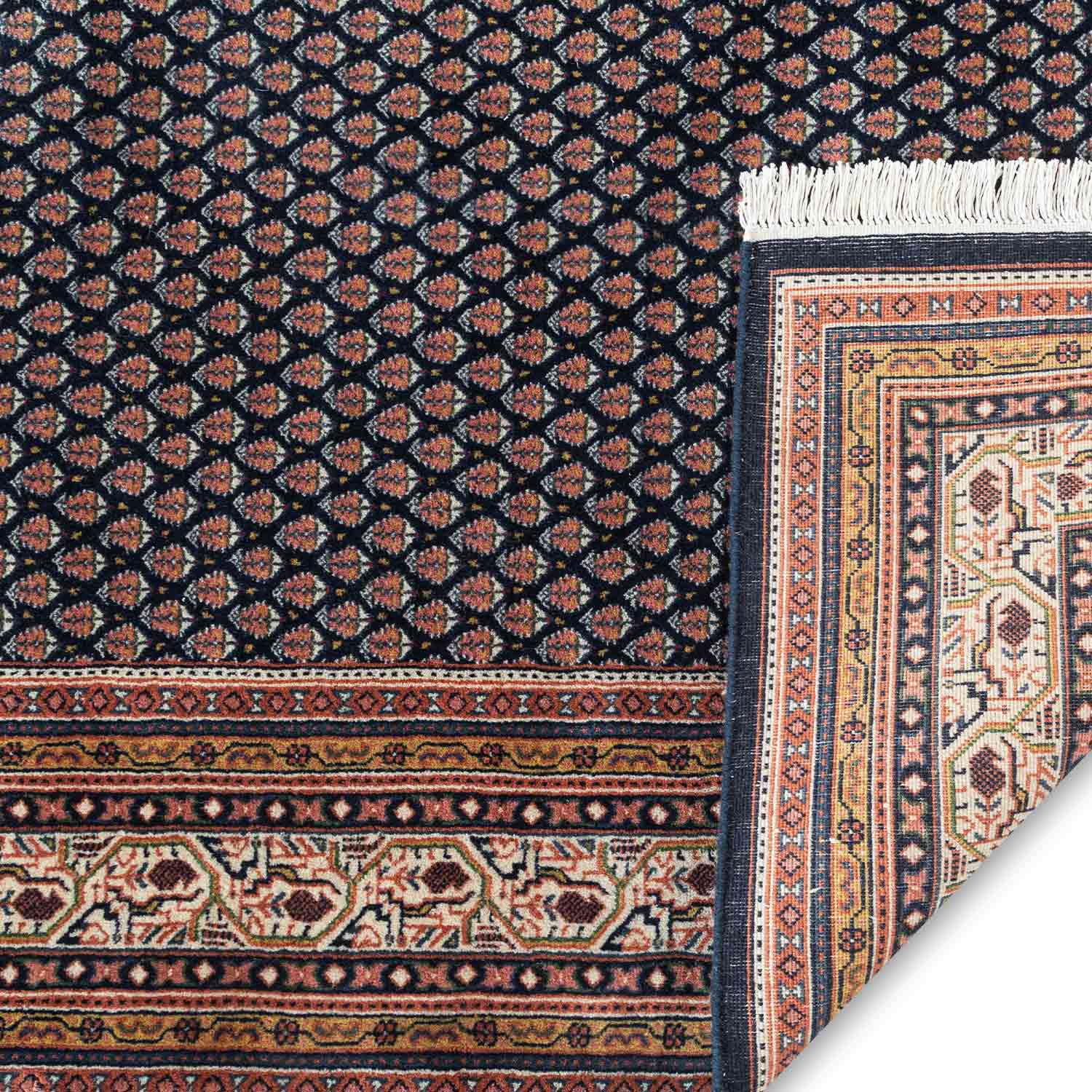
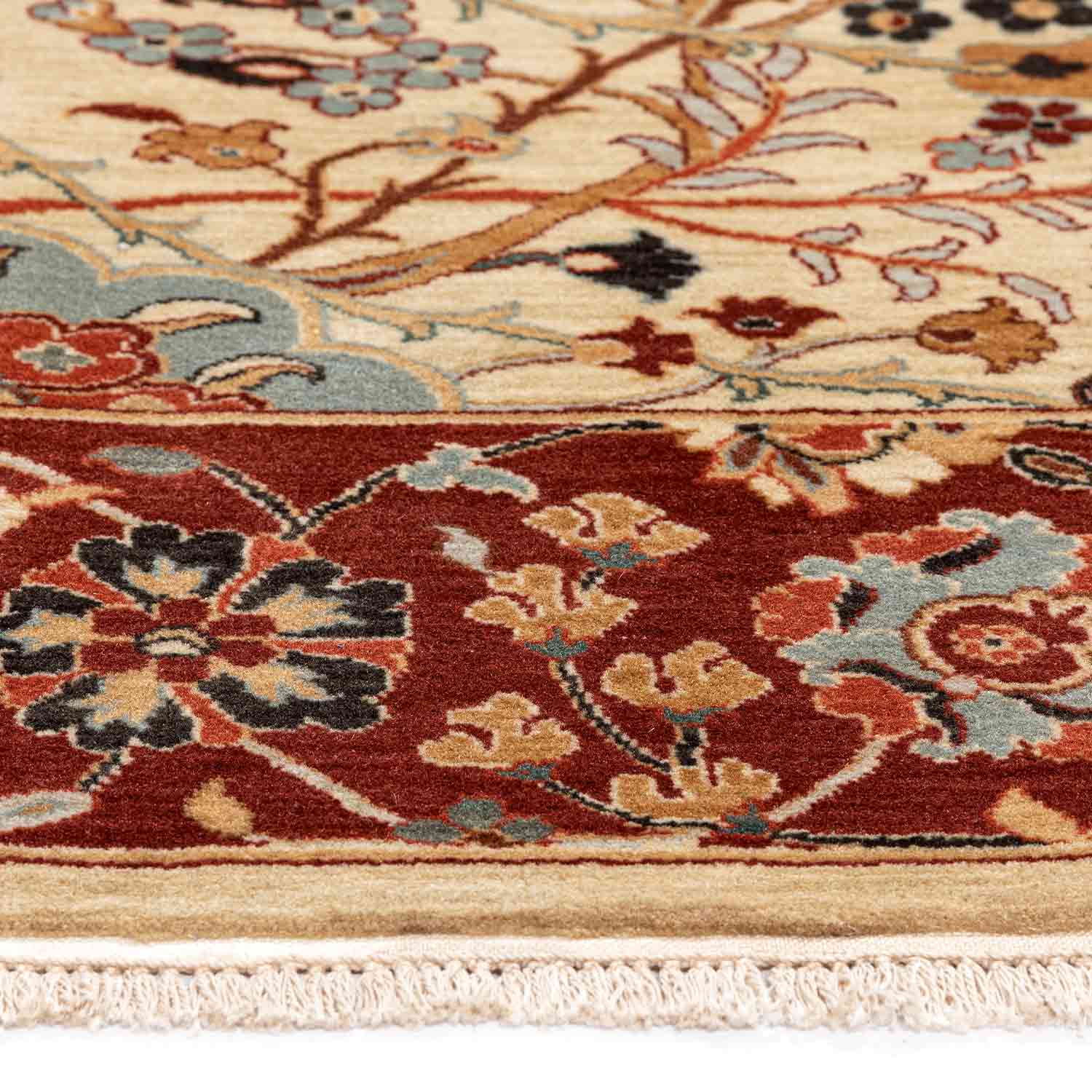
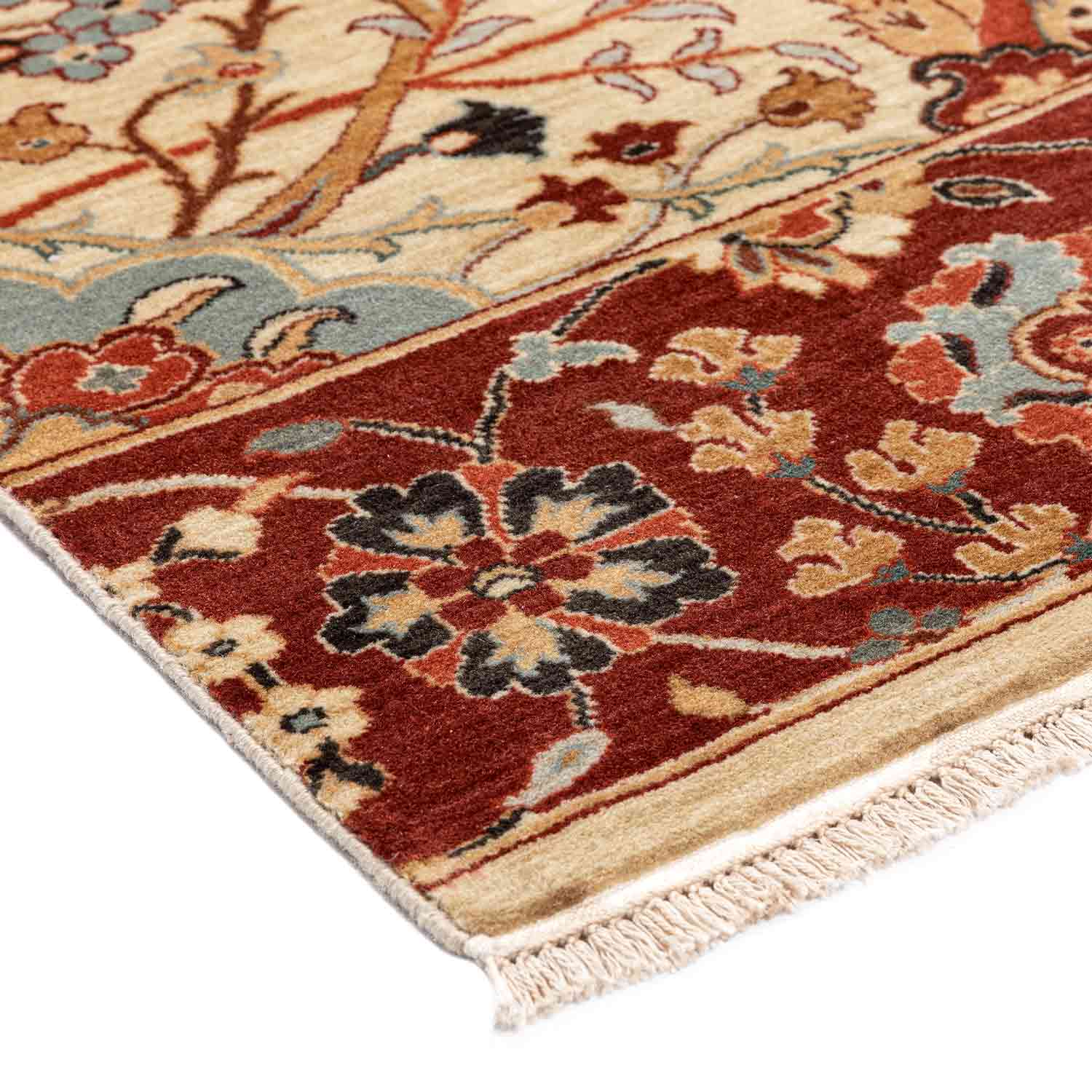
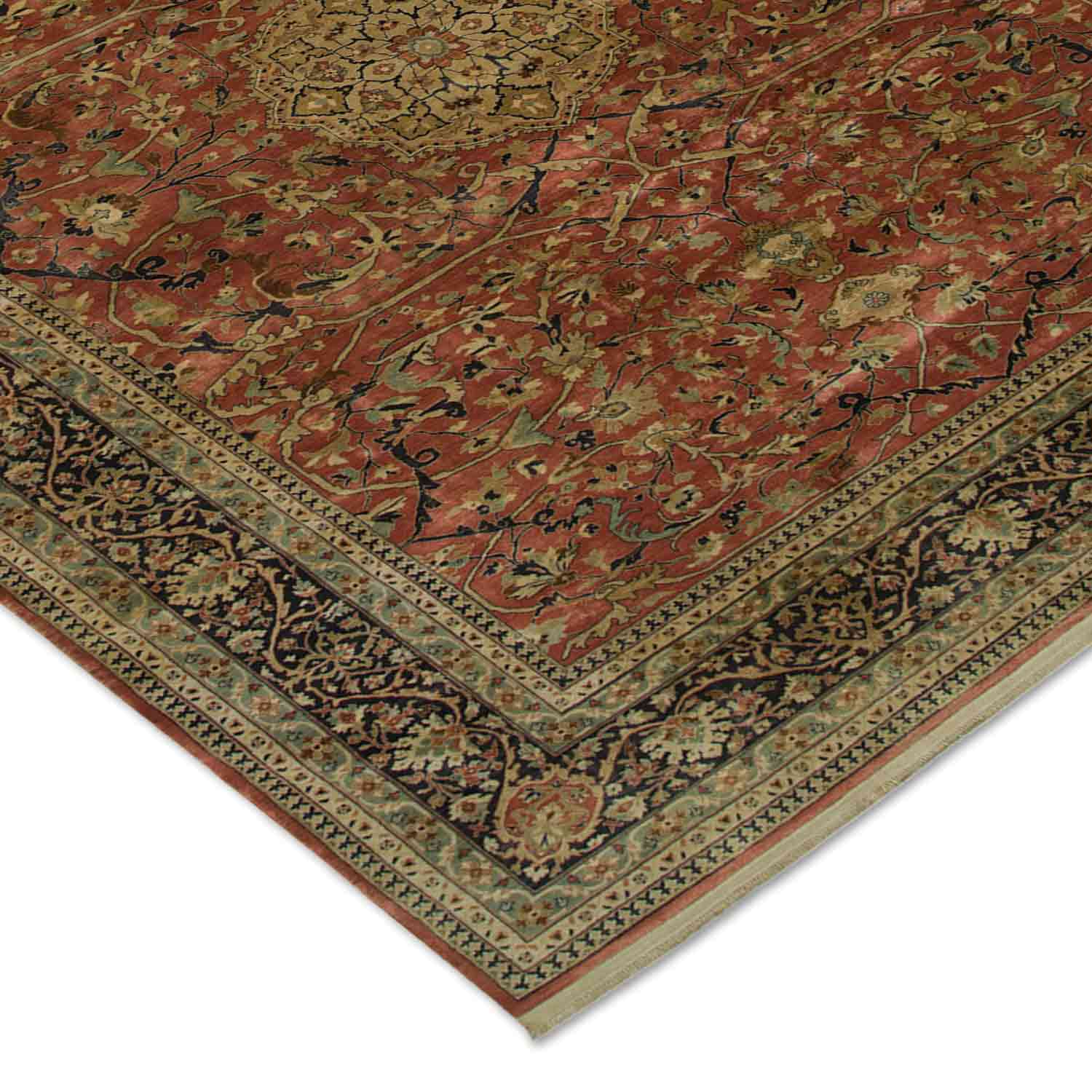
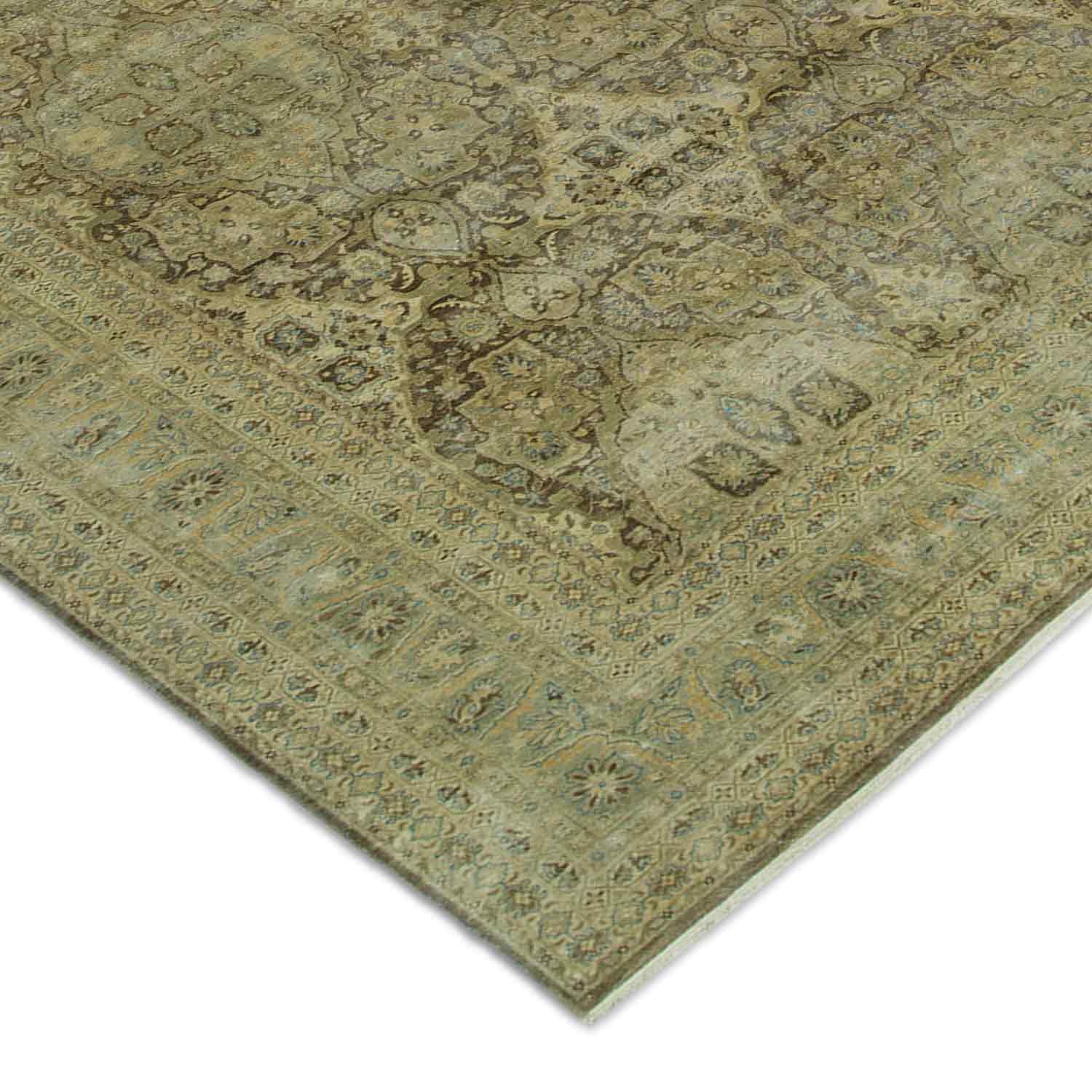
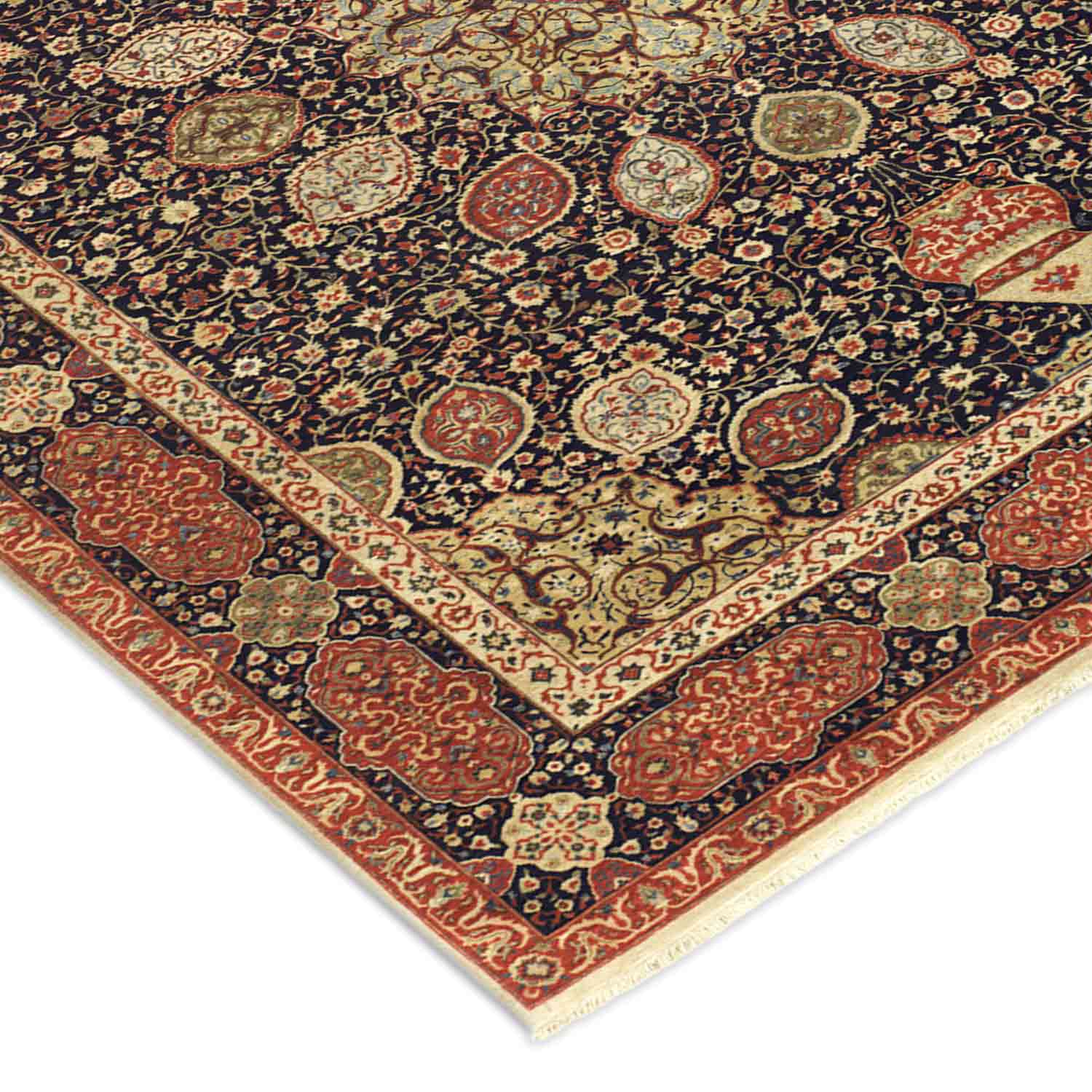
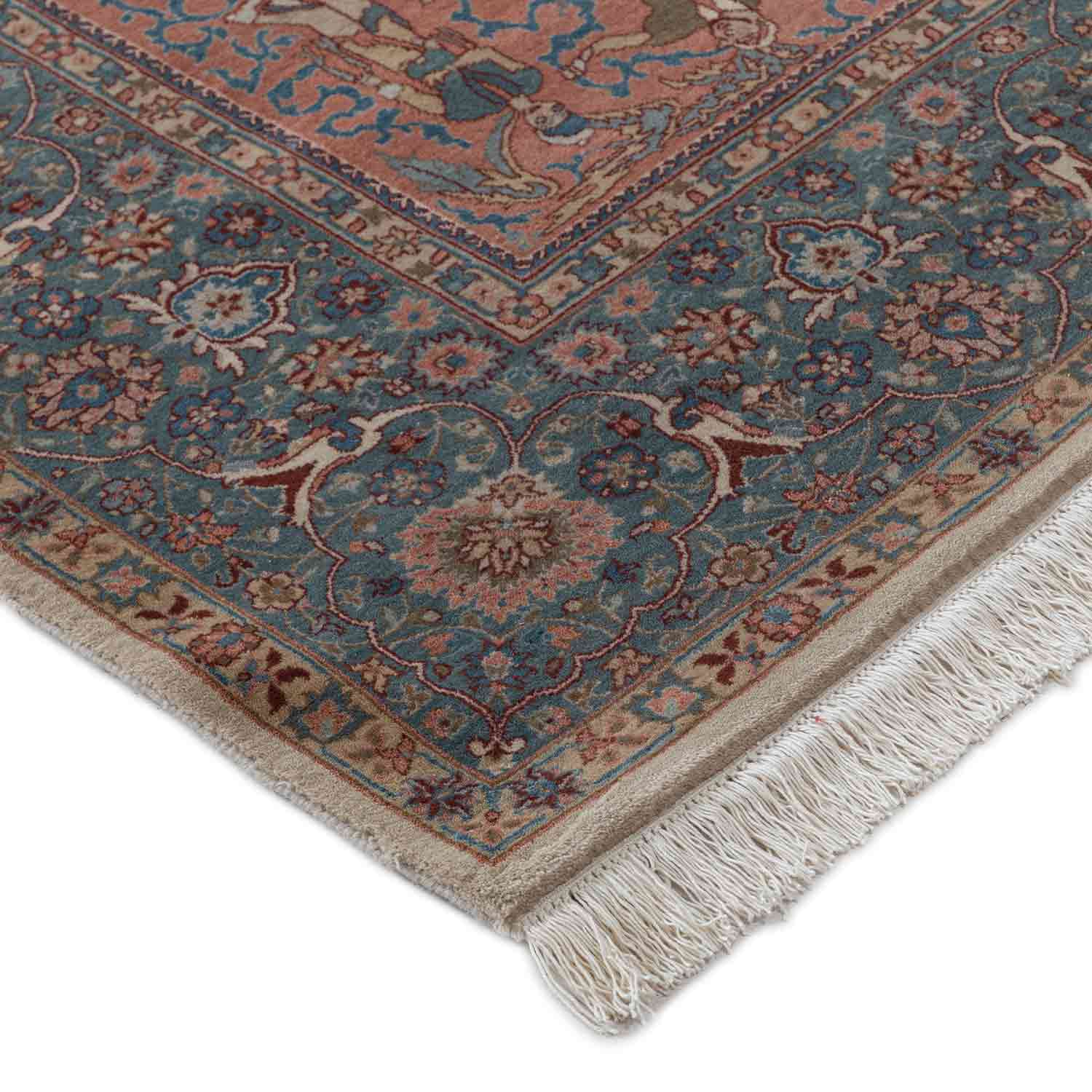
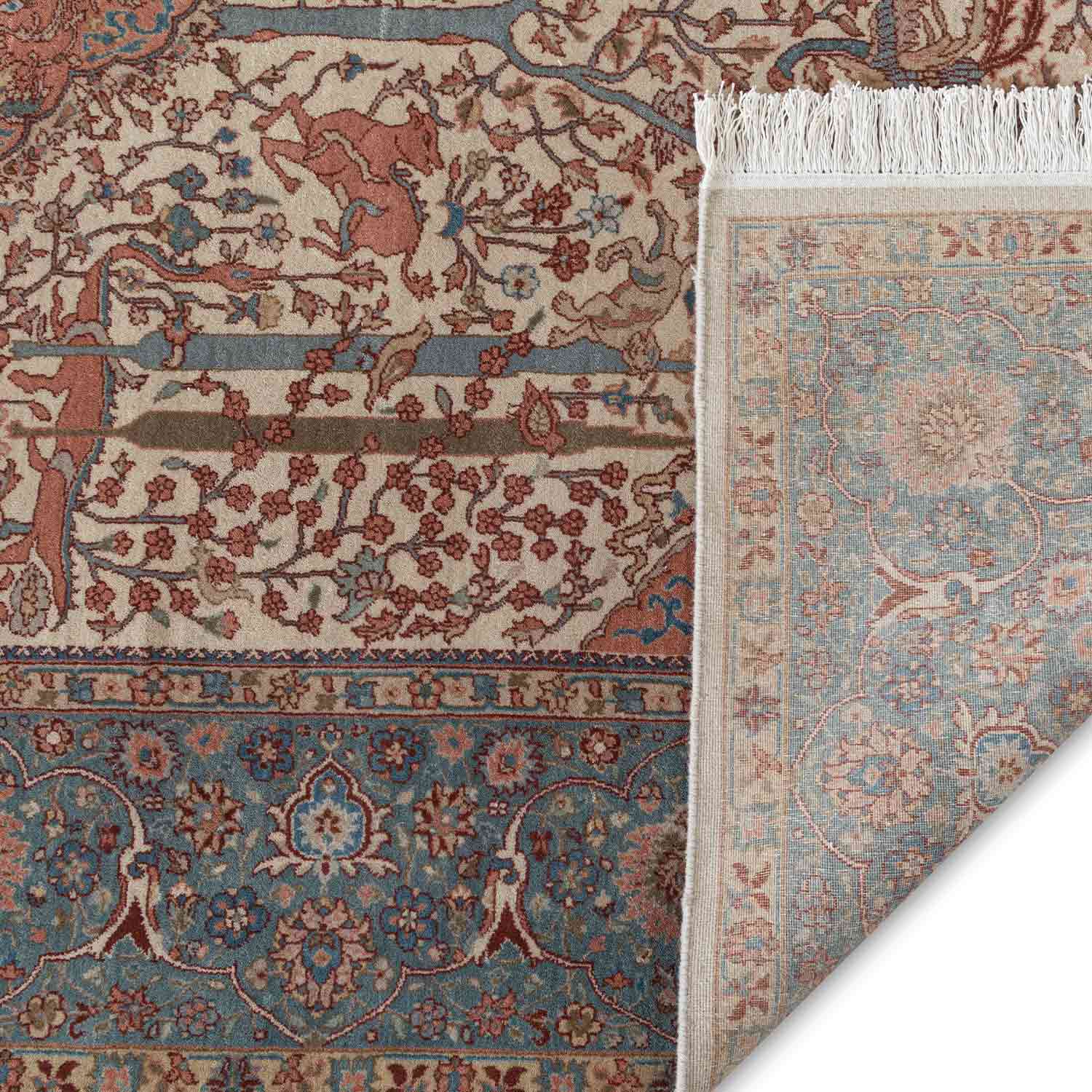
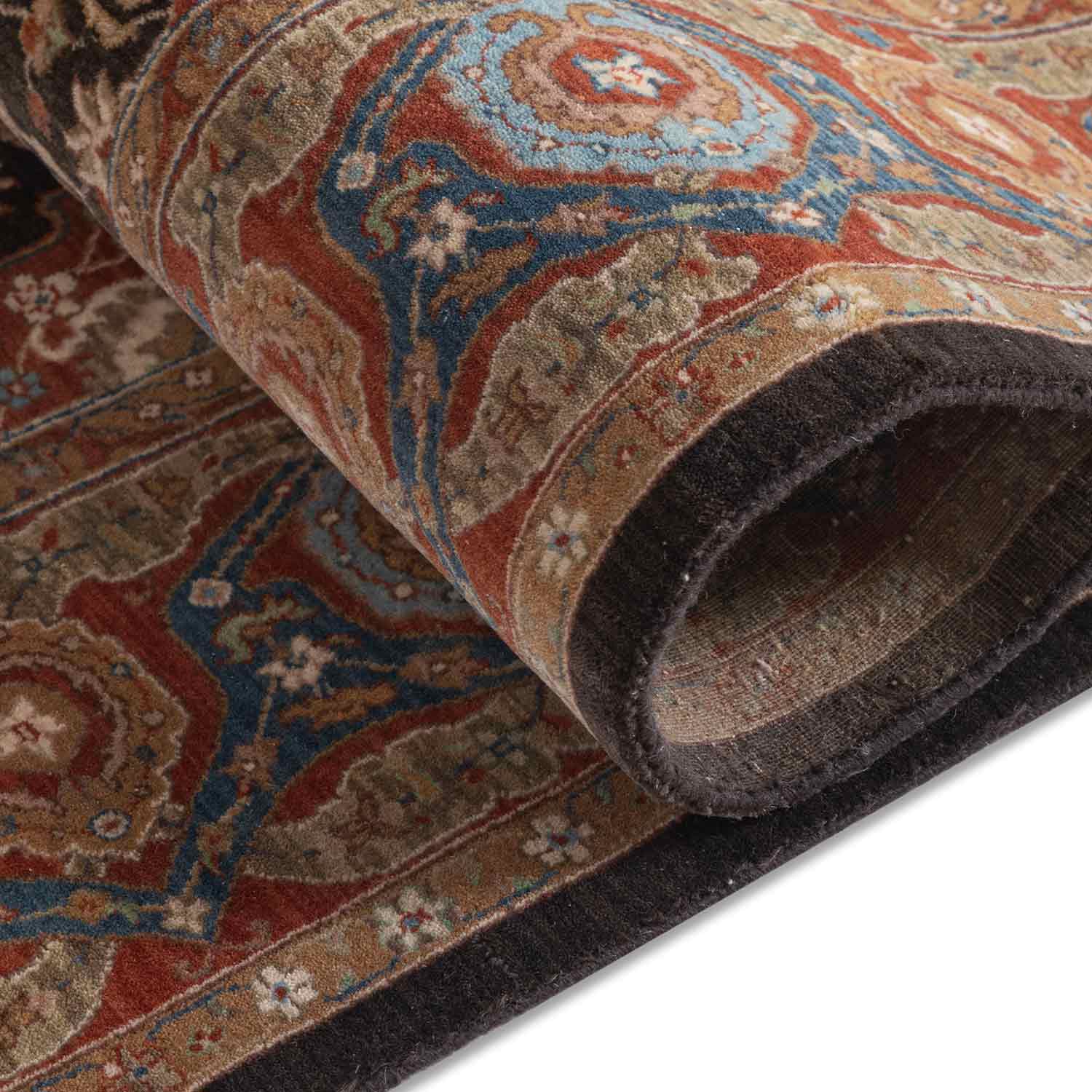
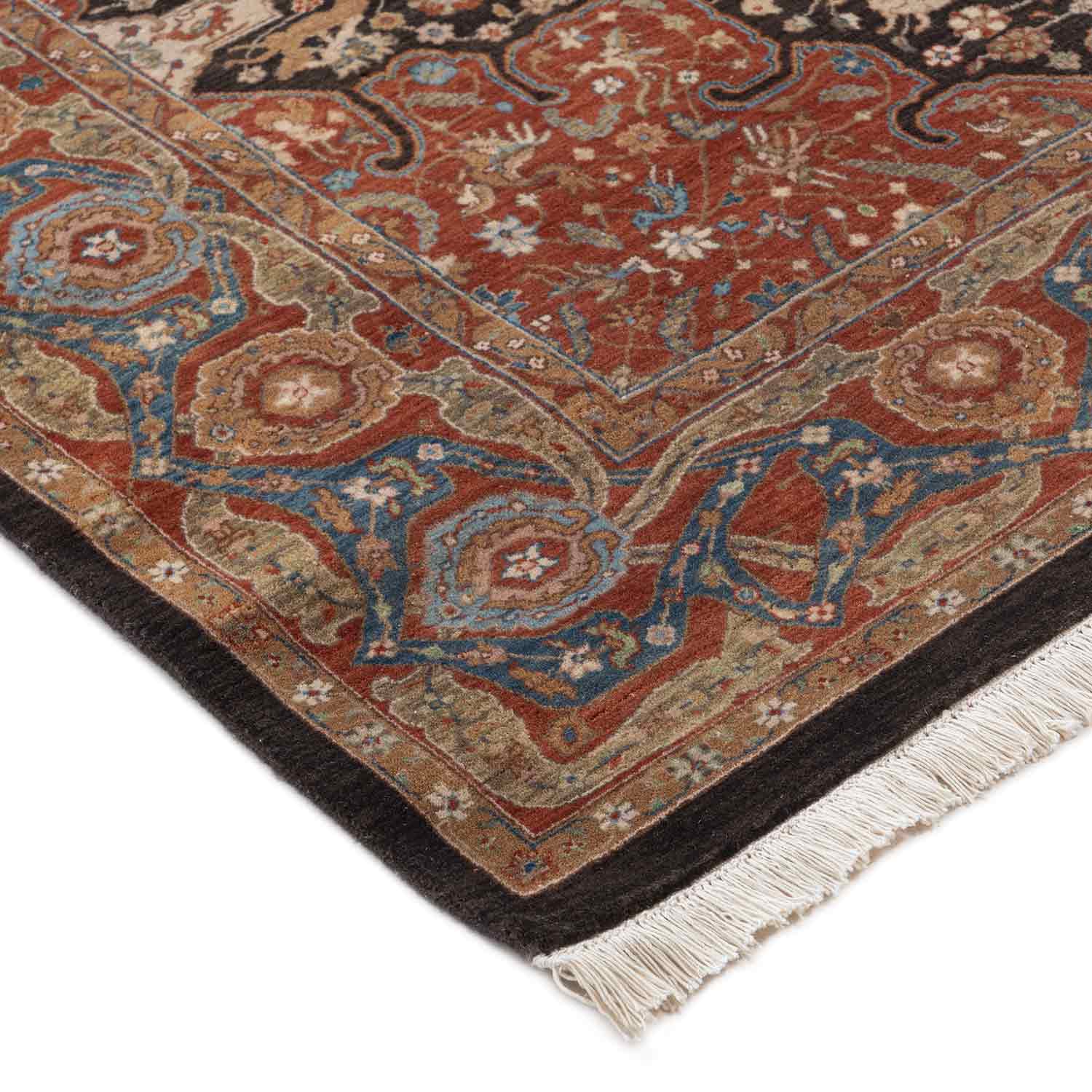
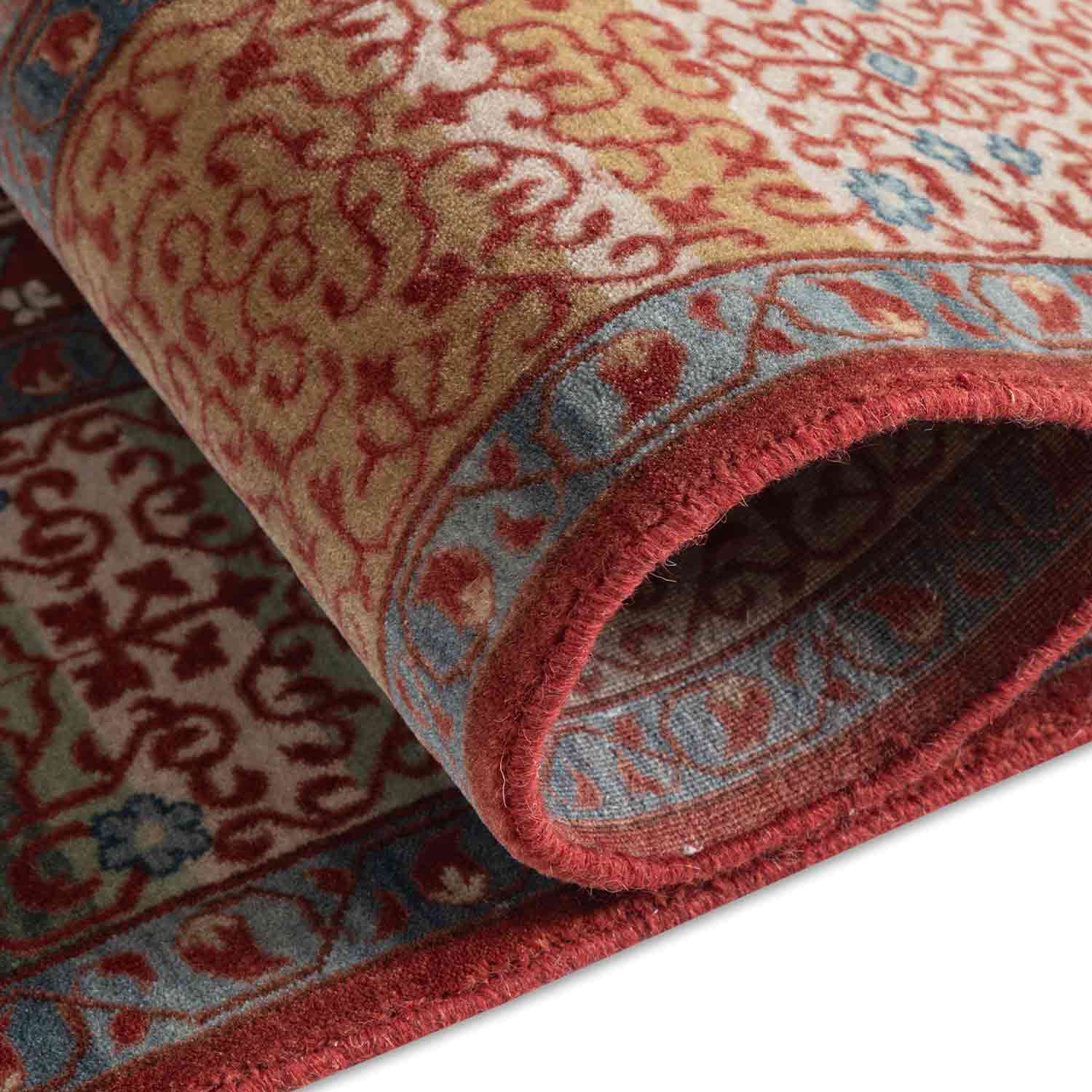
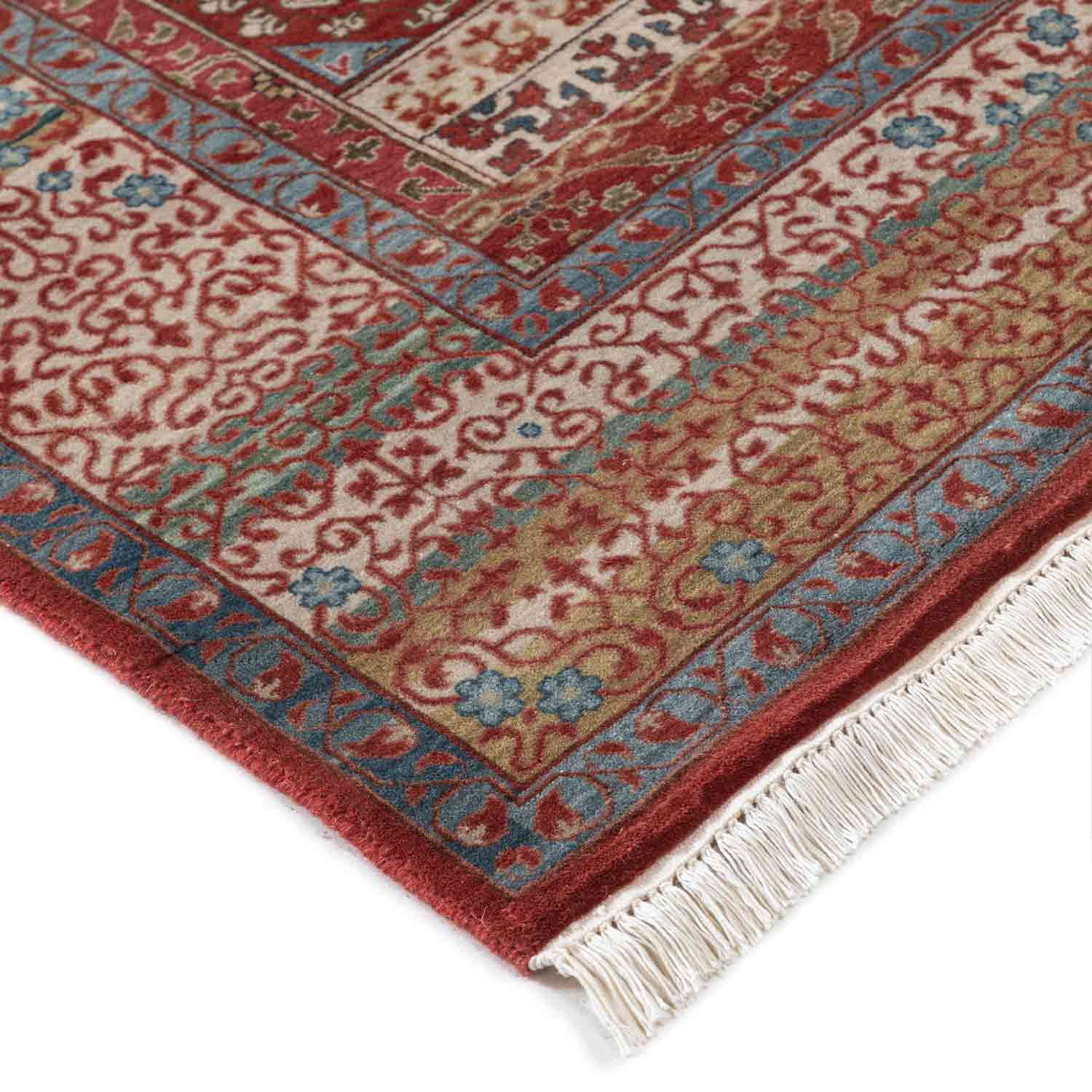
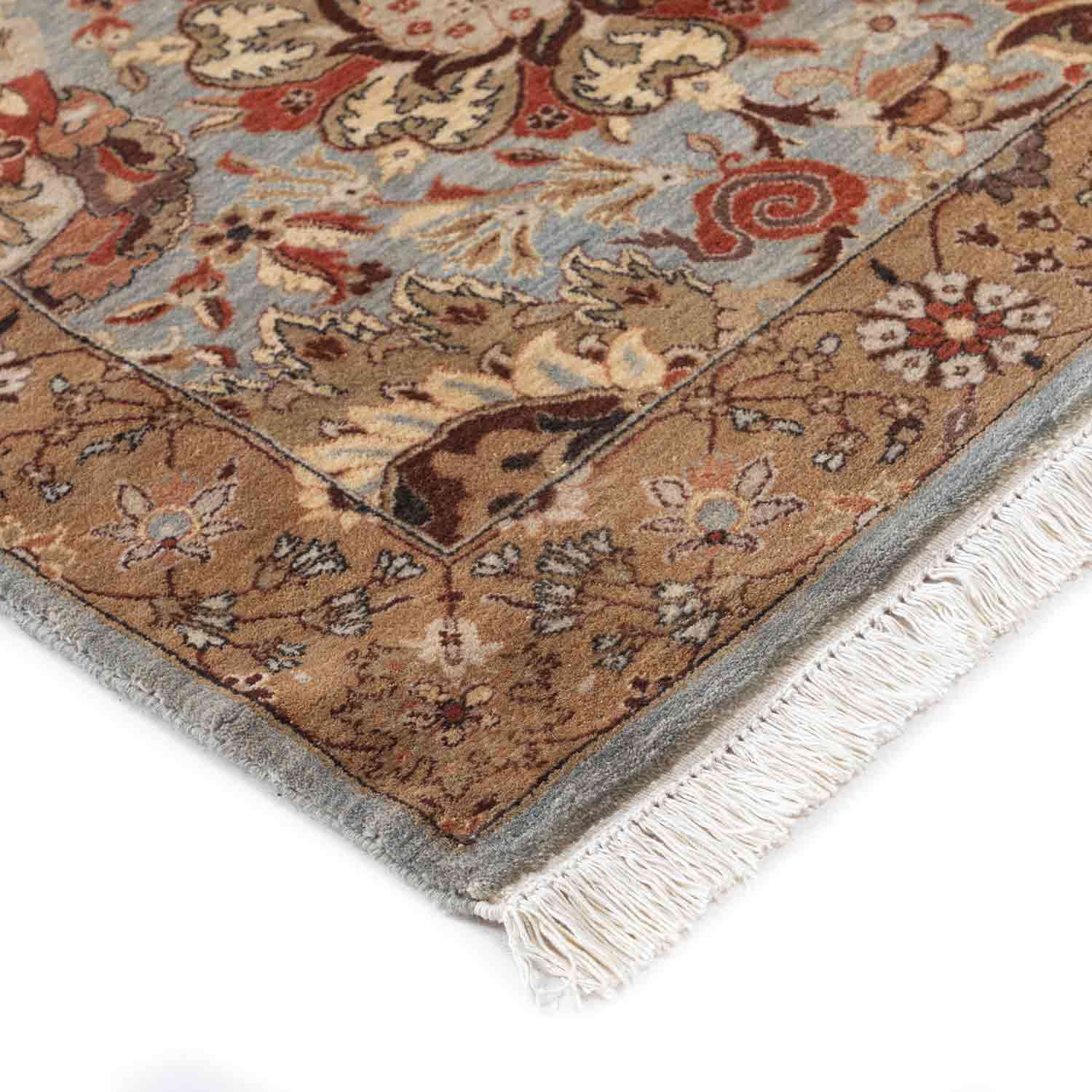
Borders are fundamental to the organisation of traditional rugs. Typically composed of multiple bands, they define the limits of the composition and establish proportion between the central field and the surrounding space.
They guide the eye inward, reinforcing the hierarchy of the design while also acting as a counterbalance to the inner pattern. In many cases, borders carry intricate detailing, serving both structural and visual functions.
Provenance and Regional Interpretation
While traditional motifs share a common lineage, their execution varies across regions.
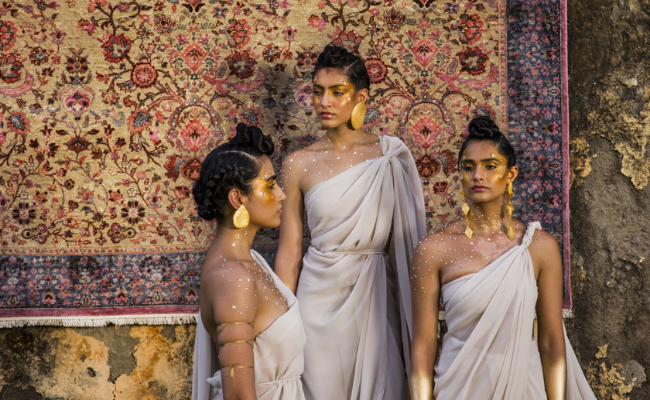
Persian rugs are characterised by fluidity, fine detailing, and layered colour transitions. Mughal-influenced Indian rugs introduce more naturalistic florals and a softer spatial arrangement. Anatolian and Central Asian rugs tend to emphasise bold geometry and strong contrast.
At Obeetee, these influences are not reproduced directly. Instead, they are reinterpreted through adjustments in scale, palette, and proportion, allowing them to function within contemporary interiors.
Colour Systems: Layering and Material Response
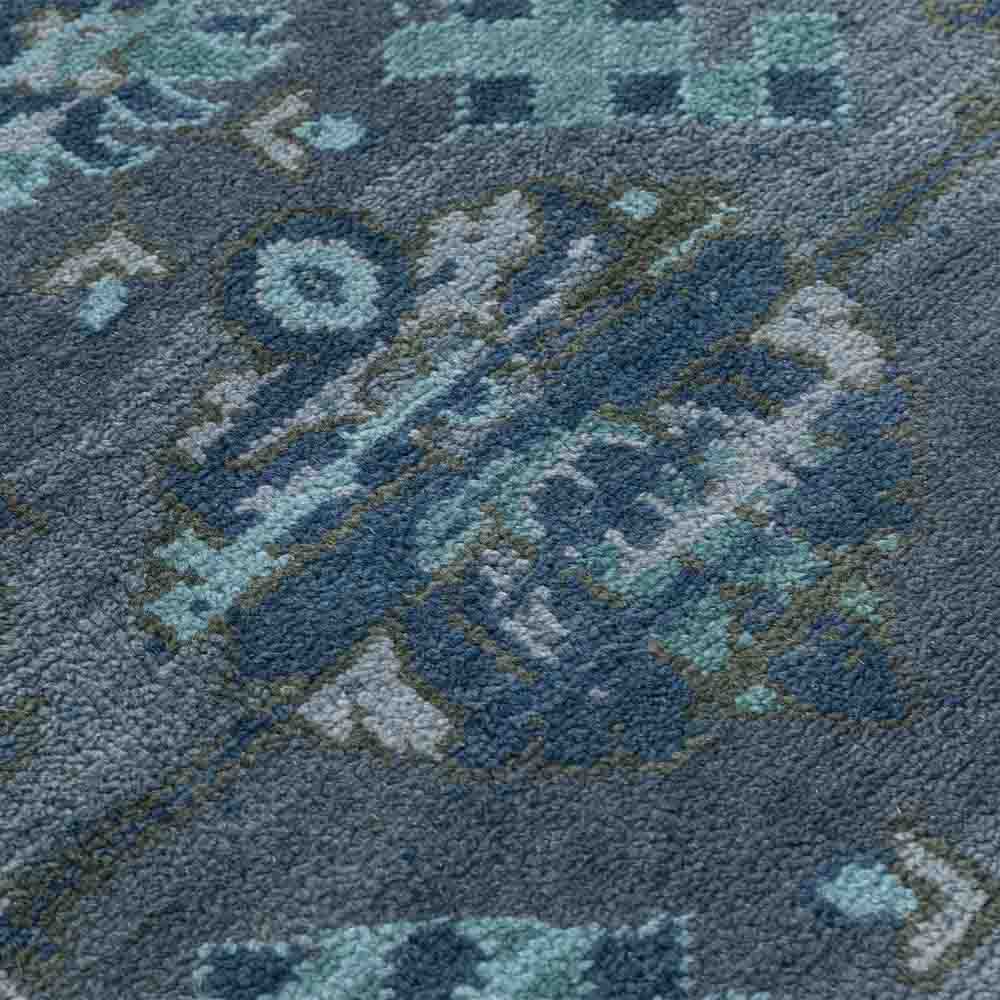
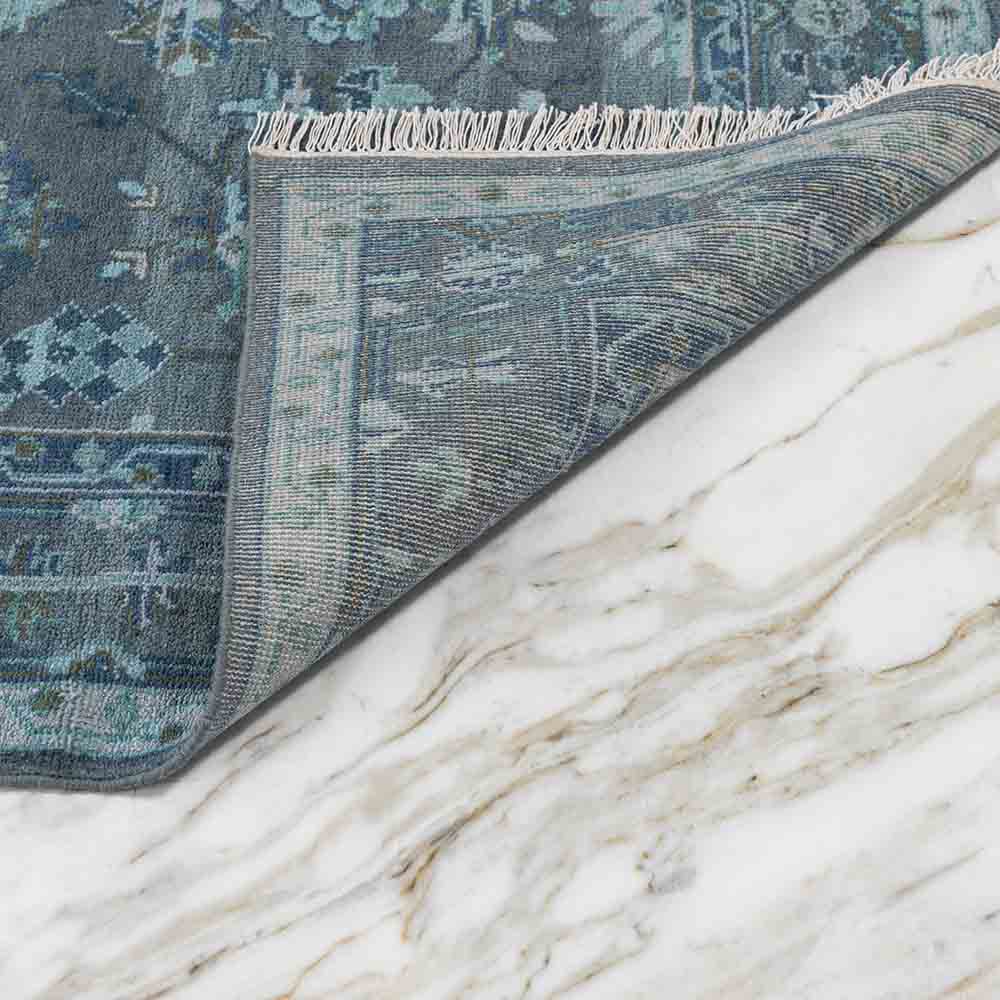
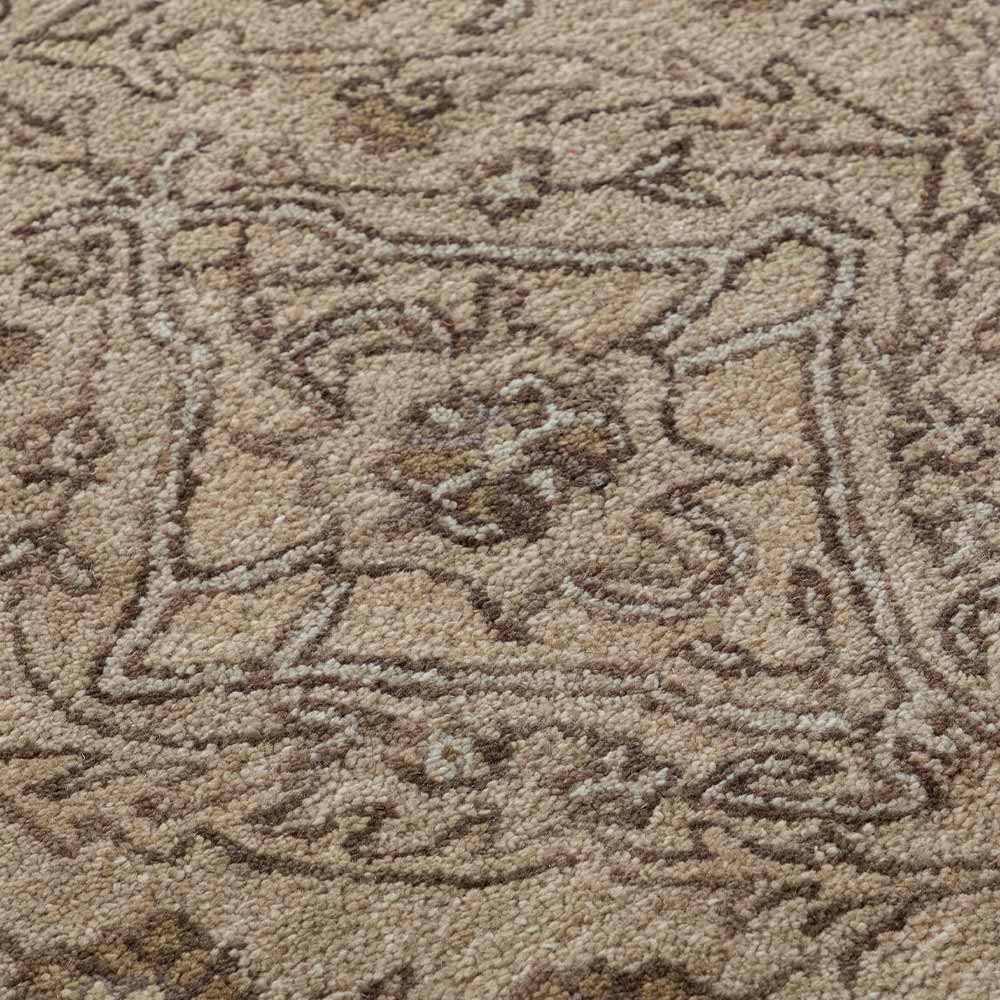
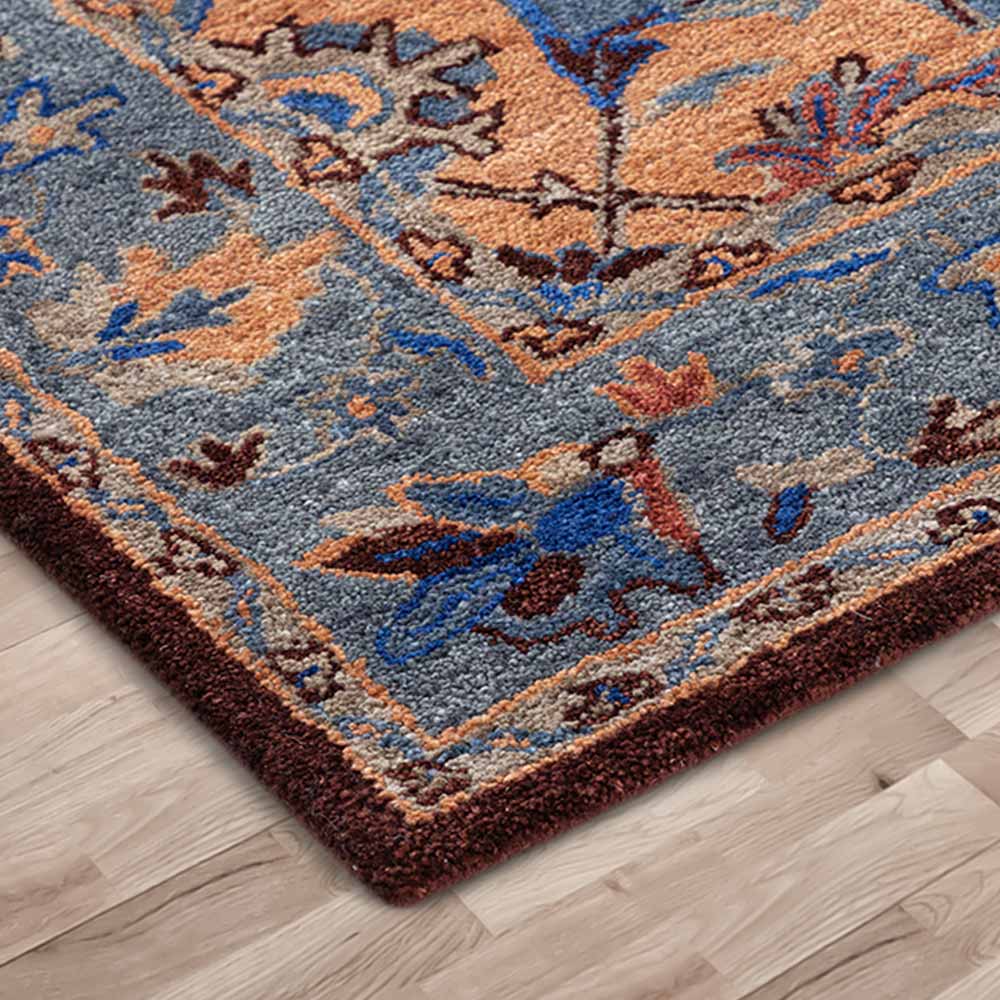
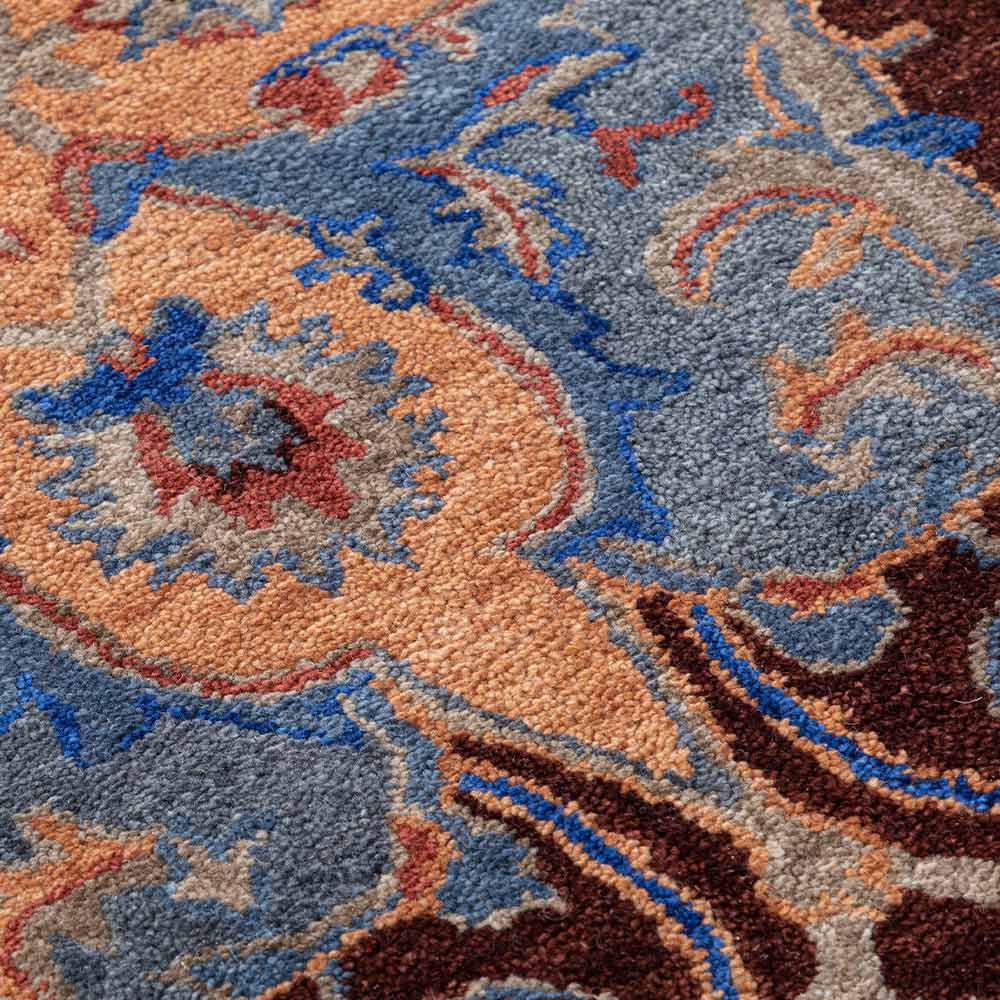
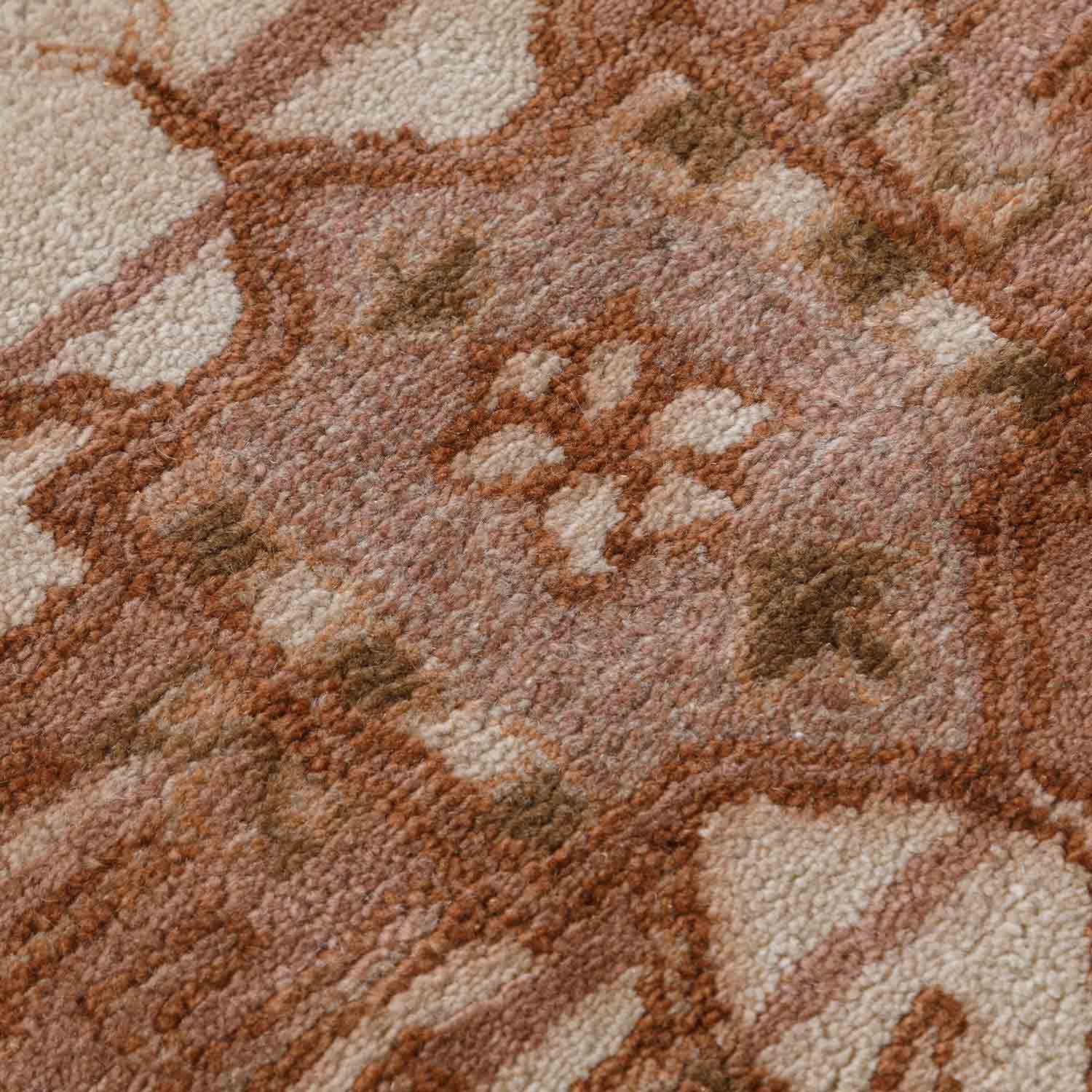
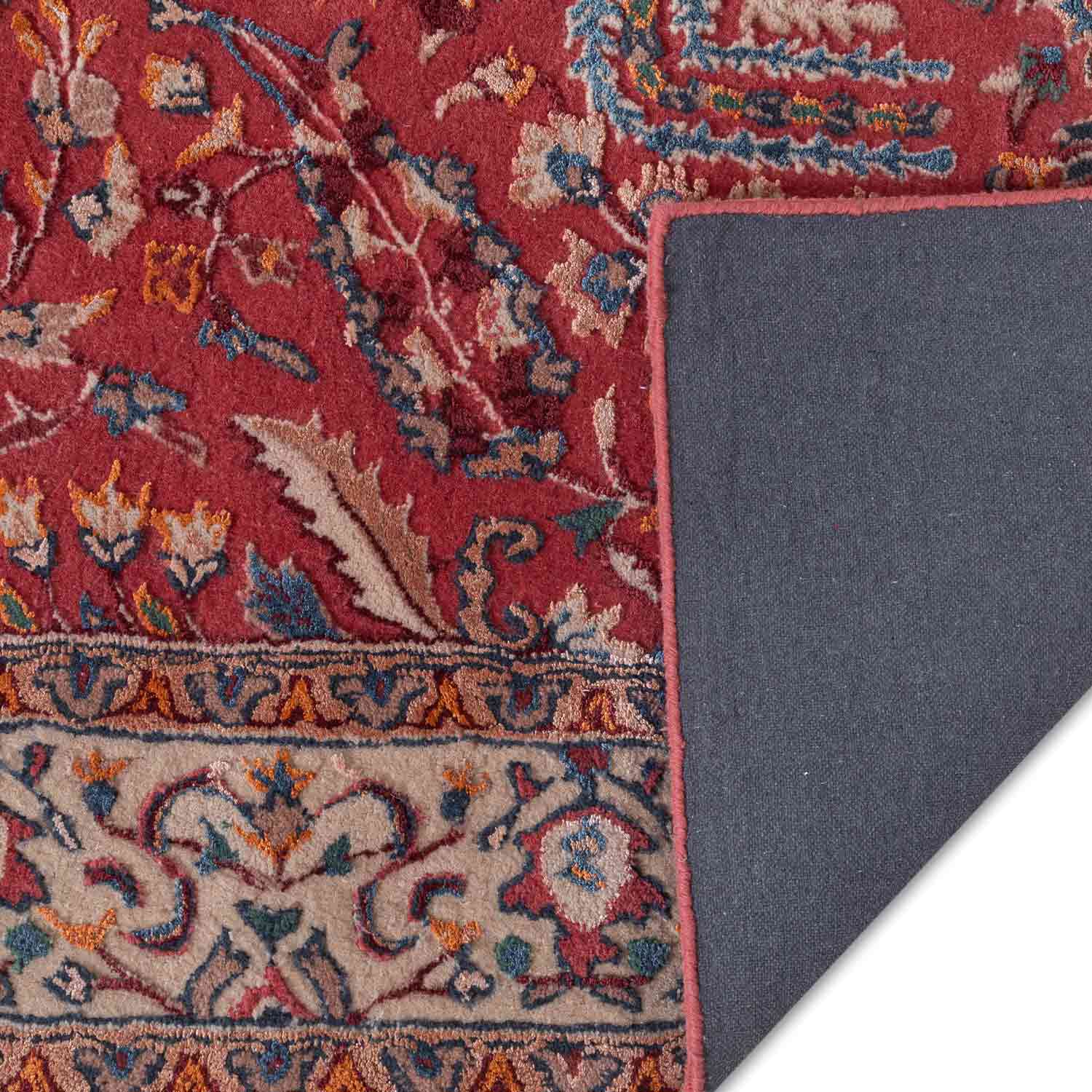
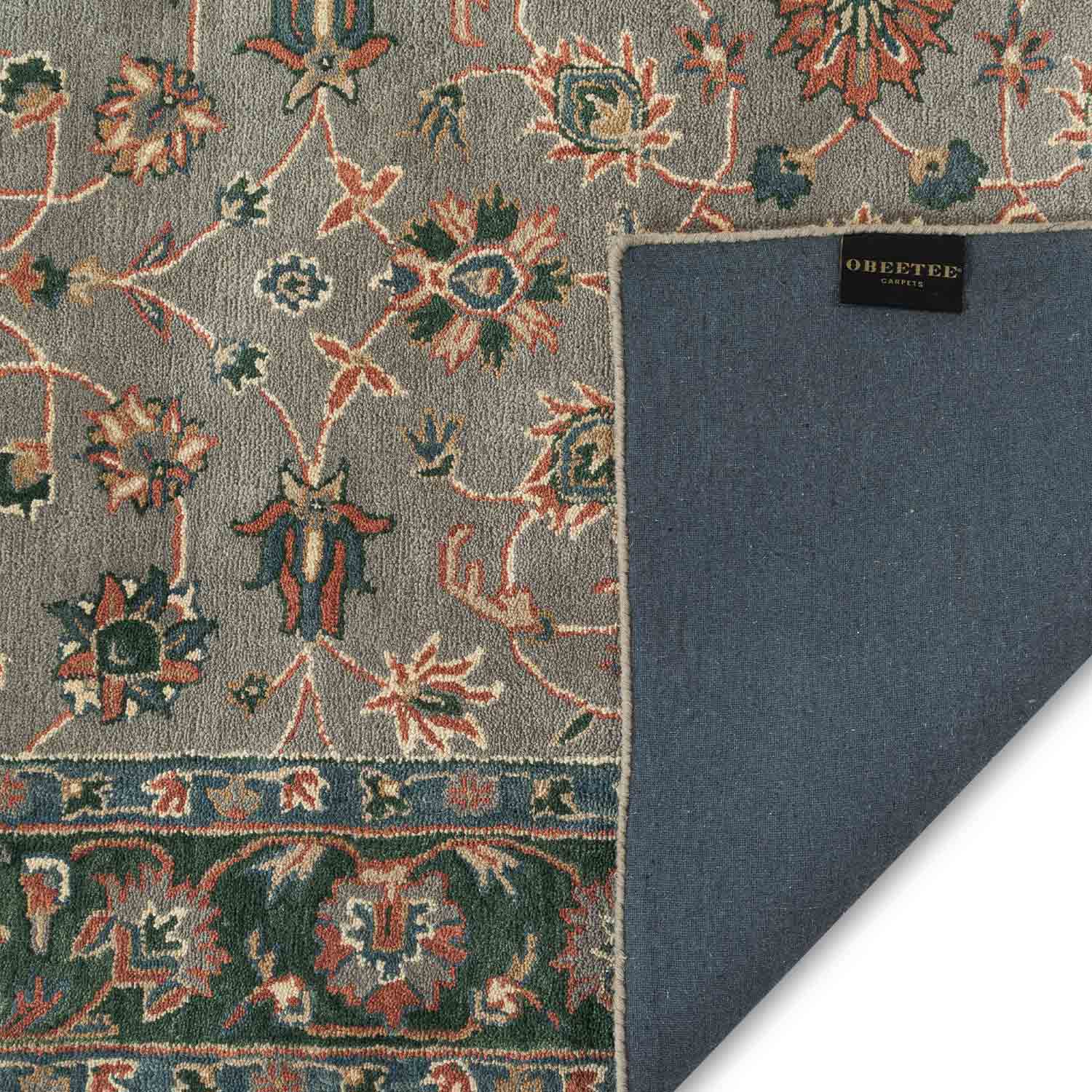
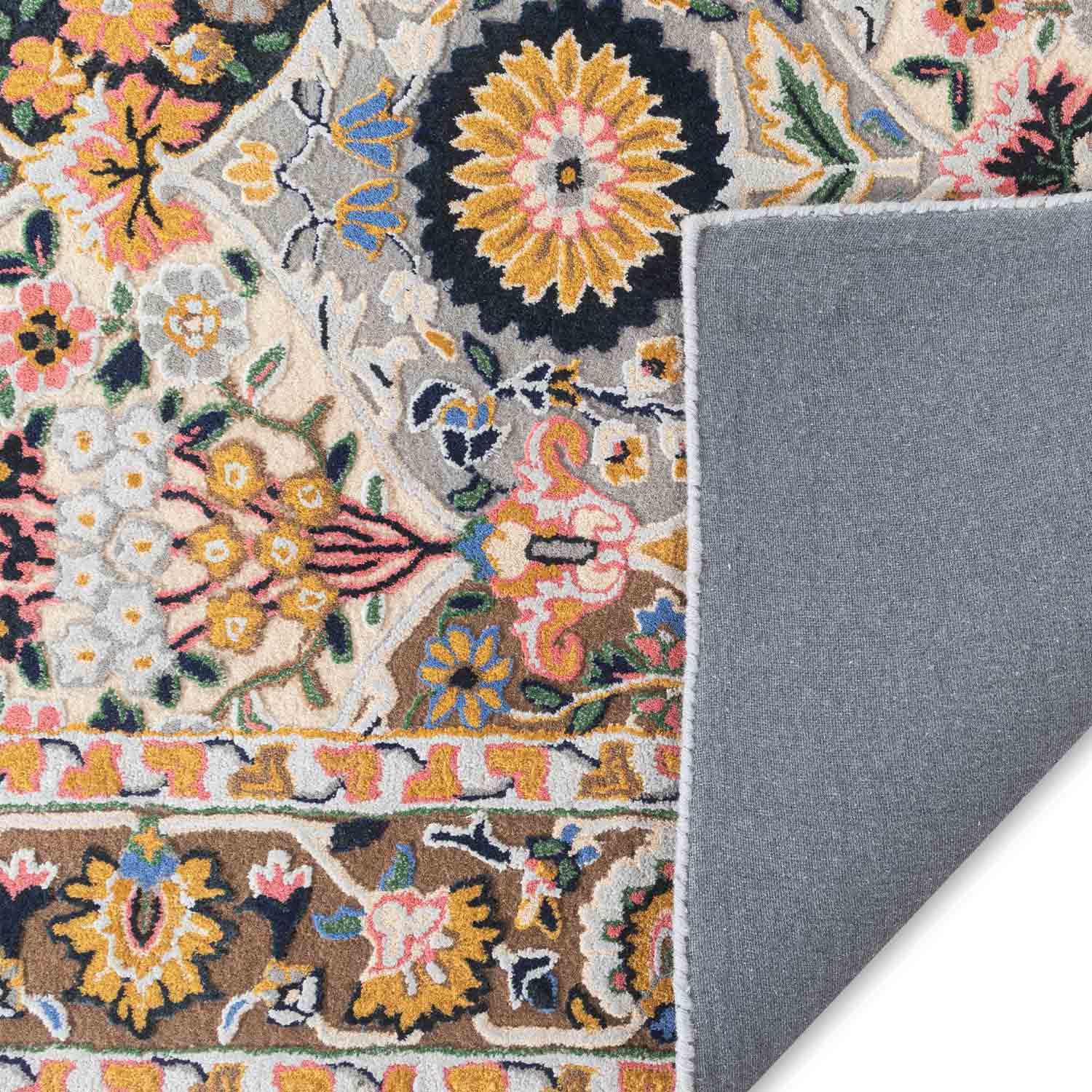
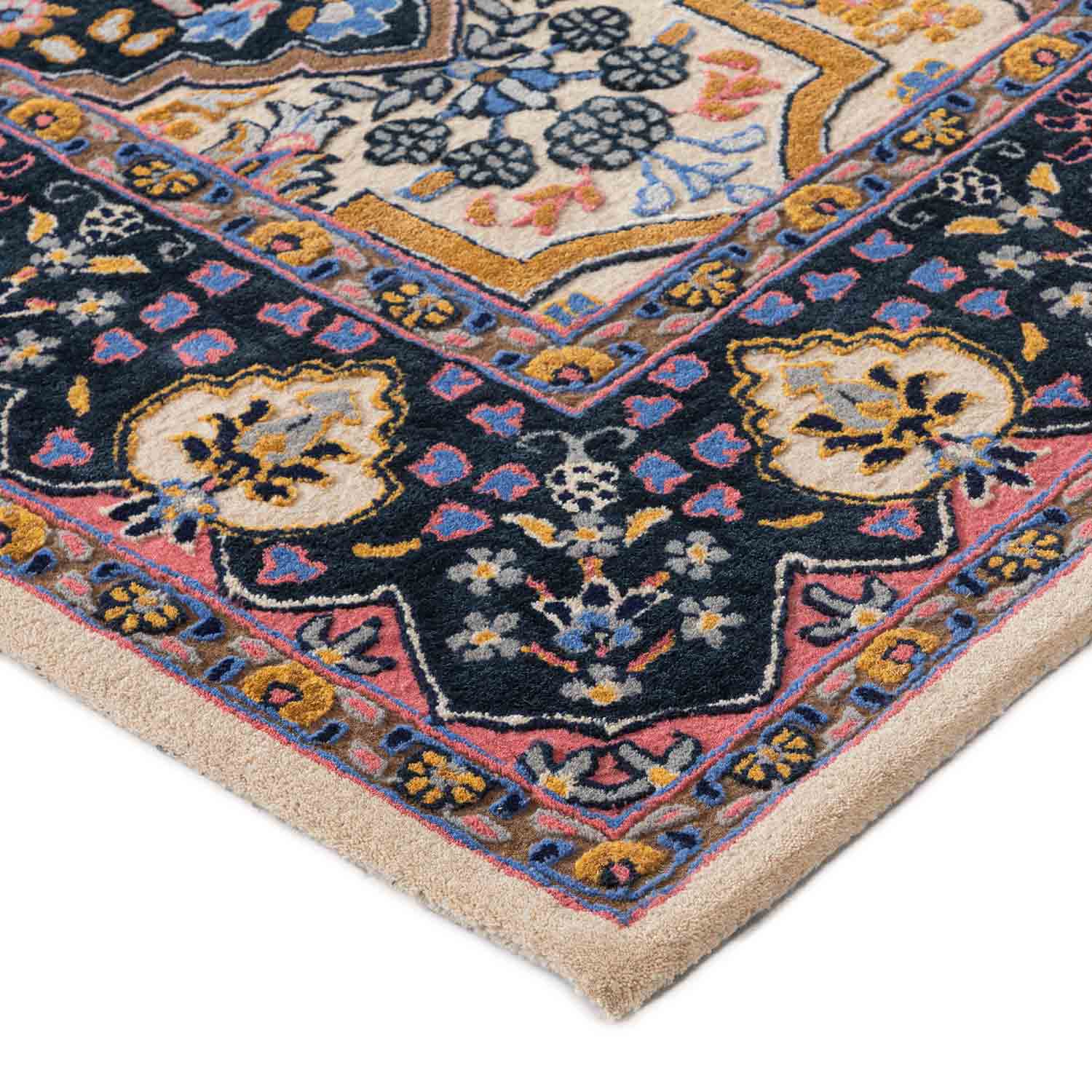
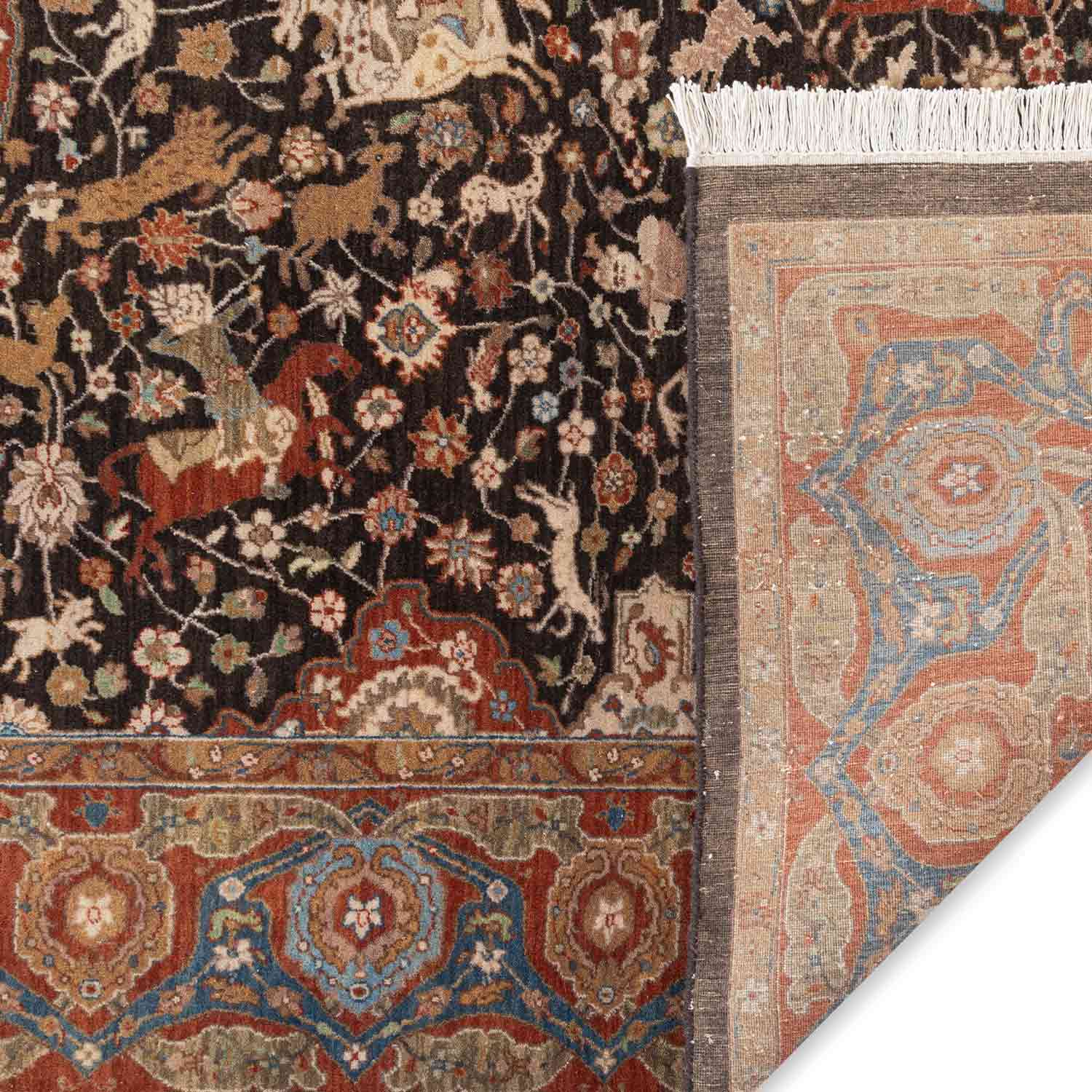
Colour in traditional rugs is constructed through layering rather than contrast. Historically derived from natural dye sources, these palettes were designed to evolve gradually over time.
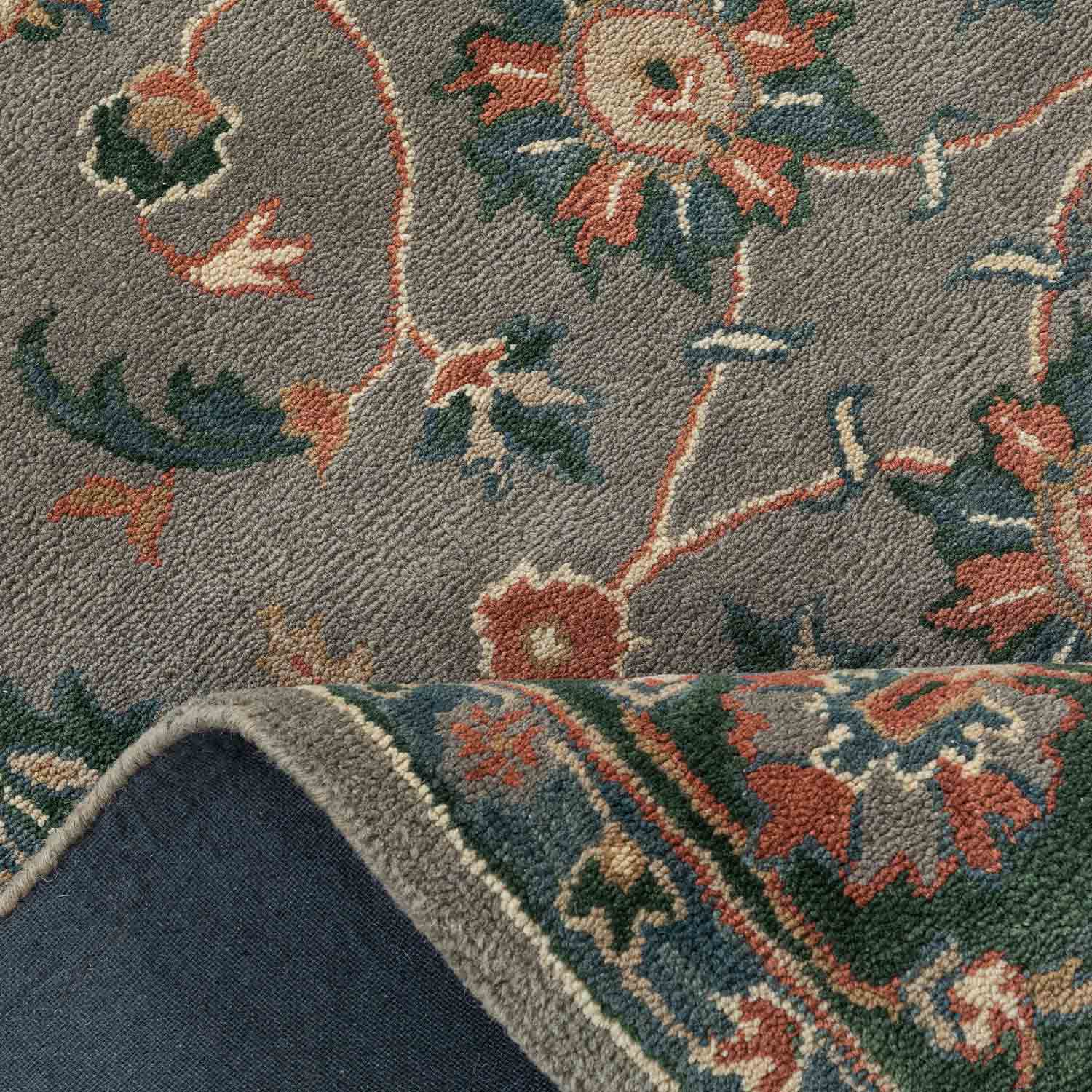
Reds and rusts introduce warmth and density, while indigo blues provide depth and grounding. Ivories and neutrals create balance within the composition, and earth tones connect the rug to surrounding materials. The interaction between dye and fibre—particularly in wool and silk—results in subtle tonal variation across the surface.
Why These Systems Endure
Traditional rug design persists not because of nostalgia, but because of its structural clarity. These systems provide a framework for organising visual elements, balancing repetition with variation, and creating continuity within a space.
In contemporary interiors, their role shifts from dominant feature to foundational layer, but their underlying logic remains unchanged.
How Traditional Rugs Shape a Living Room
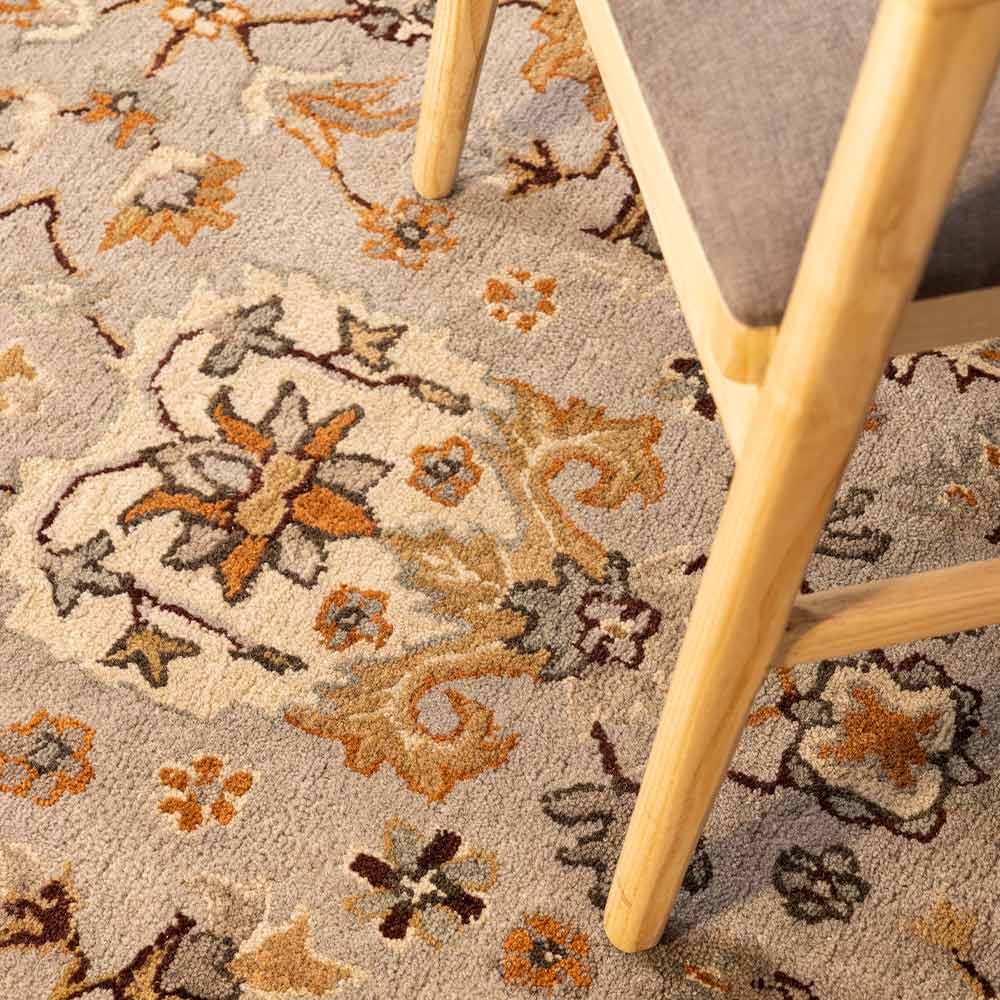
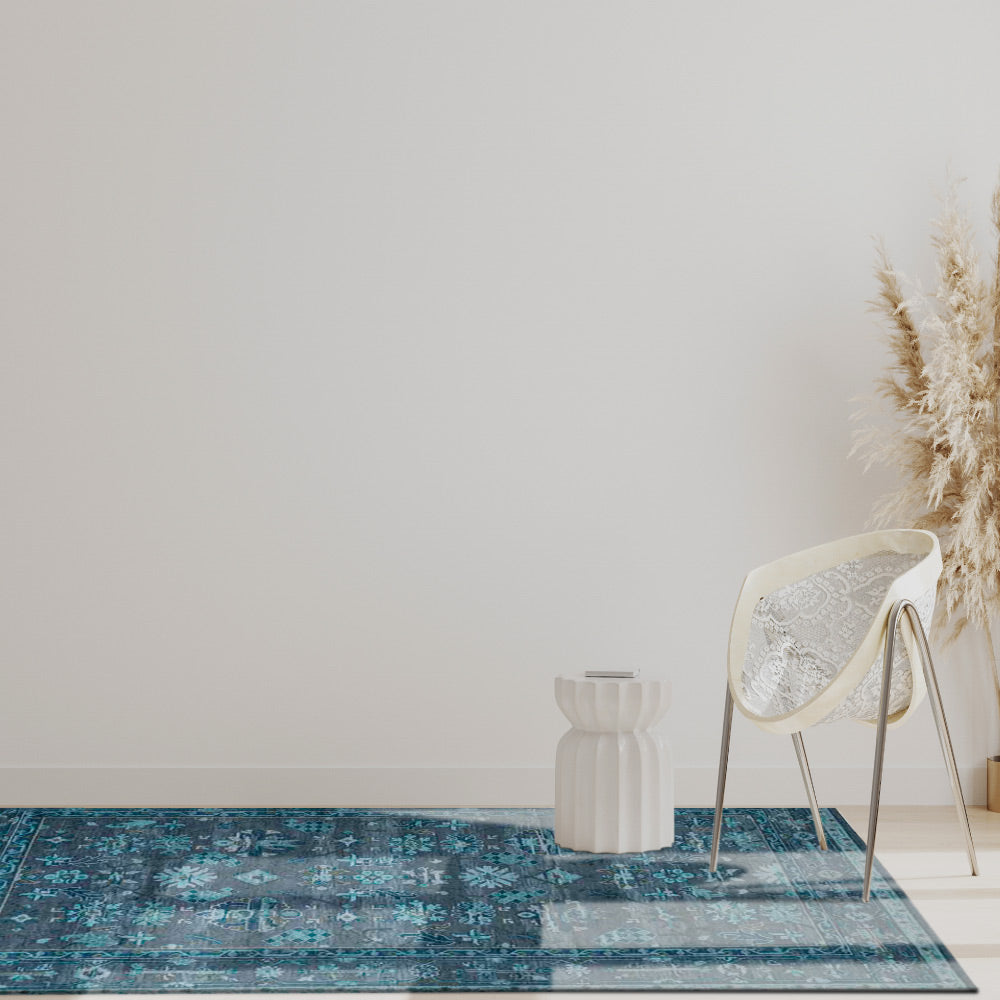
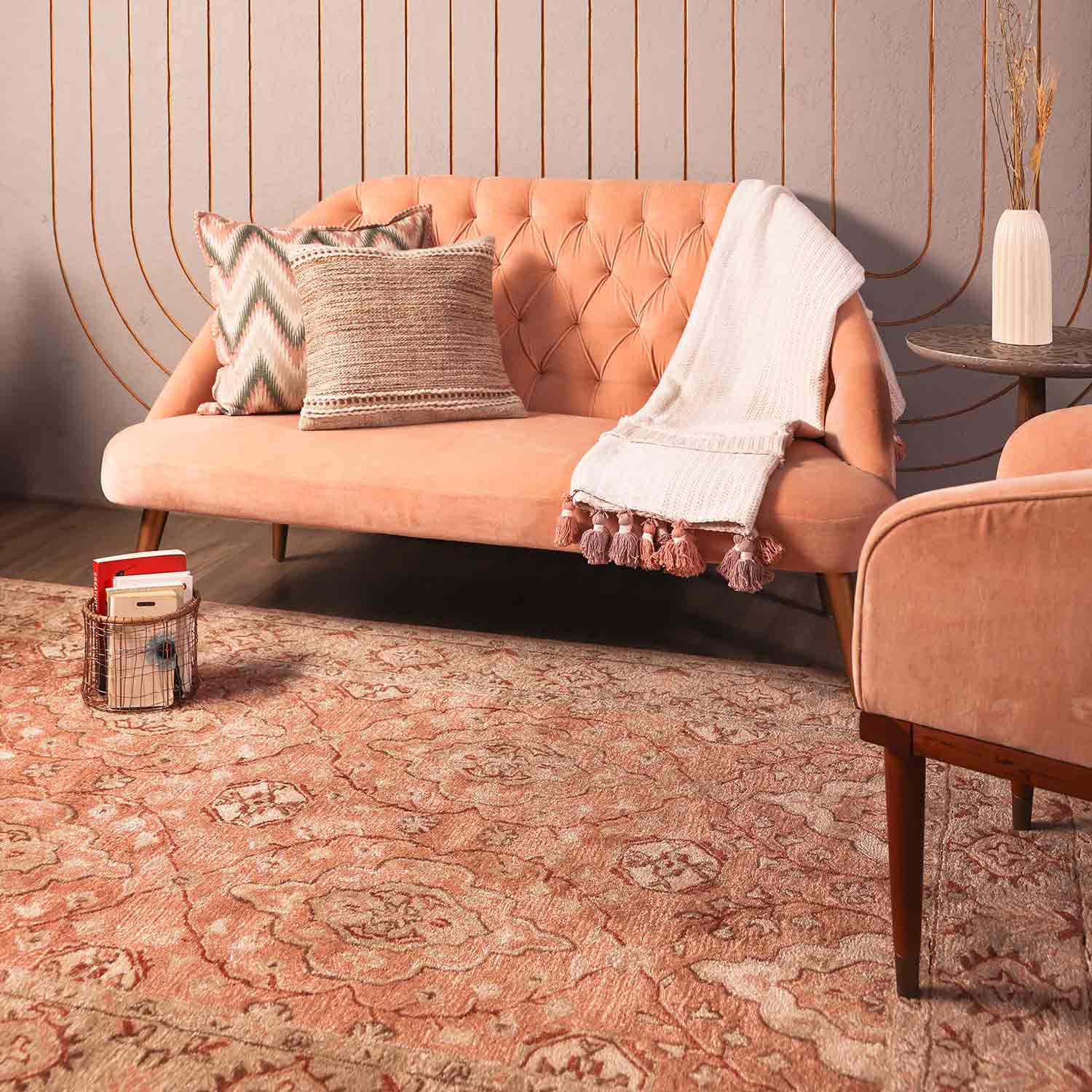
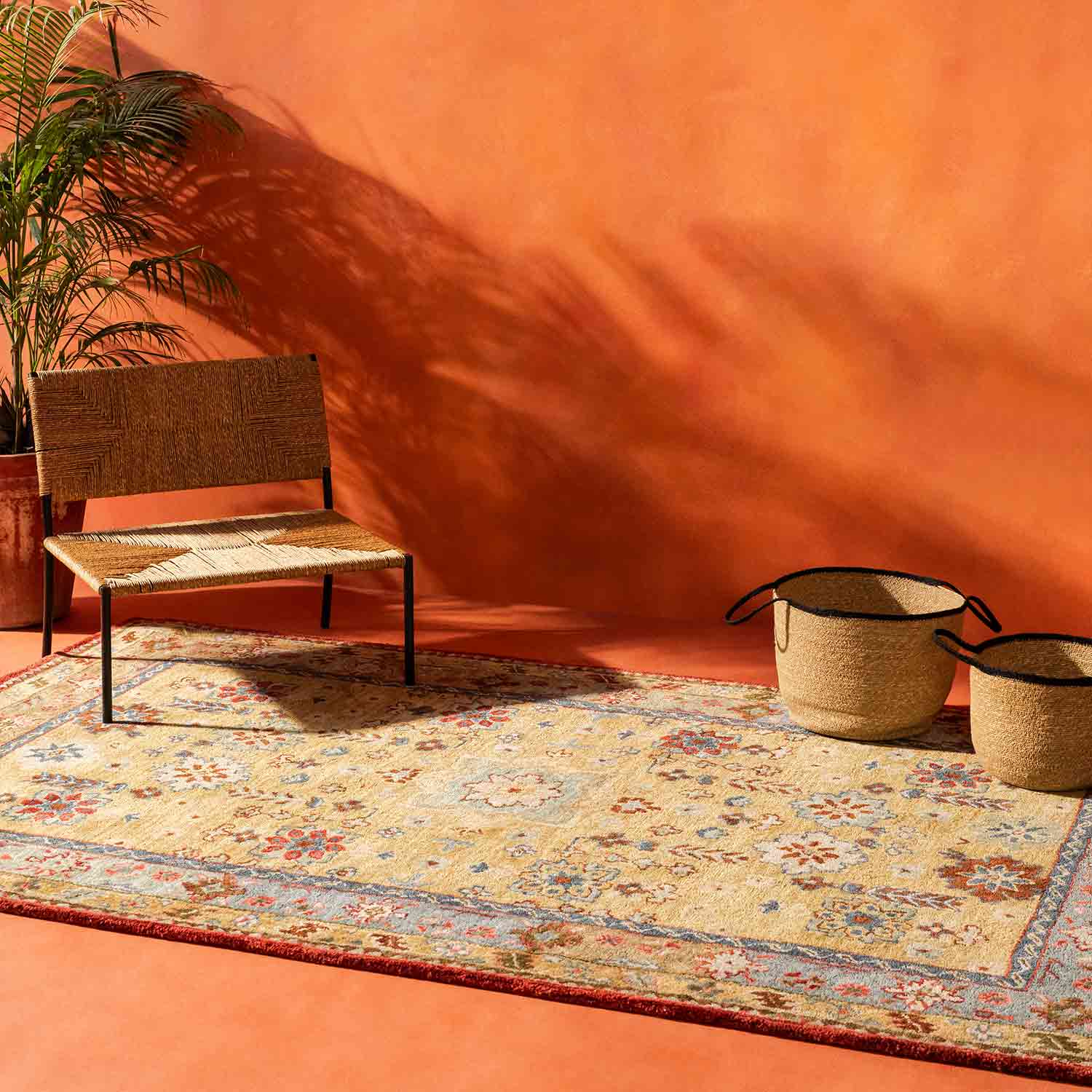
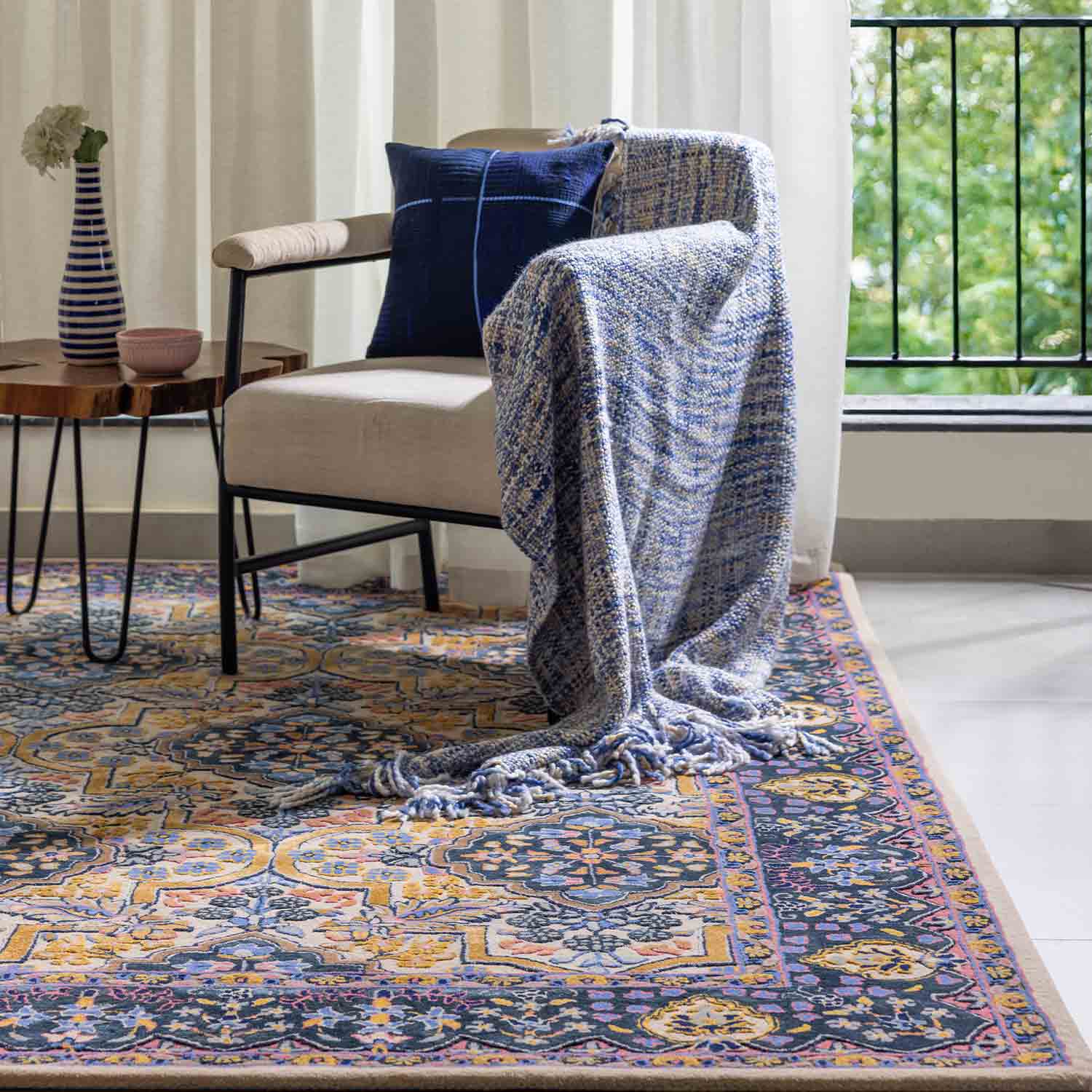
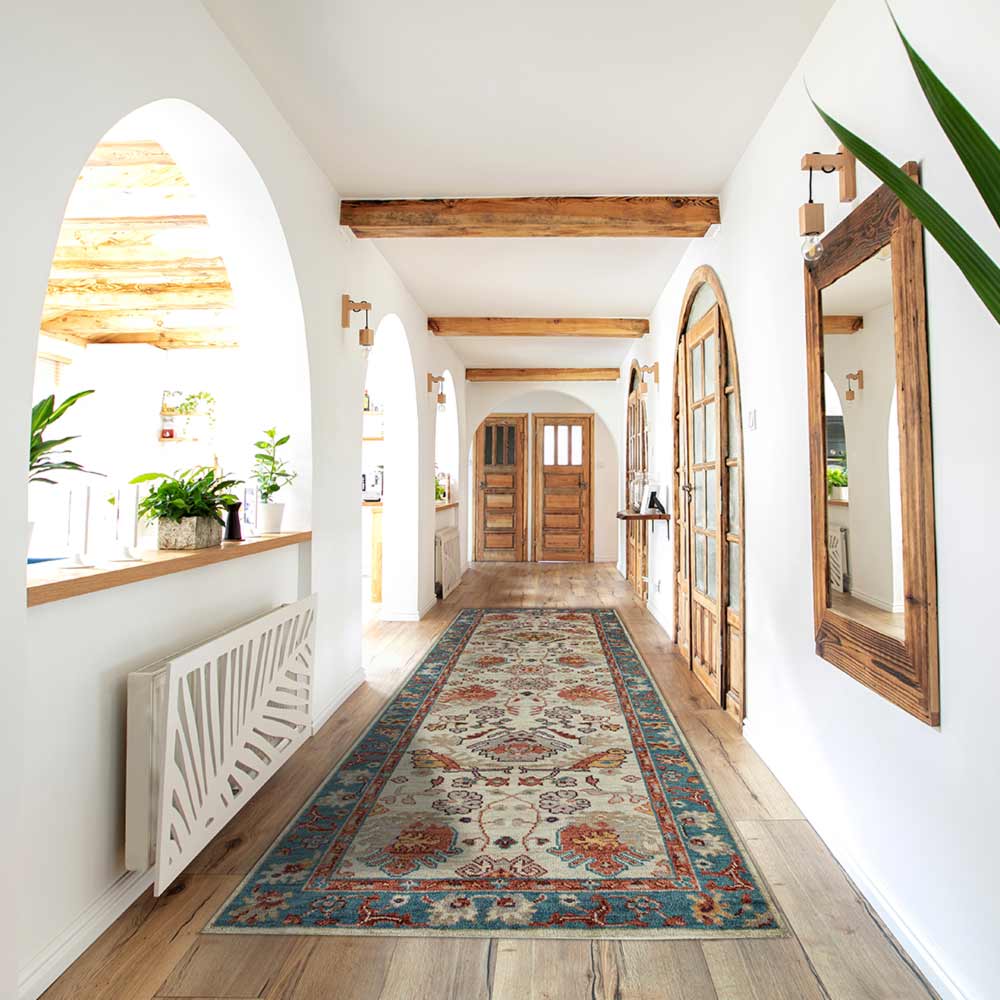
A traditional rug brings structure to a space. It anchors the seating arrangement, introduces depth through pattern and tone, and connects different materials within the room. It allows the space to feel resolved rather than assembled, creating a sense of completeness that extends beyond individual elements.
Frequently Asked Questions
What defines a traditional rug in design terms?
A traditional rug is defined by its use of a structured design system, typically comprising a central field, borders, and often a medallion or repeating motif. These elements are arranged with symmetry or controlled variation, creating a clear hierarchy across the surface. The design is not incidental but follows an established compositional logic that ensures balance and coherence.
What are the most common motifs found in traditional rugs?Traditional rugs commonly feature floral systems such as lotus forms, palmettes, and scrolling vines, alongside medallions, geometric patterns, and layered borders. Each motif serves a specific role within the composition, contributing to movement, structure, or framing, rather than functioning as decoration alone.
What is the significance of the medallion in traditional rugs?
The medallion acts as the central organising element, establishing a focal point within the composition. Its origins in architectural forms give it a structural role, anchoring the design and guiding the arrangement of surrounding motifs in a balanced and coherent manner.
Why do traditional rugs often use symmetry?
Symmetry creates stability and allows the composition to be read clearly from multiple viewpoints. It ensures that the rug maintains visual balance, which is particularly important in spaces where it serves as the foundation for furniture and spatial arrangement.
How do traditional rug patterns affect the perception of space?Traditional rug patterns influence spatial perception by directing attention and establishing visual boundaries. Dense patterns can create a sense of richness and enclosure, while more open compositions allow the space to feel lighter and more expansive. The distribution of motifs determines whether the eye is drawn inward, outward, or evenly across the surface.
Why are traditional rug colours typically deep and layered rather than bright?
Traditional colour palettes are historically derived from natural dyes, which produce tones that are rich but not overly saturated. These colours are layered to create depth, allowing them to interact subtly with light and wear over time. This results in a palette that integrates naturally into a variety of interior settings.
Do traditional rugs always have to be visually bold?
Traditional rugs do not necessarily need to be bold. While some designs feature strong contrast and intricate detailing, others rely on softer palettes and more restrained compositions. The overall impact depends on how the rug is scaled and positioned within the space.
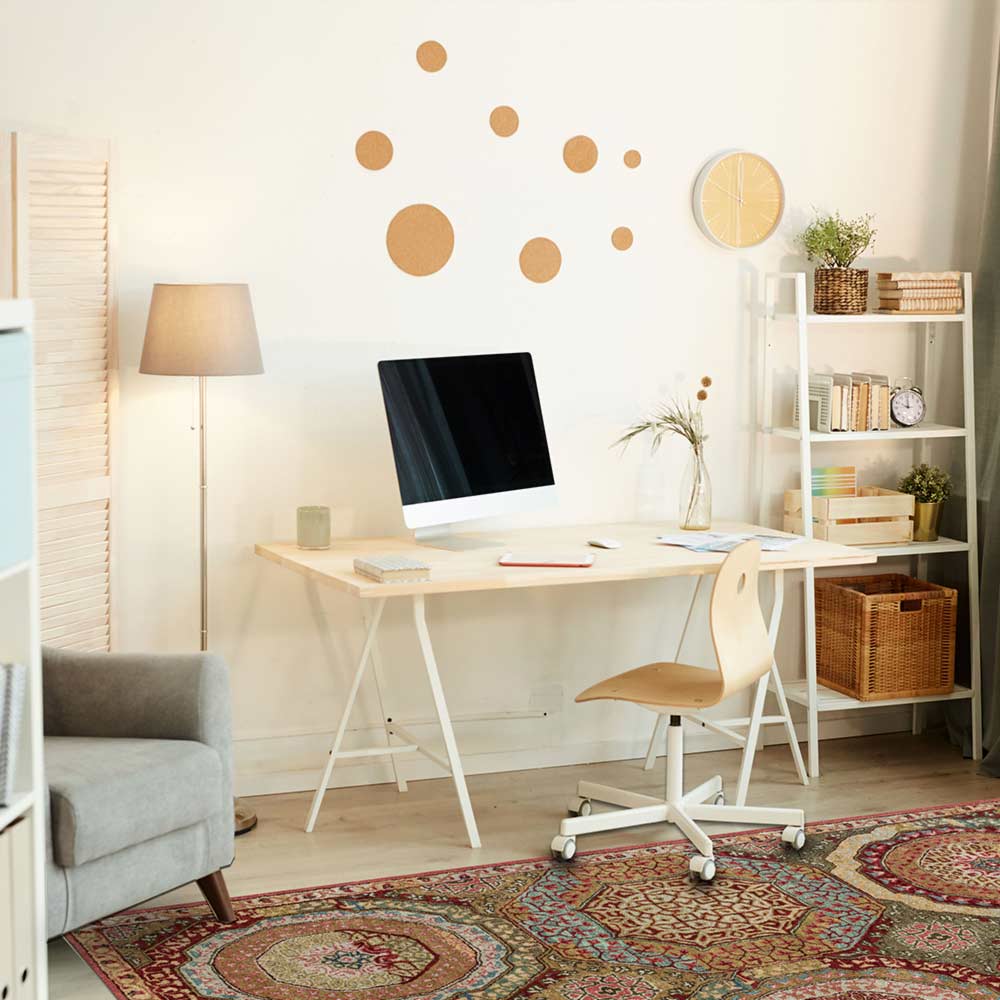
How can a traditional rug be incorporated into a modern living room?
A traditional rug can be incorporated into a modern living room by allowing it to provide contrast within a restrained setting. When paired with clean-lined furniture and minimal detailing, it introduces depth and complexity without overwhelming the space. The key is to maintain balance between pattern and simplicity.
Are traditional rugs suitable for open-plan spaces?
Traditional rugs are well suited to open-plan layouts, where they can define distinct zones within a larger space. By anchoring a seating area, they create structure and organisation without disrupting the visual continuity of the room.
How do you choose between floral and geometric traditional rugs?The choice depends on the character of the space. Floral motifs introduce softness and movement, making them suitable for layered interiors, while geometric patterns offer clarity and structure, often aligning with more minimal environments. The decision should be guided by how the rug interacts with the overall composition.
What materials are typically used in traditional rugs, and how do they affect the design?
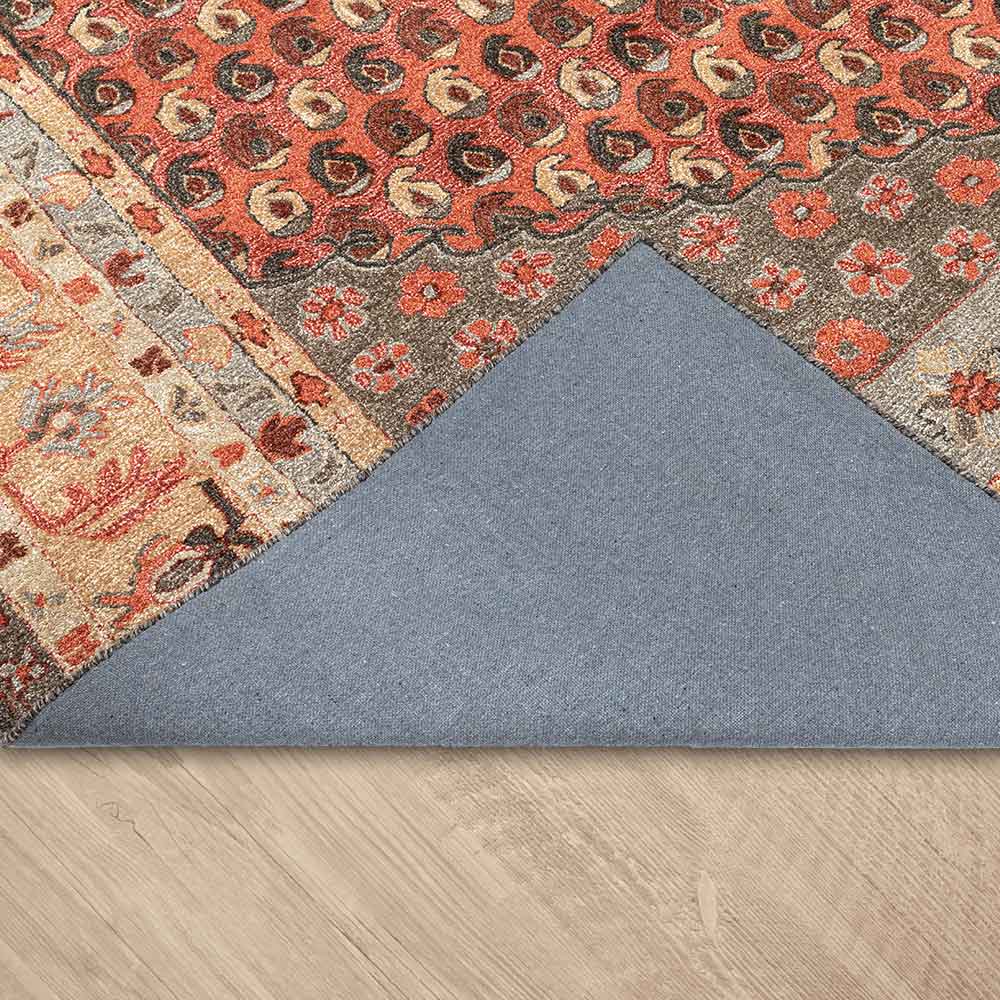
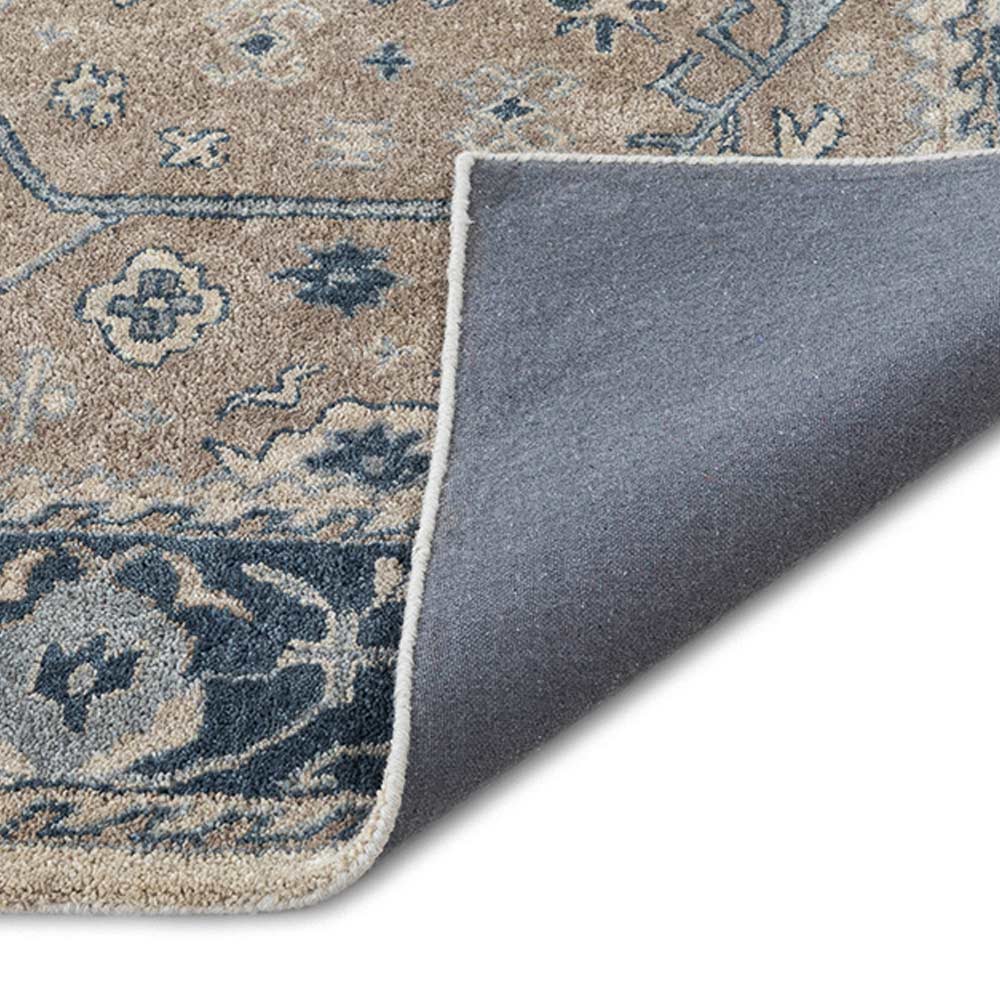
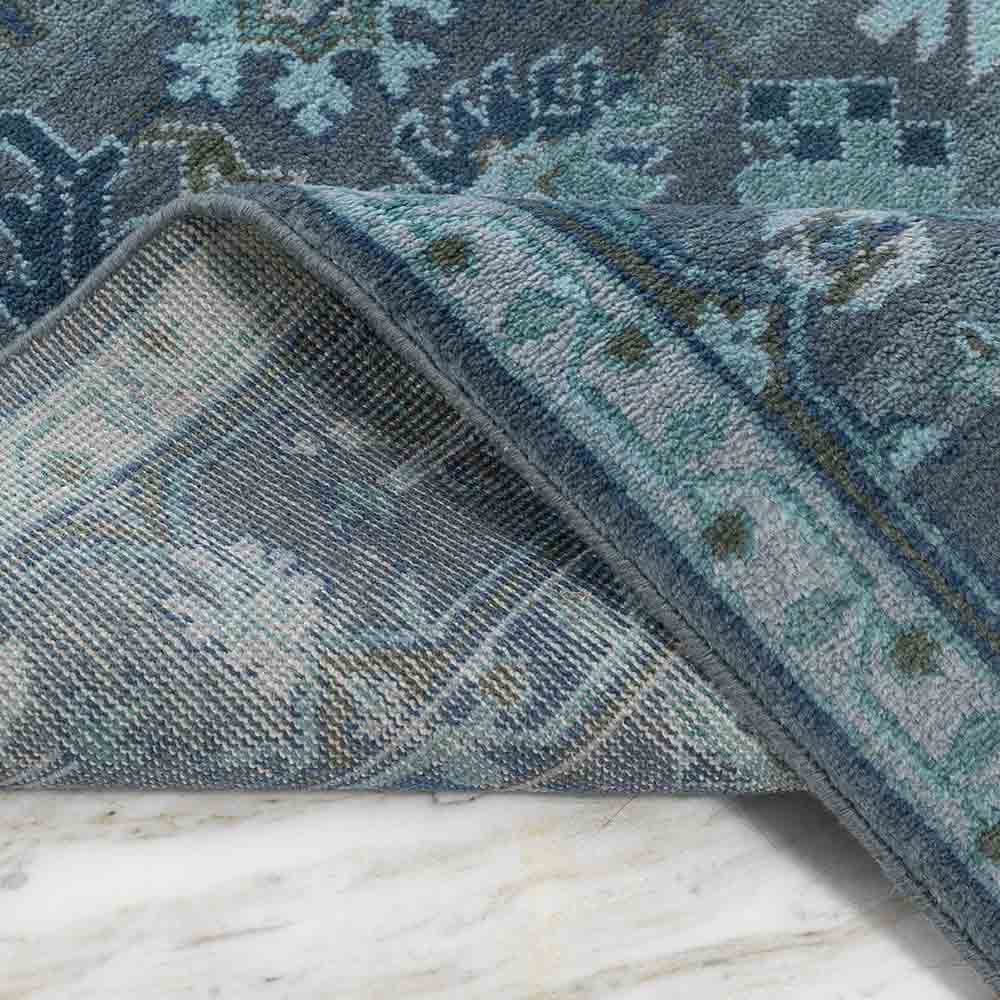
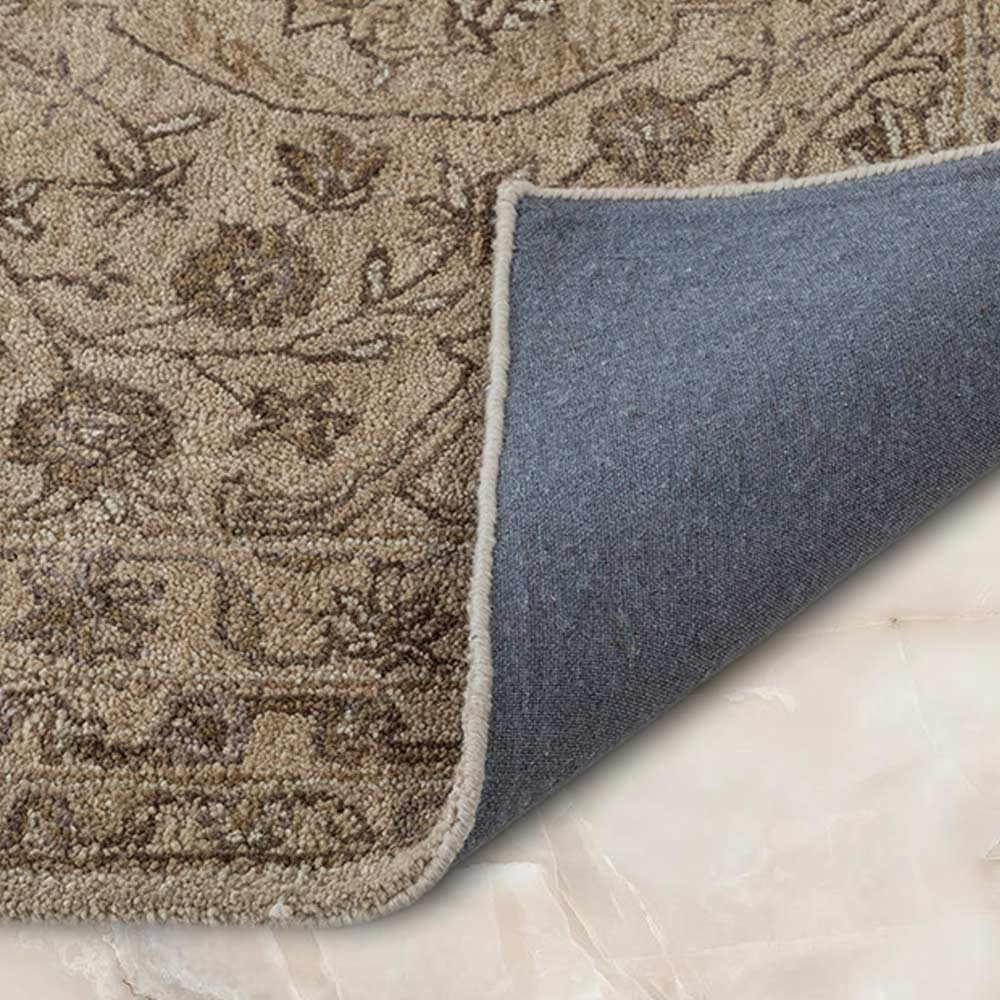
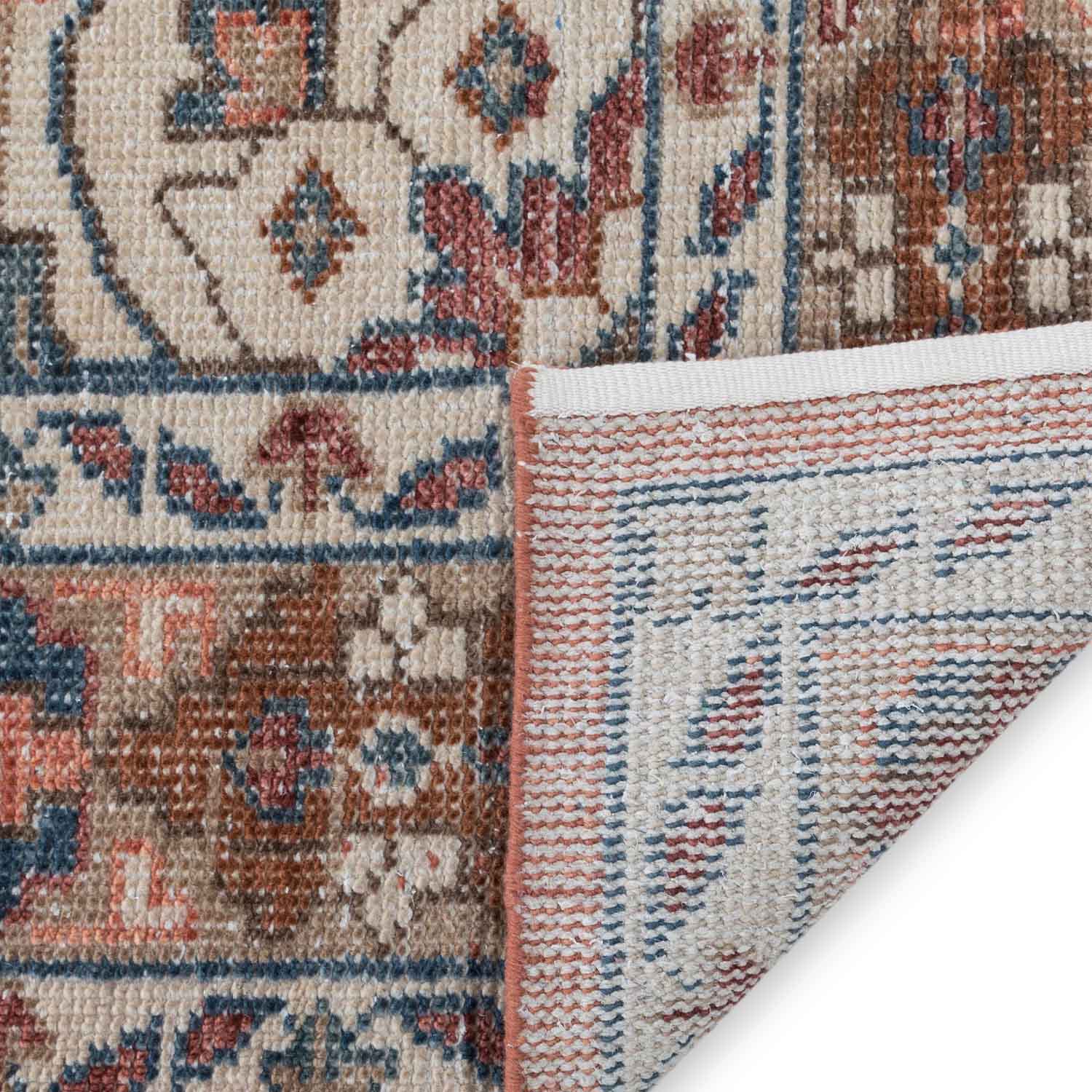
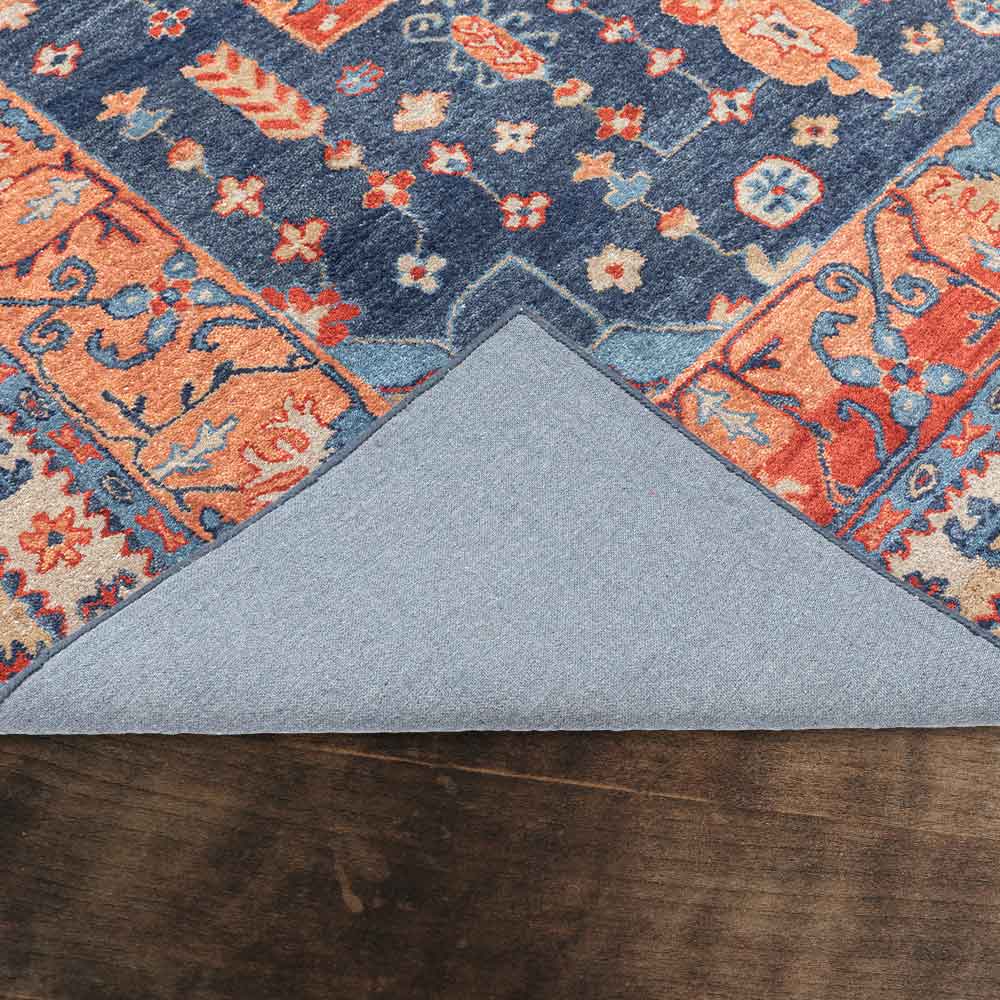
Traditional rugs are most commonly made from wool, silk, or blends of both. Wool provides durability and depth of colour, while silk enhances detail and introduces variation in sheen. The material influences both the visual quality and the longevity of the rug.
Do traditional rugs change in appearance over time?
Traditional rugs often develop a more nuanced appearance as they age. The fibres soften, and colours may become more integrated, resulting in a surface that feels richer and more layered. This gradual evolution is considered part of the rug’s character.
What makes Obeetee’s traditional rugs distinct?
Obeetee approaches traditional design as a system to be interpreted rather than replicated. Motifs are refined for clarity, colour palettes are calibrated for contemporary interiors, and compositions are scaled to align with modern spatial proportions. This ensures that the rugs retain the integrity of traditional design while remaining relevant to present-day living.