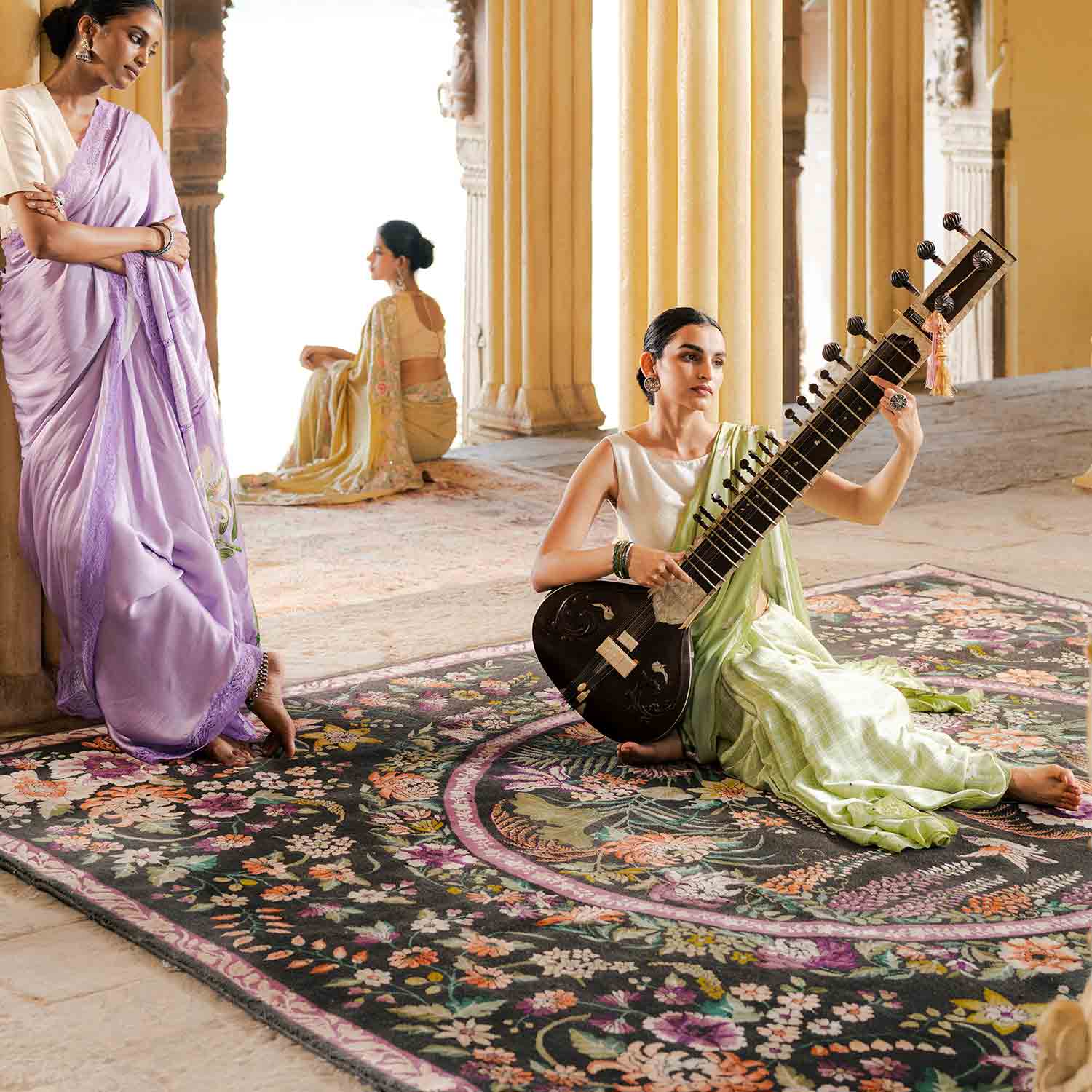
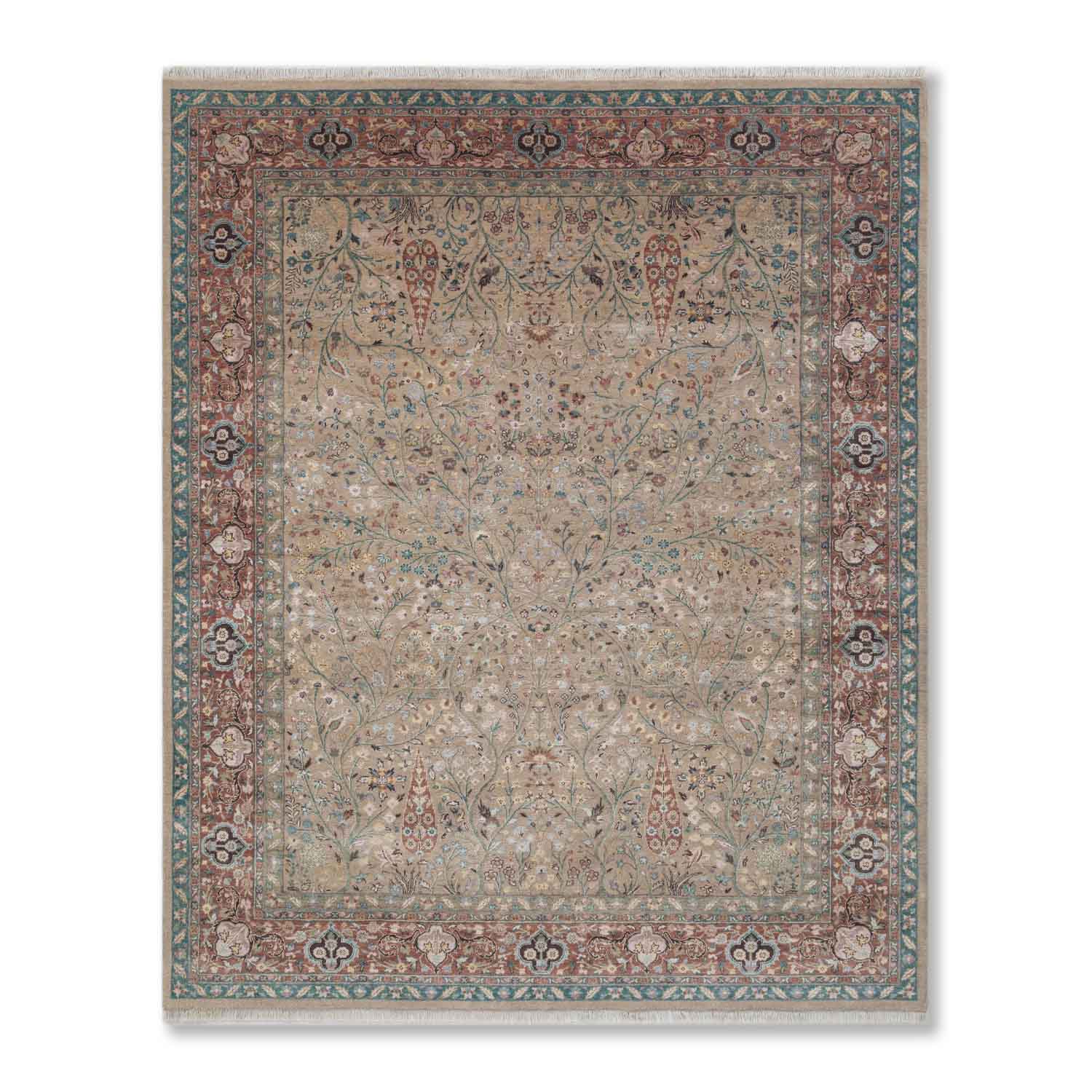
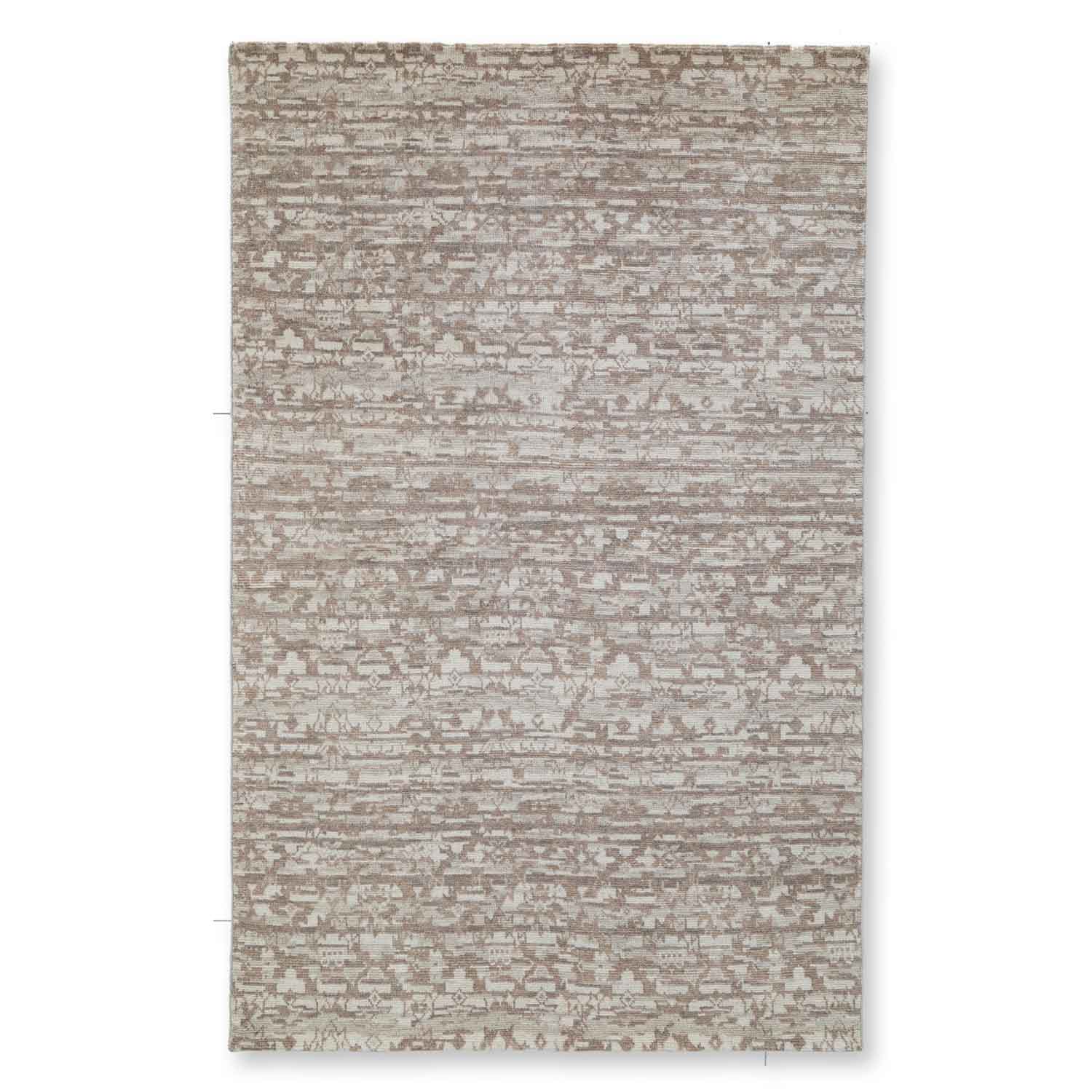
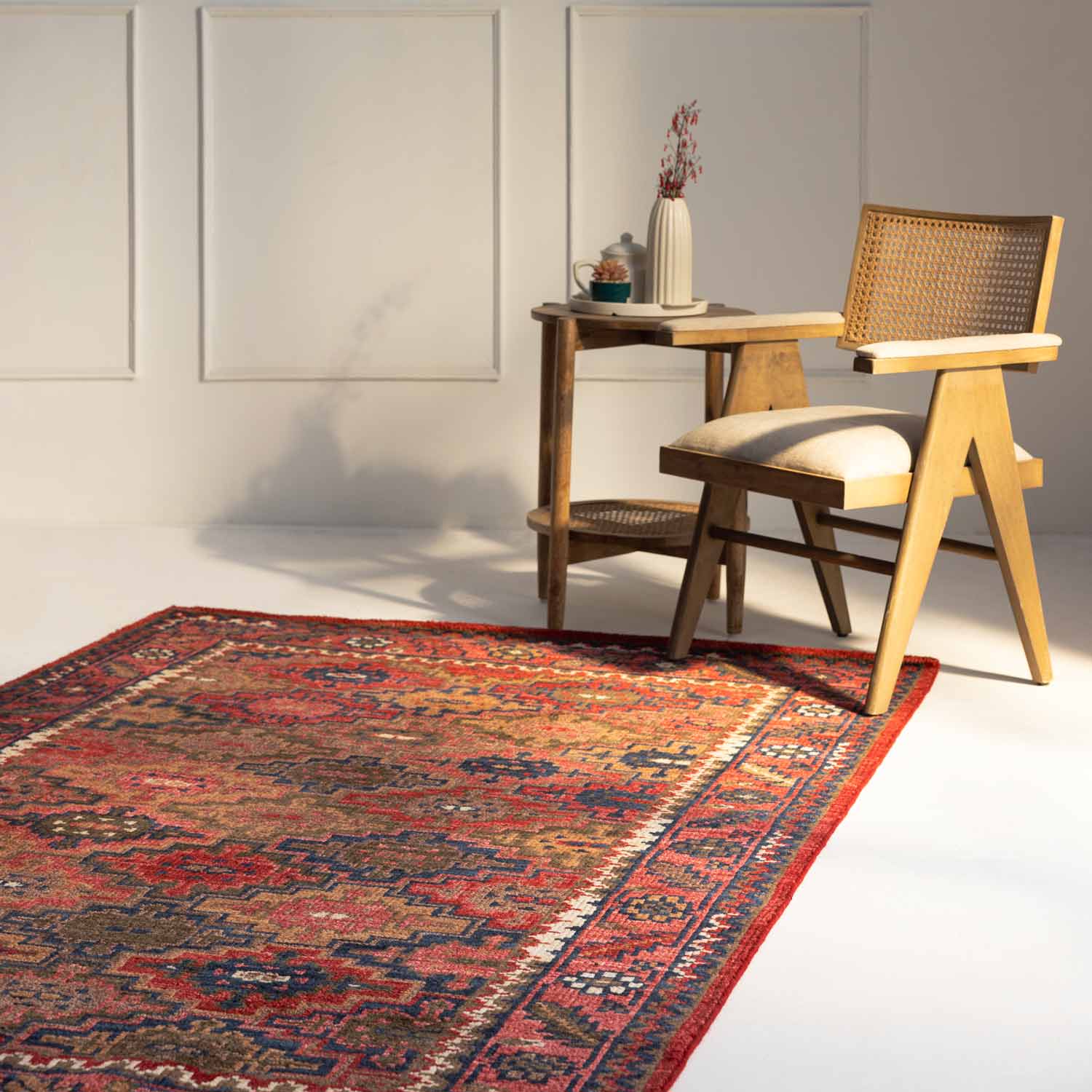
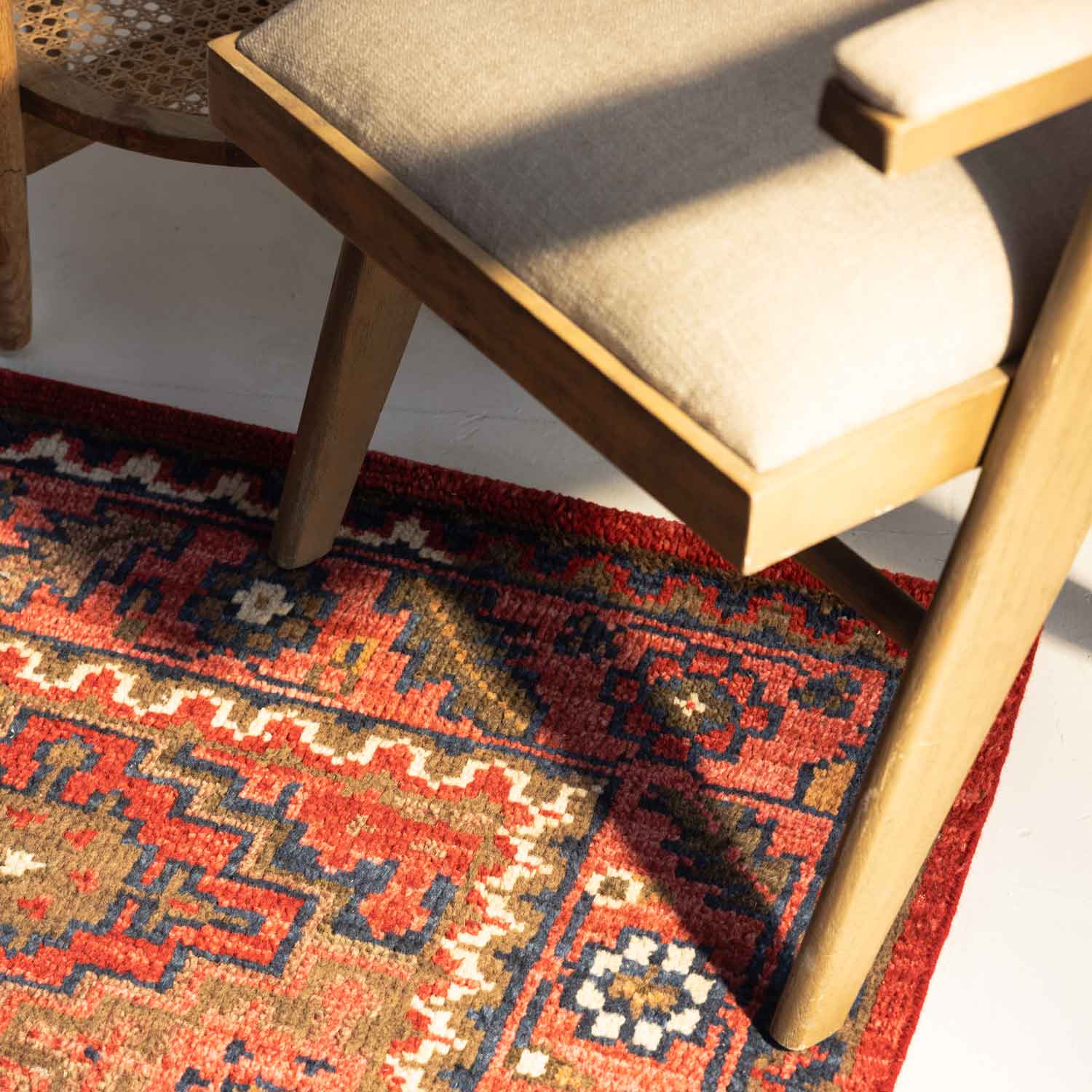
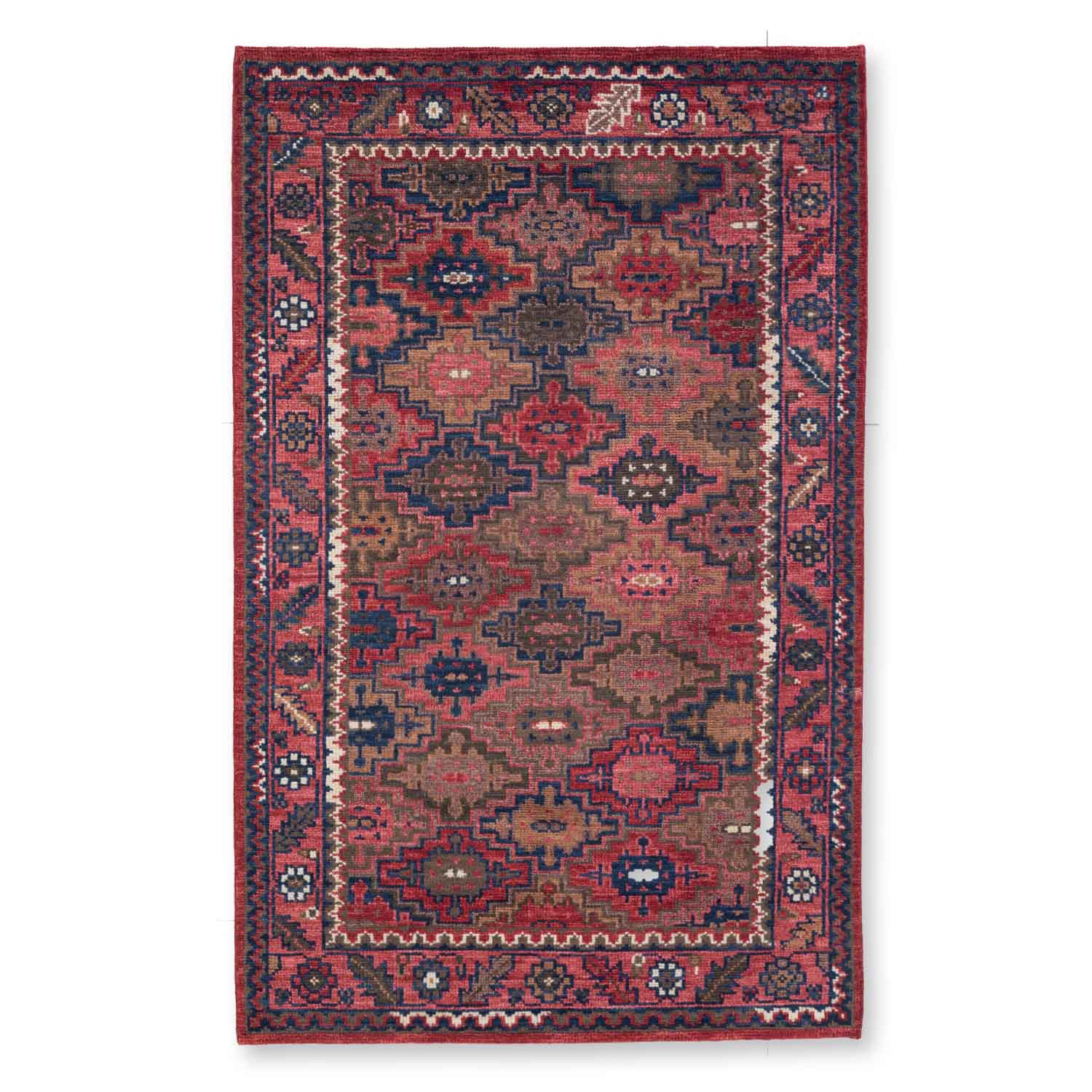
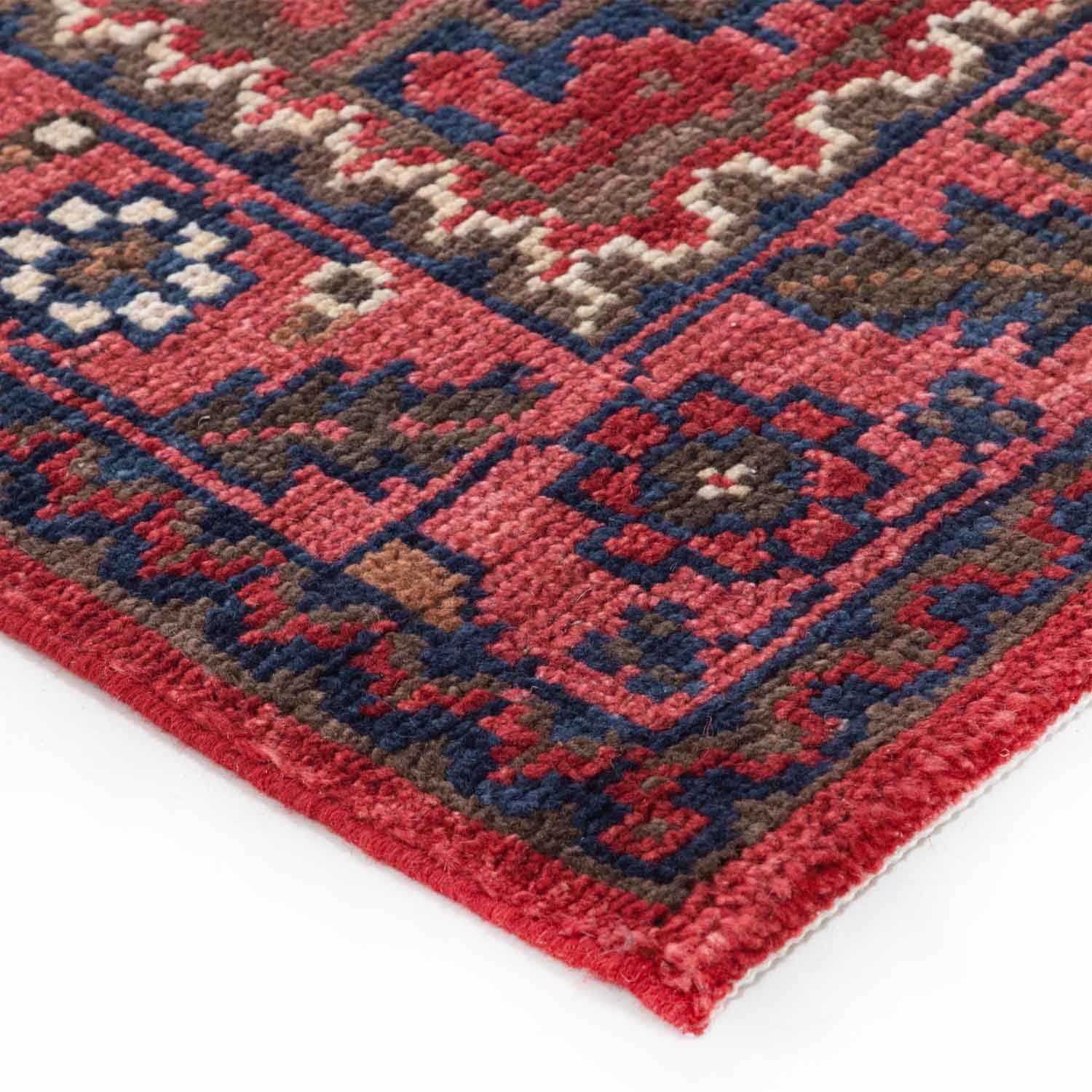
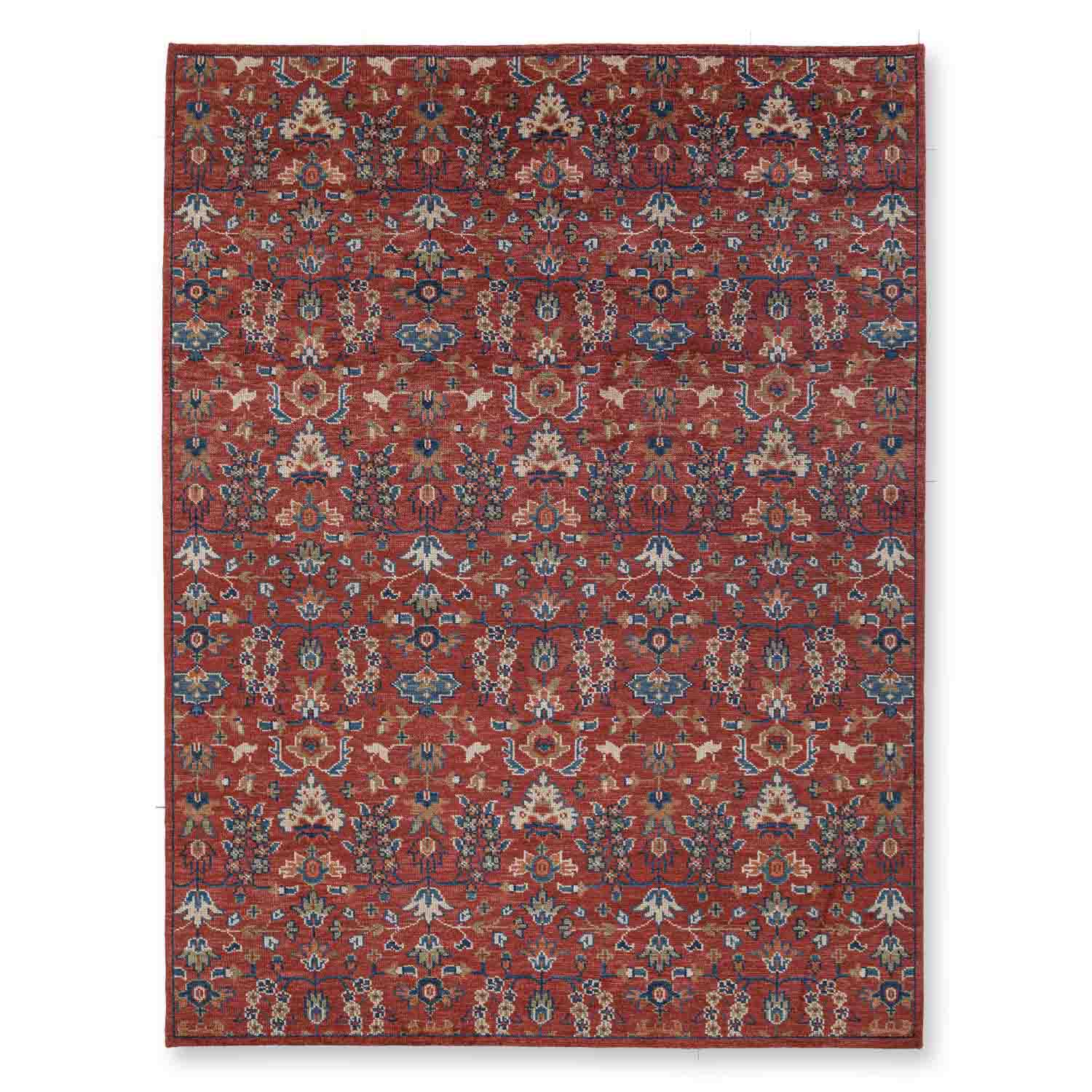
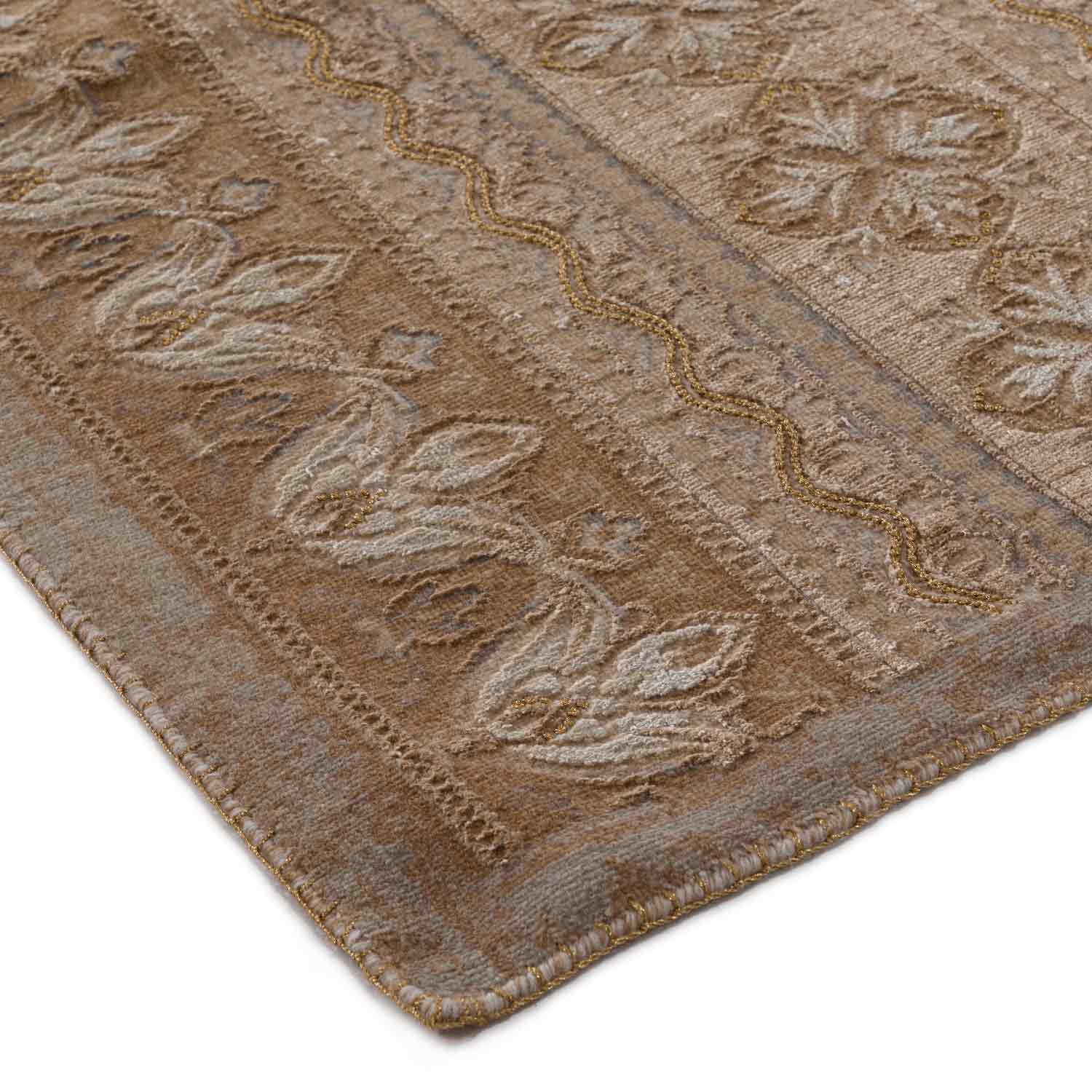
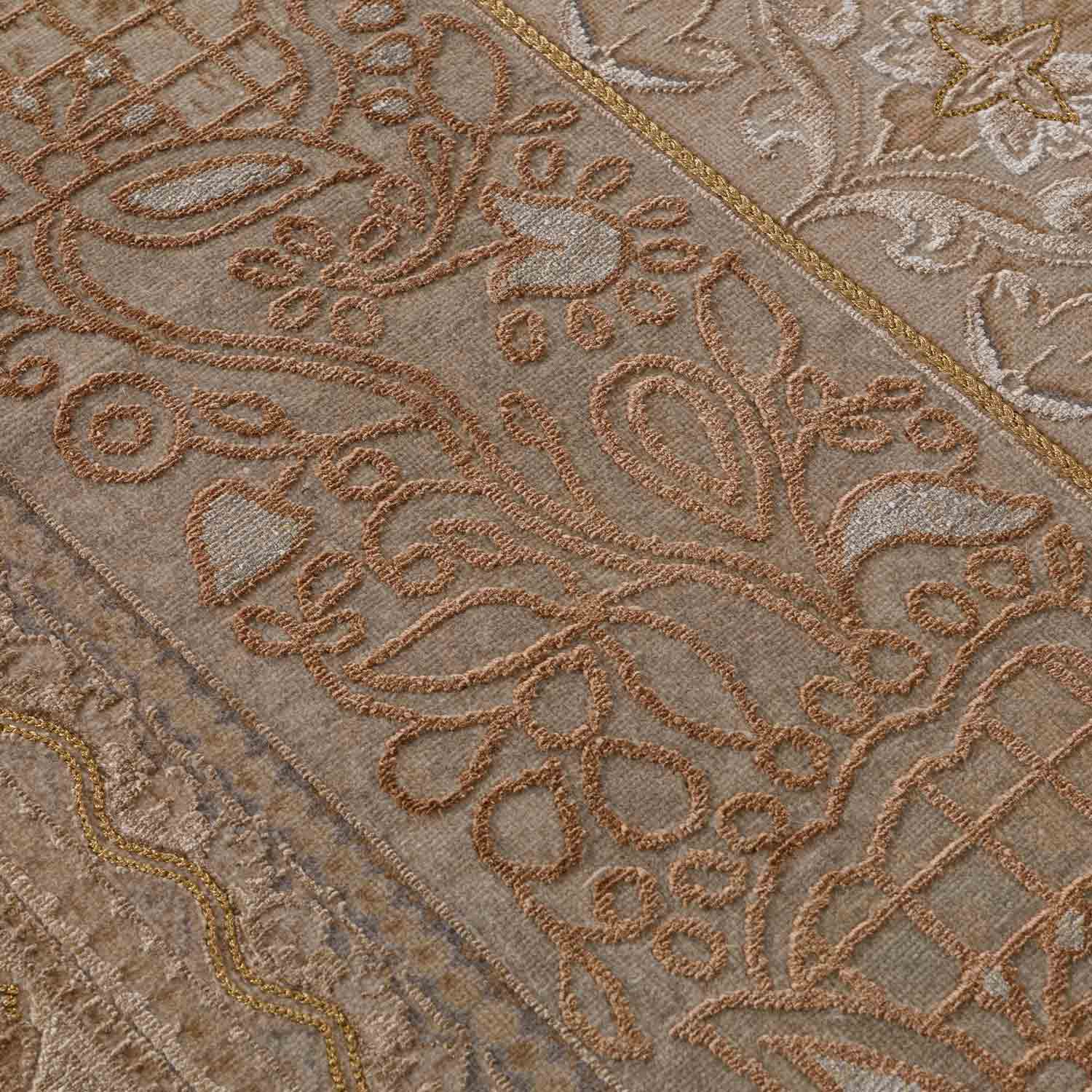
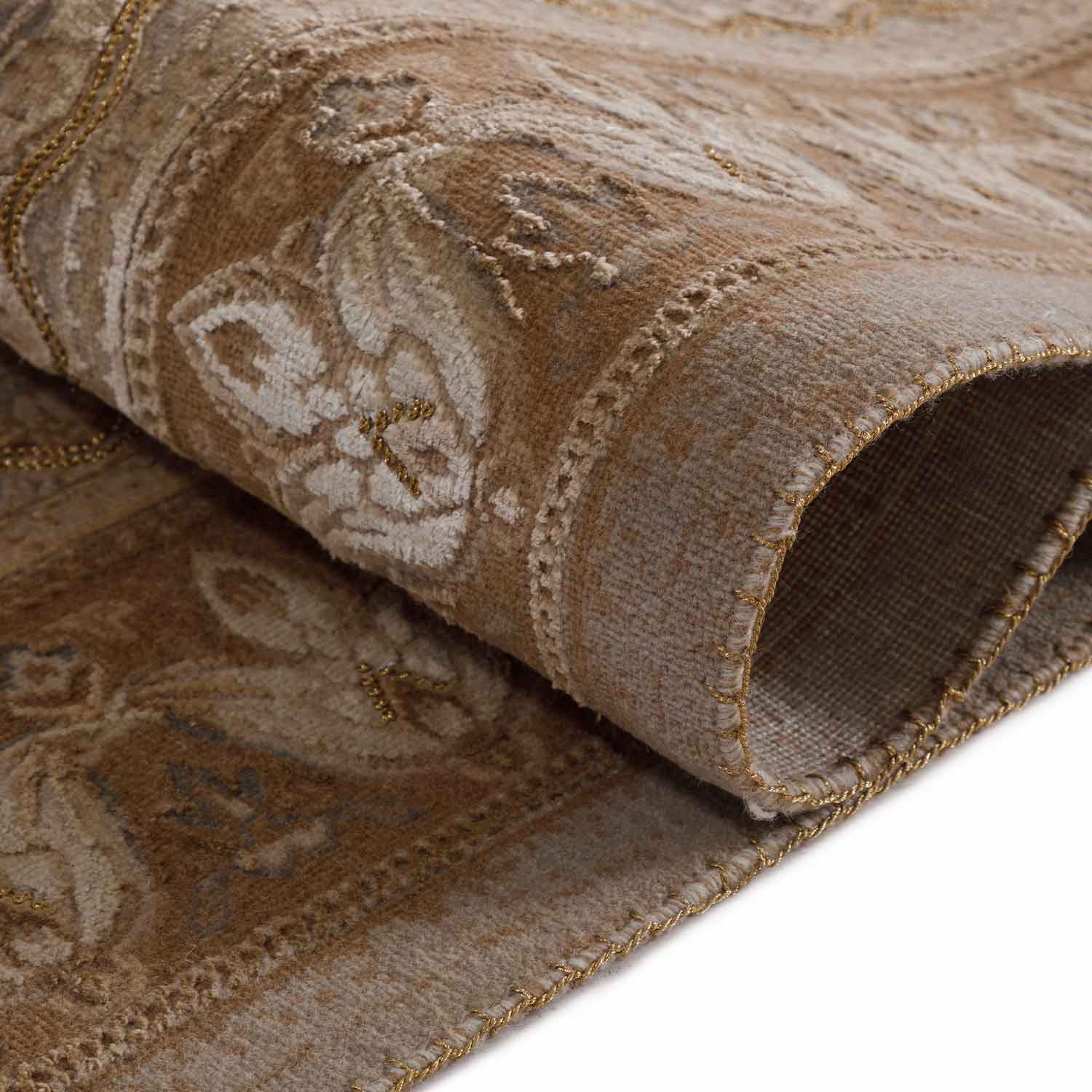
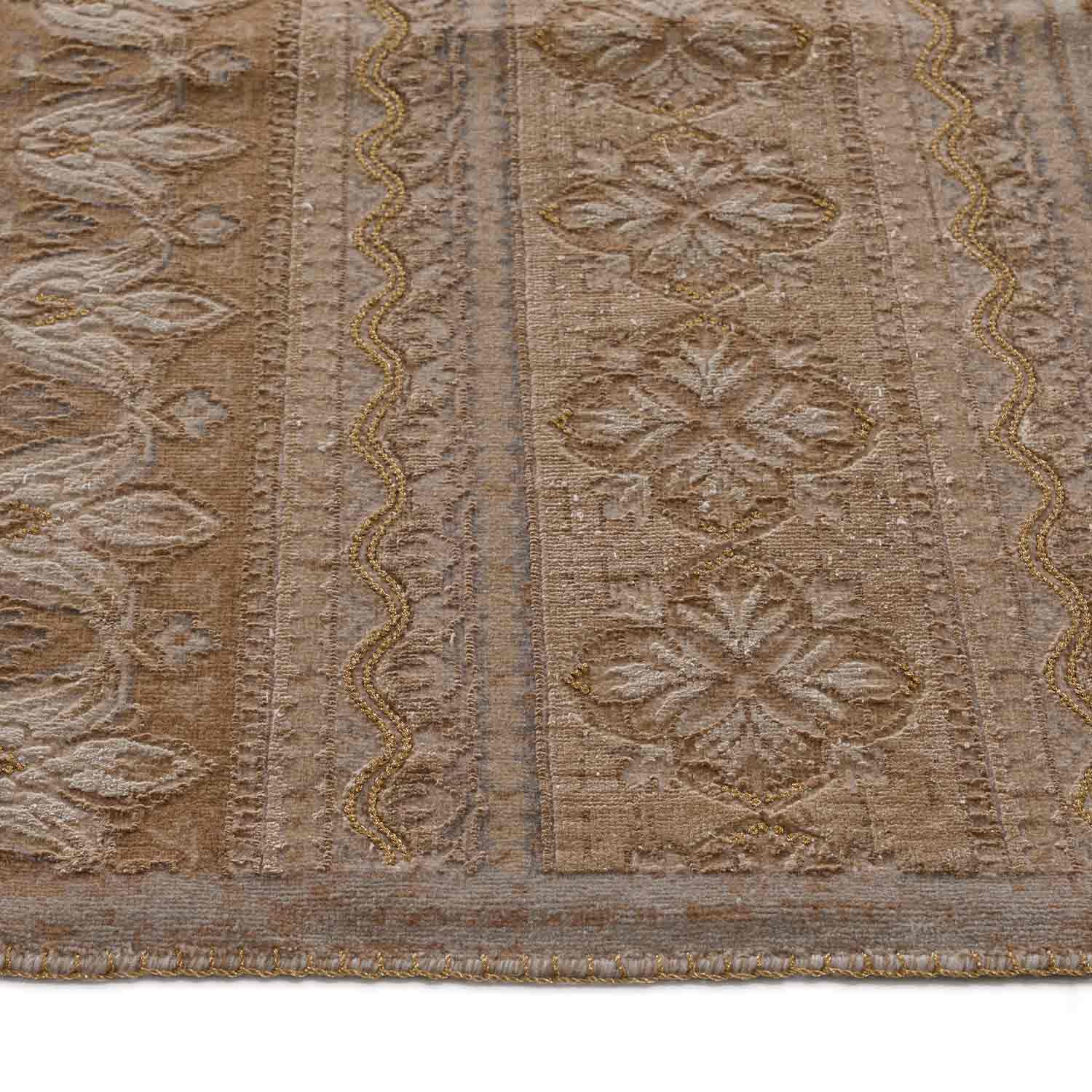
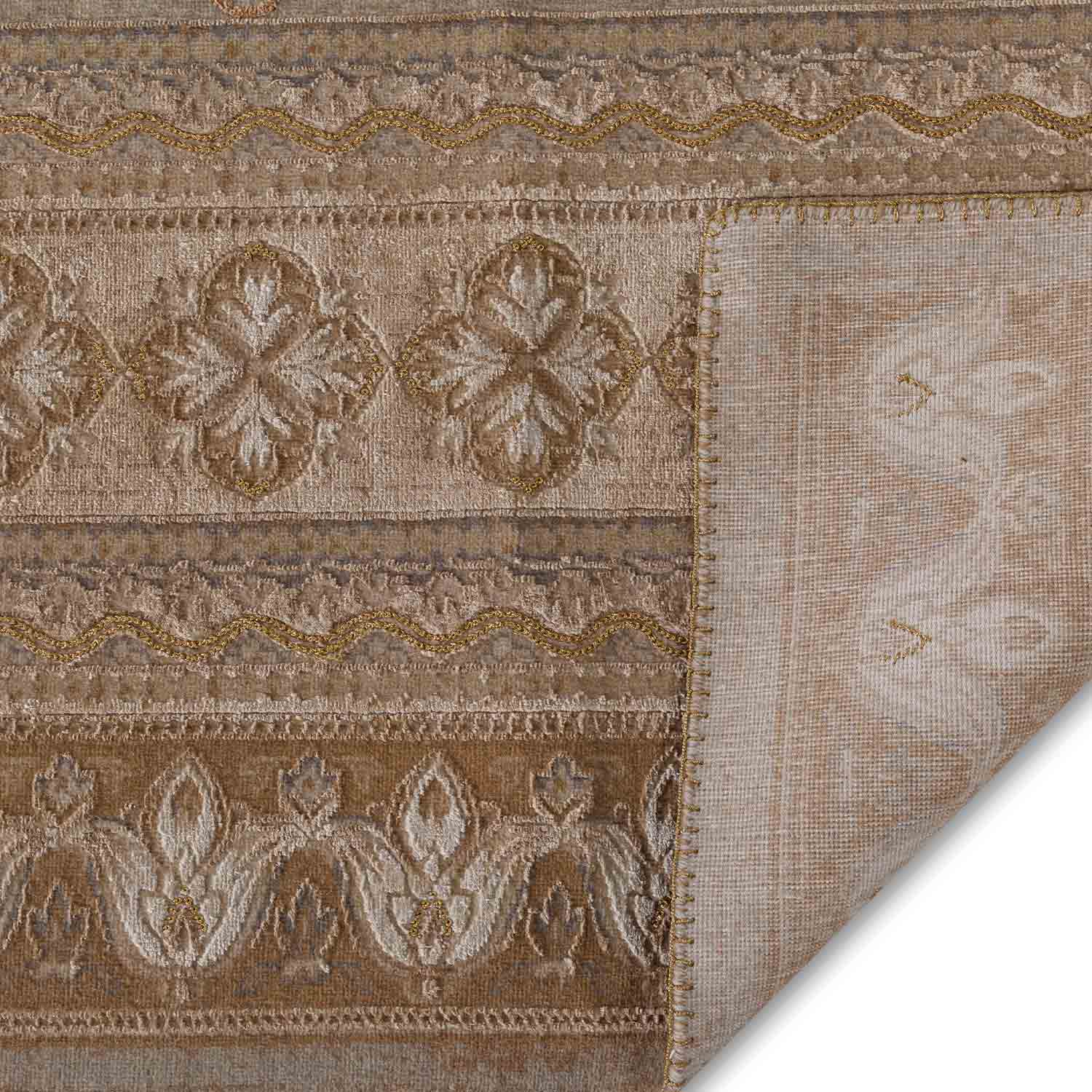
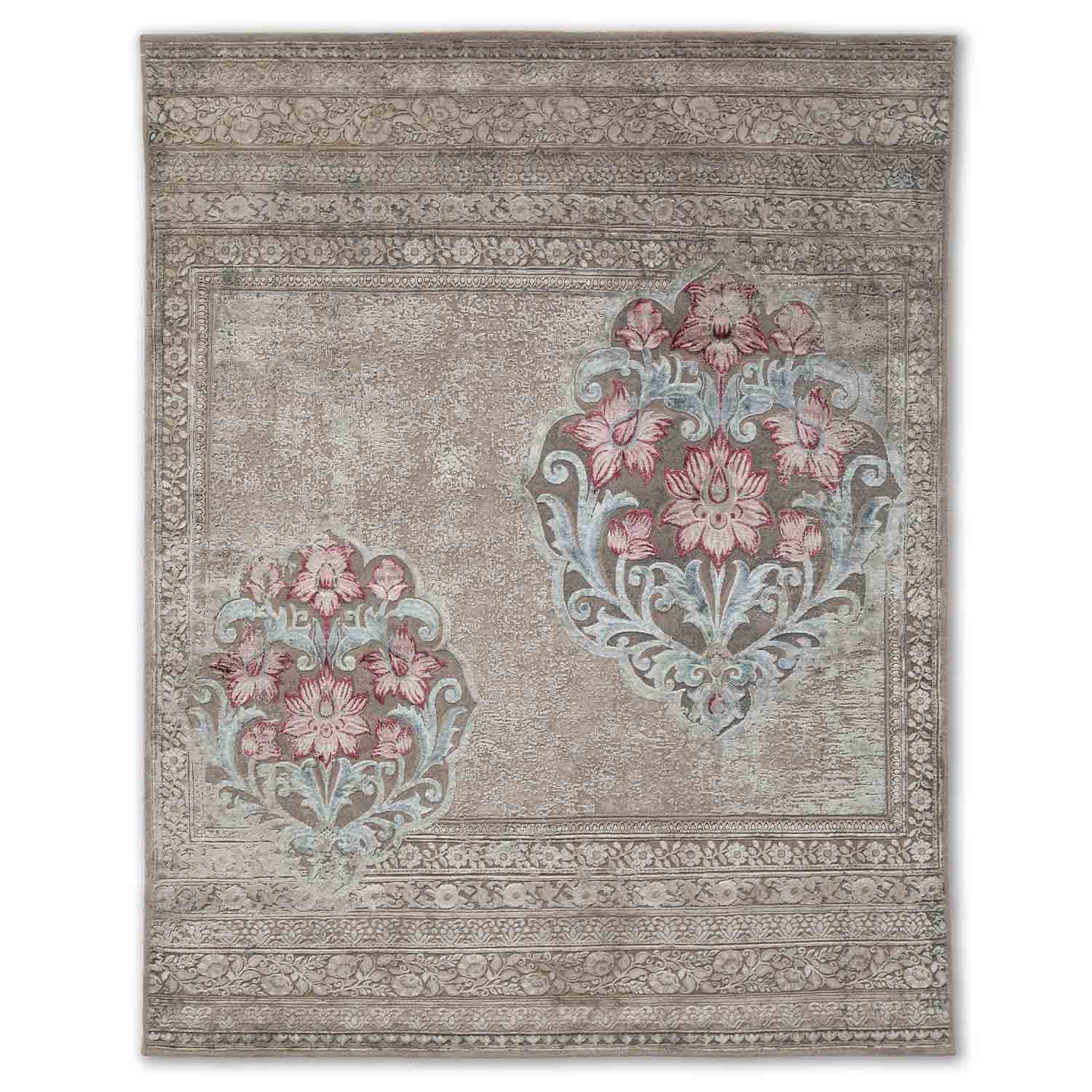
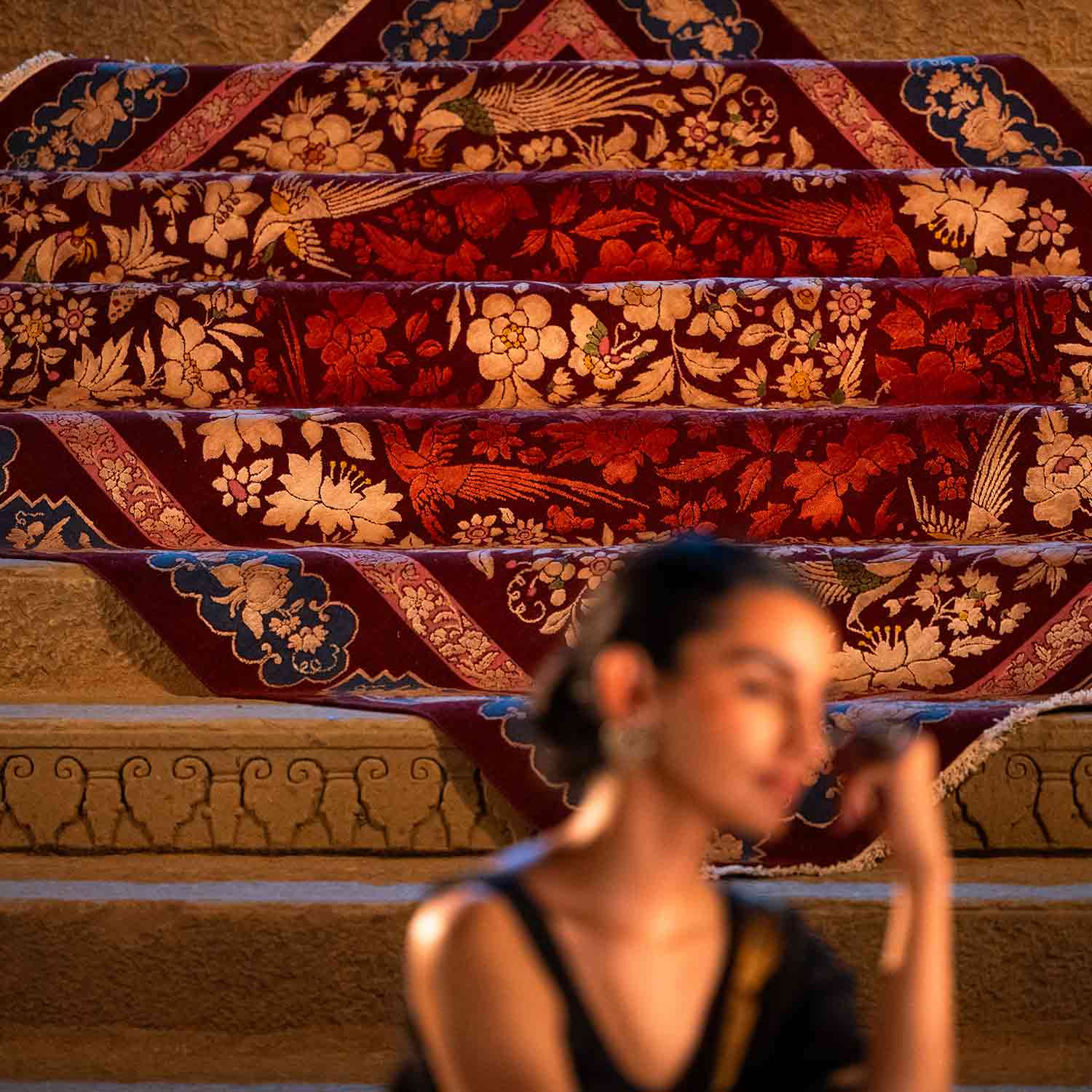
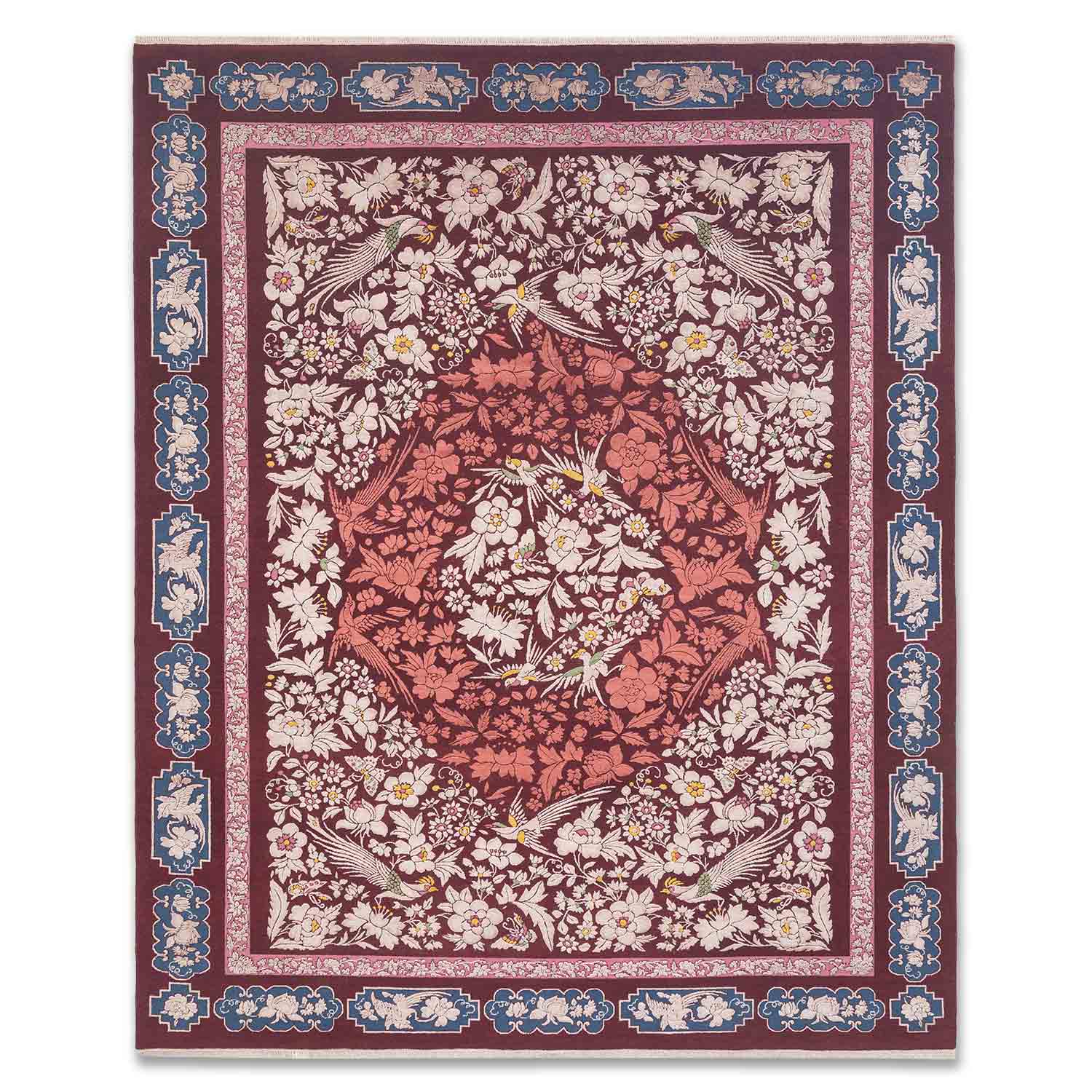
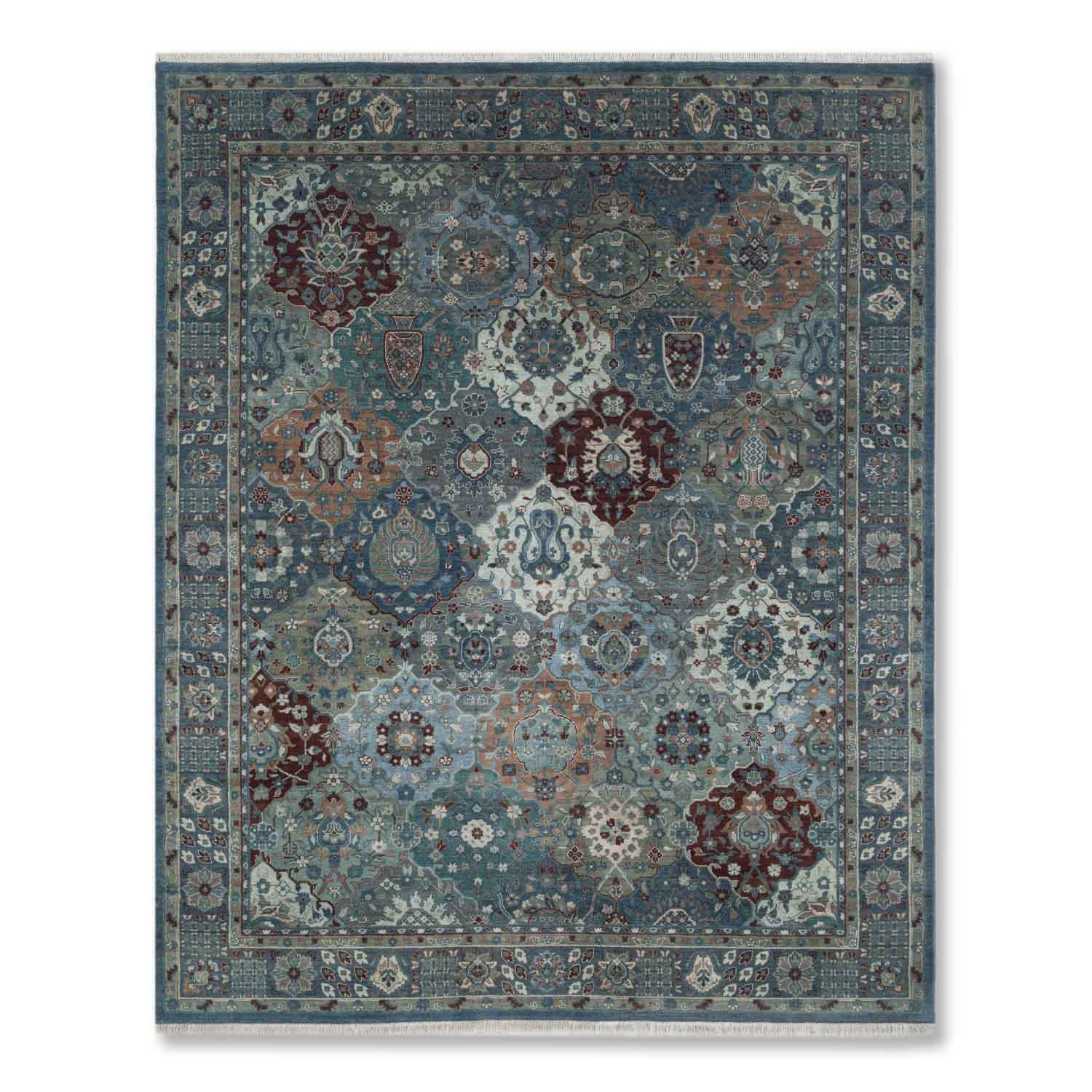
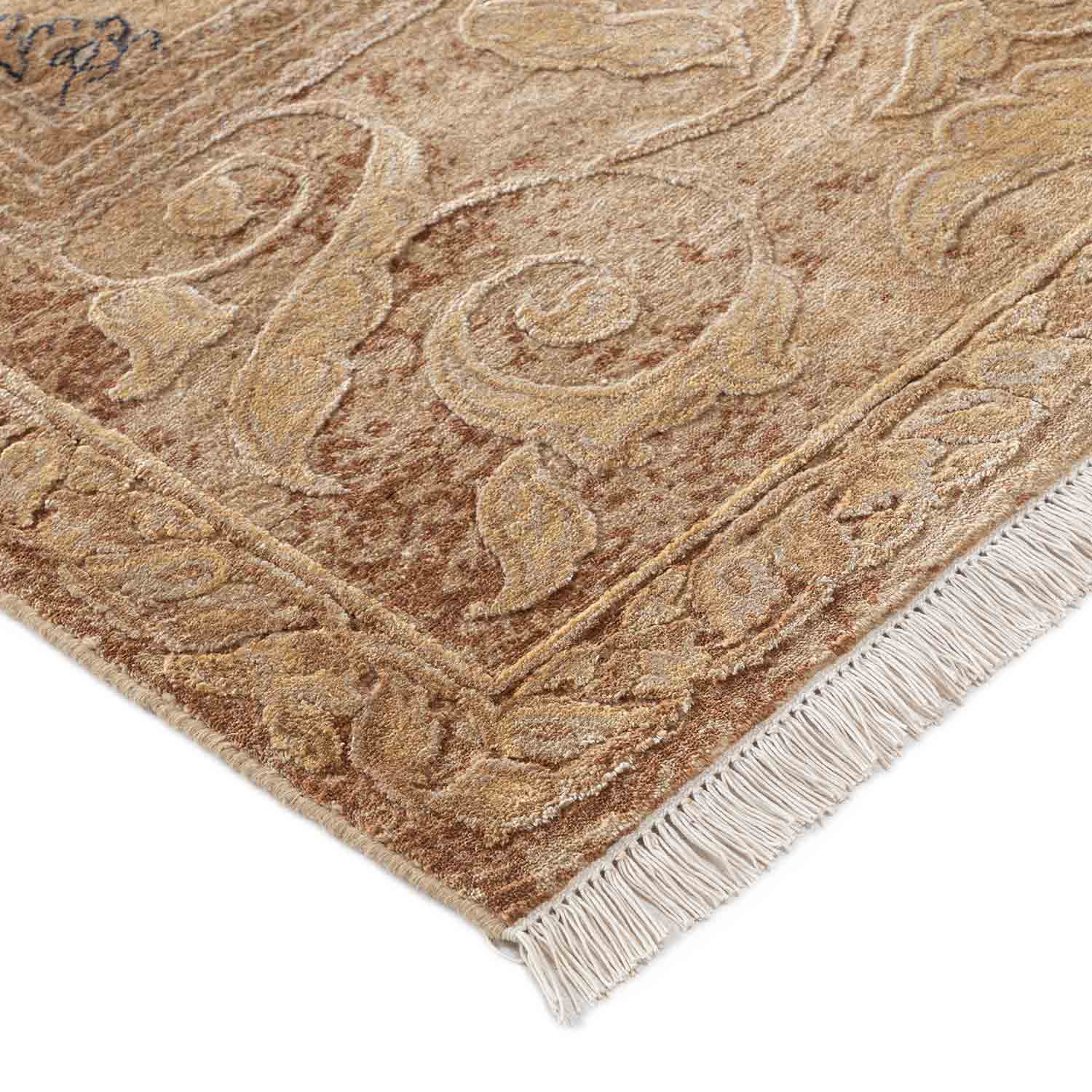
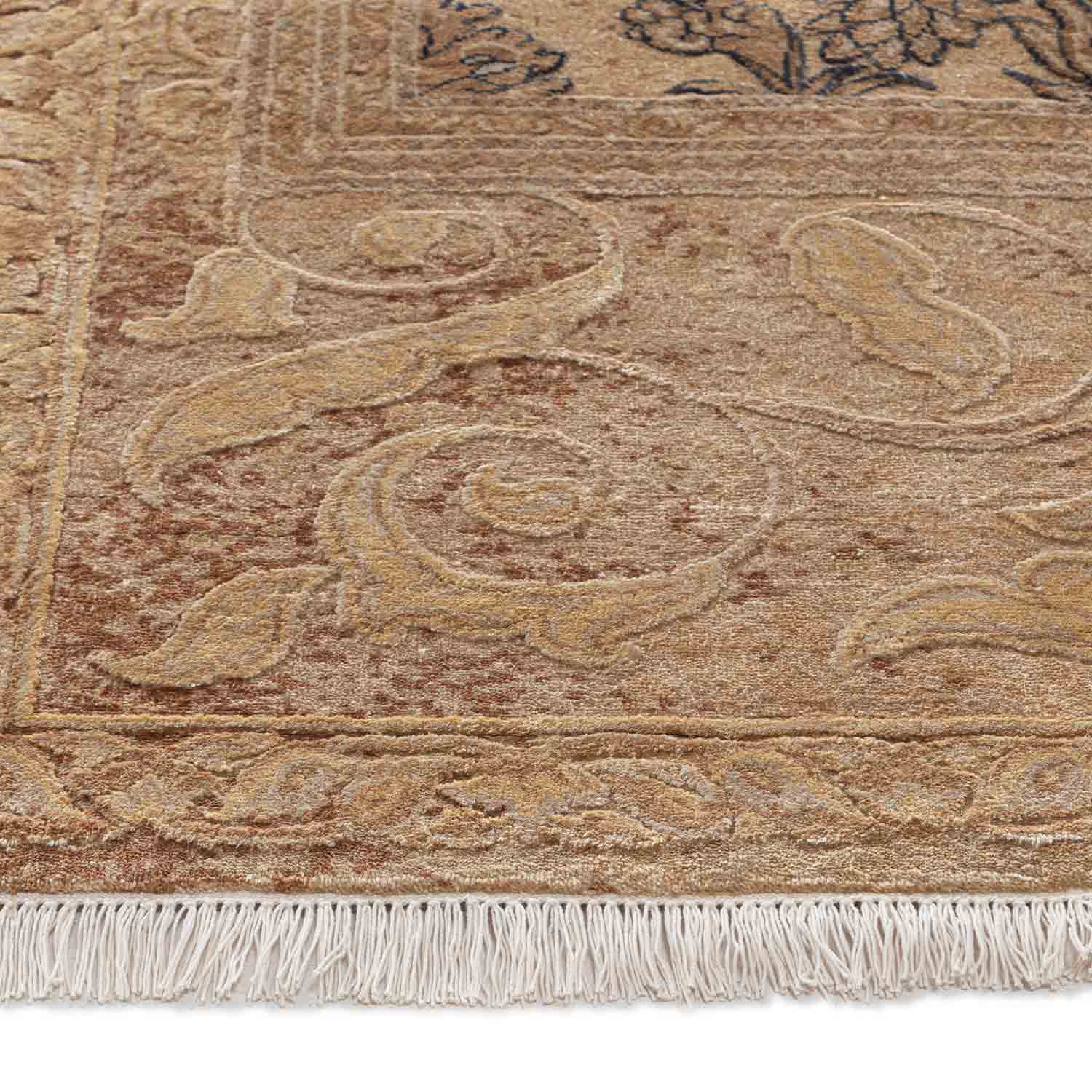
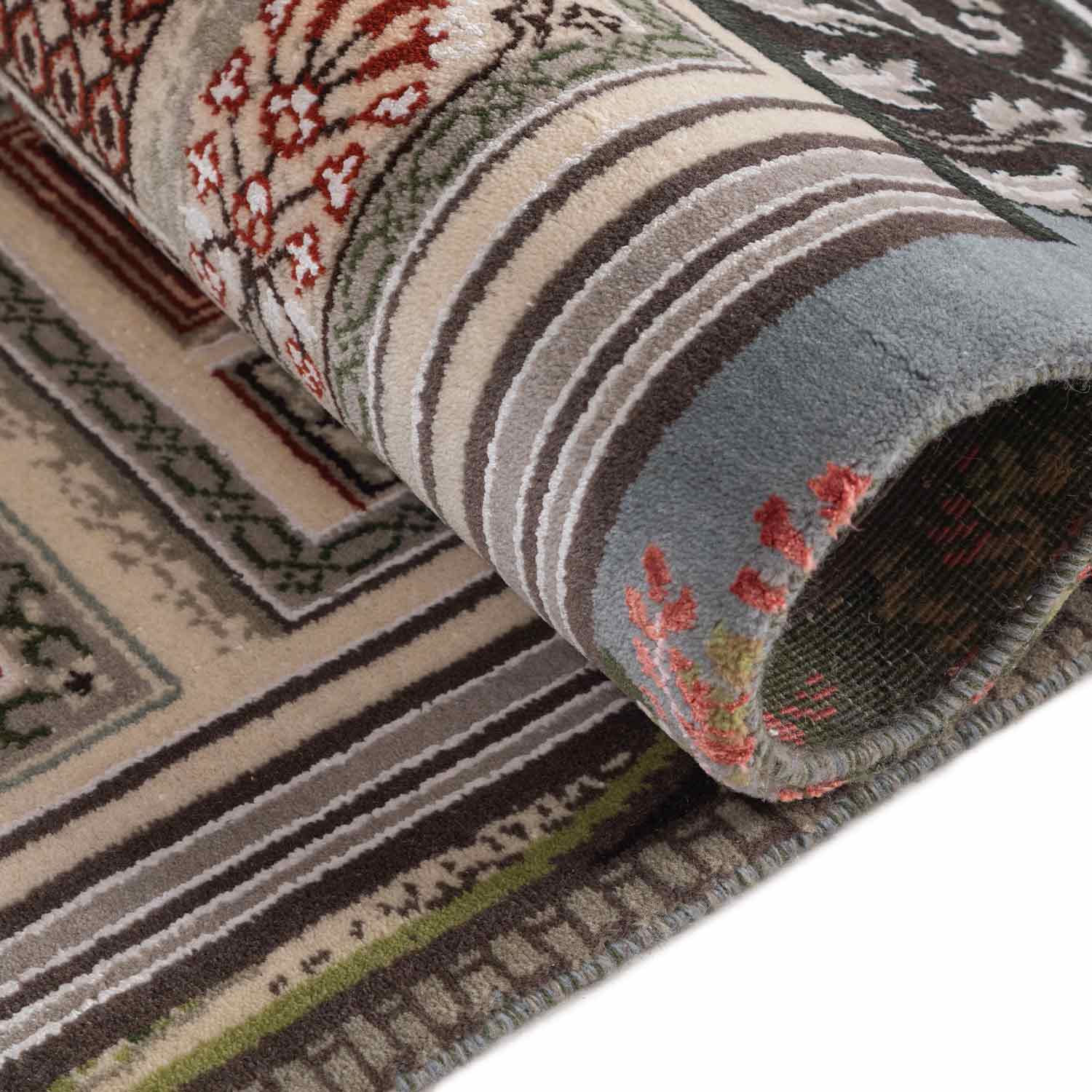
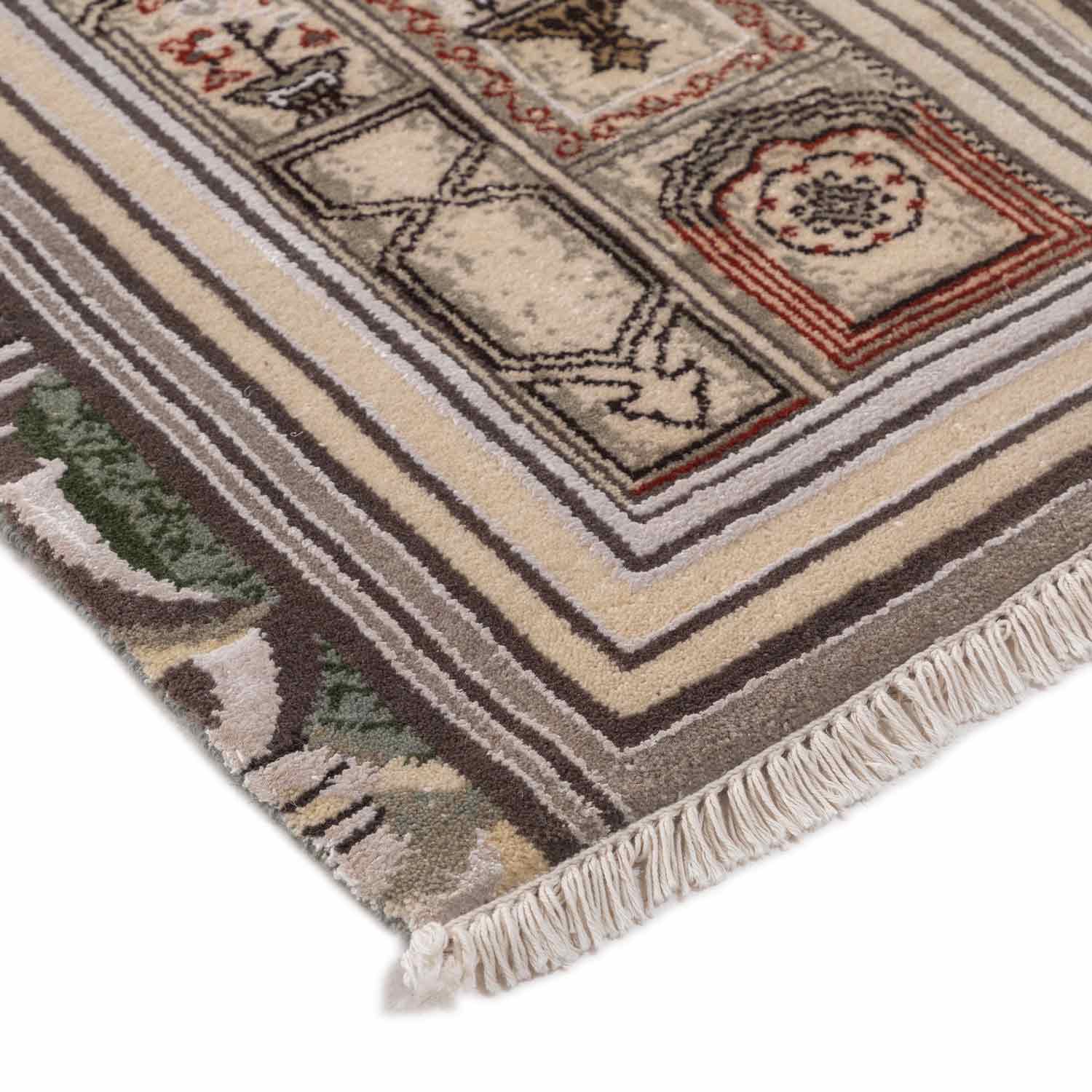
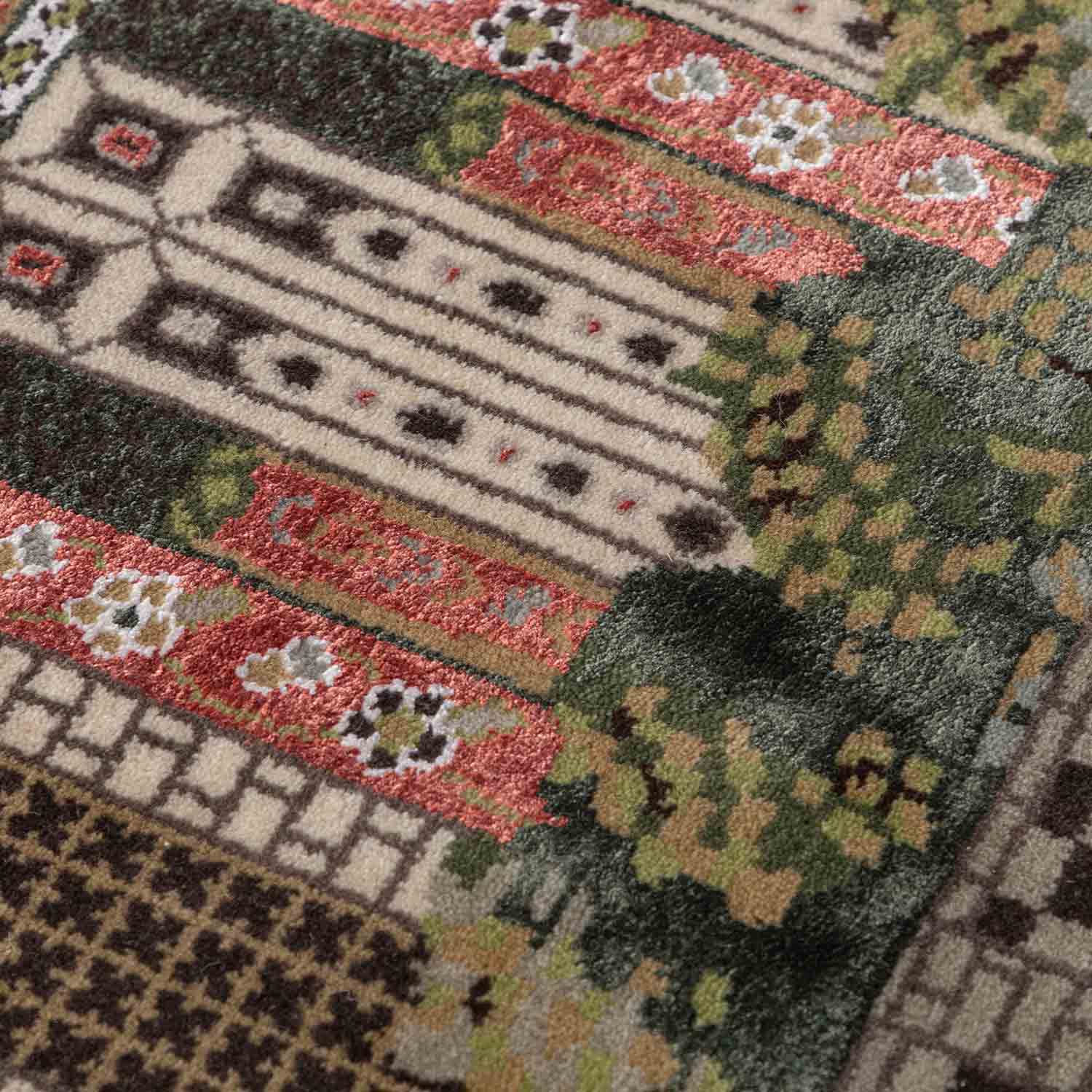
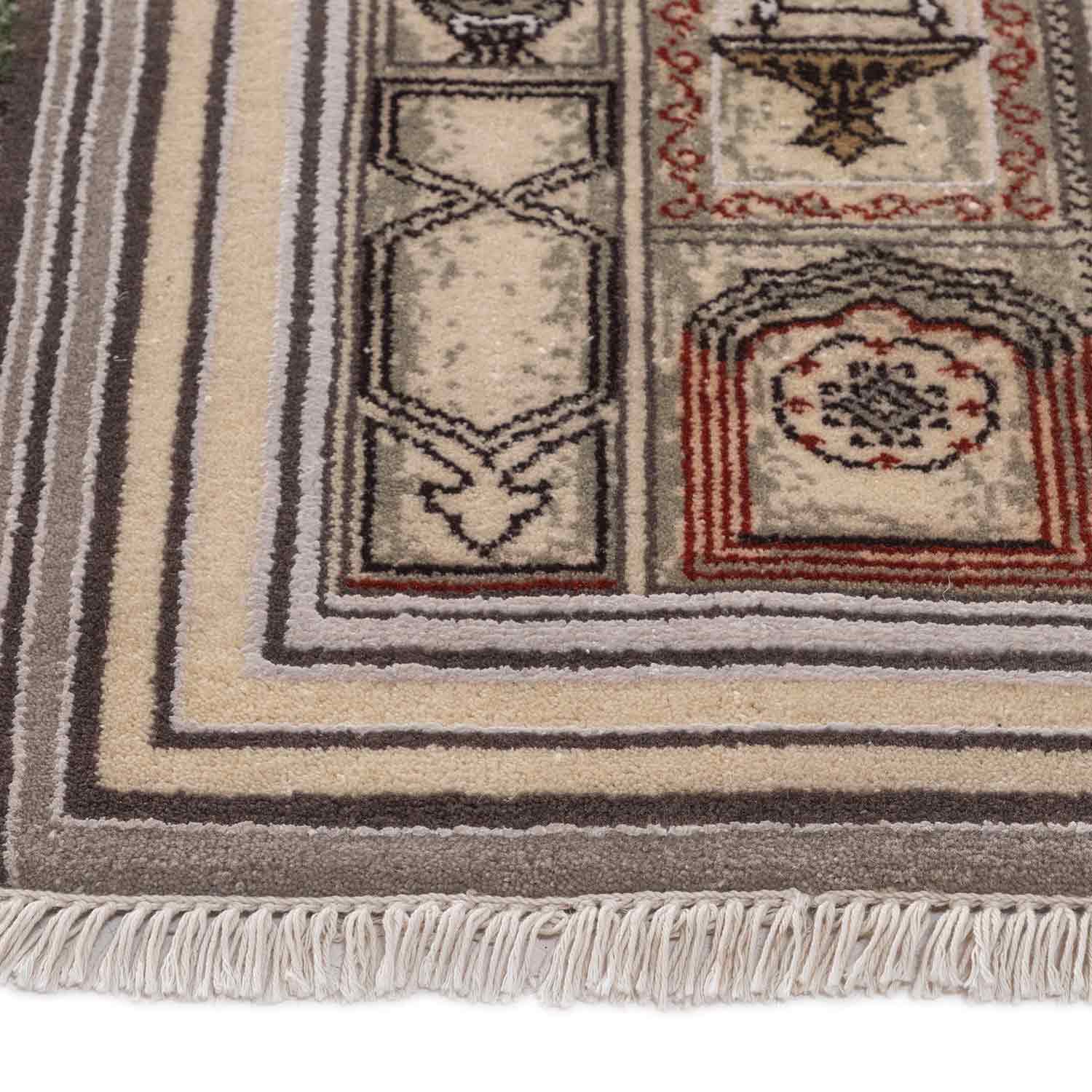
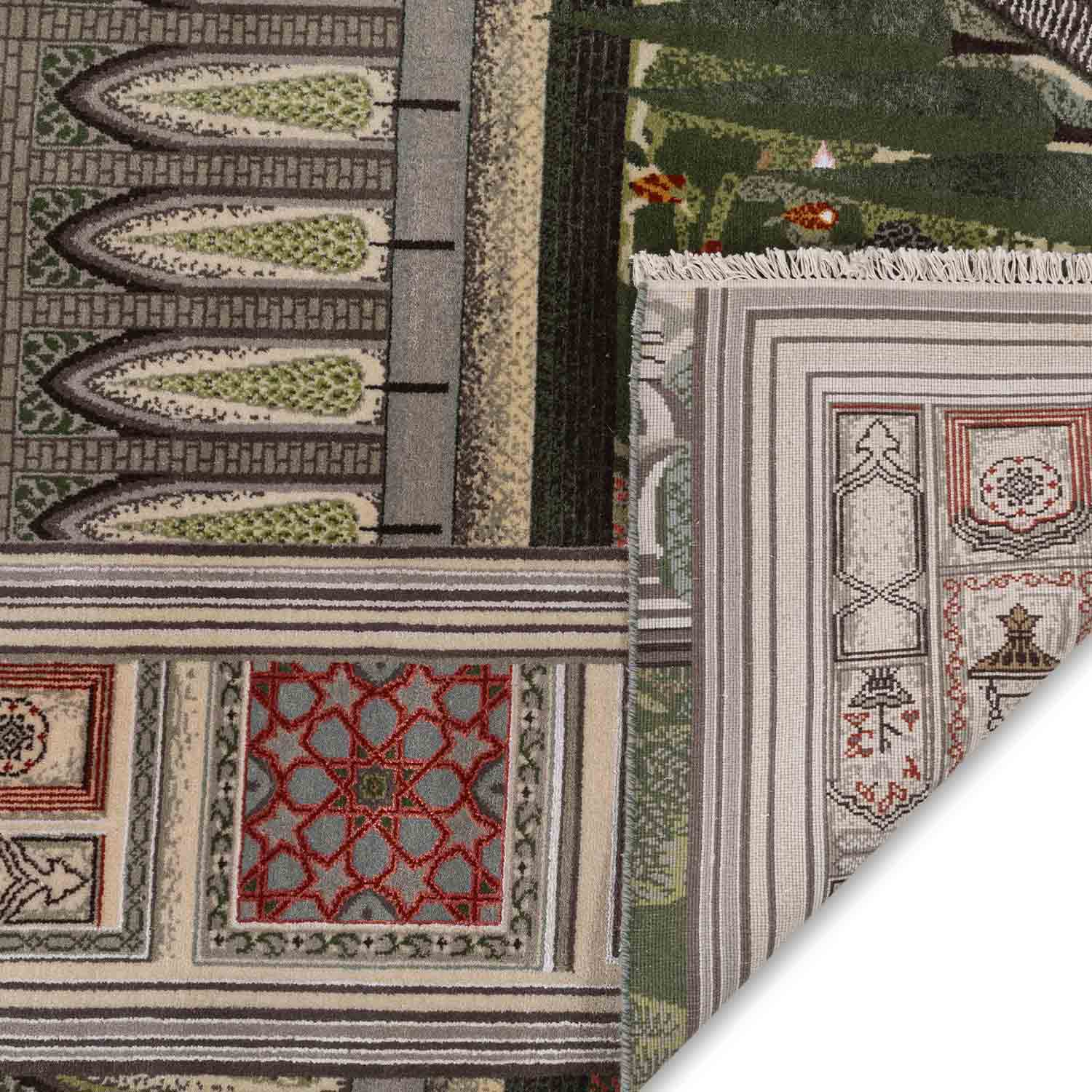
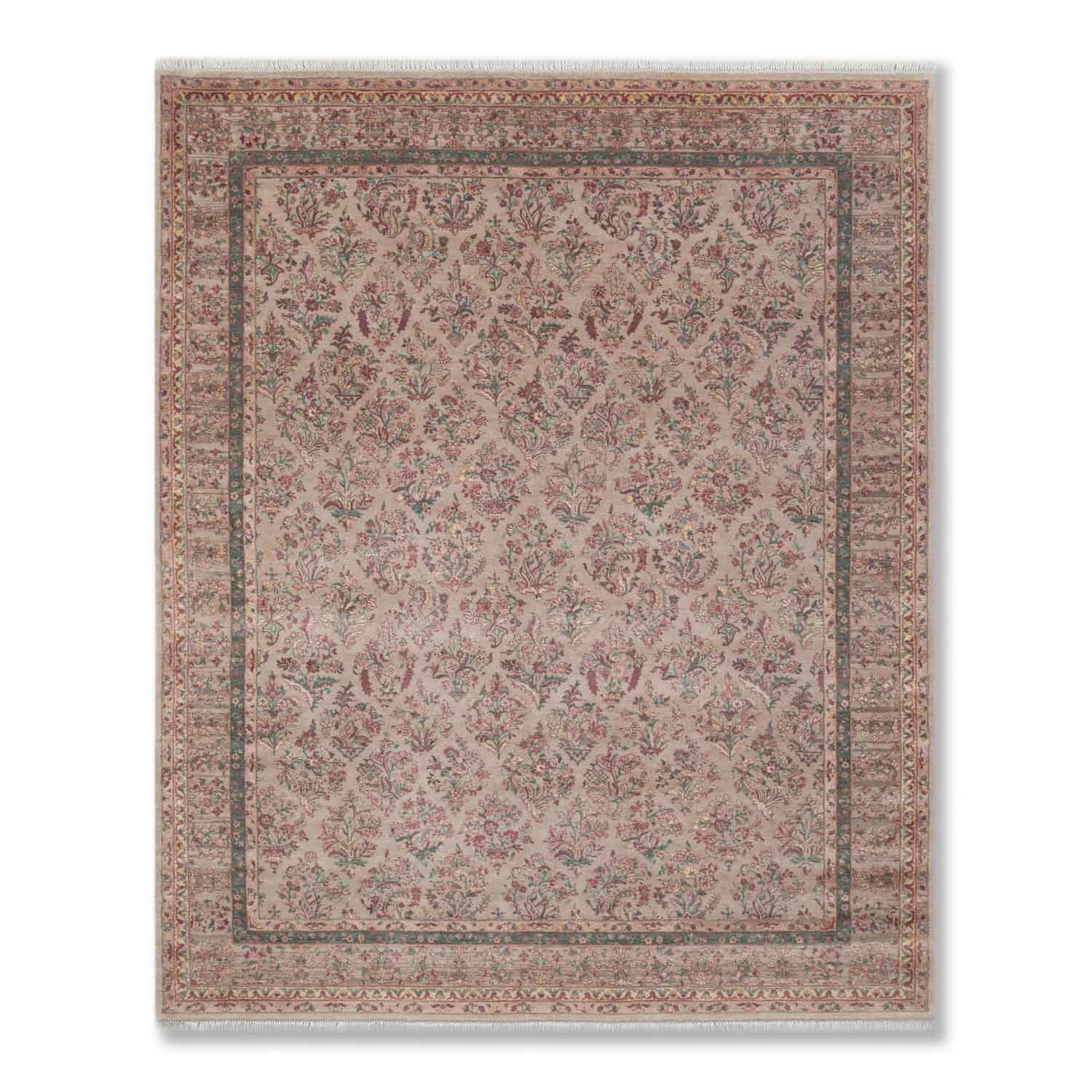
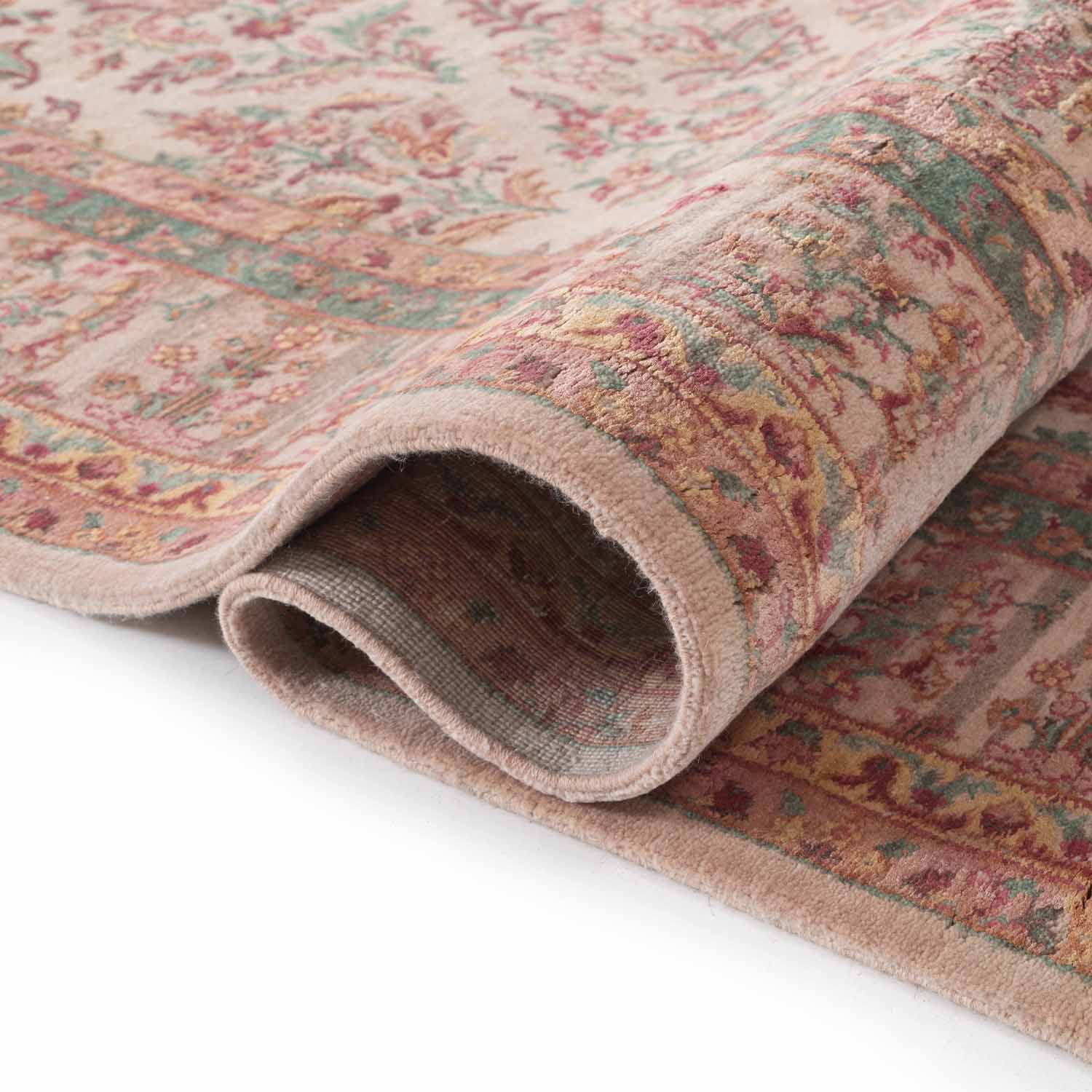
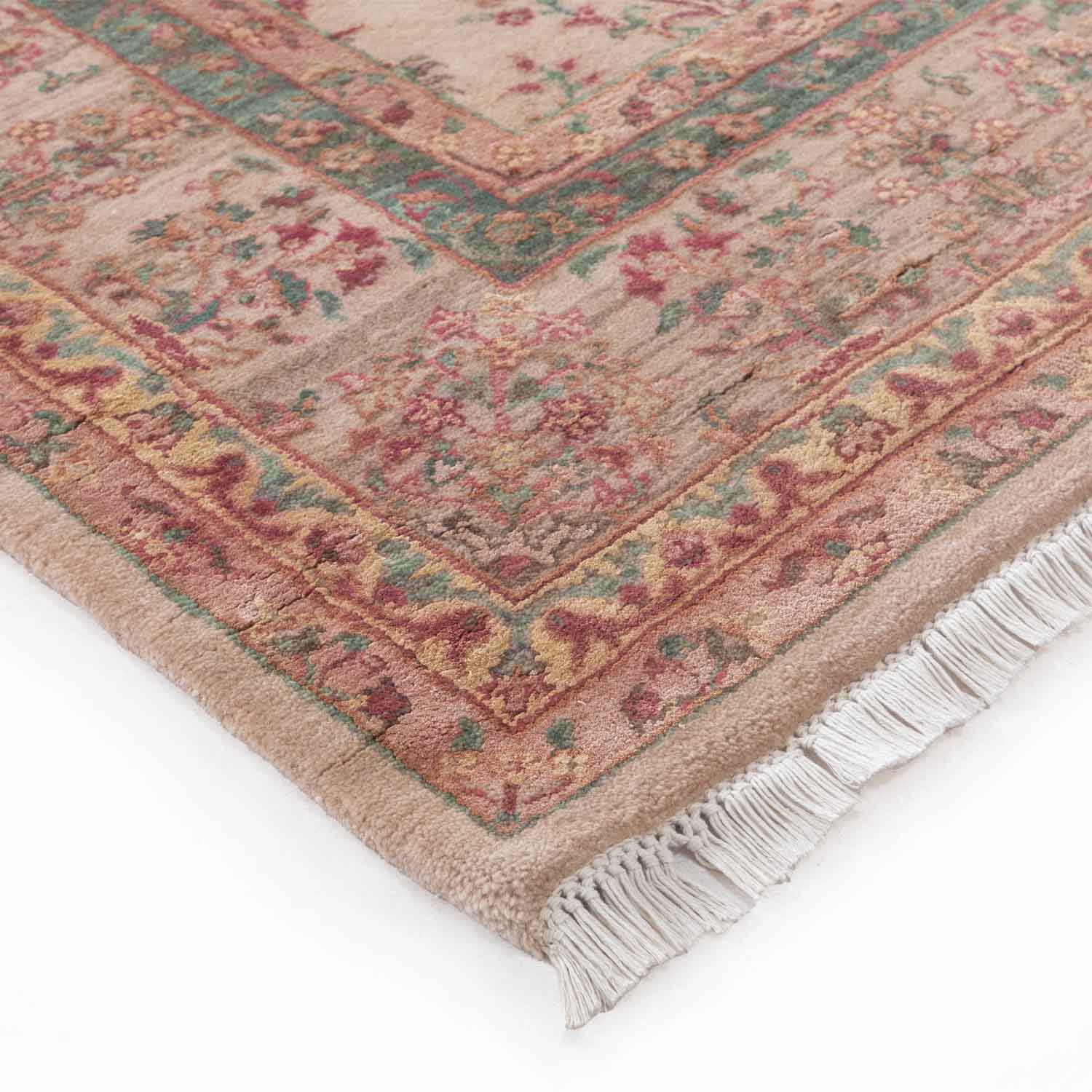
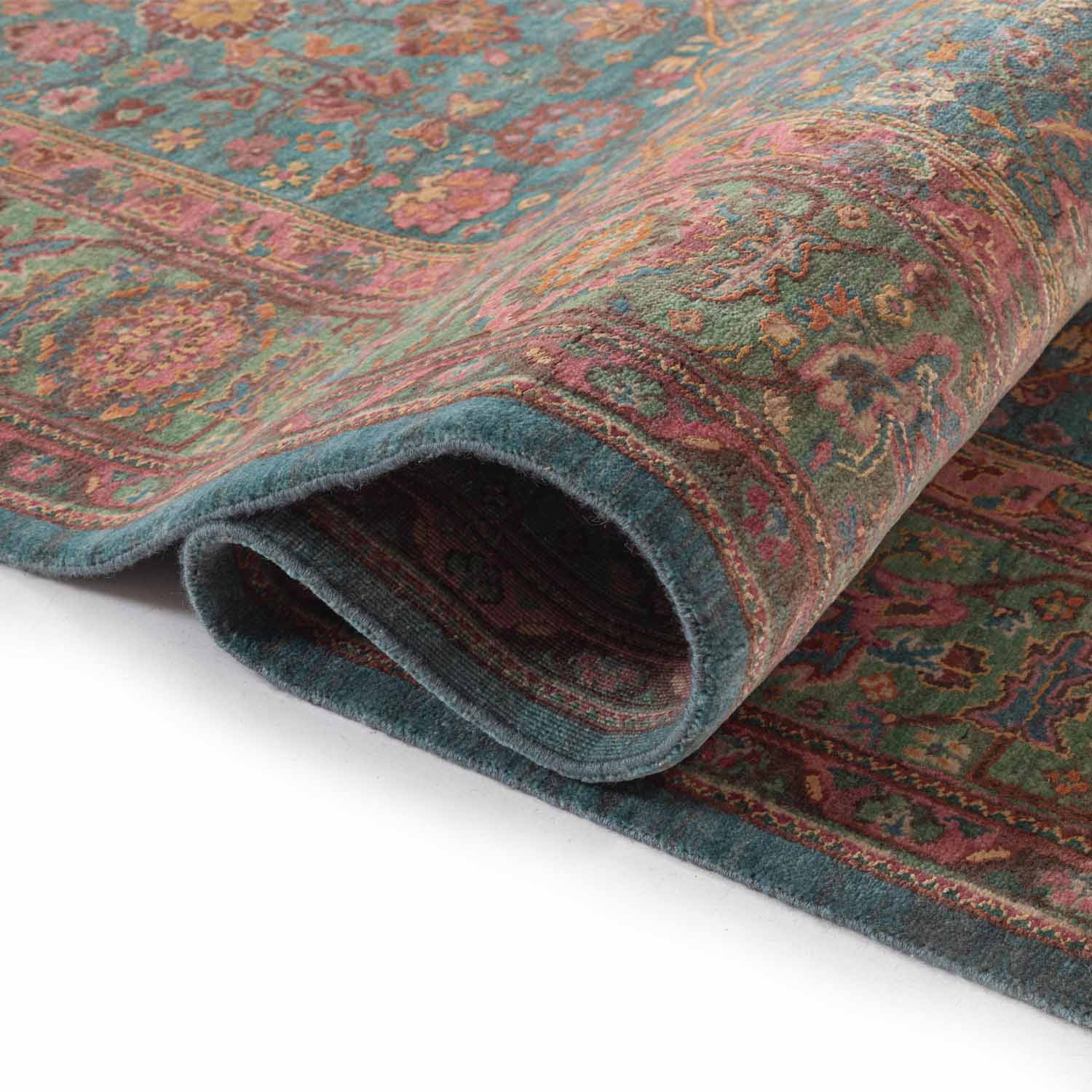
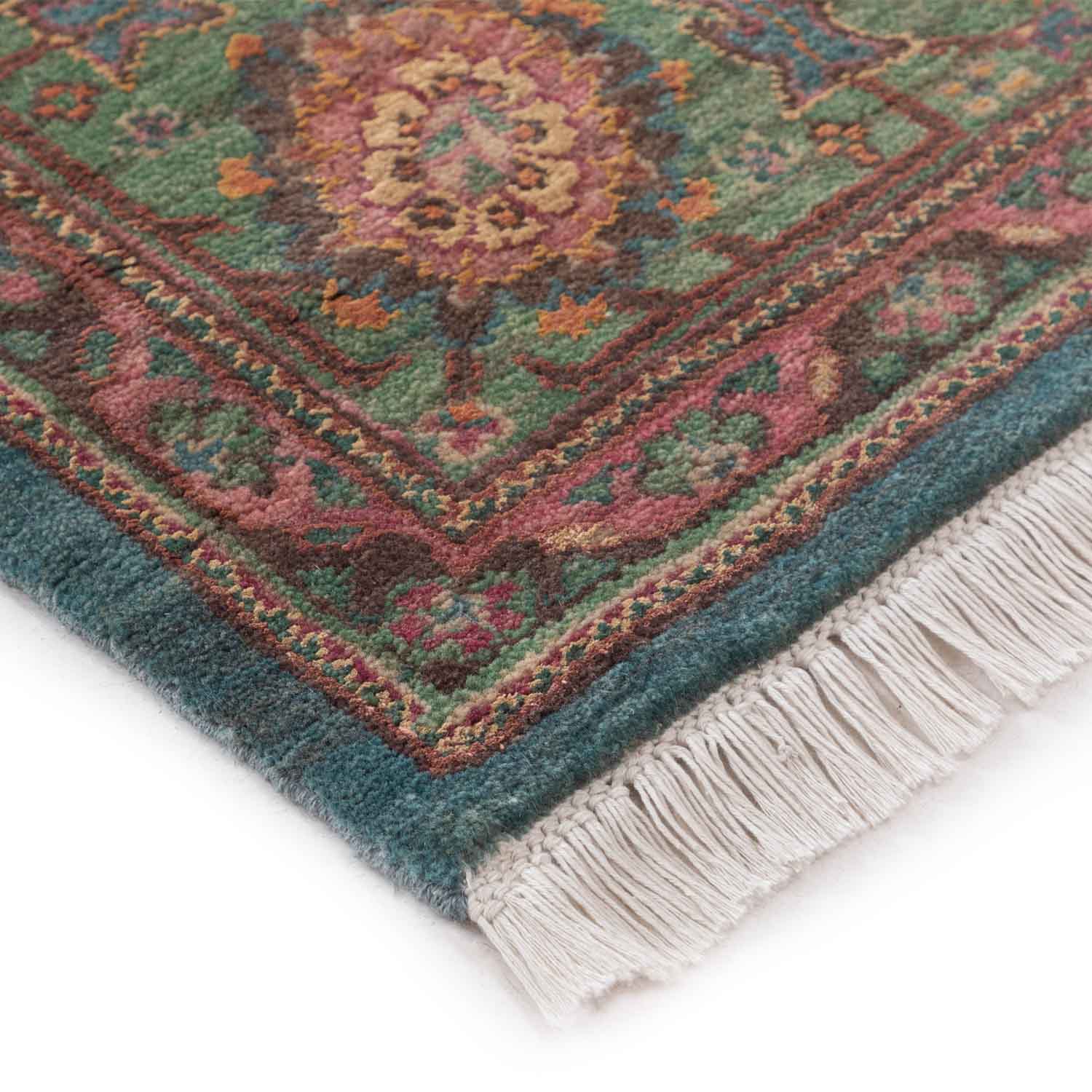
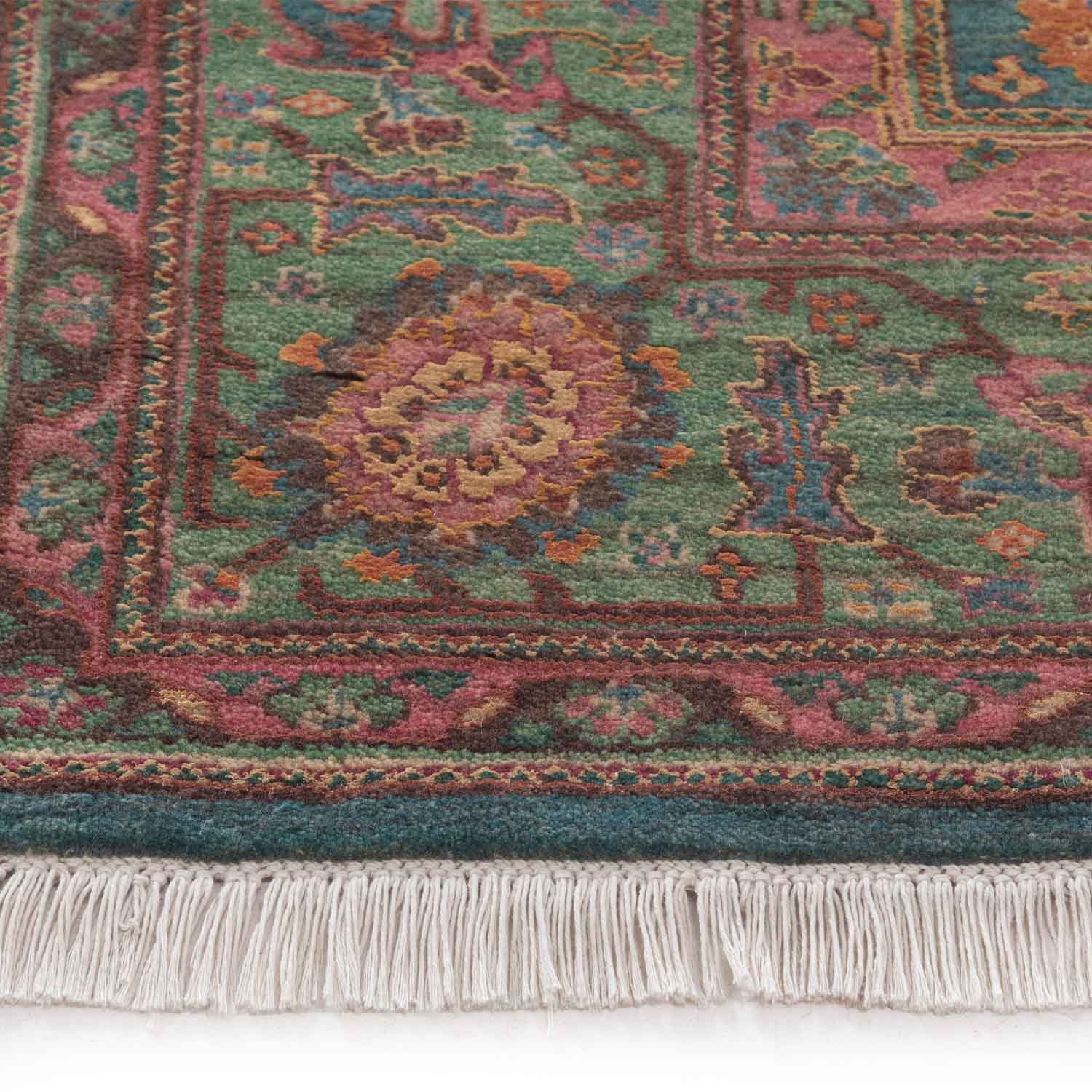
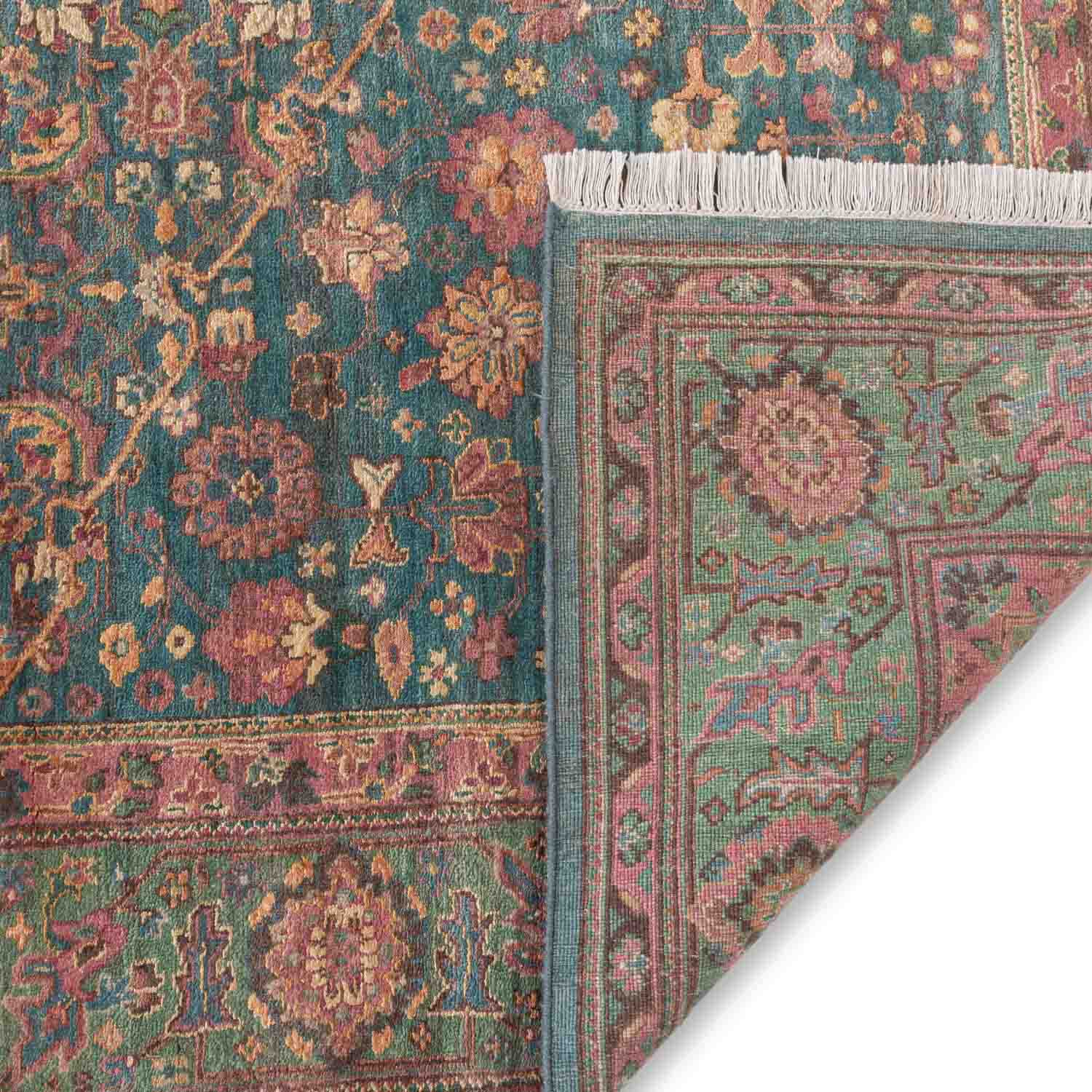
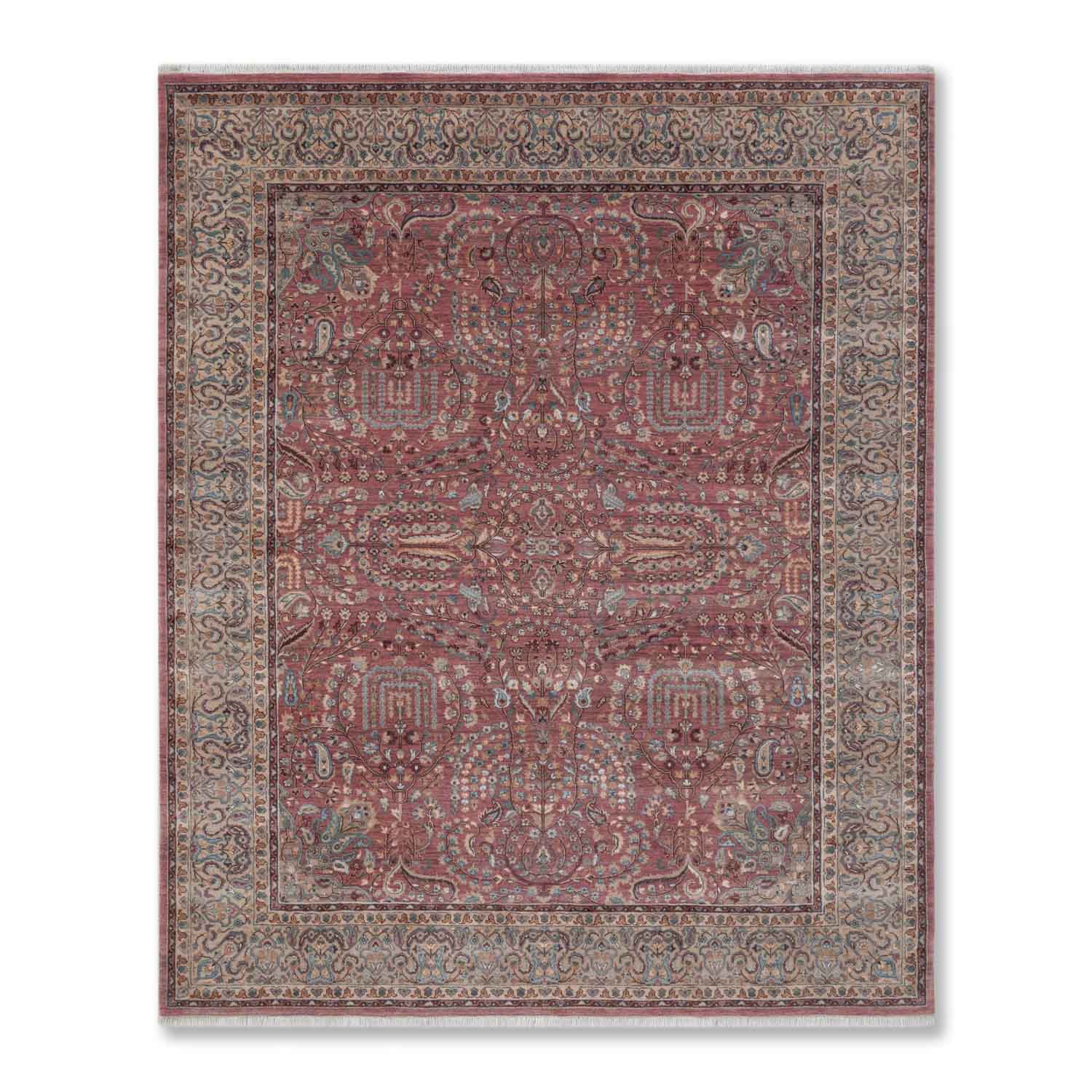
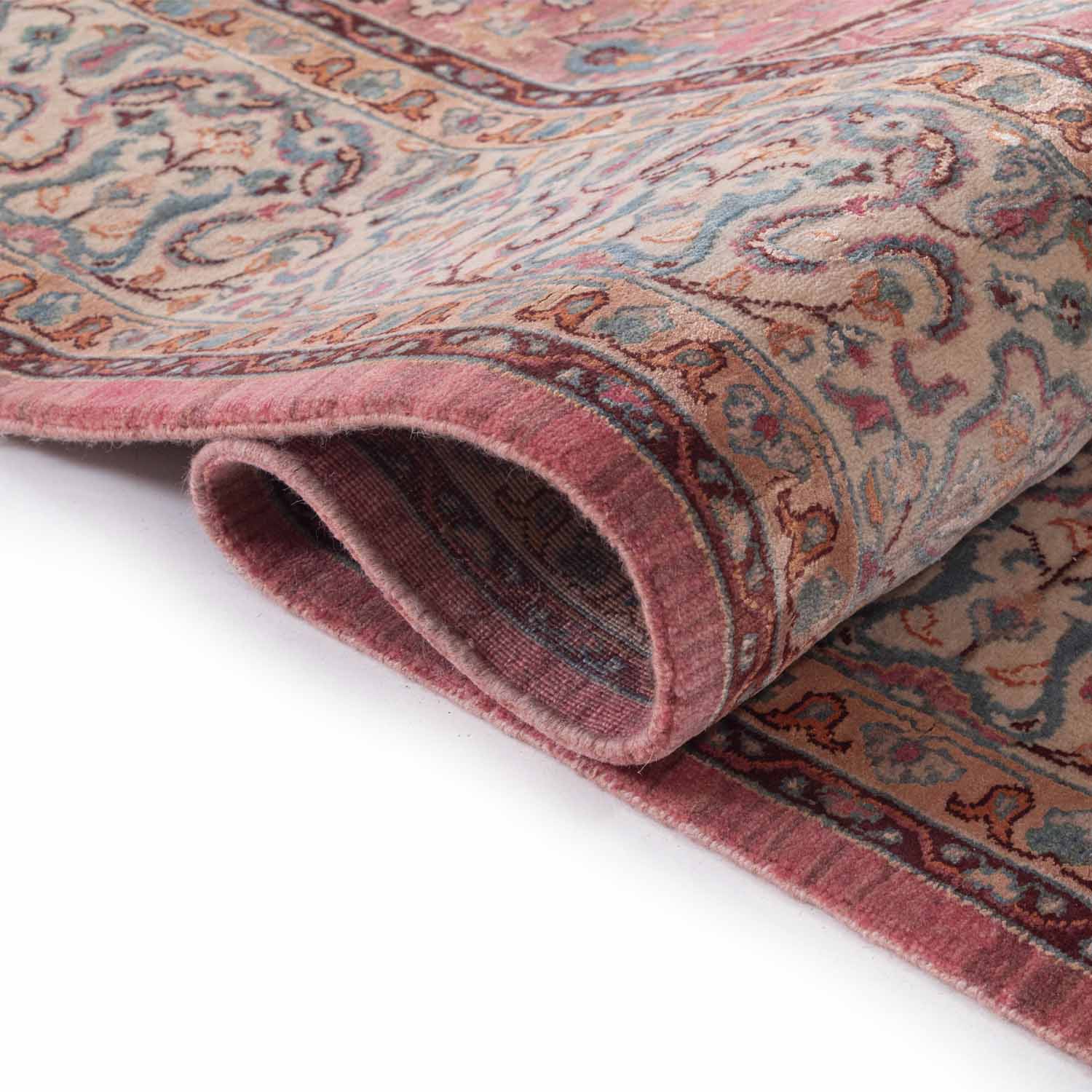
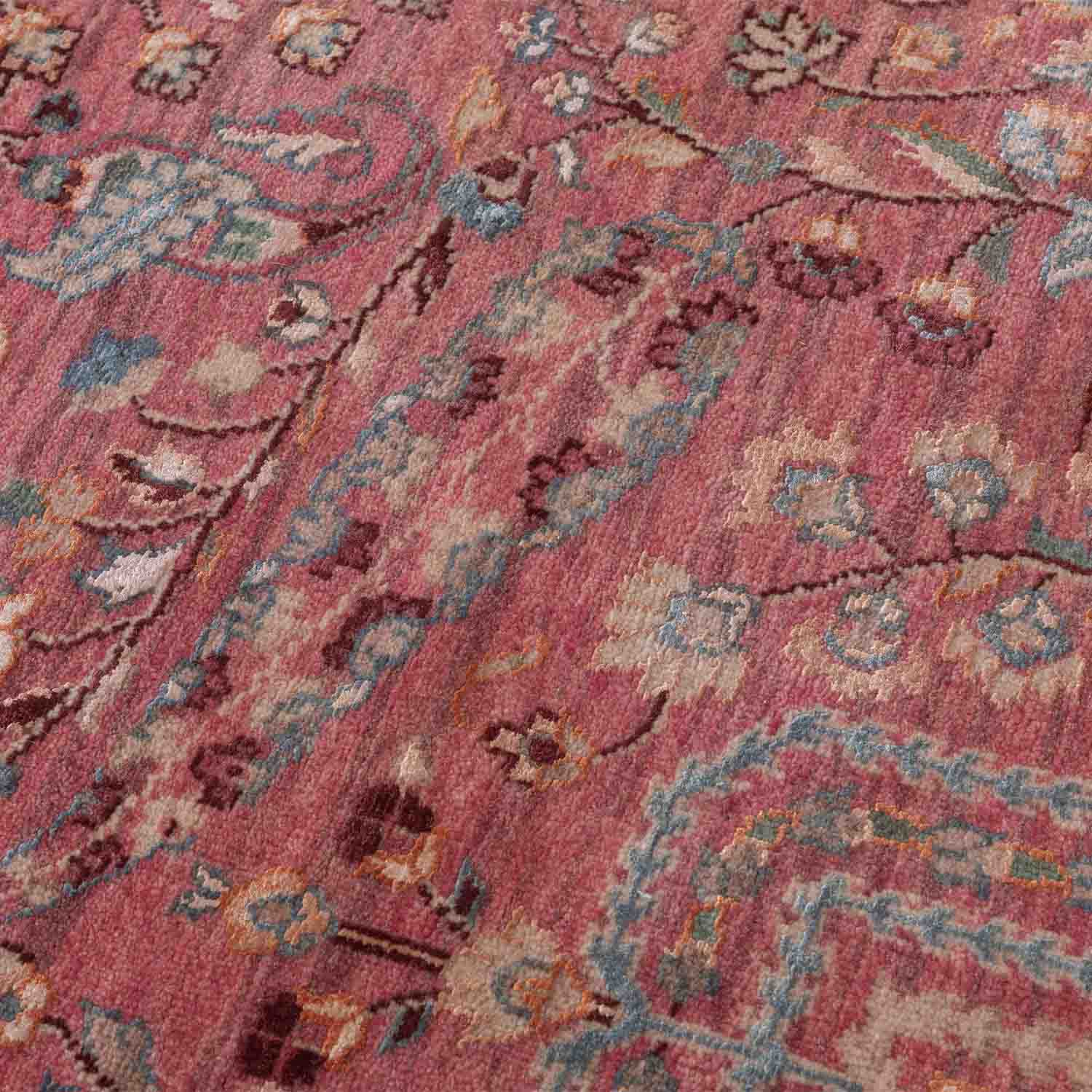
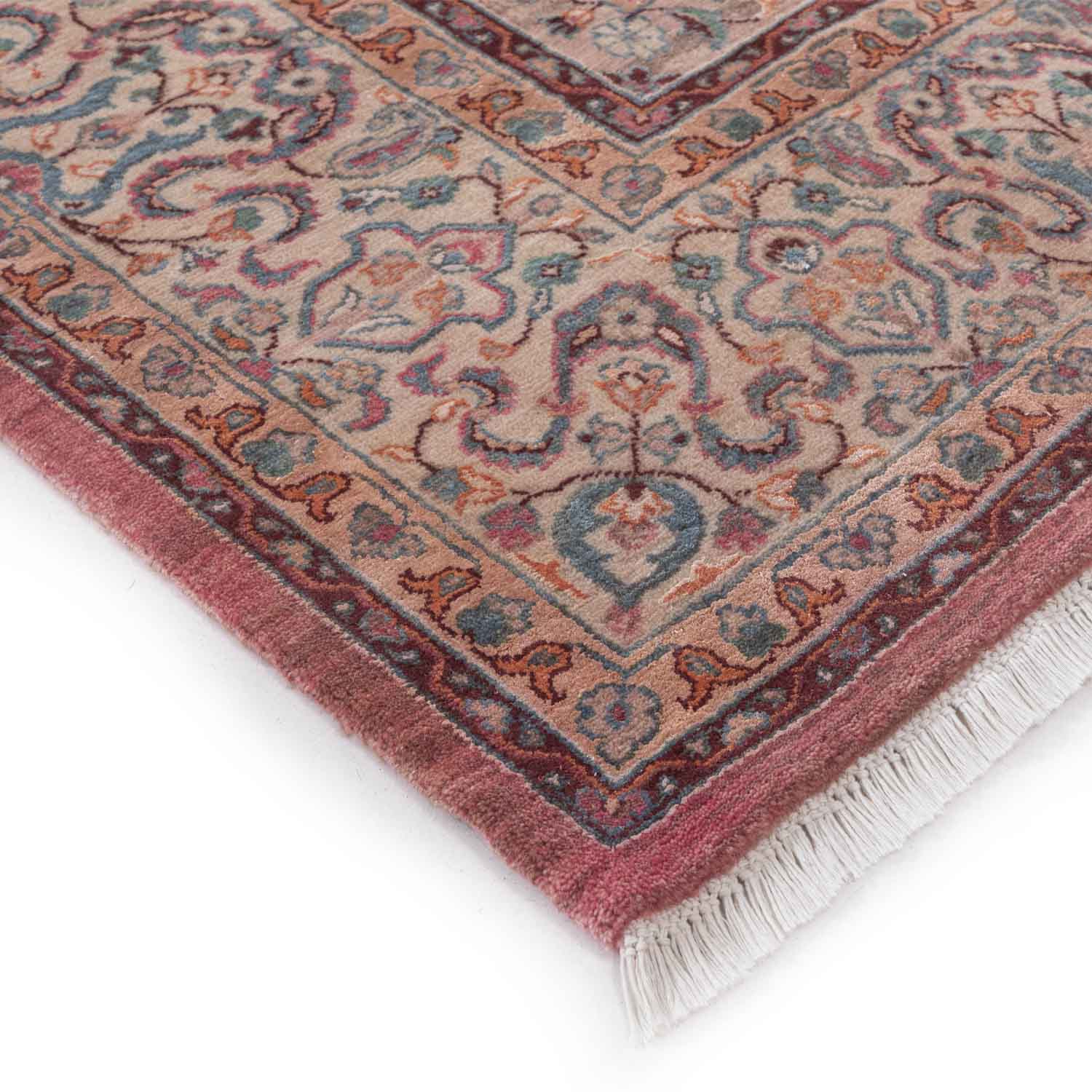
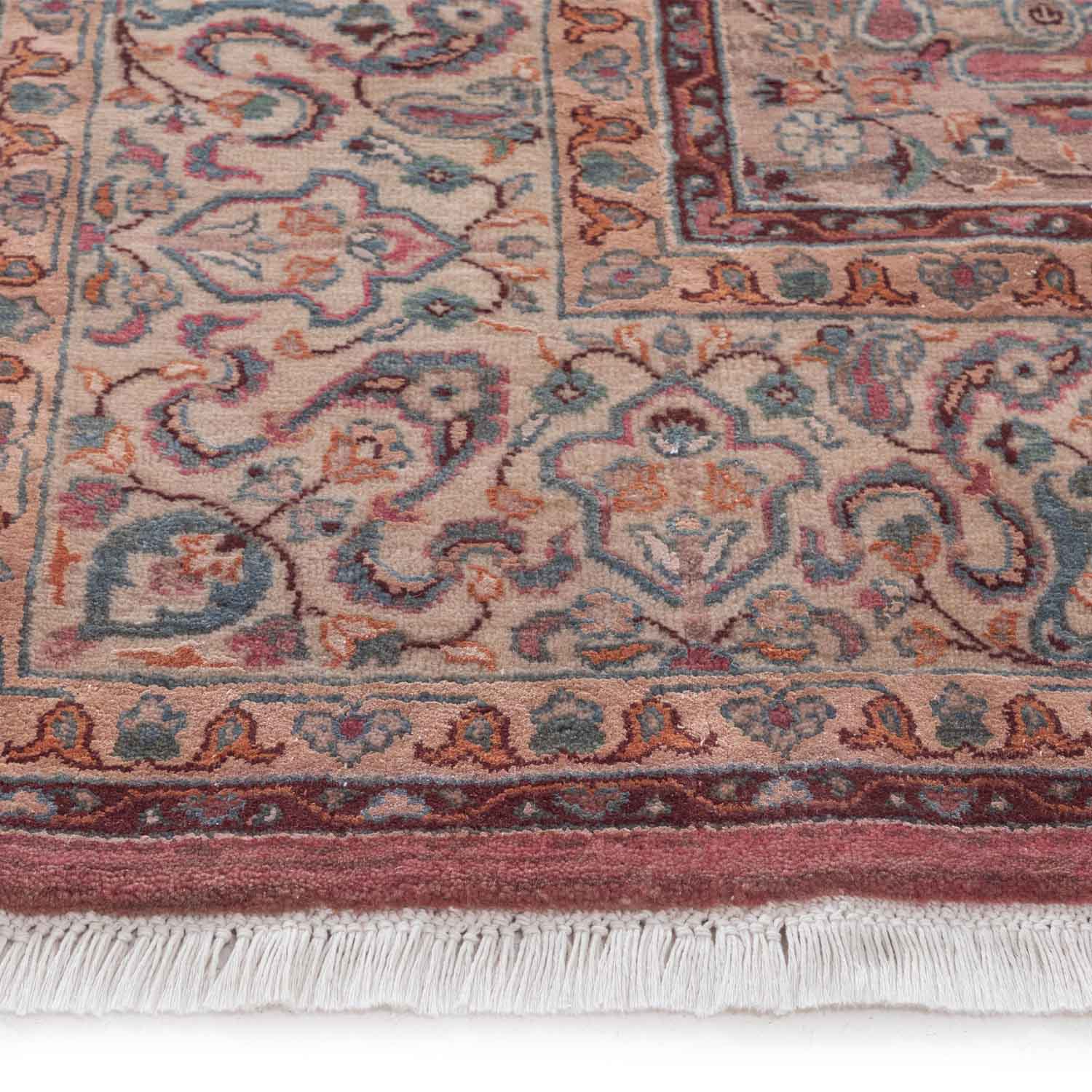
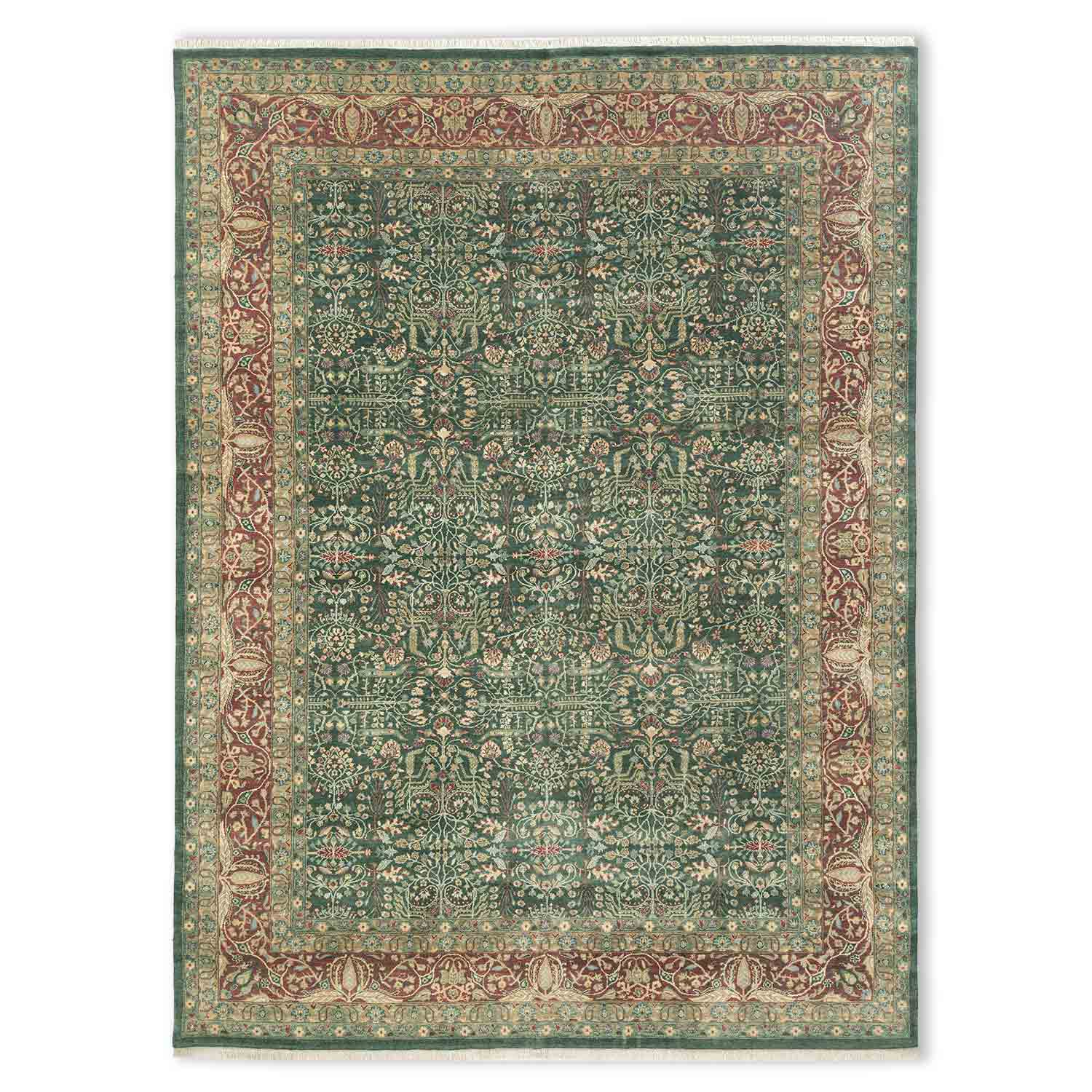
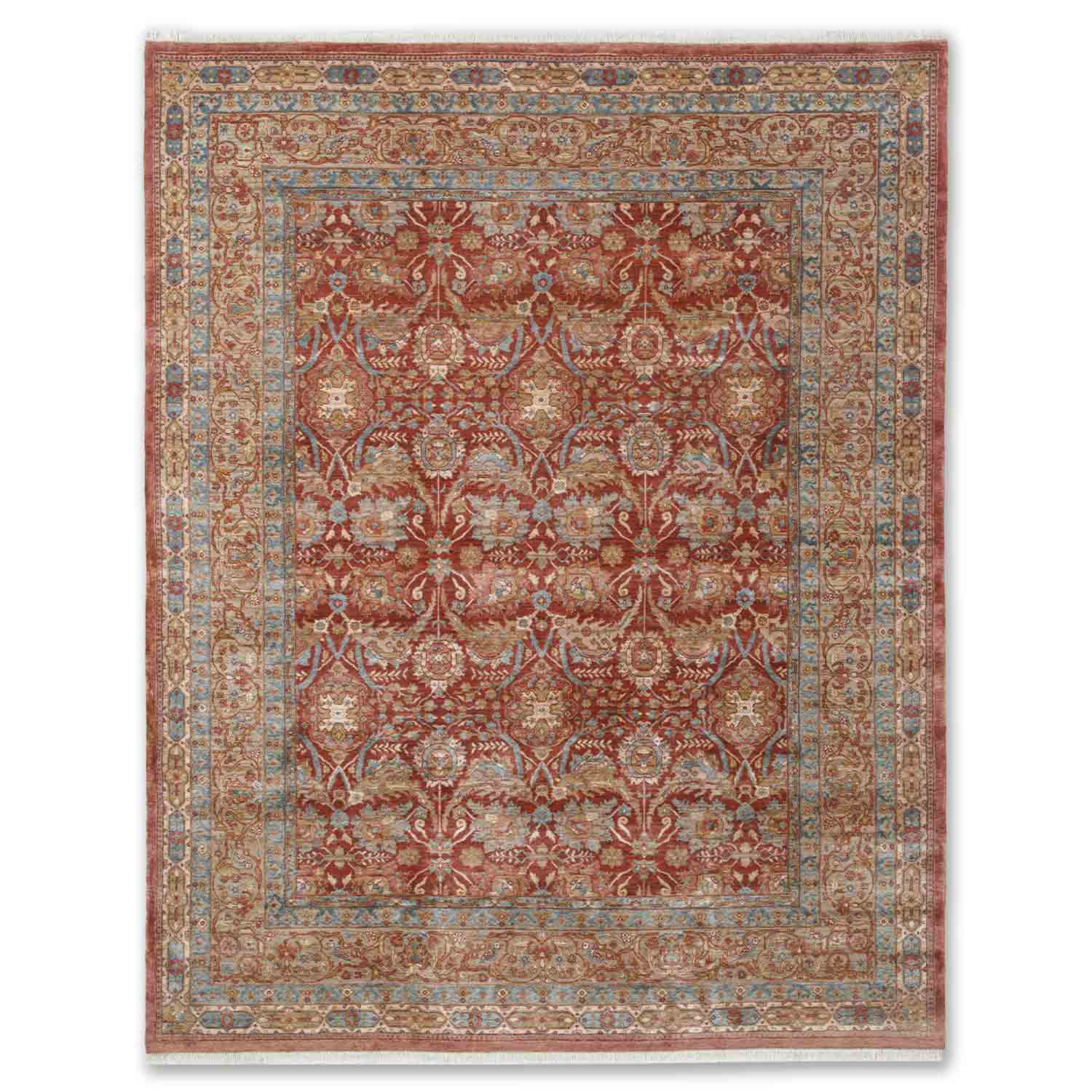
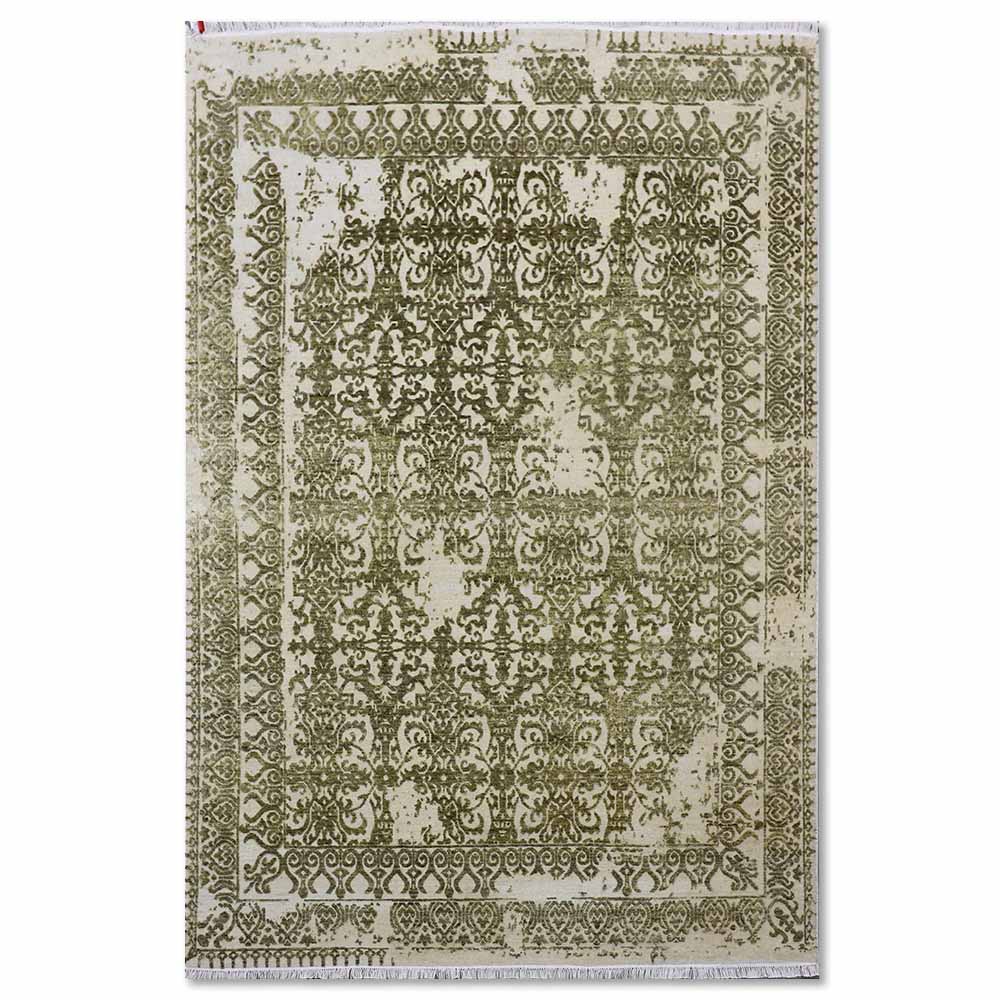
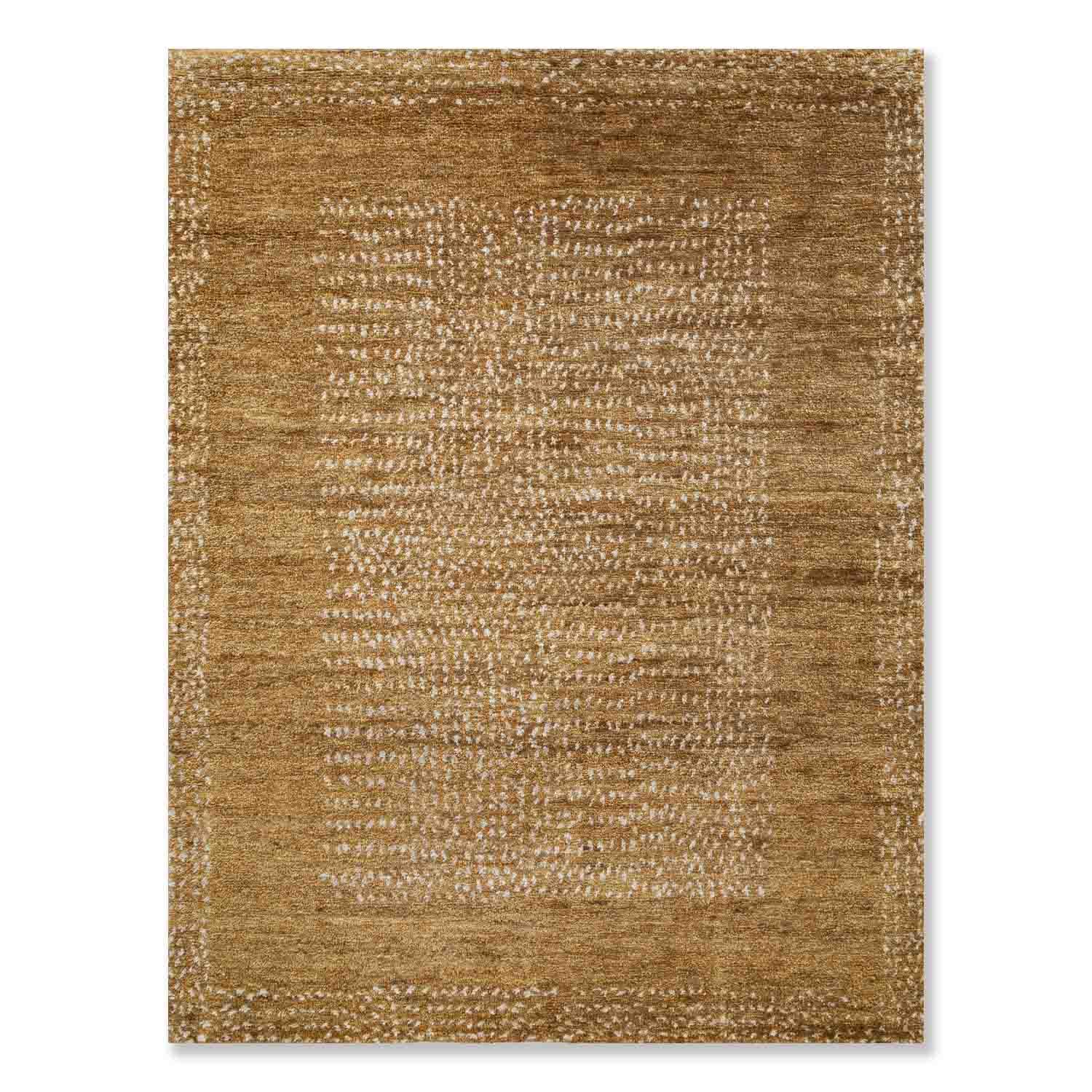
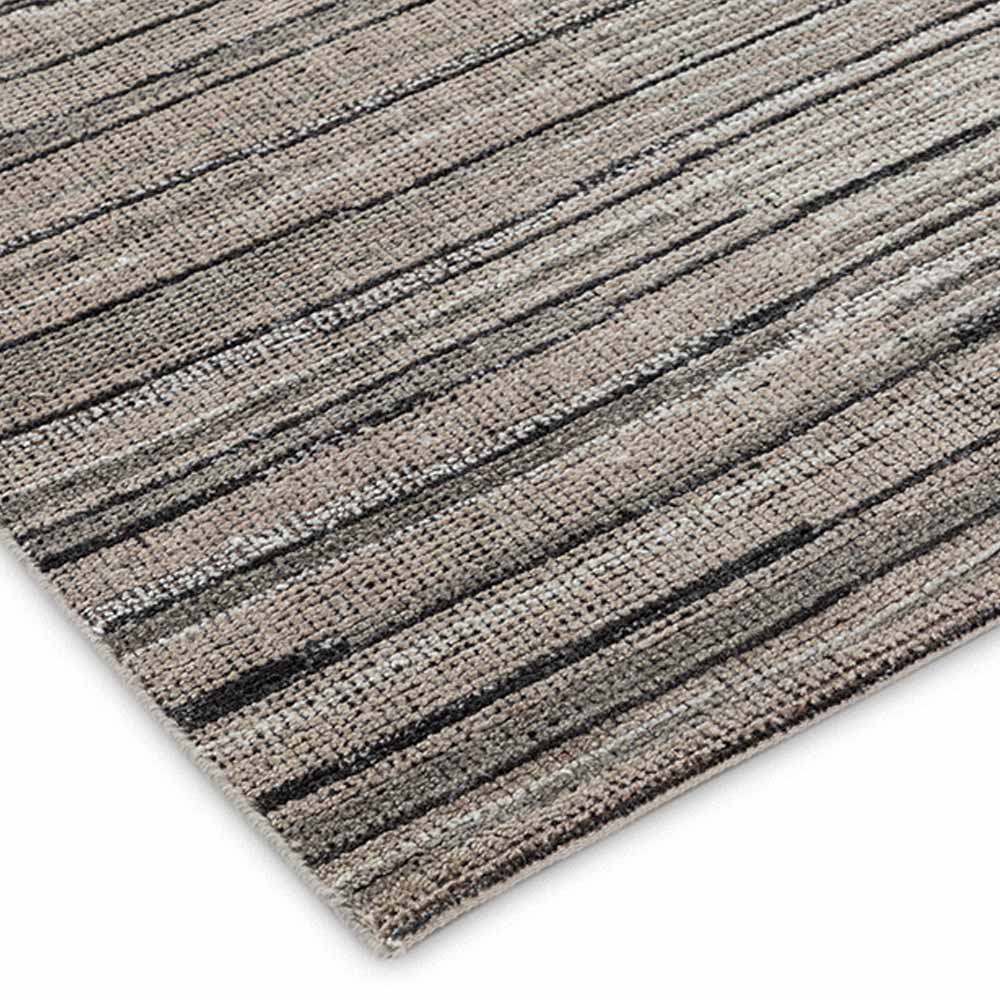
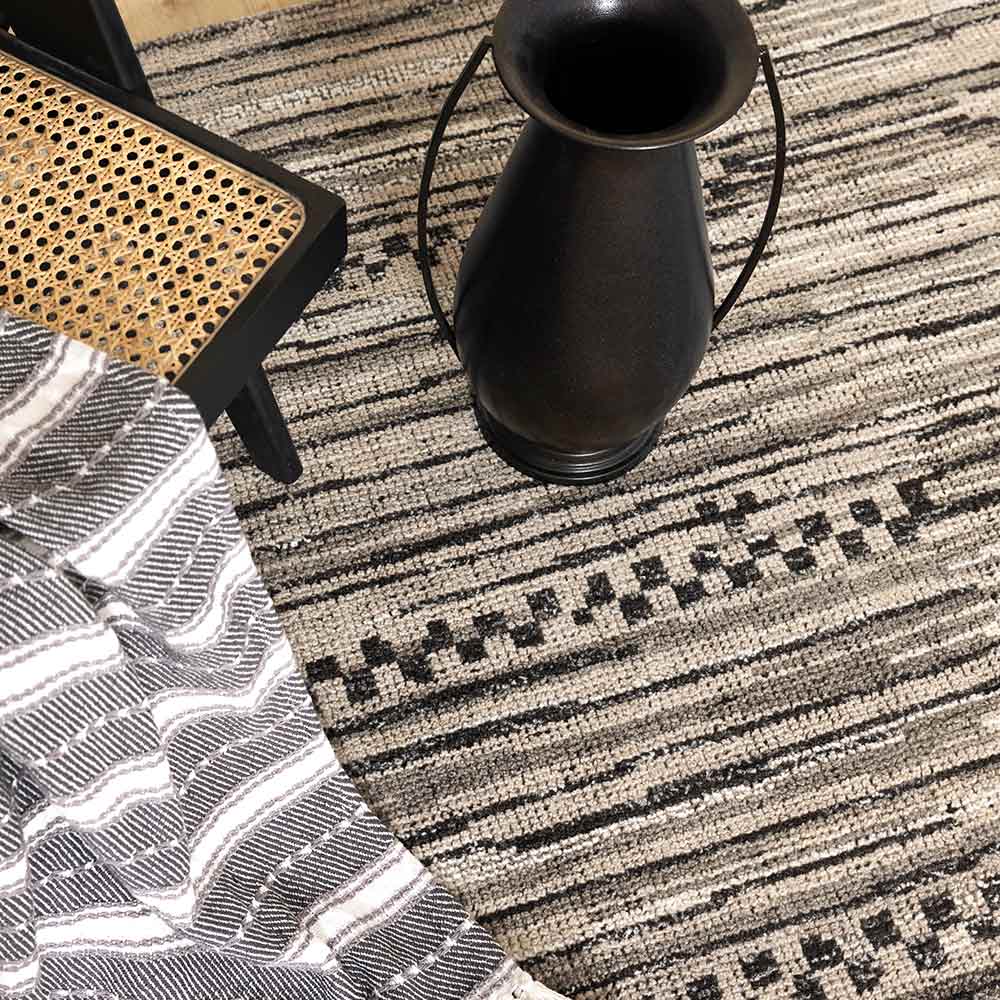
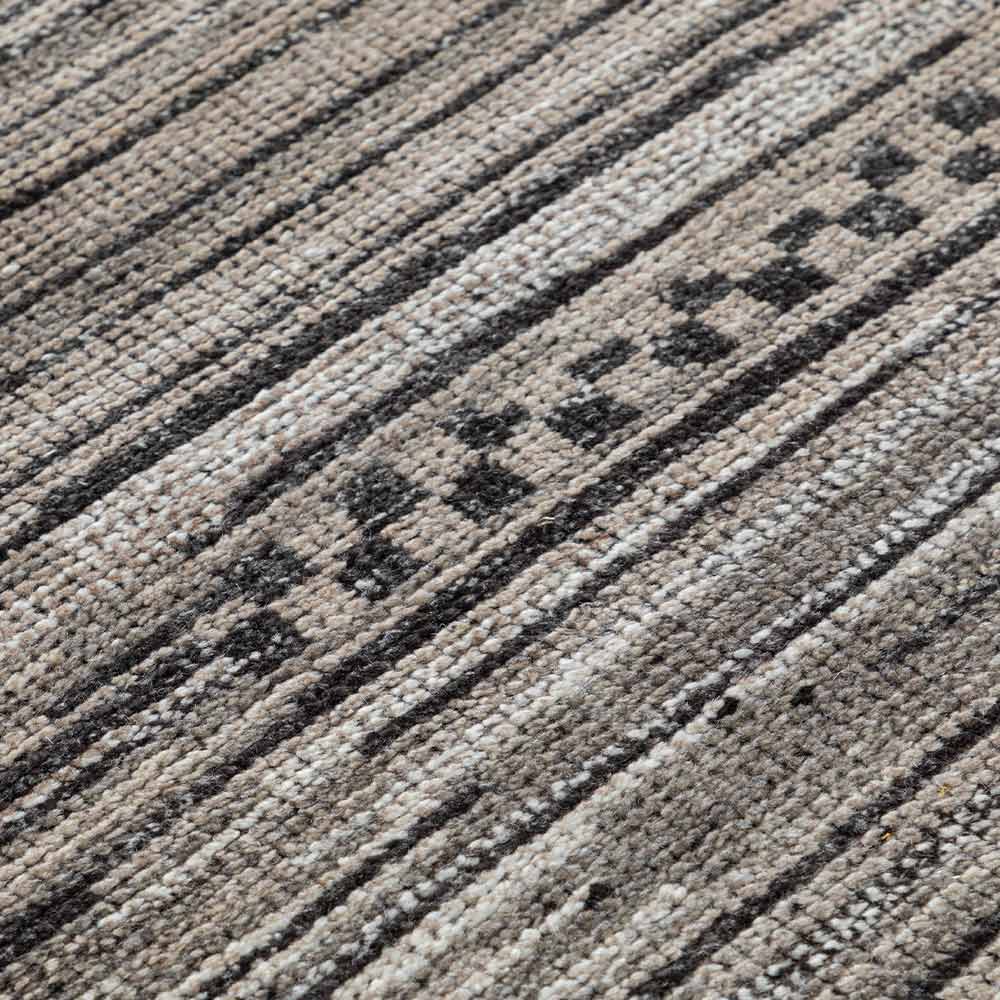
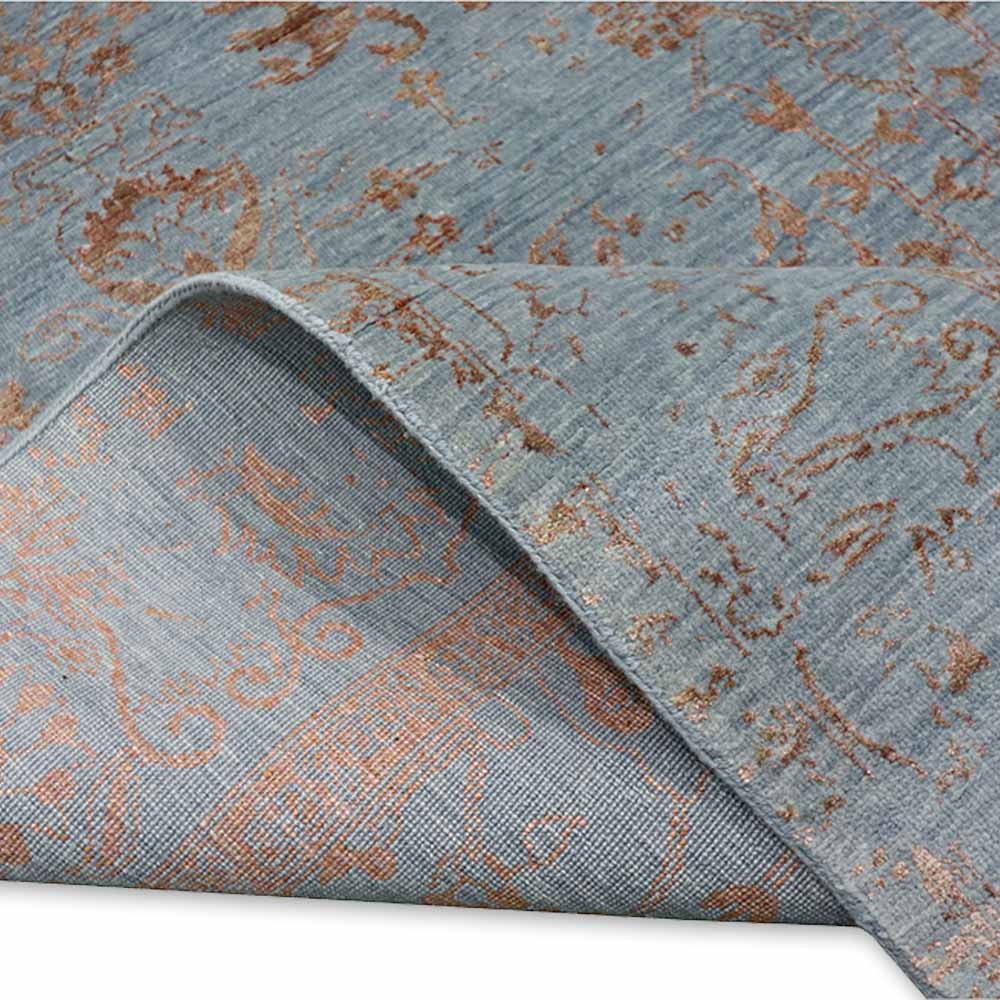
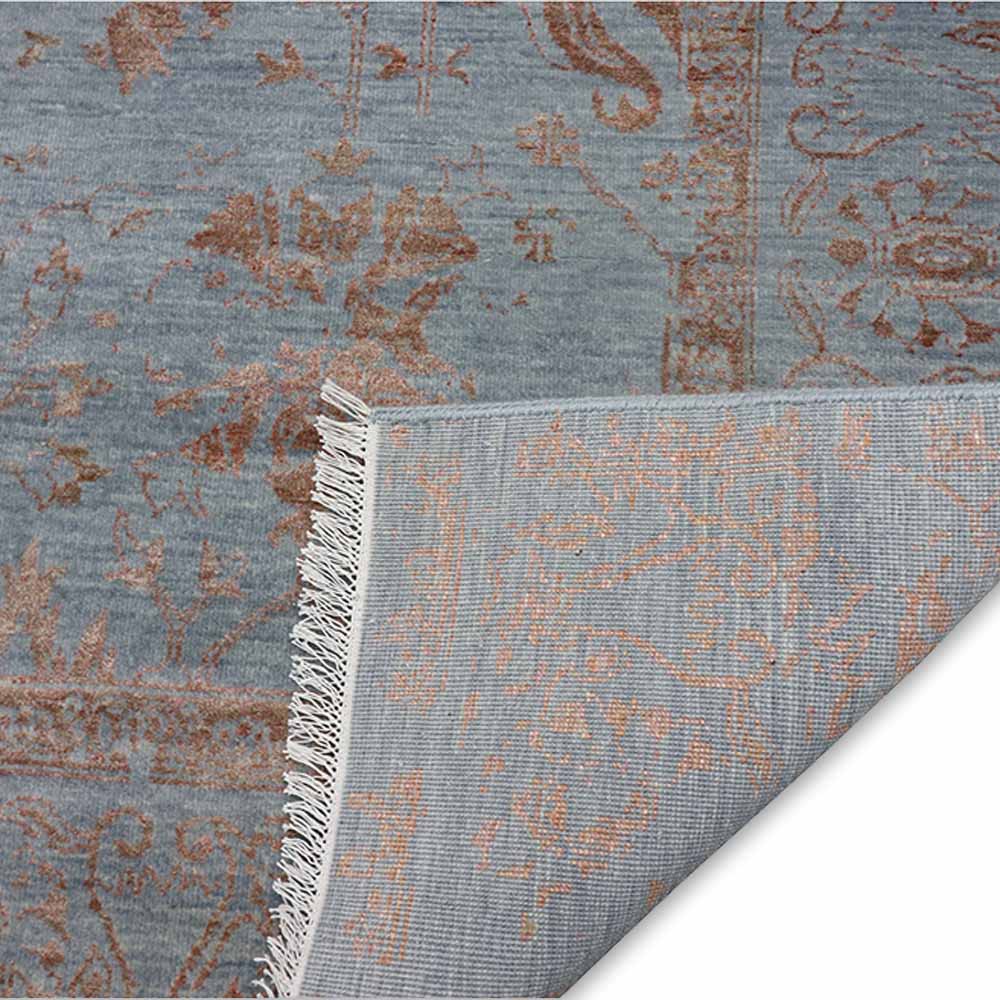
Hand-Knotted Rugs
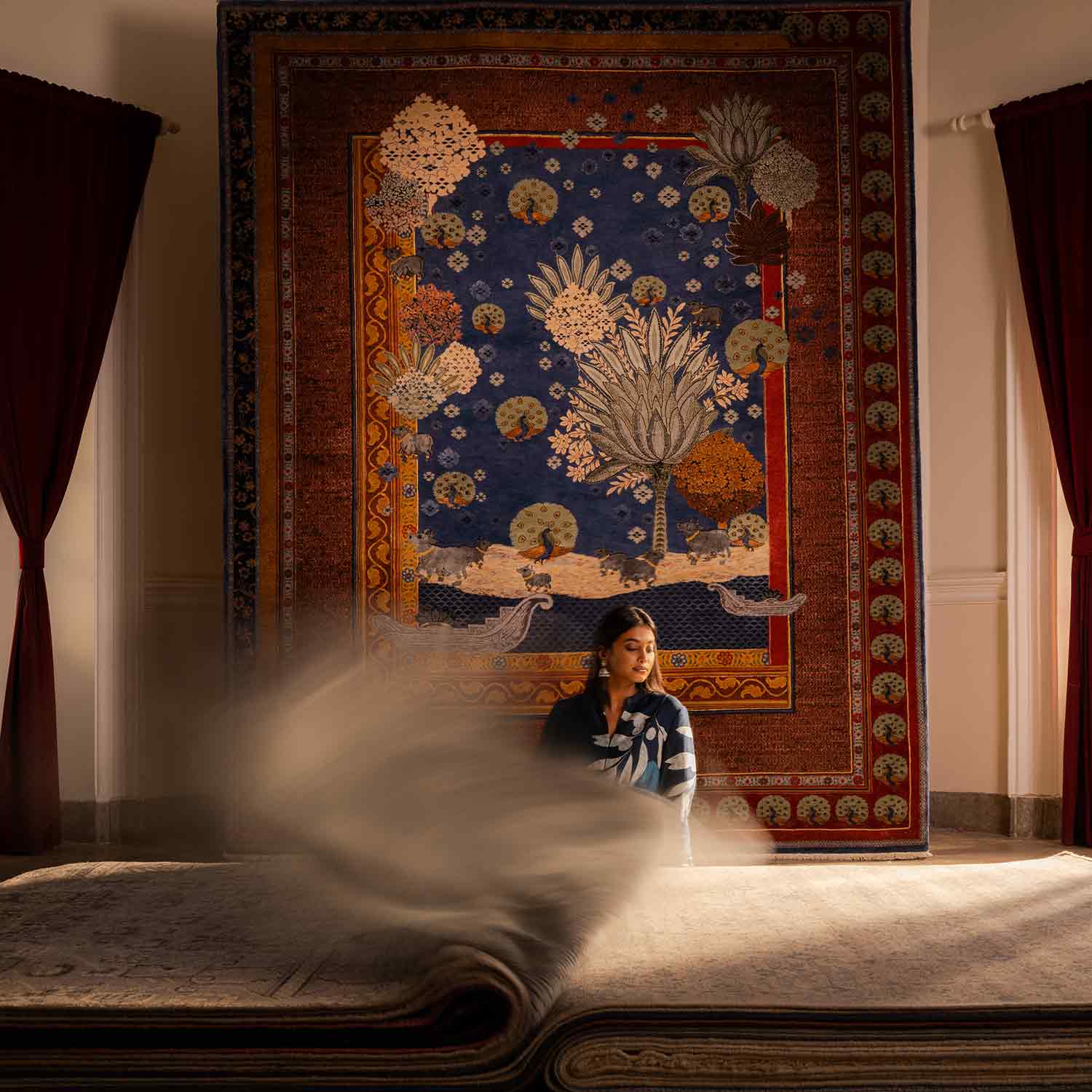
A hand-knotted rug is not made—it is built, knot by knot, over time.
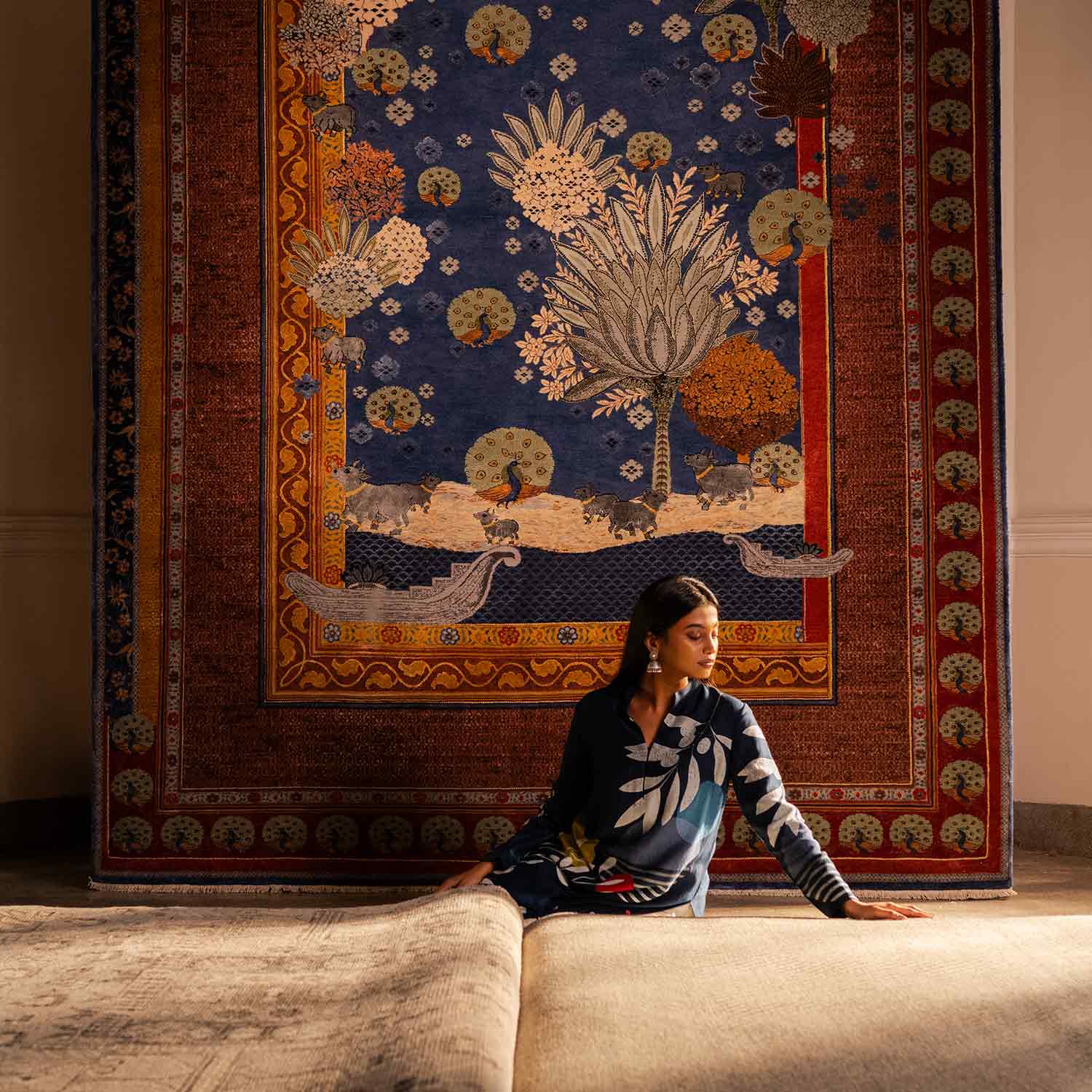
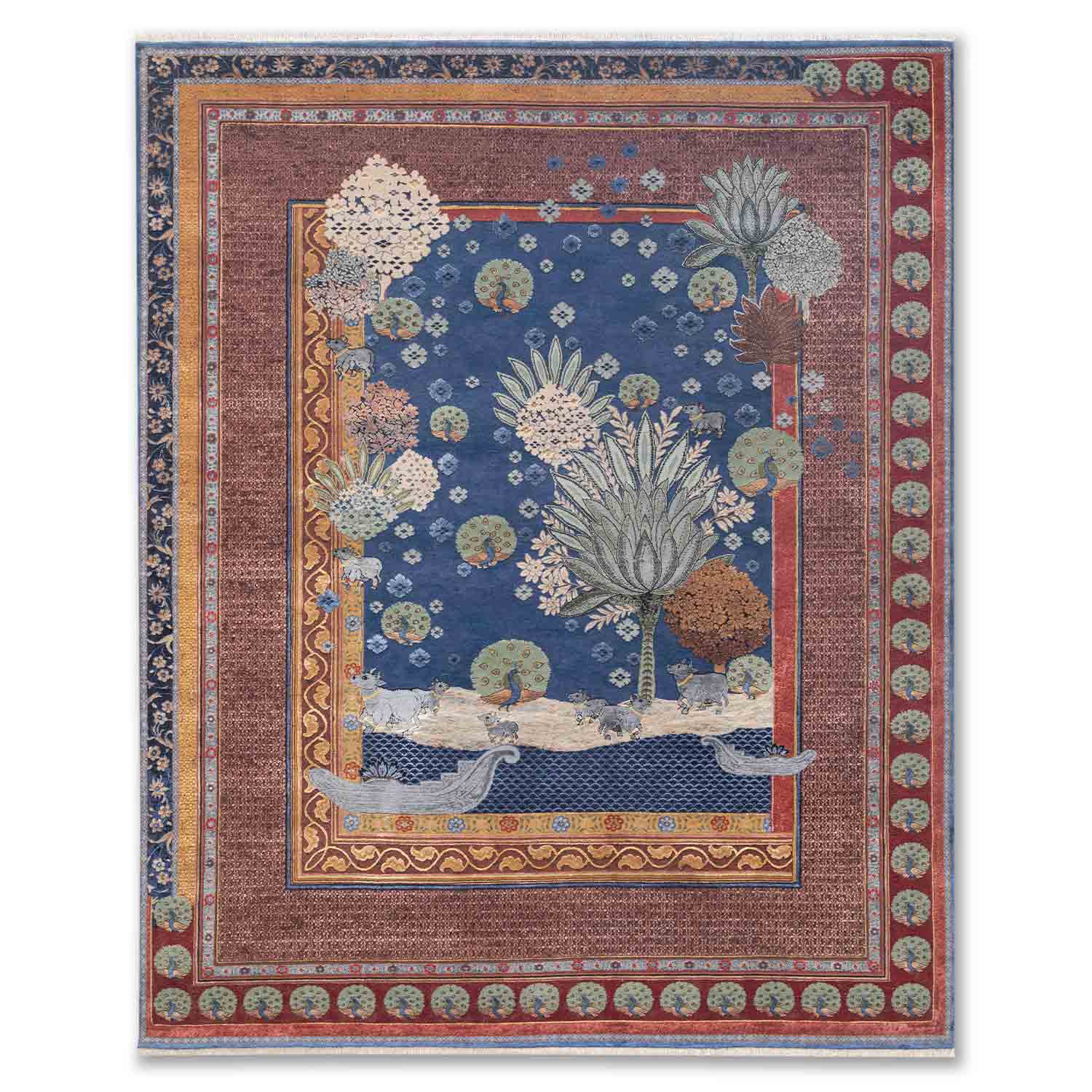
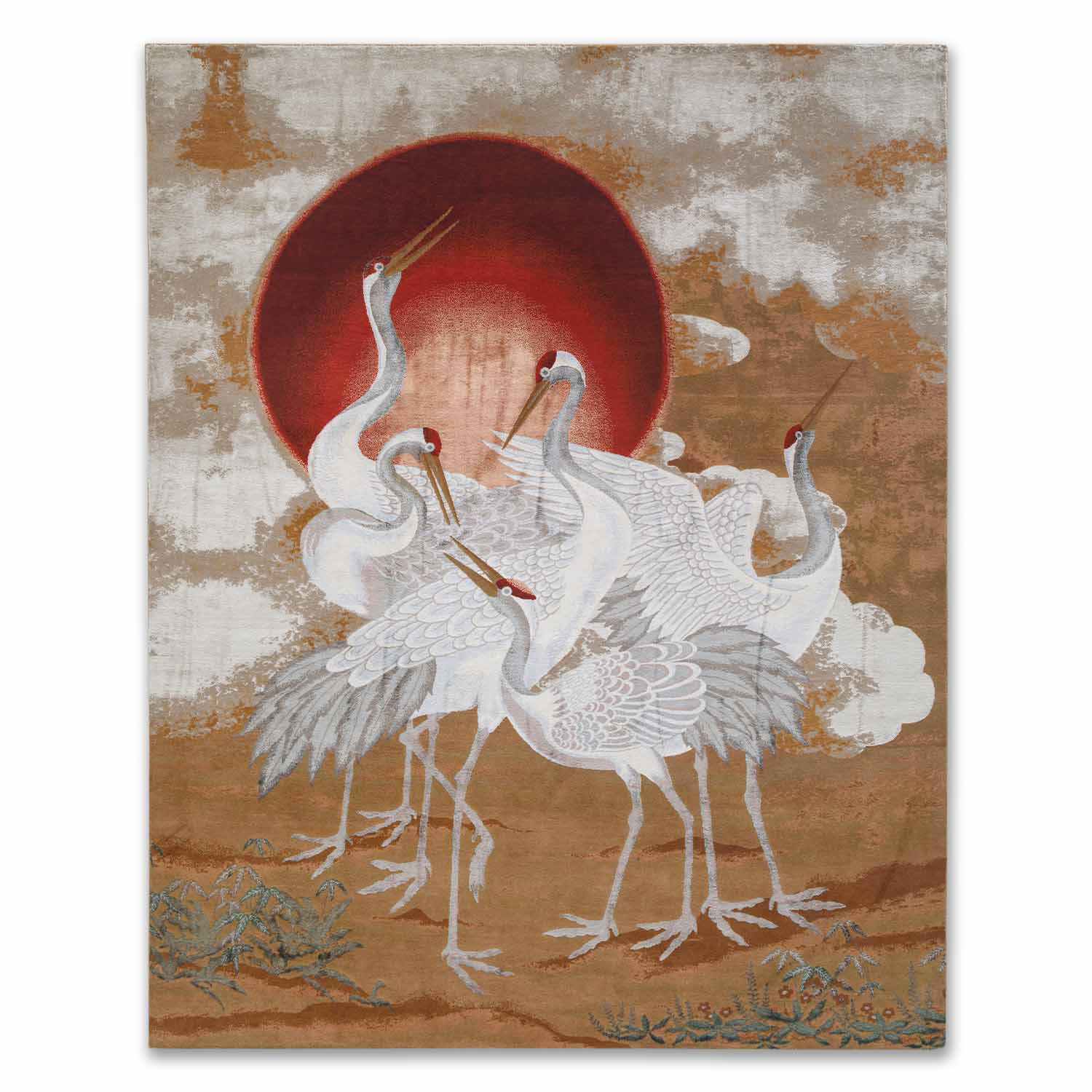
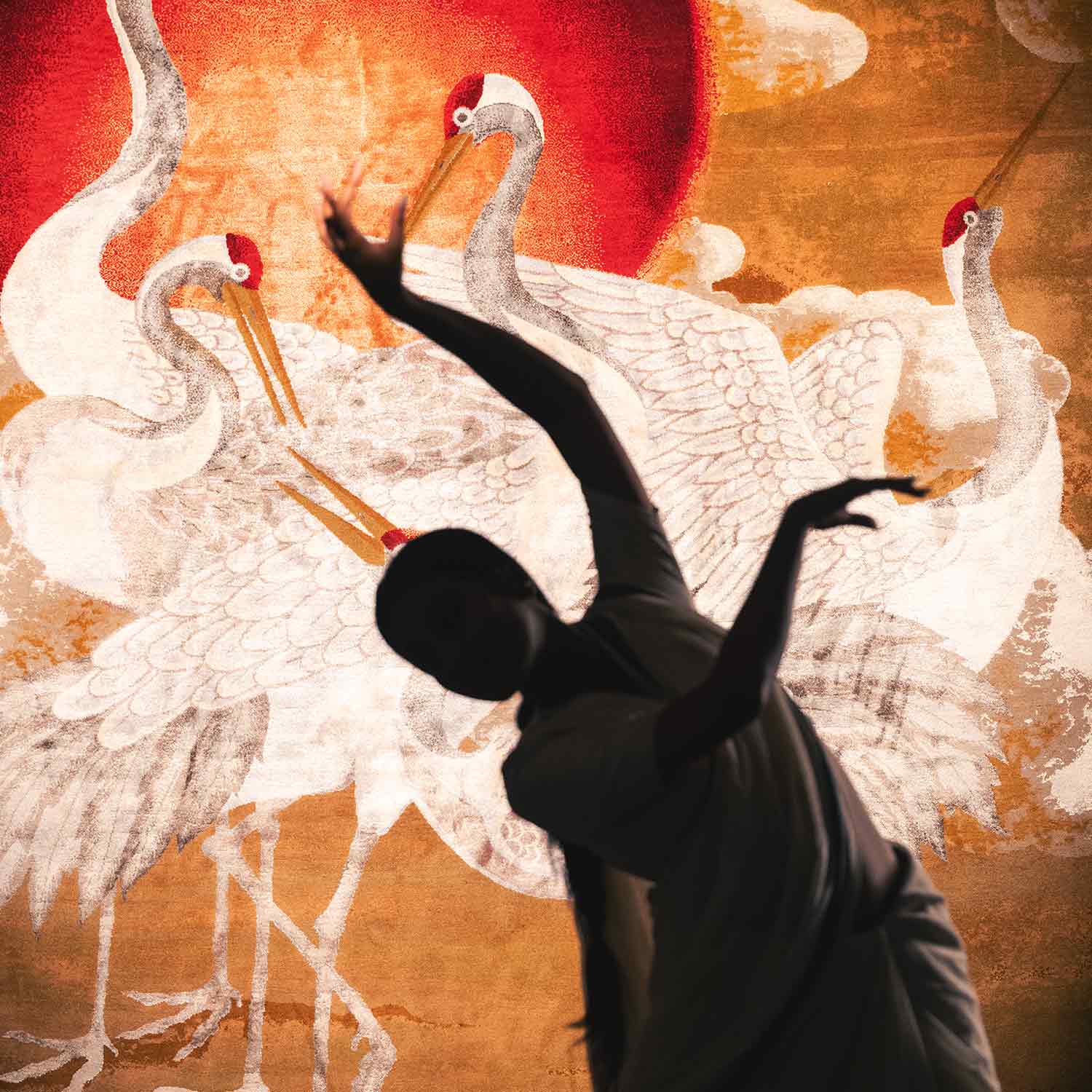
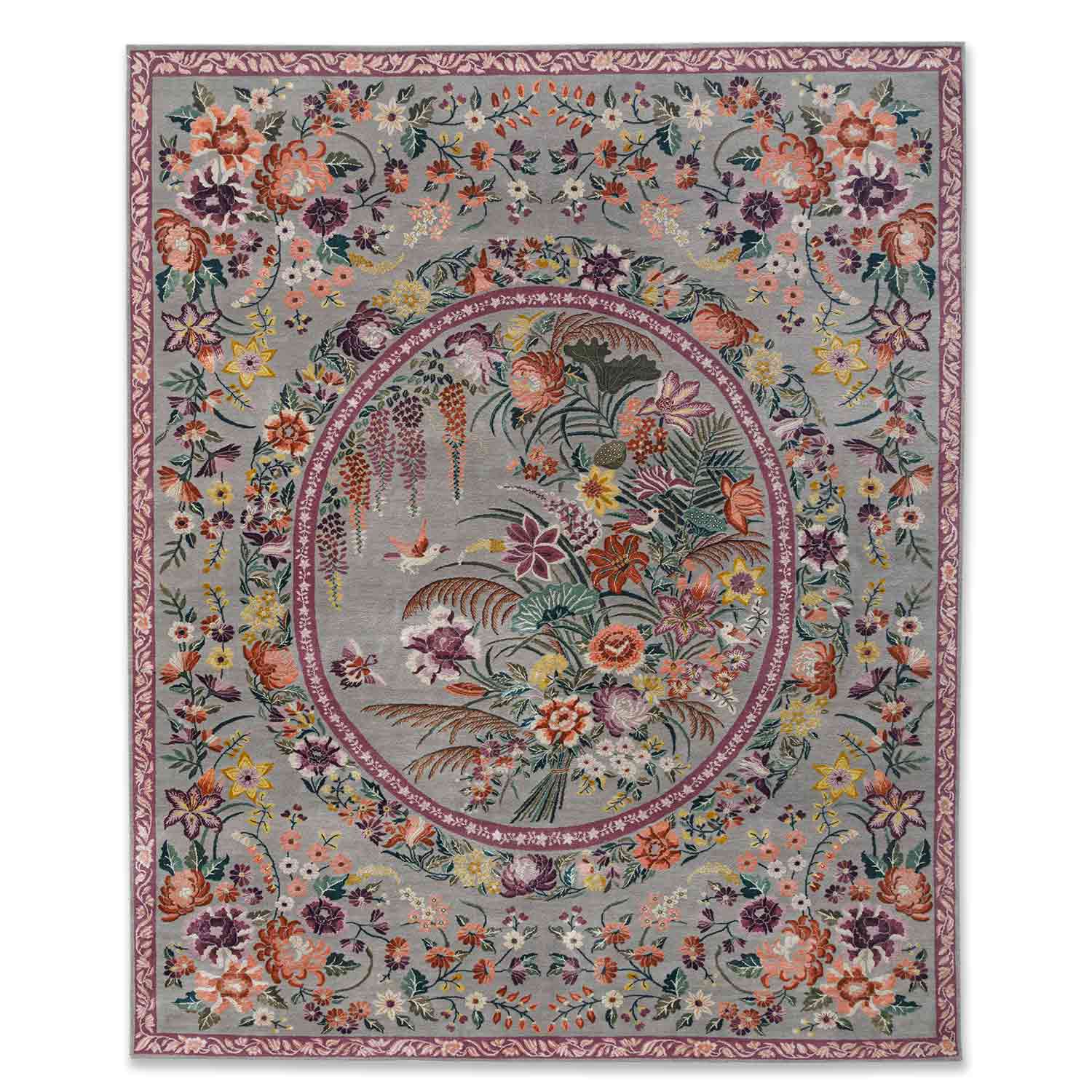
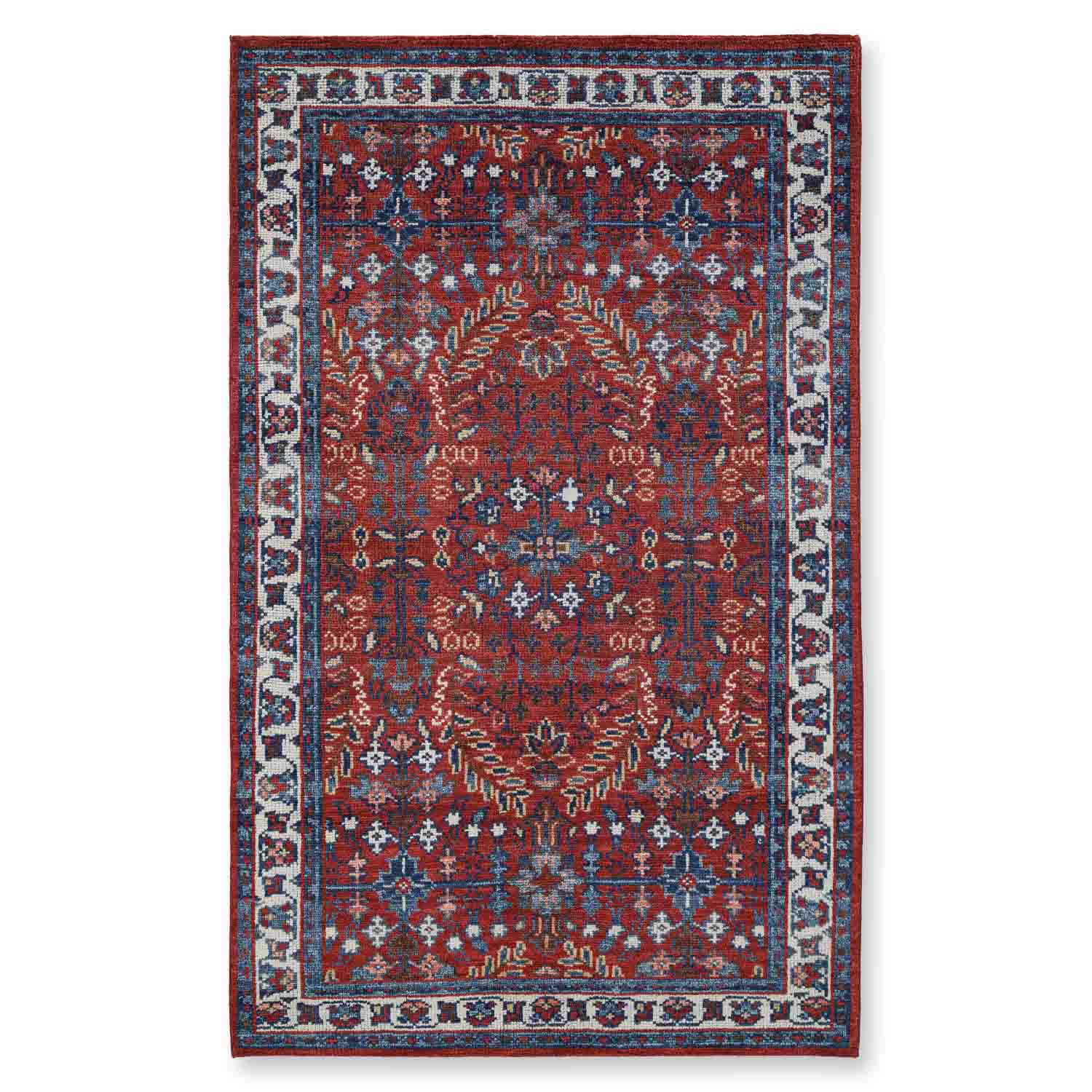
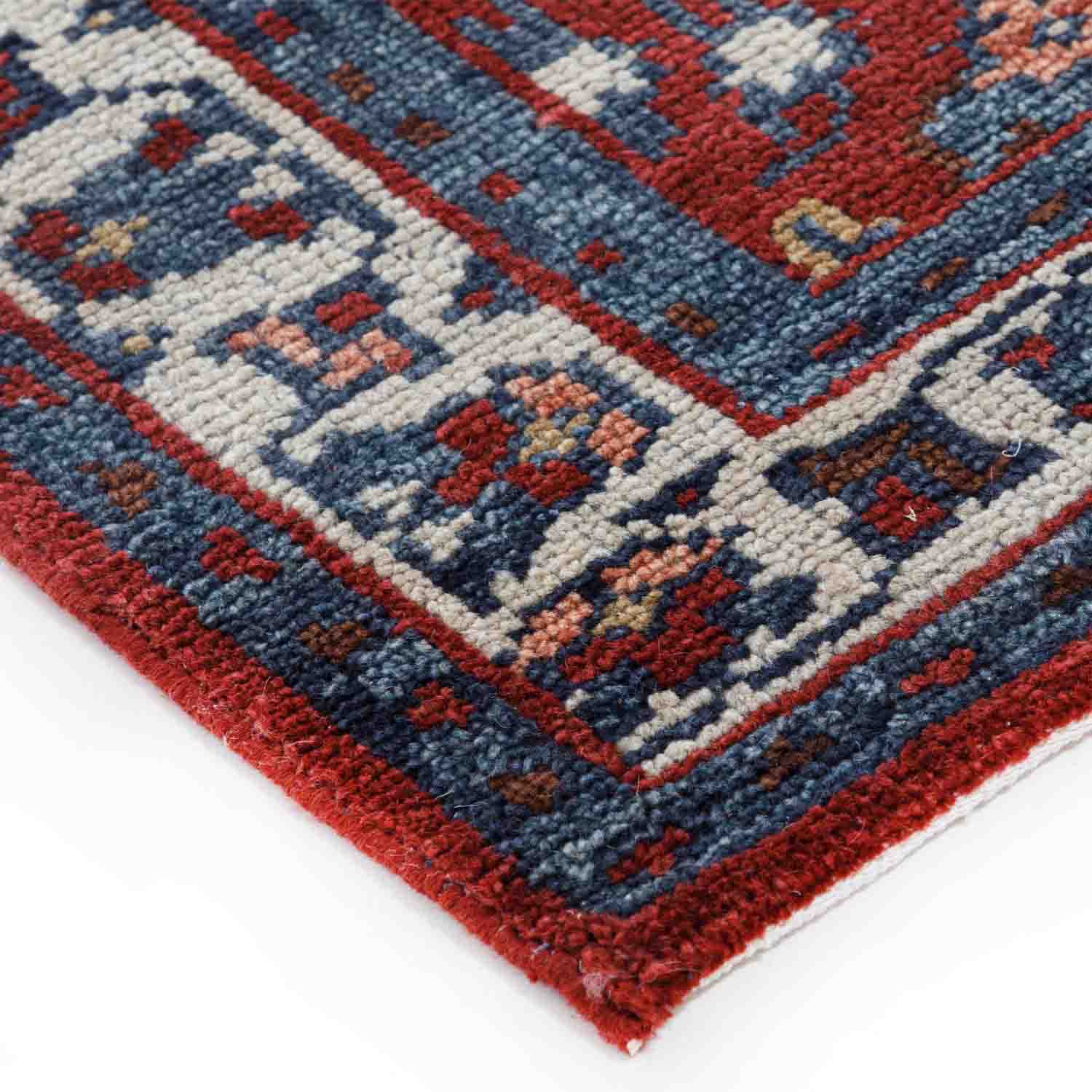
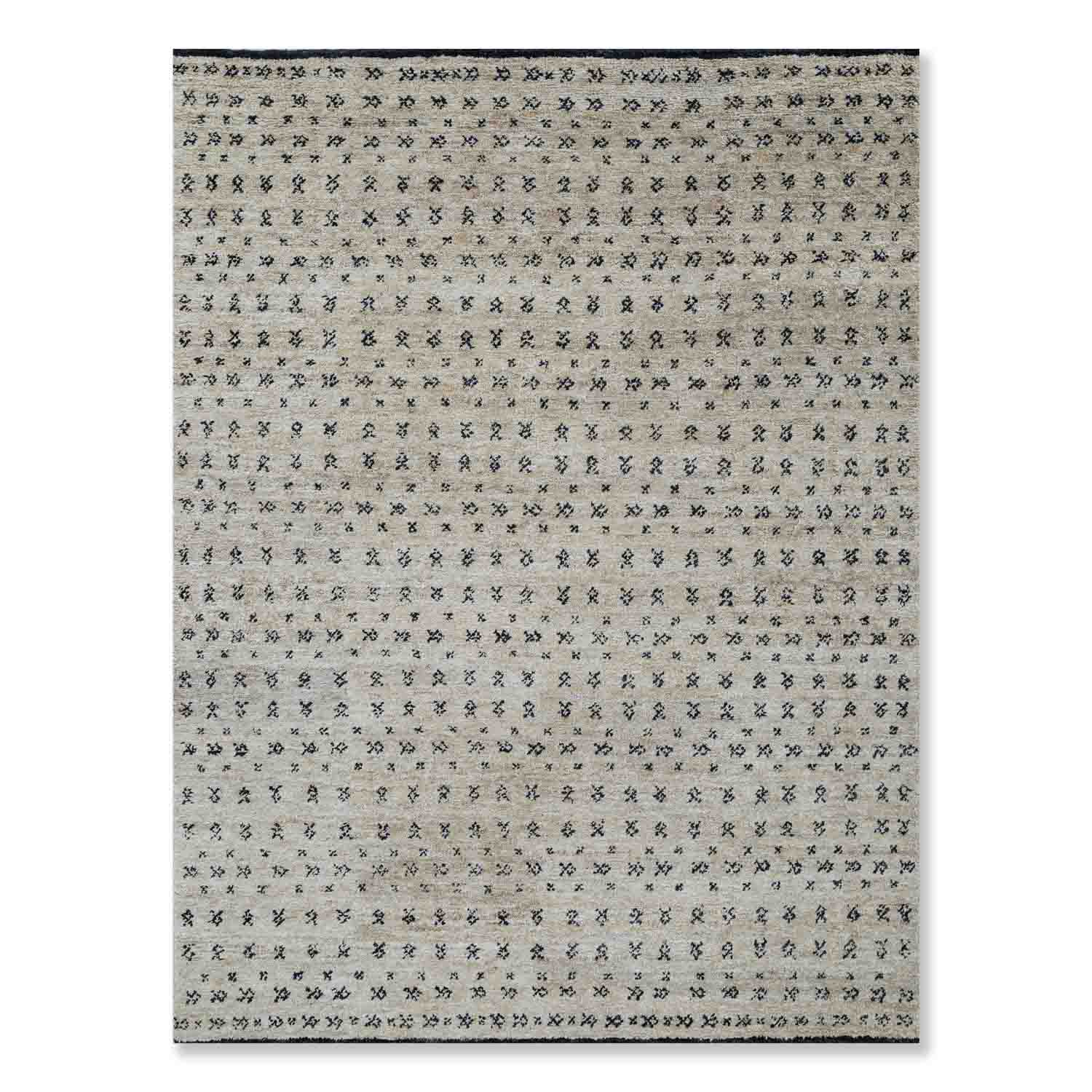
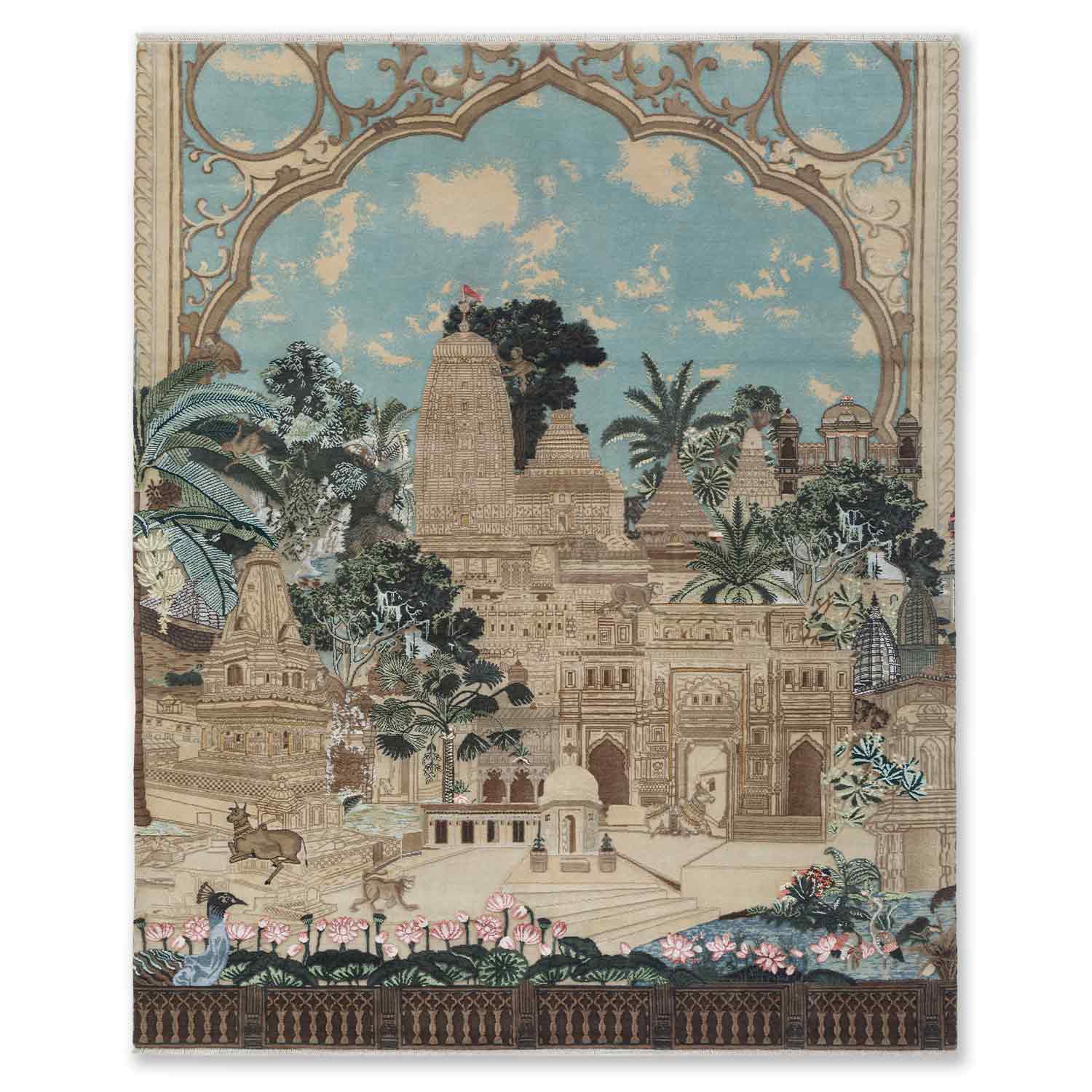
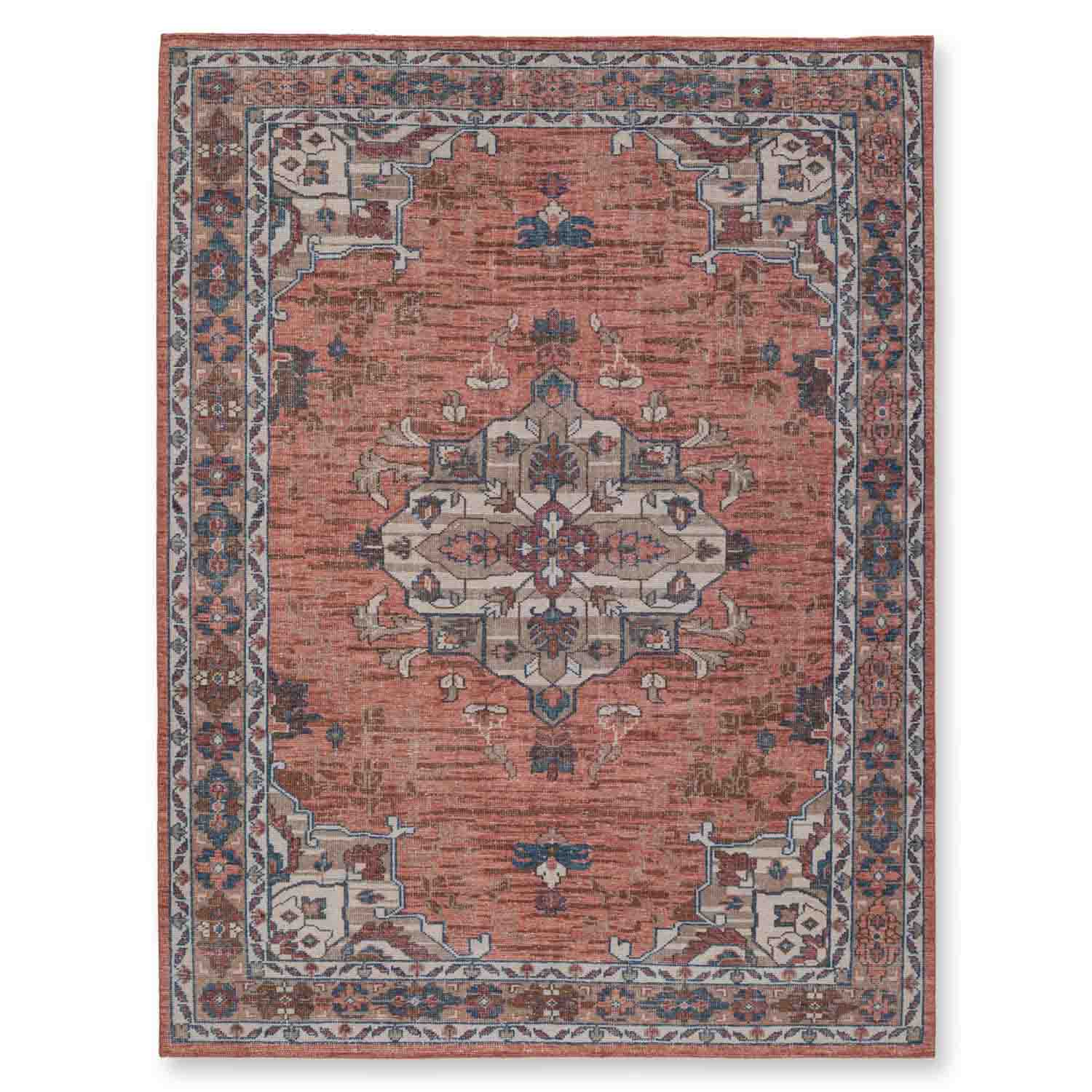
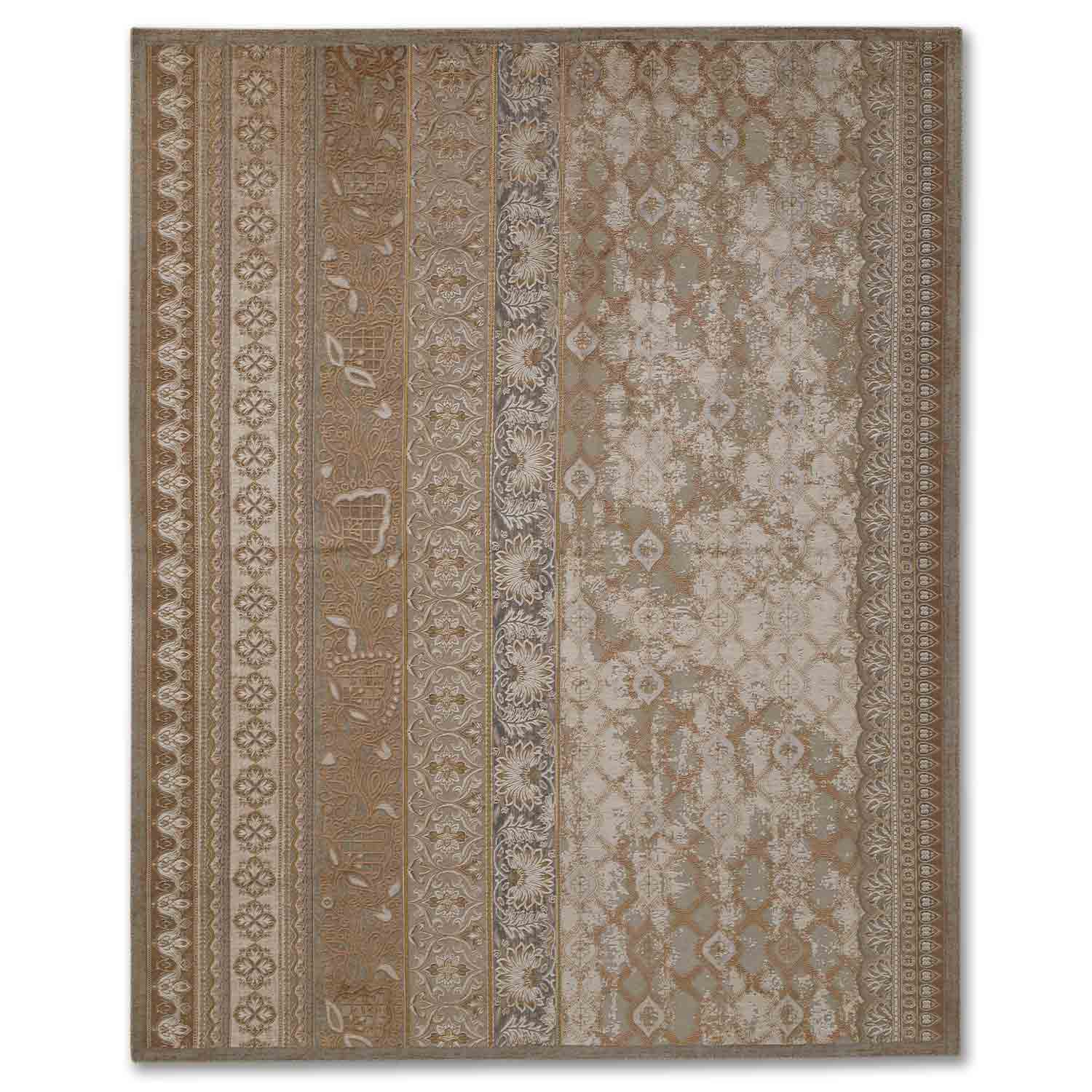
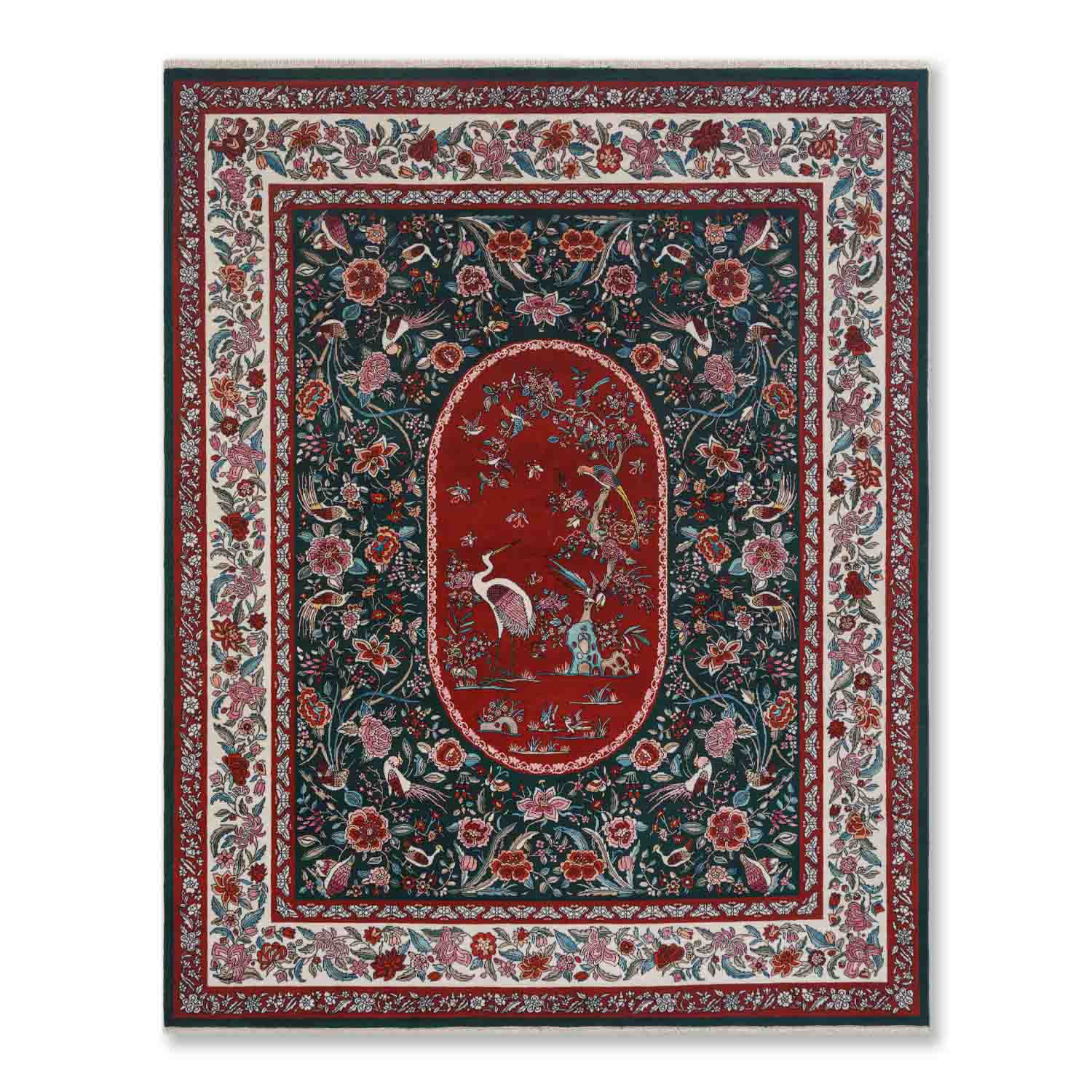
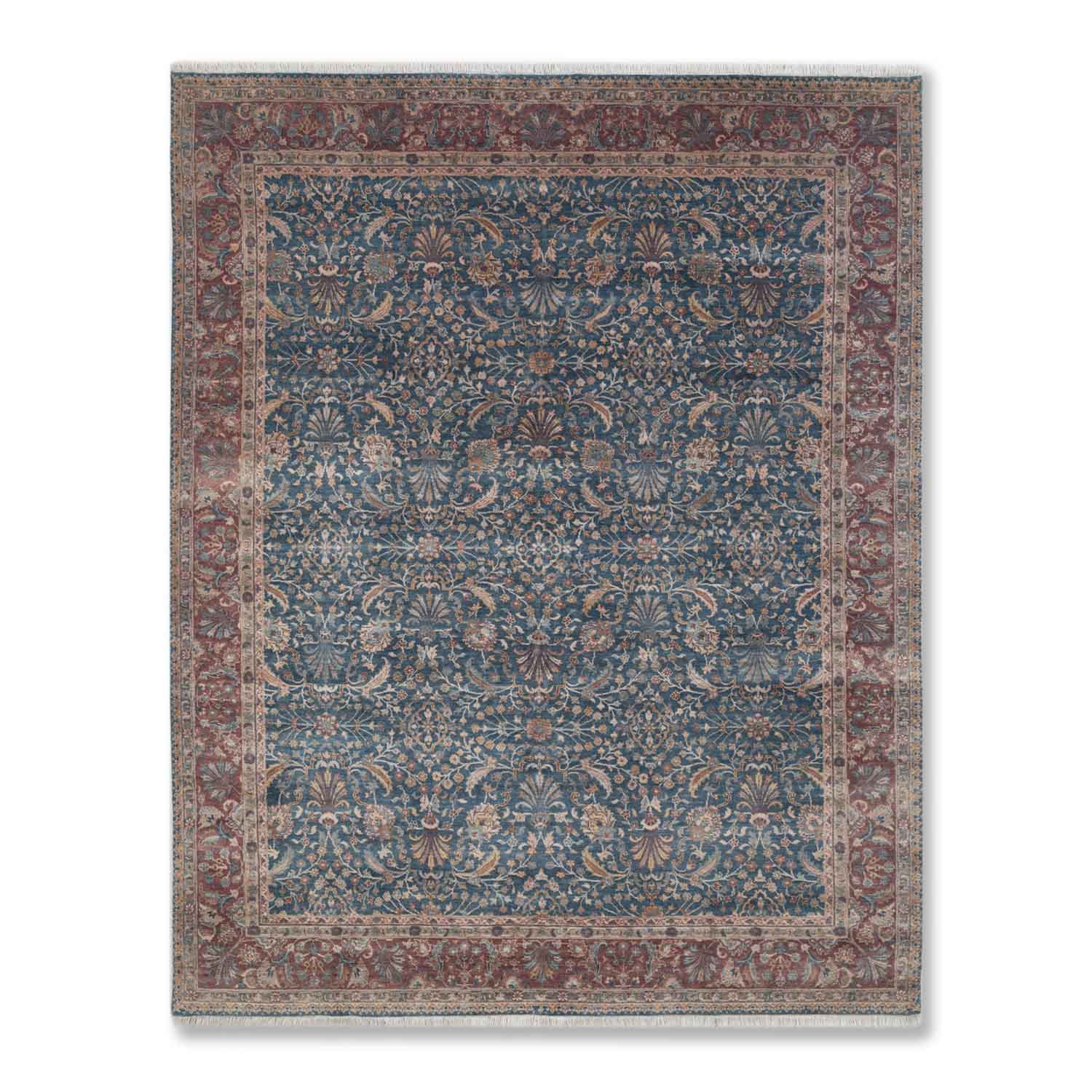
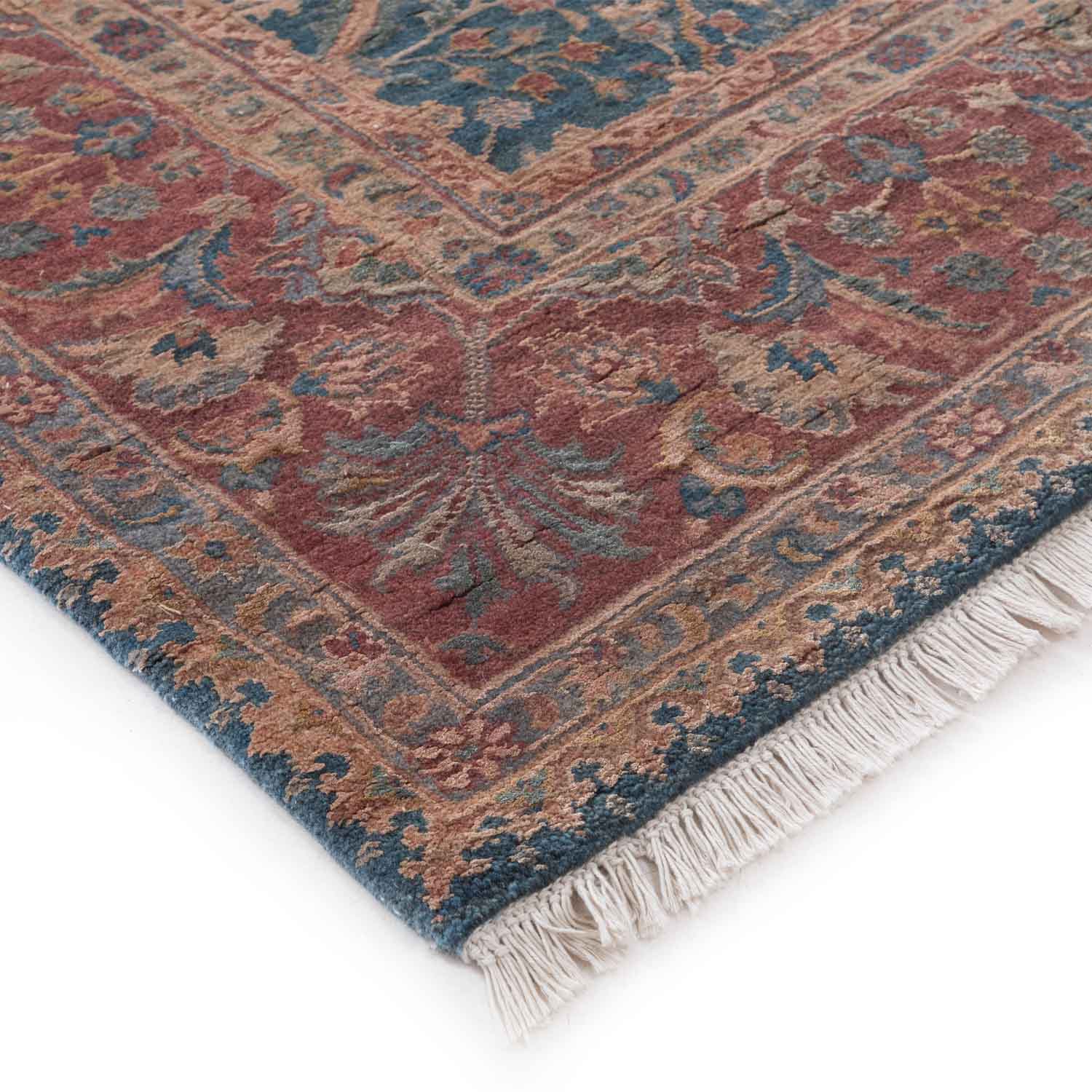
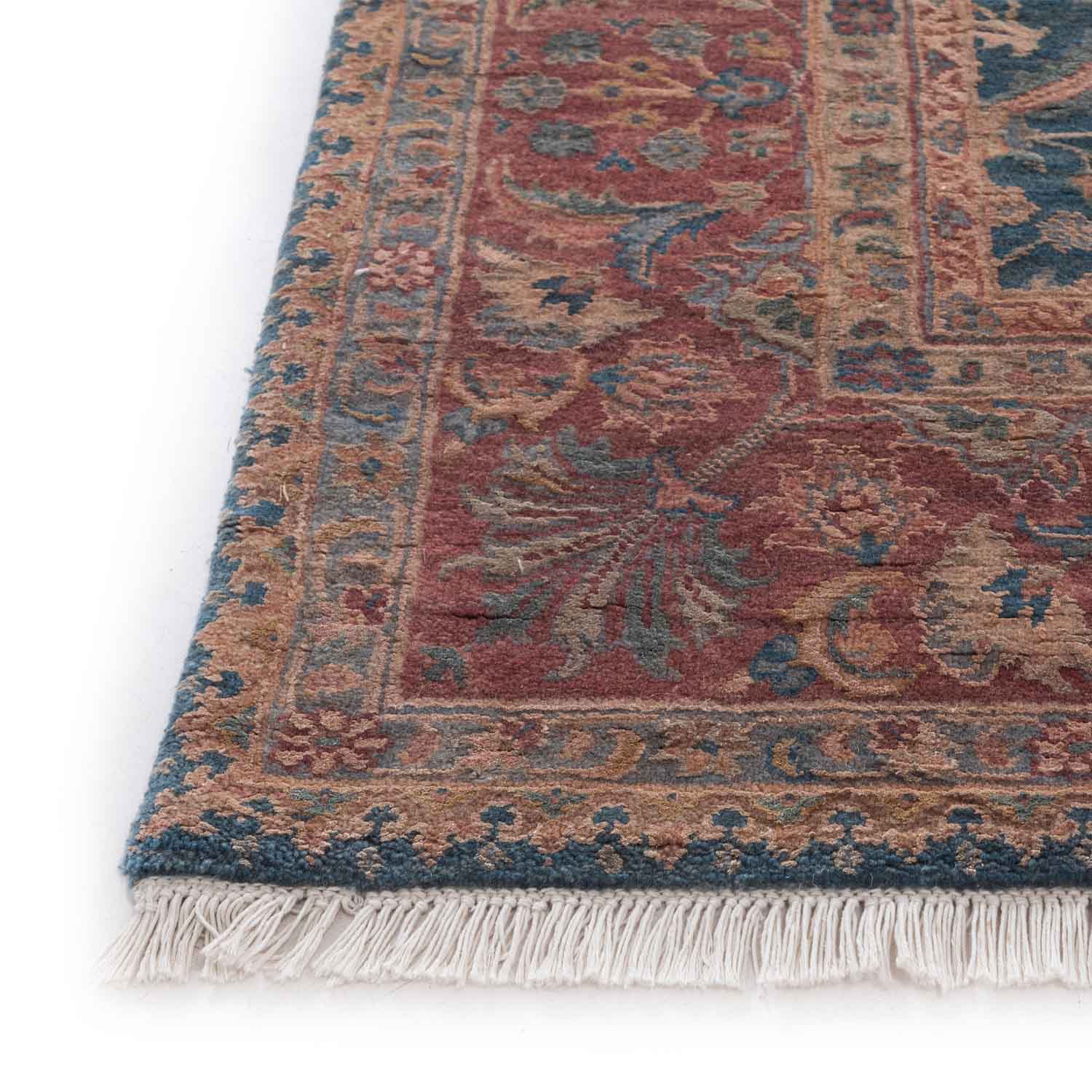
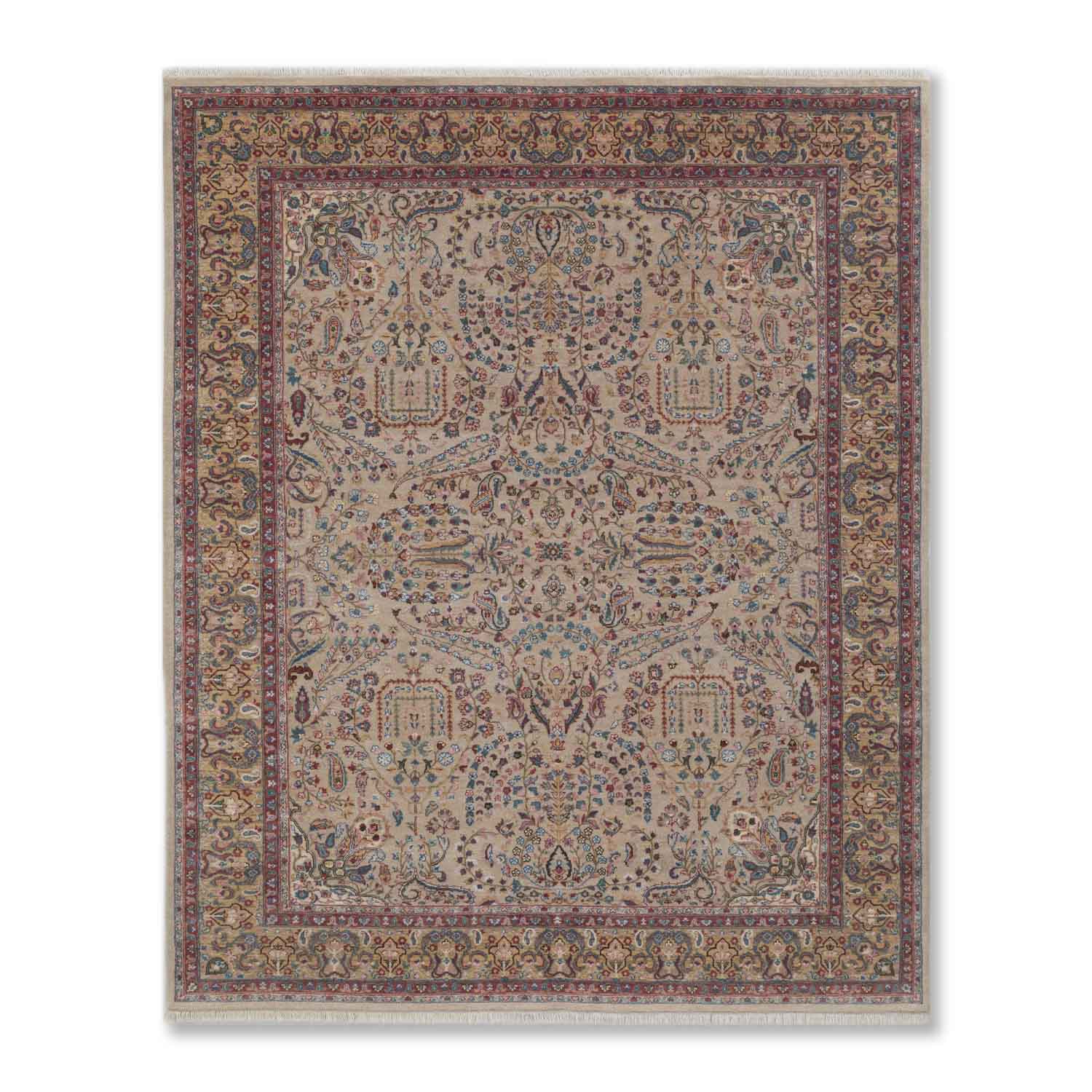
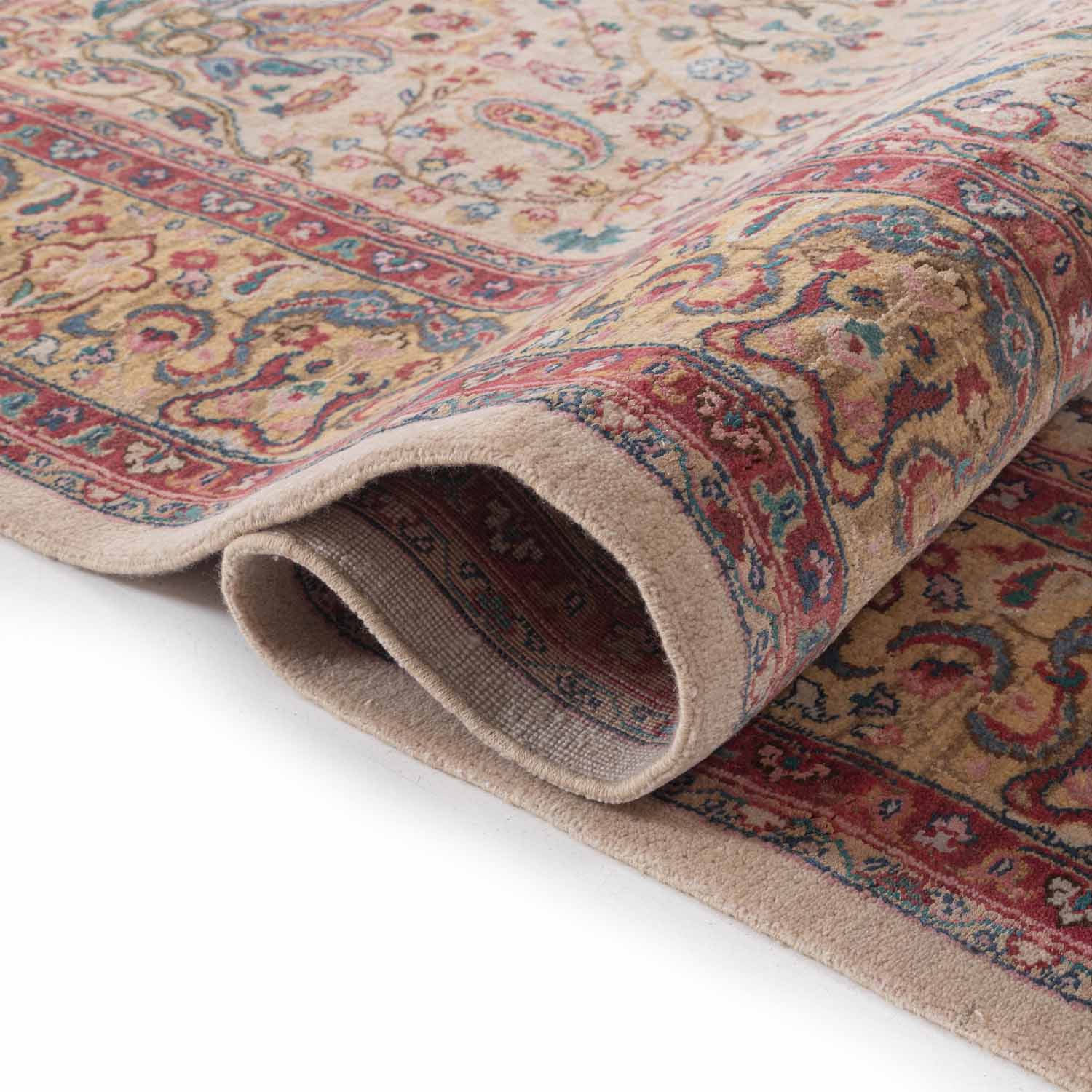
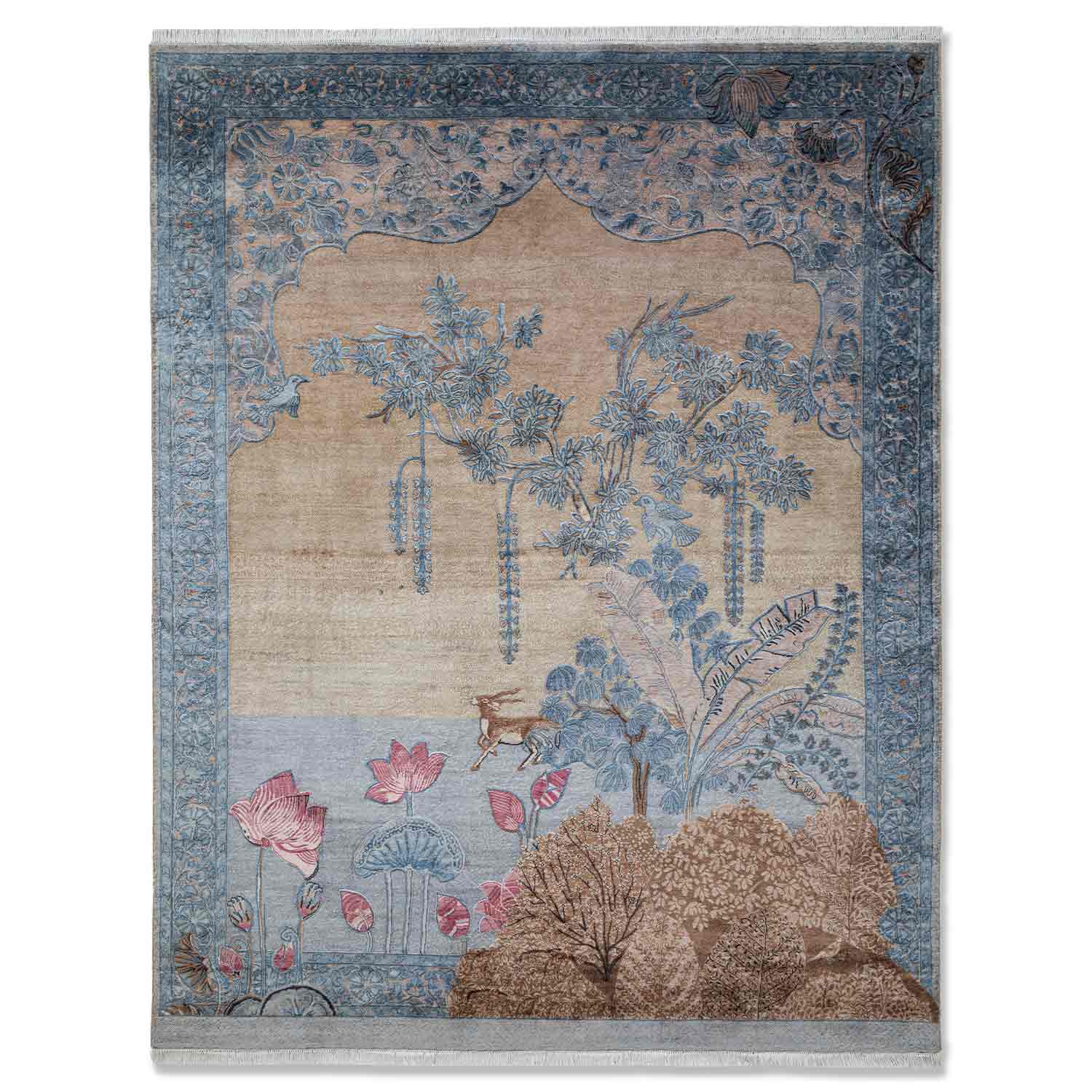
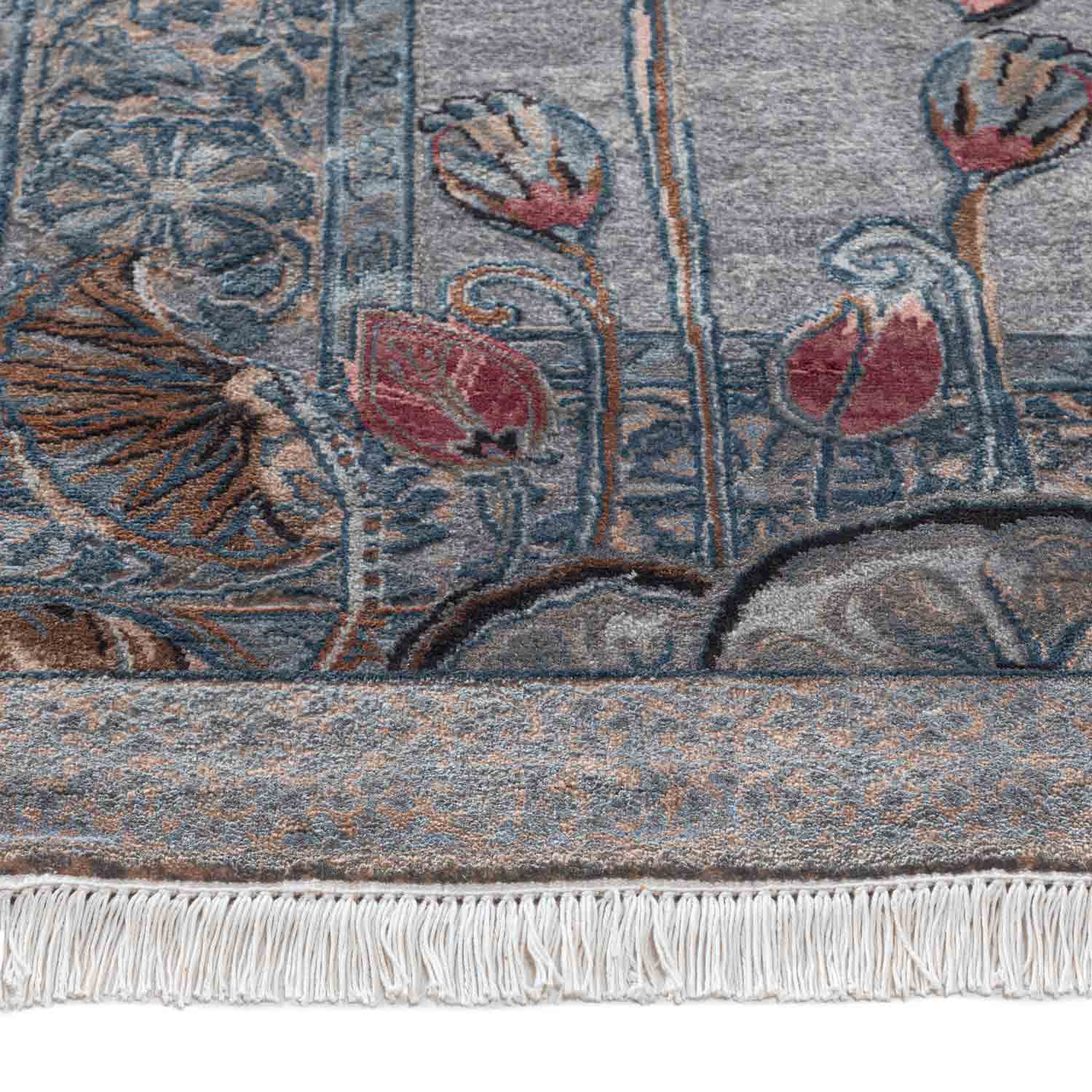
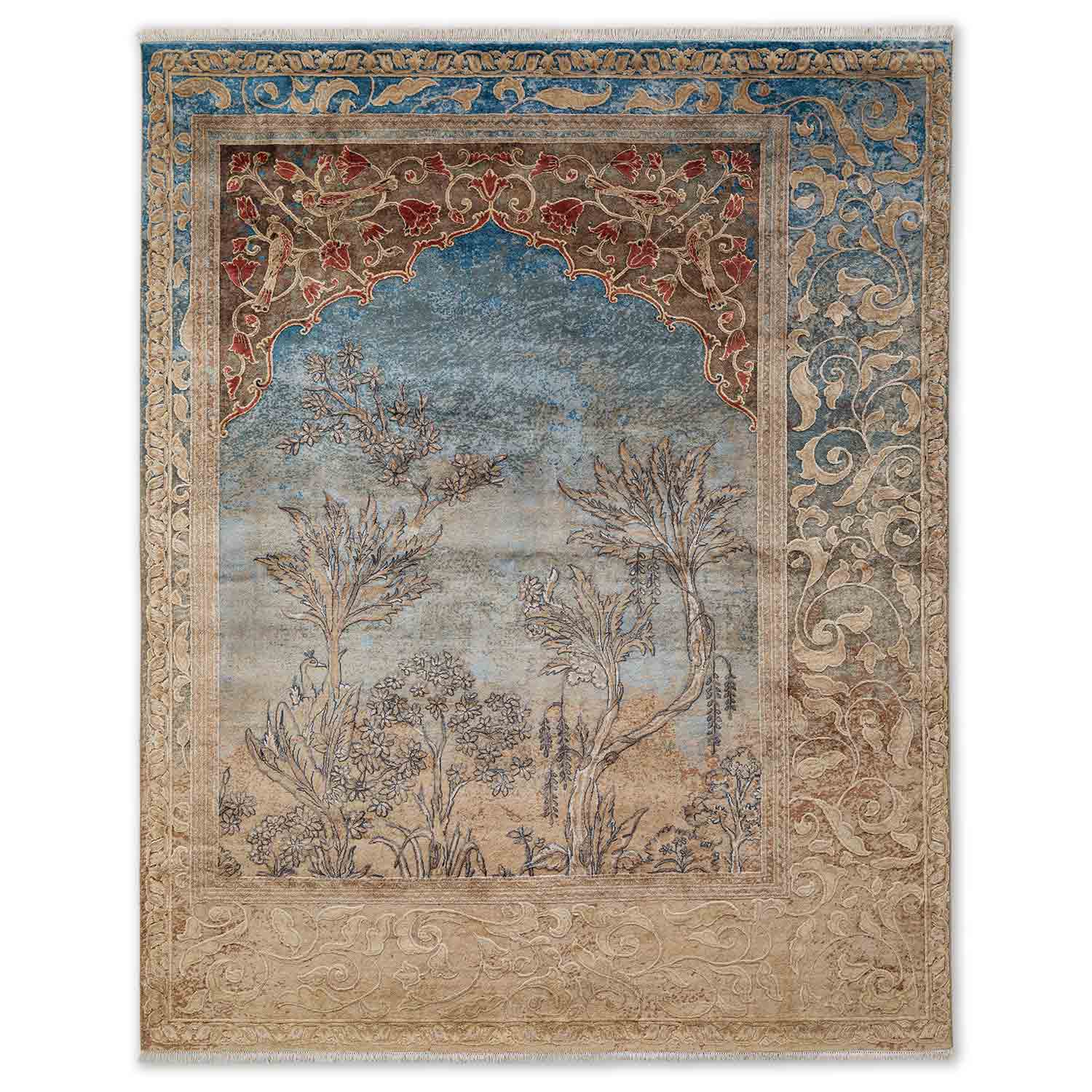
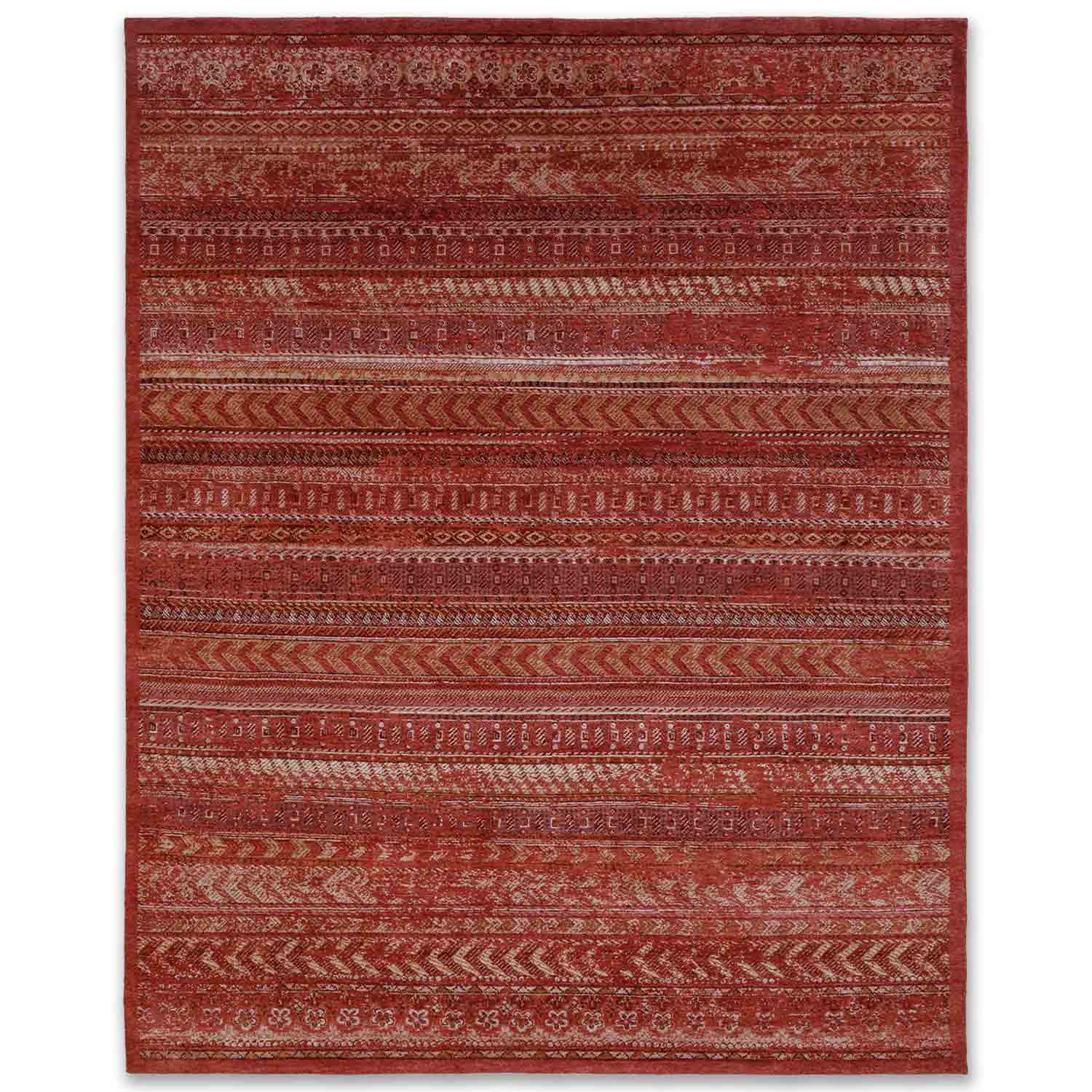
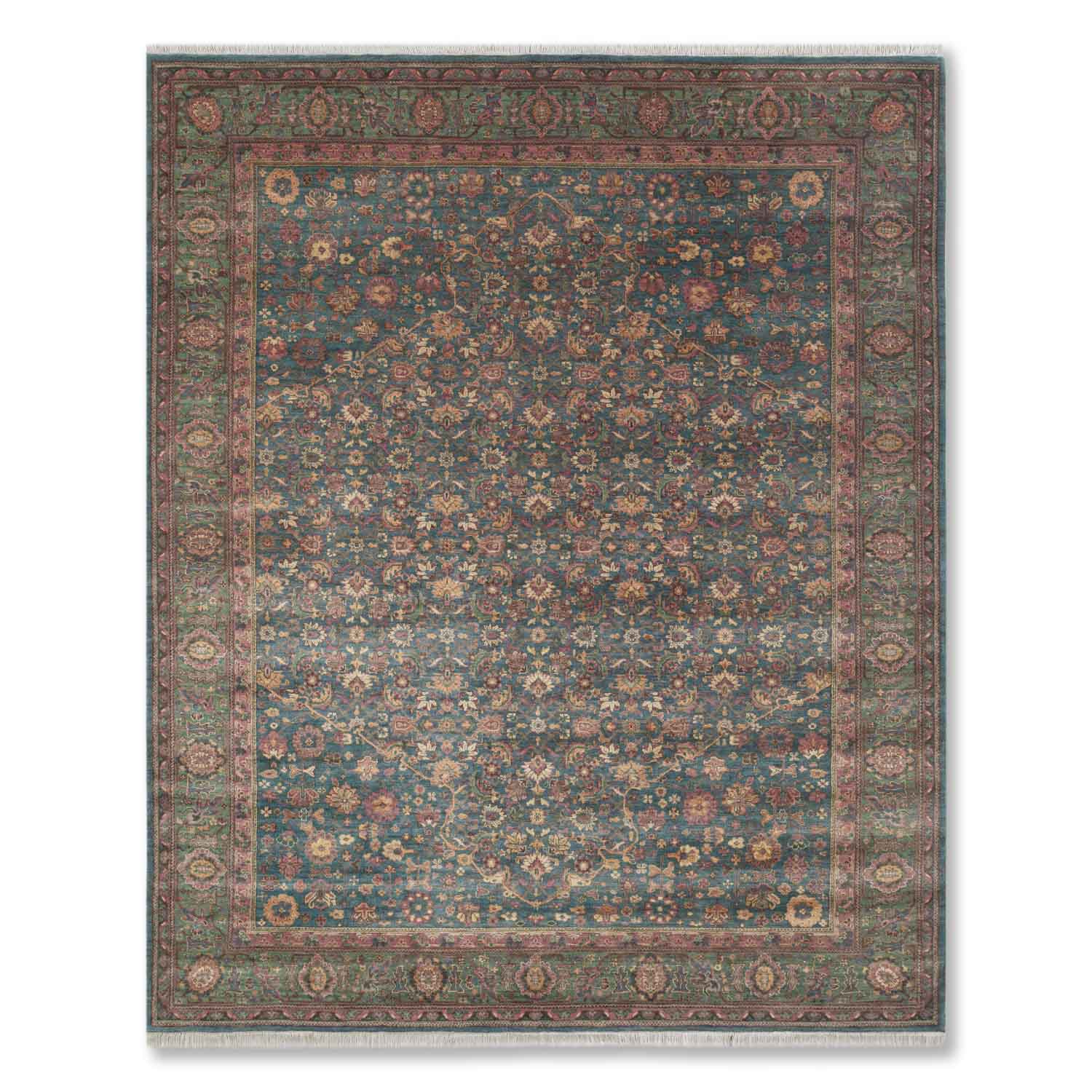
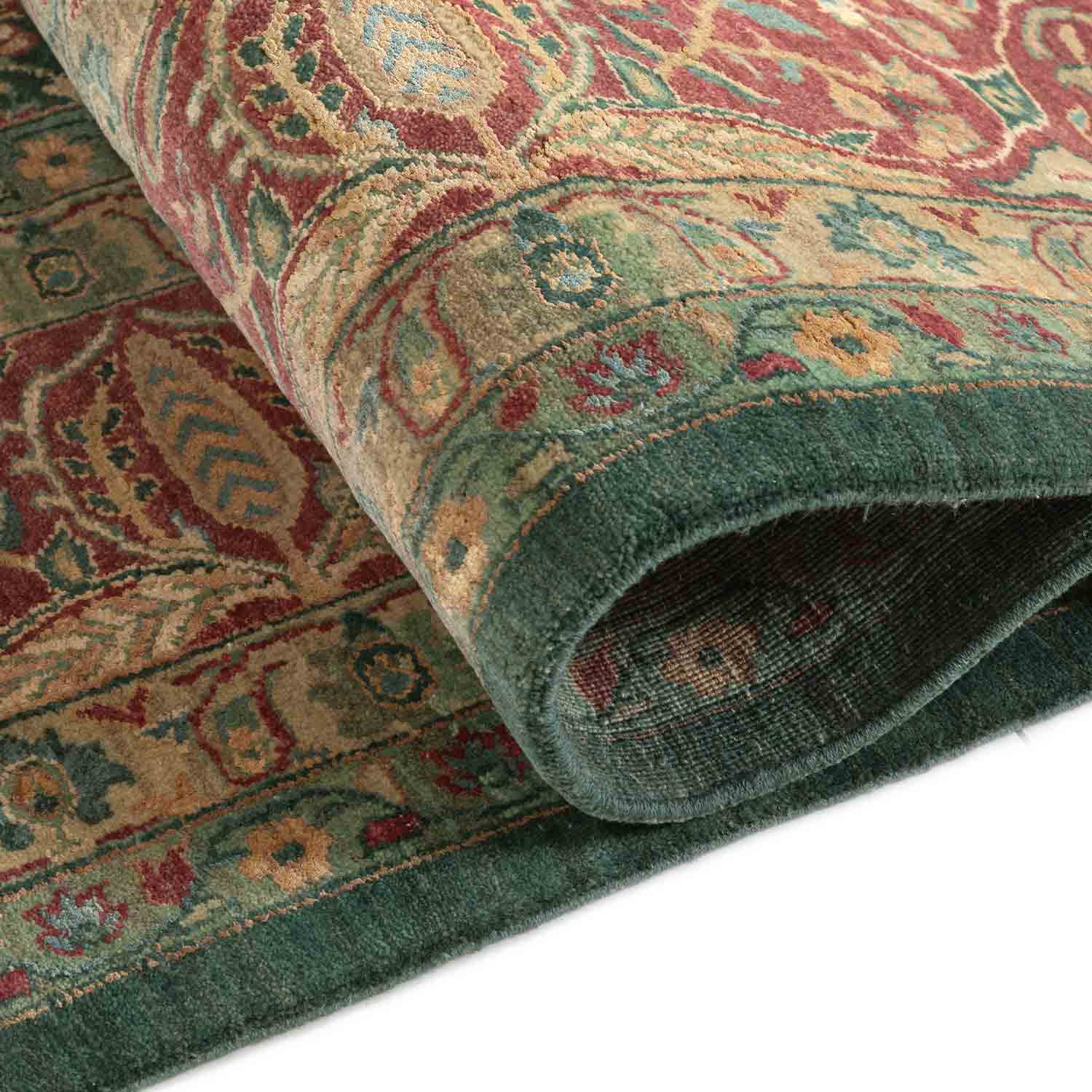
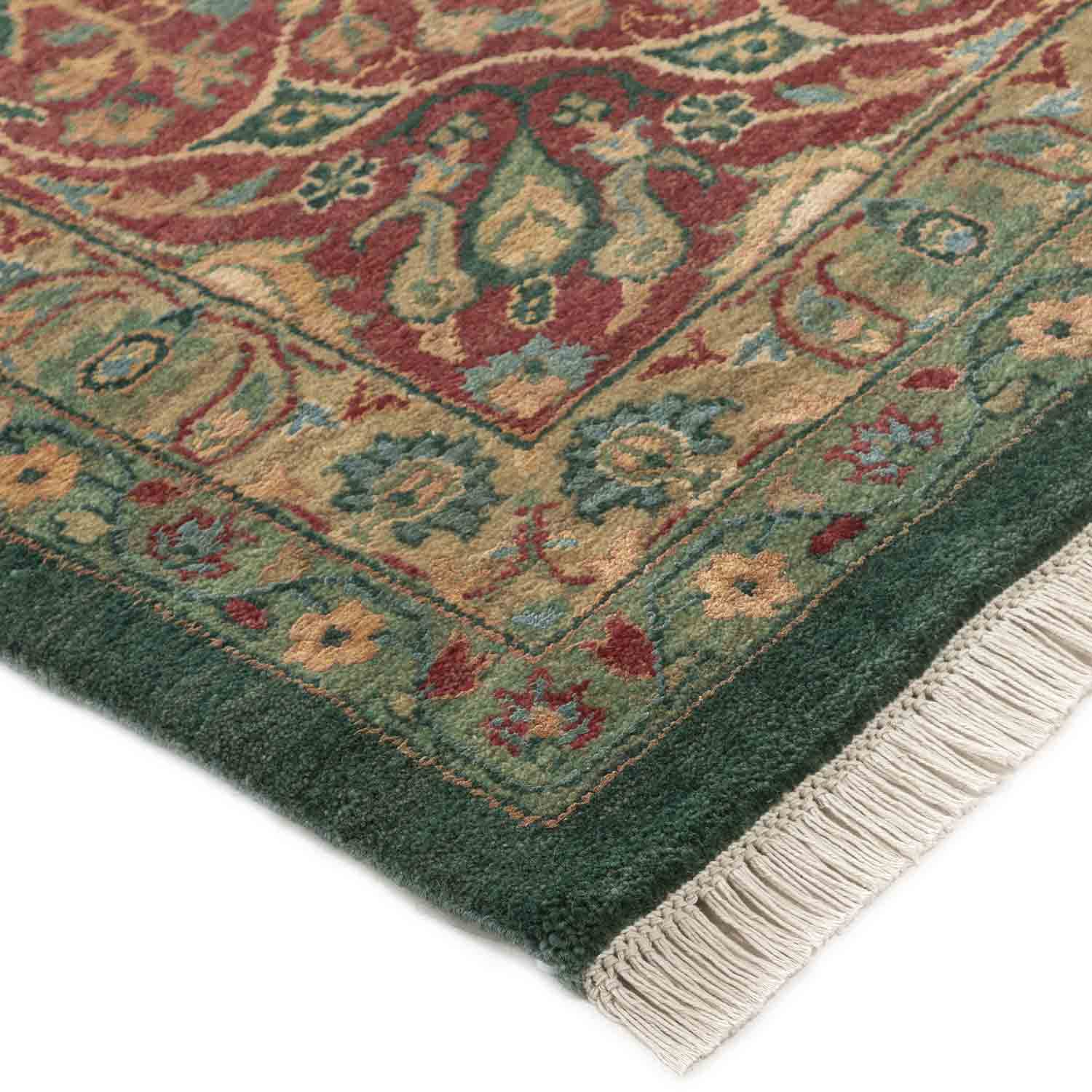
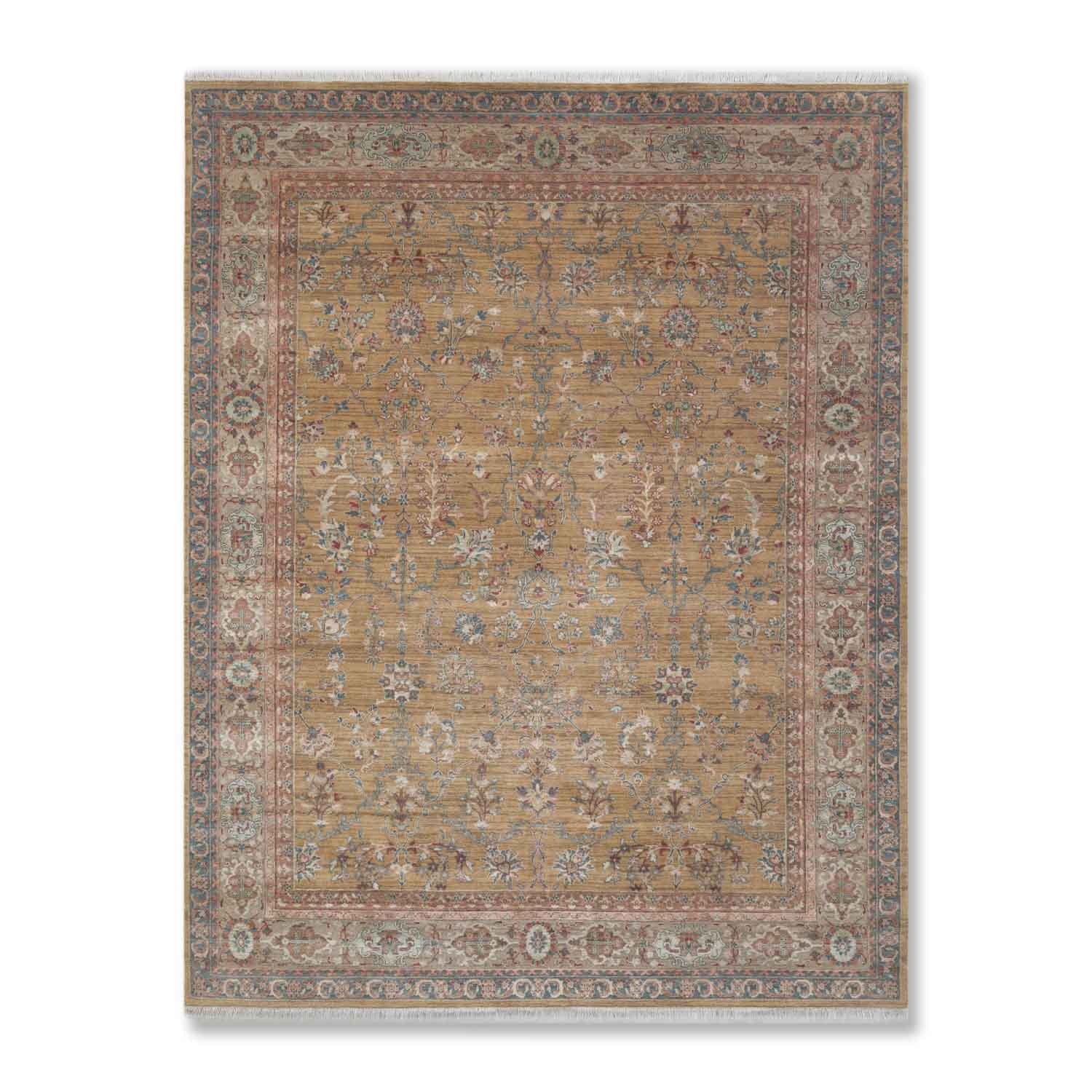
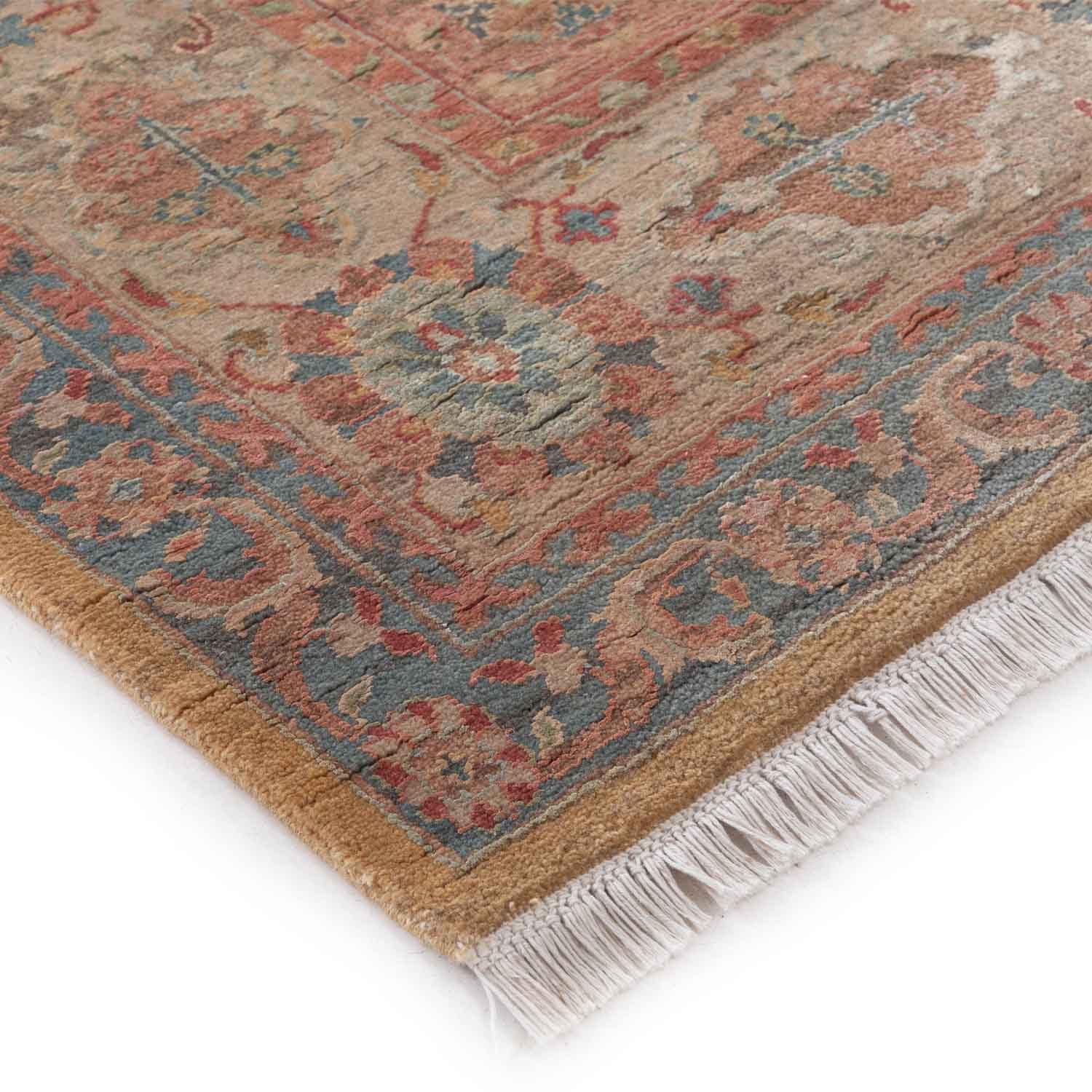
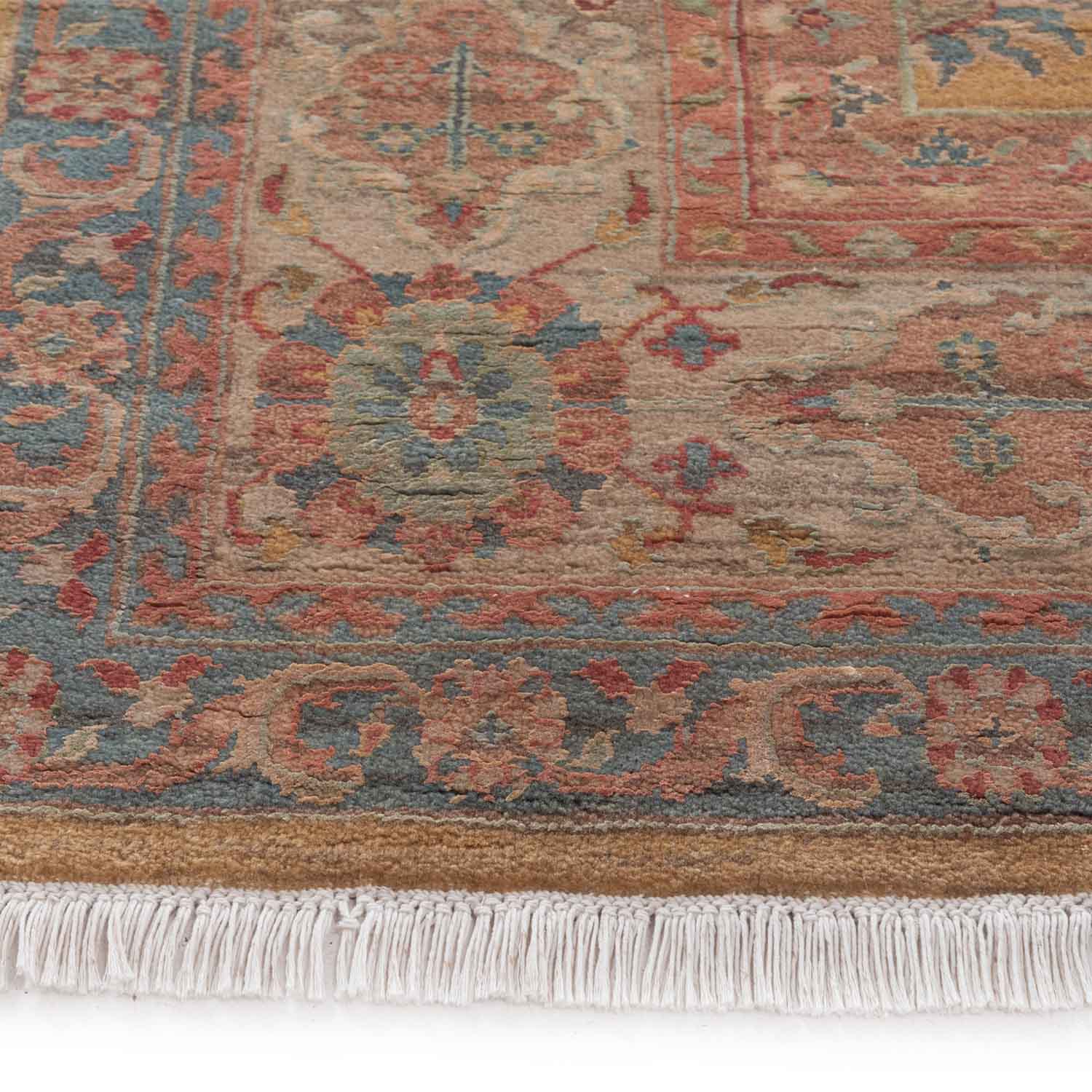
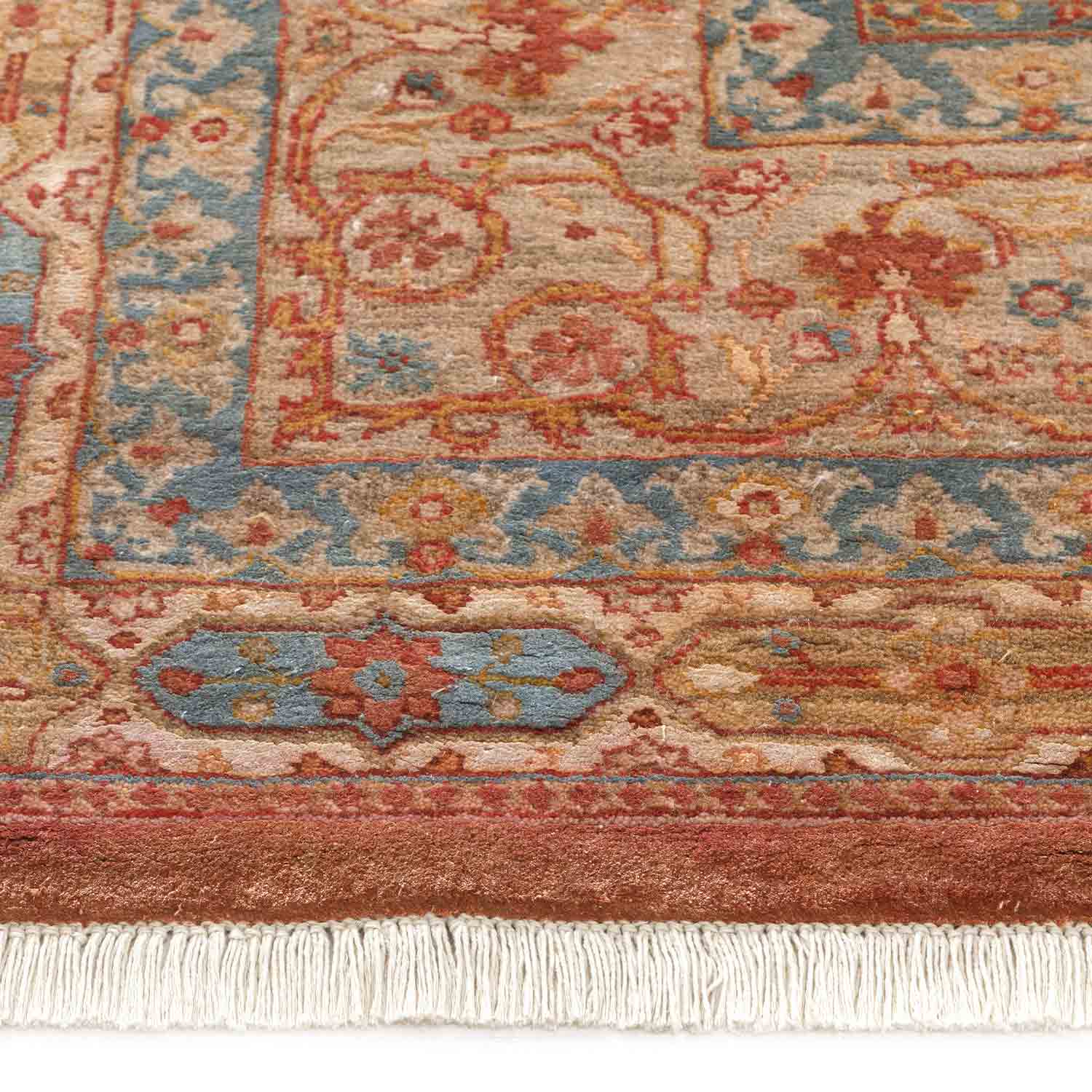
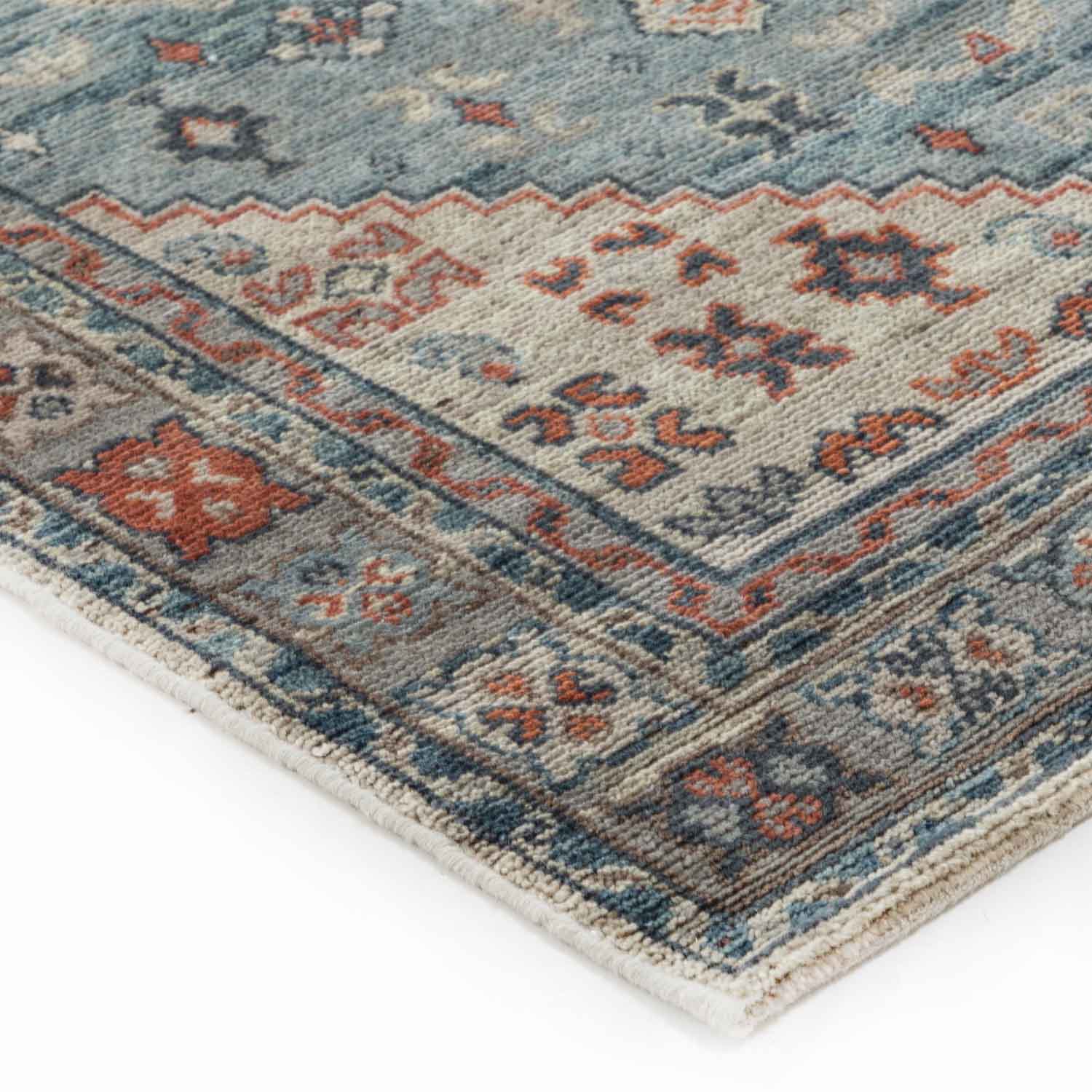
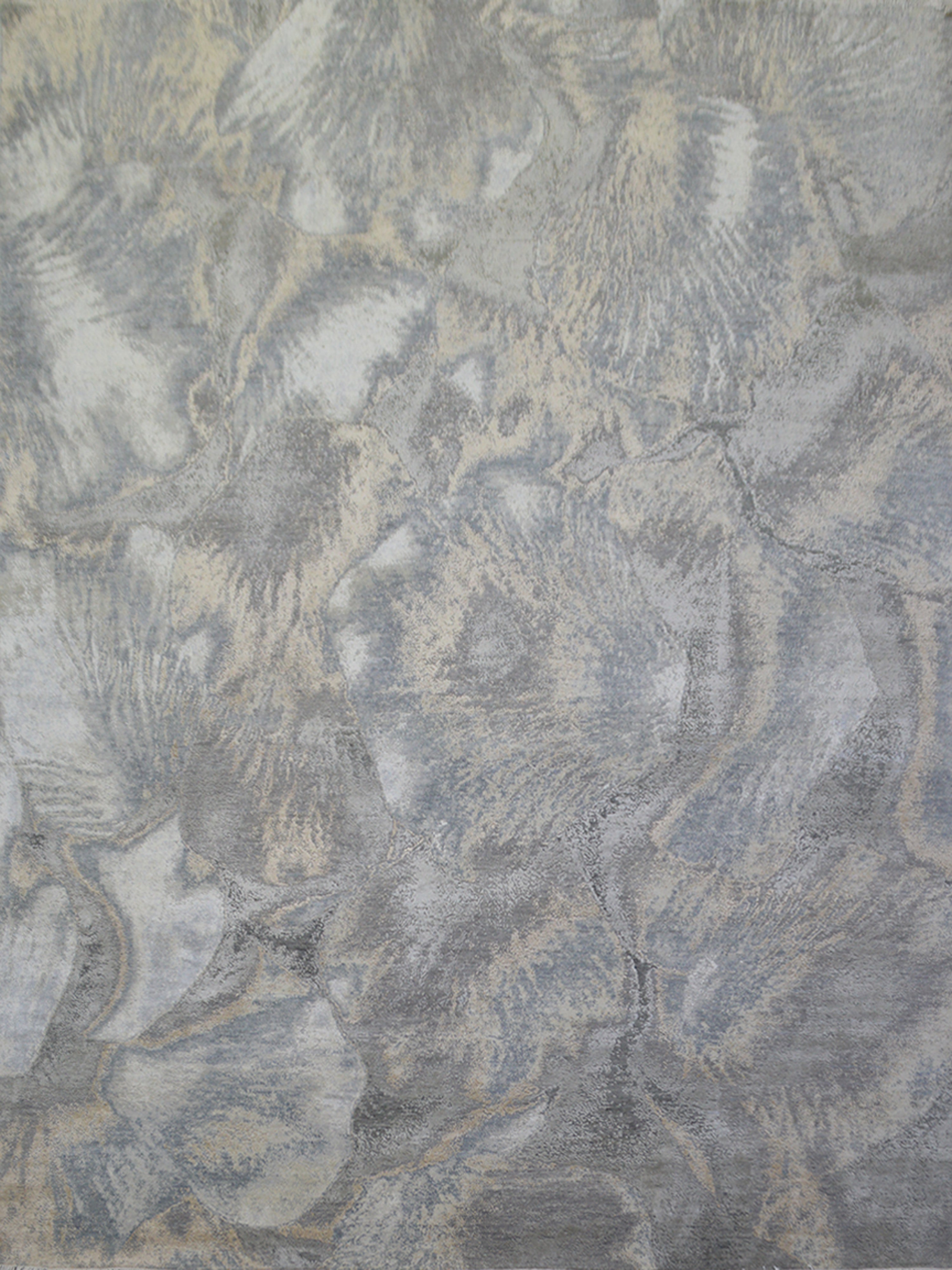
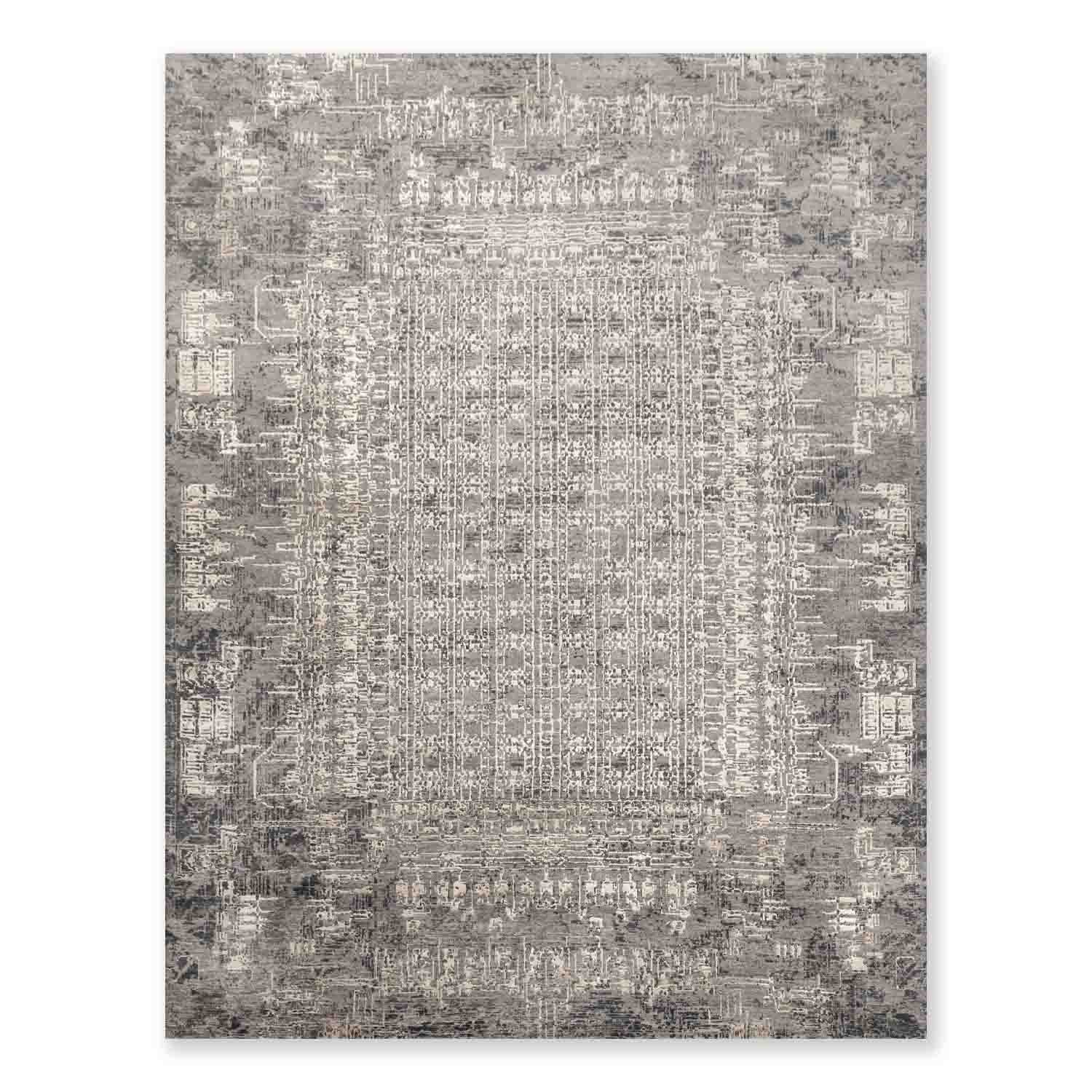
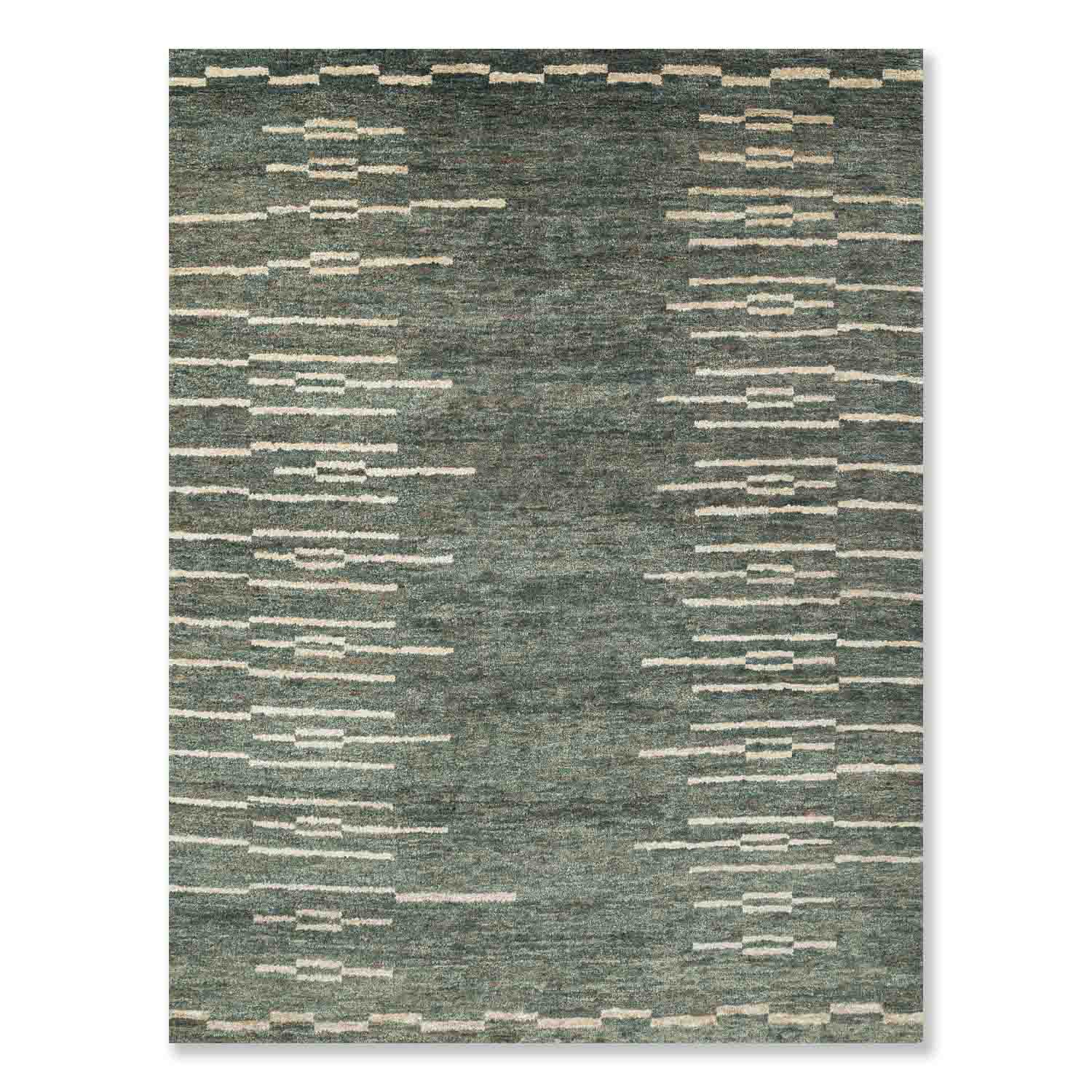
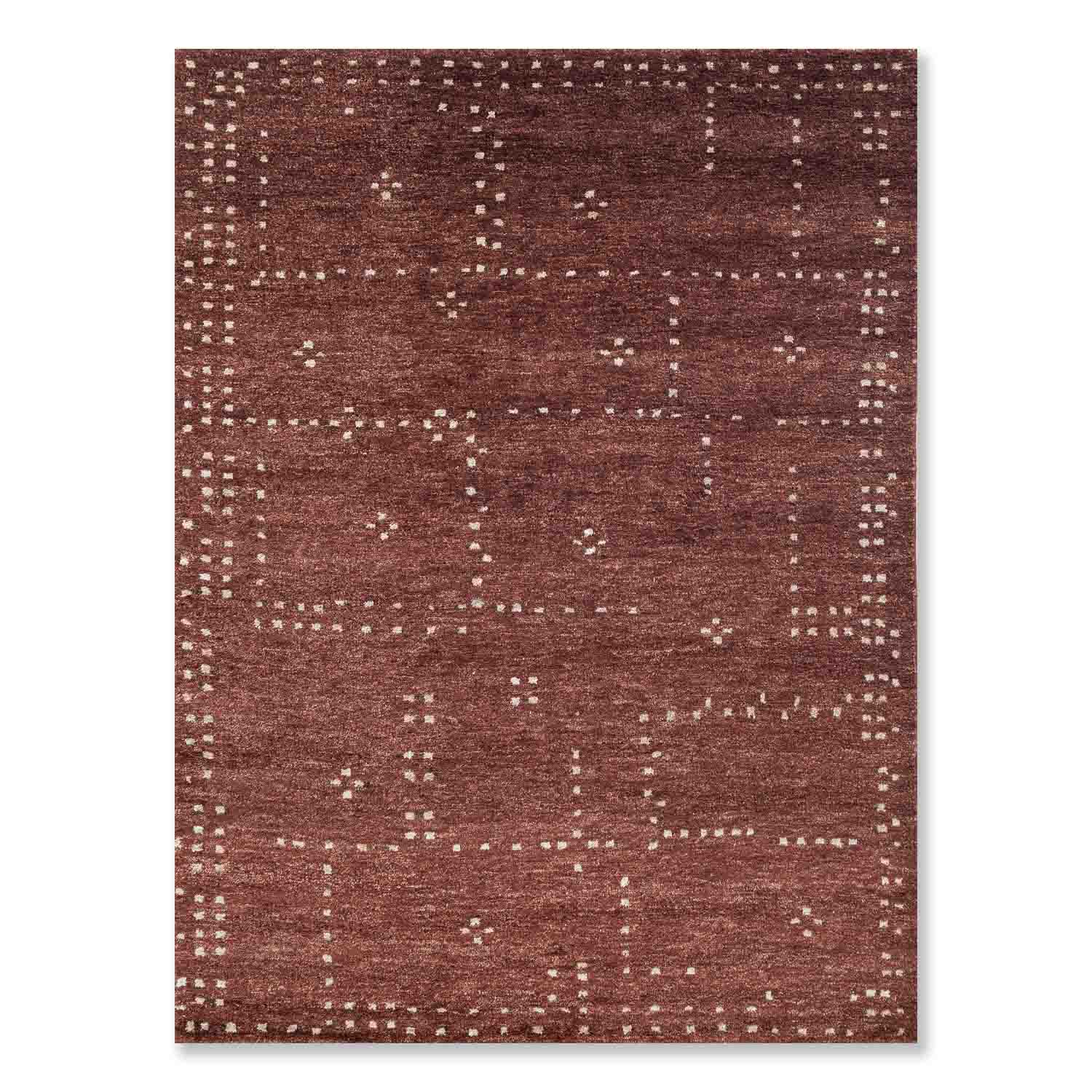
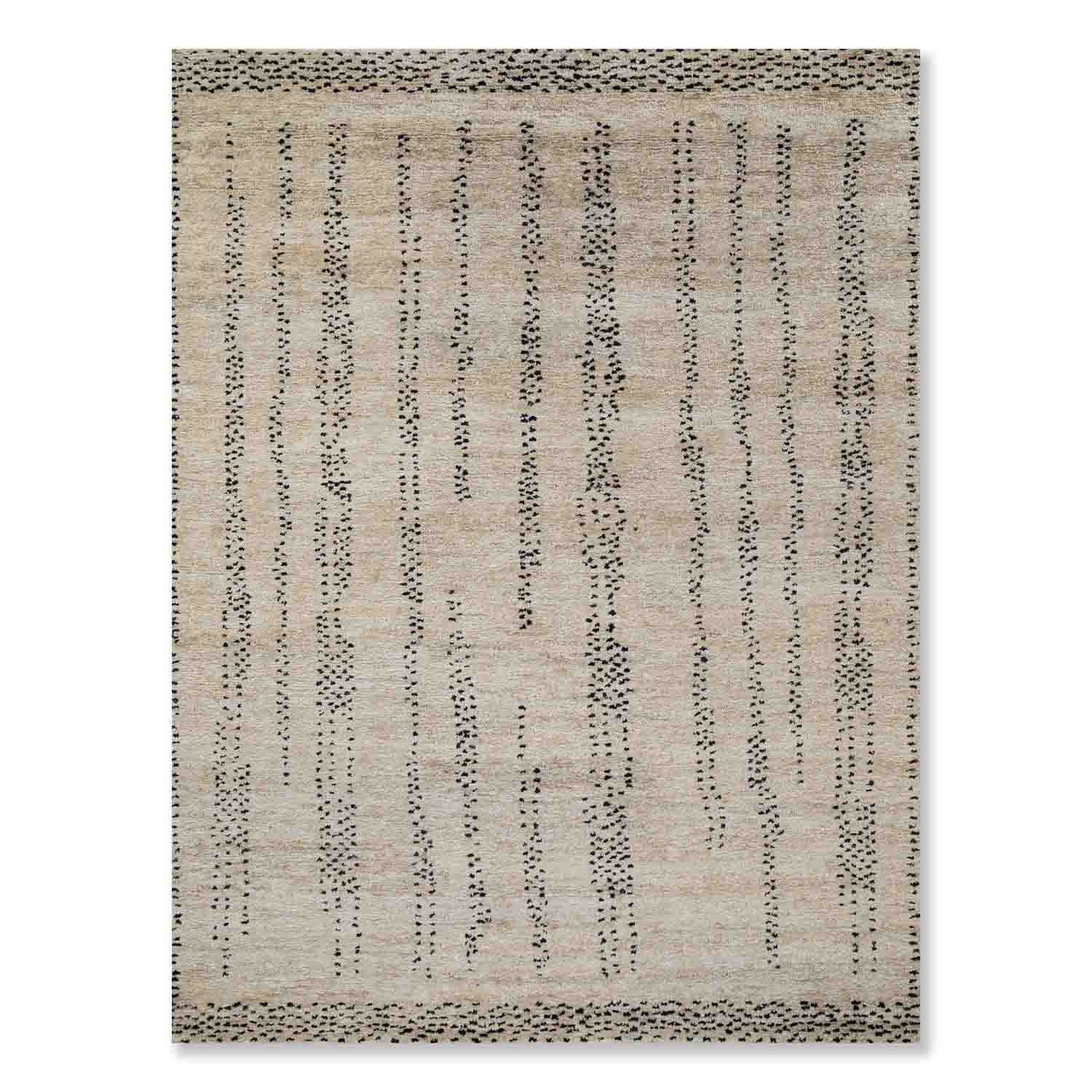
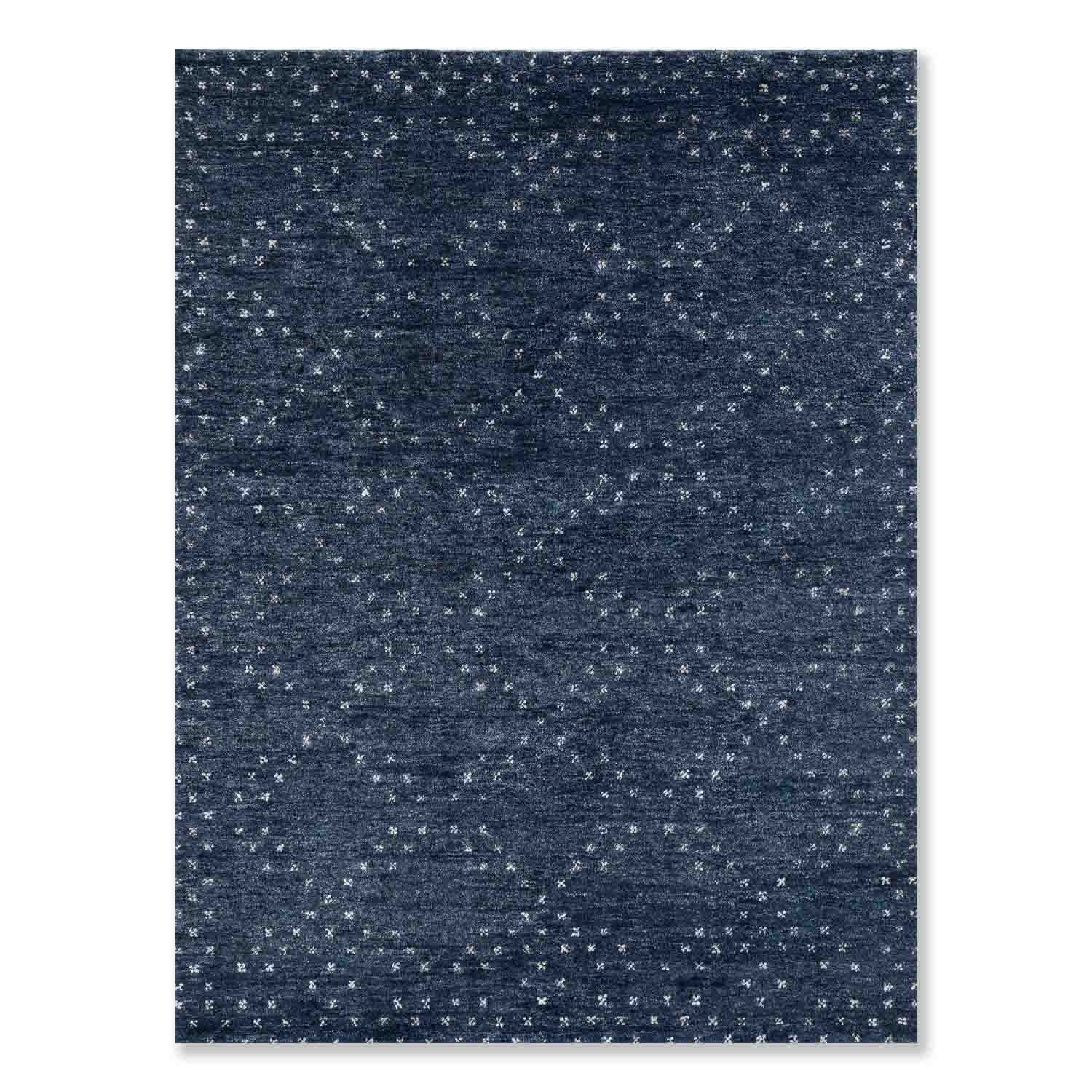
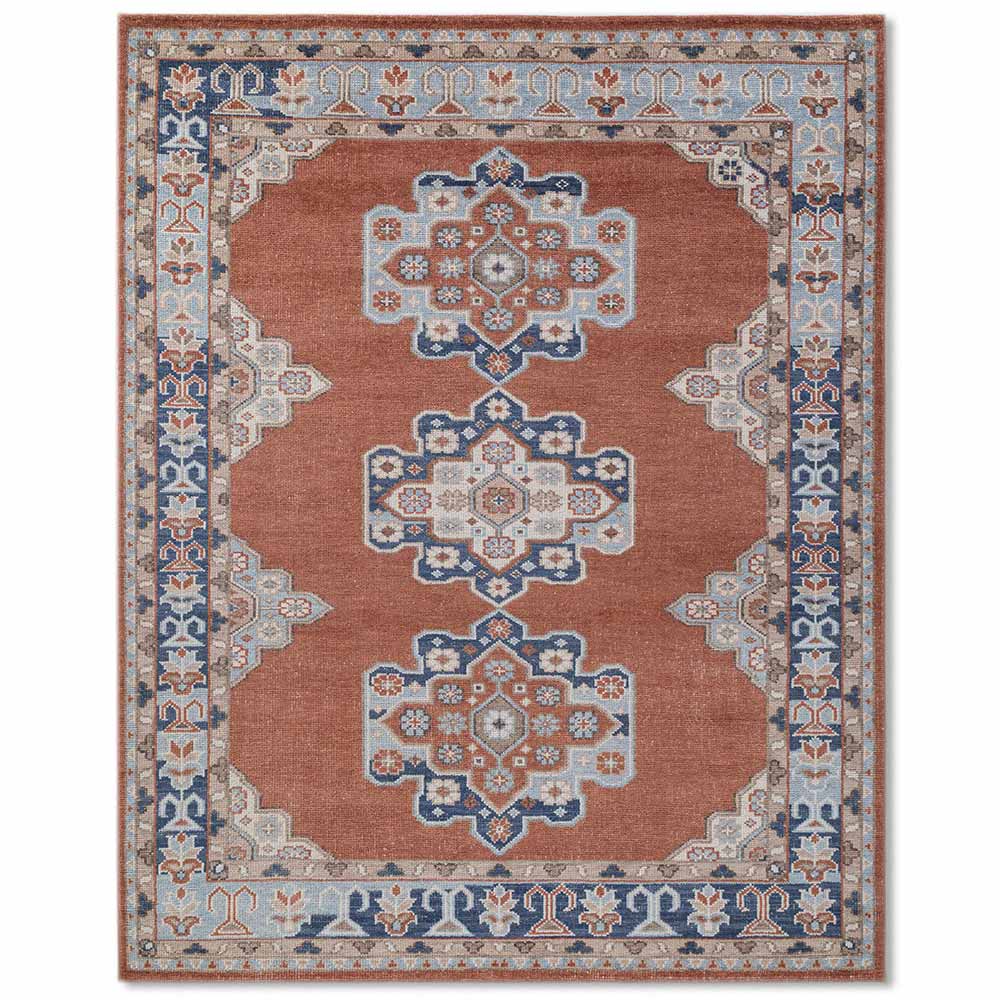
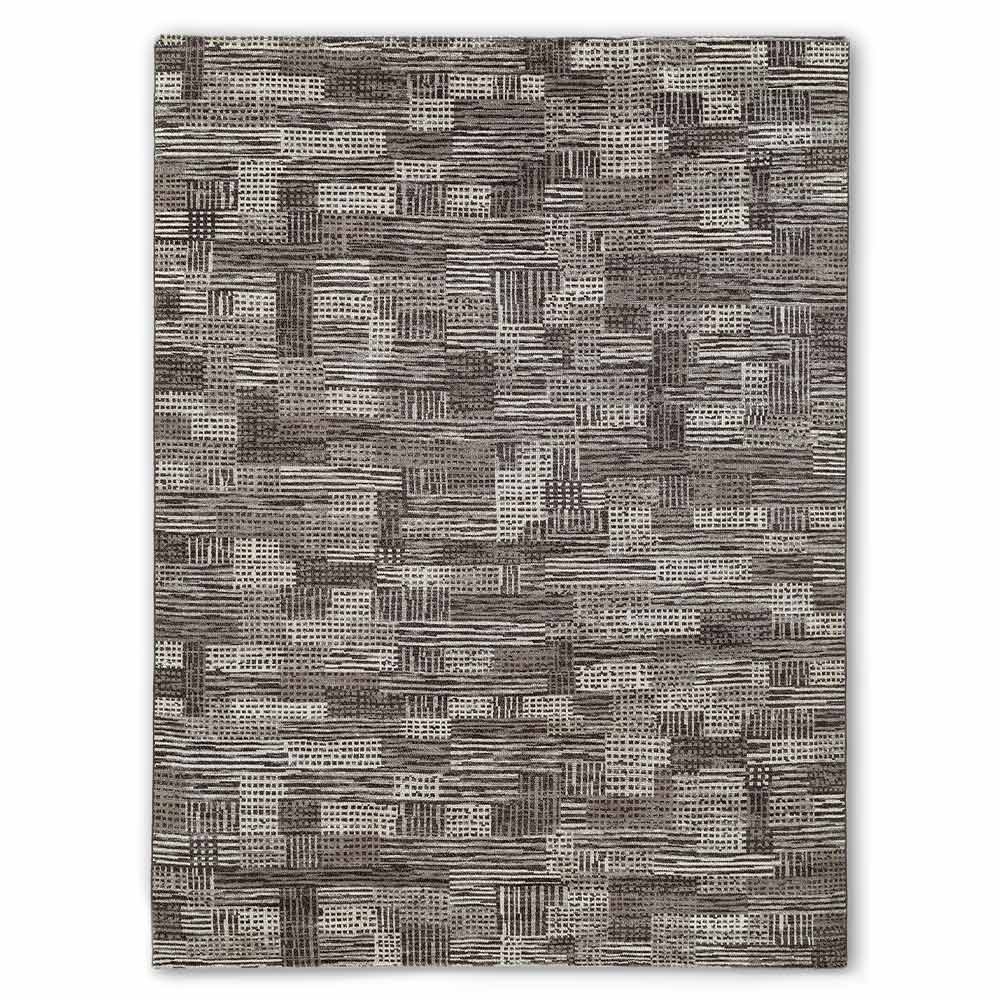
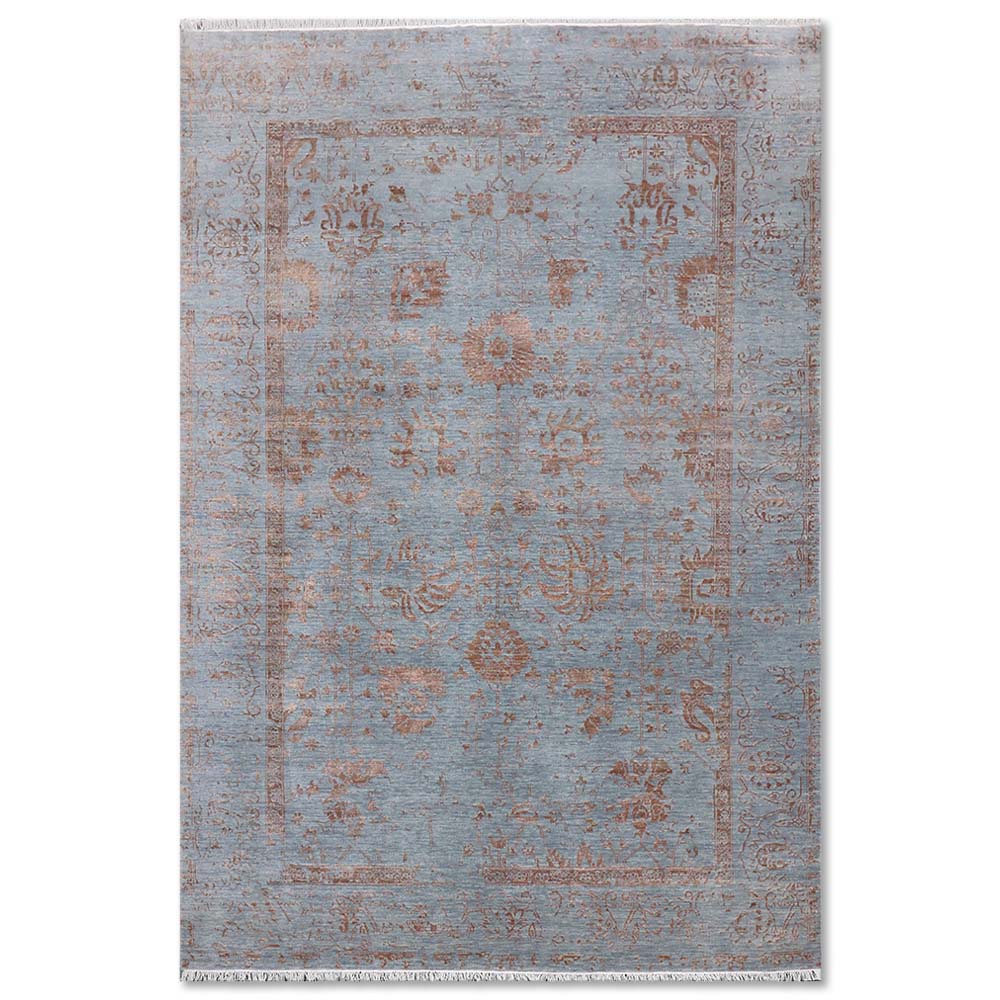
At Obeetee, each piece begins as a design intention: a study of form, balance, and colour. Artisans translate this onto the loom, tying individual knots by hand to create surfaces that carry depth, variation, and quiet precision. No two pieces are identical; each holds the rhythm of the hand that made it.
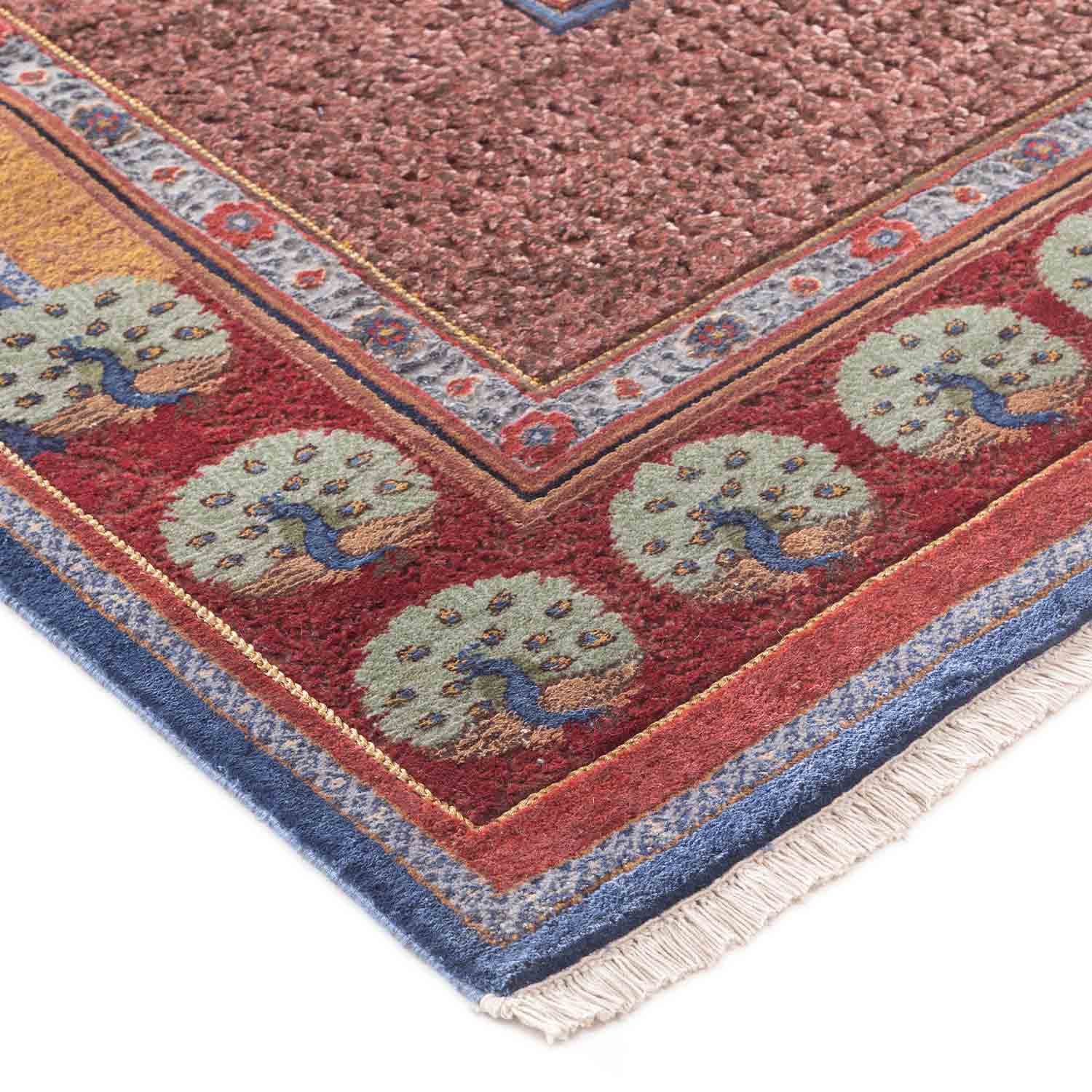
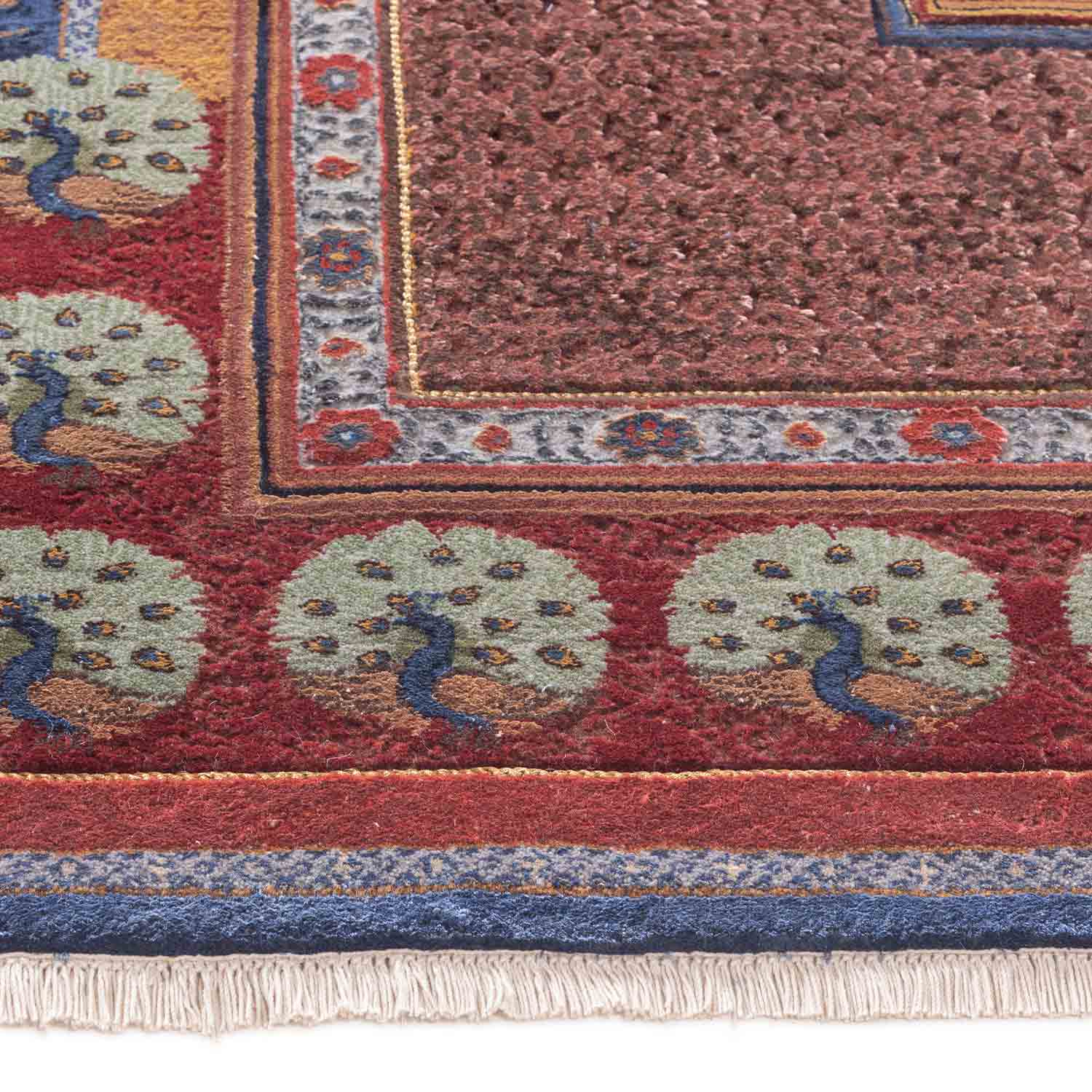
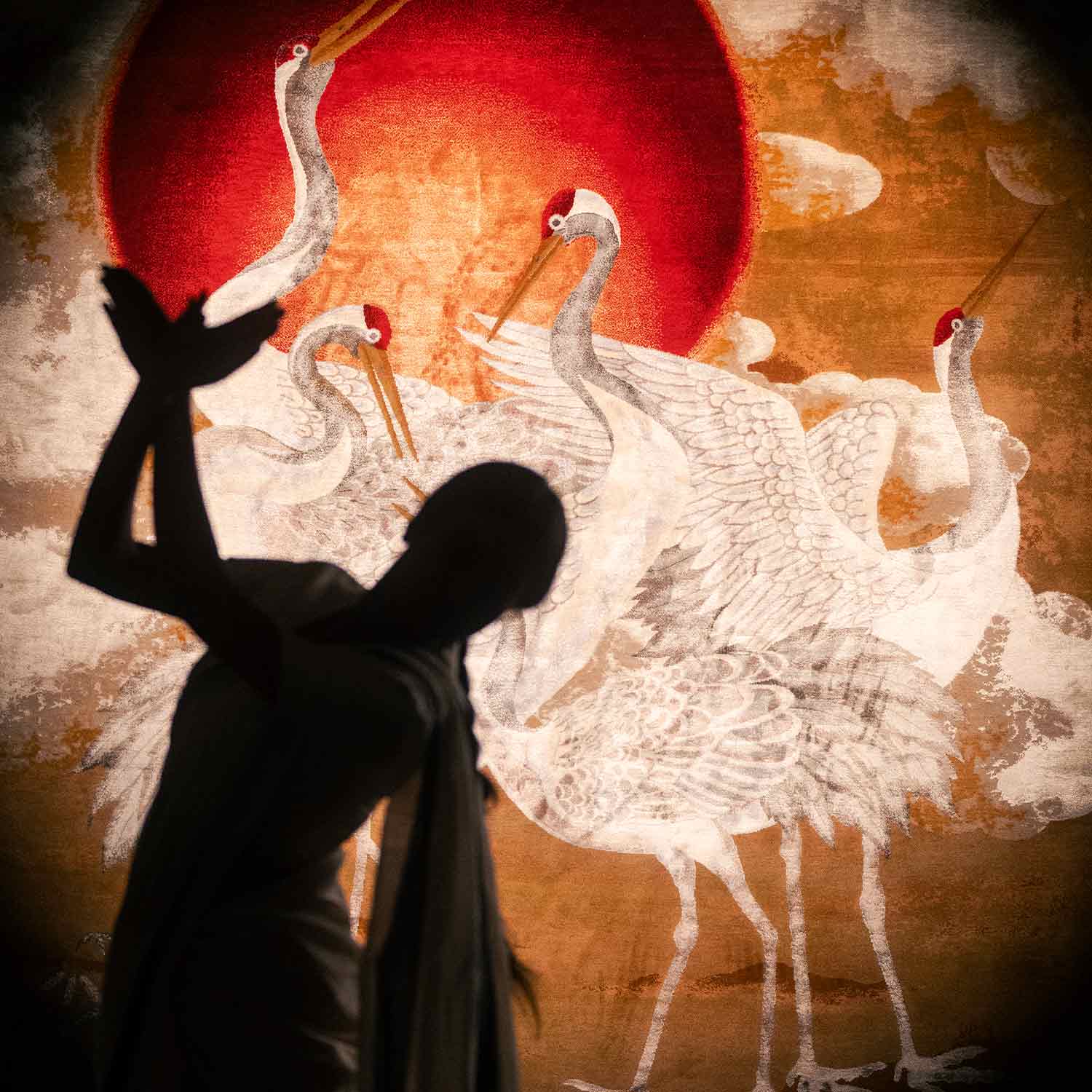
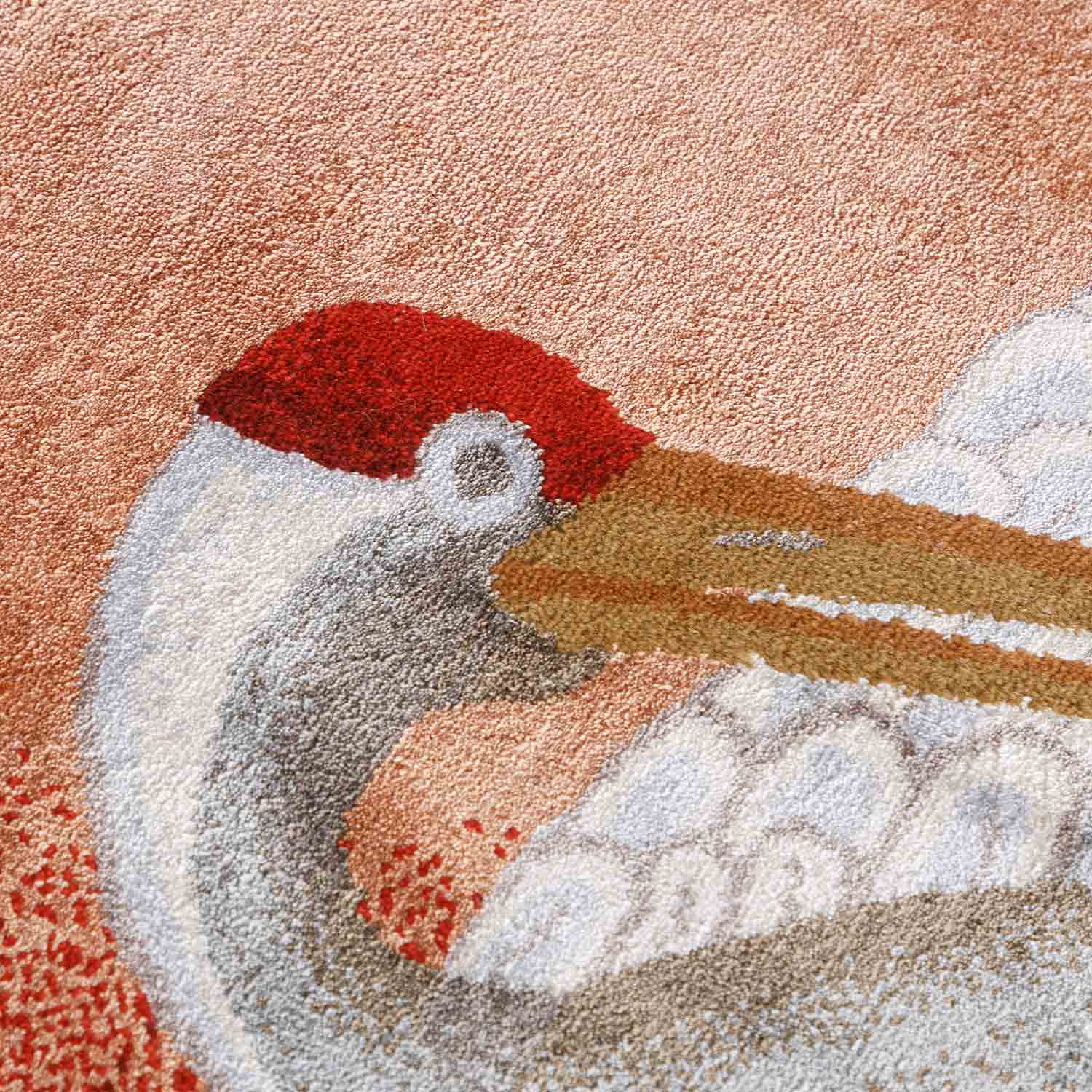
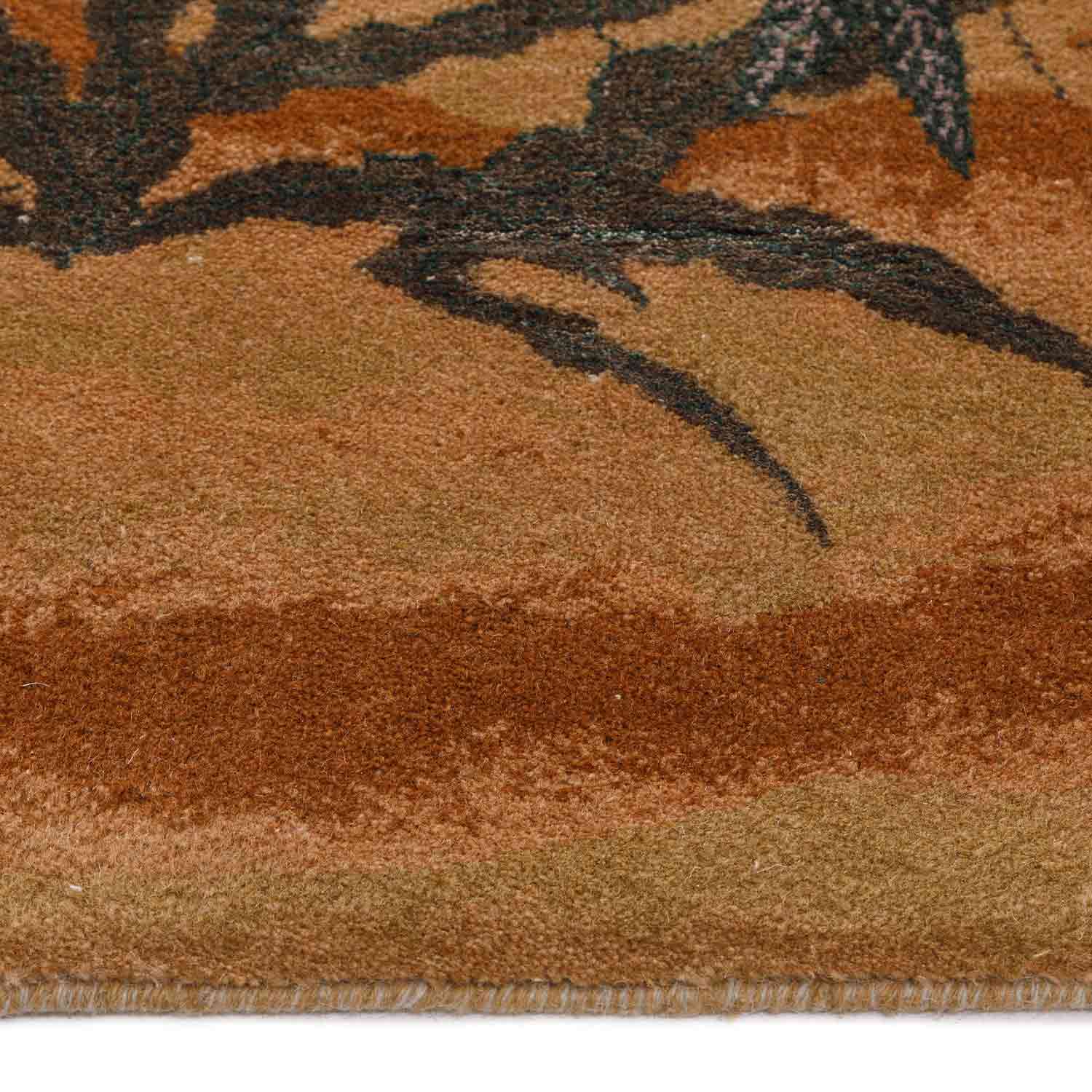
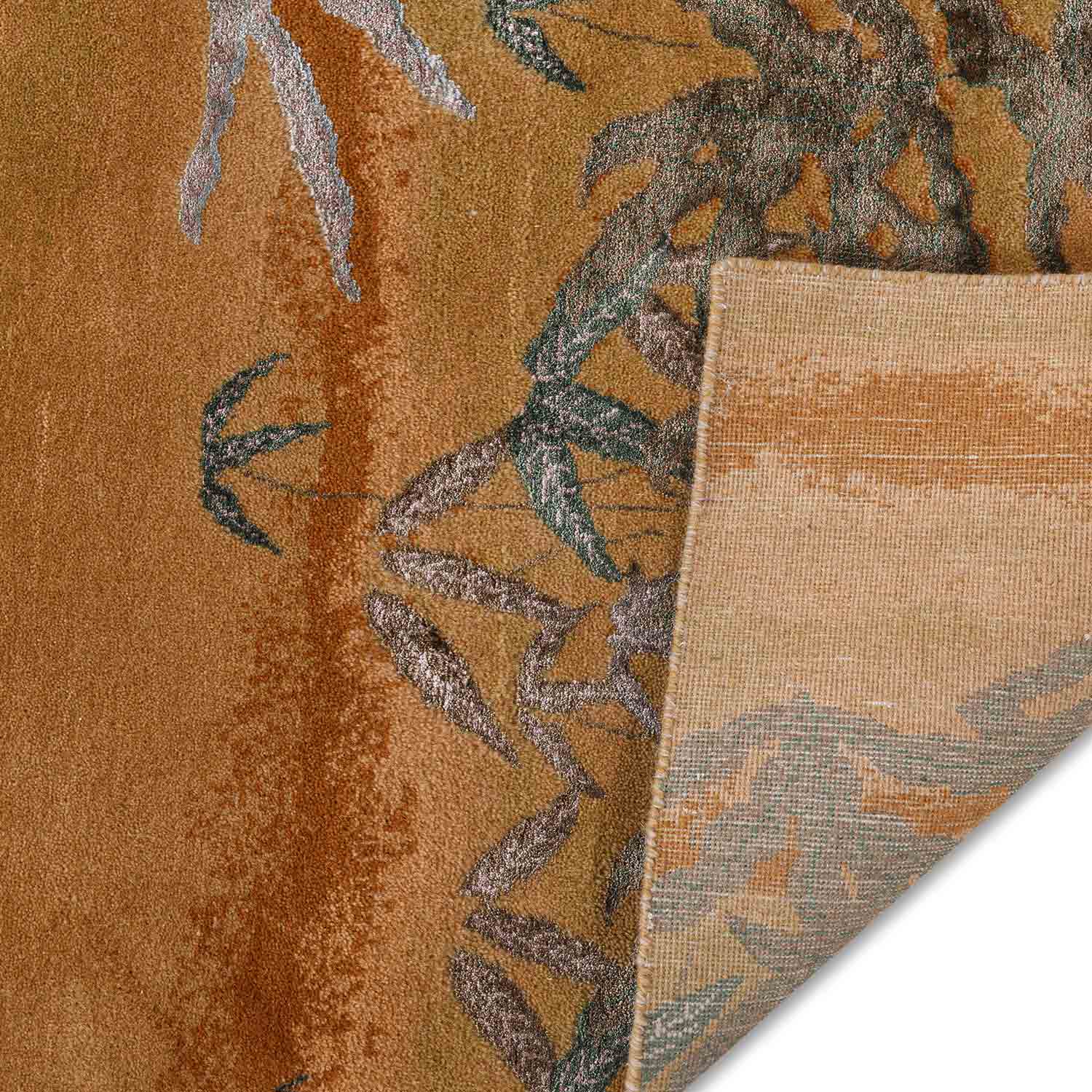
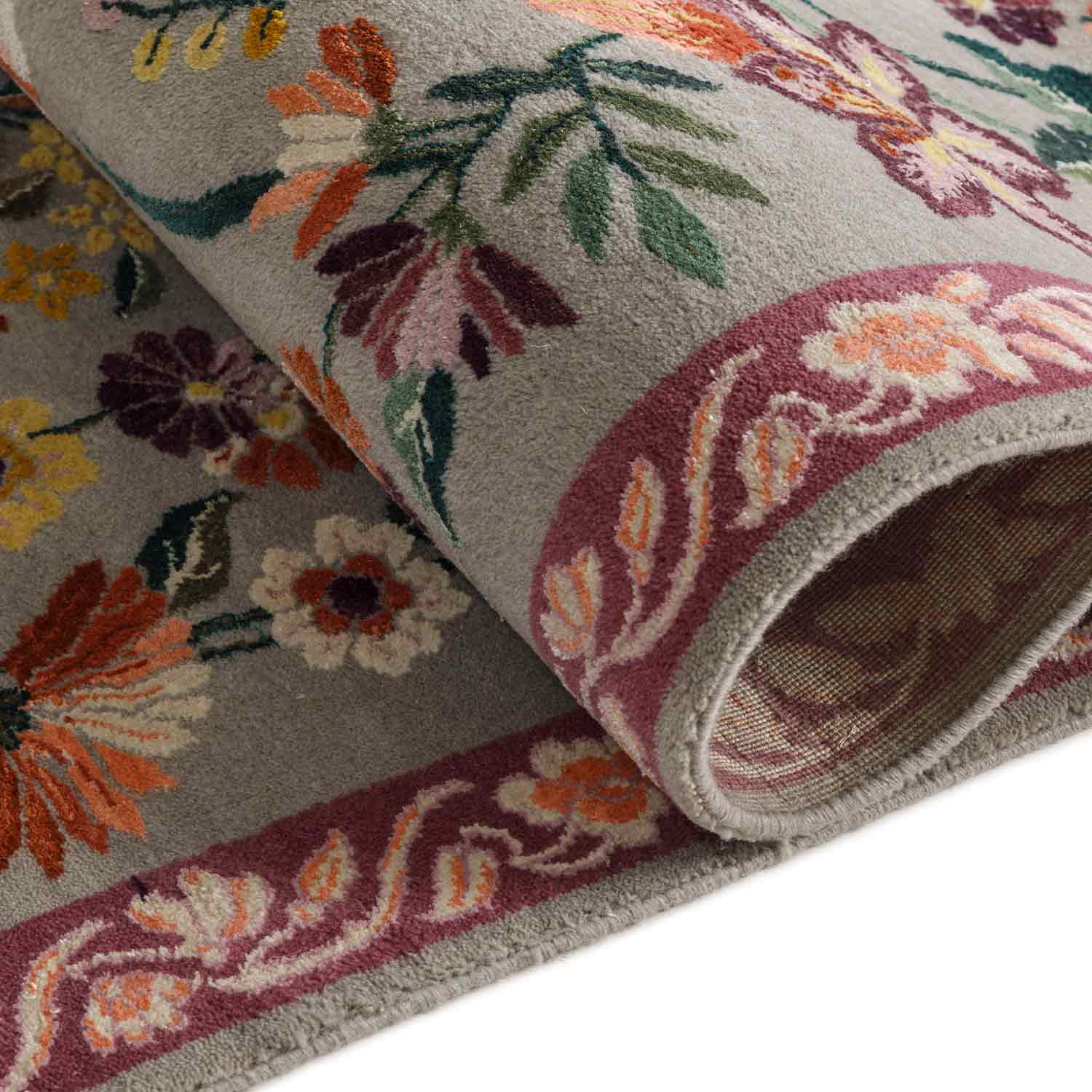
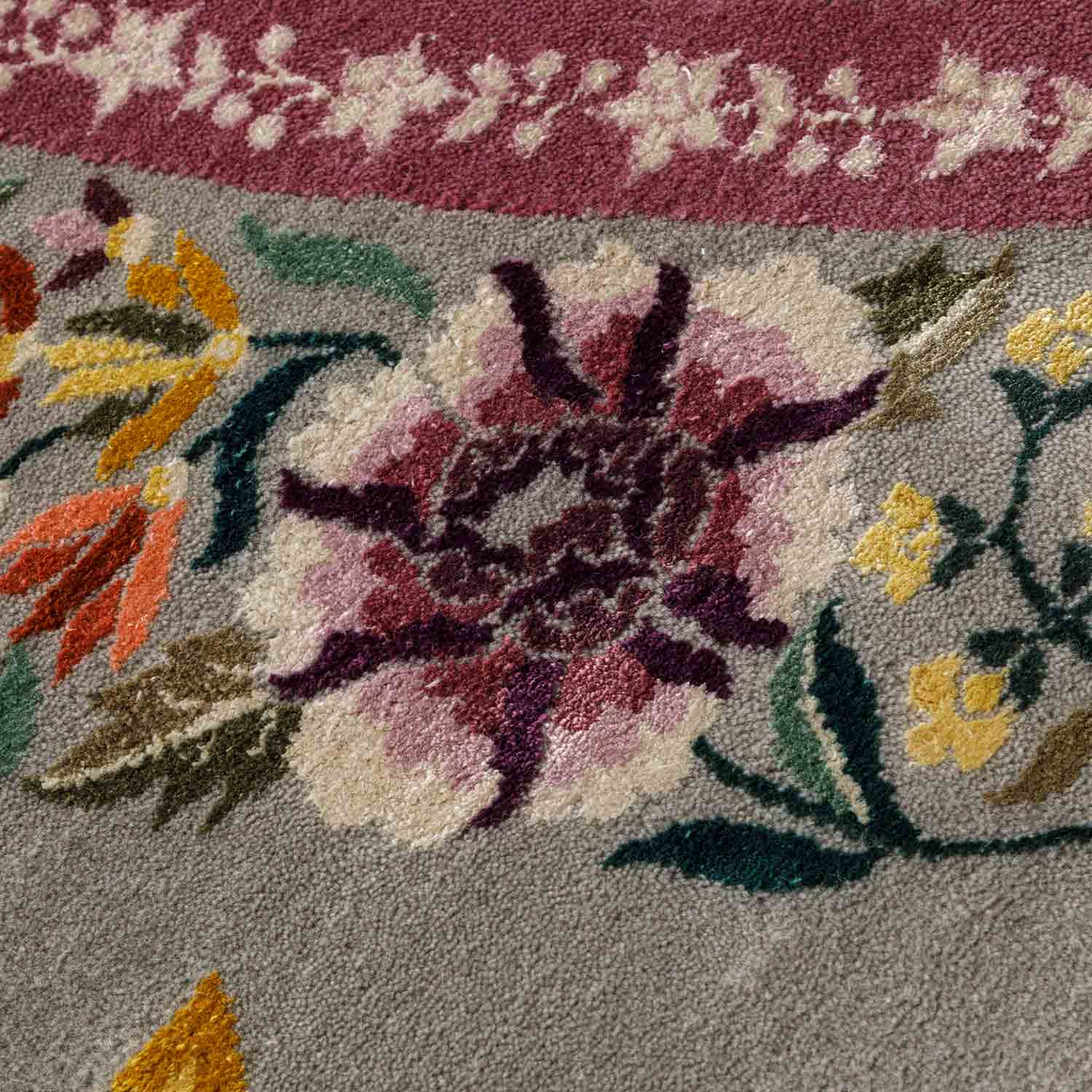
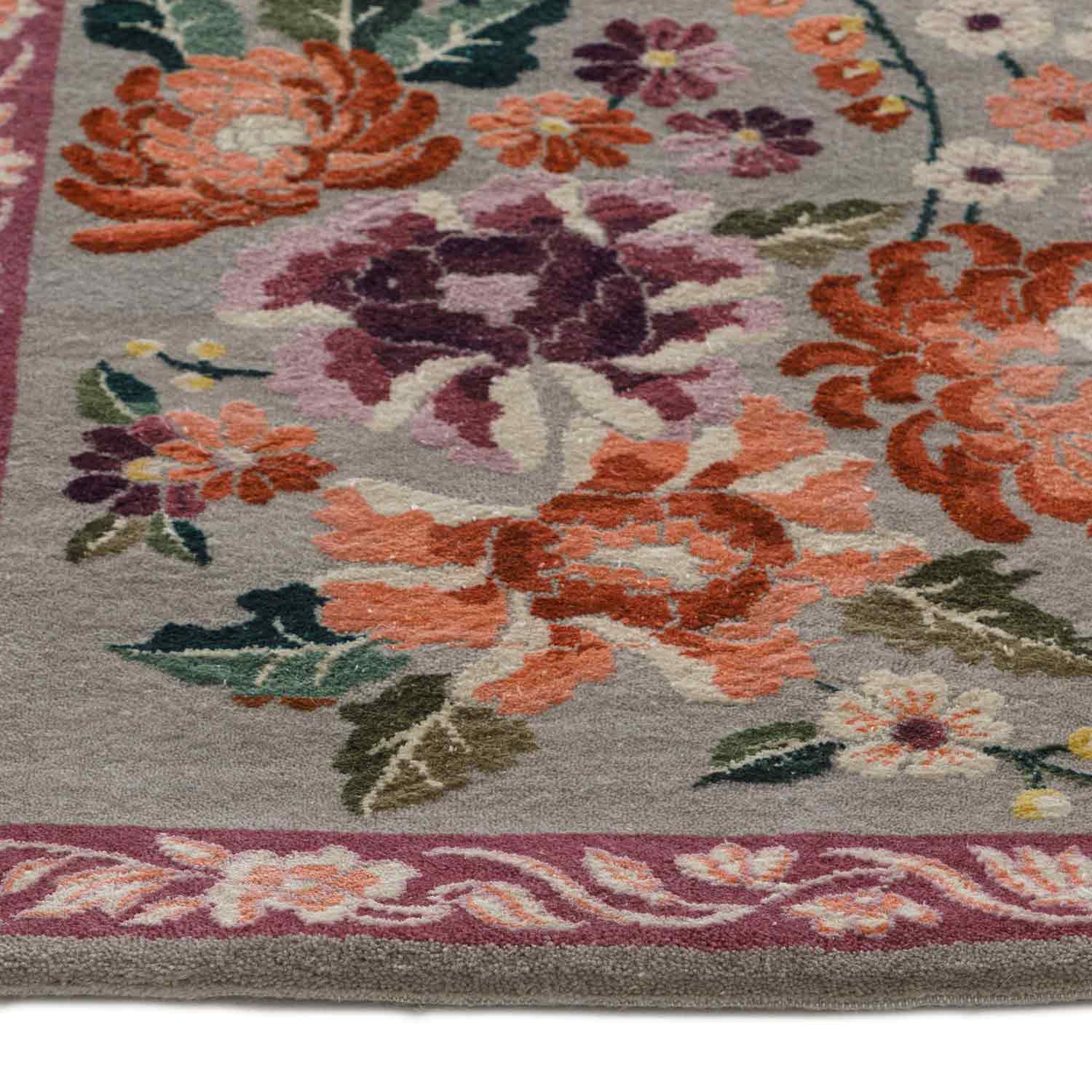
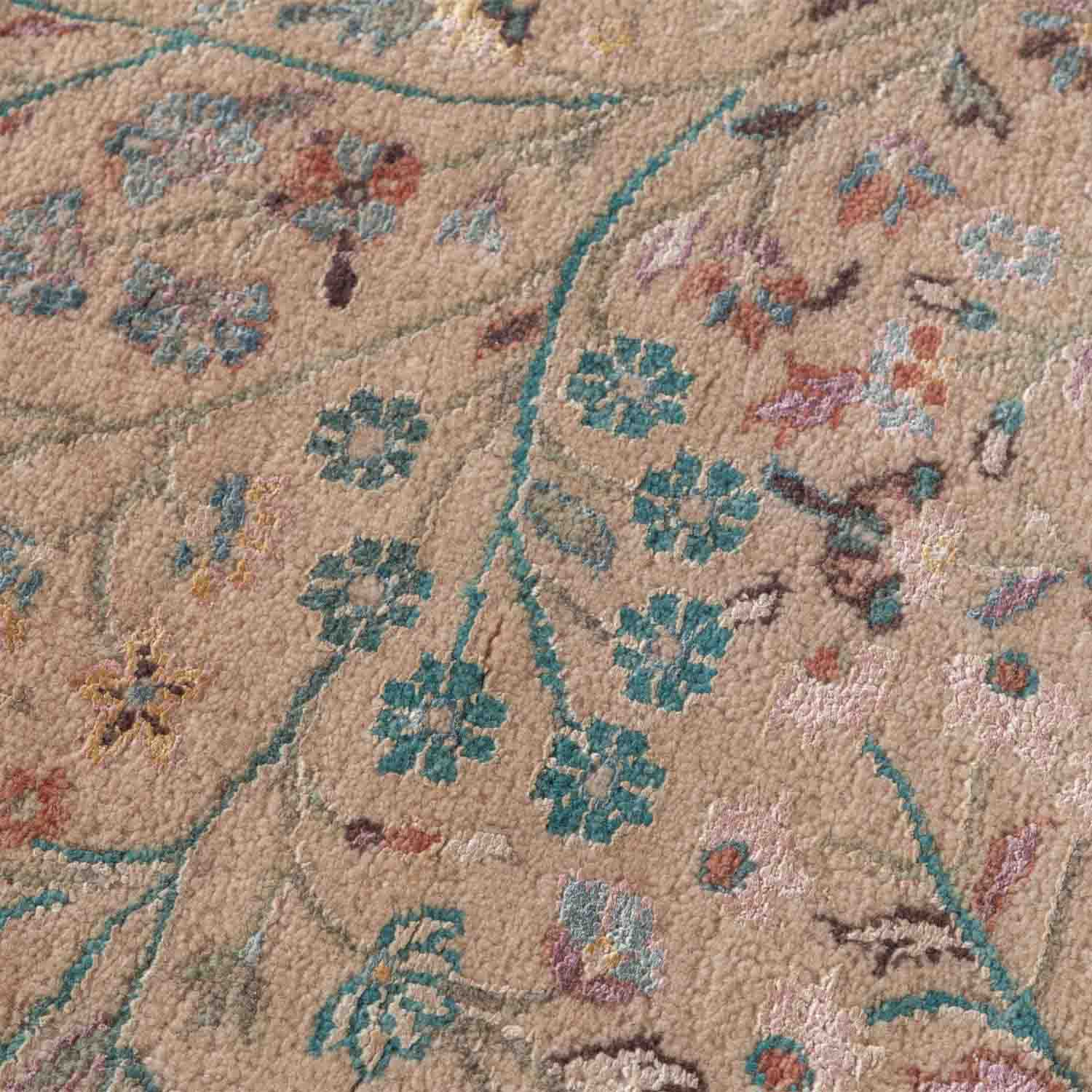
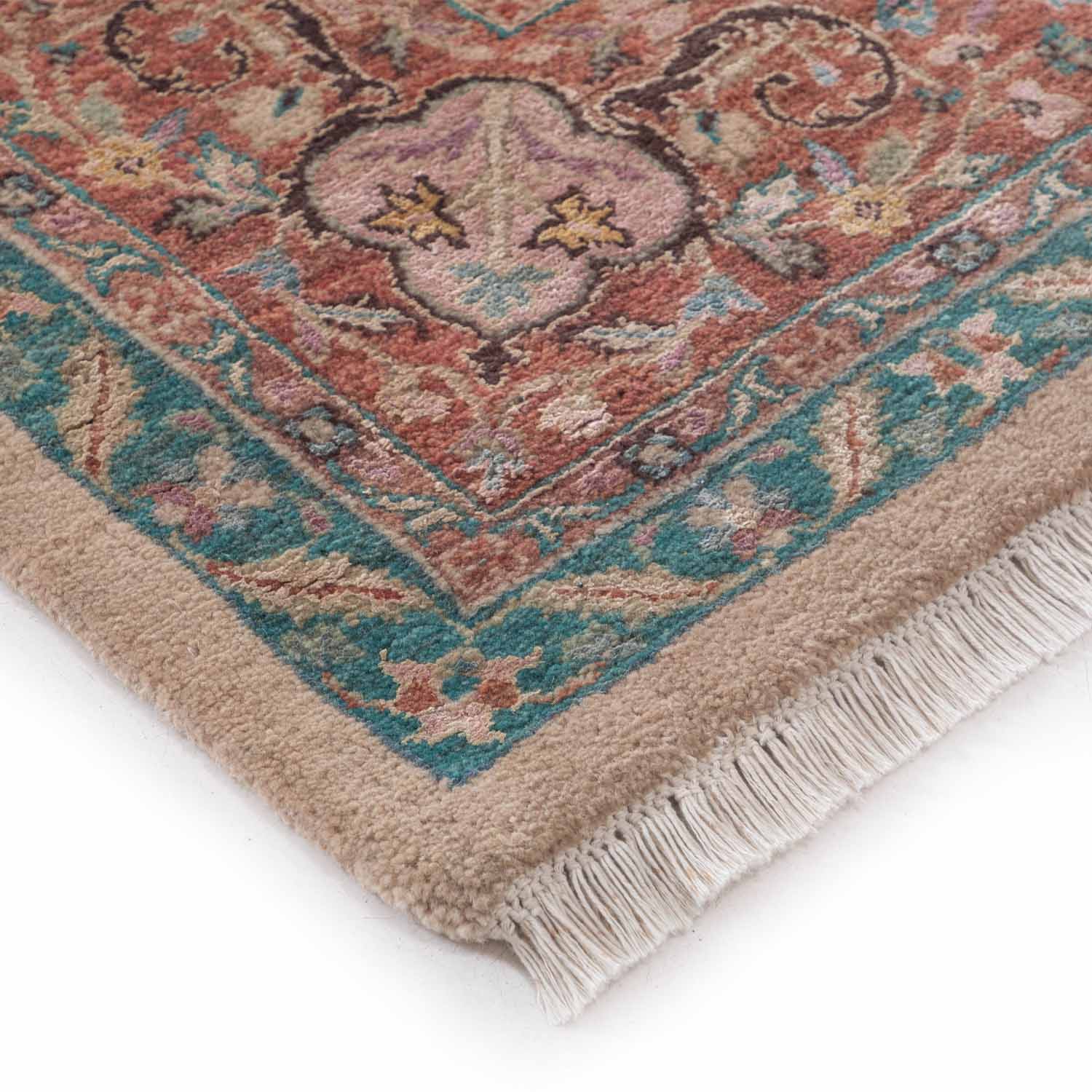
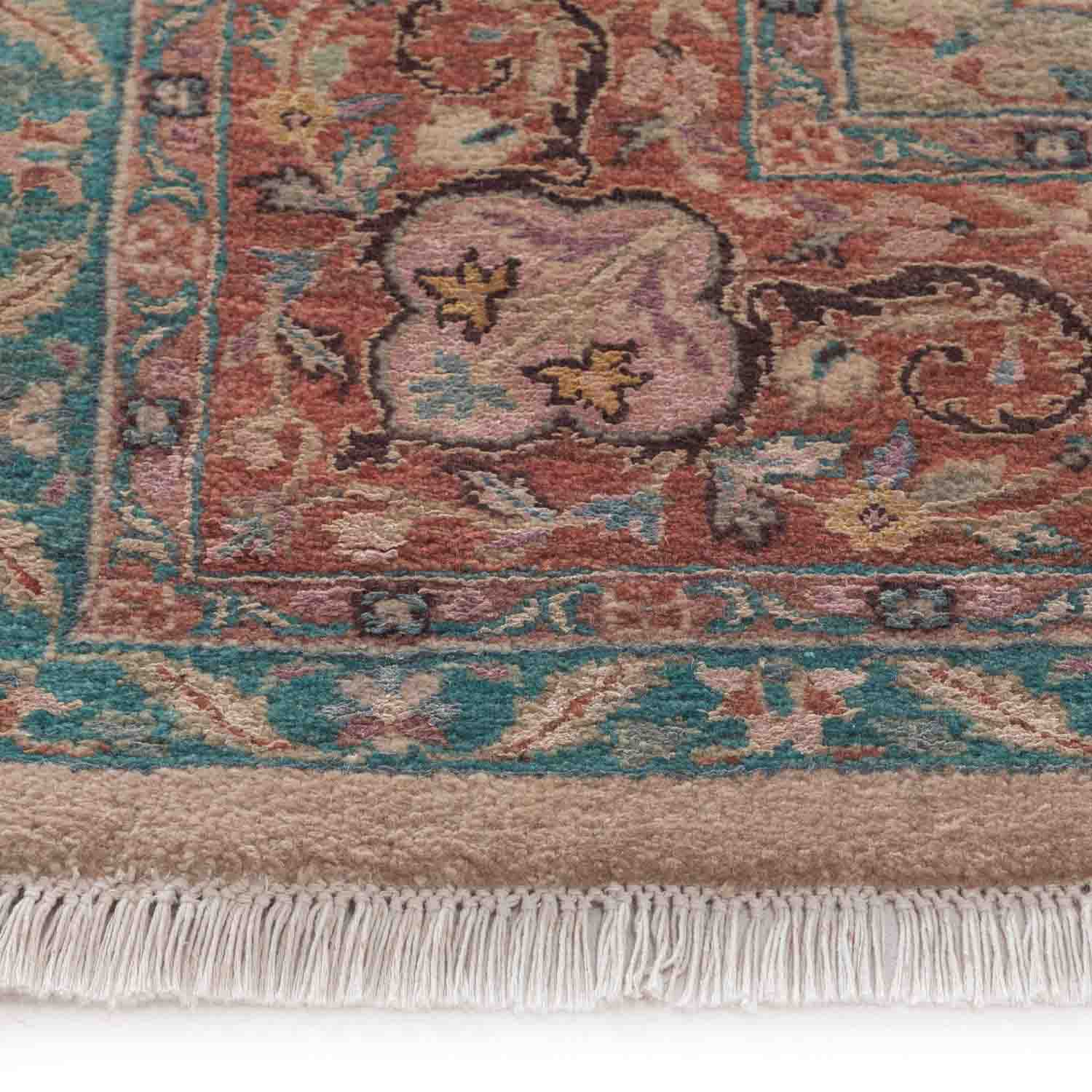
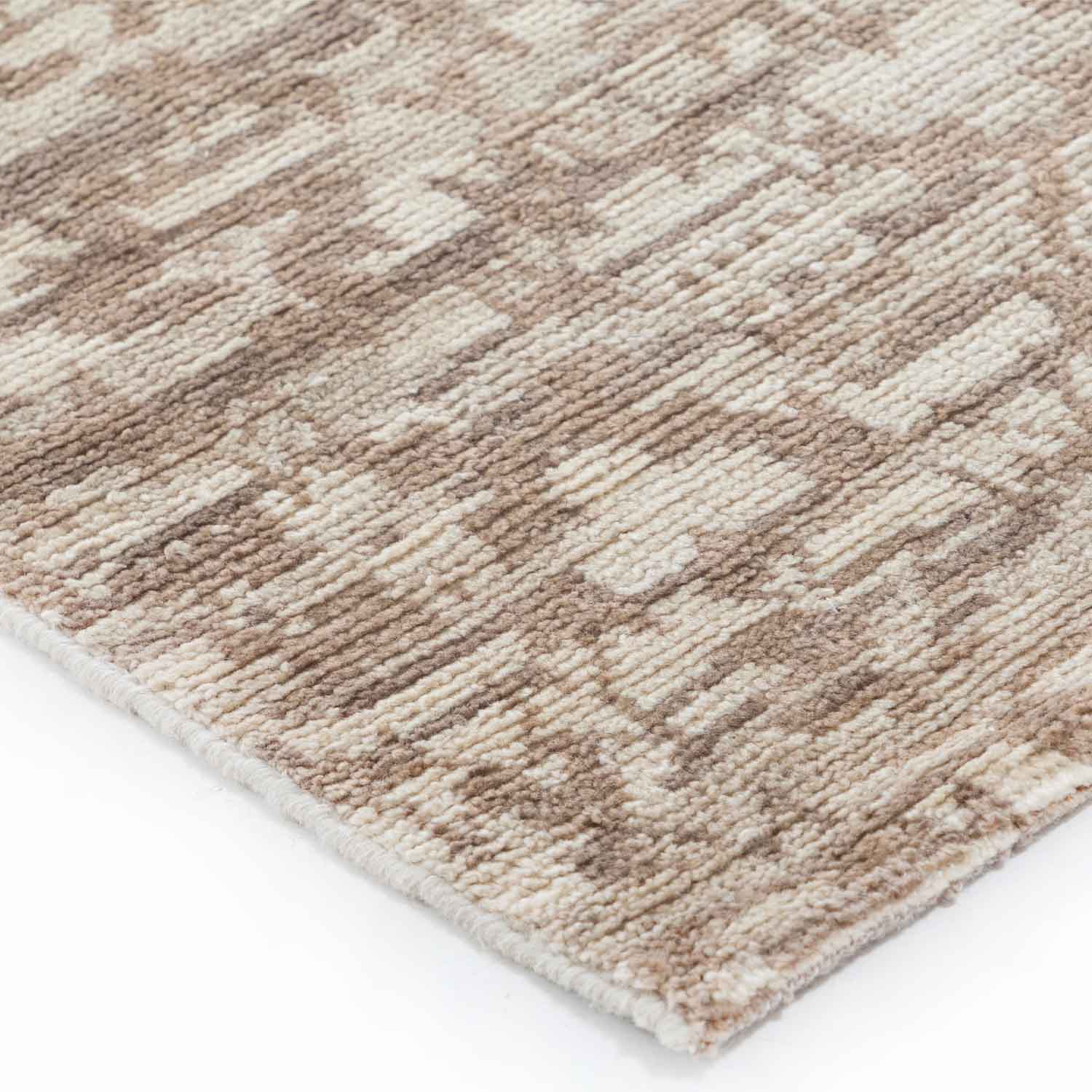
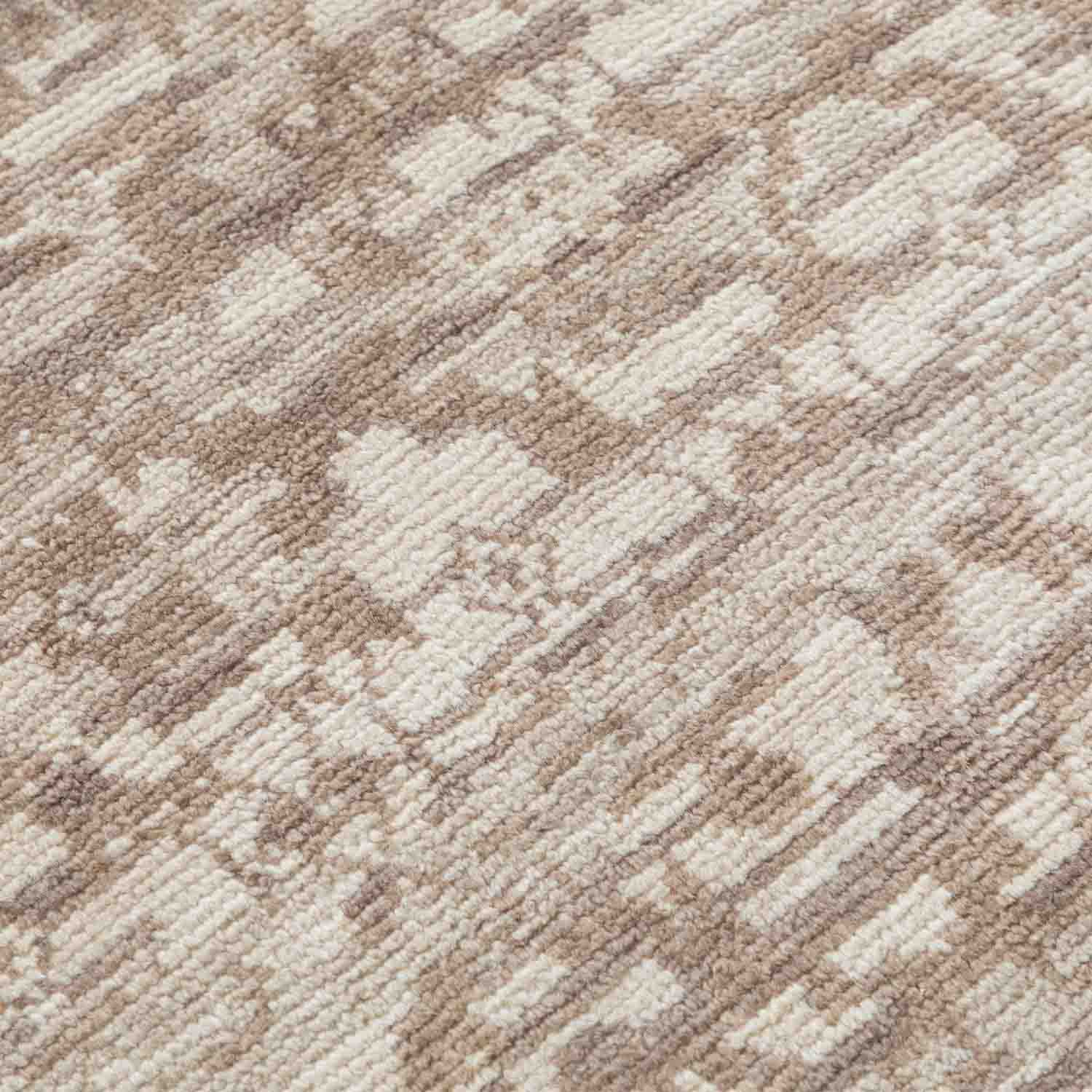
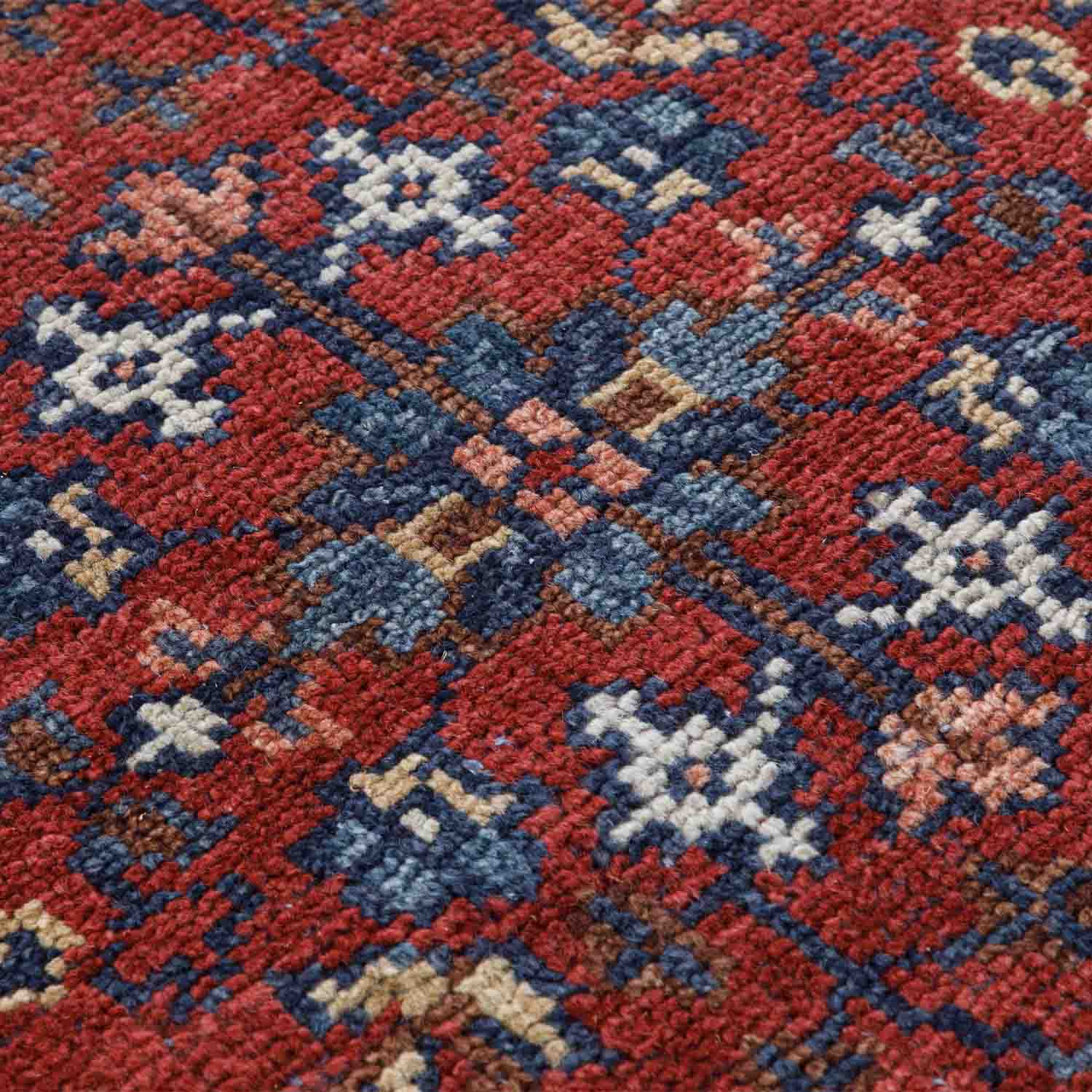
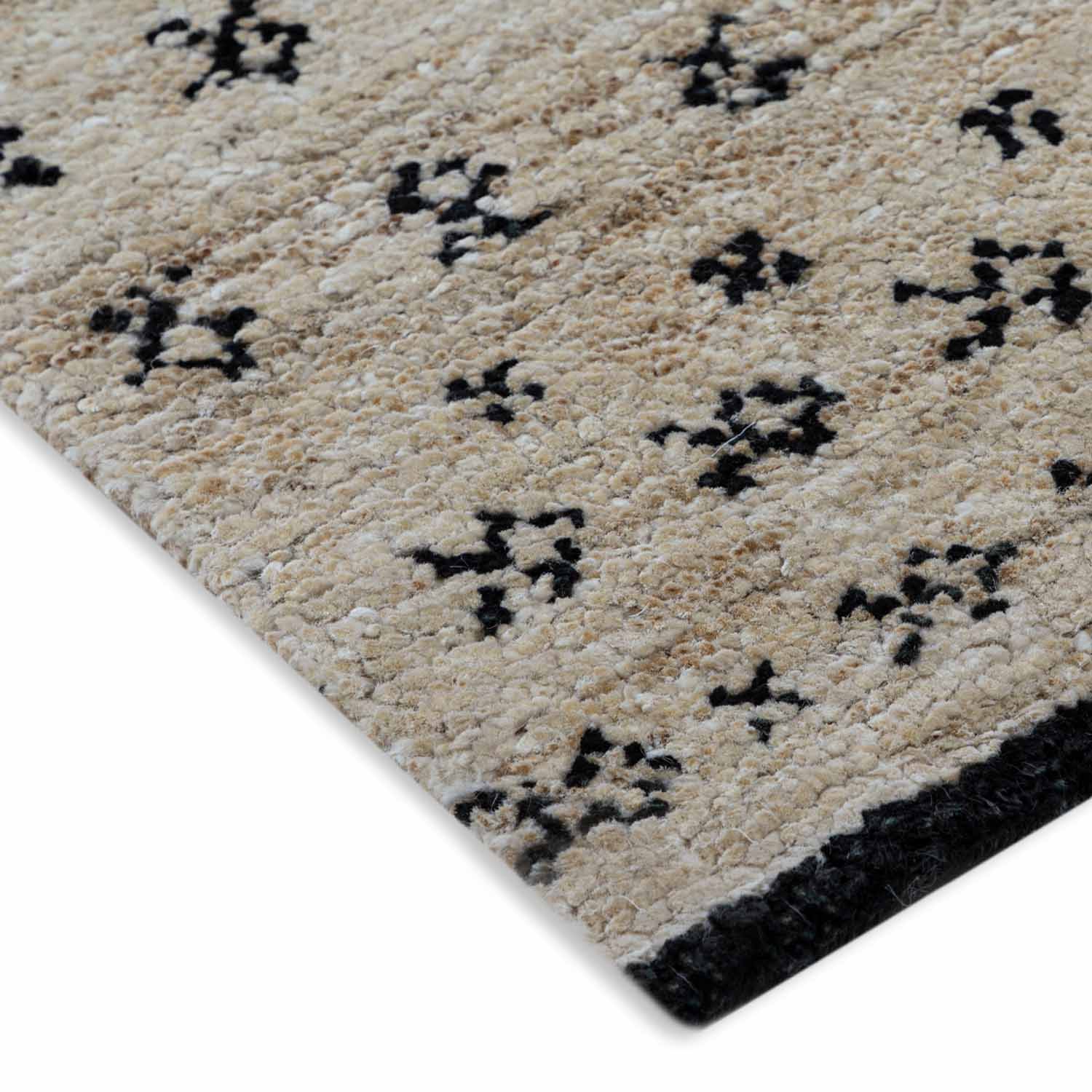
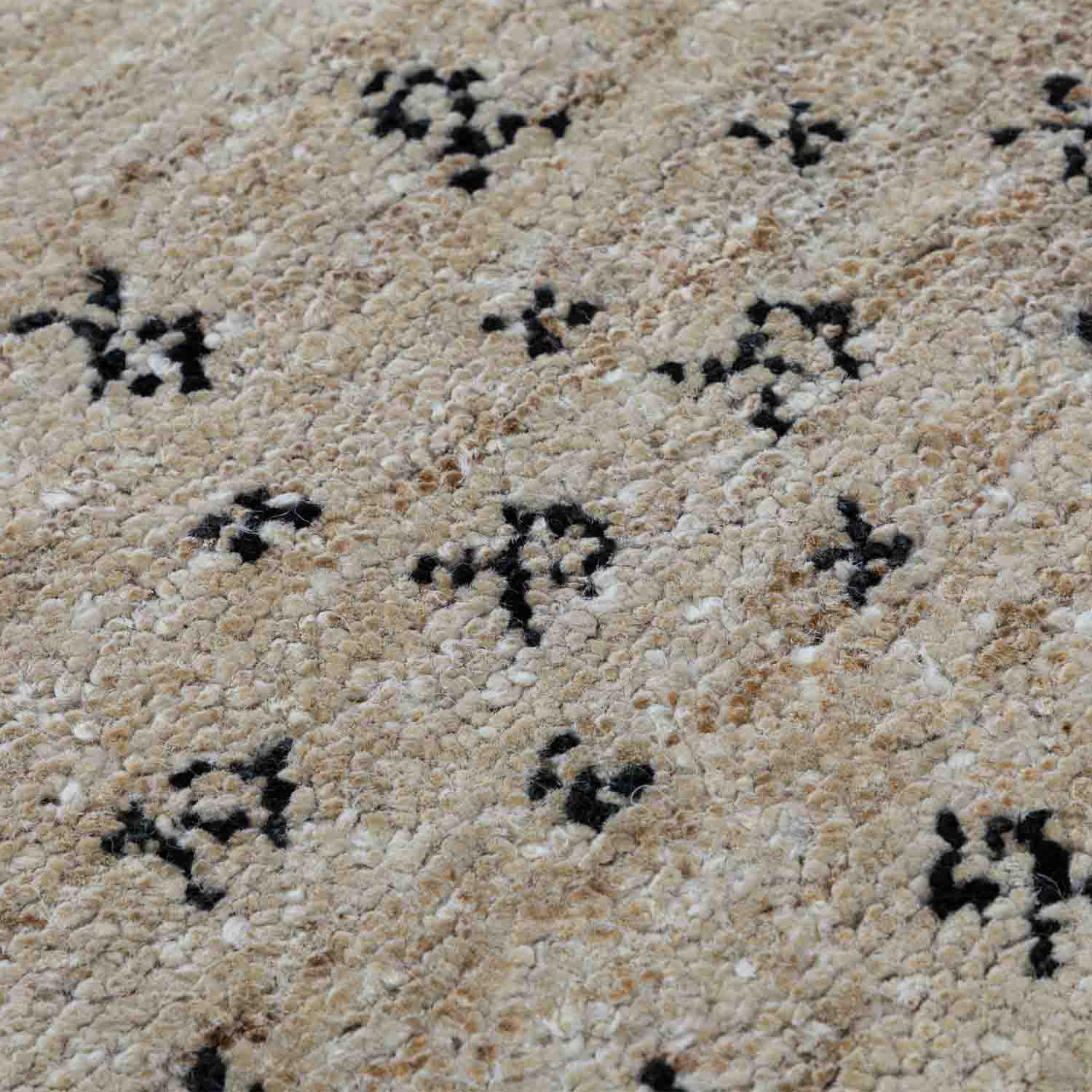
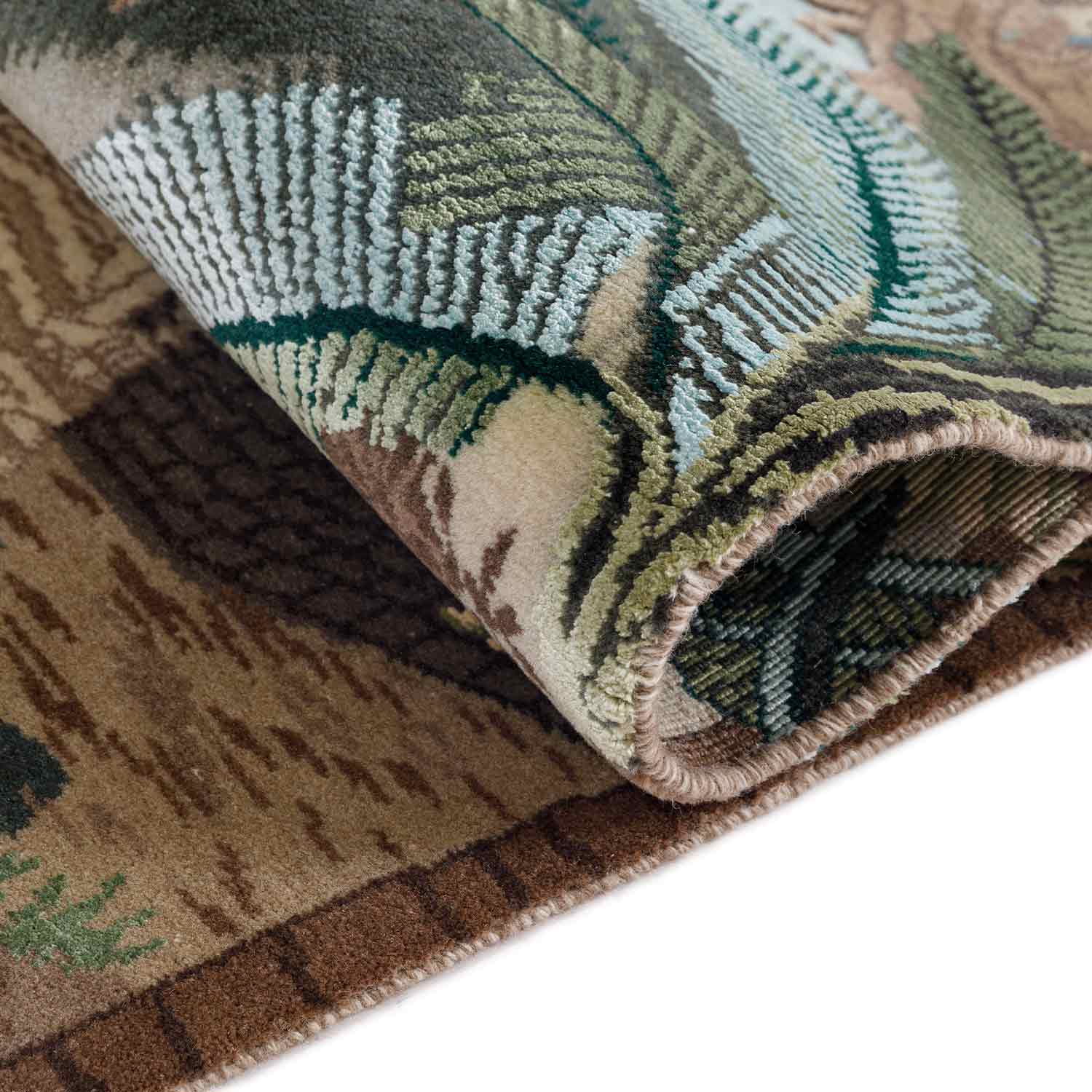
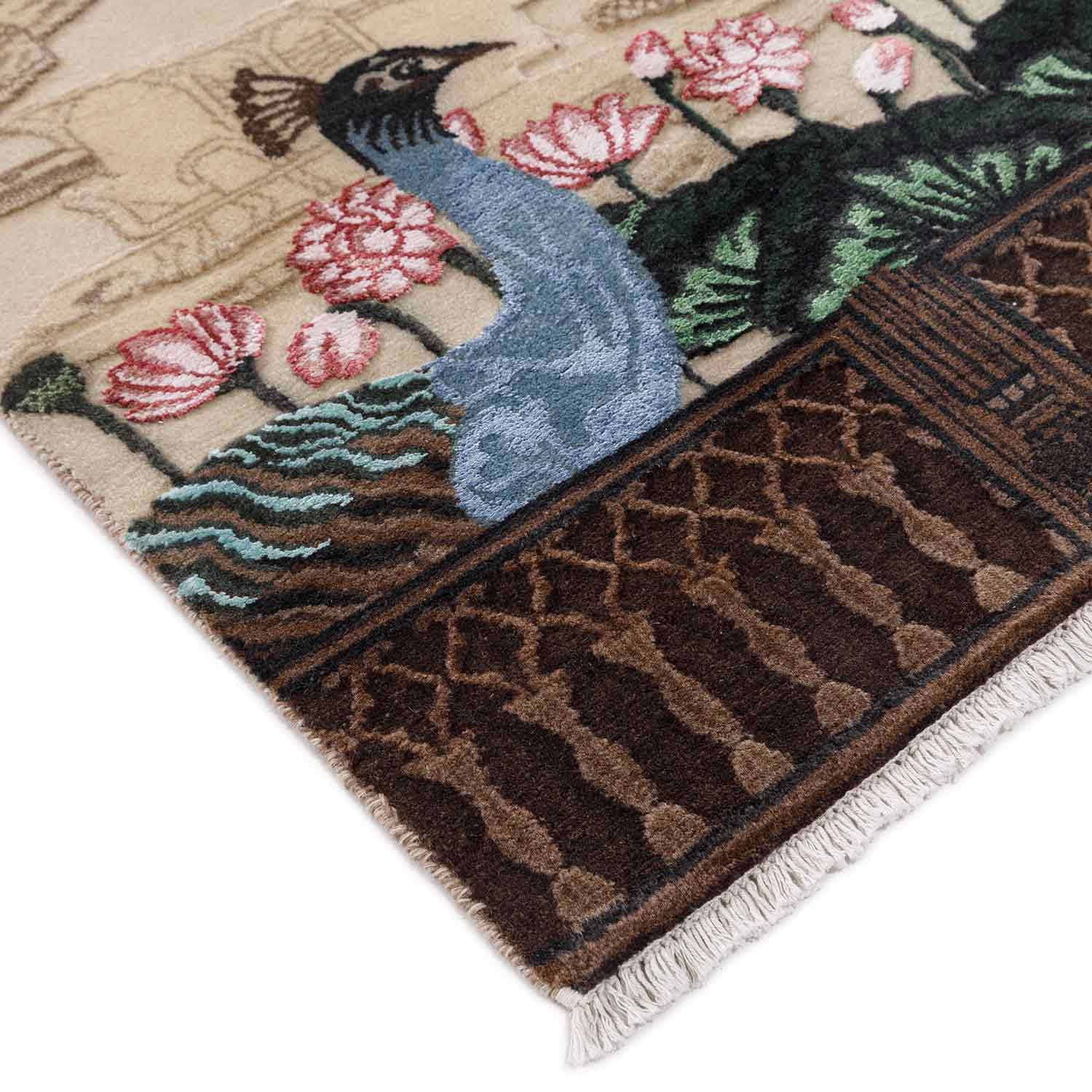
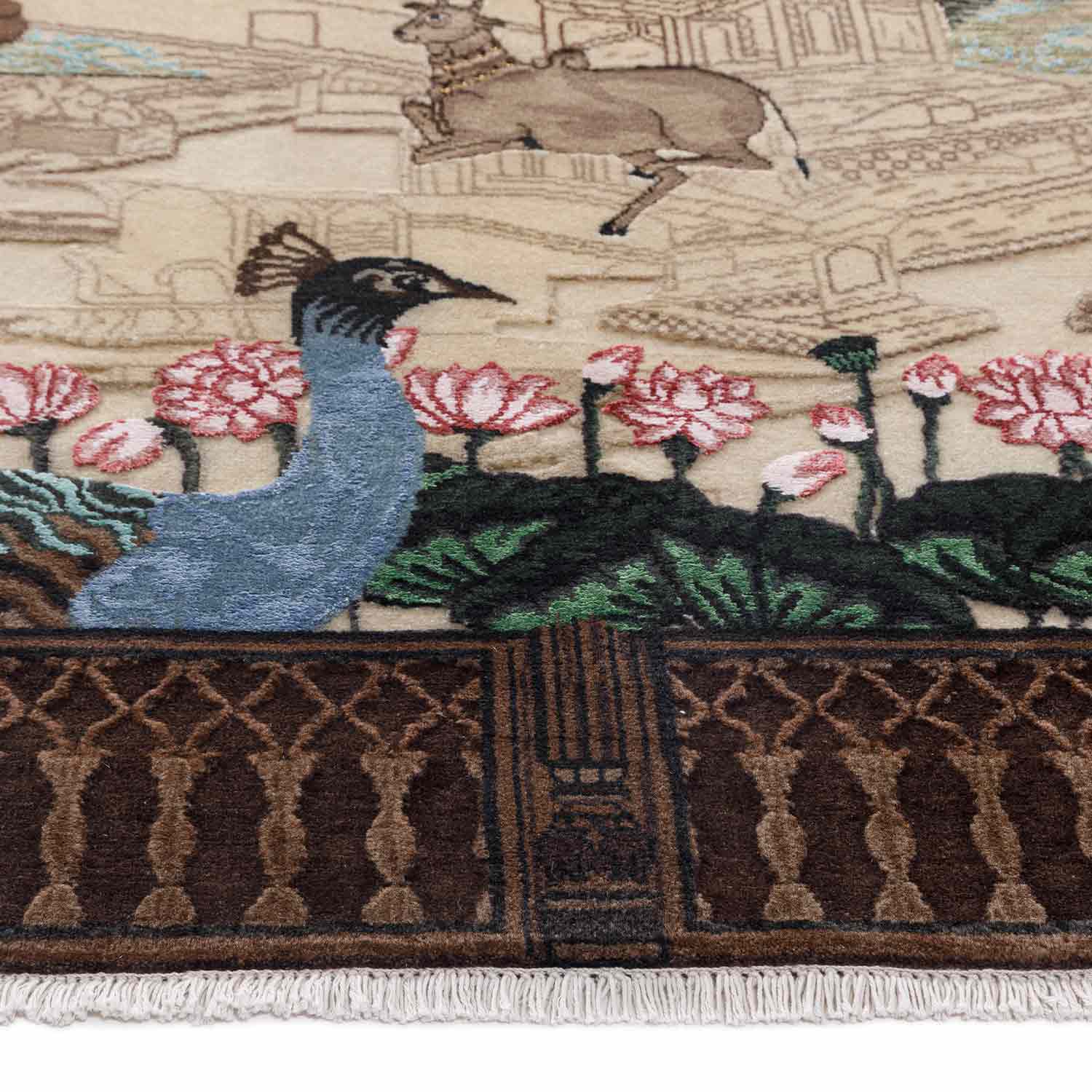
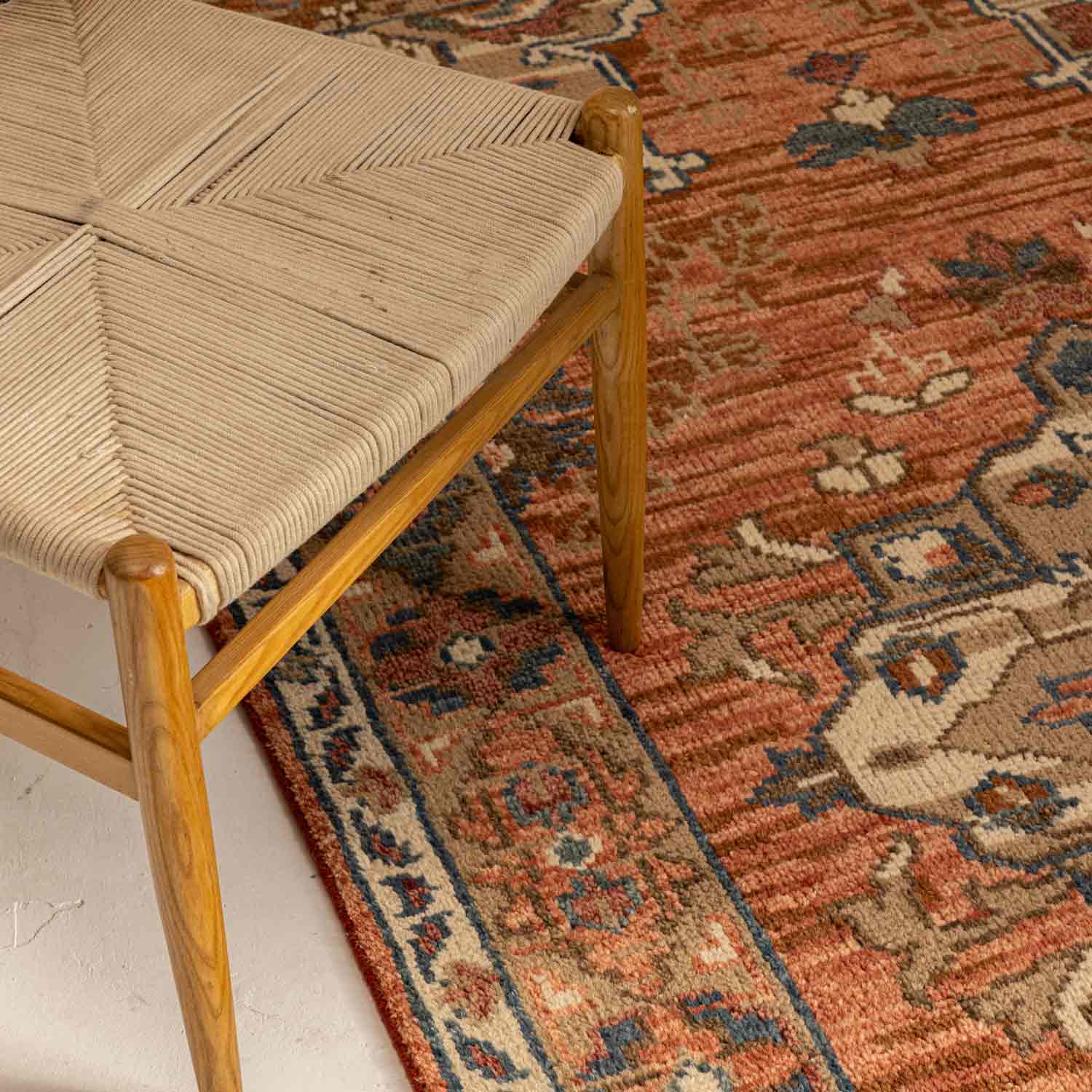
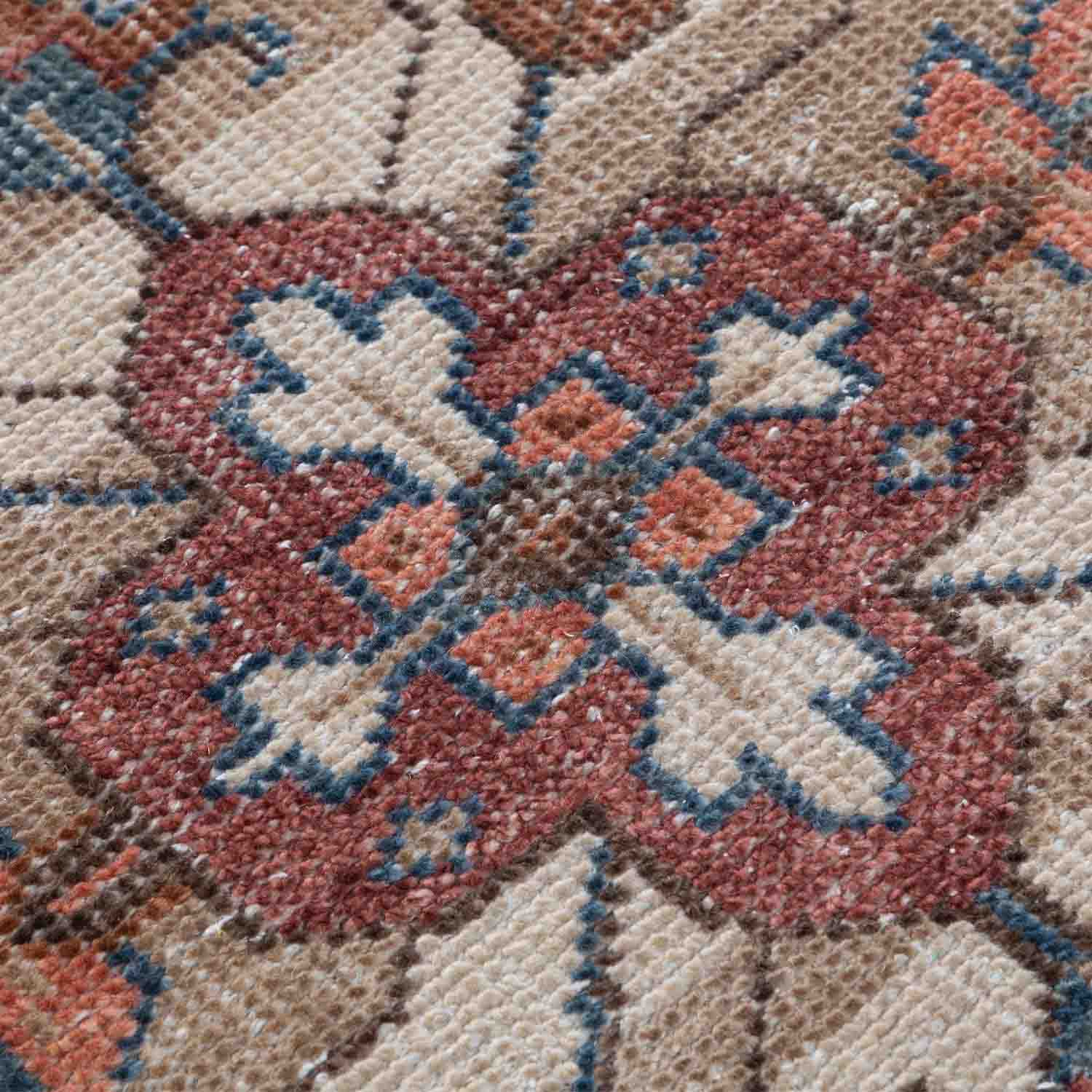
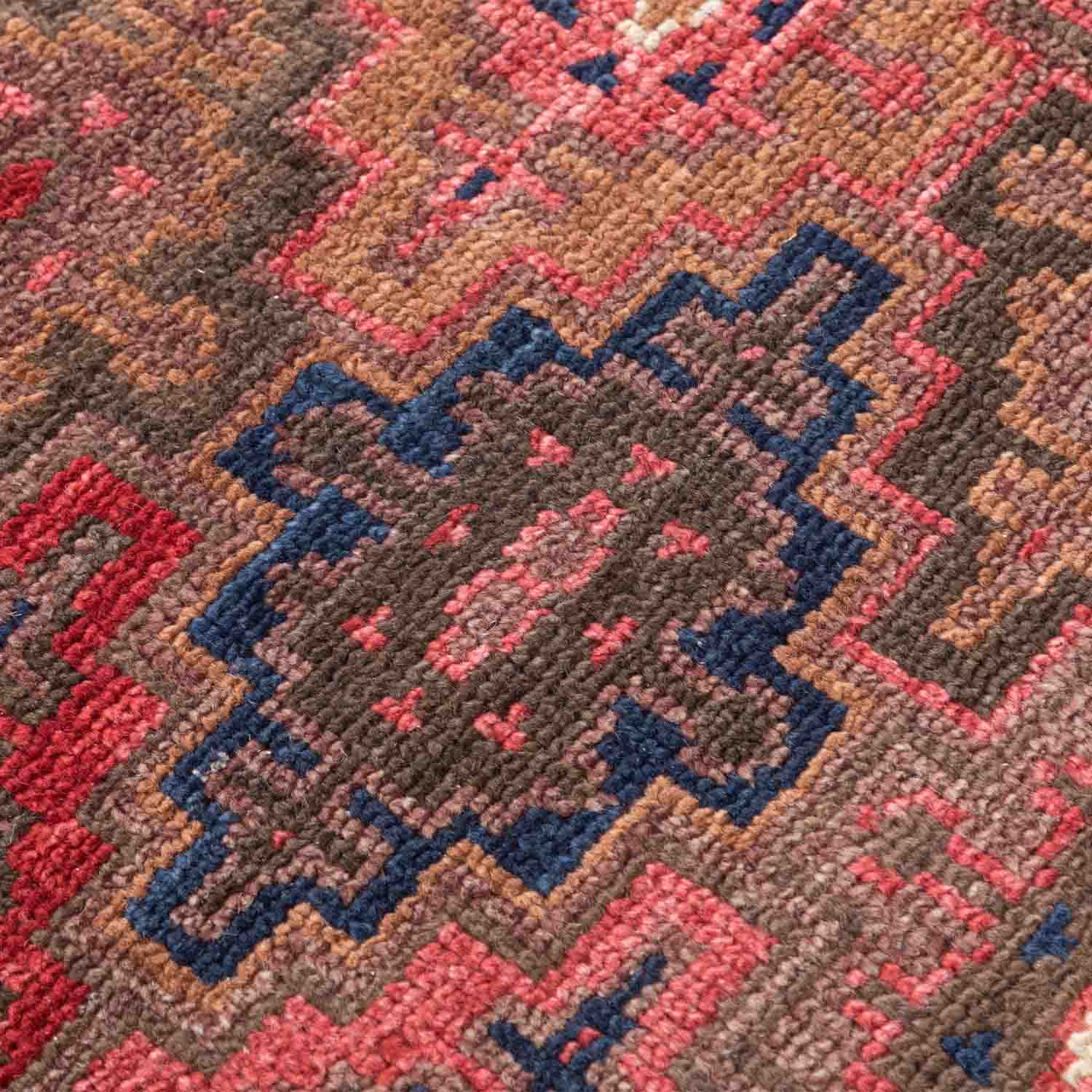
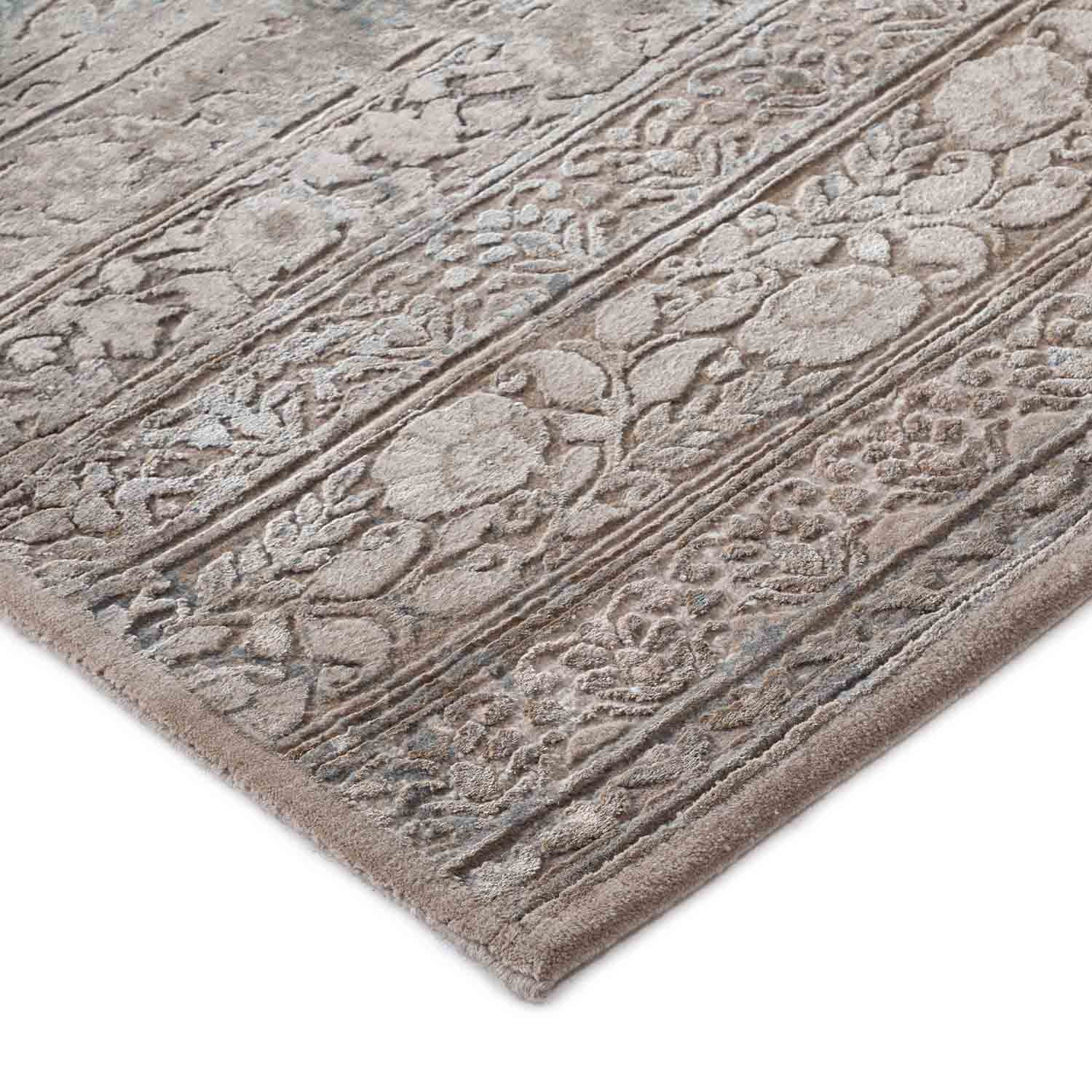
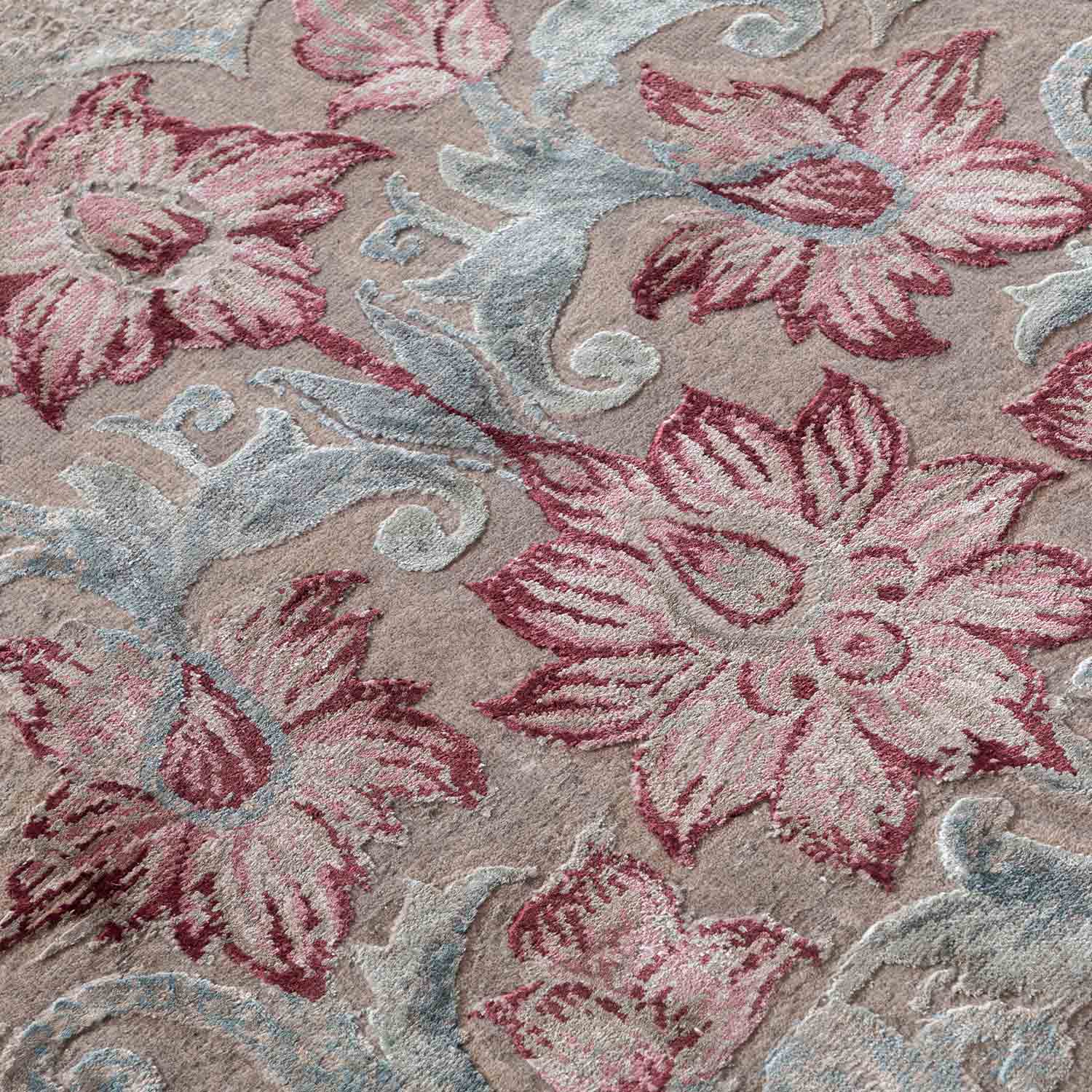
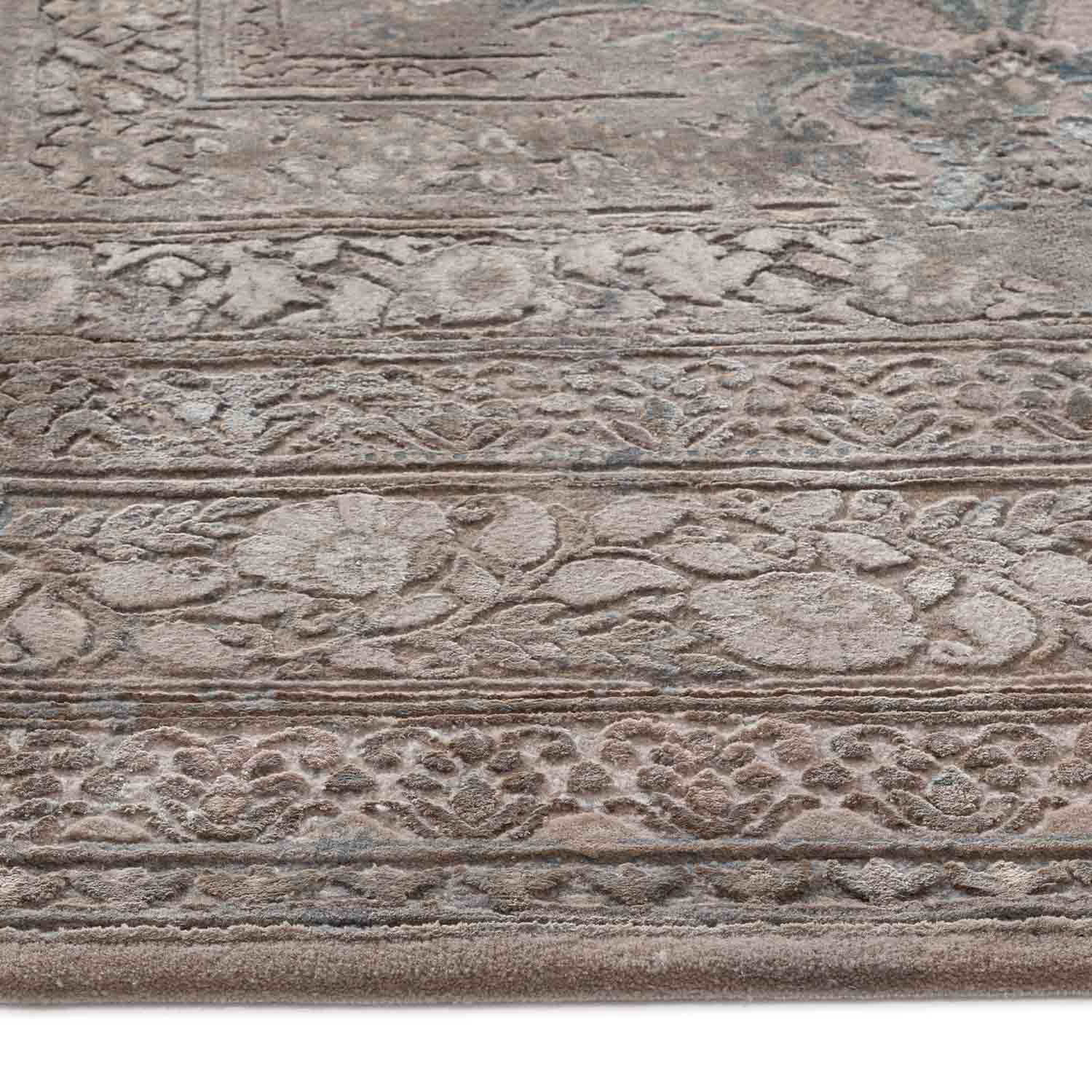
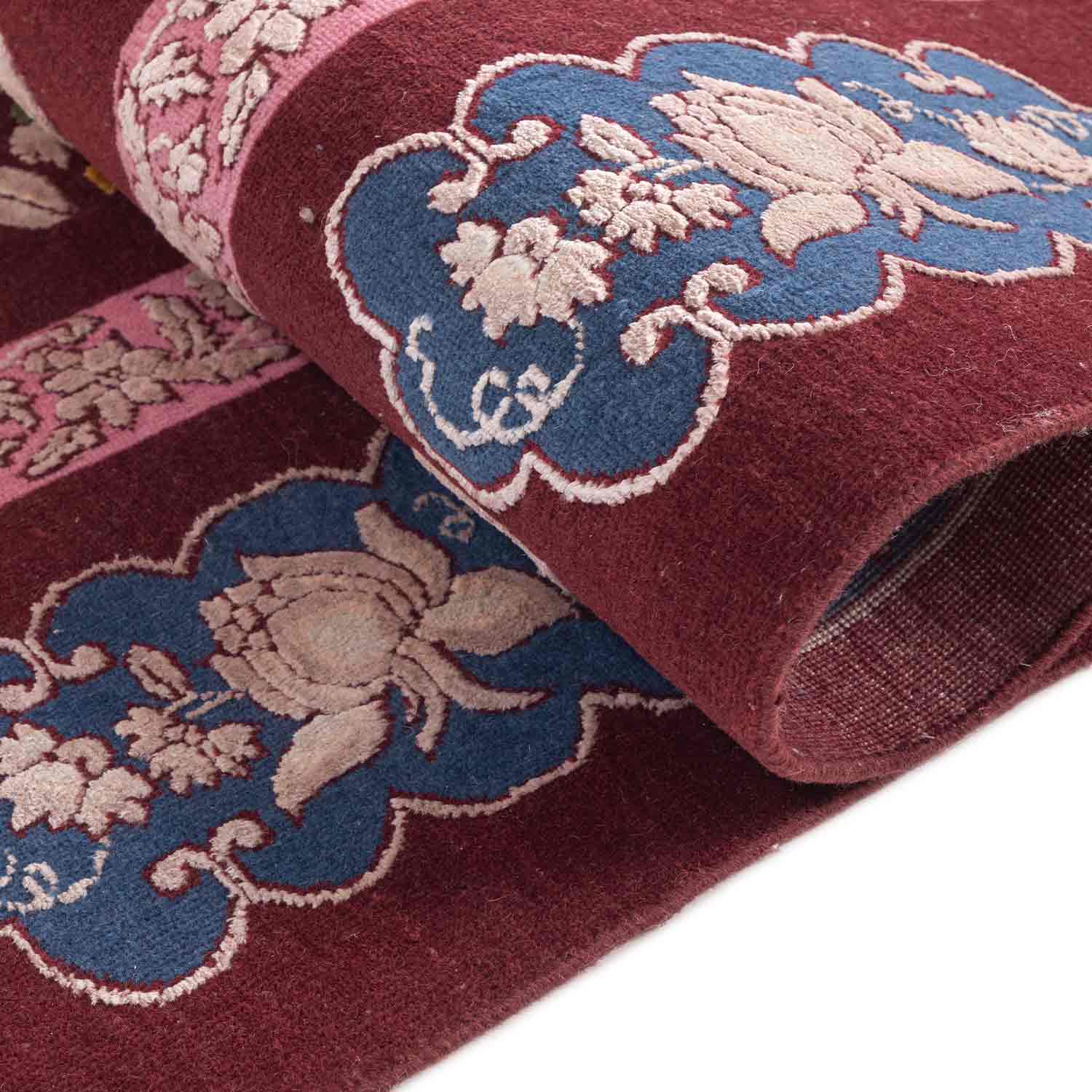
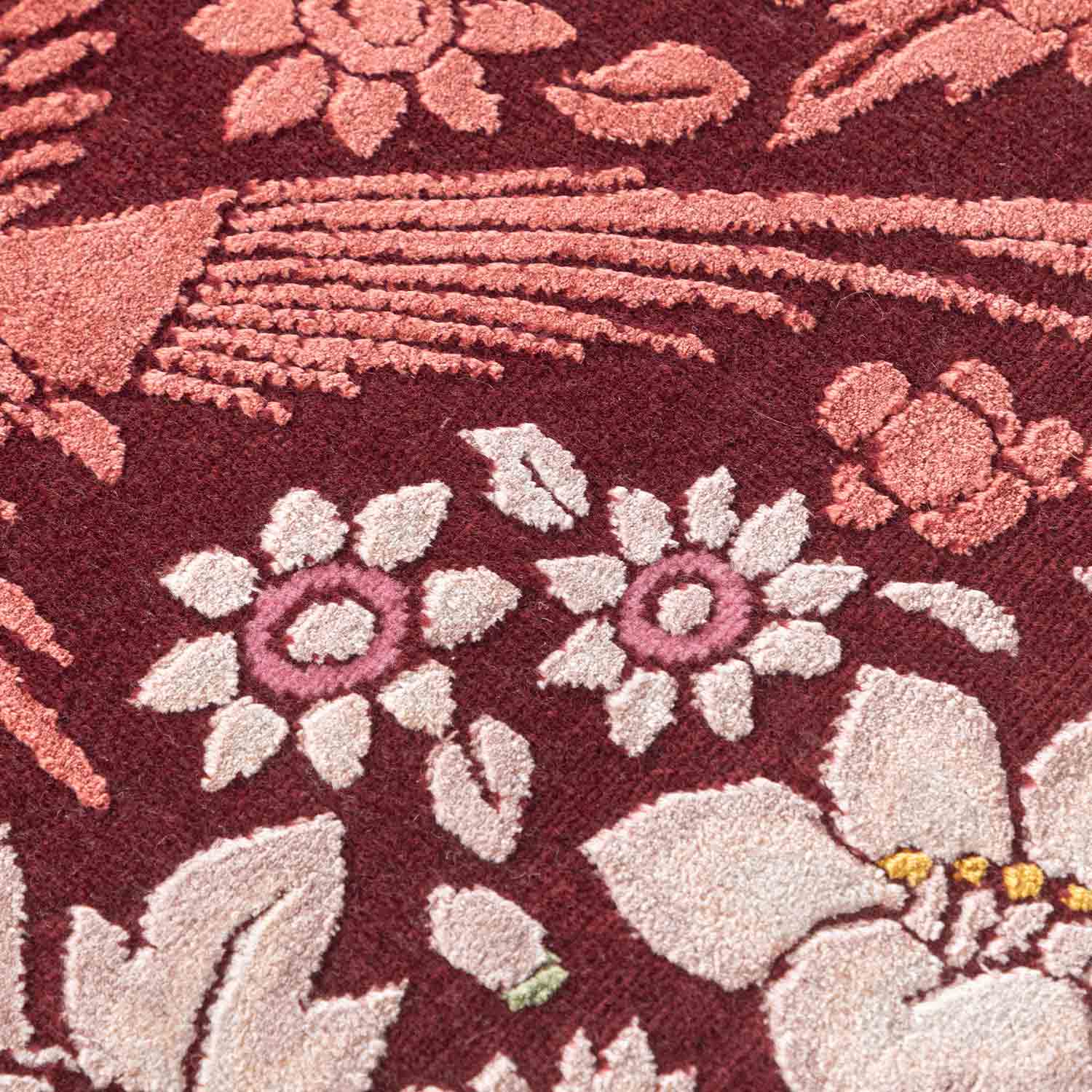
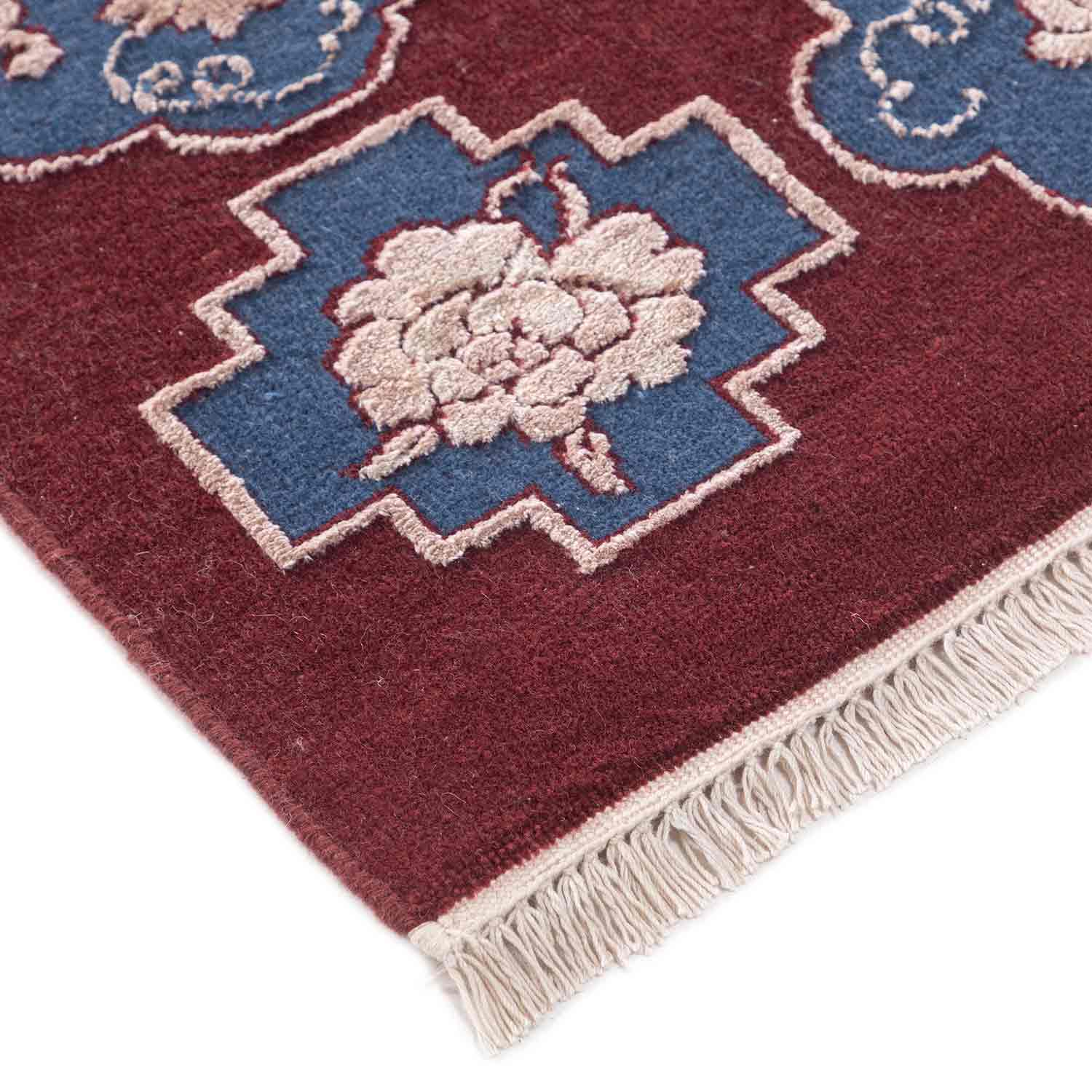
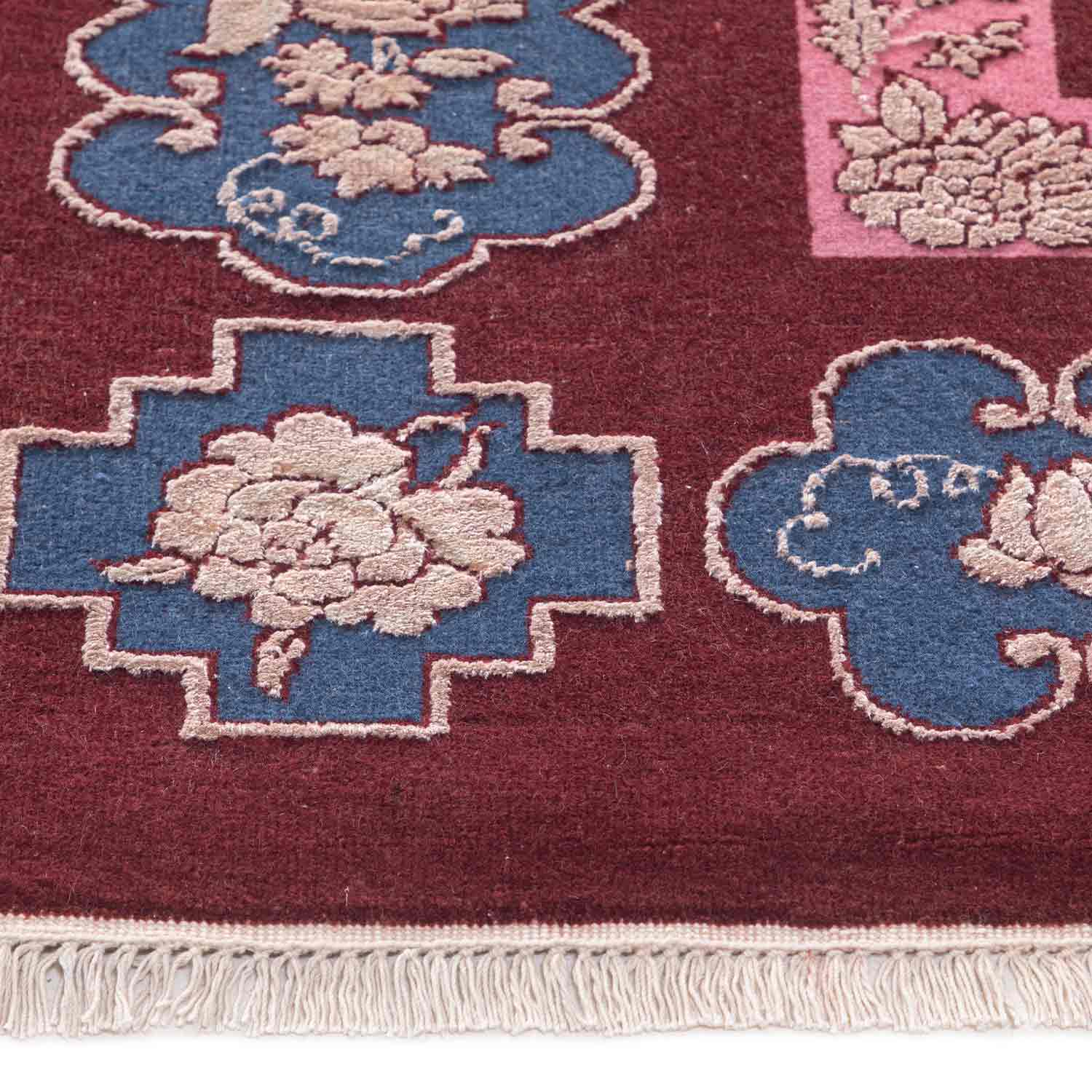
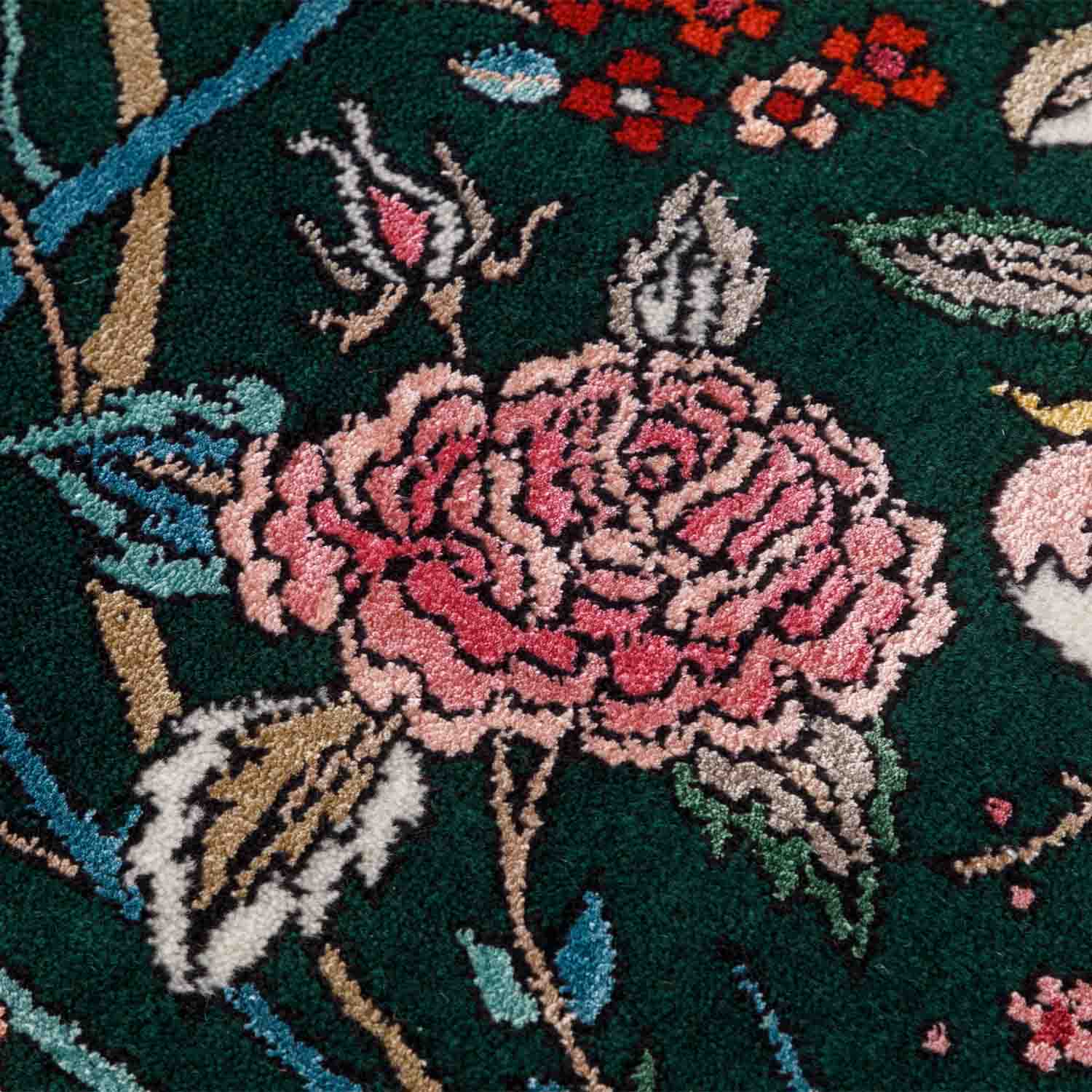
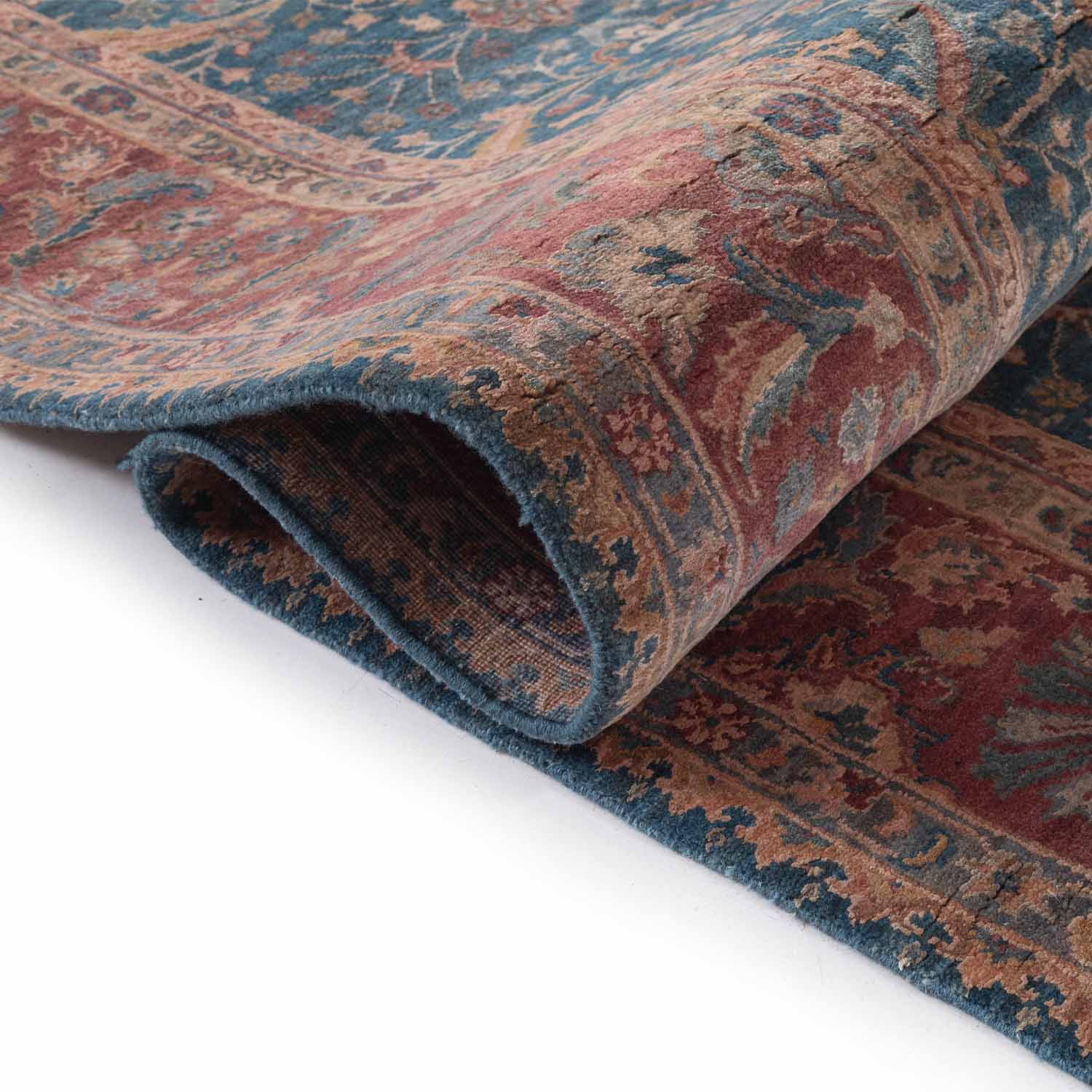
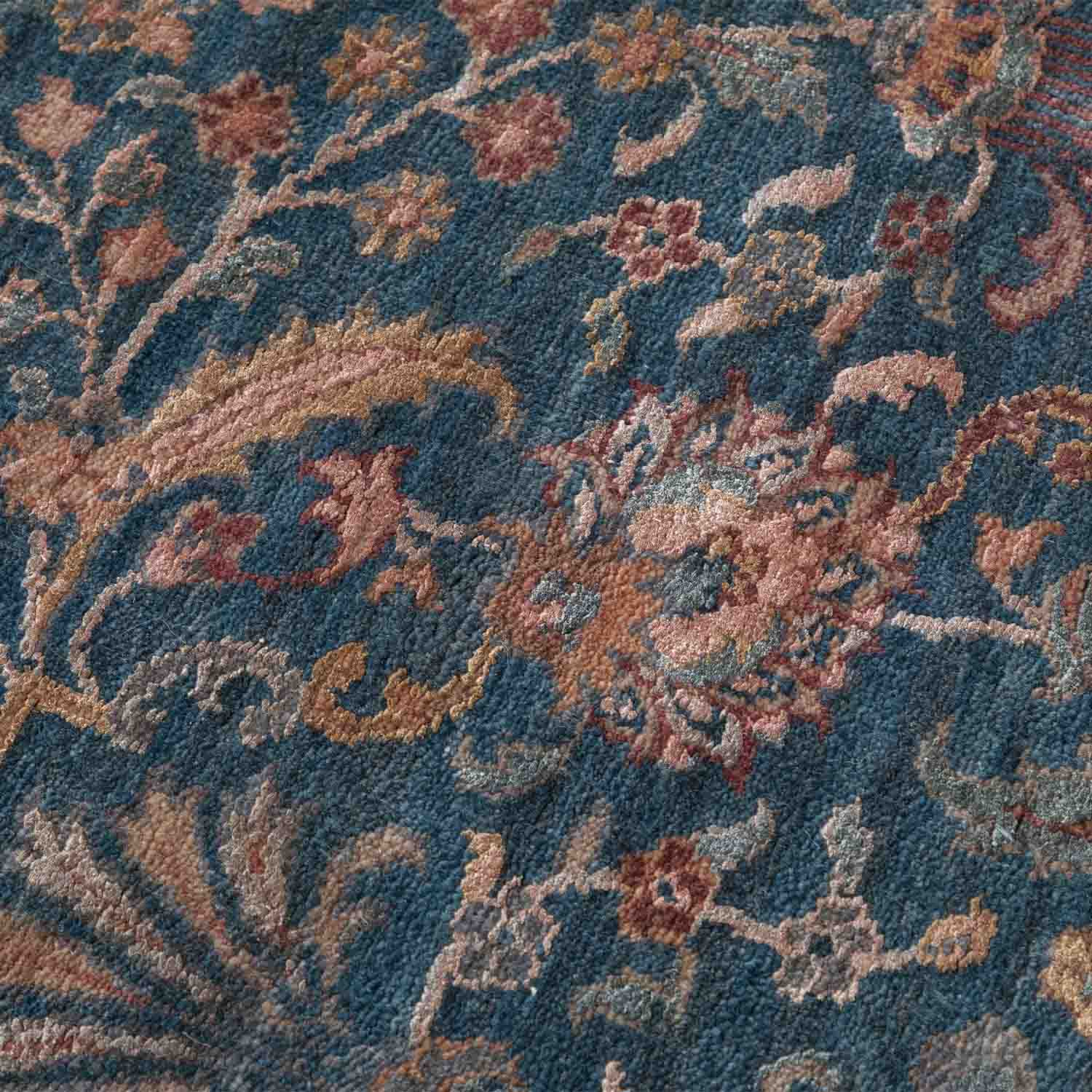
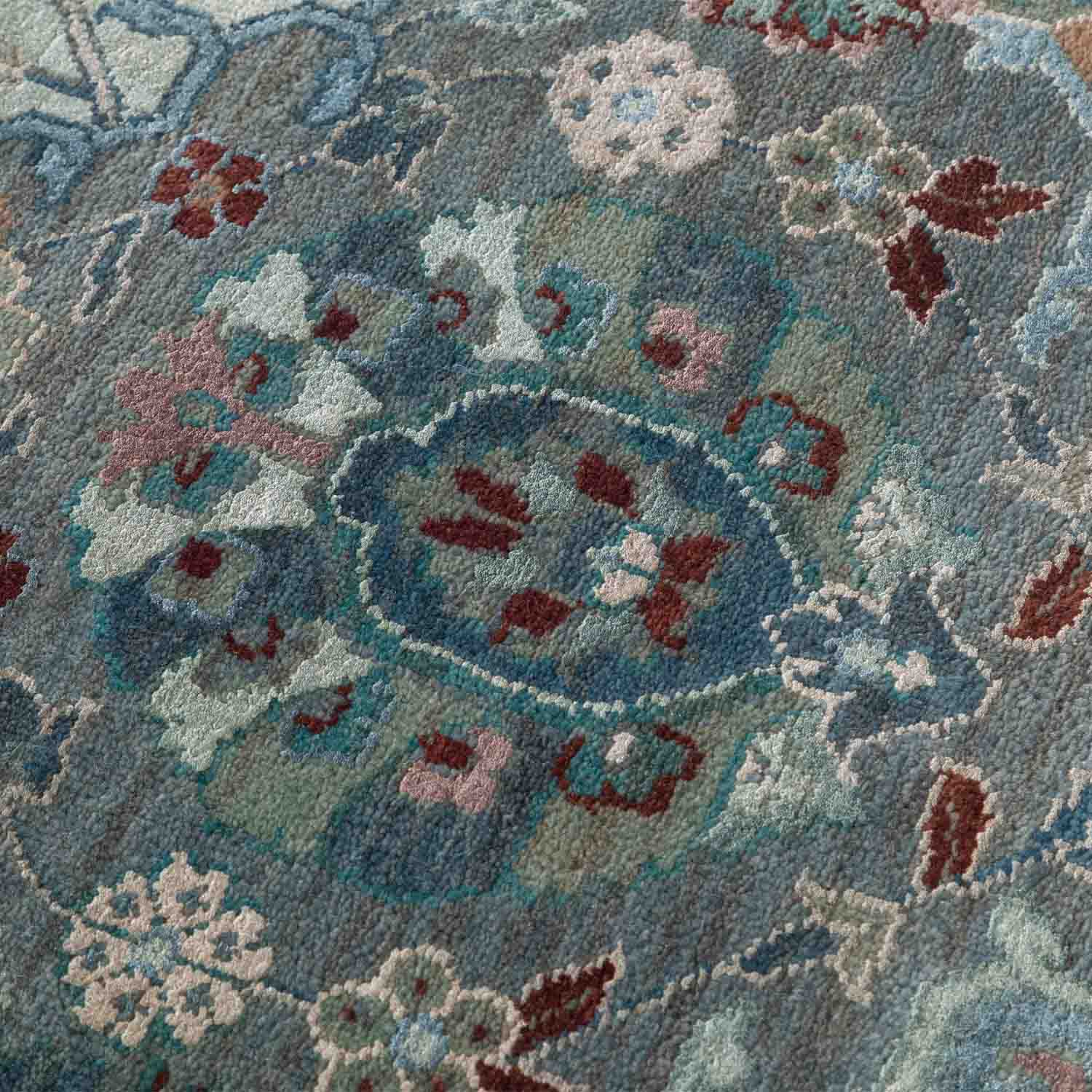
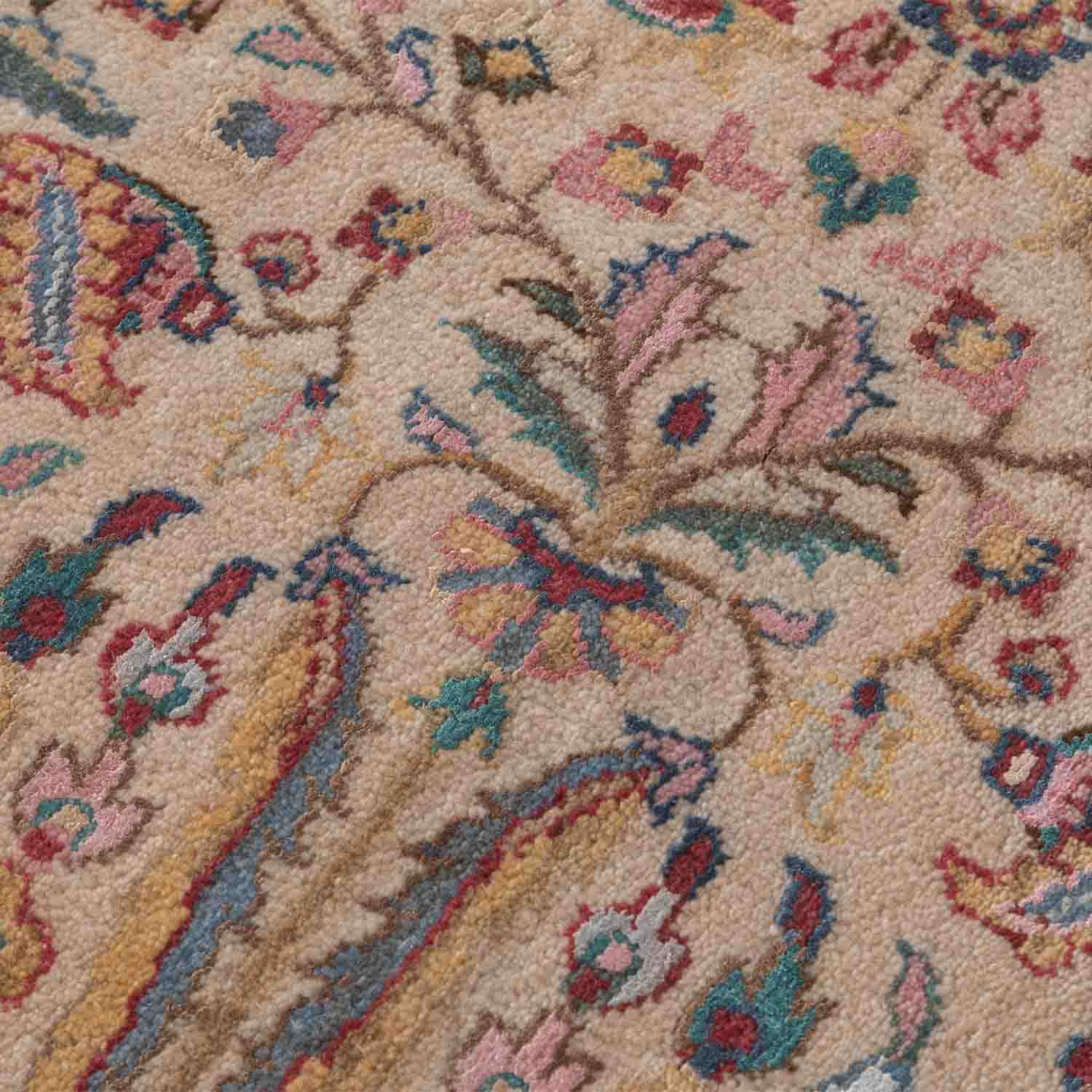
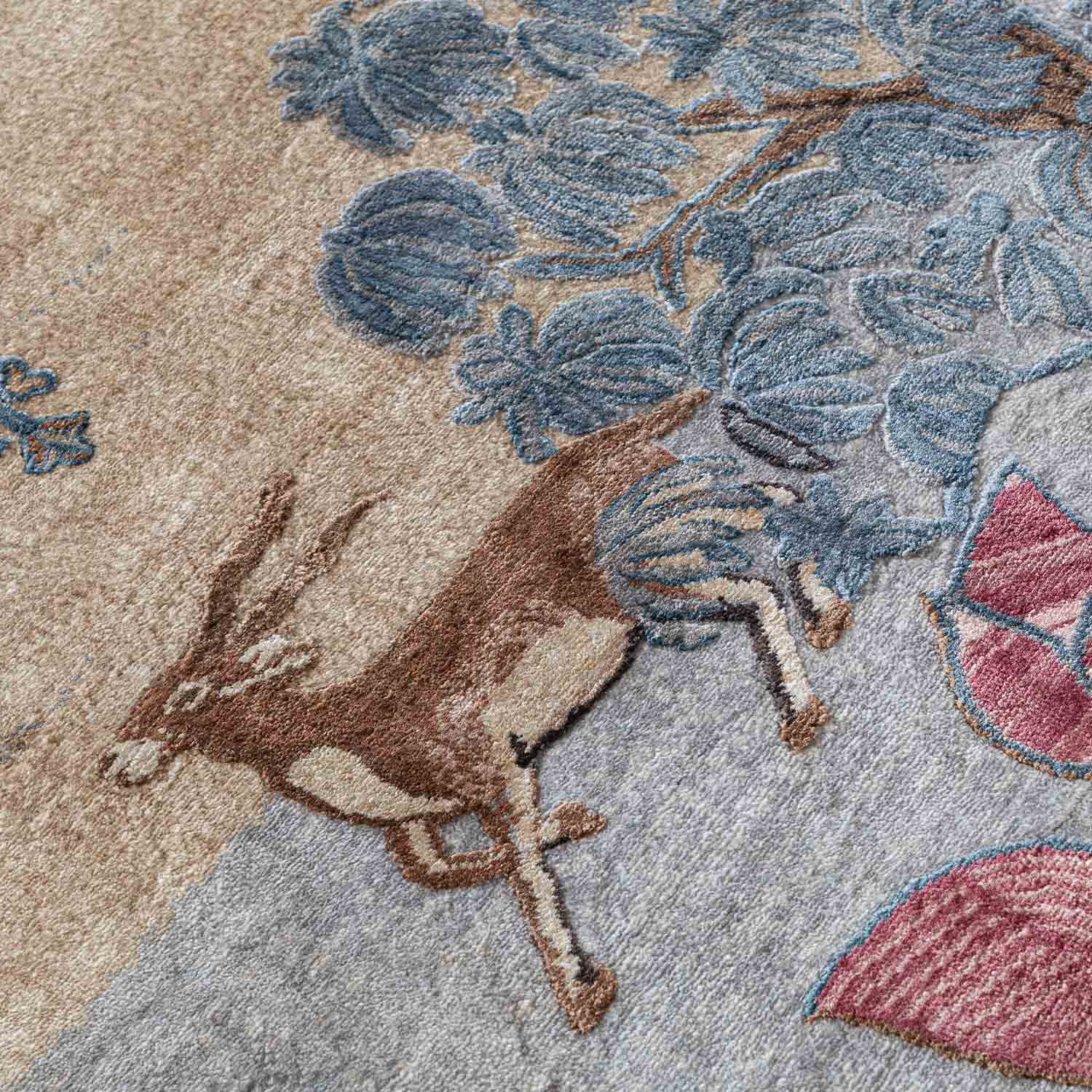
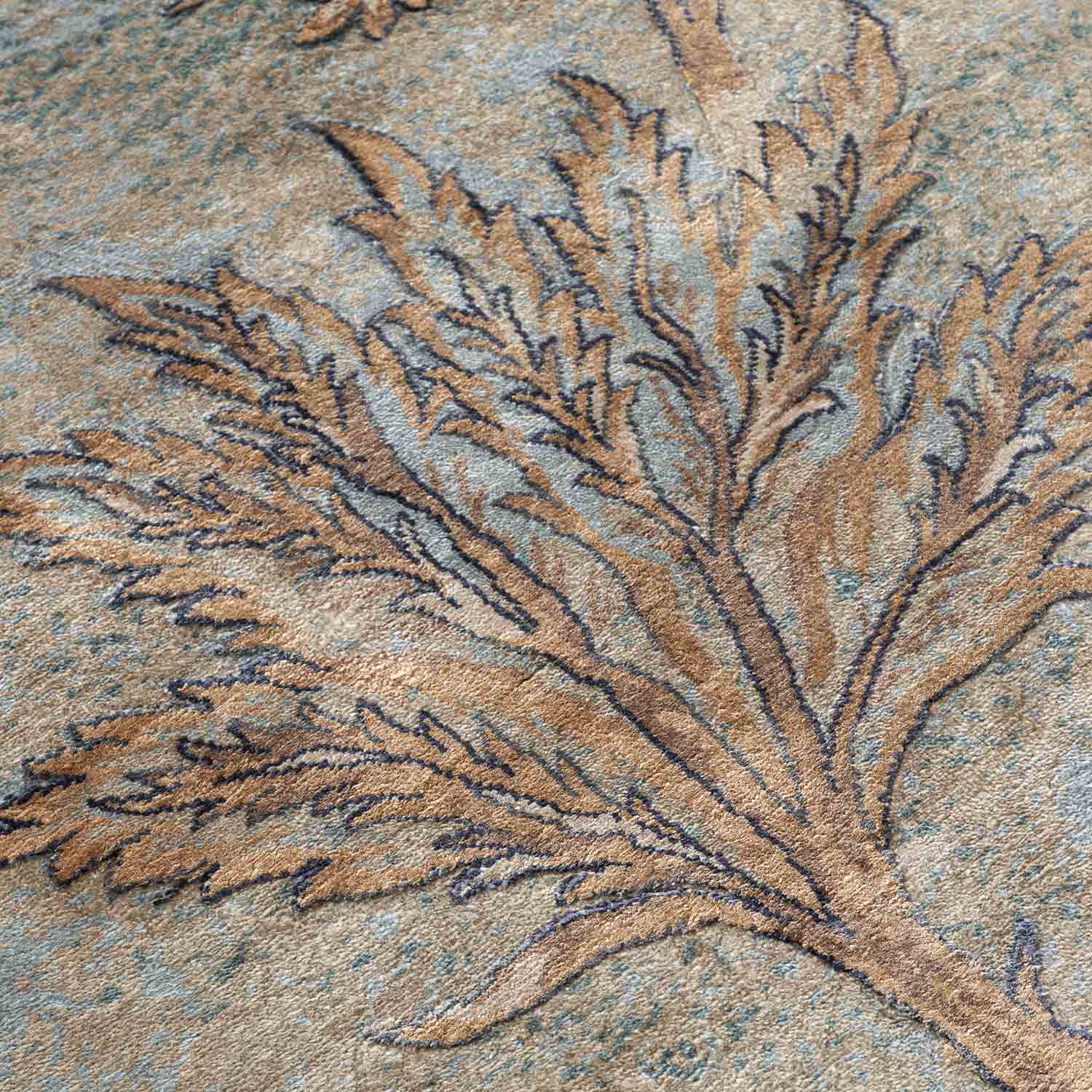
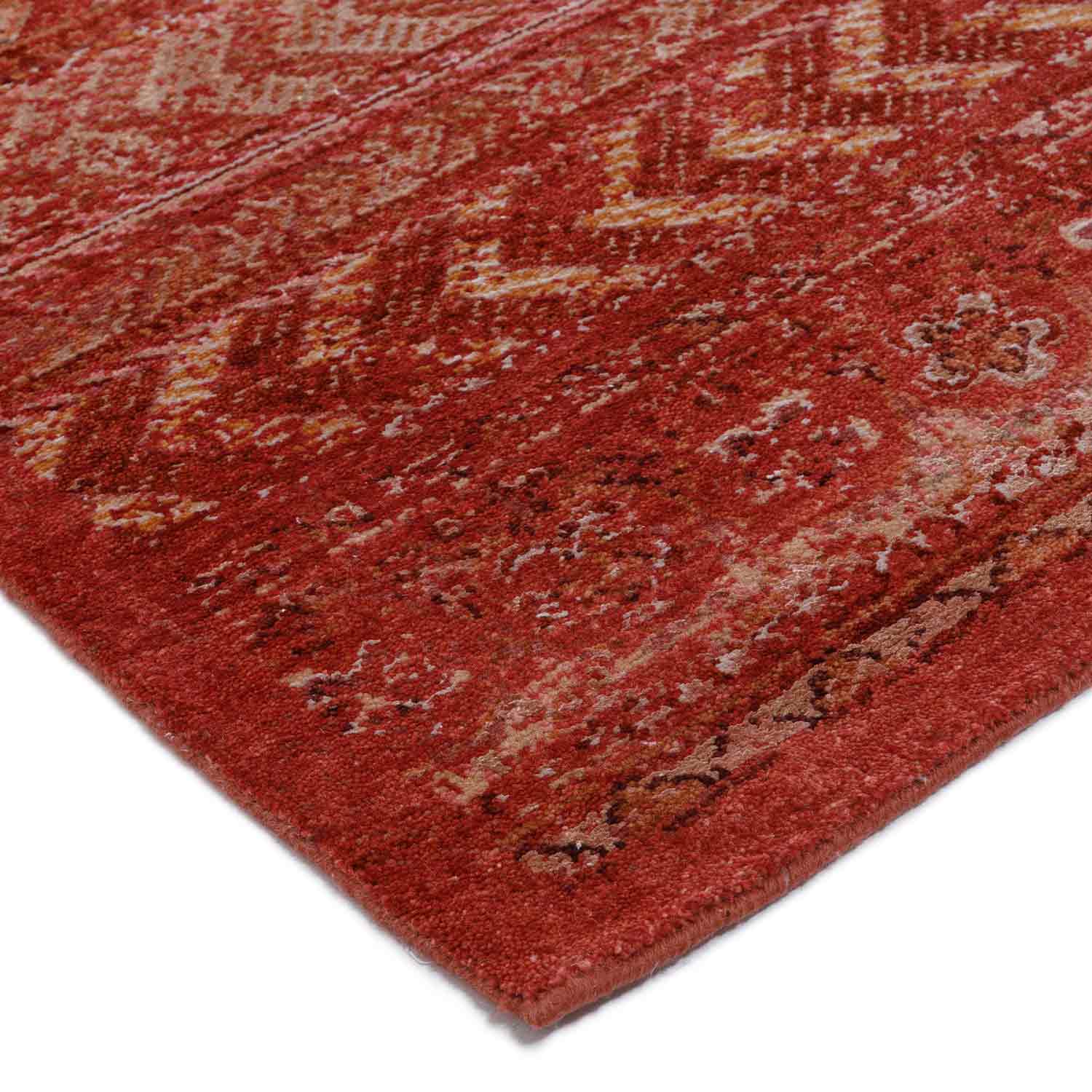
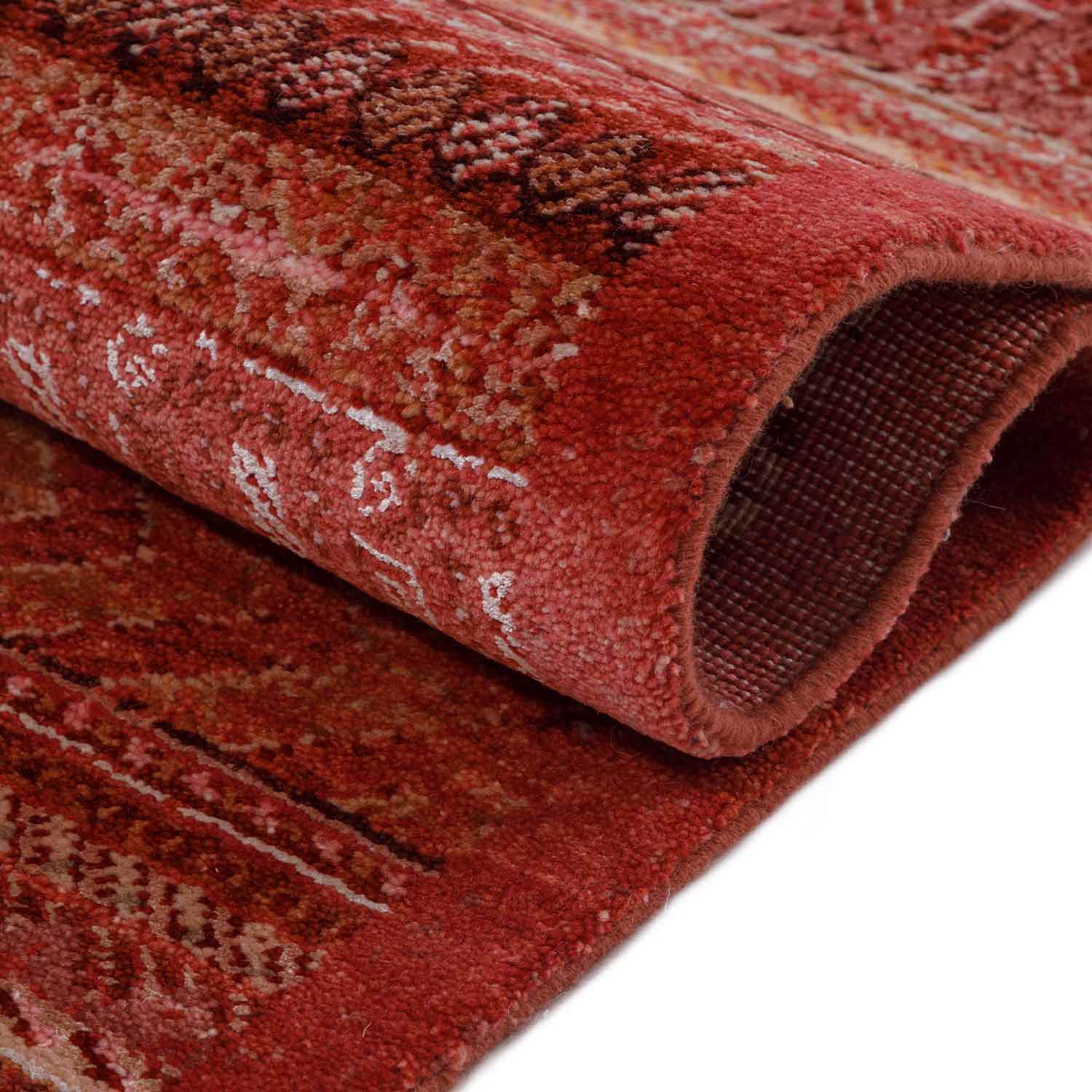
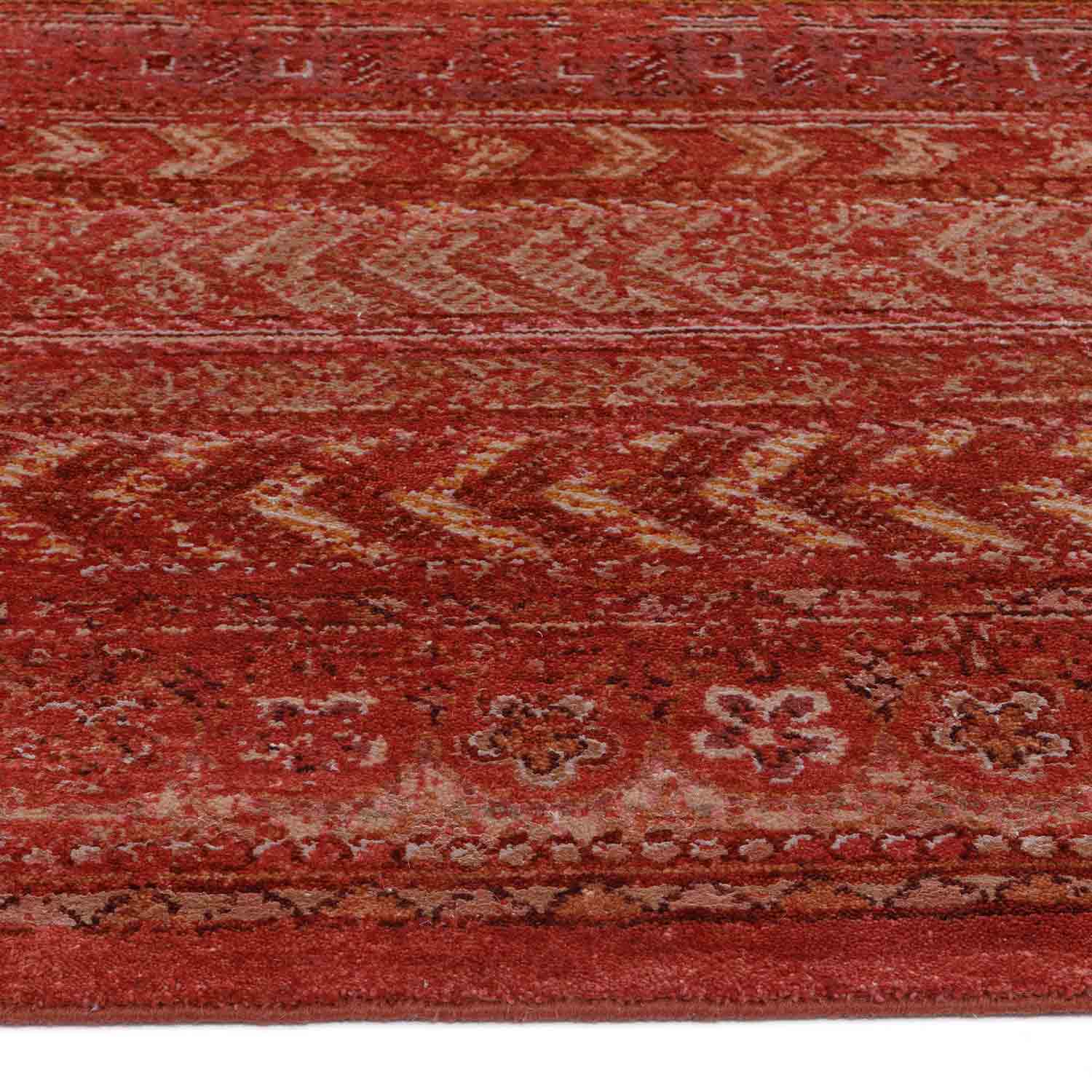
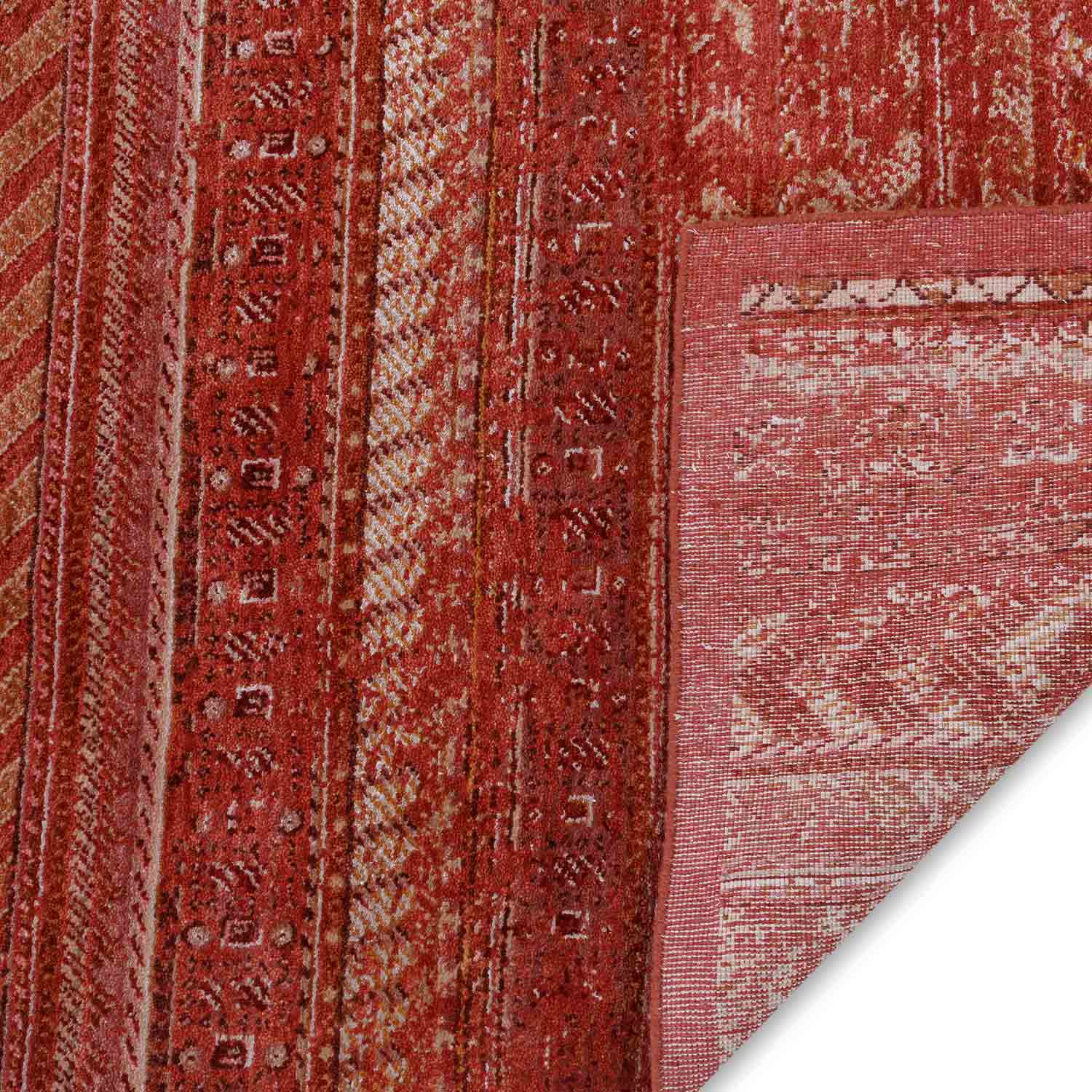
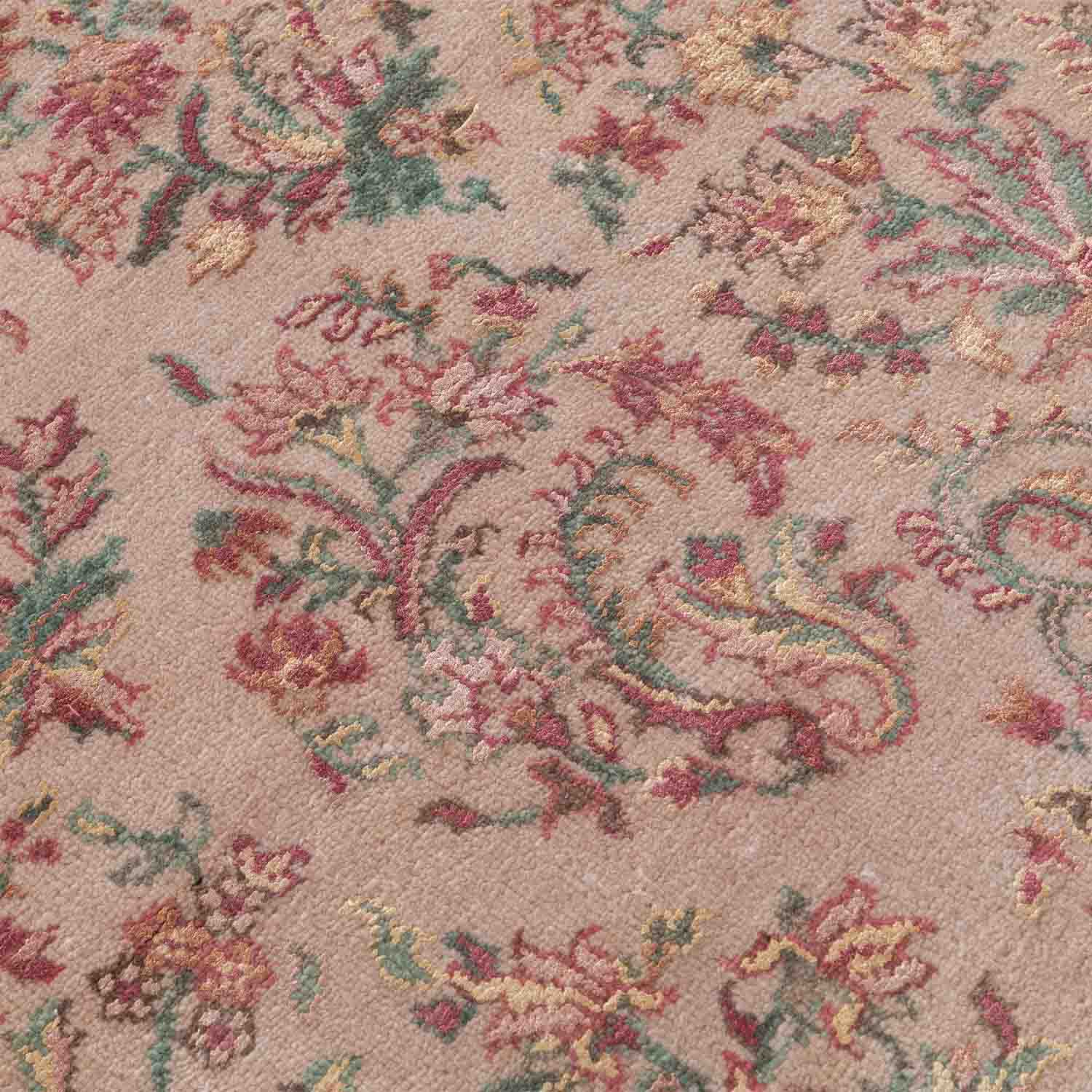
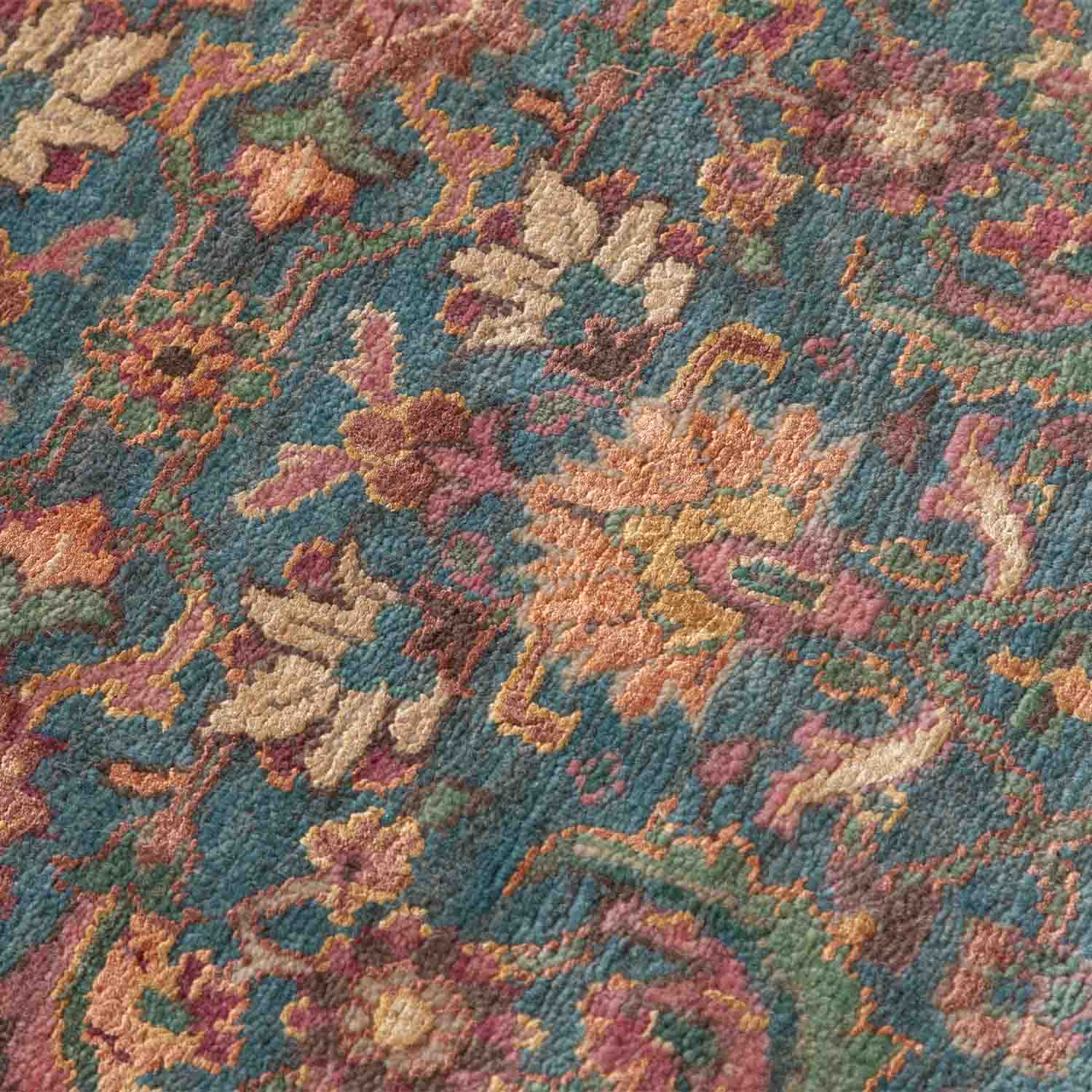
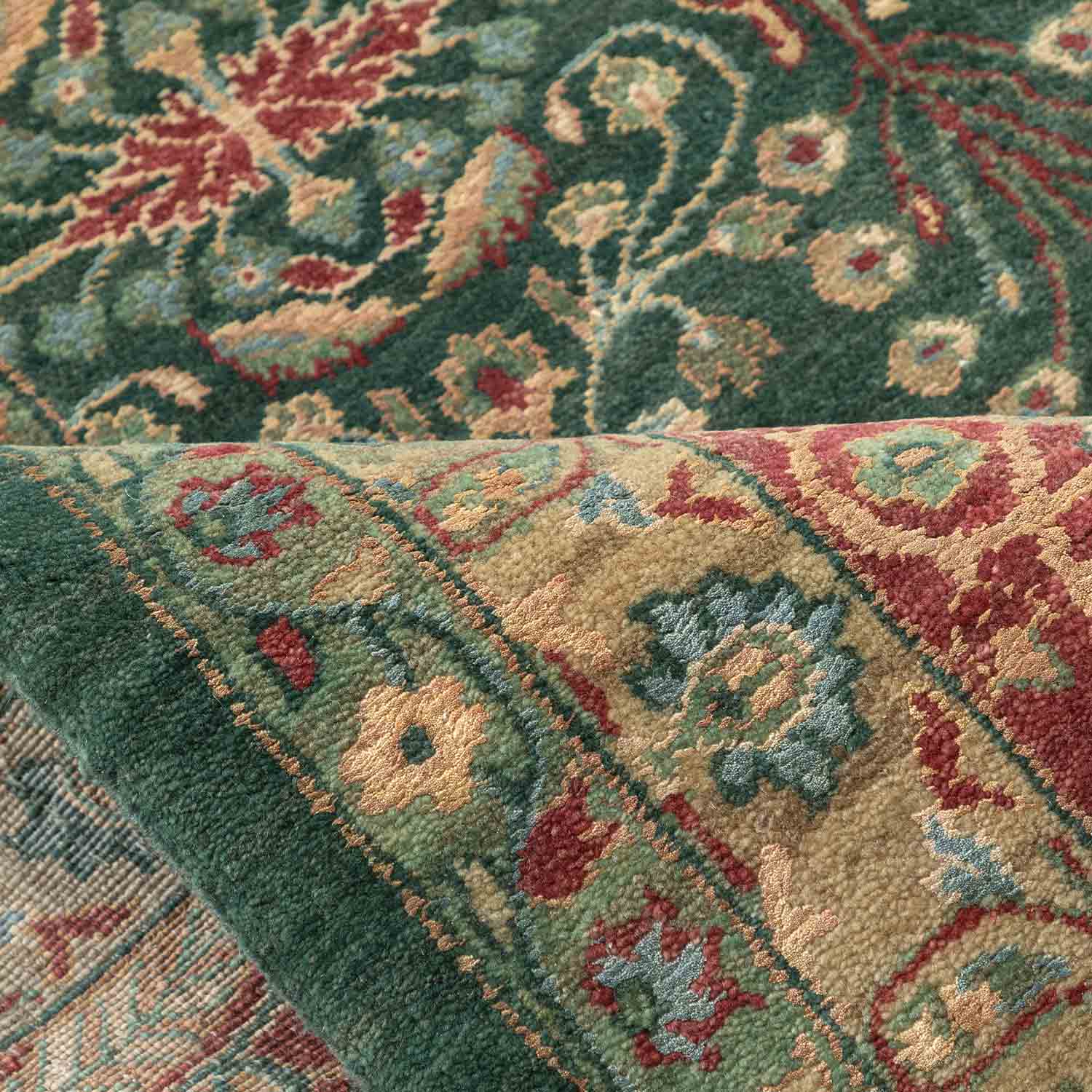
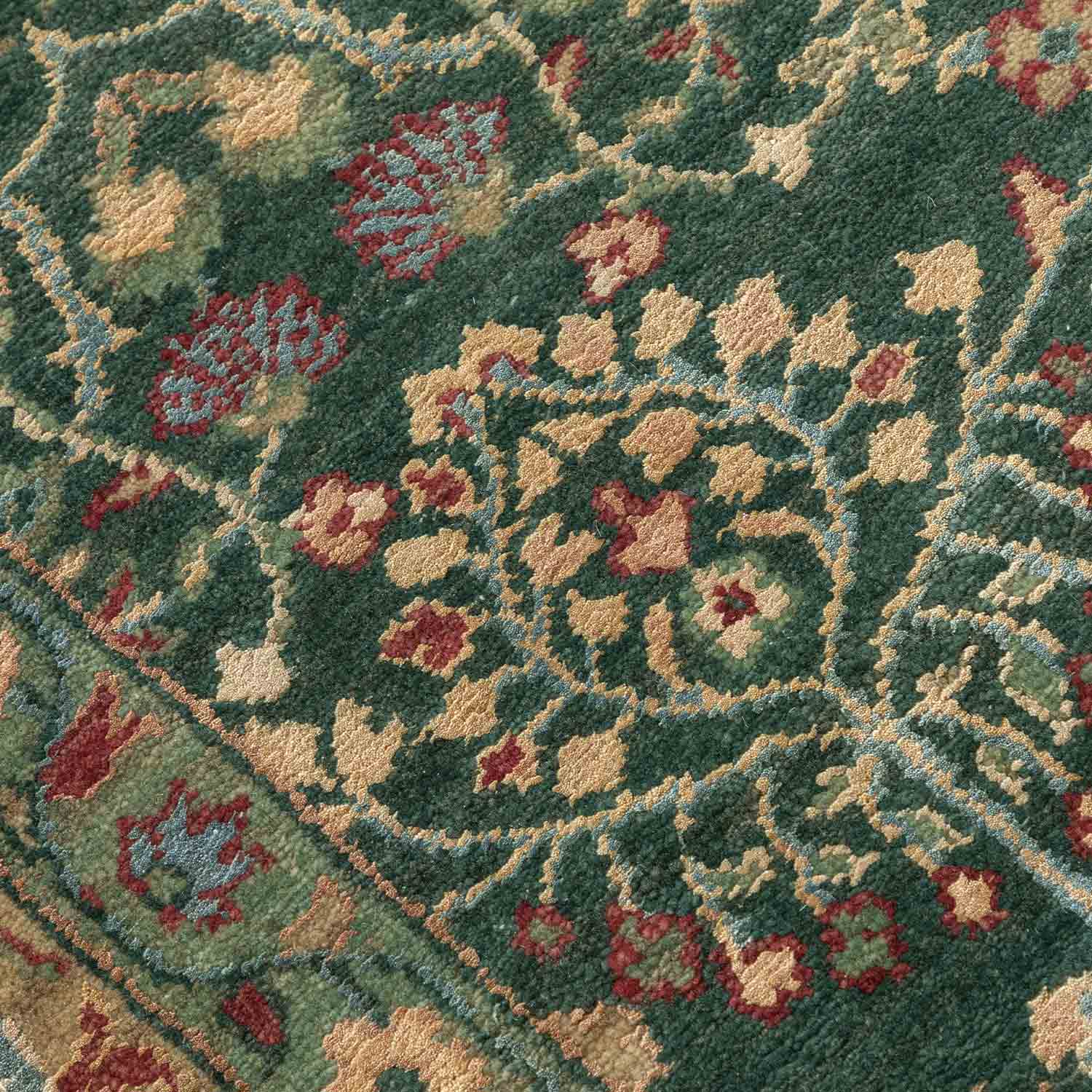
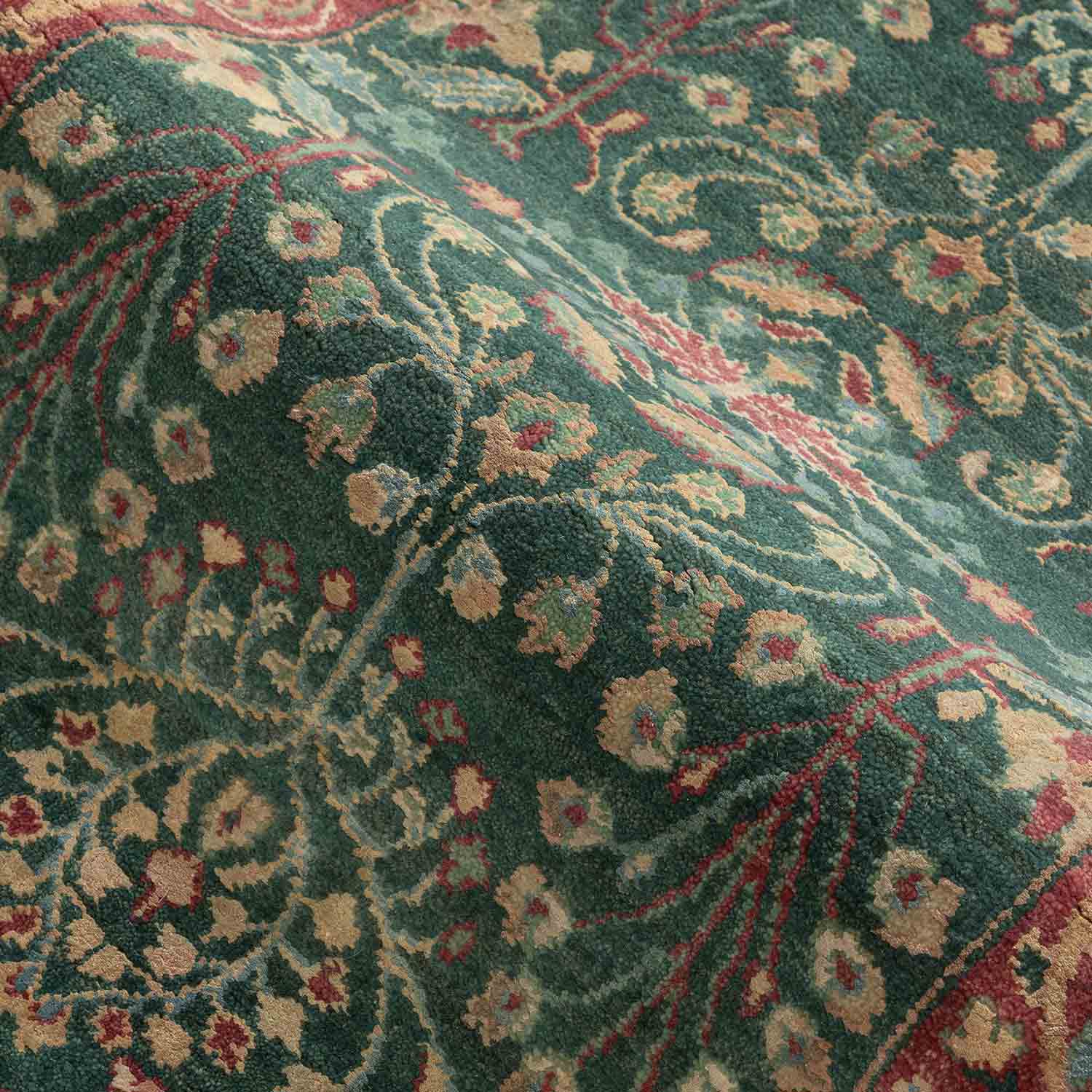
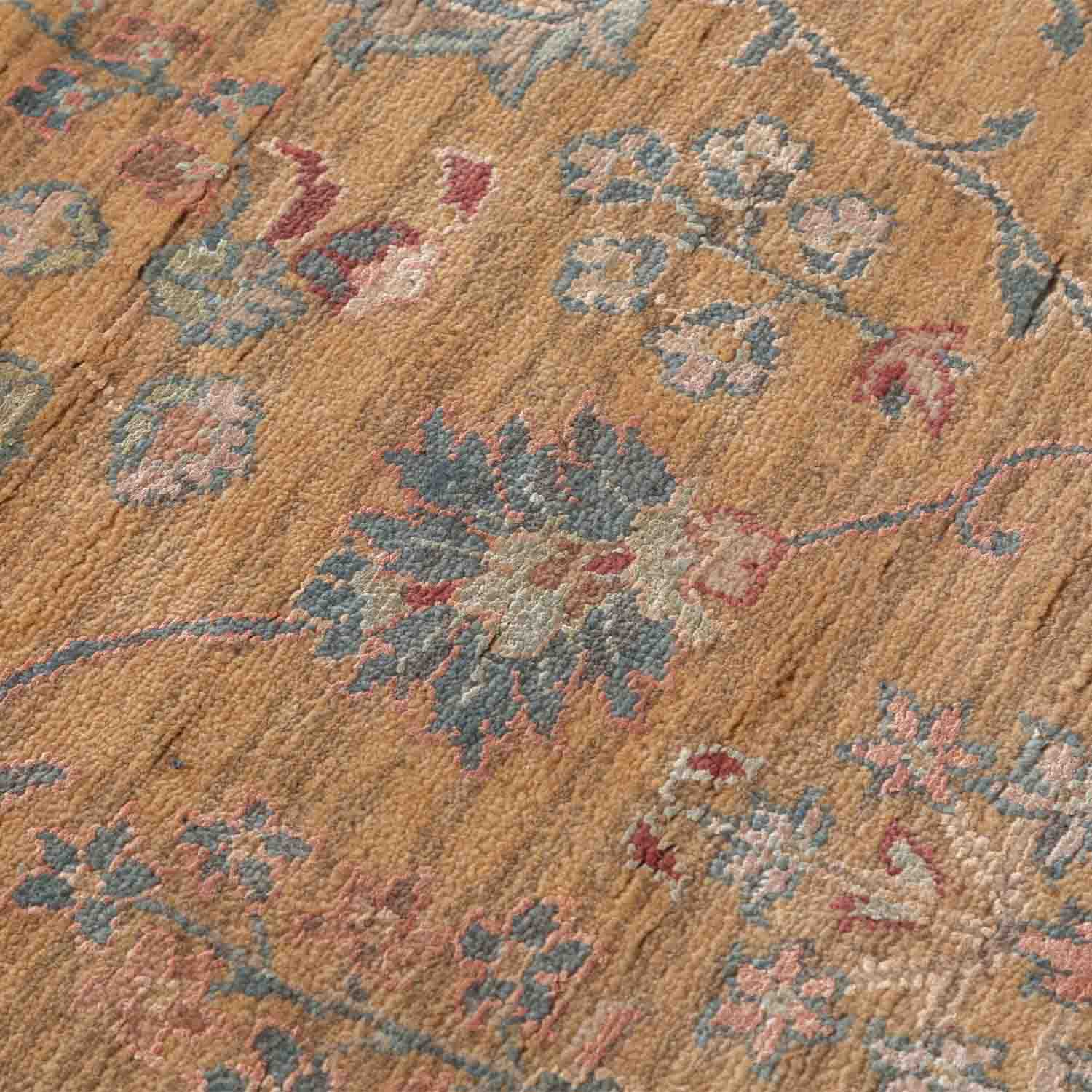
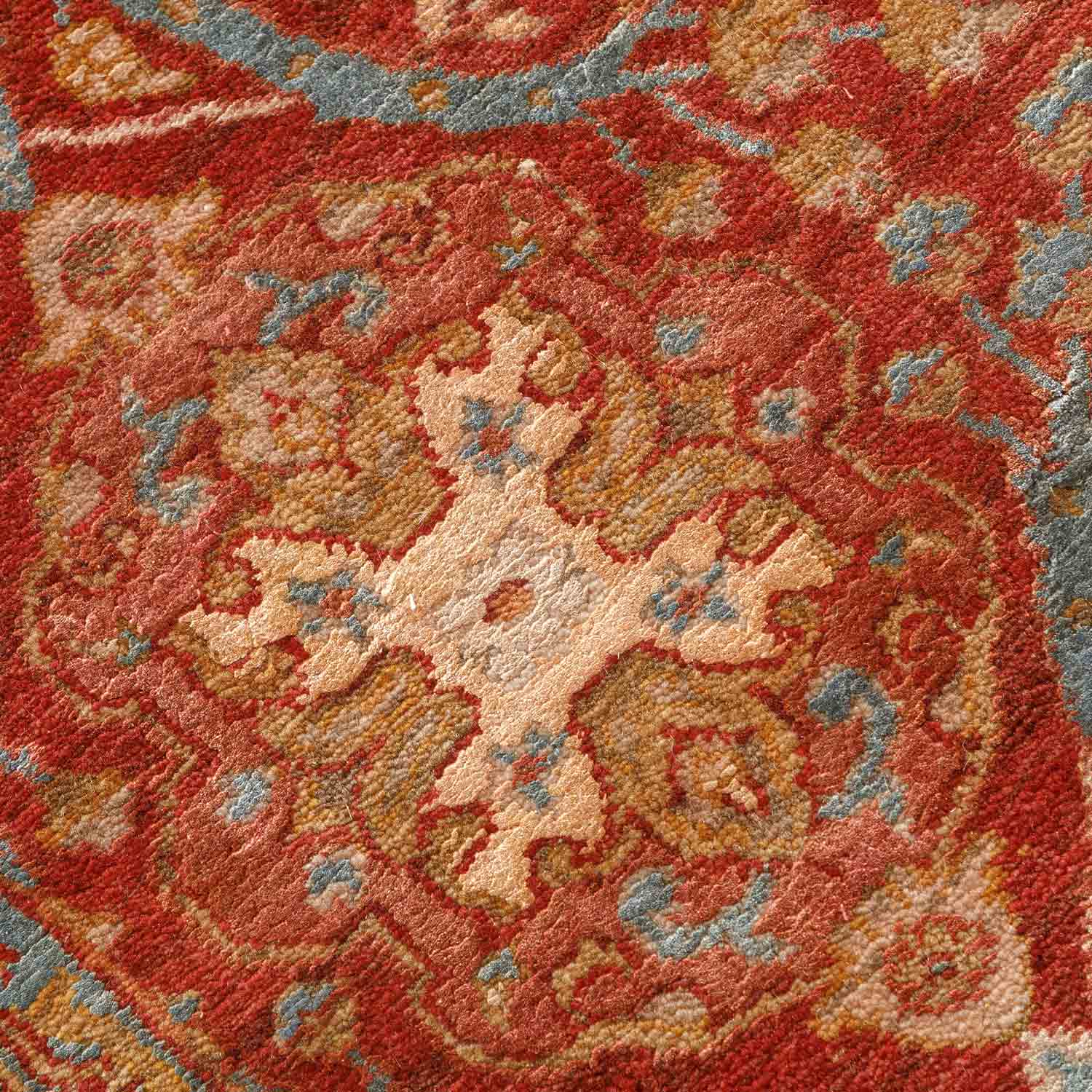
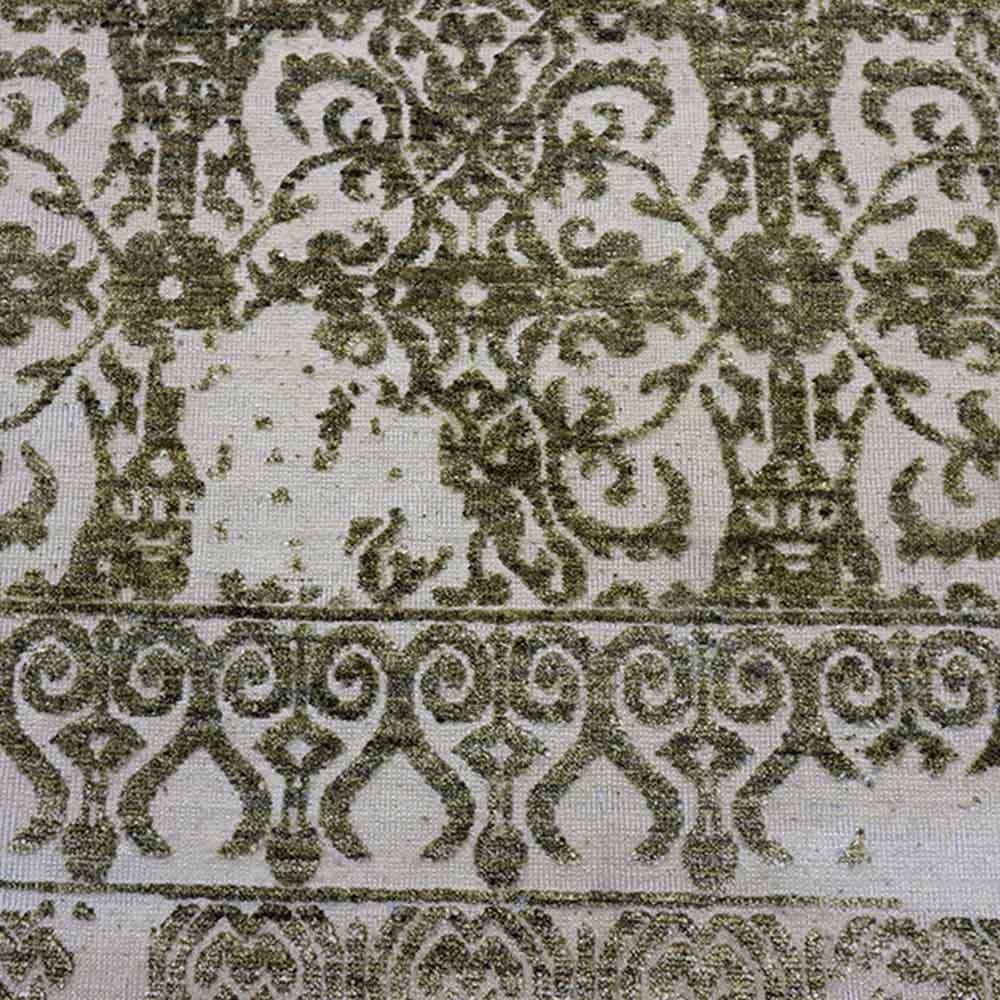
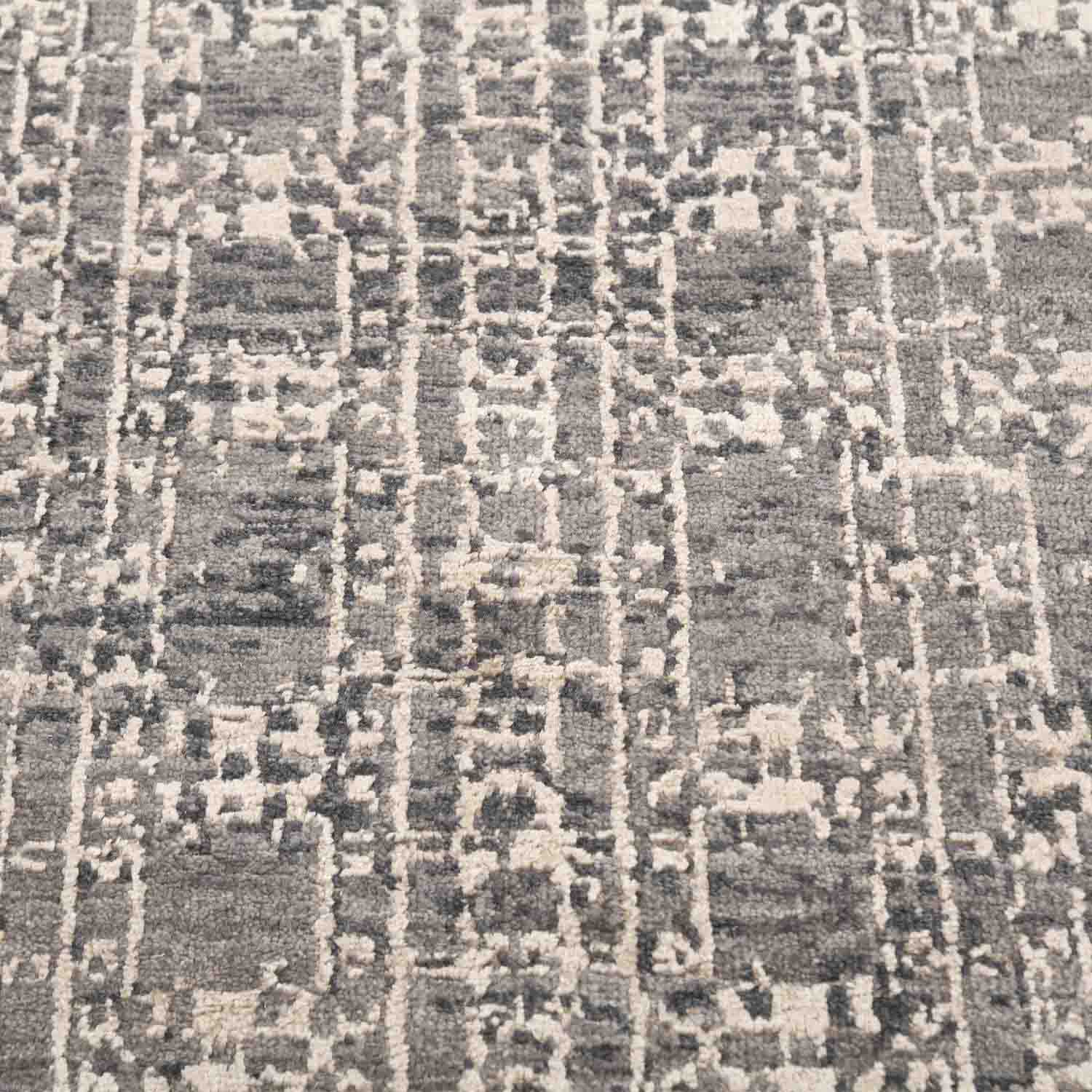
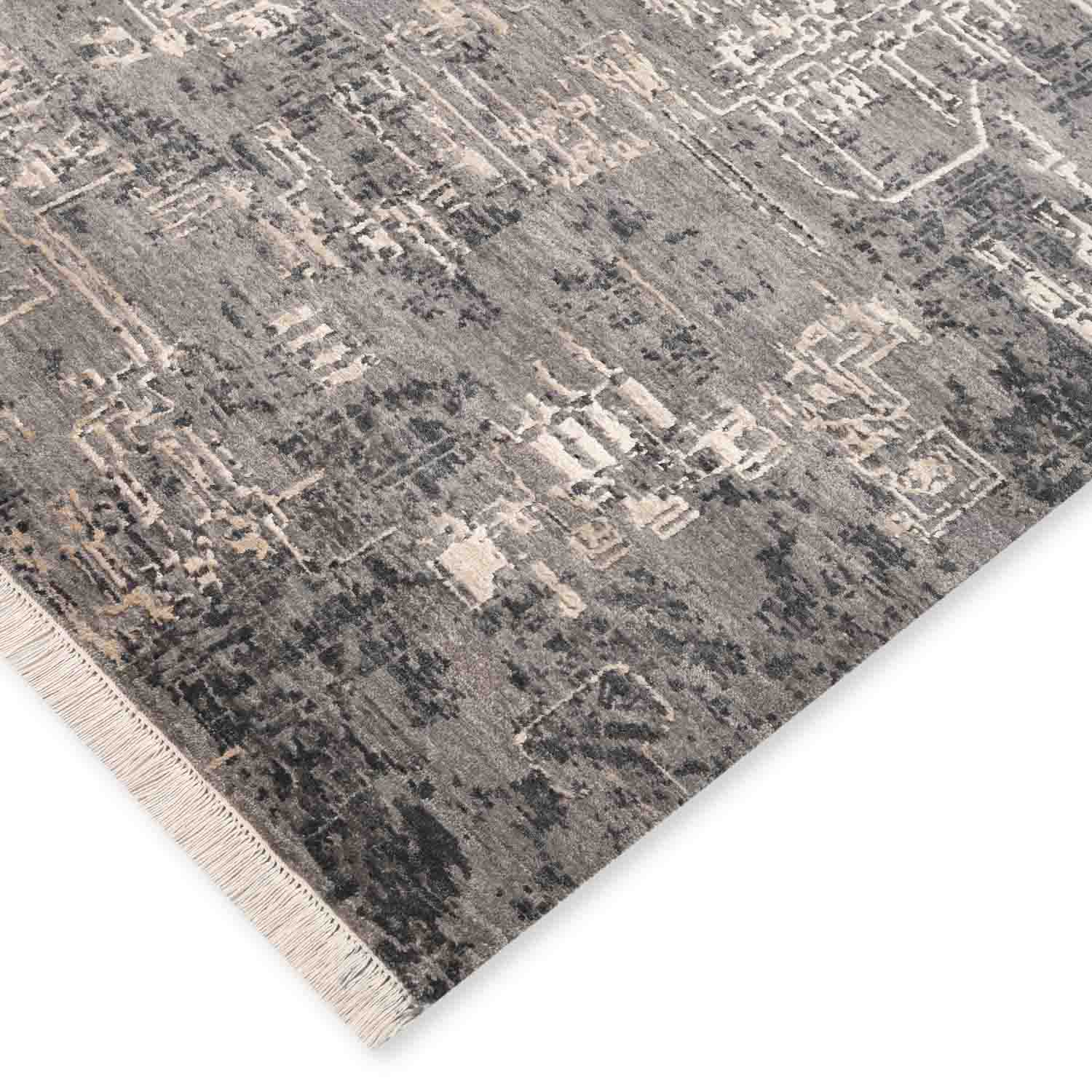
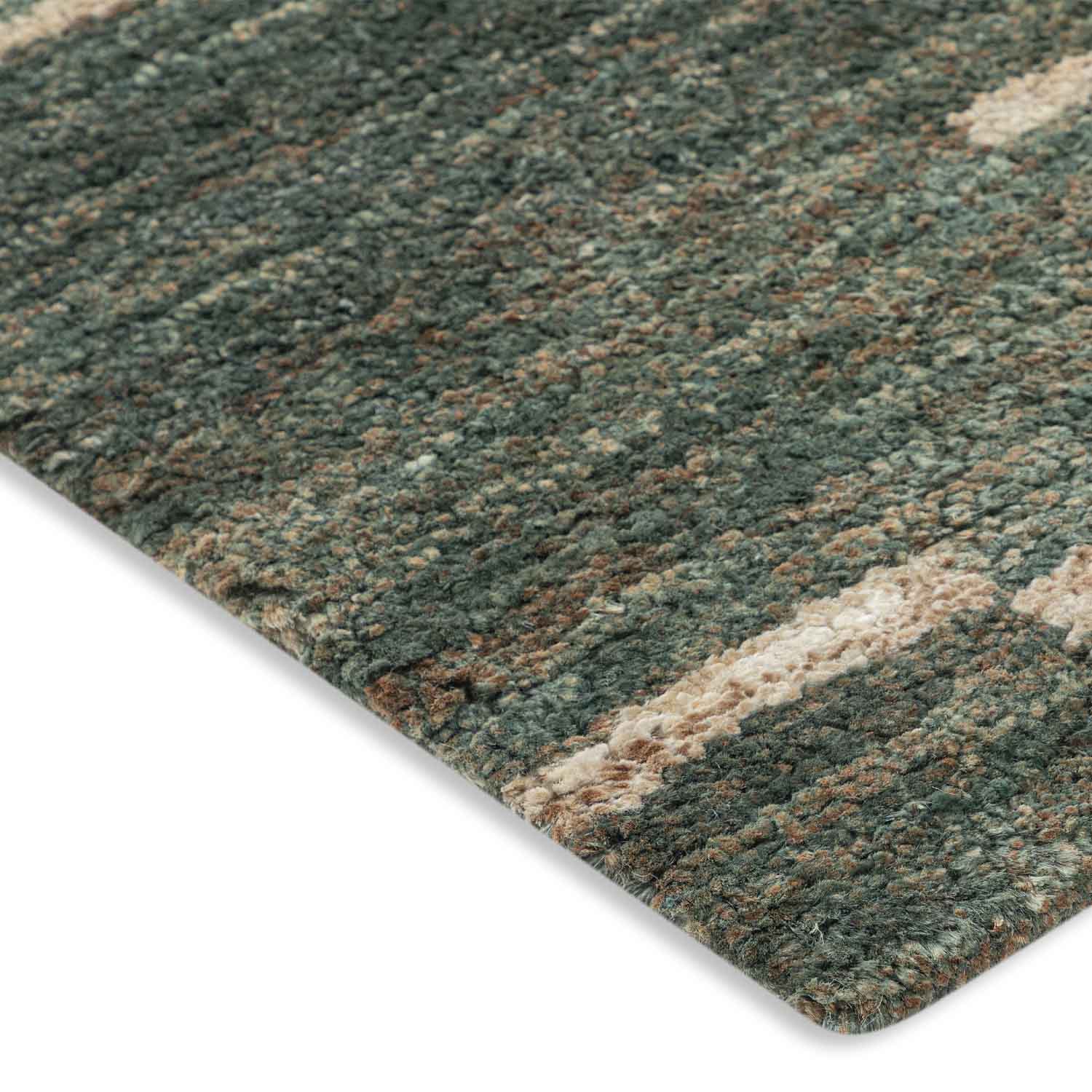
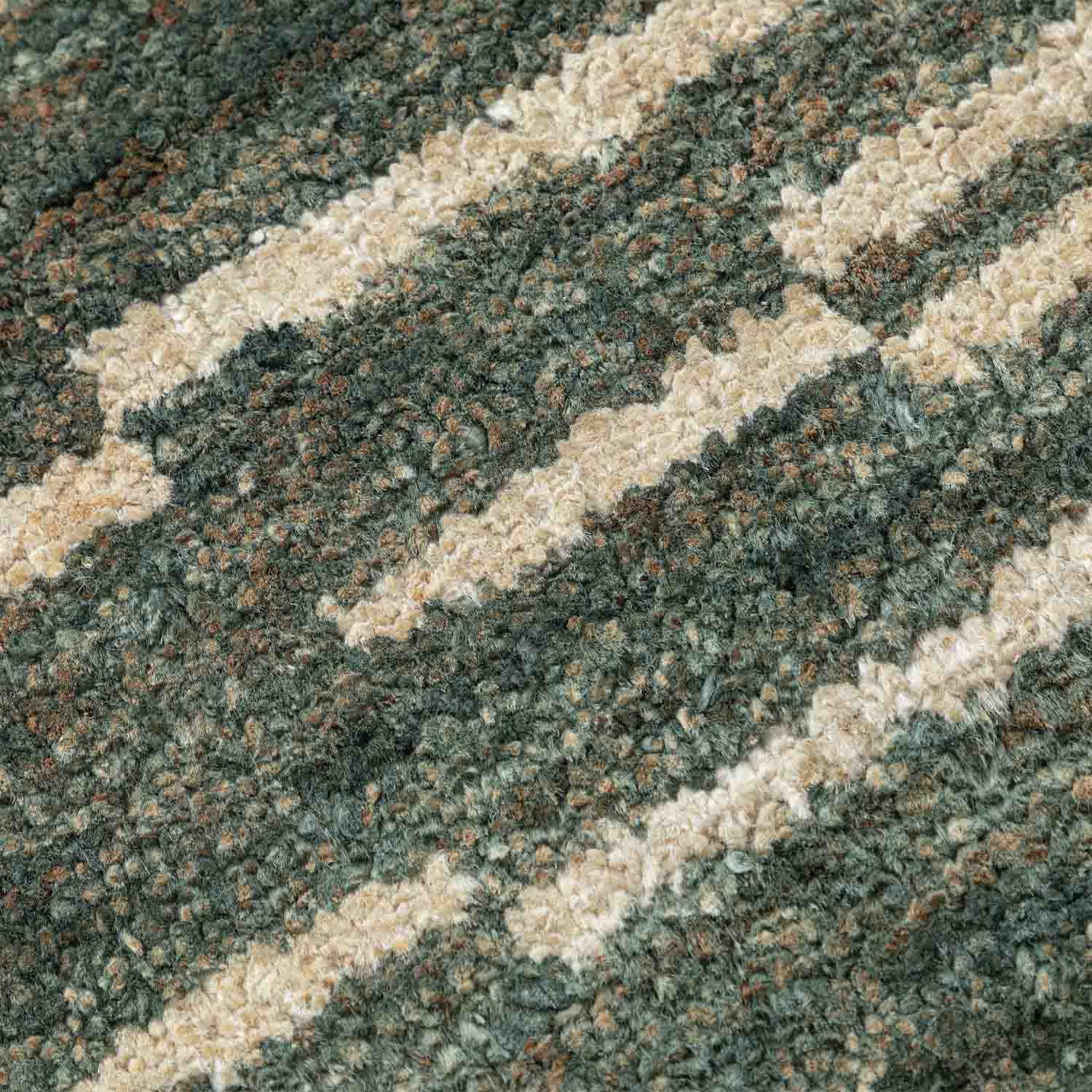
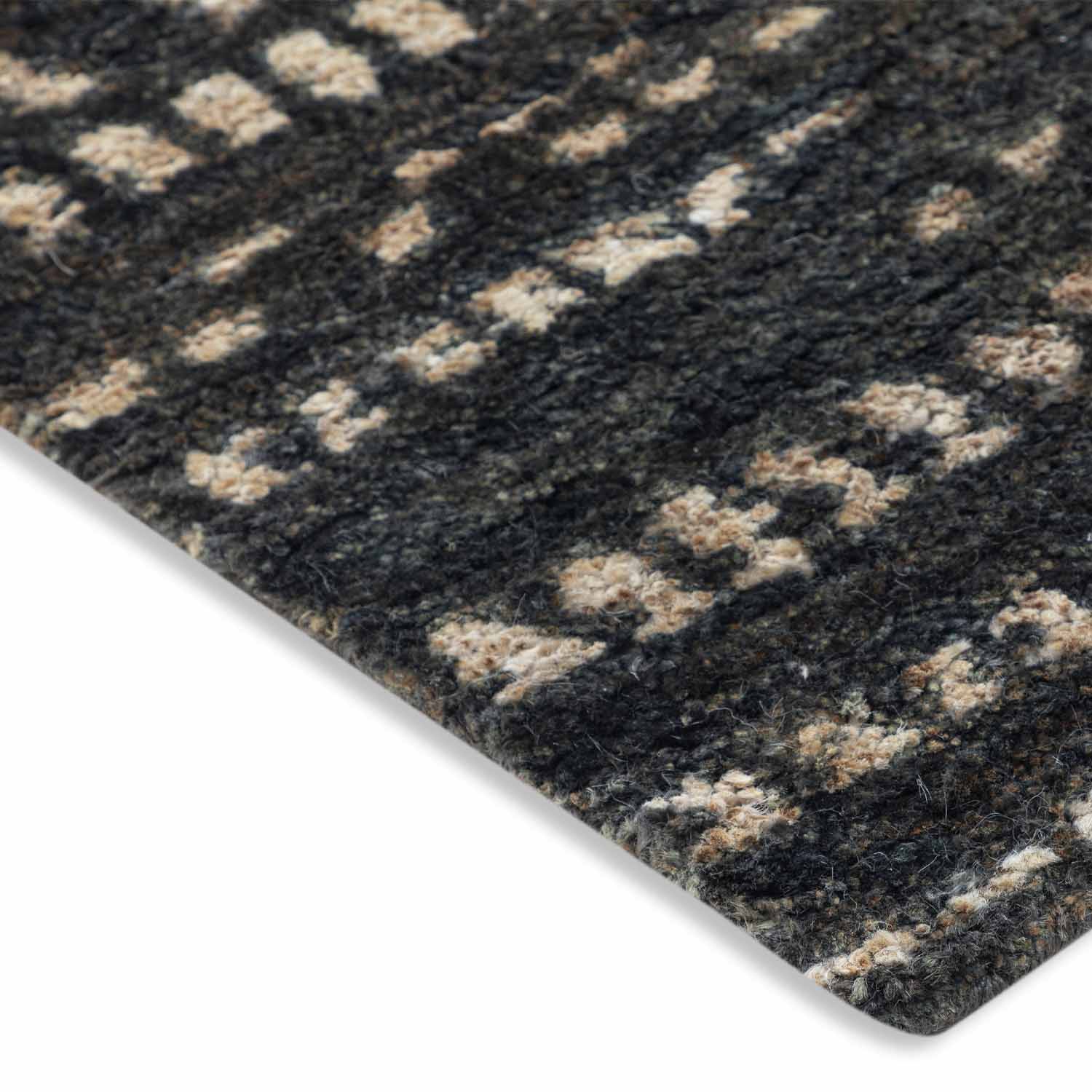
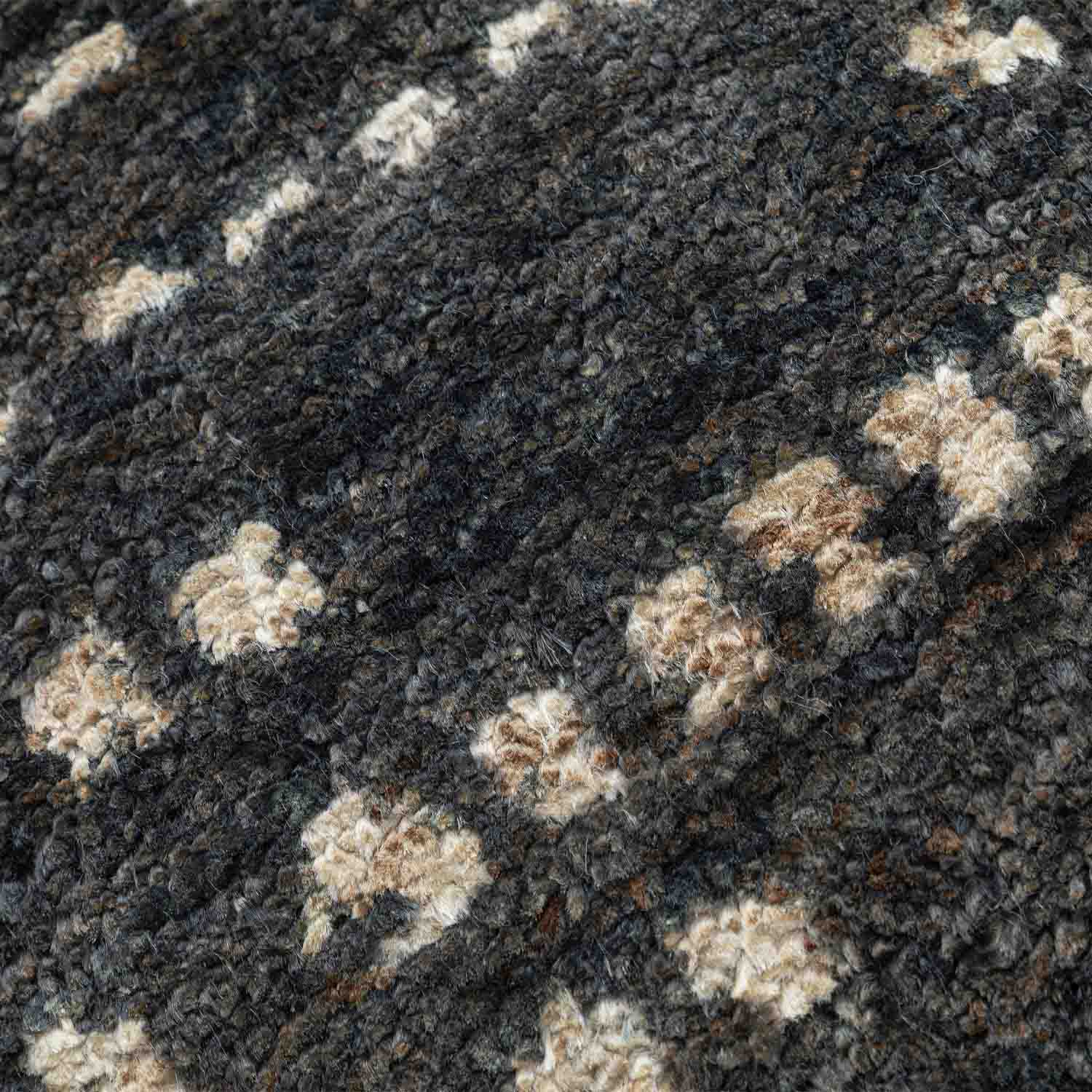
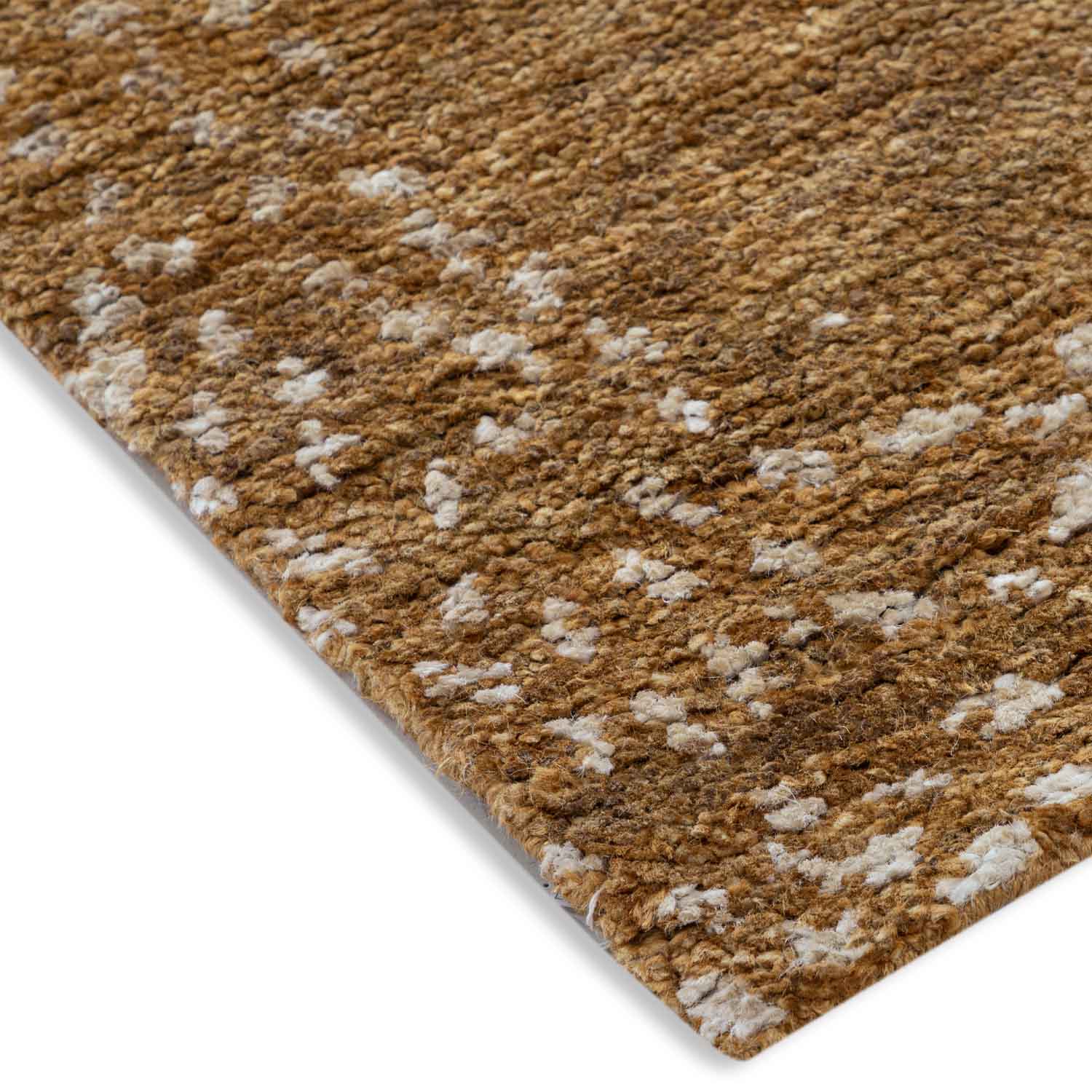
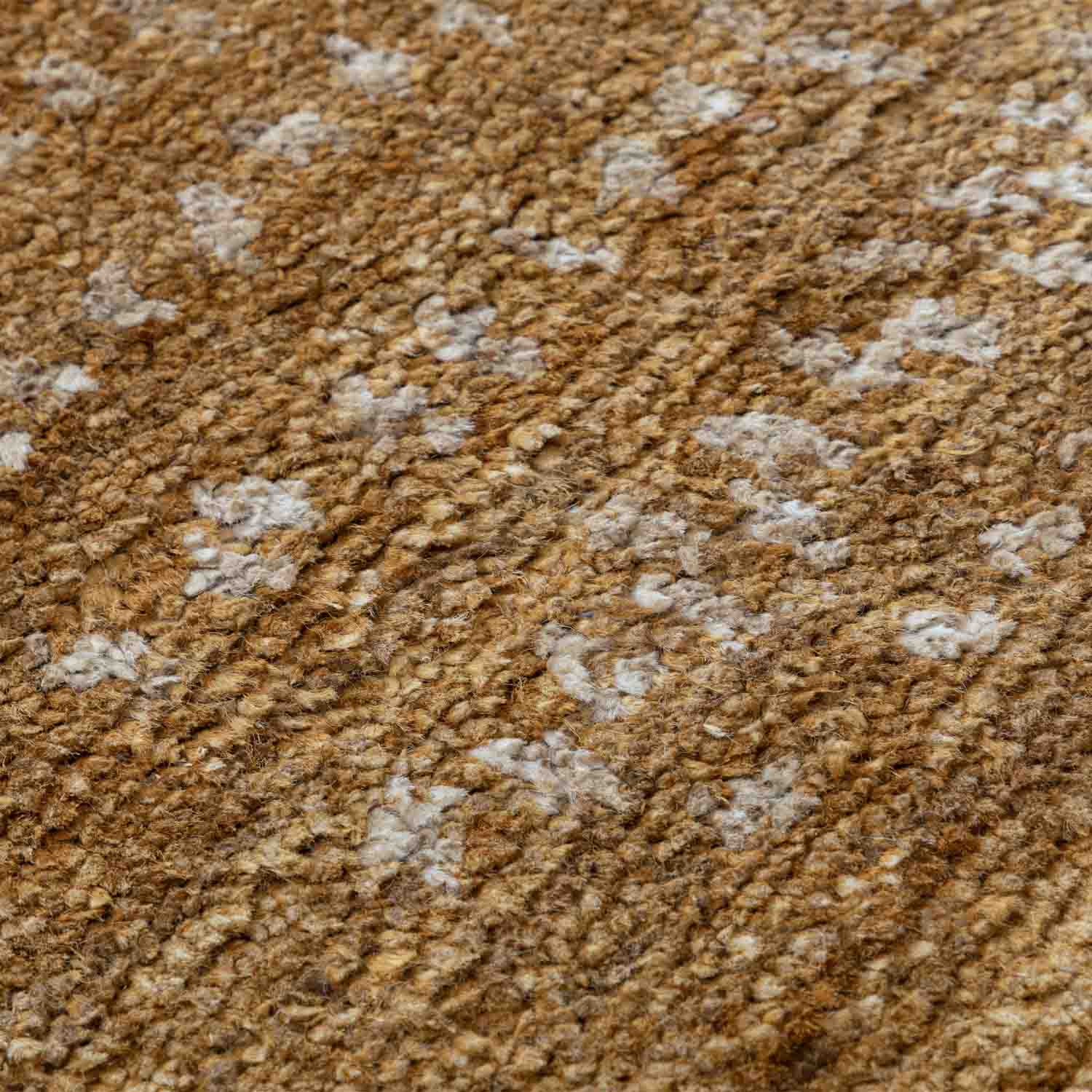
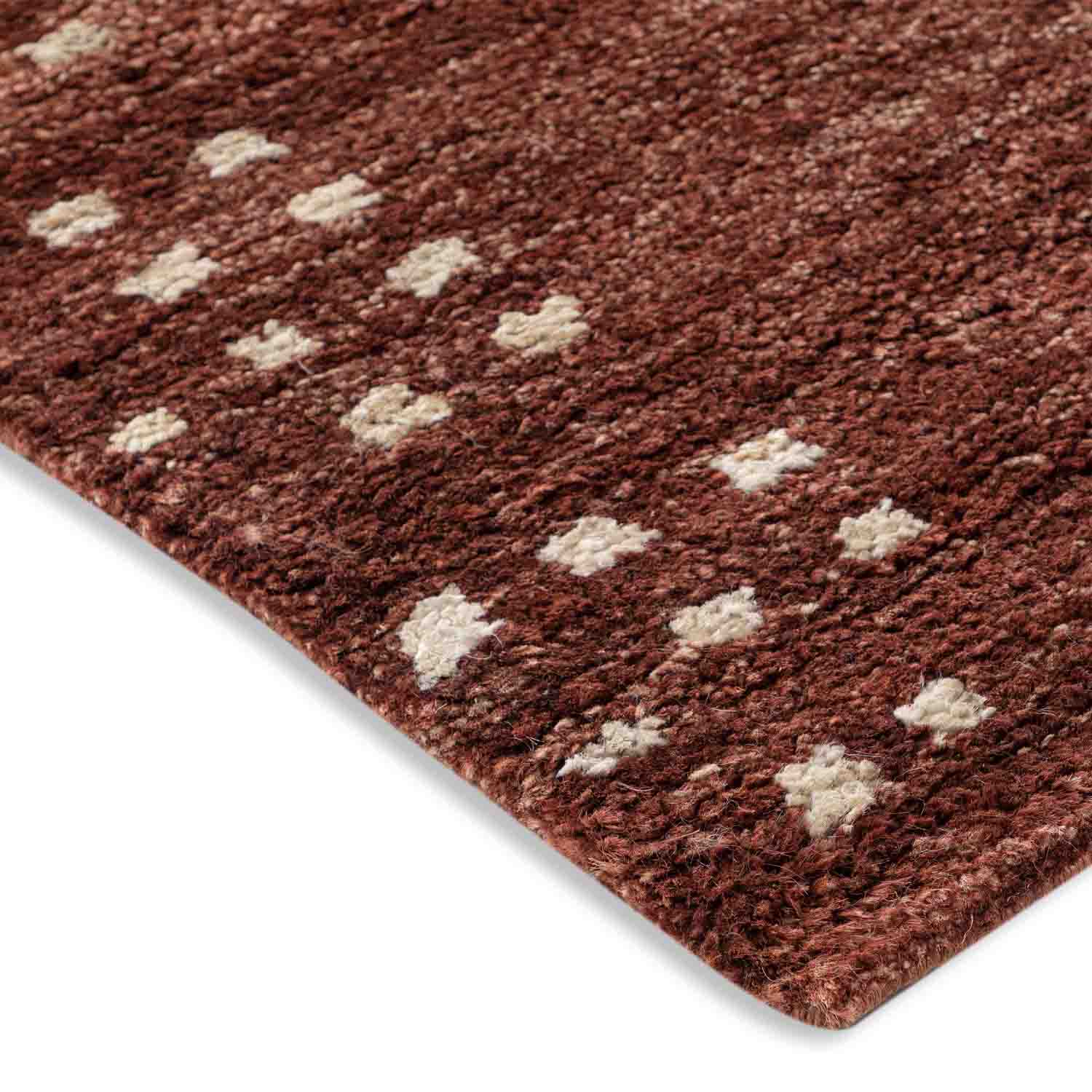
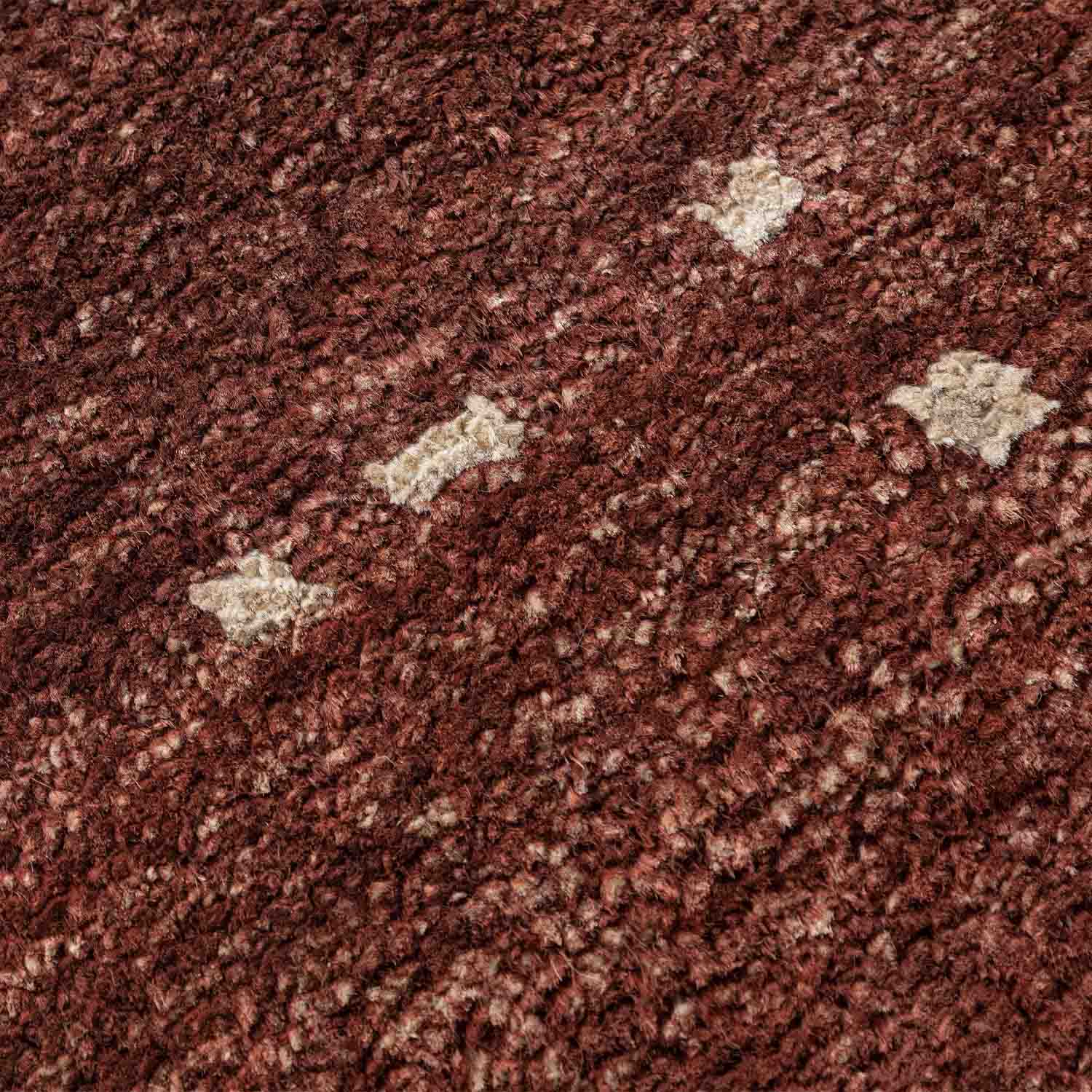
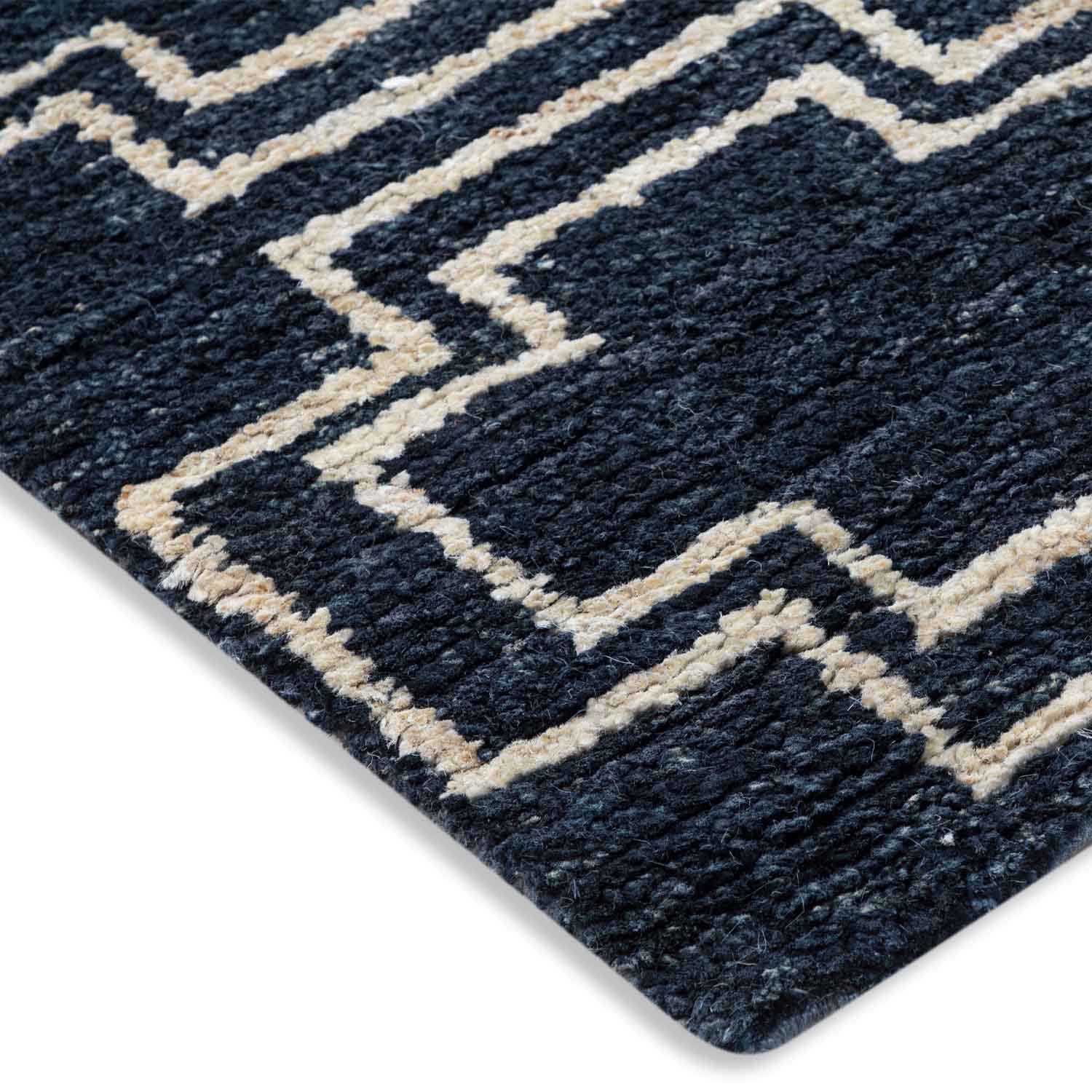
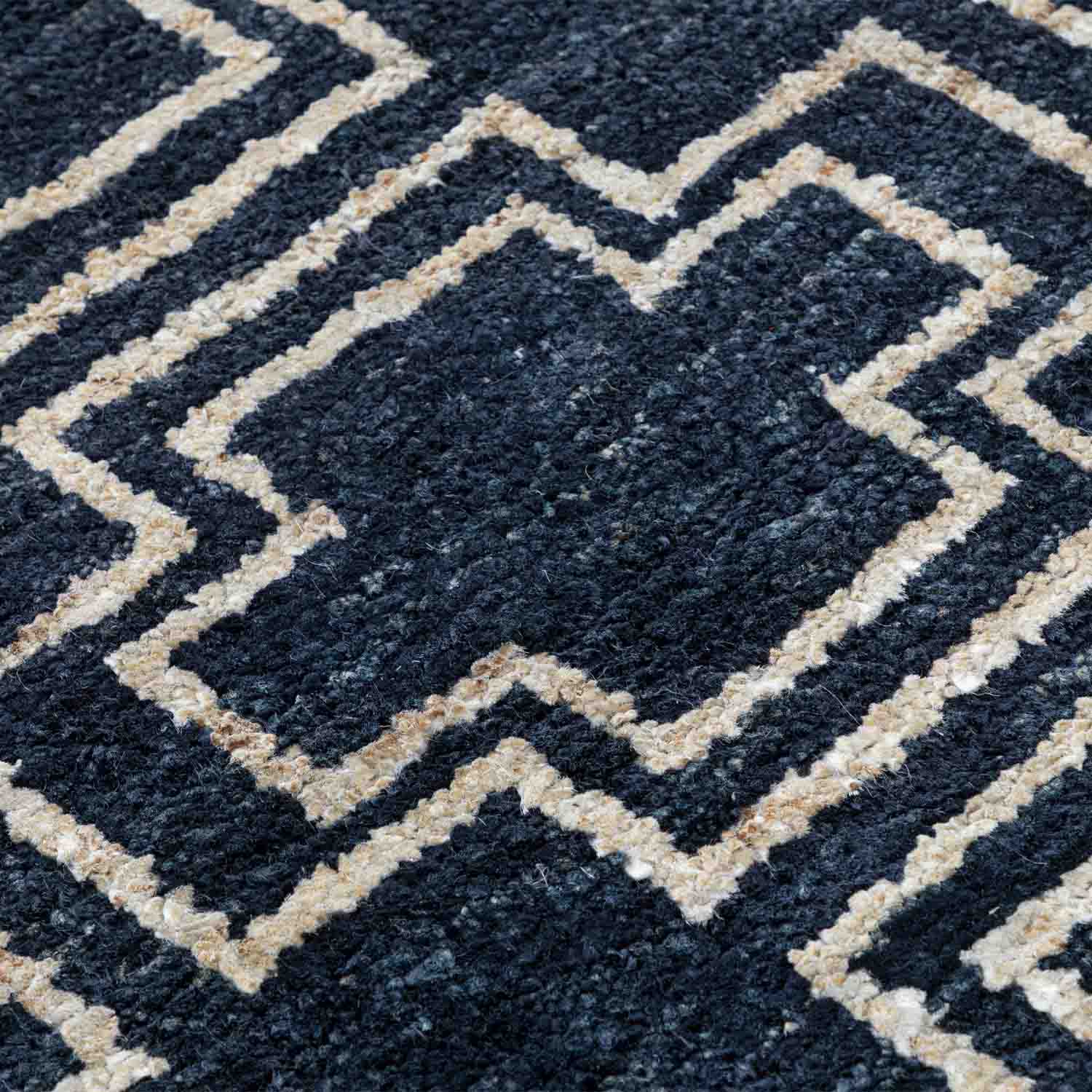
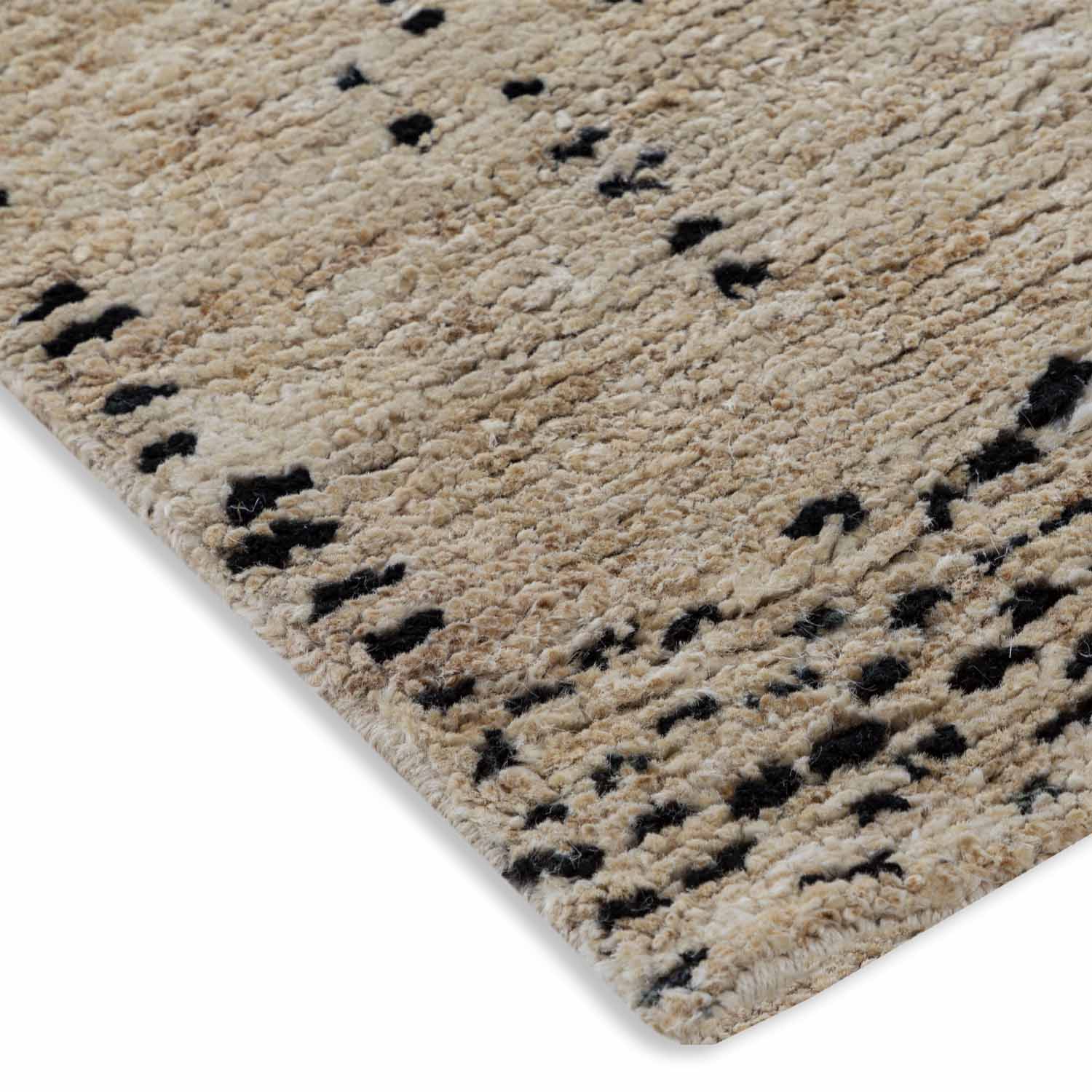
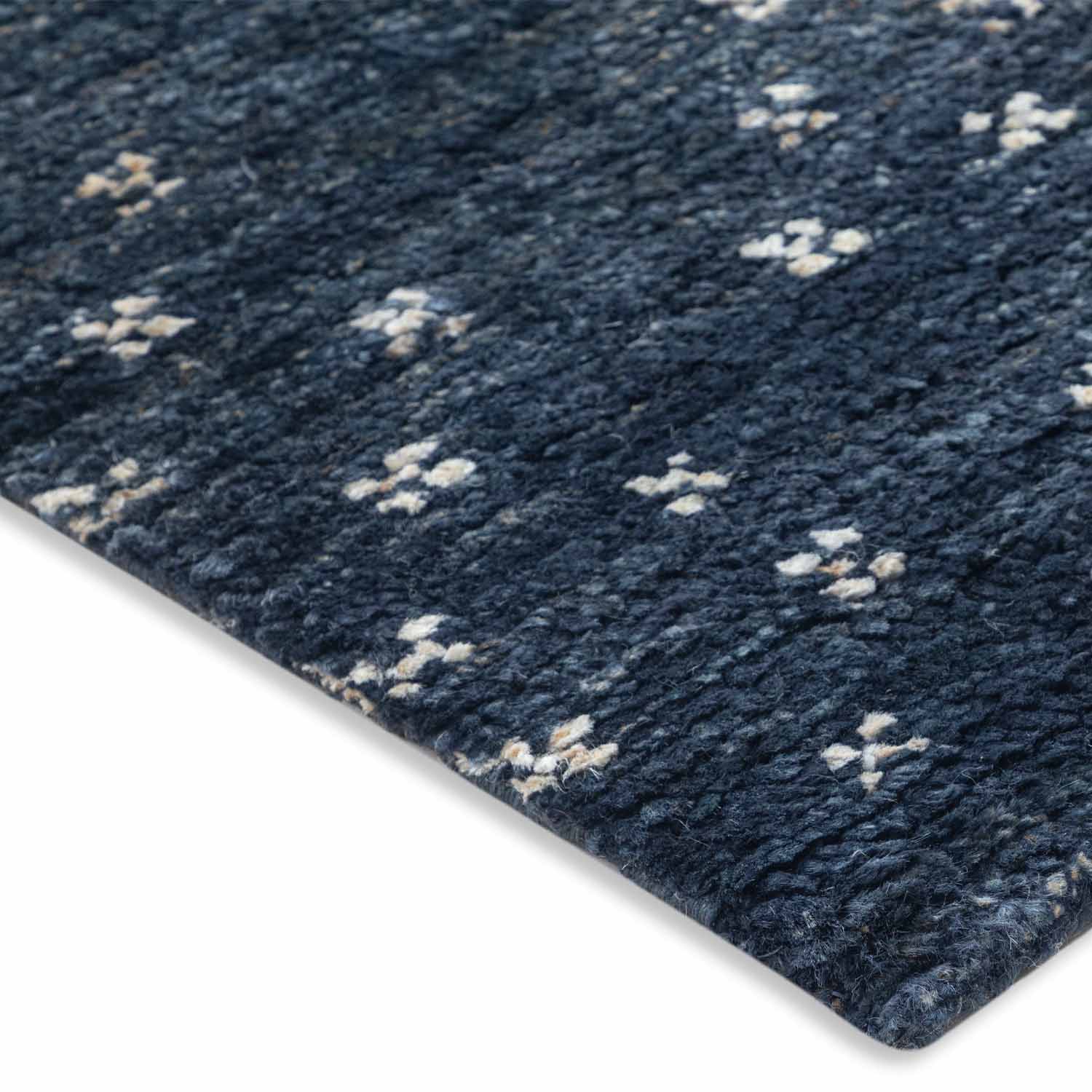
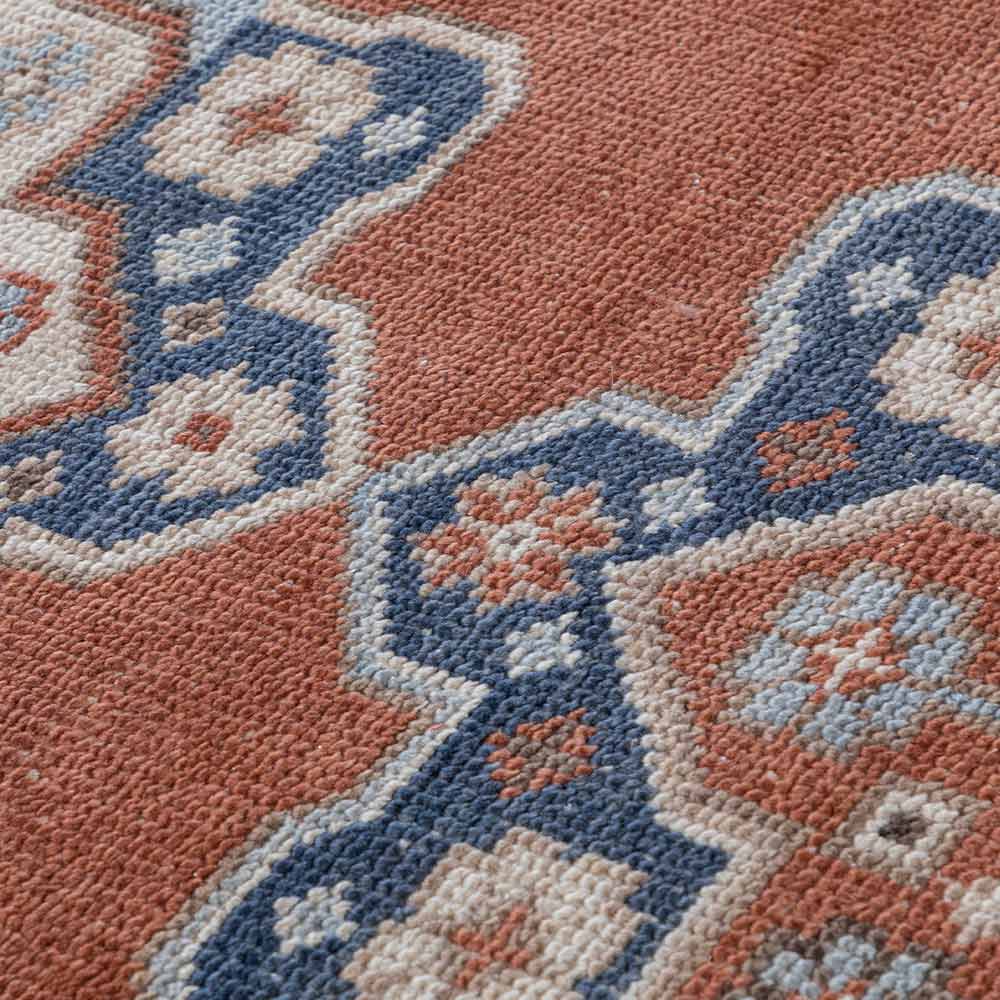
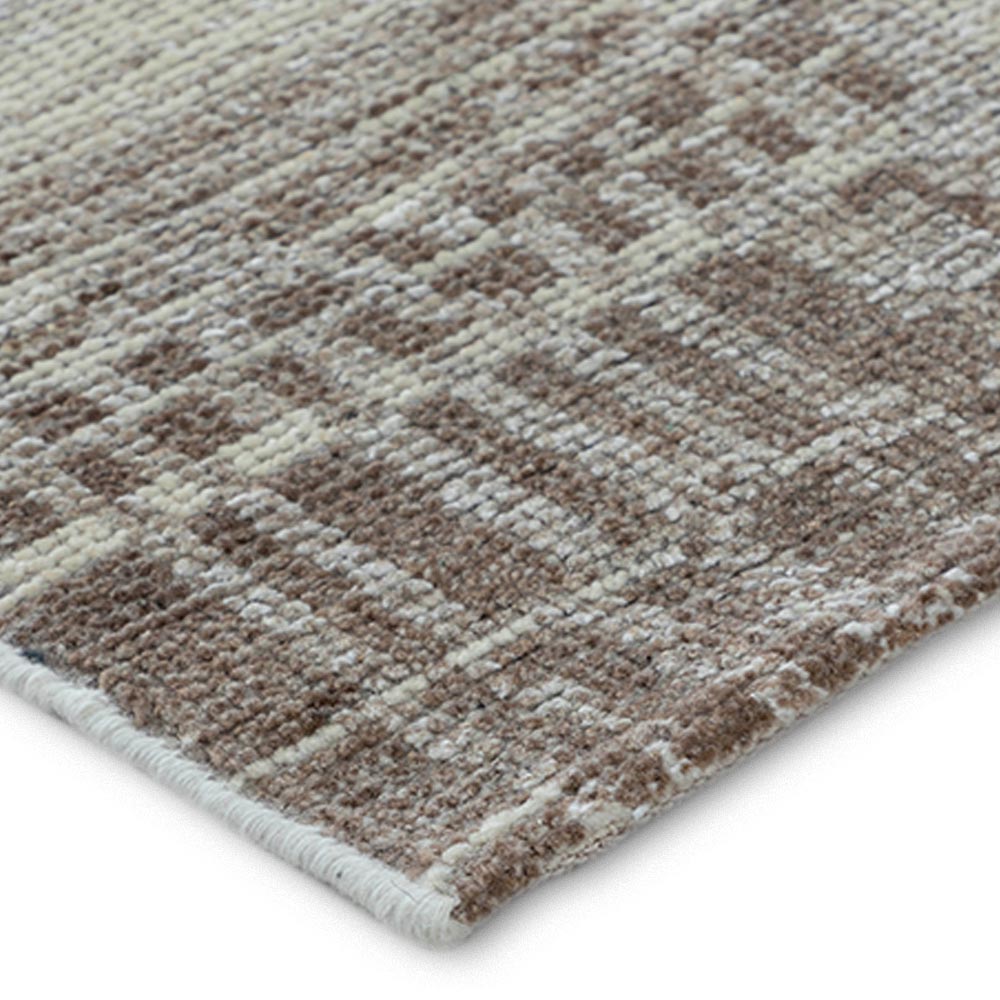
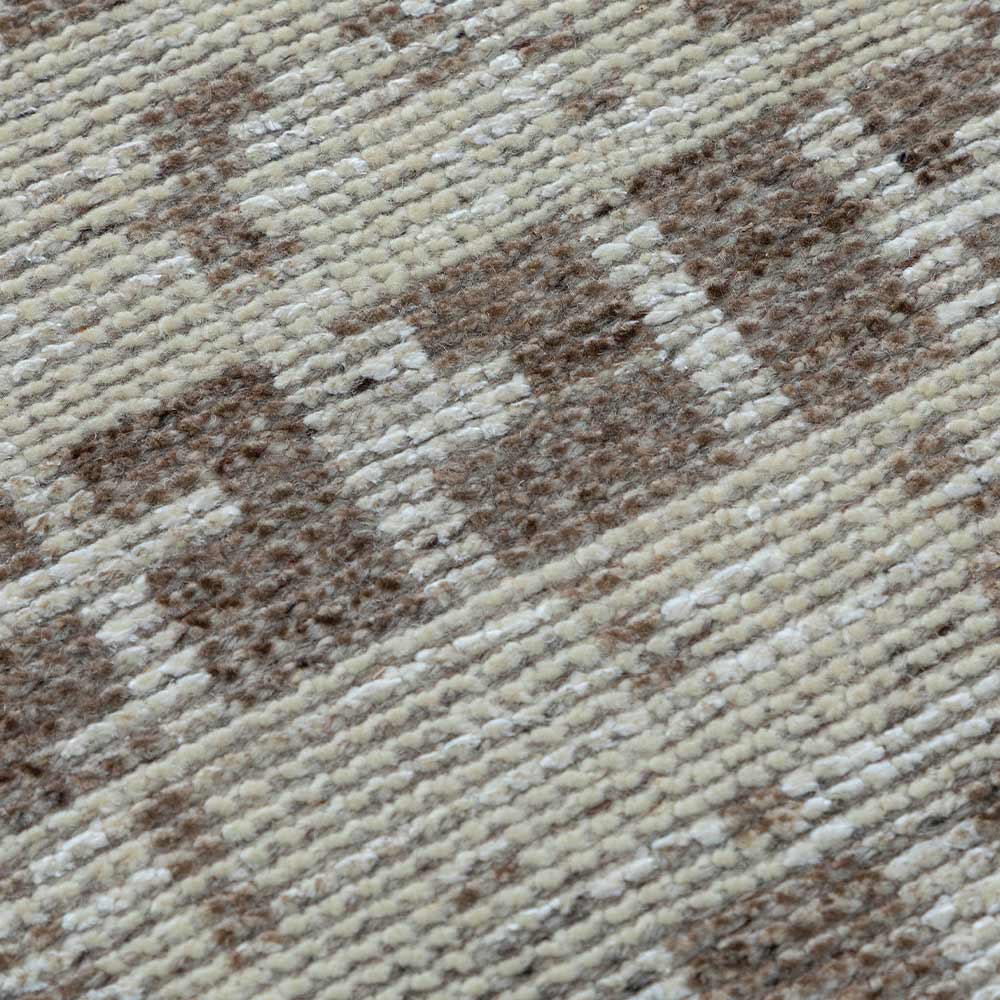
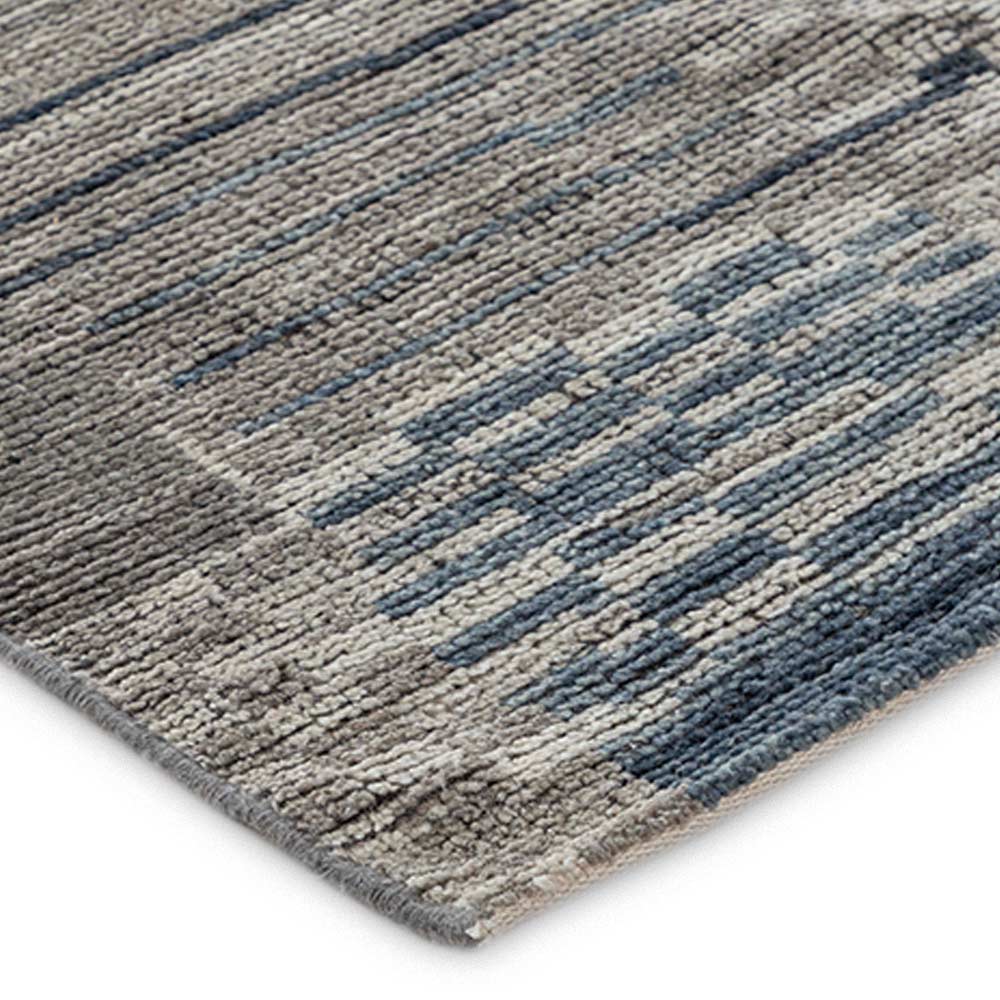
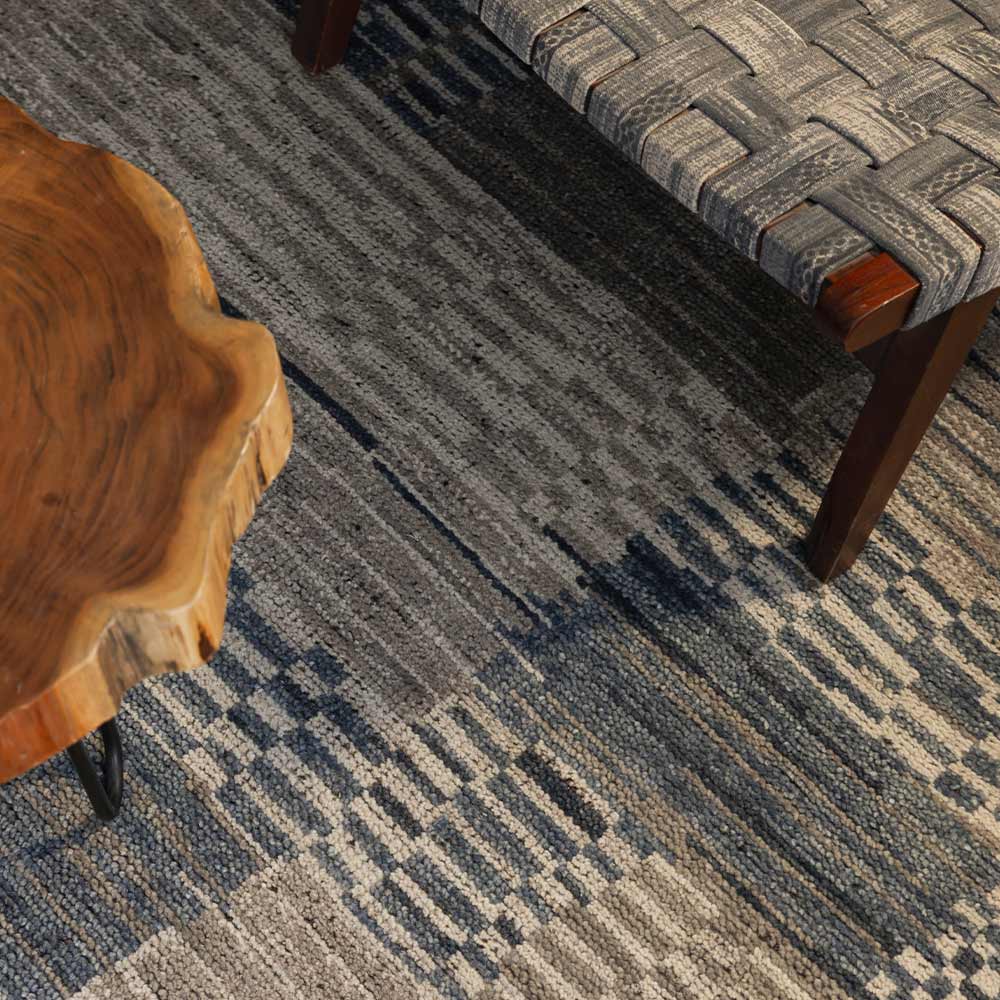
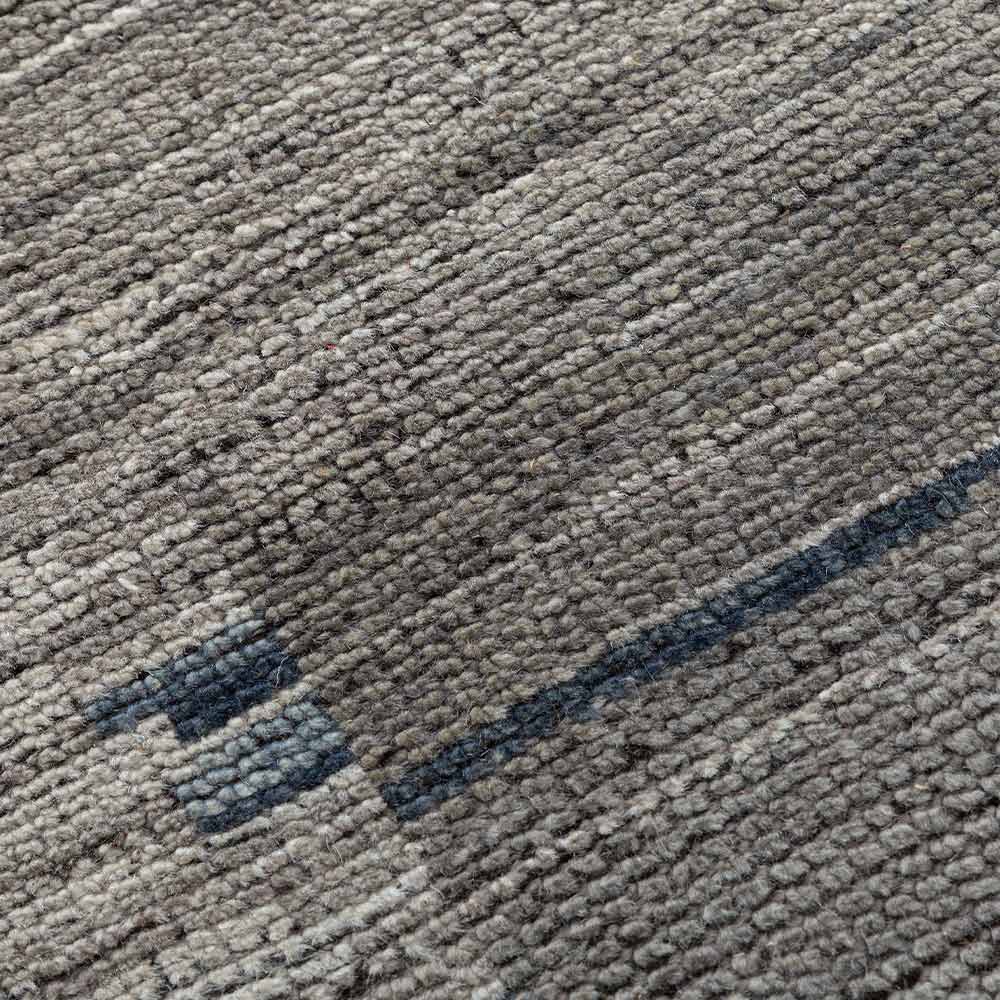
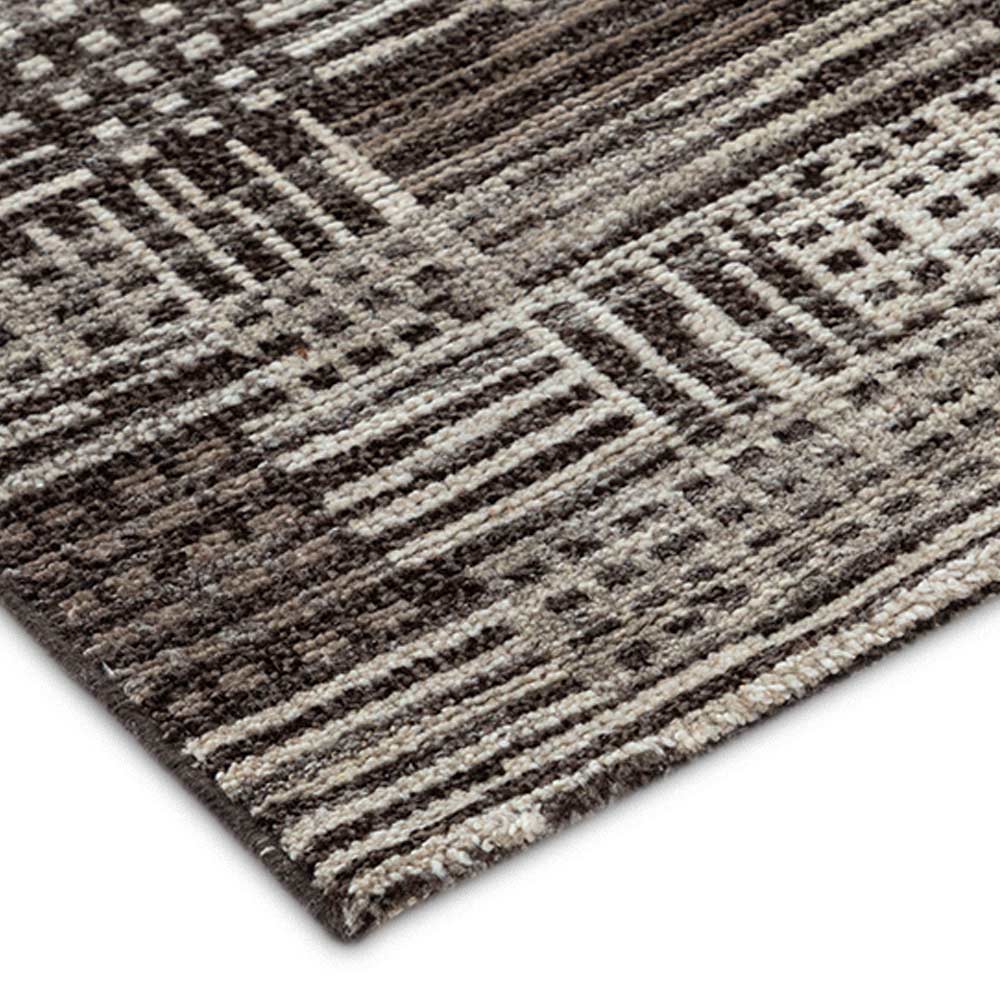
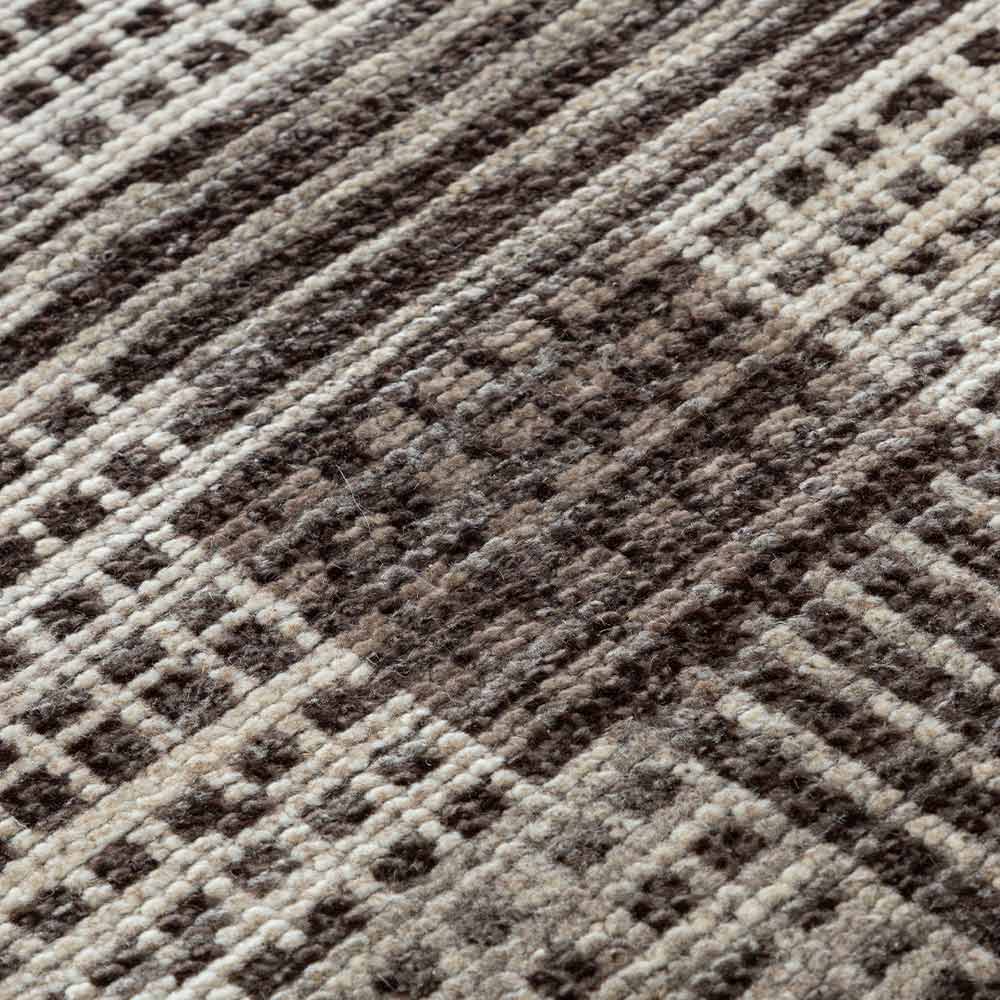
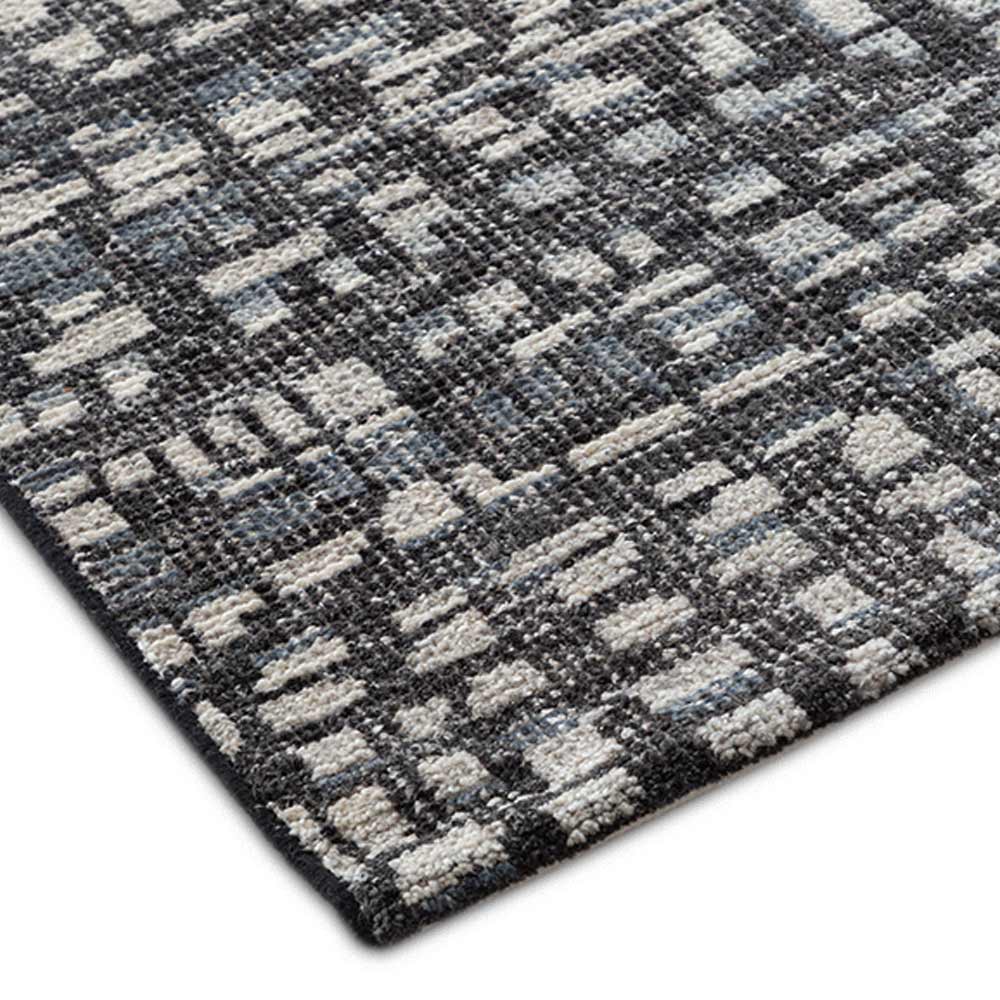
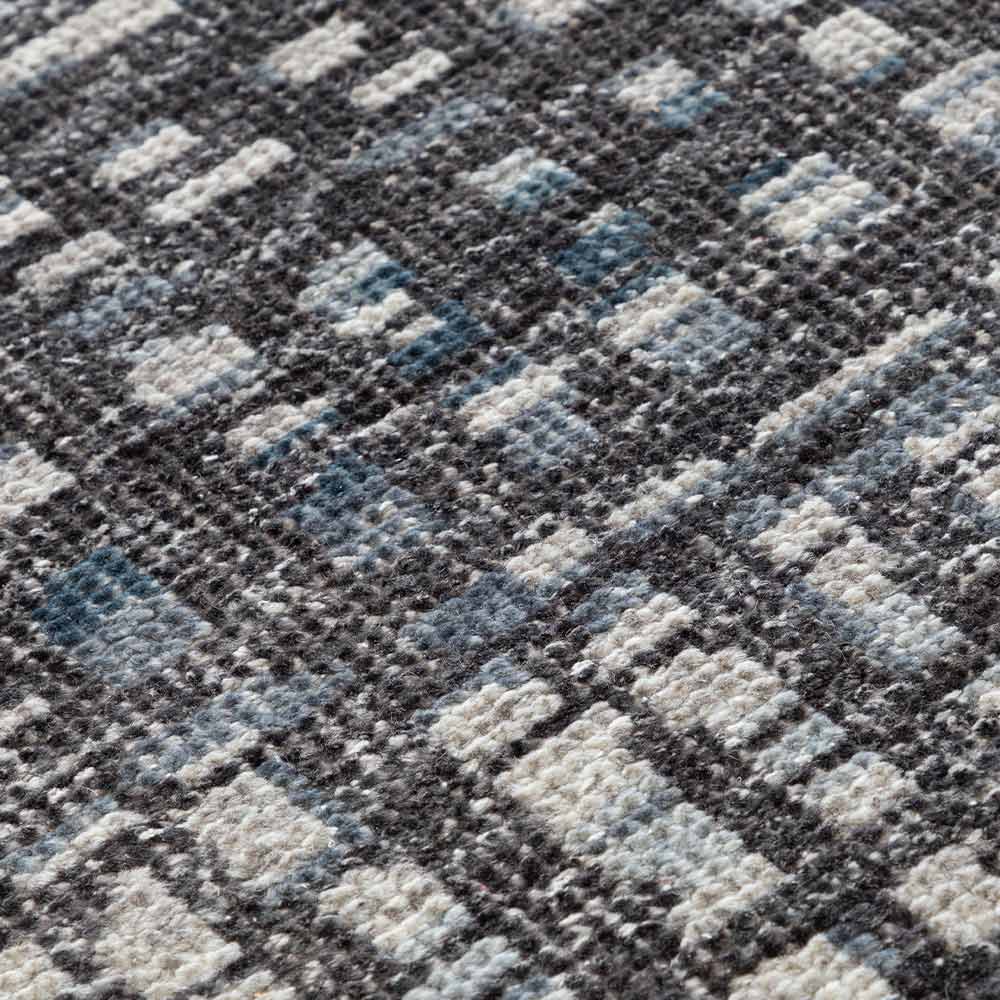
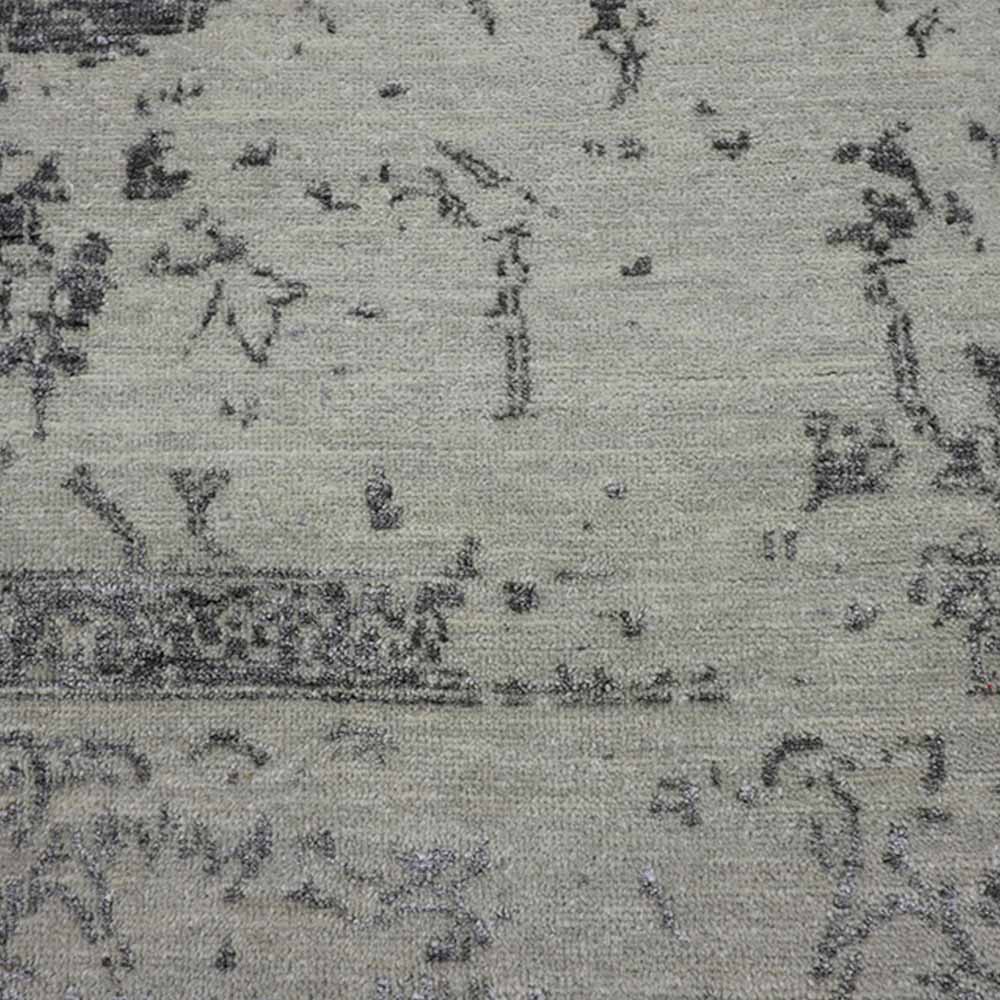
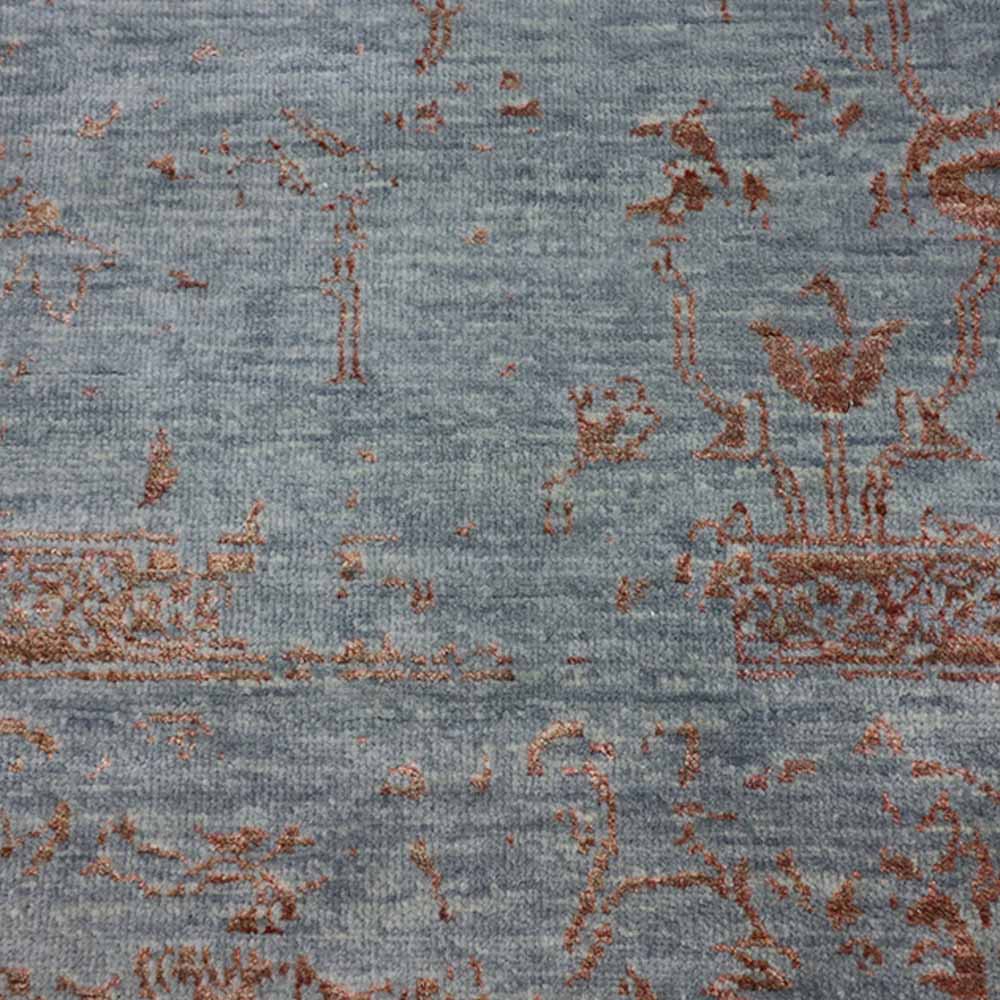
What sets hand-knotted rugs apart is not just durability, but presence. The density of knots allows colour to settle in layers—tones shift with light, patterns reveal themselves gradually, and the surface gains character as it is lived with.
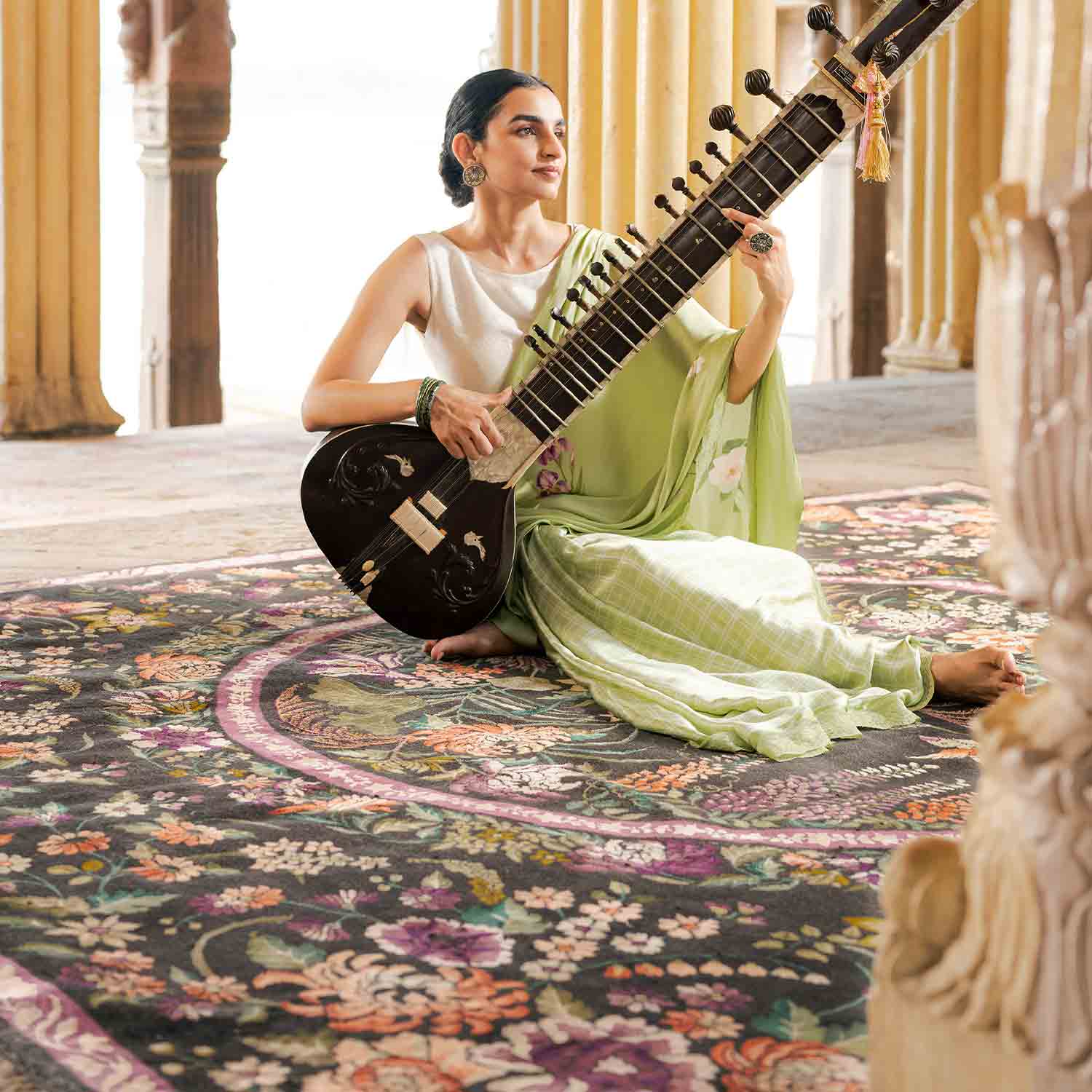
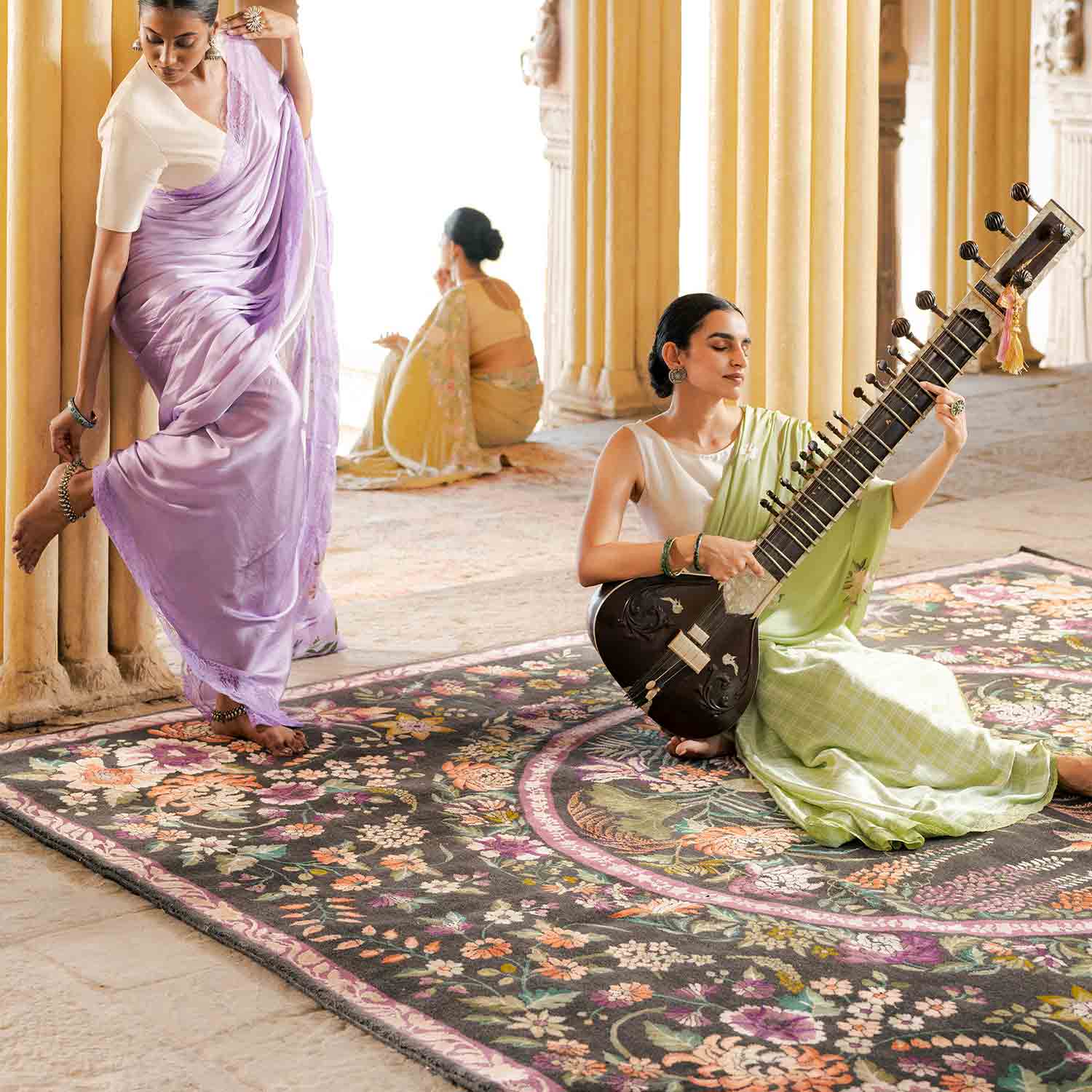
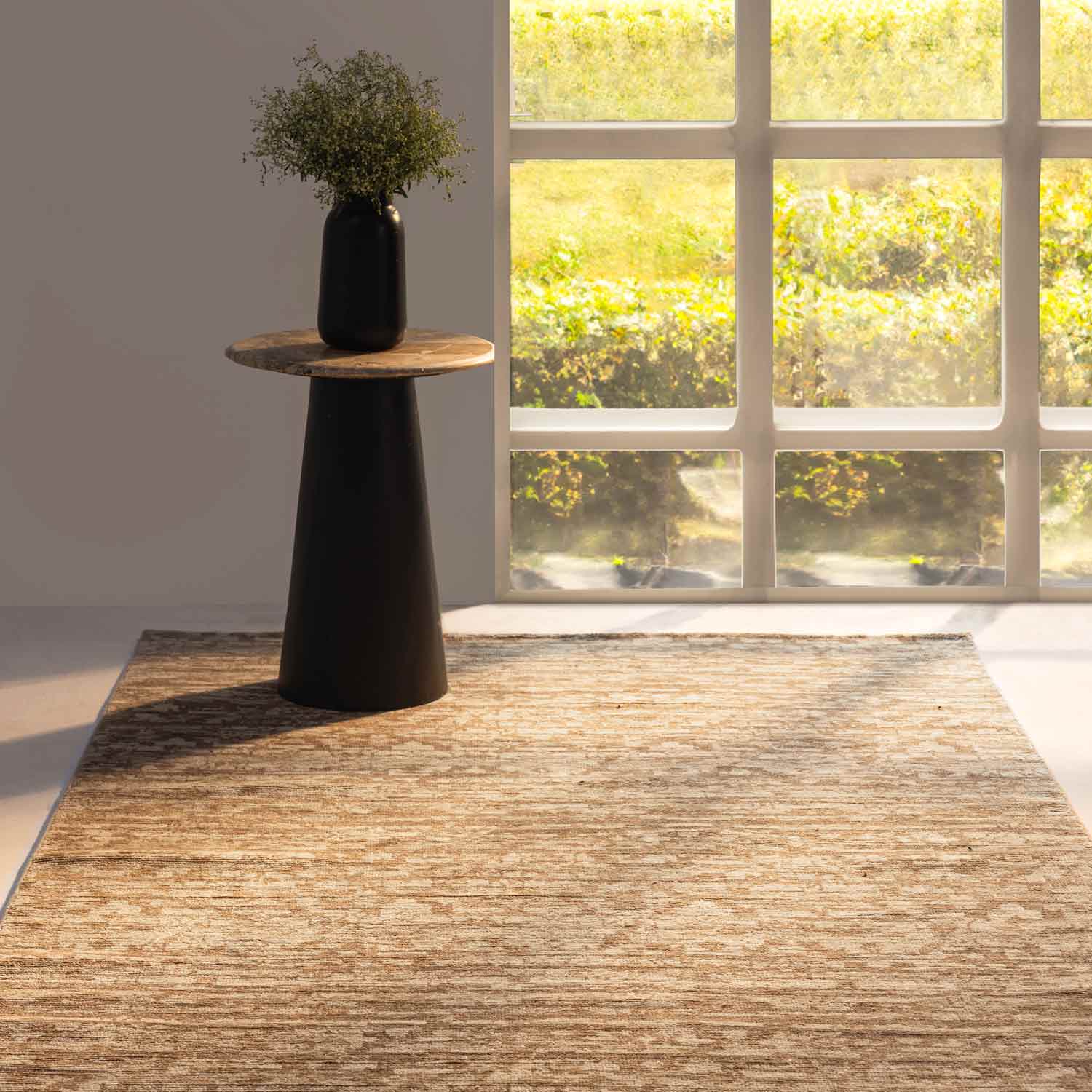
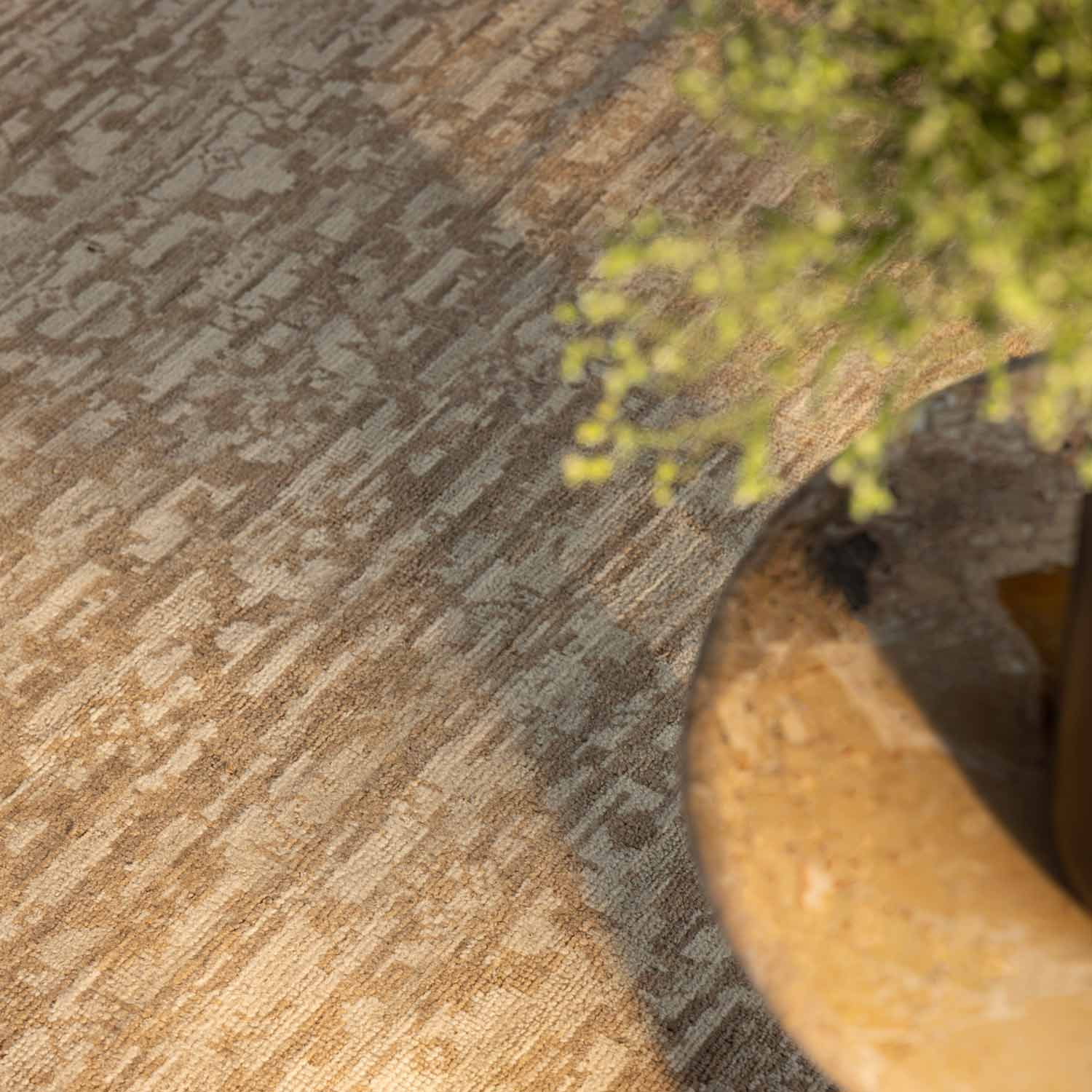
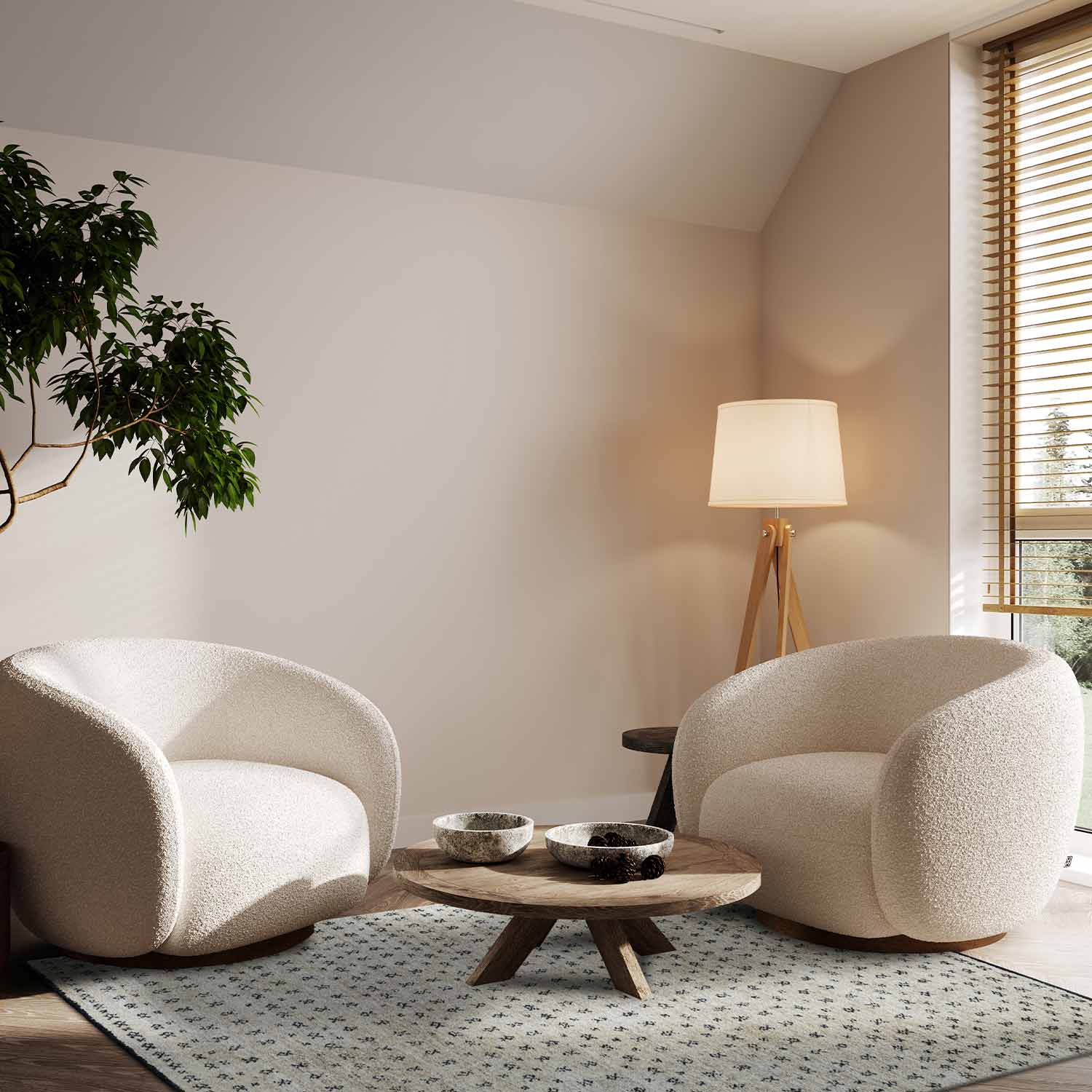
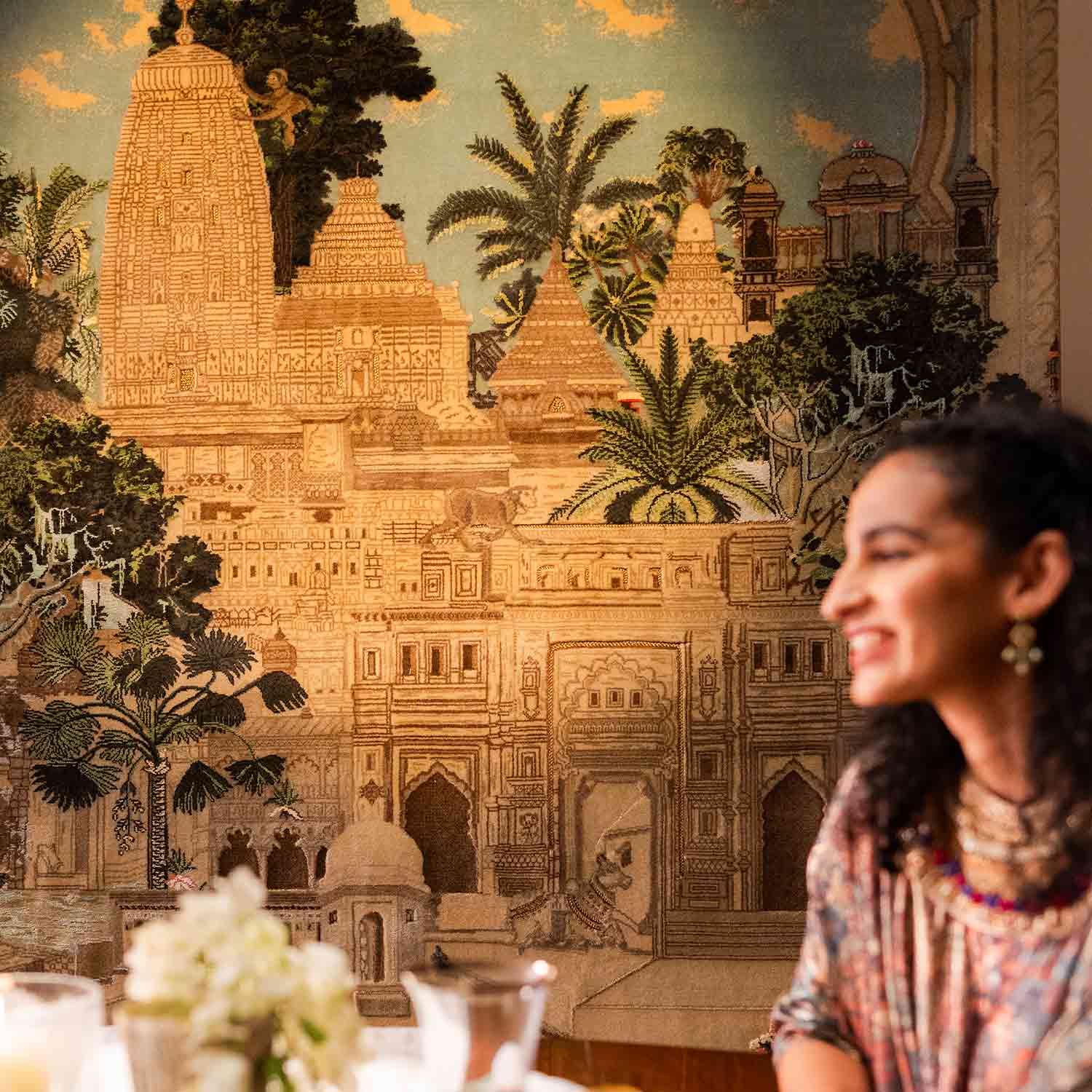
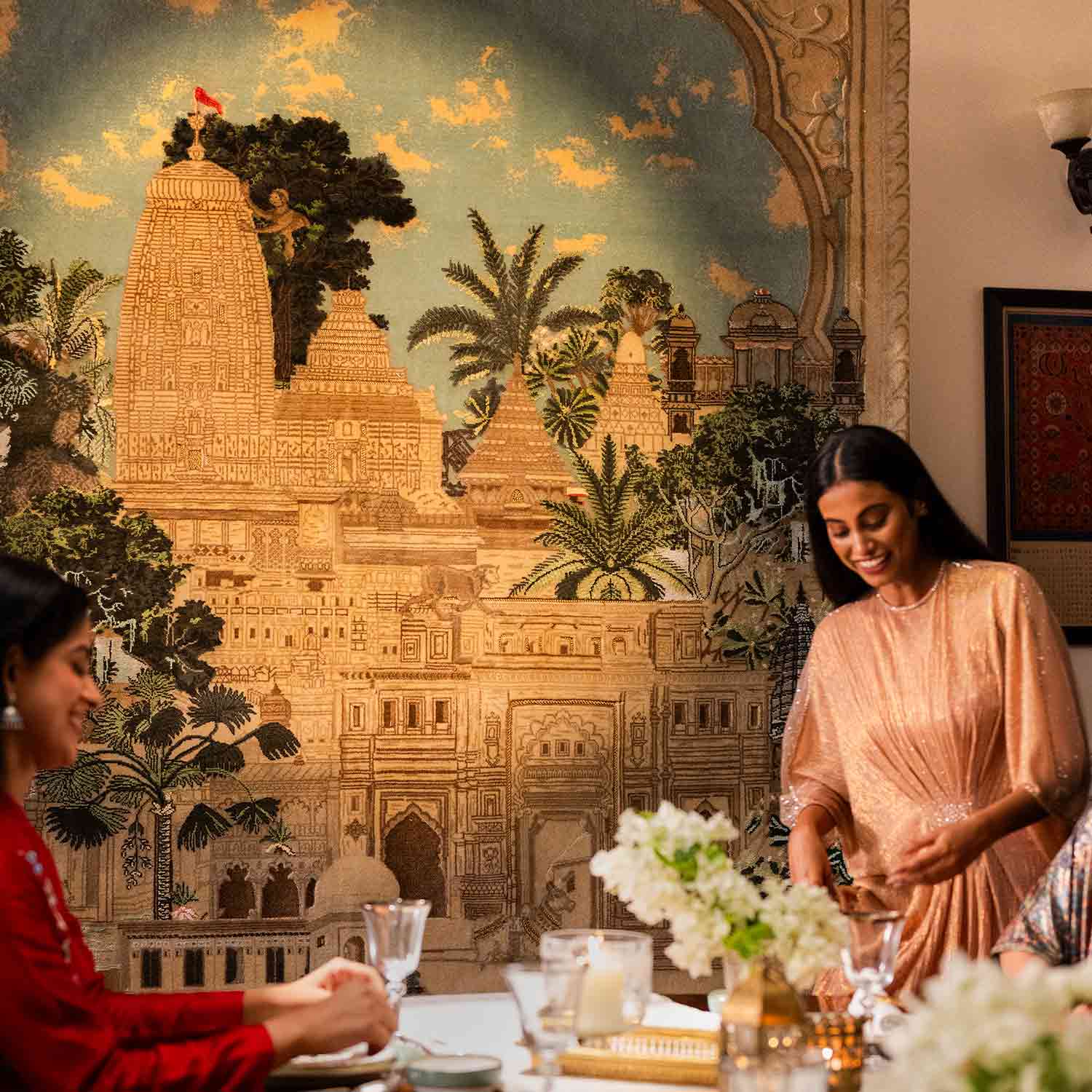
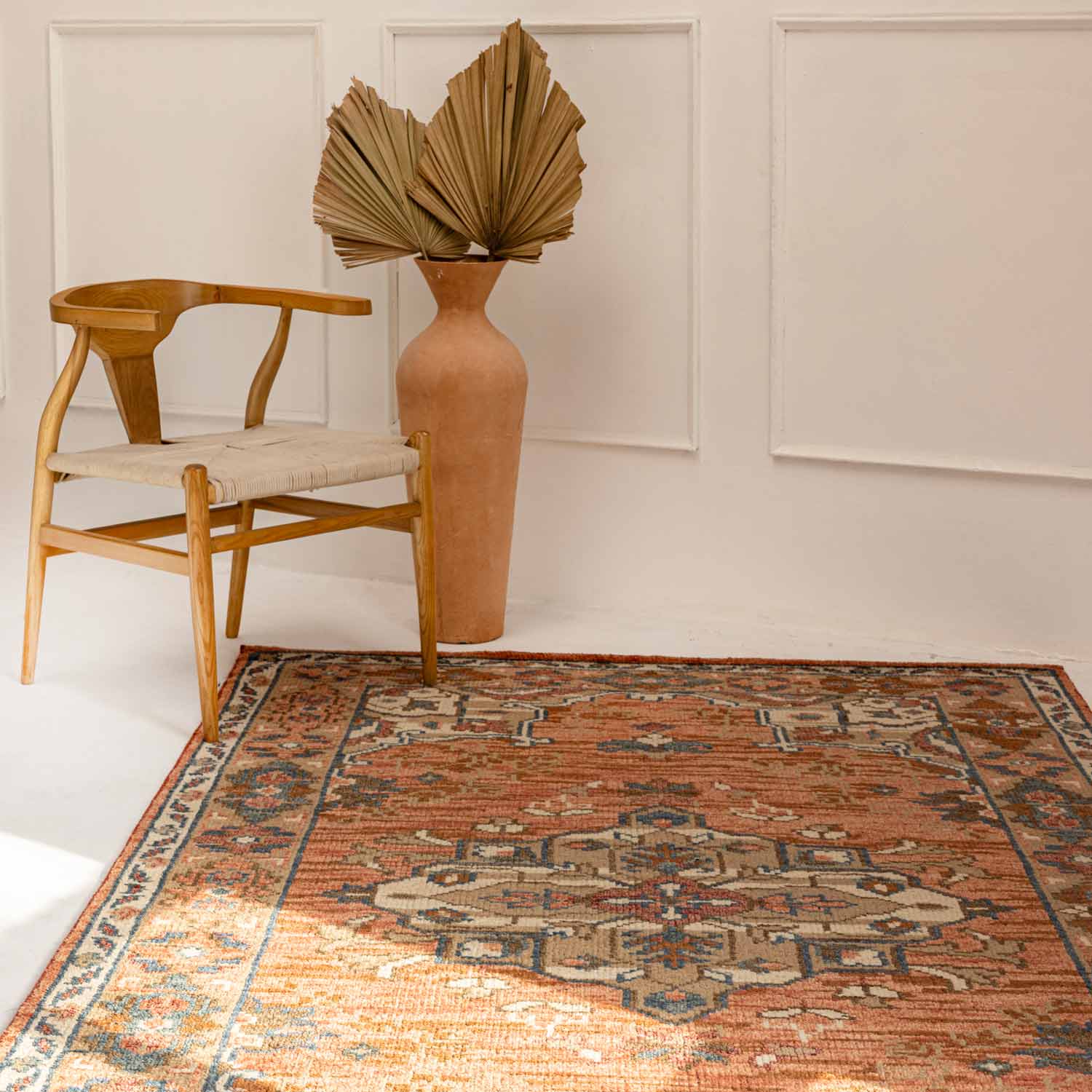
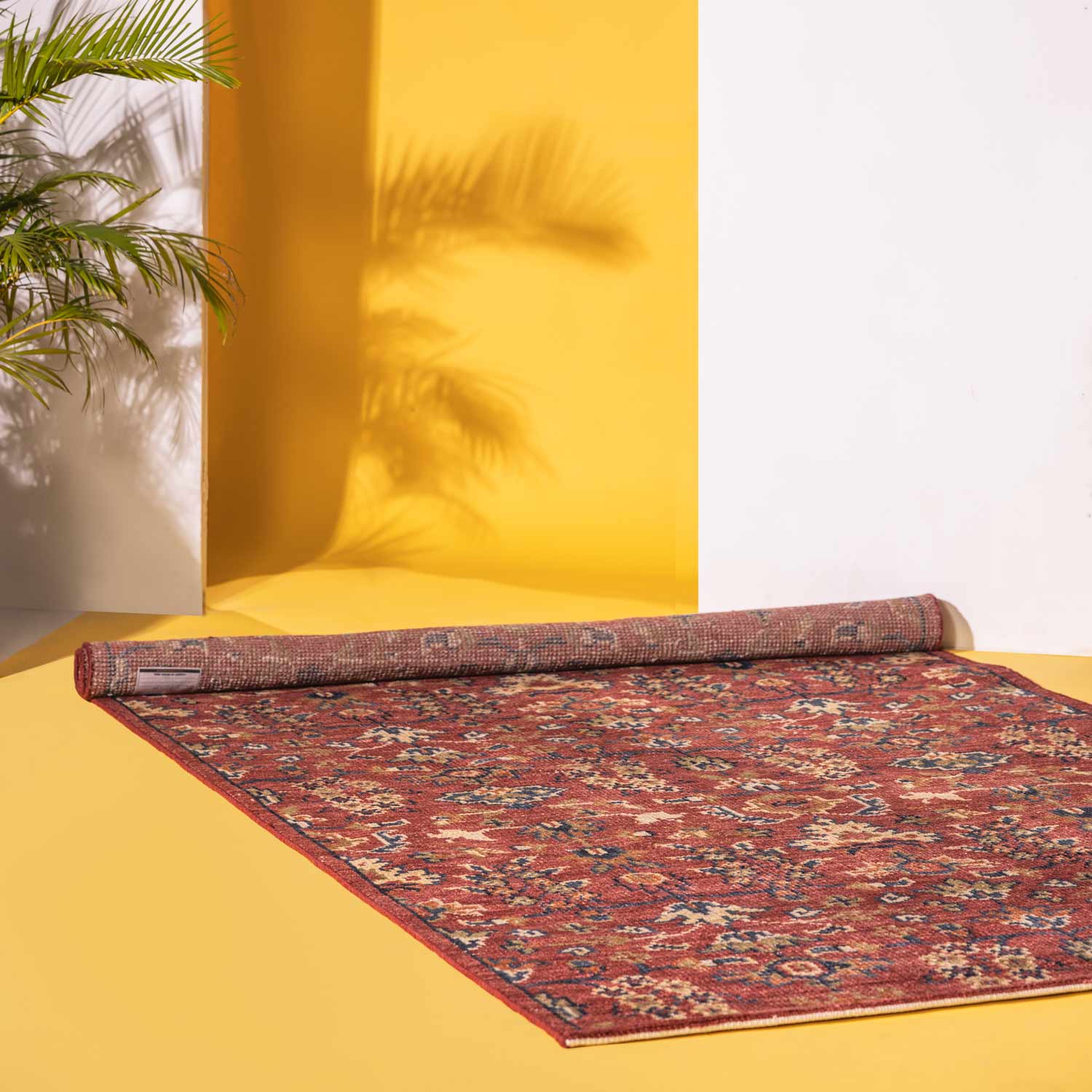
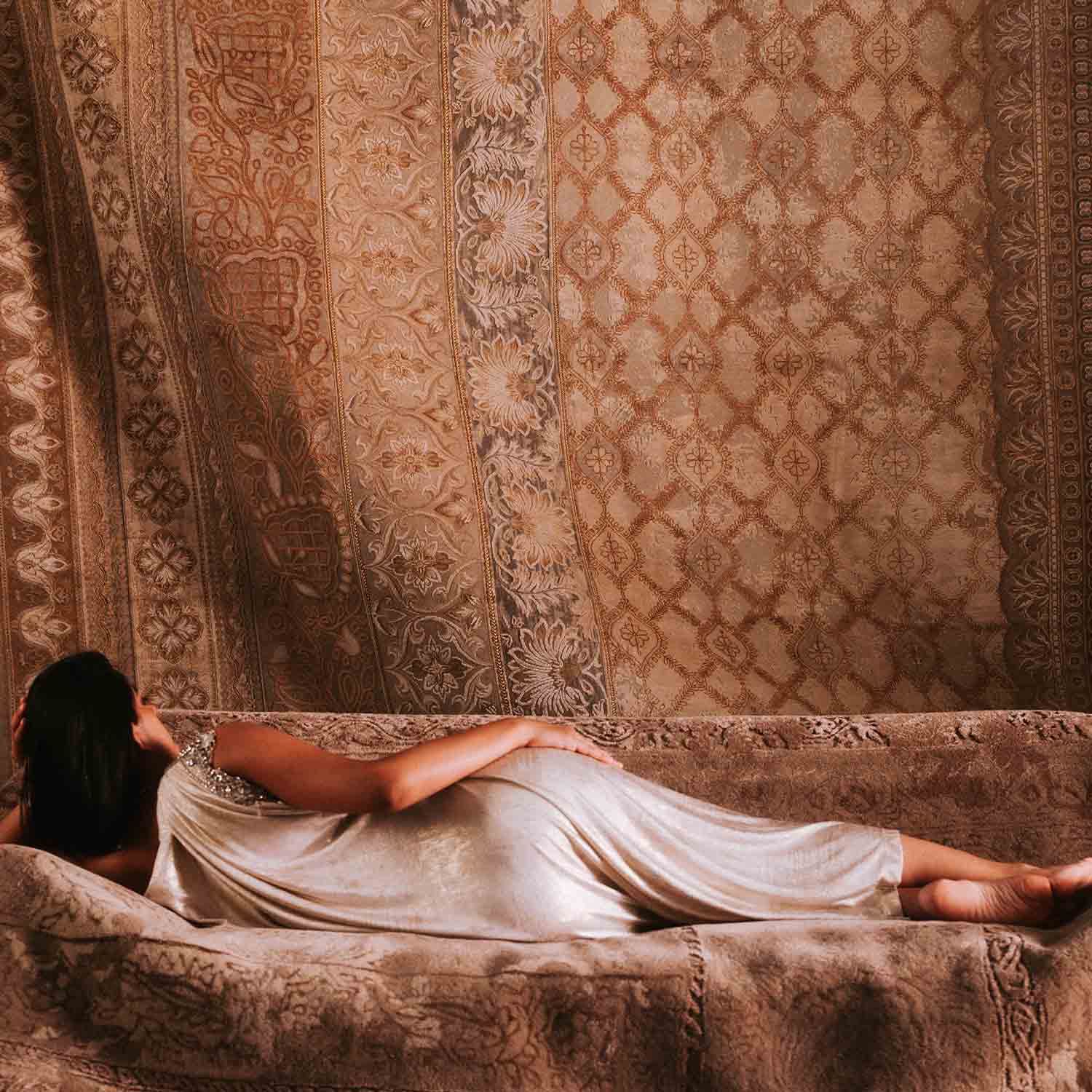
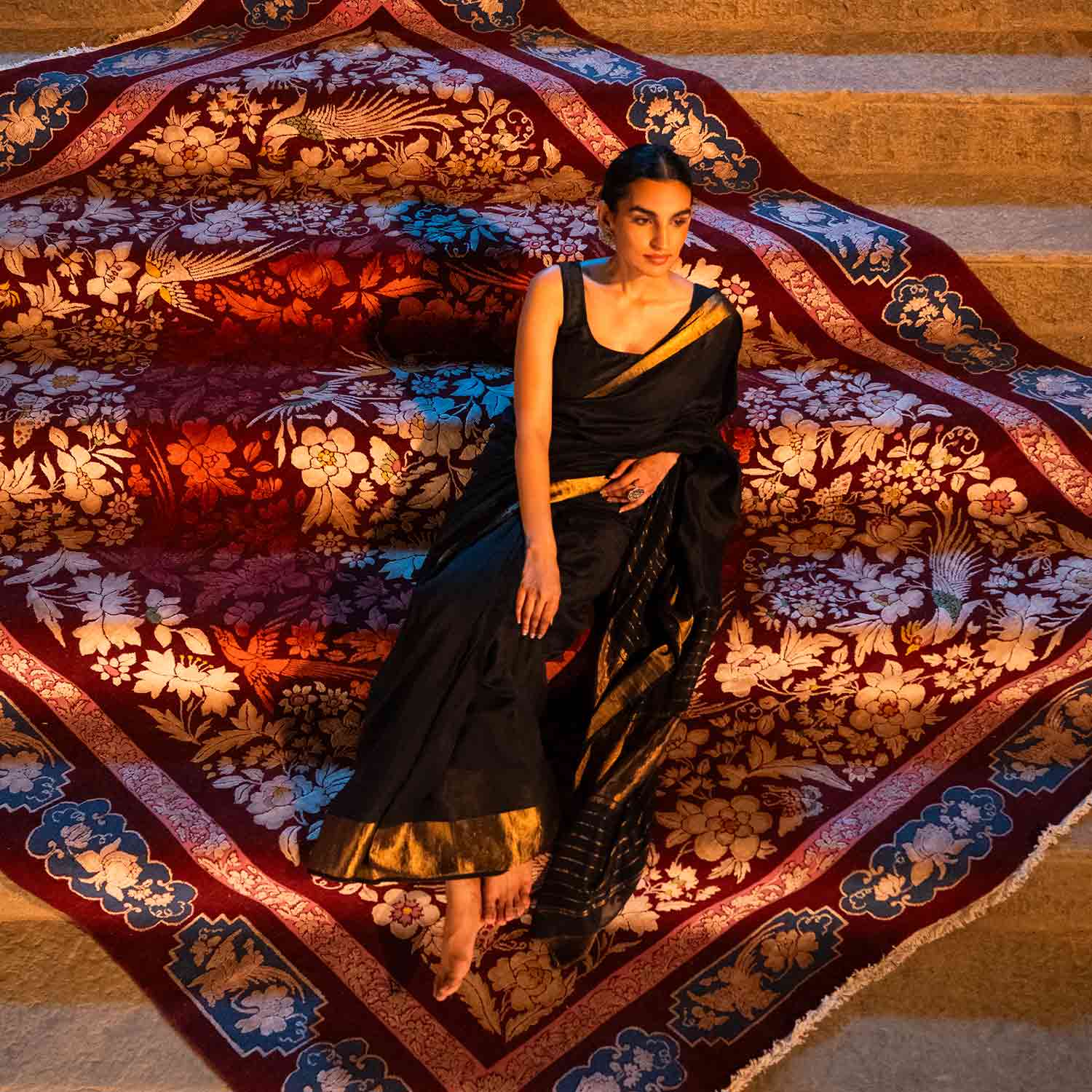
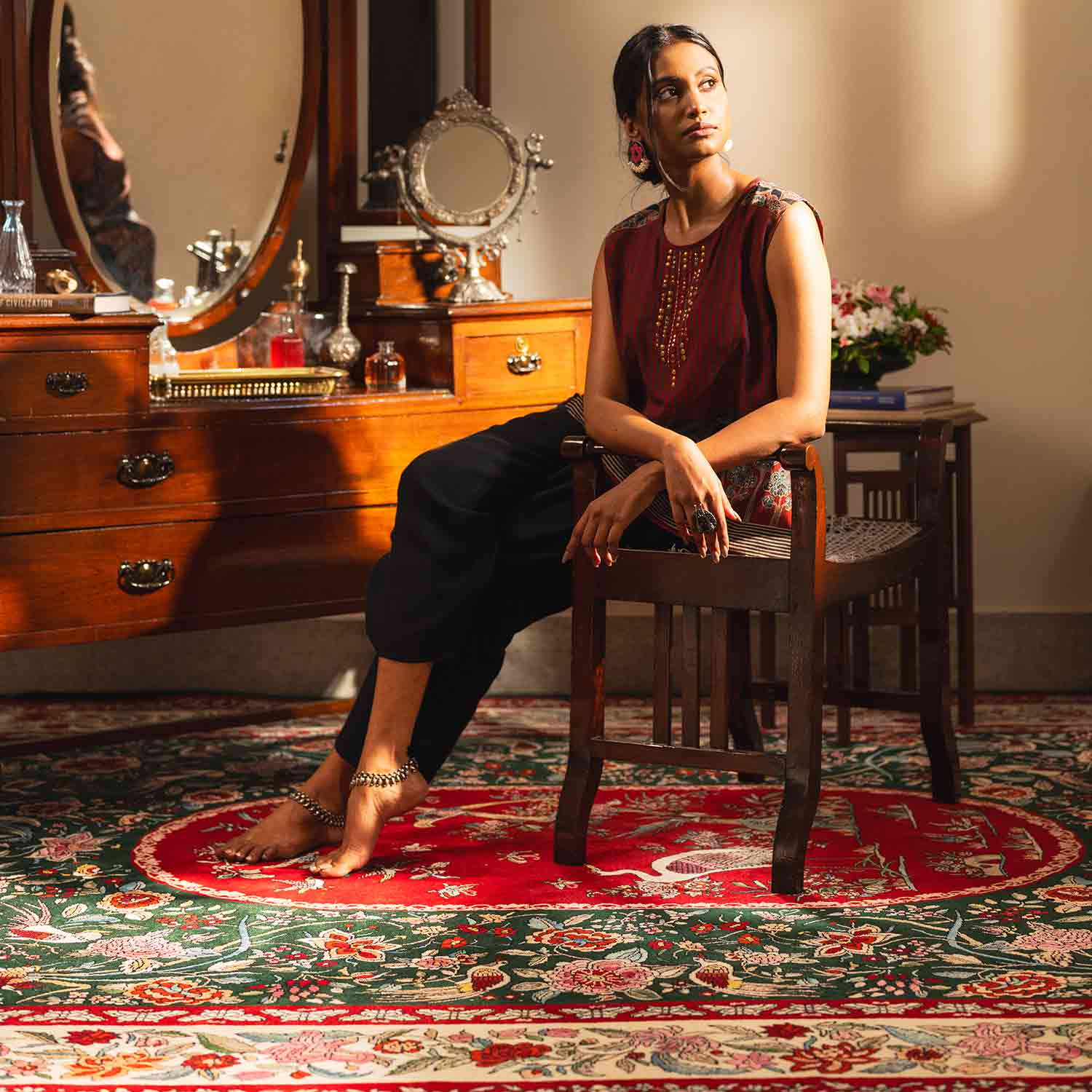
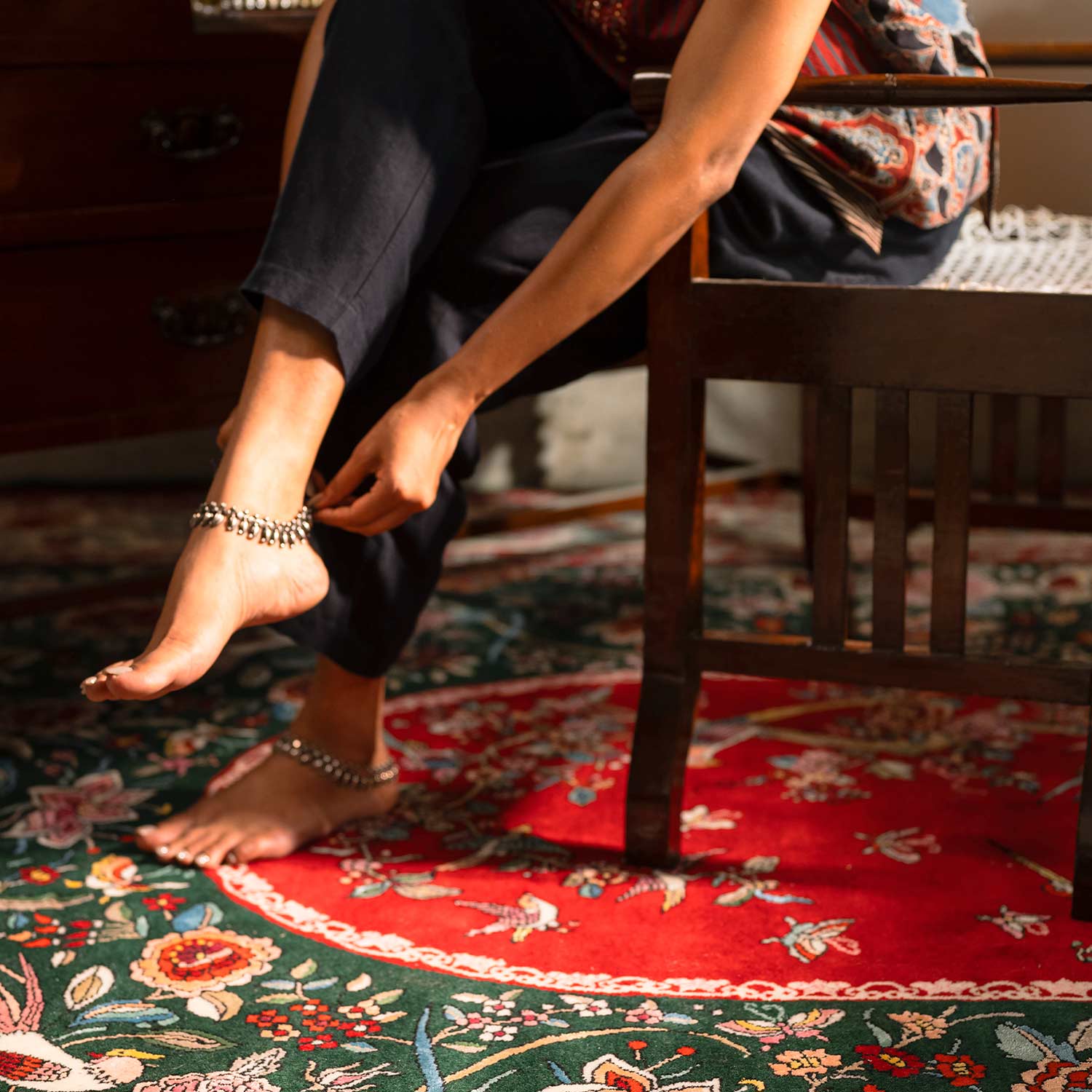
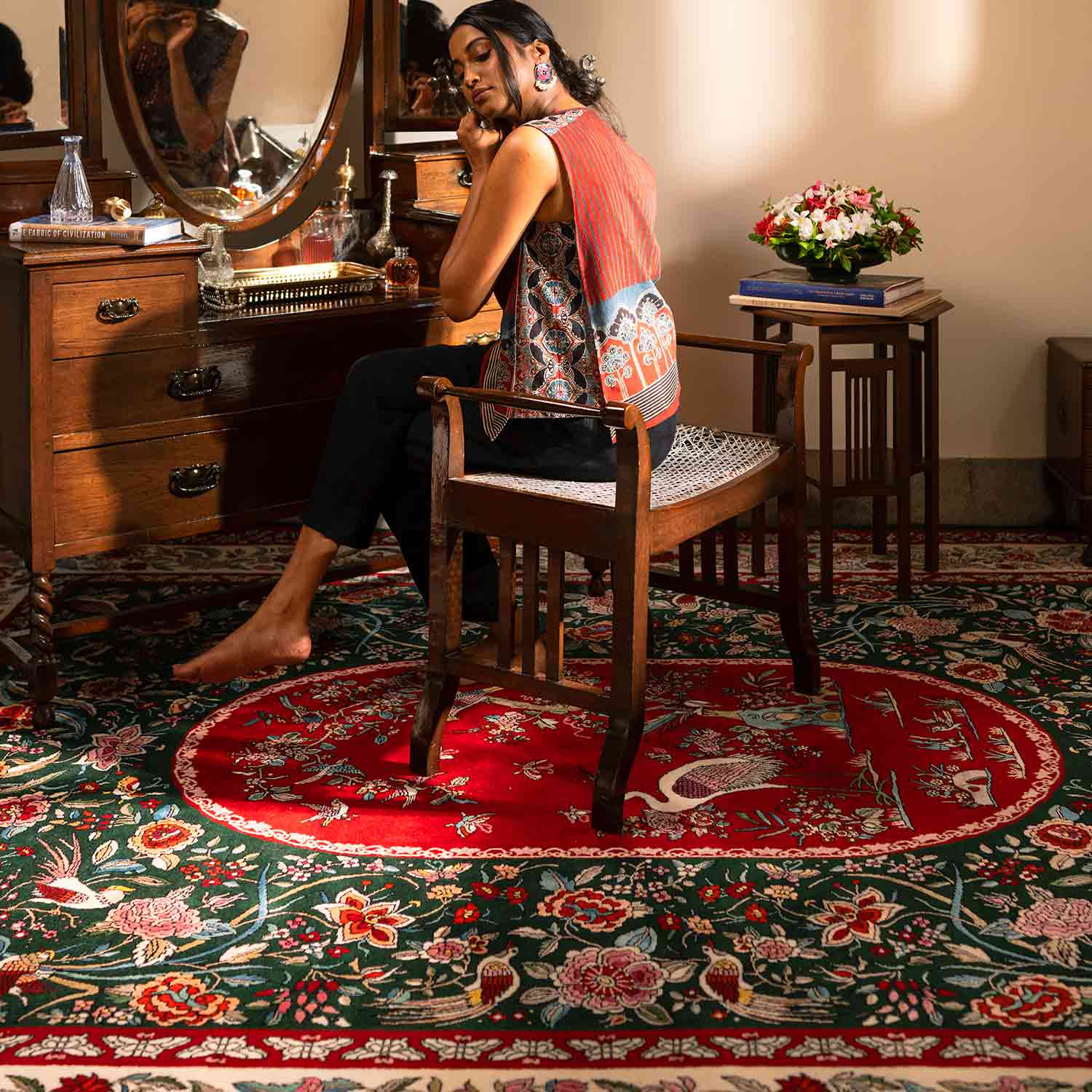
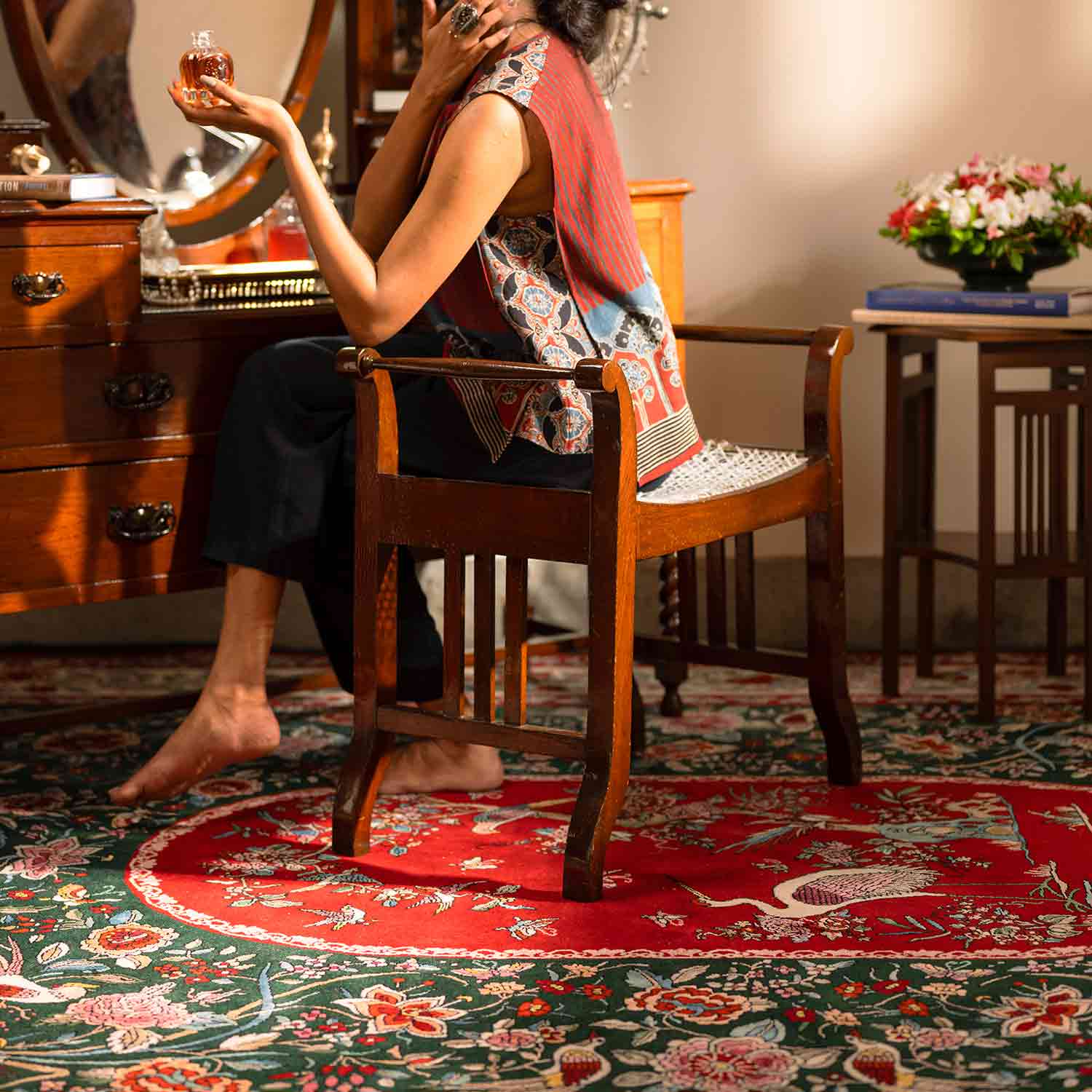
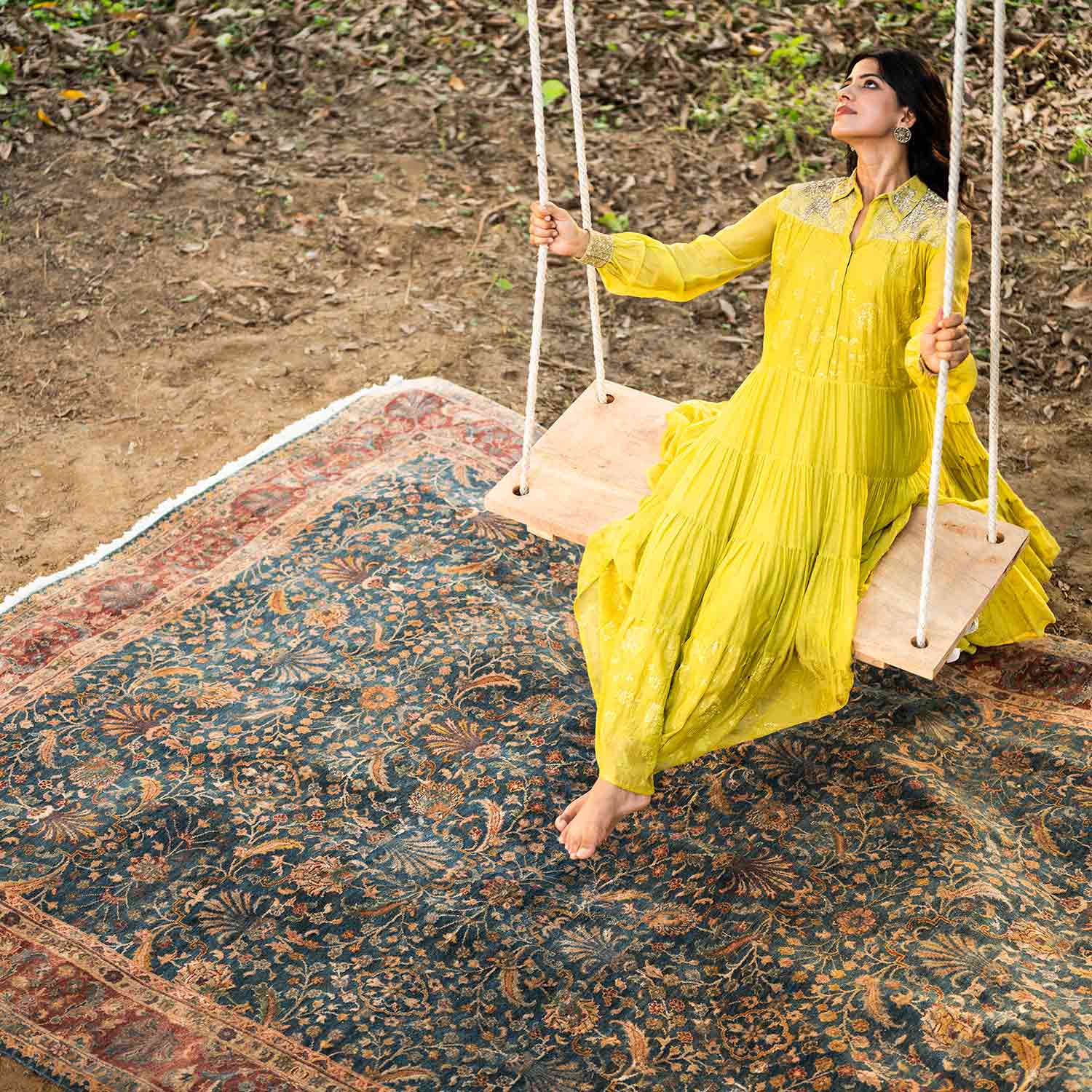
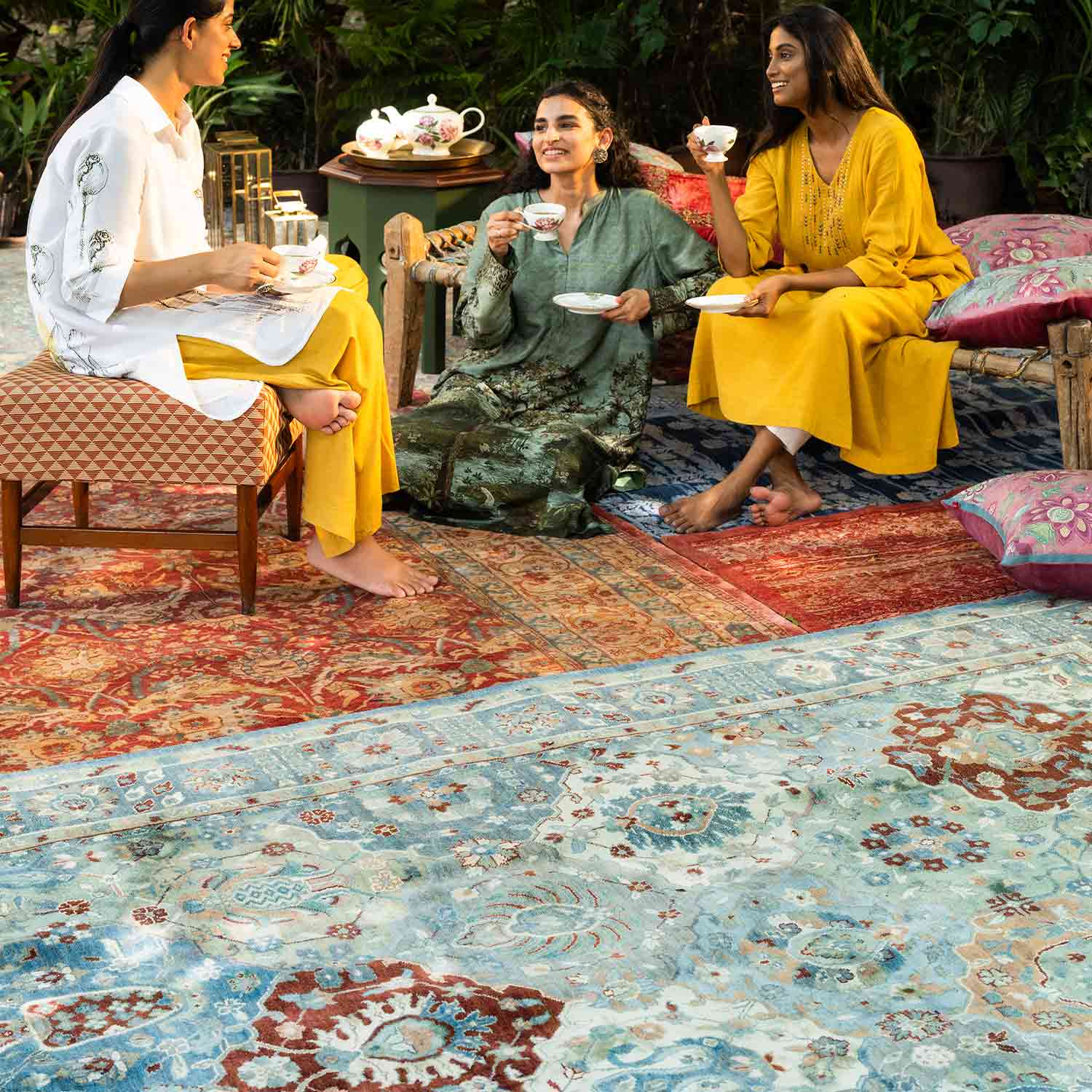
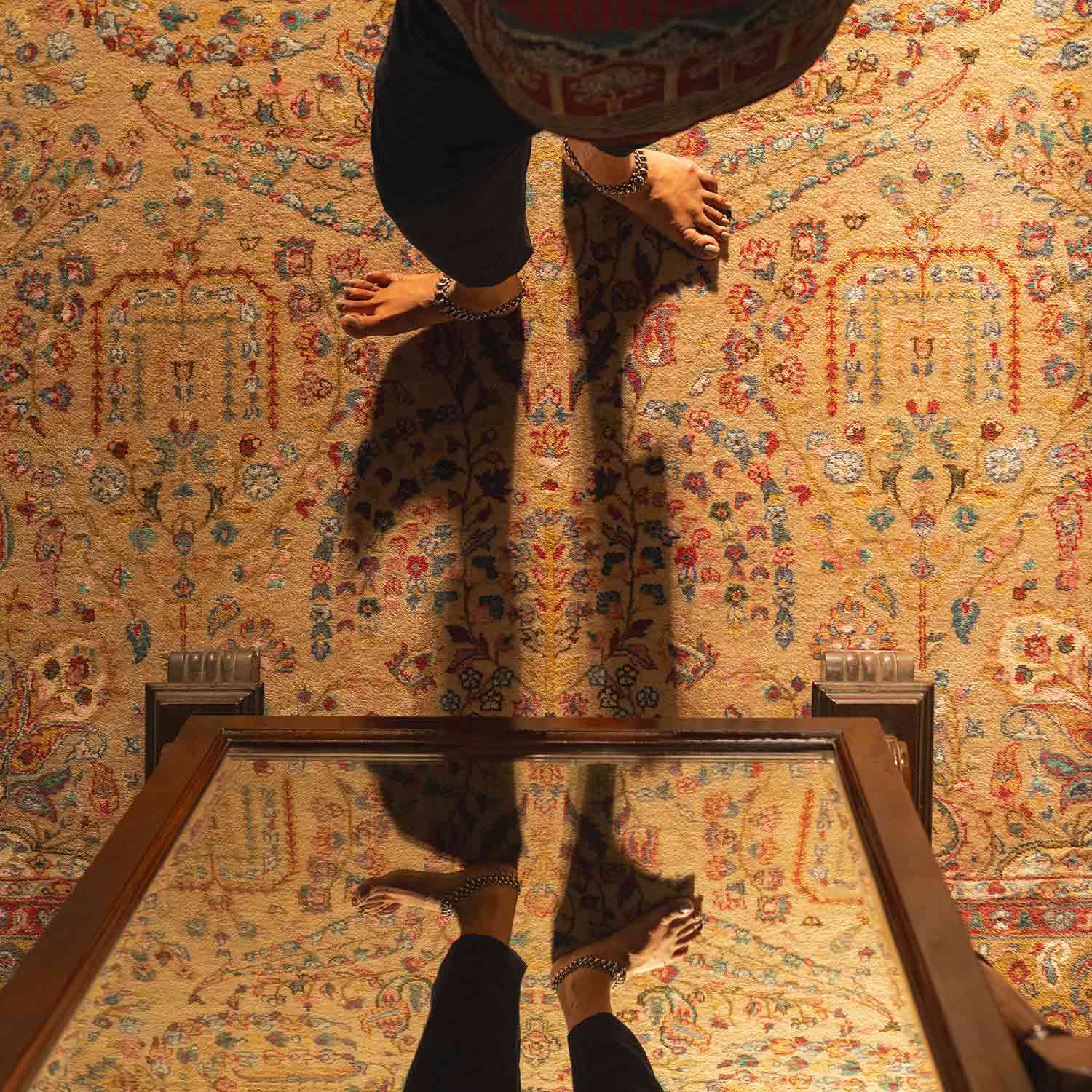
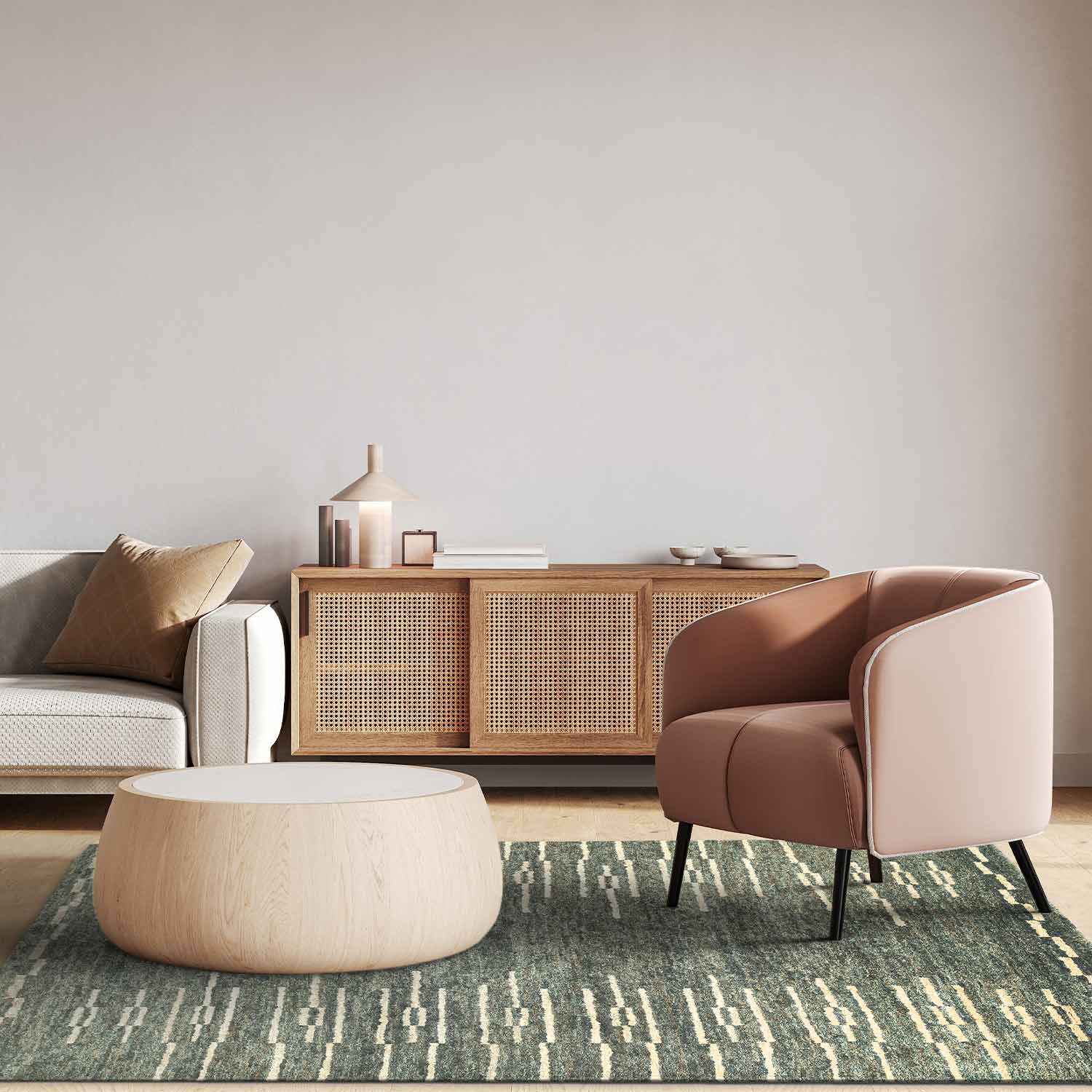
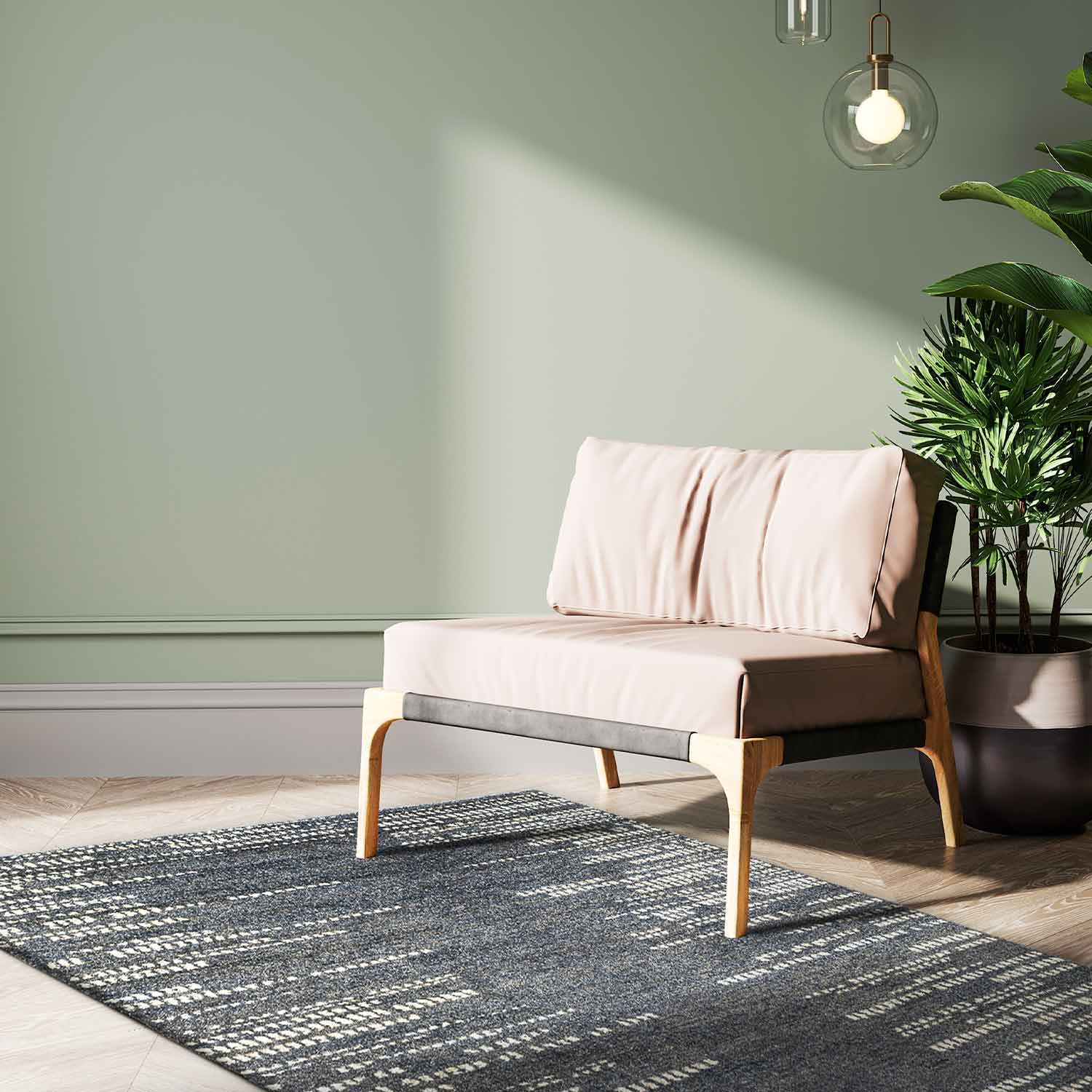
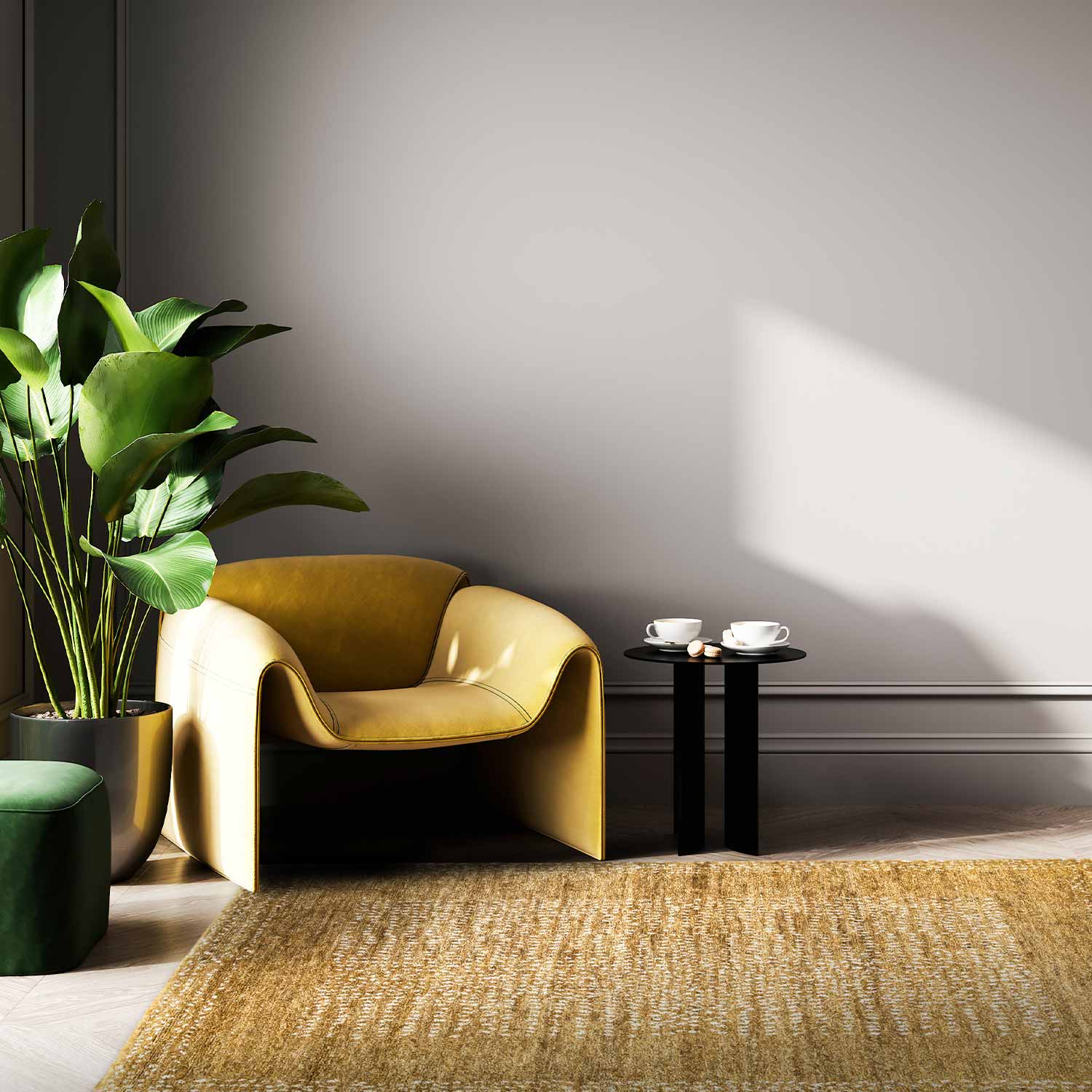
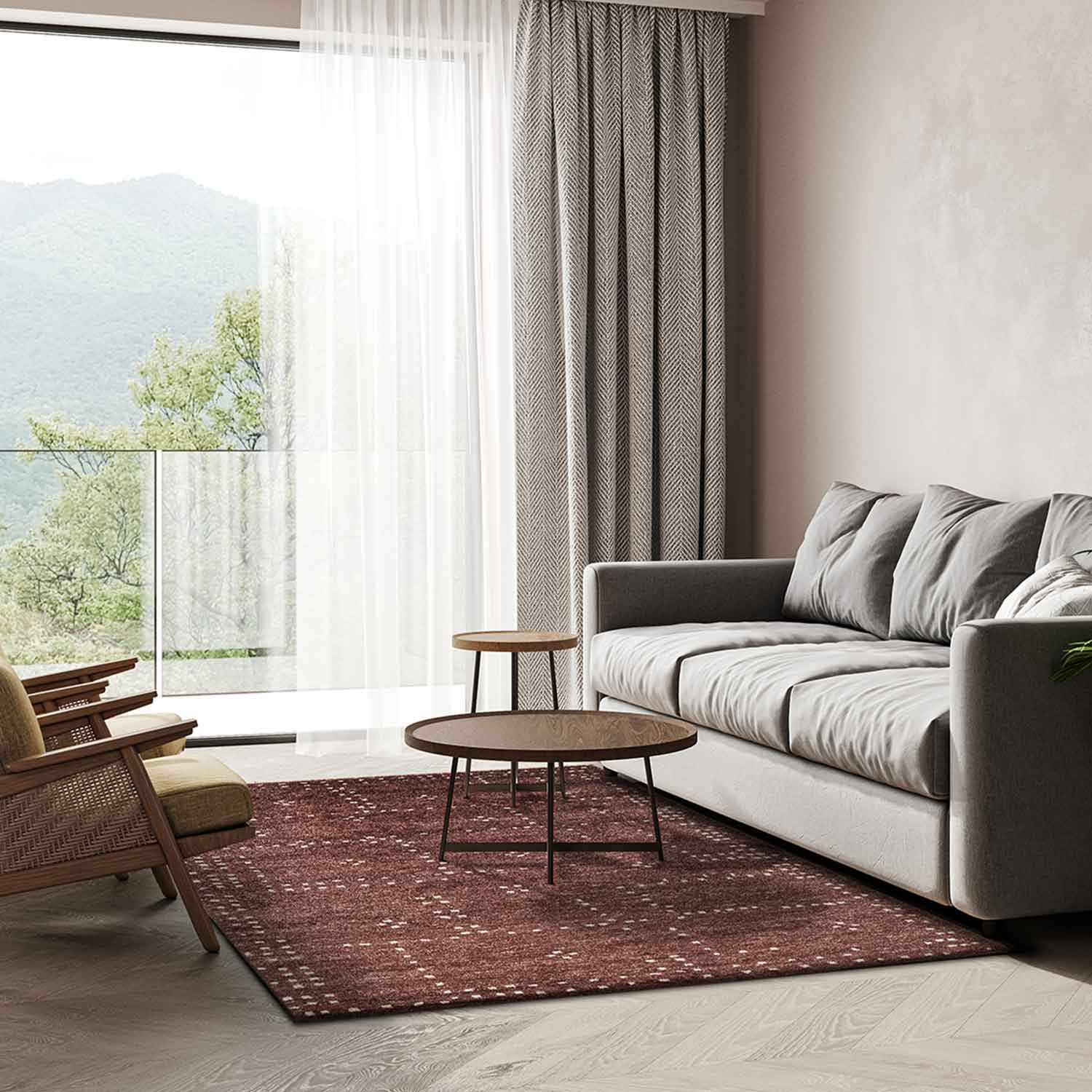
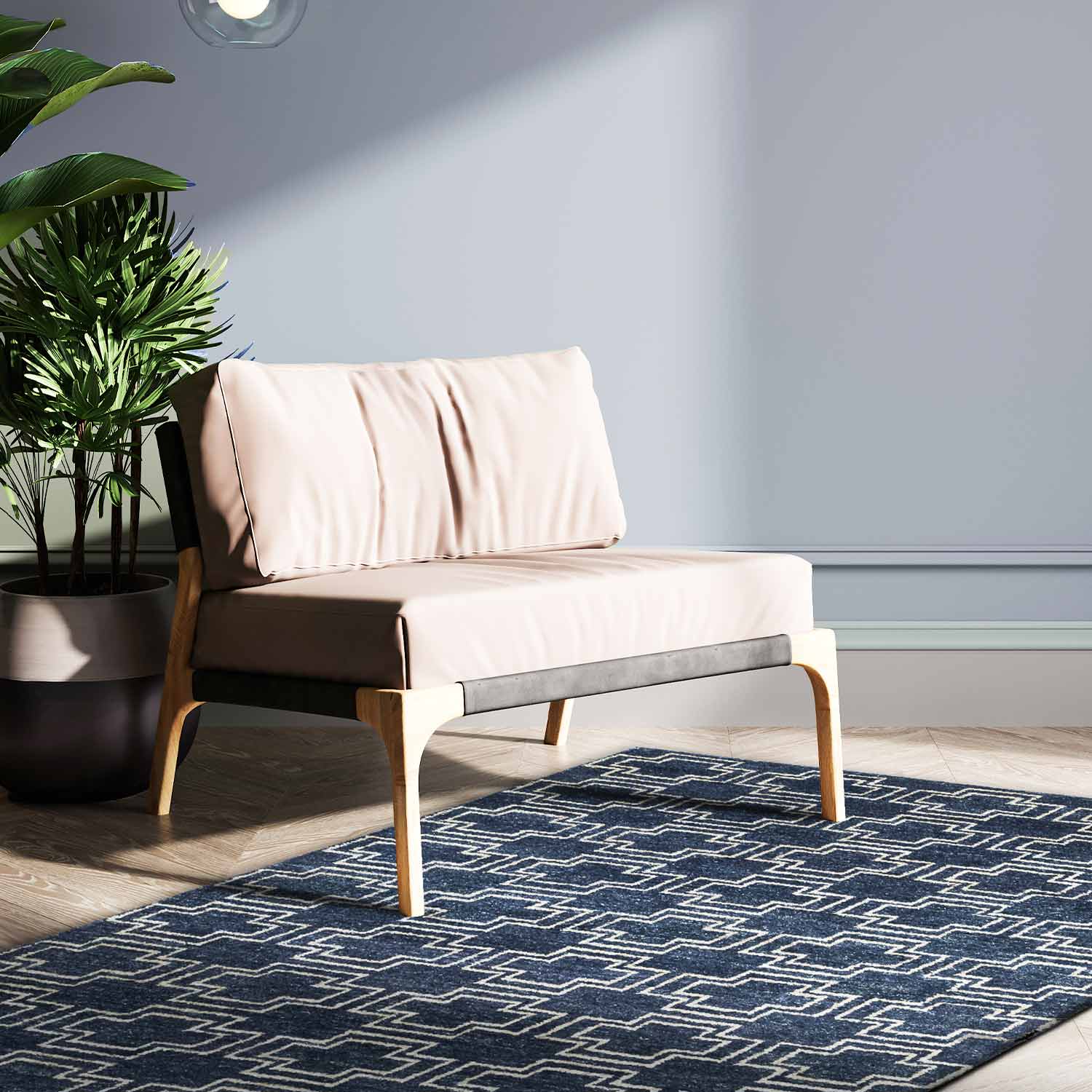
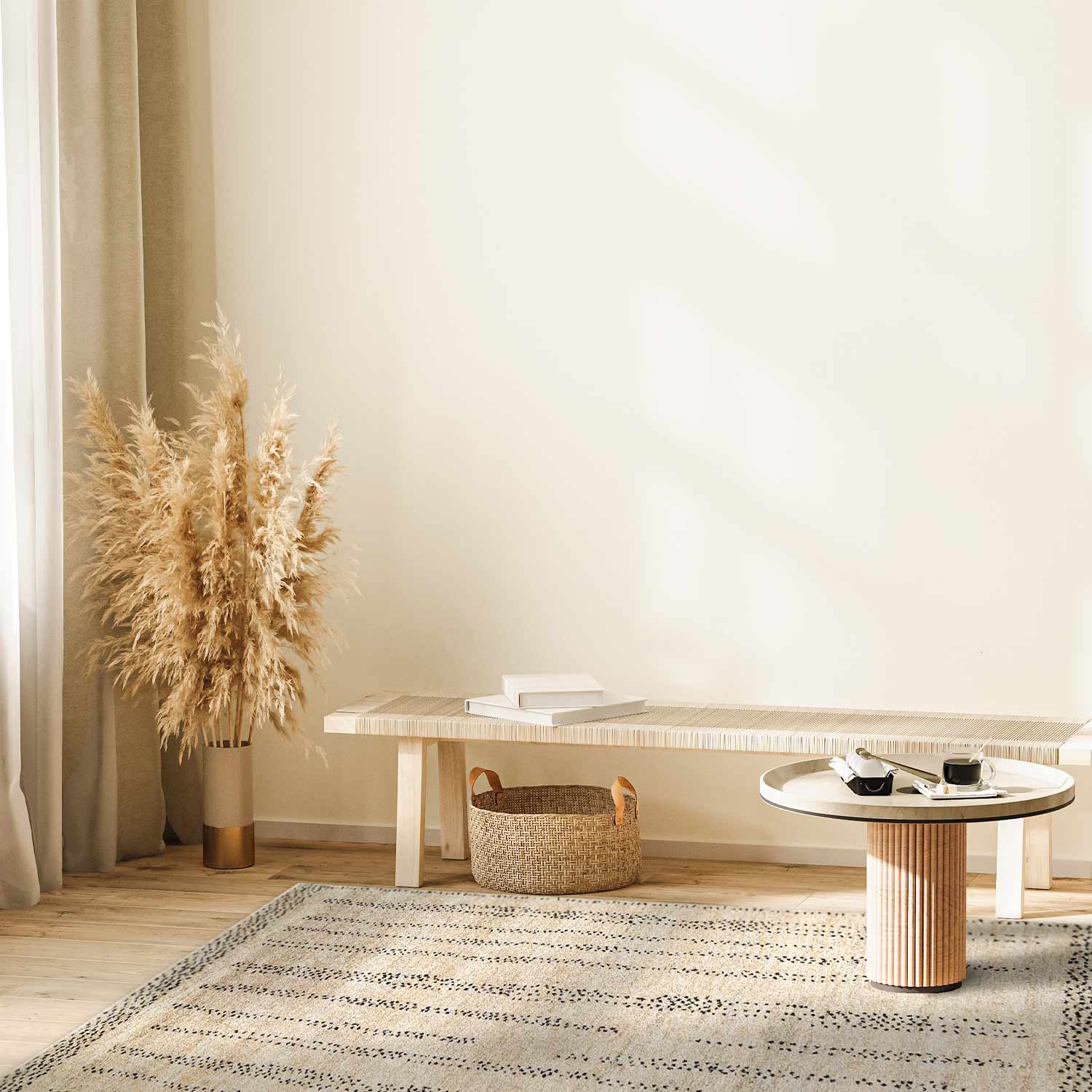
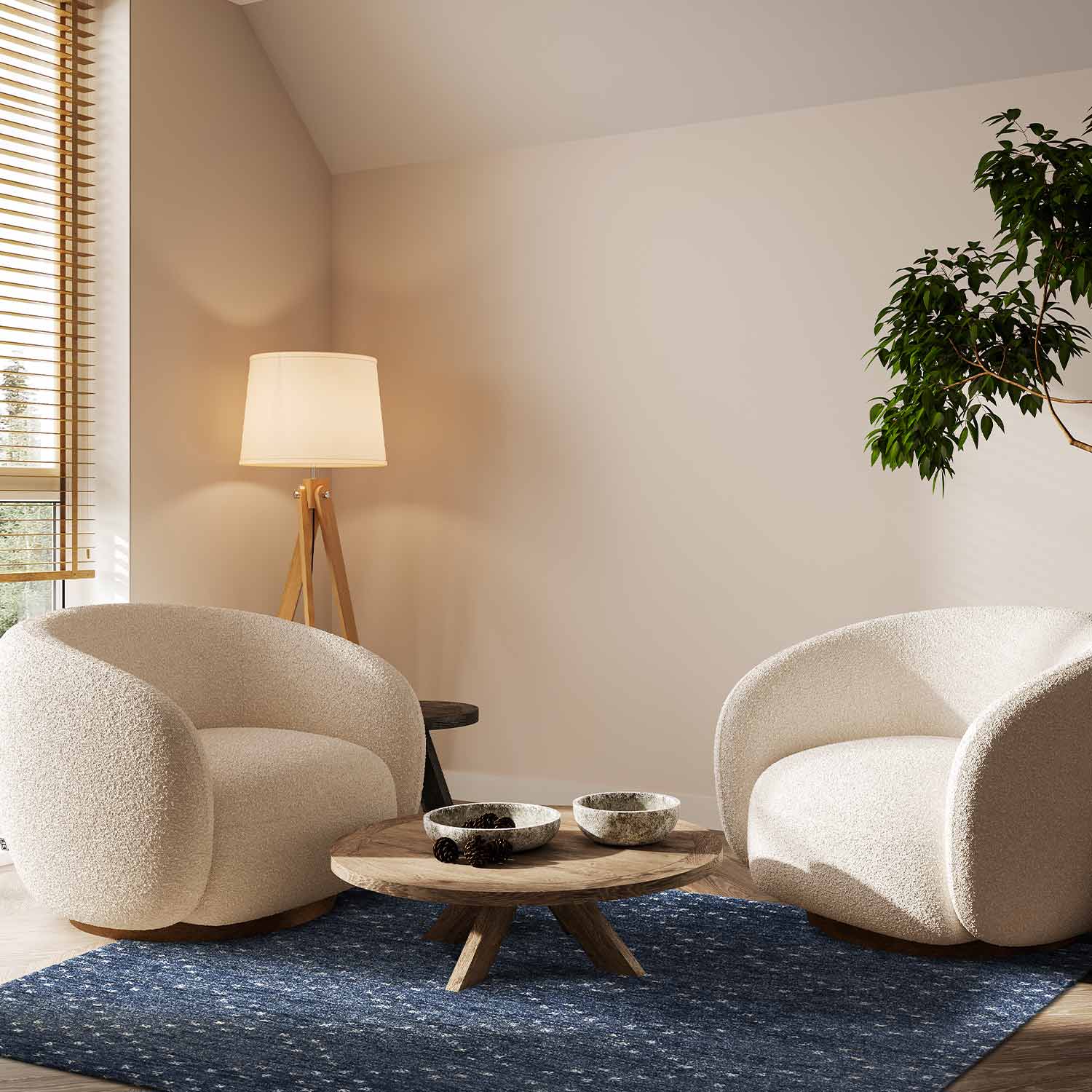
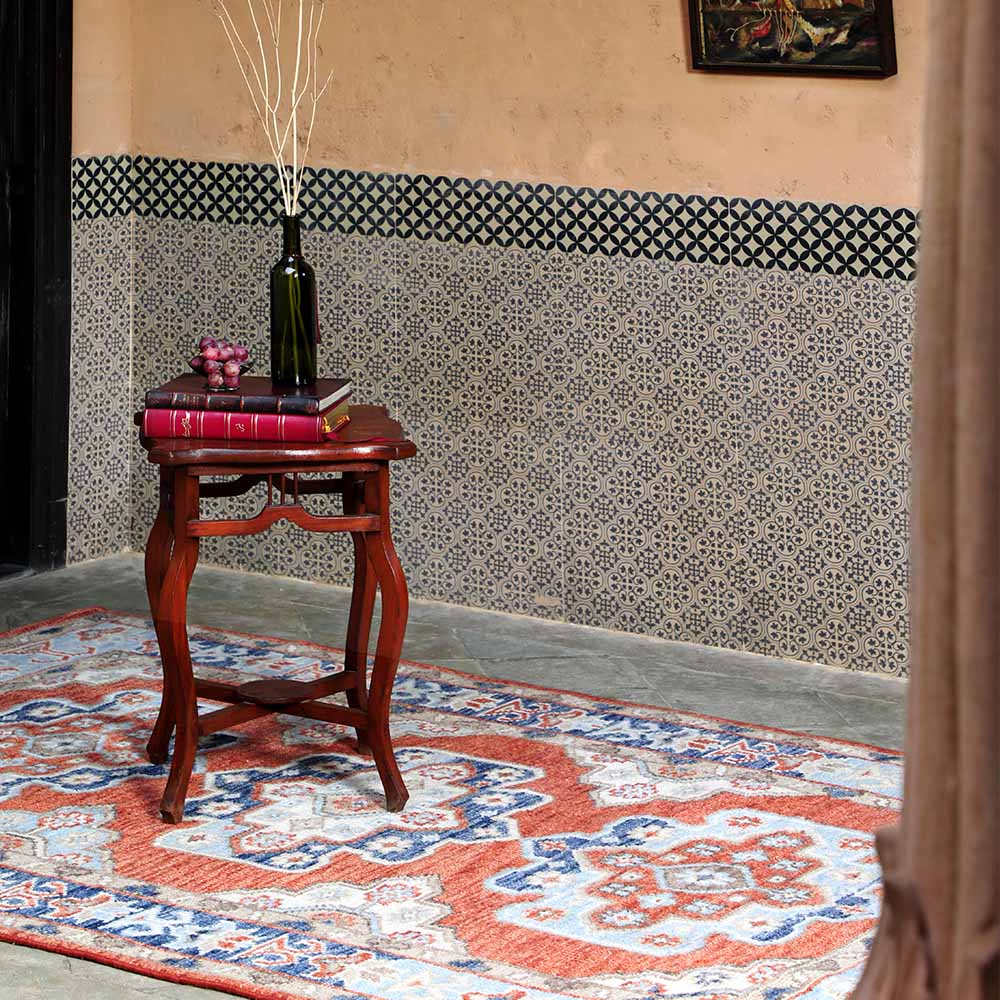
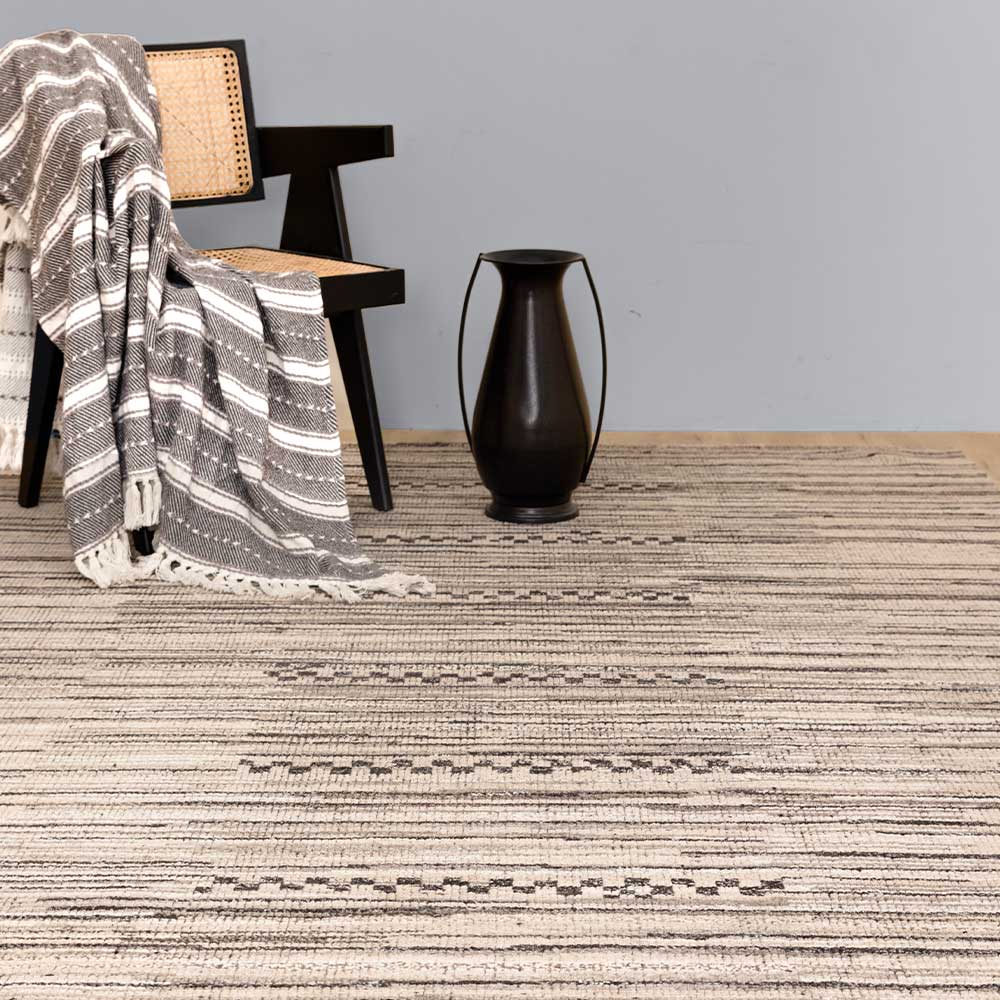
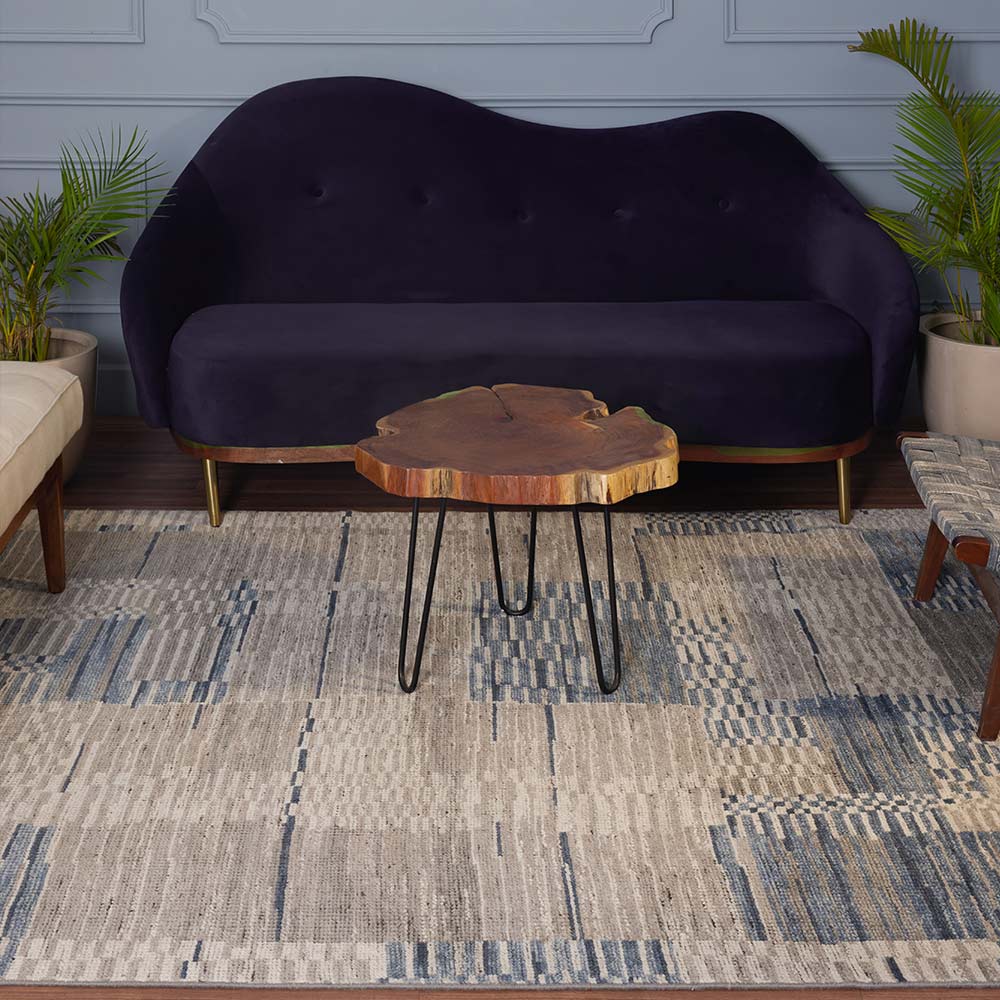
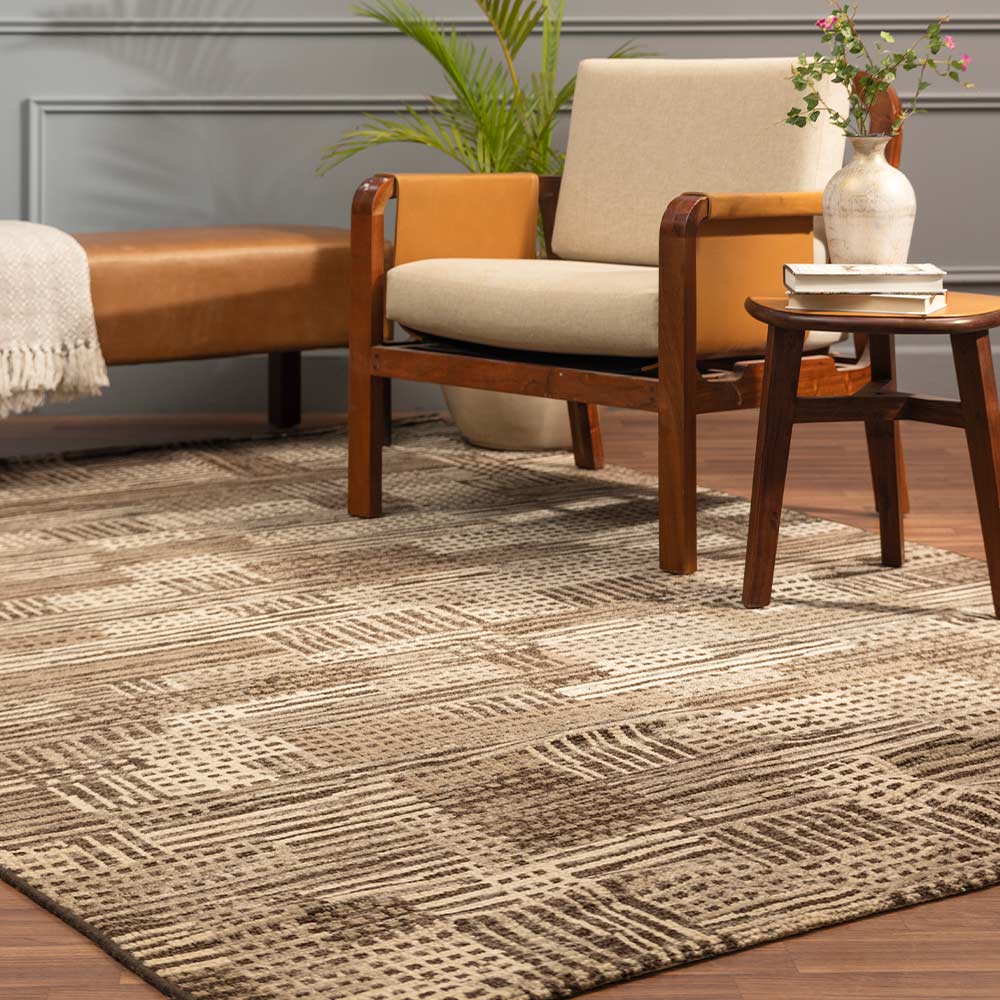
In a space, these rugs do more than complete a room. They anchor it. They bring elements together, soften transitions, and create a sense of permanence that few other materials can offer.
The Obeetee Perspective
At Obeetee, hand-knotting is not approached as tradition alone, but as a medium for design.
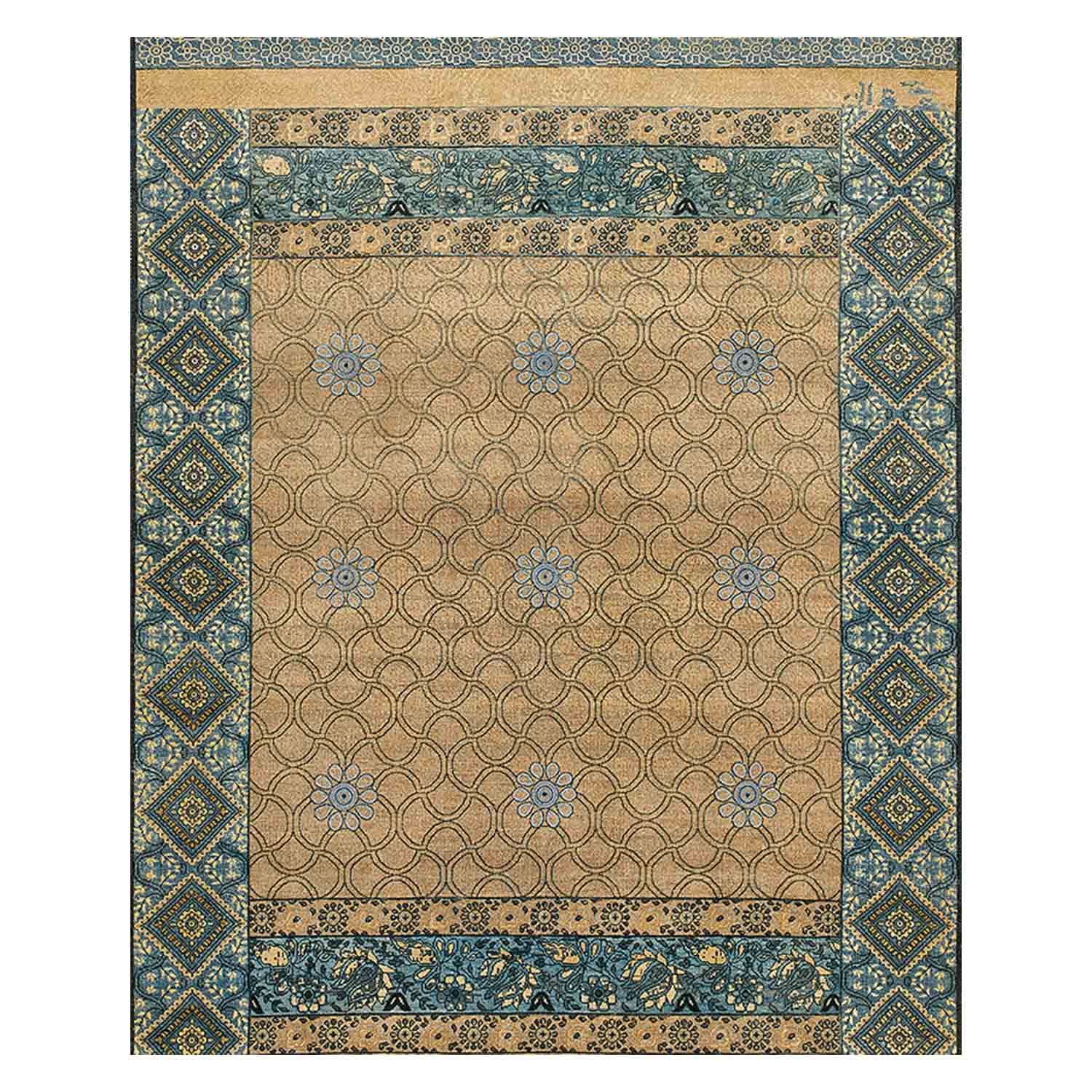
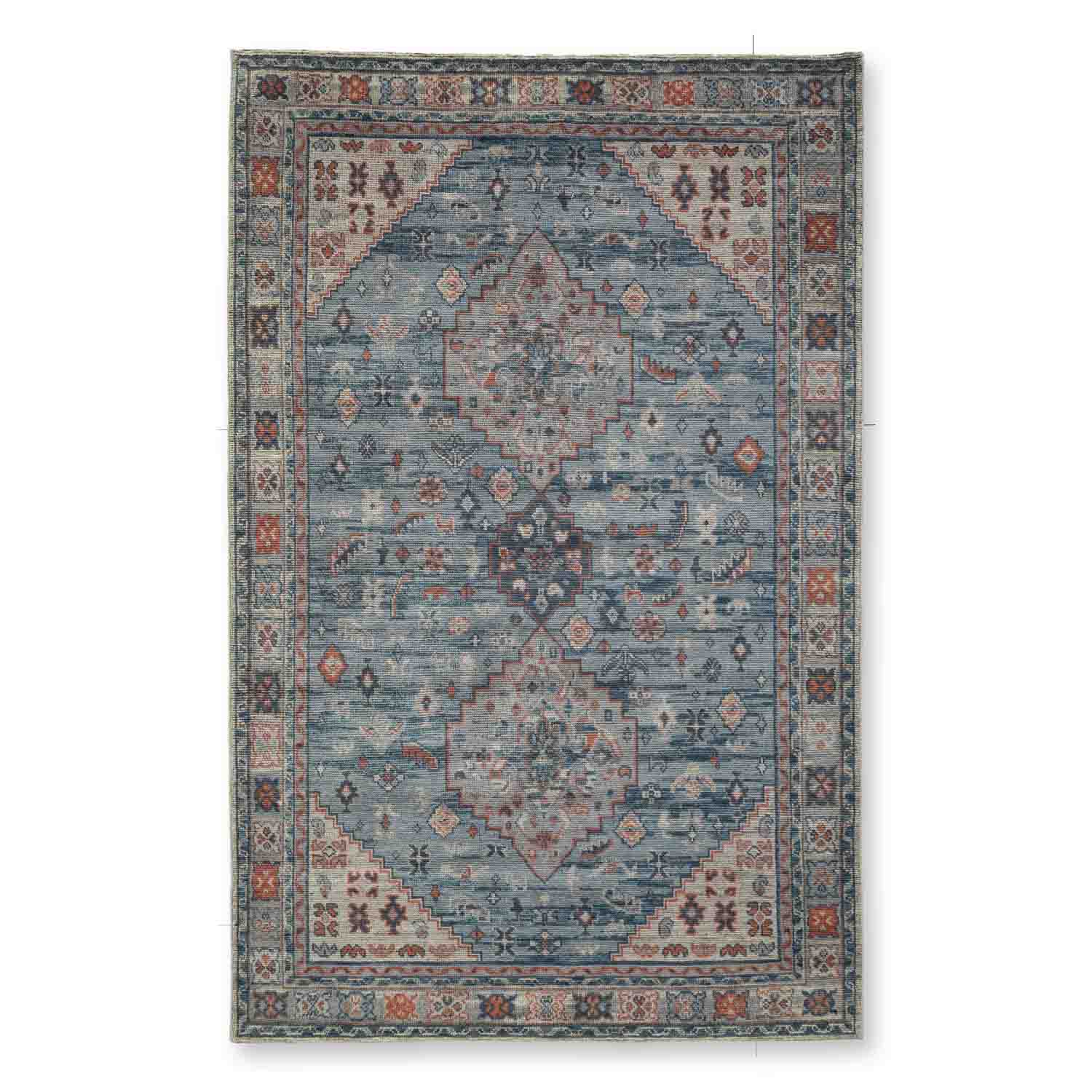
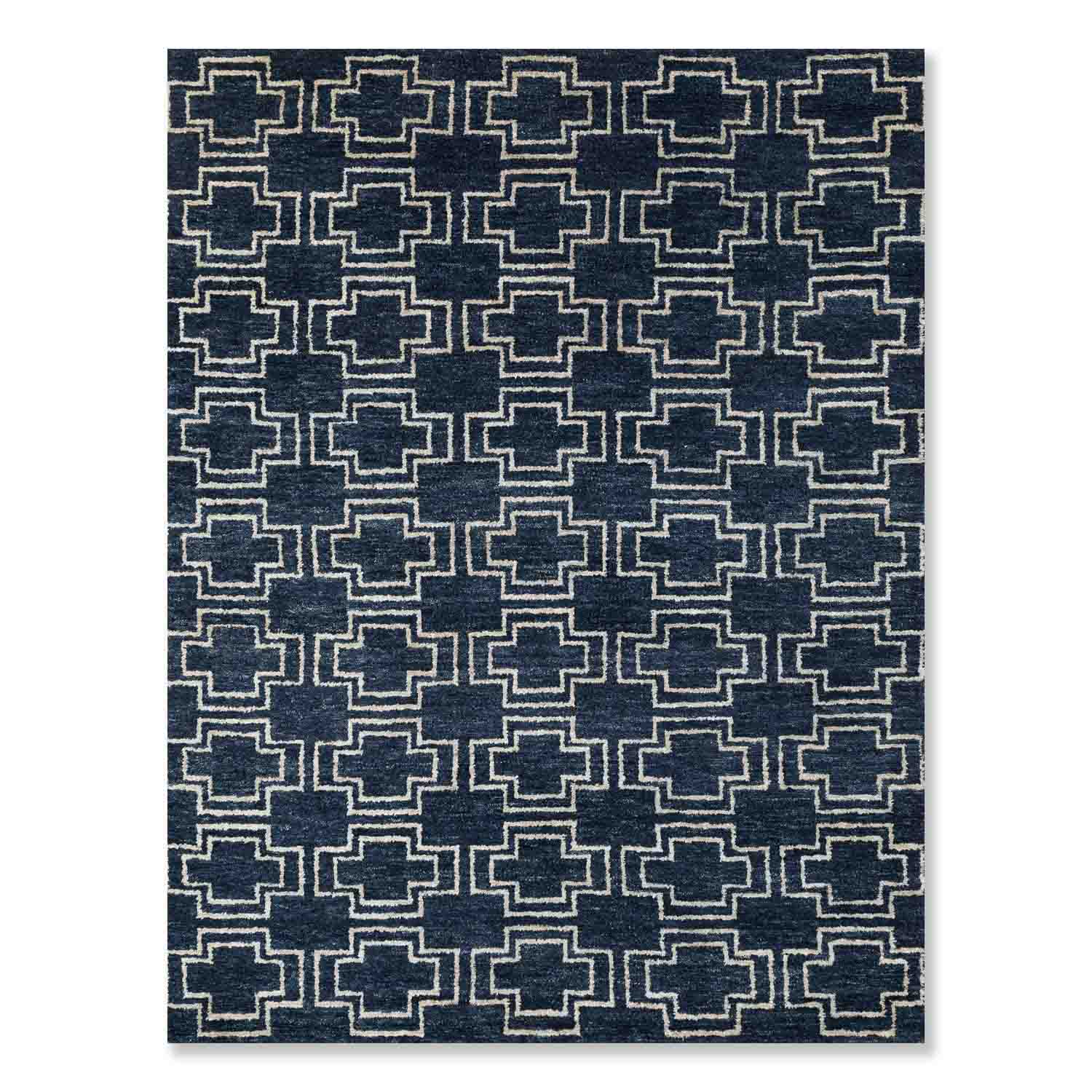
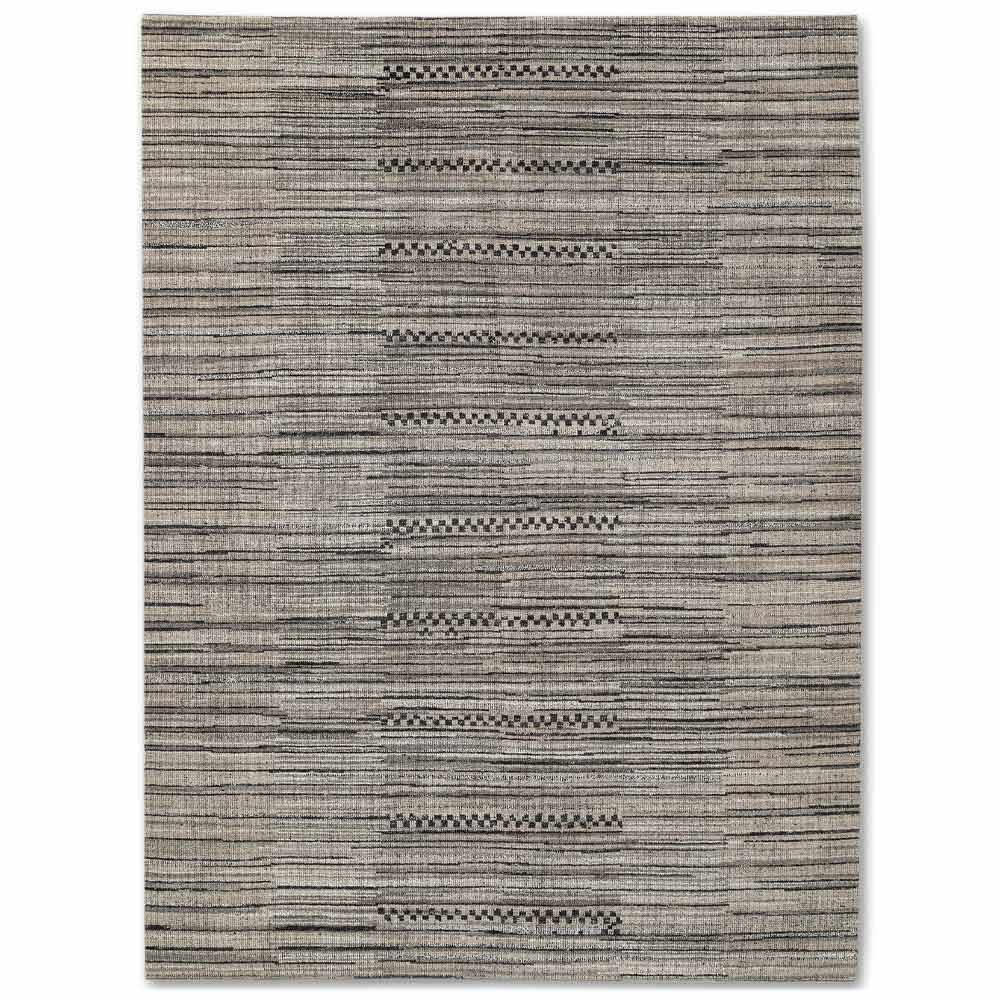
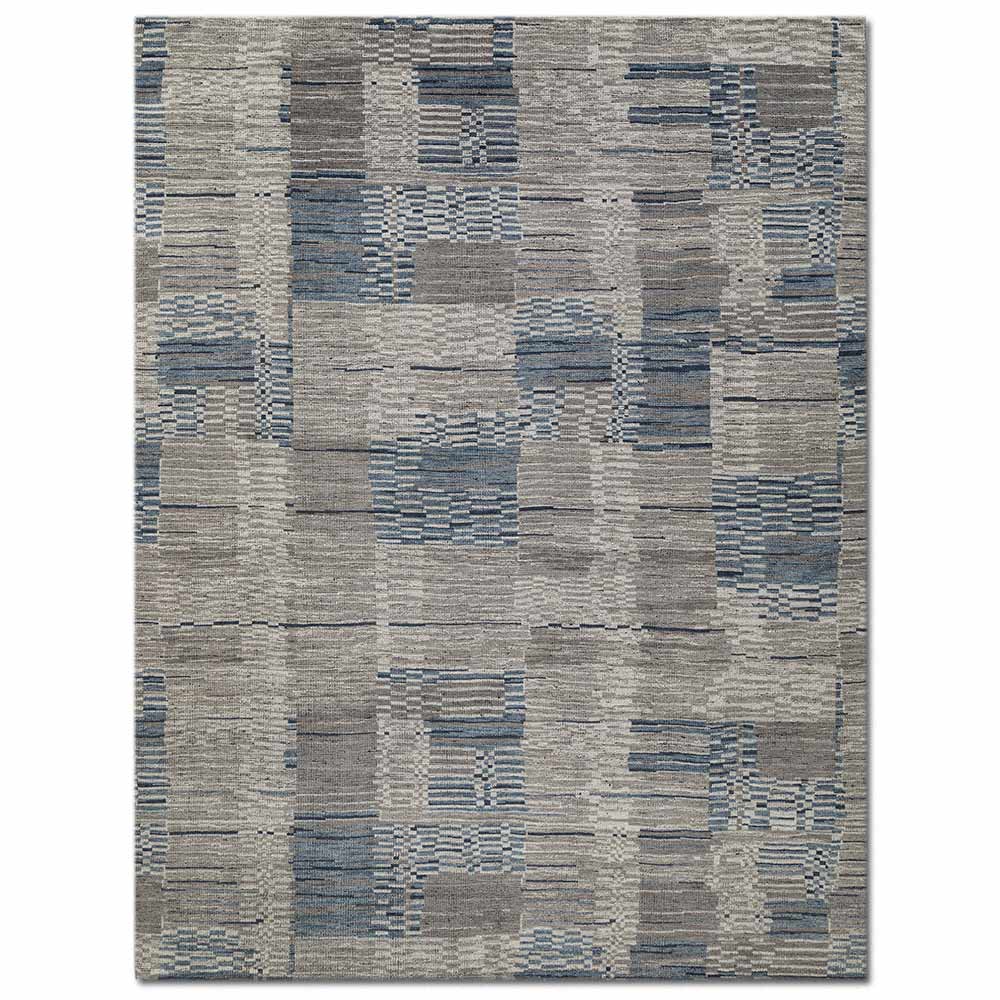
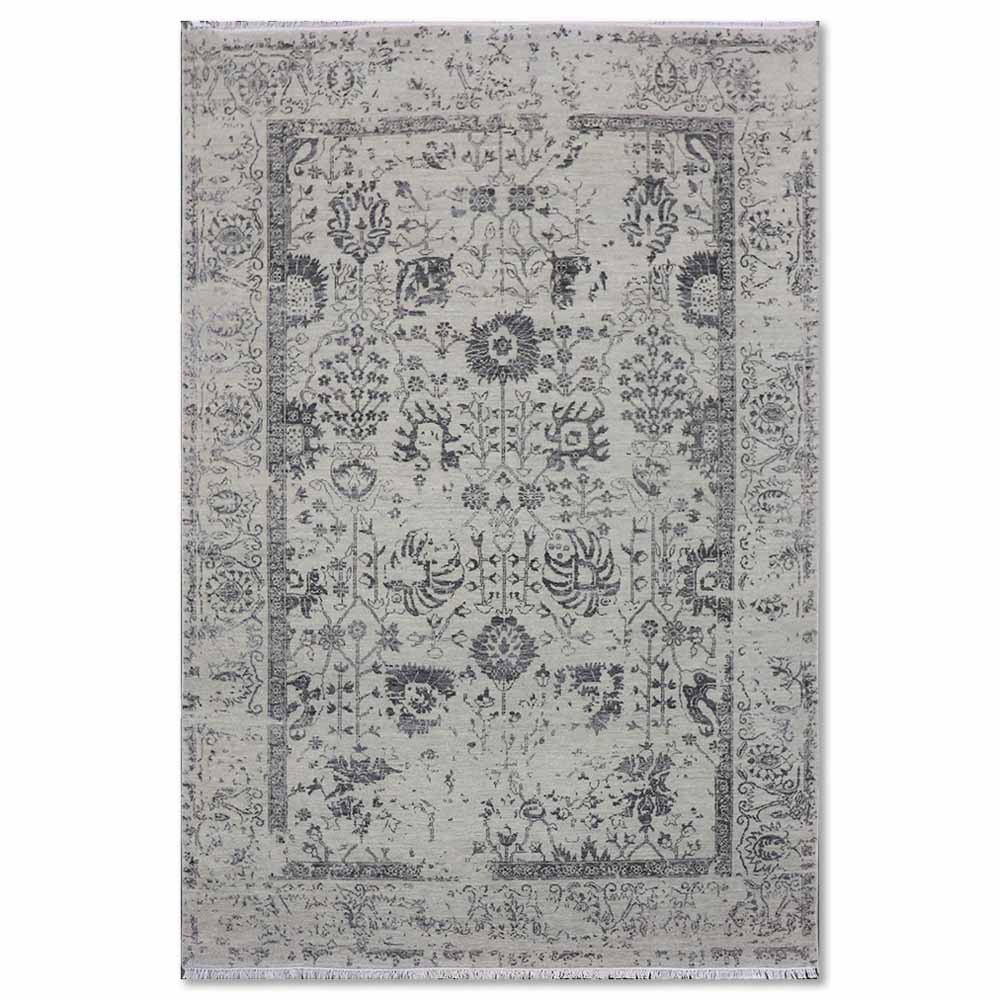
Design-led: From structured geometrics to fluid, organic layouts, each rug is created to shape how a space feels—not just how it looks
Material depth: Fine wool, silk, and blended yarns are chosen for how they hold and reflect colour
Natural variation: Subtle differences in knotting and finish give each piece individuality
Longevity: Built to last decades, these rugs hold their structure and relevance across changing interiors
What Makes a Hand-Knotted Rug Different?
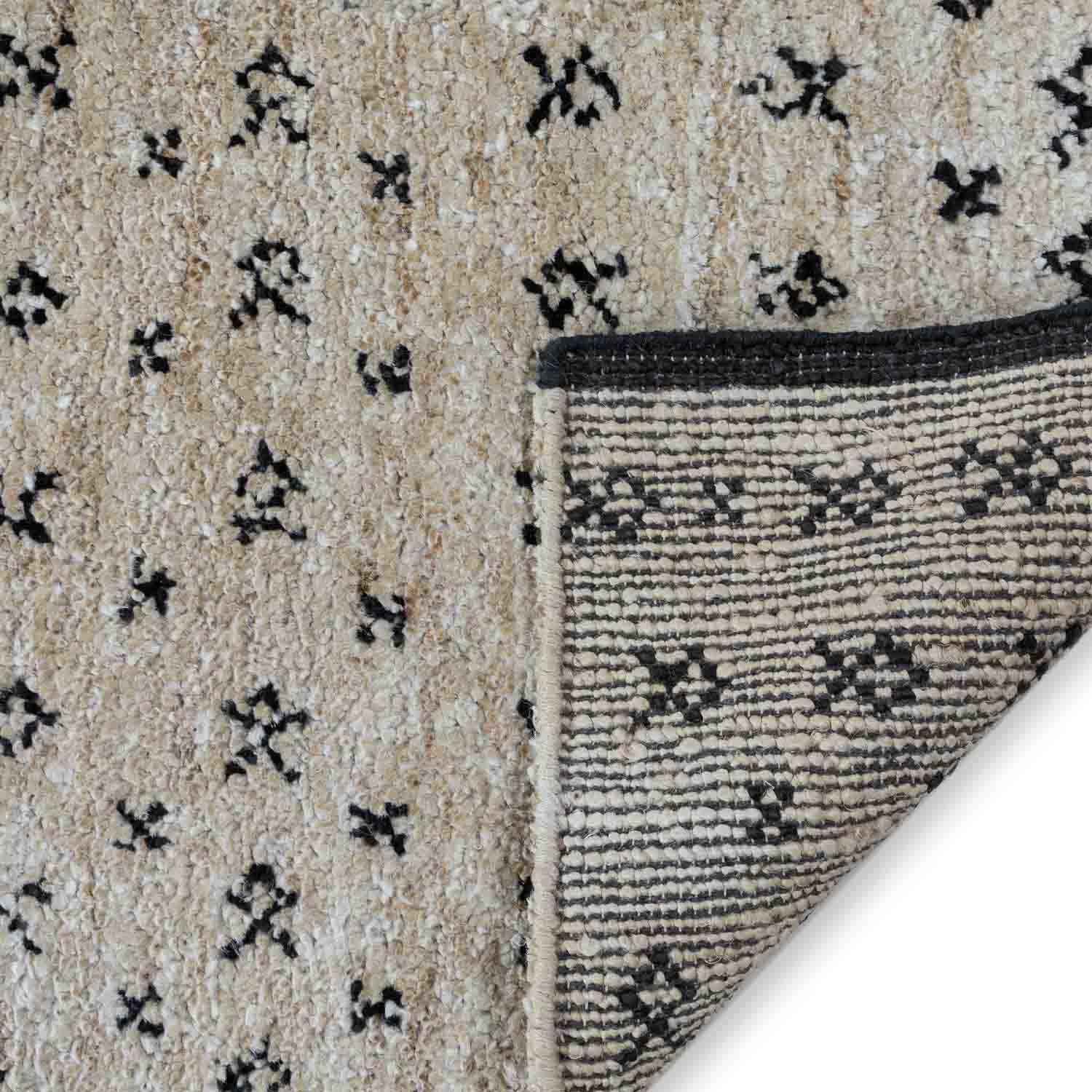
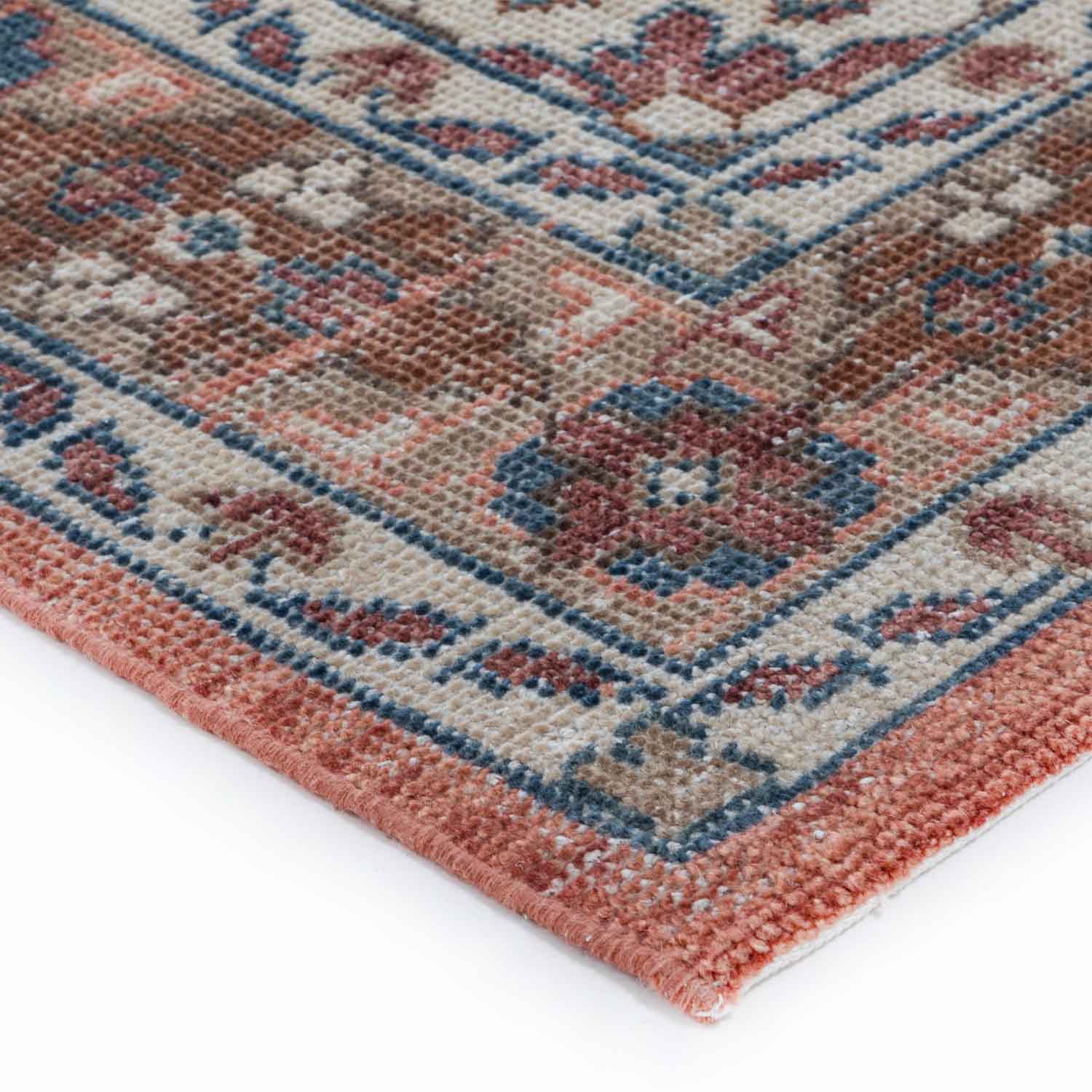
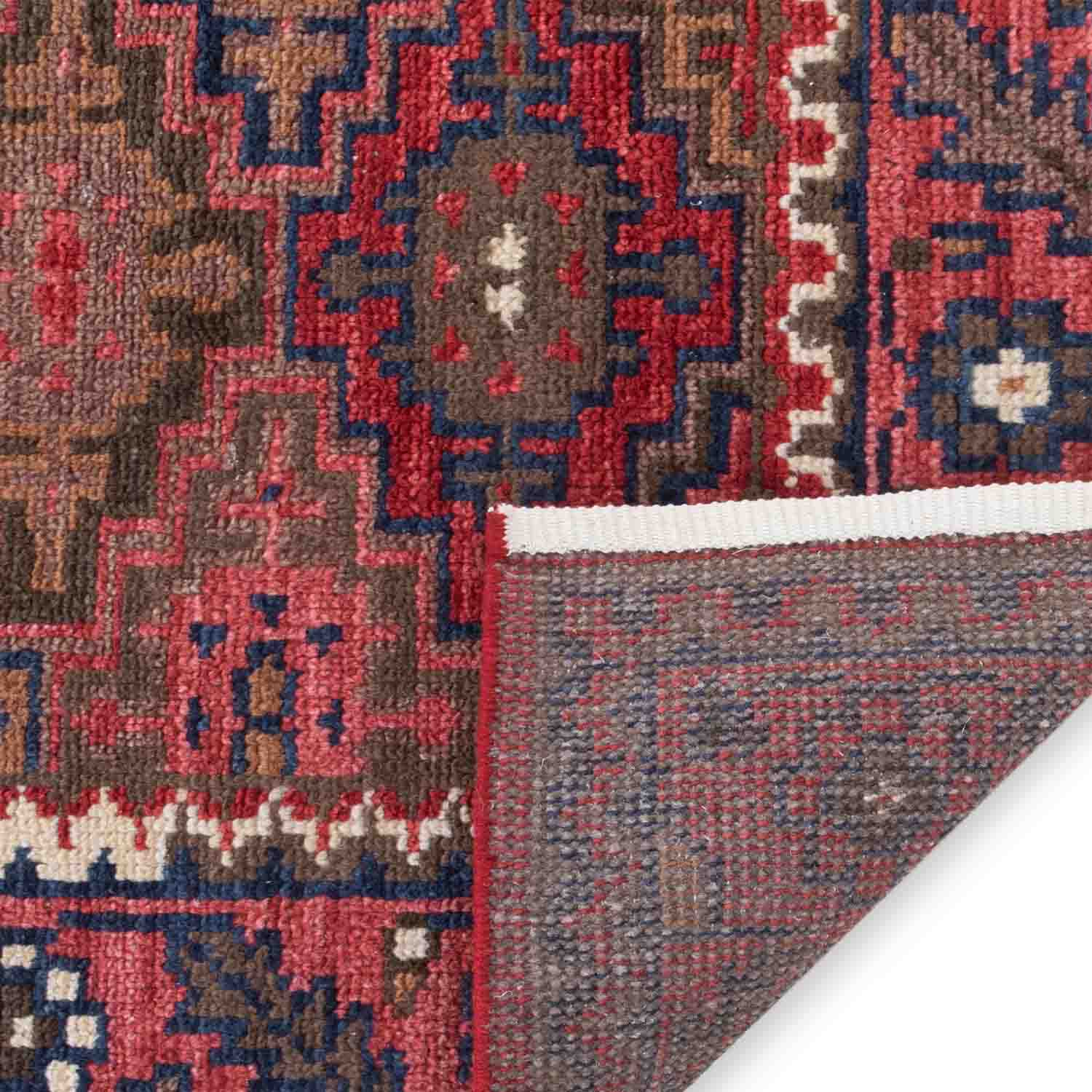
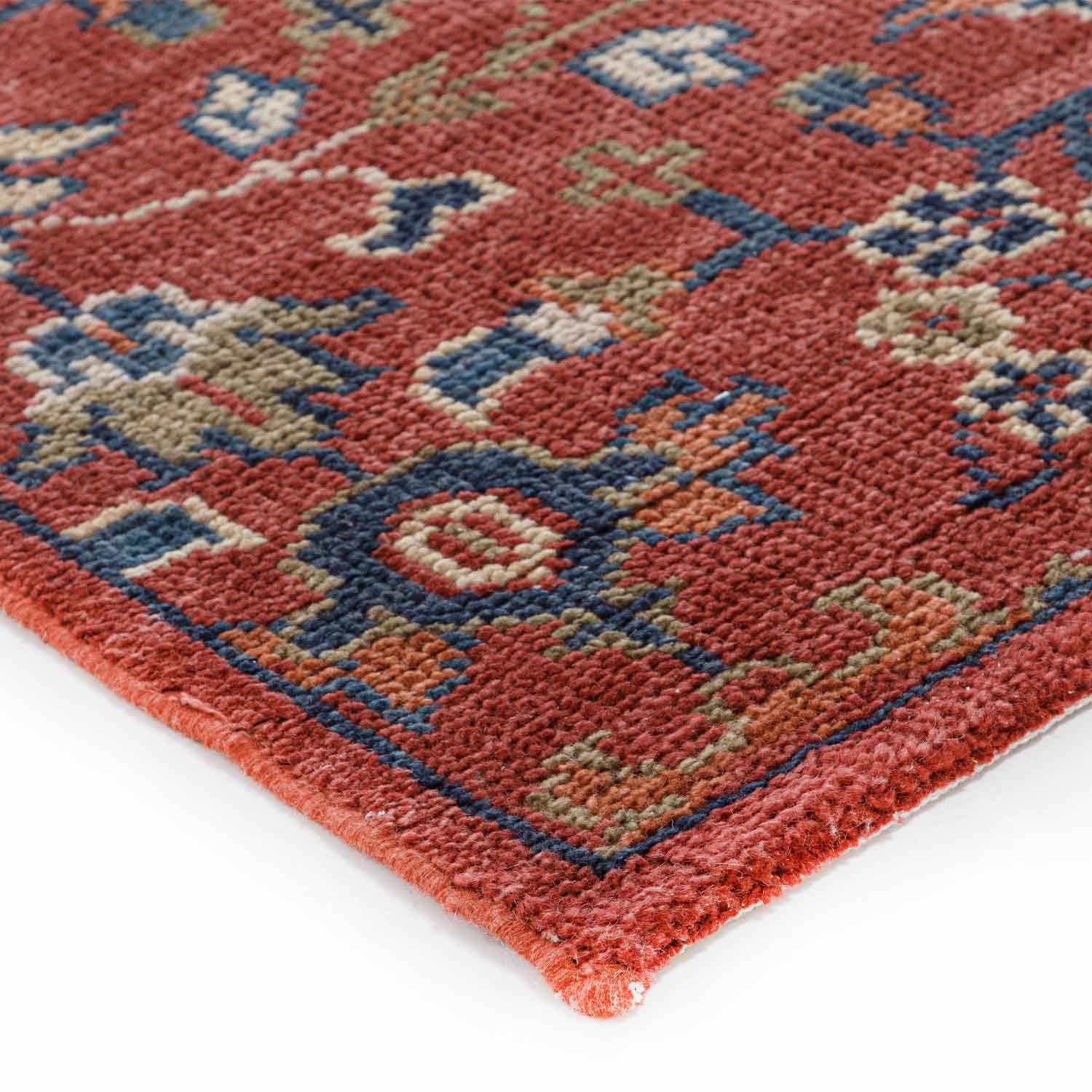
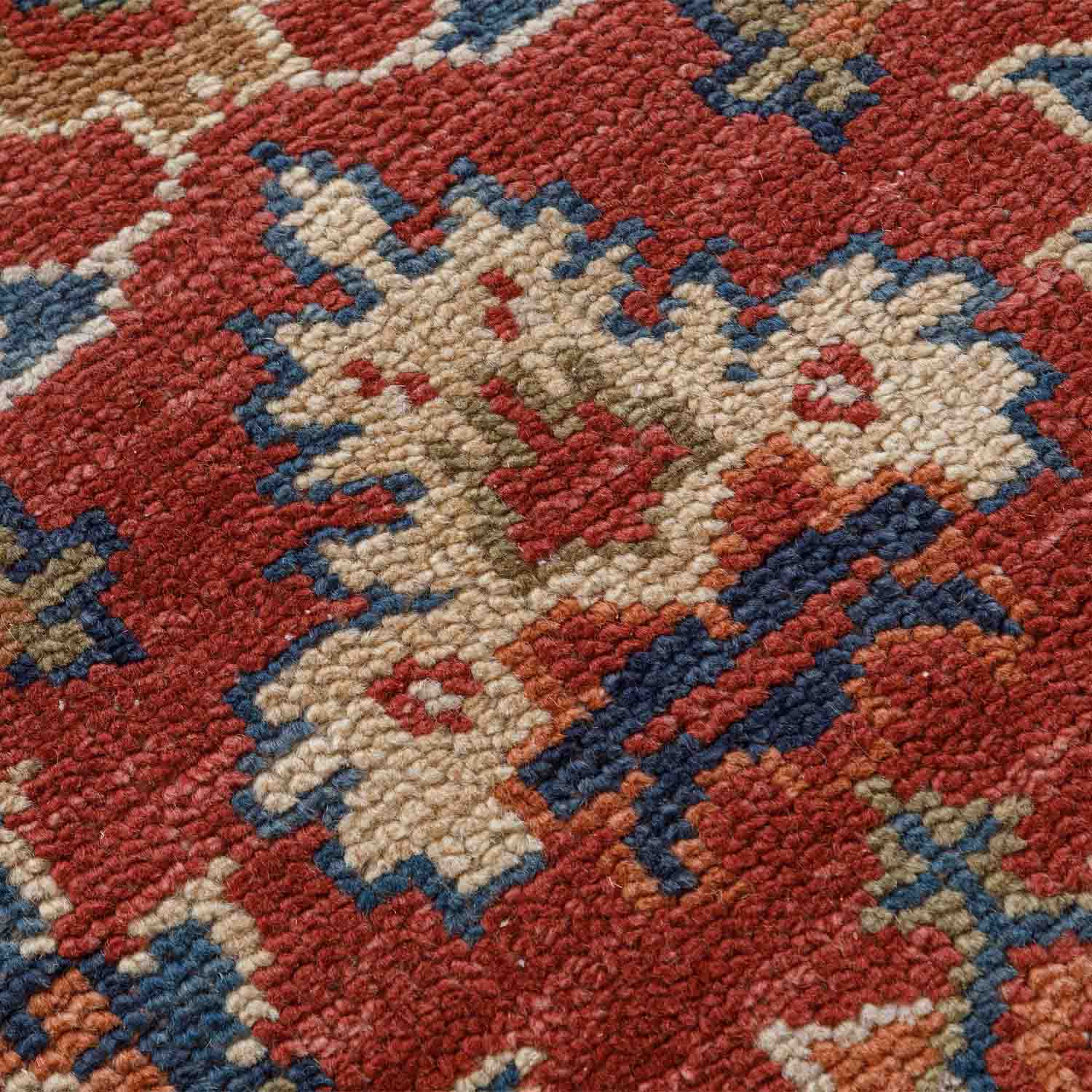
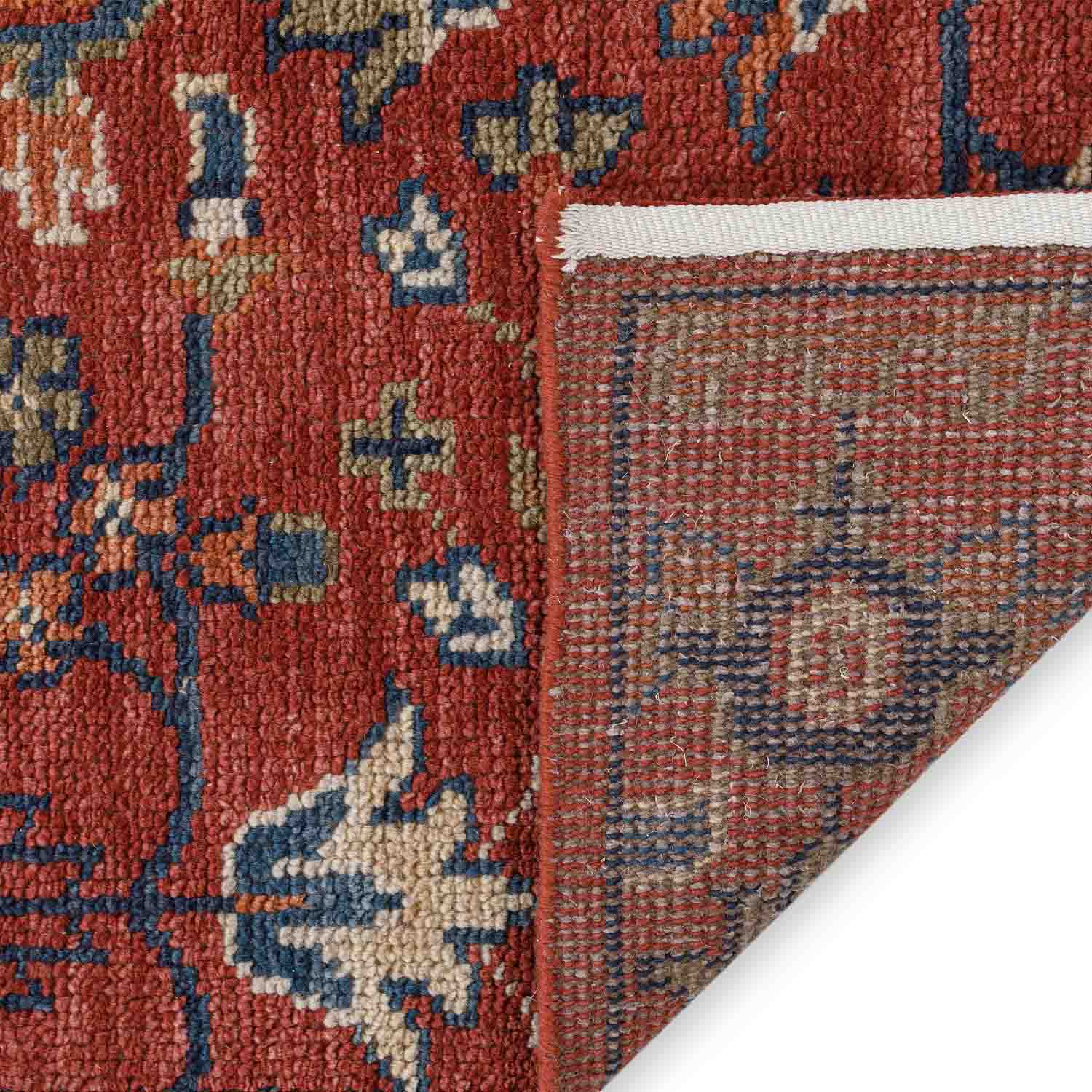
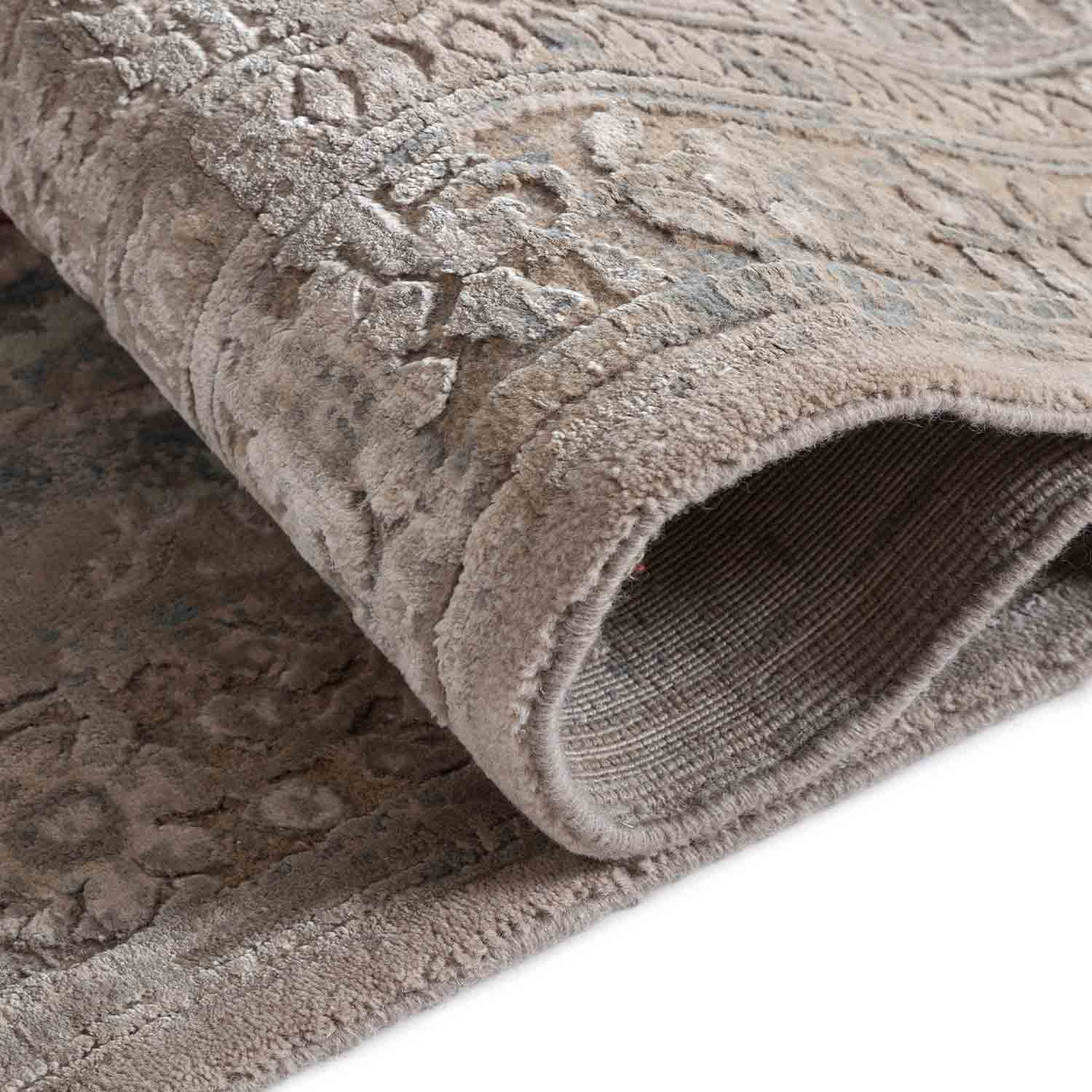
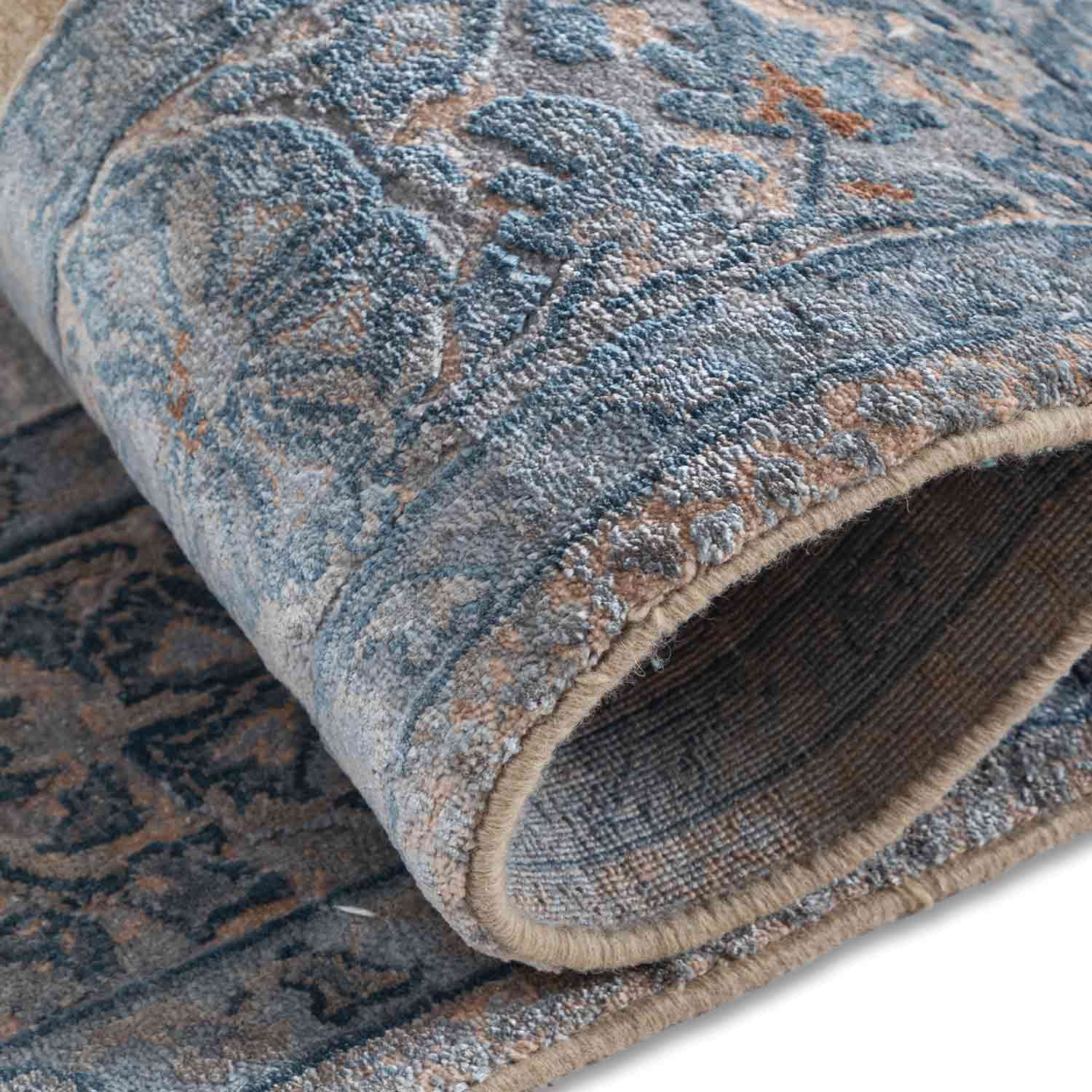
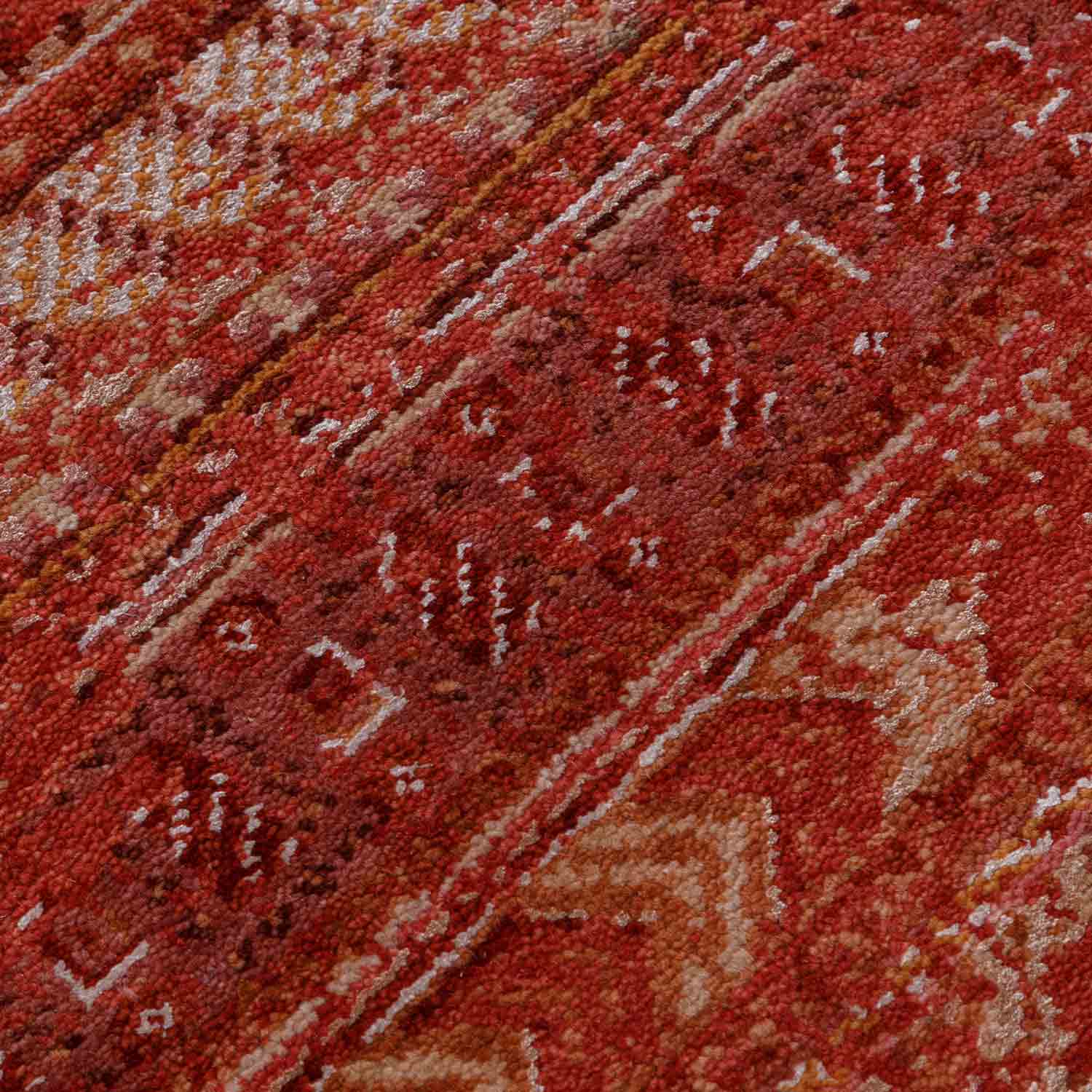
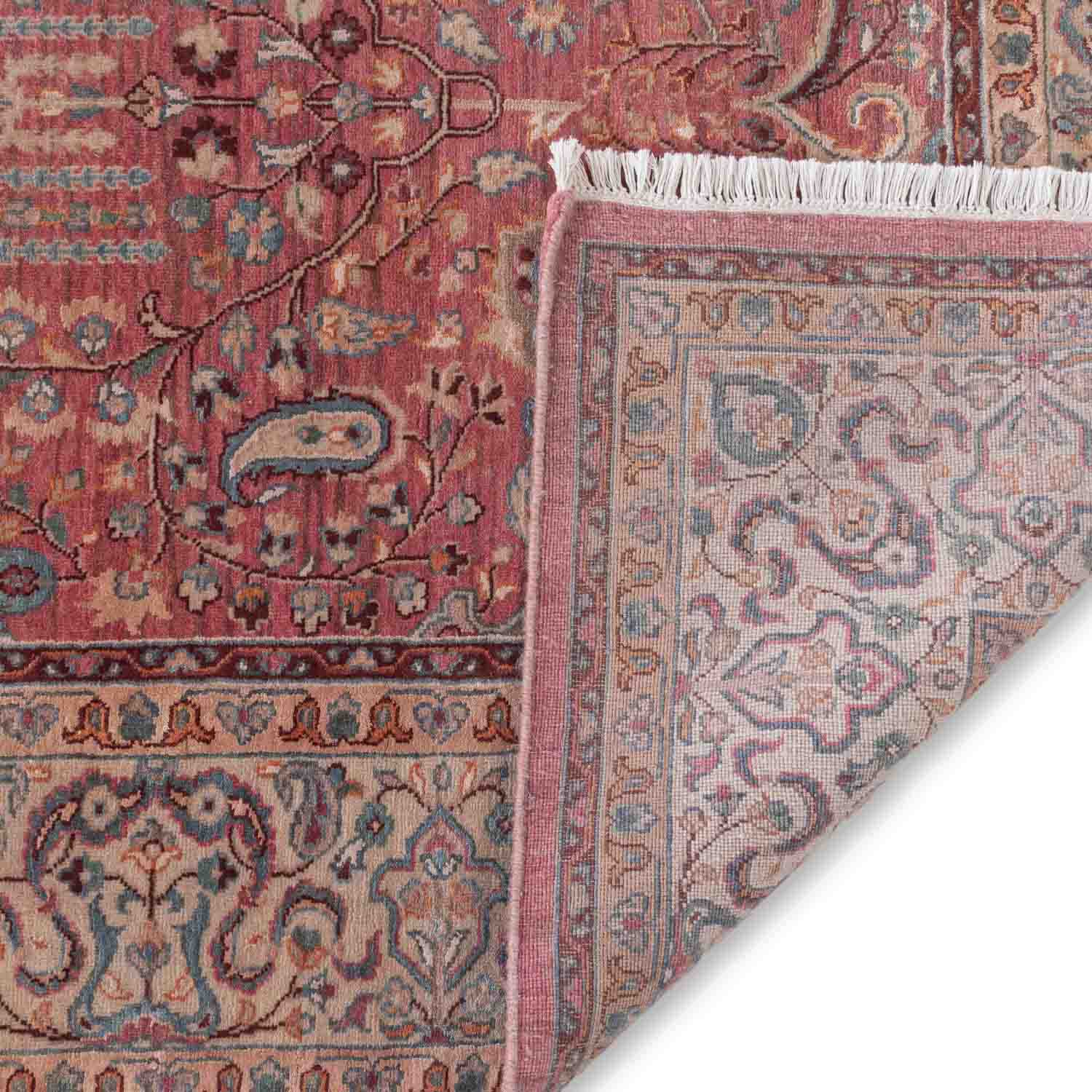
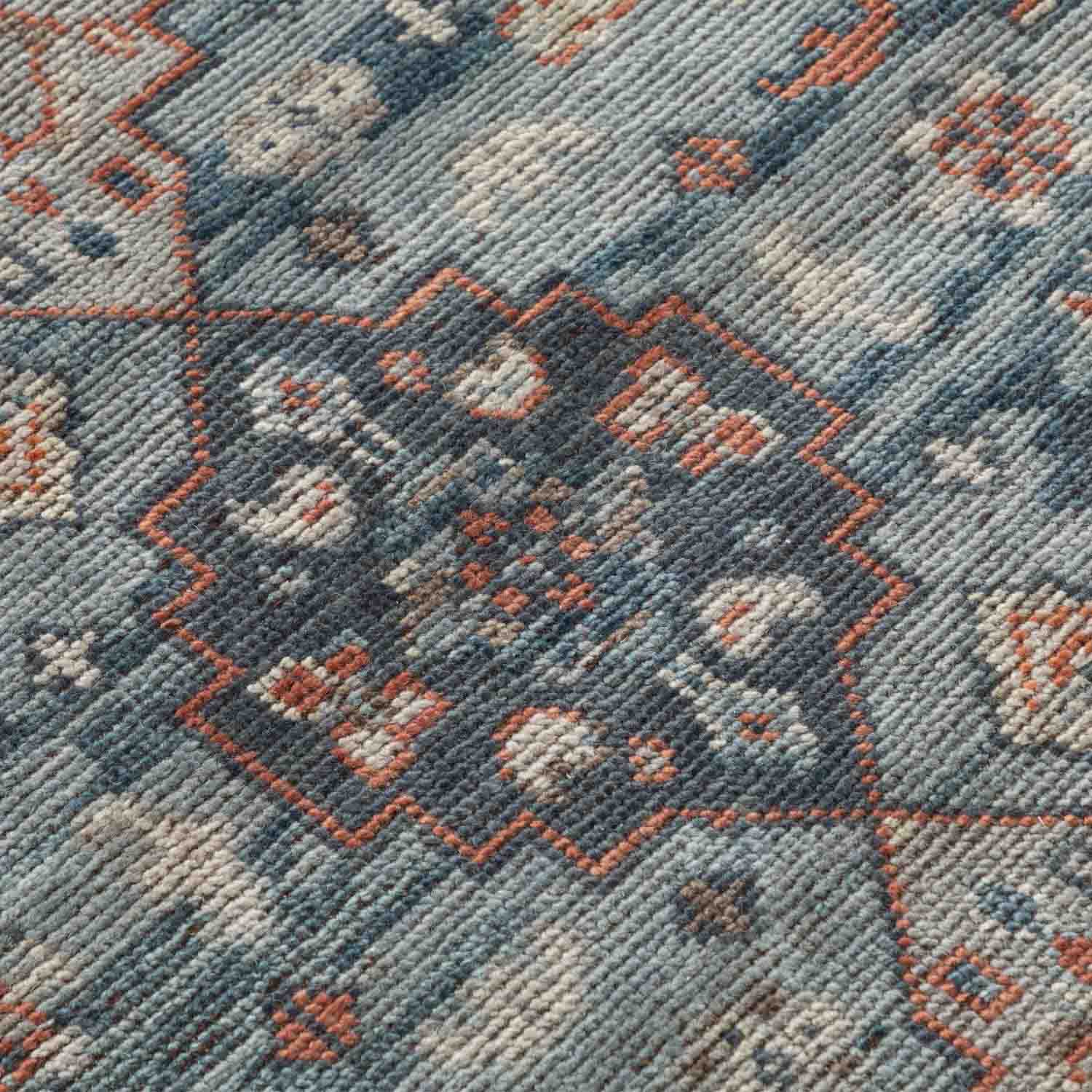
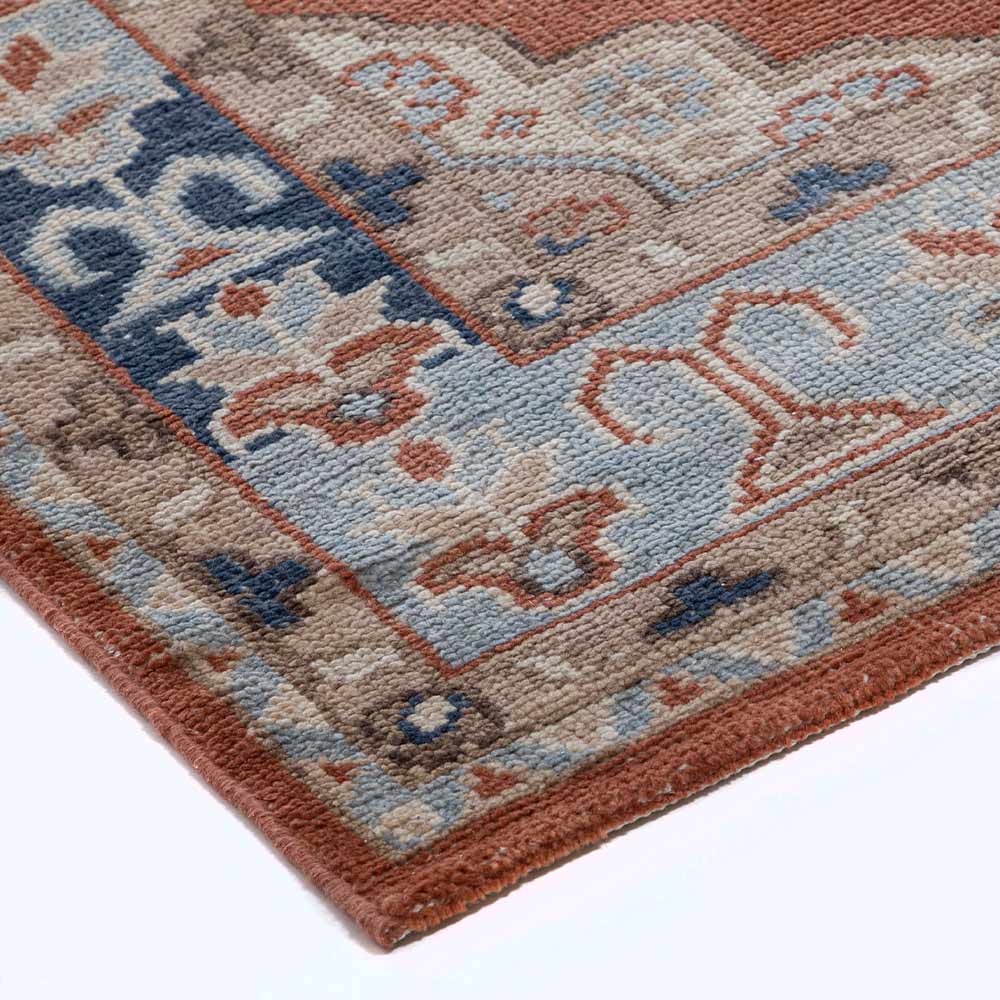
A hand-knotted rug is constructed by tying individual knots onto a loom—sometimes hundreds of thousands, sometimes millions.
This creates:
A denser, more structured surface
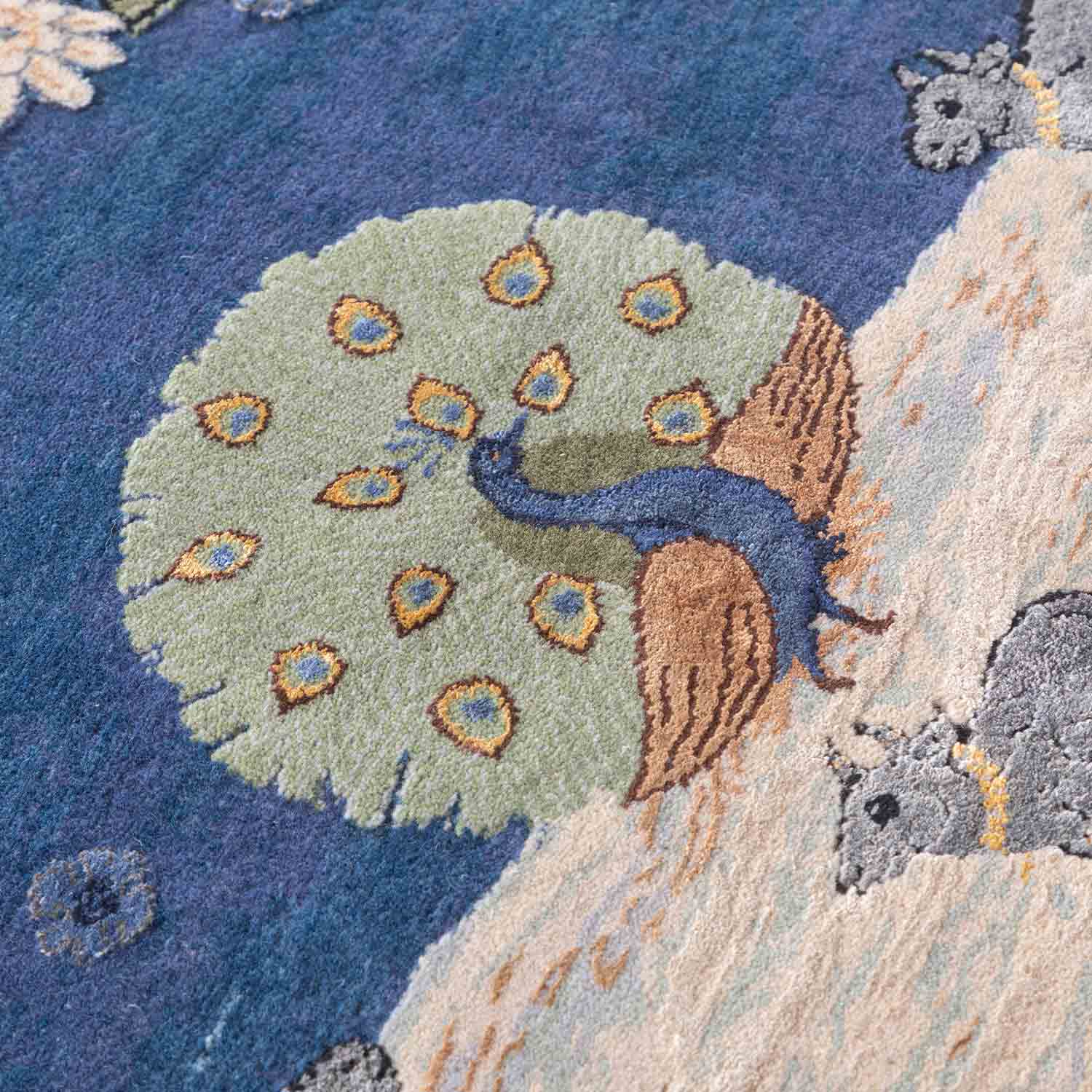
Greater clarity in pattern and detail
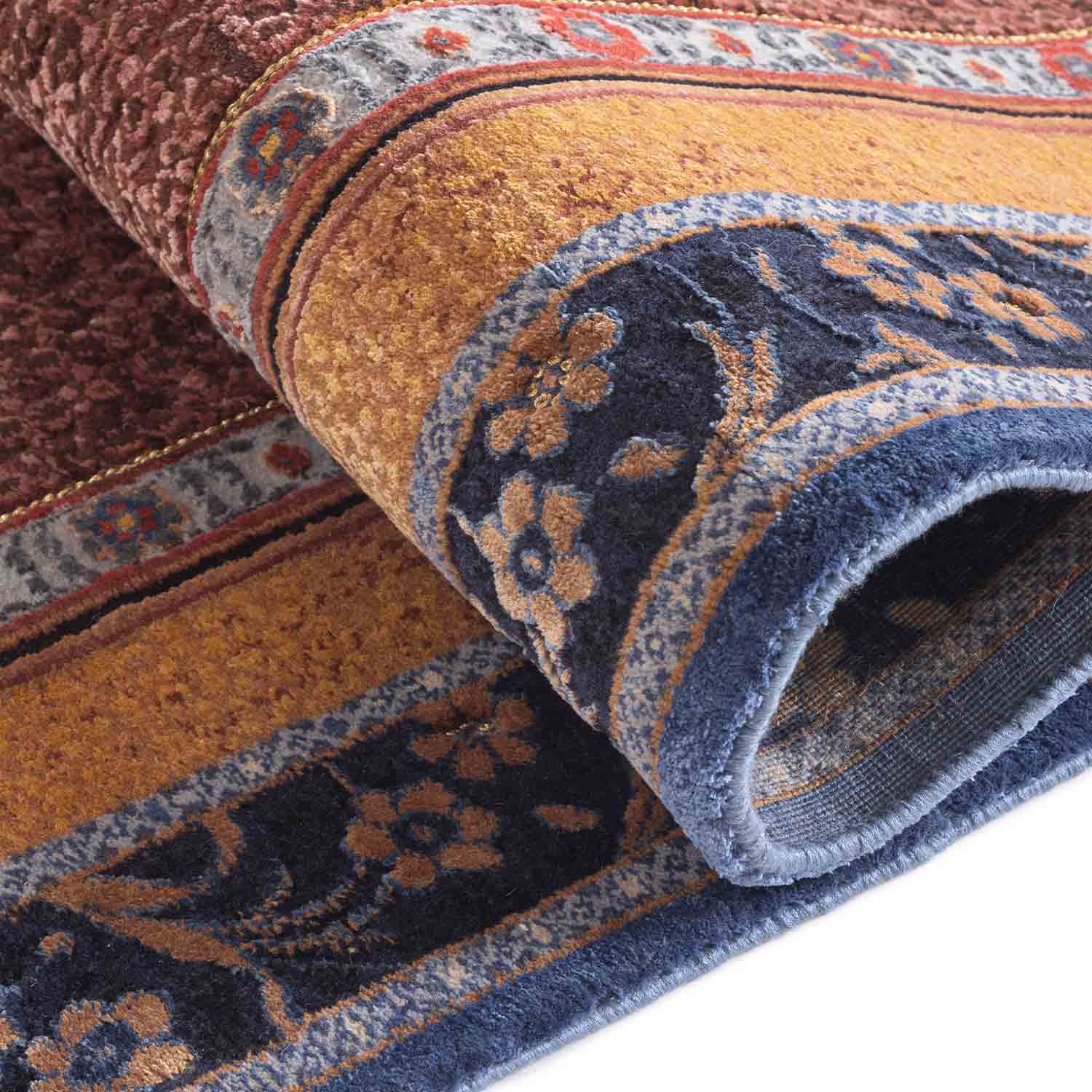
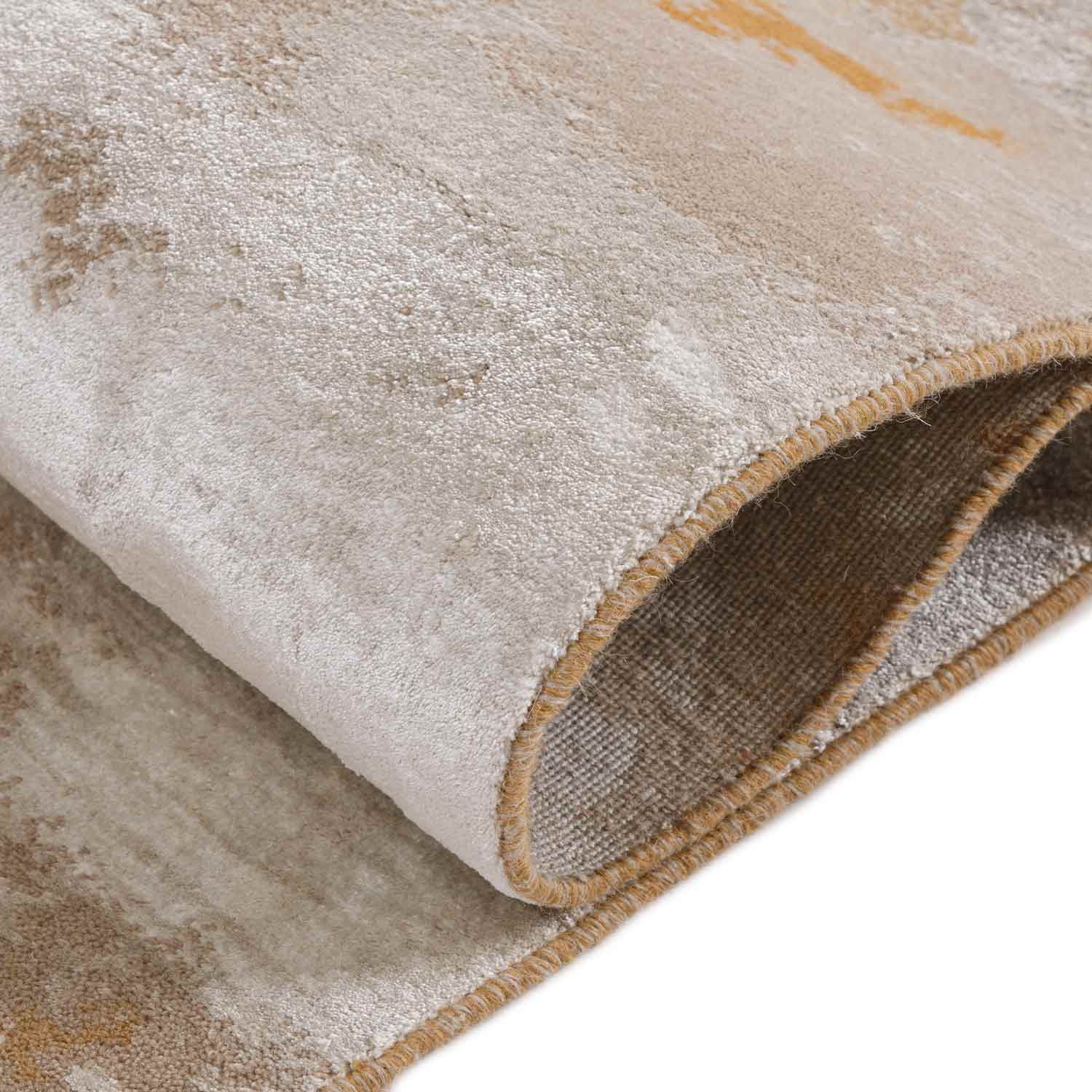
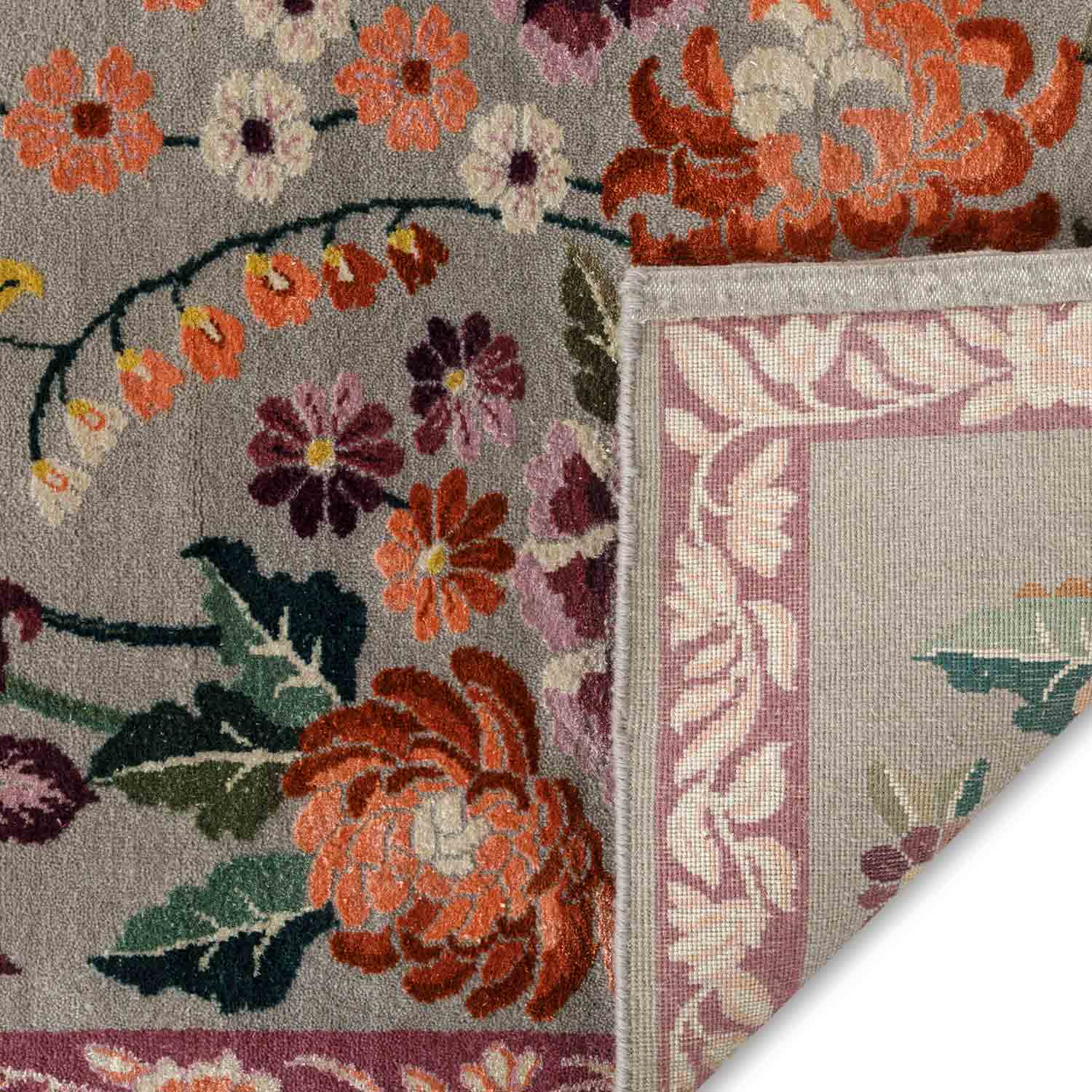
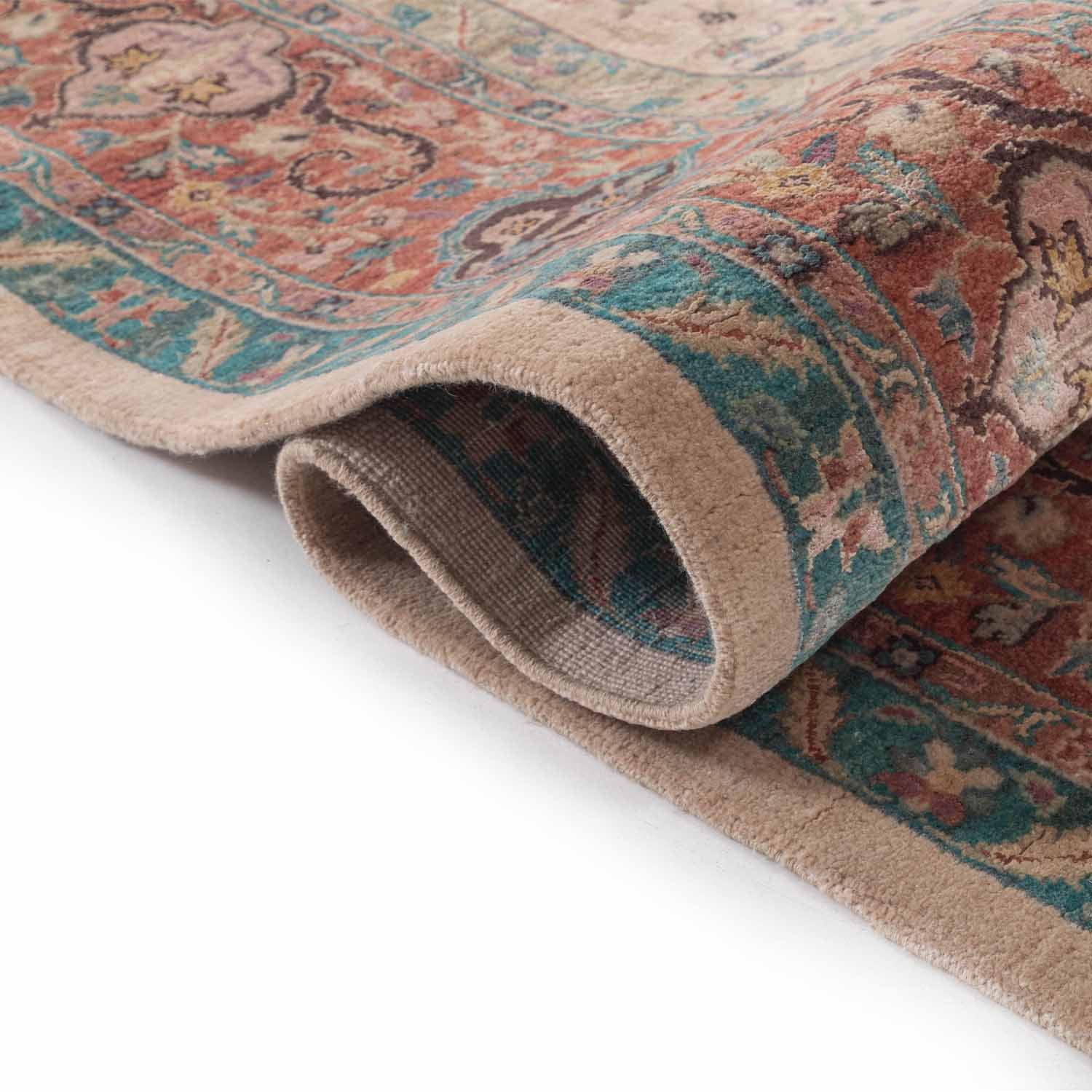
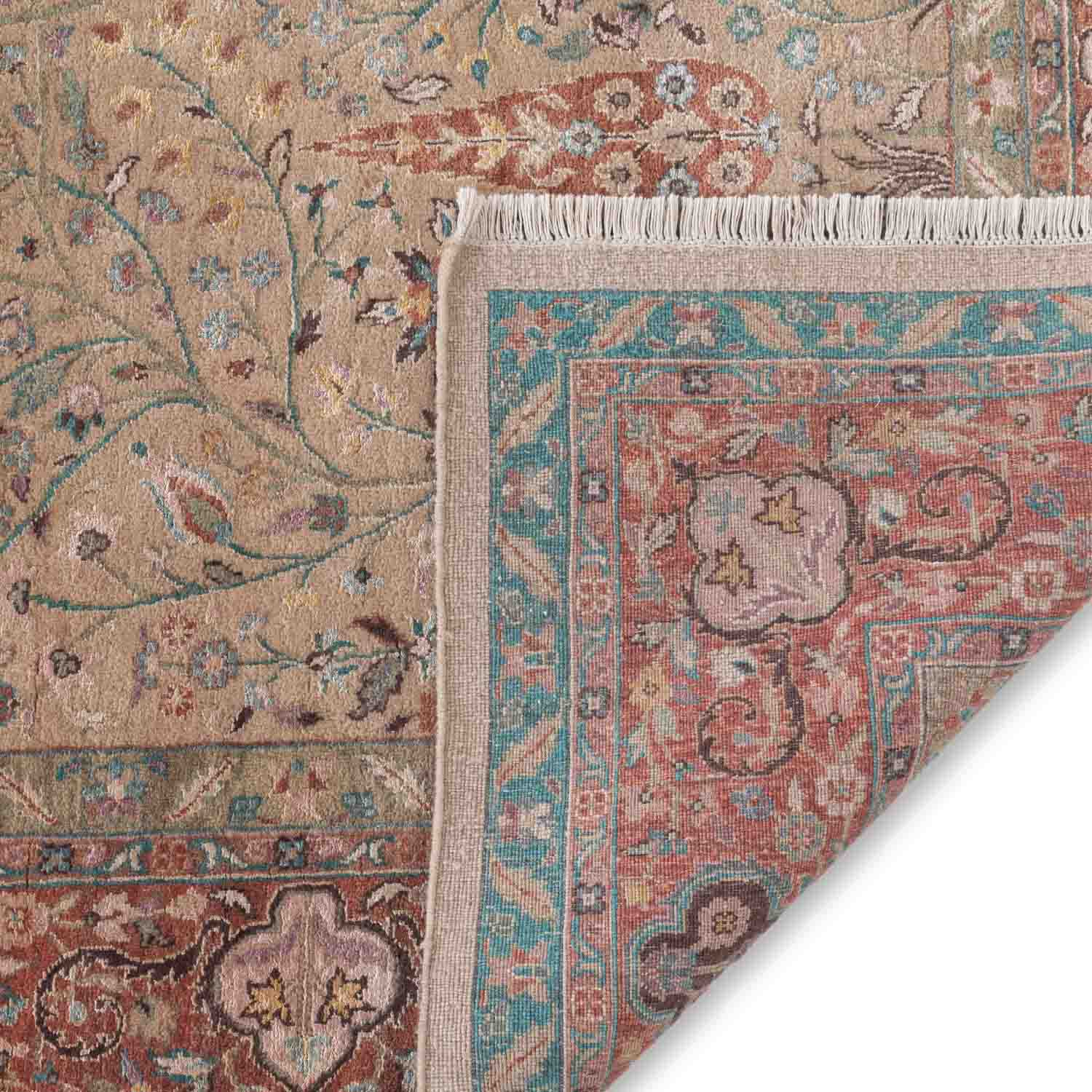
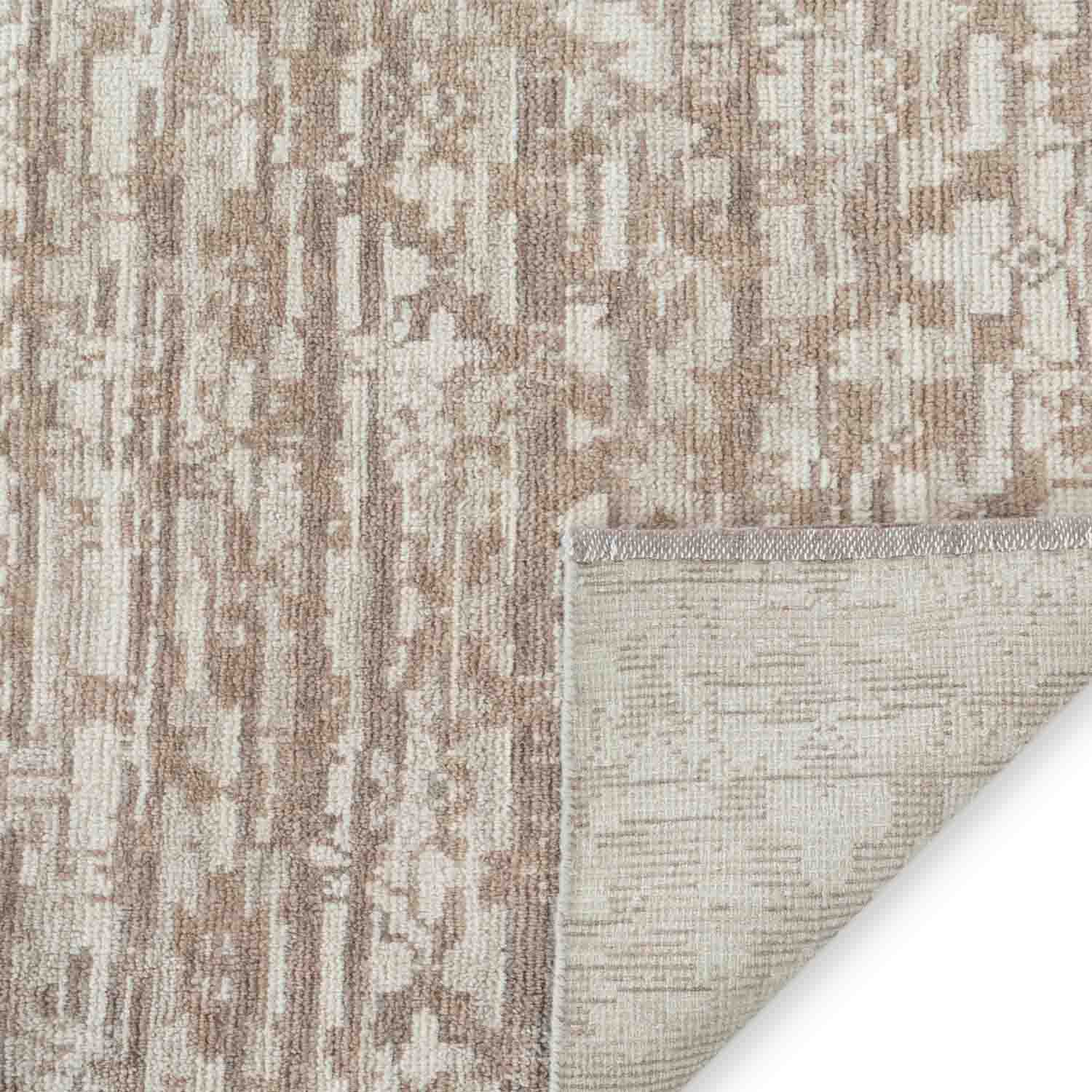
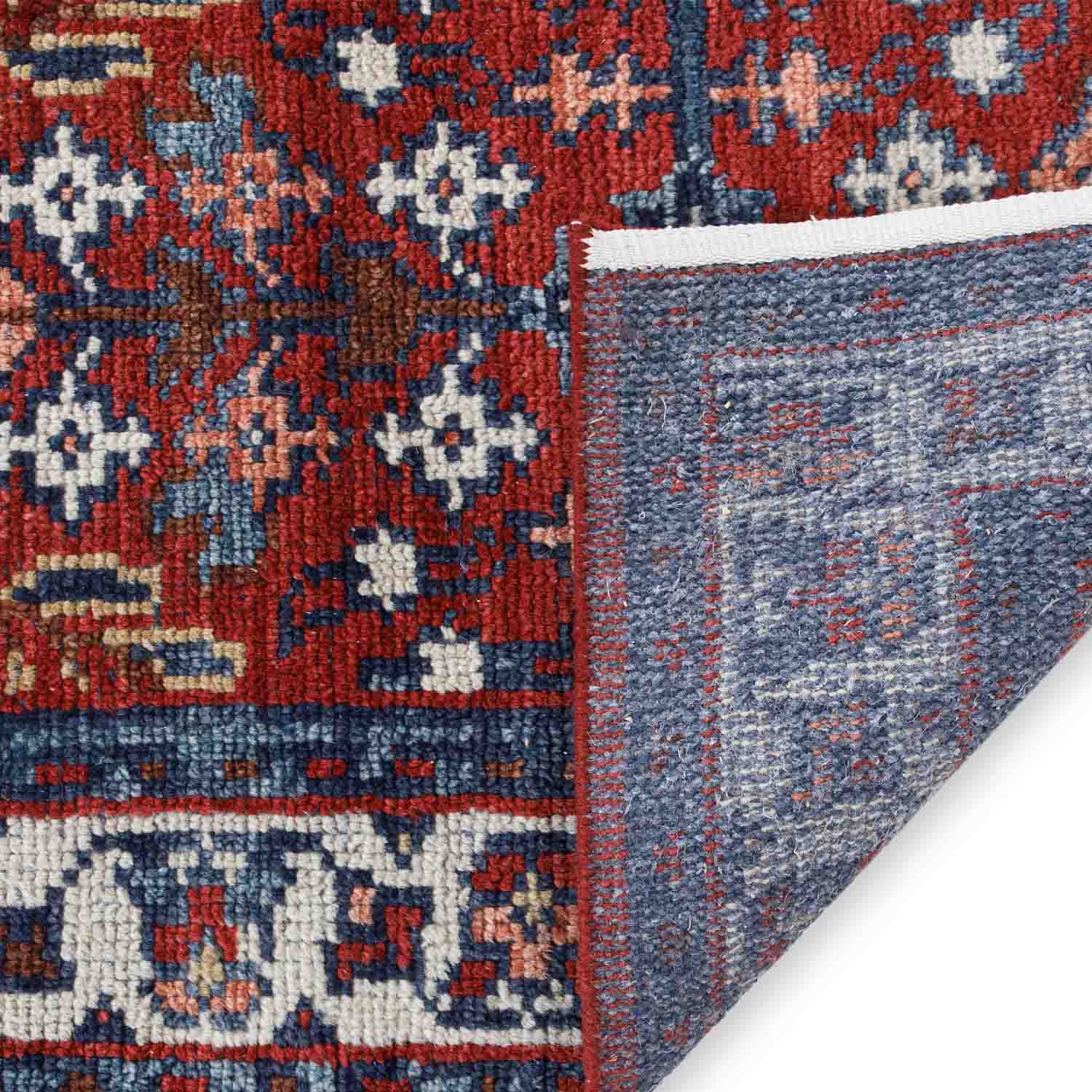
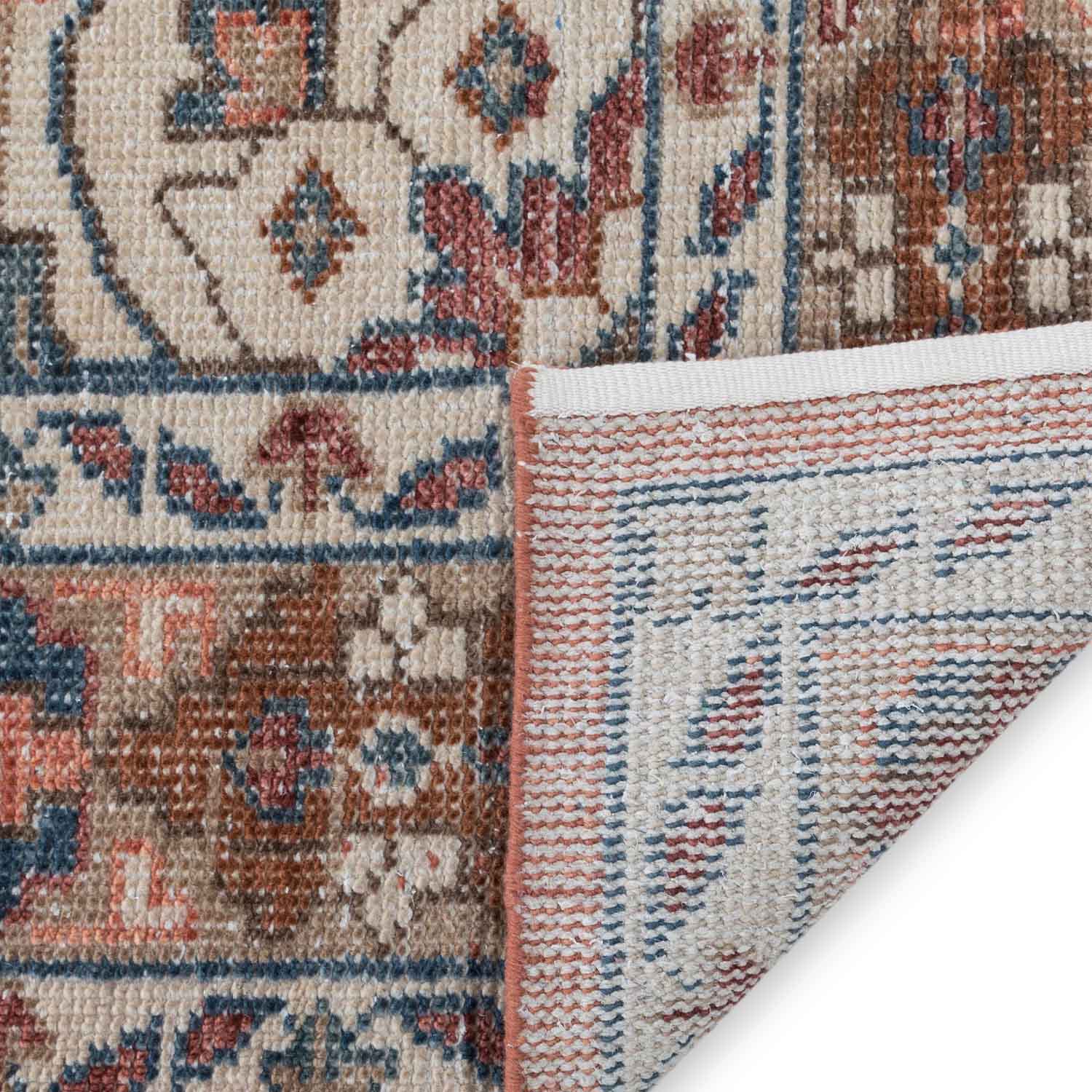
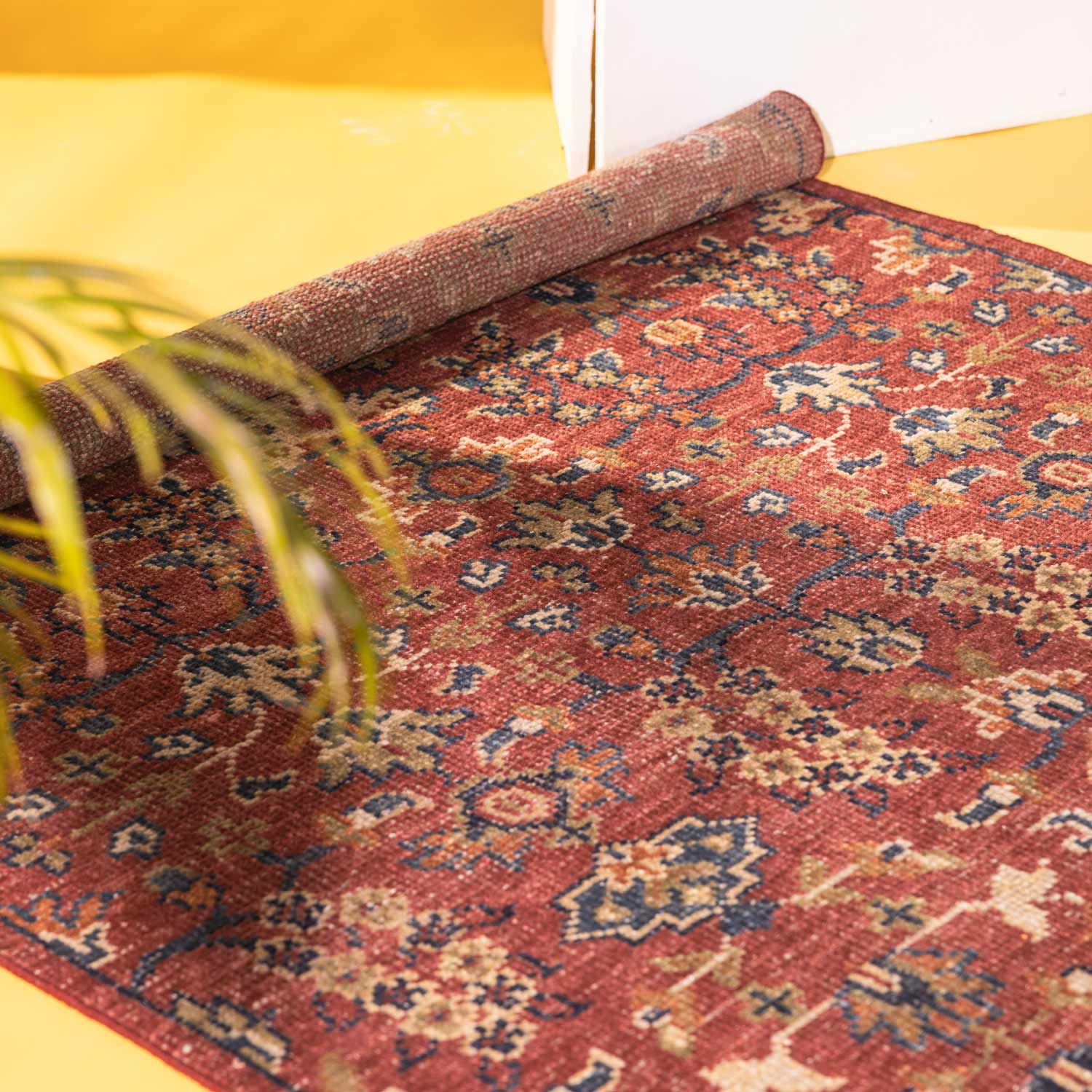
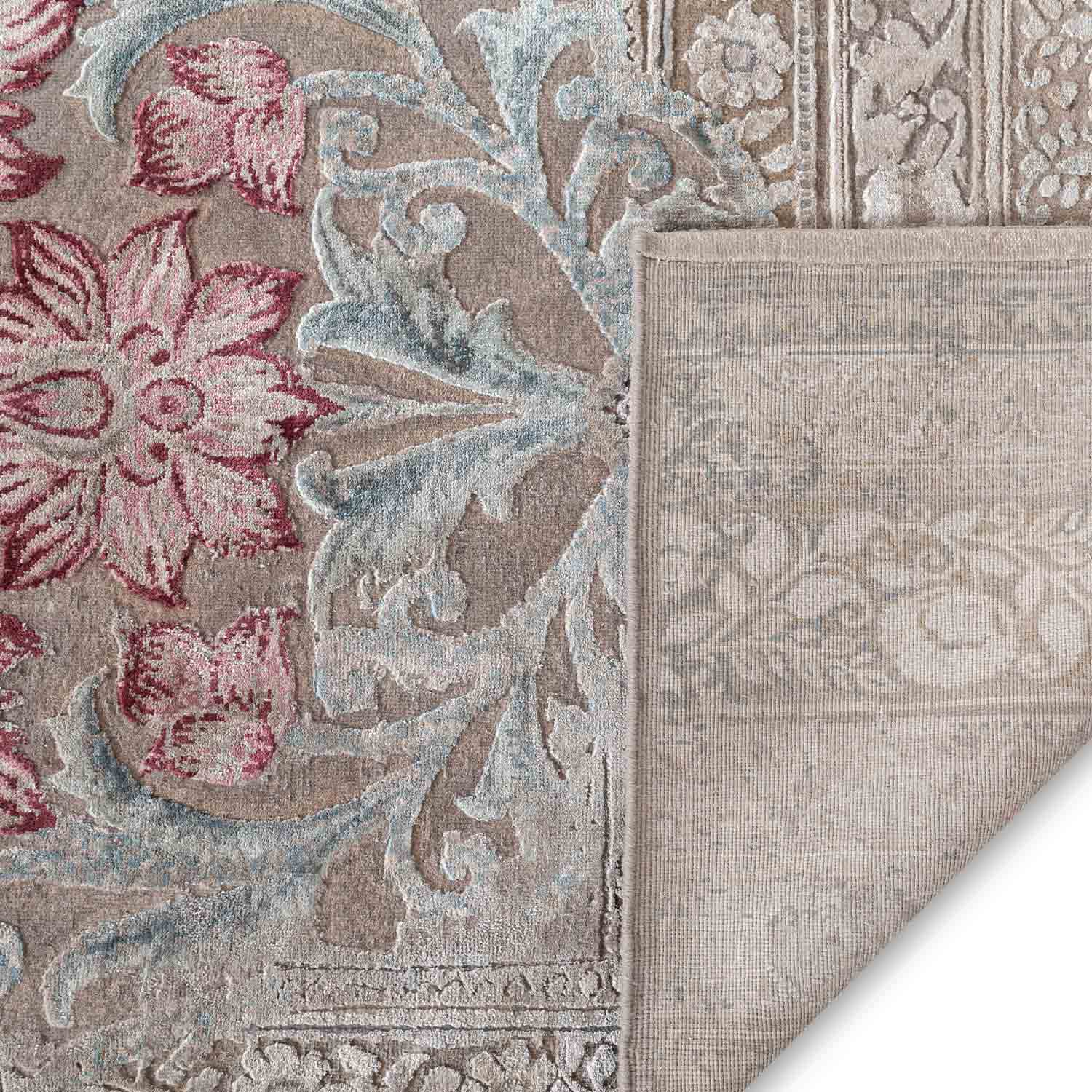
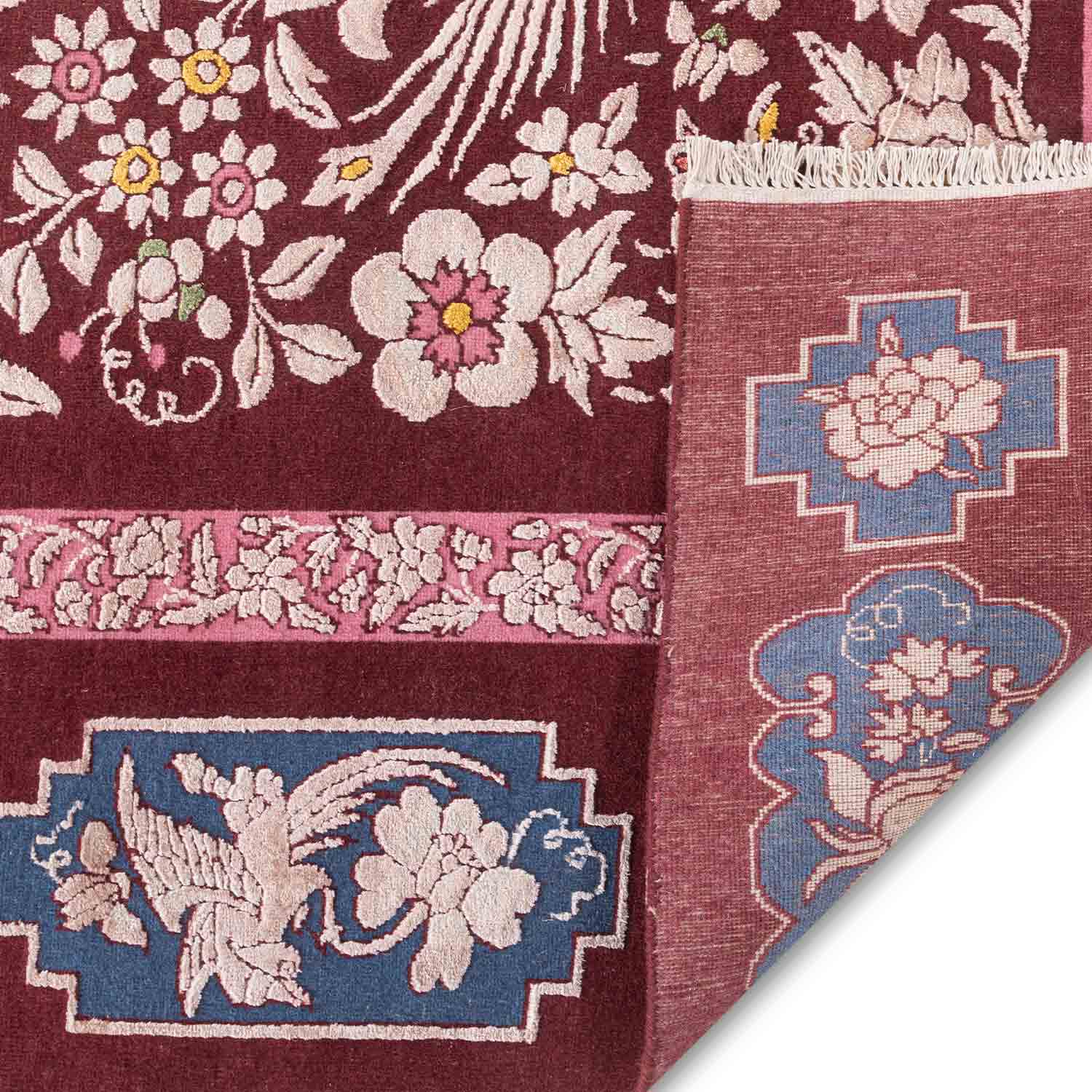
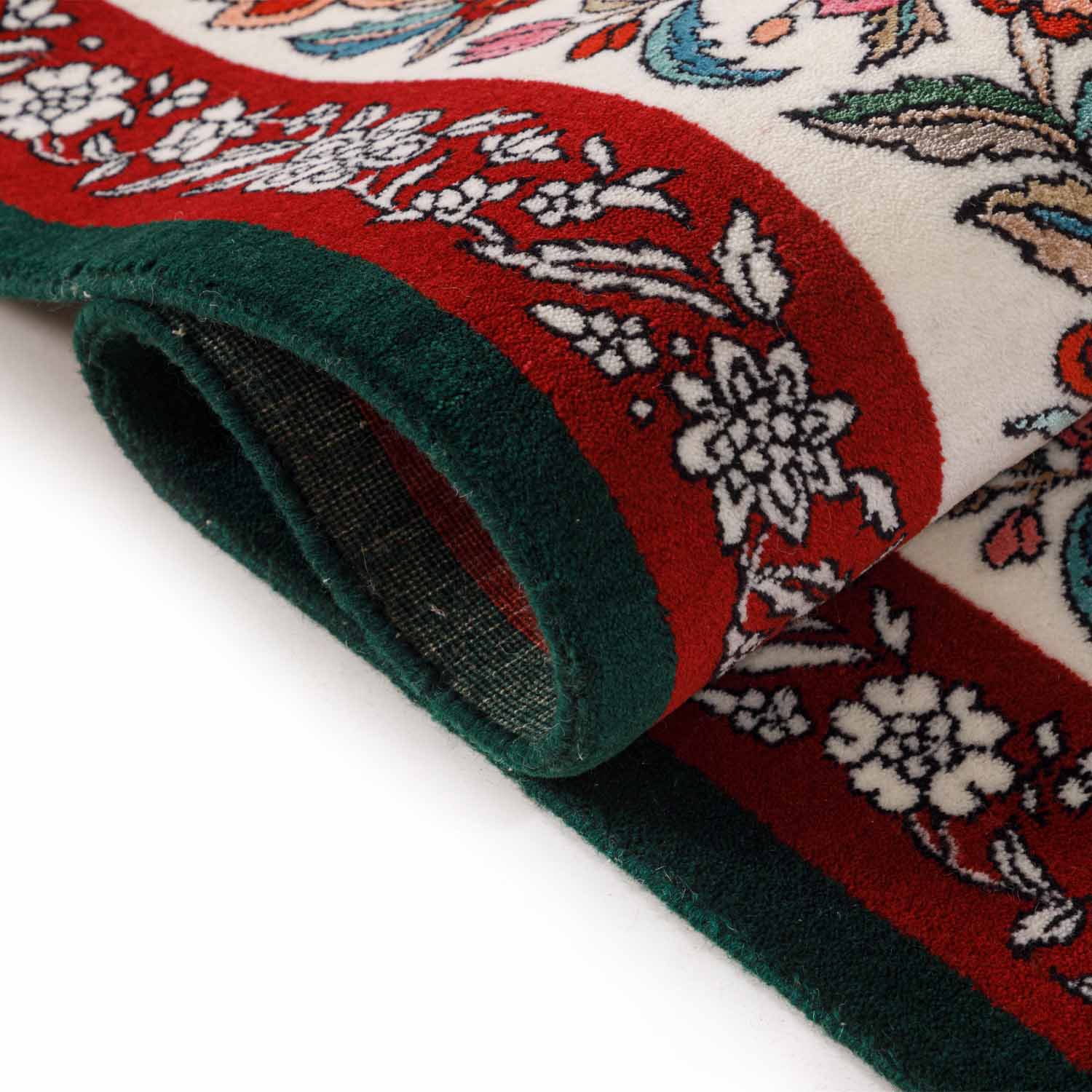
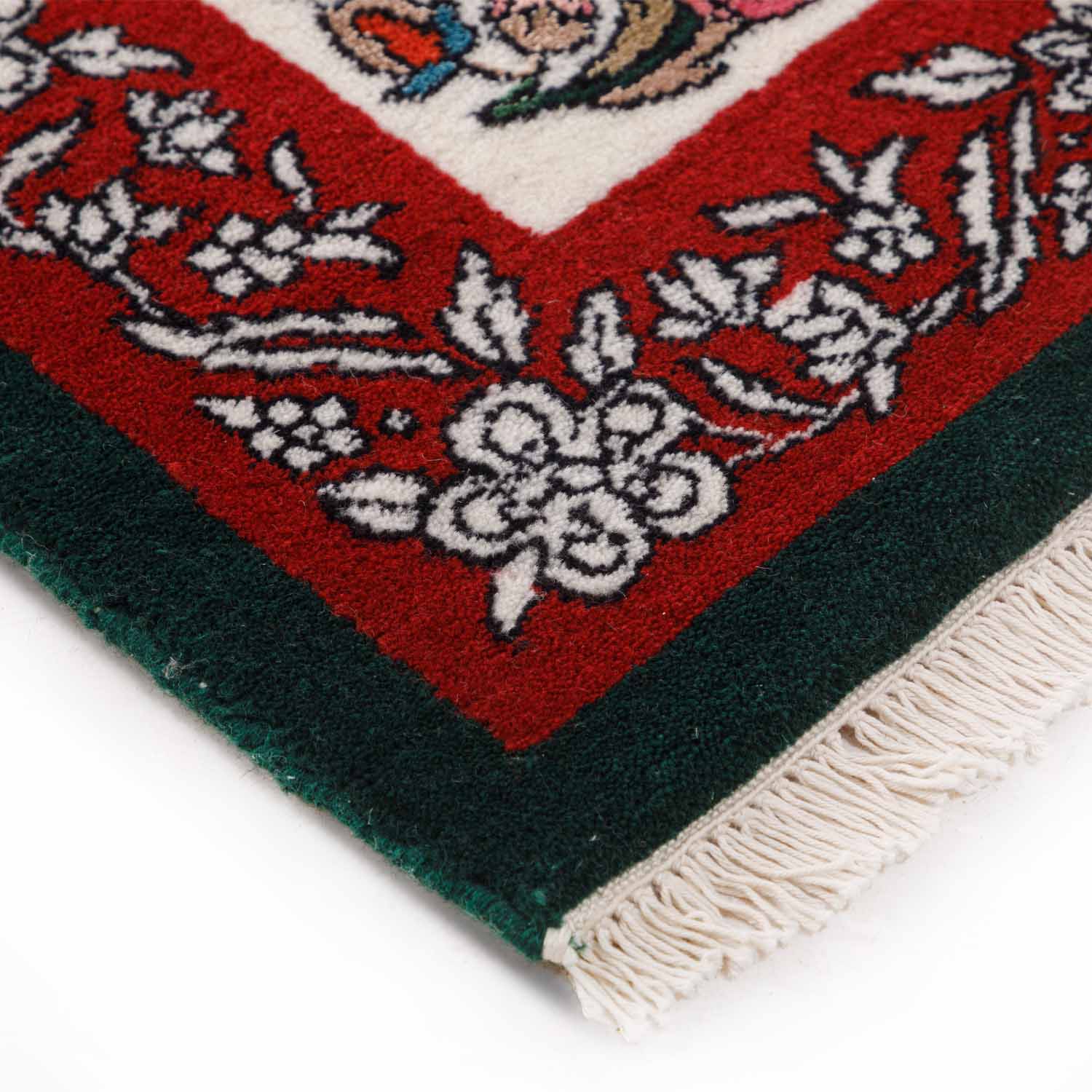
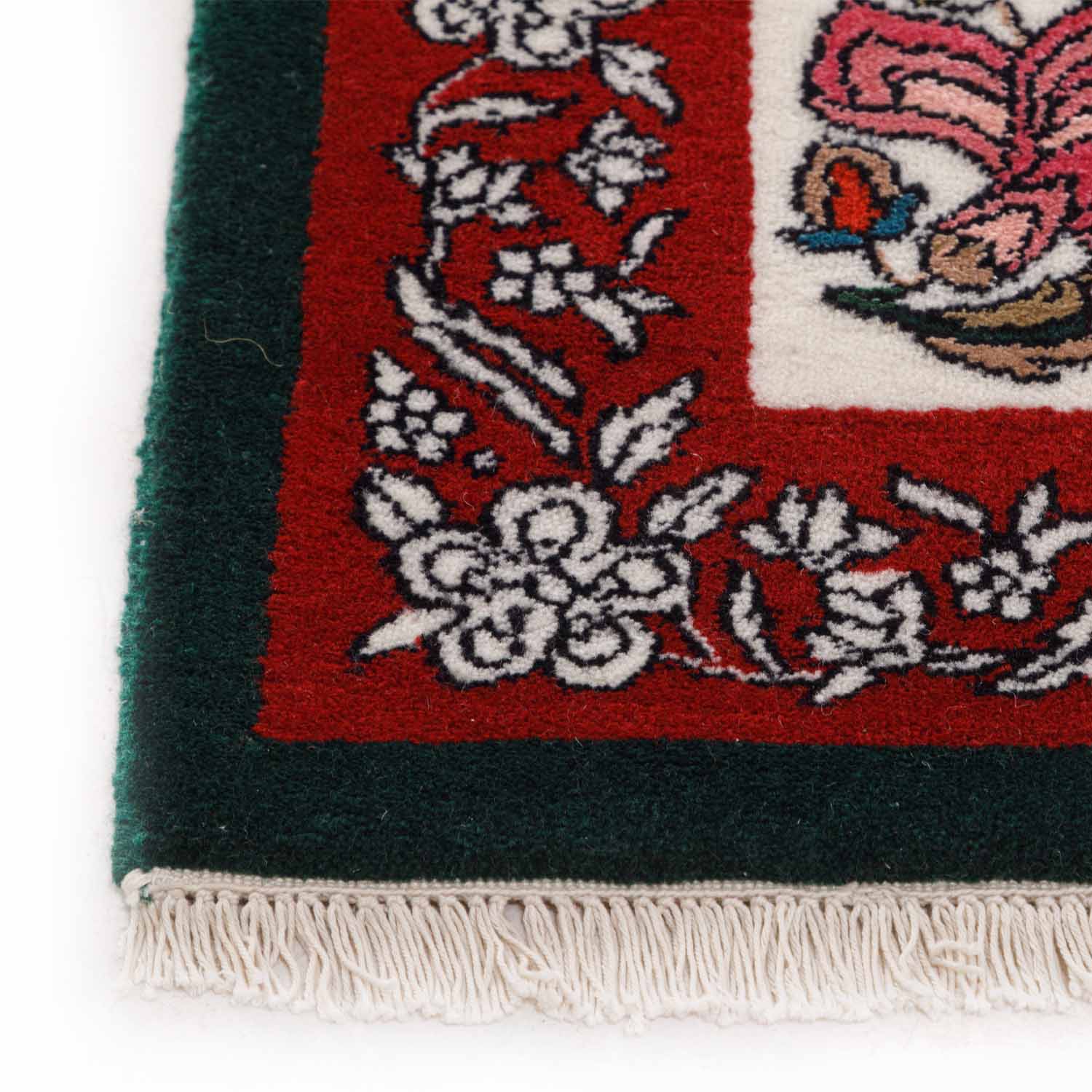
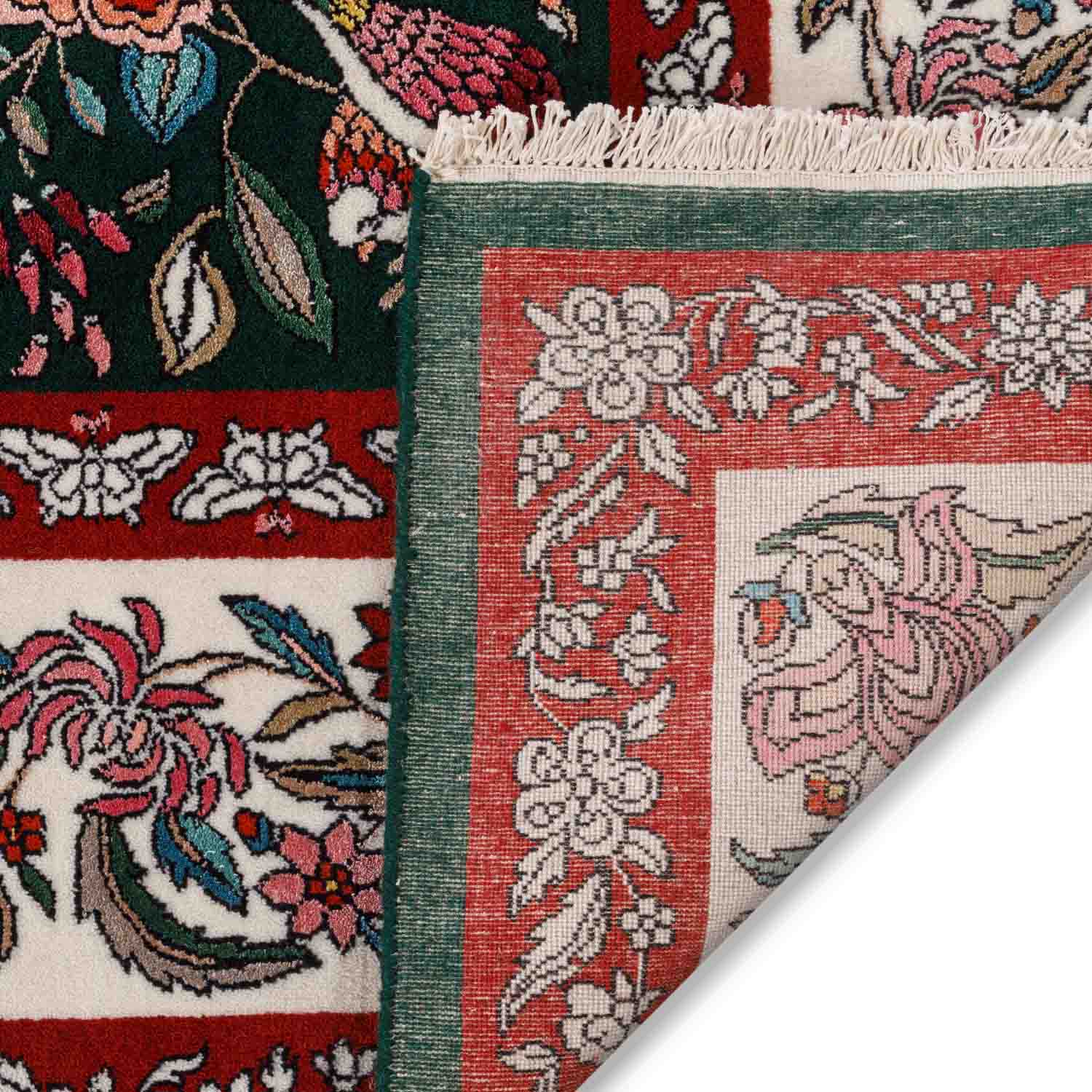
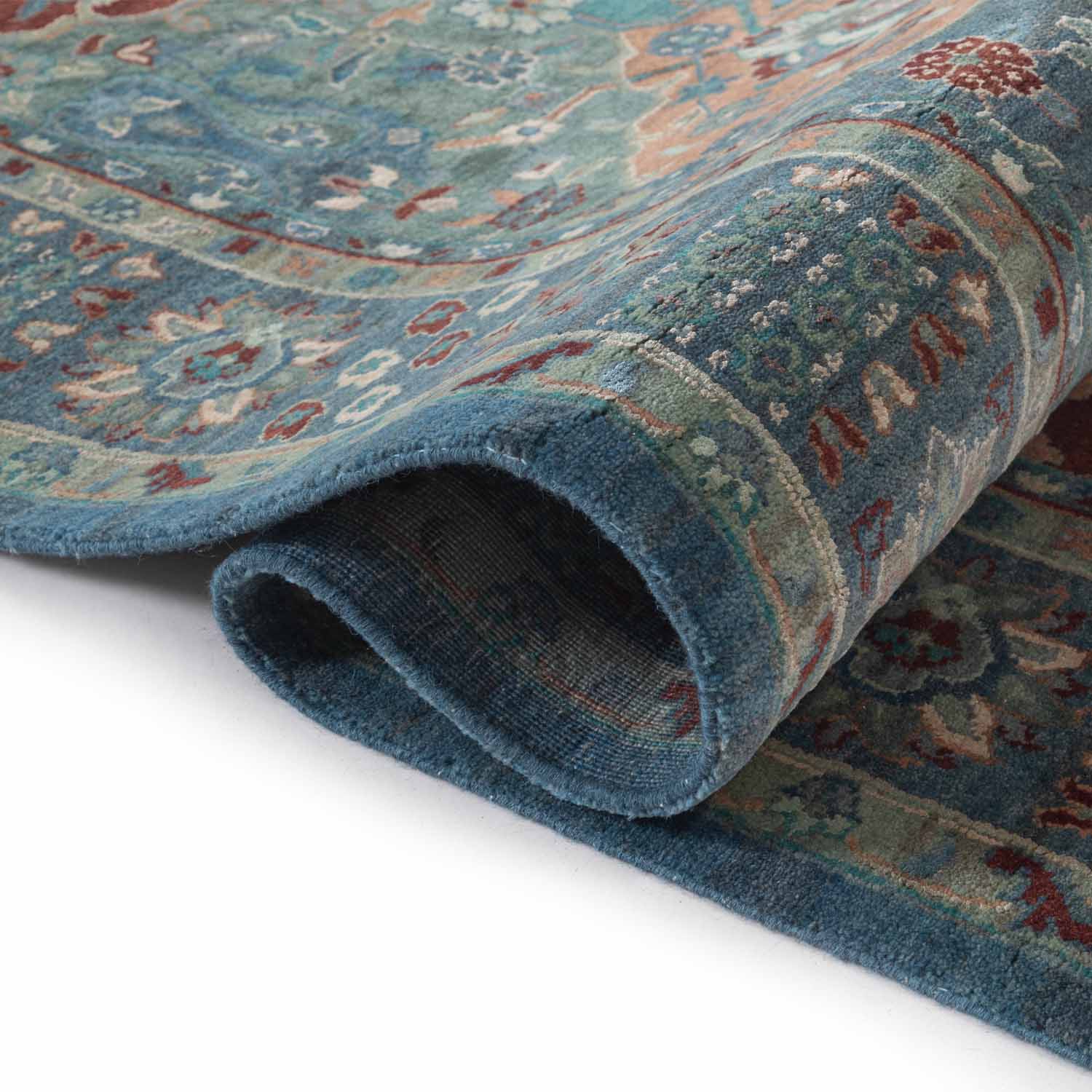
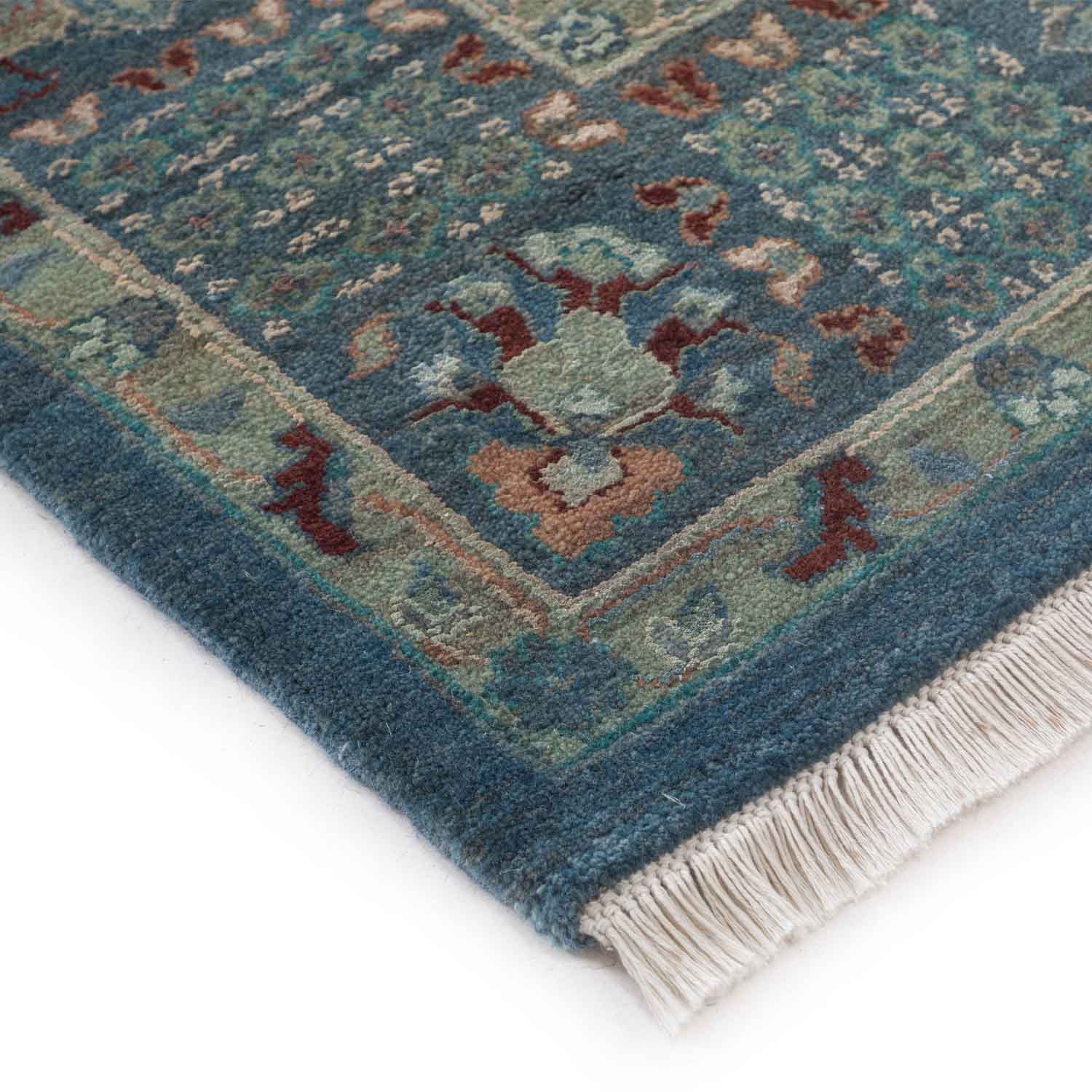
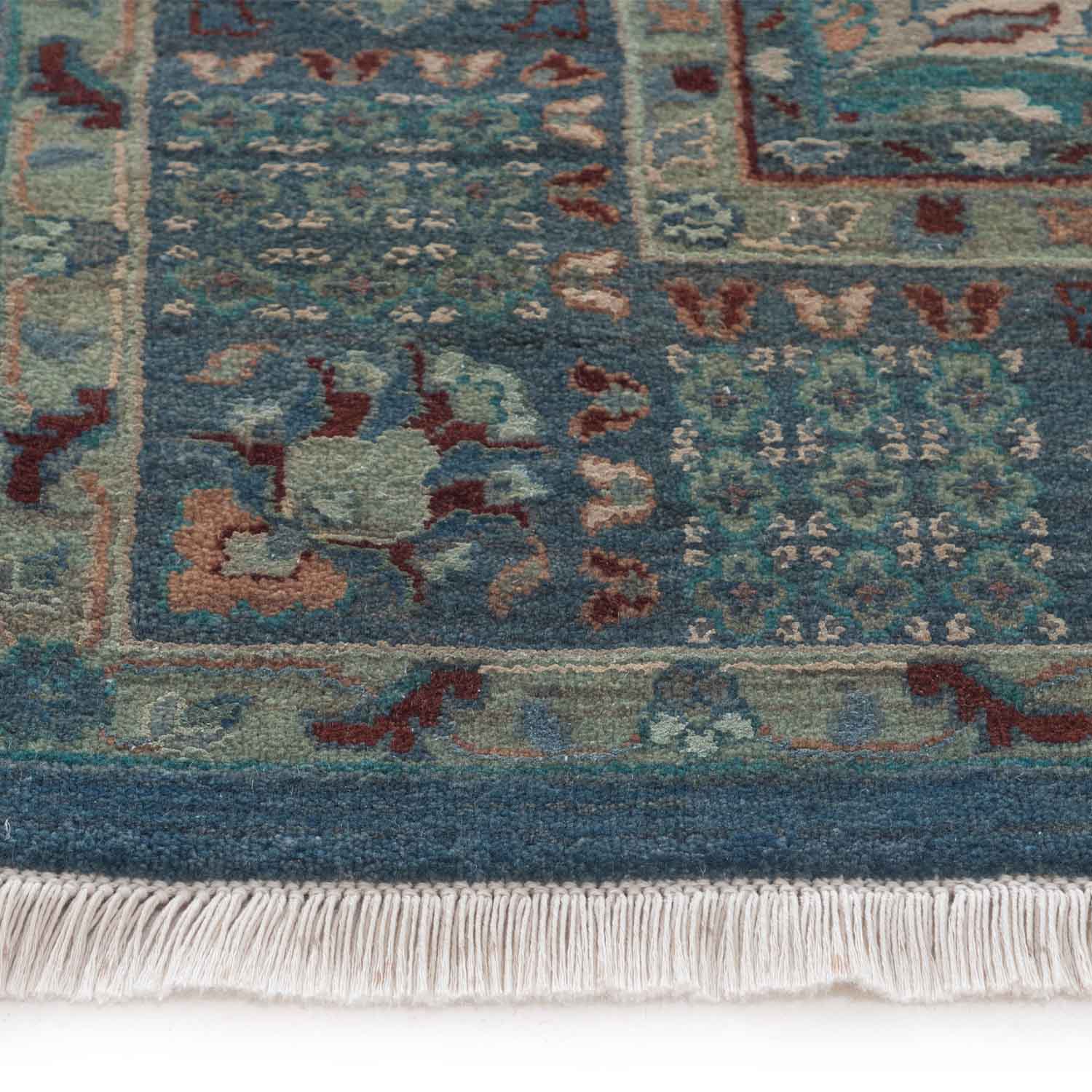
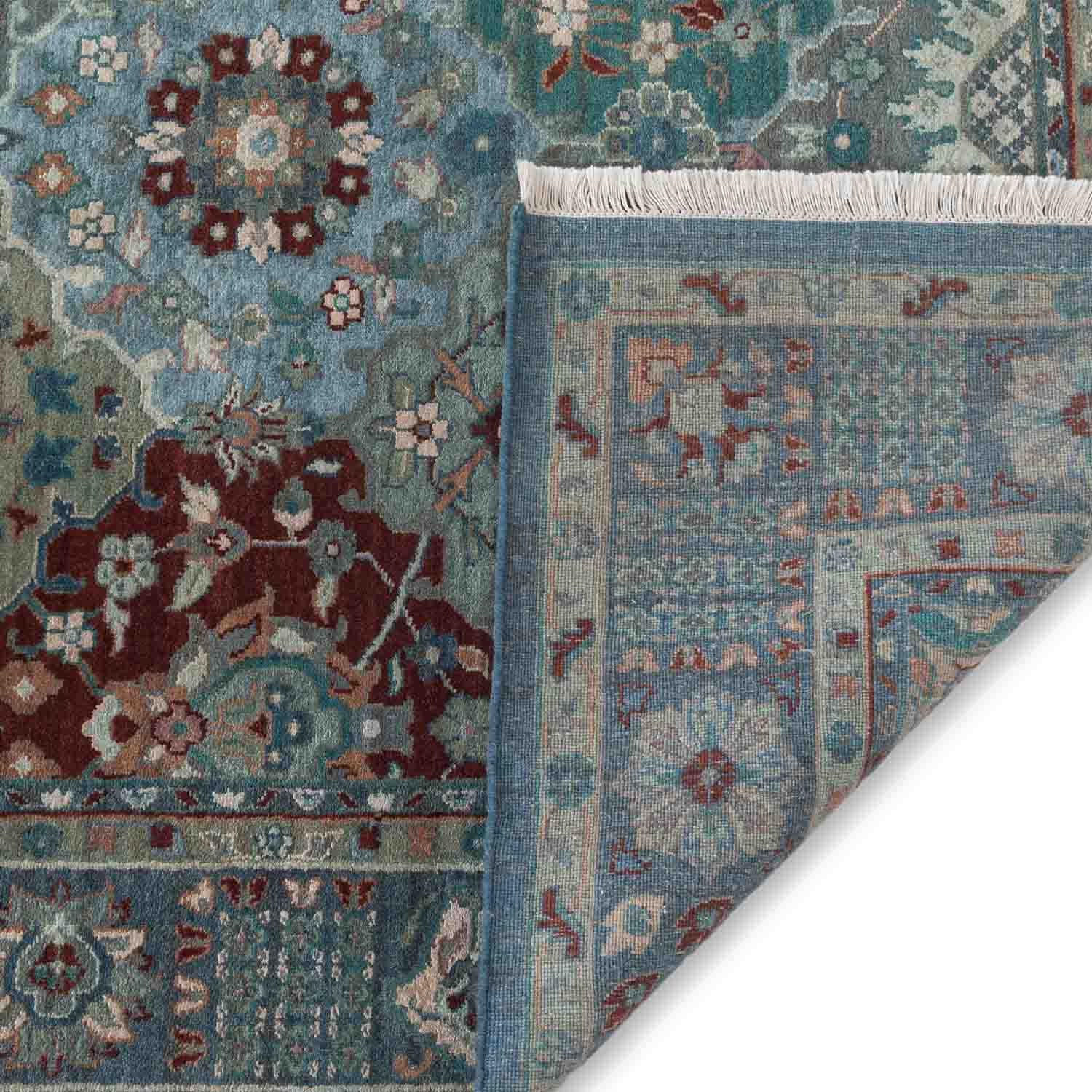
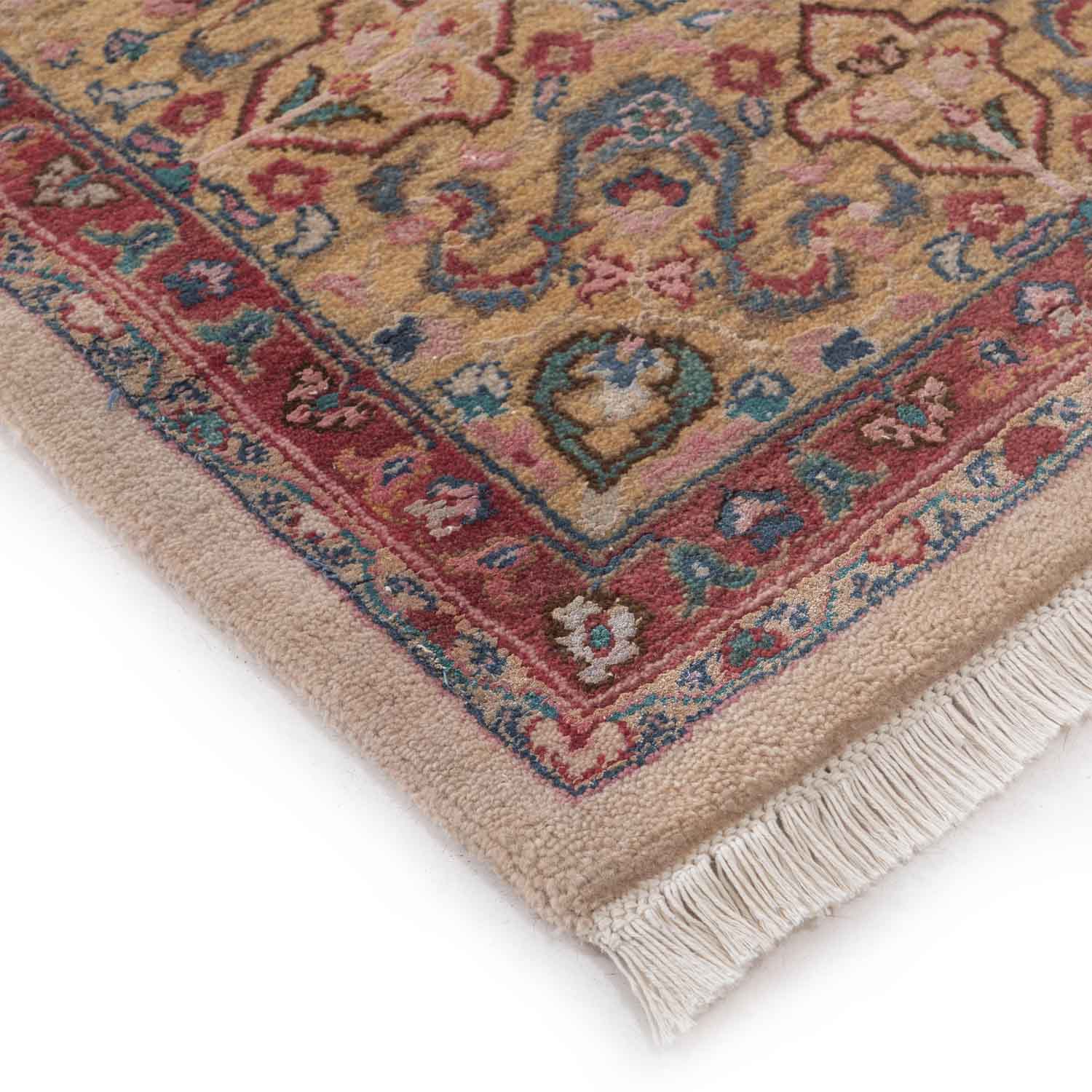
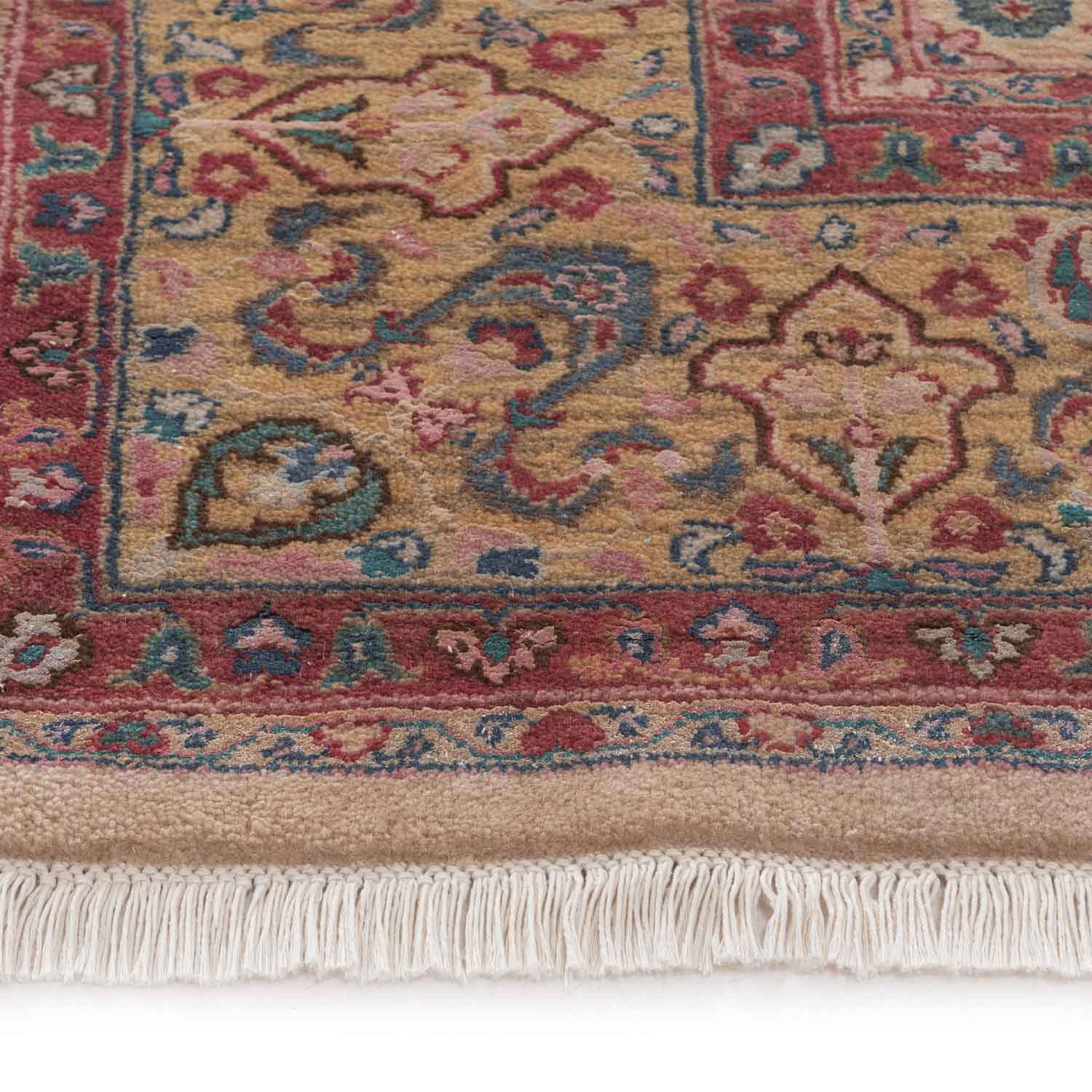
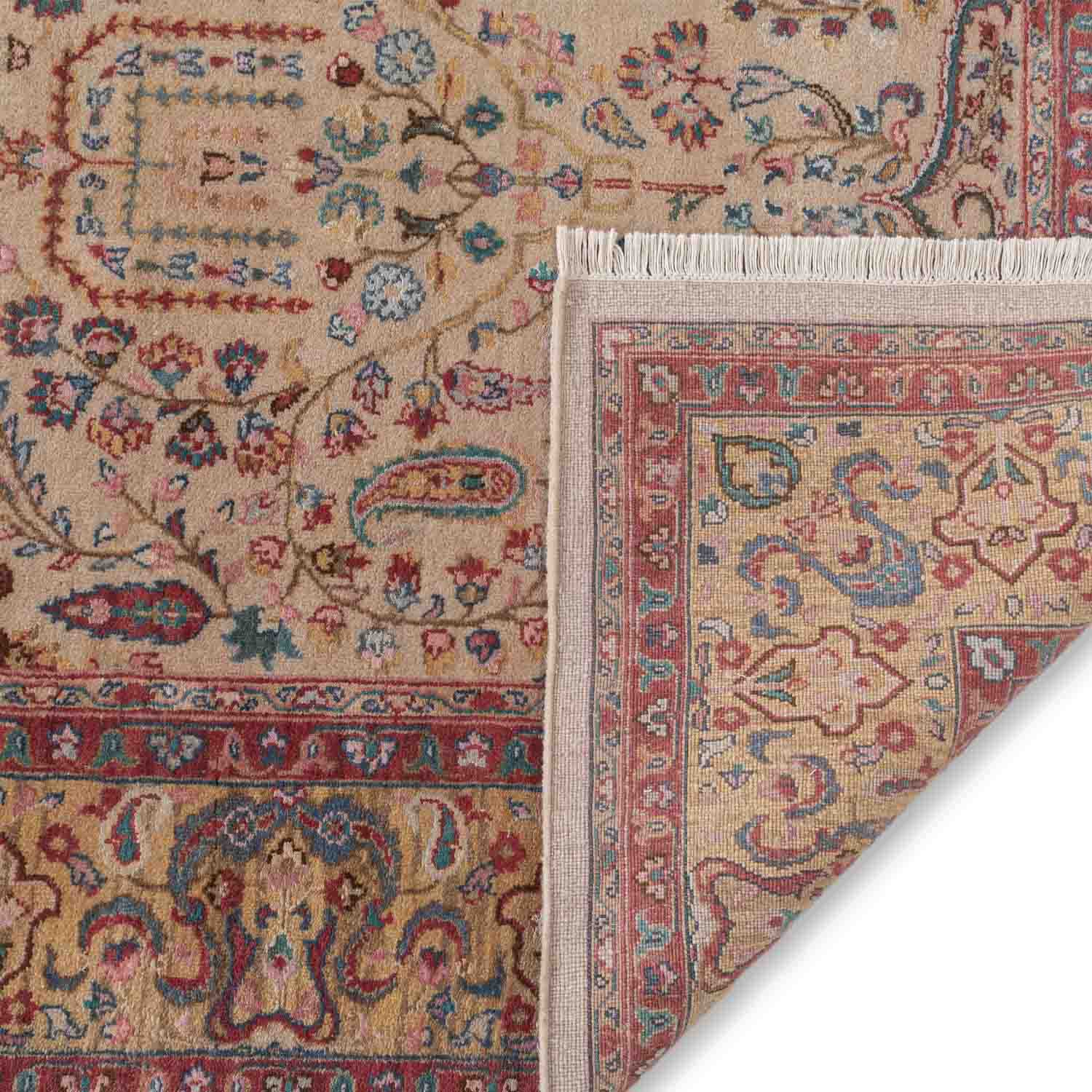
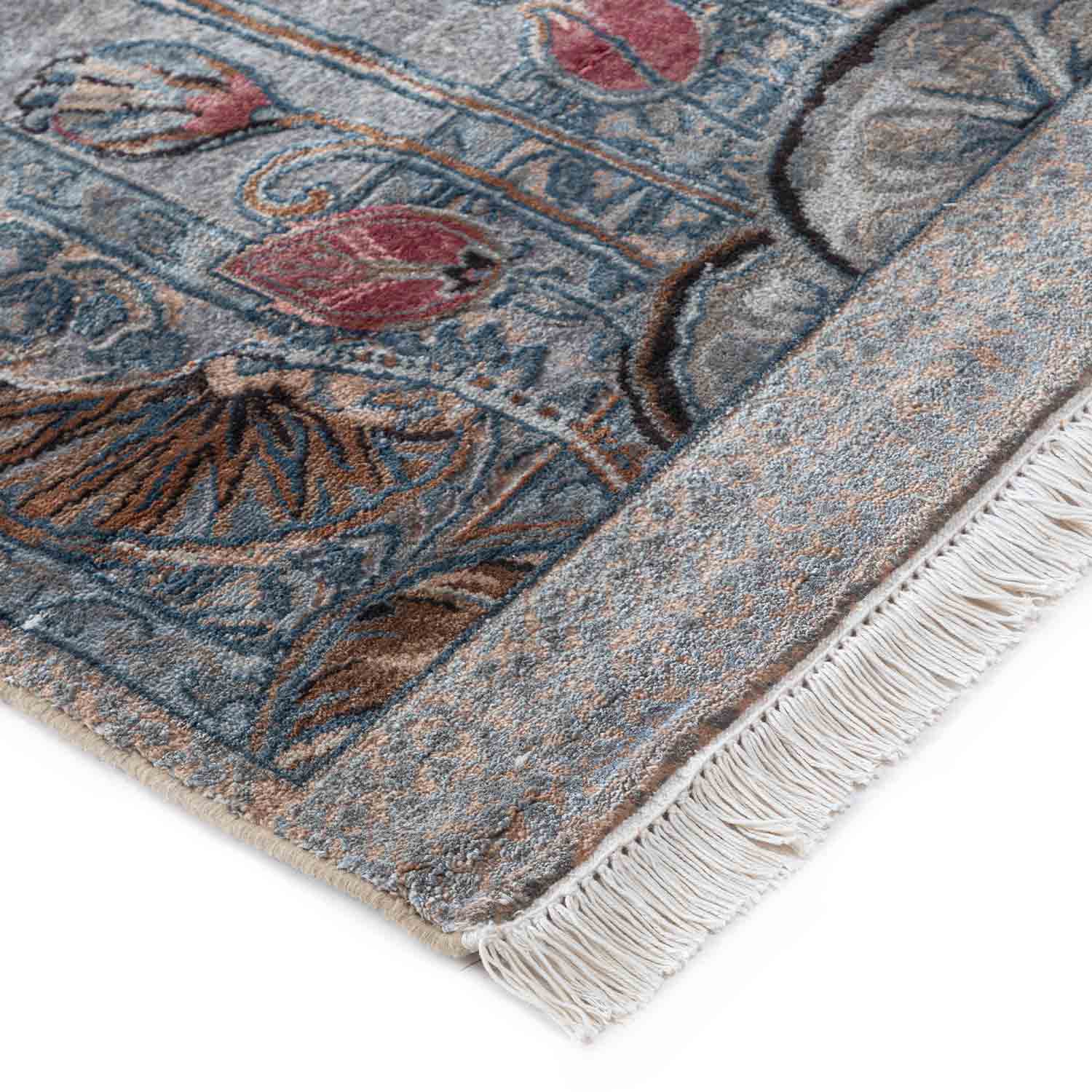
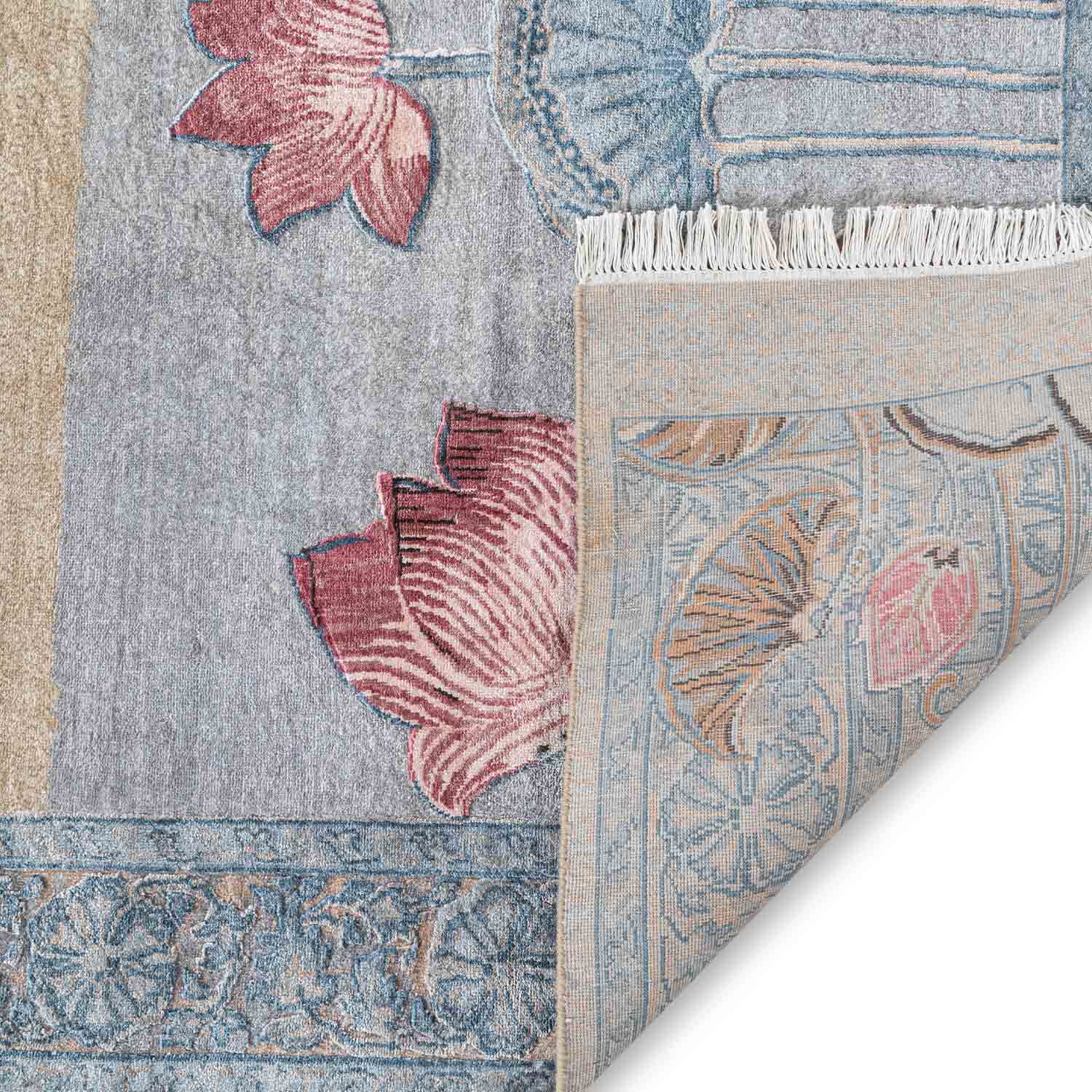
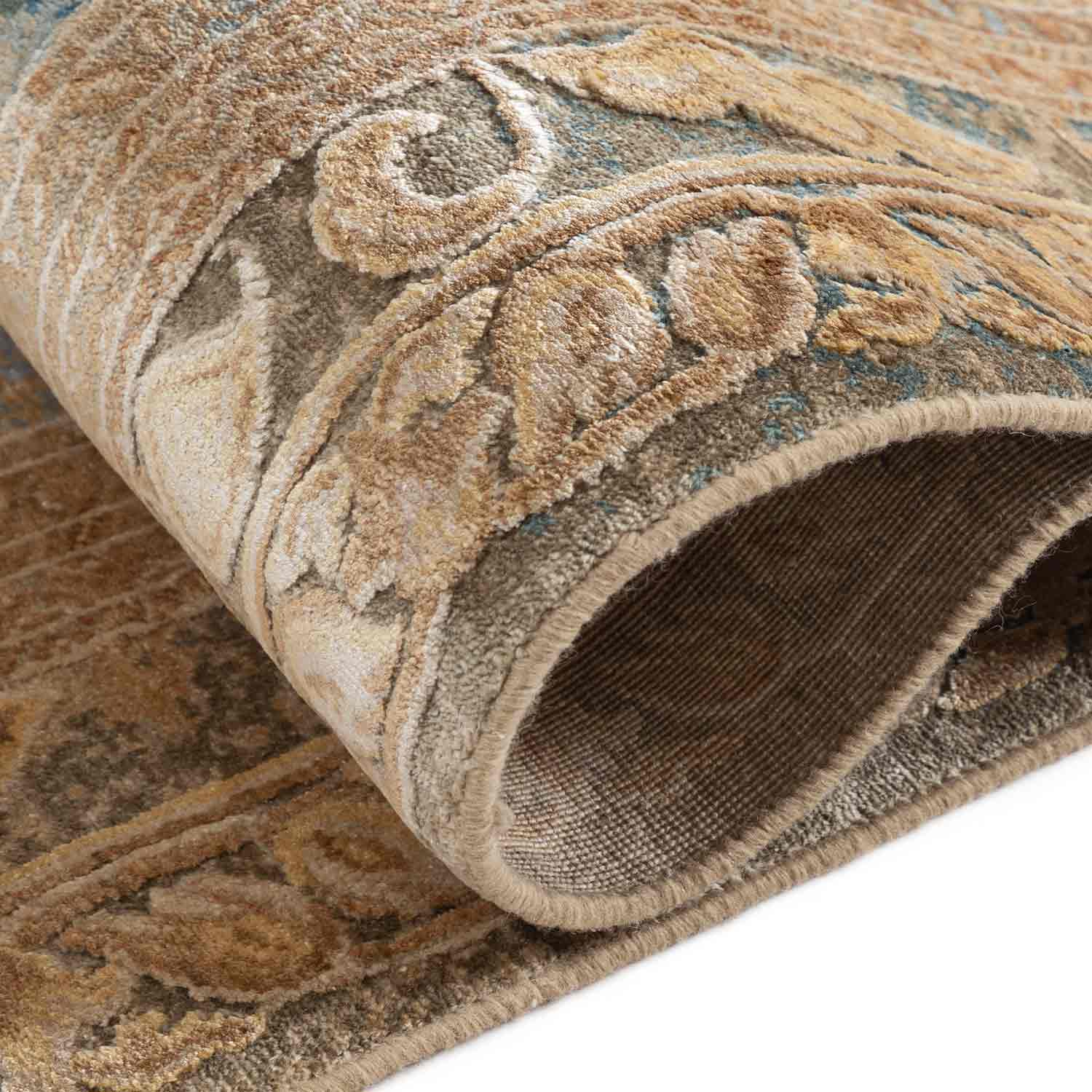
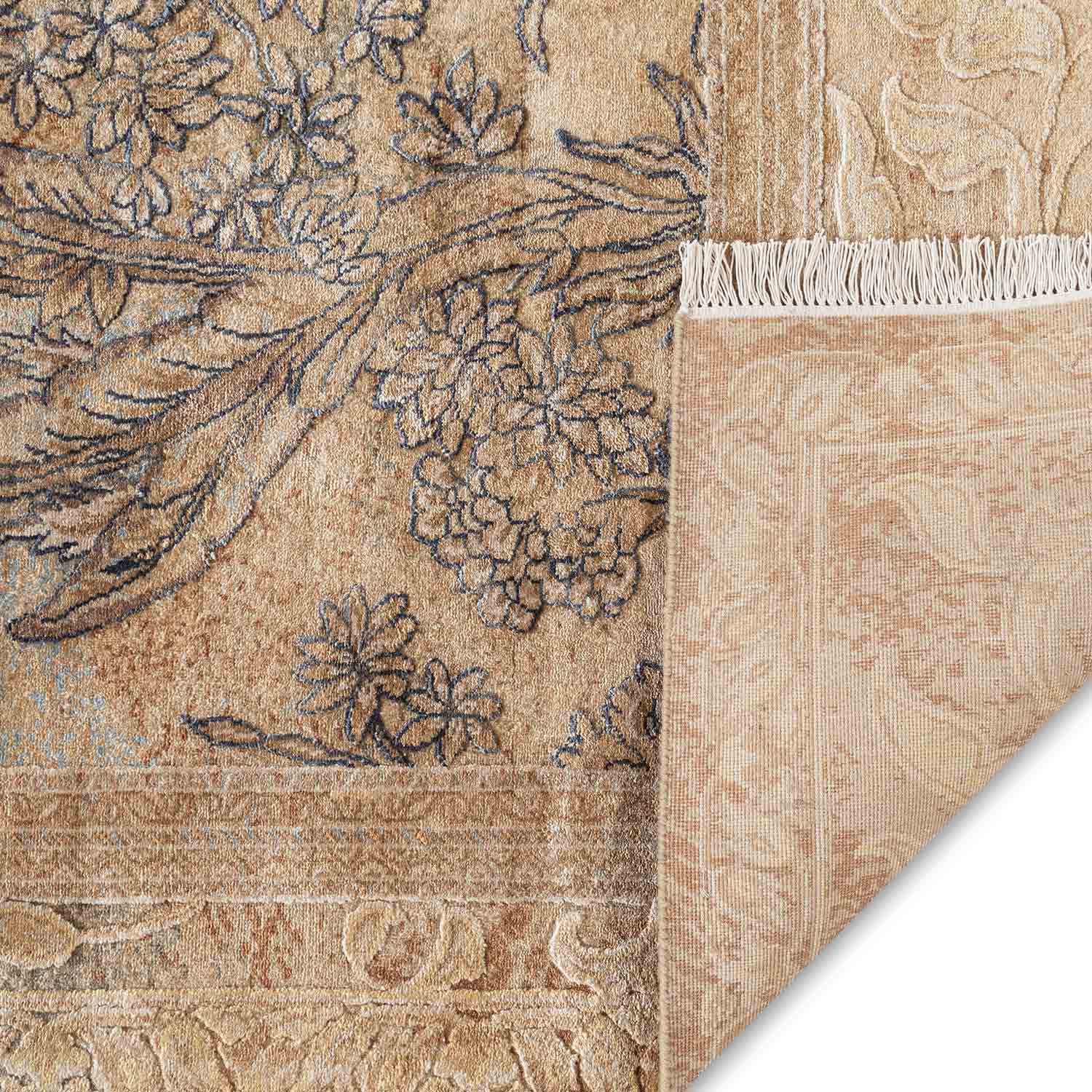
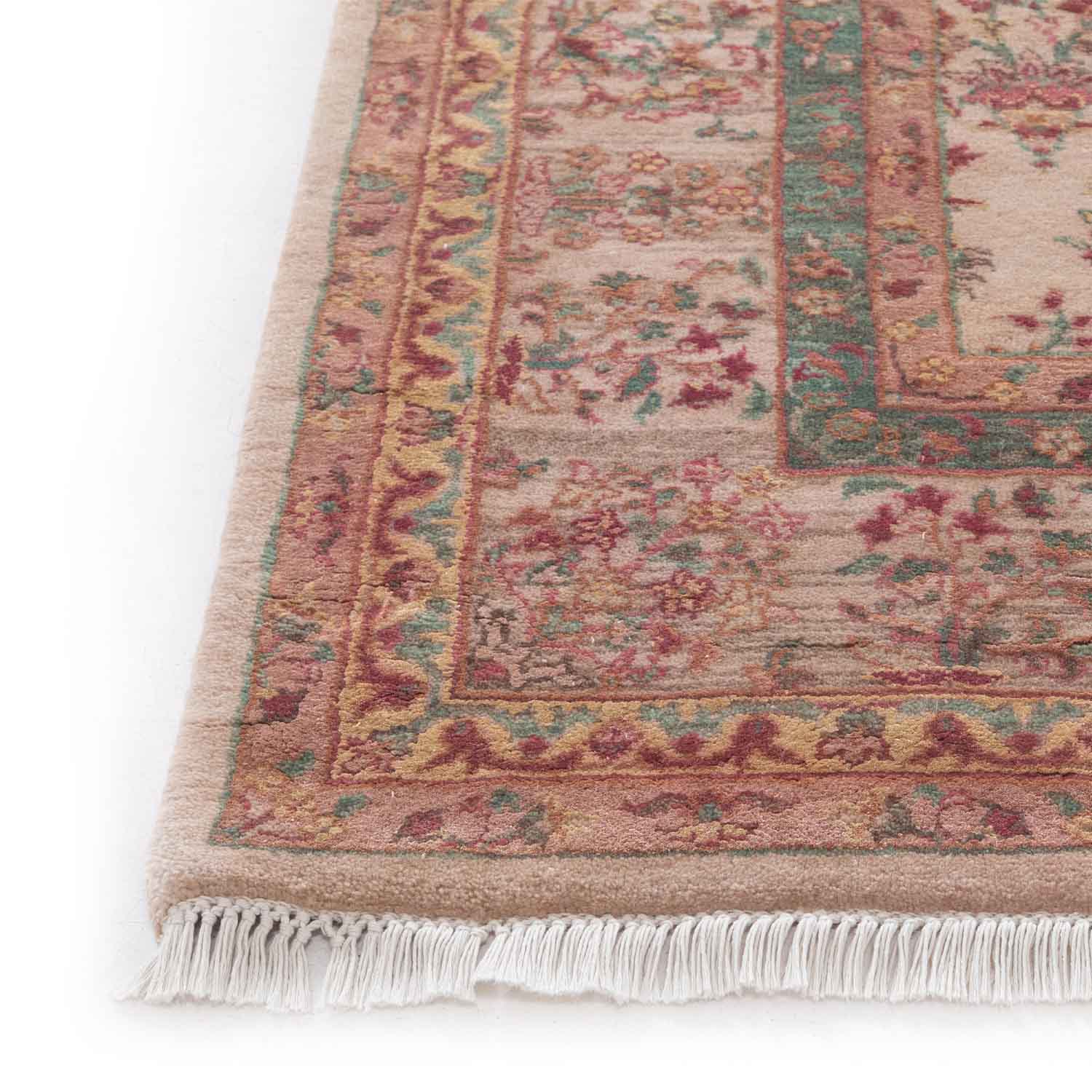
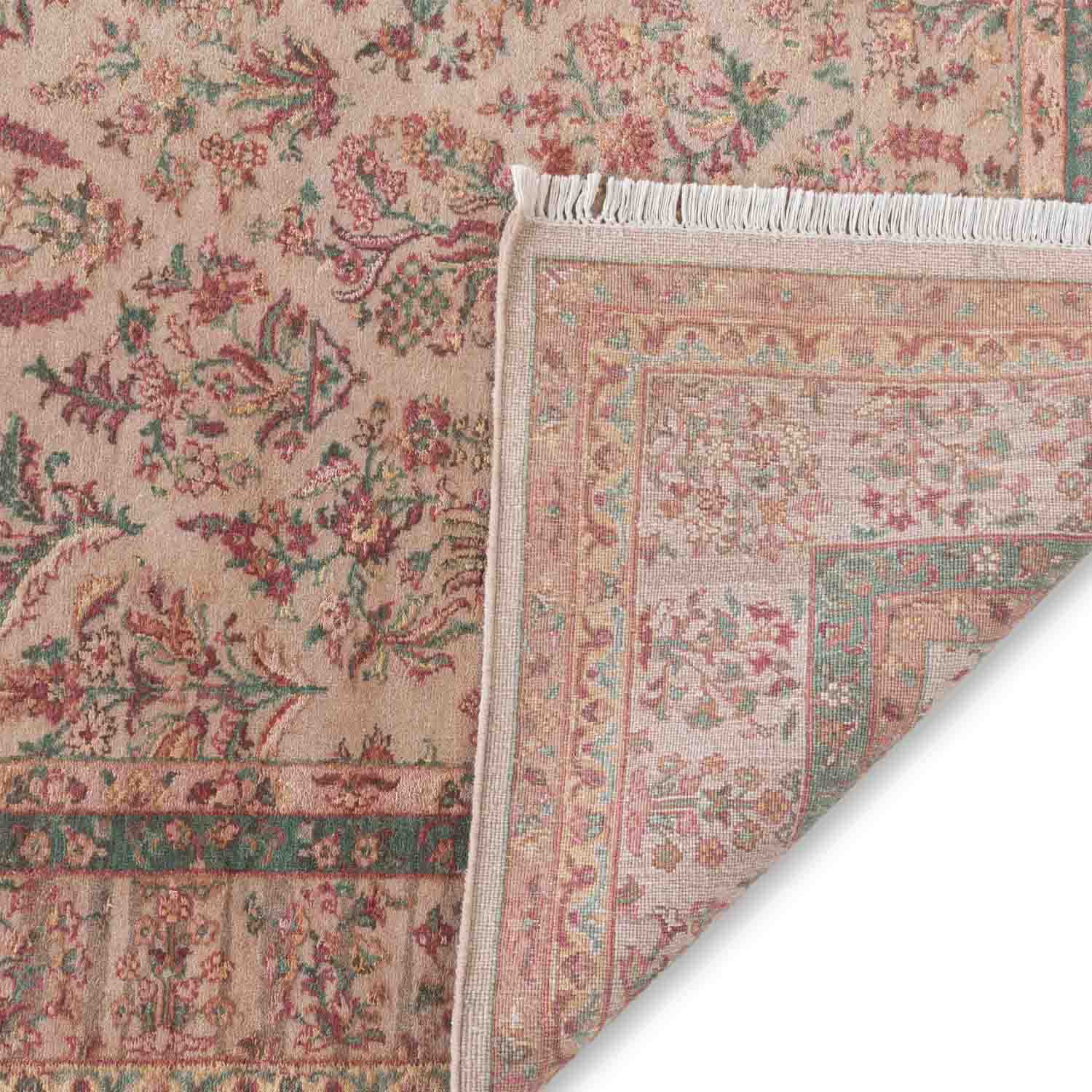
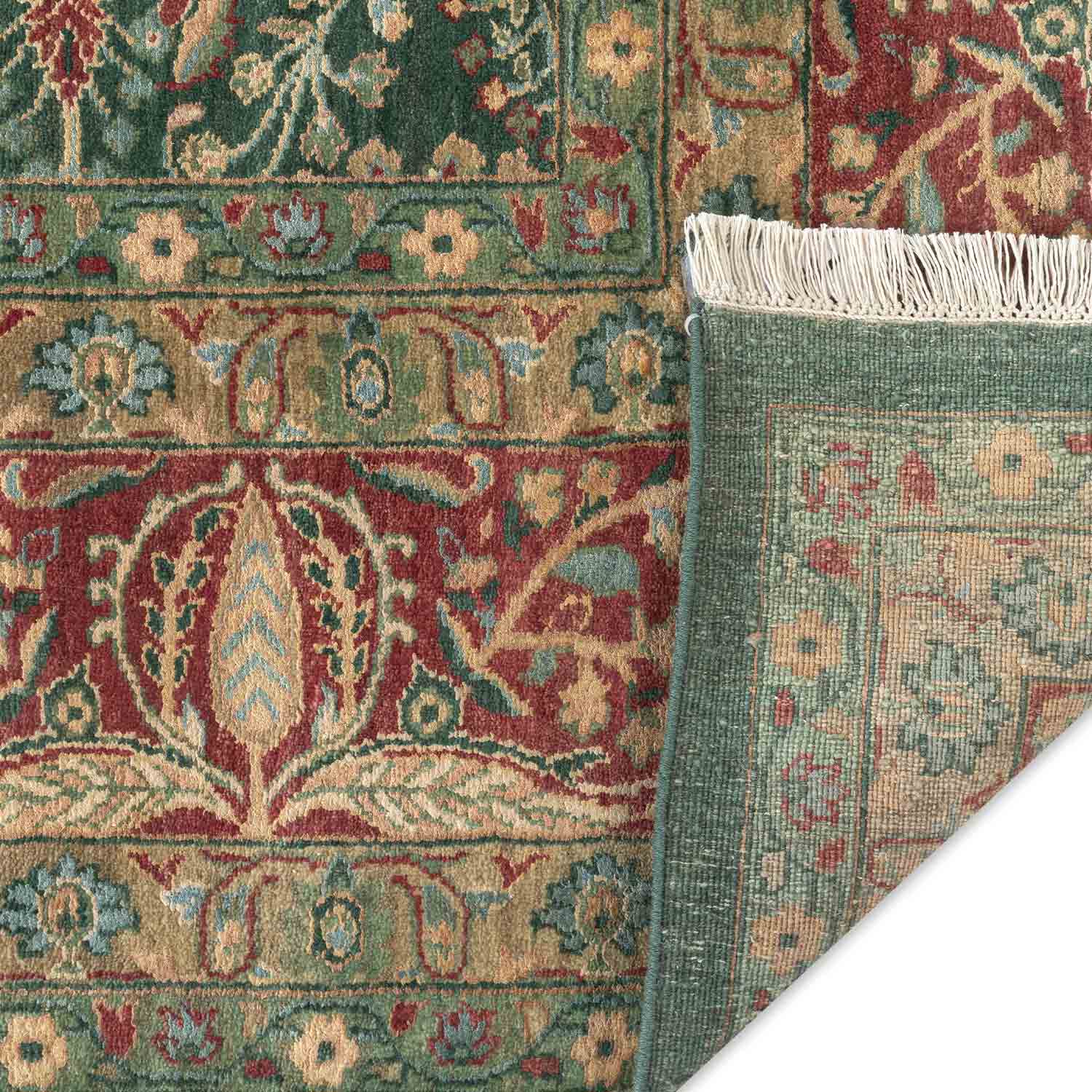
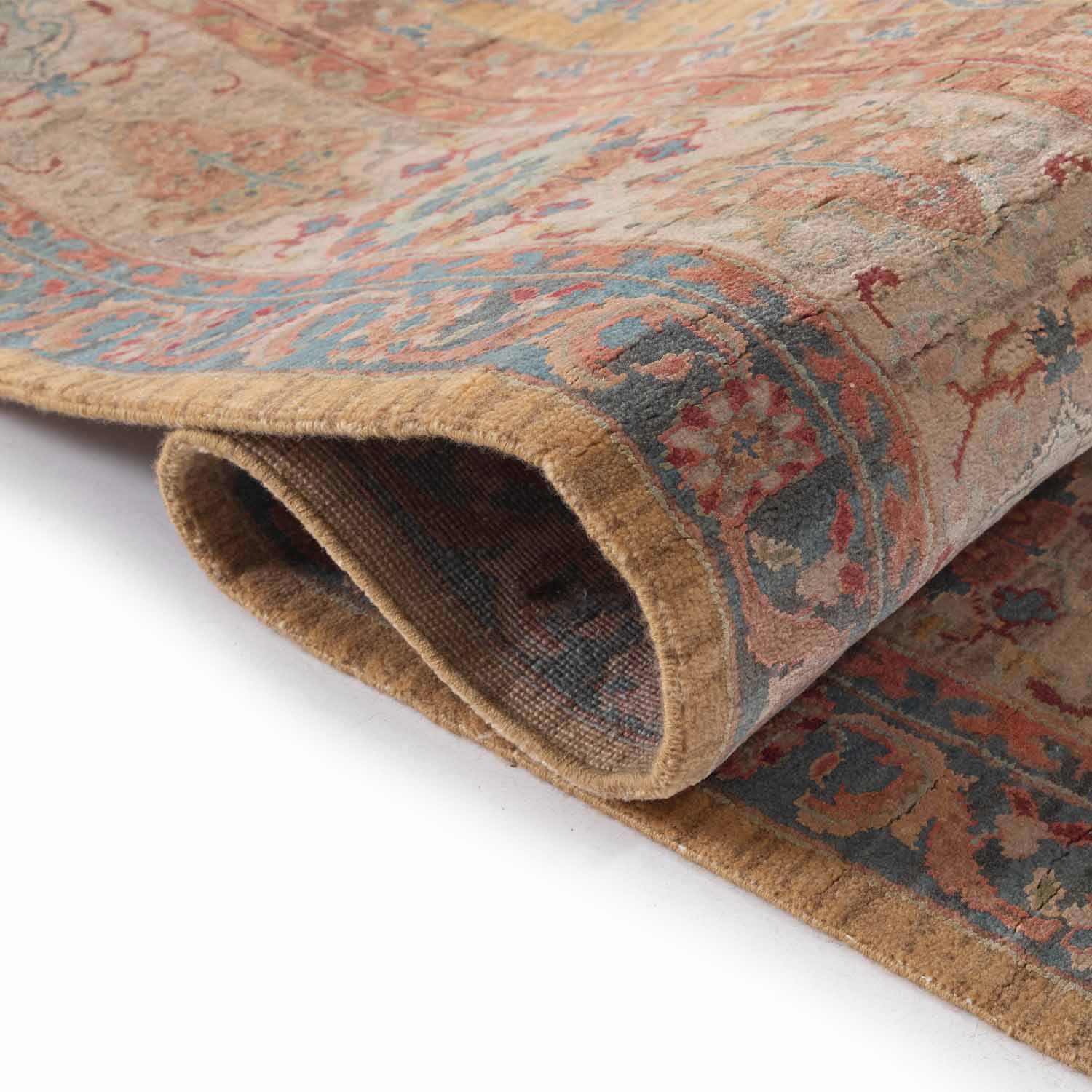
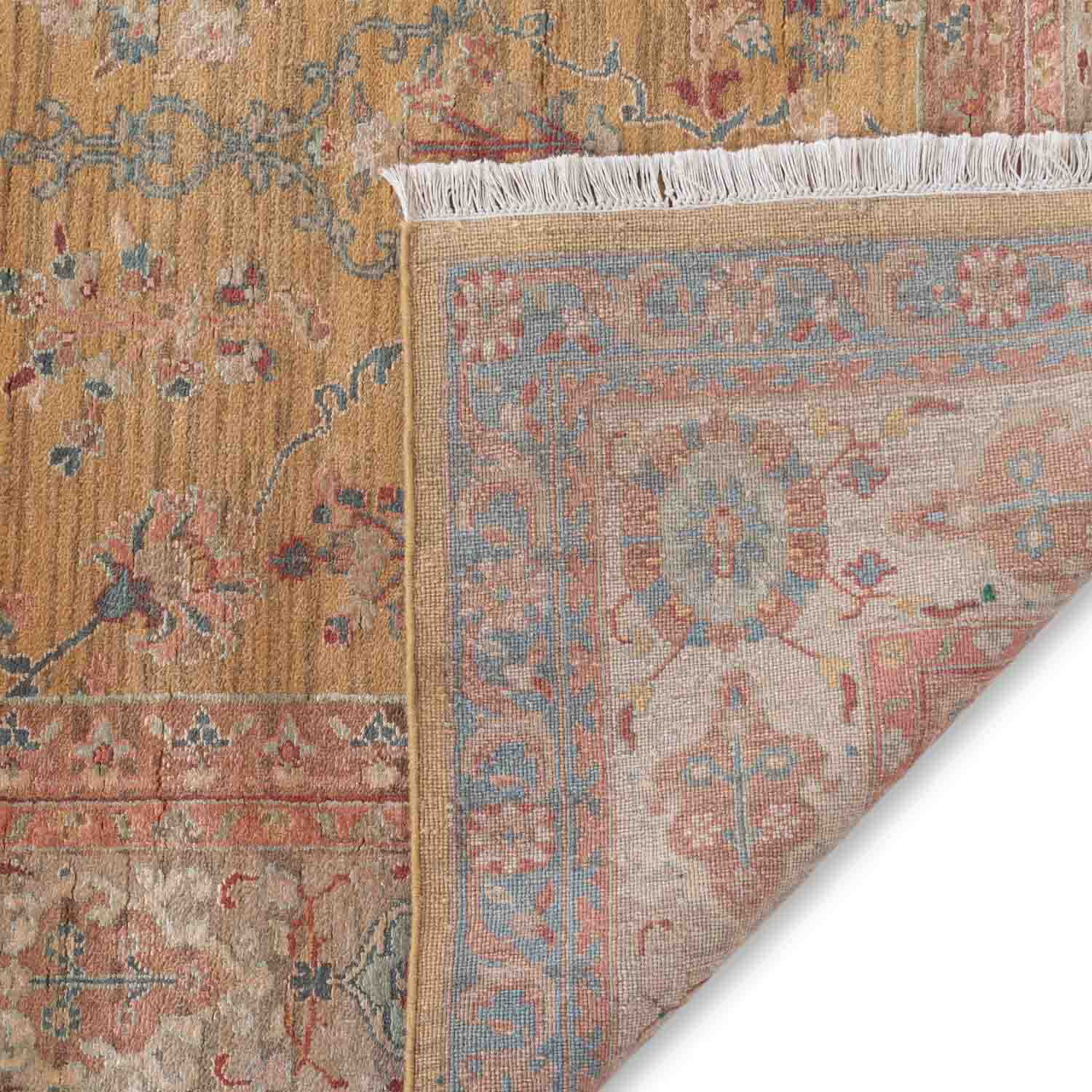
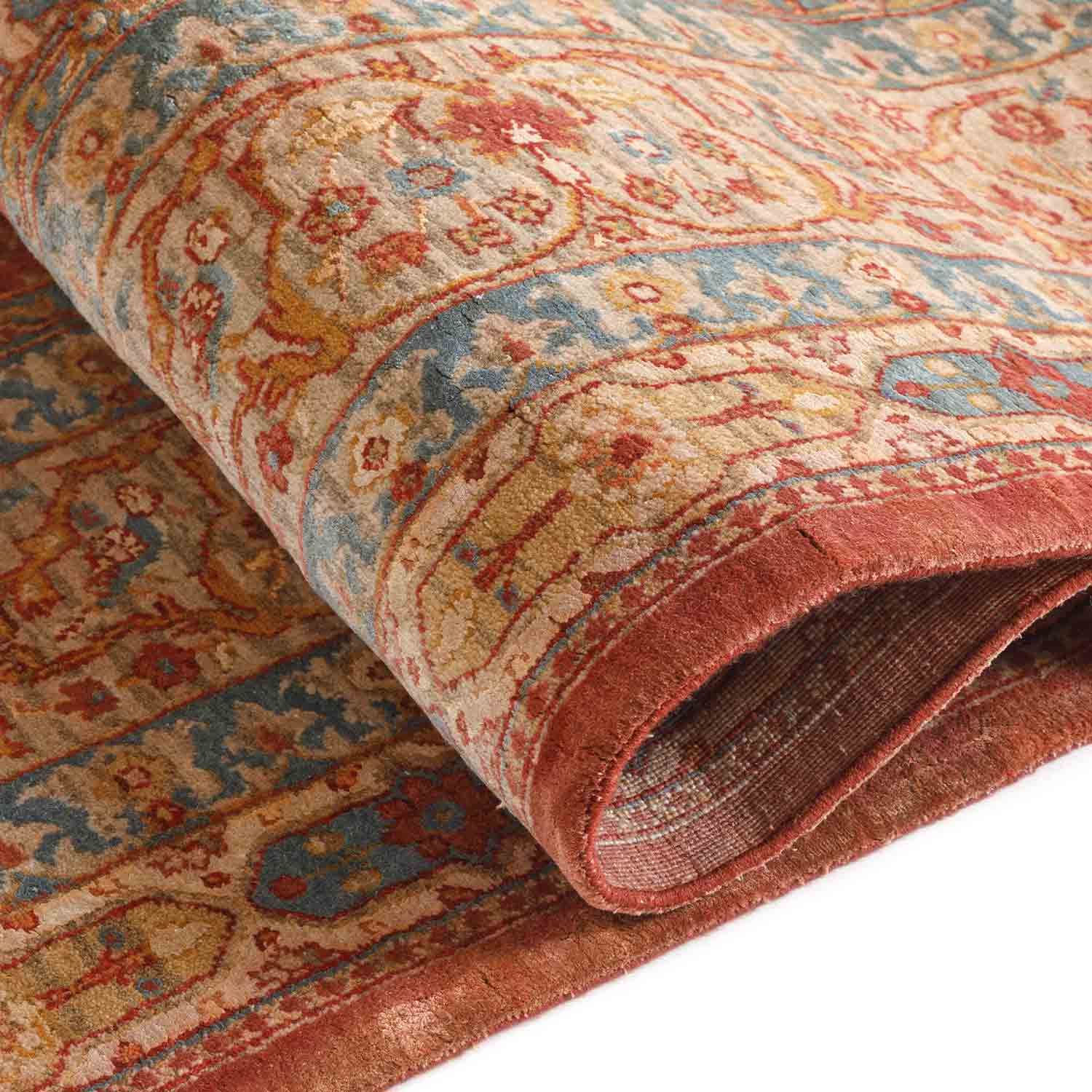
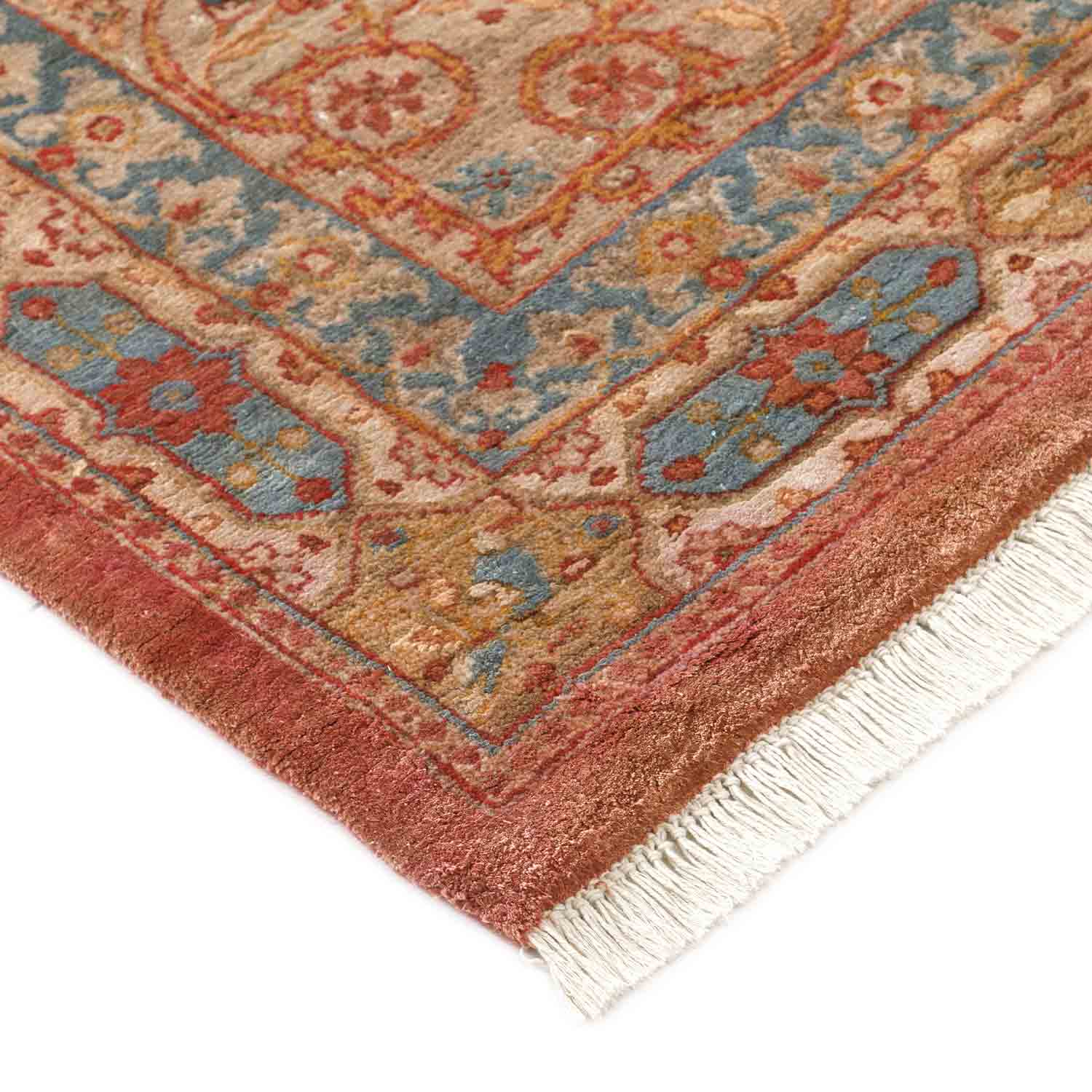
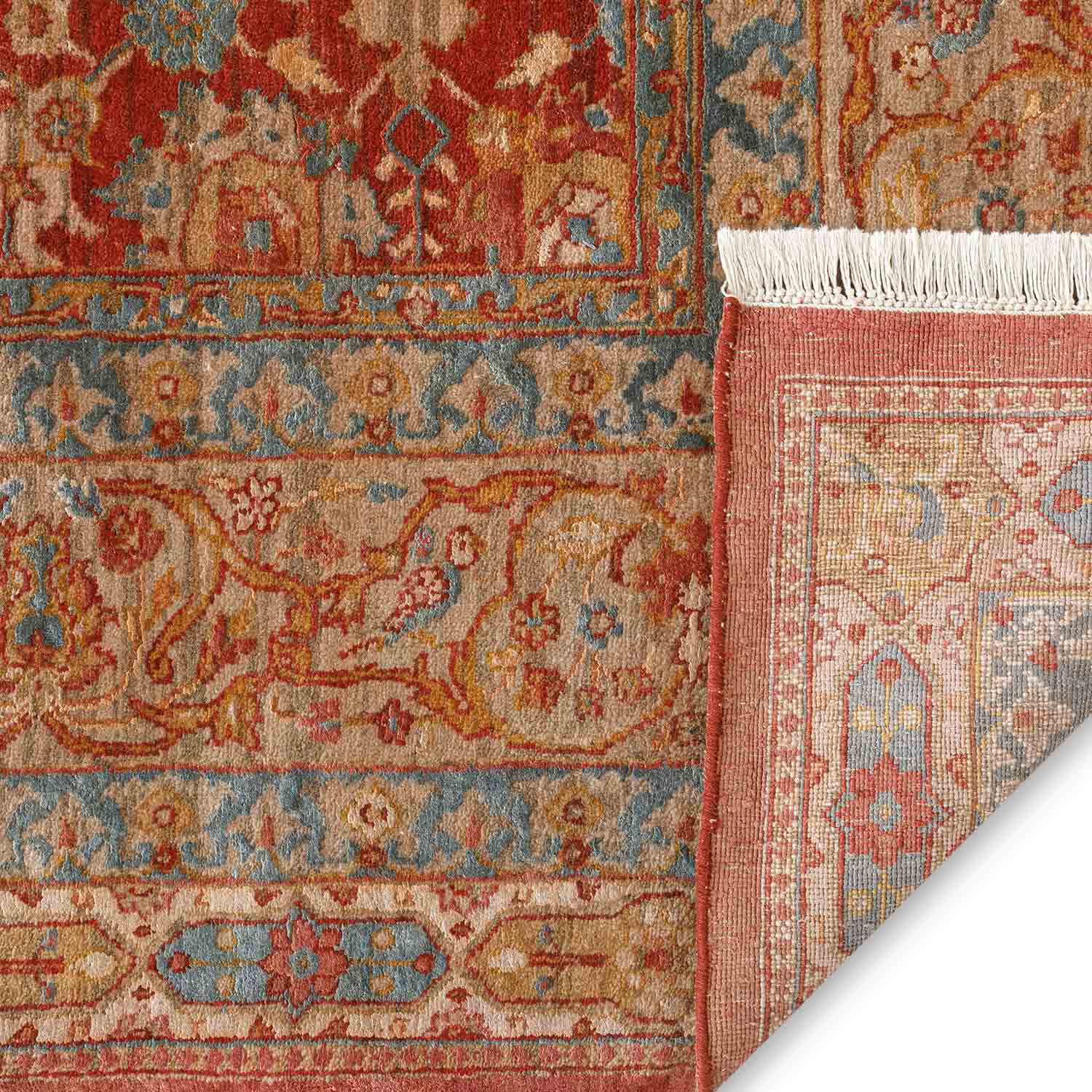
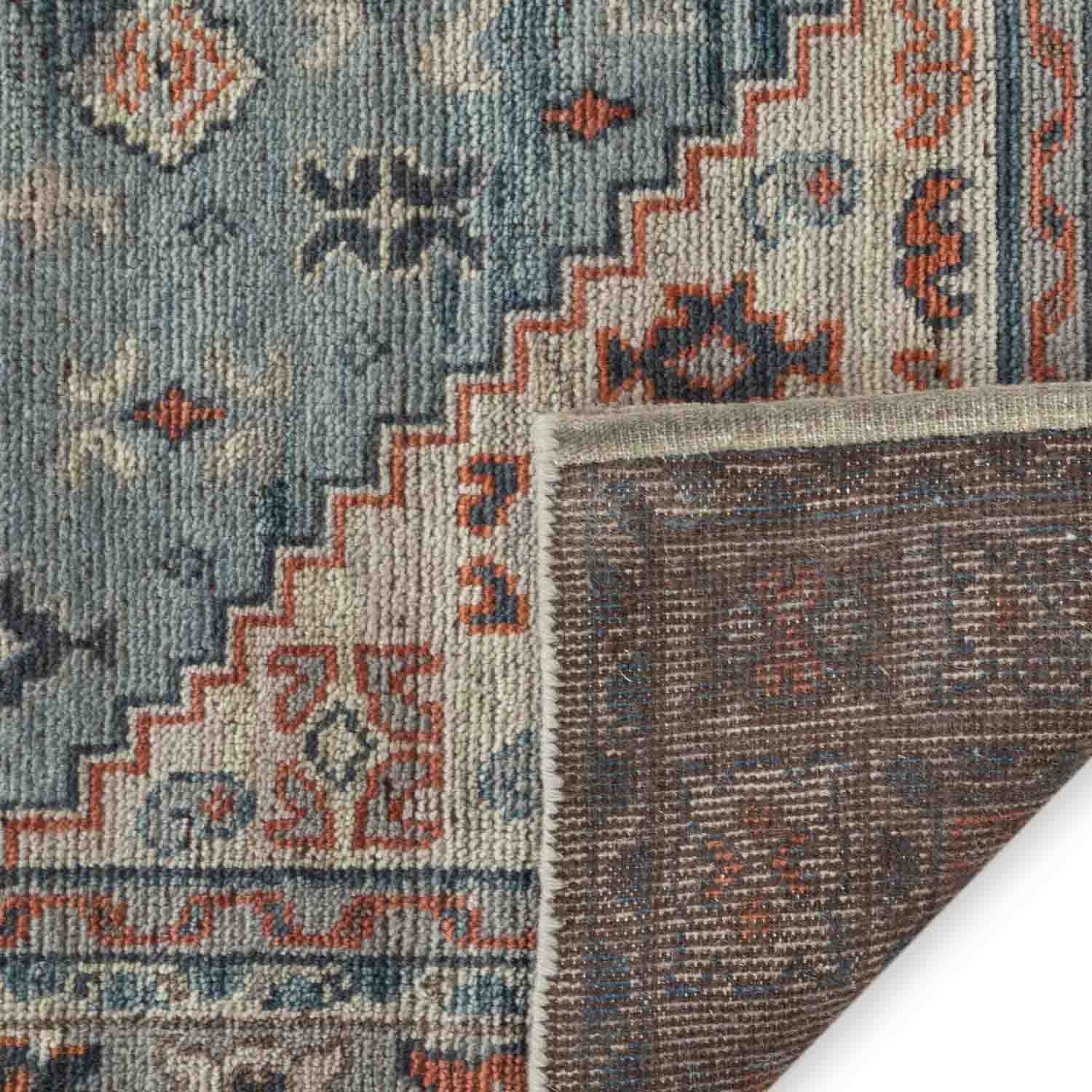
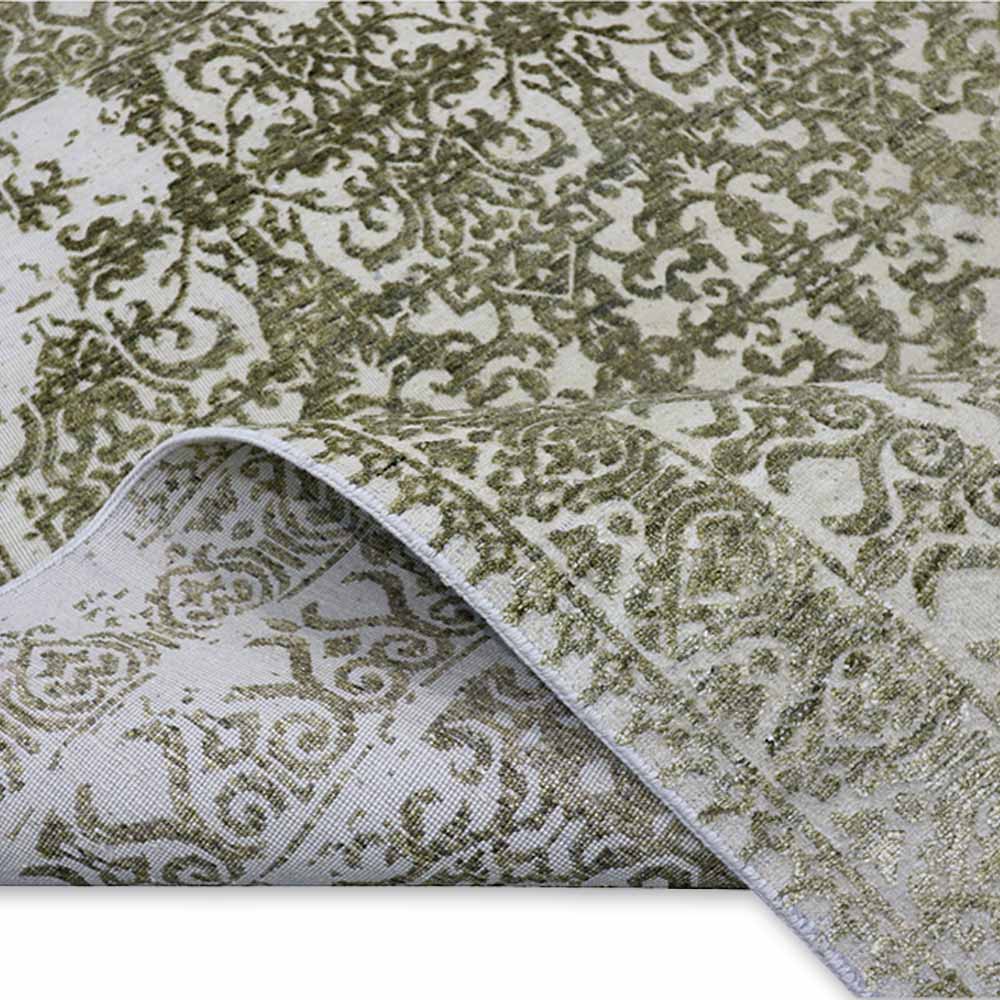
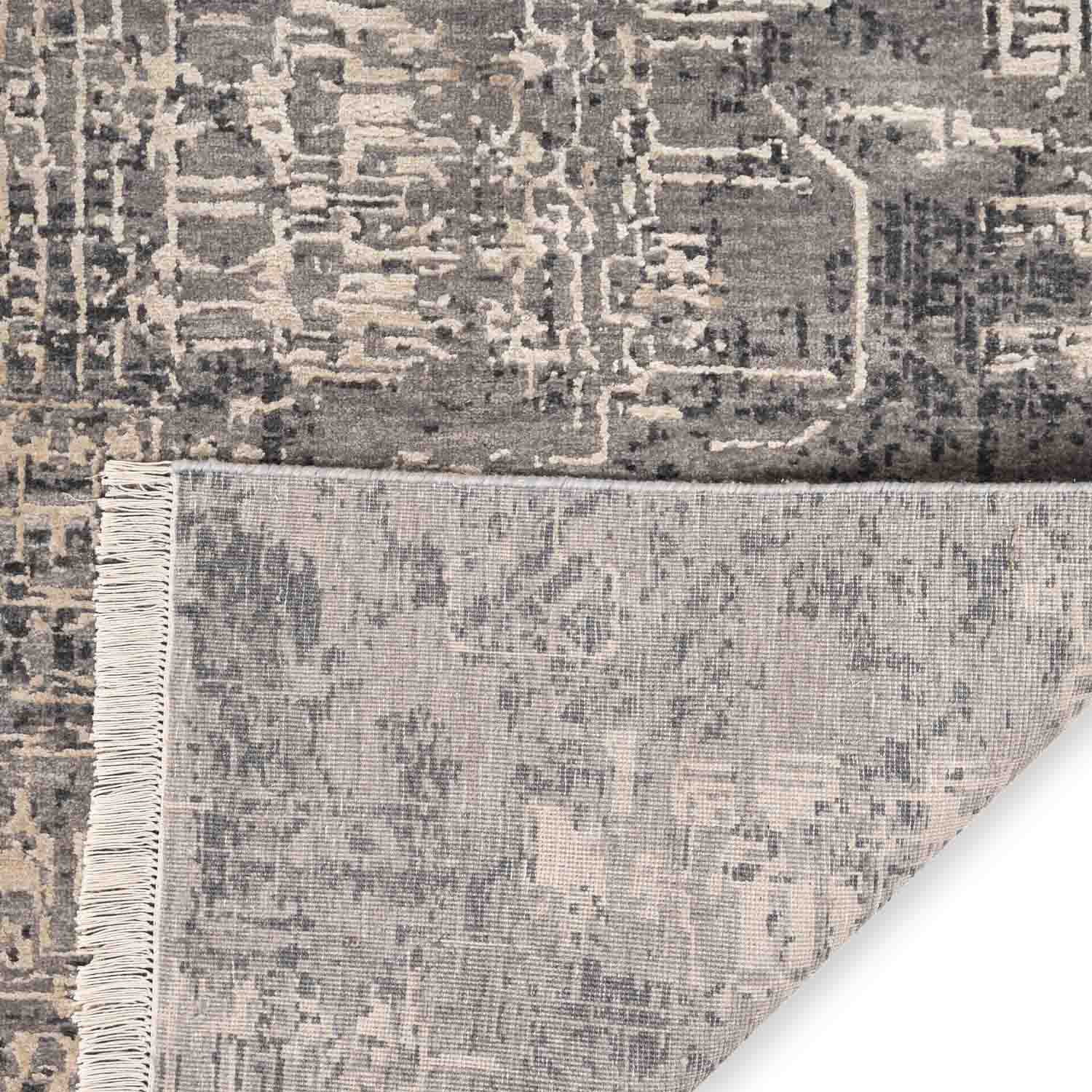
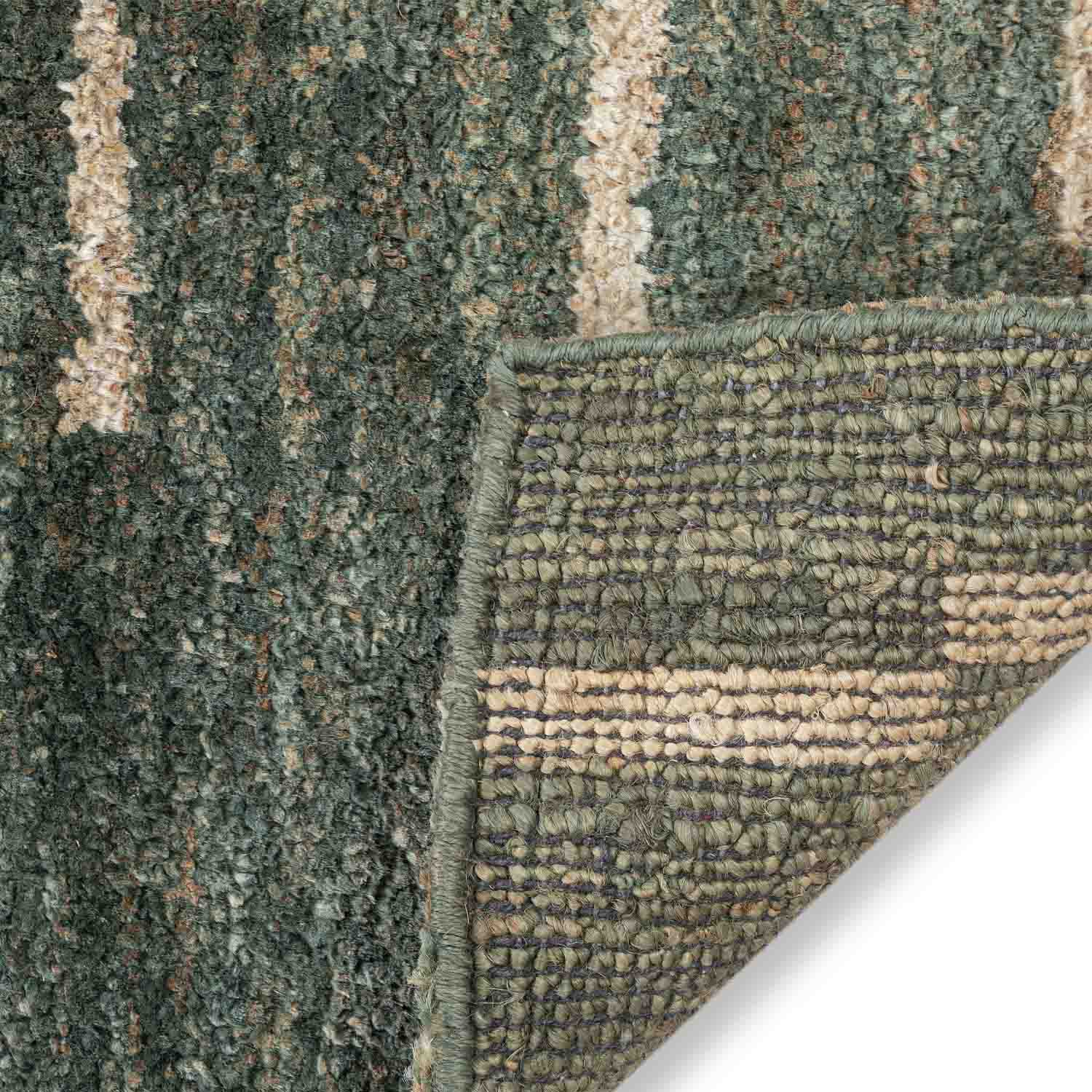
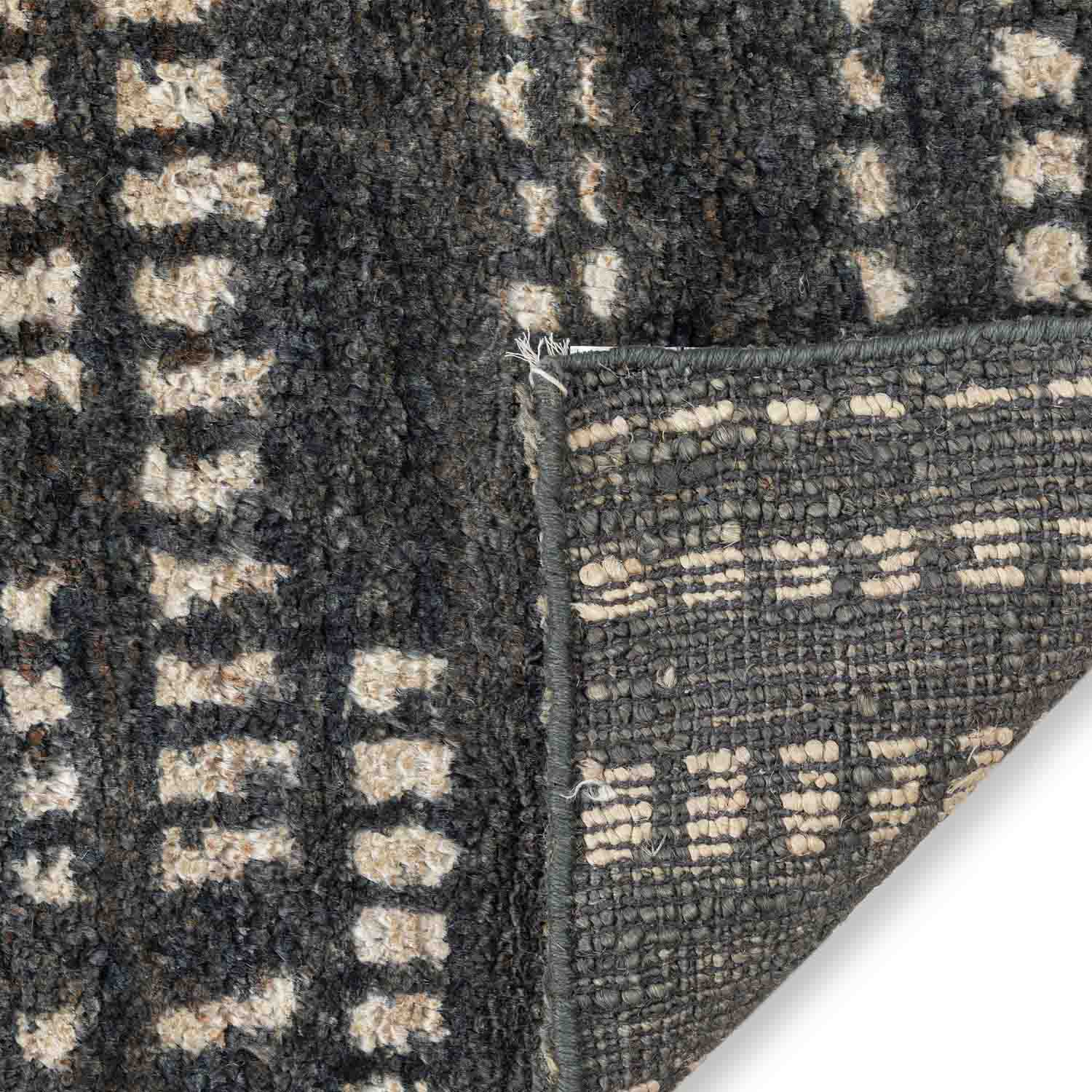
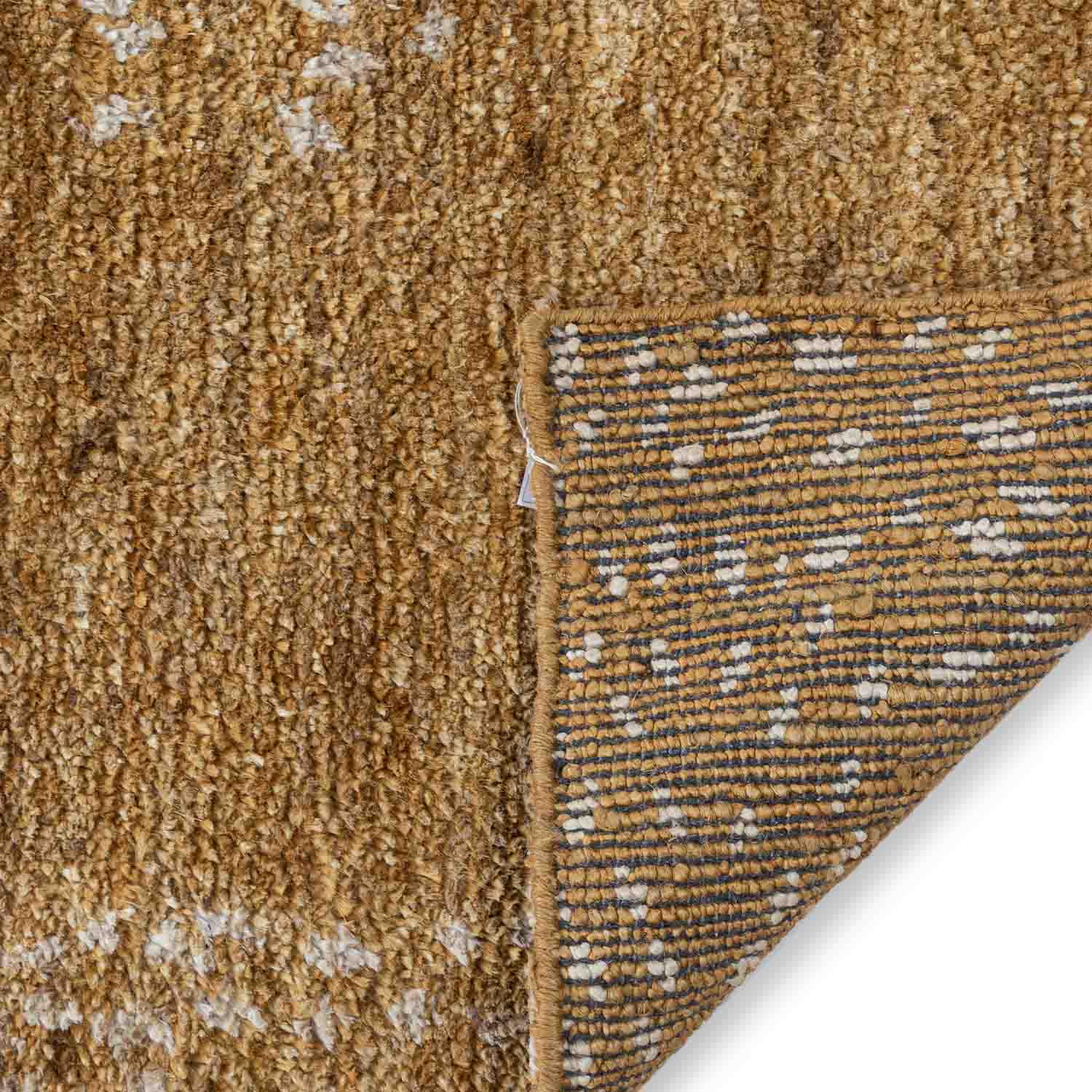
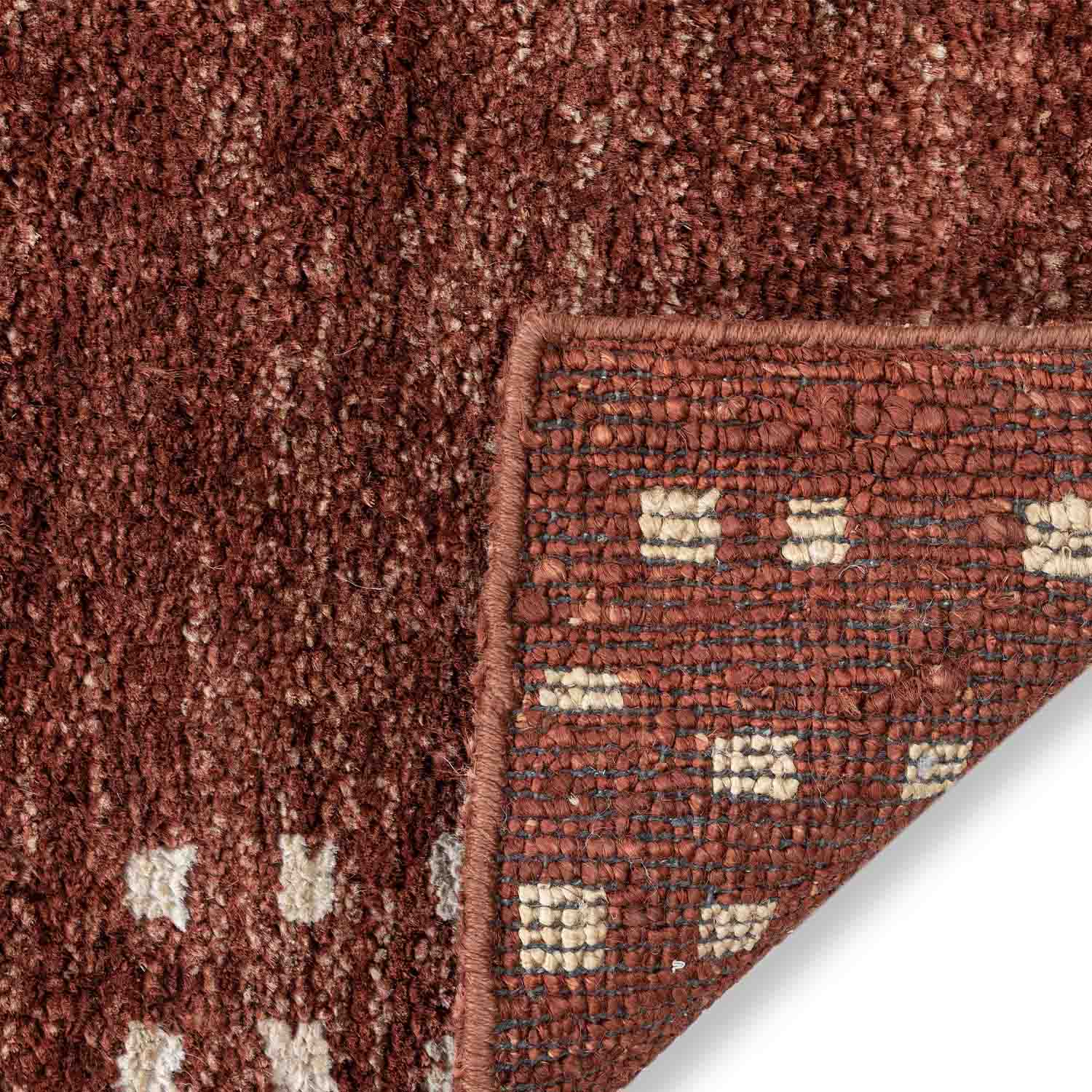
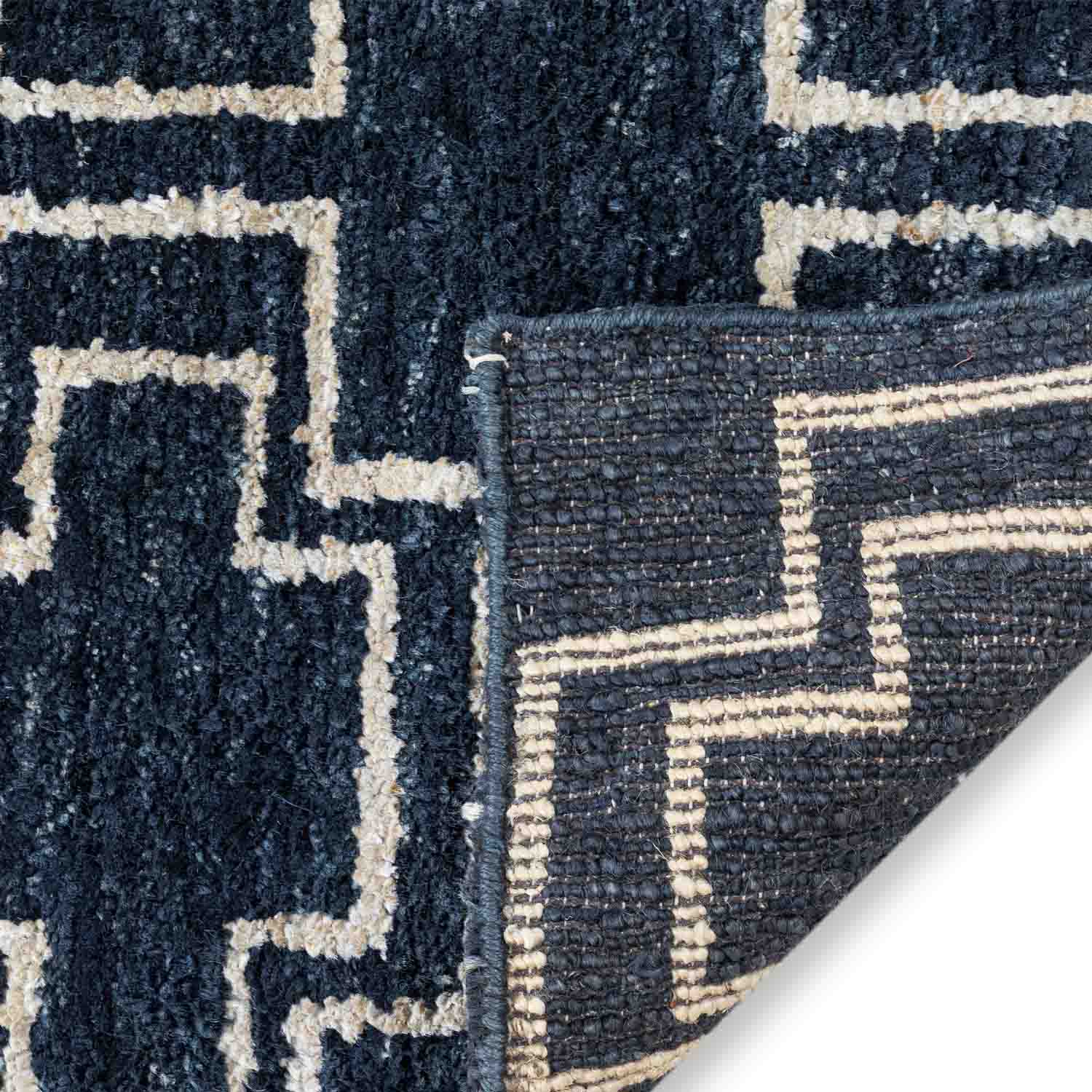
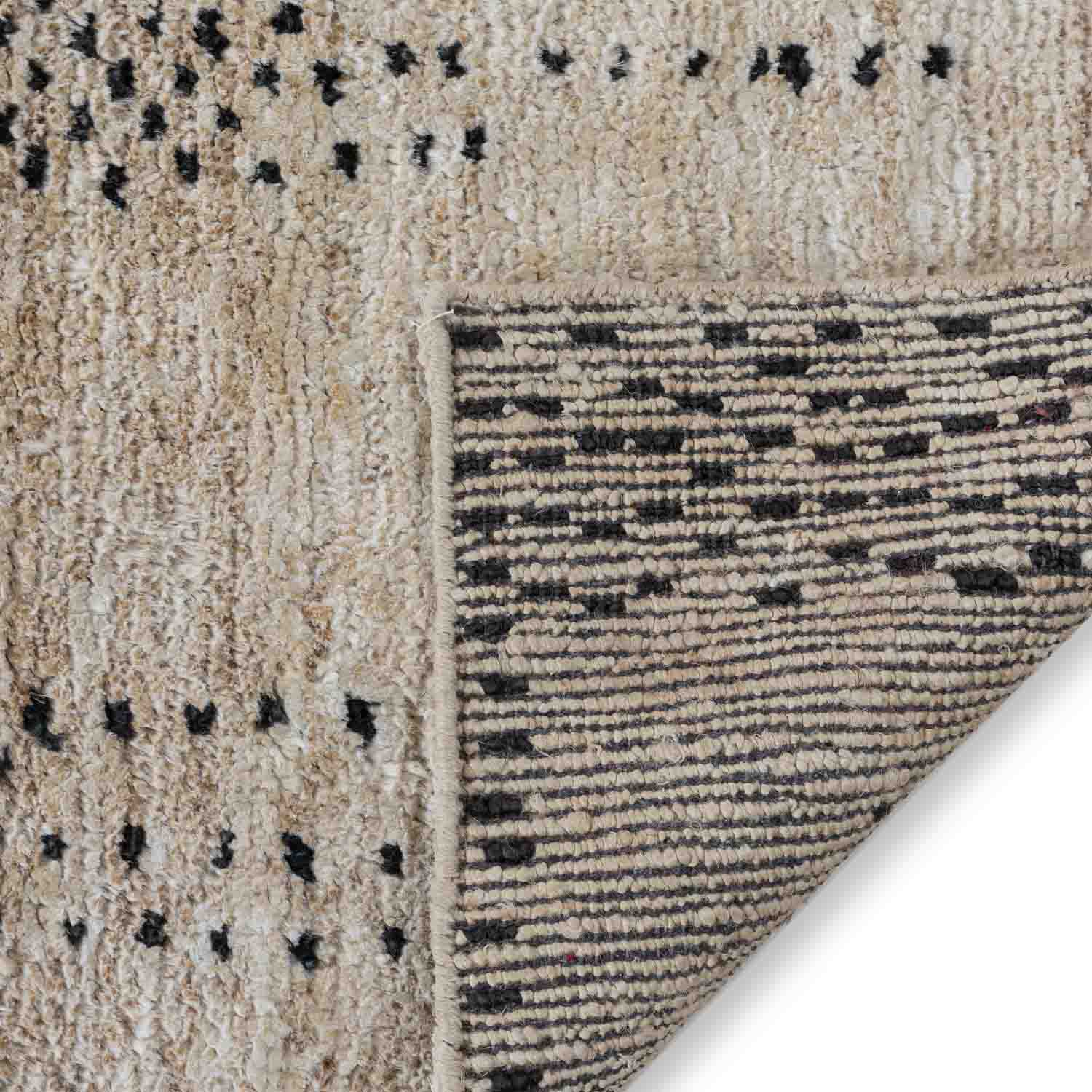
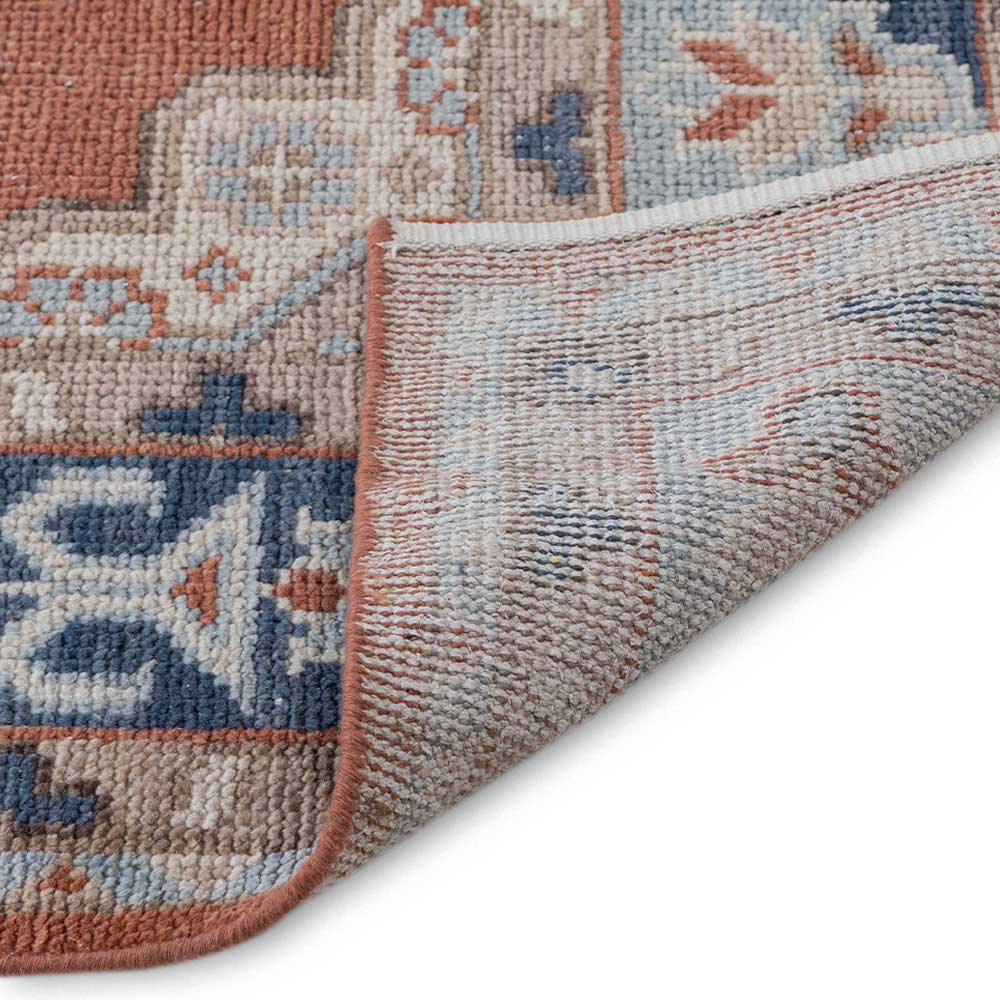
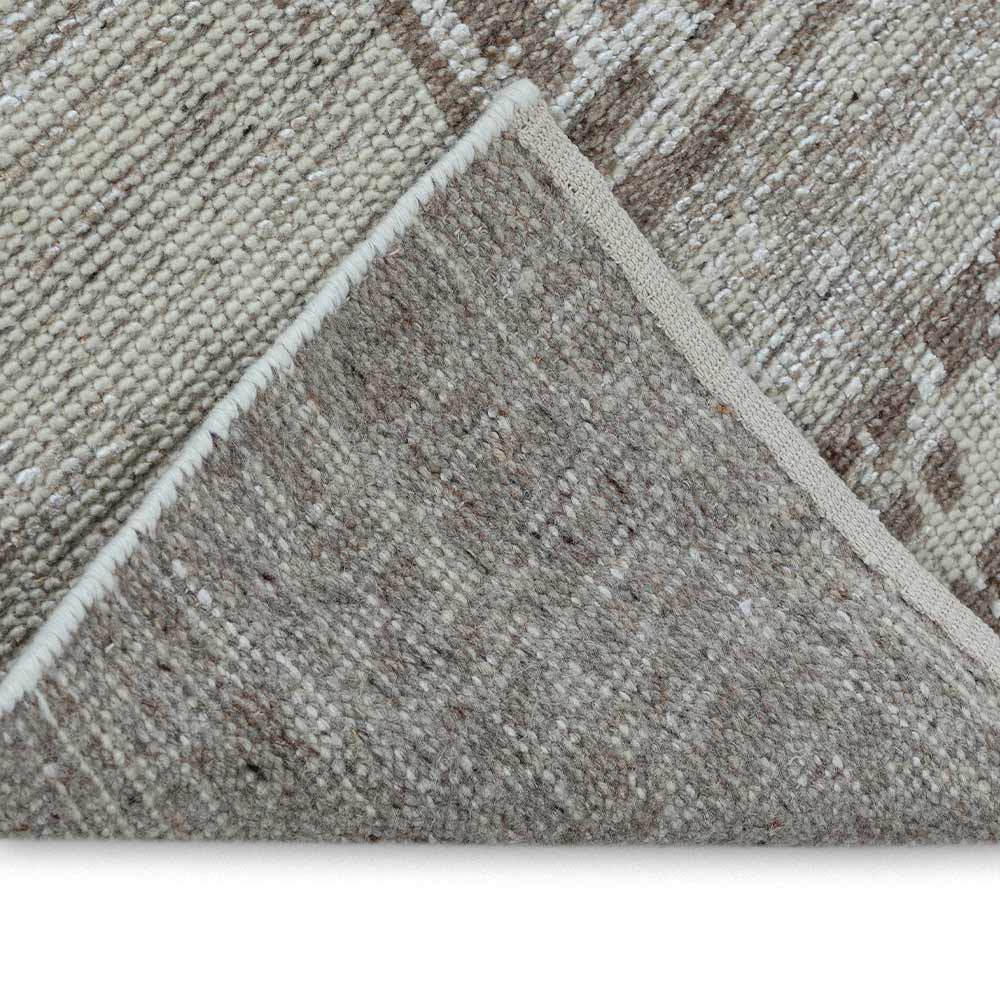
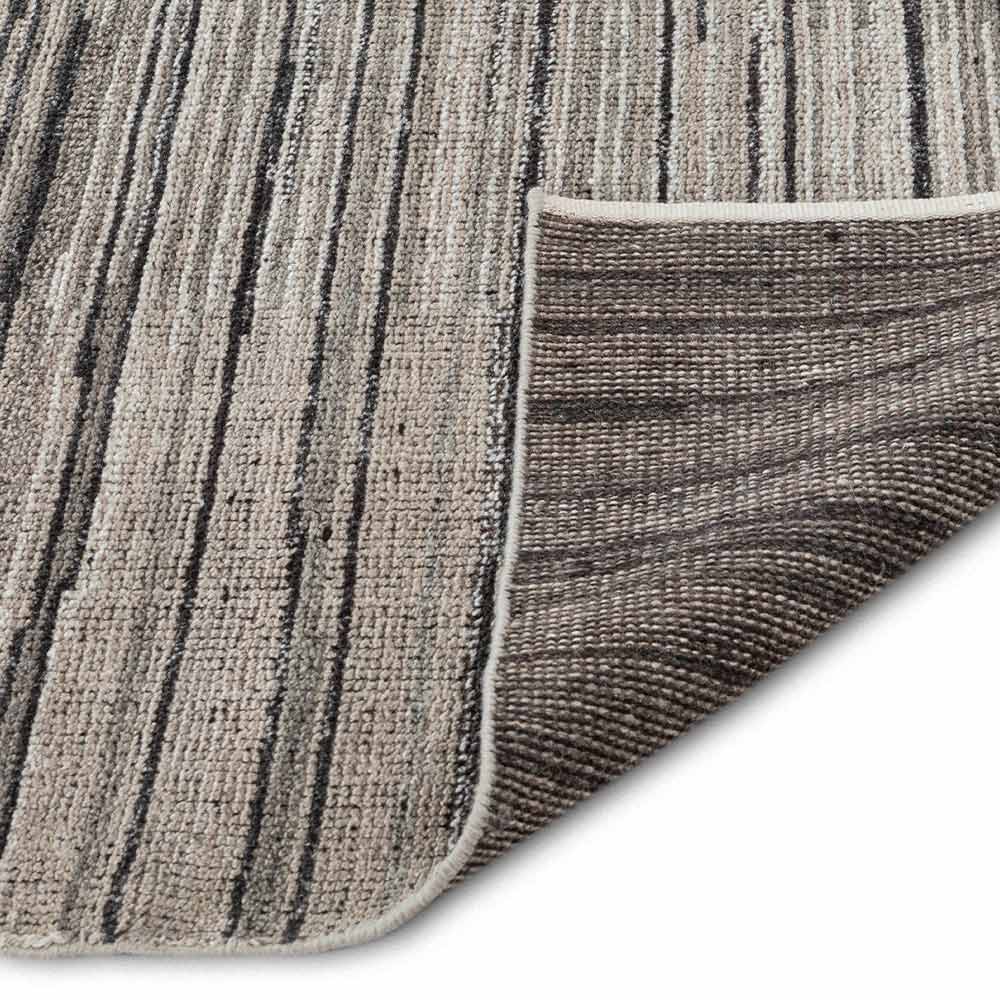
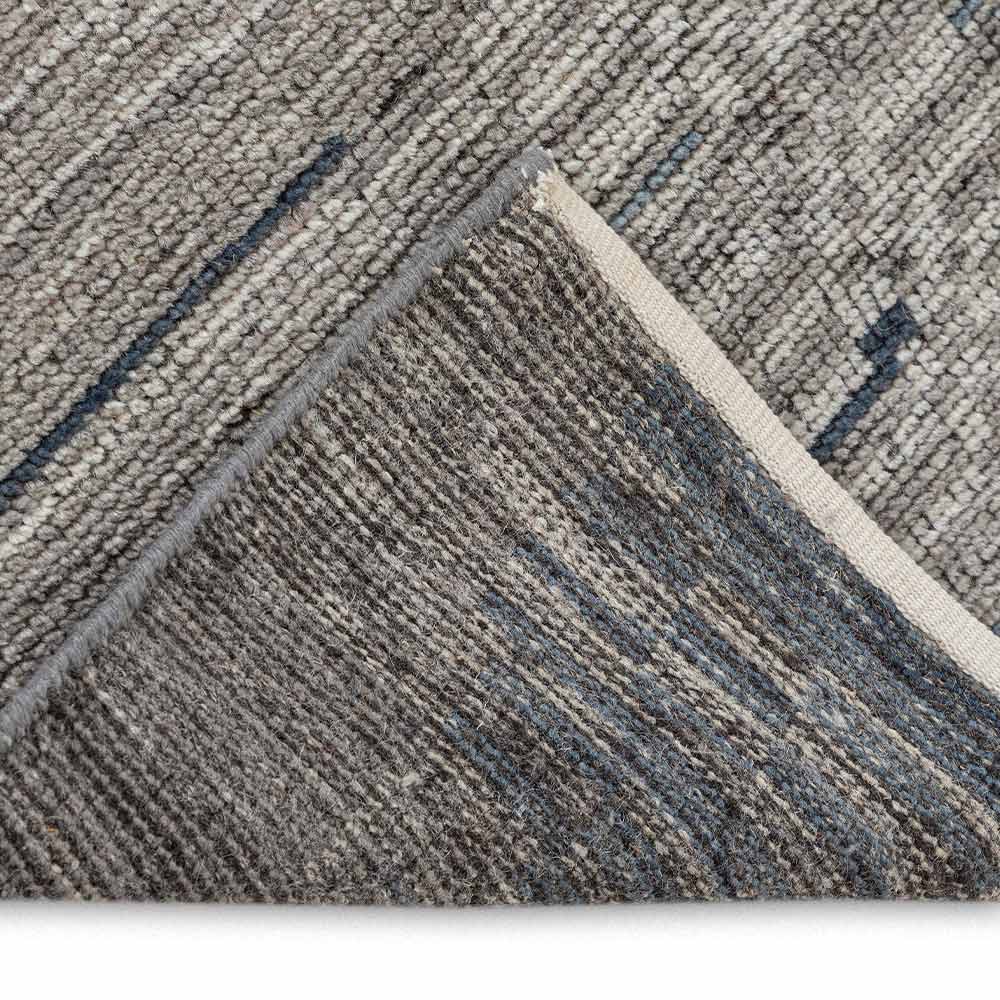
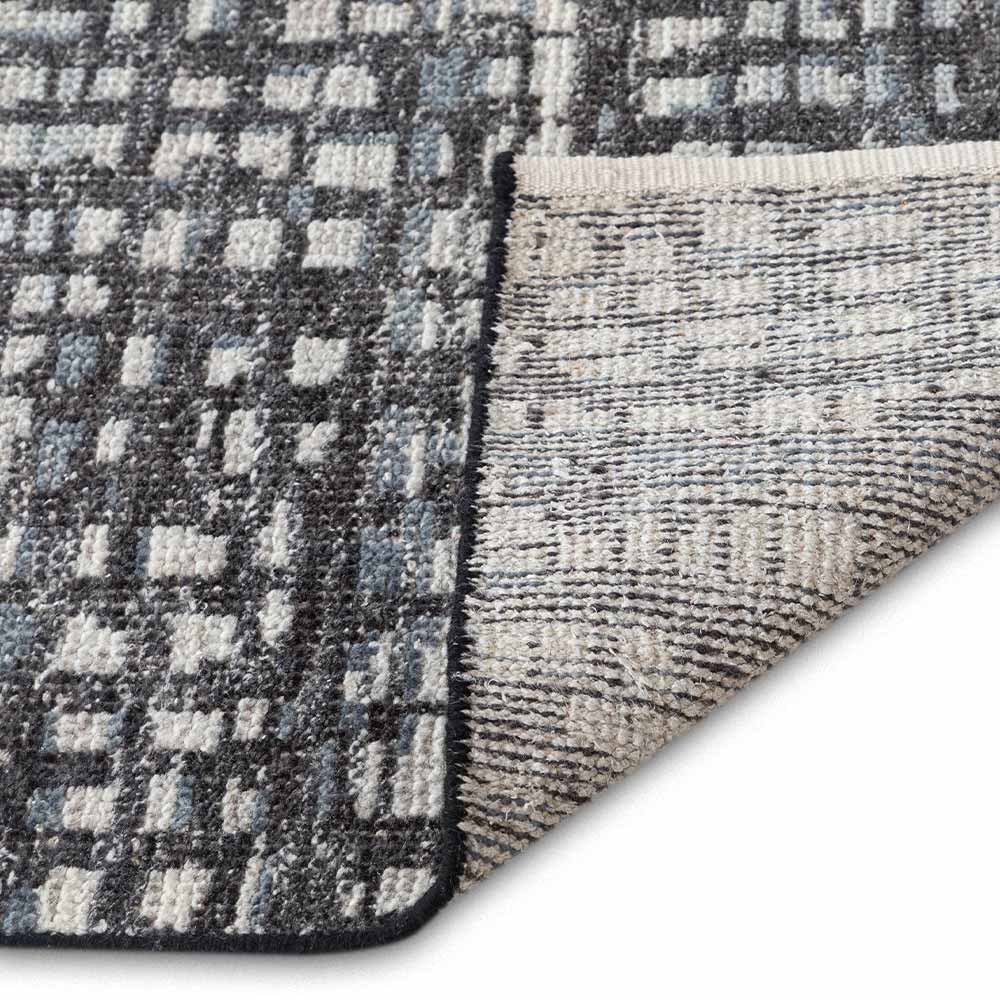
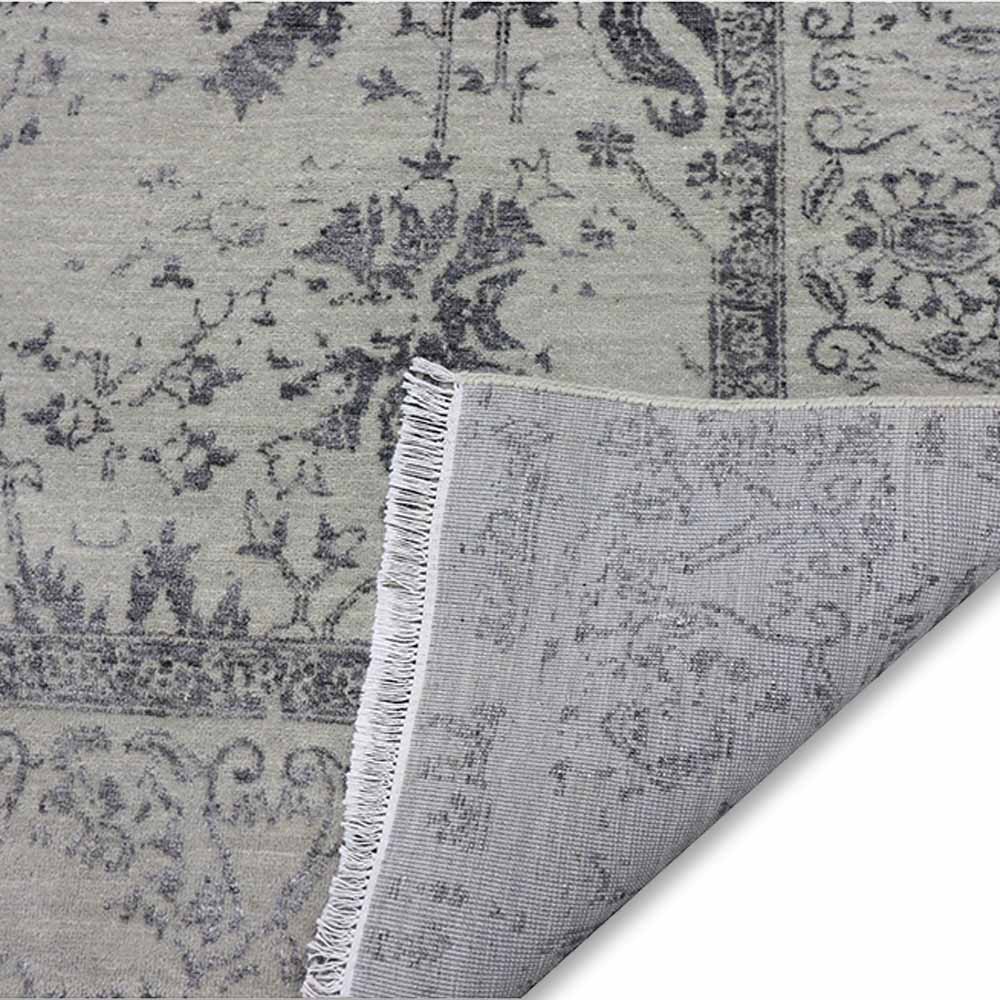
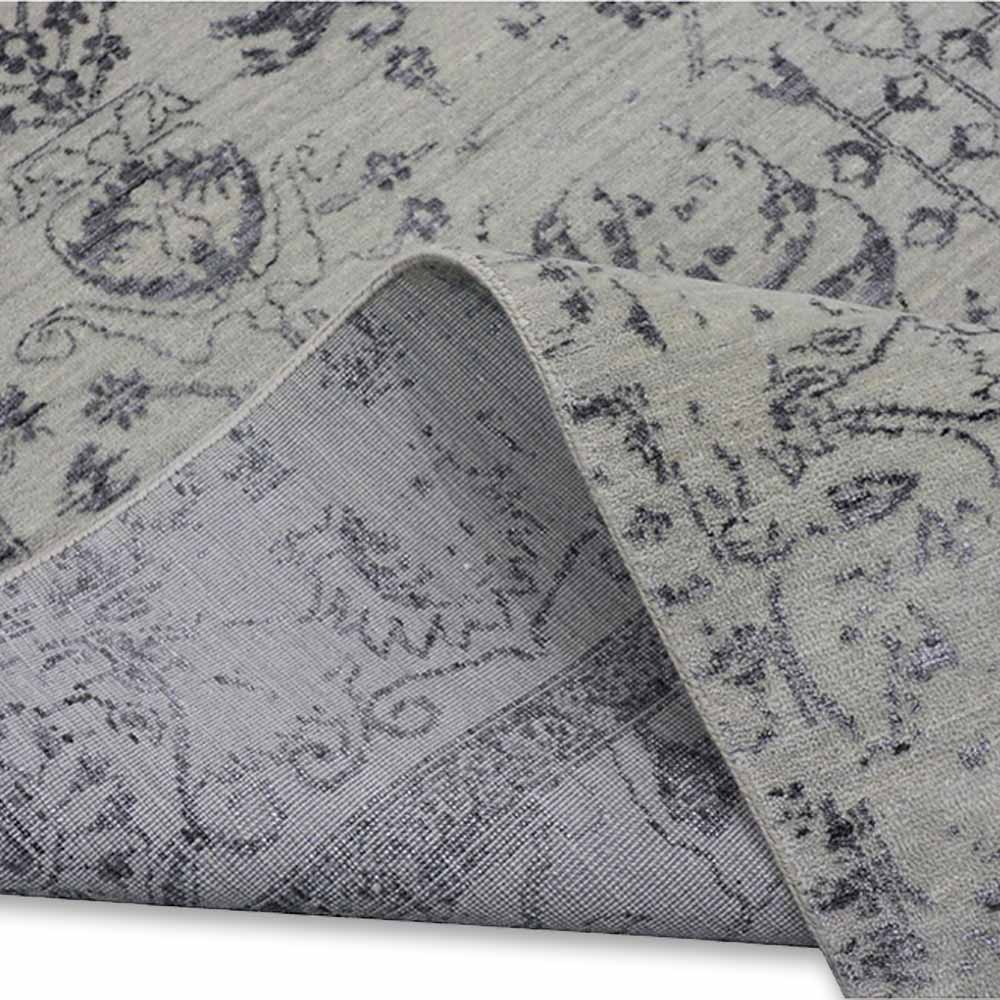
A rug that can age and soften over time without losing integrity Unlike other constructions, there is no backing holding the rug together—only the knots themselves. This is what gives it strength, flexibility, and longevity.
How It Transforms a Space
· A hand-knotted rug changes how a room comes together.
· It anchors larger spaces, giving them structure
· It introduces depth through texture and tone, without adding clutter · It allows furniture to feel connected, not placed
· It brings a sense of stability and permanence
· In many homes, it becomes the starting point—not the finishing layer.
When to Choose a Hand-Knotted Rug
Choose a hand-knotted rug when:
· You want a piece that will stay with you for years, even decades · The space requires a strong visual and structural foundation
· You value depth in material and colour, not just surface design
· You are building a home that evolves gradually, not seasonally
What Lies Beneath the Pattern
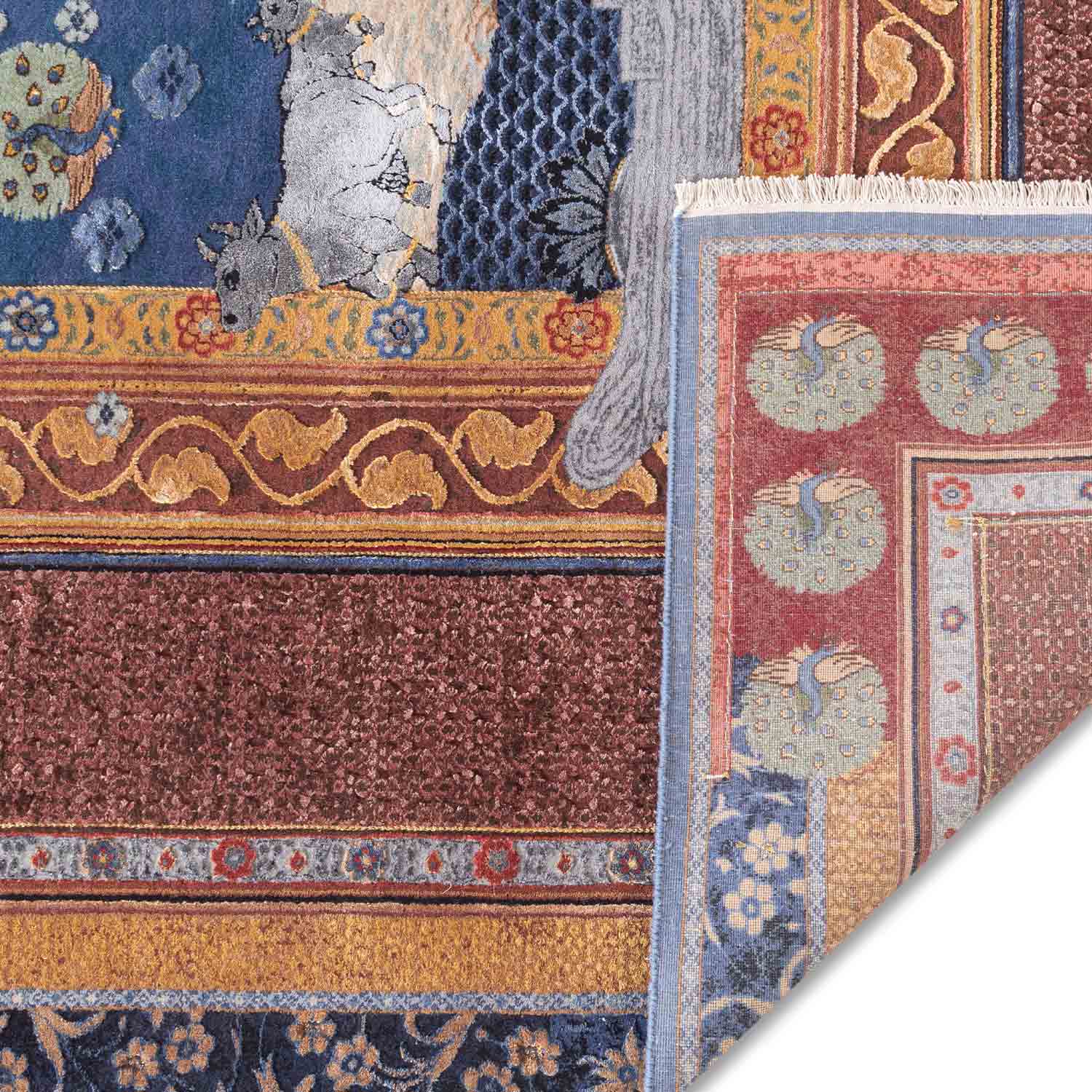
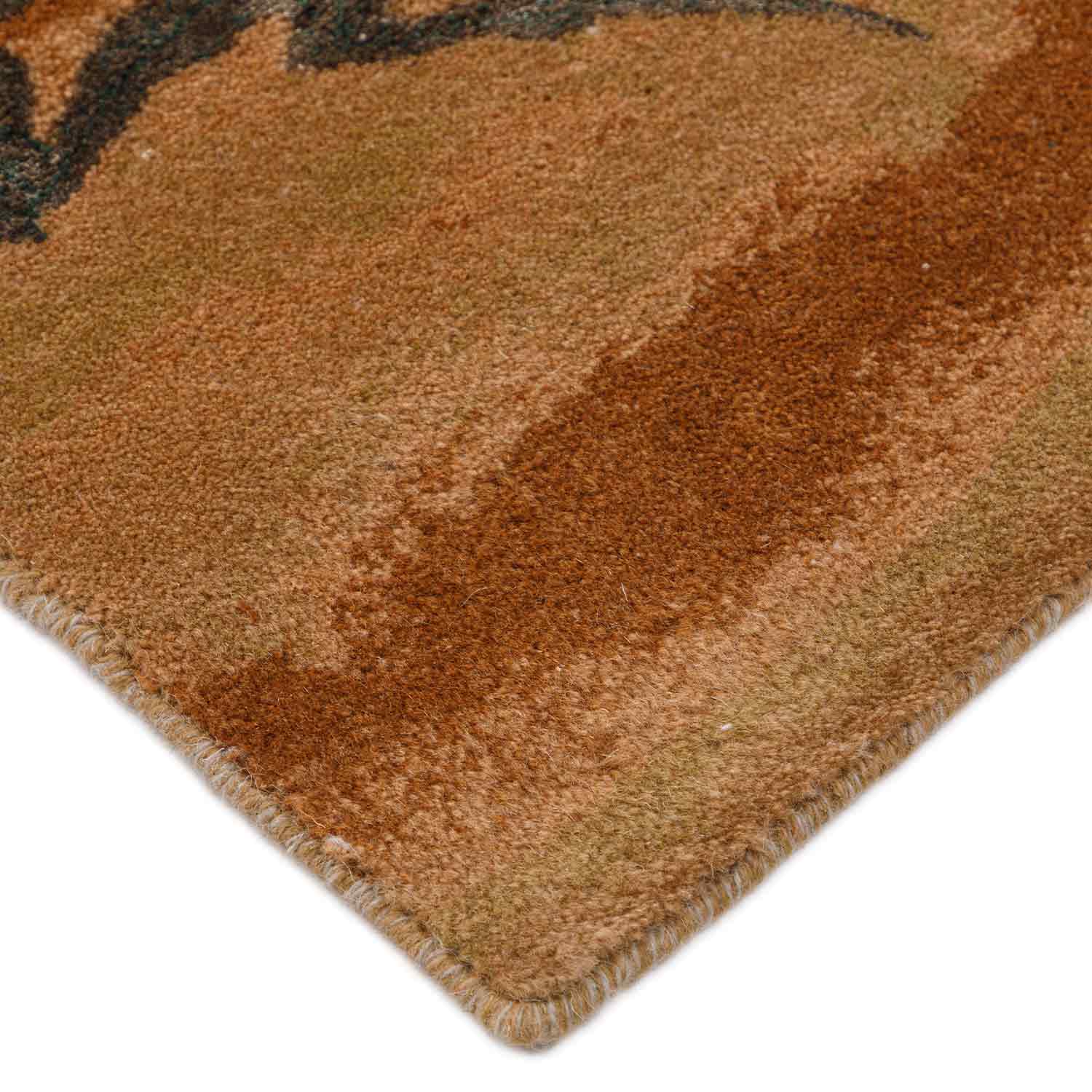
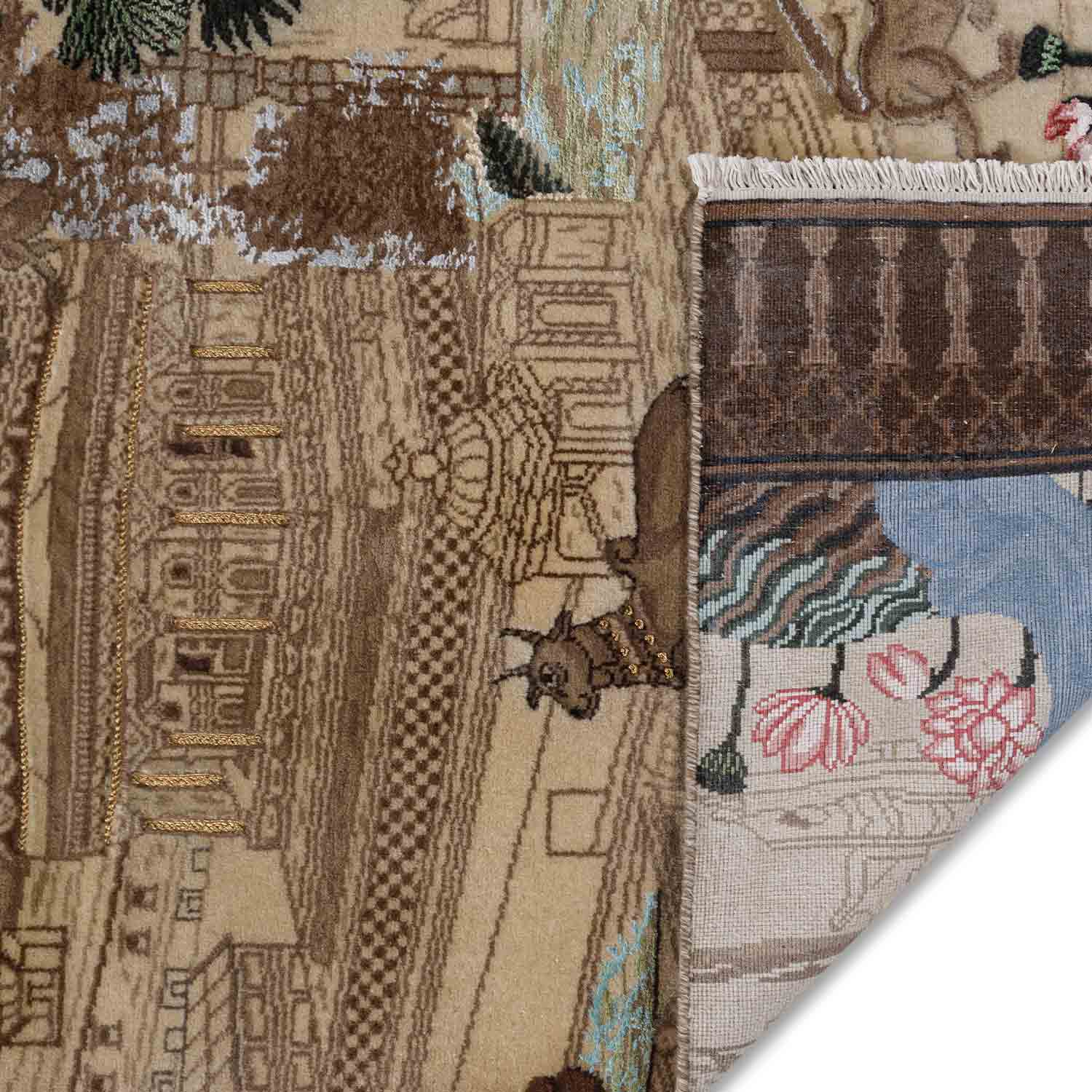
Behind every hand-knotted rug is a process that is both slow and exacting. A loom is set up with vertical threads, and artisans work across it line by line, tying each knot by hand. The design is built gradually, with every knot placed in relation to the one before it. Once complete, the surface is cut and finished to reveal the final texture and pattern. This process is not just about construction—it is what gives the rug its structure, its clarity, and its ability to hold detail over time.
Frequently Asked Questions
What is a hand-knotted rug?
A hand-knotted rug is constructed by tying individual knots of yarn onto vertical warp threads stretched on a loom. Each knot is secured and then cut, forming the pile of the rug. This process is repeated across the entire surface, often resulting in hundreds of thousands—or even millions—of knots in a single piece. Unlike other constructions, the structure of the rug comes entirely from these knots, which is why hand-knotted rugs offer both flexibility and long-term durability without the need for an applied backing.
Why are hand-knotted rugs more expensive than other rugs?
The cost reflects the time, skill, and precision involved. A single artisan may tie between 8,000 to 15,000 knots in a day, depending on complexity. For a large or intricate rug, this translates into several months of work. In addition, finer materials such as high-grade wool or silk, along with detailed design mapping, contribute to the overall value. You are not just paying for a finished object, but for the labour and expertise embedded in every inch of its surface.
How long do hand-knotted rugs last?
A well-made hand-knotted rug can last for several decades, often outliving many other elements in a home. The individual knot structure allows the rug to withstand wear without losing its integrity. Over time, the fibres soften and the surface develops a patina, which adds depth rather than diminishing its appearance.
What does knots per square inch (KPSI) indicate in a hand-knotted rug?
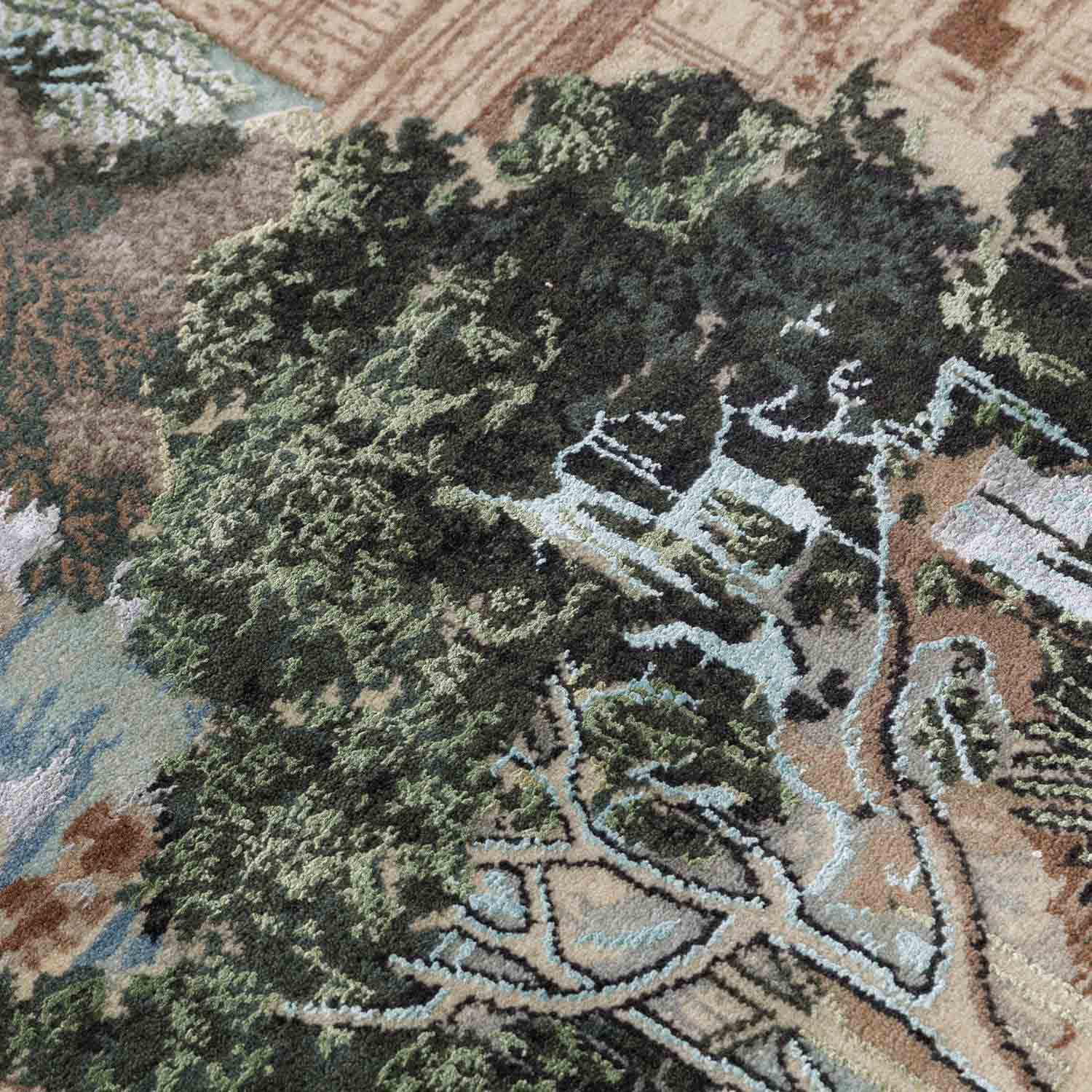
Knots per square inch (KPSI) measures the density of knots within a given area and directly affects the level of detail a rug can achieve. Higher KPSI allows for finer lines, sharper motifs, and more gradual colour transitions. However, it is not a standalone indicator of quality—design intent, material selection, and execution are equally important. A well-designed rug uses knot density appropriately, rather than maximising it unnecessarily.
Does a higher knot count always mean a better rug?
Not necessarily. While higher knot counts enable more intricate detailing, they are only valuable when aligned with the design. A bold geometric composition may benefit from a lower, more open knot structure, while a detailed floral or abstract pattern may require higher density. The quality of the rug lies in how well the construction supports the design, not in the number alone.
What is the difference between a Persian knot and a Turkish knot?A Persian knot is asymmetrical, allowing the yarn to wrap more tightly around one warp thread. This enables finer detailing and smoother curves in the design. A Turkish knot is symmetrical, looping evenly around two warp threads, which creates a more uniform and structurally firm surface. The choice between the two affects not just durability, but the visual language of the rug—whether it appears more intricate and fluid, or more defined and bold.
Why do hand-knotted rugs take months to make?
The process is inherently slow because each knot is tied individually and in sequence. Artisans work line by line, following a mapped design, ensuring consistency in tension, alignment, and colour placement. Even a slight deviation can affect the final pattern. This pace is not a limitation—it is what allows the rug to achieve precision, depth, and structural integrity.
How does knot density affect the design and appearance of a rug?Knot density determines how much detail can be translated from the design onto the surface. Higher density allows for intricate motifs, subtle shading, and smooth transitions between colours. Lower density results in a more pronounced texture and bolder visual expression. The choice is driven by design intent—whether the rug is meant to be read closely or experienced from a distance.
What kind of skill is required to create a hand-knotted rug?
Hand-knotting is a highly specialised skill developed over years of practice. Artisans must maintain uniform knotting tension, align patterns precisely across the width of the loom, and manage colour changes seamlessly. The work requires both technical control and an intuitive understanding of rhythm, as the consistency of thousands of knots depends on it.
Can two hand-knotted rugs ever be identical?
Even when made from the same design, no two hand-knotted rugs are exactly alike. Minor variations in knotting, tension, and finishing occur naturally in a hand process. These are not imperfections, but markers of authenticity that give each piece its own character.
How does the knotting technique affect the feel of the rug?
The way knots are tied and packed influences both density and flexibility. A tightly knotted rug feels more structured and refined underfoot, while slightly looser knotting can create a softer, more relaxed surface. The material—whether wool or silk—also plays a significant role in how the texture is experienced.
Why are intricate designs only possible in hand-knotted rugs?
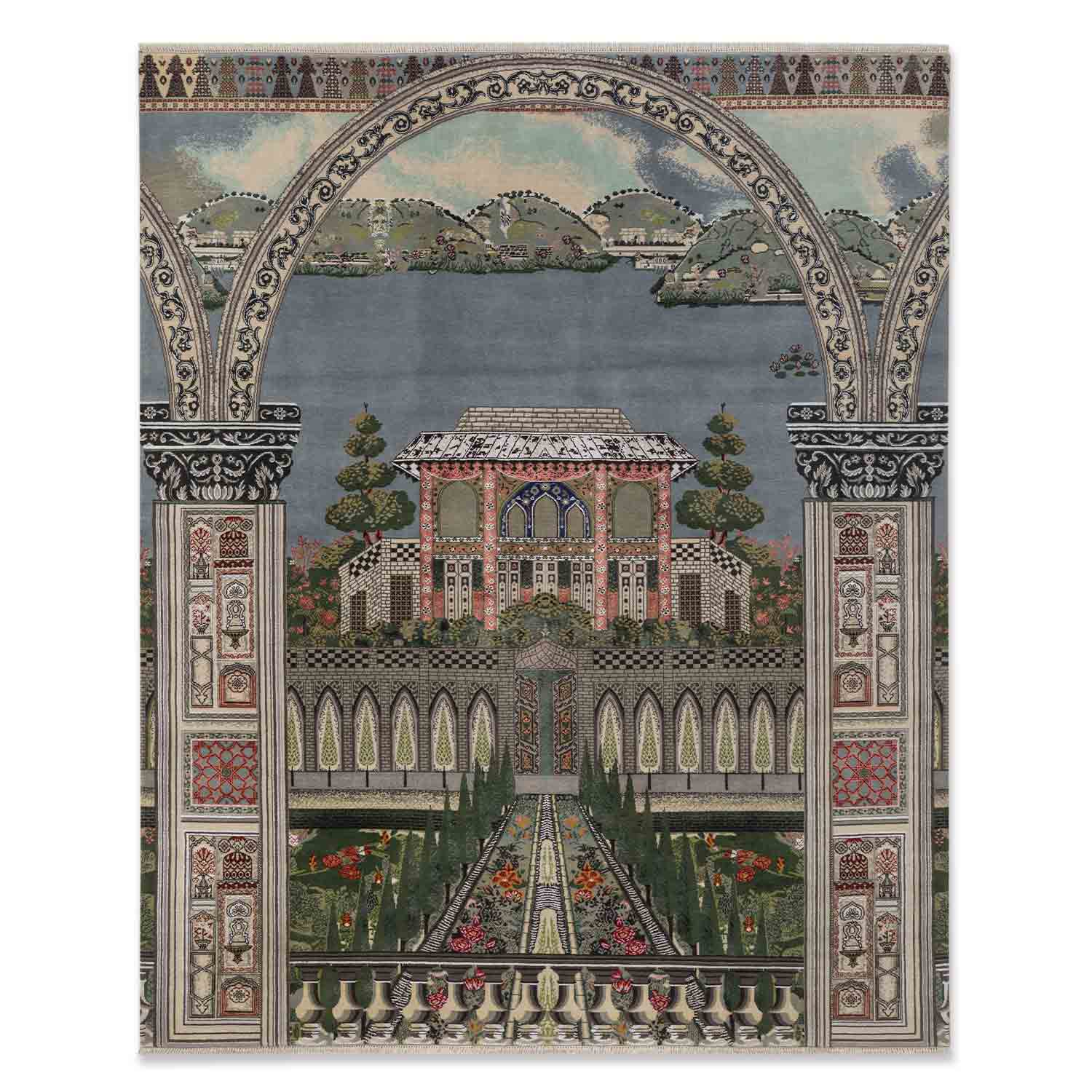
Each knot functions as a unit of design, allowing artisans to control pattern and colour at a very granular level. This makes it possible to create detailed motifs, fine outlines, and gradual tonal shifts that are difficult to achieve with other techniques. The design is not applied onto the rug—it is built into its structure.
Do hand-knotted rugs fade or change over time?
High-quality dyes and fibres ensure that colours remain stable. Over time, the surface may soften slightly, and colours can develop a more muted, layered appearance. This is often seen as a desirable quality, adding depth and a sense of history to the rug.
Are hand-knotted rugs suitable for high-traffic areas?
Yes. Their structure makes them highly resilient to wear. In fact, regular use can enhance their appearance over time, as the fibres settle and the surface becomes supple.
How should a hand-knotted rug be maintained?
Routine care includes gentle vacuuming to remove surface dust and immediate attention to spills. Periodic professional cleaning helps maintain fibre integrity and colour clarity. Unlike many other rugs, hand-knotted pieces respond well to long-term care and can be restored if needed.
Are hand-knotted rugs relevant for modern interiors?
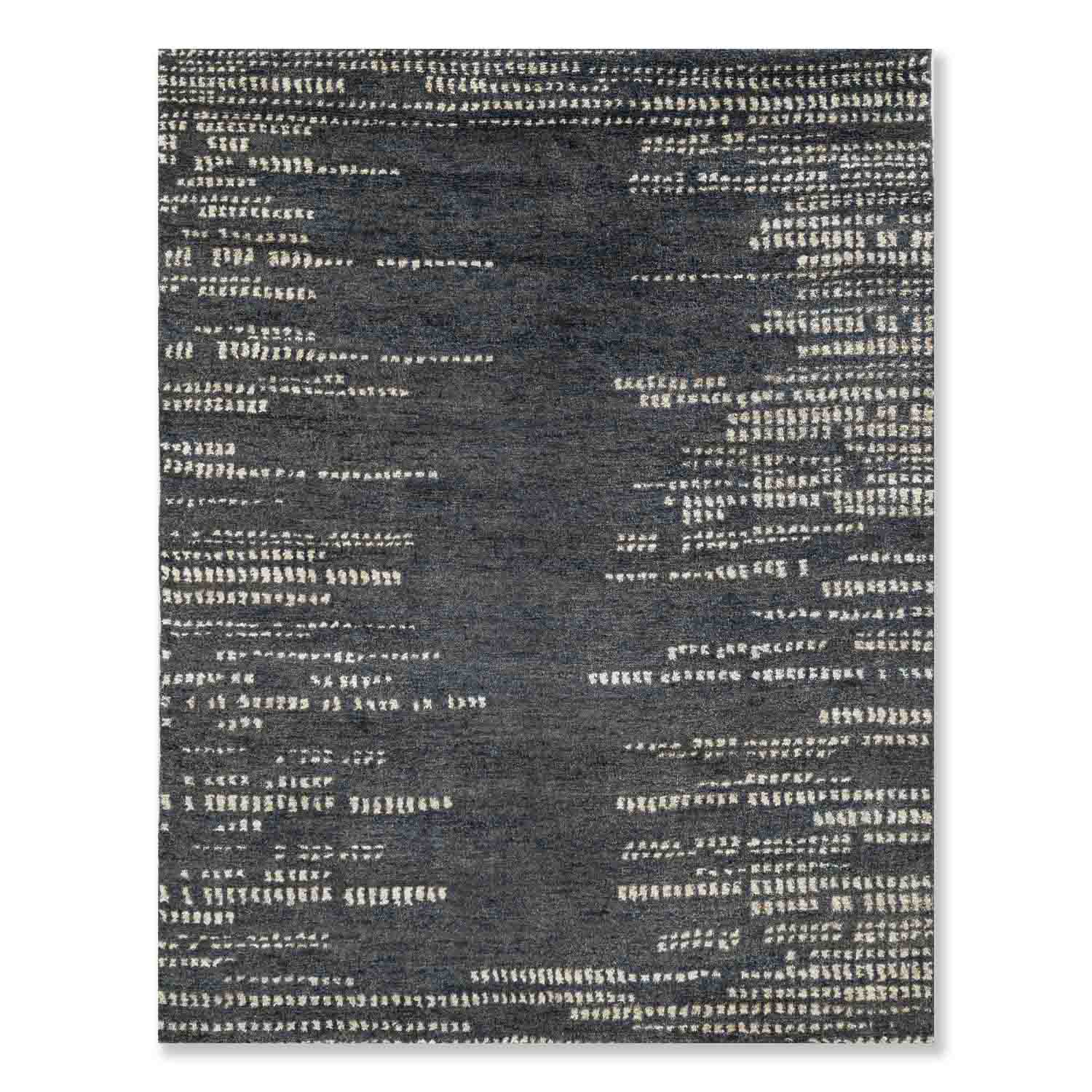
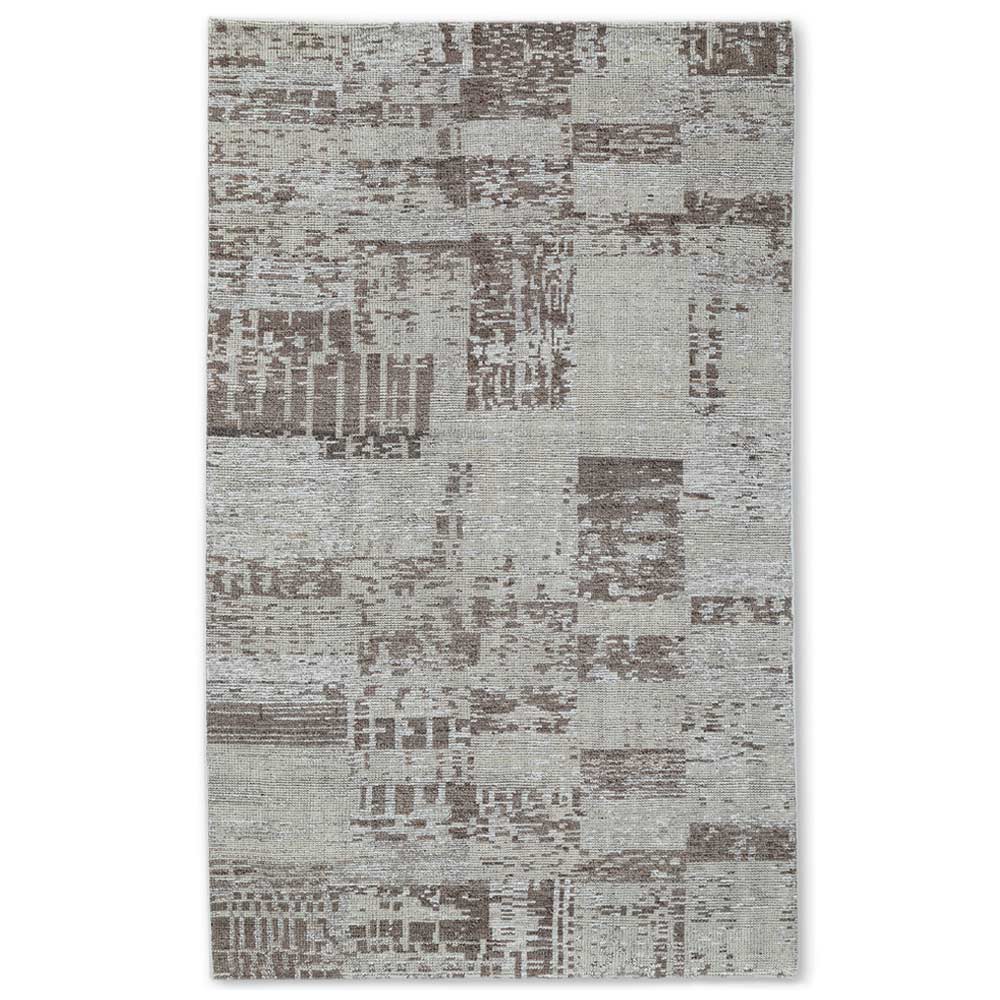
Yes. While the technique is traditional, the design language is not limited to it. Many hand-knotted rugs today feature contemporary compositions—minimal, abstract, or architectural—making them highly adaptable to modern spaces.