


An Indian home is rarely lived in one room at a time. The living room is where conversations stretch long after dinner, the dining table is where an extra plate always seems to find its place, and the balcony becomes a spot for morning tea, evening gossip or a few quiet minutes together. A bedroom can turn into a Sunday afternoon gathering, while a familiar corner becomes the place where someone sits and listens as the rest of the house carries on around them.
Perhaps this is what makes the Indian home feel less like a collection of rooms and more like a collection of moments shared. Its spaces shift with the people who inhabit them, expanding for celebrations, making room for unexpected guests and adapting to the rituals of everyday life. Furniture, textiles and objects become part of this rhythm—not simply filling a room, but creating the comfort and familiarity that allows people to come together, stay a little longer and make the space their own.

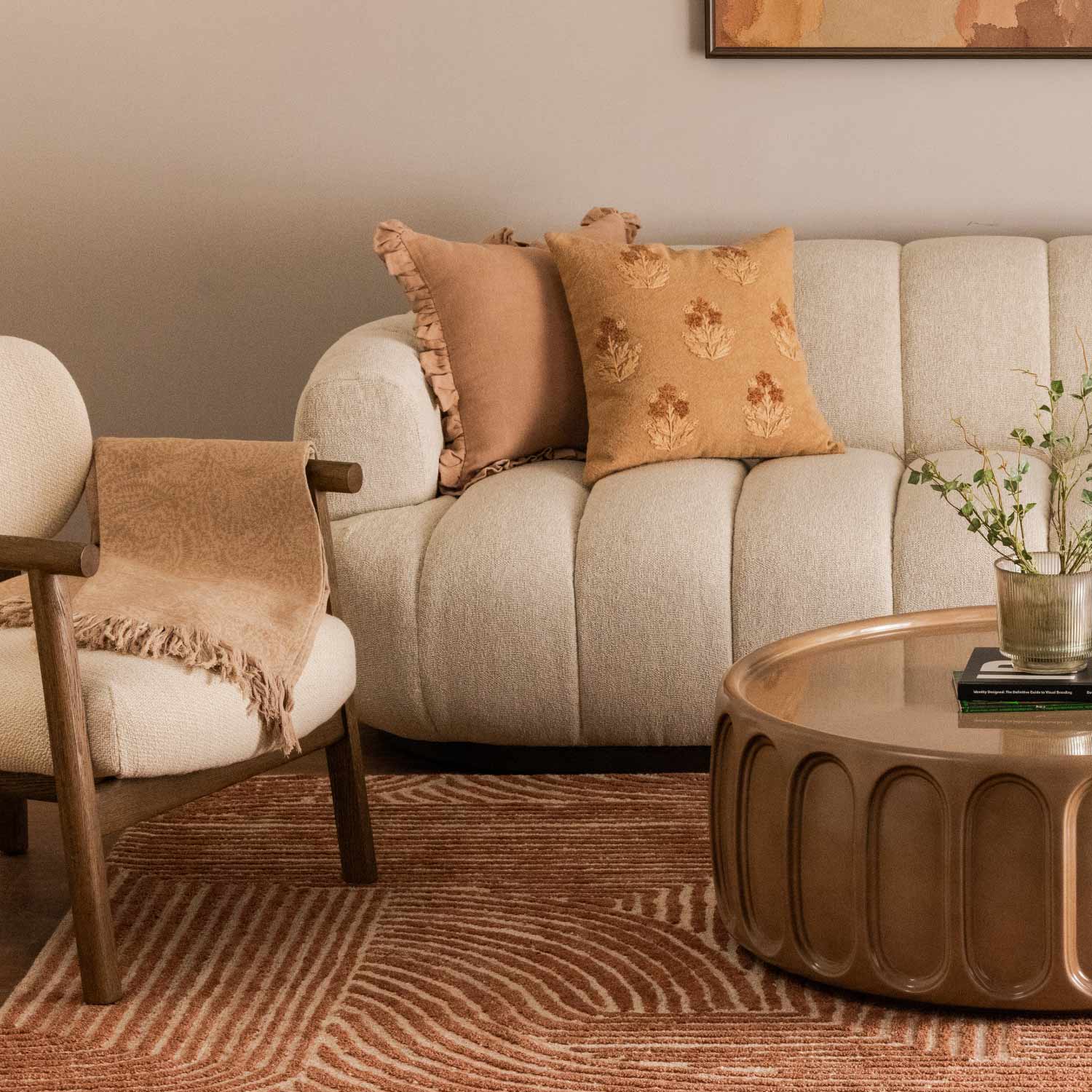
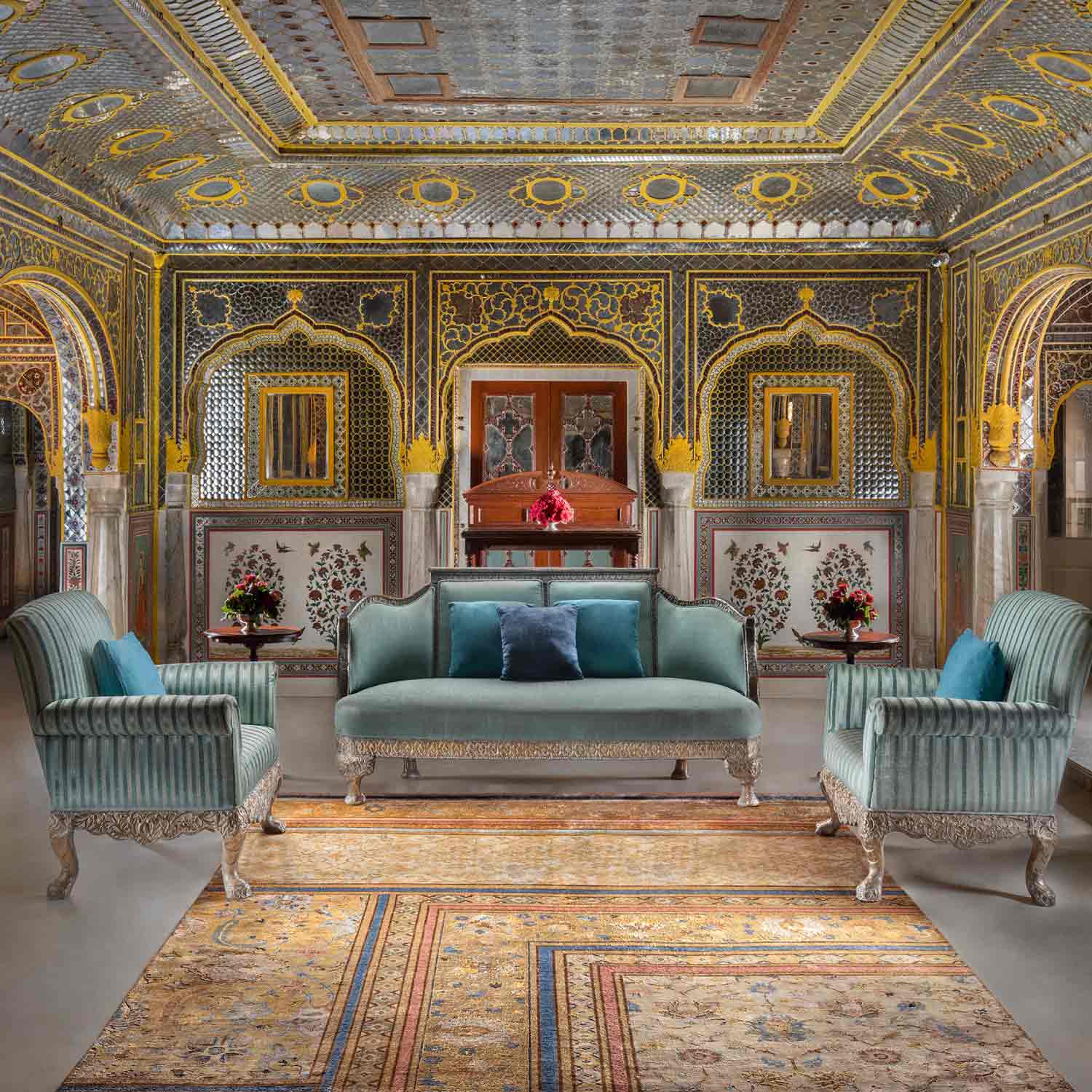
Good furniture knows when to take centre stage and when to make way. A sofa should invite people to settle in; an ottoman can become an extra seat; a rug can establish a shared centre without placing limits on the room.
Obeetee's Terra Teak Three Seater Sofa with Marble Piers, for instance, combines Indian teak with a warm upholstered seat and marble supports. Designed to be paired with its double and single seaters, it allows a living room to grow around conversation rather than dictate a fixed arrangement.
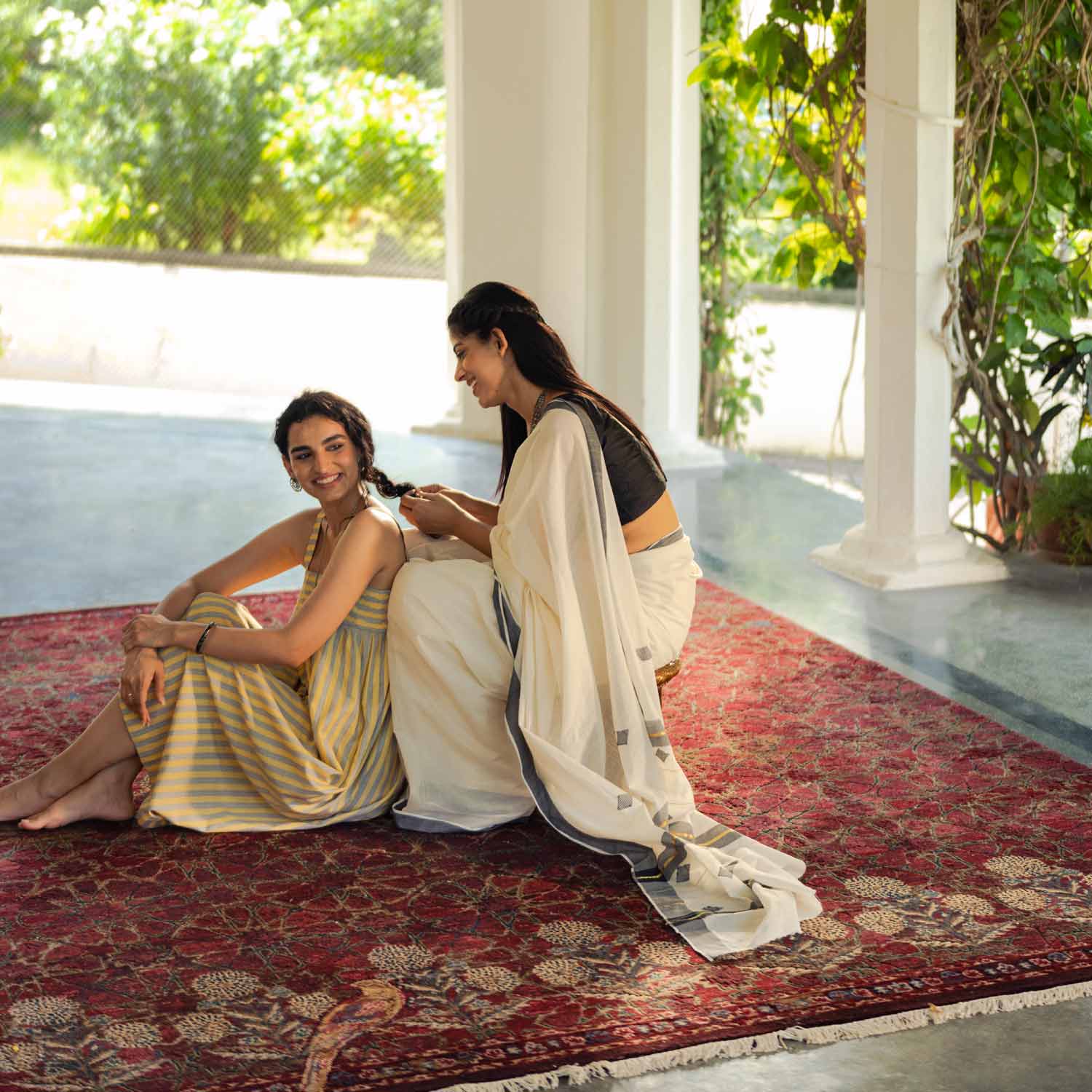
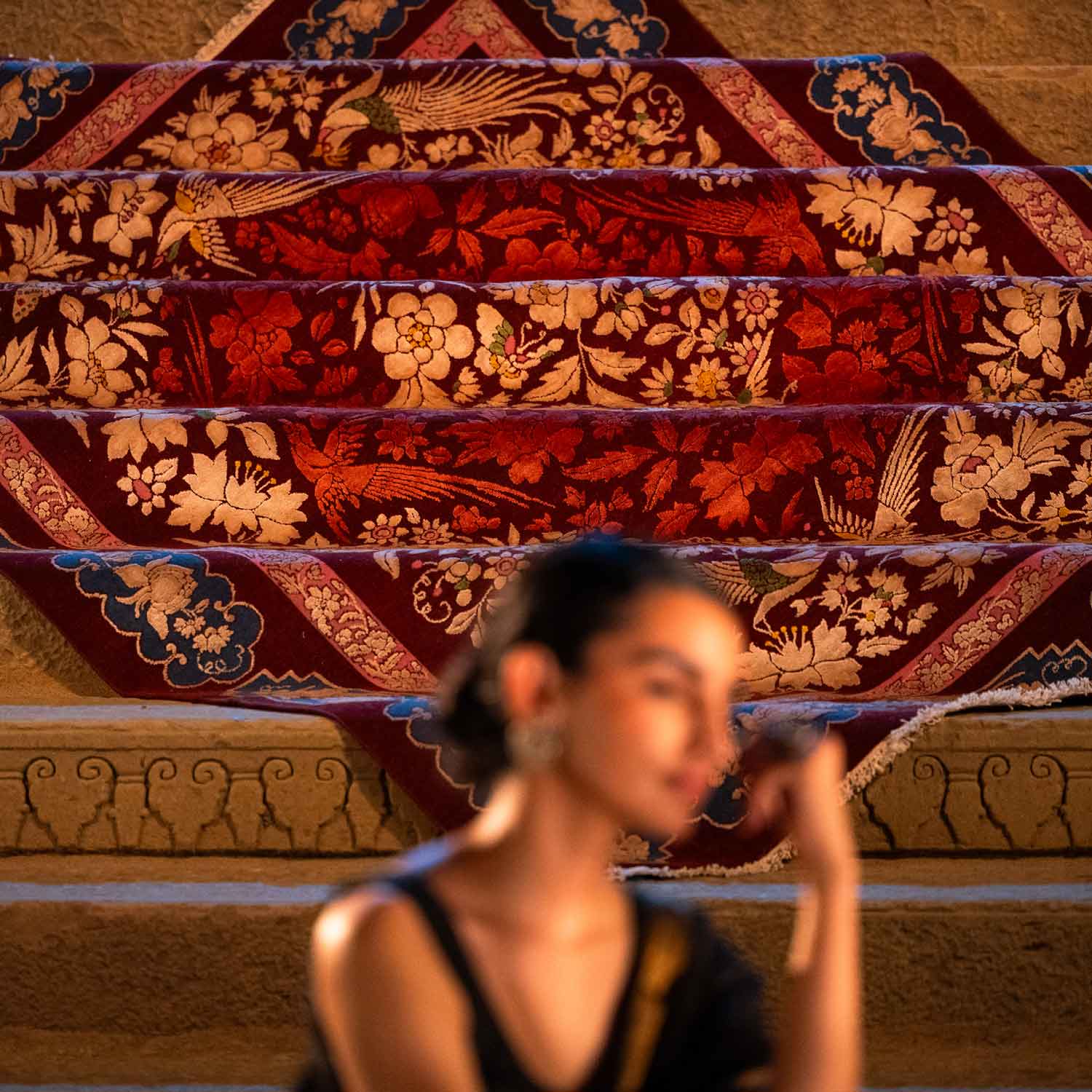
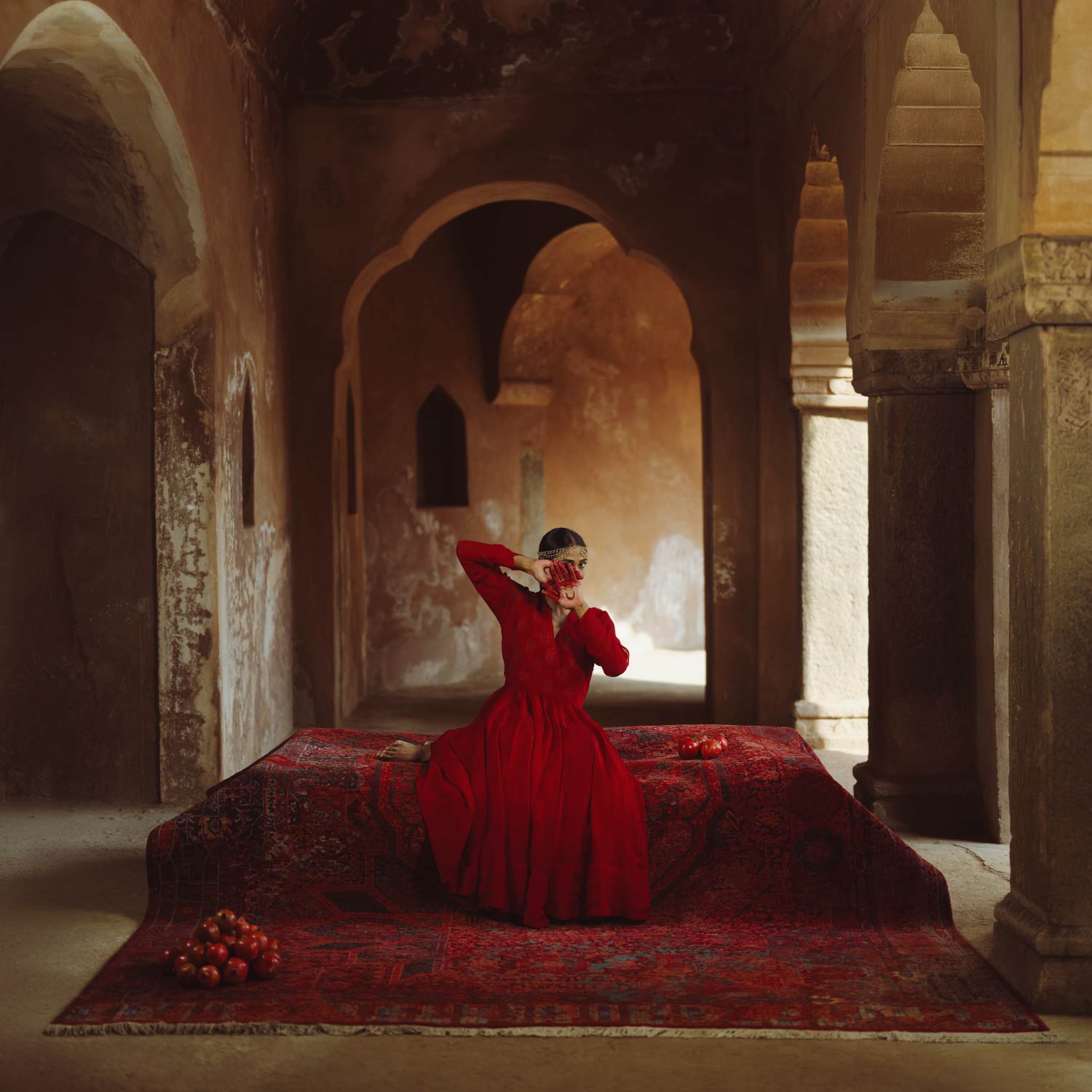
Underfoot, a hand-knotted rug can perform a similar function. Obeetee's Dunip Hand Knotted Woollen and Bamboo Silk Rug, available in sizes extending to 14 × 10 ft, can anchor a generous seating arrangement while bringing texture and craftsmanship into the room.
When the House Comes Alive
The character of a home changes with the occasion. A weekday morning asks for ease; a Sunday afternoon may call for lingering; a celebration can turn the familiar into something entirely new.
This flexibility extends into the bedroom, too. Textiles can change the mood of a space without changing its bones. Obeetee's Orelle Linen Bedsheet Set, crafted from a blend of viscose and linen, combines the smooth drape of viscose with linen's breathable, natural texture. It is an example of how premium bed linen can make an everyday space feel considered while remaining comfortable enough for daily life.
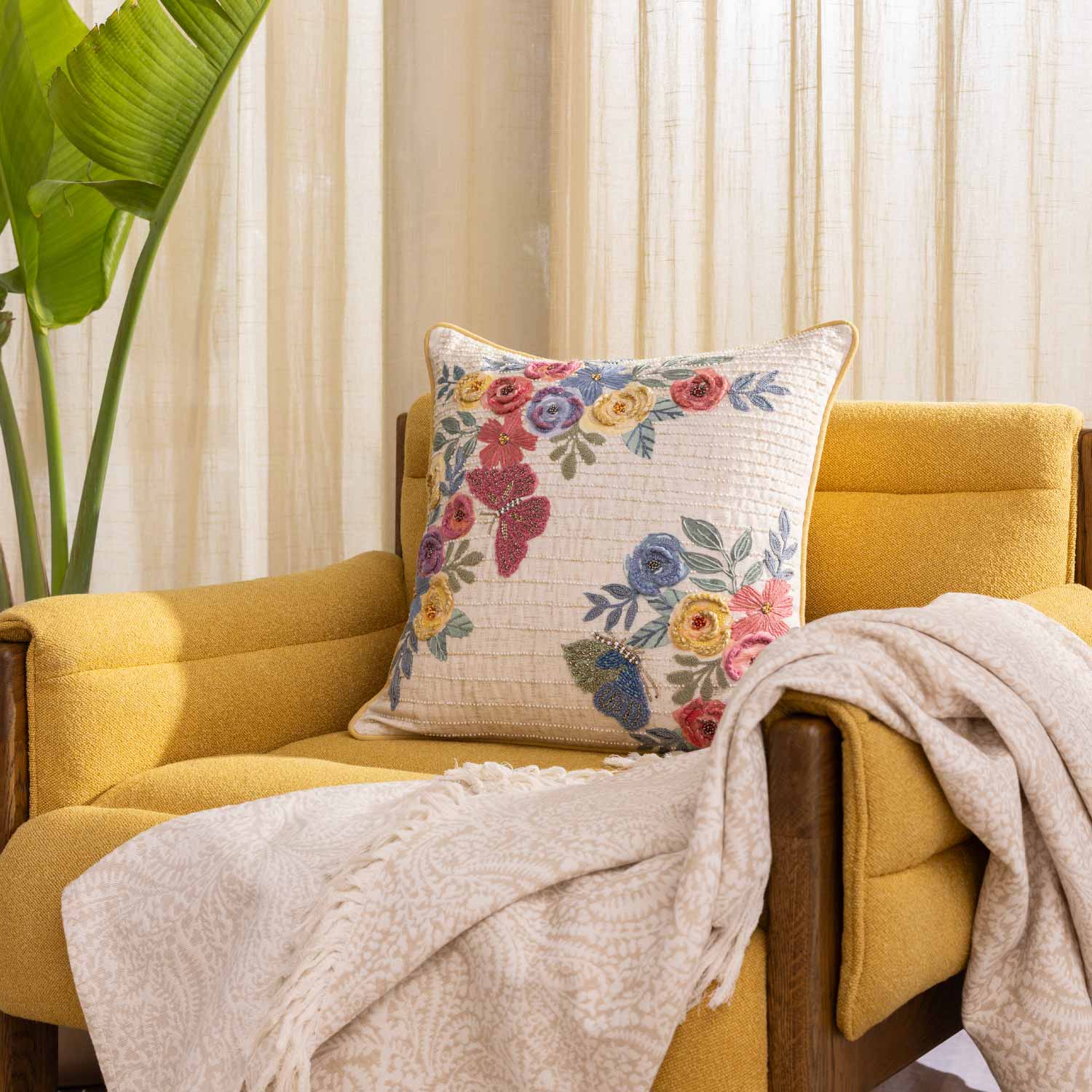
The same principle applies across the home: cushions move, chairs gather, rugs define spaces and textiles introduce colour and softness. Nothing has to remain fixed.
Ultimately, the most inviting Indian homes are not those that accommodate people perfectly, but those that accommodate them generously. They leave room for one more chair, one more plate, one more conversation. They allow furniture to move and rooms to transform. They understand that a home is not finished when it is furnished; it comes alive through the people who inhabit it.
Perhaps the true art of gathering lies in designing spaces that never quite say there is no more room. Instead, they seem to ask: who else is coming?
Frequently Asked Questions
Q1. What furniture works best for homes that frequently host guests?
Look for furniture that offers flexibility: modular sofas, ottomans, benches, occasional chairs and nesting tables. Pieces that can be moved easily are especially useful when the number of guests changes.
Q2. How can rugs help define different zones in an open-plan home?
A rug can visually distinguish one area from another without creating a physical barrier. It can mark out a living or reading area while allowing the larger space to remain visually connected.
Q3. How can cushions and throws change the atmosphere of a room?
They are among the easiest ways to introduce colour, pattern and texture. Swapping them seasonally or for special occasions can give a familiar room an entirely different character.
Q4. How can traditional elements be incorporated into a contemporary Indian home?
Look for interpretation rather than imitation. A traditional craft, motif, or material can sit alongside contemporary furniture and architecture, allowing the heritage element to feel connected to the present.
Q5. How can you make your home feel lived-in without making it feel cluttered?
Let a few meaningful objects take precedence over many decorative ones. Keep surfaces useful, allow some visual breathing room, and choose pieces that contribute to how the home is actually used.

