

Nature seldom follows a pattern. A leaf does not repeat its veins, a mountain does not hold the same line twice, and no two landscapes carry quite the same flow of colour, texture, and form. Yet, when nature is looked at closely, an underlying pattern becomes visible in this endless variation - discover that pattern in Obeetee’s study of how landscape transforms to line in our newest luxury rug collection - Verde.
Nature as a source, not a motif
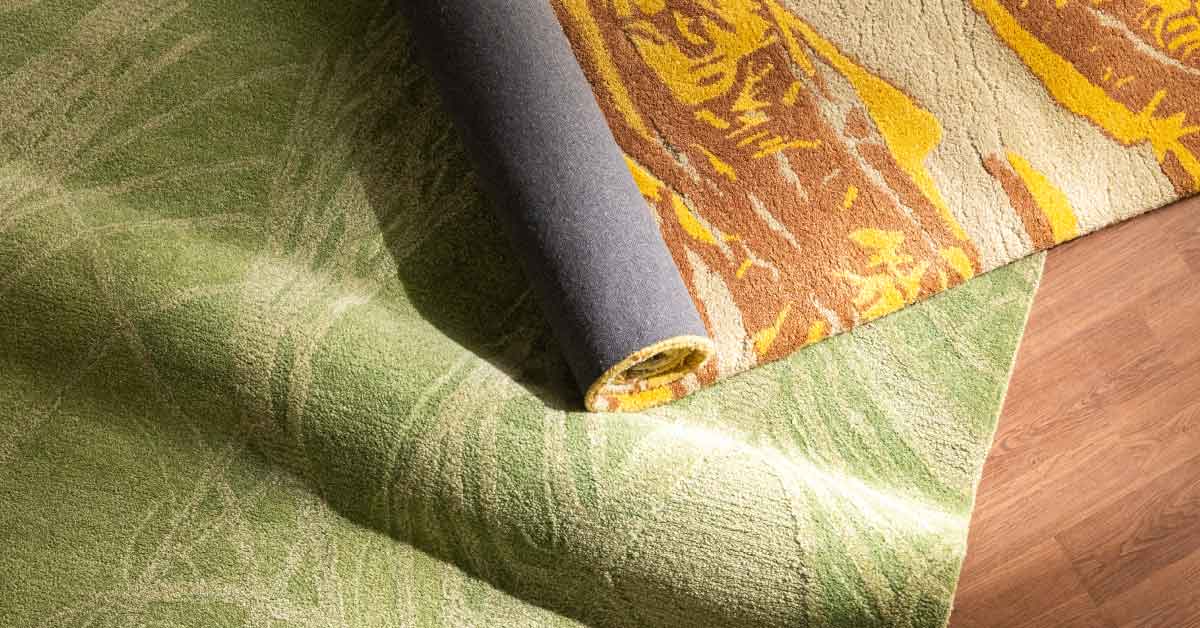
Verde by Obeetee moves beyond literal representation to re-interpret the structures and rhythms found in the natural world. Inspiration came from leaves, mountain ridges, bark, forest canopies, cultivated fields, and wind-shaped terrain. The collection brings to life how organic lines intersect with geometric forms, and how fluid movement meets considered composition in the subtle irregularities of vegetable dyes that give each rug its own personality.
The result is a collection that brings nature indoors not as an image, but as a feeling of colour, texture, movement and quiet permanence.

The Translation of Landscape into Rug
In this collection of carpets, Obeetee looks into the understated forms of nature to explore the lines, rhythms, and structure that shape it. Leaf veins translate to flowing linework, mountain ridges transform to sweeping curves, and the textures of bark and terrain find their voice through grids and forms that are fragmented and consolidated at the same time. Verde brings to life forest canopies and cultivated fields in a manner that proves that a landscape does not need to be reproduced literally in a rug to leave an impression.
This method presents nature as an abstract design language rather than a direct depiction. Verde consists of rugs that balance fluidity with structure by transforming organic forms into refined, layered, and composite designs. Verde captures the character of the landscape while still allowing each rug to make its own space within a contemporary interior.
Vegetable Dyes as part of the design language
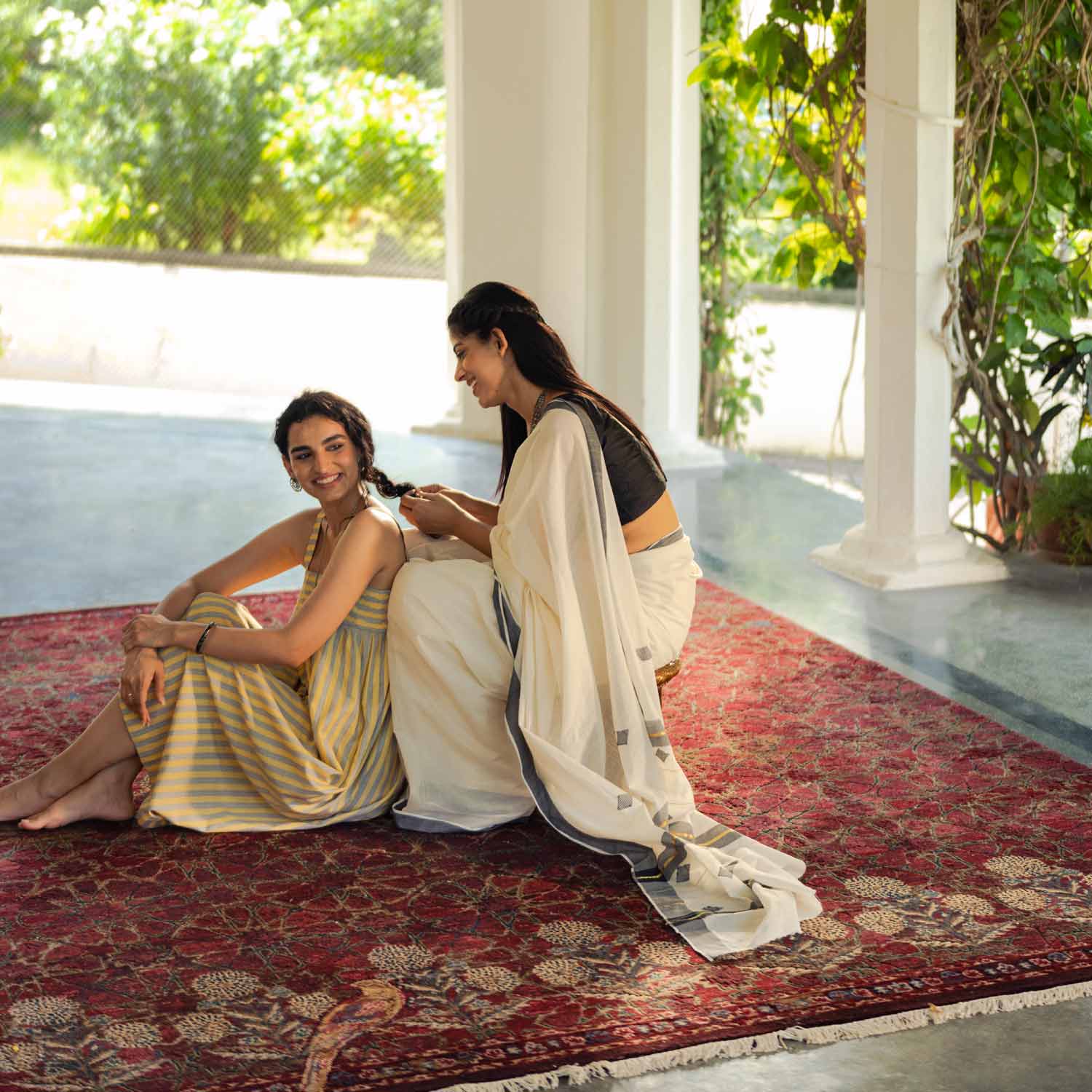
In Verde, colour is not simply applied to the design; it becomes part of its character. The collection draws on the expressive depth of vegetable dyes, creating a palette of muted greens, earthy browns, sandy neutrals, terracotta, deep reds and indigo blues.
What makes these colours distinctive is their natural variation. Instead of perfectly uniform shades, vegetable dyes create subtle shifts in tone that echo the irregularity of the landscapes that
had inspired this collection of handmade rugs. A green can deepen like a forest canopy, while earthy browns and terracotta recall bark, soil and sun-warmed terrain. These variations give each rug a sense of individuality, allowing colour to reinforce Verde’s central idea: nature is never entirely uniform, and neither should its interpretation be.
The Tension between Organic and Composed
Nature is full of movement, but it is rarely without structure. The irregular lines of a leaf, the layered patterns of rock and the shifting forms of a landscape all follow their own quiet logic. Verde brings this balance into its designs by placing organic forms alongside more defined geometric structures.
Fluid lines and free-flowing shapes are paired with grids, repetitions and structured abstractions, creating a visual rhythm that feels both spontaneous and considered. This contrast gives the collection its contemporary character. The designs capture the unpredictability of nature while giving it a sense of order, allowing each rug to feel organic without being unstructured, and composed without feeling rigid.
With Verde, nature becomes more than inspiration—it becomes a language of colour, form and texture. Through abstraction, vegetable dyes and considered craftsmanship, landscapes are translated into rugs that feel grounded yet contemporary. Each piece carries the subtle variation and enduring beauty of nature into the spaces we live in.
Frequently Asked Questions
Q1. What makes Verde different from traditional nature-inspired rugs?
Verde does not reproduce recognisable images of nature. Instead, it captures the feeling and underlying structure of landscapes through colour, texture, movement and abstraction.
Q2. What role do vegetable dyes play in the Verde collection?
Vegetable dyes are an integral part of the collection's design language, creating muted greens, earthy browns, sandy neutrals, terracotta, deep reds and indigo blues.
Q3. What is a hand-tufted rug?
A hand-tufted rug is made by inserting yarn into a foundation using a tufting technique. This allows for detailed patterns, varied textures, and contemporary designs.
Q4. How should I care for a handmade rug?
Regular gentle cleaning and prompt attention to spills can help maintain its appearance. For deeper cleaning, it is best to follow care instructions specific to the rug's material and construction.
Q5. Is Verde suitable for contemporary interiors?
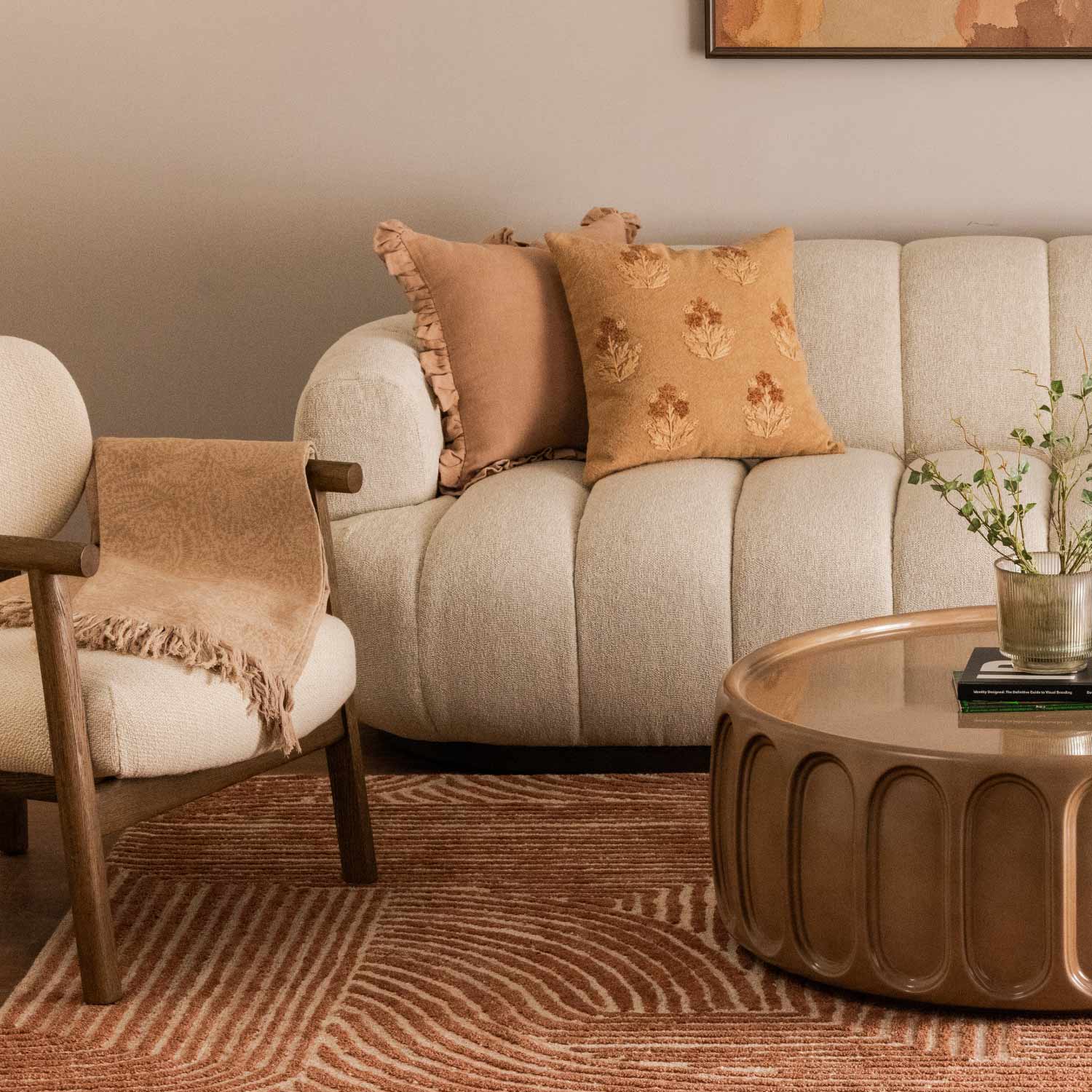
Yes. Although its inspiration comes from nature, the collection translates those references into refined, layered, and contemporary compositions designed to find their own place within modern interiors.

