Frequently Asked Questions
What makes Obeetee furniture different from typical premium furniture?
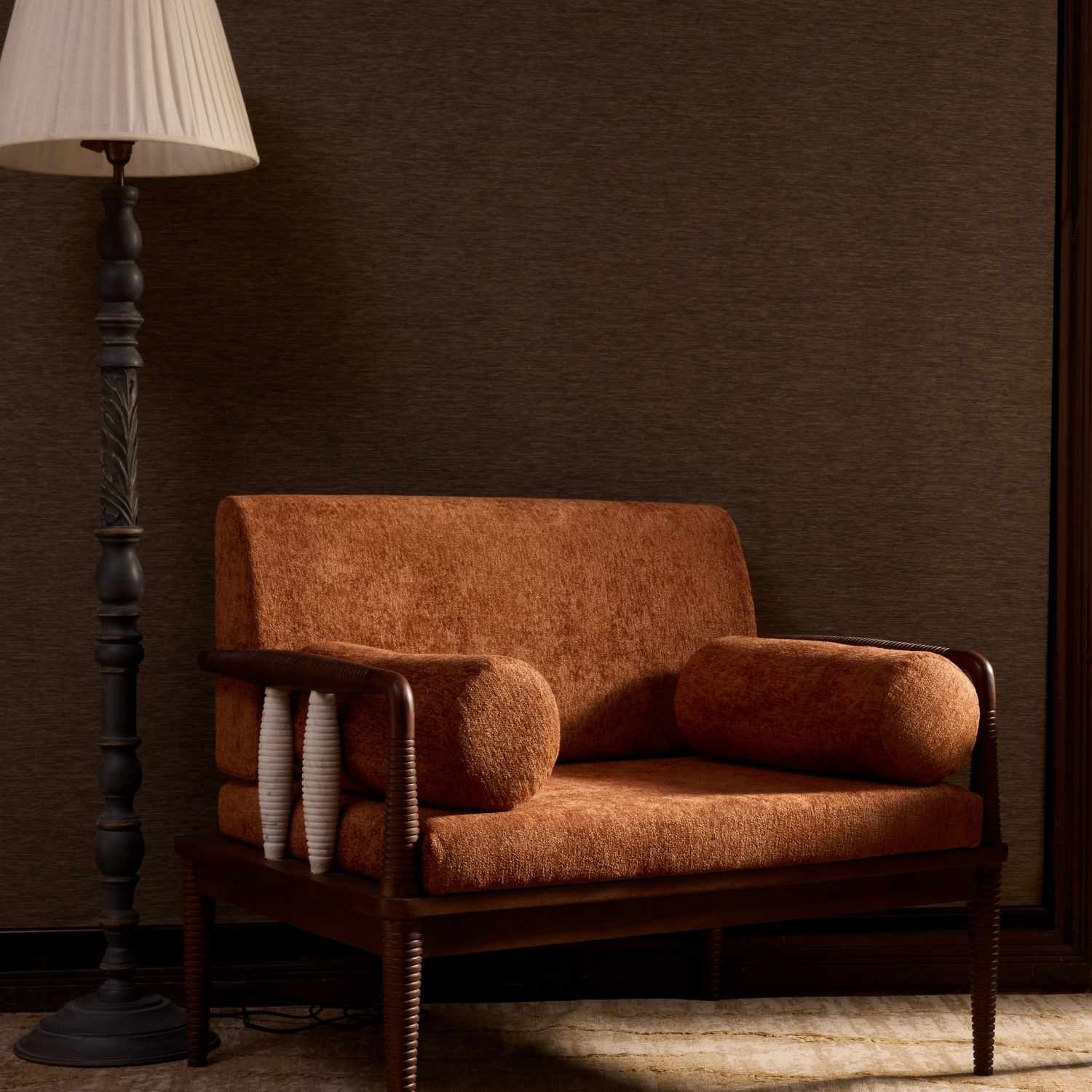
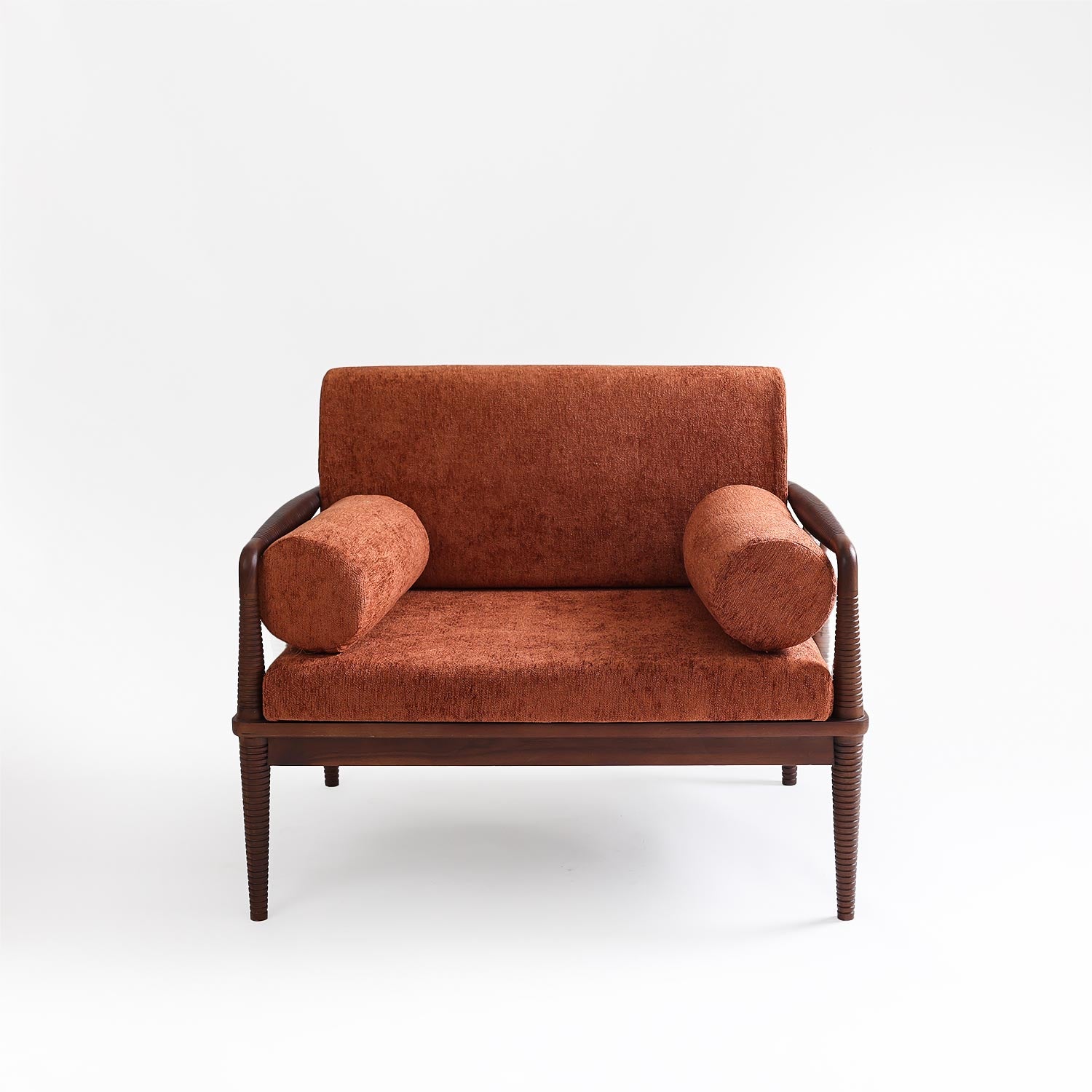
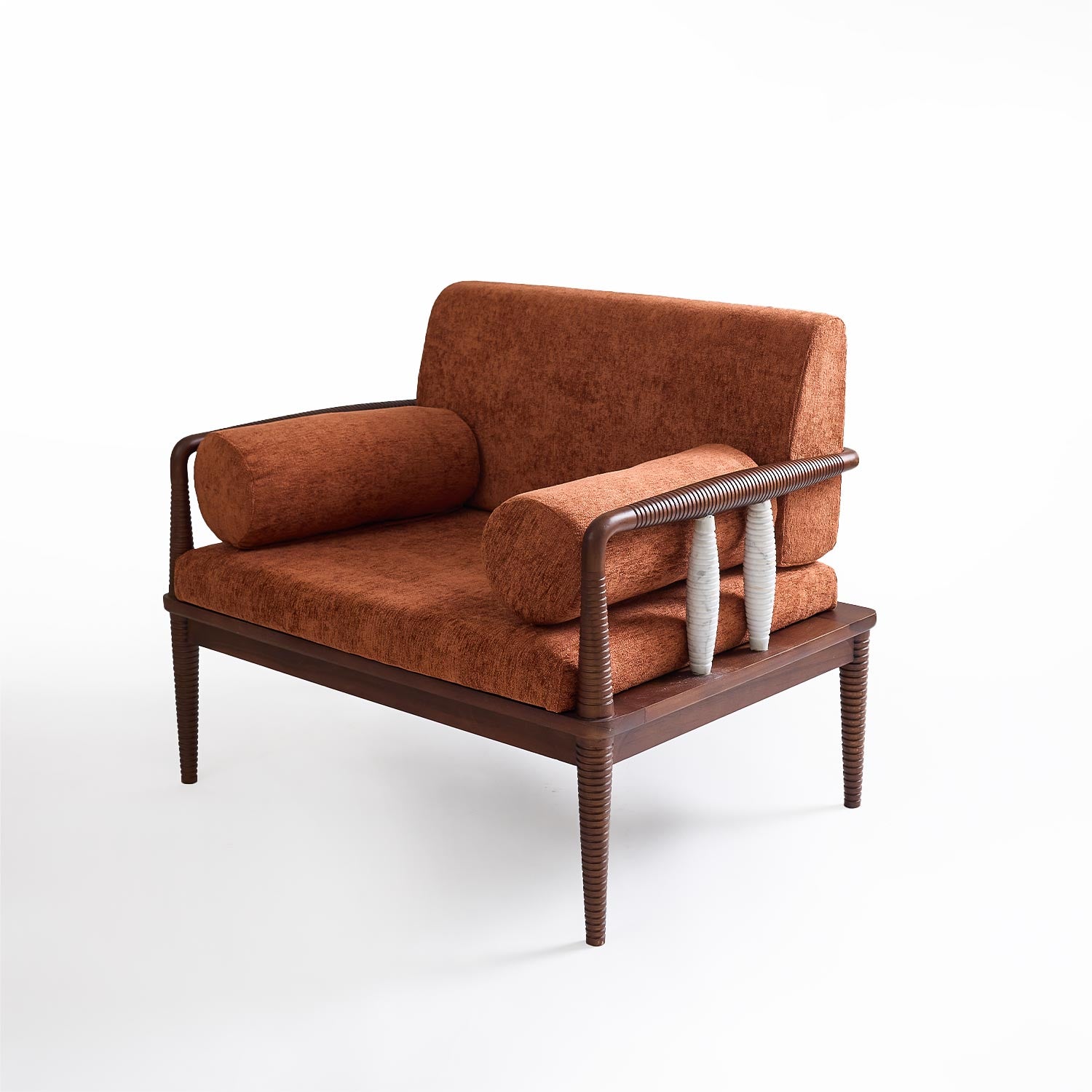
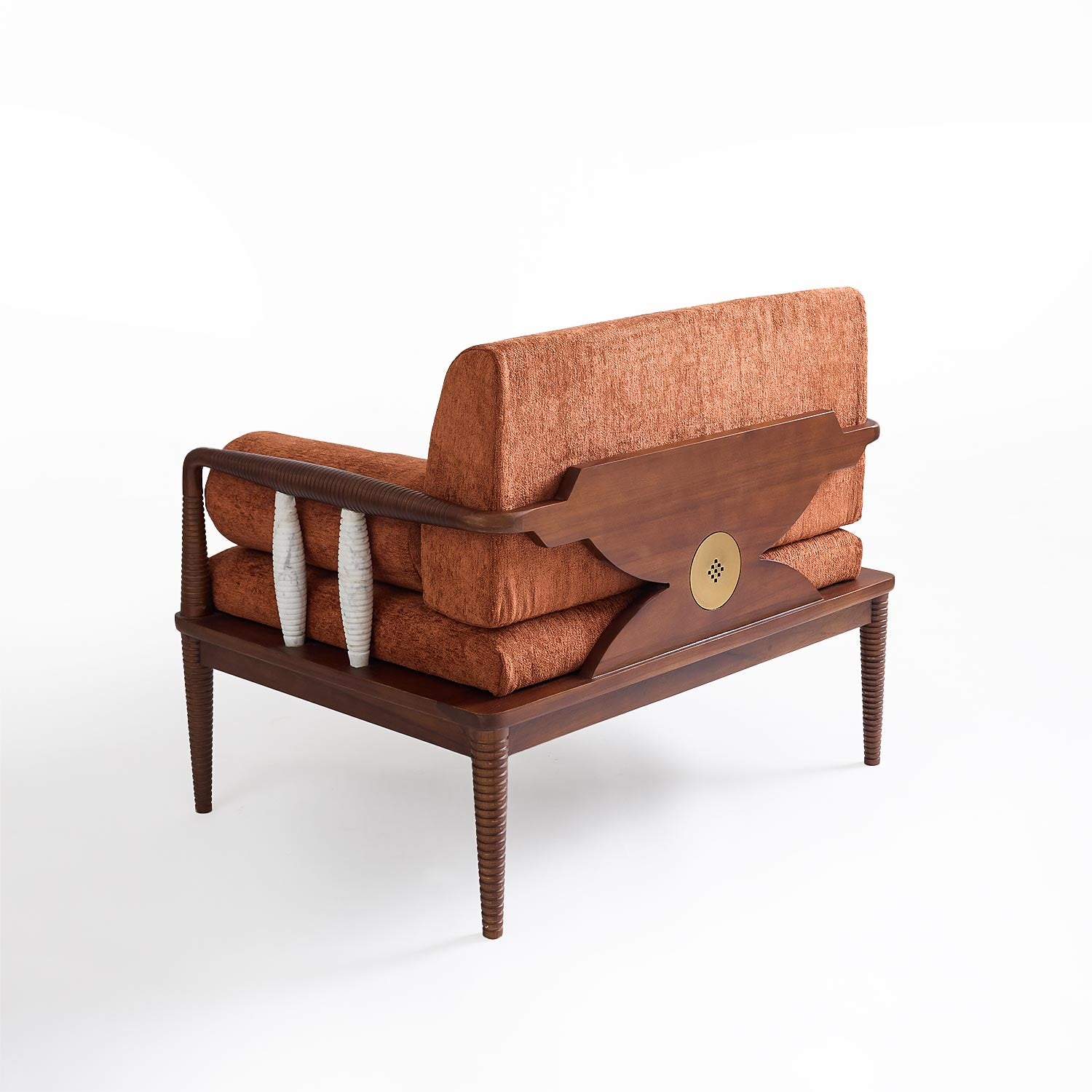
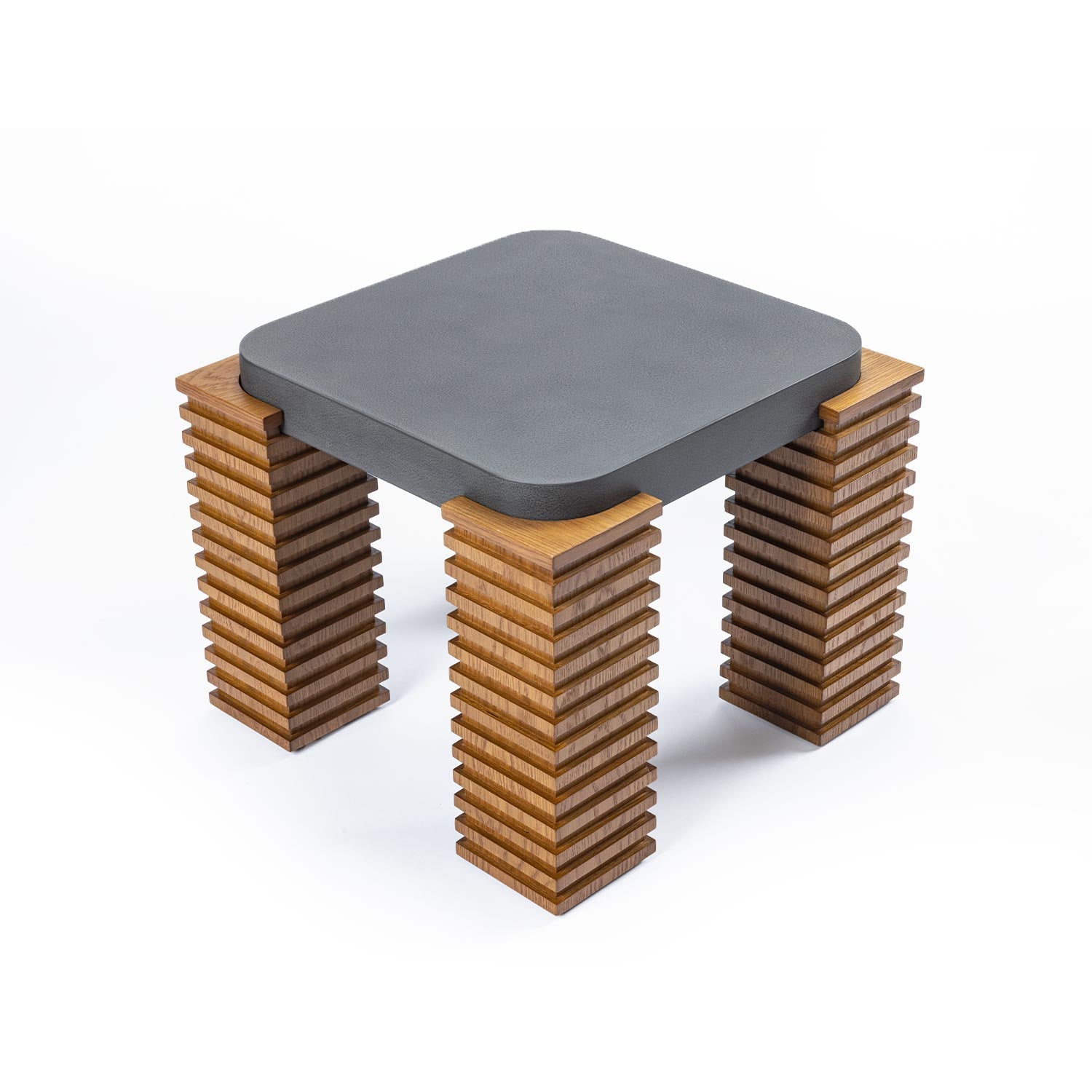
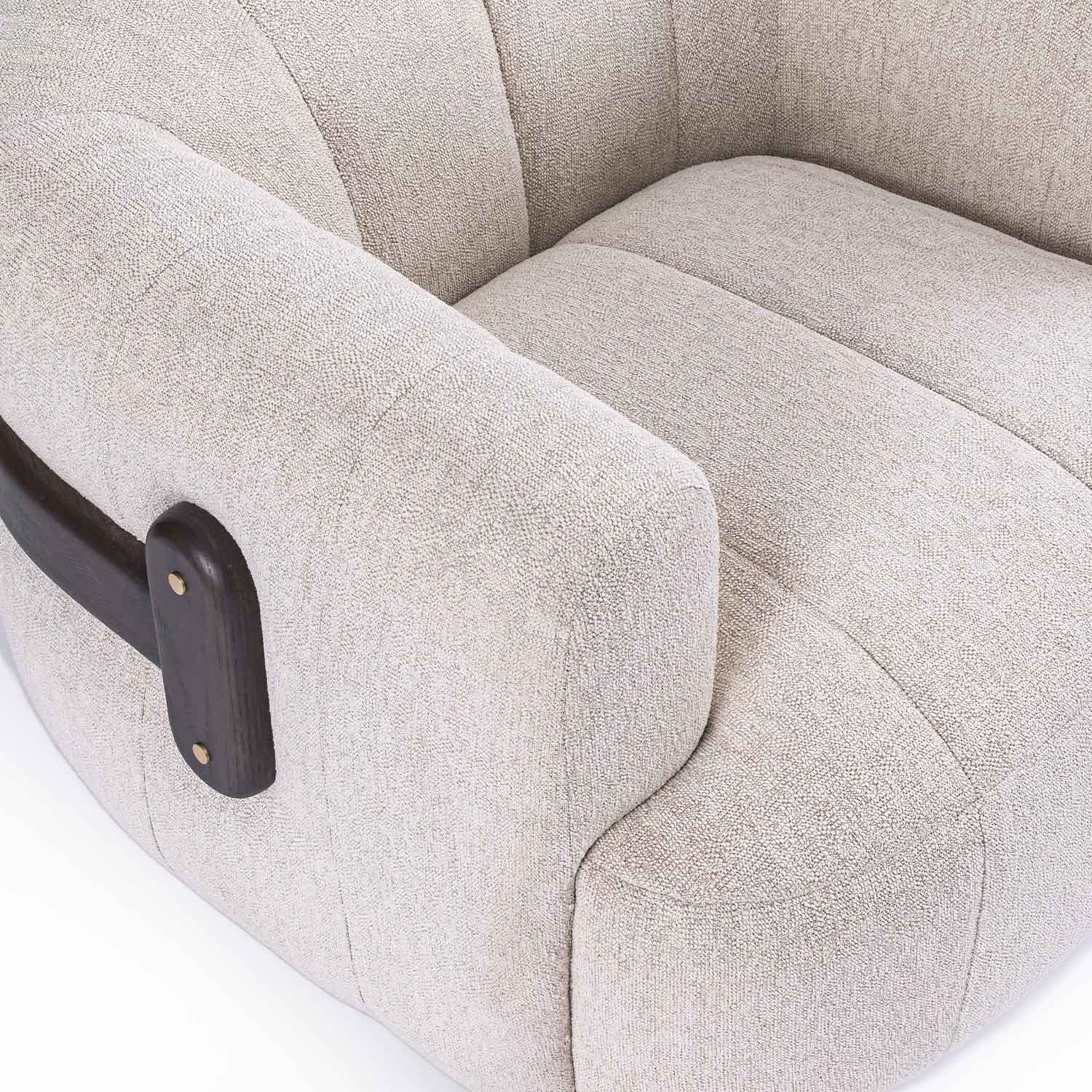
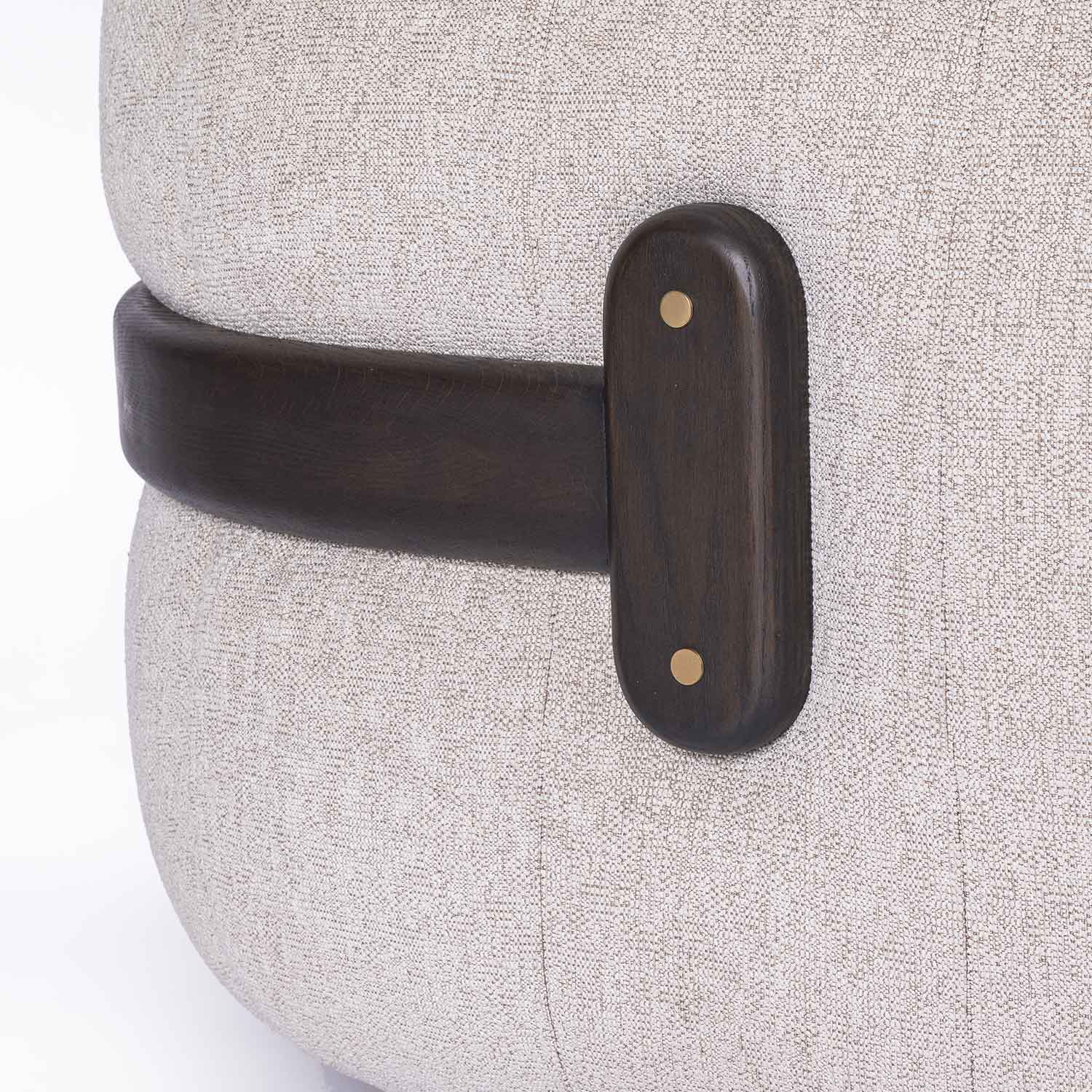
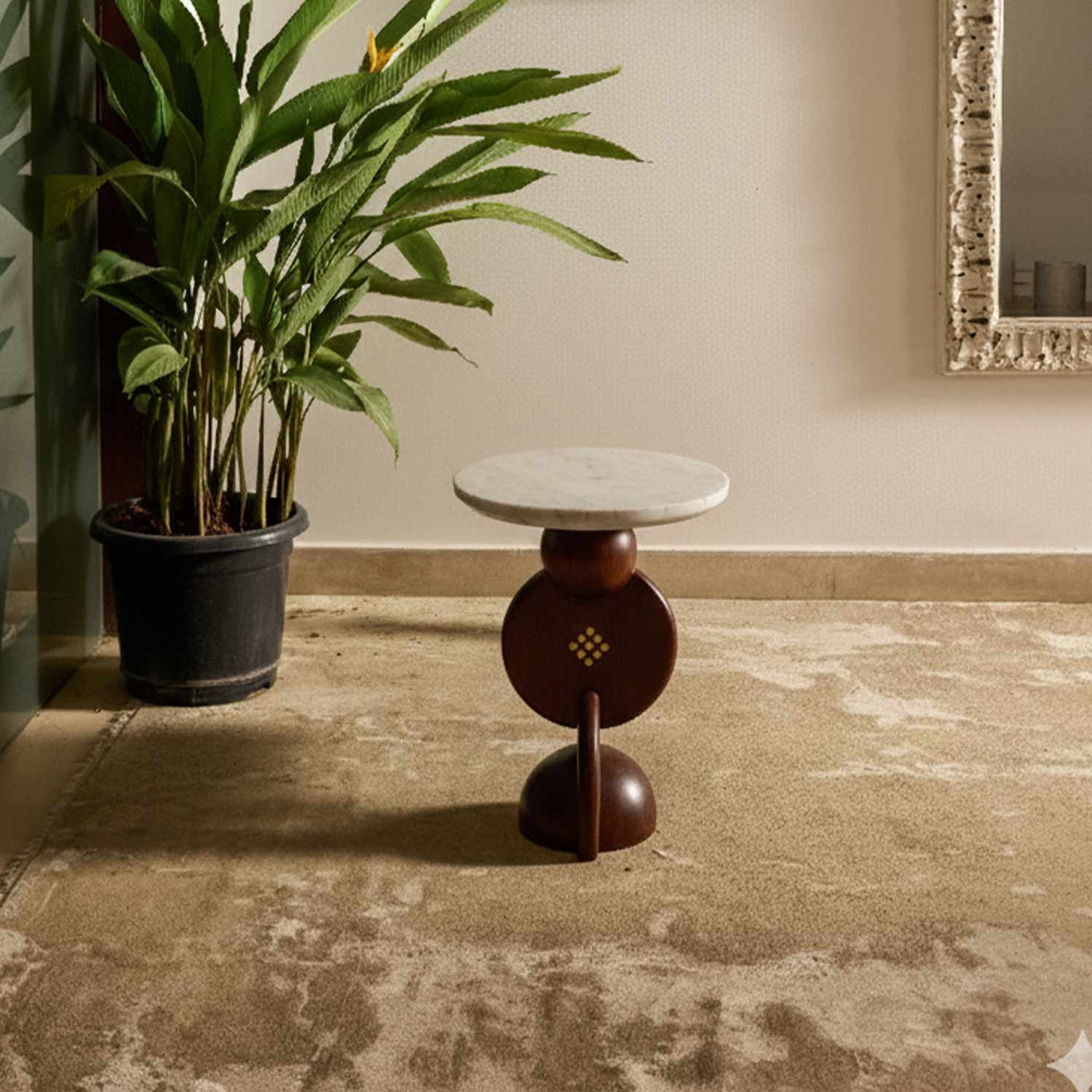
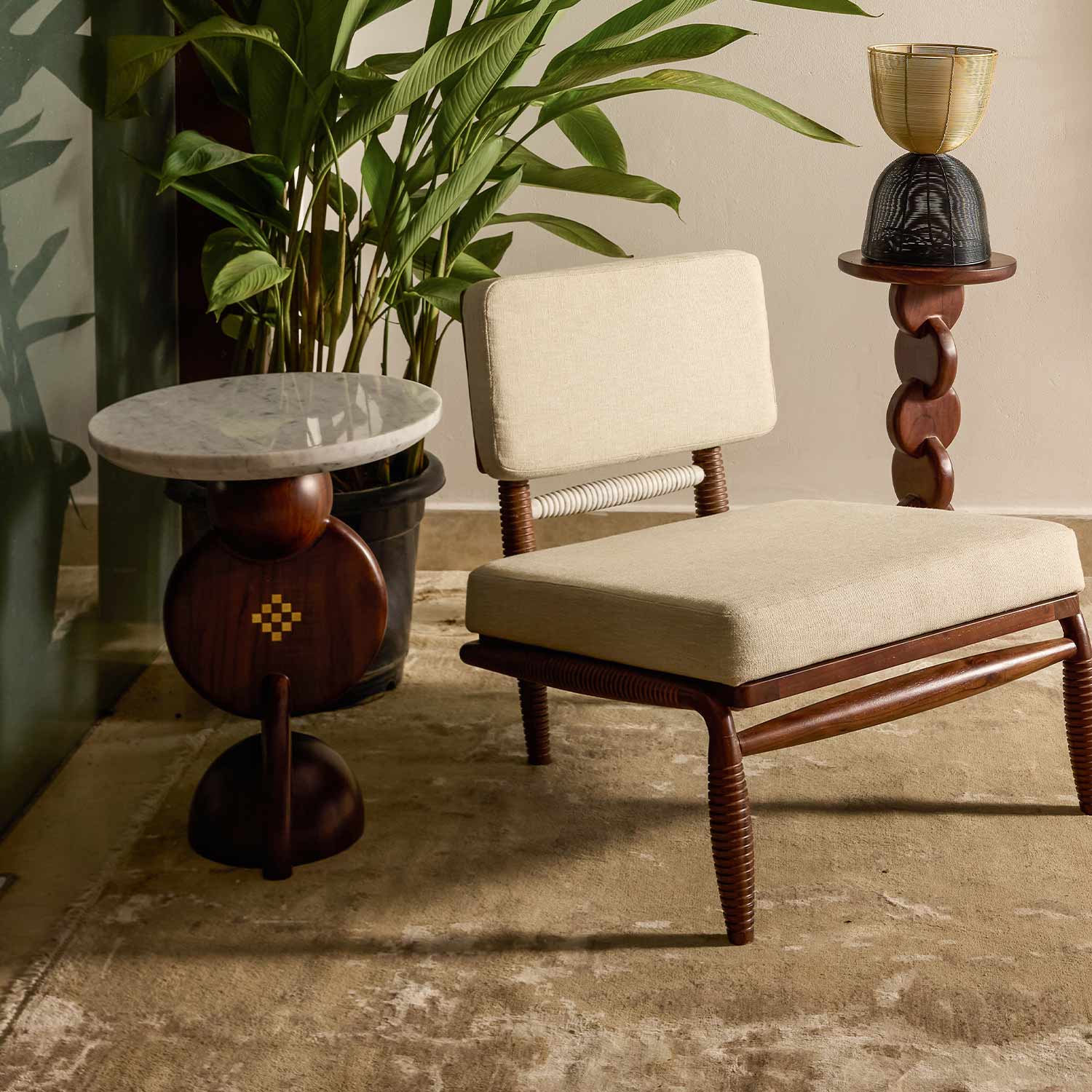
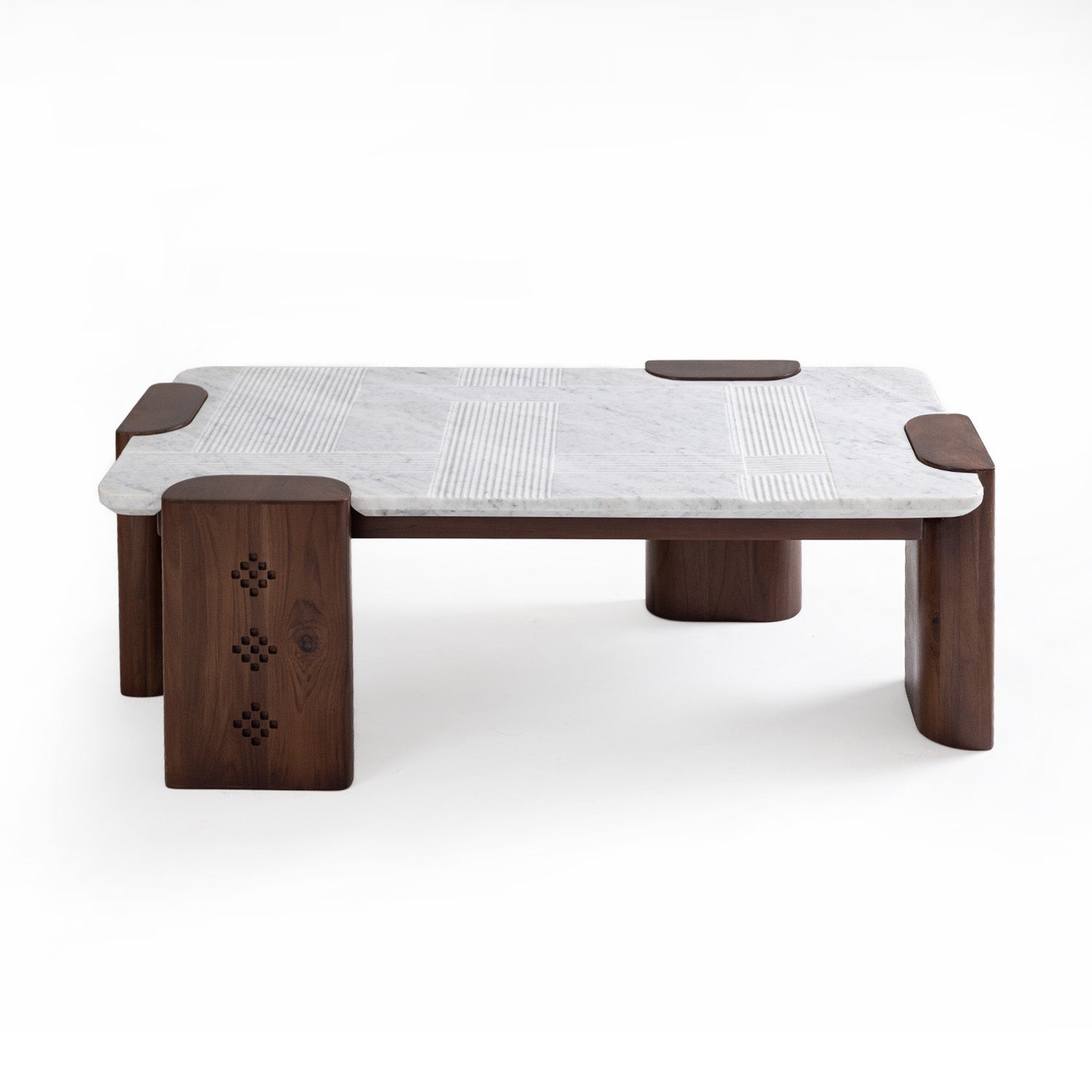
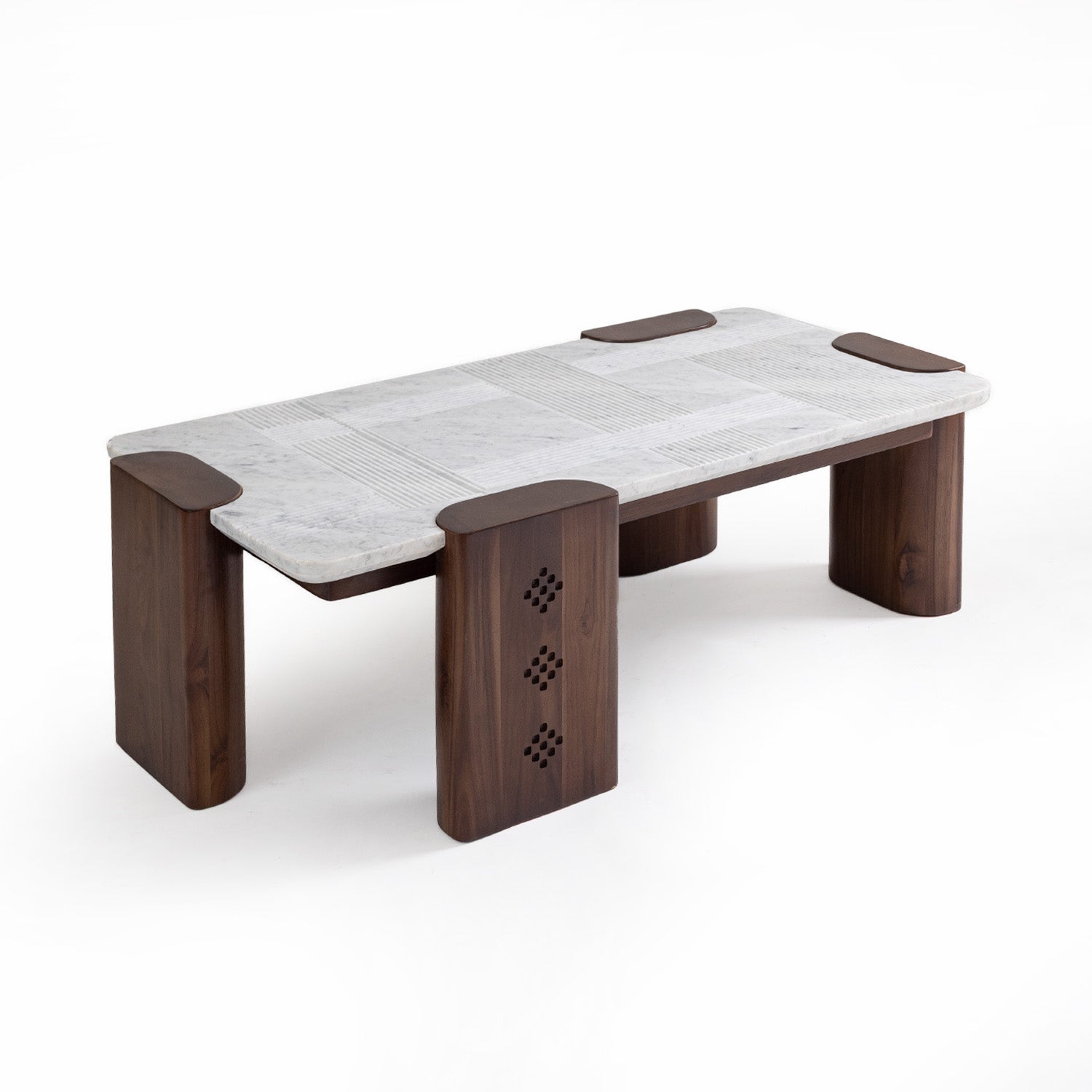
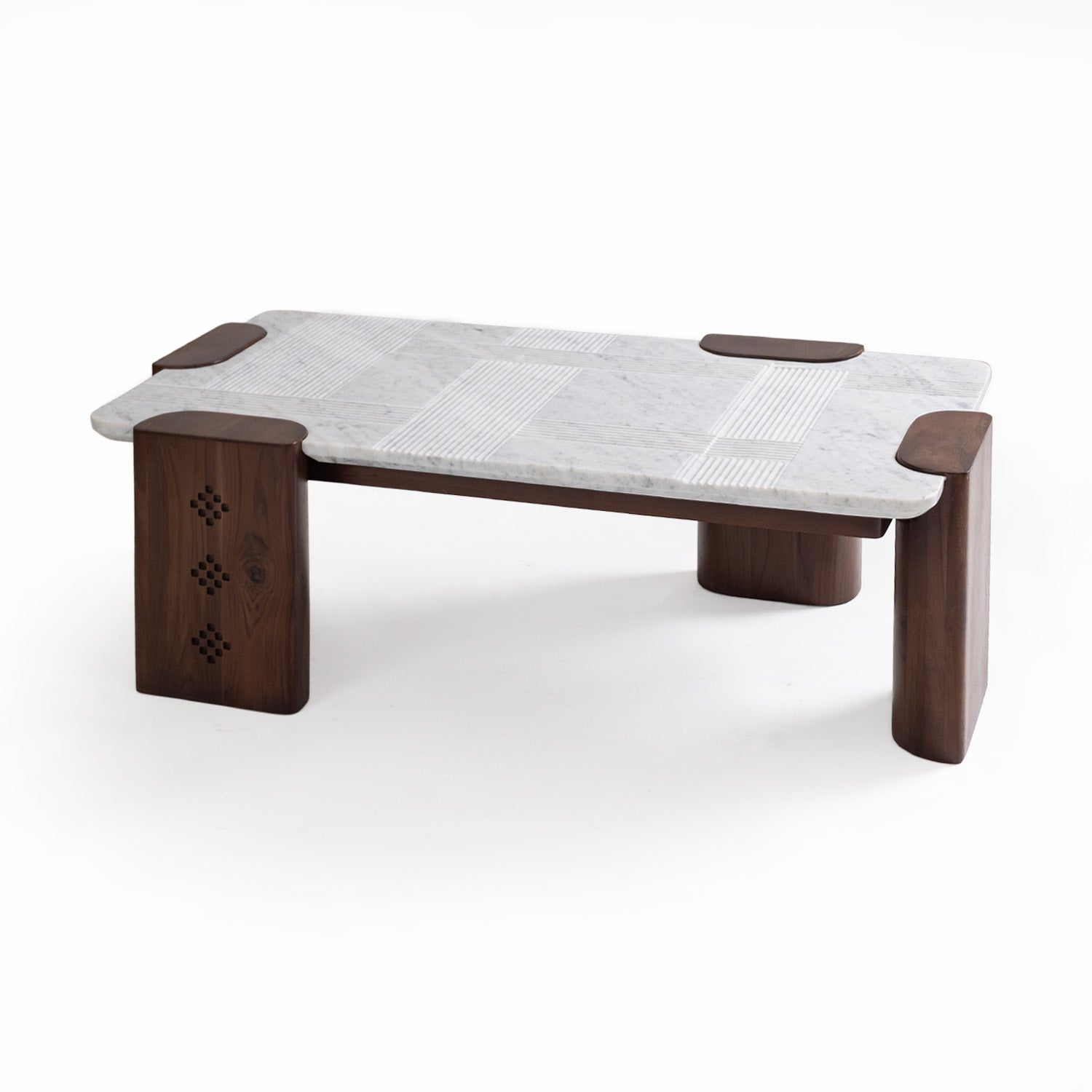
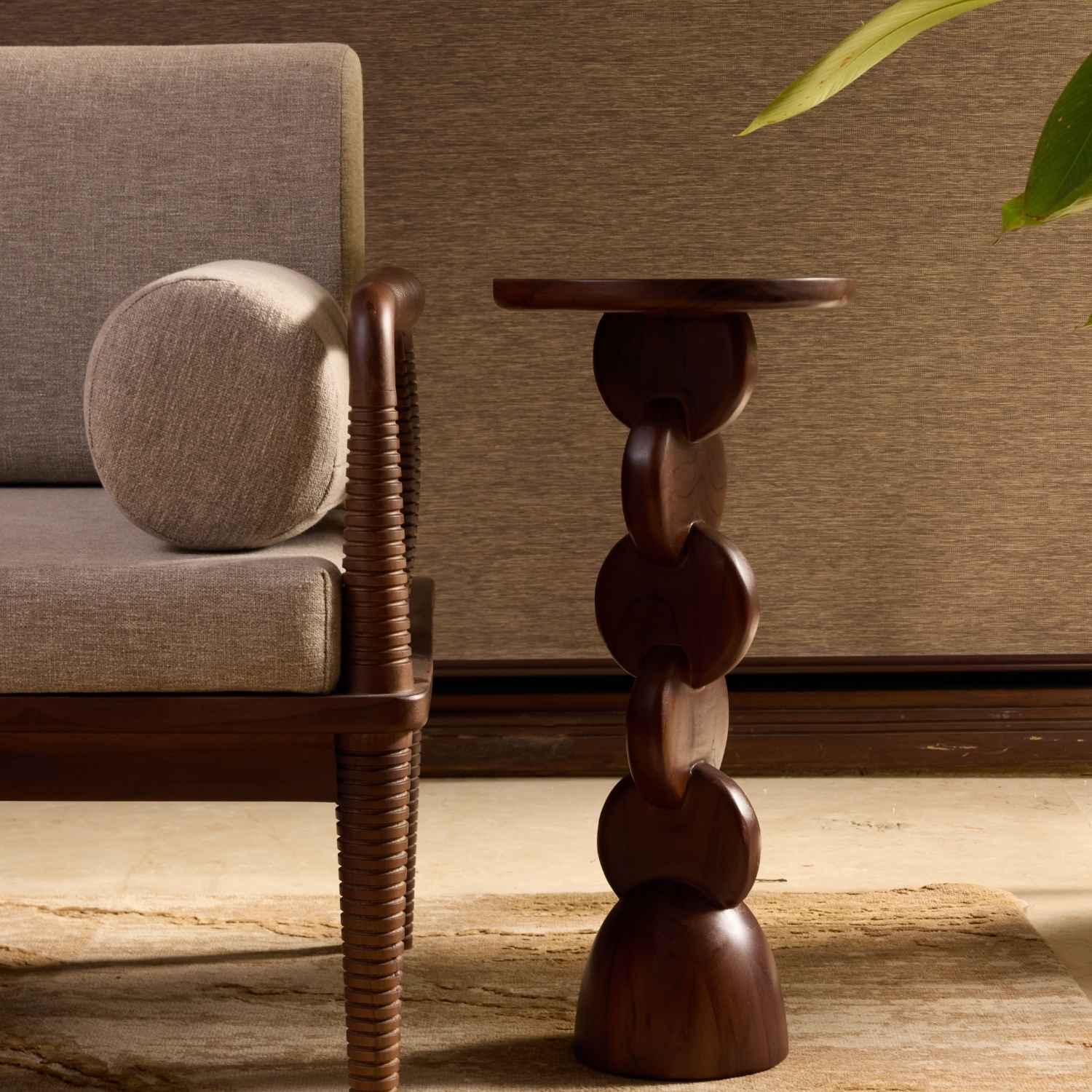
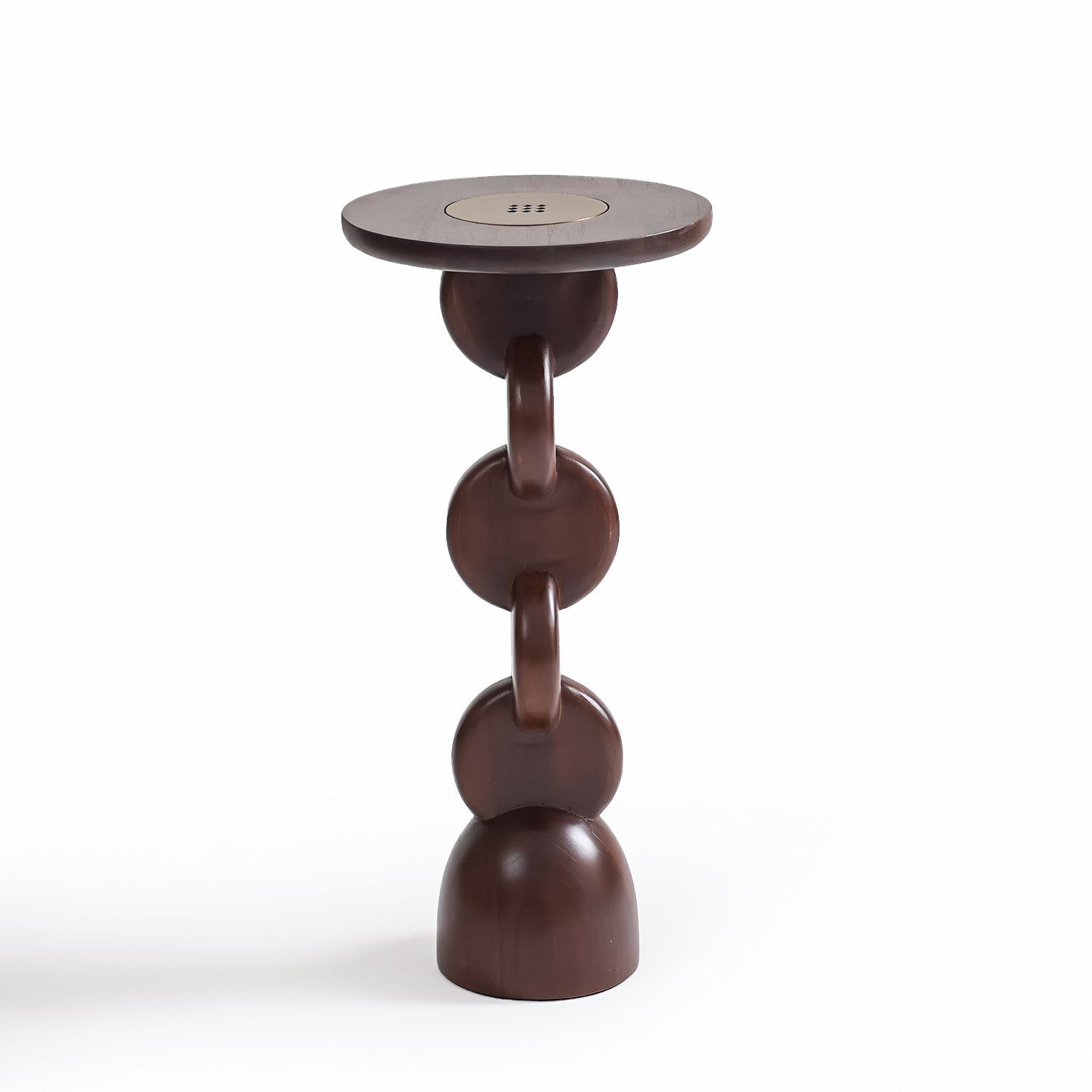
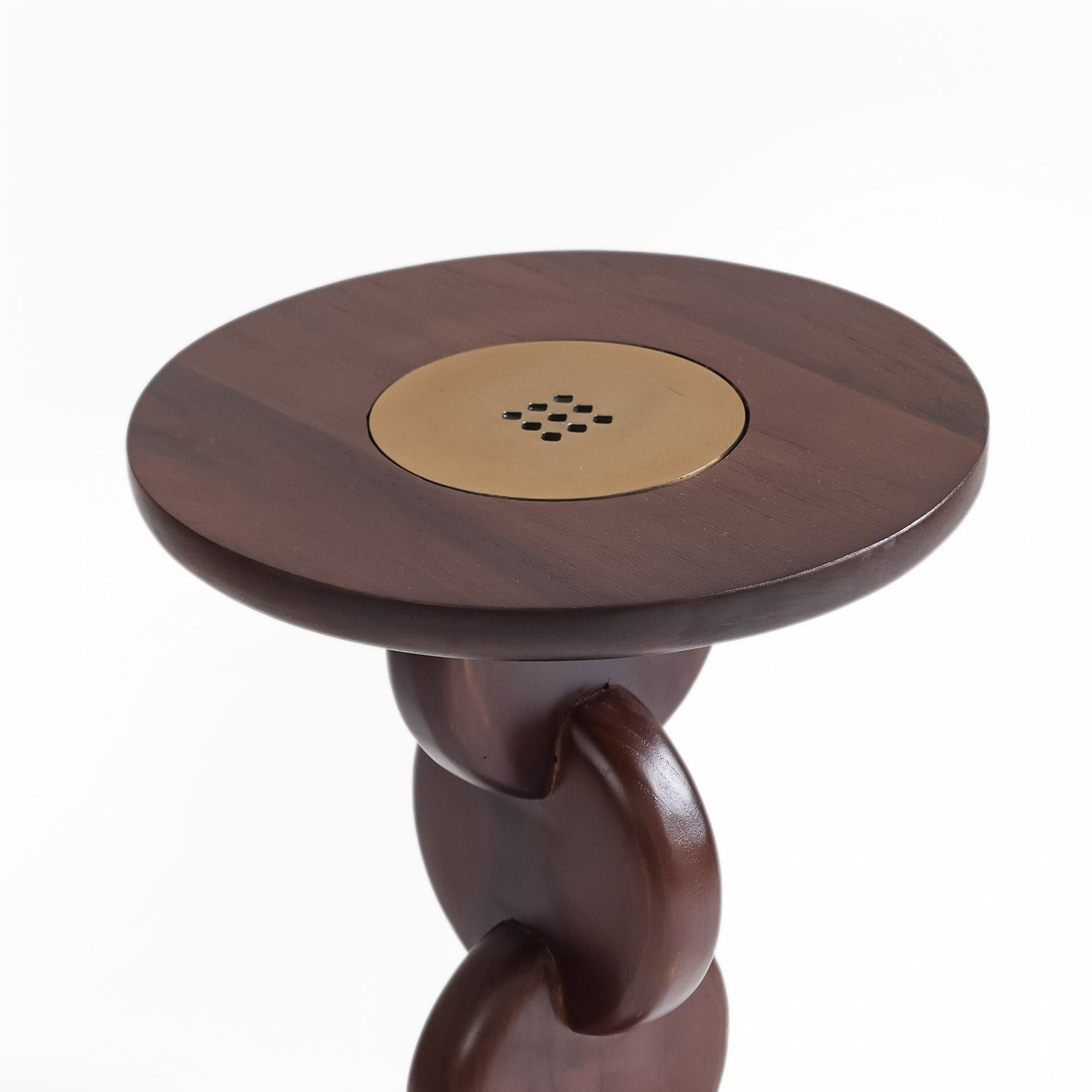
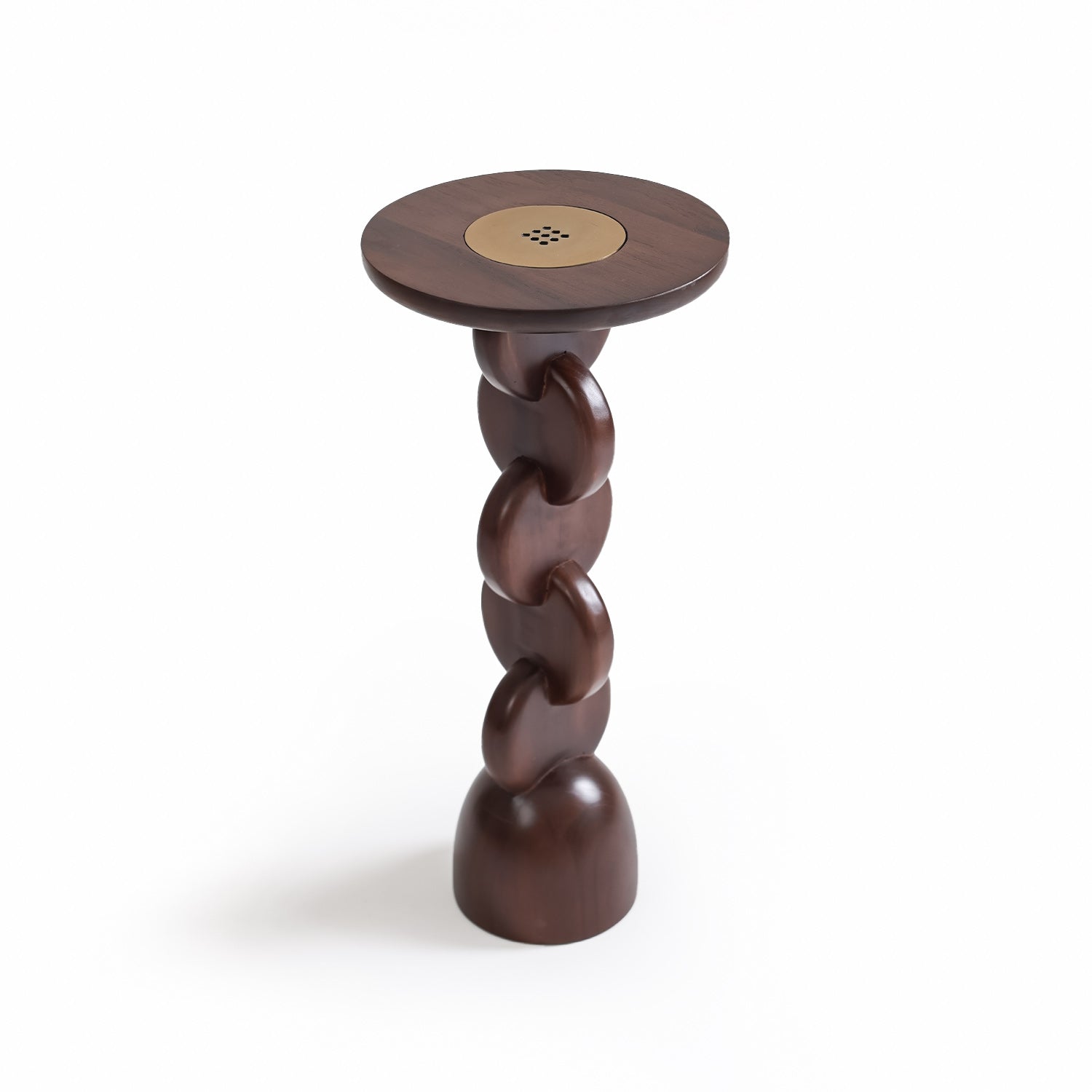
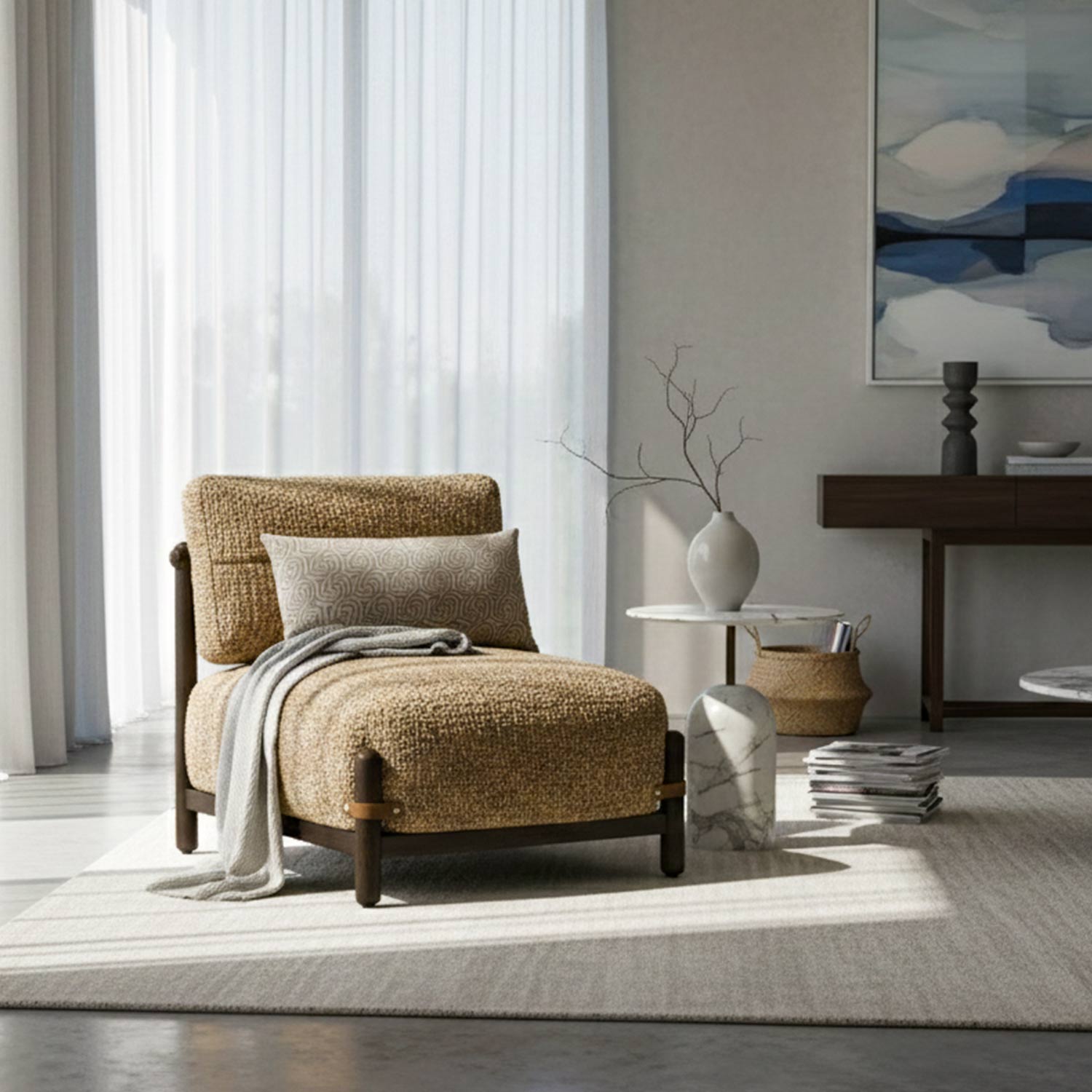
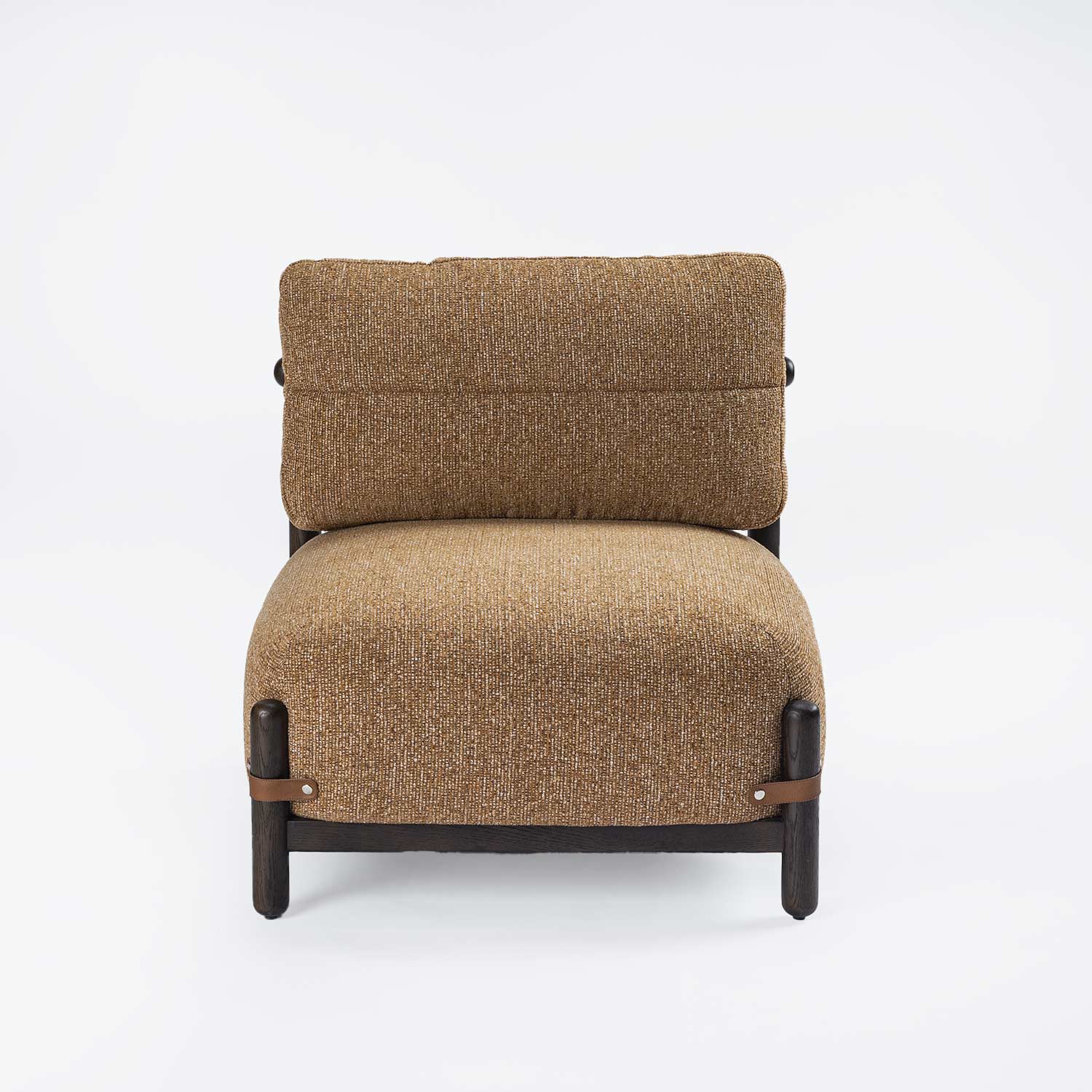
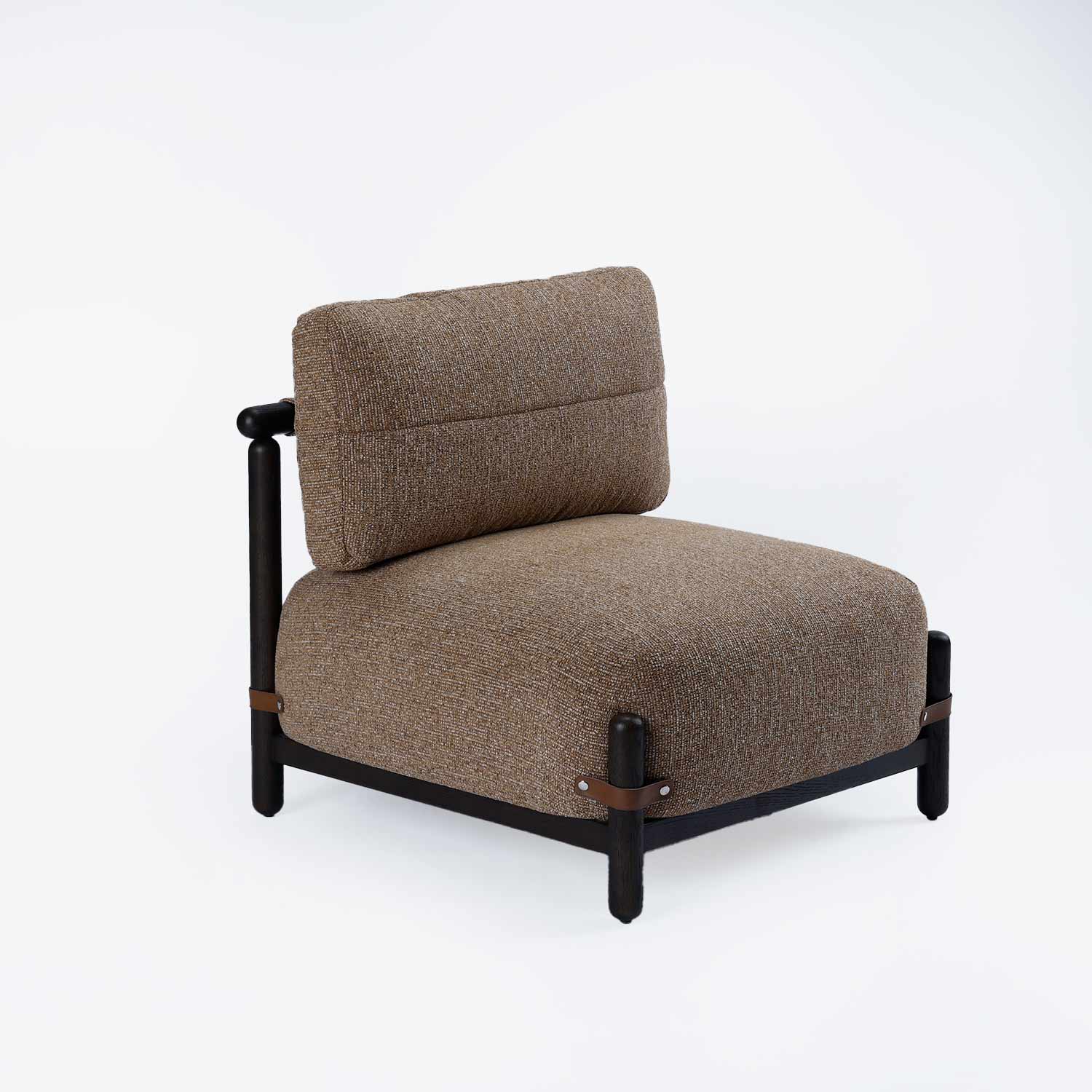
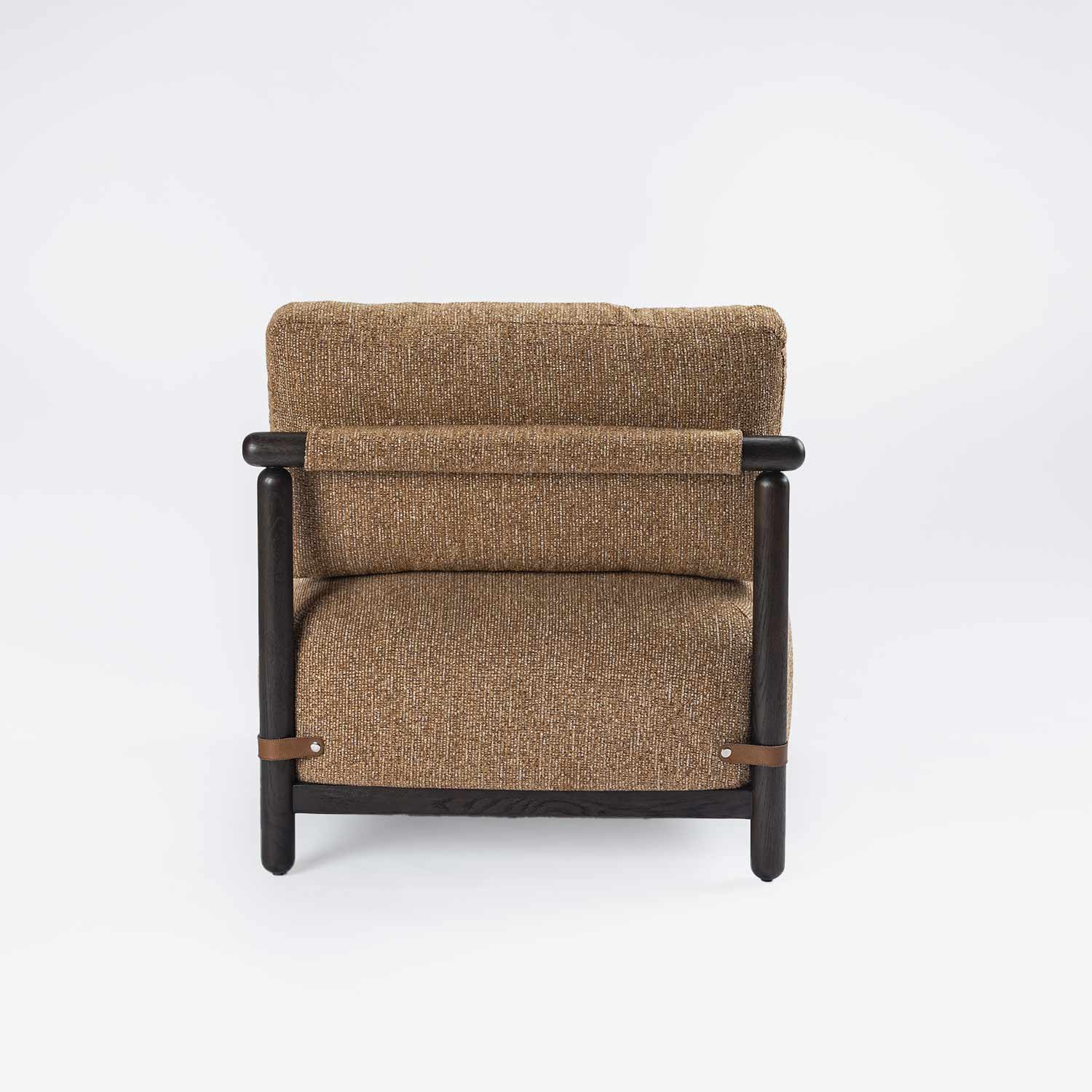
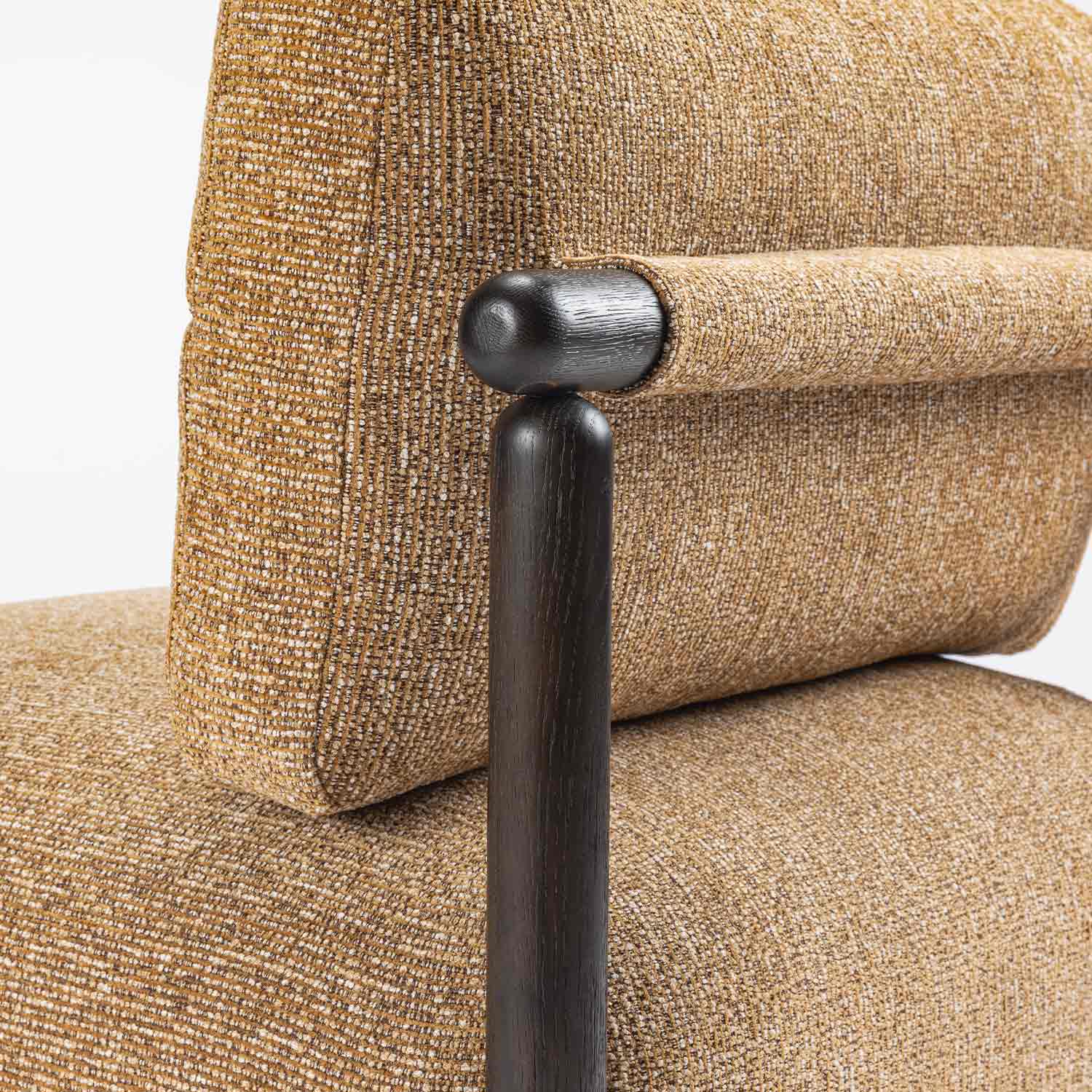
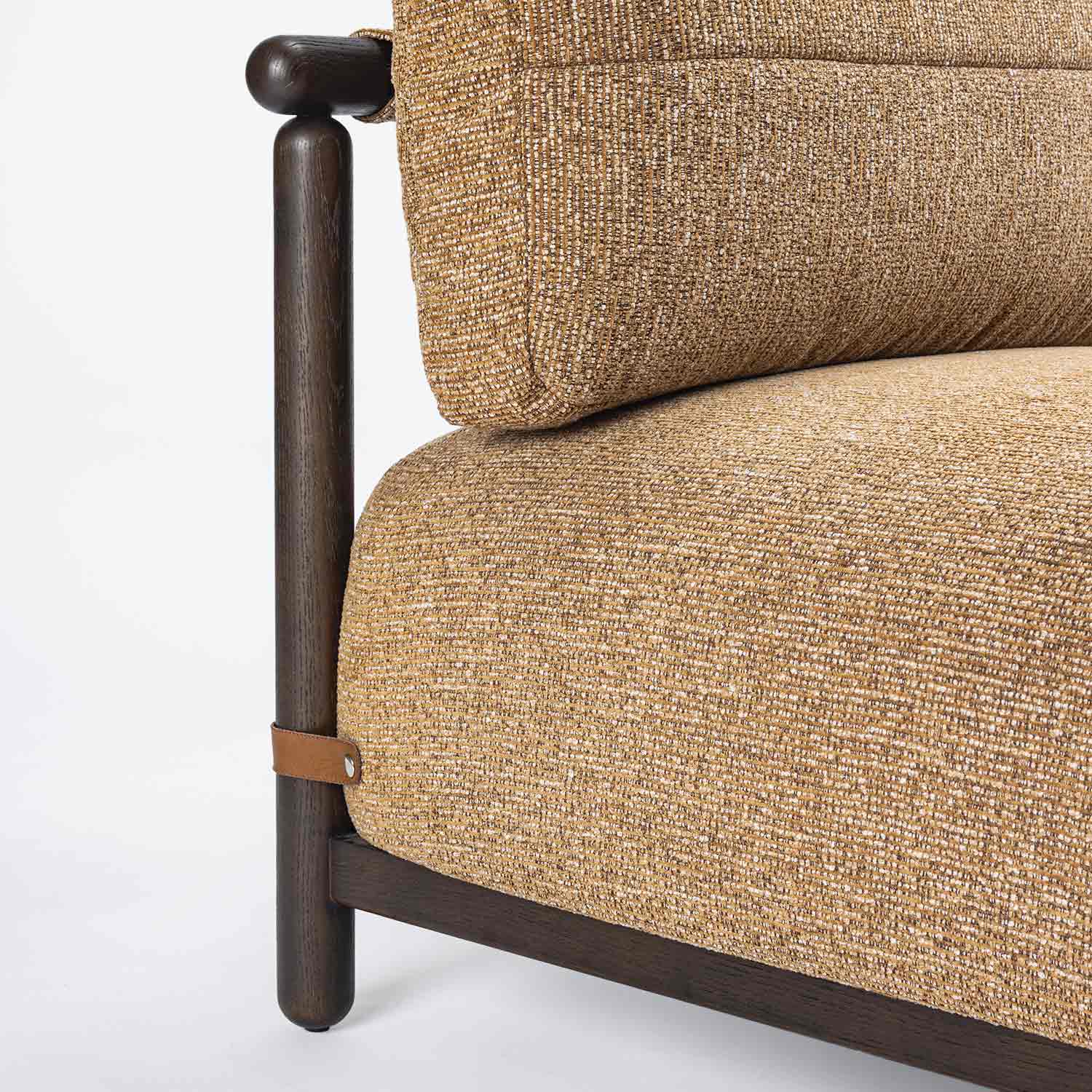
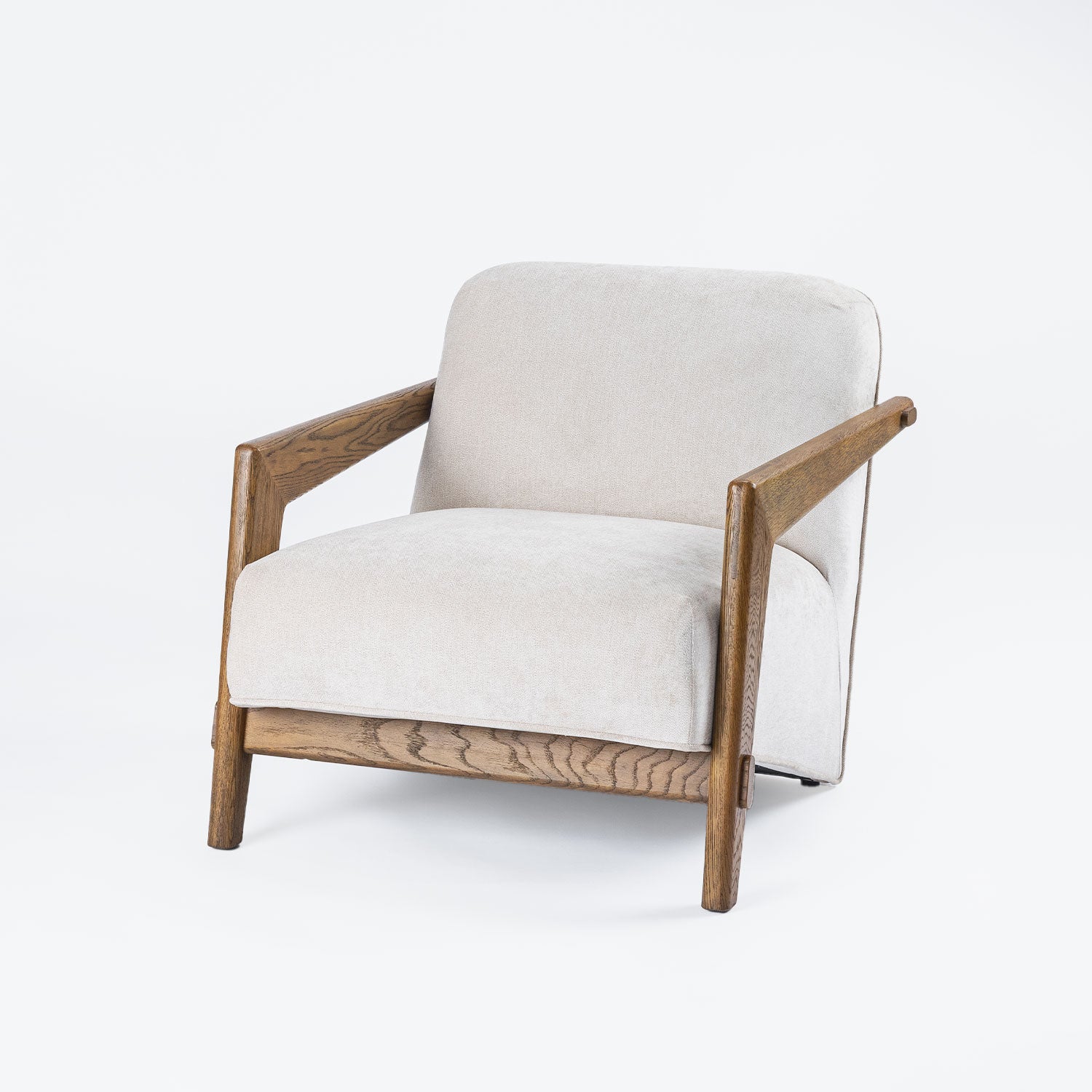
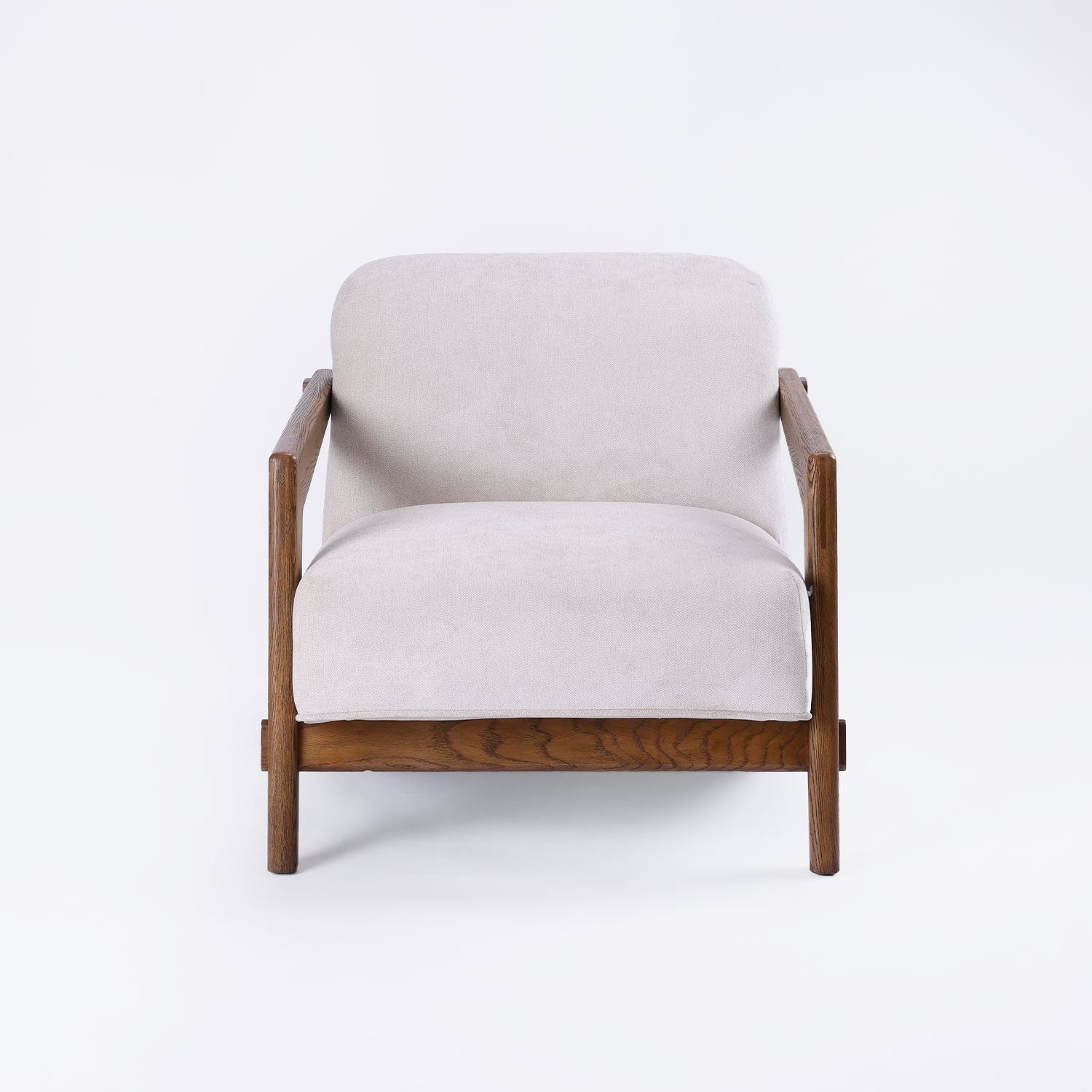
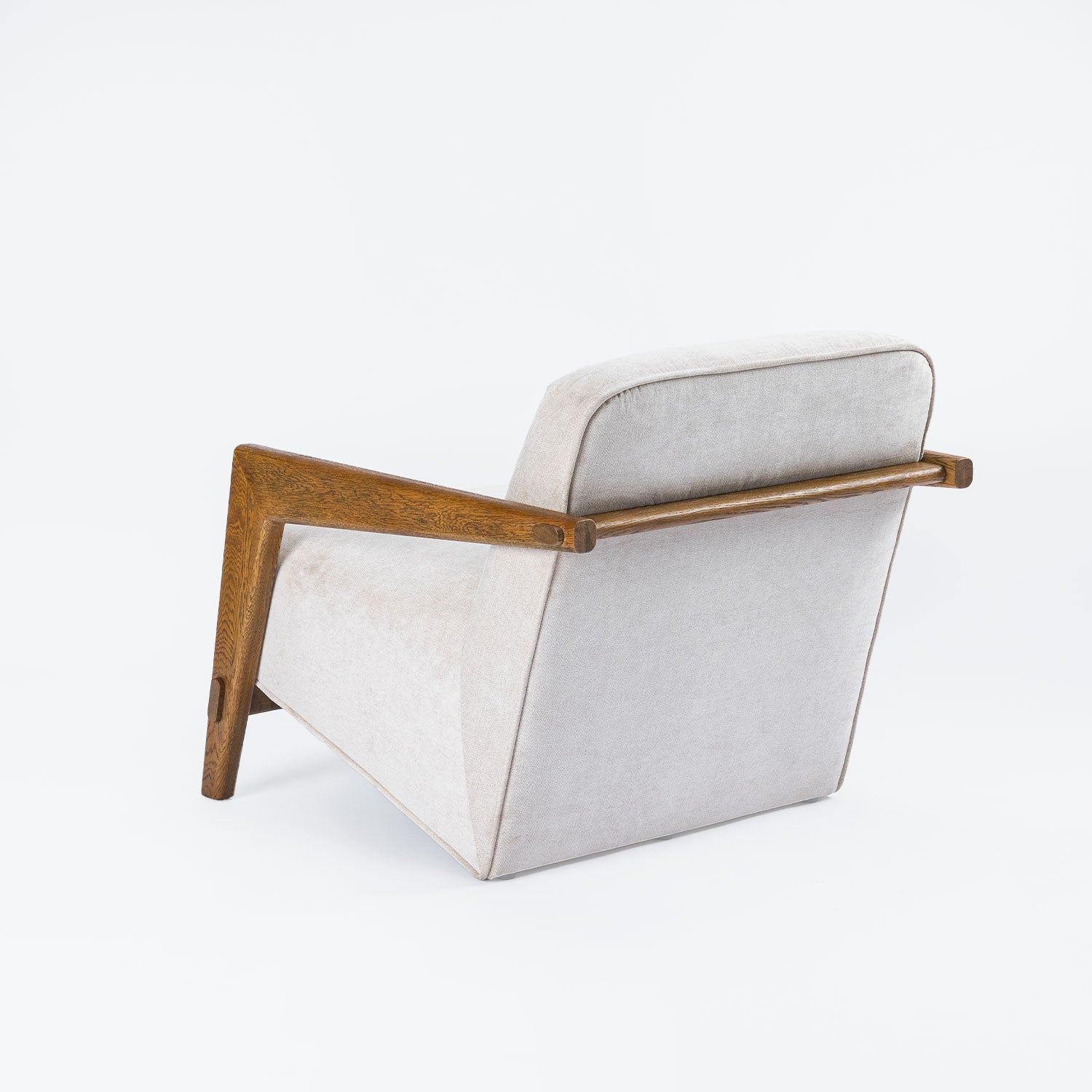
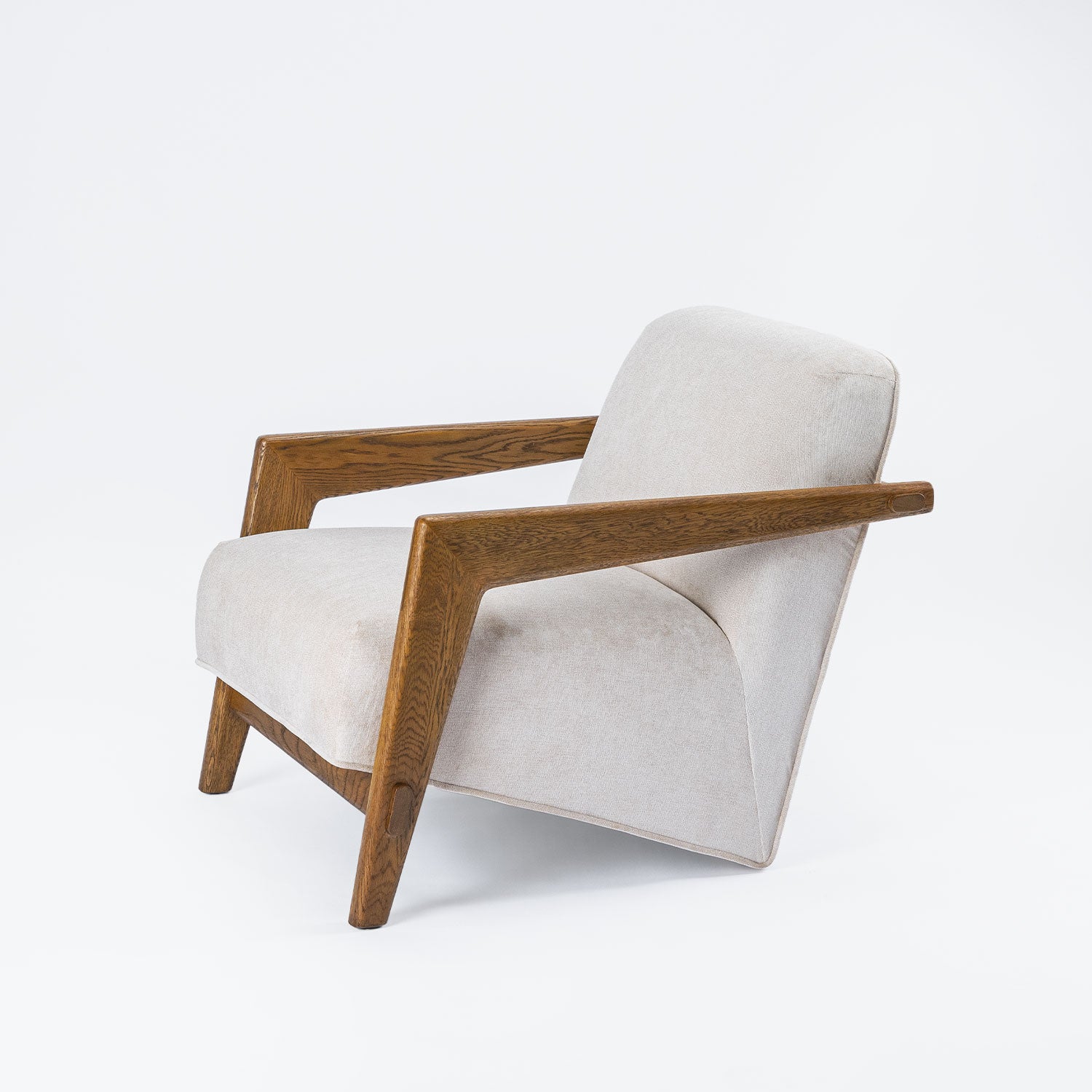
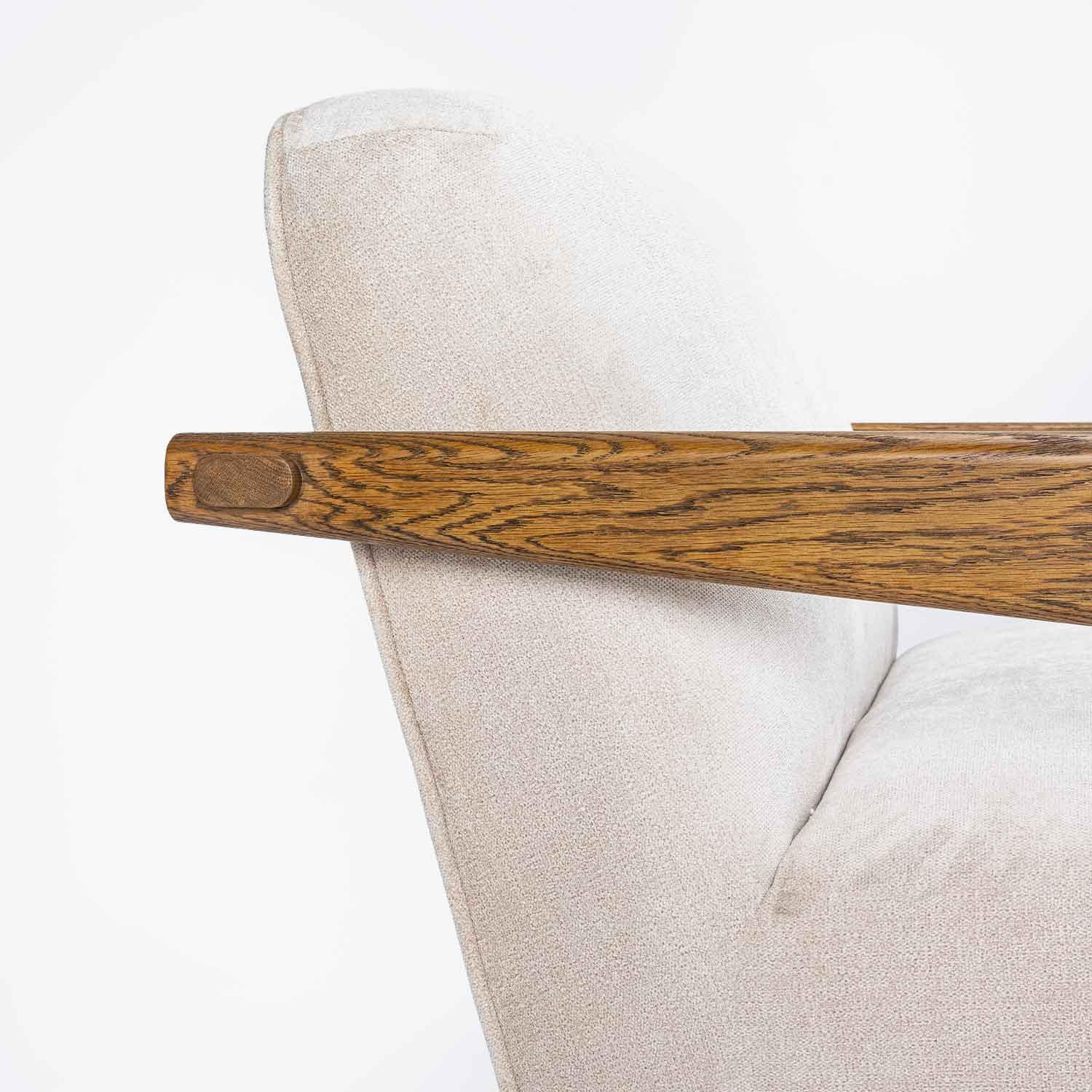
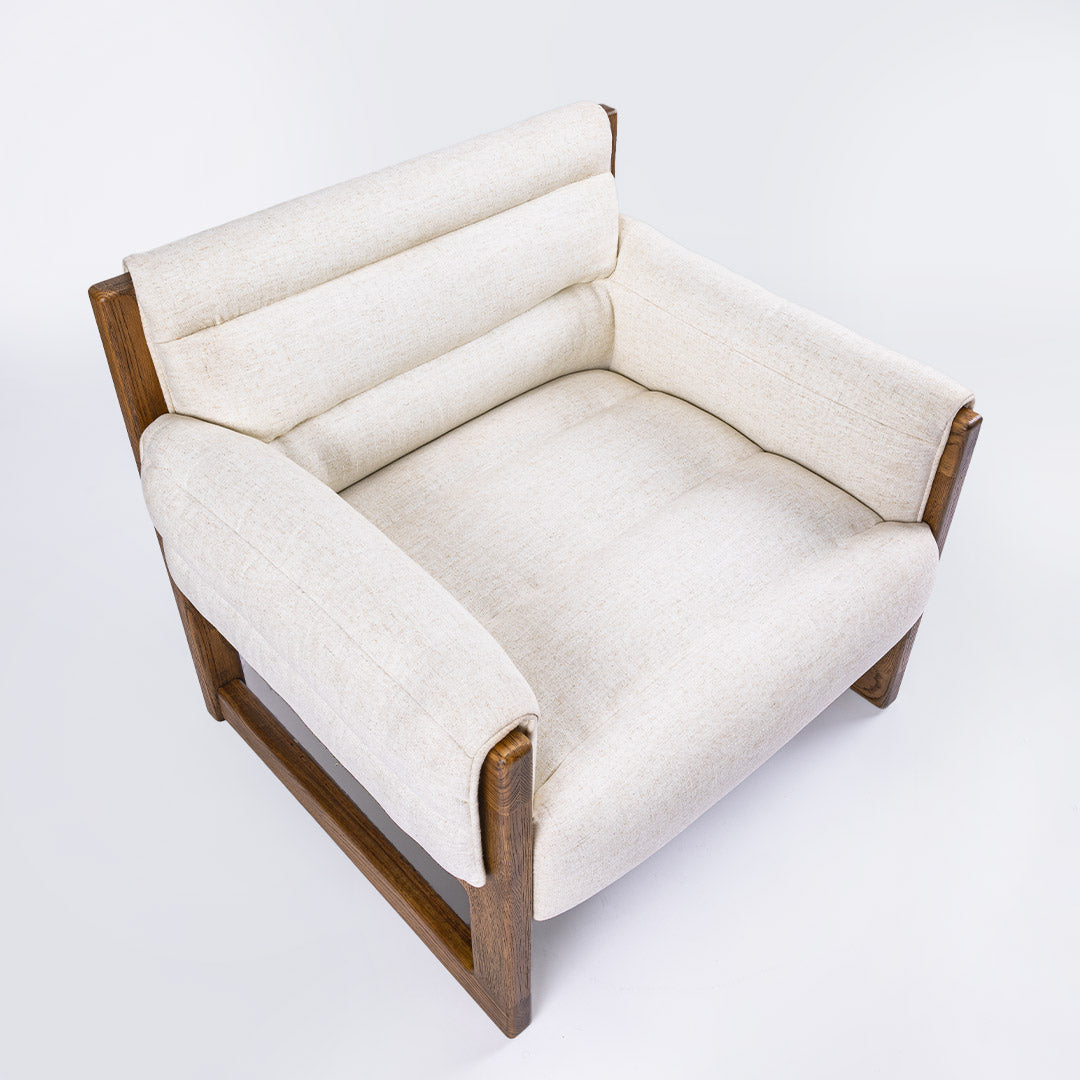
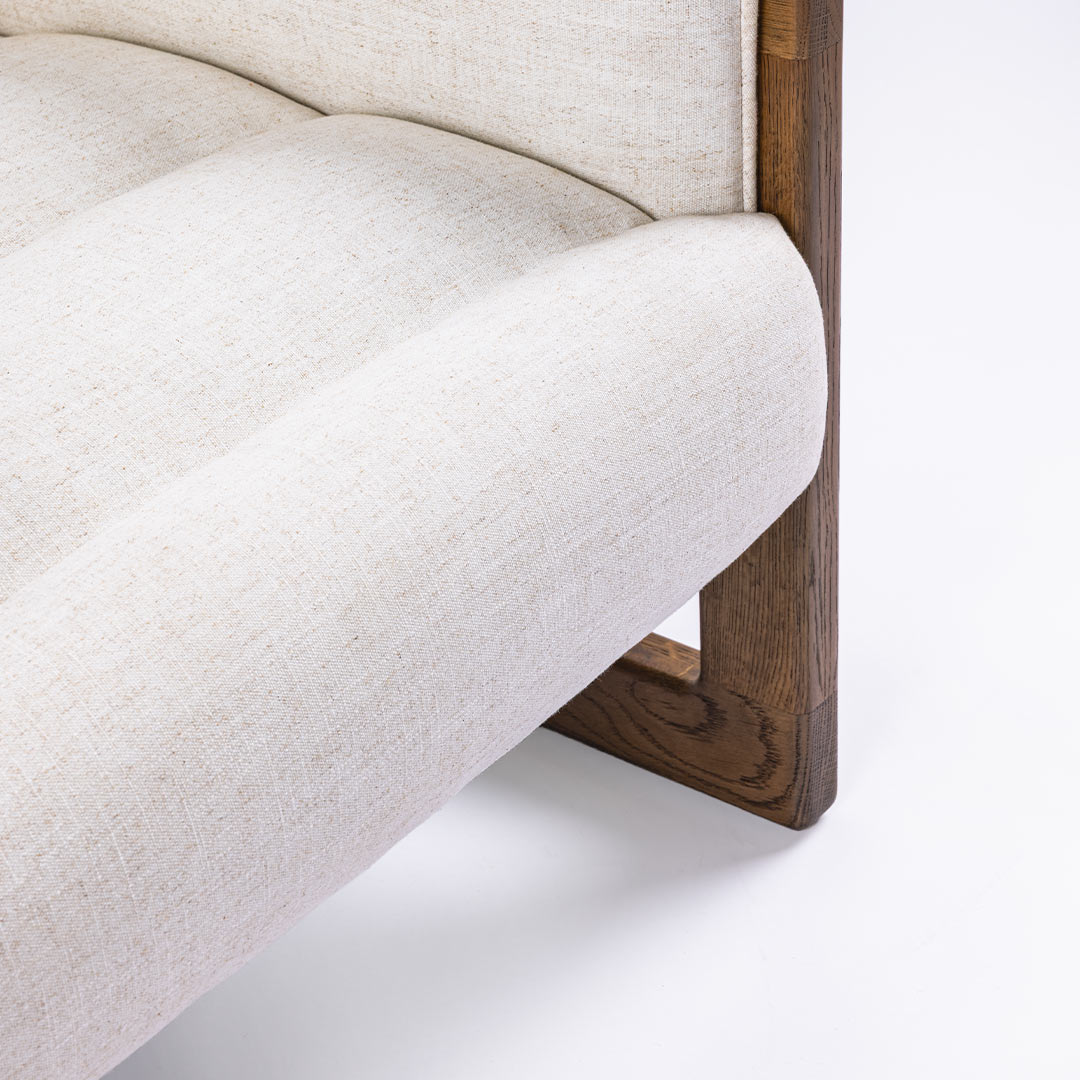
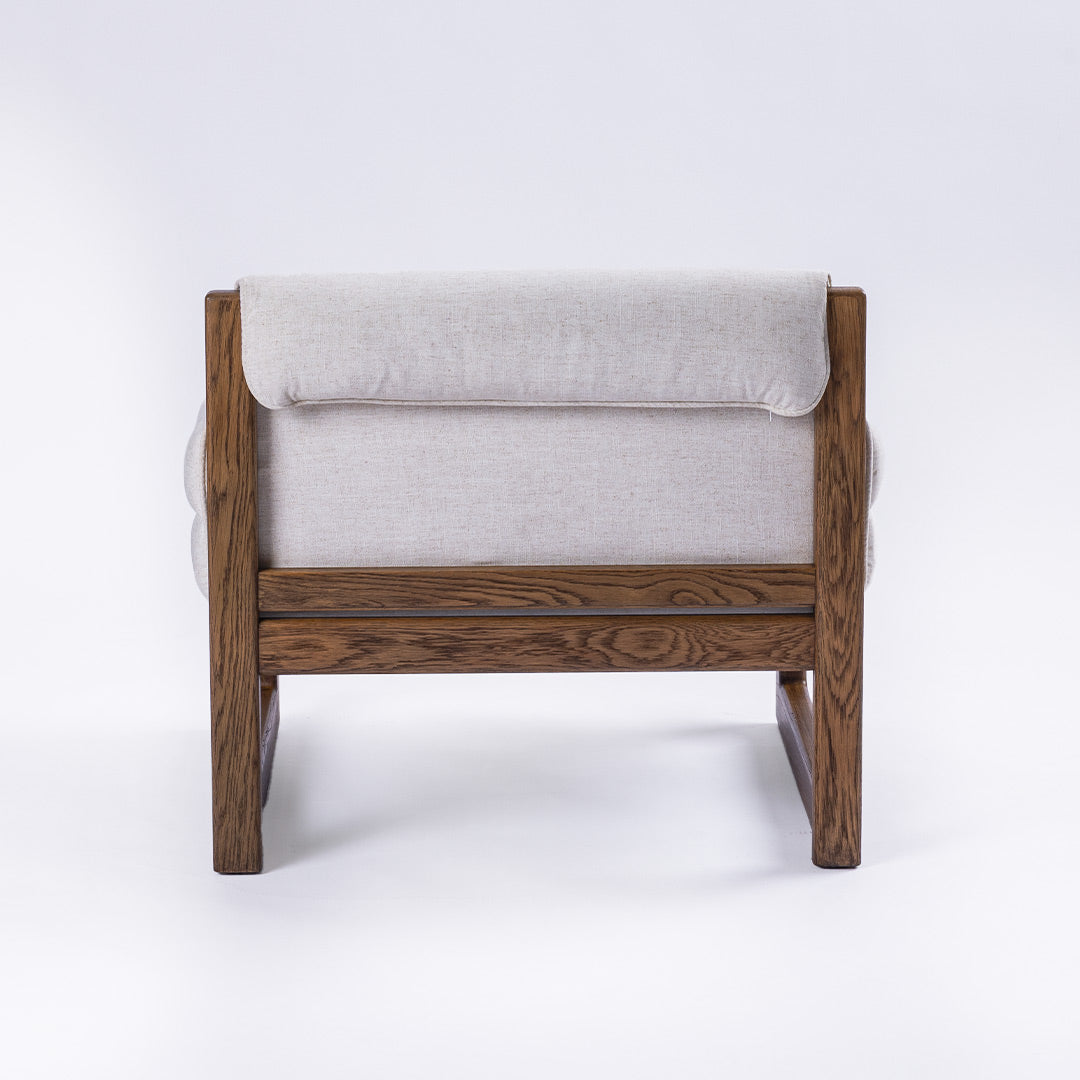
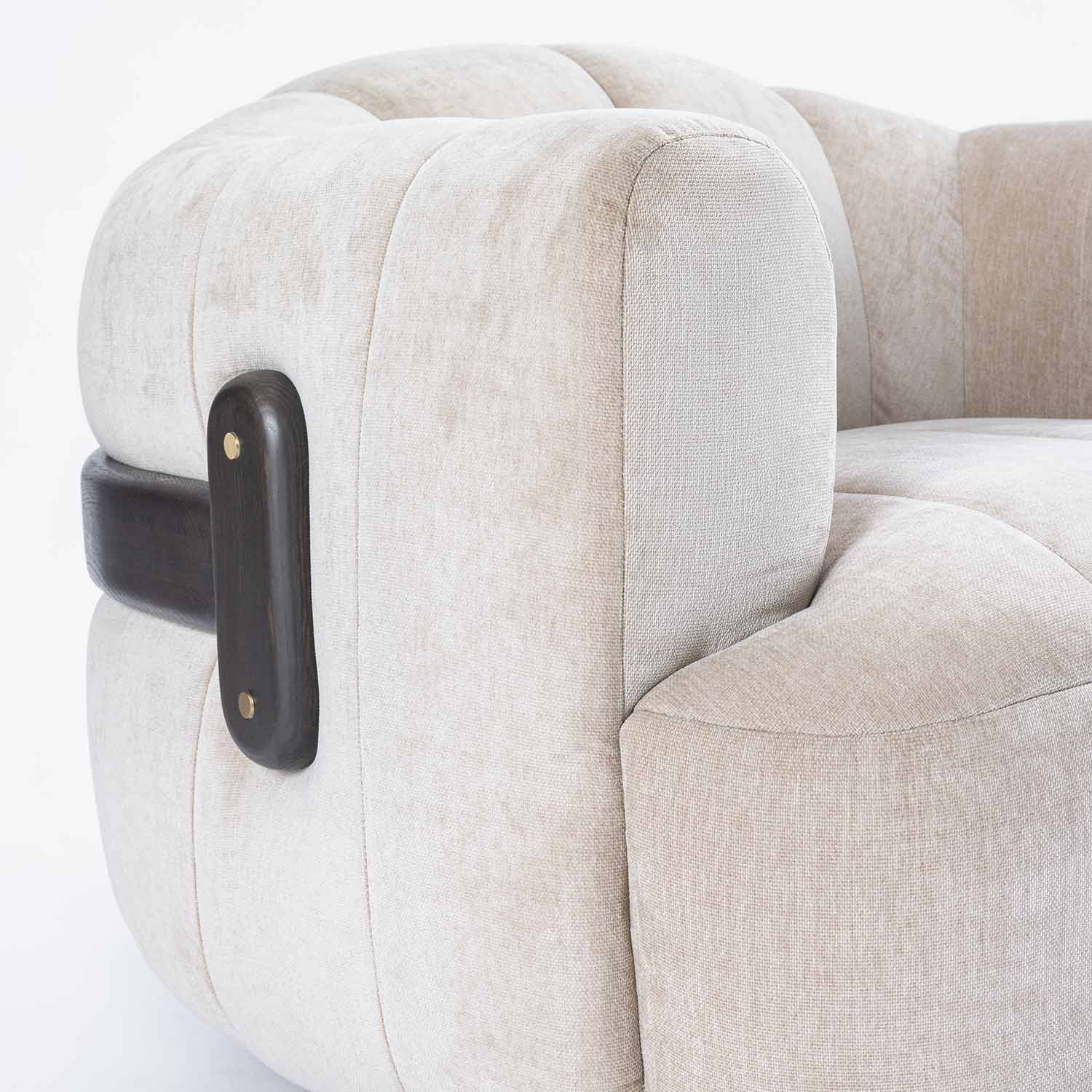
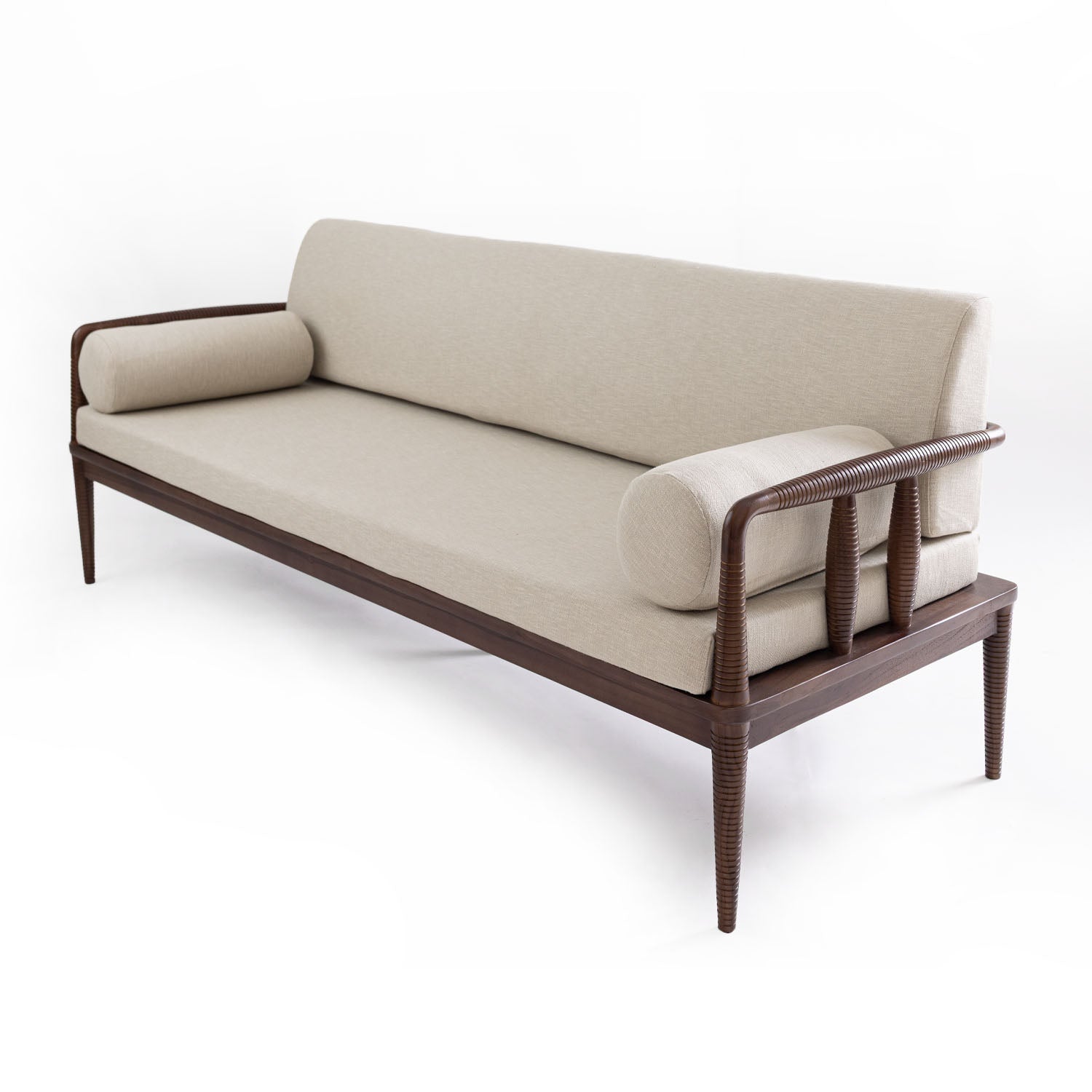
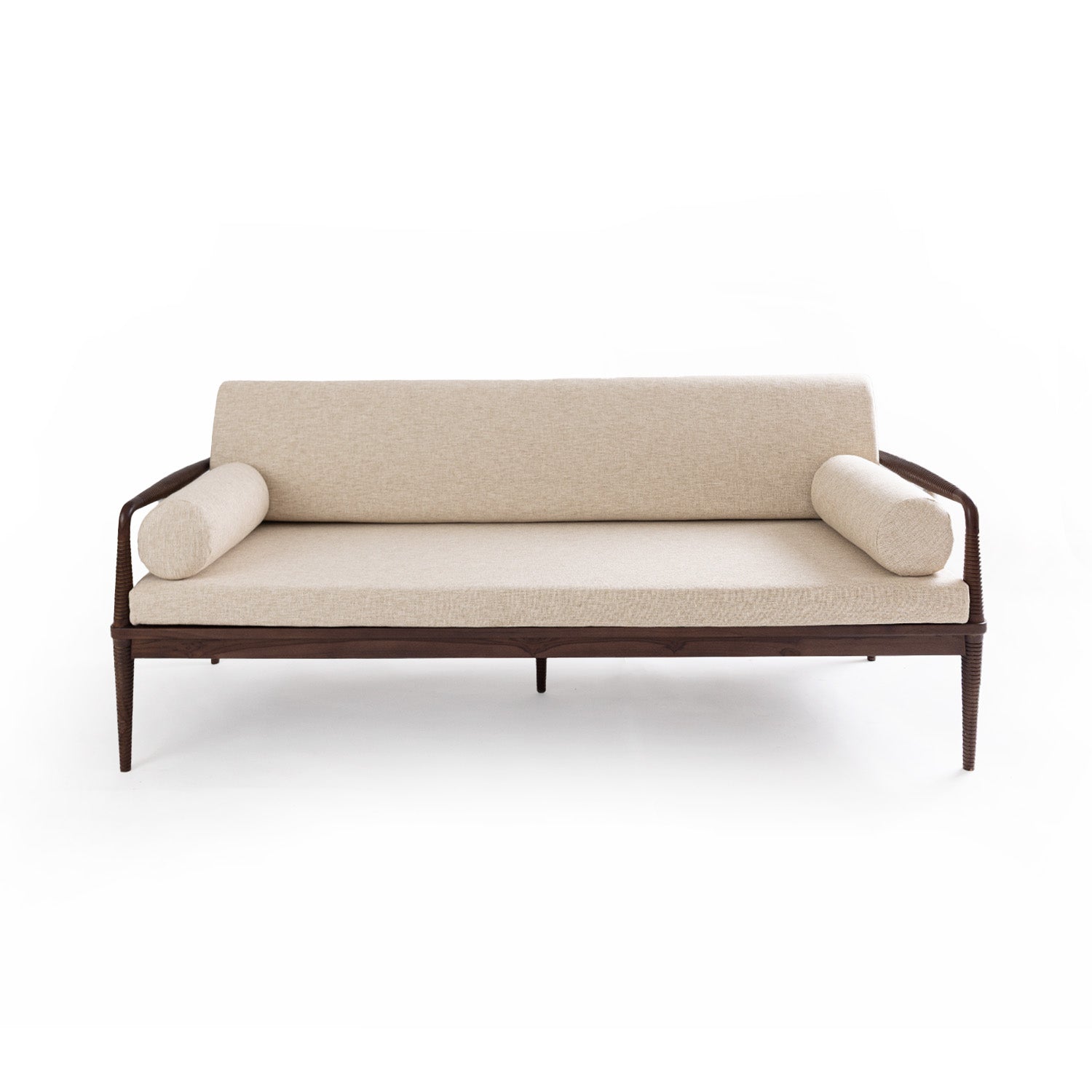
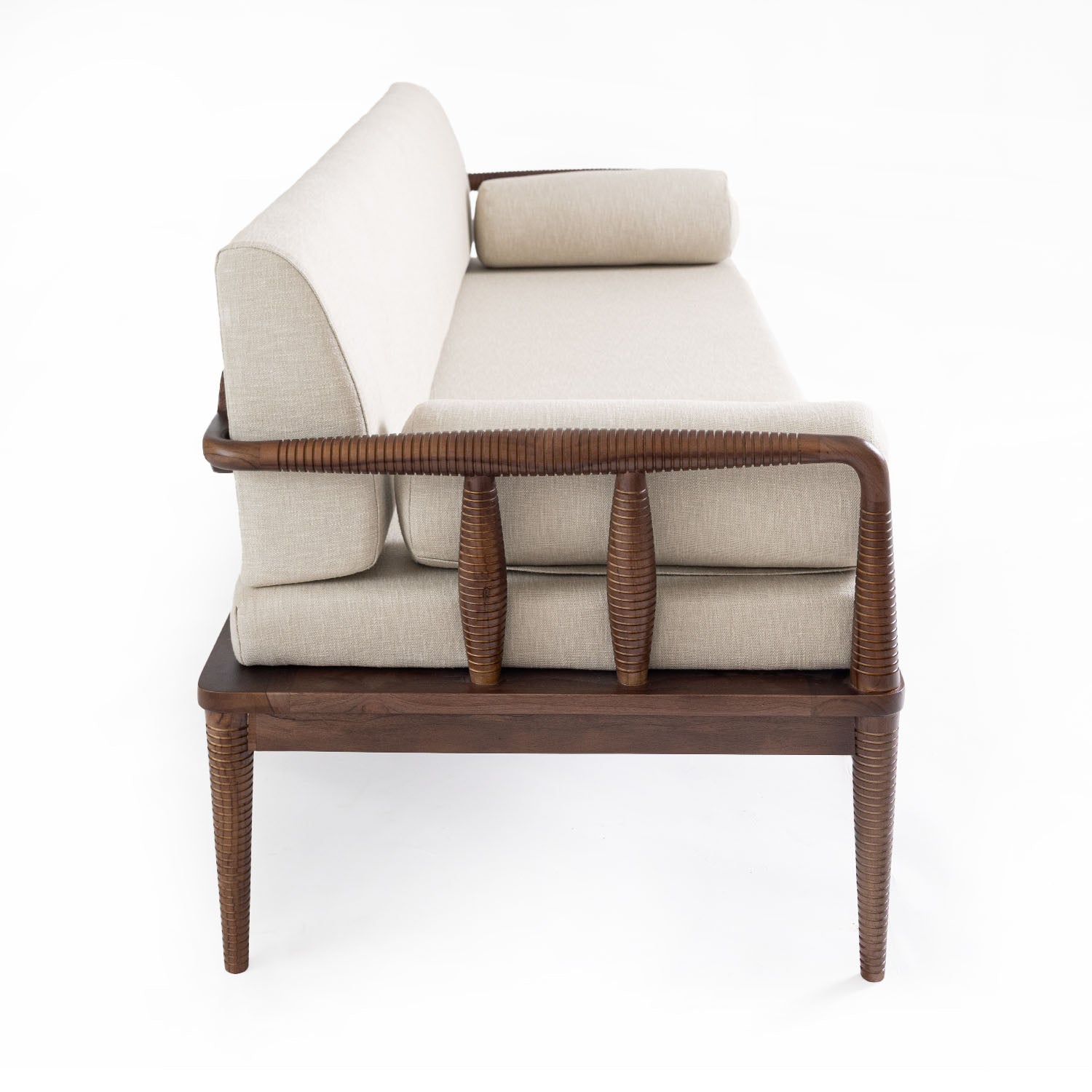
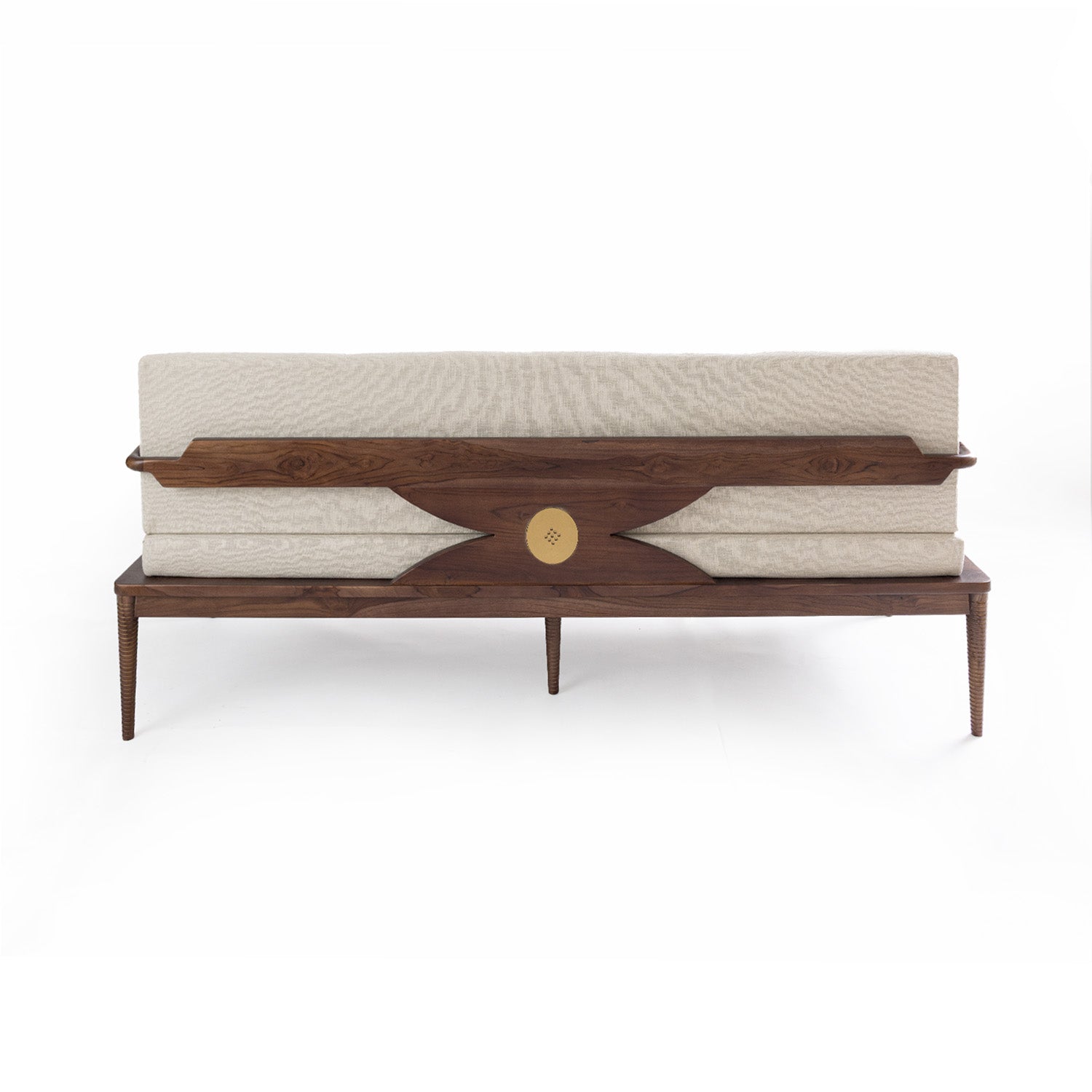
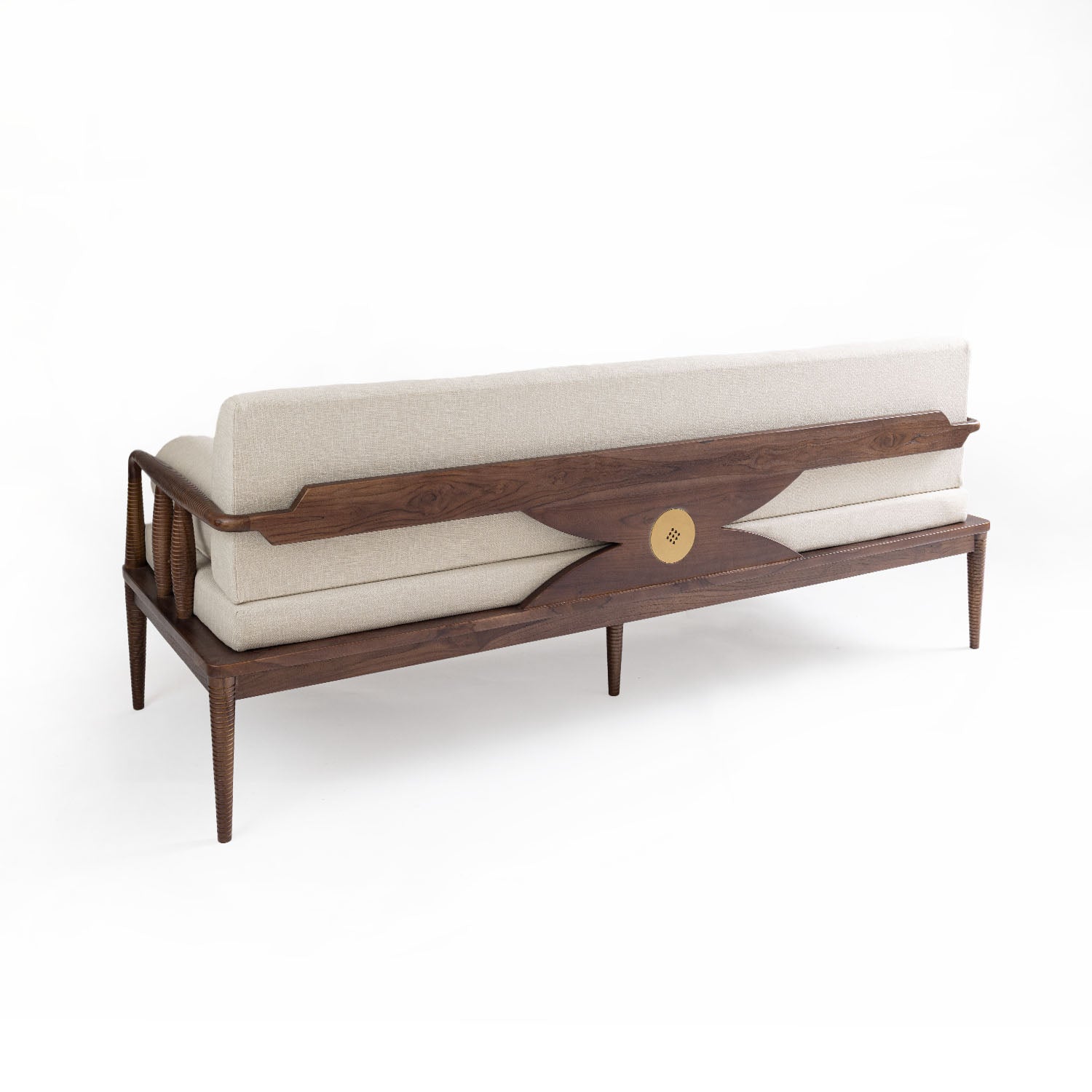
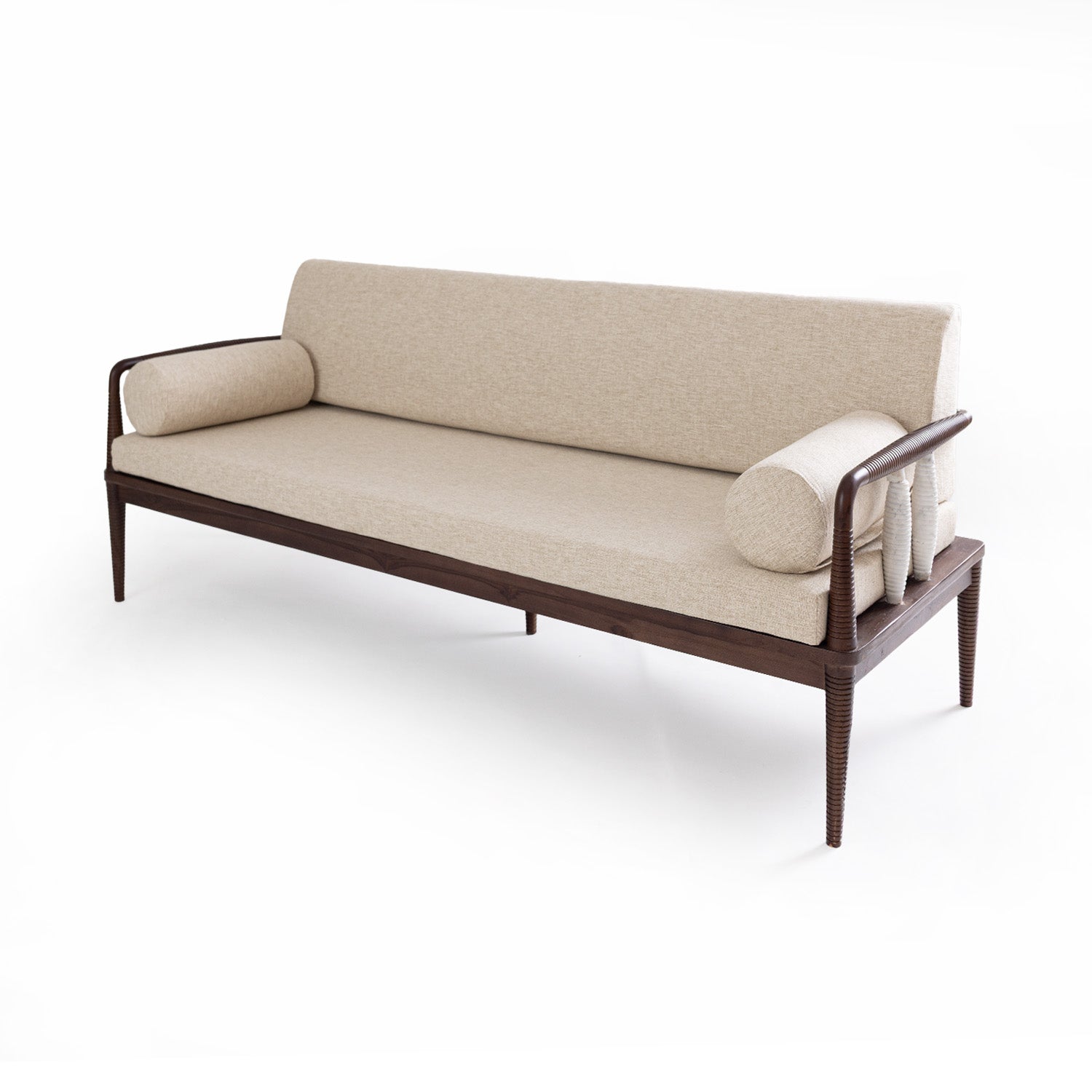
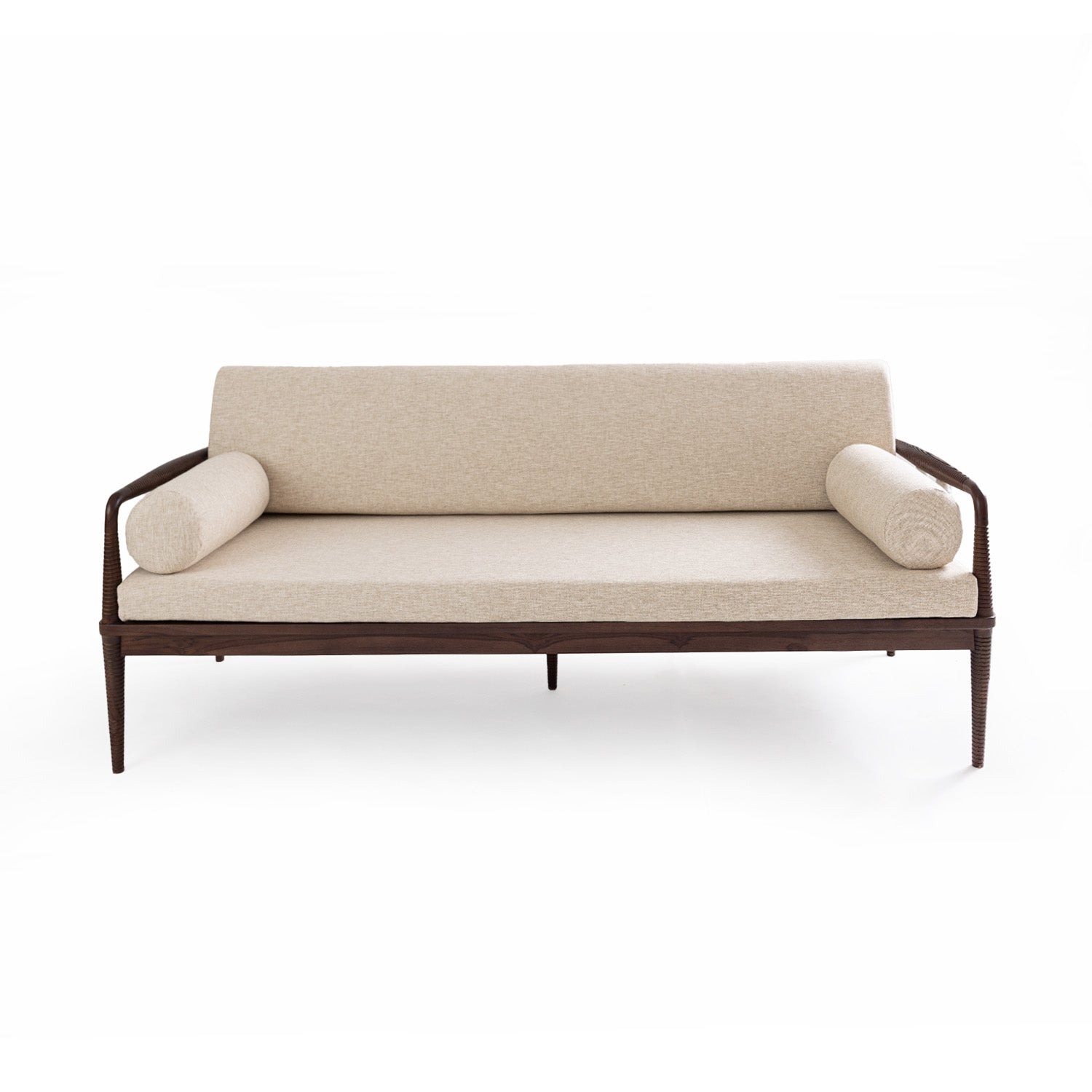
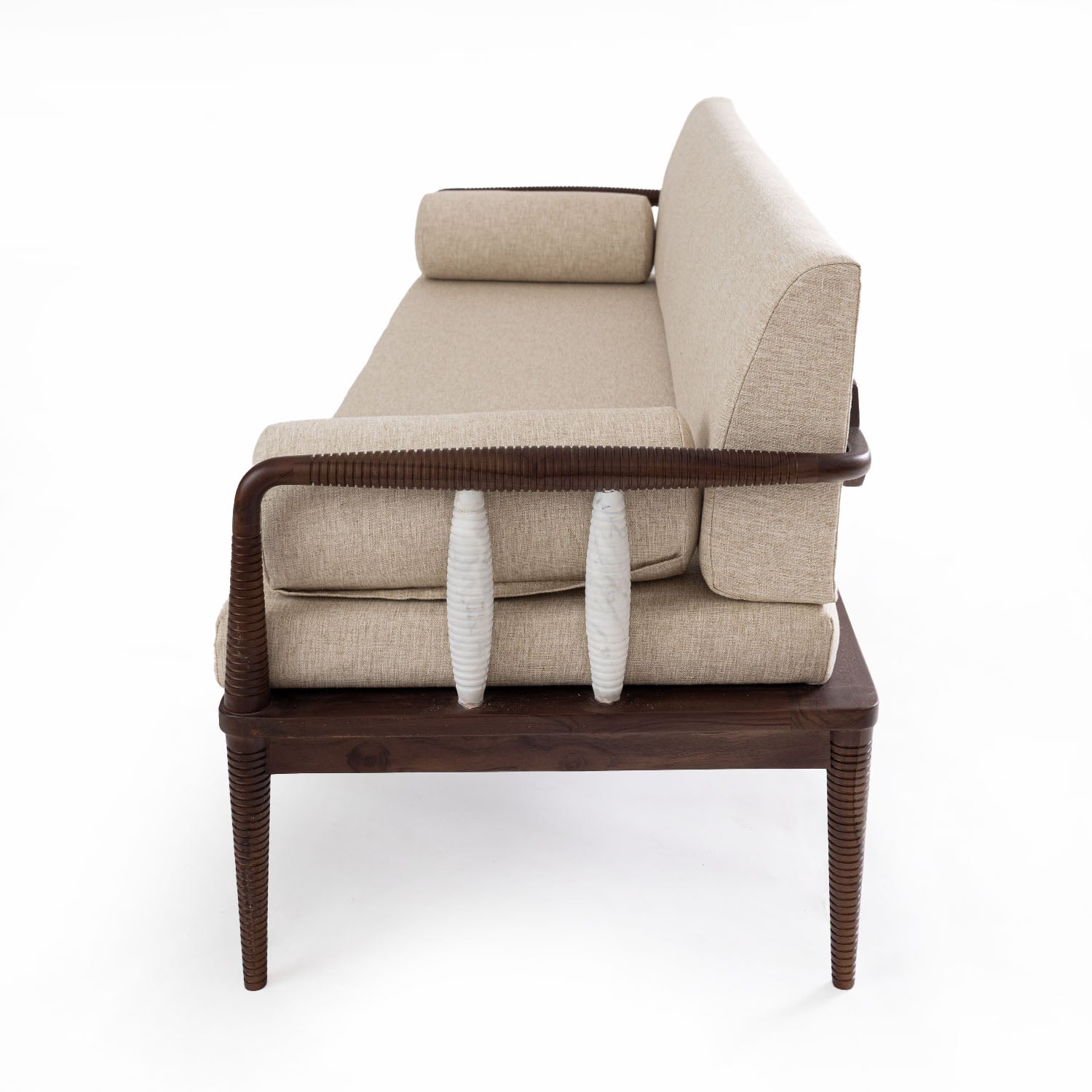
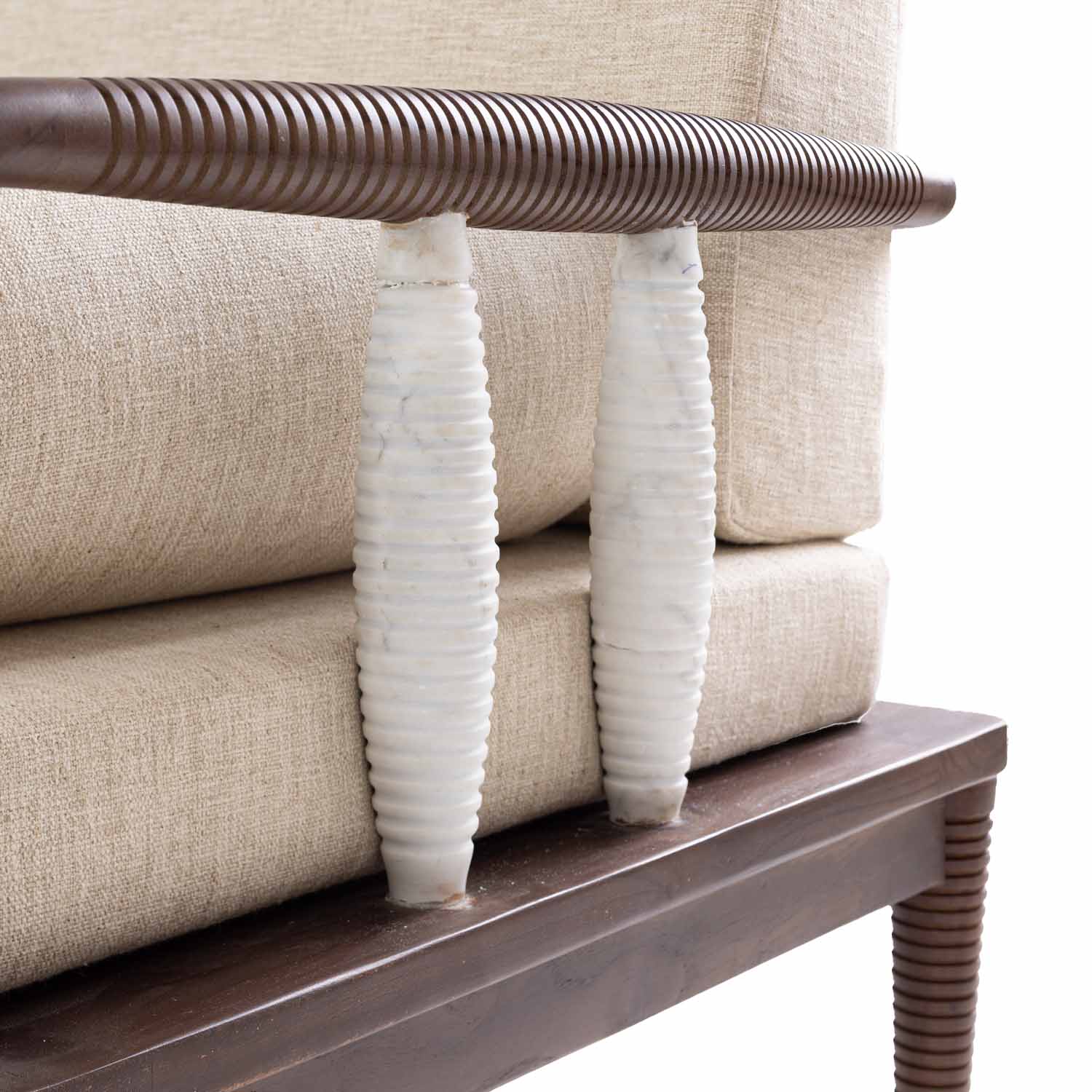
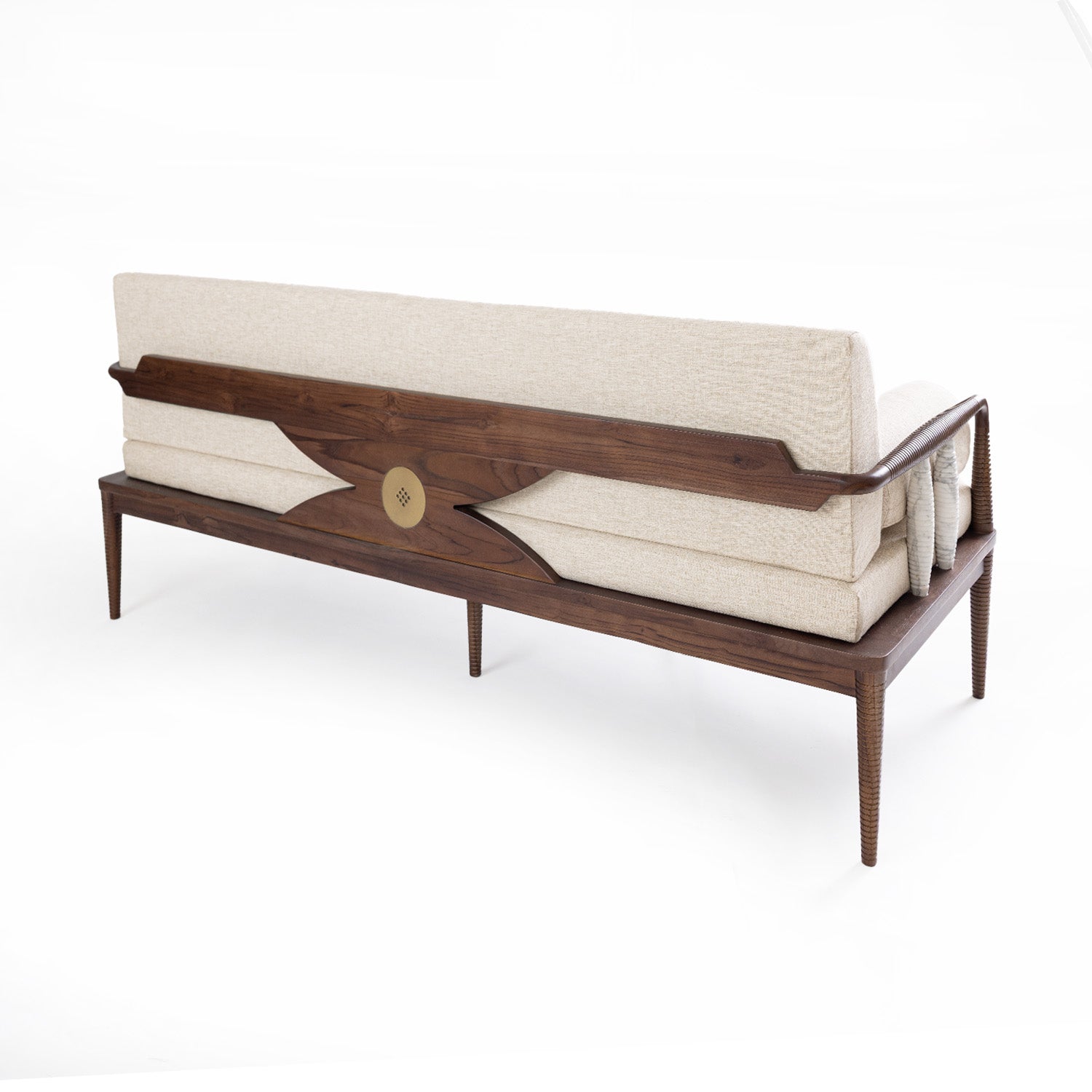
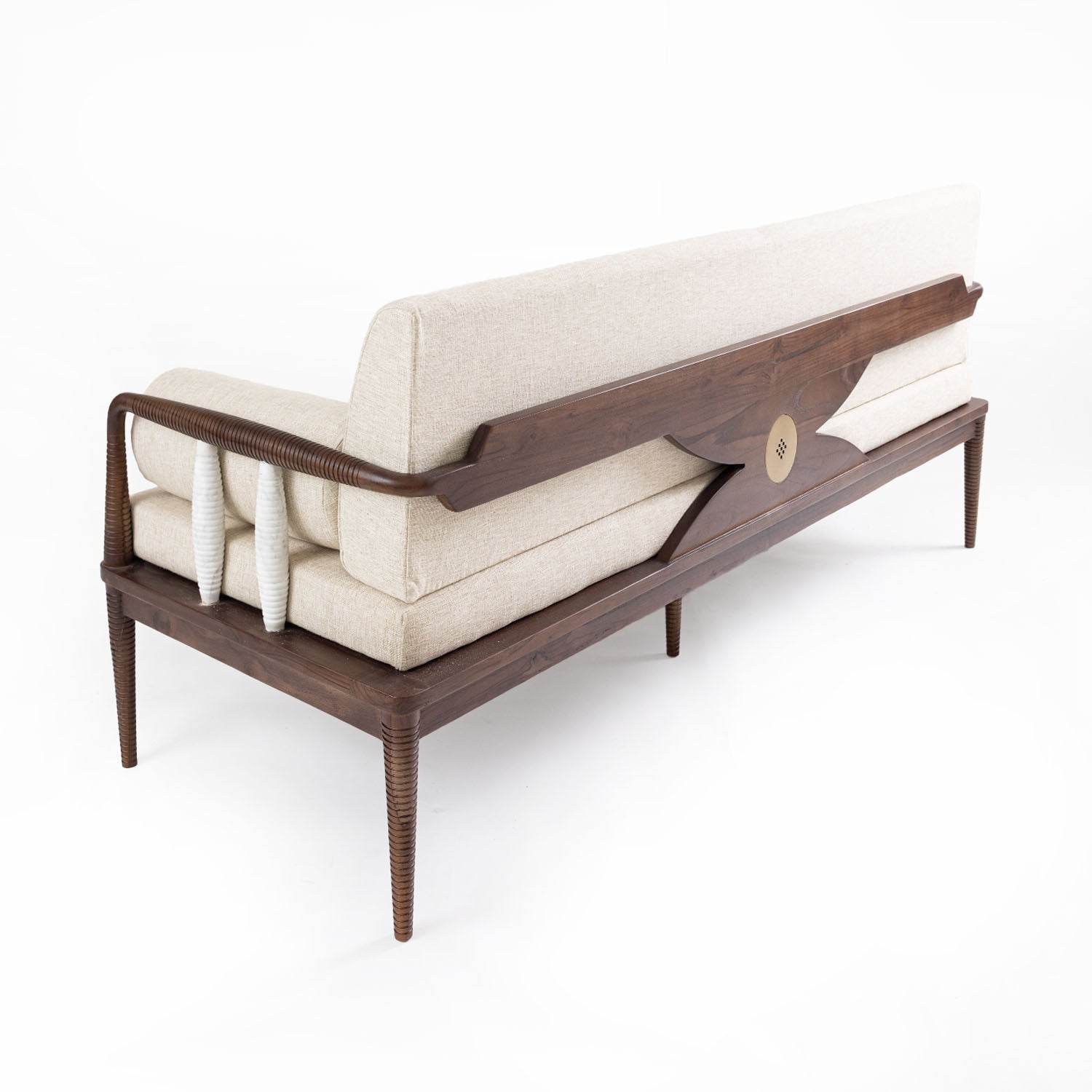
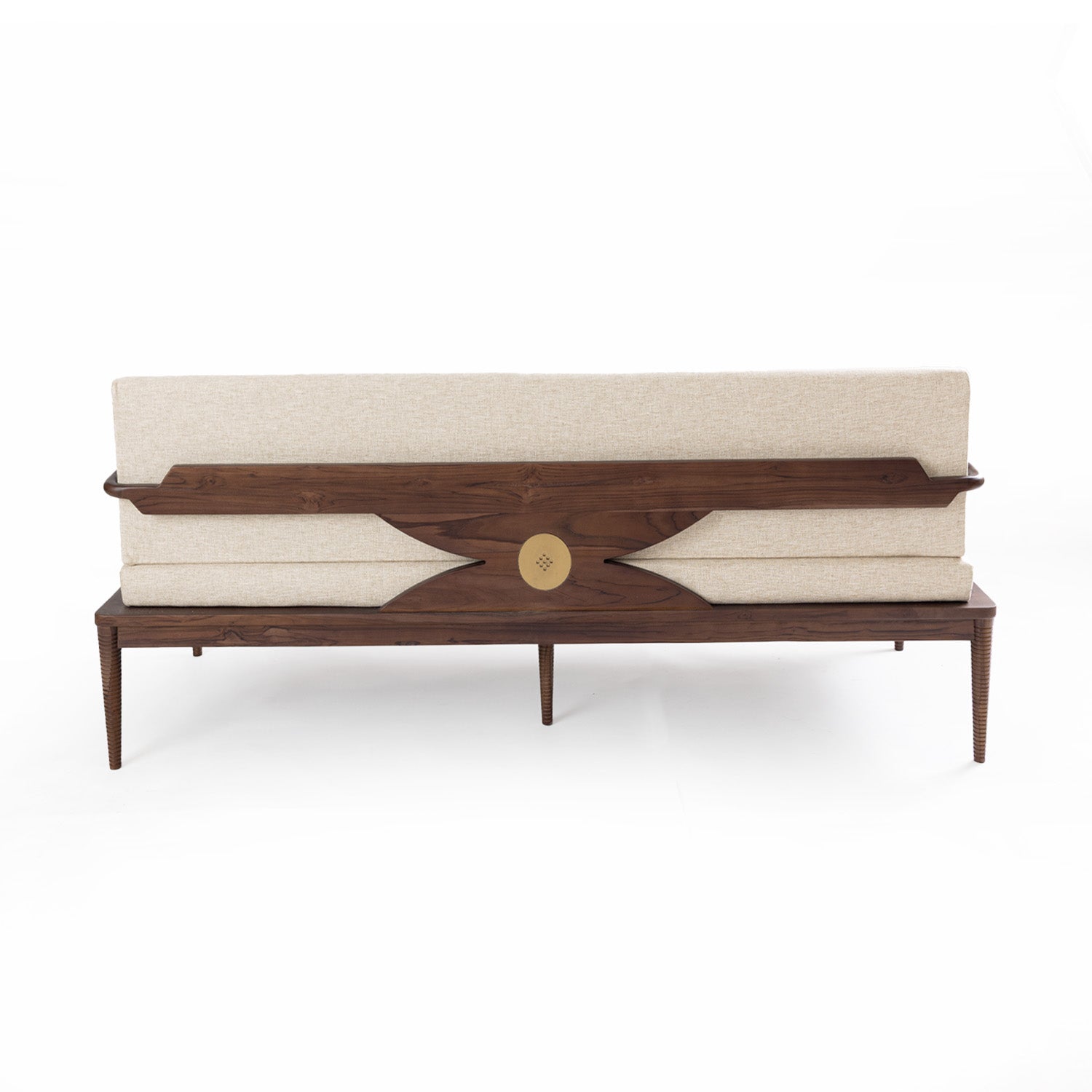
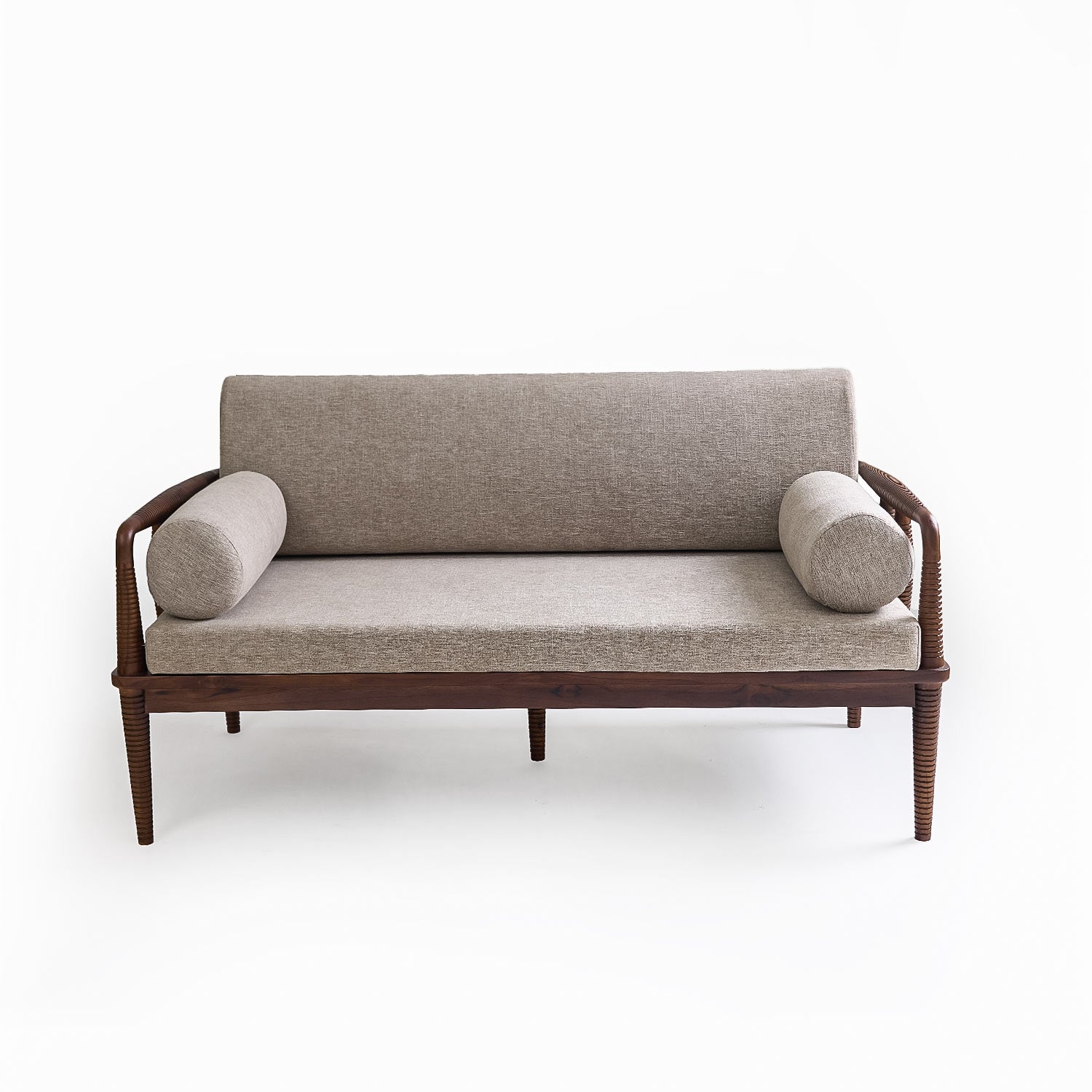
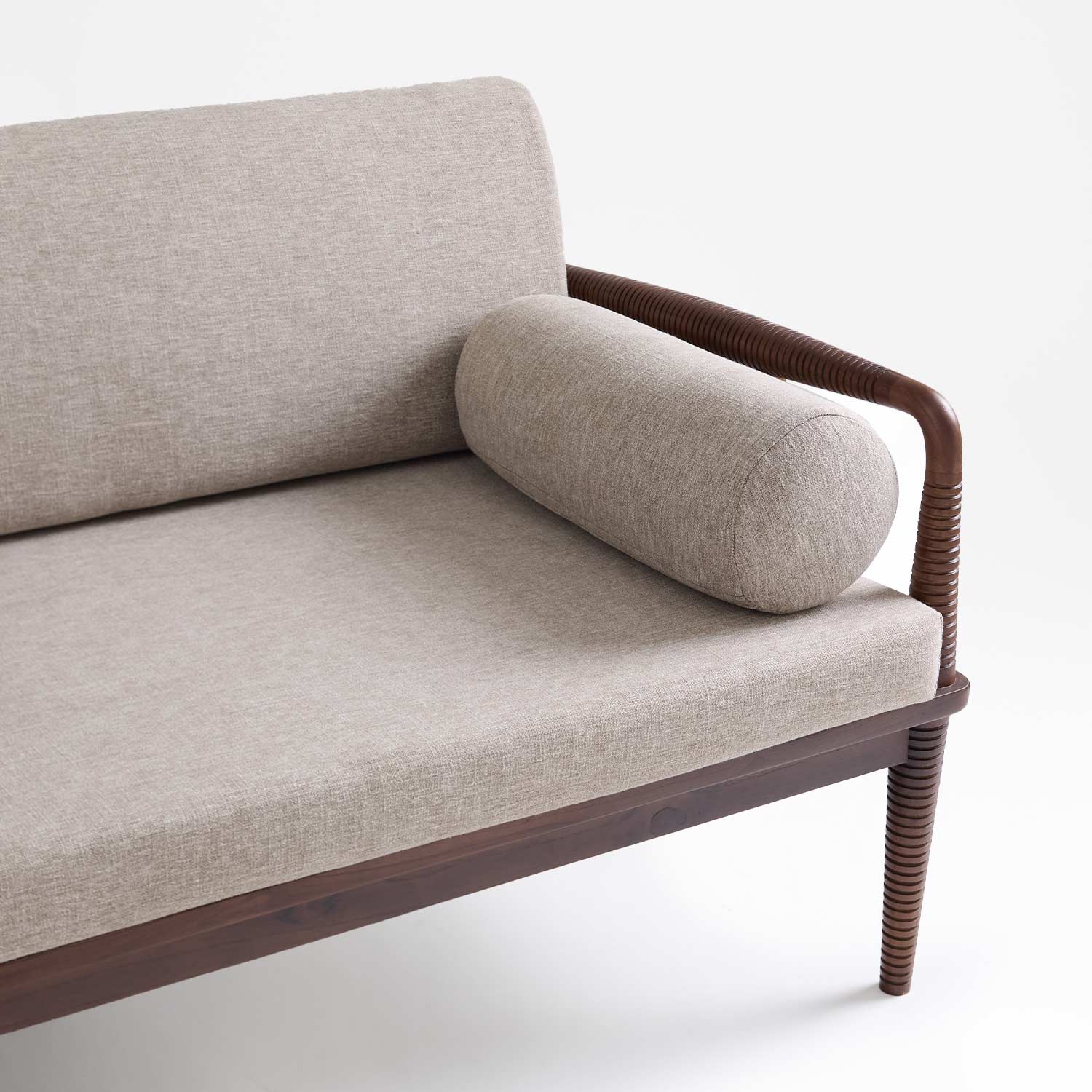
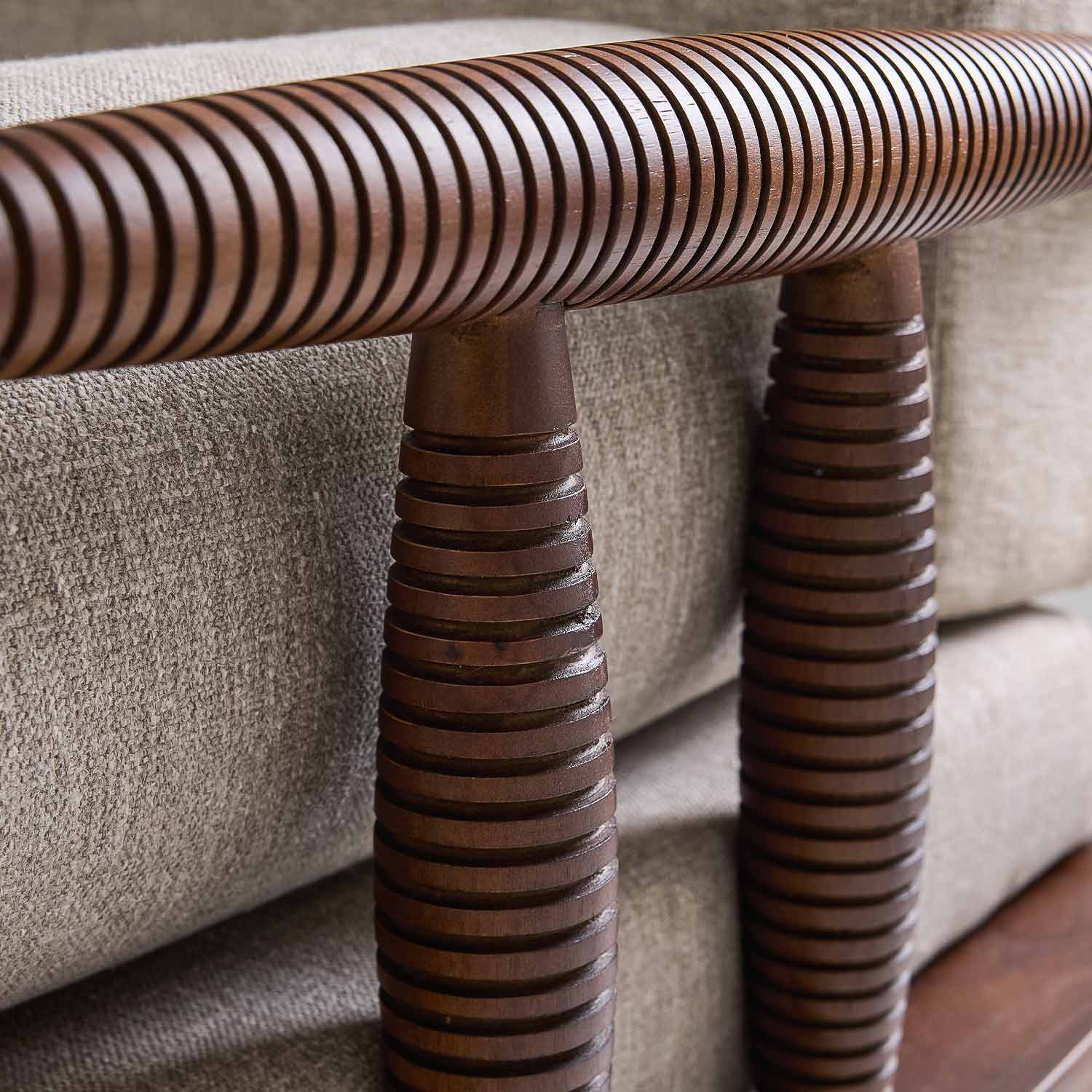
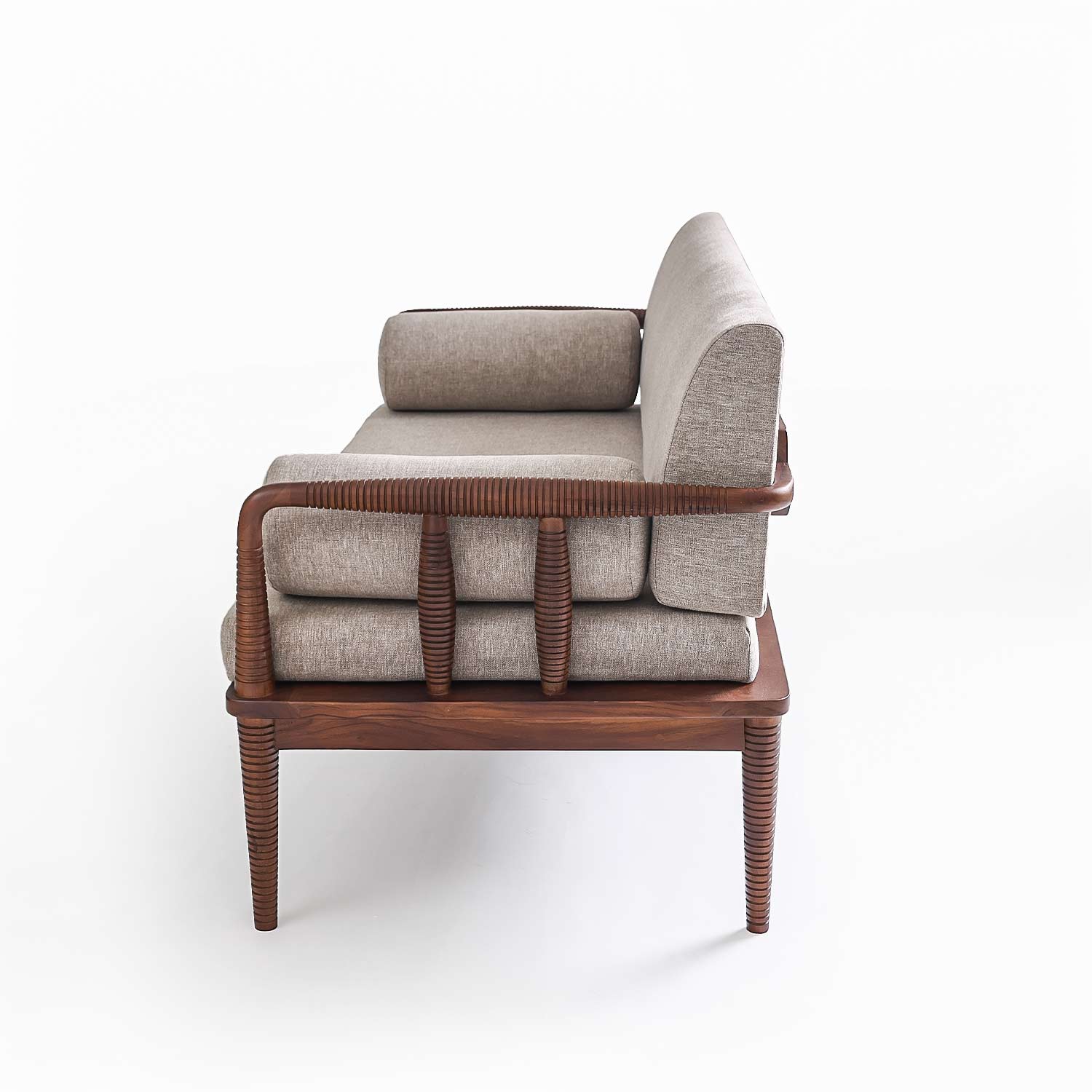
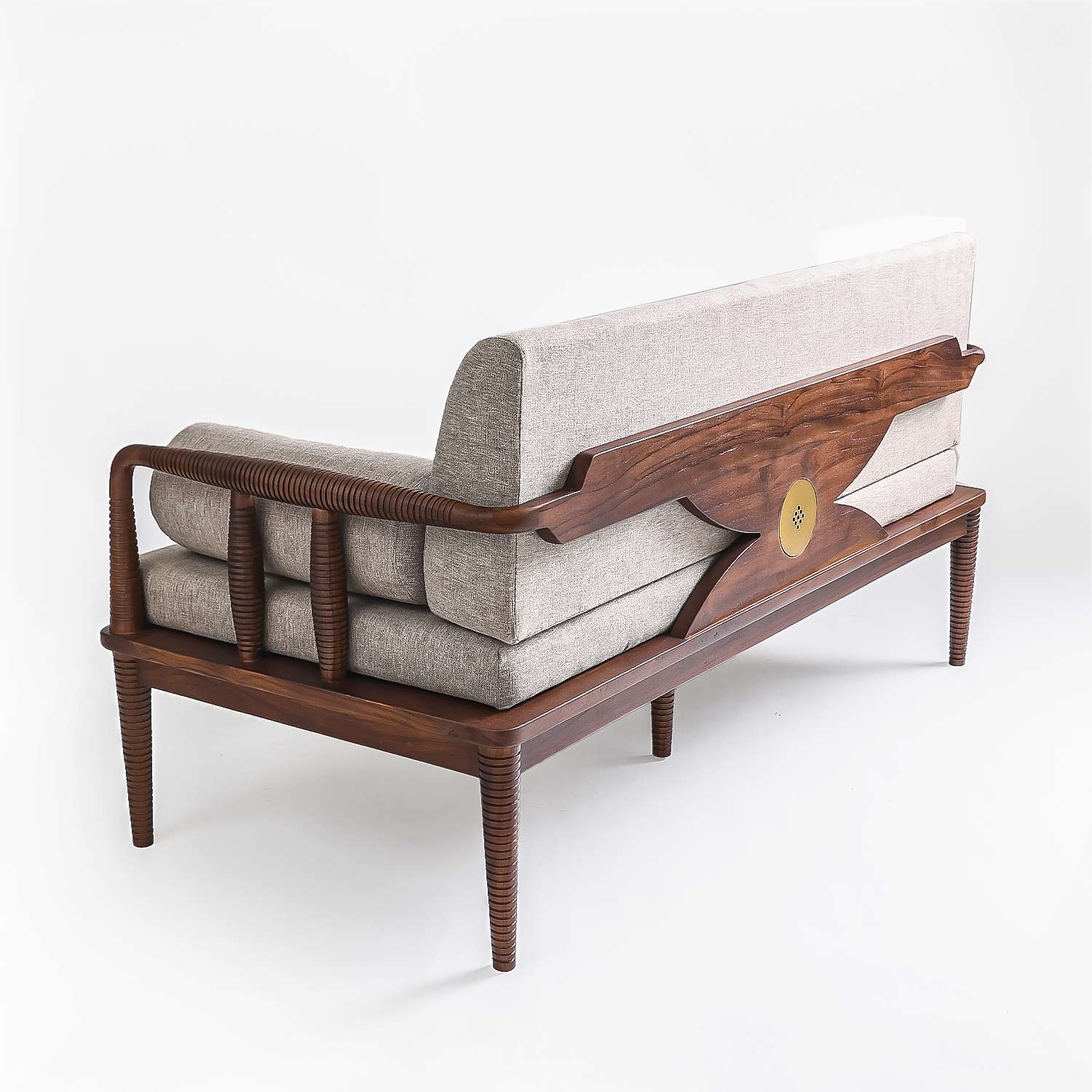
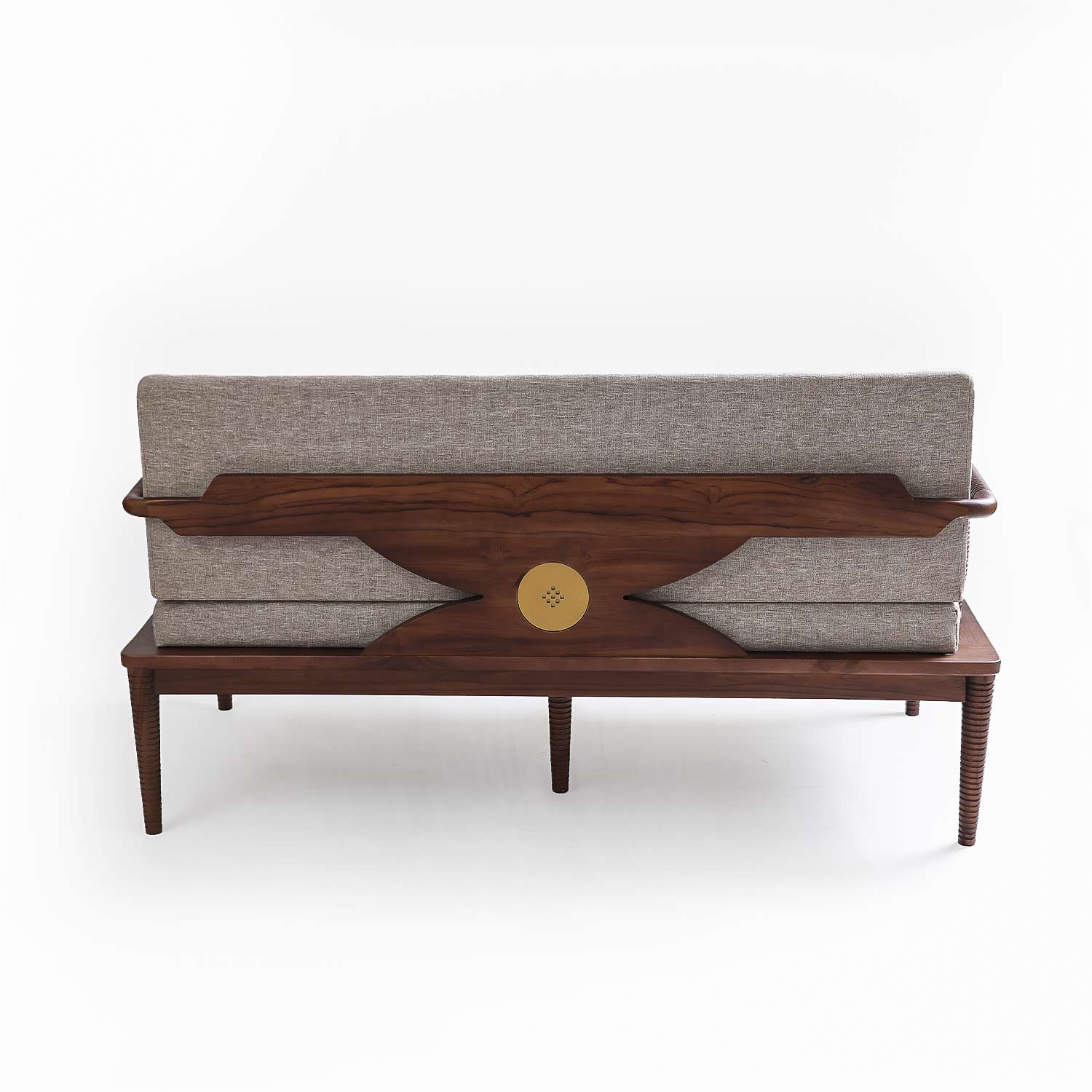
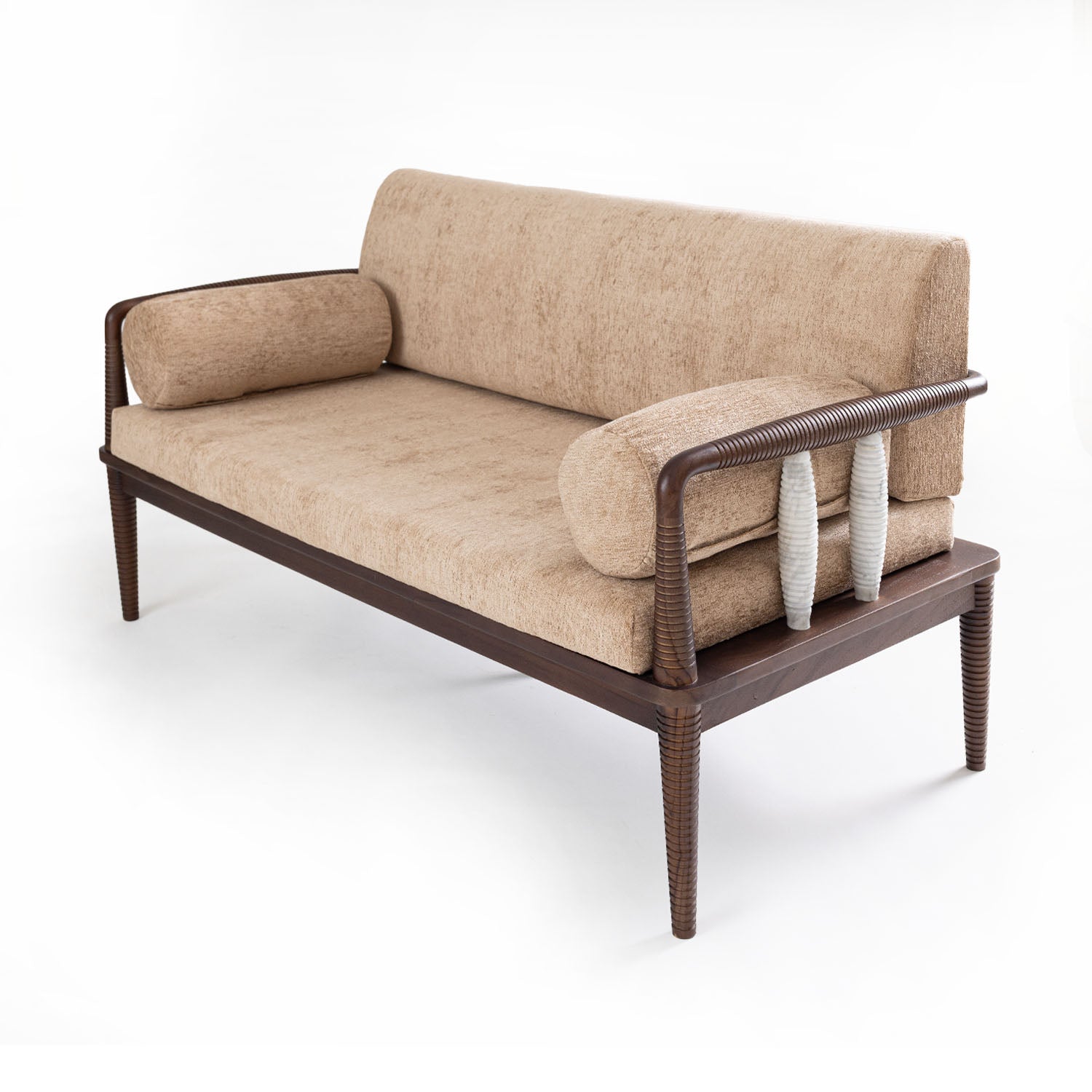
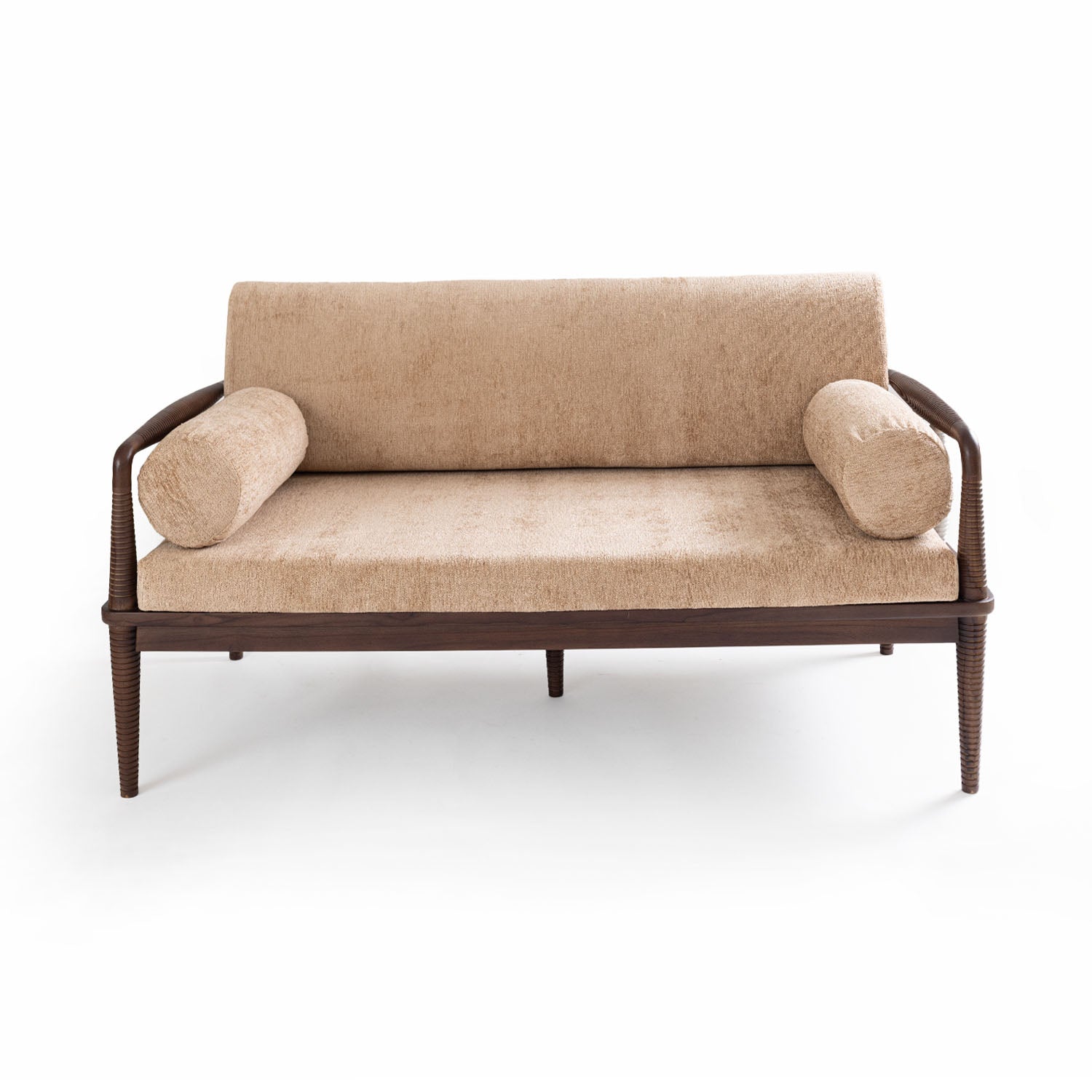
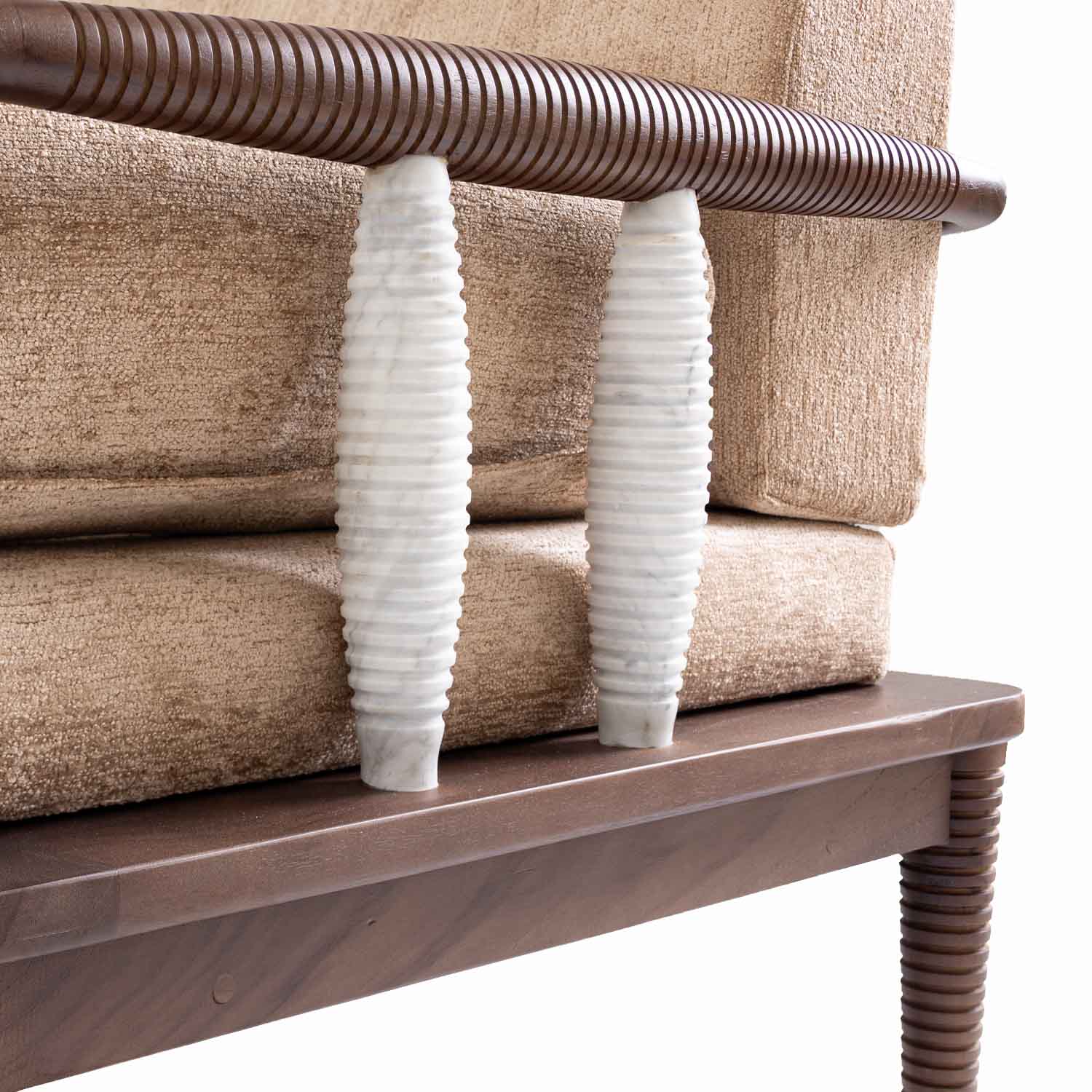
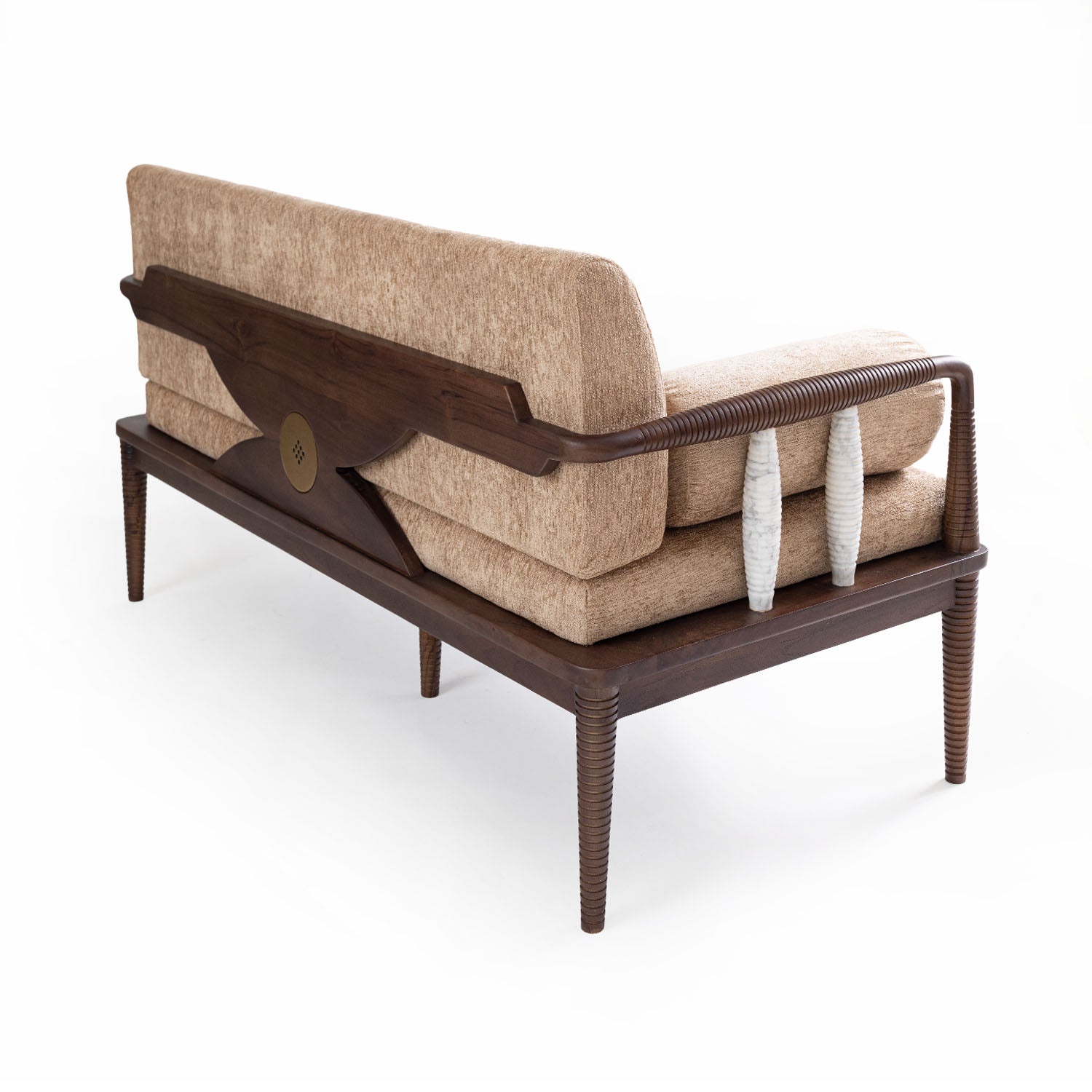
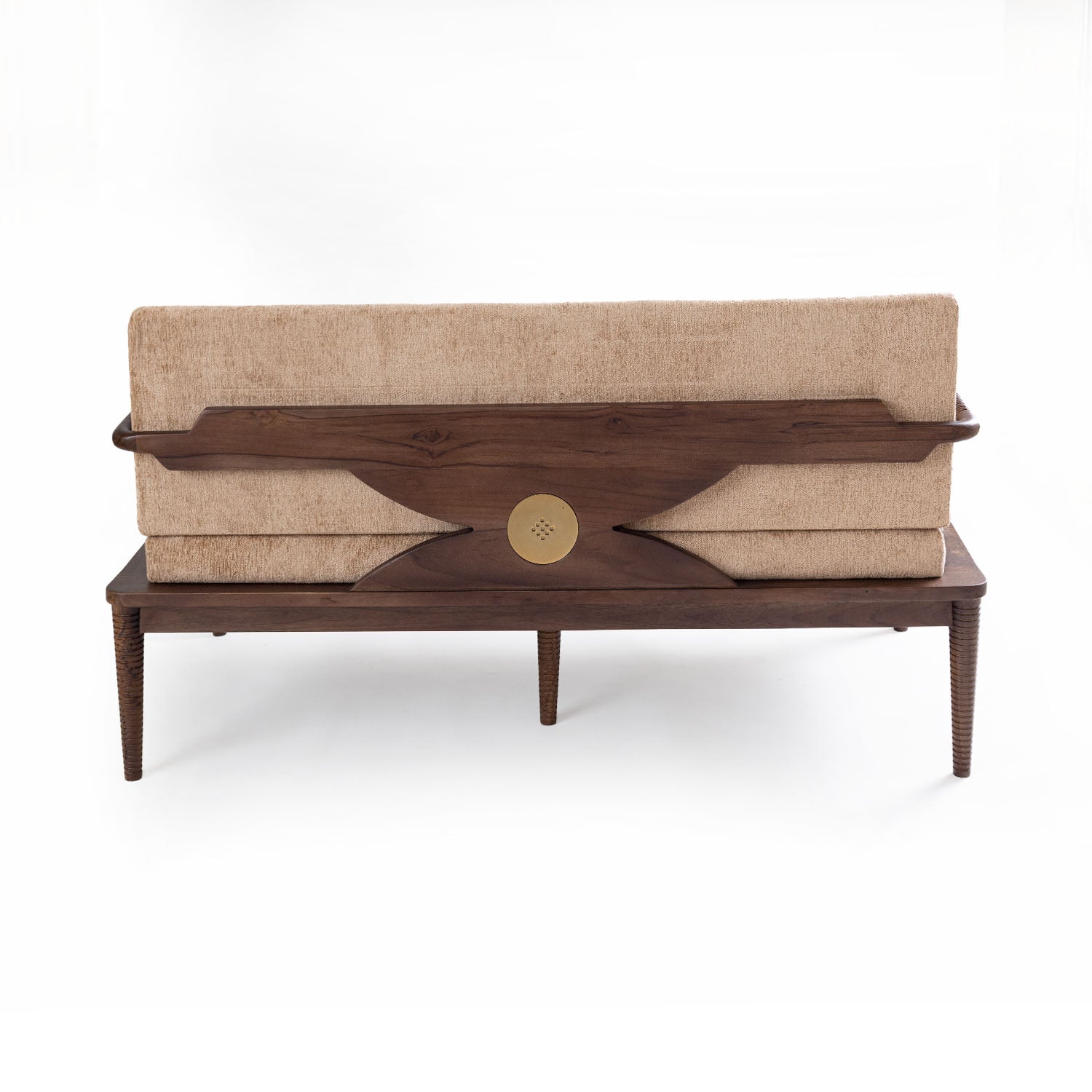
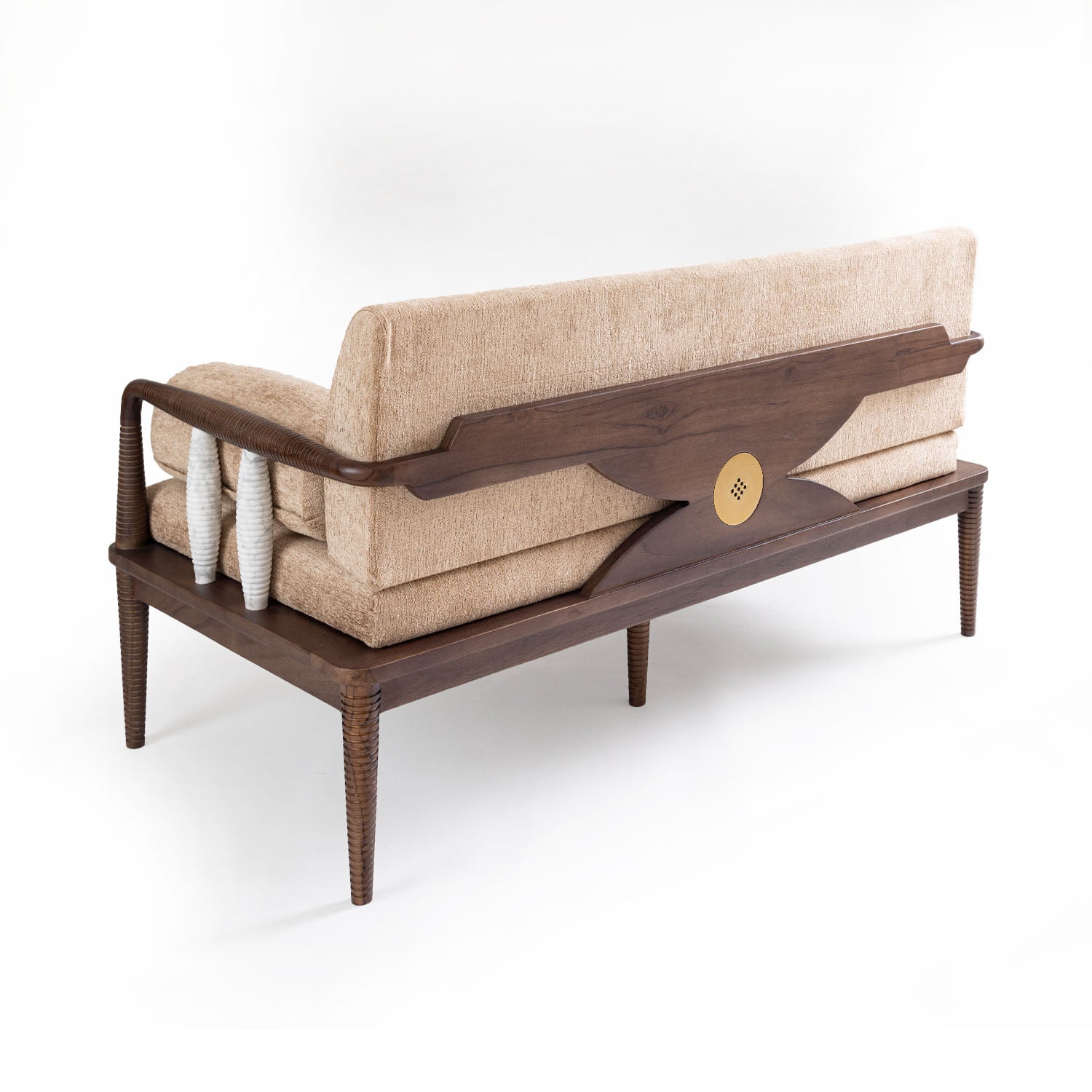
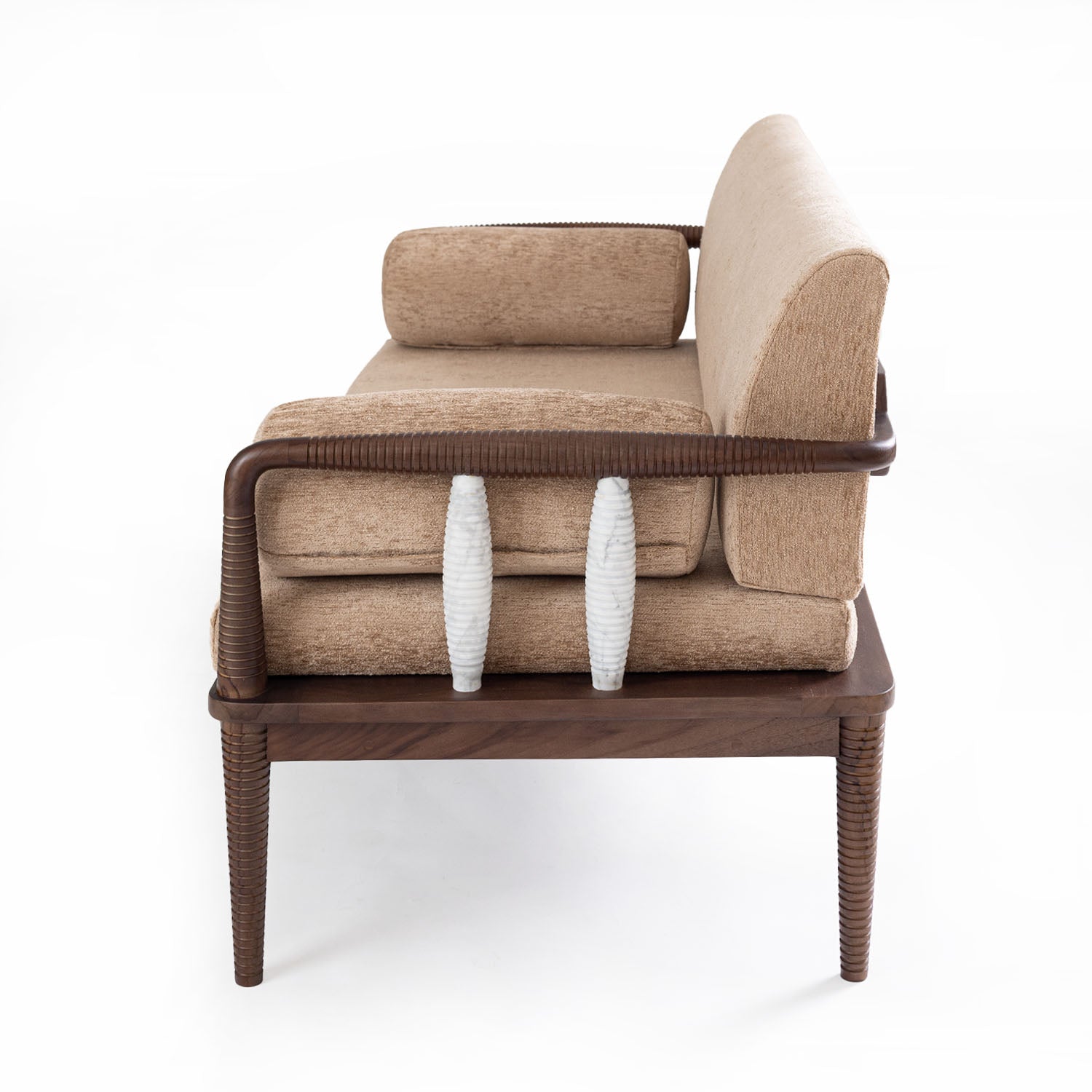
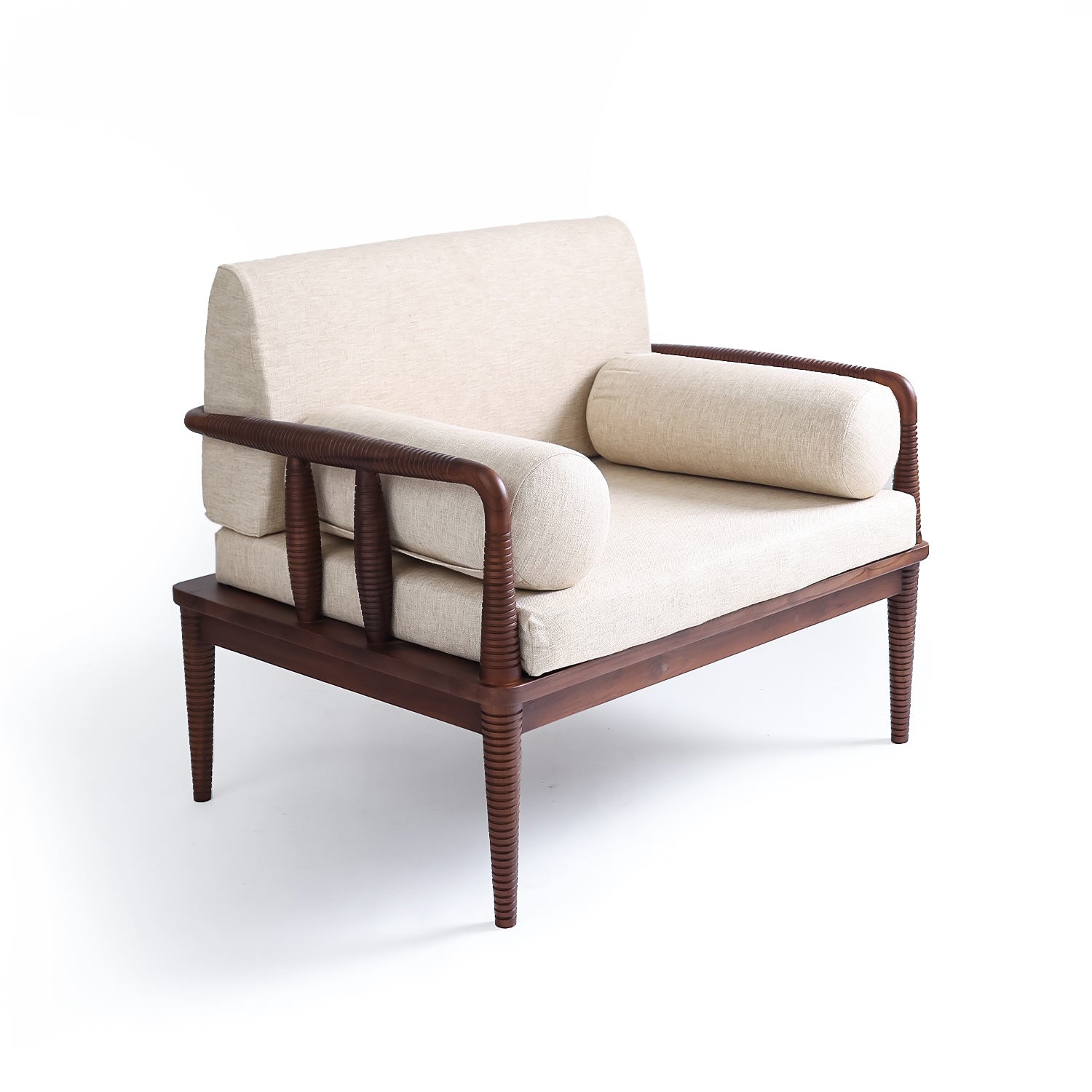
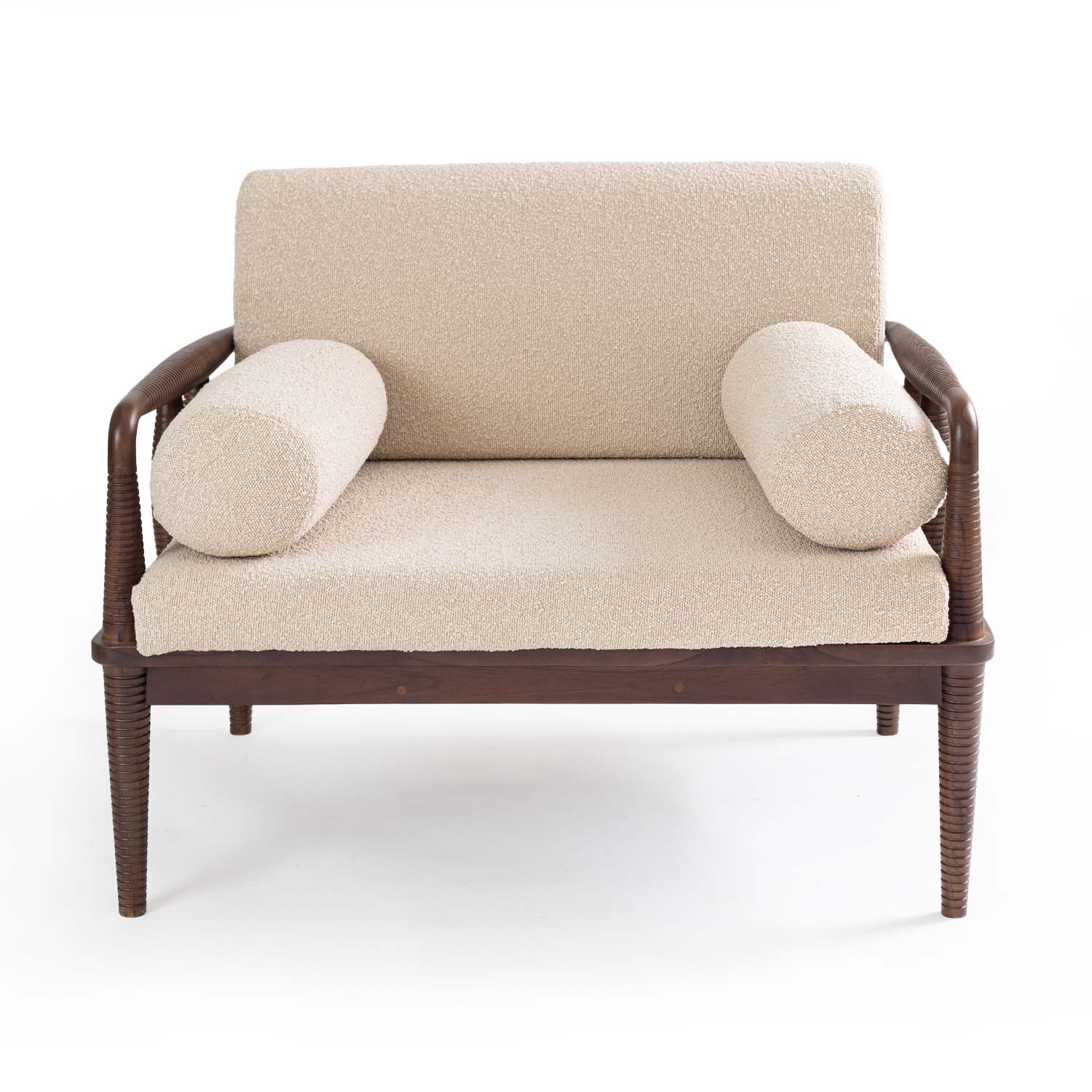
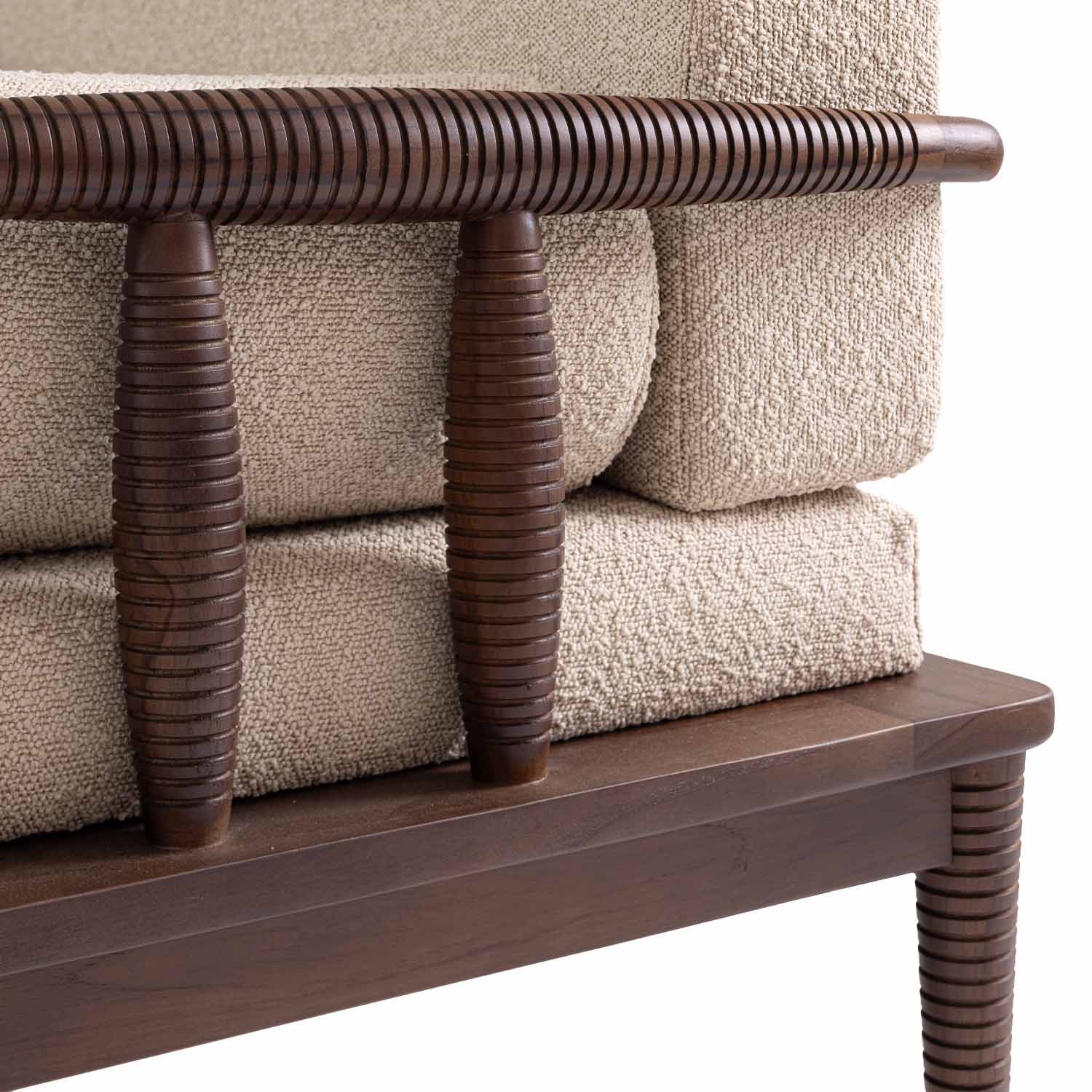
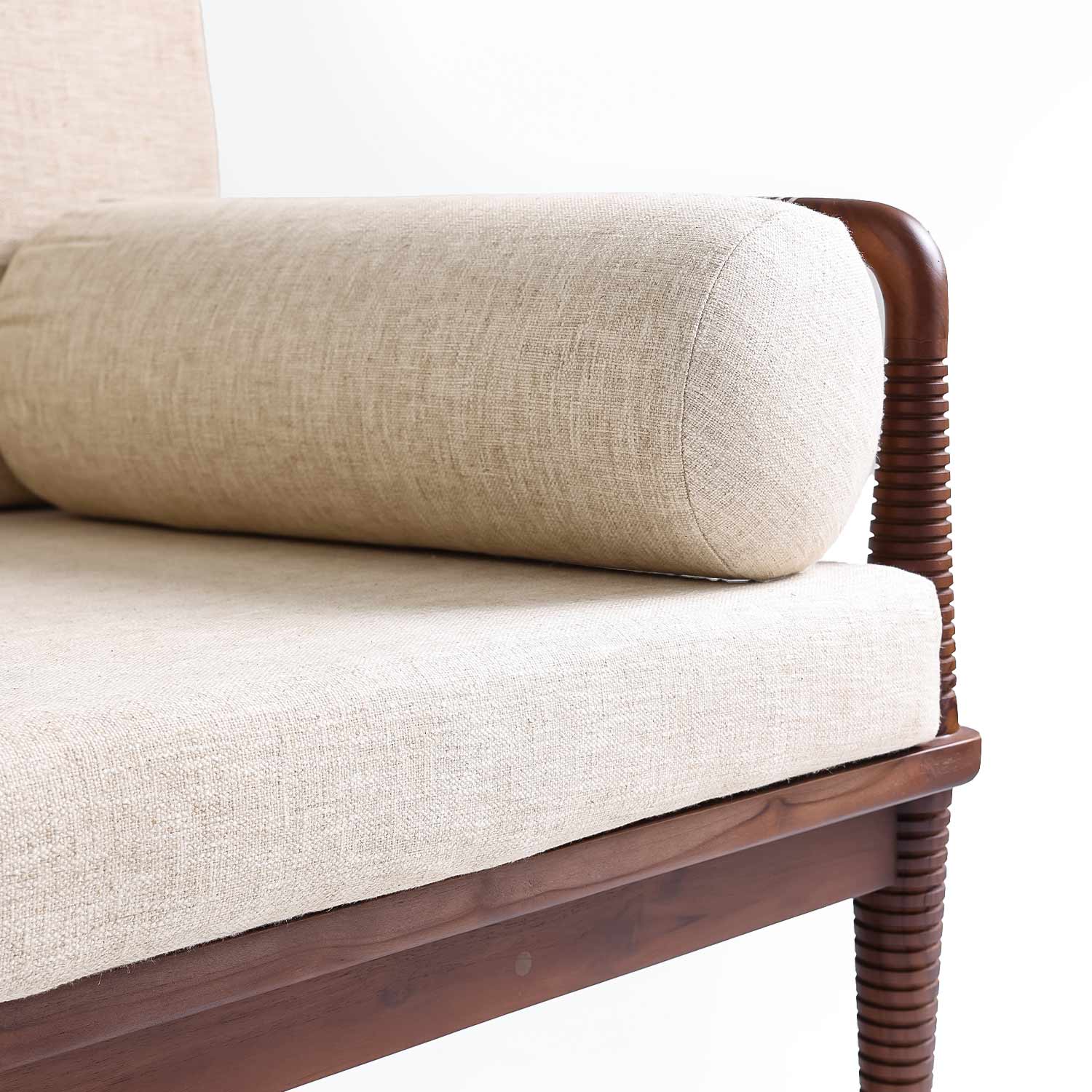
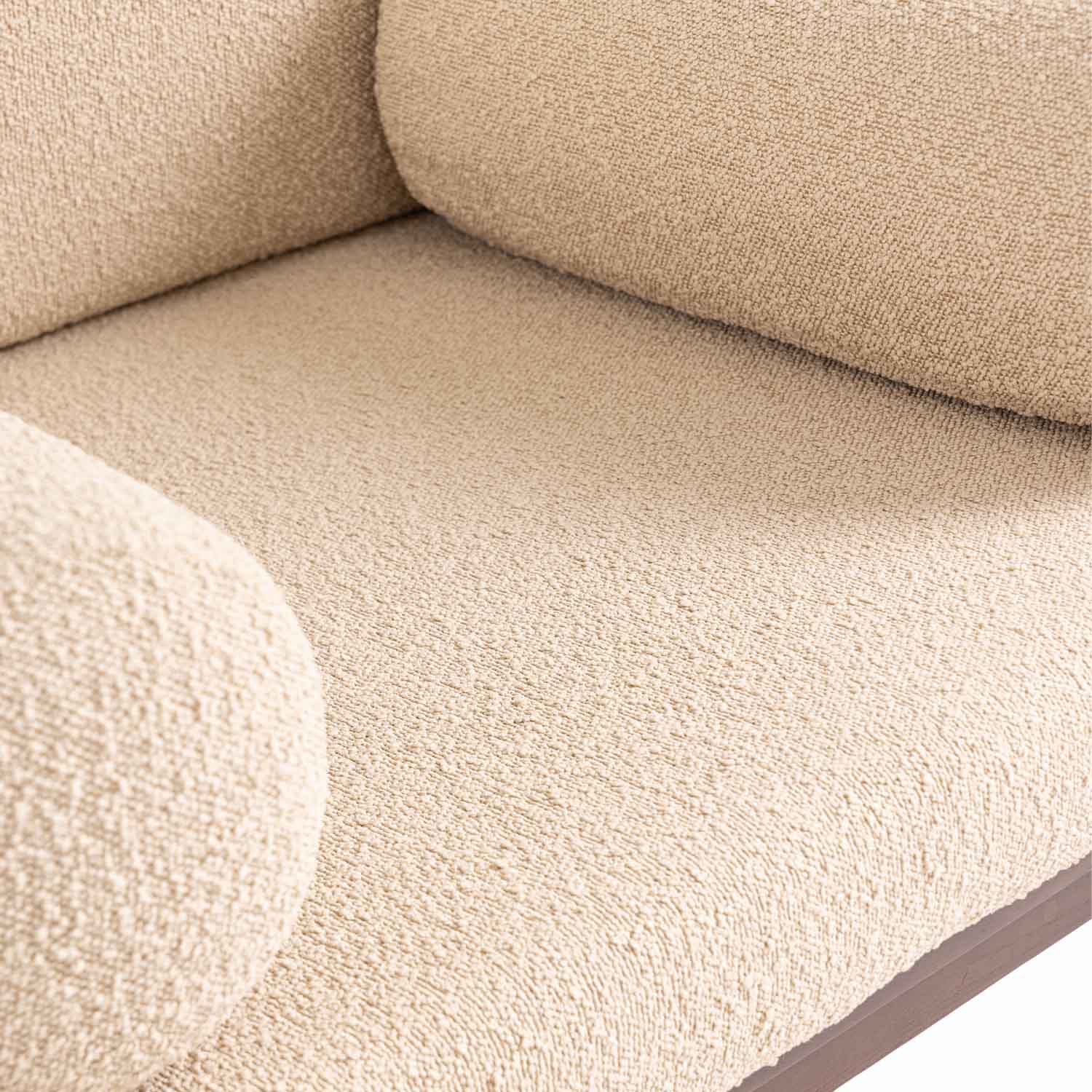
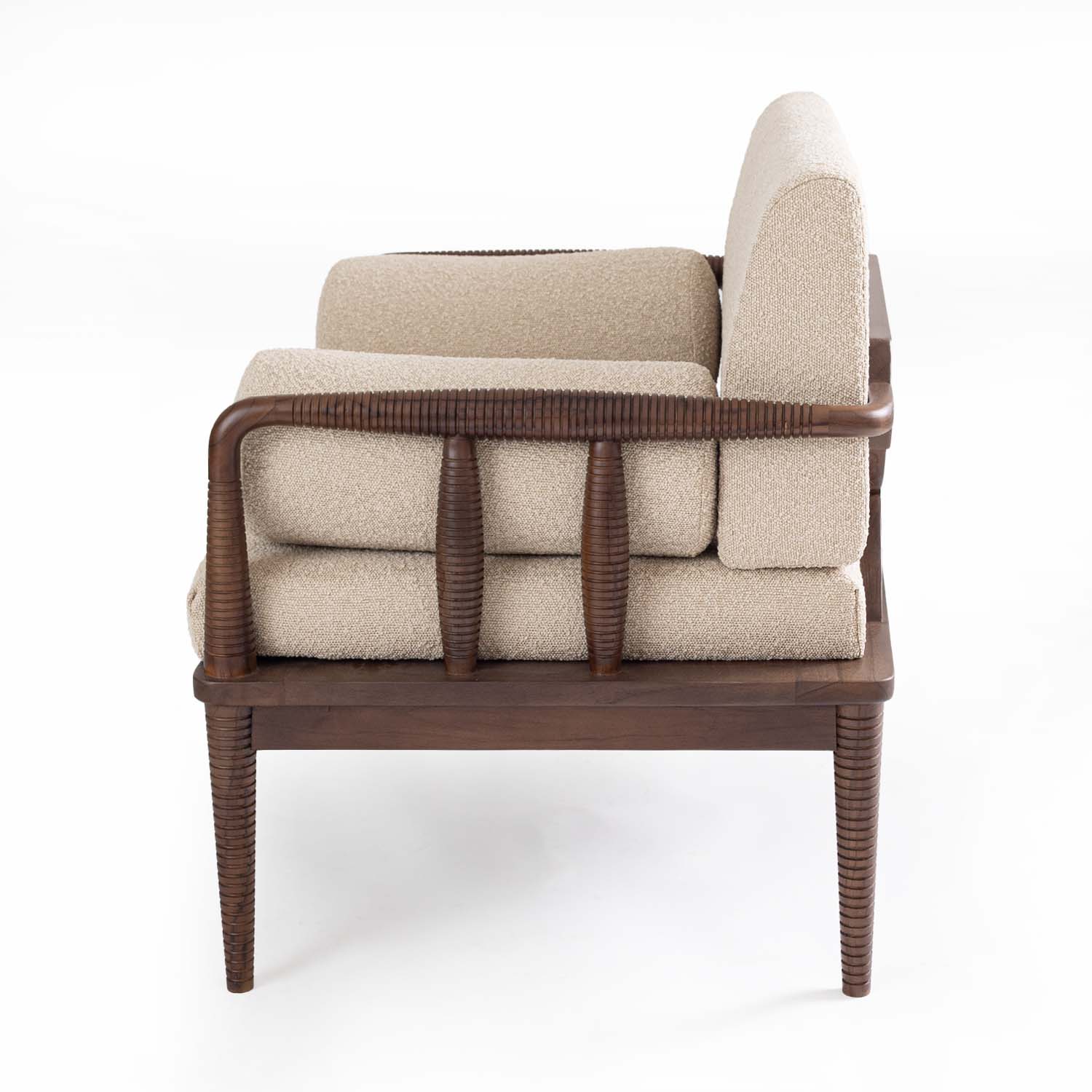
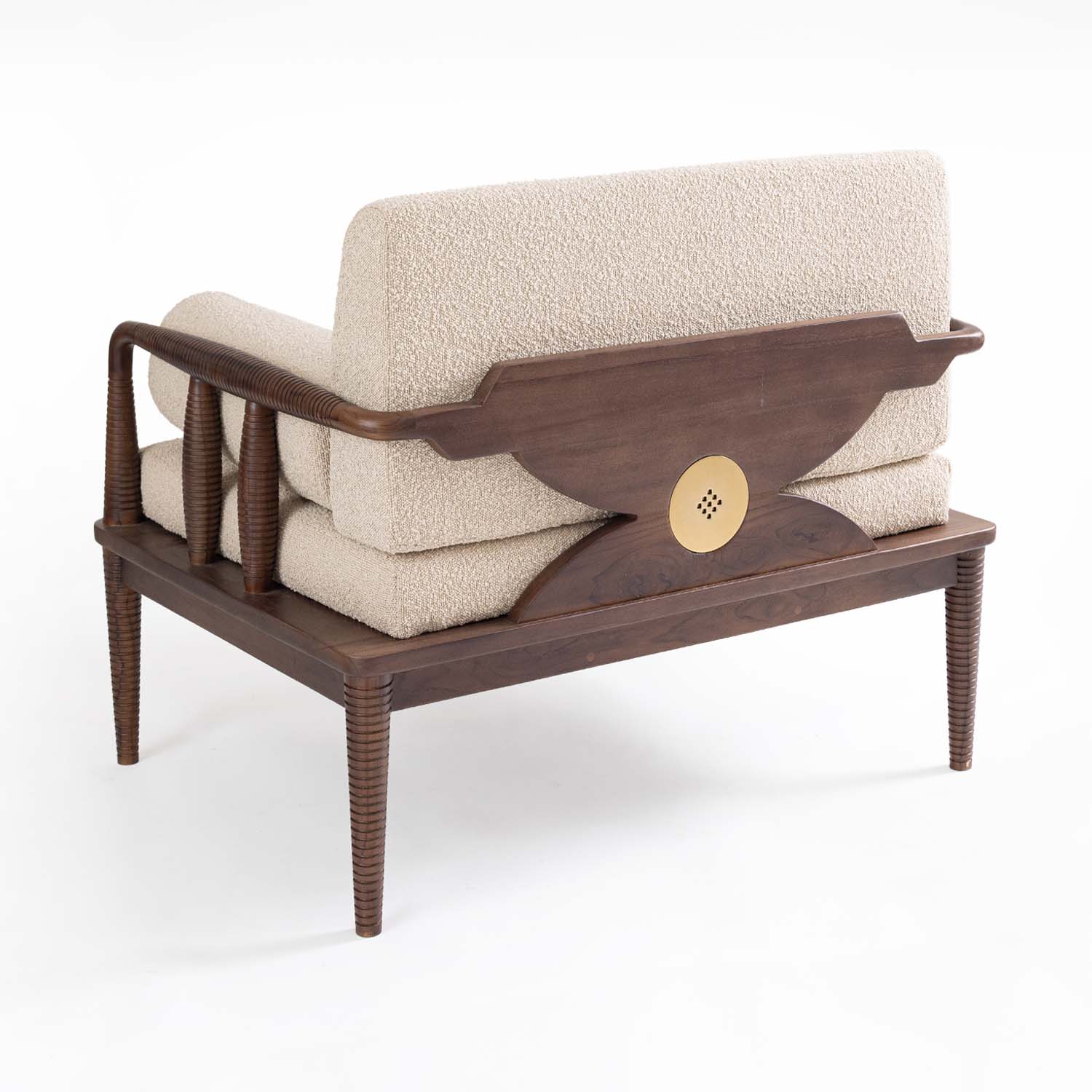
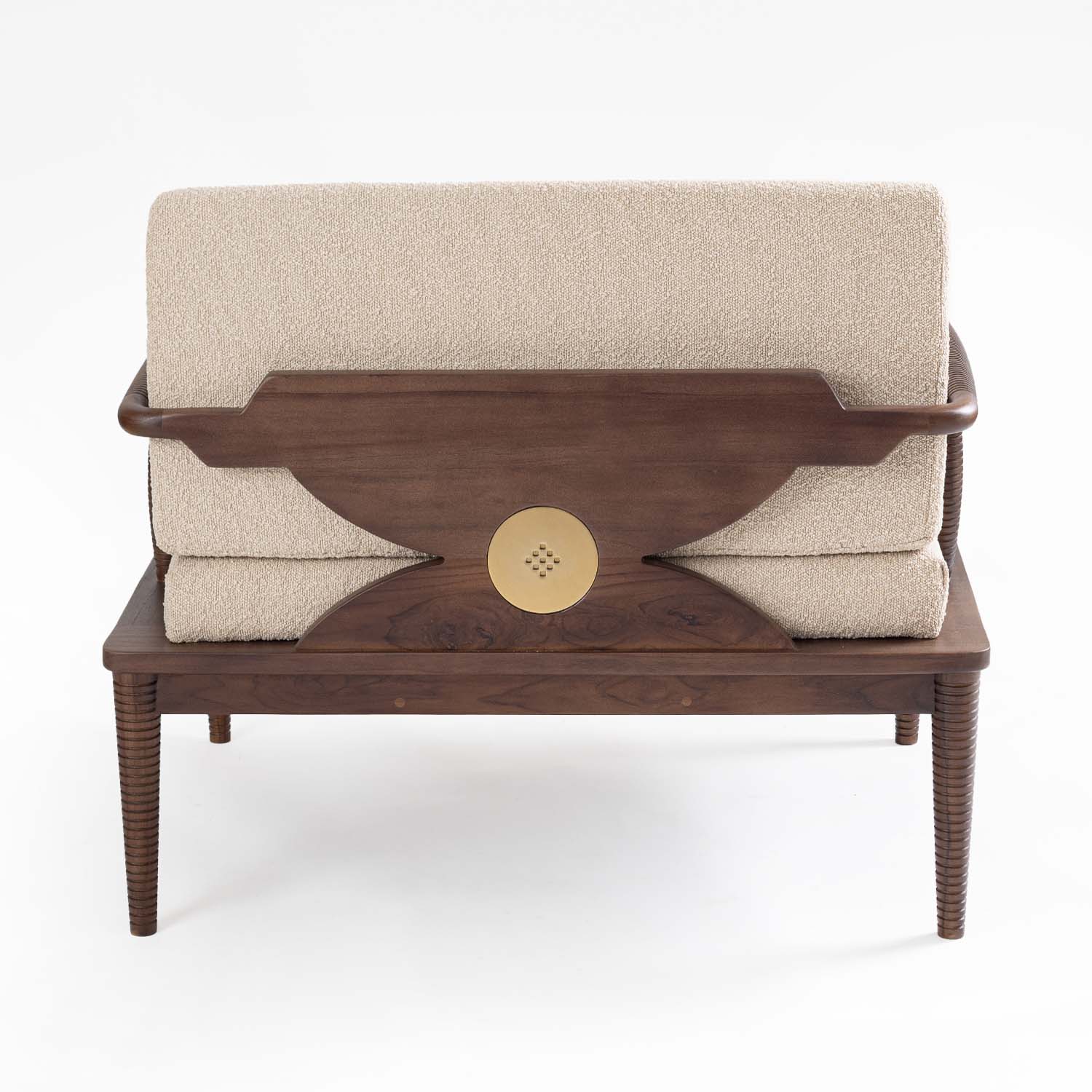
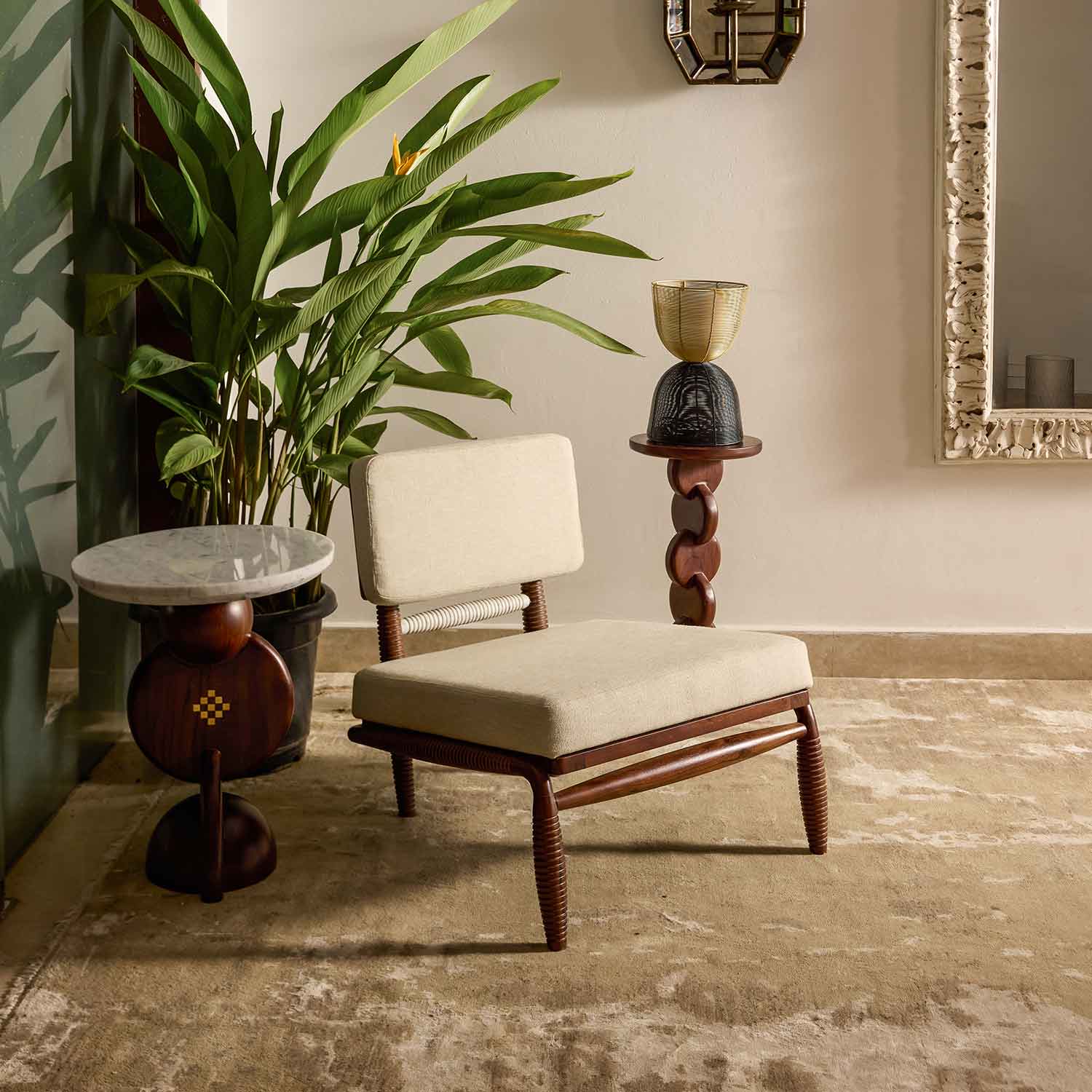
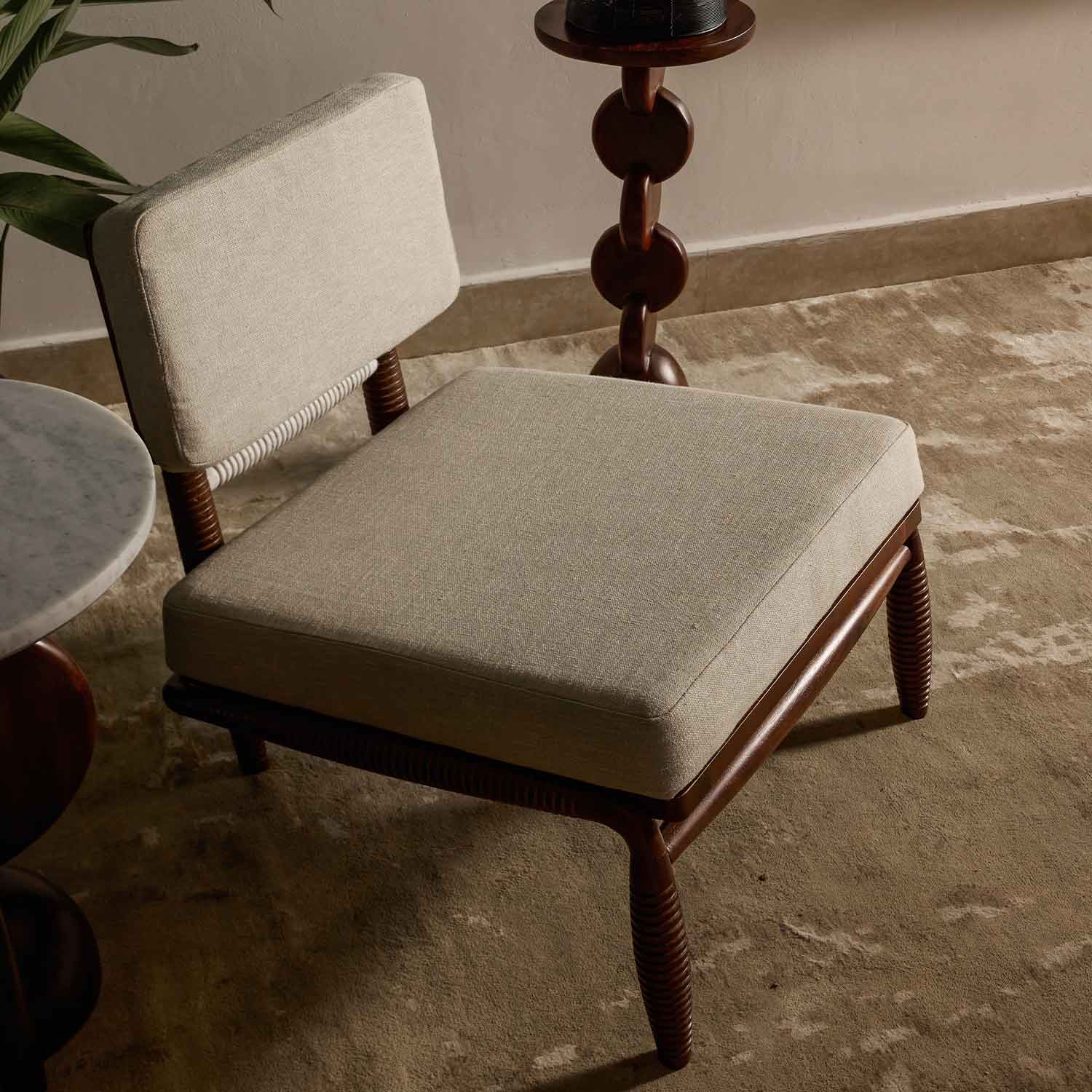
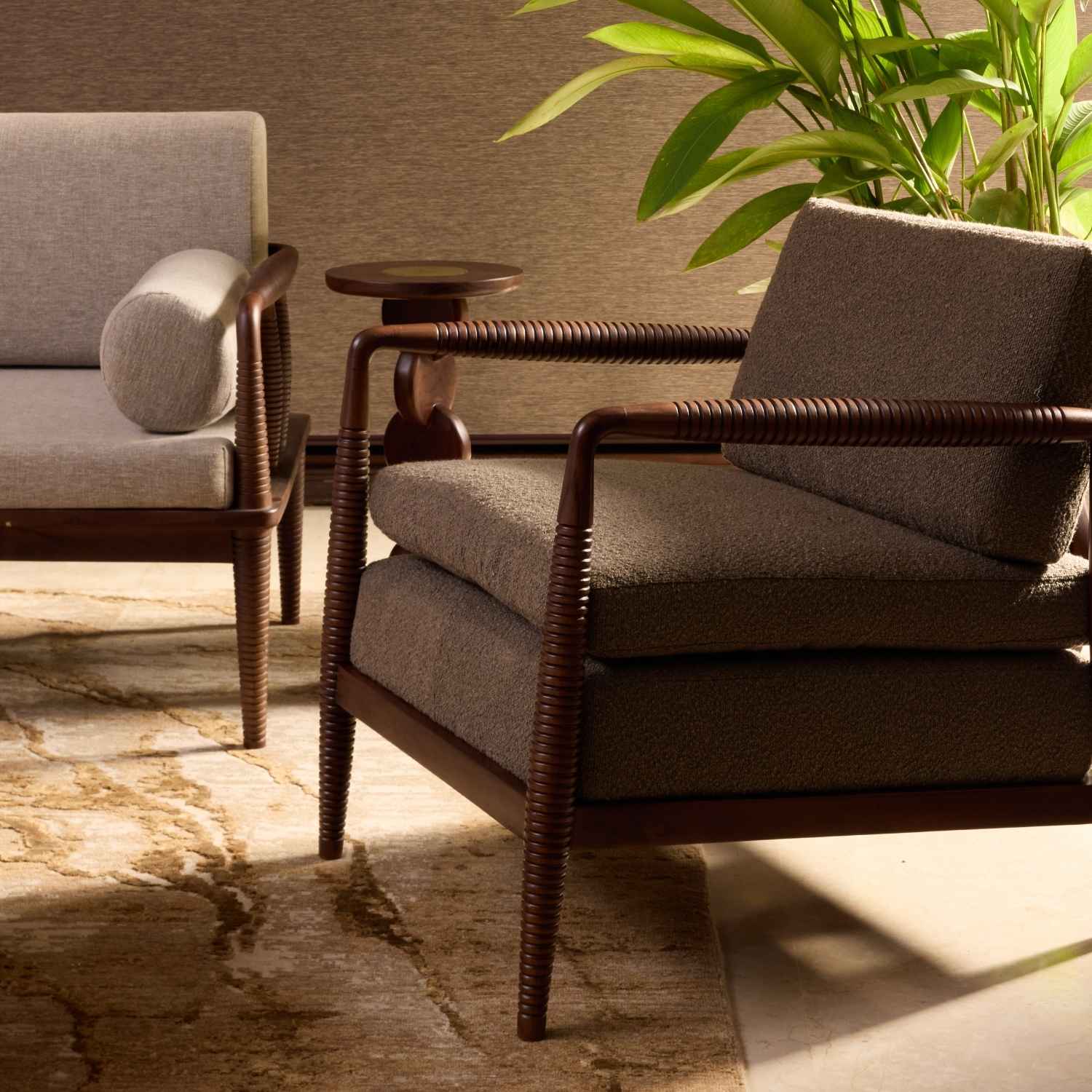
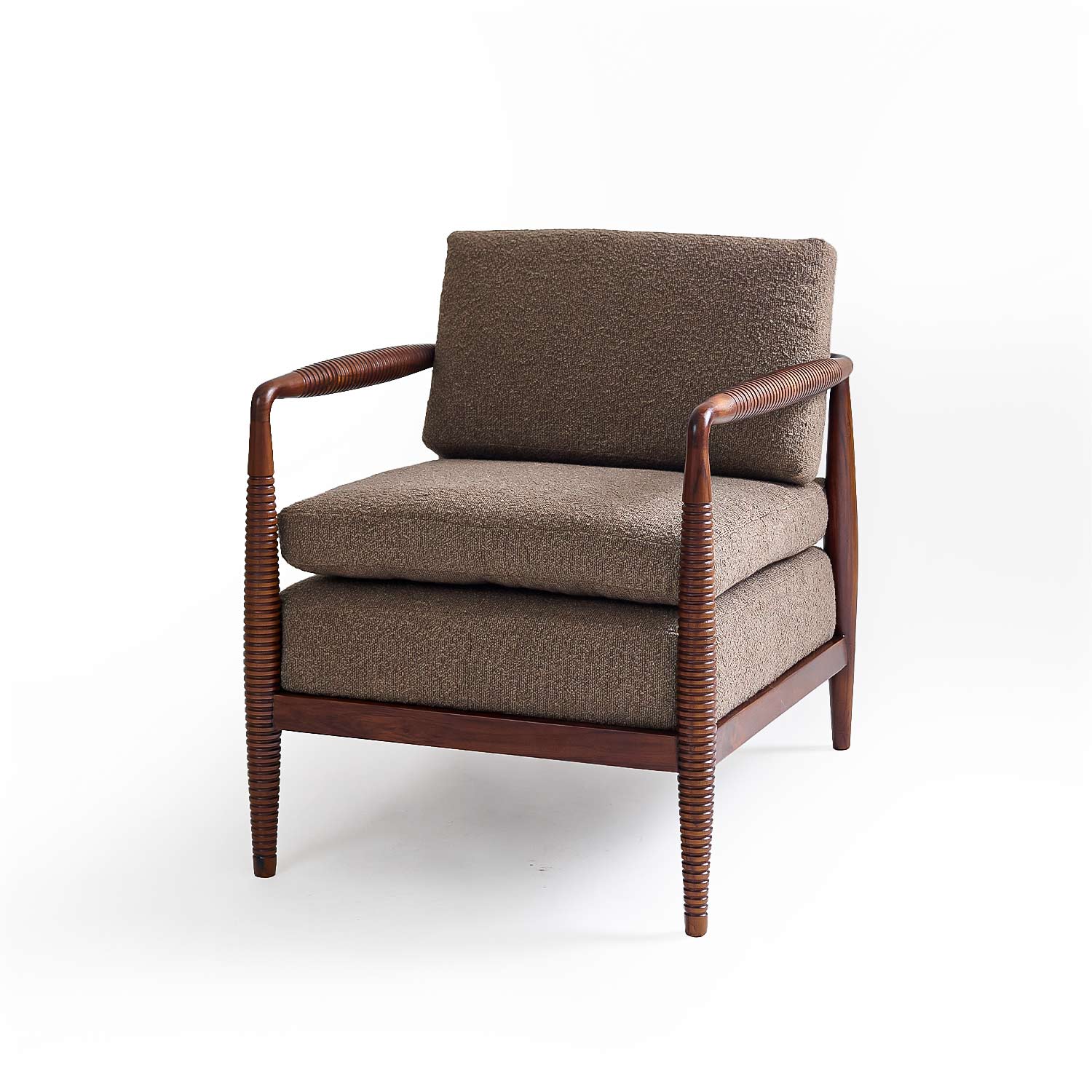
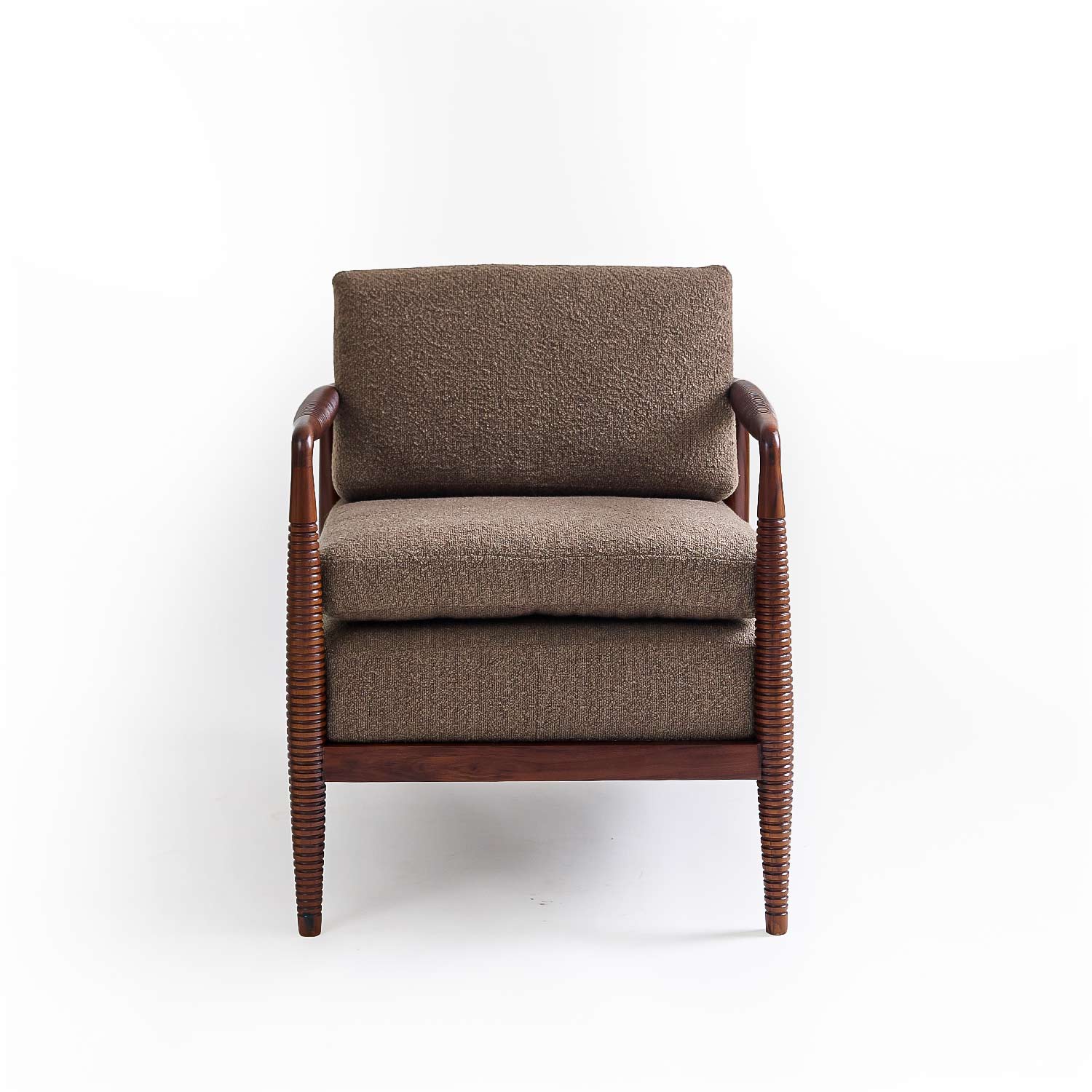
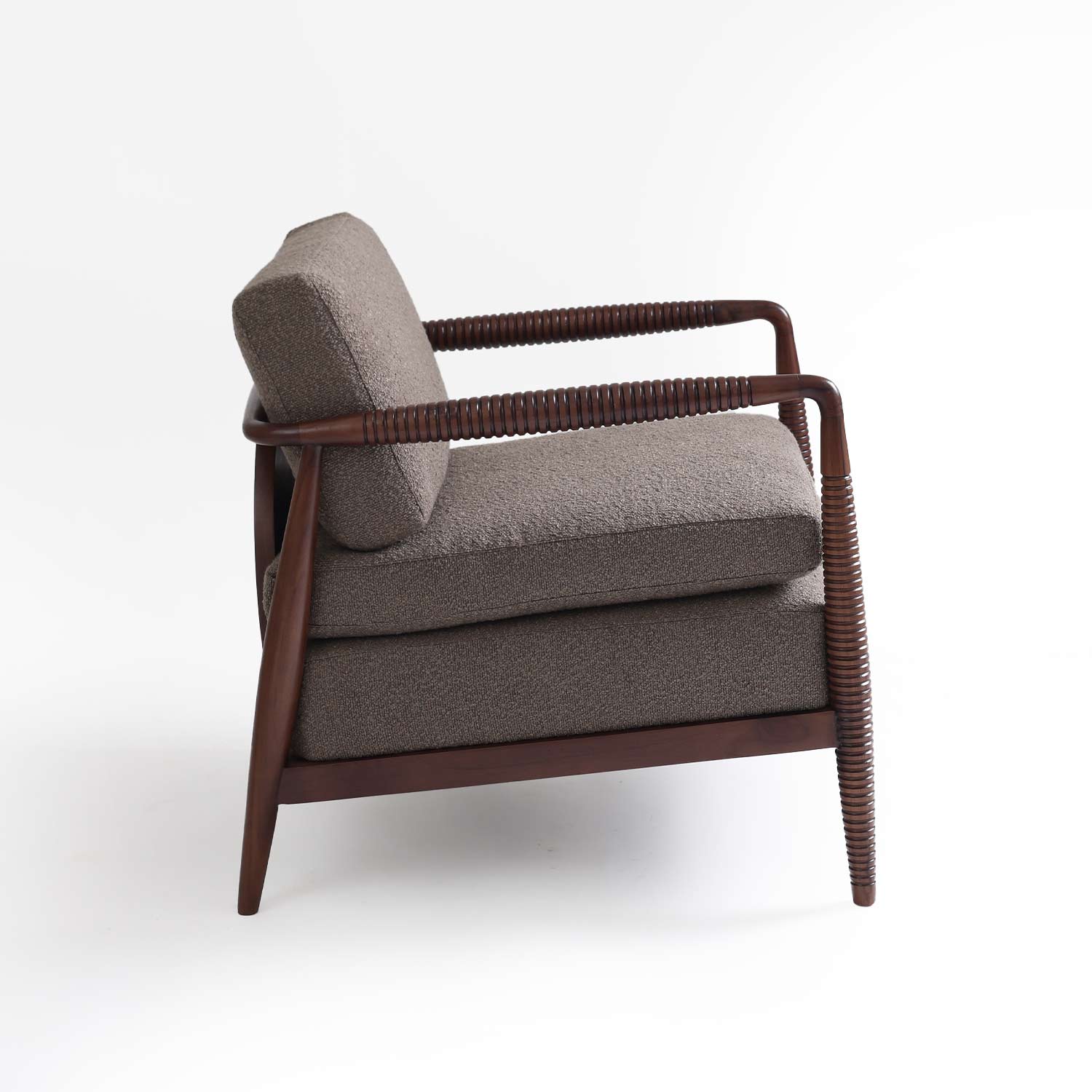
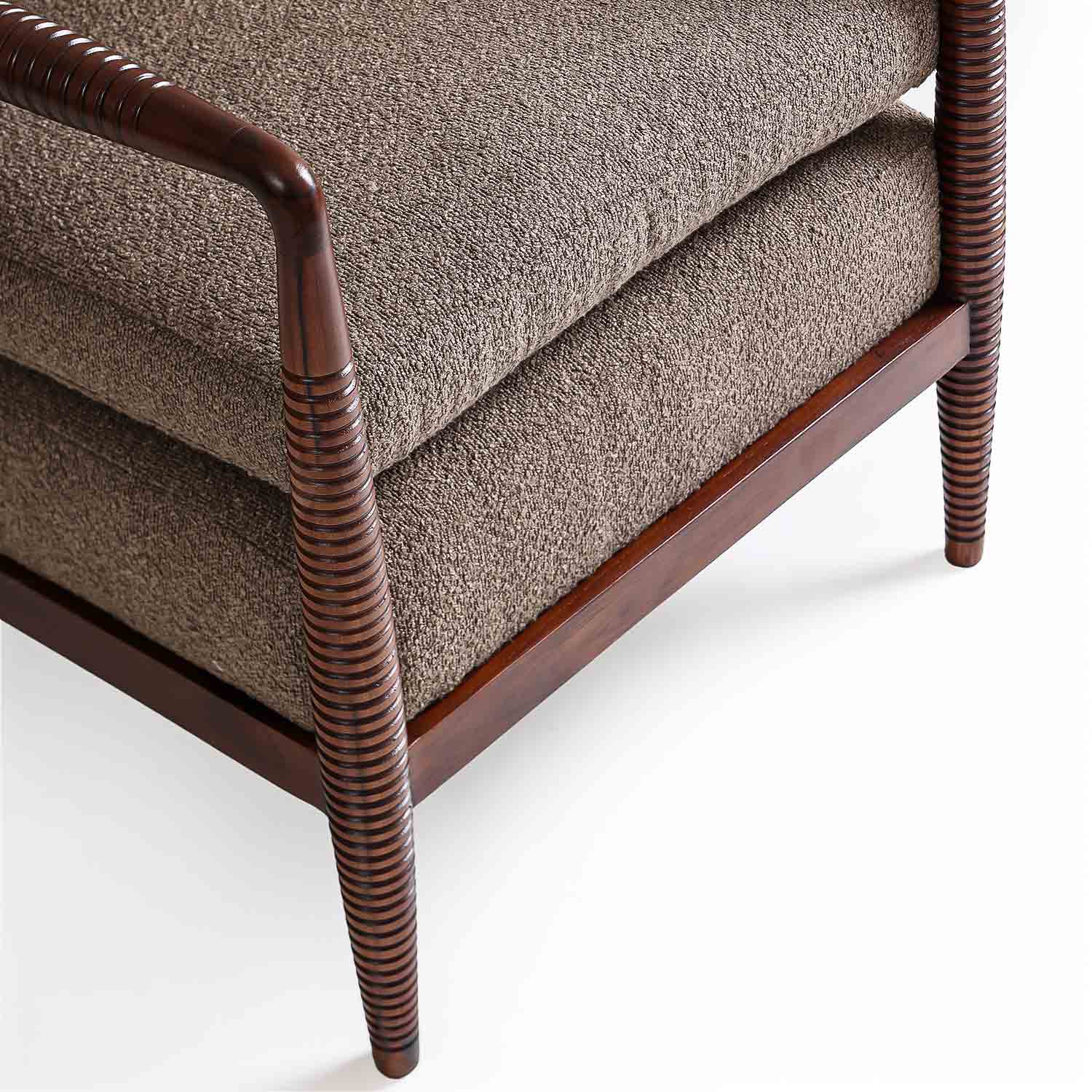
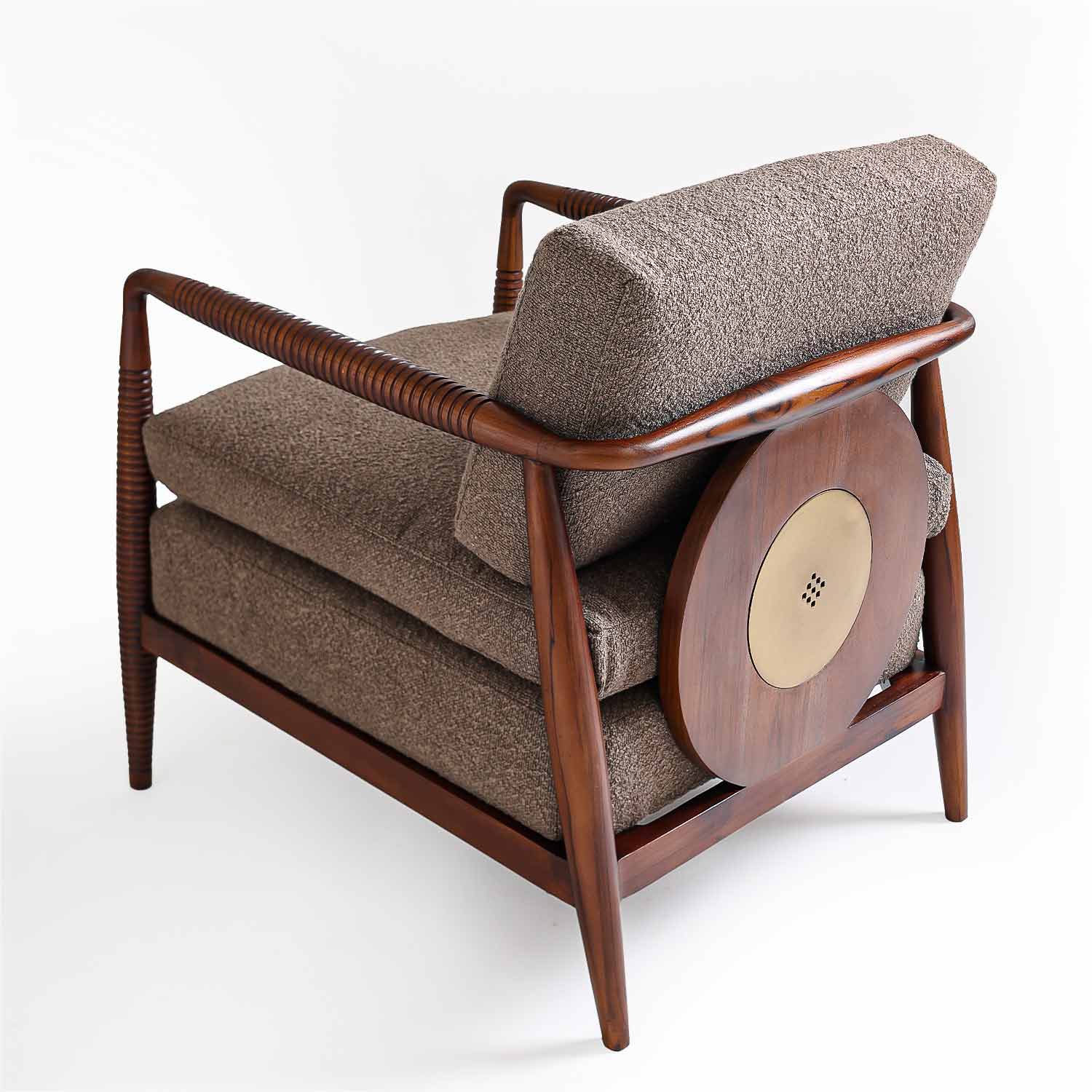
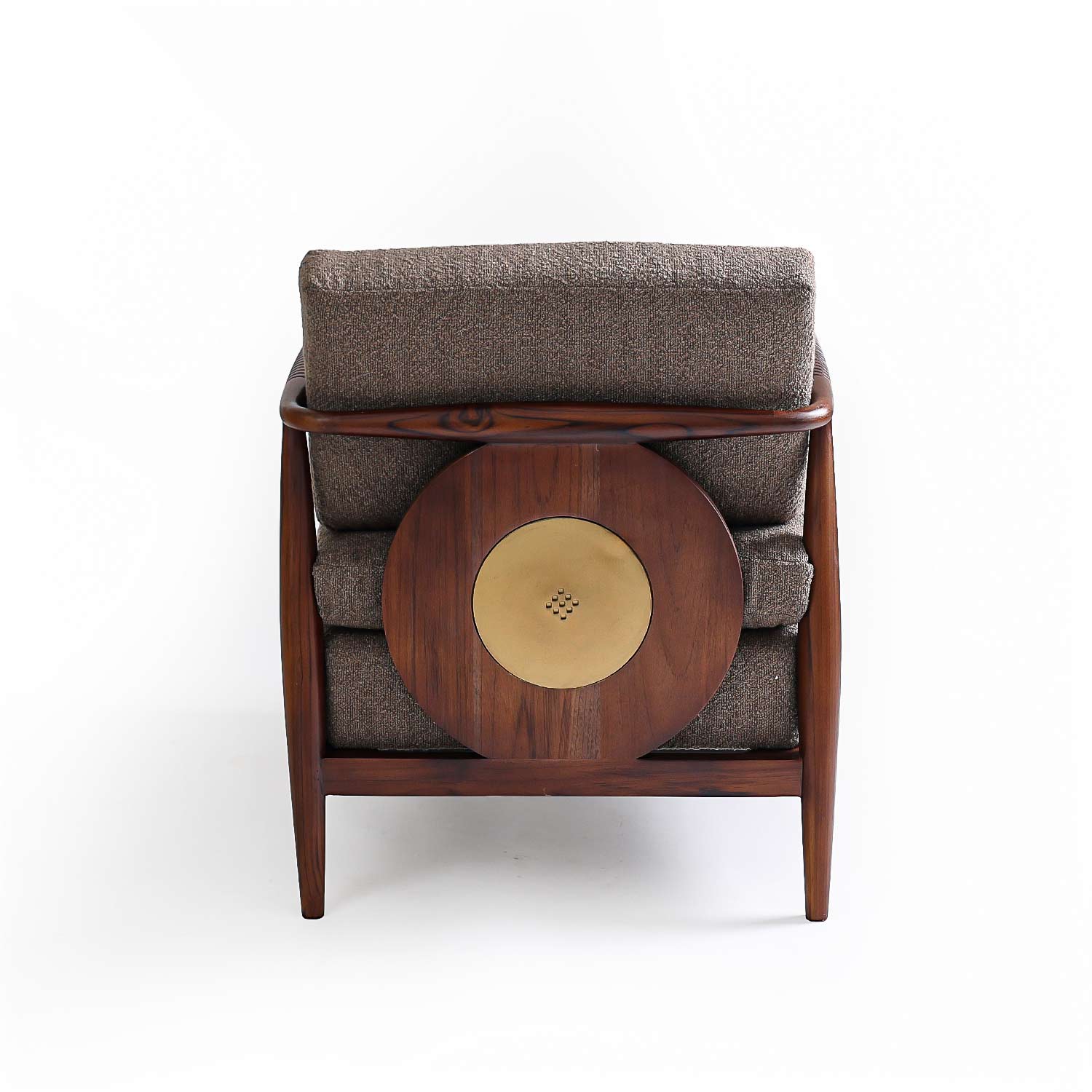
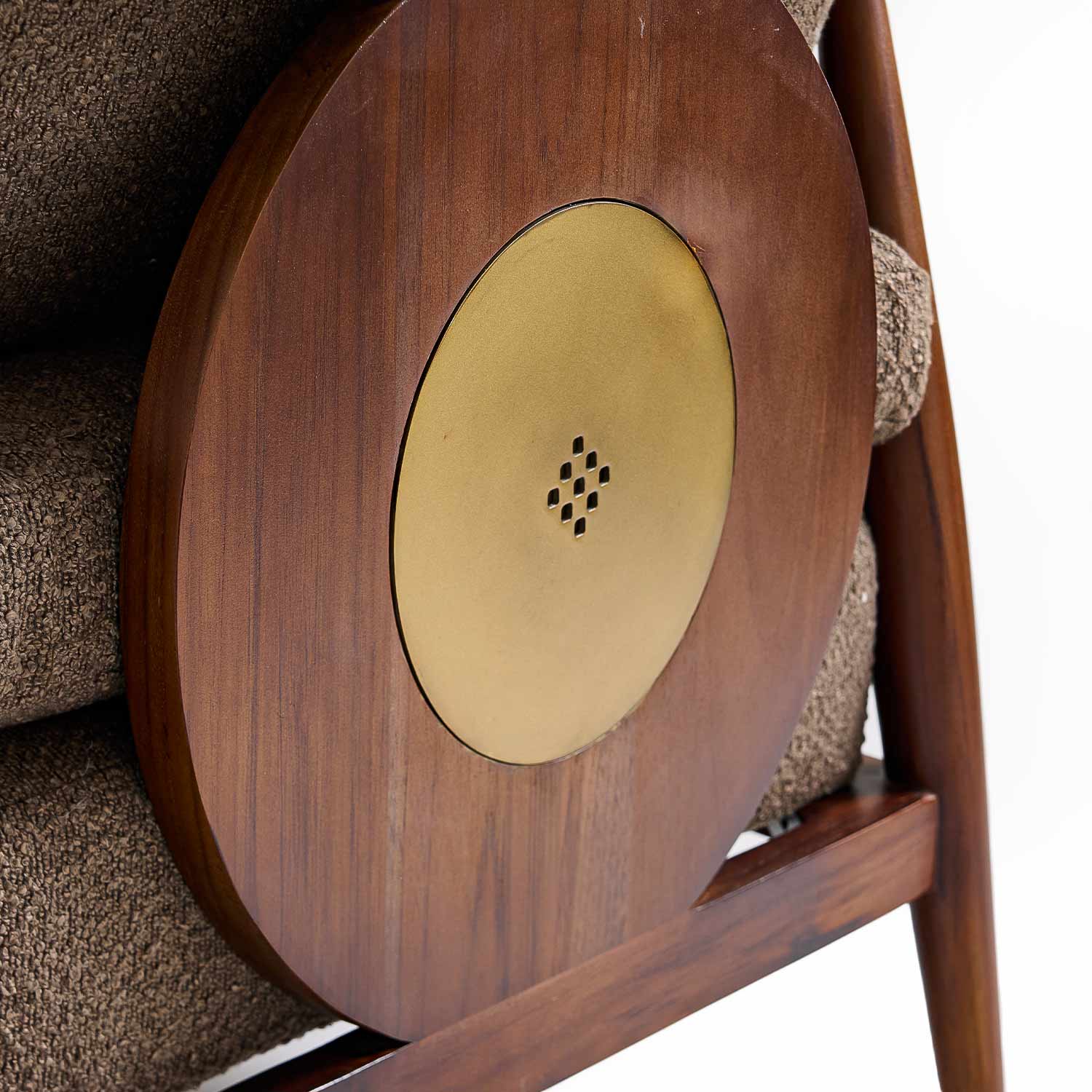
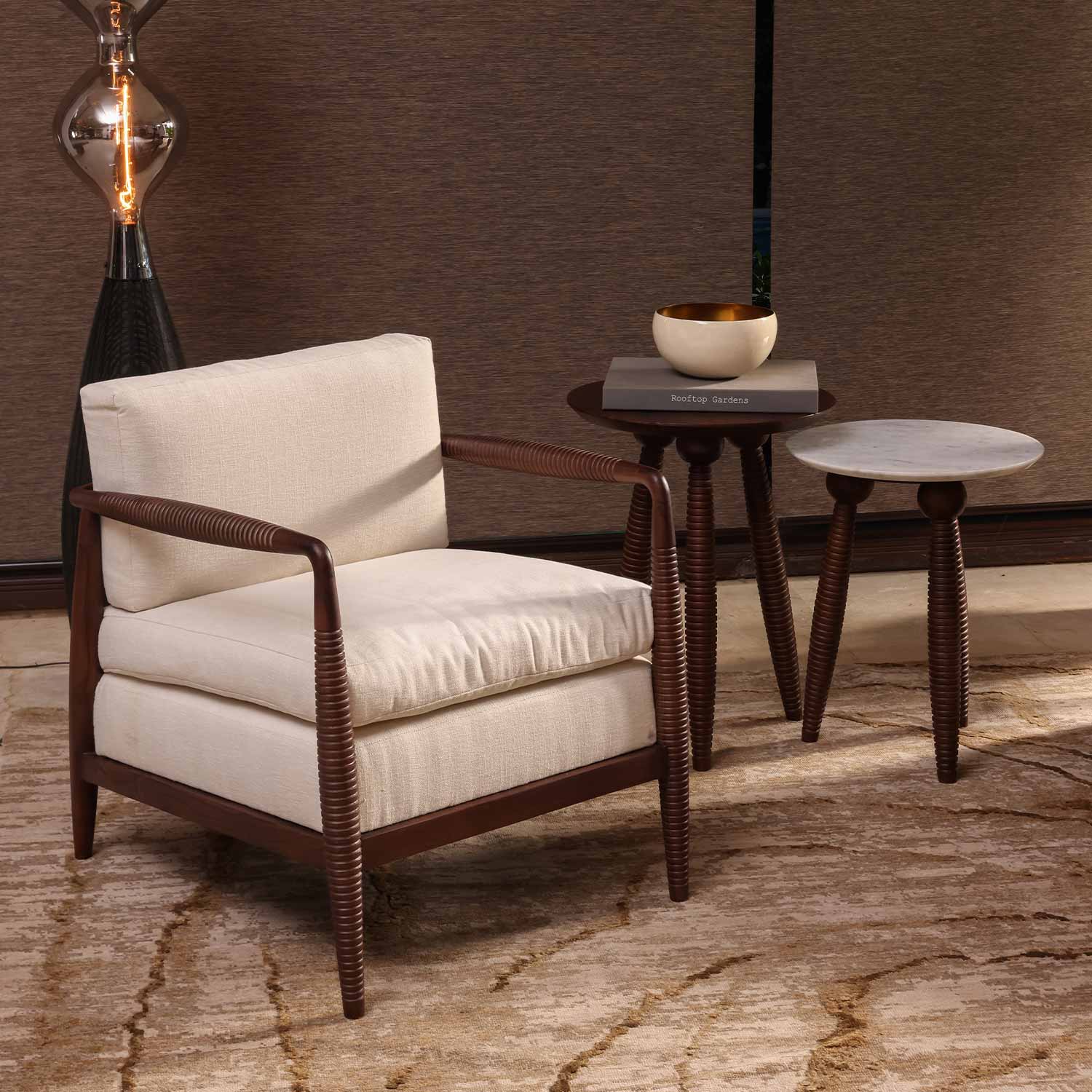
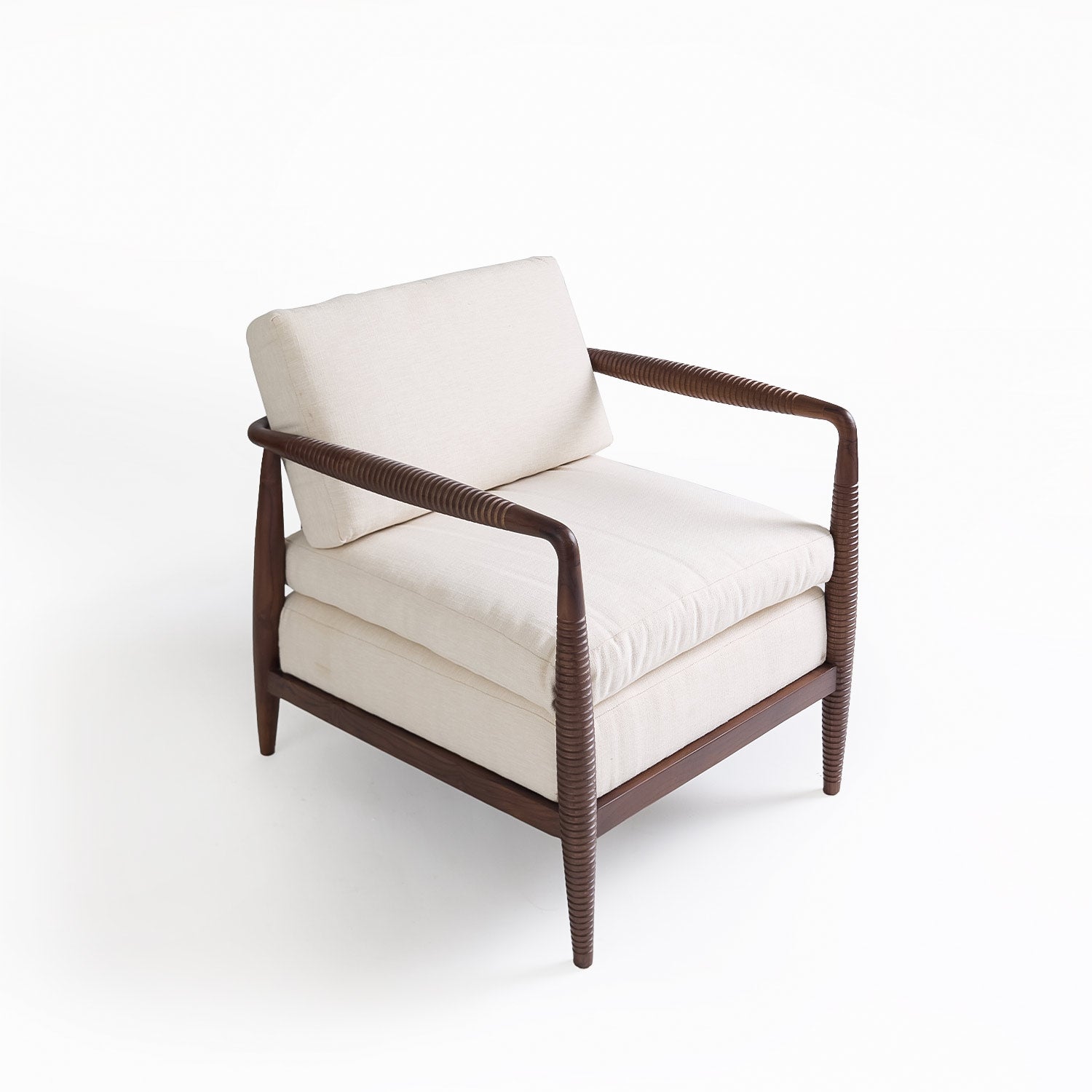
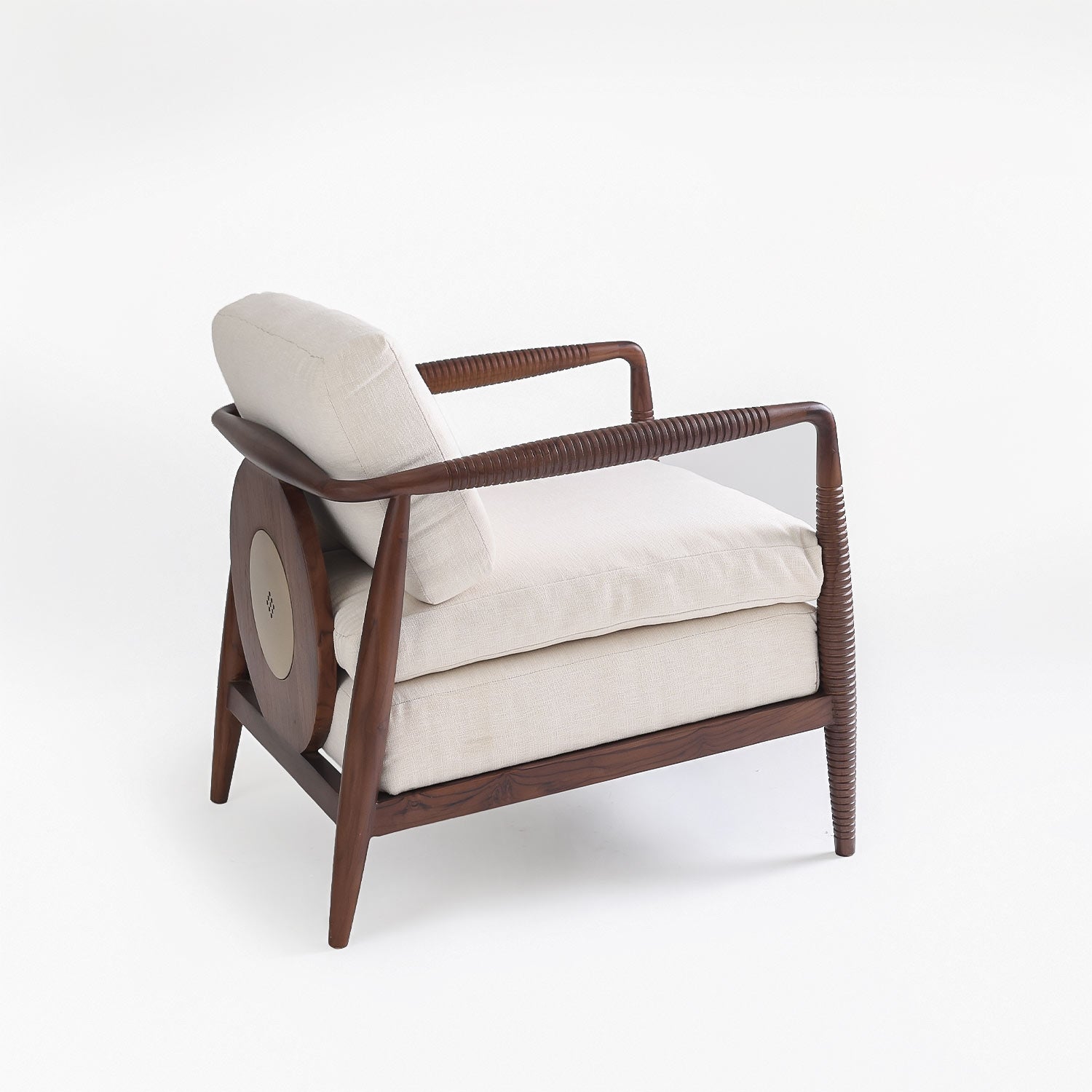
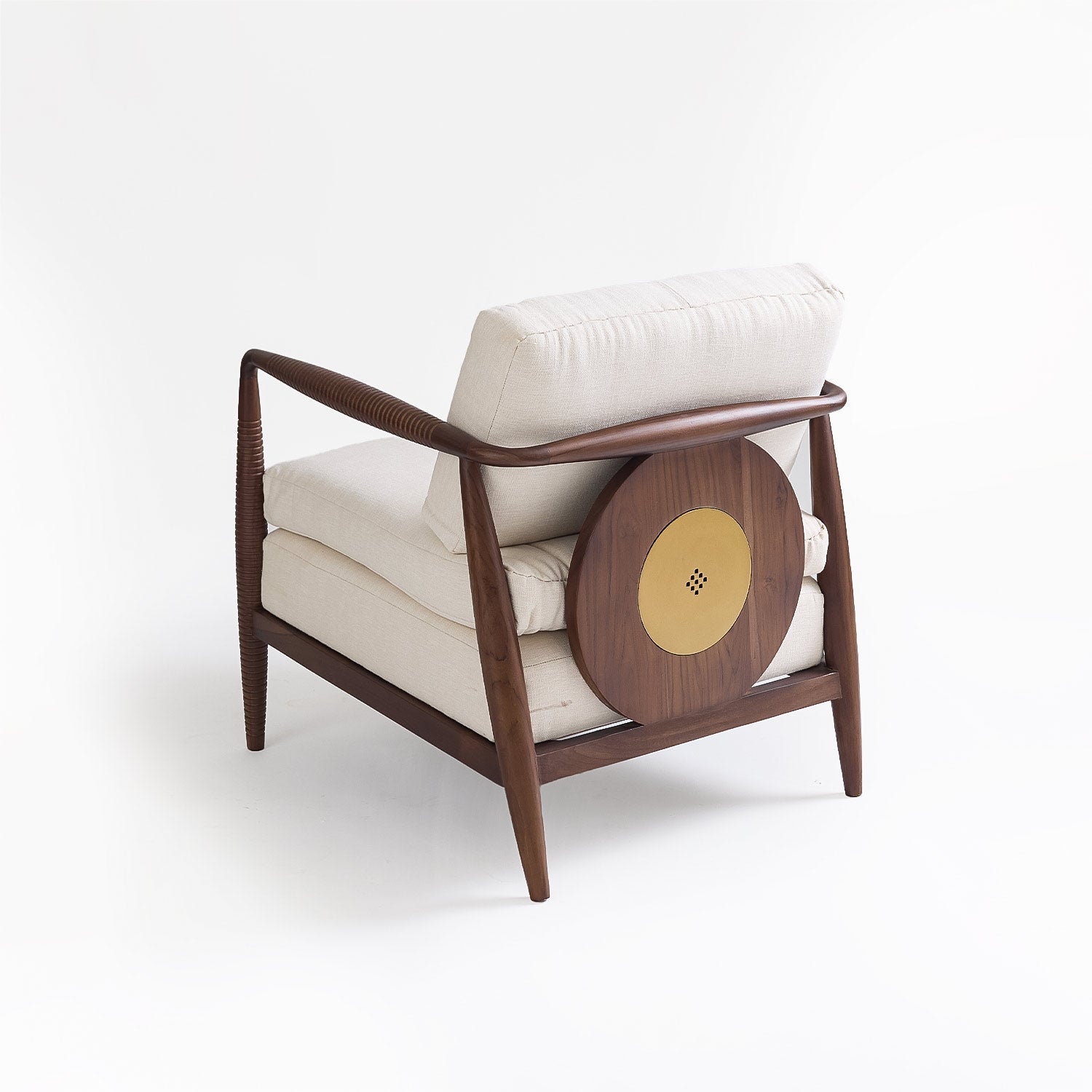
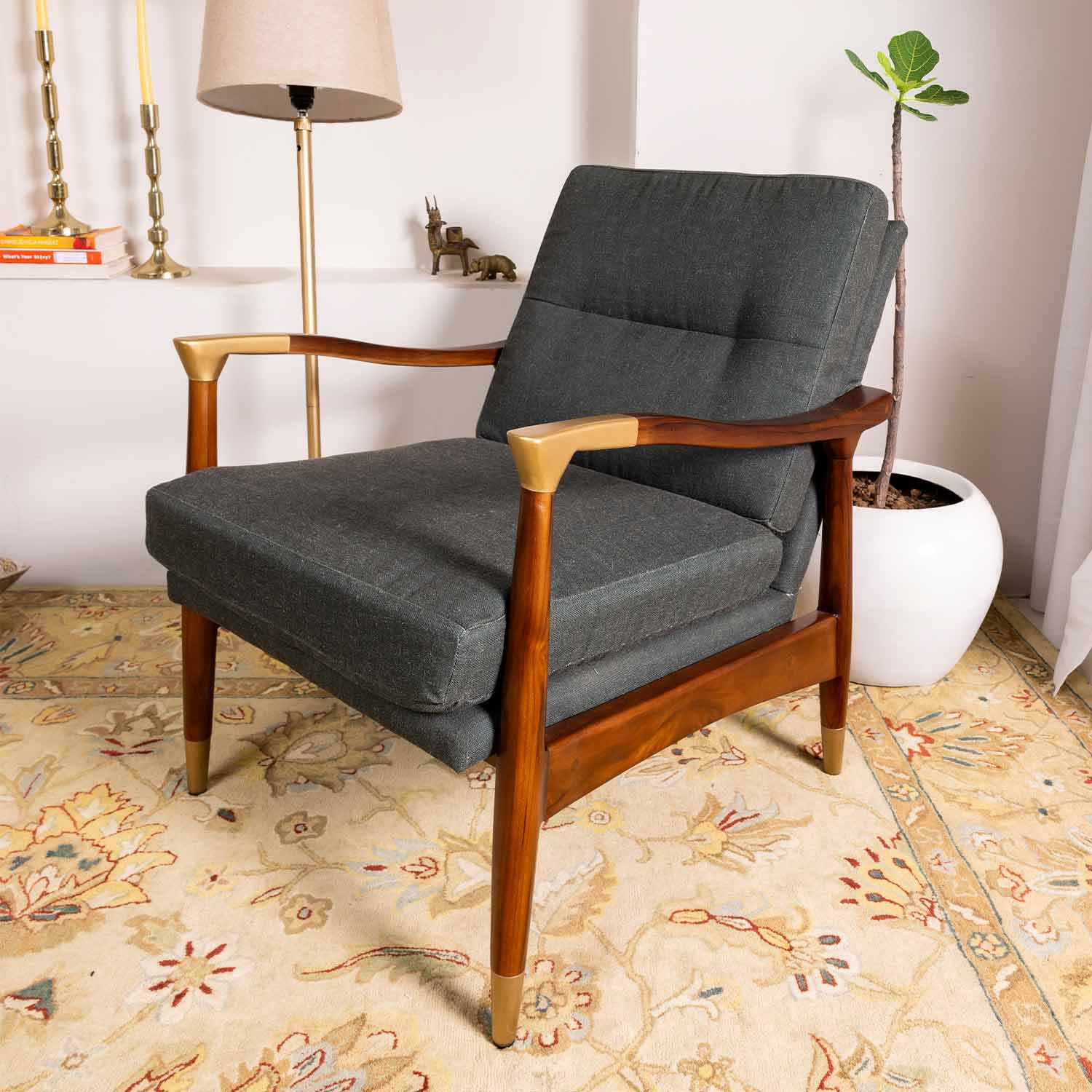
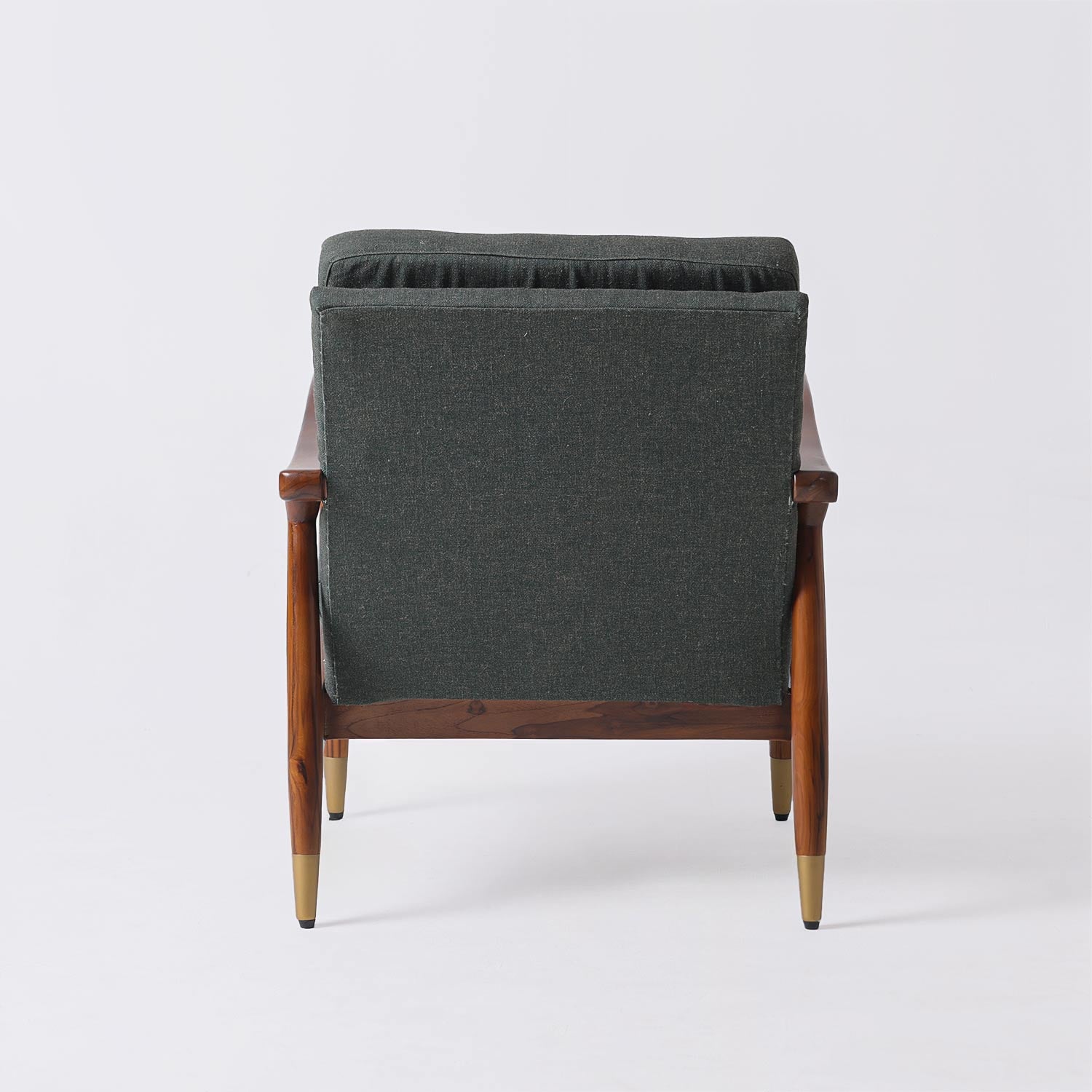
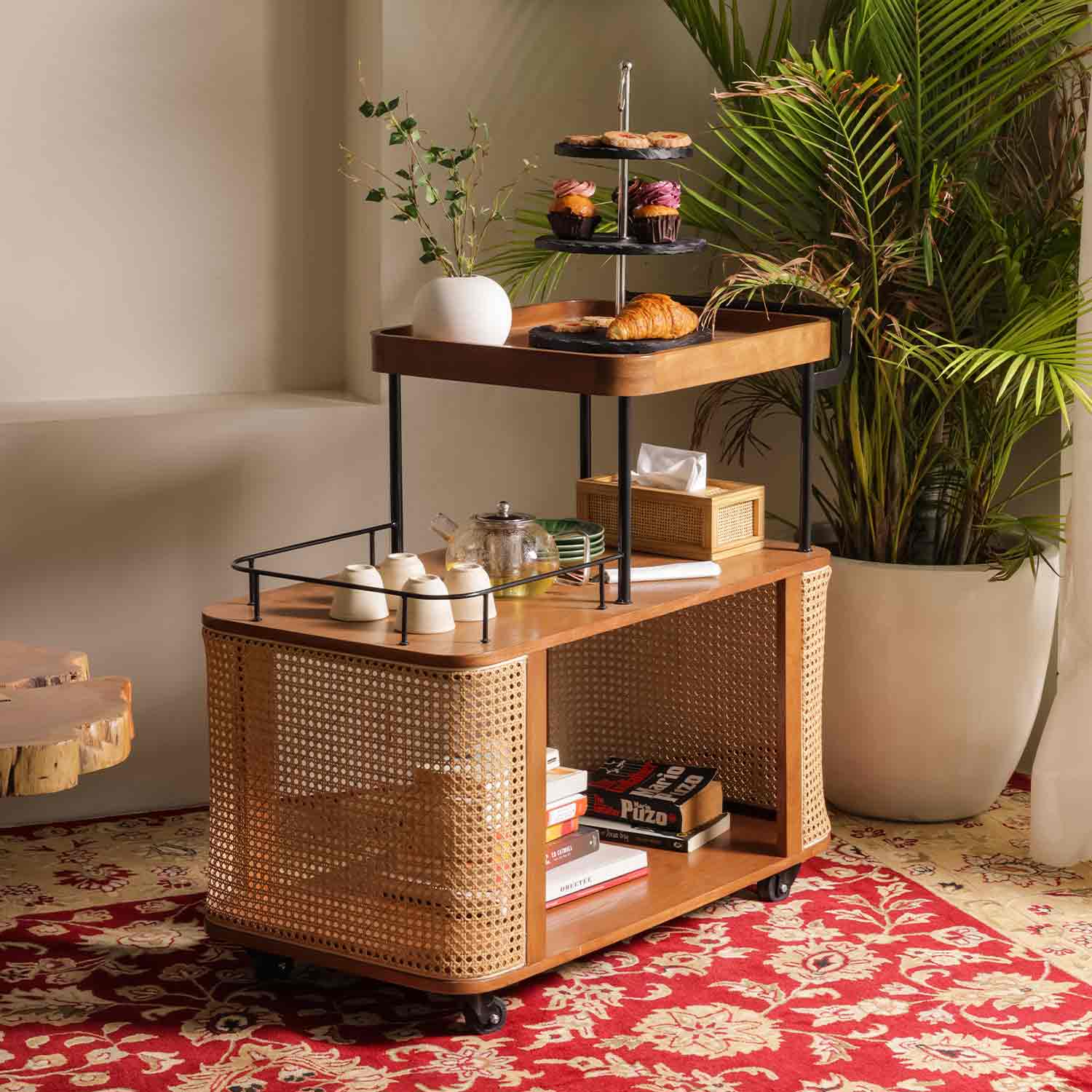
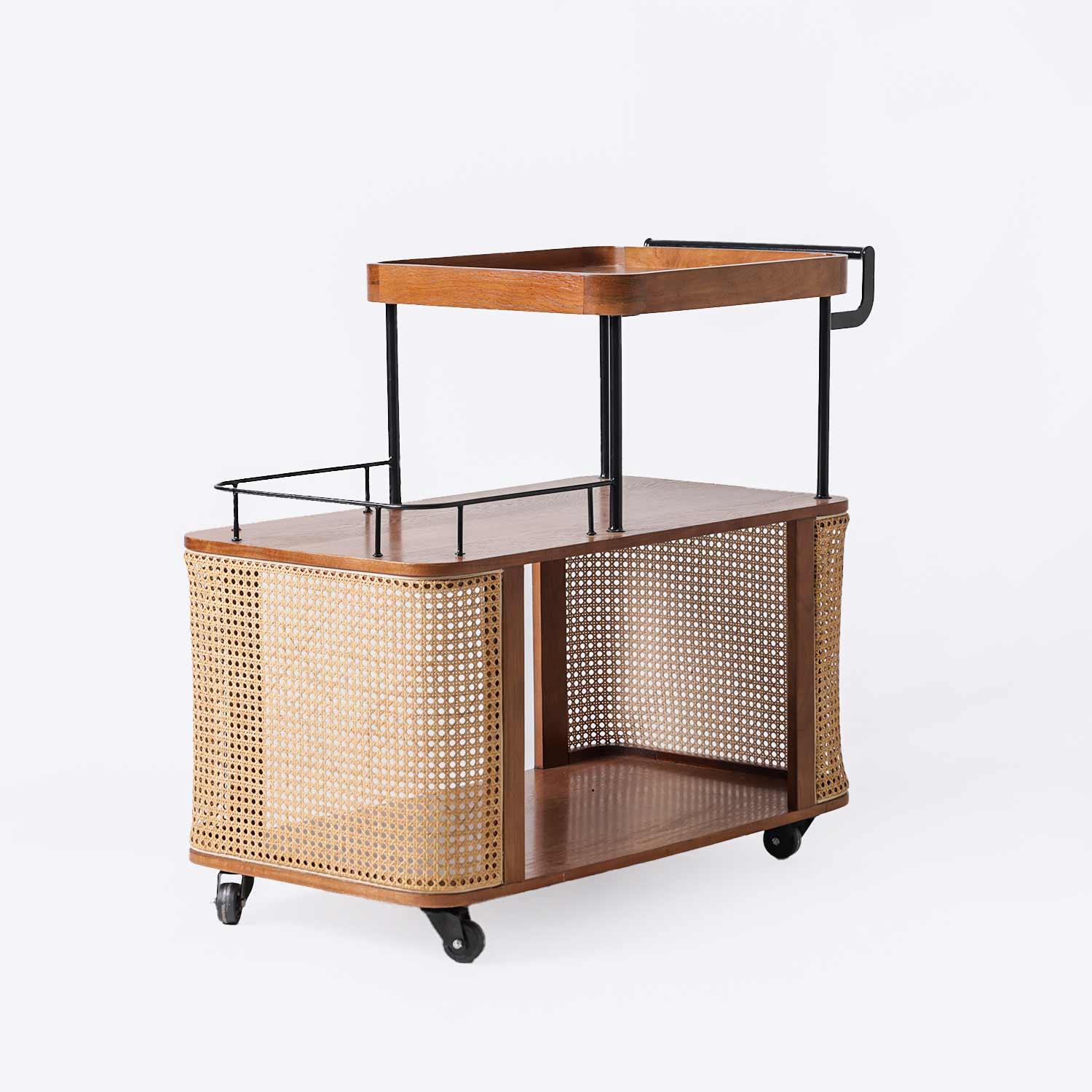
Obeetee’s furniture is designed around how a living room is actually used—not simply how it is styled. The collection focuses on proportion, material honesty, and visual balance, with pieces crafted in teak, oak, and other natural woods chosen for their durability and character. Rather than creating furniture that dominates a room, the intention is to create pieces that help a space feel settled, cohesive, and comfortable over time.
Why are teak and oak considered premium materials for furniture?
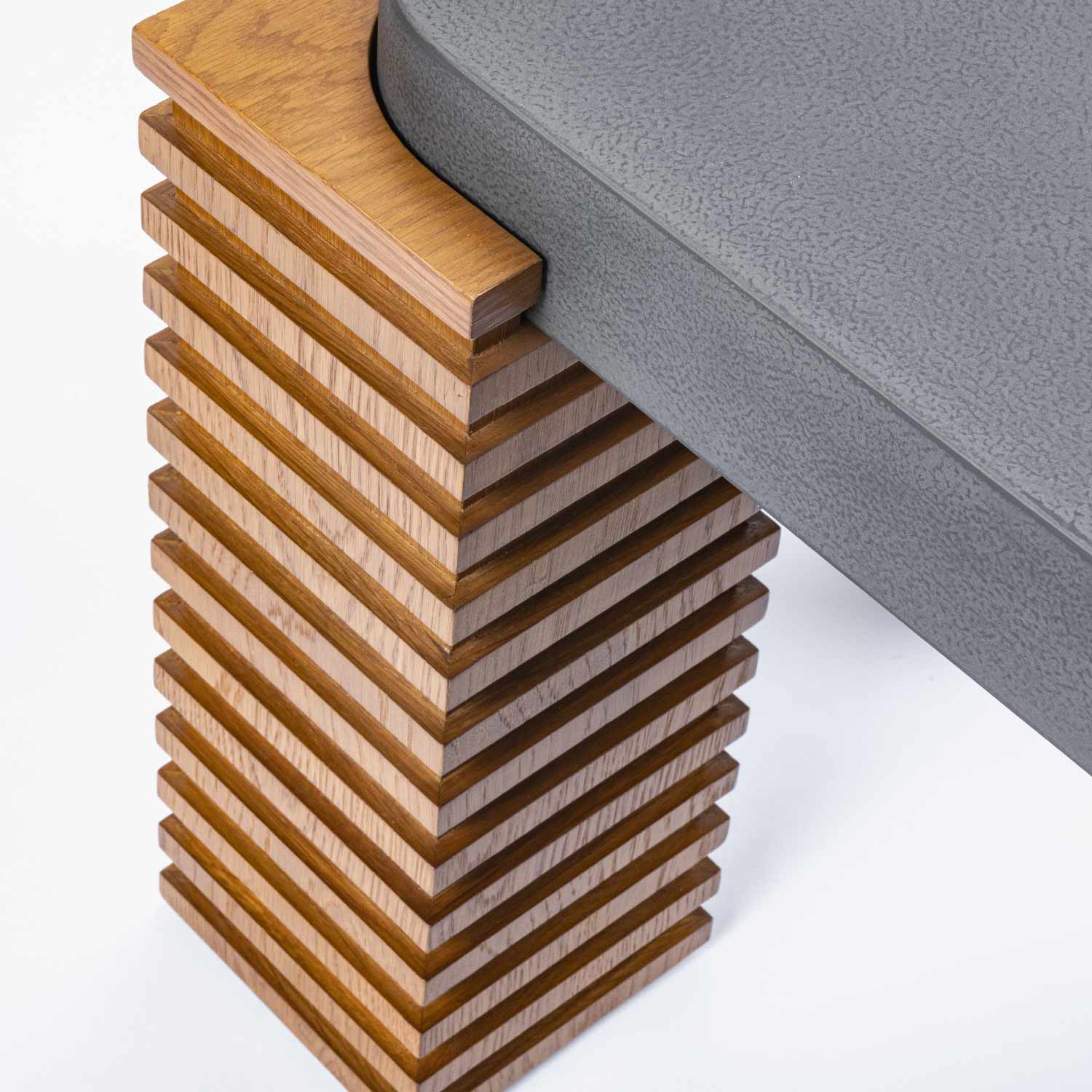
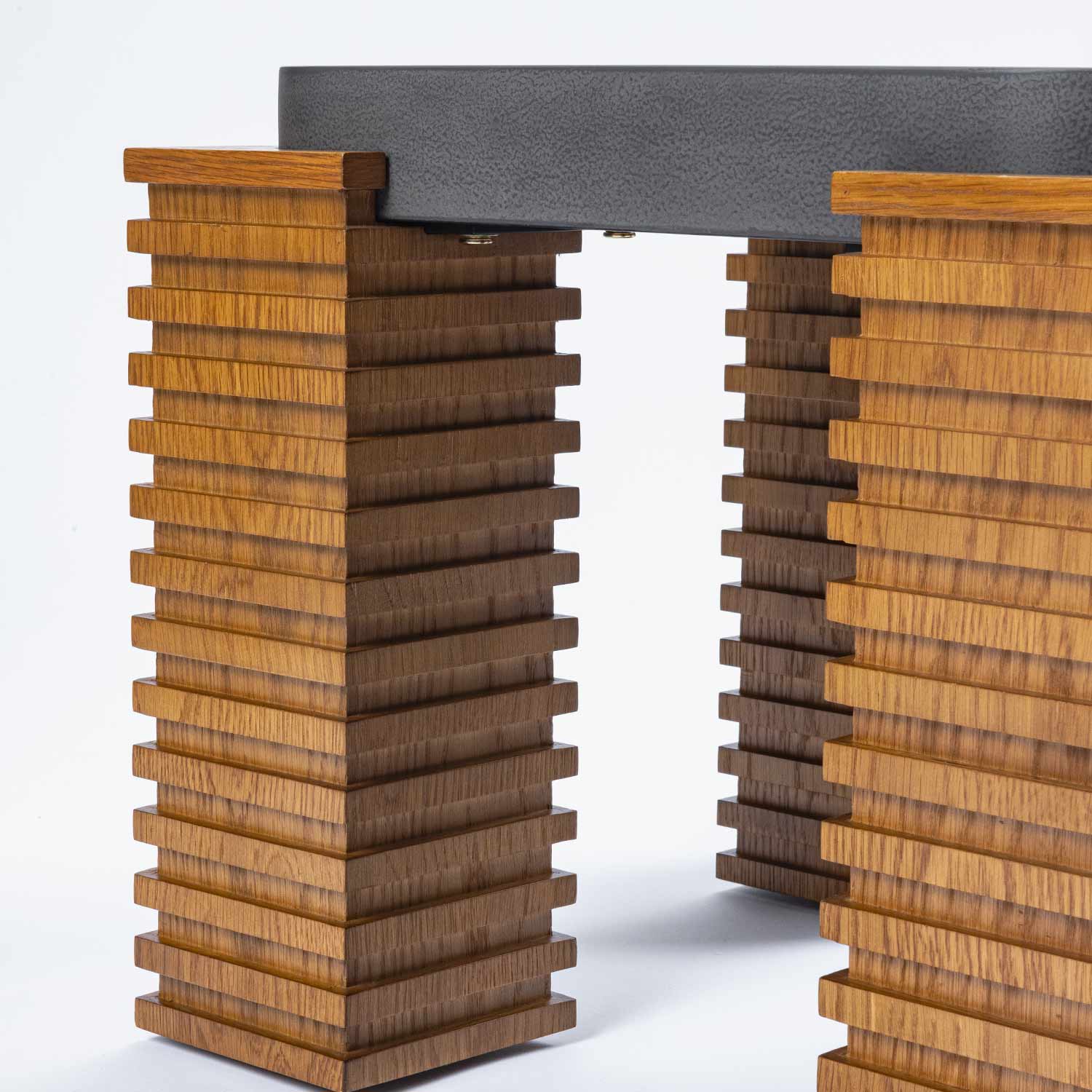
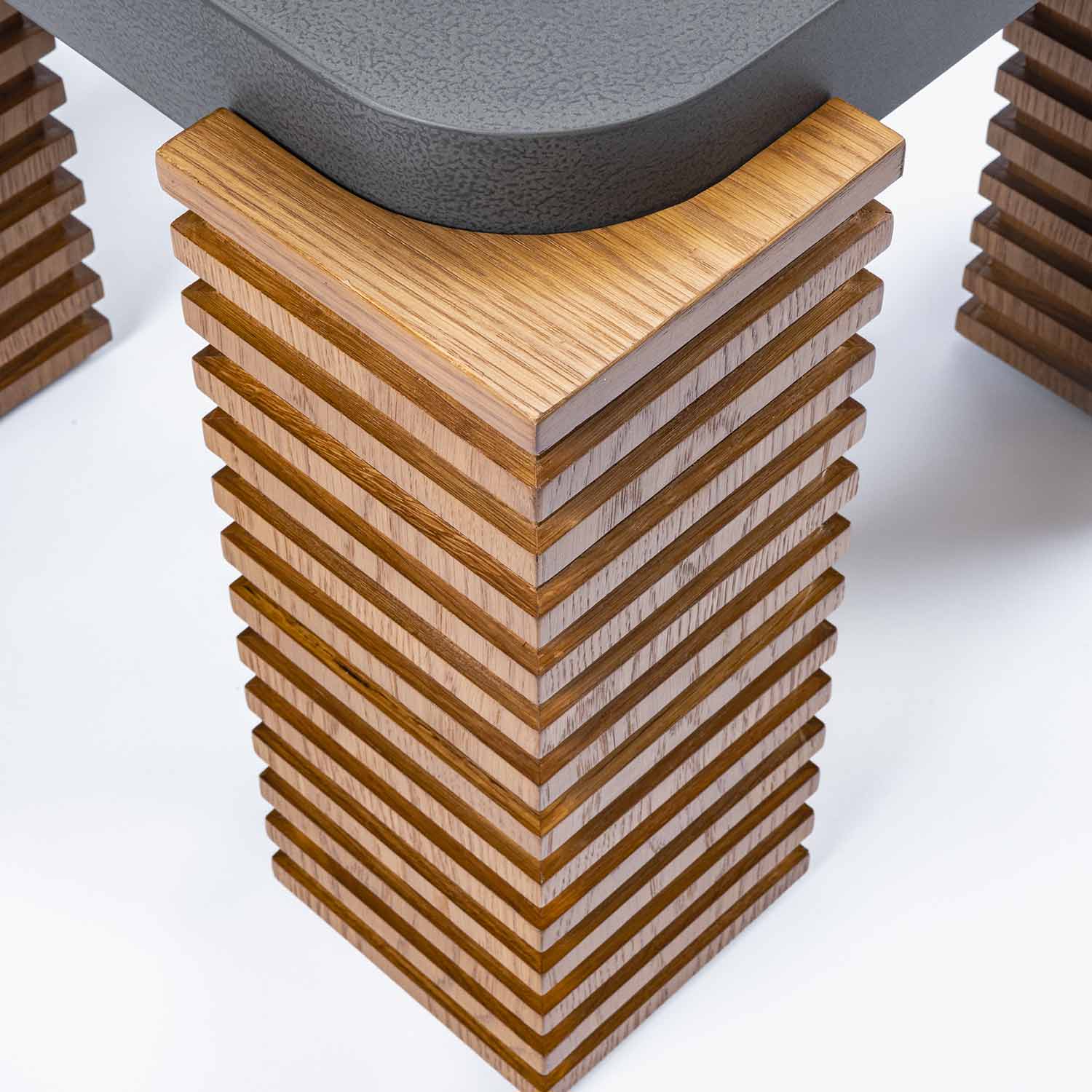
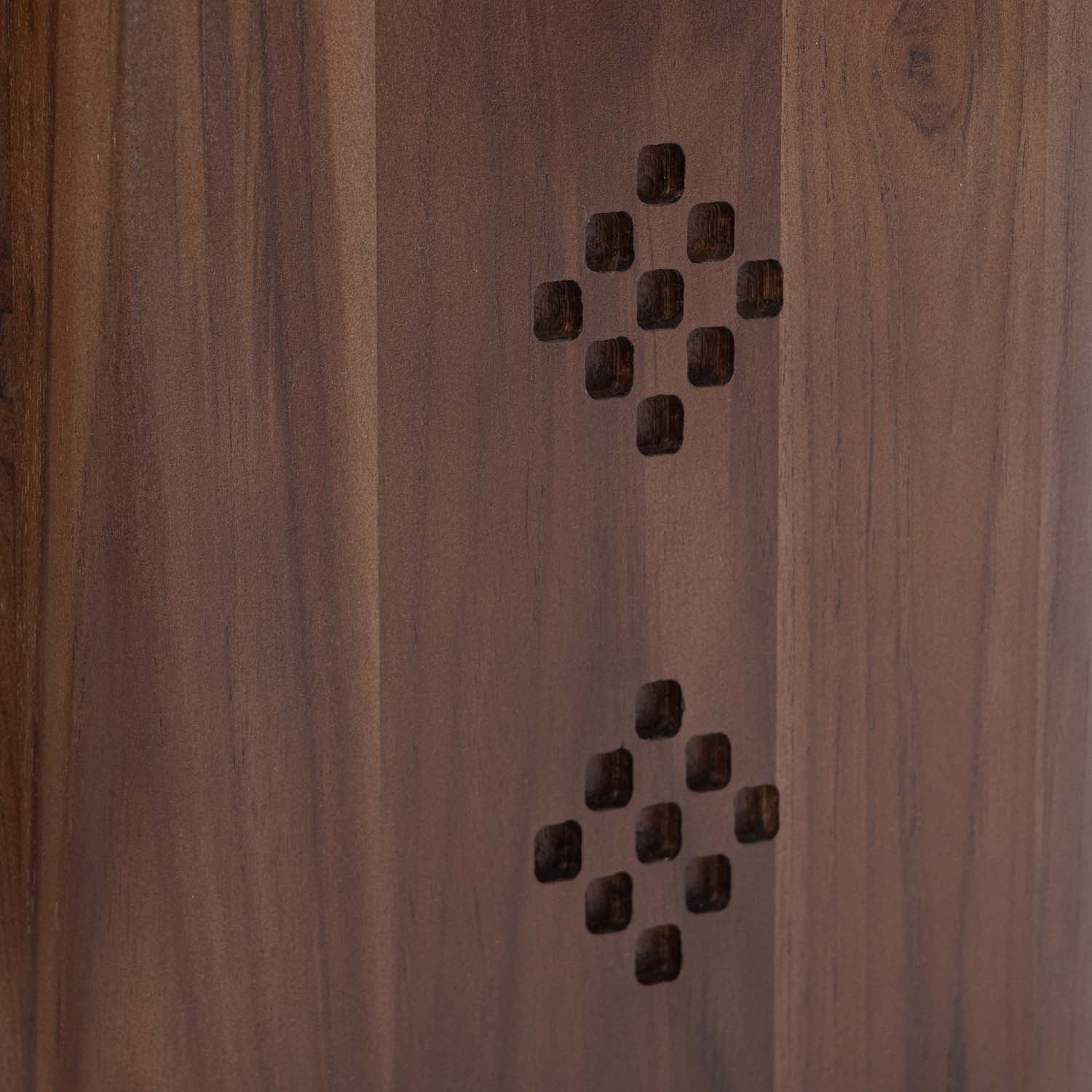
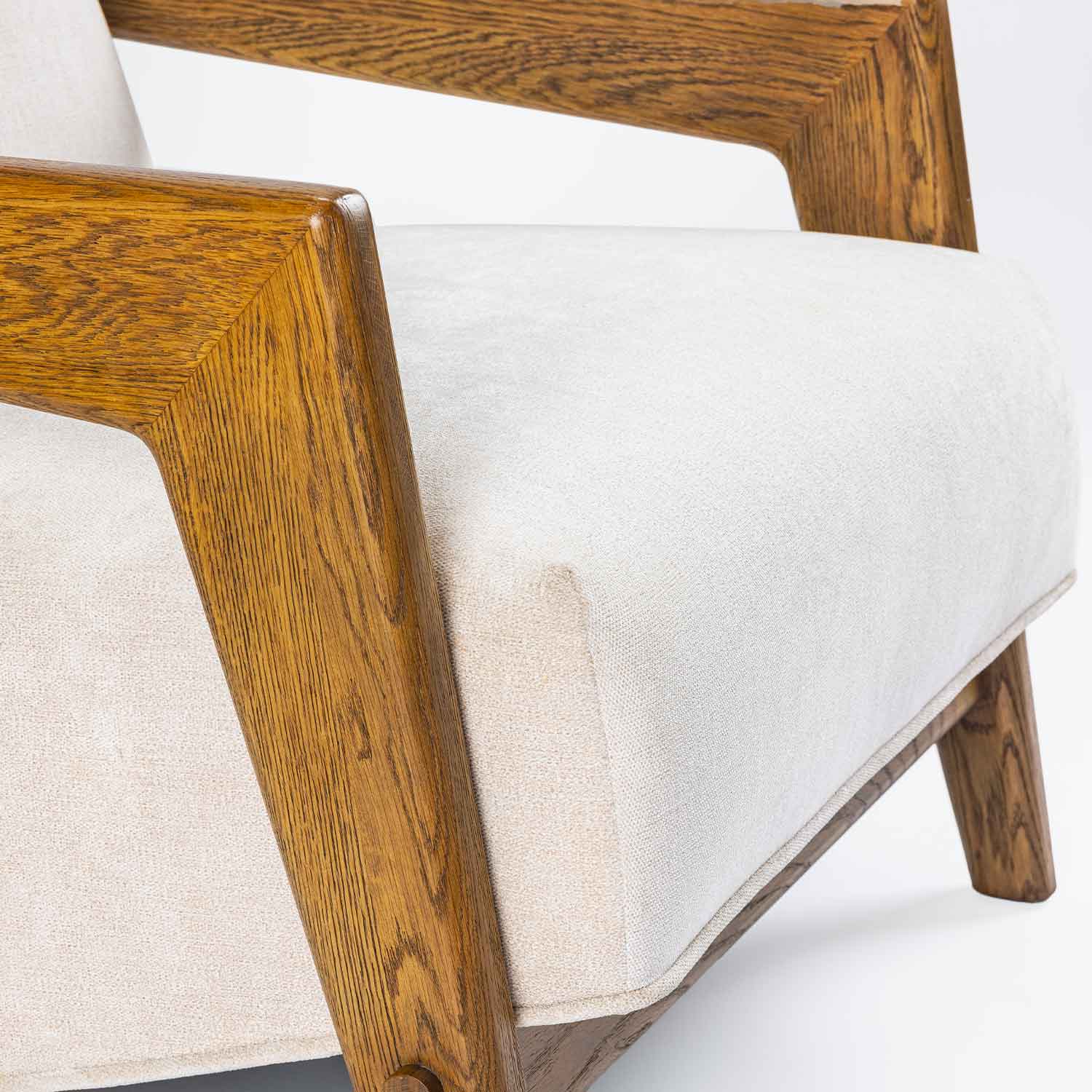
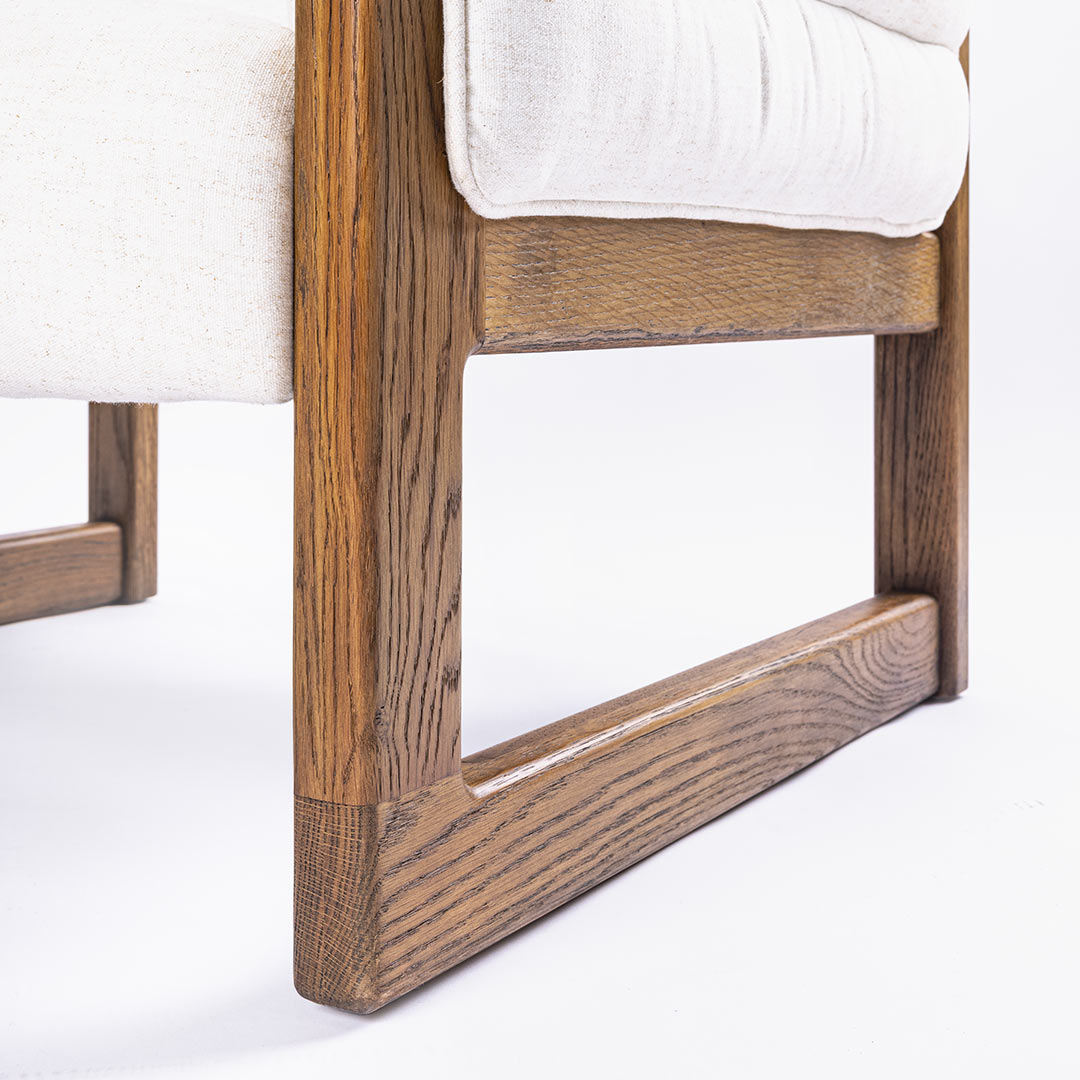
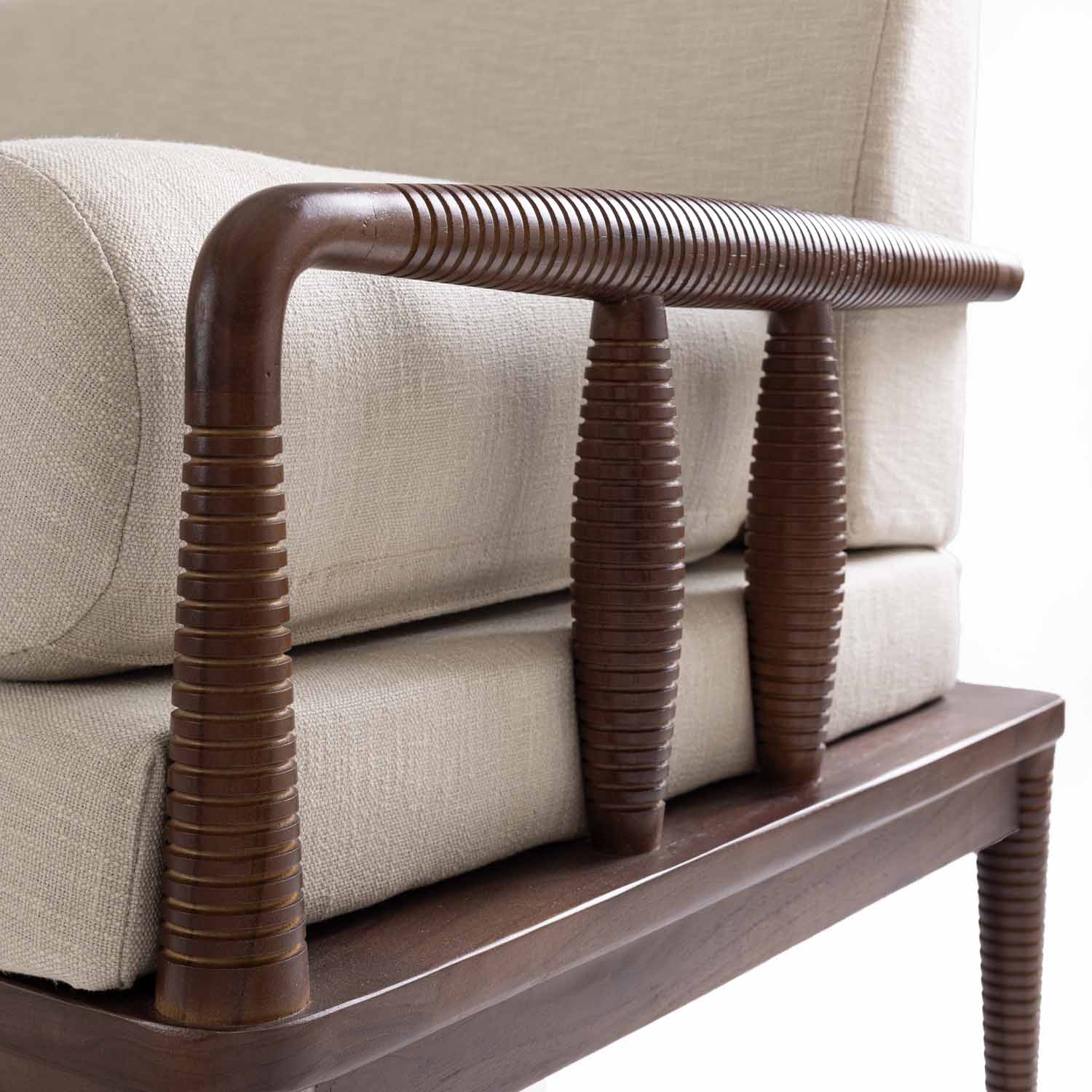
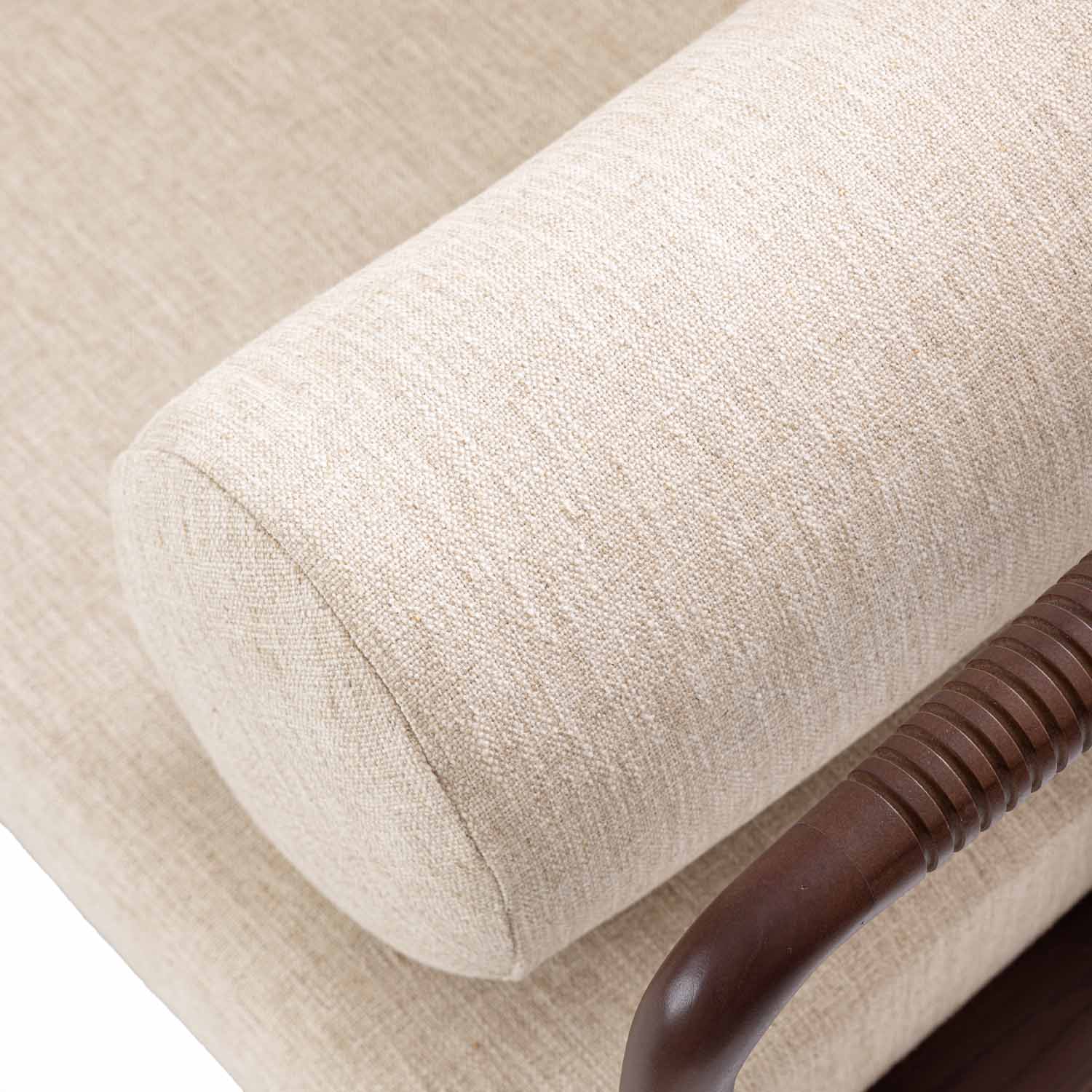
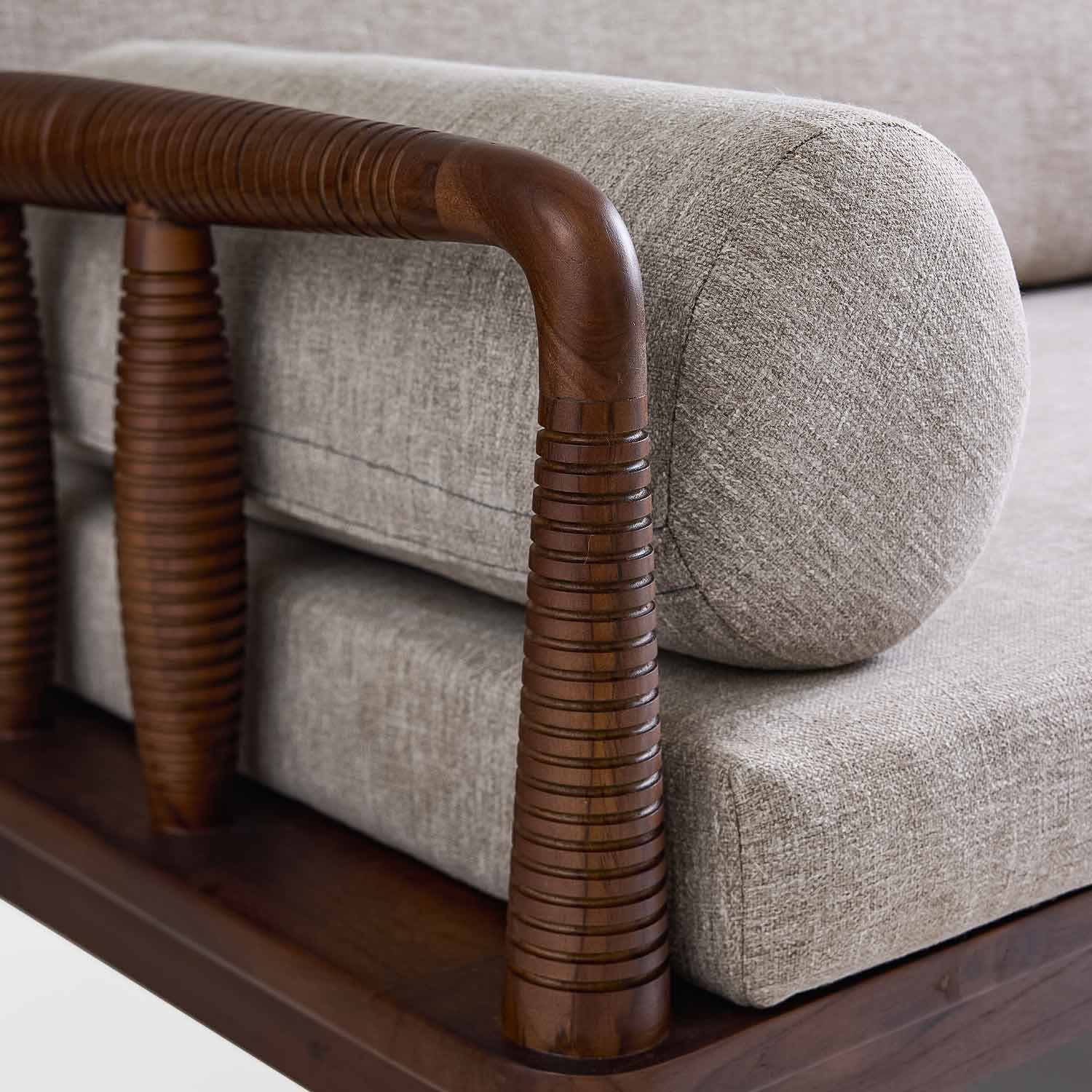
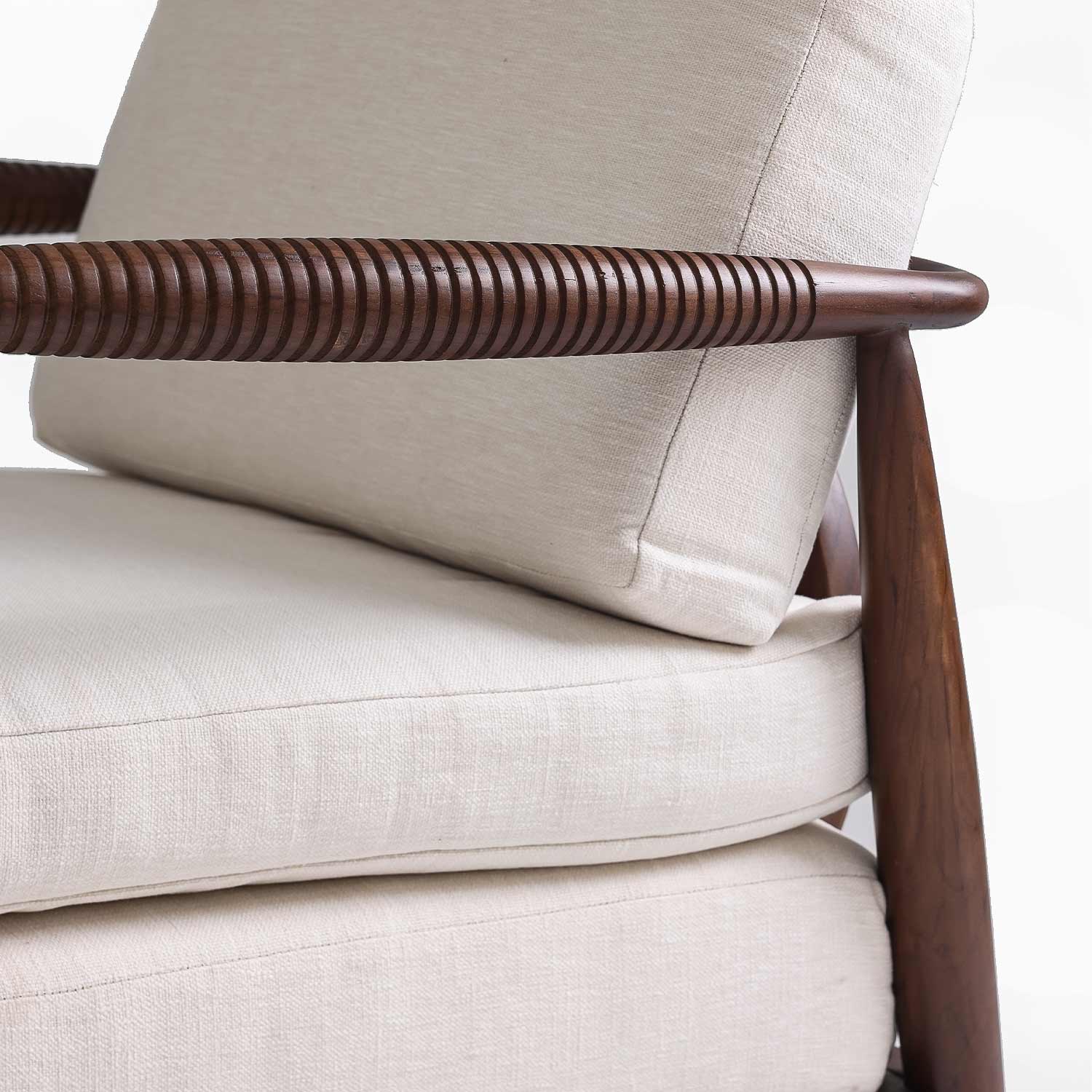
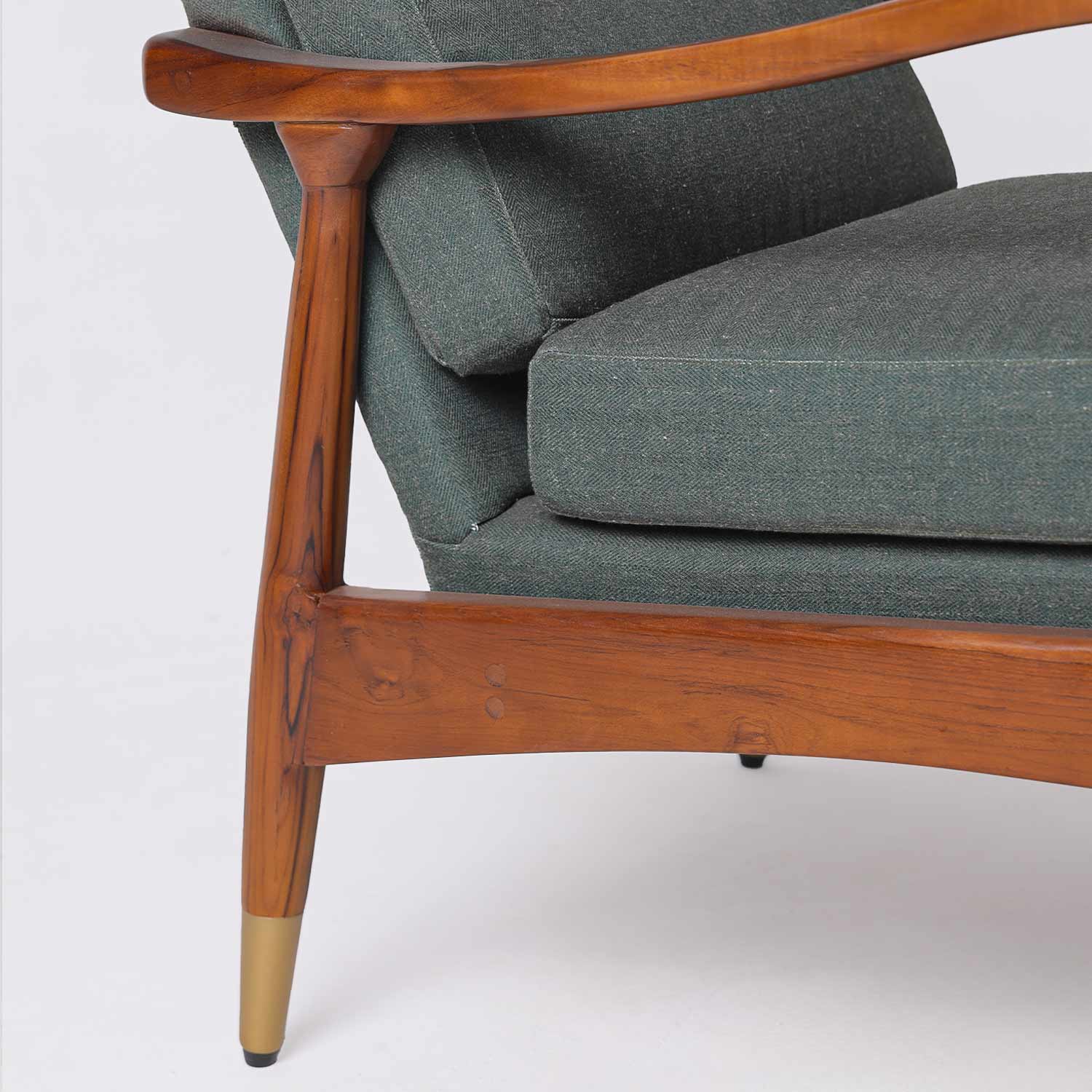
Teak and oak are valued for their strength, density, and the way they age over time. Teak naturally contains oils that help it resist wear and retain stability, while oak is appreciated for its grain, structure, and long-term durability. Both woods develop character with use, which is why they are often associated with furniture designed to last for years rather than seasons.
How do I choose the right furniture for my living room?
The best starting point is understanding how the room is used. Some living rooms are designed for entertaining, others for quiet evenings, reading, or daily family use. Once that is clear, scale becomes important. A sofa or table should anchor the room without overwhelming movement or circulation. Well-designed living spaces feel balanced because every piece has room to breathe, rather than competing for attention.
How do I know if a sofa or table is the right size for my space?
Scale affects how a room feels more than style alone. Furniture that is too large can make a living room feel crowded, while undersized pieces often leave it feeling incomplete. Before purchasing, it is important to measure wall lengths, walkways, entry points, and seating layouts. A well-proportioned sofa should anchor the room comfortably while still allowing natural movement around it.
Does wooden furniture change over time?
Natural wood evolves with age and use, which is part of its appeal. Teak and oak may deepen in tone, soften in sheen, and develop subtle variations that make each piece feel more personal over time. Unlike synthetic finishes that often deteriorate visibly, natural materials tend to mature with character when cared for properly.
Is solid wood furniture better than engineered alternatives?
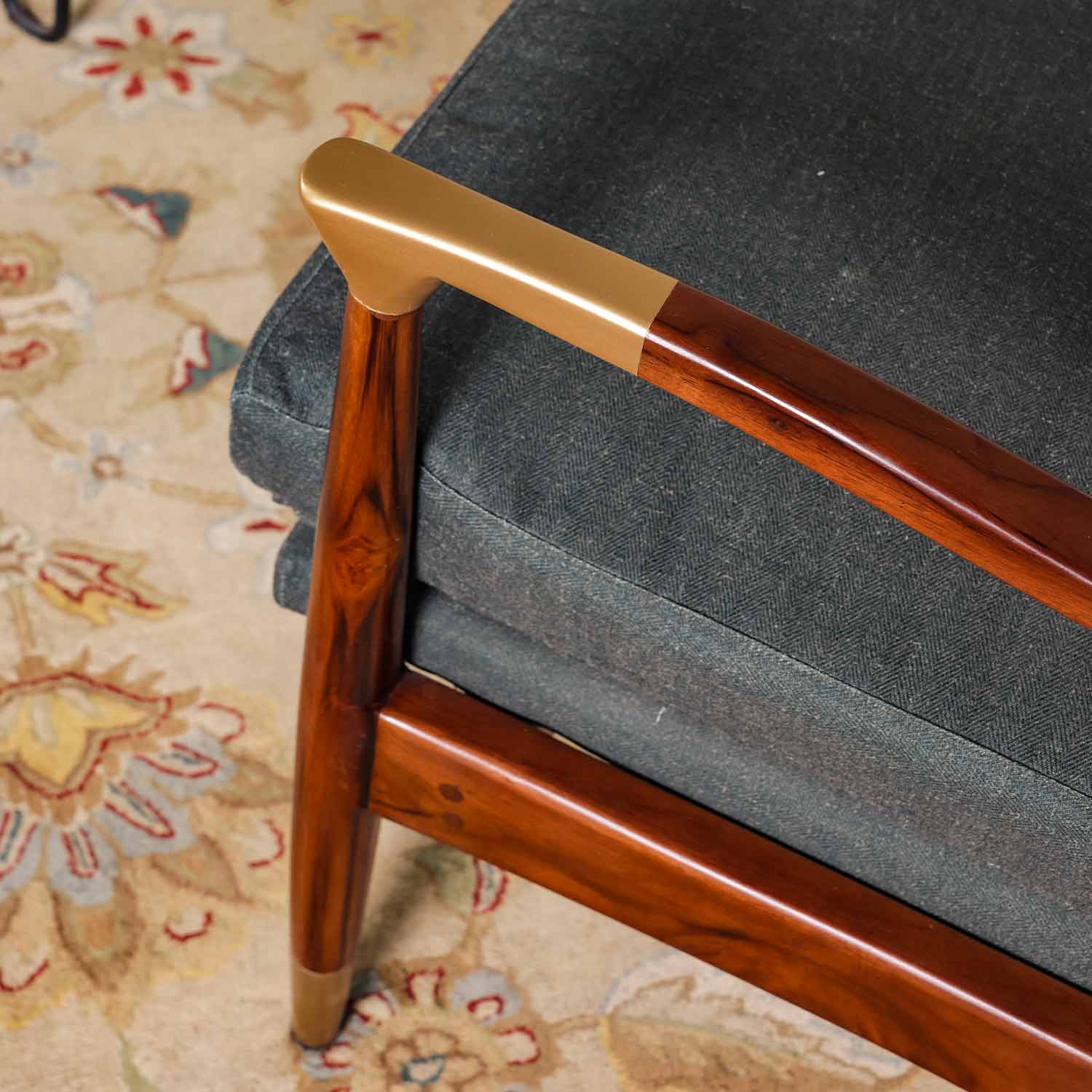
Solid wood furniture is generally preferred for its strength, longevity, and ability to age gracefully. It offers greater structural integrity and can often be restored or refinished over time. Premium furniture collections typically prioritise material quality and craftsmanship because these determine how well a piece holds its form and finish through years of daily use.
How should living room furniture work with rugs?
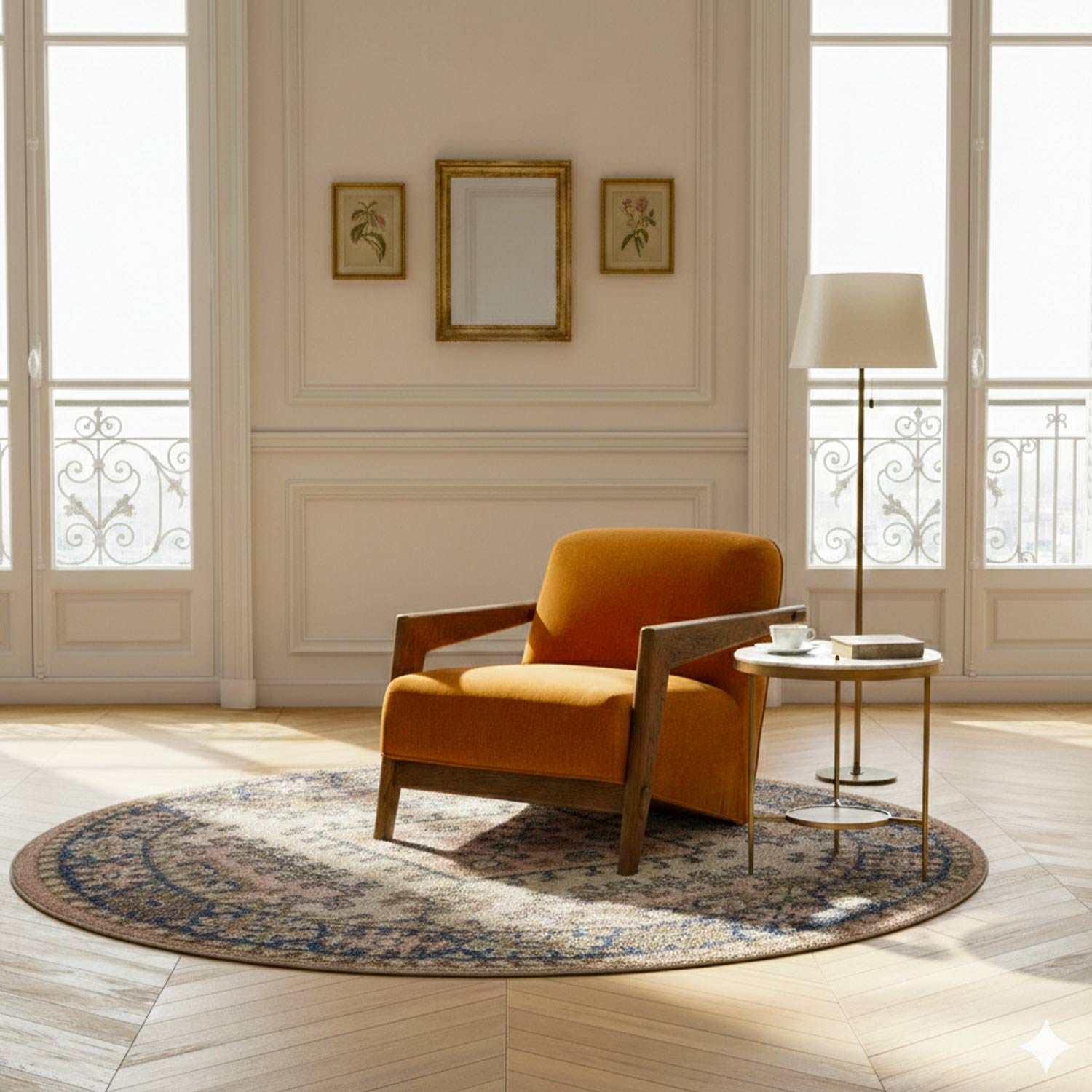
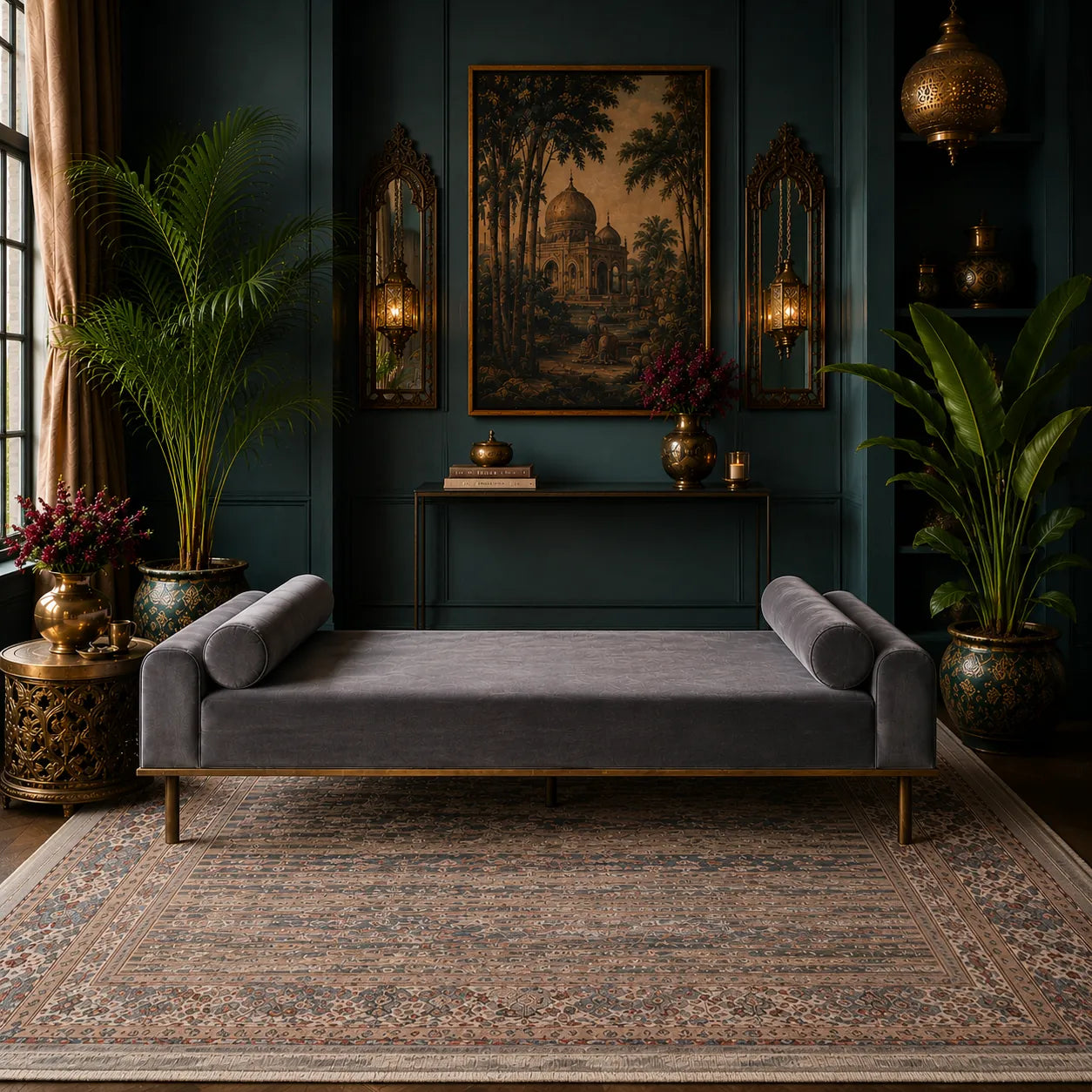
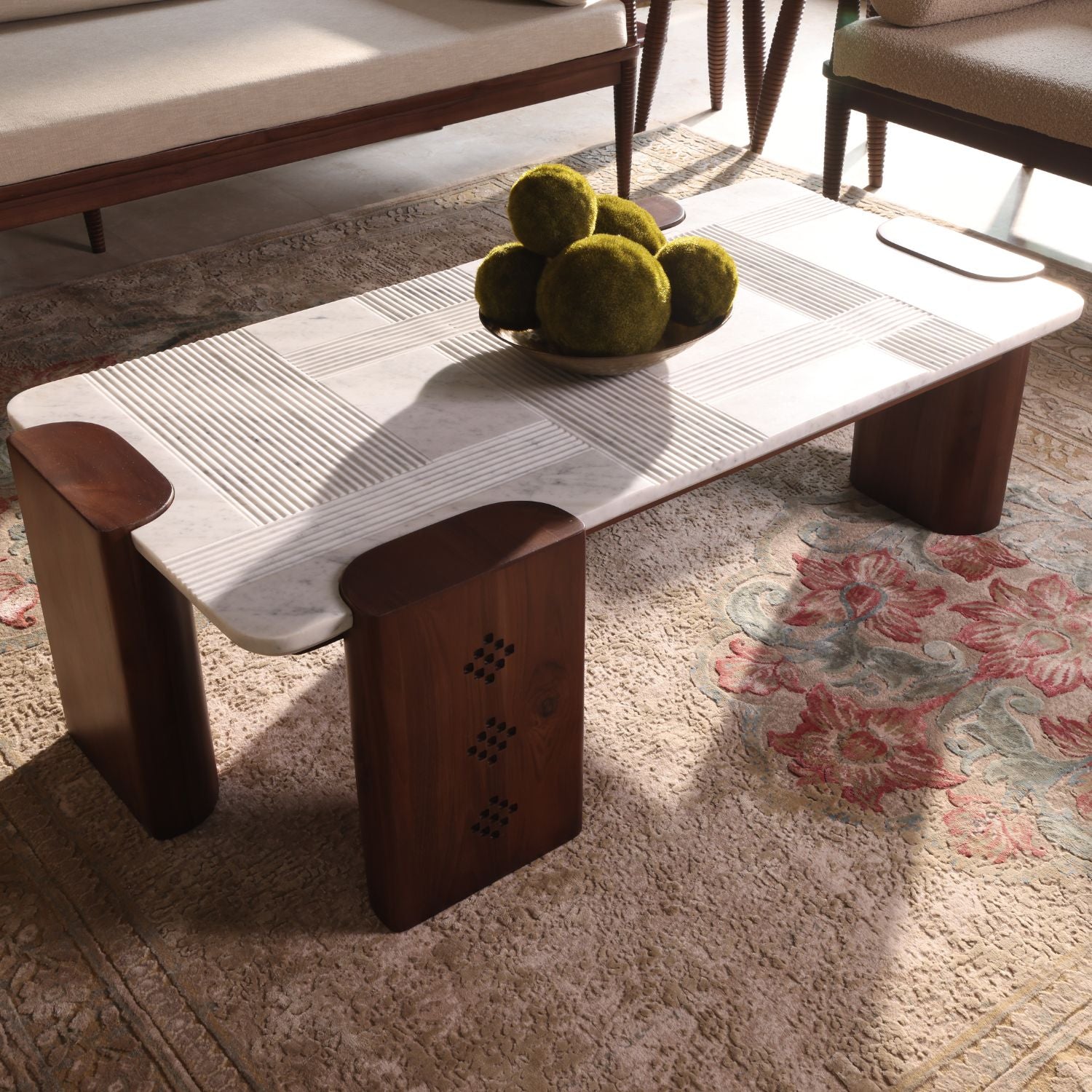
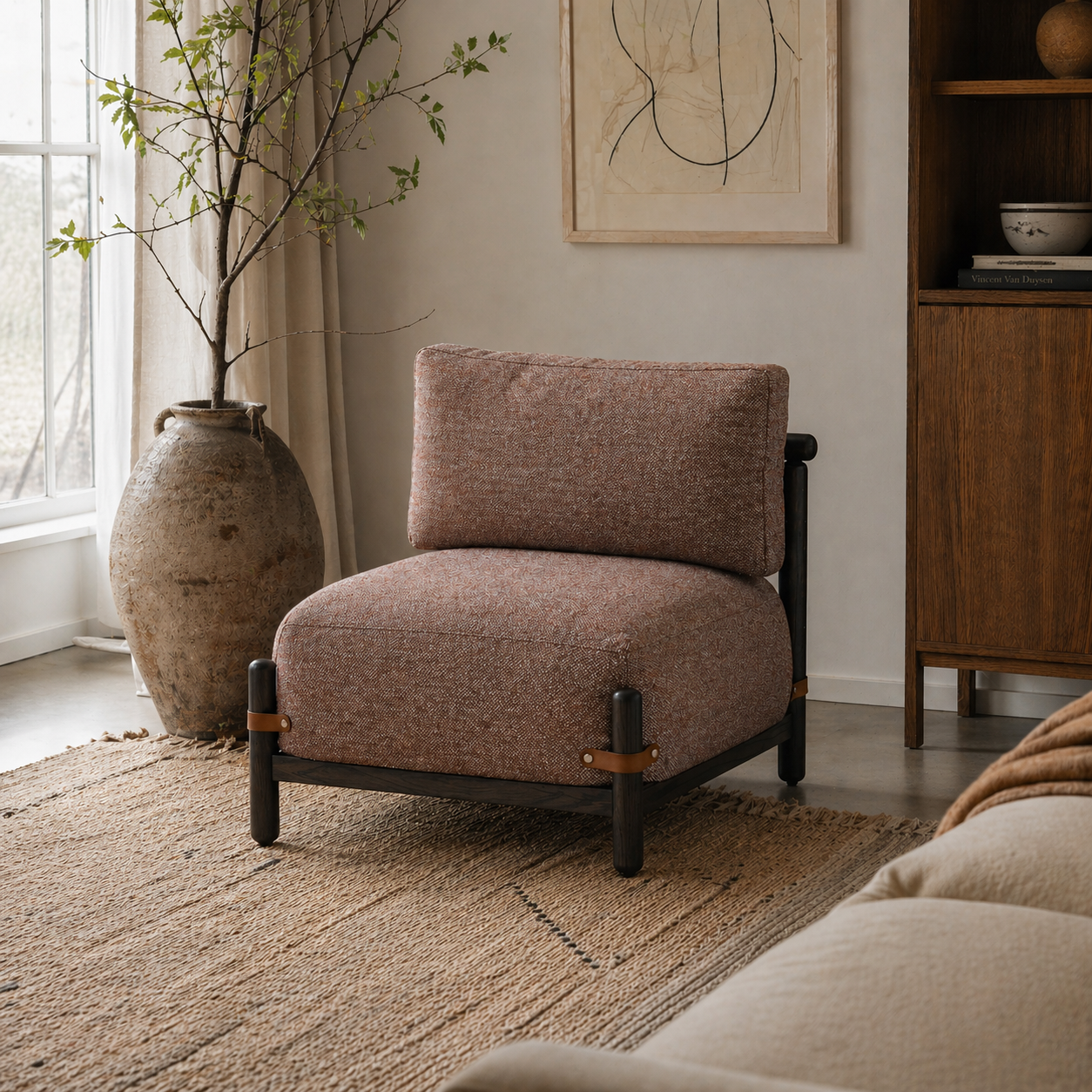
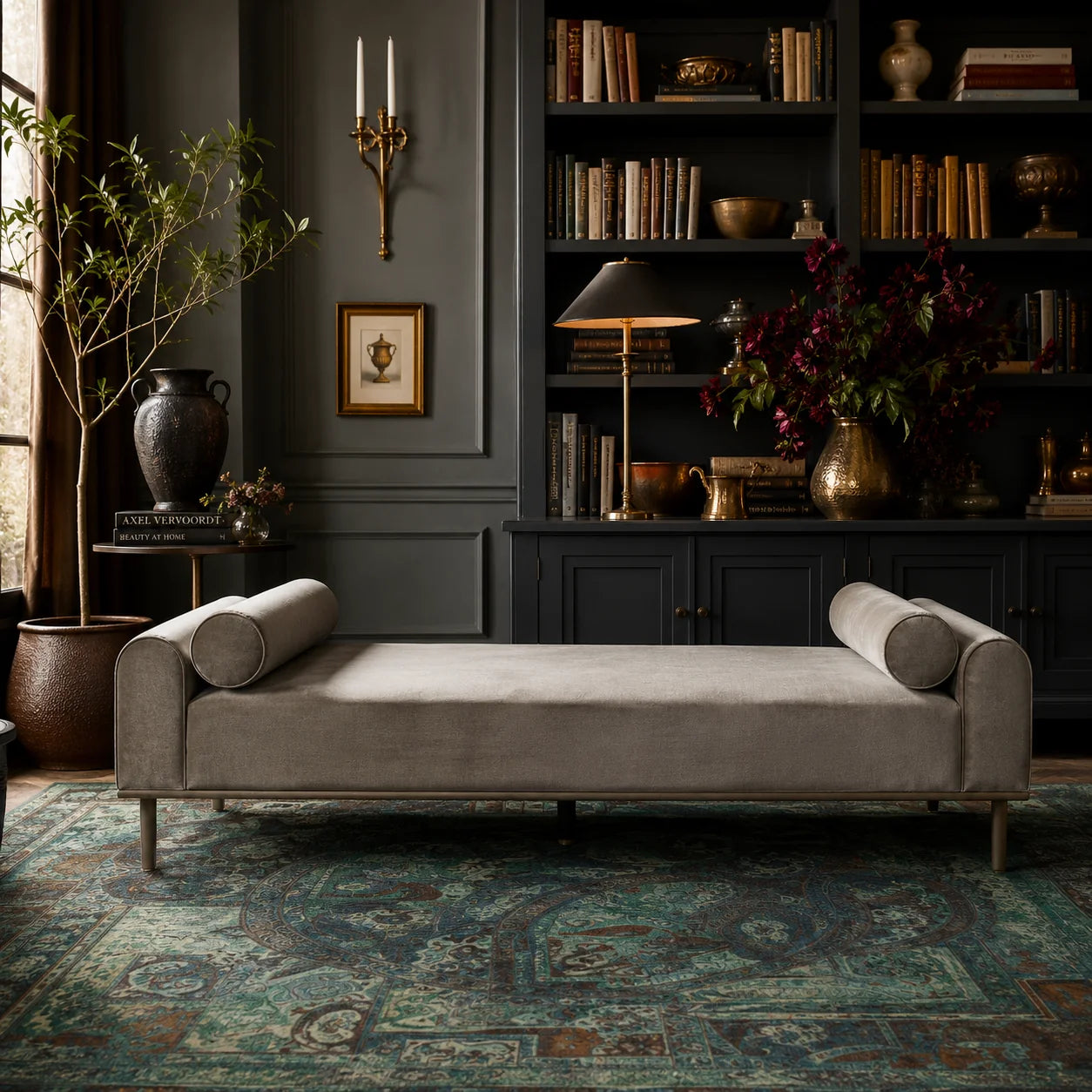
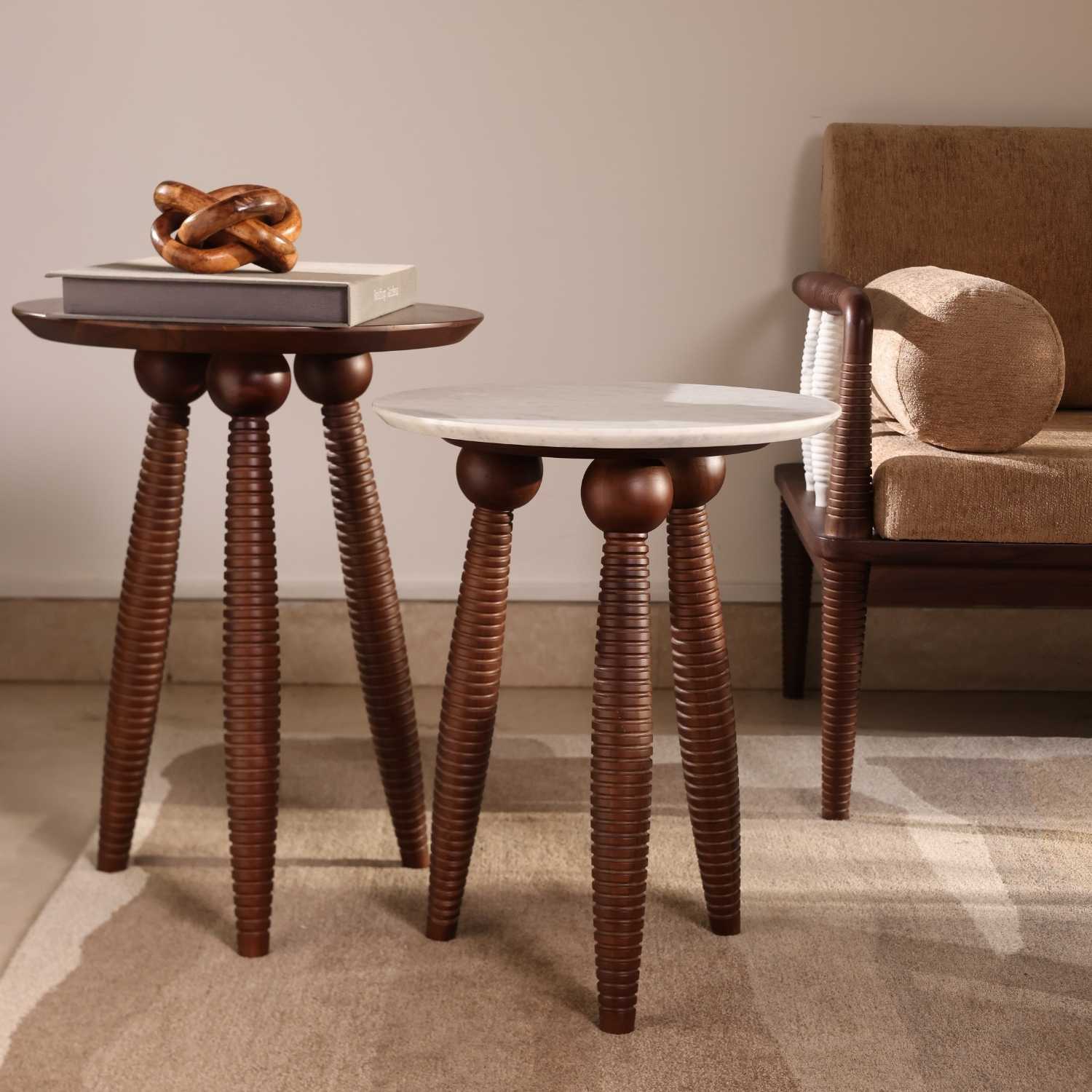
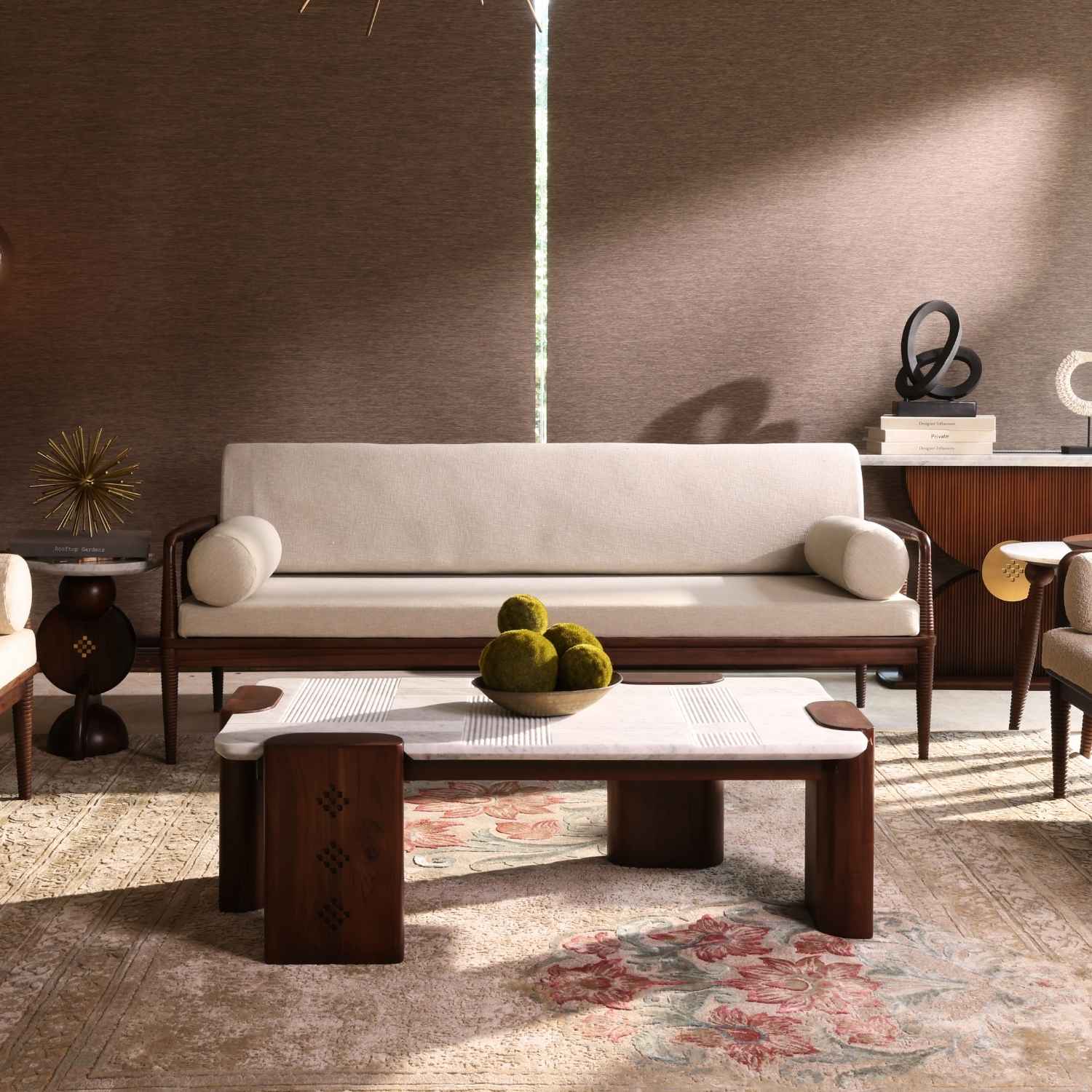
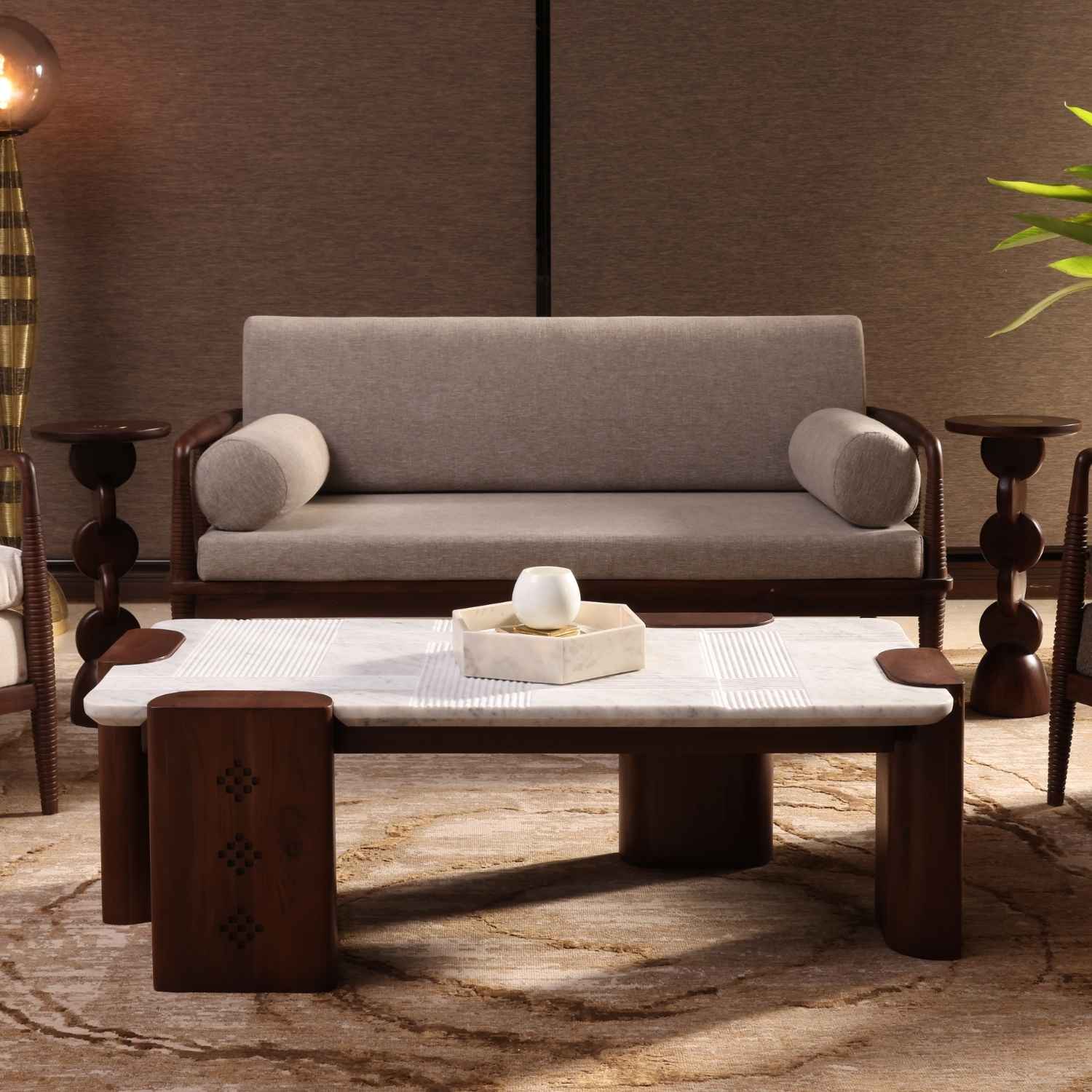
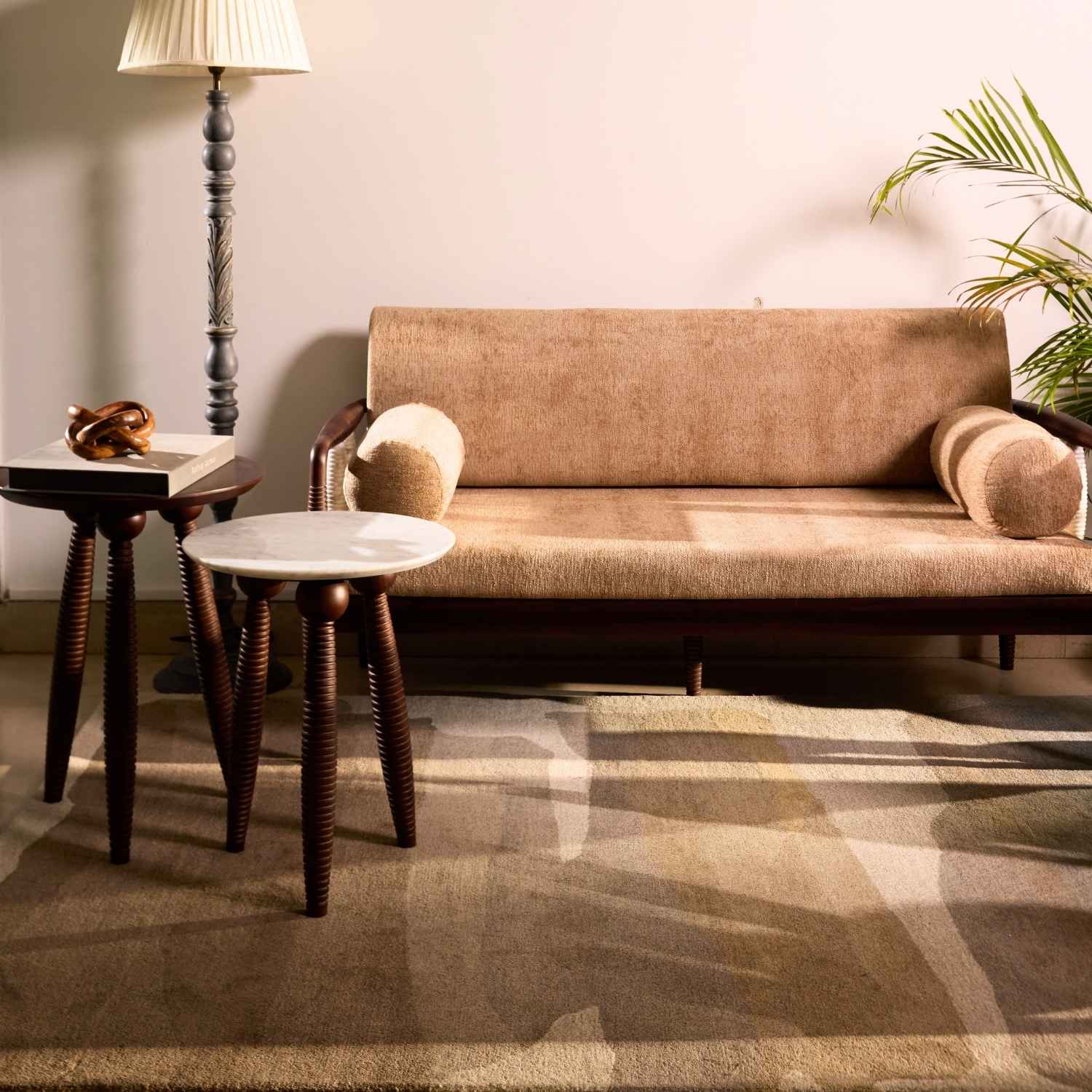
Furniture and rugs should feel connected rather than separate elements within a room. A rug grounds the space visually, while furniture defines how the room functions. Coffee tables, sofas, and accent seating should sit in proportion to the rug so that the room feels cohesive and balanced. Because Obeetee’s furniture and rugs are designed within the same visual language, they are intended to work together naturally.
How do I create a living room that feels refined but comfortable?
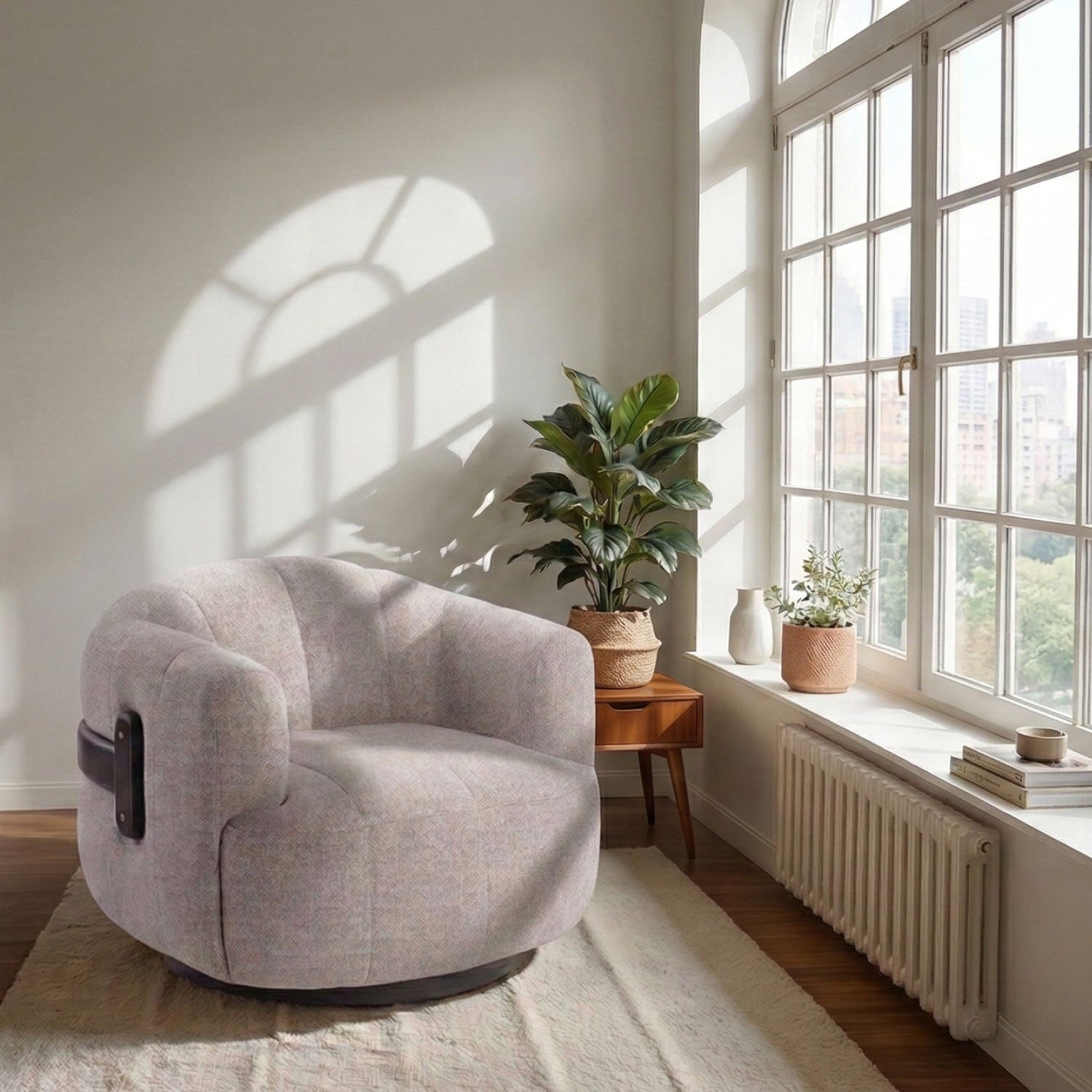
The most considered living rooms balance visual lightness with comfort. Oversized furniture can make a room feel heavy, while pieces that are too delicate may lack presence. Materials, spacing, and proportion all contribute to how a room feels emotionally. Spaces often feel more refined when they combine tactile materials, comfortable seating, and enough openness for movement and light.
Should all my furniture match?
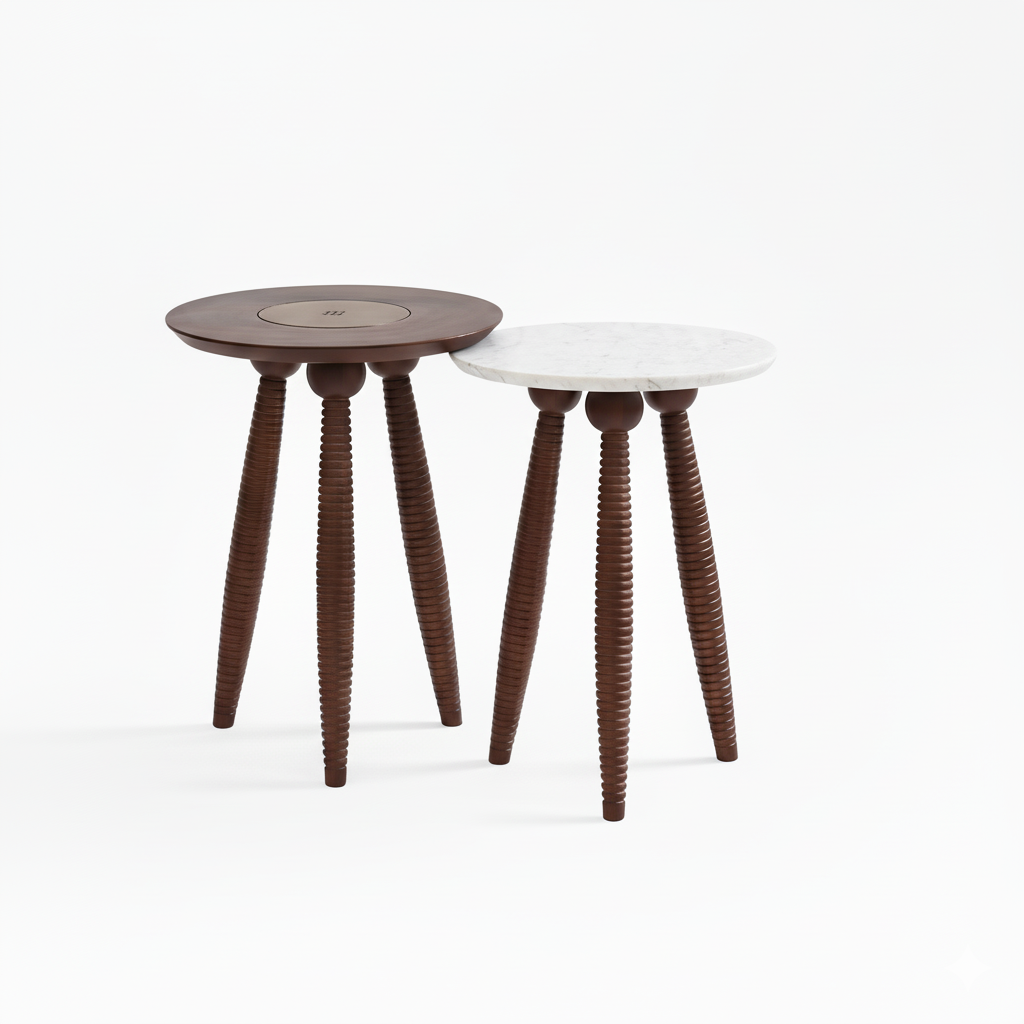
A living room feels more layered and personal when pieces relate to one another without appearing identical. Matching furniture sets can often make a space feel flat or overly staged. Mixing materials, forms, and textures creates depth and gives a room a more collected and intentional character.
Is Obeetee furniture suitable for contemporary Indian homes?
Yes. The collection is designed with contemporary living in mind—spaces that balance comfort, openness, and functionality. The silhouettes, material palette, and proportions are intended to work across apartments, modern homes, and transitional interiors while still retaining warmth and material depth.