



THE ART OF THE RUG
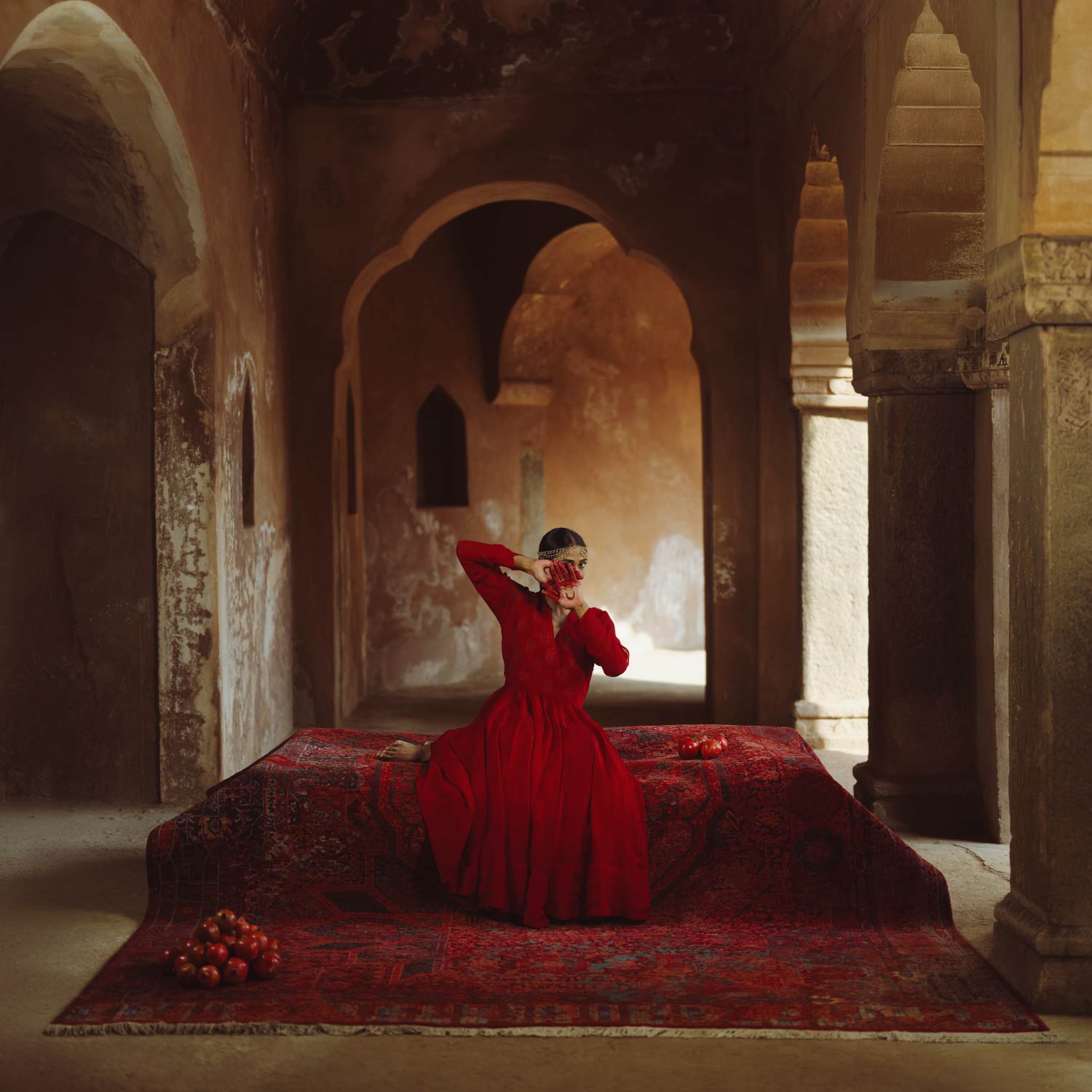
A rug is not placed into a room. It determines how the room settles.
It determines how the room settles.
This is where the conversation begins—not with buying, but with seeing. A room can exist without a rug. It can be furnished, lit, and arranged. And yet, something often remains unresolved. The elements are present, but they do not fully relate to one another. The eye moves, but does not rest. A rug changes that. Not by adding to the room, but by organizing it. It introduces a surface that gathers, anchors, and defines—without ever imposing itself as structure. It does not ask for attention. It creates coherence. To understand a rug is to move beyond the idea of it as an object. It is not simply placed. It is positioned. It is not chosen last. It often behaves like the first decision, even when it arrives at the end.

On Beginning with the Floor
Why a rug sets the direction of a room
Most rooms are designed from the vertical plane. Walls are painted, furniture is arranged, lighting is layered. The floor is often treated as neutral—something to build upon, but not something that leads.
A rug alters that hierarchy. Once placed, it begins to dictate how everything else sits. Furniture aligns differently. Circulation adjusts. Even the perception of space changes—what once felt open may feel grounded, what once felt contained may feel expansive. This is not because the rug is dominant. It is because it establishes a reference point. It gives the room a centre, even when there is no physical marker for one. Design, when it works, rarely feels imposed. It feels settled. The rug is often where that settling begins.
On Surface and Structure
What lies beneath what is seen
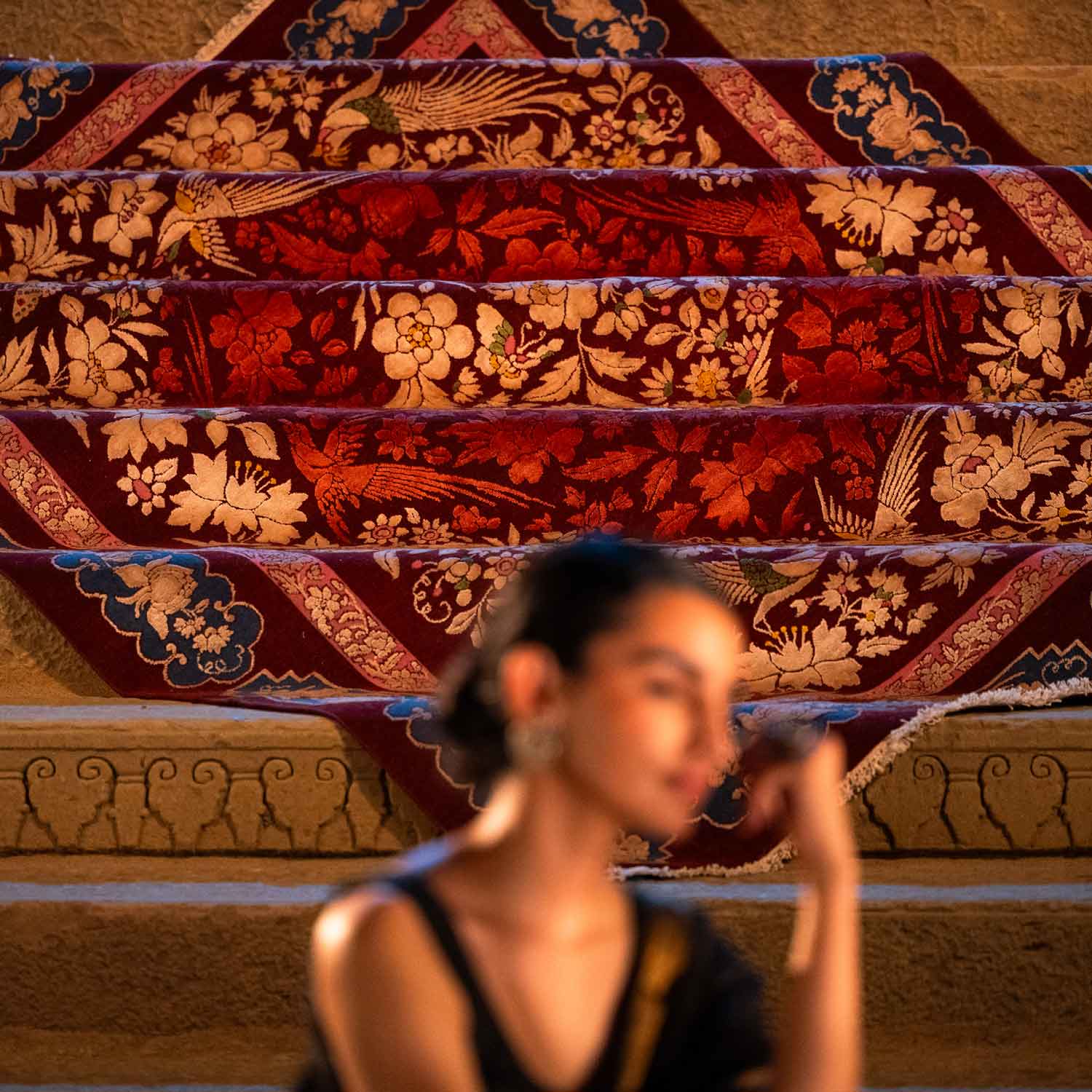
A rug is often perceived as surface—colour, pattern, texture. What is visible is immediate, and therefore easy to respond to. But what gives a rug its presence is rarely only what is seen. Beneath the surface is structure. The way it is constructed. The density of its making. The tension it holds from the loom. These are not always visible at first glance, but they determine how the rug behaves over time.
Two rugs may appear similar in colour and pattern, yet exist very differently within a space. One may feel stable, grounded, enduring. The other may feel lighter, more temporary. This difference does not come from appearance alone. It comes from how the rug is built. To understand a rug fully is to recognise that its surface is only part of its story.

On Composition
How a rug gathers a room without enclosing it.
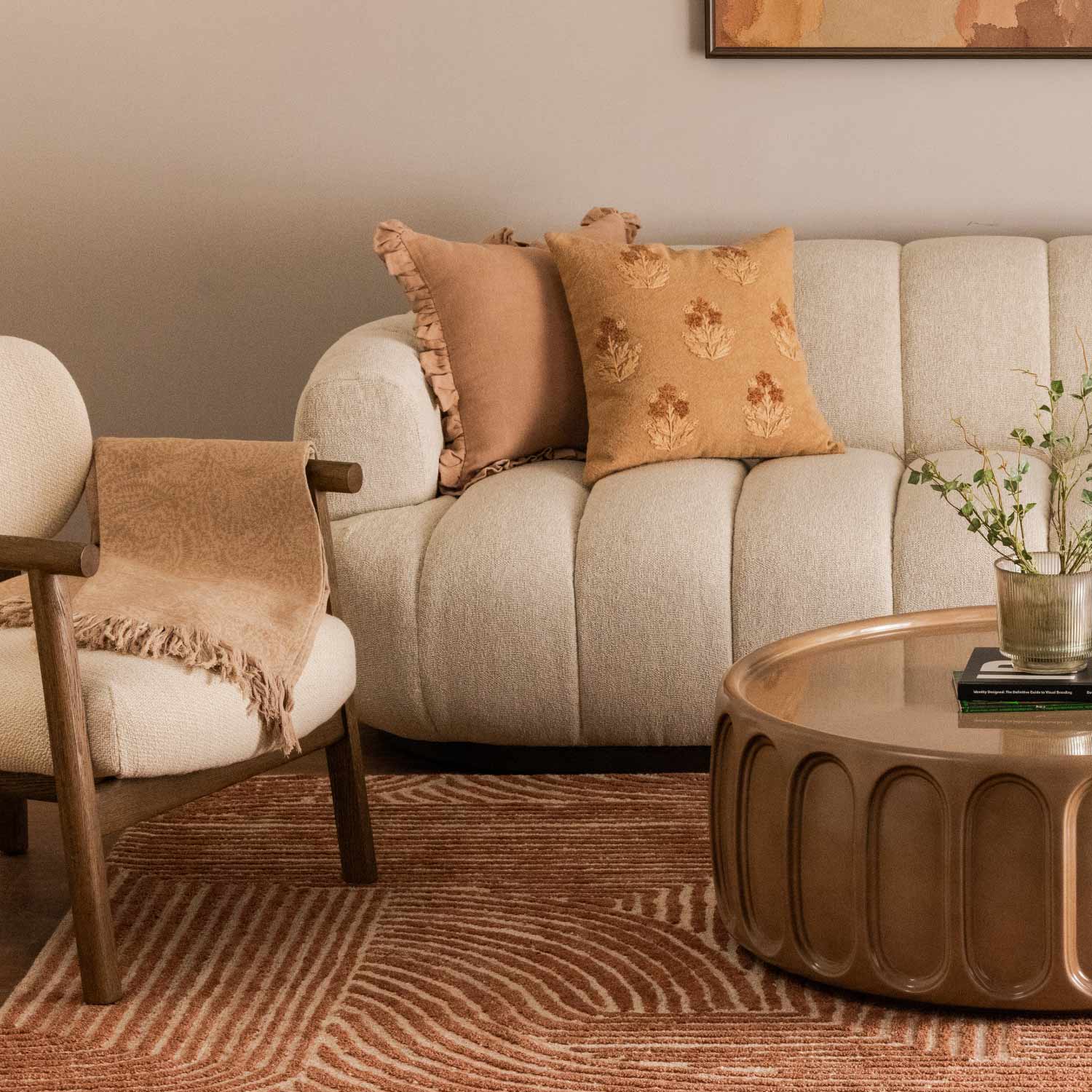
A room without a unifying surface can feel fragmented. Each piece exists, but in isolation. A sofa relates to a table, a chair to a lamp—but the room itself lacks cohesion. A rug brings these elements into relationship.
It gathers furniture into a single field. It creates proximity where there was distance. It allows pieces to belong to something larger than themselves. And yet, it does this without enclosing the space. There are no walls, no edges that interrupt movement. The boundary it creates is implied, not enforced. This is what makes it effective. It defines without restricting. A well-composed room is not one where everything matches. It is one where everything relates. The rug is often what makes that possible.
On Time
How rugs change, and why that matters
Unlike many elements within a room, a rug does not remain fixed in its condition. It settles. It softens. It responds to movement, to light, to use. Over time, its surface shifts—sometimes subtly, sometimes more visibly. This change is often misunderstood as wear. In many cases, it is something else. A well-made rug does not simply deteriorate. It evolves.
Colours may deepen or fade. Fibres may relax. The surface may take on a character that was not present when it was new. This is not immediate. It is gradual. It belongs to time. To live with a rug is not only to place it within a space. It is to allow it to become part of that space—slowly, and over years.
On Presence
Why some rugs disappear, and others define
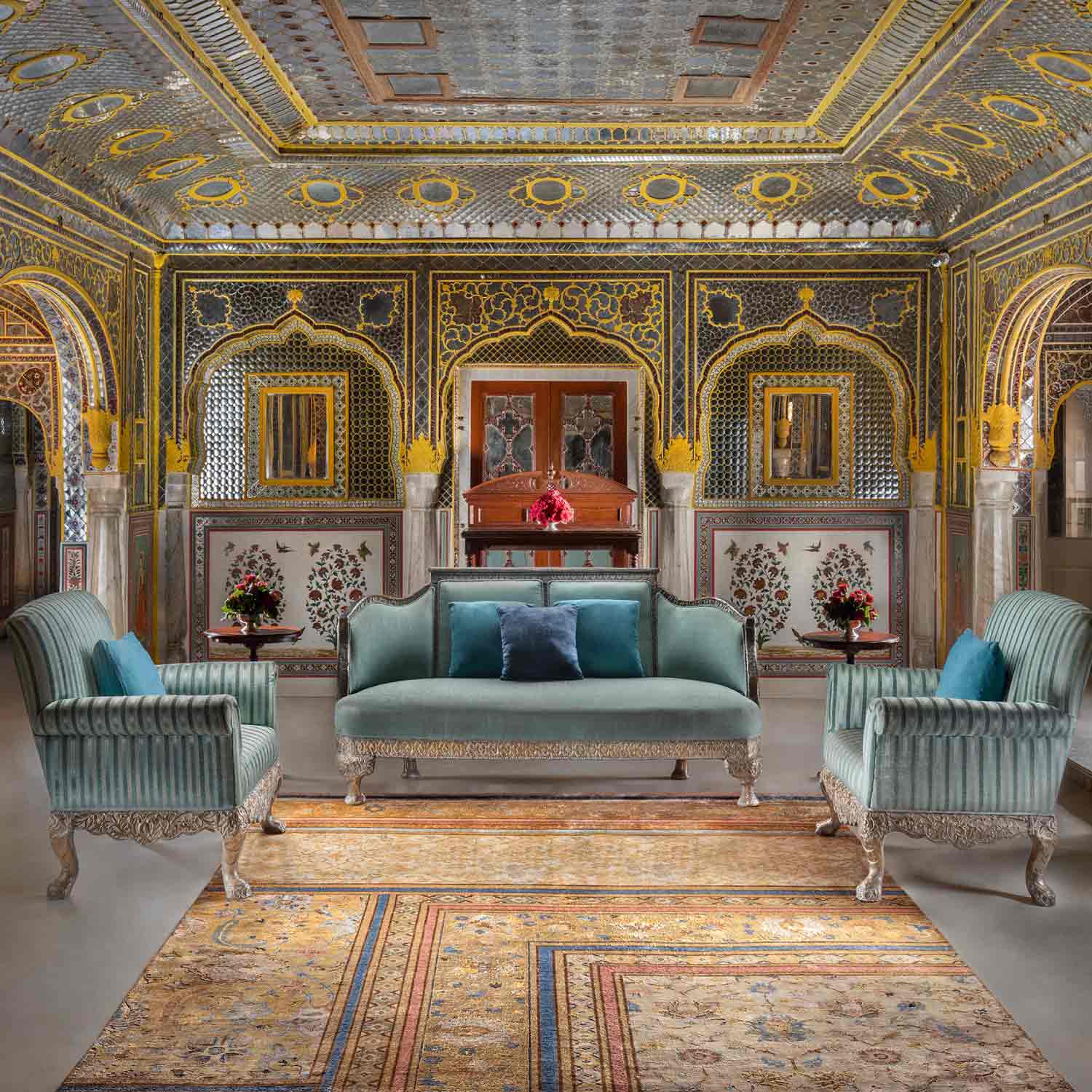
Not every rug announces itself. Some sit quietly within a room, allowing other elements to lead. They support without drawing attention. Their presence is felt more than seen. Others define the space more directly. They introduce pattern, contrast, or intensity. They become a point of focus—something the room is built around, rather than placed upon. Neither approach is right or wrong. Both are decisions.
The question is not whether a rug should stand out, but whether it should lead. A room does not need everything to speak at once. It needs clarity about what should. A rug can be background, or it can be voice. Its role is determined by how it is chosen—and how it is understood.
On Seeing Differently
Why understanding a rug changes how a room is experienced
A rug is easy to overlook when reduced to function or decoration. It is harder to overlook once understood as something that shapes how a room is read. It affects proportion without altering dimensions. It creates boundary without building structure. It introduces depth without adding volume. It is both surface and foundation. Visible, yet often unnoticed in its effect.
To see a rug this way is to recognise that it is not an accessory to a room. It is part of its composition. And once that is understood, it is rarely chosen the same way again.
