





Tokyo Chowk: The Heart of a City
Every city has its own tale to tell.
One is carved in stone, filled with stories of emperors and architects, precise layouts of streets, and towering monuments that eventually grace our guidebooks.
The other, however, is seldom documented.
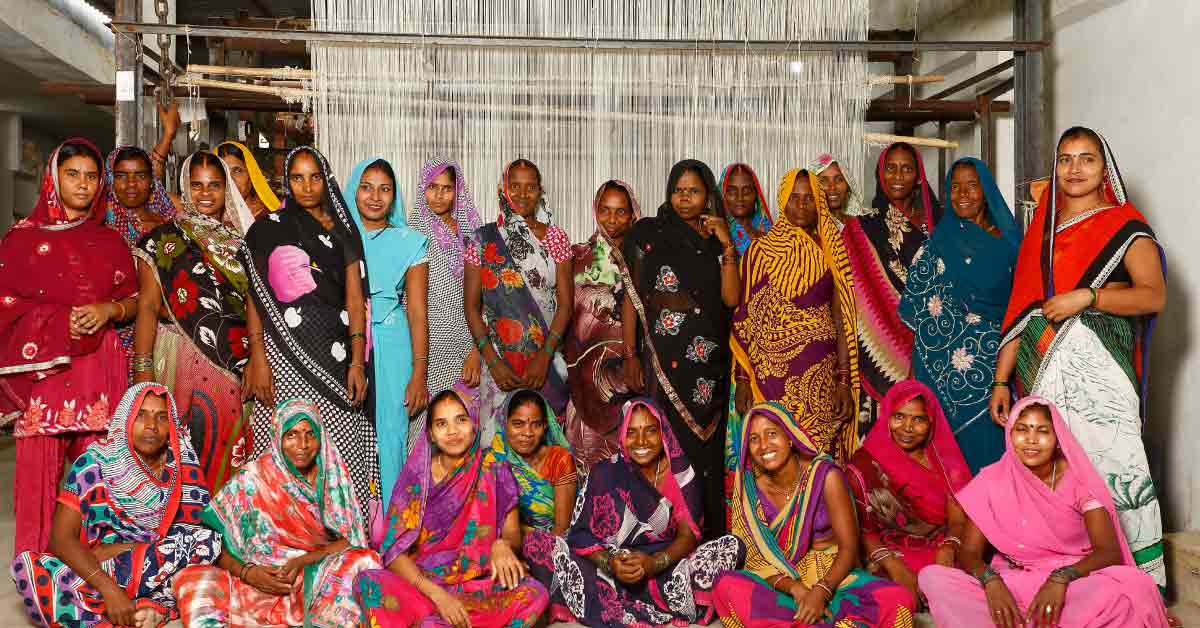
It belongs to the woman who strings flowers at dawn. To the man who has served the same drink at the same spot for three decades. To the child who realizes that a paper windmill can sprint faster than the wind. To the woven mat that gathers memories quietly, long before anyone thinks to call it design.
It’s this unrecorded narrative that imparts a city with its soul.
We often presume cities are remembered for their constructions. Maybe they’re more etched in our minds for their routines-day in and day out, season after season, generation after generation.

Tokyo has shown us that.
The world's focus has always been on its future-its shining skyline, impeccably timed trains, and bustling intersections where thousands move in harmony. Yet, the city truly unfolds its beauty in places far removed from these grand displays. Wander into Yanaka Ginza, Kagurazaka, or the lantern-draped streets of Omoide Yokocho, and another side of Tokyo greets you. A side where family-owned tea shops neighbor knife artisans who have honed their craft through generations. Where handwritten menus still adorn the doorways of quaint eateries tucked beneath railway arches. Where indigo noren curtains dance gently in the morning breeze while shopkeepers sweep their paths before swinging their doors open.
In Japan, there’s a belief that how one maintains a space reflects their respect for those who will pass through it. Maybe that’s why so many neighborhoods start their days with rituals that appear almost invisible to those rushing by. The sidewalks are cleaned, flowers arranged, curtains hung. Nothing too remarkable occurs, yet everything feels cherished.
Tokyo doesn’t ask for admiration but simply welcomes you to be part of it.
The Streets That Fulfill Their Promises
Halfway across the globe, Chandni Chowk communicates in a louder fashion, yet echoes the same sentiment.
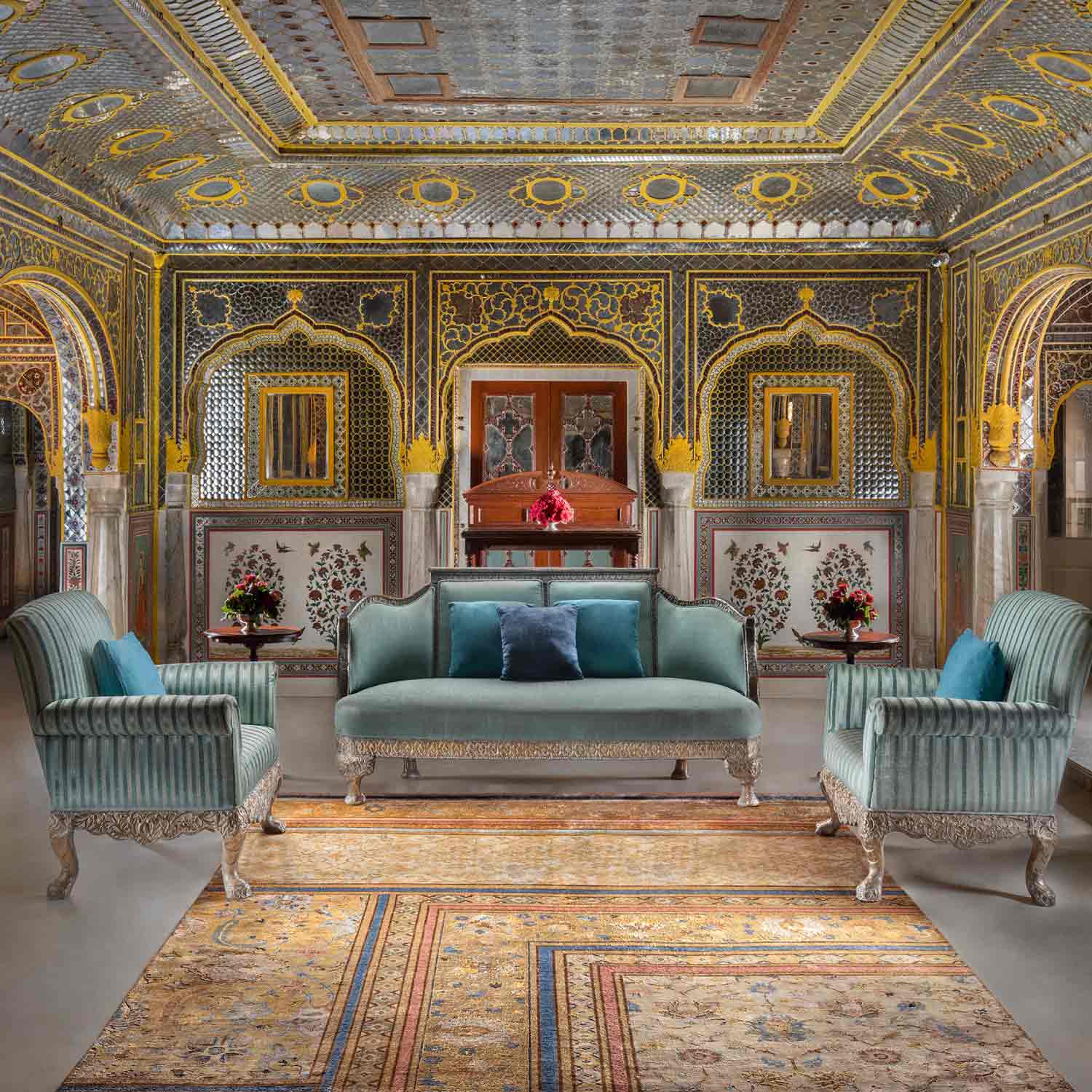
When Jahanara Begum envisioned the boulevard in the seventeenth century, she dreamed of more than just a marketplace. A canal once flowed through its center, shimmering in moonlight so brilliantly that it earned the name Chandni Chowk-the Moonlit Square. Flanked by merchants from all corners of the world, gardens softened the commerce, and nearly sixteen hundred shops transformed the boulevard into the vibrant heart of Shahjahanabad.
While the canal has long vanished, empires have faded, the people remain.
Today, as you stroll through Chandni Chowk, the city introduces itself through those who cherish it. Khari Baoli scents the air even before you arrive. Dariba Kalan shines with silver that has been crafted by the same families for generations. Kinari Bazaar brims with borders, sequins, and brocades eager to become part of someone else's celebration. The bookseller on Nai Sarak believes that each book deserves a chat before it finds a reader.
To the untrained eye, Chandni Chowk bursts with energy.
To those familiar, it evokes cherished memories.
Every alley has mastered a craft so well that it becomes synonymous with its identity. Every street has flourished around its inhabitants who chose to stay.
In both Tokyo and Chandni Chowk, we recognized something neither city ever verbalizes.
Cities don’t inherit their cultures.
People bestow it to them.
Without the florist, flowers are mere decoration. Without the spice vendor, cardamom is just a seed. Without the tea merchant, mornings become just a passage of time. Without children, streets are simply roads.
And without the countless everyday rituals that replay day after day, a city is merely an arrangement of structures.
That thought is what inspired us to create Tokyo Chowk.
The Memories in Objects
When we first envisioned Tokyo Chowk, our focus wasn’t on two cities.
It was on the people who nurture them.
The everyday objects they interact with.
The habits they pass along without labeling them as traditions.
The seemingly mundane elements that fade almost into invisibility.
Every city boasts a drink that defines its afternoons.
Not because it’s renowned, but because it shows up just when it’s needed.
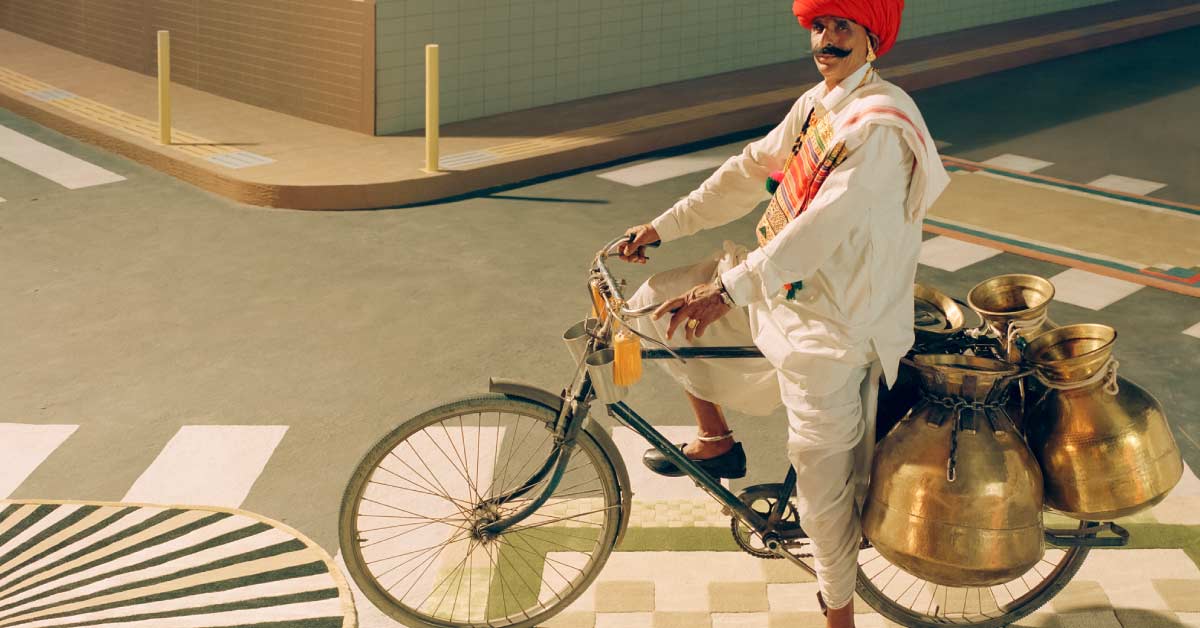
On summer streets in Delhi, the drink of choice has often been sharbat. Rose, khus, sandalwood, citrus-recipes may vary from home to home, but they consistently deliver the same promise of refreshment. A glass appears on the counter before words are exchanged. Conversations ease into a slower pace. Heat gives way to warmth.
That sensation morphed into Sharbat.
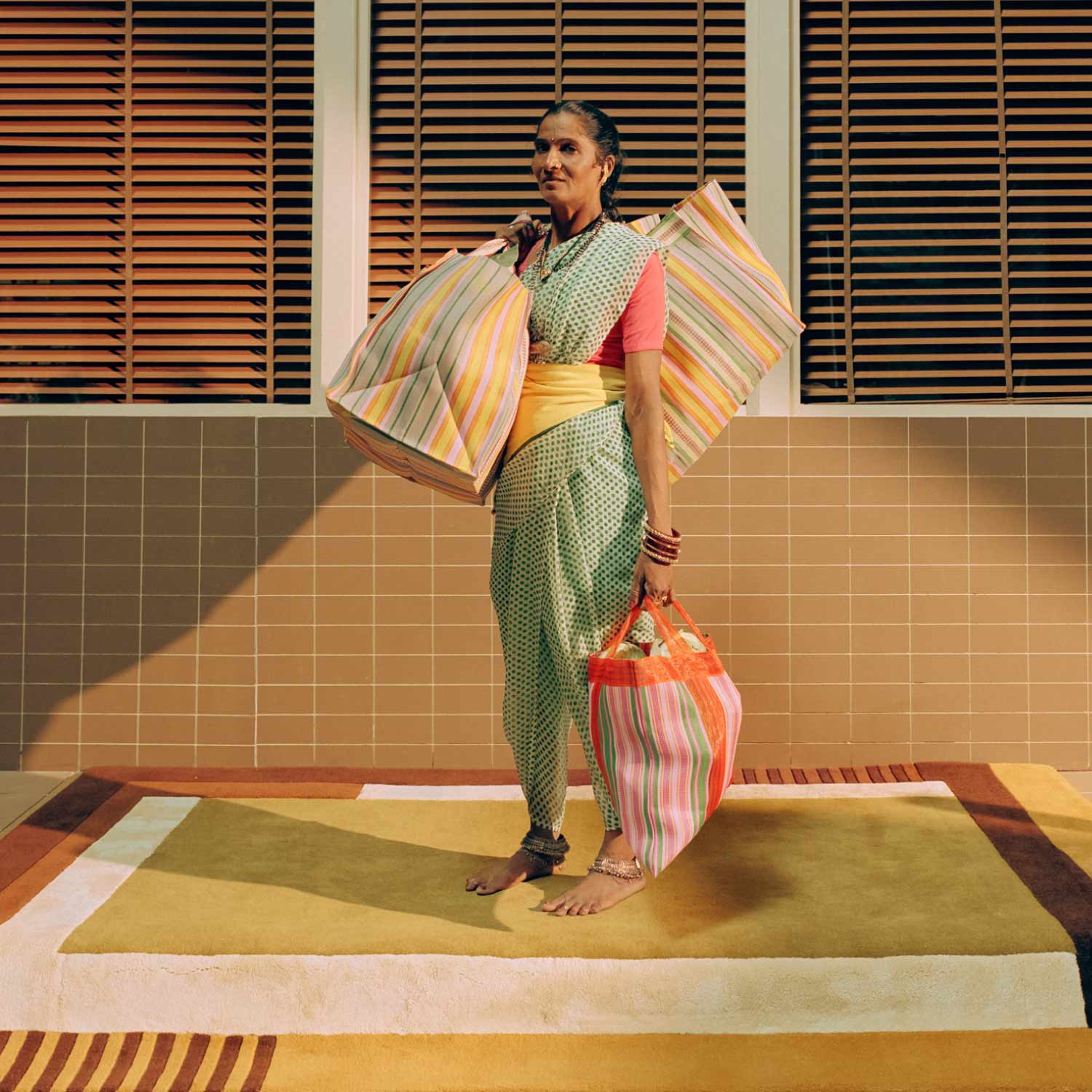
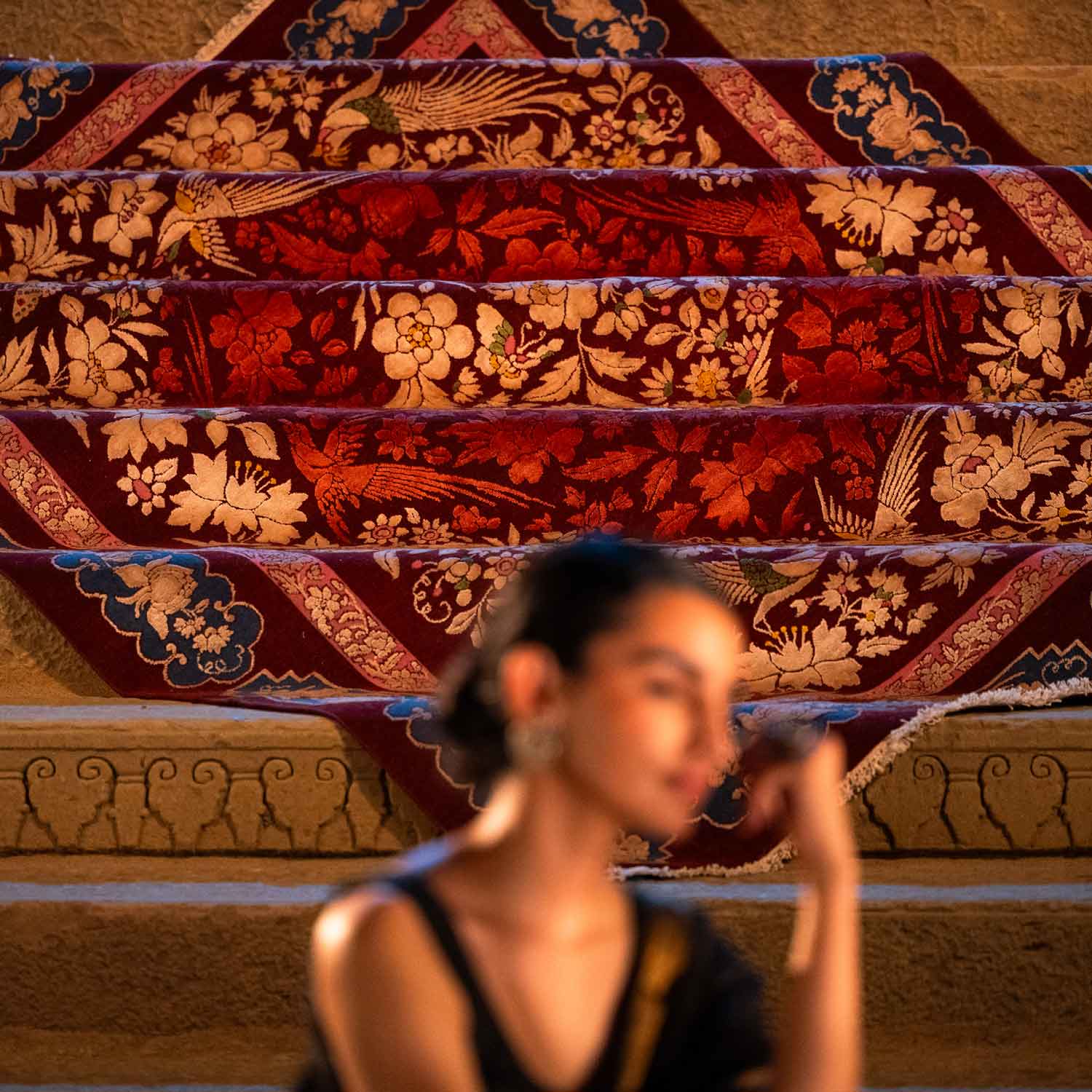
Not just the drink itself, but the spirit of generosity it embodies. Its terracotta warmth conjures images of sunlit streets, muted blues evoke a refreshing shade after a long walk, and layered arches resonate with both Tokyo's narrow pathways and Old Delhi's vibrant markets. It’s not merely a rug; it’s the essence of an afternoon that chose to linger.
Before comfortable sofas filled our homes, the floor was always the gathering space.
Families found connection closer to the earth. Meals extended into conversations. Grandparents shelled peas while children played games beside them. The terrace transformed into a living room each winter afternoon, thanks to a simple woven mat.
With time, we realize just how remarkable that item truly was.
That memory resides within Chatai. Its woven rhythm, balanced dimensions, and subtle functionality are reimagined in a contemporary design that pays tribute to one of the simplest items ever to shape Indian households.
However, cities are not solely captured through comfort.
They are also remembered through the details we often overlook.
A well-worn stone at the entrance of a beloved shop.
A step polished smooth by years of footsteps.
Those unnoticed remnants stay long after the names have shifted.
Patthar stems from these silent observers. Its shapes mirror scattered stones that seem random until you realize they have dictated the pulse of a street for decades. There is a sense of dignity in permanence. After all, a city needs something that stands firm as everything else evolves.
And then there’s childhood.
Every neighborhood holds a memory that is entirely for the children.
That spirit is captured in Chakli. Its design draws inspiration from radiant forms and paper pinwheels that brought joy to countless childhoods, emphasizing motion over stillness, delight over nostalgia. It reminds us that cities are inherited not just through history, but through play.
Tokyo Chowk: A Celebration of Togetherness
These stories could easily belong to any city that is cherished for its community, where even the tiniest rituals contribute to the essence of a place.
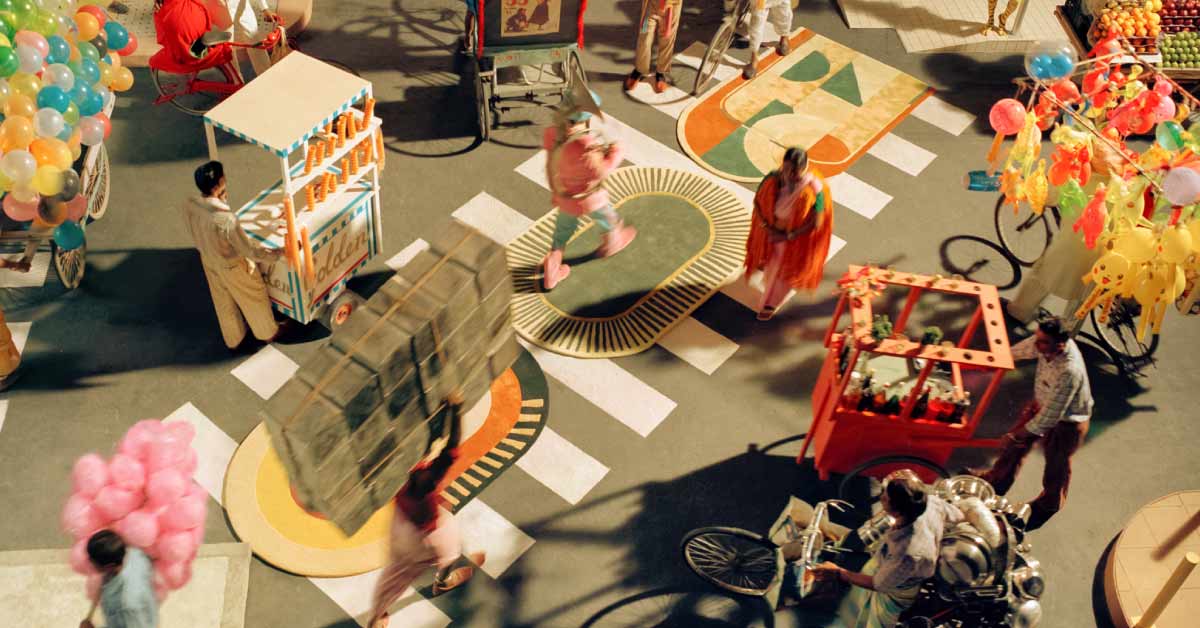
Tokyo Chowk brings these narratives to life. Rather than merely appreciating two cities from afar, the collection shines a light on the daily lives that imbue them with significance-the vendor who remembers every familiar face, the artisan whose hands carry centuries of tradition, the playful child who turns an ordinary street into a world of imagination, and the countless objects that weave themselves into a city’s memories without ever seeking acknowledgement.
Because cities are not defined solely by their skylines and landmarks. They are shaped daily by the people who live within them, the traditions they uphold, and the simple moments that gradually morph into collective memories. Tokyo Chowk invites you to embrace those stories, intertwined not just with craftsmanship but with the enduring spirit of the individuals who inspire them.