



Tokyo Chowk: A Tale of Two Streets
Exploring Tokyo
Every city has that main road you see in guidebooks. But if you truly want to get to know a place, you have to leave the busy boulevard behind.
It's time to venture into the side streets.
That's where a city sheds its performance and truly comes to life.
Long before Tokyo earned its title as a global hub for technology and design, it was known as Edo-a vibrant merchant city where commerce was woven into the daily rhythm of life. Even now, you can find this history alive in its shotengai-traditional shopping streets that remain at the heart of community life. Walk through Yanaka Ginza, Kagurazaka, or the lantern-lit lanes of Omoide Yokocho, and a different side of Tokyo unfolds. Here, cozy little restaurants nestle beneath railway tracks, family-operated knife shops stand alongside century-old tea merchants, and handwritten signs blend seamlessly with modern storefronts. Indigo noren curtains flutter at the entrances of tiny eateries, bicycles lean against charming wooden facades, and paper lanterns emit a soft glow over streets that seem untouched by time.
What makes Tokyo truly special is not just its constant reinvention, but its unwavering respect for what’s worth preserving. The city’s famed precision isn’t only evident in its railway networks or architectural wonders-it flourishes in the simple, calming rituals that happen every morning. Shopkeepers sweep the sidewalks before opening time. Florists carefully trim their stems. Ramen chefs nurture a single broth they might perfect over decades. There’s an incredible respect for repetition, patience, and mastery here. Excellence isn’t measured in size, but in dedication.

Exploring Chandni Chowk
Thousands of kilometers away, another historic merchant city has been sharing a strikingly similar narrative for centuries.
When Mughal emperor Shah Jahan founded Shahjahanabad in the seventeenth century, his daughter Jahanara Begum envisioned a spectacular ceremonial boulevard like no other. A canal flowed through its heart, reflecting the moonlight so beautifully that the market was dubbed Chandni Chowk-the Moonlit Square. Flanked by gardens, caravanserais, and nearly sixteen hundred shops, it quickly became the cultural and commercial heartbeat of the empire.
While the canal may have vanished, the spirit of Chandni Chowk remains vivid and intact.
Stroll through its bustling lanes today, and you’ll discover that Chandni Chowk is not just a single market-it’s many. Khari Baoli fills the air with delightful scents of cardamom, cinnamon, and dried chilies, continuing a spice trade that has thrived for ages. Dariba Kalan still sparkles with silver, preserving the craftsmanship that once served the Mughal court. Kinari Bazaar is overflowing with zari borders, tassels, and embroidered trims destined for celebrations all over the country. Chawri Bazaar resonates with the sounds of paper merchants and brass traders, while Nai Sarak is lined with booksellers. Each lane has its own purpose, and every storefront carries stories passed down through generations.
For someone visiting for the first time, Chandni Chowk can feel overwhelming. But stay a little while longer, and a different pattern emerges. Beneath the hustle and bustle, there is an astonishing order. The spice vendor knows exactly where each sack belongs, the flower seller instinctively grabs marigolds before roses for the festive season. Trades and communities have thrived here for generations, crafting a rhythm that is felt rather than explained.
A culmination of culture
Standing in these two cities-distant from each other yet connected by tradition-we couldn’t help but return to the same thought.
Neither Tokyo nor Chandni Chowk is fully defined by its landmarks.
They are shaped by the people who open their shutters at dawn.
And that's where Tokyo Chowk began.
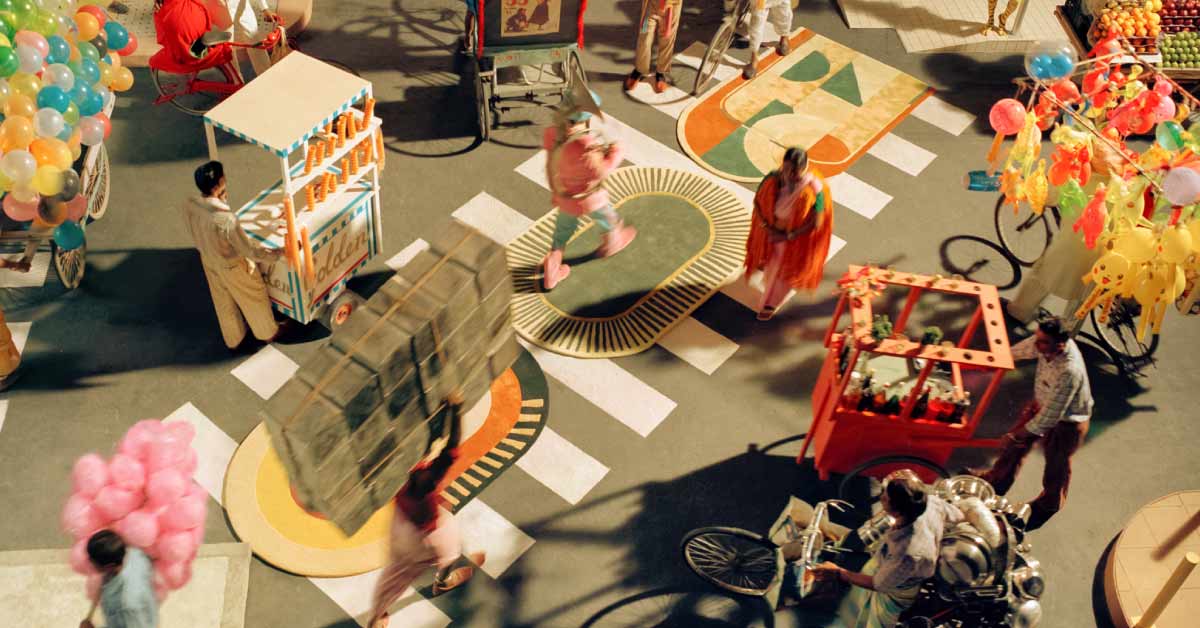
From the start, we knew we didn’t want to create a collection that merely juxtaposed Japanese and Indian motifs. These cities deserved more thoughtful representation than just visual quotes. Instead, we aimed to convey how they made us feel-the rhythm of wandering through their streets, the warmth of local neighborhoods, and the beauty of finding amazing stories in everyday moments.
As with every Obeetee collection, we began by observing rather than illustrating.
Tokyo introduced a visual language of structure-repetitive window grids, layered signboards, paper lanterns hanging at measured distances, railway tracks making intentional paths through neighborhoods, tiled exteriors, and purposefully designed streetscapes all exuded a quiet sense of order. Chandni Chowk, in contrast, spoke an entirely different language. Here, beauty revealed itself through abundance-piles of embroidered textiles spilling from shops, stacks of spice sacks forming sculptural displays, weathered signboards painted over many seasons, garlands of marigolds draping above narrow lanes, and cycle rickshaws gliding through the throngs. Each corner surprised with new textures, colors, and delightful compositions.
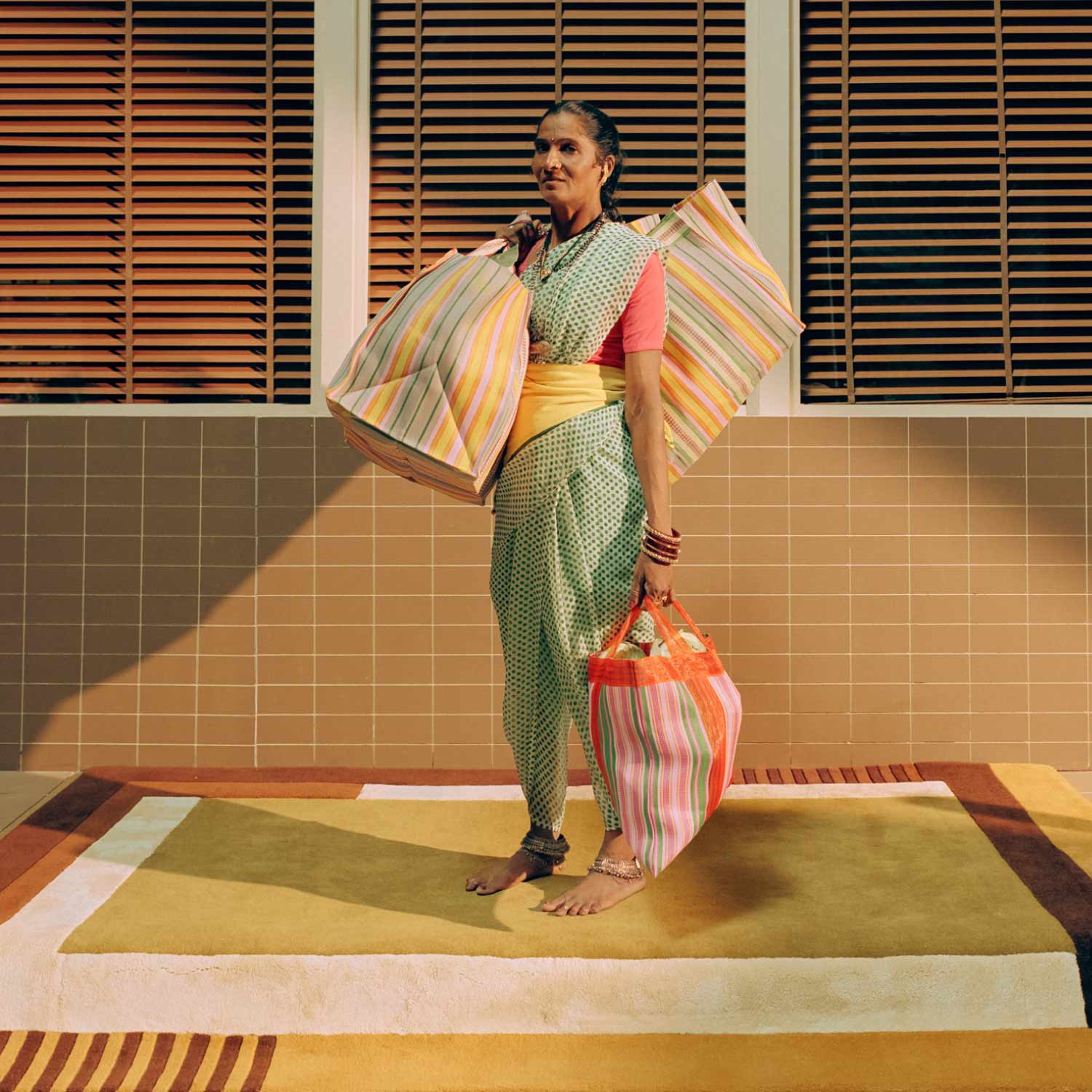
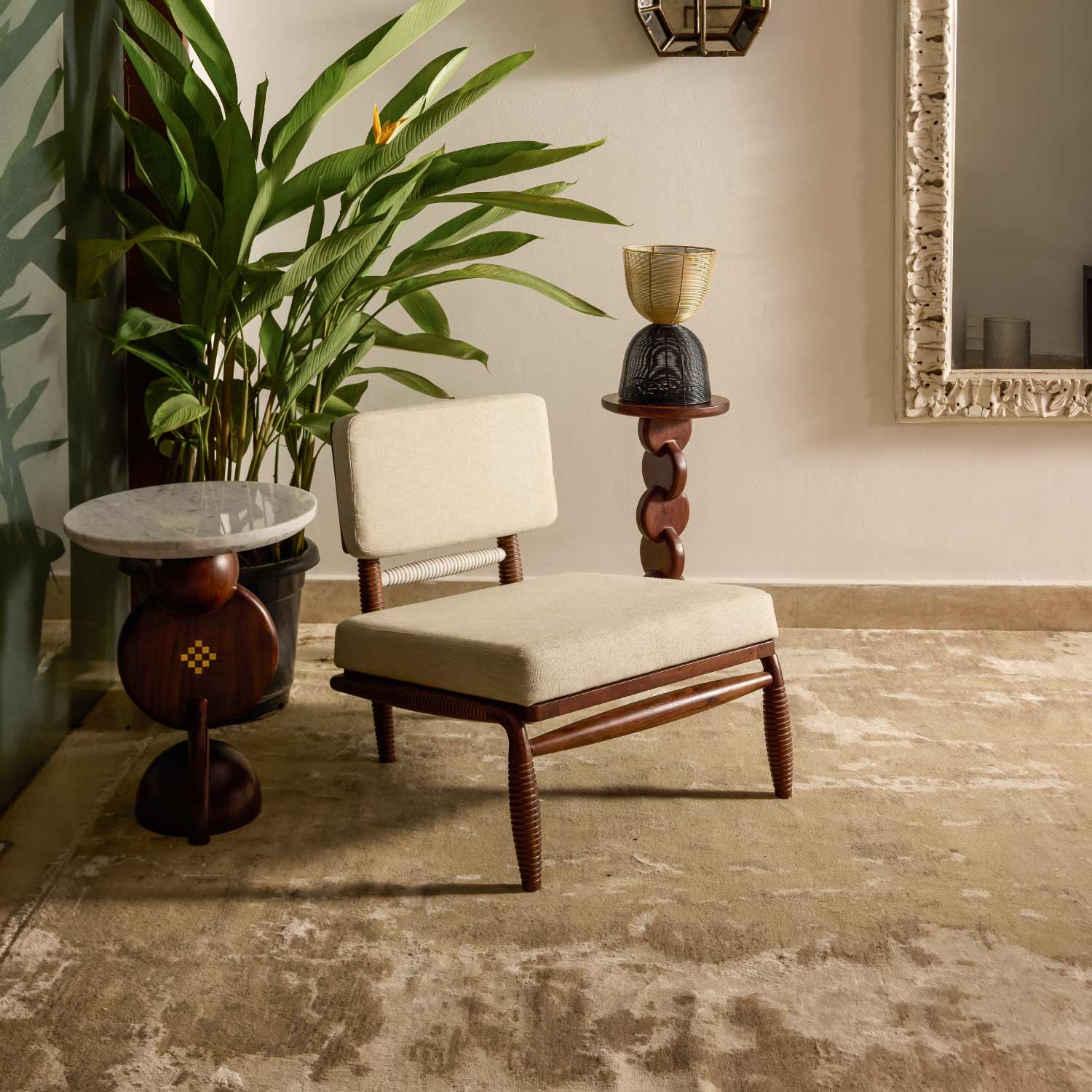
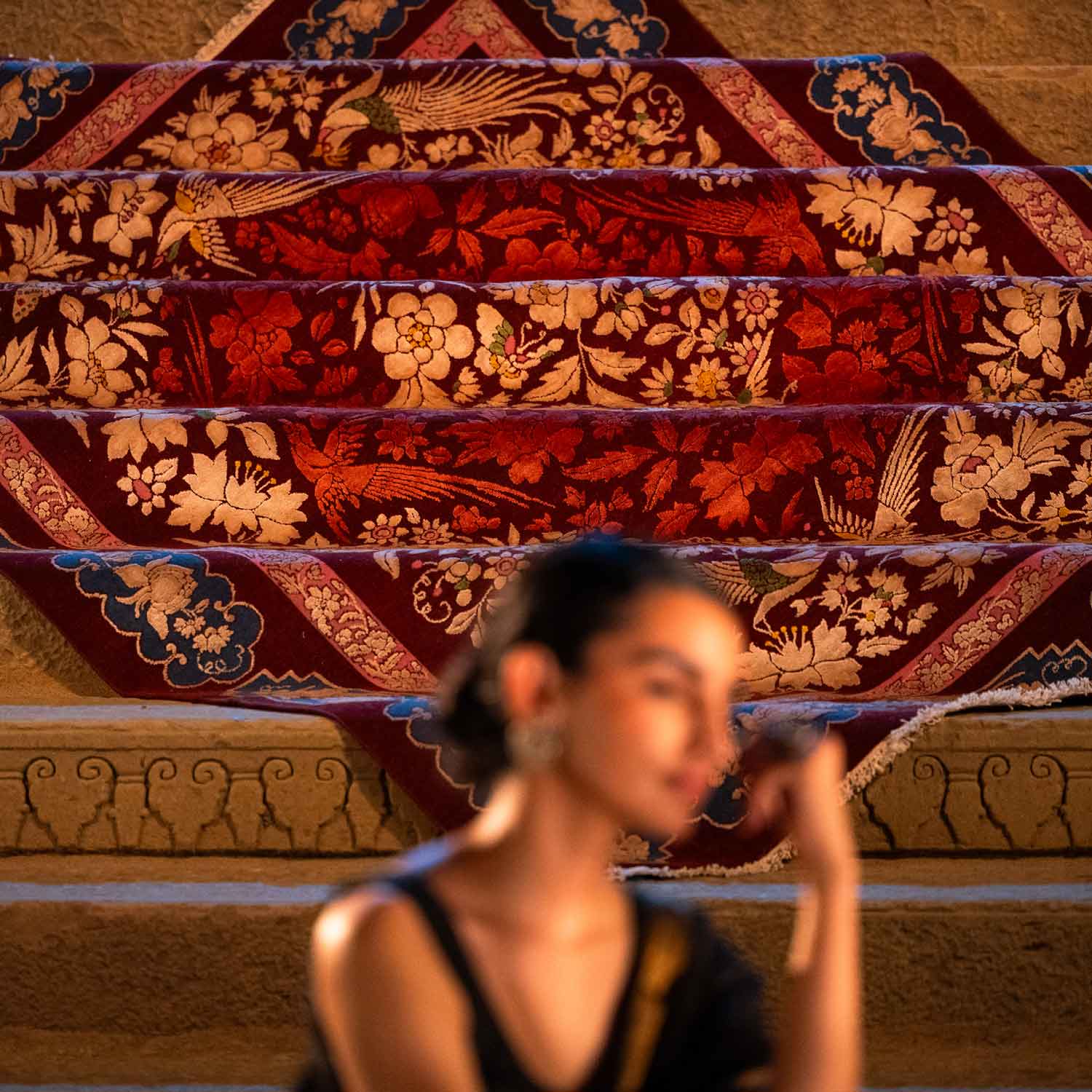
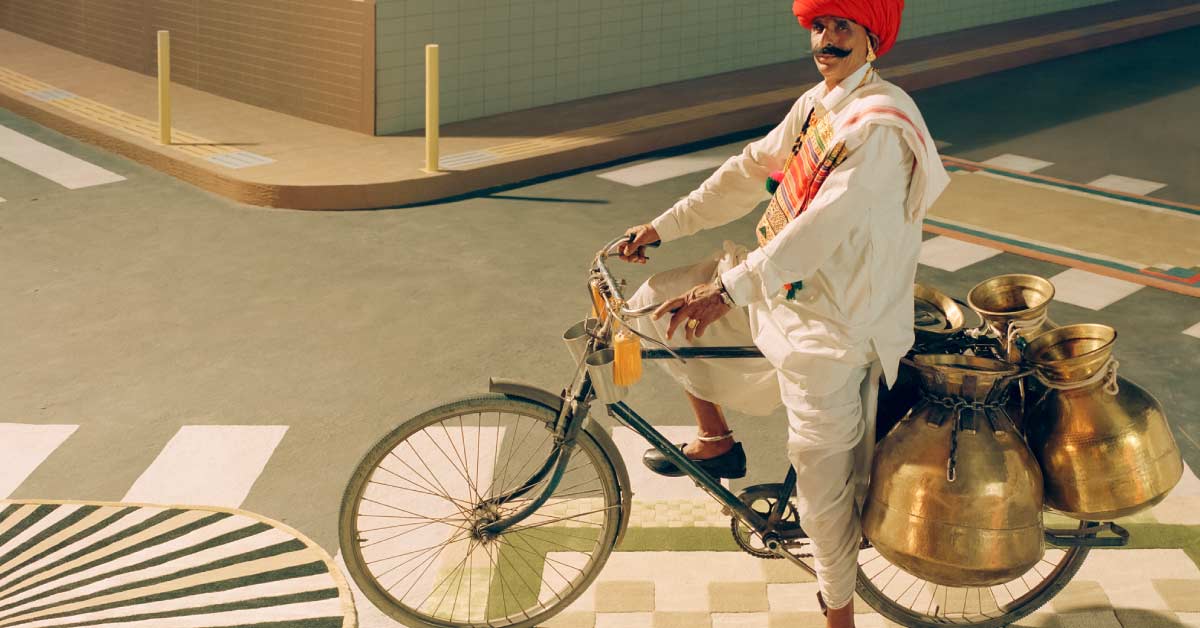
These observations gradually made their way into the collection-not as literal representations but as design principles. The sharp geometry inspired by Tokyo softened underneath layered designs drawn from Old Delhi. Sturdy layouts were punctuated by moments of movement and surprise, much like turning into another lane and uncovering an entirely different world. Graphic forms echoed the visual rhythm of Japanese streets, while intricate details reflected the richness of Chandni Chowk’s bustling bazaars.
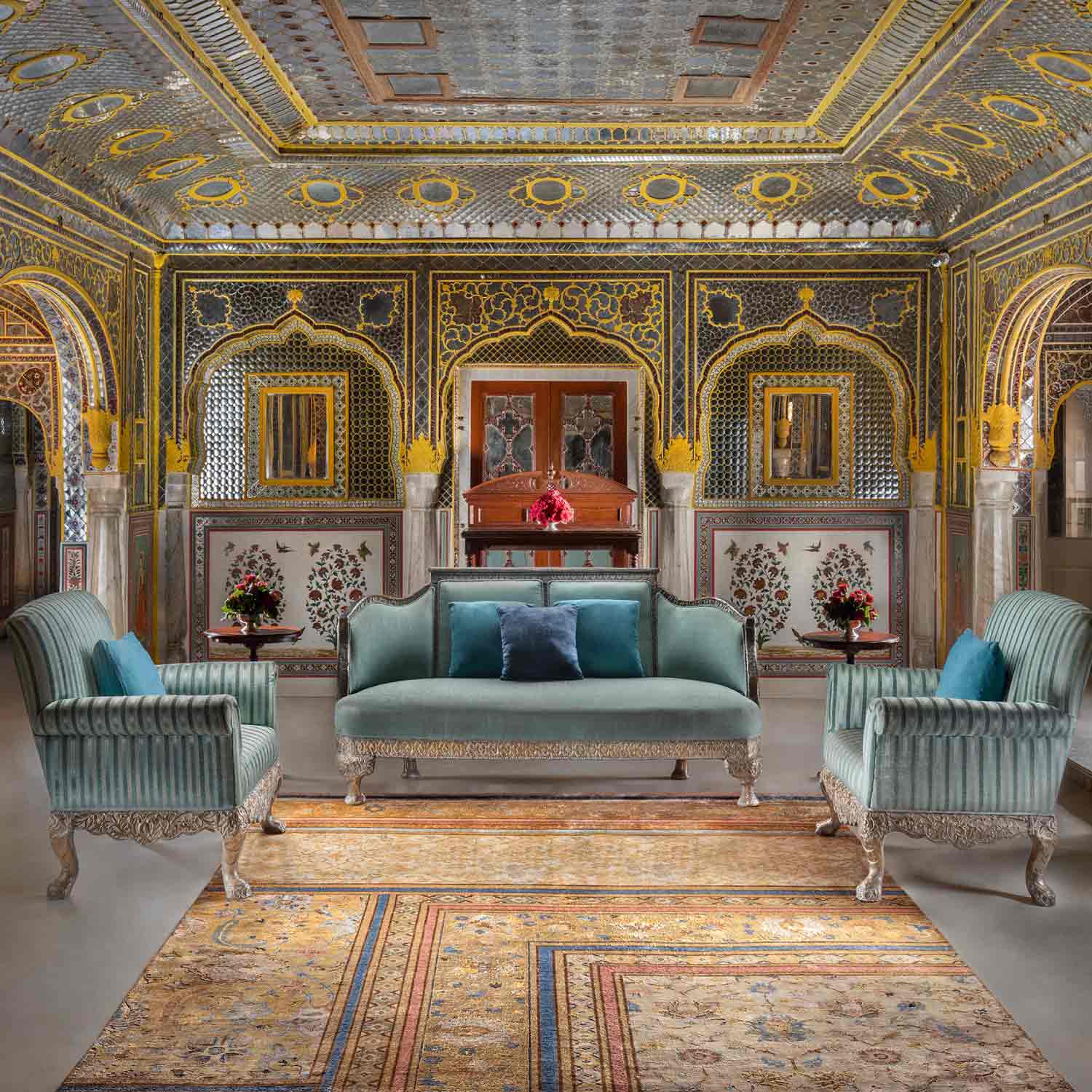
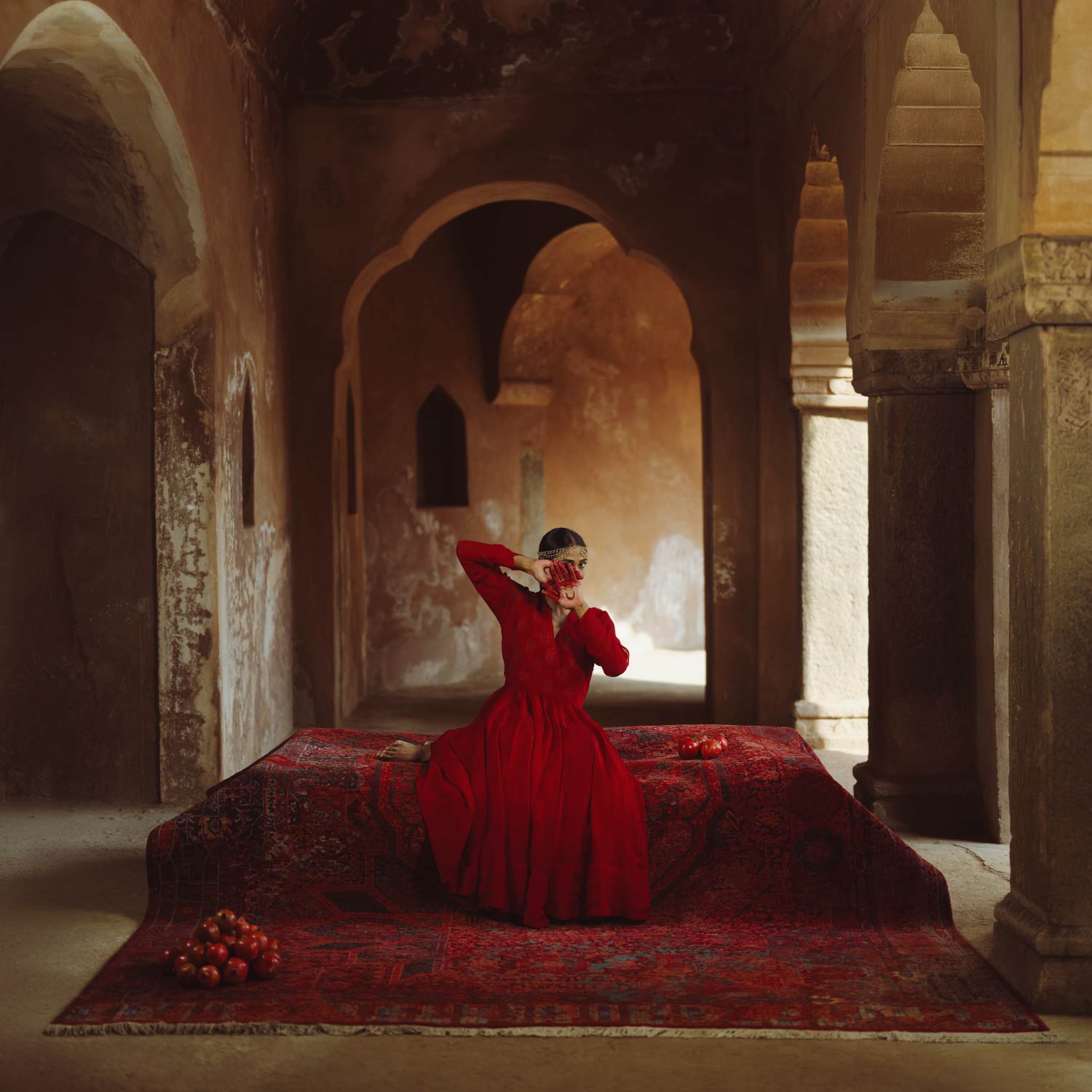
Color became another bridge linking the two cities. Tokyo’s palette extended beyond its famous neon lights. We drew inspiration from the deep indigo of noren curtains, the vermilion of shrine gates hidden among modern buildings, the warm glow of paper lanterns after sunset, and the cool reflections of illuminated signs on rain-soaked streets. Chandni Chowk answered with colors that seemed to rise right from the marketplace-the crimson of Kashmiri chilies at Khari Baoli, the golden warmth of turmeric, the earthy terracotta walls, gleaming brass, lively marigolds, and aged shades that only centuries of history can bring. Together, these colors formed a dialogue rather than a stark contrast.
Yet beyond colors or motifs, it was the people who sparked the inspiration for the collection. The bookseller wrapping purchases with care, the silver craftsman polishing each detail until it shines, the florist arranging blooms before dawn, the ramen chef getting ready for the evening meal hours in advance, the wedding band musician patiently awaiting the next procession, and the spice merchant who can discern quality by scent alone. Across both Tokyo and Chandni Chowk, while we encountered different trades, a single philosophy intertwined: true craftsmanship is judged not by speed but by genuine care.
As hand-knot rug makers, this principle resonated deeply with us.
Every Obeetee rug is crafted knot by knot, patiently and deliberately, much like how these cities have evolved-one shop, one artisan, one generation at a time.
Tokyo Chowk isn’t just a point on a map where two destinations meet. It’s a convergence of two ways of honoring culture through daily life. It’s a tribute to neighborhoods that refuse to lose their essence, to artisans who maintain their traditional skills, and to streets that remind us that the heart of a city isn’t found in its monuments. It’s found in the people who keep its stories alive.
And that's the tale we set out to weave-one that begins in the serene alleyways of Tokyo, winds through the vibrant lanes of Chandni Chowk, and finds its place, knot by knot, in the Tokyo Chowk collection.