



The Craft Villages Behind Handmade Rugs
A handmade rug often has a rich journey before it finds its way into a home, a showroom, or an interior space. It goes through many hands and travels through regions where carpet-making has been a cherished craft for generations.
In India, rug-making has developed through regional clusters, with each area fostering its own materials, techniques, and unique styles. One notable region is the Bhadohi–Mirzapur belt in Uttar Pradesh, where carpet weaving is a communal activity spreading across towns and villages, enriched by artisans who have honed their skills over generations. Bhadohi carpets earned a Geographical Indication tag in 2010, showcasing the distinctive craft tradition linked to this region and its surroundings.
To truly appreciate a handmade rug, it’s essential to understand the vibrant world behind it.

Where the Loom Is Part of the Landscape
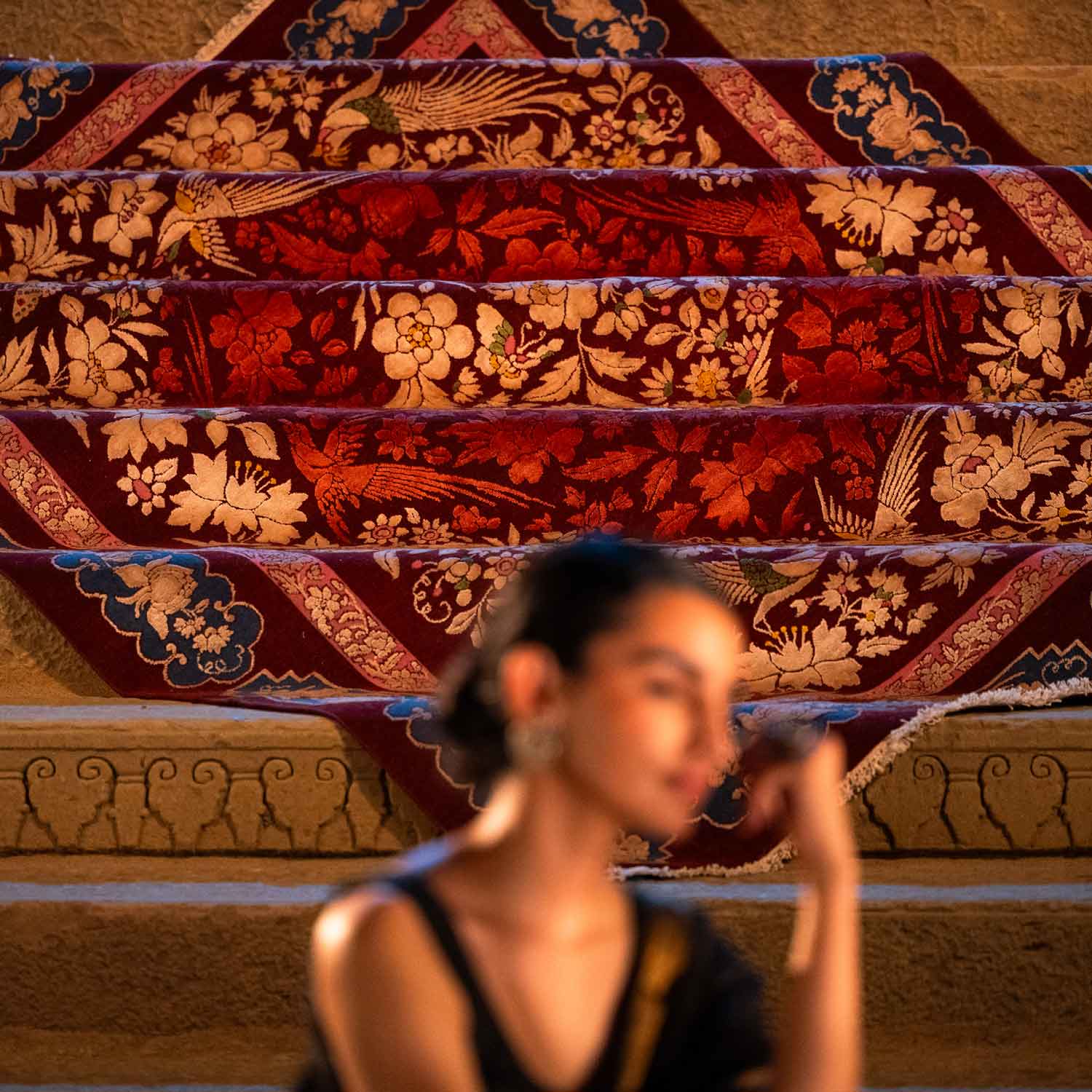
The history of carpet weaving in Bhadohi is often traced back to the Mughal era, when Persian carpet-making traditions were introduced to India, evolving into something uniquely local. Over the years, techniques moved beyond royal workshops and became integral to local communities, where weaving knowledge was nurtured and passed down through generations. This resulted in a craft culture that is not just an adaptation of another tradition but a unique expression shaped by local hands, materials, and practices.
This underscores the significance of craft villages. They are not just places where rugs are produced; they are communities where the artisan skills necessary for rug-making are an intrinsic part of life.
The loom might stand in a courtyard, with knowledge being passed down from one generation to the next. A specific technique for tying knots, interpreting designs, or managing tension can be woven into the fabric of family and community wisdom. Much of this knowledge is practical and experiential, learned through years of practice and observation.
The journey of creating a rug begins here, in a method that is slower and more collaborative than the finished product suggests.
Knowledge Held in the Hand
Though a handmade rug is often defined by its materials, construction, or knot count, these aspects tell only part of the story. The real distinction lies in the craftsperson’s judgment.
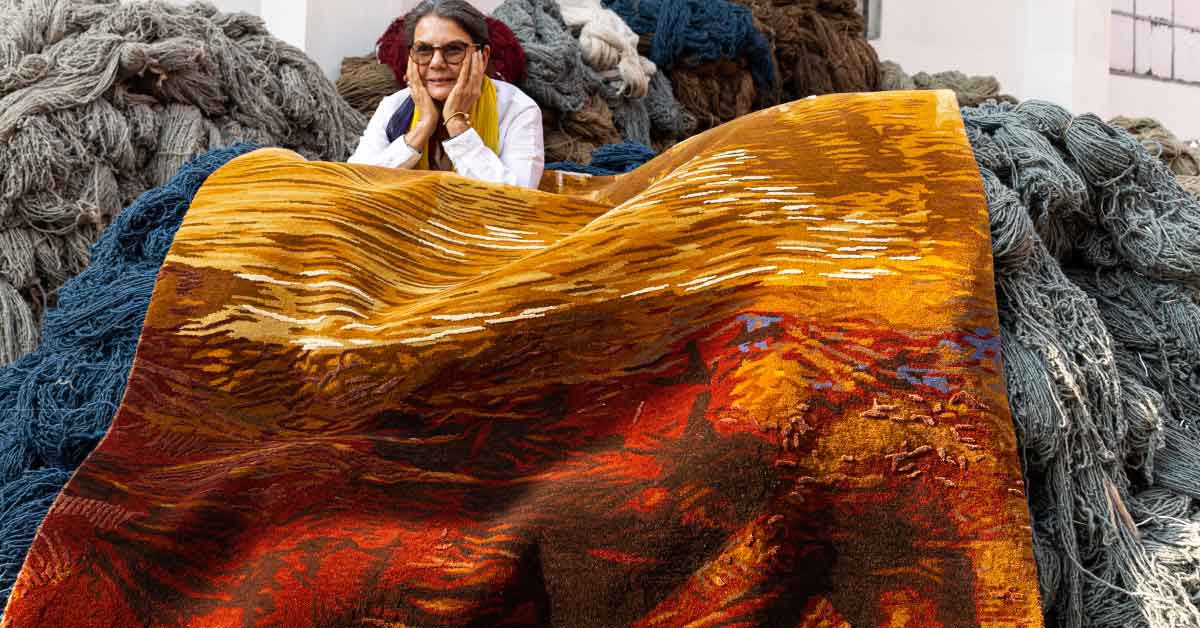
An experienced artisan knows exactly how tight a knot should be, how the yarn will react, and how to adapt a design as it emerges on the loom. In hand-knotting, the image doesn’t manifest all at once; it’s built gradually, knot by knot and row by row, sometimes taking weeks or even longer for more detailed designs.
This is why the skills of craftsmanship are so closely tied to the artisans themselves. While looms can be rebuilt and materials sourced anew, true skill takes years to cultivate. It resides in the relationship between the eye and the hand, guided by experience and instinct.
India’s handmade carpet industry holds a significant place on the global stage, accounting for about 40 percent of worldwide handmade carpet exports, with a substantial portion produced for international markets. Behind these statistics lies a labor-intensive ecosystem supported by artisans in major weaving areas.
However, the value of these communities extends beyond their contribution to export figures. They uphold a method of creation that resists full standardization; the human touch is evident in the process, even when the final rug appears impeccably crafted.
A Craft That Lives Because It Changes
Tradition is often viewed as something that should remain unchanged. In truth, a vibrant craft seldom survives that way.
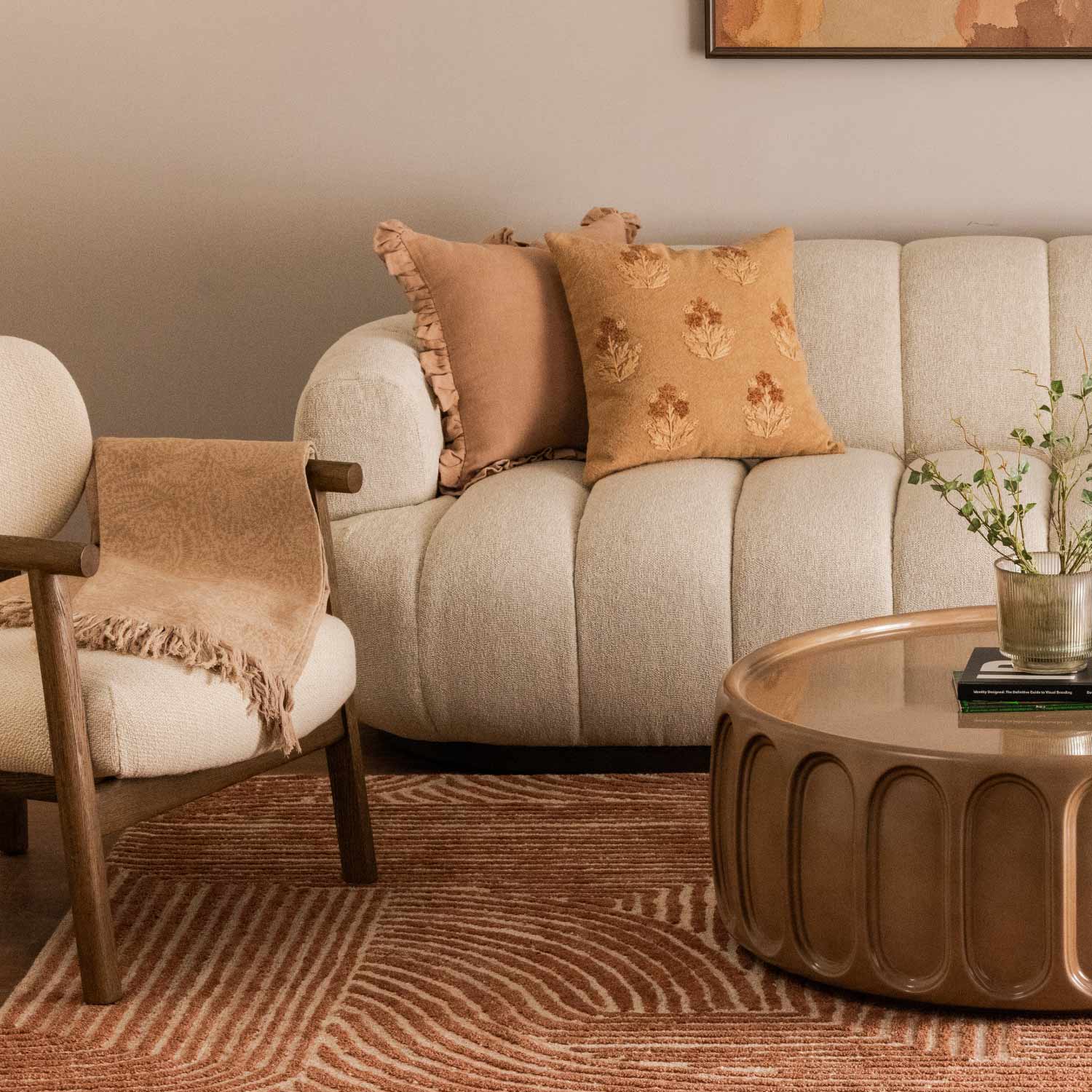
The carpet-weaving communities in India have thrived because they have adapted their skills to the ever-changing times. Designs have transformed, materials and color palettes have diversified, and artisans once focused on traditional patterns now explore contemporary designs and collaborations, creating pieces suited for modern homes that differ greatly from those for which the carpets were originally crafted.
While the techniques are steeped in history, the resulting objects can be very much of the present.
This dynamic of continuity and change makes craft villages so intriguing. Knowledge is handed down through generations, yet every new generation operates in a different context. For the craft to stay vibrant, it must not only create livelihoods but also respond to fresh ideas and provide artisans with reasons to stay connected to their craft.
In this light, preservation isn’t merely about safeguarding an old method; it’s about maintaining the conditions that allow that method to thrive into the future.
From the Village to the World
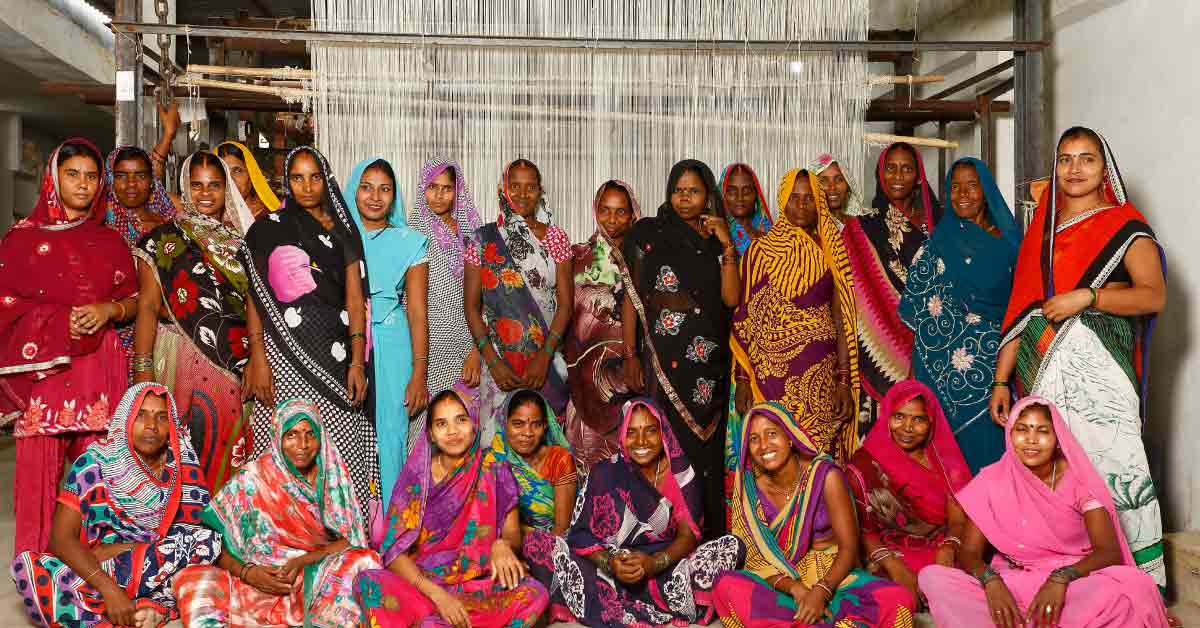
Obeetee, deeply rooted in the carpet-making region of Mirzapur, has nurtured its relationship with weaving communities for over a century. The company boasts a network that has employed more than 20,000 skilled weavers, including those from fifth and sixth generations, usually enabling many to work from their own looms or homes while remaining connected to rural life.
This relationship integrates the brand into a much larger ecosystem. A handmade rug may journey across continents and find its way into a contemporary space, but its creation is forever linked to a specific body of knowledge and to the communities that uphold it.
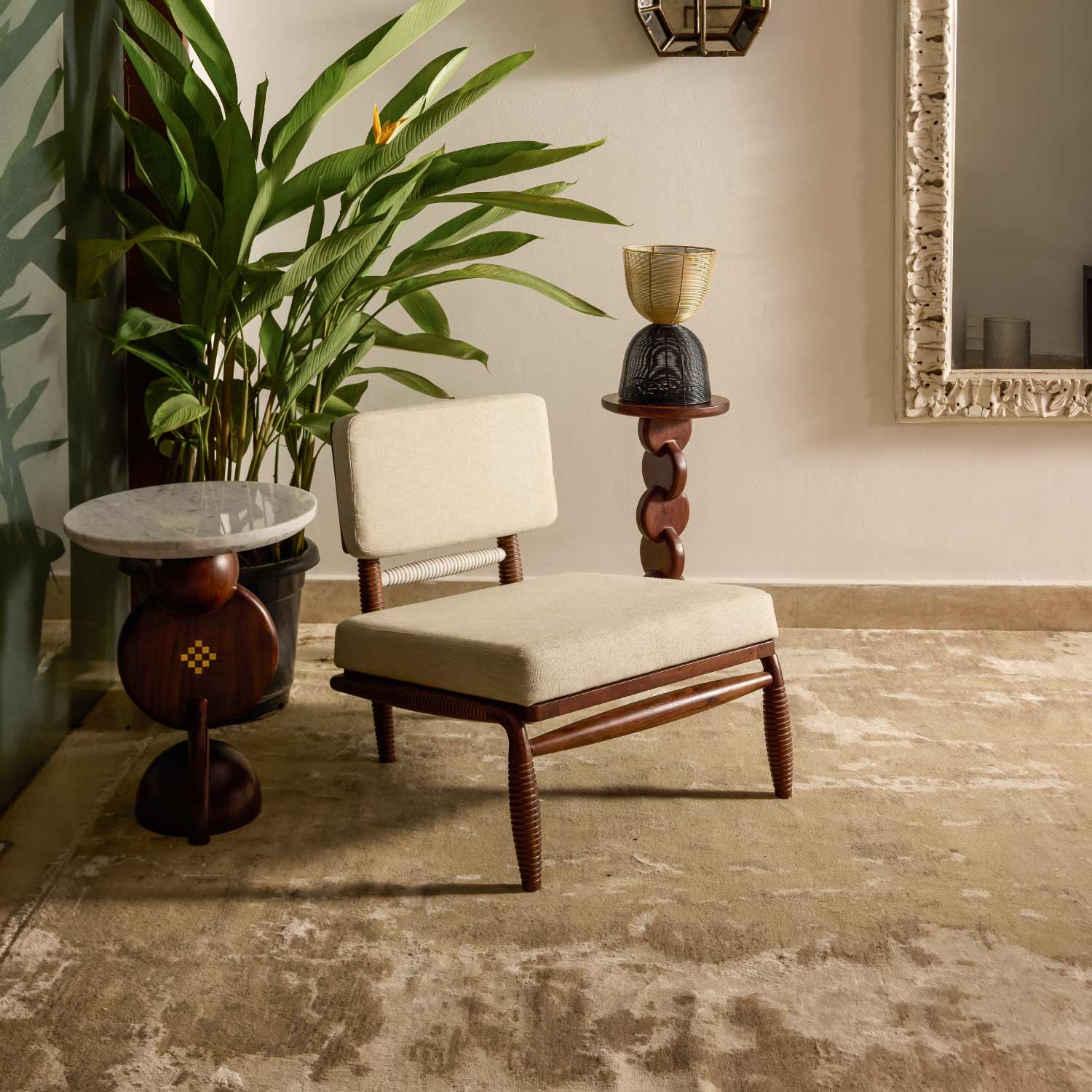
Thus, the role of a modern rug house extends beyond simply bringing craft to market. It’s also about forming a meaningful connection between inherited expertise and contemporary design, between the village loom and the modern home.
This interplay happens in both directions. Designers contribute new ideas, scales, and visual languages to the loom, while artisans impart an invaluable insight into turning concepts into tangible materials. The final rug materializes somewhere in this convergence.
The Village Behind the Rug
Perhaps the most invaluable aspect that a handmade rug carries is something not immediately visible.
While we can see the patterns, colors, and textures, behind them lies a vast chain of human knowledge: the hands that spun the yarn, the artisans at the loom, the expertise needed to interpret a design, and the multitude of choices made before the rug is complete.
This is why craft villages are so important. They aren’t just production sites or echoes of a fading past; they are vibrant repositories of skill, memory, and labor, where traditions persist not because they remain unaltered but because people actively engage with them.
Every handmade rug that departs from such a community carries a piece of that continuity along with it.
Even after it leaves the loom, the essence of the village remains woven into the fabric of the rug.