



For the One Who Made a House Feel Like Home
When we are kids, we see our mothers as all-knowing figures. We believe they have a clear plan for life. To a child, a mother seems like an unstoppable force, full of answers, comfort, and wisdom. It's hard to see them as anything other than perfect. They shine like stars in our chaotic little worlds.
But as we grow up, our perspective changes. We step into the same shoes they once wore, facing the same overwhelming uncertainties of life, love, and survival. In this humbling transition, a beautiful realisation hits us: our mothers were just like us. They were young women too, maybe a little lost and scared, trying to make sense of the world one day at a time.
They didn’t always have it all figured out. Behind the closed doors of our childhood, they experienced moments of exhaustion, silent tears, and doubts that they kept hidden from us. They carried the weight of the world on shoulders just as fragile as ours. Yet, even when they felt they were falling apart, they managed to hold it together for us. They created a sanctuary through sheer will. Their strength came not from perfection, but from their persistent, exhausting, and beautiful resilience. We finally see them as real people who loved us enough to pretend they had a plan while navigating blindly. We recognise the sacrifices built into their daily routines. Understanding that our mothers are flawed and vulnerable doesn’t diminish the magic; instead, it reveals a deep, enduring love.

The Architecture of Comfort
This profound love is the hidden force that turns a house into a home. A home isn’t just about walls or architectural plans. It’s shaped by the gentle presence of a mother. It's the sound of her footsteps in the early morning, the clink of a spoon stirring tea, and the way the evening light filters through the curtains just right.
For years, we move through these spaces without noticing the comfort. We take for granted the warmth that greets us at the door, the familiar smell of laundry, and the gentle hum of care that surrounds us. These unnoticed details define a living space. A mother doesn’t just decorate a house; she brings it to life. She creates a sense of safety so strong that we relax the moment we step inside.
Woven Memories and Rhythms
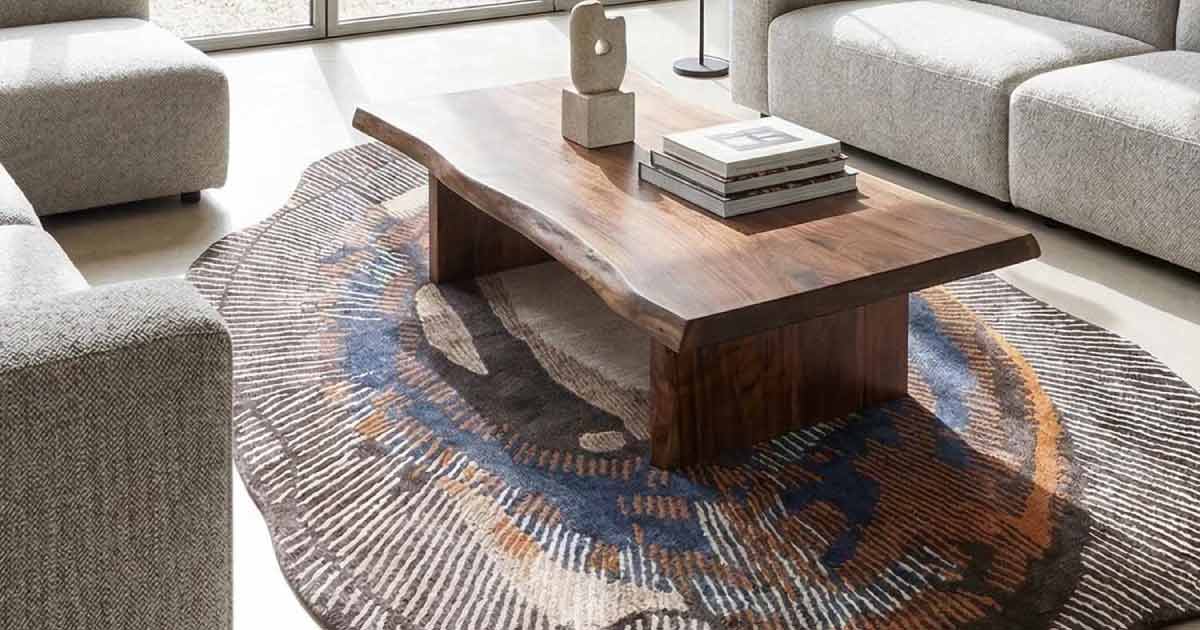
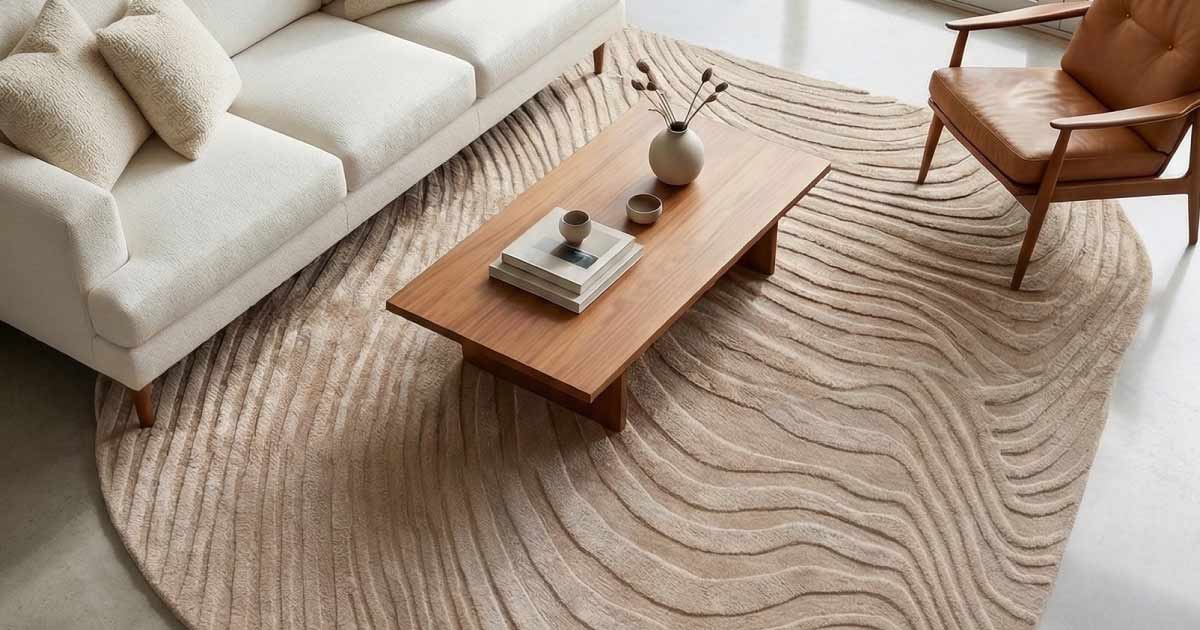
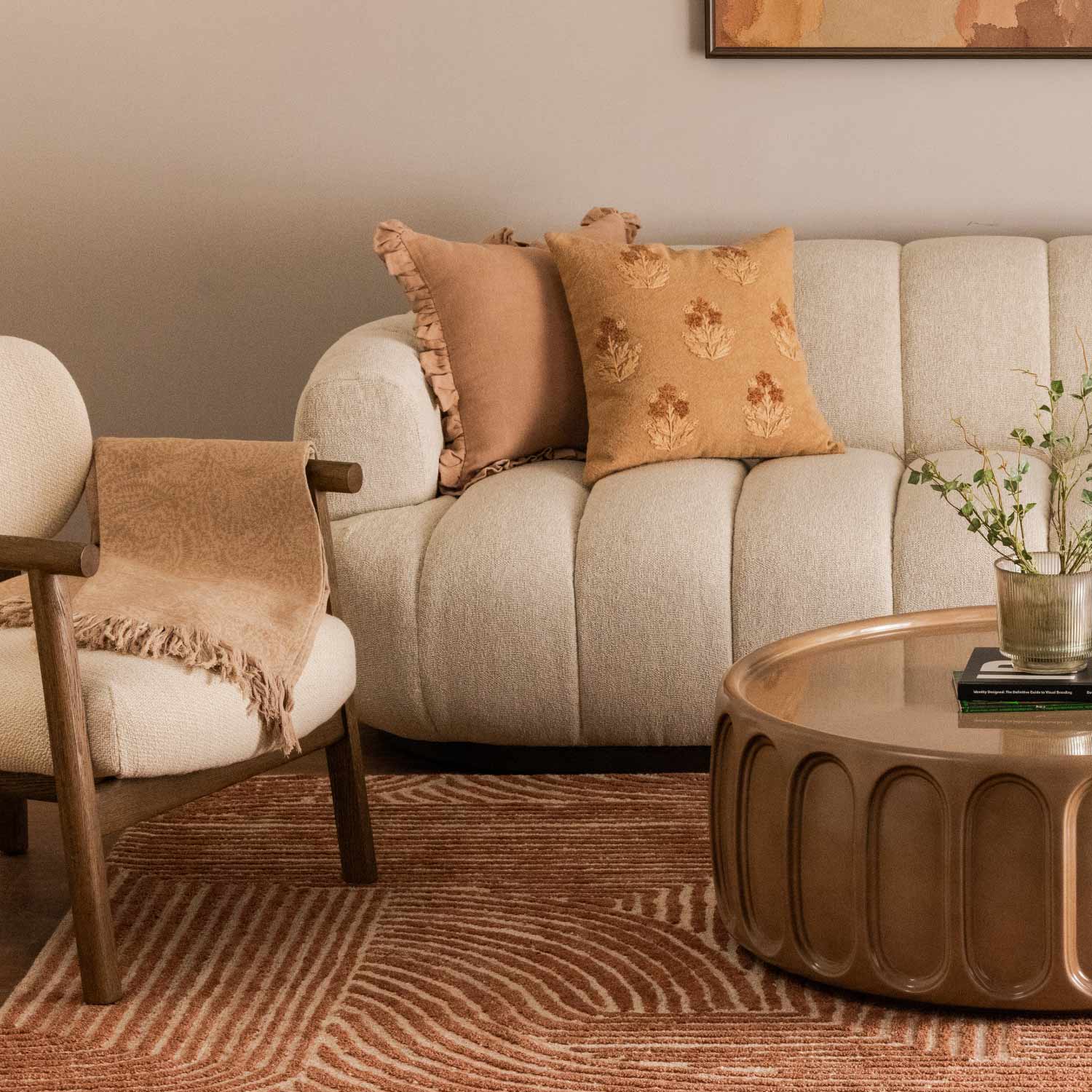
This care extends seamlessly into the very fabric of our surroundings. Take up the carpets below our feet. A rug in a mother’s home is never just a decoration; it bears witness to our lives. It’s the soft, textured ground where we crawled as babies, built forts as kids, and shared secrets as teenagers. It holds warmth and laughter, anchored by her intent to keep us cozy.
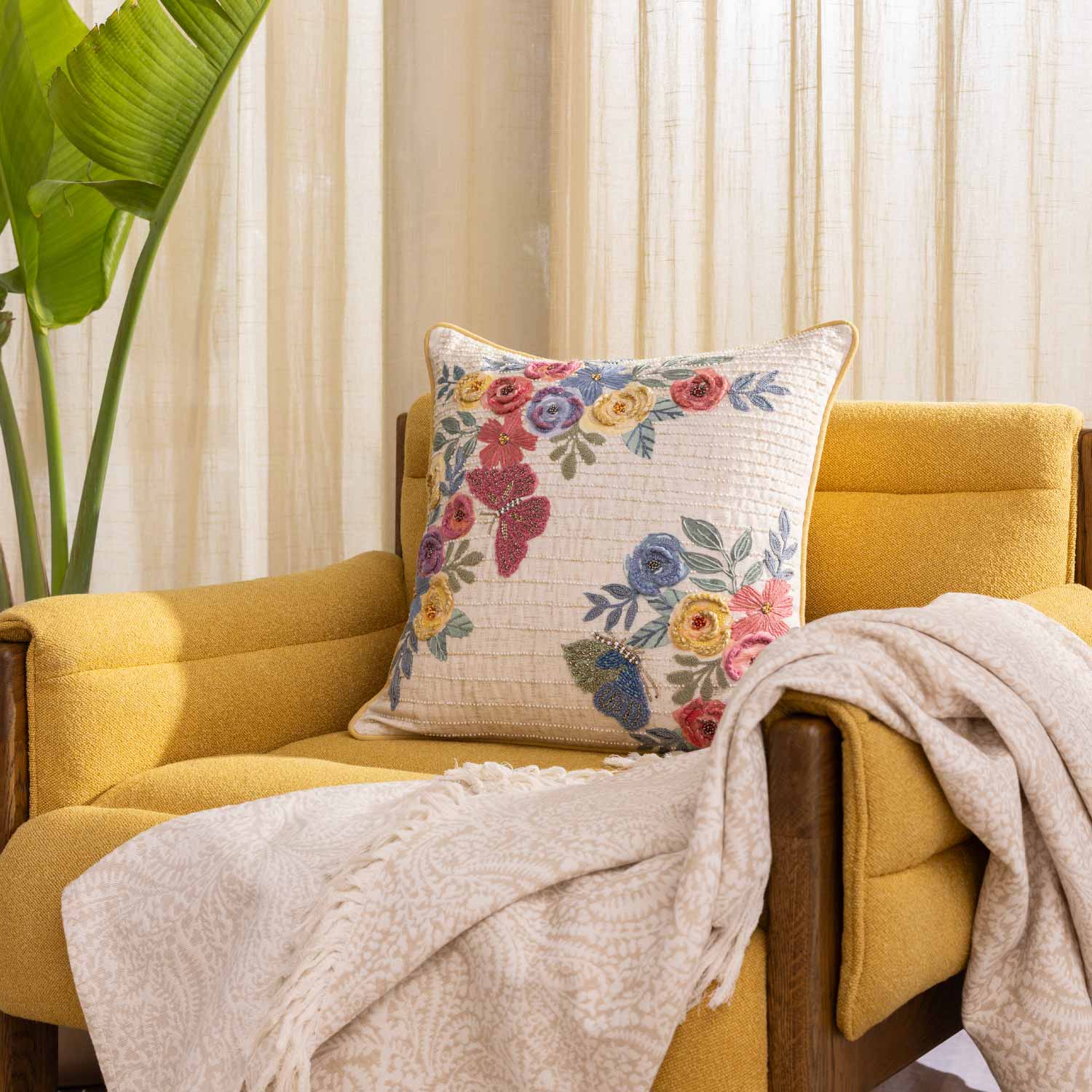
The furniture and bedding are also symbols of her ongoing care. The armchair in the corner isn't just wood and fabric; it’s where she waited for us in the dark. The heavy winter quilts she smoothed out each morning were more than just textiles; they offered layers of protection against the cold outside. Every object ties back to her daily rhythm, becoming a vessel of her love.
The Beautiful Patina of Time
As time goes on, a home naturally ages. The edges of the wooden tables become softer from years of touch. The bright colours of our beloved carpets fade, their threads thinning in the paths we've walked countless times. The cushions lose their showroom stiffness, moulding to our familiar shapes.
But this ageing doesn’t lessen the home; it makes it more beautiful. The wear and tear shows a life fully lived, a space deeply cherished. In this fading beauty, we see our mothers most clearly. Just as a house becomes more beautiful over time, so does she. The silver in her hair and the lines around her smiling eyes mark a life spent holding the world together for us. The patina of age turns a simple house into a priceless haven, just as the years reveal our mothers as the ultimate, beautiful masterpiece in our lives.